Category: Regional

  • Viacom18 completes merger of Prism TV

    Viacom18 completes merger of Prism TV

    Mumbai: Viacom18 has completed merger of Prism TV Private Limited, thereby integrating five regional channels – Colors Kannada, Colors Marathi, Colors Bangla, Colors Odiya and Colors Gujarati within its fold.

    Commenting on the merger, Viacom18 CEO Sudhanshu Vats said, “The regional entertainment broadcast pie commands ~30% viewership in the Indian broadcast space and as consumer preferences are moving towards segmented regional content, this share is only going to grow. This merger allows us to create a single brand that can leverage the individual strengths of the regional channels and harness synergies in terms of content strategy and business processes, helping us amplify long term value for Viacom18. I am particularly pleased that this process has been completed at an opportune time when we are gearing up to celebrate our 10th anniversary, in 2017, with a bigger and unified Team Viacom18.”

    With this merger, not only the regional brands but also the Prism TV workforce will become part of Viacom18 and be assimilated seamlessly into its cultural ethos.

    Viacom18 had recently launched Colors Super, its second Kannada GEC, further strengthening its share in the Kannada market which it already dominates with Colors Kannada. With this merger, the network seems poised to significantly dial up its regional play at a time when the regional GEC genre is fast emerging as the next ‘big thing’ in the Indian broadcast sector.

  • Q1-17: Sun TV revenue up 10.4 percent, PAT up 19 percent

    Q1-17: Sun TV revenue up 10.4 percent, PAT up 19 percent

    MUMBAI: Sun TV Network Limited (Sun TV) reported 10.4 per cent growth in Total Income from Operations (TIO) and 19 percent growth in profit after tax (PAT) for the quarter ended 30 June 2016 (Q1-17, current quarter) as compared to the corresponding year ago quarter. 

    TIO in Q1-17 was Rs 760.83 crore as compared to Rs 689.45 crore in Q1-16. The company’s PAT in the current quarter was Rs 233.06 crore (30.6 percent PAT margin) in Q1-17 and was Rs 195.82 crore (28.4 percent PAT margin) in the corresponding quarter of the previous year.

    The company claims that its year-over-year (y-o-y) subscription revenue has gone up by approximately 22 percent in the current quarter to Rs 232.13 crore and its DTH subscription revenue has grown by 16 percent y-o-y.

    Sun TV EBIDTA in the current quarter was Rs 436.43 crore (57.4 percent EBIDTA margin) 7.2 percent higher as compared to Rs 406.93 crore (59 percent EBIDTA margin) in Q1-16.

    Total Expenditure (TE) in the current quarter increased 3 percent to Rs 425.17 crore (55.9 percent of TIO) as compared to Rs 412.69 crore (59 percent of TIO) in the corresponding quarter of the previous year.

    Employee Benefits Expense (EBE) in Q1-17 increased 10.6 percent to Rs 60.30 crore (7.9 percent of TIO) as compared to Rs 56.92 crore (10 percent of TIO) in Q1-16.

    Other expenses (OE) in the Q1-17 was 39.8 percent higher at Rs 128.96 crore (16/9 percent of TIO) as compared to Rs 92.22 crore (13.4 percent of TIO) in the corresponding quarter of the previous year.

    IPL Franchisee Sun Risers Hyderabad

    Sun TV has paid franchisee fees for its IPL team SunRisers Hyderabad (SRH) of Rs 85.48 crore in Q1-17 as compared to Rs 85.05 crore in the first quarter of FY-16.

    The company says that it’s IPL franchisee’s income in Q1-17of Rs 144.04 crore as compared to Rs 96.55 crore in Q1-16.  Sun Risers Hyderabad has incurred costs of Rs 175.84 crore in the current quarter as compared to Rs 153.16 crore in Q1-16.

    Note: The unit of currency in this report is the Indian rupee – Rs (also conventionally represented by INR). The Indian numbering system or the Vedic numbering system has been used to denote money values. The basic conversion to the international norm would be:

    (a) 100,00,000 = 100 lakh = 10,000,000 = 10 million = 1 crore.

    (b) 10,000 lakh = 100 crore = 1 arab = 1 billion.

  • Q1-17: Sun TV revenue up 10.4 percent, PAT up 19 percent

    Q1-17: Sun TV revenue up 10.4 percent, PAT up 19 percent

    MUMBAI: Sun TV Network Limited (Sun TV) reported 10.4 per cent growth in Total Income from Operations (TIO) and 19 percent growth in profit after tax (PAT) for the quarter ended 30 June 2016 (Q1-17, current quarter) as compared to the corresponding year ago quarter. 

    TIO in Q1-17 was Rs 760.83 crore as compared to Rs 689.45 crore in Q1-16. The company’s PAT in the current quarter was Rs 233.06 crore (30.6 percent PAT margin) in Q1-17 and was Rs 195.82 crore (28.4 percent PAT margin) in the corresponding quarter of the previous year.

    The company claims that its year-over-year (y-o-y) subscription revenue has gone up by approximately 22 percent in the current quarter to Rs 232.13 crore and its DTH subscription revenue has grown by 16 percent y-o-y.

    Sun TV EBIDTA in the current quarter was Rs 436.43 crore (57.4 percent EBIDTA margin) 7.2 percent higher as compared to Rs 406.93 crore (59 percent EBIDTA margin) in Q1-16.

    Total Expenditure (TE) in the current quarter increased 3 percent to Rs 425.17 crore (55.9 percent of TIO) as compared to Rs 412.69 crore (59 percent of TIO) in the corresponding quarter of the previous year.

    Employee Benefits Expense (EBE) in Q1-17 increased 10.6 percent to Rs 60.30 crore (7.9 percent of TIO) as compared to Rs 56.92 crore (10 percent of TIO) in Q1-16.

    Other expenses (OE) in the Q1-17 was 39.8 percent higher at Rs 128.96 crore (16/9 percent of TIO) as compared to Rs 92.22 crore (13.4 percent of TIO) in the corresponding quarter of the previous year.

    IPL Franchisee Sun Risers Hyderabad

    Sun TV has paid franchisee fees for its IPL team SunRisers Hyderabad (SRH) of Rs 85.48 crore in Q1-17 as compared to Rs 85.05 crore in the first quarter of FY-16.

    The company says that it’s IPL franchisee’s income in Q1-17of Rs 144.04 crore as compared to Rs 96.55 crore in Q1-16.  Sun Risers Hyderabad has incurred costs of Rs 175.84 crore in the current quarter as compared to Rs 153.16 crore in Q1-16.

    Note: The unit of currency in this report is the Indian rupee – Rs (also conventionally represented by INR). The Indian numbering system or the Vedic numbering system has been used to denote money values. The basic conversion to the international norm would be:

    (a) 100,00,000 = 100 lakh = 10,000,000 = 10 million = 1 crore.

    (b) 10,000 lakh = 100 crore = 1 arab = 1 billion.

  • What Onam heralds for Kerala’s TV channels

    What Onam heralds for Kerala’s TV channels

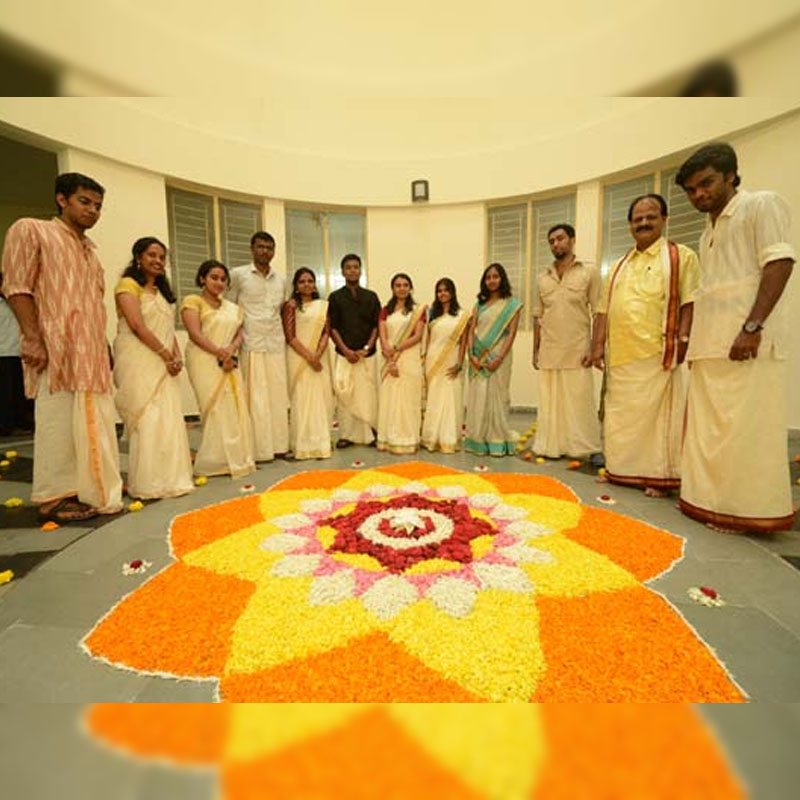
    When it is half a year for the rest of the world, the new year dawns in Kerala when the Malayalam calendar heralds the arrival of the month of Chingam. In agrarian Kerala, Chingam was the most vital month of the year for it was the harvest season with the promise of year long prosperity. Add a dollop of ancient history of a wronged, but redeemed king (Mahabali) who visits to check if his subjects are as prosperous today as when he last saw them, and Chingam has all the glamour of a superstar’s new movie.

    Kerala has long since been shorn of its glory agrarian days and having never tried its hand in industry, has now settled down to being a service economy bolstered by tourism and money from the Middle East (the (in) famous “Money Order economy”). Yet, for the average Keralite there are no spring- summer-winter season shopping nor end-of-season sales as tempting and as awaited as the Big Fat Onam Shopping !

    About four weeks leading to Onam and a couple of weeks afterwards, the consumer in Kerala watches as national brands and local biggies line up launching advertising blitzkriegs and never before offers . New launches, exchange offers, scratch-and-win schemes, BoGo offers, raffles, the works! The retail industry goes into an overdrive. And why not? White goods brands reach 40-45 per cent of their annual sales target for Kerala in the tiny three month (even lesser) window of opportunity that Onam offers. The buyer meanwhile, having deferred purchase to make a kill at the Big Fat Onam Sale, slowly loosens her purse strings. It is Win-Win all around.

    In 2015, Onam was on Friday 28 August. A study of TV consumption in the Top 10 Malayalam channels (Asianet, Asianet News, Asianet Movies, Asianet Plus, Surya, Kiran, Mazhavil Manorama, Flowers, Manorama News and Kairali) reveals many interesting insights into the melee that Onam is. In August 2015 (source: TAM), the jewellery category, which is anyway among the top consumers of TV ad space, hiked its presence by 56 per cent over July and promptly slashed it by 59 per cent in September.

    No surprise there, as auspicious Chingam is sandwiched between two inauspicious months, hence is a very busy wedding season. There can be no Onam without Onasadya (a grand meal), who would know it better than Instant Mix brands (payasams etc) that upped their TV presence more than two fold! Onam is as synonymous with Onakkodi (new clothes) as it is with the Onasadya. Textile retailers wishing to make hay while the Onam sun shone, hiked their TV presence by 120 per cent in August from July, and almost went incognito with an 84 per cent slash in September. The same trend was seen in the readymade clothes category as well.

    The category that has the highest stake in Onam, retail- durables/electronics ,was out there on a limb with close to fivefold (370 per cent) increase in TV presence ! Following Onam, there was almost total silence from this category. They were probably laughing all their way to the bank.

    Automobile manufacturers (cars/jeeps) and their compatriots – two wheeler makers increased TV presence by 44 per cent and 69 per cent respectively in the run up to Onam which they promptly slashed in September. Bright, sunny days of Chingam after the monsoons were a welcome reprieve to the paints category which hiked its presence by a whopping 80 times, and bucking the general trend, hiked it by another 25 per cent in September. On the other hand, the usual top three TV advertisers in Kerala -chocolates, toilet soaps and milk beverages- piped down during Onam month, reducing their TV presence by 18 per cent to 20 per cent.

    Leading brands earmark close to 25 per cent to 30 per cent of their annual ad budget for Kerala for the Onam season alone. For TV channels, this is the season to air film premieres, special events, programs with celebrities, all aimed at capturing eyeballs and at creating the right content to place the sudden surge in advertising. Total advertising duration (in the 10 Malayalam channels under study) shot up by about 35 per cent in Onam month compared to the previous month. Asianet and Mazhavil, the top two Malayalam GECs, garnered close to 45 per cent MORE advertising in August 2015 compared to the previous month.

    The viewers, in whose honor all the fuss is made, were very obliging on their part. Time spent analysis shows that on the days prior to Onam an average 40 minutes was spent on Asianet, which shot up to 57 minutes on the first Onam day and further to 65 minutes on Onam Day (day two of Onam a.k.a ThiruOnam is the actual Onam day). The same trend is visible across all Malayalam GECs. Mazhavil Manorama’s viewers, for instance, who used to spend an average 12 minutes on the channel pre-Onam, hiked their viewing to 16 minutes and 18 minutes on first and ThiruOnam days respectively. Surya increased its channel share to an average 14 per cent on the two days of Onam from its usual eight per cent to nine per cent . As the day finally drew to a close on 28 August 2015, the Bhima Jewelers Jewelers group had garnered the highest presence having spent 3790s on air (excluding promo tags and other promotional activities of the brand). In terms of Impact, another jeweler Josco got top marks garnering 493 GRPs.

    In 2016, Onam is scheduled to arrive mid-September. Every brand worth its salt is already out there with guns blazing to woo the consumer and make the most of the Onam fervor. It is no secret that Kerala economy needs a boost, and Onam shopping is just what the doctor ordered. All that remains to be seen is whether the consumer will be lured by the offers and whether she will script the Onam of every brand’s dreams.

    The author is the managing partner of Chennai based adMax Media Consultants.

    (The views and data expressed in this article are entirely the author’s. Indiantelevision.com is a medium on which they are being expressed)


  • What Onam heralds for Kerala’s TV channels

    What Onam heralds for Kerala’s TV channels

    When it is half a year for the rest of the world, the new year dawns in Kerala when the Malayalam calendar heralds the arrival of the month of Chingam. In agrarian Kerala, Chingam was the most vital month of the year for it was the harvest season with the promise of year long prosperity. Add a dollop of ancient history of a wronged, but redeemed king (Mahabali) who visits to check if his subjects are as prosperous today as when he last saw them, and Chingam has all the glamour of a superstar’s new movie.

    Kerala has long since been shorn of its glory agrarian days and having never tried its hand in industry, has now settled down to being a service economy bolstered by tourism and money from the Middle East (the (in) famous “Money Order economy”). Yet, for the average Keralite there are no spring- summer-winter season shopping nor end-of-season sales as tempting and as awaited as the Big Fat Onam Shopping !

    About four weeks leading to Onam and a couple of weeks afterwards, the consumer in Kerala watches as national brands and local biggies line up launching advertising blitzkriegs and never before offers . New launches, exchange offers, scratch-and-win schemes, BoGo offers, raffles, the works! The retail industry goes into an overdrive. And why not? White goods brands reach 40-45 per cent of their annual sales target for Kerala in the tiny three month (even lesser) window of opportunity that Onam offers. The buyer meanwhile, having deferred purchase to make a kill at the Big Fat Onam Sale, slowly loosens her purse strings. It is Win-Win all around.

    In 2015, Onam was on Friday 28 August. A study of TV consumption in the Top 10 Malayalam channels (Asianet, Asianet News, Asianet Movies, Asianet Plus, Surya, Kiran, Mazhavil Manorama, Flowers, Manorama News and Kairali) reveals many interesting insights into the melee that Onam is. In August 2015 (source: TAM), the jewellery category, which is anyway among the top consumers of TV ad space, hiked its presence by 56 per cent over July and promptly slashed it by 59 per cent in September.

    No surprise there, as auspicious Chingam is sandwiched between two inauspicious months, hence is a very busy wedding season. There can be no Onam without Onasadya (a grand meal), who would know it better than Instant Mix brands (payasams etc) that upped their TV presence more than two fold! Onam is as synonymous with Onakkodi (new clothes) as it is with the Onasadya. Textile retailers wishing to make hay while the Onam sun shone, hiked their TV presence by 120 per cent in August from July, and almost went incognito with an 84 per cent slash in September. The same trend was seen in the readymade clothes category as well.

    The category that has the highest stake in Onam, retail- durables/electronics ,was out there on a limb with close to fivefold (370 per cent) increase in TV presence ! Following Onam, there was almost total silence from this category. They were probably laughing all their way to the bank.

    Automobile manufacturers (cars/jeeps) and their compatriots – two wheeler makers increased TV presence by 44 per cent and 69 per cent respectively in the run up to Onam which they promptly slashed in September. Bright, sunny days of Chingam after the monsoons were a welcome reprieve to the paints category which hiked its presence by a whopping 80 times, and bucking the general trend, hiked it by another 25 per cent in September. On the other hand, the usual top three TV advertisers in Kerala -chocolates, toilet soaps and milk beverages- piped down during Onam month, reducing their TV presence by 18 per cent to 20 per cent.

    Leading brands earmark close to 25 per cent to 30 per cent of their annual ad budget for Kerala for the Onam season alone. For TV channels, this is the season to air film premieres, special events, programs with celebrities, all aimed at capturing eyeballs and at creating the right content to place the sudden surge in advertising. Total advertising duration (in the 10 Malayalam channels under study) shot up by about 35 per cent in Onam month compared to the previous month. Asianet and Mazhavil, the top two Malayalam GECs, garnered close to 45 per cent MORE advertising in August 2015 compared to the previous month.

    The viewers, in whose honor all the fuss is made, were very obliging on their part. Time spent analysis shows that on the days prior to Onam an average 40 minutes was spent on Asianet, which shot up to 57 minutes on the first Onam day and further to 65 minutes on Onam Day (day two of Onam a.k.a ThiruOnam is the actual Onam day). The same trend is visible across all Malayalam GECs. Mazhavil Manorama’s viewers, for instance, who used to spend an average 12 minutes on the channel pre-Onam, hiked their viewing to 16 minutes and 18 minutes on first and ThiruOnam days respectively. Surya increased its channel share to an average 14 per cent on the two days of Onam from its usual eight per cent to nine per cent . As the day finally drew to a close on 28 August 2015, the Bhima Jewelers Jewelers group had garnered the highest presence having spent 3790s on air (excluding promo tags and other promotional activities of the brand). In terms of Impact, another jeweler Josco got top marks garnering 493 GRPs.

    In 2016, Onam is scheduled to arrive mid-September. Every brand worth its salt is already out there with guns blazing to woo the consumer and make the most of the Onam fervor. It is no secret that Kerala economy needs a boost, and Onam shopping is just what the doctor ordered. All that remains to be seen is whether the consumer will be lured by the offers and whether she will script the Onam of every brand’s dreams.

    The author is the managing partner of Chennai based adMax Media Consultants.

    (The views and data expressed in this article are entirely the author’s. Indiantelevision.com is a medium on which they are being expressed)
  • The battle for original Tamil TV content in Tamil Nadu

    The battle for original Tamil TV content in Tamil Nadu

    MUMBAI: Another South vs North battle is brewing in Tamil Nadu.

    Over the past four years, a new secondary market has developed for top notch Hindi general entertainment fiction shows in the state. Tamil television networks have been picking up Hindi series, dubbing them into Tamil and putting them on air.

    Among the Hindi shows that have got a Tamil home figure: Naagin, Ballika Vadu, Thapki Pyar Ki, Swaragini, and KumKum Bhagya, Udaan, and Uttaran, Na Aana is des Laado, Tu tu Main Main, Parvarrish – Kuchh Khattee Kuchh Meethi.

    These have been shown on channels such as Polimer TV, Raj TV, Sun TV, and Vijay TV and have generated good ratings.

    But that market is coming under threat on account of two developments – large networks such as Viacom18, Star India, Zee TV, are moving into launch their own Tamil GECs (either their first or second channels) and hence they are discontinuing the licensing of the dubbed Hindi shows – at least the more popular ones – to other Tamil channels.

    On another front, the Tamil TV fraternity is coming up in arms against the increasing invasion of Hindi shows on the small screen. In fact, a day-long protest has been planned for 14 August at Valluvar Kottam, a monument dedicated to the famed poet Thiruvalluvar, in Chennai. Taking part in the protest will be small screen actors, producers, directors and technicians.

    Estimates are that dubbed Hindi series account for 40 of the 80 slots for fiction on all Tamil television channels. The reason: the lower cost of acquiring the series and dubbing them. The production cost of a single original episode is anywhere between Rs 60,0000 to Rs 2.5 lakh; the acquisition price for a single ready dubbed Hindi series episode is anywhere between Rs 35,000-Rs 50,000 per episode.

    The production values however are much higher in the case of Hindi fiction and the shows which are normally acquired already have a successful track record. Hence, Tamil TV channels have been banking on them. And over the past two years, more and more of these dubbed series have been attracting and retaining Tamil audiences.

    This is what has got the TV unions’ goose; they say their members are losing employment. And the federation of small screen technicians says it is also going to write to Tamil Nadu chief minister Jayalalitha to help fight what it calls a menace.

    However, broadcasters say it is all about business. Raj Television Network – which currently has Mann Vasanai (Ballka Vadhu), Poovizhi Vasalile (Udaan), Kanchana (Shastri Sisters), Indira (Thapki Pyaar Ki) running on its channel – vice-president programming and production vice-president Amit Bose points out that whatever is made in the north can’t be shown in Tamil; and Tamil GECs are not about all out dubbed content.

    “But being a content creator if the content is working and getting good ratings for the channel then wouldn’t I bring in dubbed content?” he asks. “For us it’s an opportunity to bring content that suits Tamil audiences,” he adds.

    According to him, both broadcasters and producers and technicians are right in their place. “They are protesting keeping their interests in mind,” he says. “But we are also right. They want employment and an assured income from their experience and knowledge and from my knowledge I want to have a fair say in how to run my business.”

  • The battle for original Tamil TV content in Tamil Nadu

    The battle for original Tamil TV content in Tamil Nadu

    MUMBAI: Another South vs North battle is brewing in Tamil Nadu.

    Over the past four years, a new secondary market has developed for top notch Hindi general entertainment fiction shows in the state. Tamil television networks have been picking up Hindi series, dubbing them into Tamil and putting them on air.

    Among the Hindi shows that have got a Tamil home figure: Naagin, Ballika Vadu, Thapki Pyar Ki, Swaragini, and KumKum Bhagya, Udaan, and Uttaran, Na Aana is des Laado, Tu tu Main Main, Parvarrish – Kuchh Khattee Kuchh Meethi.

    These have been shown on channels such as Polimer TV, Raj TV, Sun TV, and Vijay TV and have generated good ratings.

    But that market is coming under threat on account of two developments – large networks such as Viacom18, Star India, Zee TV, are moving into launch their own Tamil GECs (either their first or second channels) and hence they are discontinuing the licensing of the dubbed Hindi shows – at least the more popular ones – to other Tamil channels.

    On another front, the Tamil TV fraternity is coming up in arms against the increasing invasion of Hindi shows on the small screen. In fact, a day-long protest has been planned for 14 August at Valluvar Kottam, a monument dedicated to the famed poet Thiruvalluvar, in Chennai. Taking part in the protest will be small screen actors, producers, directors and technicians.

    Estimates are that dubbed Hindi series account for 40 of the 80 slots for fiction on all Tamil television channels. The reason: the lower cost of acquiring the series and dubbing them. The production cost of a single original episode is anywhere between Rs 60,0000 to Rs 2.5 lakh; the acquisition price for a single ready dubbed Hindi series episode is anywhere between Rs 35,000-Rs 50,000 per episode.

    The production values however are much higher in the case of Hindi fiction and the shows which are normally acquired already have a successful track record. Hence, Tamil TV channels have been banking on them. And over the past two years, more and more of these dubbed series have been attracting and retaining Tamil audiences.

    This is what has got the TV unions’ goose; they say their members are losing employment. And the federation of small screen technicians says it is also going to write to Tamil Nadu chief minister Jayalalitha to help fight what it calls a menace.

    However, broadcasters say it is all about business. Raj Television Network – which currently has Mann Vasanai (Ballka Vadhu), Poovizhi Vasalile (Udaan), Kanchana (Shastri Sisters), Indira (Thapki Pyaar Ki) running on its channel – vice-president programming and production vice-president Amit Bose points out that whatever is made in the north can’t be shown in Tamil; and Tamil GECs are not about all out dubbed content.

    “But being a content creator if the content is working and getting good ratings for the channel then wouldn’t I bring in dubbed content?” he asks. “For us it’s an opportunity to bring content that suits Tamil audiences,” he adds.

    According to him, both broadcasters and producers and technicians are right in their place. “They are protesting keeping their interests in mind,” he says. “But we are also right. They want employment and an assured income from their experience and knowledge and from my knowledge I want to have a fair say in how to run my business.”

  • Mazhavil’s new family reality show is all set to take over prime time.

    Mazhavil’s new family reality show is all set to take over prime time.

    MUMBAI: The Manorama Group owned Malayalam General Entertainment Channel Mazhavil Manorama has been a pioneer in the Reality Show platform, introducing International Game shows like Made For Each Other, Minute To Win It and more to the Malayalam audiences.

    Keeping up with the trend, the channel is all set to bring in another globally renowned game show “The Kids Are All Right”. Premiering in August just before the festive occasion of Onam, the 70 Episode series will run for the better part of 2016 and 17, covering further high-spirited occasions like Diwali, Christmas, New Year and more. The International Game Show format owned by Endemol Shine will be aired during Prime Time bands on every Thursdayand Friday at 8:30 PM from 11th Aug.

    The Kids Are All Right on Mazhavil Manorama will be a family oriented reality entertainment show where 4 adults will engage in a battle of wits with 7 super intelligent kids. This team of adults will compete with child prodigies in multiple rounds of intellectual and physical challenges to win a fabulous cash prize.

    The 7 Super Intelligent Kids, ranging from 9 to 14 years, include Chess Maestros, Spelling Champs, Math Geniuses and are stalwarts in their own areas of expertise. And they are the ones standing between the team of adults and their prize money. The Show has various rounds like Magnificent Seven, Information Overload, Minefield, Rapid Response and Beat the Kids. Every time they defeat the kids, their prize pot goes up… but there’s a catch. In the fifth and final round called Beat the Kids, they’ll find out if they get to take the cash home. Because unless they beat all seven kids, they’ll be going home with absolutely nothing.This show is Co powered by Unibic cookies, Duroflex mattress and Nandanam Sanitaries.The prize is sponsored by Wonderla.

  • Mazhavil’s new family reality show is all set to take over prime time.

    Mazhavil’s new family reality show is all set to take over prime time.

    MUMBAI: The Manorama Group owned Malayalam General Entertainment Channel Mazhavil Manorama has been a pioneer in the Reality Show platform, introducing International Game shows like Made For Each Other, Minute To Win It and more to the Malayalam audiences.

    Keeping up with the trend, the channel is all set to bring in another globally renowned game show “The Kids Are All Right”. Premiering in August just before the festive occasion of Onam, the 70 Episode series will run for the better part of 2016 and 17, covering further high-spirited occasions like Diwali, Christmas, New Year and more. The International Game Show format owned by Endemol Shine will be aired during Prime Time bands on every Thursdayand Friday at 8:30 PM from 11th Aug.

    The Kids Are All Right on Mazhavil Manorama will be a family oriented reality entertainment show where 4 adults will engage in a battle of wits with 7 super intelligent kids. This team of adults will compete with child prodigies in multiple rounds of intellectual and physical challenges to win a fabulous cash prize.

    The 7 Super Intelligent Kids, ranging from 9 to 14 years, include Chess Maestros, Spelling Champs, Math Geniuses and are stalwarts in their own areas of expertise. And they are the ones standing between the team of adults and their prize money. The Show has various rounds like Magnificent Seven, Information Overload, Minefield, Rapid Response and Beat the Kids. Every time they defeat the kids, their prize pot goes up… but there’s a catch. In the fifth and final round called Beat the Kids, they’ll find out if they get to take the cash home. Because unless they beat all seven kids, they’ll be going home with absolutely nothing.This show is Co powered by Unibic cookies, Duroflex mattress and Nandanam Sanitaries.The prize is sponsored by Wonderla.

  • China bans K-Pop and K-Dramas?

    China bans K-Pop and K-Dramas?

    MUMBAI: It is one of the biggest markets for south Korean dramas and pop music known to all as K-Pop. China, according to some experts, accounts for more than a few dollar billion in revenues for the K-Pop and K-Drama industry.

    But now the market appears to be shutting down as the Chinese seem to be prone to restricting Korean entertainment’s access to the mainland following Seoul’s plan to deploy the US Terminal High-Altitude Areas Defense (THAAD) anti-missile system.

    Reports from Chinese media state that the media industry’s watchdog State Administration of Press, Publications, Radio, Film, and Television (SAPPRFT) has issued orders to at least two stations in the province of Gaungdong they should not come with new approvals for TV programs featuring South Korean pop stars as they would not be given the approval.

    According to China Film Insider, reports have appeared locally which state that Korean talent will not be allowed to appear in films, television dramas, musical concerts, variety shows, or advertisements in the immediate future. The restrictions will supposedly begin on 1 September.

    Shares of many listed South Korean entertainment companies, such as SM Entertainment (Girls Generation) and YG Entertainment (Psy) have been seen an erosion in their values following the ban murmurings which have been emanating from media outlets such as People’s Daily.

    An official announcement was yet to be made by the Chinese government but apparently verbal instructions had come from the regulator. How the ban will impact several China-South Korean co-productions was yet to be clarified at the time of writing, though observers expect the restrictions to apply to them too.

    “Could this be an opportunity for Indians to swoop in and push Indian content in China?” asks a media observer. “Let the Indian production and broadcasting community give it a closer look see.”