Category: People

  • Coexistence of music channels and digital devices is shortlived: Neeraj Vyas

    Coexistence of music channels and digital devices is shortlived: Neeraj Vyas

    MUMBAI: Digital platforms are threatening the very existence of music channels today. With rising cost of licencing music, the profitability of channels has drastically dropped.

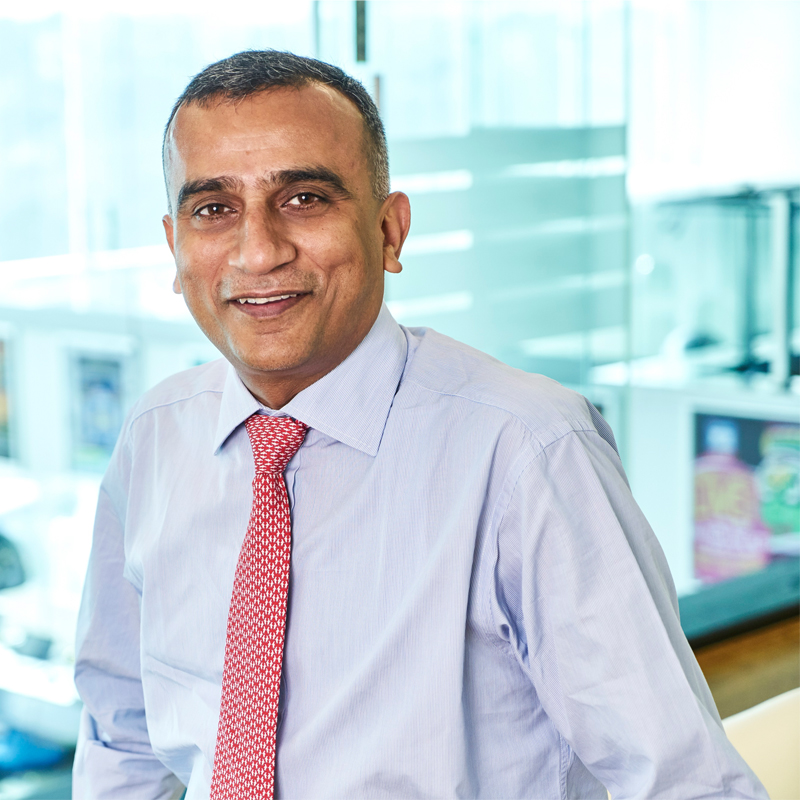
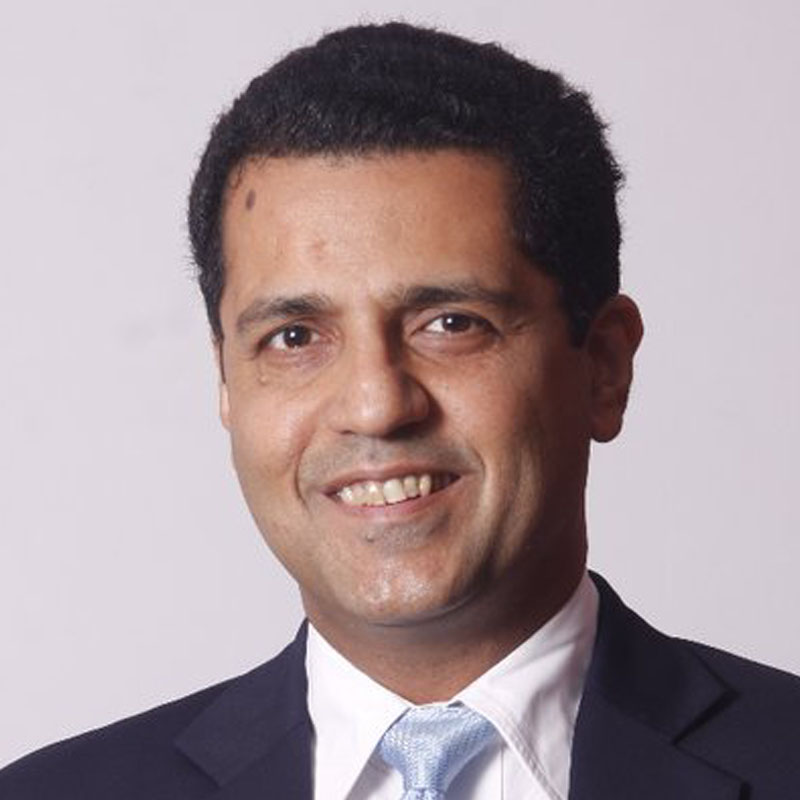
    Speaking to Indiantelevision.com, SAB & MAX cluster EVP and head Neeraj Vyas says that music channels carry more advertising than any other genre but the slots are sold at extremely low rates. “It’s a genre that doesn’t get its due from the advertising industry. We need to wake up quickly.”

    Music channels are barely making money these days but he strongly believes they deserve more. “Given the kind of eyeballs we generate, we certainly deserve a bigger share from the advertising pie and that correction is something we as a genre and we as an industry need to come together and work on. That’s going to be critical for everyone’s survival going ahead,” he says.

    Vyas went on to say that it may not be viable for music channels to sustain beyond a point with licensing prices going up every year and the only monetisation avenue will be through ad sales. He is aware that stickiness to television is limited today when it comes to music. New songs are repeatedly played after which they are downloaded from paid apps. “TV will help you discover the sound and fall in love with the song,” he says. Be he warns that the happy co-existence between music channels and digital devices is short-lived and three years later the scenario will change.

    The music genre gained a bit from the advent of digitisation. “Three to four months ago, the genre was decaying at around 115 to 120 GRPs. There were 16-17 channels. Today it has grown to 150-155 with consistency,” he highlights.

    As far as Sony Mix is concerned, the channel will always have the quotient of playing older songs since it gains audience attraction. The music in the late last century is what Vyas calls as ageless music which is also replicated in reality shows, parties and singing contests.

    The channel was launched to end the dominance of advertisement and trailers on other music channels. Moreover, the few songs played by the networks were for free from the music labels for 15-20 days. “I think what we lack even now to some extent is the playout reality. So from then till now, we are clear that we will stay musical, add more eras and variety,” he adds.

    Sony Mix’s day kicks off with slow music followed by the 90s era. Later in the day, it shows mellow and soft songs followed by new tracks up till 9 pm. The last 3 hours of the night is dedicated to retro music.

    The network follows cross promotional activities under their cluster of 29-30 channels along with brand strategy and brand films in its space. When asked whether the BARC ratings are an accurate indicator of viewership, Vyas said that it has taken its time. “Various developments have kept on happening from individual to household data to universe expansion. It is definitely a lot more settled than what it was a few months back” he feels.

    Also Read:

    How Neeraj Vyas is bringing SAB back to the top of the charts

    15% of Sony Sab’s new show expense is for marketing: Vyas

  • Sudhanshu Vats on Viacom18’s growth strategy and why data analytics is key

    Sudhanshu Vats on Viacom18’s growth strategy and why data analytics is key

    He goes by many names. The Laundry Man and The Marathon Man being two of the more popular monikers. The second one is self-explanatory given his passion for running, especially marathons of many hues all over the globe. It’s the former one that makes people, sometimes, stop and give a quizzical look. Its origins, according to Unilever folklore, can be traced back to his days at the global FMCG company where he was at the helm of the laundry division in South Asia. But Sudhanshu Vats, group CEO of Viacom18, doesn’t mind the aliases; rather, he refers to them himself, at times—like he did in November at CASBAA Convention 2017 in Macau,where he was featured as a keynote speaker. At the time,Vats explained that running a marathon and running a company had lots in common as they taught one about the importance of planning and breaking down longer plans or goals into shorter milestones.

    Five and a half years into his new role in one of the top media companies of India that is an equal JV between US’ Viacom and Reliance Industries-controlled Network18, Vats is considered a thought-leader within the complex maze of the Indian media and entertainment industryand in government circles. His social media savviness makes him articulate on a range of subjects from media to women empowerment to an individual’s role in the Clean India campaignto the importance of health and fitness.

    In a free-wheeling chat with Indiantelevision.com’s consulting editor AnjanMitra and deputy managing editor Satyam Nagwekar, Vats speaks on a number of issues related to the M&E sector, including the necessity of regulation in India (he sometimes holds contrarian views to the general sectoral outlook of his peers) and why it’s important for a media company to be equally alive to data analytics to derivestrategies.

    Edited excerpts from an interview that took place when he was few days away from completing hisannual tenure as the chairman of BARC India, a joint industry body entrusted with collating audience data in a highly fragmented and, at times, quirky Indian broadcast sector, wherein competition is cut-throat:

    Q: What would be the three major changes in the industry that you have witnessed over the years in the complex M&E industry of India after your switch to the media sector from FMCG?

    A: The first significant development is the entire digitisation of the cable. While digitisation of the signal has happened, allowing (the pipe) to carry more content, addressability needs to improve. Overall cable digitisation has enabled the pipe to carry more content and to improve the viewer experience. The second development is the rise of OTT services; delivering content on demand in addition to the existing linear delivery of content. The third development would be the increasing importance of live and experiential entertainment. The advent of quality multiplexes has certainly made a difference in viewing experience in cinemas. Similarly, in the sphere of live entertainment, experimentation with modern technology has dialed up consumer experience. We have also experimented with theatricals. What happens is that as kids develop a relationship with characters, it allows you to bring those characters alive in different forms outside of television. One can take them outside of television into theatricals, into experiential zones and merchandising.

    I would add a fourth important development and that is the evolution of BARC India. I think the joint industry body that we formed to measure ‘what India watches’ is a significant development. It’s a unique feature that industry bodies have come together for audience measurement in India.

    Q:Are Hindi general entertainment channels (GECs) the largest contributors to the Viacom18 revenue pie?

    A: Yes, they are.

    “About 59-60 per cent of India communicates in regional languages, about 39-40 percent in Hindi, and the balance one per cent in English. This 59 per cent is still under-indexed in viewership. As the viewership catches up with actual consumption, so would monetisation opportunities.

    Q: Keeping in mind what you said, how do you see the market for Viacom18 going forward over the next couple of years?

    A: The GECs will remain an important block (from the point of view of revenues), but I am very bullish on the regional piece, too. I personally feel that regional businesses are gaining traction and will continue to get dialed up significantly in the future. The reason for that is that in television, and arguably in all mediums of television, digital and films, the regional languages have been under-indexed from the point of viewership and monetisation.

    In my opinion,the genesis of this lies in the fact that the erstwhile measurement system was a bit skewed towards the Hindi-speaking urban audiences; perhaps as it too developed along with the cable movement in India in the 1990s, which started with the Hindi-speaking regions. However, in the last decade, language programming in other parts of India, especially South India, has developed considerably. With BARC’s arrival, these markets are being better represented. As we go deeper into India, the regional language play will keep getting dialed up. About 59-60 per cent of India communicates in regional languages, about 39-40 percent in Hindi, and the balance one per cent in English. This 59 per cent is still under-indexed in viewership. As the viewership catches up with actual consumption, so would monetisation opportunities.

    Why do I say this? There is an intuitive understanding — not entirely always incorrect — that the English consuming audience has a higher propensity to spend and that amongst the other language markets, Hindi-speaking markets (HSM), perhaps, have the highest propensity to spend. Equally importantly, regional markets like Tamil Nadu, Karnataka, Andhra Pradesh/ Telengana, Kerala, Maharashtra and Gujarat have higher per capita income (compared to India average) and would therefore have a higher propensity to consume advertising and brands. My hypothesis is that the affinity to one’s mother tongue will remain and India will continue to remain a multi lingual country (most Indians speak at least two languages and in some cases three or more). All three clusters of English, Hindi and regional will grow with regional leading the rate of growth for viewership and monetisation.

    At Viacom18, we will continue to build our portfolio of services in all the three language-clusters mentioned above, while significantly dialing up our regional language clusters. To illustrate this, let me share how our dependence on our flagship Hindi channel Colors is systematically coming down. When I joined Viacom18, we used to get 80 per cent of our ad sales from Colors standard definition channel. That number now is 50 per cent or may be a little lower.

    About 59-60 per cent of India communicates in regional languages, about 39-40 percent in Hindi, and the balance one per cent in English. This 59 per cent is still under-indexed in viewership. As the viewership catches up with actual consumption, so would monetisation opportunities.

    Q: As Colors is the biggest revenue earner, a lot of strategising must be done forprogramming. How do you slice and dice programming for appointment viewing for different parts of India and the HSM?

    A: Not just Colors, but for all our content engines we marry insight to gut in the way we strategise and develop content. At Viacom18, we started an ambitious data science project called Project Pi with the objective to provide information and insights to the users and establish one single version of truth in the company.

    The second leg to this is a free-flowing discussion that we have recently started`Content PeCharcha’ (discussion over content), inspired by PM Modi’s now famous `Chai PeCharcha’ (discussion over tea), primarily with Raj (Nayak, COO, Viacom18), Manisha (Sharma, content head, Colors) and some more team members. These are open sessions where we have a qualitative and free-flowing discussion on both macro content trends and specific current and future programme story arcs.

    Let me give you a couple of examples of how this works. When I joined people said mythologicals/historical dramas don’t work on Colors. But our research suggested that competitors were successfully running them and it was a white space that hadn’t been explored properly at our end. We came up with Ashoka and proved the naysayers wrong. In one of our early meetings, we figured comedy was a white space for us and we should actively explore it. While our first attempt didn’t work, the next one (Comedy Nights with Kapil) created history as it was based on our learning. We then experimented with the crime genre with shows like Code Red and Dev. A Hindi GEC is like a `thali’ (an Indian plate with a variety of food offerings): it needs to have a spread of flavor and taste. Balance, however, is the key to how your audiences perceive the spread to be.

    Q: Has the rise of mythological and historical shows on Viacom18 channels, as well as on other TV channels, increased after 2014 or are we reading too much into it?

    A: I am a firm believer—and I am keep saying it often—that the richness of the Indian culture is reflected a lot in some of our mythological and historical stories. Brilliant evergreen tales like `Ramayan’ and `Mahabharat’ can be told over and over again but there are so many other stories that need to be taken to the audiences. If you look at some of our mythological stories, India has long been telling superhero stories—both of superwomen and supermen. But to answer your question, yes there has been a definite rise in these stories (on TV channels) post 2014.

    “My assumption is that over the next five years, India will follow China’s example and 10 per cent of all internet video consumers will move behind a pay wall. Once this happens, it will create both advertising and subscription economies at scale.

    Q: Hanuman probably was the first super hero and remains till day one. Agree?

    A: Precisely. I personally feel that these are stories that lend themselves well to a variety of interpretations. Moving forward, production quality can make our stories richer and give the consumers a better experience.

    Q. Is the digital venture VOOT making money?

    A: If you are asking if we are monetising VOOT, then yes we do have a fair number of advertising brands on VOOT. But having said that, I’d say we, like most consumer digital businesses, have substantial distance to cover in our monetisation journey. 

    The digital VoD space is one that requires an extended gestation period for investment. Today there are300 million Indians consuming video on the internet. That number is poised to touch 600-700 million in the next three to five years time.Further, my assumption is that over the next five years, India will follow China’s example and 10 per cent of all internet video consumers will move behind a pay wall. Once this happens, it will create both advertising and subscription economies at scale.

    Q: So, is VOOT targeting 10 per cent of subs behind a pay wall in, say, three years’ time?

    A: Absolutely. Maybe, even more. We are planning to launch the subscription service of VOOT early next fiscal.

    India is a price sensitive market and, unlike the West, we do not have the price arbitrage advantage between cable and VoD. In the US, Netflix disrupted the market with its offering at USD8-10 versus a monthly cable bill of USD80-100. In India, we still get 300 channels at Rs 200-250 making linear television the economical entertainment option. But having said that, I believe the right pricing for data and content will continue to drive VoD in India. I think, it is fair to assume that the range of pricing for subscription VoDin India lies between USD 1-3 to begin with.

    Q: So you are working on a price model that is between USD 1-3/sub/month in India?

    A: Yes. If you want to look at large numbers, you need to keep prices competitive in India.USD 3 is approximately Rs 200, but it will also depend on how many people you want at what price and that will be determined on the price volume elasticity study underway.

    public://Sudhanshu V1.jpg

    Q: Does it help for a content owner and producer like Viacom18 to also have a group company like Reliance Jio, which is a platform that is practically giving data free to consumers?

    A: There are clear synergies and we complement each other.

    Q: Have you ruled out sports altogether?

    A: The business of sports,particularly cricket,is a high-investment and long-gestation game. In our current scheme of things,such an investment can be better utilised in a host of other opportunities and, hence, we are not looking at sports as of now.

    Q: What are your views on the evolution of BARC India and that some of the audience data and methodology has been questioned by some industry players?

    A: BARC has made a promising start. The measurement is clearly more robust, transparent and objective. The sample size has already been dialed up to 32k (almost four times the size of the erstwhile measurement system). We plan to further grow the sample size to 40k by next year and even further in the years to come.

    The sample has also become broader,holistic and reflects more accurately what India watches. Even rural consumption and regional languages are getting represented in a better way. The fidelity of data has improved considerably and tent-pole events on television — from a big TV channel launch to a new program introduction and all the way to an important news break event in an hour — are captured and show up with a very prominent spike. The areas where more work needs to be done by all stakeholders are the measurement of niche channels by BARC and management of volatility as high fidelity brings high volatility.

    The initiatives like return path data and premium panel will help improve the measurement of niche channels.

    Q: When is BARC likely to rollout digital measurement?

    A: BARC is in the process of getting all stakeholders aligned for rollout of digital measurement. There are debates around all digital players being a part of the measurement, equitable methods/process used for data capturing from all players and the more holistic India stack/dmp for representation and publishing of the data. All the stakeholders at BARC are debating these issues and the timeframe of publishing digital data will depend on the speed of alignment and approach taken by the stakeholders. Until these issues are resolved, it would be premature to commit to a timeline.

    Q: What is your take on net neutrality?

    A: It is quite a nuanced subject. My broad take is that NN is essential and net should be as neutral as possible because that’s in the best interest of a functional democracy. Essential services, depending upon the evolution of our society, will need to be looked at differently. In years to come, the internet would be a basic requirement for day to day life and therefore net neutrality is an imperative to offer equal opportunity to everybody.

    Q: What about legal and illegal content as the latter results in revenue losses for content owners like Viacom18?

    A: The issue of piracy is entirely different, and another elaborate subject on its own. Illegal content is a big challenge for any content owner. Piracy is a complex topic where different stakeholders need to play a part. My view is clear: illegal content should not be made available, but then enforcement is not always that easy. Having said that, consumers too are not clear on legal and illegal content when it comes to the digital world, at times. In my view piracy should be tackled through a three-pronged approach of legislation, enforcement and consumer awareness. In addition, if content is made available to consumers at competitive price points, it would be a big deterrent to piracy and, business models permitting, arguably the most effective way to tackle this menace.

    “Technology is causing disruptions almost daily and resultantly the very definition of a media company is changing. For any regulator anywhere in the world or any government, it is a challenge to keep abreast or even keep pace with such changes. As we move forward, we will need to evolve a mechanism where there is greater participation from all stakeholders.

    Q. Do you think powerful lobbies like global video-streaming services can have a bearing on legislations relating to NN? How do you see that playing out?

    A: I would not like to specifically comment on this. But there are two fundamental considerations here. The first is that every player will have its point of view and arguments on the subject. Second is that considering the width and complexity of these arguments, the government is best placed to examine in detail and take an overarching view after wide-ranging discussions with every stakeholder.

    Q: You are head of the CII entertainment committee, part of the IBF board, associated with BARC and also head one of the largest media networks in the country. What are your views on the regulatory regime in India as it’s considered a challenging market?

    A: I think the tricky piece, or rather the interesting piece, is that media and entertainment as an industry, both in India and globally, is evolving at a rapid pace. Technology is causing disruptions almost daily and resultantly the very definition of a media company is changing. For any regulator anywhere in the world or any government, it is a challenge to keep abreast or even keep pace with such changes. As we move forward, we will need to evolve a mechanism where there is greater participation from all stakeholders. As one cannot operate in isolation, there is a need for some regulatory framework that is akin to the ground rules of a game, if one wishes the industry to flourish. So, yes, in my opinion, light touch regulation always works well.

    What are your views on FTA vs pay TV considering many popular TV channels are on DD’s free-to-air DTH service FreeDish, taking advantage of DD’s reach and making money on advertising?

    A: I am a firm believer that India is an ‘and’ market. So, I don’t think it’s an `and’ ‘or’ equation between FTA and pay TV. Both will continue to flourish as there is significant headroom for growth for both. Now, coming to DD FreeDish, you’re right in identifying it as a platform as it is a means to carry content to the consumer and represents a very affordable option. Admittedly, it is a rapidly growing platform where many private channels are also present. However, all other platforms are cognizant of the opportunity that a low priced FTA channel bouquet provides. It is quite likely that alternate platform options will emerge if DD FreeDish decides to bar privately owned channels.

    ALSO READ:

    Viacom18 celebrations: Mukesh Ambani sets the roadmap for next 10 years

    Viacom18’s Sudhanshu Vats: Indian media’s growth will be similar to China

    Viacom18 showcases strong women characters content: Ajit Andhare, buys Mithali biopic rights

    Viacom18 & govt announce anti-piracy partnership
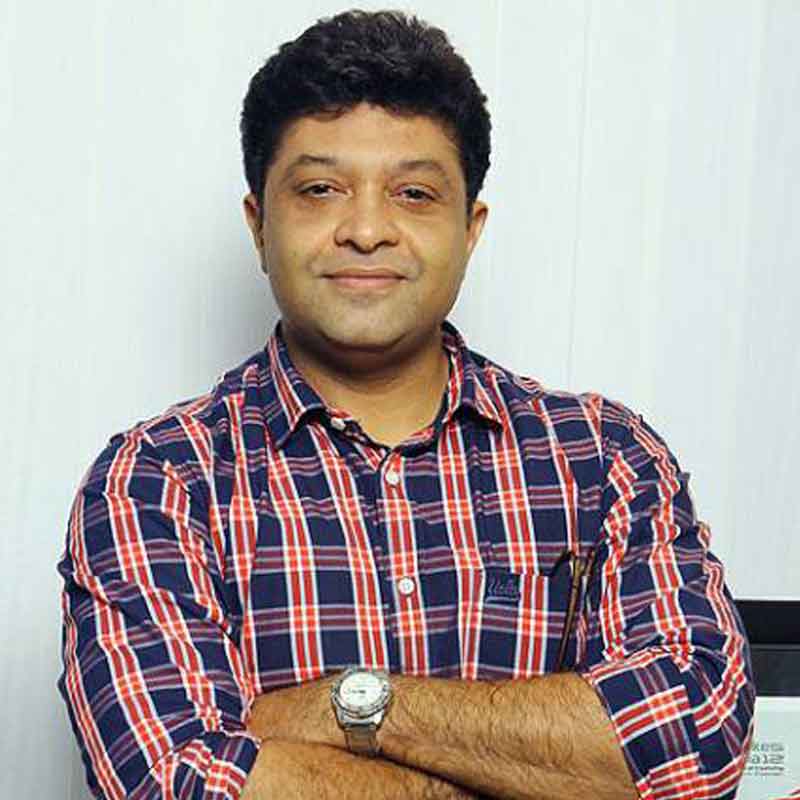
  • RBU Shyam Kumar quits New Gen Media

    RBU Shyam Kumar quits New Gen Media

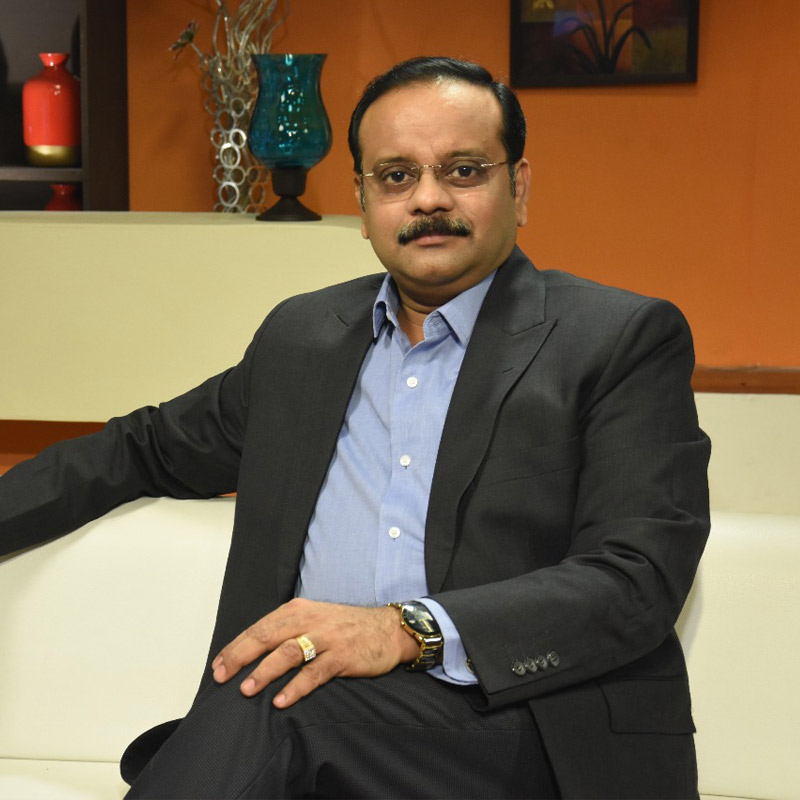
    MUMBAI: After a stint of more than five years as CEO of New Generation Media Corporation (NGMC), RBU Shyam Kumar has decided to call it quits and start on his own. The new venture has two Tamil channels under its fold–a news channel Puthiya Thalaimurai and a GEC Puthu Yugam.

    Kumar has been with NGMC’s parent company, SRM Group, for nearly nine years. He was instrumental in launching the claimed-unbiased news channel Puthiya Thalaimurai, which even gave the Sun Network a run for its money. He followed this up with the GEC, which didn’t do as well but made a mark for itself.

    Before joining the SRM Group, he was associated with the Times of India Group for 14 years. He has also had stints at Eureka Forbes and BPL. An MBA from Pondicherry University, he graduated from Loyola College in Chennai.

    Also read:

    Puthiya Thalaimurai turns two; targets Rs 100 crore revenue

    New Tamil GEC Pudhu Yugam to go live on 23 October 

    Tamil GEC Pudhu Yugam targets Sun TV’s hegemony

  • Times Now appoints Sujeet Mishra as marketing head

    Times Now appoints Sujeet Mishra as marketing head

    MUMBAI: Times Network, part of India’s media conglomerate, The Times Group today announced the appointment of Sujeet Mishra as head of marketing, Times Now.

    In his role, Sujeet will lead the brand’s strategic planning and communication including new brand initiatives, consumer research, market development across ATL (above-the-line), BTL (below-the-line) and digital platforms. Based in Mumbai, Sujeet will report to Times Network executive vice president Vivek Srivastava

    Commenting on the appointment, Srivastava said, “I’m delighted to welcome Sujeet to the Times Now team. His vast knowledge and strong capabilities in brand building, marketing communication will add tremendous value to our ambitious growth strategy in the English news segment.”

    Speaking on his new role, Mishra said, “I’m extremely excited to lead the marketing mandate for a brand that stands for credibility and accuracy in reportage, a reflection of true journalism. I look forward to channelising my best efforts and strengths into creating impactful marketing campaigns and sustaining the leadership position of Times Now.”

    With over 13 years of experience in marketing and brand communications, Mishra joins Times Now after a successful stint at ABP News Network where he was overseeing four news brands, managed IP events and played a pivotal role in the brand transition of the channel from Star News to ABP News. He is an alumnus of IIM Ahmedabad’s marketing executive development program.

  • With Star India, Disney emerges as India’s largest M&E firm

    With Star India, Disney emerges as India’s largest M&E firm

    MUMBAI: Unlike the US, where the merger of The Walt Disney Co and 21st Century Fox’s entertainment assets is between two near equals, the scenario in India is totally different. 21st Century Fox’s India venture Star India is a $1.7 billion dollar media and entertainment behemoth while Disney India is a minnow with just about $150 or so million in sales, including its theatrical releases, TV businesses, and merchandising and licensing of the Disney characters and brands.

    For long, the mouse house has struggled to attain scale in India, like it has done in China with its $100 million box office theatrical releases and successful Shanghai Disneyland but it has not attained the success it would have wanted.

    Acquiring Ronnie Screwvala’s UTV half a decade ago gave Disney four channels—Bindaas, Hungama TV, UTV Action and UTV Movies, apart from a film production studio which it shuttered last year despite having
    a huge hit in the Aamir Khan starrer Dangal.  Other channels in its portfolio include Disney Channel, Disney Junior, Disney Channel HD, and Disney Junior HD.

    The acquisition of Star India with its 61 channels, stakes in DTH operator Tata Sky, VOD service Hotstar, and in-film production and distribution has in one fell swoop catapulted it to the number one media and entertainment company status in India.

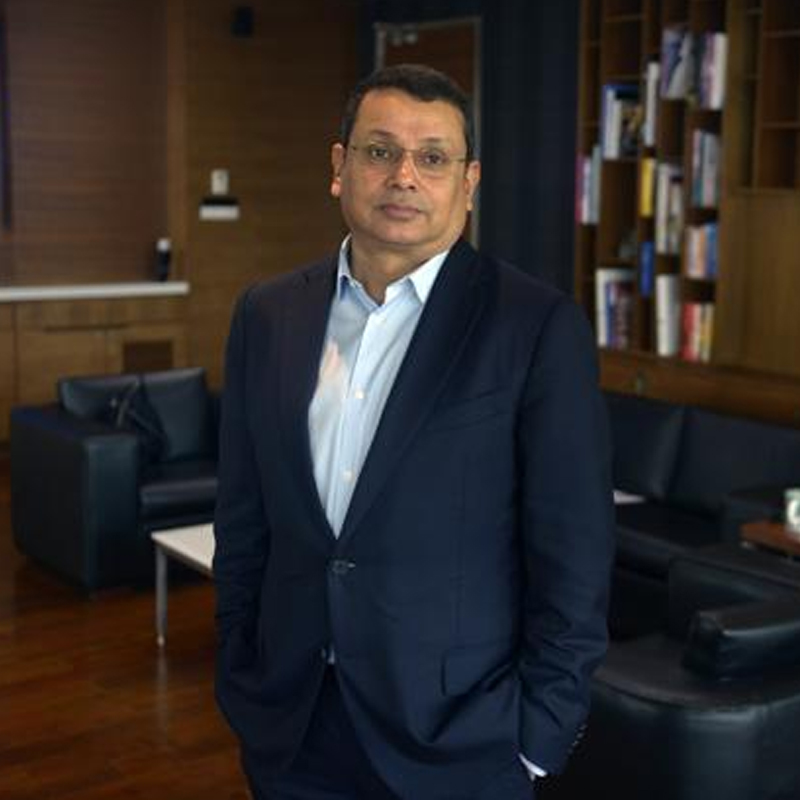
    However, it’s most likely that Star India chairman & CEO Uday Shankar will be given the mandate to steer and drive the enthusiastic young and new management team in Disney India, in synergy with Star India.  Shankar has been focused on regional language entertainment channel expansion, sports and Hotstar at the powerful media firm–a portfolio he has grown since he took over in 2007.

    Disney India is run by Abhishek Maheshwari–who was elevated to that position recently–following the promotion of Mahesh Samat as executive VP & managing director for South Asia.  How Shankar will manage the operations and whether he will restructure the management there will become clearer over the next few months.

    Star India has lacked kids channels in its portfolio; the addition of the Disney channels will help complete that. 

    Its Hotstar service has the most complete international portfolio and has had exclusive access to fresh Disney content, shows from HBO, Fox, CBS, and Showtime. And with it, Disney India will get more than 70 odd million active users consuming a multiple billion minutes a month of content.  

    “It is going to be an unrivalled media and entertainment powerhouse,” says a media observer. “All other media companies pale in comparison in the country.”

    The Tata Sky stake immediately brings into the Disney fold a satellite TV distribution platform making it a first for the company. UK satellite TV distributor Sky will most likely be the second one if the Murdochs’ bid for it in the UK gets the go-ahead from local authorities in time. 

    Of course, the arrangement in India will give Disney access to the world’s most valued cricket league, the IPL, for which Star India bid aggressively this year–some say too much. Then there are other sports activities that it automatically gets, like the leagues for kabaddi, football, hockey, and badminton. But being a part of Disney will aid its larger partner, too; it will have the facility to dip into the former’s massive cash trove to aid Shankar’s aggressive growth and entrepreneurial urge whether on video-streaming expansion or in sports.

    Interesting times are clearly on hand for the media and entertainment business in India.

    Also read:

    Comment: The rise and rise of Uday Shankar

    Disney to buy 21st Century Fox assets for $52.4 billion

    Disney expected to announce 21 CF buyout tomorrow: media reports

    Now, Comcast in talks to buy 21st Century Fox

  • RTL Group restructures top management

    RTL Group restructures top management

    MUMBAI: There’s change at the top at RTL Group–which owns Fremantle Media and operates a clutch of 61 TV channels–including RTL CBS and RTL CBS Extreme–and 30 radio stations in Europe. At his own behest, Guillaume de Posch will step down as co-CEO of RTL Group, effective 1 January 2018. He will continue to serve as a non-executive member of RTL Group’s board.

    Bert Habets, who has been co-CEO of RTL Group since April 2017, will now lead it as the sole CEO, with overall responsibility for the strategy and day-to-day management. He joined RTL in 1999 and became CFO of RTL Nederland in 2001. As CEO of RTL Nederland (2008 to 2017), he transformed the company from a traditional broadcaster into an all-round media and entertainment company.

    Elmar Heggen will remain CFO of RTL Group and will also become the group’s deputy CEO, taking over the portfolio responsibility for Groupe M6 and RTL Belgium within the RTL group’s executive committee.

    Says RTL Group chairman Thomas Rabe: “On behalf of the whole board, I would like to express a big thank you to Guillaume de Posch for his leadership at the helm of RTL Group since 2012. He has been key to transforming it into the most digital European broadcasting company, and to re-invigorating FremantleMedia’s creative drive. High-end drama productions such as The Young Pope and American Gods stand testimony to this achievement. I regret, but fully respect his decision, and I’m delighted he will continue to contribute his expertise across broadcast, content and digital as a non-executive director on our Board.”

    Thomas Rabe continues: “With Bert Habets, RTL Group will be led by a digitally savvy media entrepreneur with an exceptional inhouse career development at RTL Group. He will ensure long-term continuity in the Group’s leadership, and accelerate the execution of its ‘Total Video’ strategy. This strategy includes a strong focus on fostering creativity and building more direct-to-consumer businesses in the video-on-demand domain. I look forward to continuing our close collaboration, and wish him – as well as Elmar Heggen – every success in their positions.”

    Guillaume de Posch, Co-CEO of RTL Group, says: “I had a fantastic time at the helm of RTL Group. Leading this pan-European pioneer – at which I started my career in the TV industry in 1993 – was a dream come true for me. Now is the right time to hand over to Bert Habets, who will drive the group to its next level. I would like to thank all my colleagues across the whole group – and in particular my fellow executive committee members Bert Habets and Elmar Heggen and, of course, Anke Schäferkordt and Thomas Rabe. I’m very much looking forward to becoming a non-executive director of this inspiring company.”


  • Gracenote launches channel monitoring solution for broadcasters

    Gracenote launches channel monitoring solution for broadcasters

    MUMBAI: Gracenote, a Nielsen company, has launched its next-generation TV distribution monitoring and reporting solution developed specifically for the Indian TV market called TV Street Maps 2.0.

    The latest solution empowers Indian broadcasters with the most accurate picture of TV channel distribution and delivery to preserve program ratings, address technical challenges in near real-time and improve monetisation from cable operators.

    Gracenote TV Street Maps 2.0 automates the tedious task of manual TV channel monitoring with time-stamped data across all cable operators. The earlier version TV Street Maps was manually operated and was weekly monitored but TV Street Maps 2.0 is automatic and monitored at least once a day.

    Talking to Indiantelevision.com Gracenote EVP operations Joydip Kapadia said, “The TV Street Maps 2.0 is about capturing channel line-ups of each digital operator in India. It is a device which has a cable feed and it keeps on scanning for the data.”

    TV Street Maps 2.0 monitoring is done using remote capture devices that automatically capture TV channel line-ups with geo-tagged locations directly from set top boxes. Leveraging the data directly from set top boxes also enables push alerts to customers when channels are switched off or placement shifts. Gracenote broadcast customers will also have live data dashboards, channel availability, placement and neighborhood reports that help broadcasters assess the impact of channel distribution and viewership ratings.

    Talking to Indiantelevision.com Gracenote MD- India, Southeast Asia and Middle East Geet Lulla said, “The consumption of any broadcaster is driven by three things: first the content, second is promotion and marketing strategy and the third one is the channel availability. We help the broadcaster to check their channel availability in different regions.”

    Broadcasters can now get accurate channel distribution data, drive viewership and ratings and improve operator compliance of distribution agreements that may include carriage fees.

    “We cover around 260 cities in India. Total headends are around 850-900 and we cover approximately 650 of them which is 90 per cent of the digital cable subscribers. It has been a very strategic project and we are in the investment mode and planning to breakeven by the end of 2018” Lulla added.

    Indian broadcasters can easily identify new market opportunities as well as track unlawful display of their channels through piracy. This level of visibility enables broadcasters to identify new distribution markets to pursue and negotiate new subscription fees from outlying cable operators.

    Geet Lulla sees Chrome DM as the only competitor in the space of channel line-ups. The India TV market is one of the most complex video markets in the world with TV channel line-ups varying from day to day and operator to operator.

    India has an estimated 1,000 digital operators delivering linear television to 175 million households around the country. The challenge is that each operator can add, remove or change the position of channels at their discretion and without notice to broadcasters. On average, there are approximately 300 to 350 channel line-up changes occurring every week. These changes can impact tune-in, significantly impair ratings and inaccurately calculate cable operator carriage fees for broadcasters.

    “As India continues its digital transformation, we are now tasked with creating the next generation of tools, platforms and services that will help monetise viewership across the digital video ecosystem,” said Lulla.

  • Comment: The rise and rise of Uday Shankar

    Comment: The rise and rise of Uday Shankar

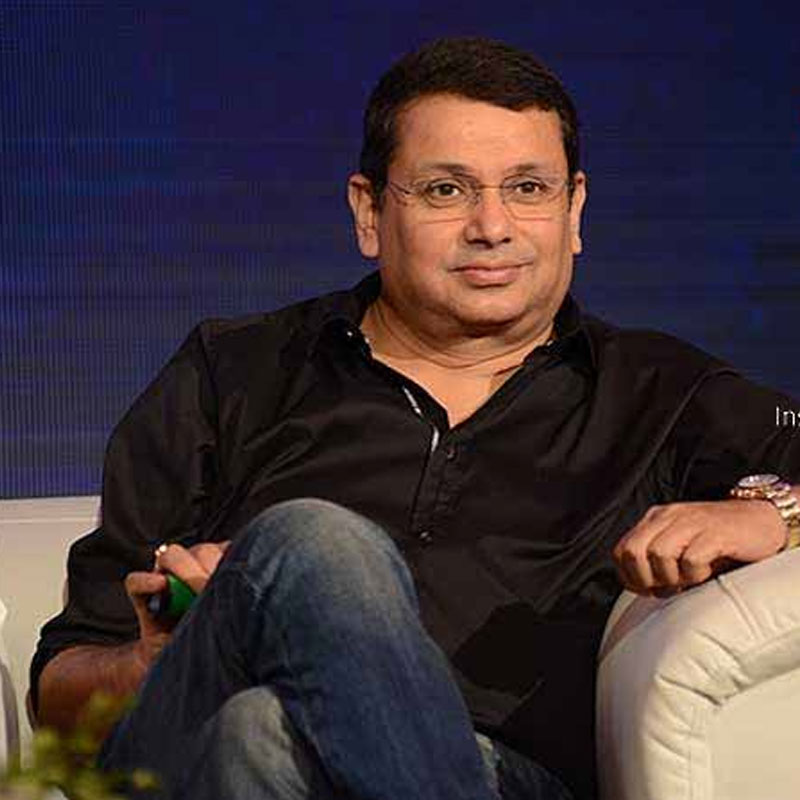
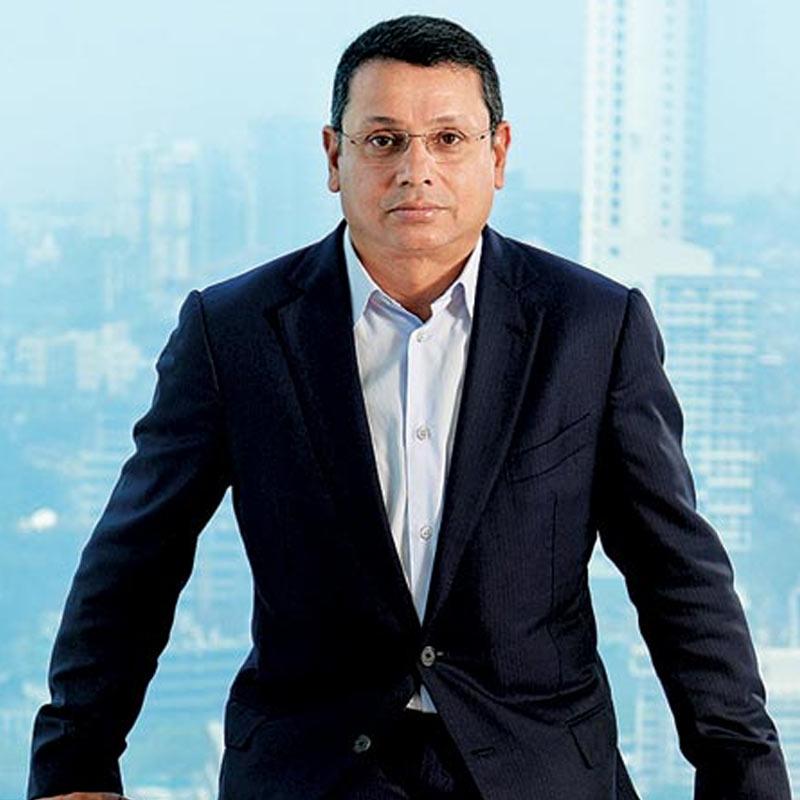
    MUMBAI: From not having enough money to afford even a TV set in Delhi in 1991 when he was a newspaper reporter to heading Star India, one of the most admired Indian media and entertainment companies, for a decade to now being appointed as 21st Century Fox Asia president, it has been quite a journey for Uday Shankar. A well-deserved and rewarding one at that.

    Today, Shankar is one of the few professionals from India to get region-wide responsibility for a global media powerhouse. Executives such as Man Jit Singh, who heads Sony Pictures Home Entertainment globally, and Bedi A Singh, who was News Corp CFO for a long time, have preceded him but both are Indians who rose up the ranks in the US.

    Shankar has, however, earned his stripes growing the Star India business, which in the first quarter had an EBDITA of $100 million and is on course to hit $500 million in 2017-2018 (in the words of 21st Century Fox (21CF) chairman James Murdoch). The 2020 EBDITA target, as spelt out by 21CF, is twice that, and the Murdochs say it is well on course to be achieved.

    When he was handpicked by the then News Corp COO Peter Chernin to take over Star in October 2007 (some say on the advice of the then outgoing company head in India), Shankar knew very little about the entertainment business. All his experience had been in news–whether print or television. He had had stints with several print media publications (his first was The Times of India around 1990) as a political correspondent and last was as one of the founders of environment magazine Down To Earth before the TV news bug bit him.

    Shankar took to the TV medium with ferocity—doing stints at Zee TV’s news channel as a news producer, the Hindustan Times promoted Home TV (it shut down quickly), production house Sri Adhikari Brothers, Sahara TV, and then India Today group’s Aaj Tak and Headlines Today, two channels he helped stabilise and grow over the next six seven years. His talent for being a journalist who got things done did not go unnoticed and he was asked to lead Star News, a joint venture with Kolkata-based ABP group, after CEO Ravina Raj Kohli departed.

    It was at Star News that he blossomed as an executive—a TV exec to be precise—and caught the attention of Chernin and the Murdochs. The rest, as they say, is history.

    Today, under his leadership, the Star network has expanded into regional language channels and produces close to 17,000 hours of content each year in eight languages. The route it has taken to get there: acquisition of the South India-based Maa network, Asianet and via launch of channels such as the Bengali-language Star Jalsa.

    A journalist with little entertainment content creation experience when he was appointed, Shankar has steered Star into creating TV content that has been path breaking over the past 10 years, dealing with social issues, apart from helping position it as a network that produces classy shows but with a social purpose. So much so that Star India shows command an advertising premium even if the channel is not topping viewership ratings. Even on the affiliate revenues front, Shankar has played hardball.

    But one of the boldest moves taken by Star under him—some critics may choose to describe it as foolhardy—was to take on broadcast and telecom regulator TRAI late 2016 when Star India and its affiliate Vijay TV challenged in court the regulator’s jurisdiction over matters relating to copyrights, which effectively has stalled implementation of a new tariff and inter-connect regime announced by TRAI in October 2016. The case is still pending a final verdict in Madras High Court till the time of writing this piece.

    Amongst the early movers in the OTT space, Shankar has made Star invest big in customer acquisition and pushed its digital platform Hotstar CEO Ajit Mohan to go out and not only acquire new business, but also devise a distribution strategy that could be sliced and diced as per needs of the geographical markets. So, Hotstar’s distribution and subscription strategy for the US and Canada market, heavily subscription revenue-led, could be quite different from that pushed in India, where making available content practically free to subscriber initially is aimed at hooking the viewer before he’s seduced to the pay model.

    Though Shankar is not known to be a great fan of gambling—even during Diwali when in India playing cards with cash is considered auspicious or for good `shagun’—he gambled big on the Indian Premier League’s (IPL) global rights for five years. Star not only played smart, outbidding incumbent rights holder SPN India and some global digital players sniffing at commercially viable Indian cricket rights, but also raised the bar to clinch the hand with a bet of $ 2.55 billion. Raising the stakes flattened competition.

    Under Shankar, Star has also ploughed huge investments into creating and acquiring sports properties such as the Pro Kabaddi League, the BCCI national cricket domestic rights, the domestic soccer league ISL in collaboration with Reliance Industries, table tennis, badminton, and many others sports.

    The recent promotion of Shankar means he has won the confidence of the Murdochs and the boards of News Corp and 21CF to replicate in Asia what he has done in India, long referred to as a jewel in the crown of the Murdoch media empire. While 21CF has done well in markets such as Taiwan, Japan, Hong Kong, Singapore, Malaysia, and South Korea, scale has been something that’s been missing. Shankar is expected now start building that.

    By promoting him to head Asia, 21 CF has also ensured that if a deal with Disney does happen (media reports emanating from all parts of globe say the approx USD 60 billion deal could happen sooner rather than later), it will be—very well could be—Shankar who will be scripting the new Asian story. Currently, Disney has two Asian heads: one for south east and south Asia and the other for north Asia. With him being designated as the boss, the reporting lines too could change with Mahesh Samat reporting to Shankar.

    How has Shankar managed this rags-to-riches story in the cut-throat corporate world of global media? Shankar himself gives a hint. Casually leaning against the main exit to the executive floor at level 37 in the South Parel office of Star, housing the leadership team, while escorting out a couple of senior editors of Indiantelevision.com after an interview in September, he was asked what made him tick. The recorder was off and the interview had ended, but what he said was revealing.

    According to Shankar, though he considers he has miles yet to travel (wherein he’d continue reading thought-provoking books like Yuval Noah Harari’s Sapiens: A Brief History of Humankind), his satisfaction comes from the fact that he has managed to assemble a string of high-calibre professionals as heads of various Star businesses who at least specialise in or know better one thing extra about the business than the chief. “This gives me great satisfaction as I know the business is in safe hands,” he said with a poker face.

    In the end, one of his mentors, Siddhartha Ray (Delhiwallahs say he’s one of the few friend-philosopher-guides of Shankar), who also happens to be the first GM of Star TV in India in the early 1990s, aptly summed up the X factor: “What makes Uday so successful? He’s a quick learner, good man-manager and an adept environment manager.”

    At Indiantelevision.com, we would wish Uday Shankar more wind beneath his wings so that he can soar higher.

    ALSO READ:

    Uday Shankar becomes president of 21st Century Fox Asia

    Star’s Uday Shankar on distribution challenges, IPL, FTA vs. pay TV…and much more

  • James Murdoch could be next Disney CEO: FT

    James Murdoch could be next Disney CEO: FT

    MUMBAI: Fox boss James Murdoch, according to a report by the Financial Times, is being considered as a potential successor to Walt Disney chief executive Bob Iger if the two companies reach agreement on a possible takeover.

    Disney began holding on-and-off discussions to take over some of Fox’s major assets last month. The sale would include Fox’s movie studio, cable channels and international units–Sky and Star India. It could be worth more than $60 billion and would reshape the global media landscape.

    According to the FT, Rupert Murdoch and his younger son, James, could take senior roles at a combined company if a deal is struck. Igeris due to retire in 2019 and James Murdoch, currently chief executive of 21st Century Fox and chairman of the satellite broadcaster Sky, is a possible successor.

    Comcast, the US’s largest cable operator and owner of NBC Universal, the TV network and movie studio company, is also reported to be assessing a bid, as is Verizon, the largest US telecoms group. Other reports that have come in state that even Japanese major Sony has also evinced interest. While CNBC reported that a deal could fructify next week, a Reuters report stated that no one is in  a hurry to strike a deal and that regulatory clearances will take their own due course.

    Neither company was immediately available for comment. “No promises have been made,” one person briefed on the talks told The FT.

    According to the FT, the Murdochs favour a deal with Disney as they believe it poses the lowest regulatory risk.


    Rendez-vous with James Murdoch at MIPCOM 2014

    James Murdoch bets big on Star India; expects $1 billion EBIDTA  by 2020

    Rupert and James Murdoch to host PM Narendra Modi in New York

  • Uday Shankar becomes president of 21st Century Fox, Asia

    Uday Shankar becomes president of 21st Century Fox, Asia

    Mumbai: Star India chairman and CEO Uday Shankar has been elevated to the position of president, 21st Century Fox (21CF), Asia, effective immediately.

    According to 21CF, in his new role, Shankar will lead the company’s video businesses across all of Asia, including Star India and Fox Networks Group, and work closely with 21CF leadership on key strategic initiatives in the region. He will continue to serve as chairman and CEO of Star India, a key driver of 21CF’s growth and one of India’s largest media and entertainment companies. Fox Networks Group Asia president Zubin Gandevia, who used to earlier report into 21st Century Fox president Peter Rice, will continue to oversee video brands across 14 markets and now report to Uday  under this realigned regional structure. 21CF’s film business in Asia will continue to report directly to 20th Century Fox Film chairman & CEO Stacey Snider.

    “Uday’s new role will enhance our strategic focus across all of Asia and enable us to further capture opportunities, building on the transformation Star India has driven in our most important growth market,” said Fox executive chairman Lachlan Murdoch and CEO James Murdoch in a joint statement.

    “Under Uday’s leadership, our India business has firmly established itself as a world-class asset with durable businesses across entertainment, sports, satellite distribution and OTT. His strategic vision has put 21CF at the forefront of content and distribution in one of the world’s fastest growing economies, and we are very fortunate to benefit from Uday’s expanded leadership at a global level,” they said.