Category: People

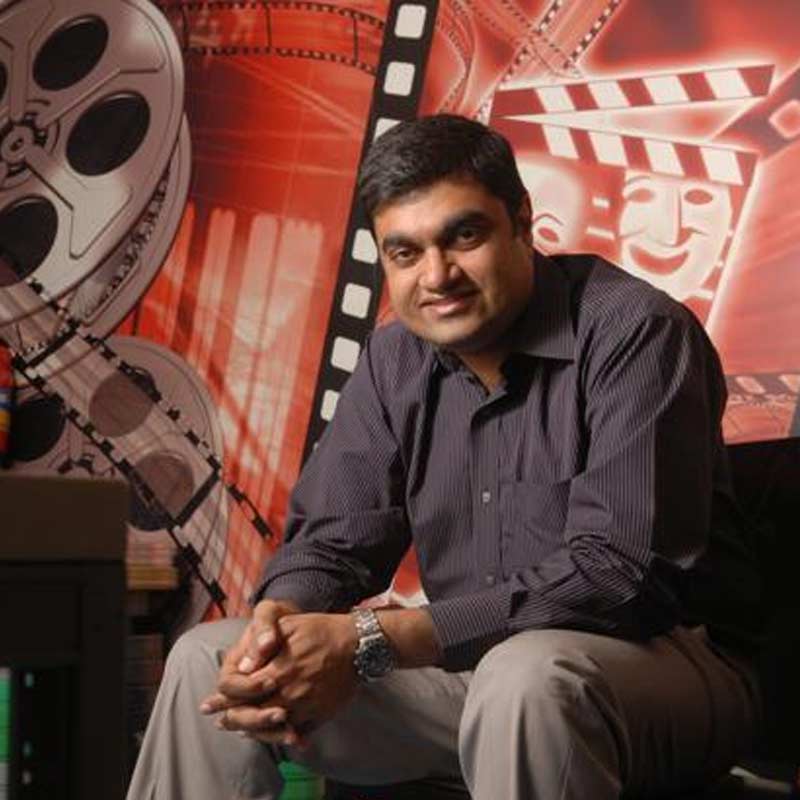
  • Shemaroo appoints Hiren Gada as CEO in leadership rejig

    Shemaroo appoints Hiren Gada as CEO in leadership rejig

    MUMBAI: Gearing itself for the next phase of growth, Shemaroo Entertainment Ltd (Shemaroo) has restructured its top leadership making several timely appointments. 

    According to a release on the BSE website, the entertainment and content company has elevated Hiren Gada as the chief executive officer (CEO) in addition to his existing role as chief financial officer (CFO).

    Having spent time with various divisions within the company and leading the organisation to scale up and get listed, Gada will now take on the leadership role in addition to his original role as the CFO. In his new role as CEO and CFO, Gada will lead the company through its next phase of growth.

    Shemaroo has also promoted Kranti Gada to the role of chief operating officer (COO) of the company. Kranti Gada was involved in setting up the company’s mobile business and played a key role in the company’s early adoption of digital platforms. More recently she incubated the company’s expansion into the DTH segment. In her new role, Kranti will head the revenue function of the company to drive growth.

    Hiren Gada, who joined Shemaroo 15 years ago, has played a significant role in the transformation of the company from a family-run business to a professionally driven organisation in terms of systems, processes and best industry practices.

    Kranti Gada joined the family business at Shemaroo in 2006 after a successful stint in marketing at Pepsi Co. She helped set up Shemaroo’s mobile business and established the company as a leading mobile VAS player in the country.

    With a clear focus on strengthening the organisation for the next phase of development, Jai Maroo, director of the company, will now move from his current role of guiding the expansion of the digital media business to focus on organisational transformation and excellence.

    Raman Maroo and Atul Maru remain managing director and joint managing director of the company, respectively. The new leadership structure is effective immediately.

    Commenting on the restructuring, Shemaroo managing director Raman Maroo said, “Our endeavour has always been to build a future-ready organisation with distinct professional capabilities while retaining its entrepreneurial culture. We have done that with an emphasis on developing internal talent and marrying that by bringing in great talent from industry peers. We want to create a structure that will power us as we enter our next growth phase.”

  • 9X media announces two appointments in programming

    9X media announces two appointments in programming

    MUMBAI: 9X Media has strengthened its programming team by announcing the elevation of Abbas Syed as the VP, programming – 9X Jalwa, and Vishakha Gokhale as associate VP, programming – 9X Jhakaas. This would be in addition to their current roles as VP content acquisition, 9X Media Pvt Ltd (9X Media), and network music head, respectively. Both will report to Amar Tidke, chief programming officer of 9X Media.

    Tidke said, “I am sure Abbas and Vishakha will continue with the great innovations on their respective channels and propel them to the next phase of growth. Their focused approach will help the channels to further increase their experience and delight amongst the viewers.”

    With over 18 years of experience in strategic partnerships, content acquisition and creation, Abbas has worked across various media and entertainment companies. His association with Channel V, MTV Networks, MySpace India and Vodafone has helped him understand the audience preferences as well as the potential of innovative content created across platforms. He has been spearheading content acquisition across all the five music television channels operated by 9X Media.

    Syed said, “My constant endeavour would be to entertain the viewers with content innovations across TV and digital platforms while airing the forever-hits music. Creation, curation and animation would be the prime focus on 9X Jalwa.”

    Gokhale has been the network music head at 9X Media since the past two years. She comes with a varied experience of more than 12 years in the music and entertainment space. She was the national music manager at Radio City responsible for programming music across 20 radio stations in Hindi-speaking and South Indian markets. She was successfully heading the network music team across all channels operated by 9X Media.

    Gokhale said, “We will focus on the amplification of viewer experiences and engagement across the television and digital platforms. In the next phase of growth for 9X Jhakaas, we will focus on innovative content specially curated for Marathi music fans across.”

  • Women who have shaped India’s TV landscape

    Women who have shaped India’s TV landscape

    MUMBAI: Diversity. That has been the buzz globally as the entertainment industry seeks to right the female-to-male ratio in the power structure of corporations that define it. In India’s large organised entertainment sector, most companies have had men in senior executive positions for  a while. But with the entrepreneurial fever running high and funding available, an increasing number of women have been setting up ventures operating in this space.

    Entrepreneurship aside, women have, over the past few decades, played a critical role in the evolution of the television industry. Right from the black and white television days, they have been involved in programming as well as content production. The credit to set the ball rolling for the TV revolution goes to late prime minister Indira Gandhi, who steam-rolled her way into launching colour television in 1982 around the time of the Asian games.

    But before that, in the era of  black and white TV, DD Mumbai Kendra’s Shukla Das was behind such iconic shows as Young World, Rich Heritage, Spotlight and Magic Lamp—shows that were way ahead of their time. There were other iconic figures like Luku Sanyal, Jane Swamy, Rini Simon and Usha Alburqueque who became the face of news in India when the only channel around was Doordarshan.

    public://karuna samtani_0.jpg Karuna Samtani

    Then came the satellite TV revolution and in came Zee TV in 1992, created by a rice and toothpaste tube manufacturer Subhash Chandra. And he hired an army of women to help him churn out TV shows that shook the nation. Among the first of them was Karuna Samtani, an ad-film maker, who was hired as the head of content at Zee TV.’She roped in unknown creators who produced content at Rs 30,000 to Rs 40,000 an episode that went on to redefine the viewing habits of Indian TV audiences, sparking off the satellite TV revolution-which had been initiated by Star—in India.

    public://meenakshi-madhvani_0.jpgMeenakshi Madhvani

    Chandra had the uncanny ability to pick the right women: his hiring of the then media whizkid Meenakshi Madhvani, now Menon, helped give the fledgling broadcaster a solid foundation to generate ad revenue from by creating an advertising rate card.

    Urmila Gupta

    Even as this was going on, at public broadcaster Doordarshan, a programming explosion was being set off by the team of DD director general R Basu and deputy generals RK Singh and Urmila Gupta in 1994. Reeling from declining viewership following the onslaught of Zee TV and a few other private TV channels, the government-owned TV network also got into entertainment and openness hyperdrive by launching a separate channel called DD Metro and revamping DD National. In charge of the news and current affairs division, Gupta brought in private producers like Prannoy and Radhika Roy, Raghav Behl, Nalini Singh, Madhu Tehan to churn out news programmes that, at times, were critical of the government at that time. DD Metro became a success and helped spawn a clutch of producers.

    public://tata_0.jpgMegha Tata 

    Around the same time, Star was going local and Monica (now Megha) Tata joined the sales team of Star India as vice president advertising sales in 1992. At Star, she was responsible for advertising revenue for Star Movies, Star World, Channel V, National Geographic Channel and History Channel. Tata subsequently joined Turner International in 2004 where she served as general manager, entertainment networks South Asia. She was responsible for steering and overseeing all network initiatives across Turner’s brand portfolio in South Asia and was overseeing the advertising sales, research and marketing communication functions. In 2016, Anil Ambani Reliance group-owned business broadcast network appointed Tata as chief operating officer to manage the relaunch of its 24-hour business news channel following the exit of Bloomberg News from the venture. Bloomberg TV India was rechristened BTVI, which is helmed by her.

    public://manisha-sharma-colors_0.jpgManisha Sharma

    When Manisha Sharma joined the team in 2012 as head of the non-fiction category, Hindi GEC Colors was in its initial years. At Colors, Sharma brought out some distinctive, out-of-the-box reality programming and contemporary dramas, exposing the Indian television audience to a whole new world of entertainment. She created some of the most critically acclaimed properties that Indian television ever witnessed including shows such as 24, Comedy Nights With Kapil, Jhalak Dikhhla Jaa, Bigg Boss and Khatron Ke Khiladi.

    Prior to joining Colors, she was the non-fiction head at Sony Entertainment Television and was responsible for shows like Kaun Banega Crorepati, Dus Ka Dum, Comedy Circus, Crime Patrol and fiction properties including Jassi Jaisi Koi Nahi and Kkusum.

    public://supriya sahu_0.jpgSupriya Sahu

    Supriya Sahu has been credited for giving a shape and direction to India’s community radio movement. It was under her leadership that community radio was included in the 12th Five-Year Plan of India and the Ministry of Information and Broadcasting (MIB) opened its doors and increased engagement with the community radio sector. Having worked as a joint secretary at the MIB, Sahu has extensive experience in the ministry; she had earlier served as the director at the ministry. In February this year, she was selected by Prasar Bharati, India’s public service broadcaster, to be the director general of state broadcaster Doordarshan after which the broadcaster had recommended her name to MIB for approval.

    public://Smriti Irani 3x2.jpgSmriti Irani

    For many years, Smriti Irani along with Ekta Kapoor and Star India contributed to the rise of Indian television thanks to the hugely popular Kyuunki Saas Ki Kabhi Bahu Thi–a series in which Irani played the role of a dutiful Indian daughter-in-law, who had sanskaars yet was willing to stand up for herself when she was wronged. 

    Now, 17 years later, Smriti sits over the entire broadcast sector as India’s TV content regulator as Minister of Information and Broadcasting, a position none of the executives or professionals in Indian television even envisaged she would one day hold.

    Irani acted quickly following her appointment: she put a halt to the process of e-auctions of DD’s free-to-air direct-to-home platform DD FreeDish.  She even stopped the privatisation of time slots on national broadcaster DD National and even said no to two productions (one by Gajendra Singh and the other by Balaji Telefilms) that had got the go ahead. That did not augur well for at least Singh as it allegedly caused him grievous losses.

    Then, under her watch, the ministry has been demanding that the world’s most valued cricket league, the IPL, is of national importance and that Star India needs to share its feed with DD, something which the Fox group company sees as not being fair. Additionally, the ministry has also raised the fees for live uplinking–a move that many see as targeted at making things dearer for Star India as it is going to have a summer packed with several days of IPL cricket matches in six languages.

    Irani also left her stamp on this year’s IFFI, which was probably the most glamorous in its history with A-list Bollywood stars winging it to Goa. Her ministry lifted the bar for the festival in terms of scale and quality. She also clamped down on steamy condom commercials that were flooding TV channels during the day. They were ordered to telecast them only between 10pm and 6am.

    public://swati mohan_0.jpgSwati Mohan

    Swati Mohan, business head – India, for FOX Networks Group (FNG) is one of the youngest faces in the industry to head such a large and profitable broadcast network. She is a seasoned professional with over 16 years of experience across a wide spectrum ranging from television content and Programming, to film and TV production, content marketing and advertising. A literature graduate from Lady Sri Ram College, Mohan has a master’s degree in Film and Television from Goldsmiths College, London and a diploma in film making from the New York Film Academy.

    Prior to taking on the role of business head for India, Swati led the programming and content portfolio for the National Geographic and Fox Networks Group.


    Before her time at FNG, Swati spent five years at Group M leading the brand content and  partnerships piece at Mindshare Fulcrum, post which she set up the division in Maxus. During her time at Fulcrum (2007 – 2010), at a time where branded content was still fairly nascent, she led the wave of strategic brand building through content and was responsible for award winning work both in India and the region for brands like Wheel, Sunsilk, Ponds etc. She was then elevated to a national director ESP at Maxus where she was tasked with setting up a division from scratch and also ensure a healthy revenue stream. Within 12 months of setting up this division, she not only managed to grow advertiser demand in the area, she managed to make it one of the most profitable non-core revenue stream for the agency.

    Prior to Group M, she had had successful stints at Endemol and FBC Media as executive producer, and started her career in advertising and worked in Ogilvy and Red Ice Films.

    public://Anurradha prasad_0.jpgAnurradha Prasad

    Anurradha Prasad is the owner of BAG Films and Media Ltd that owns news channel News 24 and music entertainment channel E24. Prasad launched the news channel in 2007 and recently repackaged and revamped the channel in February. Although she does not have any formal education in journalism, she began her anchoring career as early as 1990. Her company BAG Films and Media has been credited with pulling off shows like Poll Khol, Red Alert, Kumkum, Khullja Sim-Sim and Khabrein Bollywood Ki on Doordarshan.

    Ritu Dhawan

    India’s veteran anchor Rajat Sharma of Aap Ki Adalat fame is the public face of India TV. But the backbone of the channel is his wife Ritu Dhawan as she runs the business with Sharma helming the editorial. The duo launched the channel in 2004 just as the BJP’s tenure at the Centre was ending.As managing director of the Independent News Service, Ritu has played a key role in taking the company’s valuation to an impressive Rs 1,000 crore.

    Fazilla Allana and Kamna Nirula Menezes

    This one  is a great example of how business partners can also be good friends! Fazila Allana and Kamna Nirula Menezes – the duo who founded and run Sol Production From boss and subordinate, to business partners and now family, their relationship has moulded into many shapes over the years. However, none of it has affected their friendship.

    Kamna and Fazila met over fifteen years ago, when Kamna was working in UTV and Fazila was her boss at the time. The duo then decided to launch their production company Sol in January 2003. In a short time, Sol was recognised as a producer of high quality non-fiction programming as well as live and televised events.

    Sol has been one of the pioneers for non scripted shows in the country, very often starting trends and blazing trails for people to follow and winning many awards in the process. In 2007, Sol became part of the Zodiak group. Today, Sol is a well established and respected producer of high quality shows, producing in multiple genres, including, reality shows, talent shows, talkshows, kids programming as well as drama and daily soap.

    Ravina Raj Kohli

    Ravina Raj Kohli started her career  from an advertising firm called HTA (now known as JWT) in Singapore. At that time, advertising was a field not very conducive to women. But Ravina took up the challenge bravely and excelled. She worked in advertising, radio and television all over Asia Pacific region during her stay in Singapore from 1990 – 1996. She went on to join Sony Entertainment Television as Programming Head – God seemed to have crafted her destiny. She was holidaying in Lakshwadeep Islands with her friends, Mitali and Prahlad Kakkar where she was introduced to one of the directors of the channel just as a matter of chance. The rest is history and soon, Ravina was offered the position of programming head with Sony. She had limited idea about the needs of the Indian television viewers, but she took up the challenge. She was given single handed responsibility of the programming department with the authority to take decisions. Sony was ranked 56 in the charts at that time, and under her able leadership, the channel shot to the top slots.

    She decided to launch her own production house cum multimedia company by the name of Sundial. Hardly had she got things going, her paths crossed with Rupert Murdoch, who placed the daunting task of converting an English news channel, Star News into a Hindi one, and that too, in just 11 months. At that time, the channel had absolutely nothing, not even a screw. So it was literally like launching a new channel for Ravina. She hired the team, trained and oriented them towards the goal and embarked on taking up the challenge thrown at her. And she did complete her task within the stipulated and the channel was aired on the penultimate day of the deadline. She worked with Star News for about another year till 2004, hand holding the channel to become one of the most successful news mediums in the terrestrial space.

    She is motivated to contribute her bit to the benefit of society at large, having founded Jobcorp Company., a company dedicated for empowerment of women. She has also been actively involved in th education space  by setting up chools and educational institutions.

    Sneha Rajani

    A Sony Pictures Television Networks India veteran Sneha Rajani has been working with the firm since 1999, probably the longest tenure for a woman television professional at a single company. Sneha has  previously been business head, MAX, which she launched and led for 10 years, before assuming responsibility of the flagship GEC, SET. She has played a key role in MSM’s movie buying strategy and was also instrumental in leading its cricket properties, such as, the ICC World Cup and IPL.

    Following that she was appointed deputy president & head, MSM Motion Pictures.  She made her debut as a producer with the film Piku  that got audience an critical acclaim.

    Early on in her career, Sneha worked with the Star India DTH venture iSkyB and for the Asia Television Network.

    Ekta Kapoor

    The Czarina of TV – Ekta Kapoor – has played a key role in the evolution of content on TV, film and OTT. Her shows have contributed tens of thousands of crore to the top line of TV channels such as Star India, ZeeTV, Sony Entertainment Television, DD Metro, and Colors. The  Mithibai College alumni has reshaped the Indian television industry with shows like Kyunkii, Kahaani Ghar Ghar Ki, Kasuati Zindagi Kay, Naagin, Jodhaa Akbar, etc.  She also has a few box-office hit films like Shootout at Wadala, Half Girlfriend are from under the Balaji banner. Her latest initiative OTT platform AltBalaji is what is keeping her preoccupied these days having got in Reliance as a strategic equity partner, her group can only head further north.

    Ashvini Yardi

    Ashvini Yardi is a producer of Bollywood movies. After having a 20-year-long career in television, she formed Grazing Goat Pictures with actor Akshay Kumar in December 2011.

    She produced the films like OMG – Oh My God!, 72 Miles, Bhaji in Problem, Fugly and Singh Is Bliing. At Zee TV she conceptualized the cult singing reality show Sa Re Ga Ma Pa Challenge and Lil’ Champs before leaving to join Colors. At Colors, she brought in path-breaking shows such as Uttaran, Balika Vadhu, Bigg Boss, Khatron Ke Khiladi, Veer Shivaji, Laado and took the new channel zooming to the No 1 spot.

    Sapangeet Rajwant

    Sapangeet Rajwant, senior vice president of Viacom18,  joined as head of marketing in Viacom18 media after quitting ng as a marketing head of Zee TV. She replaced Rajesh Iyer who quit to join ZEEL as business head, new initiatives, Hindi broadcast in March 2014. She has around 17 years of work experience. She had joined ZEEL in 2004 and worked with various brands of the company since then. She has also worked as the brand head of the Hindi movie channels of the network – Zee Cinema, Zee PAC.

    Rashmi Sharma

    Writer and creative director Rashmi Sharma, launched her production company that bears her name, around a decade ago and has not looked back since. A darling of most channels, Sharma has been known to consistently deliver block busters on TV.   Among them: Saath Nibhana Sathiya, Sasural Simar Ka. This apart, she has been a producer of films like Pink and Days of Tafree..

    Shashi Mittal

    Born and brought up in Gujarat, Mittal has completed her bachelors from Ahmedabad. Mittal is an Indian TV and film producer and founded her own production house with husband Sumeet Hukamchand Mittal. At Shahsi Sumeet Productions, she is pivotal for the creative of the various fictional content shows that the production house delivers. She started her career in TV production in  2009 and produced numerous soap operas including Sajan Ghar Jaana Hai, Haar Jeet, Main Lakshmi Tere Aangan Ki, Dil Ki Nazar Se Khoobsurat, Kairi, Punar Vivah and Punar Vivah – Ek Nayi Umeed, Tu Mera Hero, Muh Boli Shaadi, Dream Girl — Ek Ladki Deewani Si, Tum Hi Ho Bandhu Sakha Tumhi and Diya Aur Baati Hum.

    There has been a galaxy of women in the television business that has helped set up the platform for rising stars. With the stage set, radical strides by a bigger number of passionate men and women are on the horizon.
  • Women media pros speak out about gender equality in the workplace

    Women media pros speak out about gender equality in the workplace

    MUMBAI:  Women’s Day commemorates the movement for women’s rights. First organised by The Socialist Party of America, the earliest women’s day observance, called National Woman’s Day, was held on 28 February 1909 in New York. 8 March was then suggested by the 1910 International Woman’s Conference and labeled International Woman’s Day.

    Over the past decade, a lot of brouhaha has been created about 8 March – Women’s Day – as a day to celebrate eves all over the world. Even as an increasing number of womenfolk are joining the workforce in India, the perception is that the shift to positions of power has happened for a handful only. Yes there are a few women achievers who have made it to the top rungs of corporations and they feature in flashy features in business magazines and newspapers but the number that has made it to the very top is limited.

    Therefore, Indiantelevision.com spoke to a few industry professionals who have made a mark in the Indian media industry on what Women’s Day means to them and about the status of Indian women in media and entertainment organisations and most of them were blunt that corporate India and especially media and entertainment companies have a lot of distance to cover on the issue of gender equality in the workplace. Read on:

    public://Anita Nayyar_CEO Havas Media Group India & South Asia.jpgAnita Nayyar, CEO India & South Asia  at Havas Media Group

    Women’s day is just another day that reminds me how lucky I am to be a woman and to be one among the many inspiring and accomplished women across the globe. Our (advertising agency’s) work reflects our thinking and mindset which further determines workplace equality. As an industry, we’ve come a long way since the #MeToo movement and with more campaigns like #LikeAGirl, #JaneWalker, #UnitedbyHalf we are surely and swiftly moving in the right direction, towards gender equality. Women, across the world, are expected to play a larger part in handling a household and taking care of their family. Long working hours especially in industries like advertising and media, become a hindrance and affect the overall work-life balance. Although our country boasts of a number of successful women entrepreneurs who have created successful business brands across the world, their journeys have not been easy. Women are still considered as a weaker section of society than men and given less importance.

    At workplaces, women need to first believe in themselves, participate more without hesitation and speak up for their rights. At an organisational level, companies should develop and implement comprehensive anti-discrimination policies, as a starting point. Such policies allow employers to make clear to its employees the types of behaviour that will not be tolerated in the workplace.

    public://anita_0.jpgAnita Kotwani, Leader of Client Leadership at Mindshare

    Why should the significance of women be restricted to a day? Her significance to me is “everyday” where she rises to the occasion and excels both personally and professionally. I think one makes a mark in any industry by the sheer outcome that you drive on the business.  At that time, it’s about results and not about gender bias. You deliver, you leave your mark. The only challenge that I faced in my career was how can I better my performance year on year such that I stand proud of my achievements?

    public://Soniya Kulkarni.jpgSoniya Kulkarni, Creative and Business Head for Formats and Productions at BBC Worldwide India

    The media industry is one of the industries where women have done relatively well as compared to many other industries. It requires lateral thinking, creativity, multitasking and democratic methods of operation, these are the things that most women have long proven to be excellent at. We have several instances of women who are leaders in production houses, programming, writers and designers. However, in the larger corporates you definitely see fewer women in senior and strategic positions.

    I don’t believe that women look for any special concessions at the workplace. We only expect to be treated equally, to be paid as much as our male counterparts are and given the same opportunities and the rest is on us to prove our best abilities.

    public://tata.jpgMegha Tata, Chief Operating Officer at BTVI

    Every day is a reminder to pause and reflect on the achievements of womenfolk around the world. There are many women employed in the media industry but I don’t see too many women as business heads or at the board level. It’s not about males dominating this industry, but there is something fundamentally wrong in the way we function of not making the environment more conducive for women to grow

    In this competitive atmosphere, striking a balance between your work and personal life is not an easy job for working women. A demanding career makes things even more difficult. Even as a mother I adjusted, not compromised in my life. There are times when a PTA meeting was more important than a business meeting and at times vice-versa. That’s the balancing you need to do, this can’t be taught but comes from within you, by your experiences, understanding and prioritising what is important at that moment.

    To ensure a healthy workplace for women, the industry needs to implement an egalitarian work culture, starting with equal opportunities and equal pay. There are some work roles that are less explored by women and organisations should encourage women to take forward such opportunities and support her on every possible step.

    public://Ms Leena Lele Dutta (1).jpgLeena Lele Dutta, Business Head at Sony Pictures Networks India for Kids Genre

    Why do we need to celebrate women for just for a day? I believe the key lies in being more gender neutral. I hope we have a day, in our near future, where women and men are both celebrated, free from prejudices where equality comes through in its true form. Indian media has a very healthy mix of both the genders. Women have been celebrated amongst all the sectors and business sectors especially have always enjoyed a strong presence of women professionals, and often in leadership roles. I believe the glass ceiling is cracked, but it’s yet to be broken.

    There is the adage that ‘she would get judged in whatsoever she does’ and that has been hammered in our minds since the start. Working women essay many roles; a mother, wife, daughter, boss and a team member. It is multi-dimensional, pressured, and unfortunately many succumb to the ‘choice’ they need to make. In my case, I have been blessed with an encouraging husband and family. They have been instrumental in calming my anxieties every time I’m faced at the crossroads of making the ‘choice’ – the decision; especially more so after the birth of my twin boys.

    public://rubeena.jpgRubeena Singh, CEO, iProspect India.

    If you go back in history, you will note that roots of Women’s Day lie in Russia where during the World War 1, where driven to despair by the long lines for food, women went on strike. Much later the UN declared 8 March as Women’s Day to celebrate women’s achievements throughout history and across nations. For me, the fact that we observe Women’s Day means that true gender equality is yet to be attained. In India, the media sector is one of the most gender diverse. Across content creation, marketing, creative, advertising women have been continuously making their mark. That said, at the senior and leadership levels we have a long way to go. 

    public://gada.jpgKranti Gada, SVP at Shemaroo Entertainment

    There are many women out there who know that it is not a level playing field for them and who in their own manner want to change it. Women’s day celebrates and recognises women, their solidarity and support for each other.  This is a day that celebrates their collective interests. I feel women have made some commendable progress in the media industry and continue to make a significant mark for themselves. We now see so many women behind the camera on television sets, in news channels and donning different hats in other creative fields. But what we can’t ignore is that, this industry has its own set of challenges. Media is a dynamic, 24X7 industry and has no fixed hours and day offs. A journalist can be summoned at any hour of the day if there is a news break. Films and television shoots almost always go beyond their twelve hours shift and wrap up into the wee hours of the day. 

    There is a high dose of uncertainty involved in this profession and it does become difficult for women to dabble with work, personal commitments and duties at home. It is up to us to decide whether we will ape the masculine or underline the feminine.

    public://ARCHANA-ANAND (1).jpgArchana Anand, EVP & Head of Digital at ZEE5 India 

    The fact that we need to call out and celebrate this gender with a specific day indicates that we still have some way to go before we claim true equality. Patricia Arquette in her Oscar acceptance speech last year spoke about the need for ‘equal wages’, cheered on by Meryl Streep and Jennifer Lopez. It is really intriguing that even today, women’s equality is being discussed and debated in hugely public forums of the first world. If Madonna and Meryl Streep feel the inequality strong enough to talk about it, that says a lot.

    People also assume that women will not be able to give their full potential as they have to balance work with usual life breaks; marriage, kids, home management, etc. Then there are often assumptions about women not being analytical enough. Women also have a higher EQ which is often underestimated, as is their ability to multi-task. Just stop seeing them as women and start seeing them as professionals, the way you would any man.

  • The men of media celebrate the women in their lives

    The men of media celebrate the women in their lives

    MUMBAI: Women have the power to create, nurture and transform. The very word ‘woman’ conjures up the images of selfless love, care and affection. International Women’s Day is a worldwide event that celebrates women’s achievements – from the political to the social, professional to the personal – while calling for gender equality. It has been observed since the early 1900s and is now recognised each year on 8 March.

    Men, today, do a higher share of chores and household work than any generation before them. Yet working women, especially working mothers, continue to do significantly more. However, a real man always appreciates the important women in his life and celebrates their presence every day.

    Indiantelevision.com spoke to some of the men in the Indian media industry about their views on the subject.

    public://sunil.jpg

    ALTBalaji COO Sunil Nair

    I don’t think I need a special day to realise how important the women in my life are. At home, every day is women’s day since I live with three women—my daughter, wife and mother-and they ensure that I never forget who the real boss in house is. I believe we all can celebrate the women in our lives by respecting them, their opinions, treating them as equals and considering their views and choices as equally important.

    At workplaces, most Indian men do not know how to deal with a female coworker who is more intelligent or is more qualified. A deliberate policy that ensures that workplaces have good gender diversity helps in the longer run.

    public://rajiv_1.jpg

    Green Gold Animation founder and CEO Rajiv Chilaka

    I personally believe that women are superior to men, but unfortunately even today, most women across India are struggling to have their voices heard and are fighting hard to secure their rights. In India, gender inequality is a huge problem and that has to be fixed. Most kids TV shows today are targeted towards boys with the message that boys/men are more important than girls/women. This has to change and we need to treat boys and girls as equals. I feel we shouldn’t just dedicate a day to celebrate but rather give them respect, importance, love and independence every day. In India, we all pray to goddesses like Durga, Lakshmi, and Saraswati for power, wealth and education but yet when it comes to our households we don’t look up to our women and we treat our women shabbily. 

    At workplaces, we need to hire more women and companies need to provide security and safe transport to women who work late hours. More importantly, families need to understand that the women can also aspire to have a successful career along with a fulfilling family life.

    public://tolia.jpg

    Bodhi Tree Multimedia founder Mautik Tolia

    Women’s day is deeply significant for me as I stand the man I am today because of the women who have influenced my life in various ways by helping me evolve and grow into the person I am today. I celebrate the women in my life by constantly making them feel how special and important they are to me. Although I don’t do this enough and feel I must do this more.

    The industry needs to do more about the safety of women especially at sets, which are located in far-flung areas with late pack up times by providing them transport and ensuring their safety. The industry is very demanding on young women especially who come from smaller towns with no safety net and hence a strong support system needs to be created by the seniors in the industry to ensure their physical and mental well being.

    public://frank.jpg

    PwC India entertainment and media leader Frank D’souza

    Women’s day is a reminder of the fact that much needs to be done for women around the world, at various levels — socio, economic and political. A true test of the endeavours in this regard would be the time when we don’t feel the need anymore to celebrate a day in particular! A mother, wife, sister and daughter helps an individual to grow and flourish. I seek to recognise this contribution in the women in my life. There are times I do it well, and at times, I could do it better.

    But what needs to be done at workplace to ensure women are on equal footing as men is a debatable and tough question. Equality demands that all be treated similarly. However, one needs to be cognisant of the different needs of women at workplace, and create and implement policies to recognise such differences, primarily in issues related to career advancement. The challenge here to get the male workforce to appreciate the need for such distinction and not to feel reverse discriminated.

    public://ali.jpg

    Eros Digital COO Ali Hussein

    Women’s day is a big day for me, as it’s a good way to take a step back and recognise their contribution in my life both personally and professionally. I have two very important women in my life: my wife and daughter and I celebrate the day by taking them out for a meal.

    At Eros, we try and maintain an equal men-to-women ratio in the team. This not only ensures great productivity but more so being a consumer brand allows us to maintain a tone and culture with our viewers largely. 

    public://manav.jpg

    ALTBalaji CMO Manav Sethi

    Every day is women’s day when you live with your mom, wife and daughter. I look forward for men’s day! I celebrate the women in my life by giving them space, freedom, enablement and reinforcement that they are better than men.

    At workplace, we need to treat them as equals, give them opportunities, skill enhancement, learning and risks. Management/workplace is never a function of sex. It’s all about people, passion, commitment, common sense and brains.

  • First Step Entertainment Capital announces ‘Writer’s Lounge’ in Mumbai

    First Step Entertainment Capital announces ‘Writer’s Lounge’ in Mumbai

    Mumbai : A good story is essential to make a film and, hence, writers are critical in the film making process. To consistently create some good stories, writers need a workspace that allows them to sit, think and pen-down their thoughts. The lack of such a space in Mumbai was noticed by Swati Semwal, Creative Head of First Step Entertainment Capital (FSEC). Being a writer herself of many notable short films, she created the FIRST-EVER-FREE co-working space called Writer’s Lounge. It is an inviting space that is located at the epicentre of Television and Films, Versova, Andheri West, Mumbai.

    Writer’s Lounge does not levy any charges for using its space. Its aim is to fill a lacuna that exists due to space constraints in the city. It is available for writers of all ages, associated with Screenwriters Association (SWA), to come, sit and write. Talented writers are groomed in the company of senior writers and peers while they write freely without the fear of paying exorbitant rent.

    Actor, director, writer Swati Semwal, the Creative Head of First Step Entertainment Capital, says, “The idea to start the space actually came to my mind while trying to meet my own needs of finding a suitable space to write. I came from Dehradun to Mumbai and soon realized that there was a need for a common place, where writers could collect, sit, write, exchange and bounce-off ideas amongst each other. This space should become the destination for production houses to come looking for budding writers with fresh ideas. We are helping them feel the ownership of their space. We hope Writer’s Lounge becomes a haven for all aspiring writers.”

    Research indicated that though there were a few websites offering a virtual lounge offering support to writers to send in their stories or exchange ideas across the world, but there was no such facility on-ground in Mumbai. There is a need for a common place, where budding writers are groomed, and nurtured, in good company of senior writers and peers.

    “All writers should have access to a place where their creativity flows easily to become strong narratives. Writer’s Lounge will ensure that all serious writers, who are members of the Screenwriters Association in India, are given a comfortable place and a peaceful environment to write their stories. It allows like-minded people to work under a common roof”; says National Award Winner, Juhi Chaturvedi.

    The well-known Director-Writer of several films, Tanuja Chandra says, “Since the time we were young, we were highly encouraged to read and write and to be creative. Despite being into creative arts, it took me a while to write my first book because I found it very intimidating, since every word counts and affects the impact of the story. When I ventured into script writing and direction, Bollywood was largely a male dominated industry. I managed to make a mark. Today, as I see myself standing with my fellow writers, all women, I must say women have always had to move against the tide and they have come up as winners. I believe if you have talented and motivated people, they should be encouraged to work in a peaceful arena where creativity or efficiency is the highest priority. Here’s wishing Writer’s Lounge the very best to be a successful destination for writers.”

    Writer’s Lounge is a community workspace that’s more than just a few desks, fast internet and free coffee. The team at First Step Entertainment Capital have been working hard at curating the ambience of the lounge and creating a workspace where the writers can just get their head down, and be focused and productive.

    First Step Entertainment Capital’s vision is to support small budget Indie Cinema, and give creative people all they need to make their ‘First Break’ into films, be it in terms of a beautiful space like Writer’s Lounge to write their stories and in giving them all the facilities to make their stories a reality– as a short film, feature film or documentary and can also give them a platform, Net Pix Shorts to showcase their short films.

    Speaking on the occasion Imran Ashraf, the Founder of First Step Entertainment Capital says, “First Step is an incubator of content and creative talent with a goal to discover and nurture fresh talent of film makers and writers. We believe in good storytelling, because content is the king. The mission of First Step Entertainment is to tell stories with social impact, have thought leadership in content, make films fast and give writers of all ages who have innovative ideas and concepts an opportunity to make a film.”

    “At First Step, we personally handpick content and execute it without compromising the story. We want to bring newer and differentiated stories by giving opportunities to fresh talent, and make movies that will make you ‘Think, Laugh and Thrill;” Imran further adds.

    Do visit Writer’s Lounge and enjoy the neat and clean surroundings, with no maddening din to clutter the mind. With the availability of essentials like free community writing space, WiFi, Writer’s Lounge is the First Step towards bringing about a change in a writer’s life!.

    Writer’s Lounge is located at Z A Tower, Yari Road, Versova, Andheri West, Mumbai.

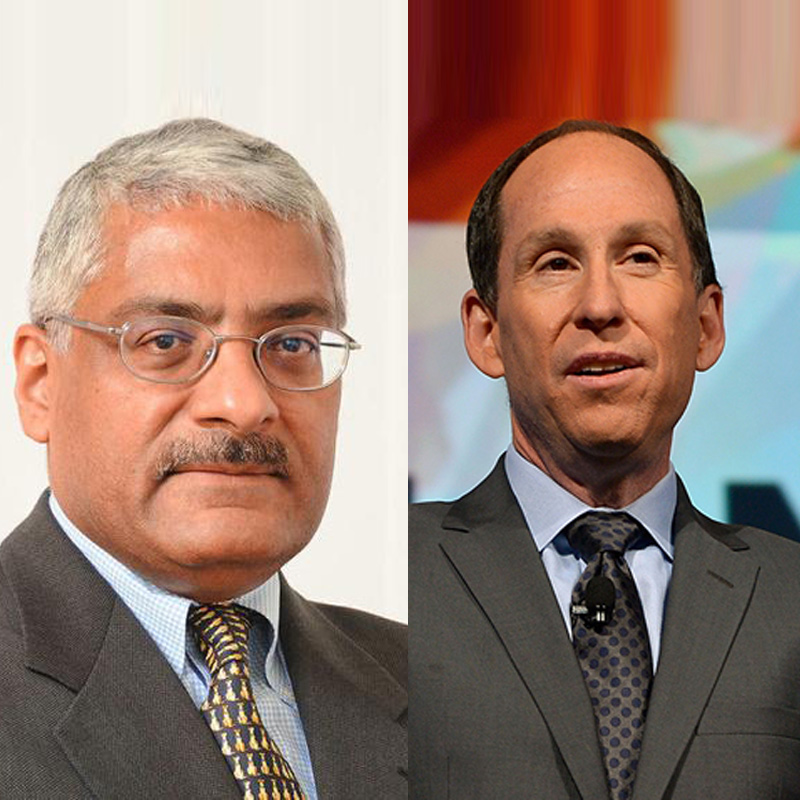
  • Man Jit Singh, Andy Kaplan to depart Sony Pictures following restructure

    Man Jit Singh, Andy Kaplan to depart Sony Pictures following restructure

    MUMBAI: Two executives who were familiar faces in the Indian television ecosystem–Andy Kaplan and Man Jit Singh–are departing after decades of being with Sony Pictures Television Networks (SPT) and Sony Pictures Entertainment (SPE) in the US. A third executive Sheraton Kalouria, who was SPT president and chief marketing officer, has also been shown the door.

    The exits are a part of a reorganistion of SPE’s television and home entertainment businesses that CEO Tony Vinciquerra  announced through an internal memo.

    Kaplan spent a good 31 years with the company and was president of worldwide networks at Sony Pictures Networks and was one of the key drivers at its India TV network’s success story. Singh was president of Sony Pictures Home Entertainment and was helming the India operations for a good five years before handing them over to current SPN India CEO NP Singh and moving back to the US in 2014.

    The reorganisation has resulted in 18-year-old Sony vet and SPT president – distribution Keith Le Goy getting additional responsibility of home entertainment. He will report to Sony’s Motion Picture Group (MPG) chairman Tom Rothman on the MPG home entertainment business while continuing to have a line to SPT chairman Mike Hopkins on TV distribution.

    Hopkins has also taken on full responsibility of SPT’s network business–consisting of operations in 178 countries with 101 channels and 189 feeds–and all the heads, including NP Singh, will report directly to him.

    Kalouria’s departure has also led to a decentralisation of the marketing function and each team will report to the business unit they support.

    Addressing the company in the memo, Vinciquerra said: “I realise these changes are significant and will be an adjustment for many of you, but they are important in our efforts to strengthen SPE overall and make it more agile in today’s fast-moving environment.”

    Also Read :

    Man Jit Singh likely to continue as IBF president

    Sony Pictures Ent appoints Man Jit Singh president of Sony Pictures Home Ent

  • Merger talks on the anvil once again for CBS, Viacom

    Merger talks on the anvil once again for CBS, Viacom

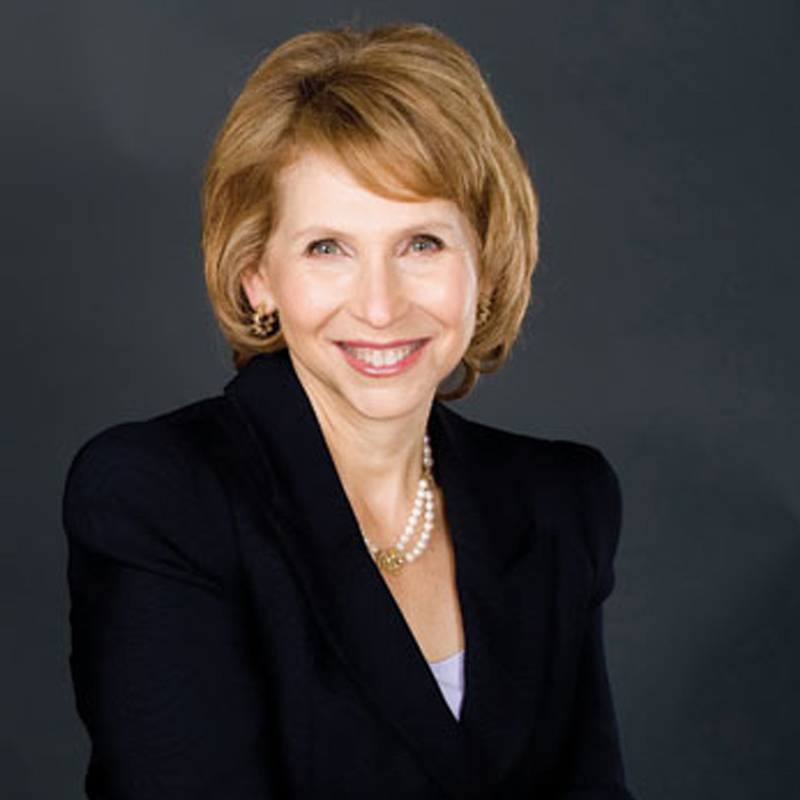
    MUMBAI: Coming on the heels of the Fox-Disney merger, CBS Corporation and Viacom Inc are inching toward formally exploring a corporate reunion of the two halves of the Redstone media empire.

    According to a Variety.com report, there is less opposition within CBS this time around compared to the last attempt by CBS/Viacom vice chairman Shari Redstone to bring the two companies back together in the fall of 2016. The early rumblings are that CBS would acquire Viacom in an all-stock transaction.

    There are still big hurdles to clear in terms of valuation for Viacom, given the systemic concerns around its lower-profile U.S. cable networks, but there is also an understanding that the media landscape is changing fast and the potential for the two sides to work together on international growth initiatives provides rationale for a reunion. Viacom’s share price has also tumbled further during the past year, making a deal more attractive on a financial basis for CBS shareholders. As of Thursday, Viacom had a market cap of $13.8 billion, with shares closing at $33.61. CBS is valued at $22.7 billion, with shares closing at $59.27.

    Sources close to the situation emphasise that neither side has yet engaged bankers or advisers to hammer out an agreement. But CBS Corp. CEO Leslie Moonves and Viacom CEO Bob Bakish have had at least one discussion about the possibility of merging, according to a Reuters report Thursday.

    CBS and Viacom were first brought together in 2000 by Sumner Redstone, now chairman emeritus of both firms. The two were split up again in January 2006 out of Sumner Redstone’s frustration with a sagging stock price.

    Also Read :

    Disney to buy 21st Century Fox assets for $52.4 billion

    With Star India, Disney emerges as India’s largest M&E firm

    Sudhanshu Vats on Viacom18’s growth strategy and why data analytics is key

  • Ramdev wants telecast fees waived off for devotional channels

    Ramdev wants telecast fees waived off for devotional channels

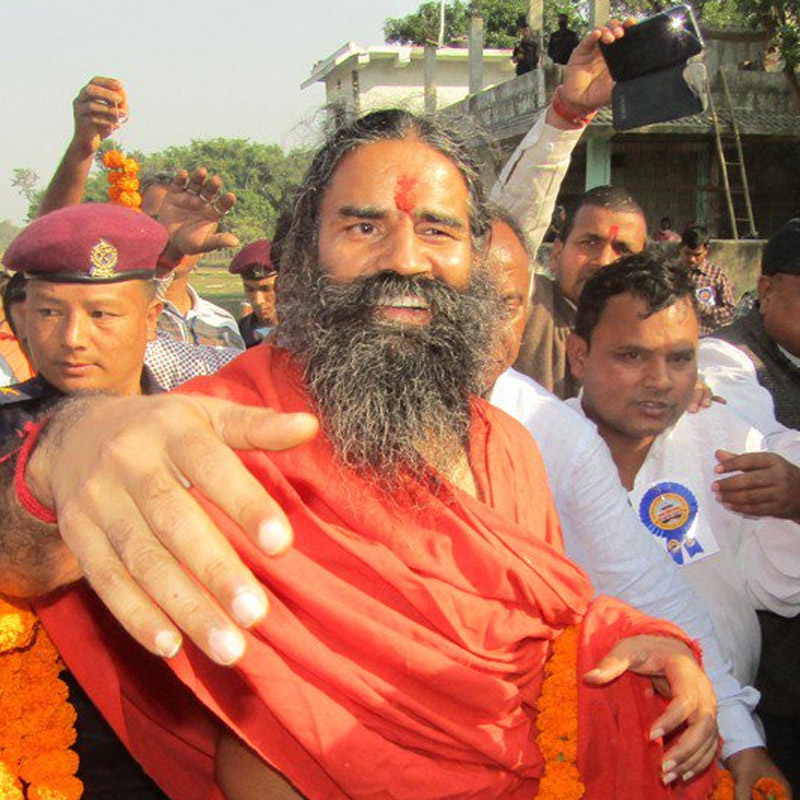
    MUMBAI: Baba Ramdev today took a shot at the government for imposing high tax on telecasting devotional TV channels.

    The Patanjali founder said that “it would be really shameful, if we would have to give money even in the name of faith and I never expected such kind of behaviour from this government.”

    “The government was demanding 1 lakh rupees from all us. To which, we said that please don’t impose tax on sadhus and saints. You are religious people, you love your country, you follow religion but we hope to get free from it, because then if people want to hear or see any baba’s discourse live, baba would have to give One Lakh Rupees per day from his own pocket. A baba can’t afford so much of money. The government wants Rs 32 crore in total to show all the channels like Aastha and Vedic,” he added.

    Ramdev was speaking at an event to mark the launch of Aastha mobile app in New Delhi. The app is claimed to be the first of its kind, which will help users in getting their desired spiritual content. It will include programmes from spiritual TV channels such as Aastha and Arihant.

    “This is an iconic moment for India, when it comes to publicise about spirituality. People would be able to see all the live programmes of all the four channels on the app. They can also see the repeat telecasts of all the programmes that came in nine days back,” said the yoga guru.

    Aastha plans to soon to launch its Tamil, Telugu and Malaylam channels. Ramdev said that the infrastructure is ready for the channels to go live.

    Also Read:

    Aastha TV to launch OTT, VOD service

  • SAB’s Markand Adhikari becomes co-producer for ‘Total Dhamaal’

    SAB’s Markand Adhikari becomes co-producer for ‘Total Dhamaal’

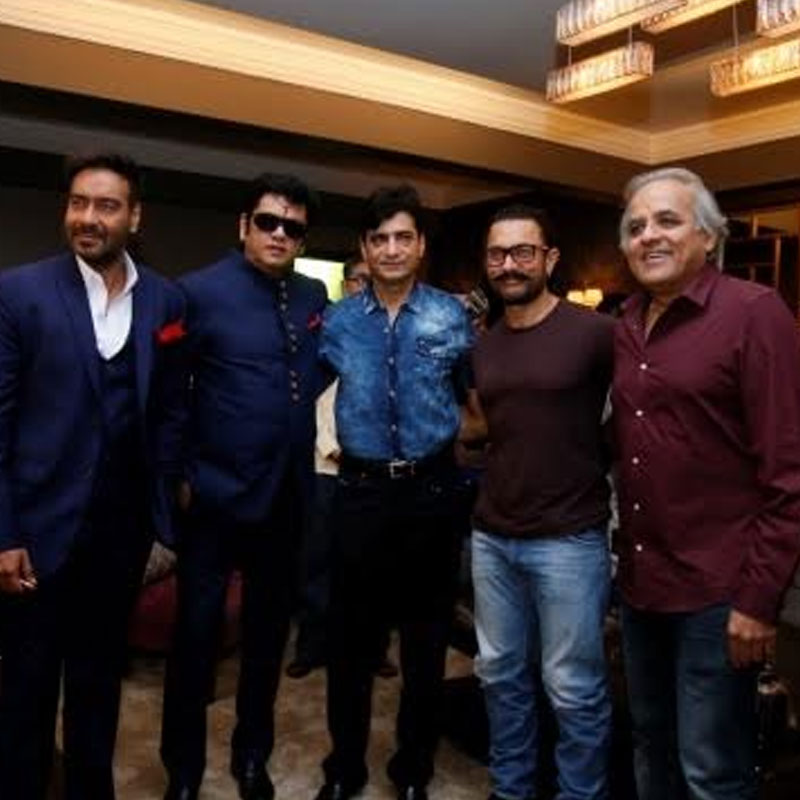
    MUMBAI: SAB Group’s Markand Adhikari has tied up as one of the producers for the film Total Dhamaal. The film will be jointly produced by Markand Adhikari, Ajay Devgn, Fox Star Studios, Ashok Thakeria and Anand Pandit. Indra Kumar will be directing the film.

    The film has A-list actors including Devgn, Anil Kapoor, Madhuri Dixit, Riteish Deshmukh, Arshad Warsi, Boman Irani, Javed Jaffrey and many more.

    Aamir Khan gave the mahurat clap on the morning of 9 January at Filmcity, Mumbai. Total Dhamaal is the third film in the comedy franchise Dhamaal. The film is scheduled to release on 7 December 2018.

    public://inside_0.jpg

    Also Read:

    Sab Group, Pantel Tech join hands to launch over 20 FTA channels

    SAB realigns Dhanda’s position as TV Vision CEO