Category: People

  • NDTV hires Malika Malhotra, backing substance over soundbites

    NDTV hires Malika Malhotra, backing substance over soundbites

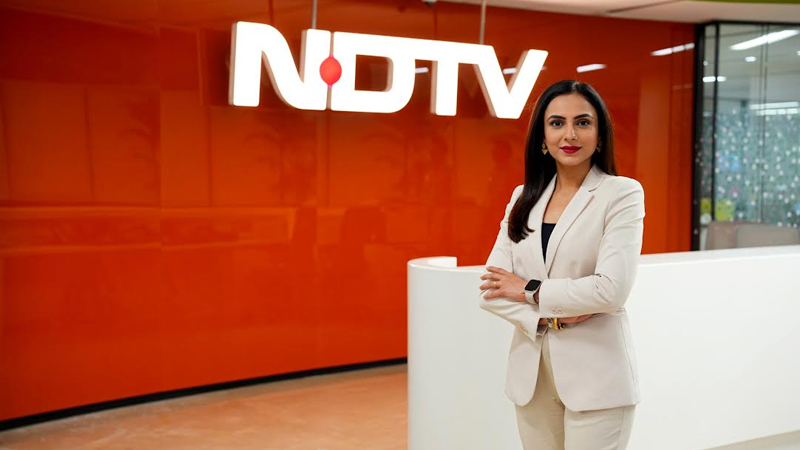
    MUMBAI: NDTV has roped in seasoned anchor-reporter Malika Malhotra, adding serious weight to its editorial bench and doubling down on journalism that favours depth over din. With nearly a decade of ground-zero reporting, Malhotra’s induction signals a clear editorial intent — more Bharat, less breaking.

    Malhotra made headlines for her 100-day marathon at Delhi’s Singhu border, covering the farmers’ protest with grit, grace and a near-unheard-of 12-hour daily routine. But what began as an assignment became a calling — one that earned her the trust of protestors and the respect of viewers.

    She’s also among the few to return to stories the rest of the media had moved on from. Her follow-up reporting on the Joshimath land subsidence crisis brought attention back to families still stuck in limbo, proving journalism doesn’t end when the cameras pack up.

    ‘NDTV has always felt like a space that values calm, clarity, and connection. For me journalism is not about being part of the noise, it’s about getting closer to what really matters. That’s the kind of journalism I have always believed in. Audiences today aren’t just looking for news. They want insight, honesty, and a voice that speaks for them — not to them. NDTV has consistently built that trust. I am proud to be part of it,’ Malhotra said on her joining.

    NDTV group CEO & editor-in-chief Rahul Kanwal said, ‘We are very happy to welcome Malika to the NDTV family. She represents the kind of journalism we believe in — honest, grounded, and connected to real people. Her presence will add tremendous value to our editorial direction.’

    Her upcoming show on NDTV India (details under wraps for now) will carry this DNA forward — storytelling that’s relevant, rooted, and refuses to shout for attention.

    In an era of outrage cycles and race-to-the-top tickers, NDTV’s bet on Malhotra is a signal flare: the age of thoughtful, impact-first journalism may just be making a comeback.

  • Kids cluster head Uttam Pal Singh departs from Warner Bros Discovery

    Kids cluster head Uttam Pal Singh departs from Warner Bros Discovery

    MUMBAI: Live frugally has been the mantra in the world of content creation for quite some time now. Almost every genre has been impacted with large advertisers shaving their ad budgets. The kids genre too has been buffeted by the stormy winds of a shrinking ad universe.

    Kids broadcasters have in turn cut the per episode production allowance given to producers, apart from reducing the number of fresh content hours. Additionally, OTT platforms which have been going through a tough period have slashed their per unit purchase price for animation content.  

    Net outcome: studios are either resorting to massive layoffs or shutting down.

    “The heady days of two or three years ago and the pre-pandemic era when we were producing 200 minutes of animated content have gone, now we are producing just 30 minutes of content,” says a studio owner. “Look at the number of artists who have been without a job with the shutting down of Technicolor, The Mill and MPC and Jellyfish pictures.”

    Broadcasters are tightening their belts on the manpower front as well now in order to stay afloat. The buzz in the market is that Warner Bros Discovery India south Asia kids cluster head Uttam Pal  Singh is no longer working with the company. Apparently his role became redundant with Discovery programming head Sai Abhishek being asked to additionally shepherd the kids portfolio which includes Discovery Kids, Cartoon Network and Pogo channels.  

    Uttam Pal Singh was with Warner Bros Discovery for eight years. He was first hired as head of content of Discovery Kids in 2017, then elevated to head the channel, and finally given charge of the entire kids cluster in 2022.

    Indiantelevision.com reached out to Warner Bros Discovery for a comment but no one was willing to come on record. 

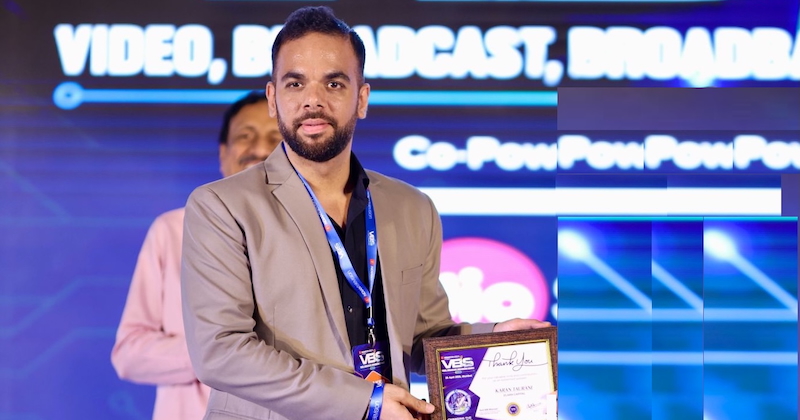
  • Media ‘investment pundit’ Karan Taurani gets his executive stripes at Elara Capital

    Media ‘investment pundit’ Karan Taurani gets his executive stripes at Elara Capital

    MUMBAI: Karan Taurani, Mumbai’s most recognisable media analyst, has bagged the executive vice president role at Elara Capital. The May 2025 promotion caps nearly seven years at the investment firm, where he’s dissected media, consumer discretionary, and internet sectors with surgical precision. Now retail has been added to his watch portfolio. 

    Taurani’s climb from vice president (October 2018) to senior vice president (April 2021) and now to the executive suite reflects his growing clout. His trajectory mirrors his expanding media footprint—from conference circuits to prime-time television punditry.

    The analyst’s journey began at Pioneer Investcorp (2008-2011), covering IT and mid-cap technology during the sector’s boom years. IFCI Financial Services expanded his remit to education whilst maintaining IT expertise. Religare offered broader horizons, juggling 15-plus companies across technology, media, telecoms, and education as lead analyst.

    Dolat Capital Market cemented his media sector reputation before Elara Capital came calling in 2018. What sets Taurani apart is his media savvy—regular television appearances and conference circuit presence make him the go-to voice for sectoral insights, whether streaming wars, retail disruption, or consumer spending patterns.
    His independent directorship at Kavithalayaa since January 2024 adds board-level strategic nous to complement analytical prowess. It’s cross-pollination that makes for rounded market commentary.

    At Elara, Taurani’s executive elevation suggests the firm recognises value beyond pure research. In an era where analyst personalities drive investment decisions, having a media-savvy executive who articulates complex trends across platforms is worth its weight in rupees.

    For Taurani, the promotion validates a career built understanding India’s evolving consumer landscape. His analytical journey mirrors the country’s economic transformation—and executive stripes suggest more commentary ahead.

  • Chetan Chauhan takes charge as CEO of Thinkinkpicturez to script regional content revolution

    Chetan Chauhan takes charge as CEO of Thinkinkpicturez to script regional content revolution

    MUMBAI: In a bold move fitting the silver screen, Thinkinkpicturez Ltd has cast veteran media executive Chetan Chauhan as its new chief executive officer. With nearly three decades of industry experience, Chauhan takes the helm as the Mumbai-based entertainment company lines up a Rs 500 crore expansion into regional cinema and children’s content.

    The announcement signals a clear pivot. Thinkinkpicturez is betting on the rising tide of regional storytelling, developing content in Gujarati, Marathi, and other Indian languages. The company has also set its sights on an often-overlooked segment: children’s cinema.

    Chauhan, an influential figure in the Gujarati film ecosystem and a former publicist for over 70 regional films, is known for his association with Pan Nalin’s Last Film Show, India’s Oscar entry. His résumé includes top roles at The Times of India Group (BCCL), Mid-Day, Reliance, and Pantaloons, along with academic tenures in Gujarat’s media institutions.

    “The entertainment industry in India is growing at an unprecedented pace… We are committed to nurturing fresh talent and promoting regional narratives, with a special emphasis on children’s cinema”, said Chauhan.

    Thinkinkpicturez is also exploring collaborations with the Gujarat Government to drive employment through media investments in the state. The company continues to assess the feasibility of six pending Hindi feature films previously announced.

    According to company sources, the goal is not just expansion, but representation. By spotlighting regional stories and backing grassroots talent, Thinkinkpicturez aims to redefine India’s entertainment map.

    With Chauhan at the wheel, the company plans to align with broader trends such as the rise of AI in storytelling and the push for inclusivity in content. His appointment marks a new chapter—less about red carpets, more about redrawing the boundaries of Indian cinema.

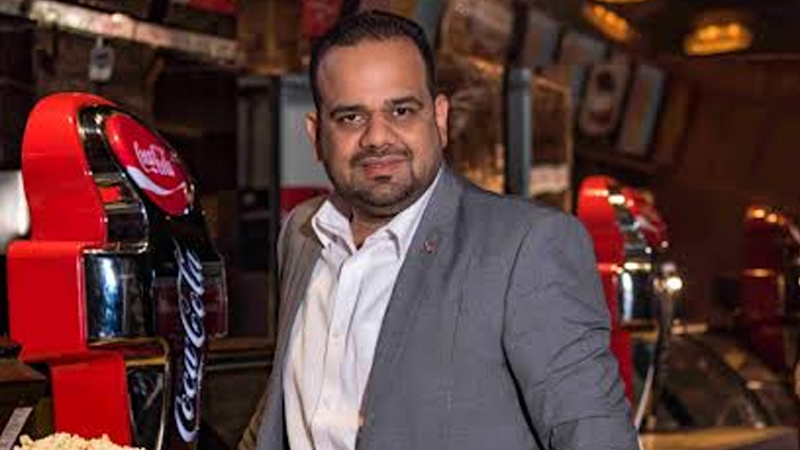
  • Bhuvanesh Mendiratta steps into spotlight as MD of Miraj Cinemas

    Bhuvanesh Mendiratta steps into spotlight as MD of Miraj Cinemas

    MUMBAI: The curtains have risen on a new leadership act at Miraj Cinemas. On 26 May 2025, the company appointed Bhuvanesh Mendiratta as its new managing director, succeeding Amit Sharma, who exits after a 14-year stint to explore new avenues.

    Mendiratta has been no stranger to the Miraj marquee. As chief operating officer, he helped script the chain’s rise to India’s third-largest multiplex network, with 235 screens across 70 locations in 48 cities. In his new role, he will chart business strategy, lead daily operations, and drive future growth.

    With two decades in entertainment and hospitality—including tenures at PVR and Cinemax—Mendiratta has worked across verticals like F&B, programming, and marketing. He holds a degree in Hospitality Administration from NCHMCT and an executive MBA in hospitality management.

    “Bhuvanesh has been part of our core team for a long time and understands every aspect of the business. With his strong industry knowledge and execution skills, we believe he is well-placed to lead Miraj Cinemas into its next phase of growth. We are excited about what lies ahead”, said Miraj Group group CEO Arvind Jain.

    In his first comments as MD, Mendiratta said, “It’s been an incredible journey so far, and I’m truly honoured to take on this responsibility. Our focus will remain on strengthening our presence, adding premium formats like IMAX and Neo-M, and creating the best possible experience for moviegoers across India”.

    He also pointed to expansion plans targeting tier two and tier three cities with content strategies tailored to regional audiences and sustainable cinema formats.

    Under Mendiratta’s direction, Miraj Cinemas aims to double down on premium screen formats, upgrade sound and projection tech, and deepen its national footprint—ensuring the story at Miraj continues to unfold on a bigger, bolder canvas.

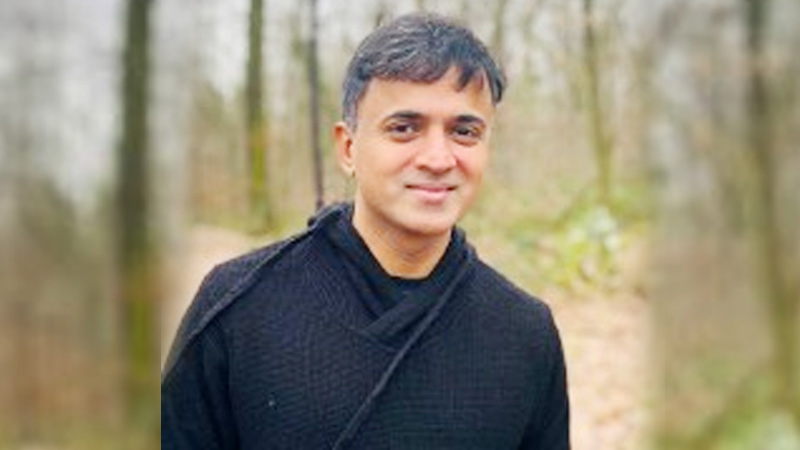
  • Manoj Padmanabhan takes charge as chief growth officer at Smitson Entertainment

    Manoj Padmanabhan takes charge as chief growth officer at Smitson Entertainment

    MUMBAI: In a career move that straddles the worlds of OTT and grassroots sports, Manoj Padmanabhan has taken over as chief growth officer at Smitson Entertainment. The announcement was made public via Linkedin, where Padmanabhan confirmed he would continue in his role as chief revenue officer at Sportvot while spearheading growth at Smitson.

    Smitson Entertainment is building its identity around storytelling for the new-age Indian audience. From web series and show formats pitched to top OTT players to music IPs designed for global stage experiences, the company aims to put Indian creative narratives in the global spotlight. Padmanabhan’s entry comes at a time when Smitson is ramping up content pipelines and forging international collaborations.

    “Pranaay Pradhaan let’s make this count”, Padmanabhan said in a post, hinting at an ambitious new chapter.

    Padmanabhan brings more than two decades of experience across sports broadcasting, digital media, and entertainment. Currently at Sportvot, he has been instrumental in building a cost-effective live streaming platform tailored for community and grassroots sports. Under his leadership, Sportvot launched the Sportvot Cloud Studio—a web-based production tool enabling multi-camera sports broadcasts from smartphones, professional rigs, or even AI-driven cameras.

    Prior to this, Padmanabhan held leadership roles at Alpha Metaverse Technologies, Total Esports (TES), Dailyhunt, and Star TV Network, where he led niche sports sales and helped establish leagues like Pro Kabaddi and Premier Badminton League. He also played a foundational role in shaping Indian Super League (ISL) at RISE Worldwide, transforming India’s football broadcast ecosystem.

    With his music initiative Soulful Vibrations and past ventures into production and programming at Ten Sports and UTV, Padmanabhan brings a multidisciplinary flair to the table—equally at home with tech stacks and turntables.

    As Smitson positions itself at the intersection of entertainment, technology, and cultural storytelling, Padmanabhan’s blend of experience, agility and industry foresight could help shape a powerful creative engine built for scale.

  • Amit Gupta promoted  at Warner Bros Discovery as sr director, APAC ancillary & Hyderabad content operations

    Amit Gupta promoted at Warner Bros Discovery as sr director, APAC ancillary & Hyderabad content operations

    MUMBAI:  Amit Gupta has stepped into a new adventure as senior director – APAC ancillary and Hyderabad content operations at Warner Bros Discovery, adding another star-studded chapter to his 25-year career in the media and entertainment industry.

    Gupta, who previously served as director – program operations for South Asia at the same company, has been a master of content logistics and operations. From running the show for kids and English movie channels at Turner to leading creative services and broadcast post at Prime Focus Technologies, he has been the backstage wizard keeping the content flowing.

    Before joining Warner Bros. Discovery, Gupta sharpened his craft at Reliance MediaWorks as AVP – technical and operations, and earlier at Sony Entertainment Television, where he steered the post-production department. He even donned the hat of a senior video editor at Applause Entertainment and freelanced as an online video editor, giving him a deep understanding of the creative and operational sides of the business.

    In his new role, Gupta will oversee APAC’s ancillary operations and lead the Hyderabad content hub, playing a critical role in delivering Warner Bros Discovery’s magic across the region. With a career that’s a mix of big names and bigger responsibilities, Gupta’s latest gig is set to be another hit on his list.

  • Shyam Tallamraju takes charge as VP – fan loyalty & live experiences at JioHotstar

    Shyam Tallamraju takes charge as VP – fan loyalty & live experiences at JioHotstar

    MUMBAI: From co-founding a tier-2 India gaming platform to curating spiritual live events with Bachchan, Shyam Tallamraju has made career pivots look easy. Now, he has stepped into his latest—and arguably most dynamic—role as JioHotstar vice president – fan loyalty & live experiences, marking a major milestone in the OTT giant’s audience engagement evolution.

    Tallamraju announced the move via LinkedIn, reflecting on a whirlwind two-month sprint where he already led the platform’s non-sporting live experiences for Mahashivratri and Ram Navami. Both events featured Hindi cinema legend Amitabh Bachchan and signalled a shift in JioHotstar’s content curation playbook—one that stretches beyond just cricket and cinema.

    “It’s always Day One at JioStar”, Tallamraju wrote, hinting at the long runway ahead in crafting moments that go beyond screen time to forge fan bonds. His appointment signals a clear commitment by the platform to build deeper, more interactive viewer journeys across festivals, fandom, and everything in between.

    Prior to this role, Tallamraju co-founded Hi Hello, a multilingual social gaming app that clocked over two million downloads and $100,000 in revenue. Despite its eventual closure, the three-year journey gave him a front-row seat to India’s tier two digital pulse.

    “Running a startup is a crash course in life”, he admitted, acknowledging the grind and lessons that shaped his vision for building meaningful fan ecosystems. His earlier stints include leadership roles at Gupshup, OZiva, Bookmyshow, and Radio Mirchi—adding to a portfolio that blends media strategy with brand insight and digital storytelling.

    With over two decades of experience and a knack for turning everyday moments into fan rituals, Tallamraju’s new chapter is poised to push the boundaries of experiential entertainment at one of India’s biggest OTT platforms.

    As the streaming race heats up, JioHotstar’s next big wins might not just lie in what’s on-screen, but in how deeply it can embed itself into the lives—and emotions—of its viewers. And Tallamraju seems all set to lead that charge.

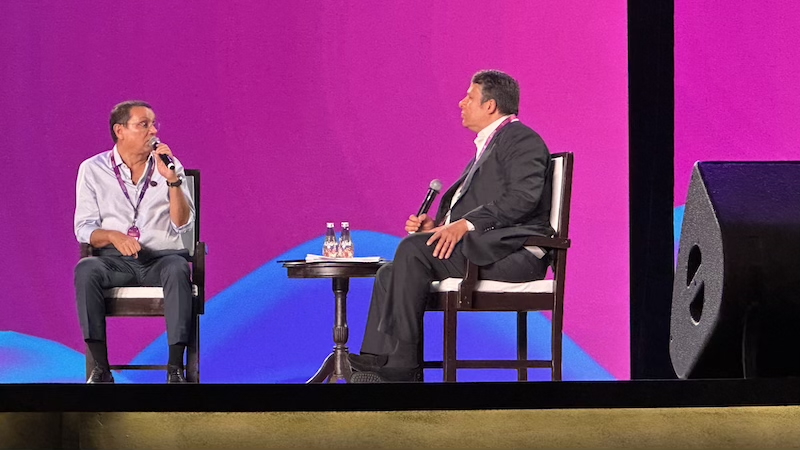
  • India’s M&E story set to double: Uday Shankar urges industry to back storytellers, not just screens

    India’s M&E story set to double: Uday Shankar urges industry to back storytellers, not just screens

    MUMBAI:  India’s media and entertainment industry is sitting on the edge of a blockbuster sequel—if it can get the script right. That was the central message from Uday Shankar, vice chairman of JioStar and co-founder of Bodhi Tree Systems, at the Waves 2025 Summit. His session—“Media in India: Past 25 Years & Journey Ahead – to 2047”—with Media Partners Asia’s Vivek Couto was a masterclass in both history and prophecy.

    “From a country with barely a few state-run channels, we’ve become one of the world’s most voracious consumers of video,” Shankar said. “But what got us here won’t get us there.”

    Shankar began with a rewind to the early 1990s when, as he put it, “Satellite TV sneaked into India while the regulators were looking the other way.” This accidental revolution unleashed a tidal wave of demand, innovation, and ultimately, ubiquity. By the 2000s, television had wormed its way into the remotest villages.

    “India’s success wasn’t scripted by policymakers or global giants,” he pointed out. “It was local grit, local creativity, and Indian capital.”

    Today, he said, the transformation is even more dramatic. With over 700 million video consumers and platforms like JioStar commanding 500 million users—many of them paid subscribers—India has gone from media laggard to streaming juggernaut.

    While western media circles love predicting the death of linear TV, Shankar shut down that eulogy. “TV is not dying in India. In fact, we’ve added pay-TV subscribers,” he noted. “The reason? We backed the medium with the right kind of content. Content that understands India.”

    Streaming, too, is thriving—especially when priced with precision. “People said Indians wouldn’t pay for content. Wrong. They will, if it’s priced right and respects their time.”

    But not all is well on the content front. Despite world-class distribution, India’s storytelling muscle, Shankar warned, is underdeveloped. “We’re importing formats that worked elsewhere and force-fitting them into our own culture,” he said. “We need more content—and more local content.”

    He championed a full-fledged push into Tier II and III markets, and beyond the usual suspects of Hindi, Tamil and Telugu. “Bhojpuri, Haryanvi, Kumaoni—these audiences are starved for stories in their own language,” he said. “Let’s not give them leftovers.”

    While billions flow into content investment, Shankar identified a severe talent bottleneck. “You can’t serve 750 million viewers with 6,000 content creators. It’s absurd,” he said. “We need an army of new-age writers, directors, showrunners—young blood with their ears to the ground.”

    He pulled no punches on Hindi cinema saying it had “fallen out of touch” and was “creatively stuck in a loop.” The south Indian industries, by contrast, were lionised for their energy, risk-taking, and affordability. “Look at Tamil Nadu or Telangana or Karnataka —affordable tickets, packed theatres, and movies that connect. That’s the model,” he said.

    If there was any doubt about the depth of domestic commitment, Shankar squashed it with numbers. The merged JioStar entity, he revealed, spent Rs 25,000 crore on content in 2024, expected to rise to Rs 30,000 crore this year, Rs 32,000 -Rs 33,000 crore in 2026—roughly $10 billion over three years.

    “This isn’t speculative cash chasing vanity metrics,” he said. “It’s focused investment meant for Indian consumers, with returns from Indian markets.”

    Despite all the growth, Shankar acknowledged a glaring weakness: outdated monetisation models. “The industry is still stuck between advertising and subscriptions—meanwhile, new players are eating into revenues with creator content, commerce, and gamification.”

    His prescription? Rethink what it means to monetise a viewer. “Should a subscription just be access? Or can it be bundled with loyalty programmes, micropayments, creator communities? There’s a whole universe we haven’t touched.”

    Shankar also fired a warning shot at policymakers. “India’s regulatory framework still treats TV and digital like twins,” he said. “They’re not. They’re cousins at best—raised differently, with different needs.”

    He urged the creation of a sandbox-like regulatory structure—one that encourages innovation and gives breathing space for Indian platforms to grow, rather than mimicking Western regimes.

    In conclusion, Shankar set his sights high. “We’re at $30 billion today. The US is at $200 billion. China is pushing $75 billion. Why should we settle for less?”

    With 65 per cent of Indians under the age of 35, he argued, India has the youngest, hungriest audience on the planet. “If we invest in our people, our platforms, and—most importantly—our stories, we won’t just match the world. We’ll lead it.”

    From satellite smuggling to streaming scale, the Indian M&E journey has been wild. Now, says Shankar, it’s time to script Act II—with more voices, sharper ideas, and fewer borrowed templates.
  • Pragati Ghorpade bids adieu to IndiaCast UK after 12-year innings

    Pragati Ghorpade bids adieu to IndiaCast UK after 12-year innings

    MUMBAI: Pragati Ghorpade, the long-serving head of operations at IndiaCast UK, has stepped down after a 12-year run that saw her rise from a temporary maternity cover role to becoming an influential figure in the company’s international playbook.

    A software whiz turned media multitasker, Pragati brought analytical flair to the business of broadcasting. Her journey at IndiaCast—a joint venture between TV18 and Viacom18—has been marked by relentless adaptability, strategic nous, and an ability to build bridges between tech and television.

    Starting off as an associate director, she soon took charge of operations, where she helped steer everything from high-stakes campaign rollouts to on-ground events and glitzy local productions. Under her watch, shows like Antakshari, NRI Hadsa, and Desi Beat Season 5 not only struck a chord with diaspora audiences but also turned IndiaCast UK into a vibrant hub of regional storytelling.

    Beyond the screen, her contributions shaped marketing strategy, streamlined operations, and ensured the IndiaCast brand remained top-of-mind in a fiercely competitive UK market.

    Her departure follows the exit of other seniors like UK boss Govind Shahi.