Category: GECs

  • ‘We are competing for the entertainment share, not radio share’ : William Sabatini – Worldspace VP Global Programming

    ‘We are competing for the entertainment share, not radio share’ : William Sabatini – Worldspace VP Global Programming

    Worldspace VP Global Programming William Sabatini has more then 22 years of major market radio experience working at radio stations in New York (WNBC-AM, WXRK-FM and WCBS-FM) and Los Angeles (KCBS-FM).


    Sabatini has worked with the biggest names in the radio business in the US, including Howard Stern, Cousin Bruce Morrow, Dan Ingram and Wolfman Jack. He has been with WorldSpace for more than 8 years now, and started in 1998 before the satellites were even launched!


    Sabatini joined WorldSpace as director of Music Programming and was responsible for designing and launching the first original music channels which were created in the fall of 1999. Currently, his responsibilities include development of content strategy, building new content, partnering with third party content partners, implementation of content plans – managing the content on a global scale, encompassing numerous markets such as India, Middle East, Europe, South Africa.


    During a recent trip to Bangalore, Sabatini found time to speak to indiantelevision.com’s Taro W. Excepts from the interview:

    WorldSpace is about getting music at an affordable cost. How do you propose to face the challenge from the growing FM Radio explosion in India from the programming perspective?

    In truly providing different niches of music, whether it’s Indian music or Western music like in the case of the States where you have the XN series, we provide things that FM can’t provide. That’s kind of the starting point.

    What are the things that FM can’t provide?

    Well, we are going to have 65 music channels. An FM station can do one format. So you have a platform that will reach out, that’s it.

    As far as FM is concerned, it’s free, you only need a radio, a standard receiver, but in your case you require a separate receiver and a subscription charge. So what’s the differentiator? Suppose I was to subscribe to you, how would you get me to do that?

    Our job is to just provide that value, to demonstrate to the consumer why the value for the money. FM is free; we’re not, why come to us? That’s part of our job.

    So how do you go about doing that?

    What we’ve found in the States; Europe is that you have to really experience the product. People have to be explained the value proposition. And once they get it demonstrated to them, whether it’s through an audio retail outlet, or through the GM cars, people would get it for two months free. Once people heard it when they got it … Oh My God! Yes you have X number of stations in the market, the format would never be on FM radio, they’d never be able to provide individual stations with these kind of niche products. When you are on FM you are all about providing mass appeal, in all mass appeal, you’ve to track advertising revenue. It has to be the biggest broadest format. You can’t do a jazz channel, you can’t do a Carnatic classical music channel, and you can’t do a Punjabi music format. You can have a big brand, you know the Bollywood hits format, which is cool, we have one ourselves, but we also offer this variety of music formats that are not heard on traditional FM radio.


    The benefit of having a whole platform and the value proposition that we hopefully are, well unlike FM. Yes there is a subscription cost, but this is what you get. You get 40 plus channels of music. So hopefully the consumer understands that.


    We recently did an event in the US. It’s a big existing kind of yearly concert. We go there while we are on the ground, we get access to all the artists, we interview all the artists on the stage and we do it (a) Live on the channel and (b) we pick that and package it and distribute it to different channels in a format that makes sense for them and again that is an example of unique stuff that people have access to. People can have a CD of an artist, but they are not going to have the interviews and things like that.

    And your job is to organize the content basically.

    Right, I handle global content, developing the content strategy, trying to figure out what is it that people want. We have X amount of bandwidth on our system, how do we use that to get people what they want. Most in demand music formats for instance, you know, create demand.


    We have to think about content all the time. Providing content that is unique and compelling to people obviously. When I think about the content, I think about two things – the breadth of the content, all the different genres and varieties and choices that you have from A to Z. Then also within that channel selection of breadth, the depth of each particular channel, and what does that channel provide that is unique and compelling.


    Getting back to your original question, we’d like to articulate that – Yes, we have these variety of choices which are cool and great.


    Even for the channel choices, we really try to go deep and offer – like our New Pop (NP). You know NP is our globally focused Pop channel. We play the pop hits from around the world. Who are the big stars in Italy, in France, here, the US and everywhere? What we did last year, actually this year, was we went to Studio2 – the Beatles studio in London where they did everything. We went there for three days, brought in 20 plus bands and we recorded sessions with them which we broadcast.


    The event itself was cool; we repackaged that, nowhere else could you get that. A lot of up and coming British acts, some established British acts, and they were just excited to come, because they were in the place that the Beatles did all the great stuff in. Those are the kinds of things we look to do on all the channels, in sync with the channel, of course. A long answer to you question.

    Do you do some research to know kind of stuff that people want?

    At the end of the day, it’s not what I want, it’s not what anyone in the content department wants, it’s what our subscribers and potential subscribers want. They are the ones who are going to pay the subscription fees, so we’ve to give them what they want. We constantly do research to. We poll our subscribers, the satisfaction levels that they have with the channel, what do they like that we have, what don’t they like that we have, what things do they see missing on the platform, what do they like to see more of. A lot of those kinds of things. We’re constantly polling our subscribers and potential subscribers who may not even be aware of WorldSpace, that way we are always informed.

    Third party content, how easy, or how difficult is it get in different countries? Do you find different regulations all over the world?

    Yeah, it greatly varies. It varies on our partners, on their goal, what they want. Sometimes a partner might just want to be ubiquitous, they may just want distribution, WorldSpace can take this and it’ll be easy to get them on. In other cases, not so much. Maybe they already have distribution on some other platform. There’s no kind of set answer to that. It depends on the brand or the third party, what their goals are.

    What about from the regulations point of view? Do different countries have different rules as far as sharing of content, payments, other things are concerned?

    It’s not an issue at all.

    You have been in the music industry for 22 years.

    Yeah, I started in Radio New York City, and then worked with some big high profile people in Europe and then Los Angeles; I have been with WorldSpace when we didn’t even have the satellites up yet.

    What are the future plans for WorldSpace?

    Just generally, in terms of the content which I can best speak about – it’s continually staying on top, I talked about the research with our listeners; it changes from time to time. It’s about trying to figure out what’s the right mix of channels so that we can keep the subscribers happy. I am basically a consumer myself too, so I put myself in position of the consumer here or anywhere else that we do business and I want what I want. I am just trying to keep that consumer mindset in my mind when we program all these channels, and try to communicate that to all the people who run the channels and we really have to be in touch with all the listeners, in this day and age we can really communicate with people through email and message through to text, whatever. Chances are that they are communicating with the head of the channel, they like the channel. This is the core people who listen to your channel. We’ve to figure it out what they want from this channel.


    The RIFF Jazz event that we are going to do is the first of many events. This is the kind of thing that I want to do more of here – taking us to the people. We are just talking about Jazz in this event in particular. You know Jazz isn’t kind of high profile format; it’s an important format that’s got a core base of listeners. One of the reasons is because it doesn’t get the kind of exposure, people aren’t exposed to jazz, even in the states we have just 30 radio stations nationwide that are dedicated to Jazz. So people don’t grow up knowing about Jazz, they are not exposed to it, they are intimidated by this whole thing they don’t know about.


    So this kind of event will take Jazz to the people. This is the going out and explaining kind of Jazz to the people and demonstrating it and making it more acceptable. That’s what we do across all our channels, especially channels like this – Jazz and Classical. There is a wealth of knowledge and a wealth of history behind this kind of format. I want to replicate this kind of setting across multiple formats with different genres and do these kind of events all over India.

    India only? What about the other countries?

    You know with our satellites we cover 134 countries. If business climates call it, that will roll out as well. That’s not for me to talk about. There are future plans for the company, but right now obviously our main market of interest is India. That is quite clear.

    While we are going to have 65 music channels covering various formats, an FM radio station can cater to only one format

    Over the last eight and a half years, what are the different trends you’ve seen – Most music life is a few months or few days?

    Every person that we have hired to run the channel, I consider is a kind of expert in that field. We have also taken people on board who don’t have a lot of radio experience, but are a kind of an embodiment the format; they kind of live the format. You can literally teach people the basics of the radio, how to program a radio station, but you can’t teach them the lifestyle of the music. We are not in one place, we are in many with a million different expectations of what comes out of the radio, we can’t do research of one market like you do in a regular market and hire somebody, I am hiring you because of your instincts, on your gut feeling, we’ve to rely on you as an expert on this genre of music to program the station.


    Coming here to WorldSpace kind of liberates a lot of people, because they can program the station based on their own creativity and ideas and without having this pressure of “OH MY God! I can’t play this song because this section doesn’t like it. That’s why it’s really important for all the program directors of all the stations to (a) use their gut instincts (b) also be informed and try and stay in touch with the market with people all the different forms of communications because we have to understand what is going on the ground.


    Getting back to your question, people who are embodiments of these formats, people who know the lifestyle of that format, like Pamela Hall in the US. She grew up in a Jazz environment. She lived the life of Jazz.


    It’s up to the people to control the individual format and brand to constantly be on top of changing trends within their universe. Our people have to stay in touch, especially the current music – Pop. For example Reggae Pop, 3-4 years ago, it didn’t exist. We just started a channel called Flavor that is a globally focused hip-hop channel. Hip-hop started as a purely American form and the biggest Hip-hop, western people like that. What it’s done over the years is that in addition to people all over the world listening to hip-hop, they’ve got influenced by that and they’ve built their own versions. So we’ve this channel that globally focuses on hip-hop.


    That’s what we do on all the channels; we try to make them as globally focused as possible. Certainly not all formats can do that. Country format – for example -American country music. Our people are constantly aware of the trends, not just in the US, but everywhere.

    Today, internet has made geography history; do you see music becoming common globally? For example an album that is released in the US has a simultaneous release the world over. People globally are aware of it, on television, on the internet. How common is the content across different countries? The content that really gives you a good audience.

    One of the benefits of our platform is that we present a lot of different content. We have Indian produced channels that are very specific and focused on some regional languages and some more Indian formats, as well as the western content. Certain amount of that stuff applies globally. I have spent time here going to places such as bars, pubs, etc and just hear what people are listening to, especially some of the bars where the DJs’ are playing. It’s stuff that we all play on our channels.


    You walk into some of the bars here and they are just playing good old Led Zeppelin and the Who. And obviously that is the trend, no matter where. I’ve heard that kind of stuff everywhere. I think there is a certain commonality with some of the music, maybe on the platform, a lot of it, everywhere, but there are certain things that are specific to this market and maybe wouldn’t be trendy outside this region. So there is a kind of combination of both things on the platform. But I certainly agree it’s changed the music industry, that ubiquitousness of music has crossed the world; you will certainly see the kind of cultural exchange between people, people are aware of the other artists and, this wouldn’t necessarily happen if it weren’t for the easy access.


    We have a channel, a platform called World Zone to take the world of music and present it in a form that makes sense. I mean, literally, and I am not talking about just pop music, it’s more Chip Mammy, Sting, Peter Gabriel, and all these artists from around the world and putting it all into one mix representing it in the way that it is (1) first and foremost is entertaining, (2) but also educational.


    You remember when Sting came out with Chip Mammy, every one knew Sting, in the States at least, no one knew what Chip Mammy was, by virtue of being partner with Sting, people started paying attention to that. That’s what we are trying to do in World Zone, to bring all that music to people’s mind. We try to help in the process of globalization of music.


    Very often people may not like some of the music, something that they may not be yet interested in. We expose it to them, and play something they like, they give you the benefit of doubt, let’s stay with the channel, they kind of trust your instincts. They know, okay I like this channel they’ve introduced me to a lot of some cool music, it’s a sort of a global channel, that’s what we try to do. To kind of present the music to people they may not be familiar with, in the right context of course.

    Unlike Television, you don’t have methods of tracking listenership.

    No we don’t. Not yet. We just have the internal research that we do. We hope to have something like the TV ratings in the States for satellite radio. We’re pretty obsessed with the research that we do.

    What is your biggest competition?

    I think the biggest competition is not really the radio stations, it’s entertainment. I mean we have to make this a really compelling medium that people want to listen to us. Not just TV or news channels, or FM radio, it’s just entertainment. We are competing for the entertainment share, the entertainment ear if you will, so lots of forms. Satellite Radio series in the States are competing with each other, competing with FM, they are also competing now with I-pods. People have got I-pods in their car, it’s their music, when they want it. We have to give them a compelling reason with all these channels, give them stuff that they’re not going to get, can’t get on their I-pod. It’s also the serendipity of listening to a radio station, of not knowing what’s coming up, of being entertained by the DJ or the RJ.

    What about the internet, you have a choice to internet radio with so many channels in hold.

    You sure do, and I have thought a lot about that over the years, especially the kind of activities have increased, and with broadband, it’s easy to listen to internet radio, and as cities are getting wired, how long is it till internet is in the car. We can’t narrowly define our competition as this because there are maybe contrary things come up that attract attention for people. We just have to focus on the basics – content – how do we make our content so compelling, so unique that people just want our content.

    So content is the only differentiator?

    That’s what people are buying, they’re not just buying the receiver because it’s a cool receiver. It’s what they get from the box , and that’ why a subscriber probably just comes to us, they get things that I can’t get elsewhere, not on my I-pod, not on FM. That’s what we are selling on WorldSpace-content. And our music channels are commercial free, that’s another compelling reason.

  • Animal Planet Intl to broadcast programming trubute to Steve Irwin

    New Delhi, September 09, 2006: As the world continues to mourn the loss of Steve Irwin, Animal Planet International will broadcast a special full day programming tribute beginning on Sunday, 10th September at midnight. The event will highlight Steve’s background and personal history, from his early days at Australia Zoo, to his worldwide fame as the Crocodile Hunter, as well as his boundless passion for wildlife and his family. This special programming marathon will feature some of the best episodes from the long-running Crocodile Hunter series, which showcase Steve’s dedication to conservation and his exuberant approach to educating viewers about the natural world.

    Discovery Communications is deeply saddened by the tragic and sudden loss of Steve Irwin, who was beloved by millions of fans and animal lovers around the world and was one of our planet’s most passionate conservationists. He has graced Animal Planet’s air since October 1996 and was essential in building Animal Planet into a global brand.

    Rebecca Batties, Executive Vice President of Creative Development for Discovery Networks International, overseeing Animal Planet International said, “Steve was a true pioneer and heralded a fresh and innovative approach to wildlife filmmaking. He invigorated the genre and introduced a new generation of viewers to the natural world with his joyful, enthusiastic style. We are celebrating his legacy by showcasing his unforgettable work on Animal Planet.”

    Animal Planet is proud to broadcast the following programs as part of Sunday’s special tribute:


    Start Time
    Programme Title

    00:00
    Operation: Bunya Rescue

    1:00
    Lights! Croc! Action!

    2:00
    Crocodile Hunter Wildest Home Videos

    3:00
    Captured On Camera

    4:00
    They Shoot Crocodiles, Don’t They?

    5:00
    Search For A Super Croc

    6:00
    Steve’s Singapore Safari

    7:00
    Final Entry

    8:00
    Confessions Of The Crocodile Hunter

    9:00
    Steve’s Story

    10:00
    Crocodile Hunter Up Over The Down Under

    11:00
    Outback To Hollywood

    12:00
    Operation: Bunya Rescue

    13:00
    Lights! Croc! Action!

    14:00
    Crocodile Hunter Wildest Home Videos

    15:00
    Captured On Camera

    16:00
    They Shoot Crocodiles, Don’t They?

    17:00
    Search For A Super Croc

    18:00
    Steve’s Singapore Safari

    19:00
    Final Entry

    20:00
    Confessions Of The Crocodile Hunter

    21:00
    Steve’s Story

    22:00
    Crocodile Hunter Up Over The Down Under

    23:00
    Outback To Hollywood


    To honour Steve and the enormous contribution he made to the world and to our company, DCI will rename the garden space in front of Discovery’s world headquarters in Silver Spring, Maryland, the “Steve Irwin Memorial Garden .”

    In addition, DCI is planning to create the Steve Irwin Crocodile Hunter Fund. The Fund will be established to honour Steve’s passion and exuberance for conservation and the animal kingdom and is expected to provide a way for people from across the globe to make contributions in Steve’s honor to support wildlife protection, education and conservation.

    Immediate contributions in the memory of Steve Irwin can be made to the Wildlife Warriors Fund at www.wildlifewarriors.org.au

    Animal Planet grabs you. The world’s leading animal entertainment brand, Animal Planet reaches 195 million subscribers in more than 160 countries outside of the United States with programming customized in 24 languages. Offering intrigue, adventure, humor, relationships, life and death, Animal Planet is the only television network on the planet dedicated to people’s fascination with animals. A joint venture between Discovery Communications and BBC Worldwide, Animal Planet launched in India in 1998 and is currently distributed to 24 million subscribers in the region.

  • Astro eyes acquisition in India, posts strong Q2 net profit

    MUMBAI: Astro All Asia Networks Plc has identified India and China as its potential high-growth markets. And the route it wants to take is equity participation in local ventures.

    “We intend to invest and grow our multi-media distribution platforms and content assets — particularly in the key Bahasa, Indian, and Chinese language speaking markets where we hope to consummate joint-ventures with key players across the region in the coming months. We are confident that these major investments, underpinned by our strong balance sheet and robust cash flows from our Malaysian operations, will secure our long term future, and importantly, sustain revenues, profitability and cash flow growth for shareholders in the medium and long term,” Astro Group chief executive officier Ralph Marshall wrote yesterday to the company’s shareholders.

    The company is scouting for equity participation in joint venture with local partners in these large under-penetrated markets, Marshall said. In India, Astro has, along with NDTV and infotech company Value Labs, already bought out Radio Today’s FM radio operations under Red FM brand.

    “Following liberalisation of the radio sector by the Indian Government, we are hopeful of making new investments and thereby participate in further growth of the radio broadcasting sector in the country,” Marshall said.

    In China, an Astro joint venture has secured approval and a 25-year licence to offer advertising services in the country. The joint-venture, with Hangzhou-based Tiansheng Culture Media Ltd, will initially provide marketing and airtime management services to seven radio stations in Zhejiang Province, and subsequently expand its services to other media companies, particularly in the TV broadcasting segment, in other territories across China.

    Astro, meanwhile, has reported a 66 per cent increase in net profit to RM 73.04 million for its second quarter ended 31 July 2006, from RM 44 million a year ago. This was on back of the Fifa World Cup and a strong demand for its pay-TV and advertising services in the period, the company said.

    Revenue rose 14 per cent to RM 569.08 million from RM 499.32 million while earnings per share was 3.79 sen from 2.29 sen.

    During the period under review, the Group has generated free cash of RM 162.6 million. “Taking advantage of the strong financial position, the Group repaid most of its bank borrowings in January this year, and secured access to fresh long-term capital funds totalling USD 300 million on more attractive terms,” Astro said in a release.

    Having recently launched seven channels, Astro plans to add more and has RM 2 billion to fund its expansion plans.
     

  • Hathway plans Rs 1 billion debt for CAS; VoIP launch by year-end

    MUMBAI: Rajan Raheja-promoted Hathway Cable & Datacom plans to raise Rs 1 billion as debt to fund the first phase of conditional access system (CAS). The multi-system operator (MSO) is also preparing to launch voice over internet protocol (VoIP) services by the last quarter of the year.

    “We will require an investment of Rs 1 billion for which we will be raising debt,” says Hathway Cable & Datacom CEO K Jayaraman.

    The bulk of the investments will be towards subsidising the digital set-top boxes (STBs). Funding will also be required in setting up VoIP and expanding broadband infrastructure. The company has tied up with telecom major Bharti for VoIP.

    “We are conducting test runs and expect to launch VoIP services by the year-end. MSOs will have to infuse capital in the changing business environment. On each STB, the subsidy works out to Rs 1,500,” says Jayaraman.

    The Telecom Regulatory Authority of India (Trai) has fixed the pricing of the boxes in the CAS areas. Cable TV service providers will have to offer digital STBs on a monthly rental scheme of Rs 30 and a refundable security deposit of Rs 999. There will be no payment for installation, activation charges, smart card/viewing card, repair and maintenance cost.

    The cost of the STBs including the smart card is around Rs 3,500. “Once we drive in volumes, the price of procuring these STBs should fall by 15-20 per cent,” says Jayaraman.

    Hathway will also be aggressively pushing digital cable TV in non CAS markets. The MSO launched its digital services in Jalandhar a few days back, having rolled it out earlier in New Delhi, Mumbai, Pune, Bangalore, and Hyderabad.

    “Starting with Jalandhar, we plan to roll out our digital services across Punjab over six months. In the first phase, 16 cities of Punjab will be connected by the end of this year,” Jayaraman says.

    The a la carte pricing of channels will increase the penetration of STBs in CAS areas, Jayaraman believes. “We expect a 80 per cent penetration if the broadcasters get the pricing right within a maximum of Rs 5 per channel,” he says.

  • BBC to launch interactive social reality court show ‘The Verdict’ next year

    MUMBAI: BBC will launch an interactive reality court show, The Verdict next year. The show will be a cross-platform event that will witness 12 carefully selected celebrities sit through the judgement on a complete trial just like a real jury.

    Commissioned from RDF Television, The Verdict will focus on a highly contemporary and controversial case, based on evidence and examples from real life, improvised by top actors and contested by real barristers and a real judge.

    The celebrity jury, will include celebrities with different backgrounds. The first celebrity juror, who has agreed to serve on The Verdict’s jury is former UK Conservative Cabinet Minister Michael Portillo. Viewers will actually be able to see how a jury reaches its conclusions.

    The series goes into production soon and will air next year. It will show the highlights from the trial, building from the prosecution case to the moment when the jury will have to retire and reach their judgement.

    The jury will be sequestered together in a hotel and a switch-over programme will show how the jury have reacted to the day’s proceedings in court. An interactive service will ensure that viewers can fully engage with The Verdict, taking part in discussions on the messageboard, finding out background information, registering for email and SMS updates and registering their own verdict on the trial.

    The Verdict has been funded by the Think Big Fund, which has been set up by BBC director of television Jana Benett. The aim is to support big ideas across platforms and channels to ensure they have maximum impact.


  • Fox to offer an online preview of new season of ‘The Simpsons’

    MUMBAI: As a way to whet fans appetitie for the new season of the longest running sitcom The Simpsons, US broadcaster Fox along with sister firm Fox Interactive Media (FIM) are offering fans a glimpse of the show on the web.

    Through a campaign sponsored by Burger King, FIM sites will offer a promotional first look at the first episode.

    In a Simpsons first, online fans on three FIM sites including MySpace.com, Fox.com and IGN.com’s new site will have the exclusive opportunity to see the first seven minutes of the first episode before it airs on television. In addition, viewers will get to see footage of an episode in the making including an animatic and the finished scene.

    Across the FIM network, a marketing campaign will drive fans to the video debut and promote tune in for the broadcast. Promotional initiatives specific to each property include: AskMen.com becoming “AskHomer” for the day and profiling Homer as the site’s Man of the Week; FoxSports.com on MSN presenting Homer’s week one NFL picks; a “Simpsons”-style graphic takeover of the homepage on Rotten Tomatoes and much more. The promotion will culminate with The Simpsons season premiere on 10 September.

    Fox president entertainment Peter Ligouri says, “This sneak peek at The Simpsons’ 18th season is a huge bonus for dedicated fans. Being able to preview the first episode of the new season will surely whet viewers’ appetite for the premiere on Sunday.”

    FIM president Ross Levinsohn says, “We are thrilled to be able to offer an exclusive first look at the Simpsons to our core audience of 18-34 year olds, who have embraced this show as one of the most popular TV programs of our time.

    “We are seeing an increasing demand for video content across FIM sites, and we are focused on delivering that content in a variety of ways – blending established media and user-generated content in a meaningful way.”

    Simpsons fans can visit MySpace, www.igntv.com and Fox.com to get the first look at the first episode before it airs on 10 September. Additional Simpsons features and promotions can also be accessed at www.rottentomatoes.com and www.scout.com in addition to the other three sites.

    The Simpsons will air their historic 400th episode in May 2007. The series features Homer, Marge, Bart, Lisa and Maggie Simpson who take traditional family life and turn them upside down.


  • ‘Path to 9/11’ miniseries draws the ire of Democrats

    MUMBAI: US broadcaster ABC is being put under pressure from democrats including former president Bill Clinton not to air the five hour miniseries The Path to 9/11.
    The series among other things shows how the Clinton administration repeatedly messed up opportunities to catch Osama Bin Laden. It also shows that the 1993 bombing at the World Trade Center would not have happened had authorities including the FBI not been so complacent.

    Media reports indicate that with the mid term elections around the corner the Democrats are concerned that the series will prejudice voters. As had been reported earlier by Indiantelevision.com, the film is a dramatisation of the events documented in the 9/11 Commission report.

    Media reports also indicate that some of Clinton’s officials — including former secretary of state Madeleine Albright and former national security adviser Sandy Berger are unhappy about the manner in which the series depicts them.

    In the film, Berger refuses to authorise a 1998 raid designed to capture Bin Laden. This event reports state was contradicted by the 9/11 Commission. Berger sent a letter to Disney CEO Bob Iger saying that “no such episode ever occurred, nor did anything like it.”

    Clinton aides say that as per the 9/11 Commission Report, it was CIA director George Tenet who refused to authorise the raid on Bin Laden. The film also suggests that Clinton was distracted from fighting terrorism by the Monica Lewinsky affair and impeachment proceedings.

    Bill Clinton Foundation executive director, Bruce Lindsey, in a letter to Disney said, “The content of this drama is factually and incontrovertibly inaccurate. ABC has a duty to fully correct all errors or pull the drama entirely.”

    In a statement ABC says, “No one has seen the final version of the film, because the editing process is not yet complete. So criticisms of film specifics are premature and irresponsible.”

    In India the show will air on Zee Studio on 10 and 11 September 2006. The miniseries cost around $40 million to make.


  • Granada International looking at IPTV, Vod opportunities in India

    MUMBAI: Television and film distributor Granada International is looking topwards building its presence in Asia.

    It has appointed Ting Wai Ho as senior sales executive based in its new Hong Kong office. The announcement was made by Granada International MD Nadine Nohr.

    He will also work closely with regional director in Asia James Ross on the media opportunities offered by the way of VOD and IPTV in India.

    Ho will also be responsible for sales of Granada International programming into South East Asian countries including Vietnam, Malaysia, Indonesia, Thailand and the Philippines.

    Ting Wai Ho was formerly BBC Worldwide senior sales executive, South East Asia. Based in Hong Kong he was in charge of TV programme distribution in Asian countries.

    Ross says, “I am very pleased to have Ting on board at the new Granada International office in Asia. As we continue to expand Granada International and ITV Worldwide’s presence in Asia, I am sure his wealth of experience in selling programming to the Asia region will be a great asset to us.”
     

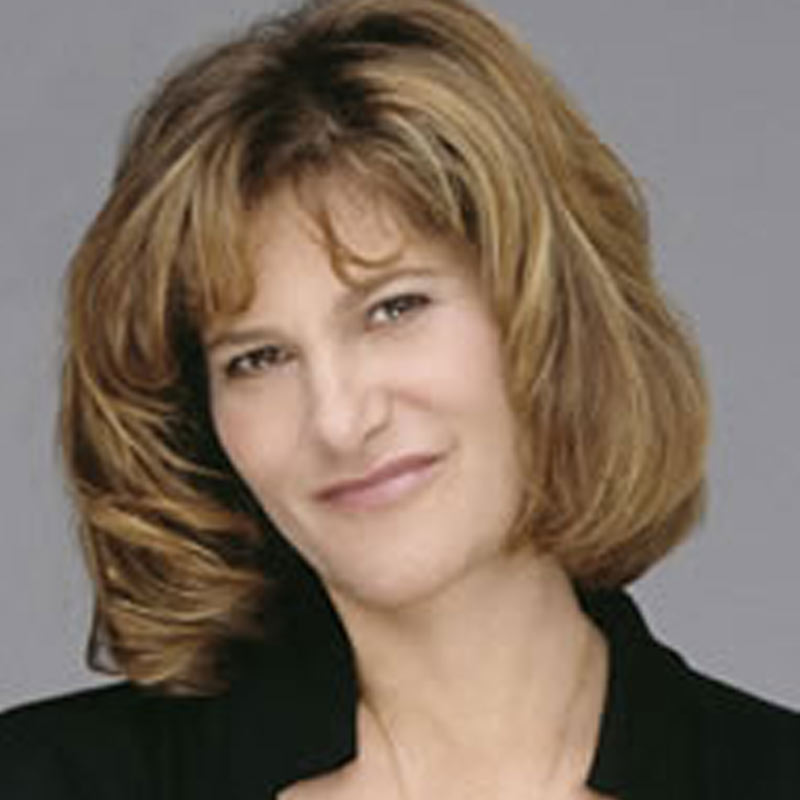
  • Sony Pictures Entertainment promoted Pascal as co-chairman

    Sony Pictures Entertainment promoted Pascal as co-chairman

    MUMBAI: Sony Pictures Entertainment has promoted Amy Pascal to cochairman and has extended her deal with the studio to 2011. This announcement was made by chairman and CEO Michael Lynton.

    In addition to her new title, Pascal will continue to serve as chairman of the studio’s Motion Picture Group. Both Pascal and Lynton will continue to report to Sony Corporation chairman and CEO Howard Stringer.

    The move recognizes Pascal’s vast contributions to the company and was initiated by Lynton, who wanted to formalize the strong relationship he and Pascal have forged as partners, managing the operations of Sony Pictures, according to an official release.

    “This richly deserved promotion reflects the reality of our partnership here at Sony Pictures,” Lynton said. “Ever since Howard brought us together, Amy and I have been partners in running the studio, and I really wanted our titles to reflect our teamwork.”

    Sony is the only studio to exceed the $6 billion dollar mark in domestic box office sales between 2002 and 2006. To date this year, Sony has released eight films, including The Da Vinci Code, Talladega Nights: The Ballad of Ricky Bobby and Click.

    Upcoming films from Sony Pictures include the launch of Sony Pictures Animation and their debut title Open Season, Pursuit of Happyness, starring Will Smith, Casino Royale, the 21st James Bond adventure, The Grudge 2, and Nancy Meyers’ The Holiday, starring Cameron Diaz, Jack Black, Jude Law and Kate Winslet, among many others.

  • Radio City 91.1 FM to broadcast in Jaipur

    MUMBAI: Music Broadcast Pvt. Ltd. (MBPL) has announced the launch of its seventh radio station — Radio City 91.1 FM in Jaipur today.

    With shows like Rang De Gulabi, Humdum Suniyo Re, Tashan 91, Taake Na Tinak Dhin, Magta Hai Kya, Sunday Taka Tak, Raat Baaki, Total Timepass especially designed for Jaipur, the programming mix of Radio City 91.1 FM includes shades of romance, comedy, josh, fantasy, novelty and masti – something to please everyone, in every mood, according to an official statement.
    Along with these we have celebrity RJ Roshan Abbas with Filmcity Express, Love Guru who will solve all the love problems, Meri Kahani – a peep into the life of Legends and Maya will bring the taste of Television on Radio

    Radio City 91.1 FM programming is an outcome of an extensive and an in-depth research undertaken by the industry experts. The research findings have helped Radio City to provide listeners with whole lot of programs designed to entertain the Jaipurites. This has resulted in a host of customised programmes reflecting the ‘true sound of Jaipur’, informs the release.
    Speaking on the occasion of the launch, Radio City CEO Apurva Purohit said, “Jaipur is an extremely important market for us and we are eagerly looking forward to engage with our listeners. Our music expertise, innovative programming line-up will stir listeners to indulge in their kind of music. We hope the success we have enjoyed with listeners making Radio City an integral part of their lives in cities like Bangalore, Mumbai, Delhi, Lucknow and the recently launched Hyderabad and Chennai would be duplicated here in Jaipur as well.”

    As a prelude to the launch, Radio City had organized an RJ Hunt in the city of Jaipur, which received an overwhelming response. The selected RJs were provided rigorous training to hone their skills and develop all-round personality.

    Under the Phase II operation, Radio City kicked off in Hyderabad and Chennai. The FM radio station in Mumbai, Delhi and Bangalore are using the 91 frequency, in Hyderabad it is on 106.4 FM and in Chennai, the station is available at 104.8 FM.