Category: GECs

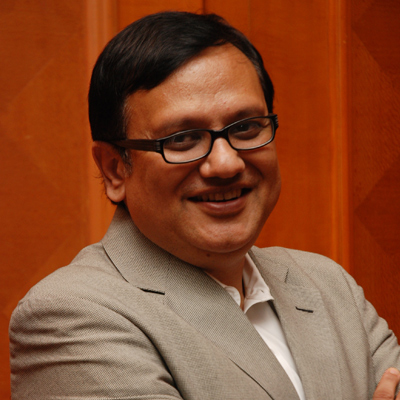
  • “You have to reinvent and live on everyday on TV” : Colors CEO Raj Nayak

    “You have to reinvent and live on everyday on TV” : Colors CEO Raj Nayak

     At five most babies are just about going to kindergarten. But this is one baby that has been fighting it out in the big bad competitive world of Indian TV broadcasting. Colors, which completed five years on 21 July, has, in the process, become almost as seasoned a campaigner as its older rivals in the Hindi general entertainment channel space.


    The channel’s CEO Raj Nayak – though he was a little under the weather when indiantelevision.com met him, nursing a cold and a fever – was rather chirpy and happy on the occasion of the channel’s fifth birthday. Preparations were on for a small inhouse celebration and everyone had smiles on their faces.


    “It’s been quite a journey,” said Nayak leaning back with a distant look in his eyes. “I can vouch for that, though I have been leading the channel for only half of that period. We have been game changers, a hatke (different) channel, and we have innovated continuously and will continue to do so. ”


    To know more what else Nayak had to say toIndiantelevision.com’s Vishaka Chakrapani on the channel’s fifth anniversary, read on:


    To what do you attribute the success of Colors?


    One of the reasons why Colors has been successful is because it has been a risk taker. And of course the great job done by my predecessor Rajesh Kamat. When Colors was launched it was the eleventh player in the GEC space and at that time when there was no digitization it was a bold and courageous move because it was seen to be entering in a crowded market.


    So what did Colors do? In my opinion the first thing it came and said that all channels are doing the same, we need to do something different. So the first thing the team did was to put on differentiated content, story lines on social issues, which no one wanted to touch. Initially the channel even got a little flak for it saying we are becoming regressive.


    Second, I think when you are launching as the eleventh player your ability to take risks is high because you are down there and expectations are low. Thirdly, they said we have to break viewing habits, so lets get disruptive. And that is what they did: they stripped nonfiction content Khatron ka khiladi during the week.


    They also strategically used movies as tentpoles to complement the overall offering. At one time if a movie was premiered it was on Colors.


    But as you go higher in life, your ability to take risks becomes less. I think that’s what was happening when I joined here. It had come to a point where it was stagnant. We were dilly-dallying to take big risks.That in my opinion was confidence in our strategy. And it led to a very good dividend – leadership and being a trend setter.


    That’s what we have done since. I have been here for the second part of the innings and we have only taken risks. Not all have paid off, some have been successful, some have not but at the end of the day this is the only way this business runs, you have to reinvent and live on everyday. Creativity is not someone’s monopoly. You don’t know what’s going to work and what’s not and the only way is by taking trying out. Of course you use your experience, some consumer insights and finally your gut.

    How has the performance been on the financial and people front?


    We have grown over 50% CAGR in terms of overall revenue in the last five years. We may have slowed down in the last two years because of the base going high. We are a reasonably profitable channel have been growing year on year. So while you hear people say that Colors spends so much money on content, we also monetise well and the truth is we are very focused on balance sheet and profitability.


    What is the attrition rate like in Colors?


    We put people first because we are an organization of people. In terms of people we have the lowest attrition rate in our business. If at all people have left, it may not be more than 5-10 per cent and if they have then hardly anybody has left to go and join competition. They have left to make a movie or something else. But they have not gone to competition. That speaks a lot for the culture, values and environment we provide. The whole team is just 160 across country, so you can imagine cost of return per employee.


    My second line, the top management team, their average age is 30. The organization structure is such that we are very lean mean team. We are very well structured. There’s not too much of layers and there’s not too much of bureaucracy. The other thing is that for everybody in this organization, there’s accountability with authority. Everybody can make decisions. I believe in delegation. The way we work is like a restaurant. When it’s full, everybody picks up the plates. We are first among equals.


    As far as people are concerned, I am told, that when we started (my operations head was saying), she had five people and no equipment and the show had to go on air. It was a very small team and today it’s grown, still not too big for a Rs 1000 crore plus business.


    The number of people handling content too has remained the same to a large extent. The team may not be more than 30 people. Except for two heads, everybody’s been here forever.


    The sales team has been here forever. Probably if there is any attrition that has happened in that team because it is so dynamic, it’s happened at the junior level because it is a dynamic team. The sales head Simran Hoon, has been here since day one.

    Which are your big markets internationally apart from India?


    Colors is in 140 countries. UK, Canada, Middle East, Africa, Austraila, New Zealand you name it. From the revenue perspective, the UK, the US and the MENA region contribute a large chunk.


    Colors was not in UK for first two years. I think the moment we went into UK we had the same success, which was obvious due to word of mouth from relatives of Britasians in India. Our subscription and advertising revenues did not kick off so well. But that’s also because we were a new channel. Today it competes with every GEC channel. We have now launched another channel in UK Rishtey which is also doing very well.

    And what have the past two years been like ever since you took over?


    I think it has been one of the most exciting, most rewarding, most challenging part of my career simply because whilst I had mastered or crafted myself at being very good in one genre- that is sales and marketing – this job gave me an opportunity to have a holistic view of the entire business and that way it was extremely challenging. I think it was also an advantage I carried because I understood the business part of it.


    In a sales job you tend to be creative by default because you have to go and sell things to people. I think that came in handy to me because when I looked at a show I just did not look at it from a viewership point of view but also from a marketability and revenue generation point of view. The proof of it is that we have maintained our leadership position these last two years.


    We have done things which are completely different, non-expected from Colors and as a channel last year we posted an EBIDTA growth of more than 40% over the previous year.

    How would you rate Colors today and before you joined?


    Without sounding pompous or critical I would say 50:50. It is an unfair question to me. Having said that, out of 11 in my management team, nine have been here for five years, somebody for three and rest for two. I think it would be fair to ask them the question.


    Personally I think the stage at which I took the channel, we‘ve run with the ball, we‘ve maintained leadership status and we rolled the profitability of the channel. When I came in, I had three KRAs (key result areas) – you have to get Colors where it belongs – maintain leadership, grow profits and build brand extensions. The third part will happen.

    What’s your plan for the next few years?


    I want to consolidate Colors. Right now we are strong number two. We would ideally like to be No 1, but not at the cost of profitability. A few years from now I want to see the petals of Colors extend in the regional and movie space.


    Colors will have to have more brand extensions in the TV and digital space. Expansion is the natural progress. It is a strong brand and we need to leverage its equity.

    What have been your high and low points last two and a half years of the five?


    My high point was when I landed in Cape Town and my office called me saying we are number one. I remember the date. It was 24 December. The second high point for me was when we did a show in the late Jagjit Singh’s memory called Yaadon ka Safar. In five minutes we took a call. Another show was Yuvraj Singh’s Zindagi Abhi Baaki Hai and for me that was a good real life social message to inspire people.


    Both of them did not get good ratings but the messages and good will we generated was not just in India but also across the globe.


    These little things where we are able to as a media company do some good back to society gives me a lot of satisfaction.

  • “Sab will be among the Top Three Hindi GECs”:EVP and business head of Sab Anooj Kapoor

    “Sab will be among the Top Three Hindi GECs”:EVP and business head of Sab Anooj Kapoor

     From being a copywriter, director to business head, the soft-spoken Anooj Kapoor has worn various hats. But what makes him different from others is the way he manages the work-life balance. He proudly claims that in his more than 20 years of career there has rarely been a day when he has been in office later than 6 pm. Even today, he leaves office at six in the evening and on weekends he switches off from work, unless required. Someone who believes in working hard hasn‘t forgotten to live to the fullest too…

    Indiantelevision.com’s Meghna Sharma spoke to the executive EVP and business head of Sab Anooj Kapoor about the channel‘s current plans,the reason for there being no other channel like Sab and the channel‘s future plan.

    Excerpts:

    The channel underwent a revamp recently, was it really needed? 

    Nothing we do here is what everybody else does, starting from our programming which is totally differentiated from the rest in the GEC space. So, this revamp is not because others have done it too. All we have done is revamped the packaging of the channel. The last revamp was done almost six years ago, and we thought we have had a wonderful growth in the past five years. So we wanted the packaging to be more colourful. We have retained the old colours and added more colours to our package to convey freshness, more audience on the channel as well as more people sitting together to watch our shows. It can convey a lot of things, but essentially, we wanted a fresh look.

    You said you are adding more people who are watching your channel. So through the revamp and apps are you targeting youth now? 

    Asli maaza sab ke saath aata hai… has stood true for us. The entire family comes together and watches TV. We have a mix of audience, from males, females to kids. We also have a healthy mix of Sec A, B and C. So we are not trying to broad base our TG, it is already 4+.

    However, we cannot deny that new things always appeals to people. In the age-group of 4-14, we are the number one channel. In the last TAM rating, we were ahead of Star Plus. In the higher age-group, 15-24, we are fairly strong but we realised there is a need to engage audience on fresher platforms – facebook, comics, SABurbia and other apps. And the age-group after that, we keep appealing through our ads where the whole family comes together.

    Our other initiative ‘Sab ki Saafari‘, is also first of its kind. The idea was to get people from smaller towns meet their favourite characters or watch a shoot. Through this initiative we get our loyal audiences to meet their favourite characters and also show them what goes on behind the camera. We have another loyalty program called SABprise wherein the more you watch the channel the more you get rewarded for it. We feel that today it has to be a two-way communication. If they have given us so much and helped us grow 600 per cent in five years then we should also give them something in return.


    With the awards season on, when can we get to see Sab ke anokhe awards? 

    We are coming back with Sab ke anokhe awards in August. The first round did well for us as we got a rating of 2.8 which I‘m not going to compare with other award shows, but for a channel like ours which has a limited reach it is a very healthy rating. It was purely because of the uniqueness of the show. We came up with categories which went beyond the clichéd categories. This time we are going to add even more categories and try to be as anokha as possible. We will be sticking to our strategy of being different and innovative.


    What kind of weekend programming does the channel currently have? Any plans to introduce new shows?

    Currently, we have two silent comedies on Saturday –Guttur Gu and Malegoan ka ChintuGuttur Gu has been recognised as the longest running silent show in the world by the Limca Books of Records, and then we have Waah Waah Kya Baat Hai which consistently rates among the top five shows in the non-fictional category on the weekend. So, we have fresh weekend programming. We might add new programs in the future wherein we will look at reality or mix of unique concepts like silent comedy but nothing is crystallised yet.


    “We touched our highest rating of 159 in February this year and now with digitisation when we are far better placed”


    SAB is the only comedy-centric Hindi GEC, wherein other networks have second GEC channels, why do you think there aren‘t many players in this genre? 

    We are the number one comedy channel in the world. We are the only channel in the world which does daily comedy shows. If you will look at channels like Zee Café or Star World, the sitcoms they have are weekly and have seasons. We have Tarak Mehta Ka Ooltah Chashmah which has done 1200 episodes now, Lapataganj in its first avatar had done 850 episodes and FIR will be touching 1000 soon (in September). So while we have been able to be innovative, we have also done successful programming. All this while we know that there is a limited pool of comedy actors, writer, directors and producers.

    Also, before SAB, comedy wasn‘t seen as an important genre by GECs. We have been able to reign in that limited talent and try to cultivate a few more. With the limited pool I don‘t think there is enough talent for more than one channel to survive. And secondly, we have a DNA which has gotten us consistent success. There is no doubt that other channels have dabbled into comedy especially after seeing SAB‘s success, but all the top three or four GECs have not been able to succeed. And, therefore they are apprehensive.


    Do you work with a certain set of production houses or open to others as well? 

    We have always encouraged new producers, but at the same time we have certain set of producers that have consistently worked for us. We also have people who have never done comedy before and doing it successfully for us. For instance, Malegaon ka Chintu is produced by Deepti Bhatnagar Production which hasn‘t done comedy in the past,Gutur Gu is done by Fireworks who have in the past doneCID and Aahat. And of course, we have Asit Modi, JD Majathia, Vipul Shah and Ashwini Dheer. So, we have been able to mix both.


    You are also available in the US, UK and Europe, what has been the response there? 

    We are extremely popular abroad. In the UK we are the fastest growing channel.

    It is a fact that we have created almost 7,000 hours of original programming and when we compare data with other channels dedicated to comedy we are miles ahead of them. From the 70s, since DD started, no channel has claimed or can claim to be the number one channel based out of India but we can!


    It‘s going to be a year now since digitisation took place. How has it helped the channel? 

    We have a business model which by definition doesn‘t afford us very high rates and because we also have to keep our profits in mind, we couldn‘t place ourselves where top three or four GECs could. This meant, we could not be well placed in the analog. However, with digitisation, we now fall in the GEC cluster. Now our sampling will soar up. We also strongly feel that our trial retention rate is high.


    Currently, which are the weak slots that you would like to strengthen?

    The difference between manufacturing and television is – that in manufacturing you can perfect a formula whereas in our industry, the same raw material will go to the same factory but the end product sometime works and sometime fails.


    Lastly, when do you see Sab among the top three? 

    We are well on our way. We have never stopped growing. We touched our highest rating of 159 in February, this year and now with digitisation when we are far better placed, I hope we will one day be among the top three.

  • Star India, Hindi film industry join hands in efforts to help flood-ravaged Uttarakhand

    Star India, Hindi film industry join hands in efforts to help flood-ravaged Uttarakhand

    MUMBAI: Star India, one of the leading media and entertainment conglomerate, will strengthen the on-going efforts at rehabilitation in flood-ravaged Uttarakhand by raising funds to help bring comfort to victims of the tragedy.

    Leading actors from Bollywood will join Star’s fund-raiser – a seven-hour marathon event on the occasion of Independence Day – the company claims in that this is a first such effort by the entertainment industry to ease the sufferings of people impacted by the floods.

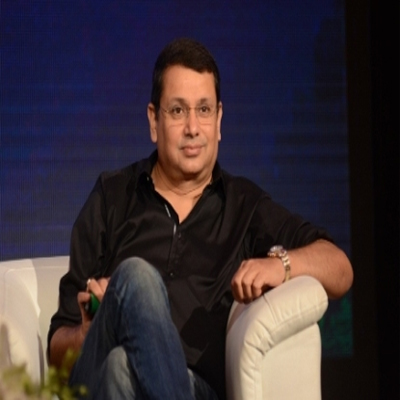
    Star India CEO Uday Shankar

    The entire advertising revenue generated through the event will be channelled to not-for-profit organisations that are working diligently to restore normalcy in Uttarakhand.

    “The tragedy in Uttarakhand is a solemn opportunity for every Indian to lend a helping hand,” Star India CEO Uday Shankar said. “This occasion demands that people join forces to support those in need. It’s heartening that people are coming together and our role is only that of a catalyst.”

    Early confirmation of stars supporting the initiative include Indian cinema’s icons Amitabh Bachchan, Lata Mangeshkar, Ajay Devgn, Kajol, Anil Kapoor, AR Rahman, Boman Irani, Shankar-Ehsaan-Loy, Pritam, Prasoon Joshi, Mukesh Bhatt, Ayushmann Khurana and celebrities from top television shows of the Star network such as ‘Diya Aur Baati Hum’, ‘Pyaar Ka Dard Hai Meetha Meetha Pyaara Pyaara’, ‘Saraswatichandra’, ‘Savdhaan India’, ‘Devon Ke Dev Mahadev’ and ‘India’s Dancing Superstars’ among others.

    Ogilvy & Mather has partnered Star India as the creative agency for the on-ground event that’ll be managed by Wizcraft.

    Film Producers Guild, Federation of Western India Cine Employees (FWICE), TV Artists Forum, Corporate Charity Trusts and several independent industrialists and donors will partner Star India’s Independence Day marathon fund-raiser that will be attended by senior leaders from the state and central governments.

    “I am delighted that the Indian film industry has embraced our outreach plan and is partnering with us in this initiative to spread hope,” Shankar added.

    “Both television and the Hindi film industry consider it as their primary responsibility to do their bit for the very same people who have showered us with unconditional love and affection. We hope that our efforts will sensitise millions of viewers and inspire them to contribute whole heartedly towards the daunting task of rebuilding the state,” president of the Film & Television Producers Guild Mukesh Bhatt said.

    The gala event will be telecast live on key channels of the Star India network including flagship Star Plus, Life OK, Star Jalsha, Star Pravah, Star Utsav and Channel V.

    Viewers would also be encouraged to aid the mammoth task of rebuilding the hill-state.

    FWICE president Dharmesh Tiwari and general secretary Dinesh Chaturvedi said that they are happy to partner Star India in this joint initiative to raise awareness and funds.

    “We are delighted to express our support and join hands with Star India and the film industry to celebrate the Independence Day, dedicated to the people of Uttarakhand”, said Wizcraft International Entertainment director Wiz Sabbas Joseph.

    Star India had, earlier this month, started focused campaigns featuring renowned artistes from the network’s popular shows, urging its viewers to support Uttarakhand’s cause by making generous donations. The network had partnered renowned NGO Goonj for this initiative.

    In addition, the employees of Star India also pitched in to the relief efforts and made generous donations. Star will match the contribution made by its employees and will closely monitor the proper utilisation of these funds.

  • The TAM story continued…

    The TAM story continued…

    It has clearly broadcast its intent: the Rs 37,000 crore Indian TV broadcasting industry wants change in the way TV viewership is monitored in India. Though a lot of noise has been made about the quality of and what was wrong with the ratings, followed by broadcasters‘ cancellation notices to TAM Media Research‘s service, nothing specific was forthcoming from them on what those changes should be. This was followed by a period when speculation was that TAM‘s ratings would be blacked out for a while until it corrected itself and satisfied broadcasters.


    But despite denials from the Indian Broadcasting Foundation (IBF) very senior management sources in television channels have toldindiantelevision.com that the cancellation notices by the broadcasters stand cancelled. I guess one shouldn‘t be surprised. Long after some broadcasters unsubscribed, they continued to claim their No 1 position. How? As per ratings, of course.


    Confirming this is the CEO of a TV channel: “Most of the broadcasters who sent in their subscription cancellation letters to TAM have withdrawn them. Nobody will come on record; the IBF will say no it has not happened, but the cancellations stand cancelled. All the channels who say they have unsubscribed have been circulating ratings internally and to their producers. So who says that they have cancelled their subscriptions to TAM?”

    _________________________________________________________

    Most of the broadcasters who sent in their subscription cancellation letters to TAM have withdrawn them. Nobody will come on record; the IBF will say no it has not happened, but the cancellations stand cancelled. 
    _____****________________________________________________


    But to be fair, the broadcasters did write to TAM withdrawing their subscriptions, but they did not ‘enforce‘ those letters. TAM continued to give out ratings and the industry continued to download them. Besides, one-third of the broadcasting industry unsubscribing was not a shut-down, but a warning. A warning which was very much required. 


    While Broadcast Audience Research Council (BARC) is underway and will possibly take over the industry as the sole ‘currency‘ for television ratings by mid-next year, a black-out in the interim period is not a desirable situation for any of the stakeholders, is what we understand.


    So the fact is TAM never went away really. What happened was that there were threats to make it go away, but behind closed doors the broadcasters worked on elucidating what they would like TAM to do to win their favour and their custom. Their list of demands, part of which was reported by Mint, includes:


    Monthly data v/s Weekly data


    Broadcasters prefer their ratings on a monthly basis as opposed to every week. This means data will be week specific, yet it will be available for consumption only at the end of the month.


    No ratings for smaller niche


    Any cell or segmentation which has less than 30 peoplemeters employed in it, should not be reported. This translates to no ratings for smaller niche channels in that particular month. The idea behind this restriction is self-explanatory. ‘No data is better than insufficient data.‘


    CPT v/s CPRP


    A lot of the chaos surrounding TAM ratings arises out of tall claims made by channels based on ‘share‘. The broadcasters wish to do away with the share syndrome and want the data strictly in numbers. This implies that the market standard will now have to change from Cost Per Rating Point (CPRP) to Cost Per Thousand (CPT). Broadcasters want to be told the exact number of viewers they are reaching in thousands, irrespective of the share aspect, which as I understand, is prone to loopholes.


    BARC supervision


    The broadcasters‘ have demanded that the implementation of all their demands and the overall technical procedure is subject to BARC‘s tech committee‘s supervision.

    _________________________________________

    Broadcasters have complained for long, that in a country where millions of viewers are getting added annually and there is a robust digitization exercise in place, how can they believe TAM’s claim of the TV universe shrinking? In this context, the demand for increasing the viewers, only seems justified.
    _____****__________________________________

    From 145 million to 260 million


    The total television viewing universe in India is approximately 500 million. Out of this, around 240 million comprises rural viewers which are not covered by TAM. This leaves 260 million urban, semi-urban and semi-rural viewers. Currently, TAM covers a universe of 140 million viewers only. The broadcasters rightly demand that the sample base should be boosted to 260 million viewers to cover the entire non-rural universe.


    Broadcasters have complained for long, that in a country where more viewers are getting and there is a robust digitization exercise in place, how can they believe TAM‘s claim of the TV universe shrinking? In this context, the demand for increasing the viewers only seems justified.


    The fallout happened due to a number of causative factors. Inaccuracy, lack of transparency and illogical explanation were some of the complaints made by the broadcasting industry for a considerably long period of time.


    Besides, it was important to send out a clear message to TAM and the rest of the world, that the Indian broadcasting industry is capable of dismantling an existing system by their united strength. Also, the time was right to set the stage for the upcoming BARC. The sudden outburst against TAM was not so sudden after all.


    The concerns of all involved have to be addressed sooner than later. And it is definitely a positive development to know that broadcasters finally chose to break their golden silence and initiate corrective measures.


    The consensus between TAM and broadcasters is believed to have been reached for the above-mentioned demands. So far everyone stands divided on the way forward based on broadcasters five or six point plan. It is now up to TAM to convince agencies and advertisers, both of which are very crucial stakeholders in the entire set up.

  • Star India urges employees to contribute to Uttarakhand relief

    Star India urges employees to contribute to Uttarakhand relief

    MUMBAI: After shooting exclusive promos with lead actors of its shows to promote the cause of providing relief to those affected by disaster in Uttarakhand and asking viewers to send in their donations, Star India has gone further and urged its employees to get philanthropic.

    Star India CEO Uday Shankar requests its employees to contribute a day’s salary for Uttarakhand relief fund

    According to sources, Star India CEO Uday Shankar sent an email (a copy of which is with indiantelevision.com) to Star India employees requesting them to contribute at least a day’s salary or more to the relief fund for the victims. In the email Shankar says that the company will match the contribution made by the employees and the sum collected will be used towards relief operations.

    “As responsible citizens and more importantly as employees of a company that has a deep connect with millions of Indians, Star extends the support in whatever way they can,” the Star India CEO says in the email. “Towards this, Star India is launching an effort to provide some solace to the thousands who have been affected by this disaster.”

    Will Star India employees open their wallets and purses? Watch this space!

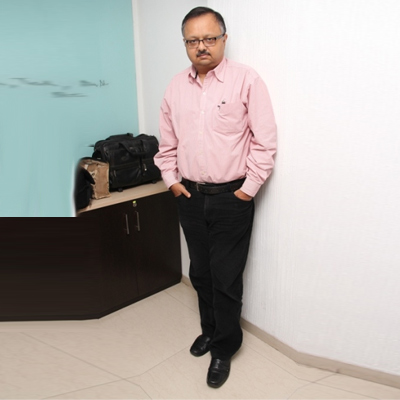
  • “BARC would like to make the entire TV ratings process future-ready”: BARC CEO Partho Dasgupta

    “BARC would like to make the entire TV ratings process future-ready”: BARC CEO Partho Dasgupta

    At first appearance, Broadcast Audience Research Council (BARC) CEO Partho Dasgupta comes across as a pretty mild-mannered professional. But don‘t let that fool you: beneath the mild exterior is a steel-backed executive who has faced many a challenging task in diverse consumer industries and media where he has implemented large and small start up projects. Among this figure: Times Now, Future Media, The Economic Times and Times Multimedia. This apart, he also had an entrepreneurial stint where he co-founded a media company, apart from advising media startups and venture firms and their invested companies on brand strategies. So it is no surprise that the BARC board chose him to steer the setting up of a TV viewership monitoring system when there is a crisis of confidence around the only currency operational in India today – TAM Media.

    Indiantelevision.com‘s Seema Singh and Zeba Warsi spoke to Dasgupta to find out on what challenges await him, why he took up the job, and how he sees the road ahead.

    Excerpts:

    What are your feelings on being appointed the first CEO of BARC? What have you been busy with since joining it? And why did you take up the challenge considering the kind of brickbats that are being hurled at LVK now after years of doing the ratings? Who was it that coaxed you take it up?

    I am very happy to sit in the hot seat. Just before this I was managing the preschool business and the k12 school business growth of Educomp. I am looking forward to contribute to the broadcast industry, which I am very fond of. I love challenges – if you see my background none have been very easy roles. There was a time, then, when the joke was going around and similarly I am hearing now- whether one will ‘Bark or Bite‘ (pun intended). That is simply whether we will live up to all the hype surrounding BARC. It‘s all in good humour and I enjoy the challenge.

    You have worked with Times Now, Future Media and also worked with ET during their growth years. You also took a shot at entrepreneurship. How will you use that experience while working with BARC?

    I have been doing startups for the last 14 years – I love the whole drill – of blocking urls, looking for office, setting up new teams, new brands, processes and managing finances. I have also been on both sides of the table, as a broadcaster and also a client – so I guess I understand the pains of all sides. I am looking forward to go the whole hog again.

    What are the first few major tasks ahead of you taking over as the CEO?

    The single mandate is to design, commission, supervise and own India‘s Broadcast Measurement System. Towards this end, the establishment survey, covering approx 2.4 lakh individuals across India is already underway. This survey will give us details on television penetration in both urban and rural areas; viewership habits across all broadcasting modes, be it terrestrial, C&S, DTH, analog and digital platforms, and other developing and new platforms including newer modes of viewing; as well as viewer demographics. The study would become the basis of designing the rating panel.

    At the same time, separate RFPs for research and technology have been floated globally. Once the proposals are in, the technical committee will scrutinize all proposals in order to select the best in class research methodologies and technology. This will comprise senior experts from the industry representing all stakeholders. Experts in the technology domain are being co-opted to give us insights on the best technology available. So we are ensuring that thought leaders, domain experts and people with relevant skills are all on board from across our stakeholders to assess the best methodologies available globally.

    The group will look into all three parameters:

    • Technology of equipment across all broadcast mechanisms
    •  
    • Capture and analysis of data
    •  
    • Dissemination of data to users

    The global competitive bidding will ensure that India gets the best in class, cutting edge broadcast measurement system.

    Tell us about the structure of BARC, the members, representation and so on. Should there be equal representation from broadcasters, agencies and advertisers like it was initially envisaged?

    The broadcasters, agencies and advertisers are duly represented through their respective bodies namely IBF, AAAI and ISA. We are a neutral nodal body which will be working in a tandem with the three representative bodies. The members of each body find representation in the 10-member Board of BARC, which is already in place. The council will have its own management structure reporting to the Board.

    The tech committee has been working on certain presumptions? What are these and how do you see the tech committee contributing to making the BARC more relevant over the years?

    There are no presumptions that anyone of us are working on. Our one line mandate is to design, commission, supervise and own India‘s broadcast measurement system. And all of us are working to ensure that we get the best in class research and technology to deliver a product that would be the gold standard of broadcast research.


    BARC is striving to ensure the best of research methodologies combined with the best of technology to deliver world-class measurement.

     How do you envision the BARC office to be like – how many staff, how many people employed by it? How do you see this evolving? What will they be doing?

    We are evolving the structure. The mandate is clear and the structure will follow. We will be headquartered in Mumbai and we will be outsourcing a lot of professionals and services for specific functions.

    Tell us about the professionals you have hired so far from the industry…Any reputed names?

    We will be getting many professionals on board. Currently we have Mubin Khan as the vice president of BARC. (Khan has previously worked as senior AVP at Zee Network, media controller at Contract Advertising India Ltd., associate media controller at Mudra Communications Ltd. and was also vice-chairman of the Technical Committee of the IRS – the premier readership survey – conducted by Media Research Users Council among several other accolades.)

    What was the response to the RFIs like? Were there any surprising firms which have been observed on the list – like Infosys and TCS? Which other surprises popped up?

    The response has been very good across both research and technology companies. Global research and technology leaders have collected the RFP documents. I cannot reveal anything more at this point as NDAs have been signed with all firms concerned.

    How is the RFP process progressing? How many responses have you got? When do you expect to make announcements for the same?

    We haven‘t received any responses as of now. Separate proposals for research and technology have been sent to the various companies involved. As they go through the RFP, companies are raising certain queries, which are being formally addressed. The deadline to submit proposals is still more than a month away. The evaluation panel would scrutinize all proposals in order to select the best in class research methodologies and technology. This will comprise senior experts from the industry representing all stakeholders. Experts in the technology domain are being co-opted to give us insights on the best technology available. So we are ensuring that thought leaders, domain experts and people with relevant skills are all on board from across our stakeholders to assess the best methodologies available globally.

    What‘s the current status of the council? 

    The council is already operational. We are waiting for the RFP responses and talks are on with all bodies to better understand their concerns. The responses are expected next month.

    With the likelihood of TAM not being used as a barometer for the broadcast industry, it is quite likely that you will have to speed up your coming to market time to earlier than mid-2014? Do you think you are geared up to achieve that and what is the game plan and what signposts you will have to move forward to achieve this requirement quicker?

    The establishment survey is underway and should be out for us in December-January. After the panel discusses it, we may release it for public in February -March. The process is not an overnight one, it will take its due time and we don‘t want to rush. We are on course for a launch next year as originally planned

    Do you think what is happening to TAM is reasonable – the broadcaster back lash? What in your perception accelerated this? What is your advice to LVK and TAM?

    No comments.

    TAM has been accused of being ambiguous and lacking the required transparency. How do you plan to bring in transparency, accuracy and logical reasoning in the results?

    BARC is striving to ensure the best of research methodologies combined with the best of technology to deliver world-class measurement. To that end separate RFPs for research and technology have been floated globally. The evaluation panel will scrutinize all proposals in order to select the best in class research methodologies and technology. This will comprise senior experts from the industry representing all stakeholders. Experts in the technology domain are being co-opted to give us insights on the best technology available. So we are ensuring that thought leaders, domain experts and people with relevant skills are all on board from across our stakeholders to assess the best methodologies available globally.

    The baby is not born yet. It is too early to start speculating on how many siblings it should have. Besides, if others want to set up a rating agency, we are not stopping and cannot stop them. It is a free country.

     Do you think the ministry, TRAI and the industry as a whole prepared for a self regulatory mechanism of TV ratings? What kind of checks and balances are you going to put in to make everyone in the ecosystem comfortable?

    BARC is not a research agency. We will be working with specialists in research and technology to deliver cutting edge research. There would be adequate representation of various stakeholders in the process to ensure proper checks and balances.

    Do you think all categories will be content with BARC- GECs, news- English and regional and Niche? How will BARC achieve that? 

    It is obvious that we have to address the concerns of all stakeholders. And we are doing so through dialogues with all concerned. If anybody has a concern, they will obviously share it with their representative bodies, who are a part of the Board.

    Is the Indian TV universe more rural or more urban? How will you address issues of broadcasters who have seen a reduction of the TV universe under TAM‘s expansion into LC1 towns? Are you sure the results will not be the same as TAM‘s are currently?

    Let us await the results of the establishment survey before commenting on this.

    How will you address and cover a continually digitising India in terms of cable TV rolling out in phase III and phase IV of the cable TV universe? As well as expanding DTH homes…

    It is too early to comment on this. However, as mentioned earlier, we have a mandate to design, commission, supervise and own India‘s broadcast measurement system. This system will have to be inclusive, covering all aspects of our country‘s heterogeneity. We believe digitisation will actually make it easier for us.

    What kind of tech are you looking at putting in place? Stationary intrusive people meters which involve users to manually put in their inputs by pressing their remotes? Or more evolved ones which senses people‘s presence in the room via advanced tech? Or mobile hand held devices which have similar capabilities? And how will you incorporate tech which can be integrated with the STBs? In the next five years India will probably have about 100 million of these?

    It is too early to comment on the kind of technology, given that the RFP process is underway. Having said that, let me state that BARC would look at all technologies available. We would like to make the entire ratings mechanism process future-ready.

    How will the ratings system be funded annually? What kind of ratings are you hoping to deliver – overnight or weekly or monthly?

    BARC is a non-profit organisation under Section 25 of the companies Act, 1956. The various industry constituents would fund the research. All users of data and analysis will subscribe and pay for the same.

    TAM used only 8150-10,000 households for its rating system which was perceived as not being adequate to represent the population of 15.5 crore TV households in India. Tell us about your survey sample, how many homes, which markets, etc.

    The final contours of the panel size and dispersion will be decided only after the establishment survey is complete and the proposals studied. As mentioned earlier, the establishment survey is covering approx 2.4 lakh homes across urban and rural India.

    When the decision of setting up the council first came up in 2008, it was a joint venture only between IBF and ISA. Then how did AAAI enter the venture?

    BARC represents the entire industry. Hence, it made eminent sense to have all stakeholders on board.

    The initial investment for setting up BARC was Rs 300 million? Has the investment gone up? If yes, by how much? How was the breakup ratio between IBF, ISF and AAAI decided?

    No Comments

    Self-regulation mechanism has worked in some cases, and hasn‘t in some. How do you think BARC will envisage this mechanism in its functioning as opposed to TAM?

    BARC has representation from all stakeholders of the industry. It thus has an in-built mechanism.

    There is an accusation that “Self-regulation of television rating system in India has failed to take off as BARC has not been able to take any credible action on the recommendations made by TRAI and by Dr Mitra‘s Committee. What did the report say? Are the accusations true? How much has BARC worked on it?

    I have taken charge just this month, and the BARC team has also been just set up. We shall take up the issues as they come. Right now, the focus is on the RFPs.

    Following the report, BARC had also set up in-depth research team to study audience measurement system, particularly BARB, the UK‘s audience measurement system, how has that translated in your current structure? Are there any comparisons to be drawn between the two?

    BARC and its stakeholders have been studying the various models and methodologies adopted by broadcast measuring companies and organisations across more than 30 countries across the globe. And we will certainly look at incorporating the best research methodologies and technology available.

    Having said that, India has a lot many complexities that are unique to our country. Be it in the demographic or socio-cultural heterogeneity, the linguistic, geographic and economic disparities or even the hours of accessibility to electricity, any study done in India has to take cognizance of each of these unique complexities, and many more.

    BARC plans to be very robust. Does your set up involve putting in place a complaint mechanism system? If yes, please elaborate.

    For any organisation that is in the service industry, a robust feedback mechanism is a must. BARC is an industry body representing all constituents. There would definitely be continuous dialogue between BARC and its constituents. And this would also incorporate formal feedback mechanisms.

    We are aware that history has shown us that the market can only support one rating currency. But even as recently as yesterday, outgoing I&B secretary Uday Kumar Varma expressed reservations about a monopoly of ratings. He also said that maybe there should be more than one rating system to provide competition in the business, which will also result in enhancing the credibility of ratings. TAM which earlier was the sole rating system has allegedly goofed up and was highly criticised. What is your reaction to this? And why should BARC enjoy monopoly of ratings?

    The baby is not born yet. It is too early to start speculating on how many siblings it should have. Besides, if others want to set up a rating agency, we are not stopping and cannot stop them. It is a free country.


  • “The appeal for Indian content amongst Britasians in the UK is strong”: Business Head – FTA channels, mainstream sales head at Zee Network UK Archana Kanade

    “The appeal for Indian content amongst Britasians in the UK is strong”: Business Head – FTA channels, mainstream sales head at Zee Network UK Archana Kanade

    Archana Kanade is the young and dynamic head of free to air channels business of Zee UK. Her job: increase the cachet that the two channels she heads – Zing and Lamhe – have with Britasians in the UK. In addition, she has the added responsibility of looking after mainstream advertising sales for the network.

    Under her leadership, Zing has become the most watched Asian lifestyle channel in the UK. She has also been responsible for the launch of ‘Cloud 9‘ – the UK’s first Asian drama shot locally.

    Kanade’s background is from mainstream sales, wherein she pushed Zee TV’s shows and film catalogue to global clients. This apart she has had a three year stint in Mumbai with Applause Entertainment, a former Birla group company, involved in production of TV shows and films.

    She recently spearheaded the luanch of Lamhe in the UK, giving it a snazzy look and feel. Indiantelevision.com spoke to her to get her perspective on the potential for Lamhe and Zing in the UK in a short bite interview.

    Excerpts:

    How large is the market for Indian content in the UK? How big is the TV advertising market in the UK?

    South Asians are the largest ethnic group in the UK, with a population close to three million. The appeal for Indian content amongst this group is strong with a large number of channels catering to them. Zee is the largest and fastest growing network catering to this group and aims to distinguish its offerings and provide the best in the genre for them. The advertising expenditure of the UK market is close to US $7.5 billion.

    How many viewers do you currently cater to? How many of those belong to the South Asian and Indian community?

    Zee’s two free-to-air channels are available across the major platforms – Sky on DTH and Virgin Media on cable as well as on the mobile TV service Yamgo. Zee offers premium South Asian content to the South Asian community. Its shows and movies offer English subtitles, making it accessible to the UK’s mainstream communities too. The appeal of the Indian culture and especially Bollywood is widespread across ethnic boundaries, which extends the reach of Zee’s content.

    Furthermore, many of Zing’s shows are in English and the channel aims to be a platform targeted to the second and third generation British Asians in the UK. It is showcasingCloud 9, which represents a milestone in Asian entertainment as it is the very first daily soap-series to be produced in the UK, specifically catering to the UK Asian audiences. This soap highlights the British Asian lifestyle, drawing on themes relevant to their way of life. In a never-before-seen method, the soap showcases the British Asian community in its true form, taking away stereotype perceptions regarding the UK‘s largest ethnic group – the South Asians.

    How many viewers are you catering to currently?
    The channel is available to DTH provider Sky’s subscriber base of almost 11 million, as well as on the cable service Virgin Media’s M+ Pack.

    Lamhe gives viewers the opportunity to view some of the most popular and award-winning shows in the history of South-Asian entertainment

    How are you promoting Zee Lamhe in the UK?

    The promotional plan of the new channel is designed to target the UK’s South Asian audiences through a complete 360 degree marketing plan across outdoor, print, TV, radio and the digital space. The mediums have been carefully selected to target the key pockets of the South Asian population spread in the UK to reach the almost three million strong South Asian community.

    Since both Lamhe as well as Zing are free to air channels are you planning to take them pay anytime soon?

    Zee operates along two models – its pay products and free-to-air offerings – both with distinct offerings. The premium pay products are Zee TV, Zee Cinema and Zee Punjabi. Lamhe offers a free to air window into the GEC space; it is a platform to celebrate the best in the genre of South-Asian dramas and Bollywood Classics. Zing is the UK’s number 1 Asian Lifestyle channel, delivering the best variety of the glamour of Bollywood – music, movies and news. Both channels offer content not accessible on other channels in the UK, which is why we want maximum viewers to enjoy it for free, with no current plan on making the channels subscription based.

    With the current line-up of shows that you have to offer, are you also looking at including more shows and if so, which ones?

    Lamhe gives viewers the opportunity to view some of the most popular and award-winning shows in the history of South-Asian entertainment, including classics such as:

    • Astitva – a popular series, winning many awards in 2005, focusing on the strength and courage of women’s identity.
    •  
    • Amanat – one of the most popular Hindi television shows of its time that received the highest television ratings among many of 2000’s Hindi language shows in India.
    •  
    • Hasratein – one of the most popular television shows of the 1990s, looking at the bold topic of extra-marital relationships.
    •  
    • Kasamh Se – among the top shows in India in 2008, featuring the trials and tribulations of three sisters.

    The channel will also highlight the magnanimity of Bollywood with classic movies, featuring the best of evergreen stars such as Rishi Kapoor, Dev Anand, Kishore Kumar, plus a Raj Kapoor special season at the weekends. We are delighted to already receive great enthusiasm towards this content, with many requests for other classics that people are eager to watch again. We will be monitoring this in line with the remit of presenting the best of South Asian entertainment.

    We will be monitoring the feedback, researching and accordingly selecting the content that would connect with the audiences for Lamhe

    Since Zing is targeted at the youth and Lamhe is bringing back memories from the times passed, which is the target audience group that you are looking at?

    Lamhe is targeted at an audience that will enjoy the best in the genre of dramas and classic movies. Its content is relevant to both younger and older viewers due to the nature of the topics explored by the selected shows and also the treatment of the programming. The selected shows portray topics that were ahead of their times when they were first aired. They focus on strong storylines and their edit patterns mean they are more real to life, compared to many of today’s shows, which holds for an appeal to an international audience.

    Lamhe also endeavours to bring back memories of the time when Zee TV was the only Asian channel in the UK enthralling viewers and Zee was their home away from home. With Lamhe, we want to gift our viewers an opportunity to experience those beautiful memories once again.

    What kind of content would you like to showcase in the coming months? Any movie rights acquisition going forward?

    Lamhe’s content will be driven by what the viewers want to watch. We will be monitoring the feedback, researching and accordingly selecting the content that would connect with the audiences.

  • Sab TV revamps look; announces marketing initiatives

    Sab TV revamps look; announces marketing initiatives

    Comedy general entertainment channel (GEC) SAB TV has added vibrant colours and new motifs to its channel and show packaging, which went on air from 9 pm onwards on 21 June.

    Argentinian design studio Steinbranding was hired for the revamp."Our new look signifies renewed freshness and a positive move into the future, truly articulating the spirit of ‘Asli Mazaa SAB Ke Saath Aata Hai‘. We have only changed the clothing of the show, but retained the content, concept and basic colours. We have also added more designs which is relayed between soaps," said SAB TV EVP & business head Anooj Kapoor at a conference held at JW Marriot Hotel.

    And in order to further propagate the fact that it has a fresher and peppier look it has put together quite a few promotional films on the lines of its existing ‘Sab Ka Wakt Ata Hai‘ called "Saas-bahu," "Mooch" and "Hands-Up."

    The channel‘s management announced that it is going the whole hog on digital with online games and applications. One of these is ‘Sabarbia‘, a one of its kind social game, which has attracted 75,000 people in the past two months.

    The channel has also launched a loyalty program called ‘Sab ki Sawari‘, through which viewers are rewarded for watching its shows for longer durations: they get a chance to meet their favourite actors on the sets of different Sab shows. "Then we have school programmes called Sab ki Paathshala that aims to engage with a younger audience by providing them with interactive learning experience," added Kapoor.

    Then SabTV has integrated free applications including, SAB Ke Comics – a mobile app available on iOS and Android smart phones. The application has over 100 comic strips of six shows cracking jokes on five popular characters of Sab. The five characters which have been animated include: SAB ka Gadha, SAB ka Gopi, SAB Ka Gulgule, SAB ka Mama and SAB ki Jeannie. "The application has already registered 200,000 users," informed Kapoor.

    Apart from this, Sab has rolled out ‘SAB Khelo SAB Jeeto,‘ an unique game show that can be played with the entire family. The game show enables fans and consumers to participate and win gifts and merchandise.60 per cent of the channel‘s total promotional budget is set aside for TV advertising, 30 per cent for print and the remaining 10 per cent for out-of-home advertising and others. "As far as digital media is concerned, we have not made any investments. It is just a platform for us to drive the audience to television," said Kapoor.

    The channel has gone in for oodles of activation in malls, Big Bazaar, Cafe Coffee Days and multiplexes and has a huge outdoor presence – over 700-800 hoardings pan India, excluding Mumbai. "In Mumbai, we have placed our hoardings in over 100 bus shelters in residential areas," said a source.

    The faith that both Sony Entertainment COO N.P. Singh and Kapoor have had in taking the comedy route for the channel five years ago seems to have been well-placed when one looks at its success today.

    "Our ratings have gone up by 600 per cent and revenues by 900 per cent in the last five years. We have seen a surge in advertisers from 25 in 2008 to 80 plus now. With its current presence in the US, the UK, Australia and South Africa, the channel will soon expand to Dubai," Kapoor informed.

  • Colors’ gung-ho digital strategy

    Colors’ gung-ho digital strategy

    Send in your tweets to @ColorsTV, be a part of a Facebook contest, stand a chance to win an iPad, tweet away your views with #Jhalak..#Madhubala. Watch Colors live, maximum You Tube hits. #ThisIsTHEchannel WithanAdmirableOnlineStrategy.

    Well, the crux of this story is just that. Colors, Viacom18‘s maiden Hindi general entertainment channel (GEC), which has carved a commendable place for itself in a very short span of time, is a channel with a massive digital presence. Hence, taking our digital series forward (read the previous stories on Sony and Star Plushere), we take you through this interactive journey of the very dynamic Colors, presenting awe inducing figures, highlighting the ever increasing online fan communities and much more…

    The official Facebook page of Colors has an overwhelming 1.88 million likes with more than 100,000 active fans. While the channel keeps its official page up-to-date with galleries and snippets of upcoming episodes, it also links the platform to the official pages of its various shows. The official page of its popular fiction dailies likeMadhubala: Ek Ishq Ek Junoon and Balika Vadhu have garnered 0.48 million and 0.43 million likes respectively. Among non-fiction shows, Bigg Boss Season 6‘s official page boasts of 0.16 million likes, whereas, the recently launched Season 6 of popular celebrity dance reality show Jhalak Dikhhla Jaa has already garnered 0.1 million likes.

    Colors contstantly updates its Facebook profile for its 1.88 million plus fans with teasers, pictures and snippets

    Apart from the official pages, Colors has gained immense popularity through the numerous fan driven pages of its hot-selling properties. The upcoming season of Bigg Boss already has a fan page featuring more than 22,000 likes, while the previous season‘s fan page figures around 0.29 million likes. But the show which seems to have broken all records is the very popular Vivian Dsena – Drashti Dhami starrer Madhubala-Ek Ishq Ek Junoon, produced by Nautanki Films. The love-hate relationship of the lead protagonist has definitely captured the imagination of the TV viewing audience. There are more than 100 Facebook Fan pages dedicated to the show with some registering more than 60,000 likes. Well, if that‘s not impressive, what will be?

    In a world where news is being replaced by a tweet of 140 characters, soap plots are tweaked according to fan tweets. Twitter enables instant reactions and feedback and Colors makes the most of this platform. With more than 81,000 followers and around 16,000 tweets, the official twitter handle of the channel (@ColorsTV) is a buzzing place. Every few minutes, the handle buzzes with tweets and re-tweets. Every couple of days, the channel also launches interactive contests to engage with its fans. Recently, @ColorsTV awarded an iPad among other goodies to winners of the #Jhalak contest. The success of the Twitter launch of Jhalak Dikhhla Jaa can be gauged from the fact that the official hash-tag was trending all over India for nearly three consecutive days and also in UK and US for some time.

    It takes a person like Vivek to spearhead the digital revolution at Colors

    Colors Digital Head Vivek Srivastava asserts: "Our effort on social media is to start and manage conversations and we have some very good brands on both fiction and non-fiction which help our cause. Just to give you an example Colors properties trended 51 times at all India level in the last financial year."

    For a general entertainment channel, the video uploads drive maximum traffic and for the same purpose, Colors launched its official YouTube channel in June 2008 and has since uploaded around 18,300 videos. The YouTube channel has 0.2 million loyal subscribers and a magnanimous count of around 149 million video views so far.

    On an average, every Colors upload garners more than 20,000 video views within a couple of days. Here as well, popular properties like MadhubalaBalika VadhuJhalak and Bigg Bossgarner average views as high as 85,000, 40,000, 50,000 and 45,000 respectively. The wedding special episodes of Madhubalaalso recorded views as high as 0.16 million. Besides, the much promoted grand premiere of Jhalak was uploaded in 33 videos, each video garnering thousands of video views.

    Srivastava informs: "The episodes are uploaded within a couple of hours of the show going on-air, however we create specific content for the internet and mobile which goes beyond catch-up for episode. This is primarily aimed at engagement, if there is a Colors fan intending to know more, discuss or comment on our shows, we have to facilitate it."

    The mainstay platform of Colors has web exclusive content, photo galleries, polls and much more

    Such a comprehensive digital presence is further topped by the official website of Colors- www.colors.in.com. This is the mainstay platform of the channel as it aims to use all its other platforms to drive traffic towards the website. It is the hub of all online activities for the channel with web exclusive content created especially for it along with live streaming, picture gallery and video uploads, trends and show trivia. What more, the channel has been successful in generating 100 million page views last year. "We have a very strong offering in colors.in.com a website which goes beyond just catch-up TV. There is news, videos, behind the scene, interviews, discussions, special content, live streaming and much more; the effort is to feed an ardent Colors fan with as much information as possible," Srivastava elaborates.

    The question which hits our mind is whether the website delivers on the huge investment? Srivastava is very clear in his answer: "Yes, we are investing in it heavily. For a content heavy platform like Colors where we own most of the IP of our content, it‘s important to have own destinations and build traction for them from a long term perspective. YouTube, Facebook, twitter and other such platforms serve as media vehicles to best engage with our consumers and monetisation of our content, since most of these platforms have huge audience bases we put significant effort on them as well."

    Colors targets all social media platforms and also boasts of ‘web exclusive‘ content. All in all, it has done it all- from having an official Facebook page to an active twitter handle; from one of the largest YouTube portals to the very interactive colors.in.com

    Why so much of social networking? What was the driving force for this aggressive online strategy? The digital head reasons: "Viewers are viewing, sharing, blogging and tweeting TV content. Consumers are willing rather eager to engage with their favourite shows and characters outside the silver screen. We realise this need, these serve as great conversation starters and opinion builders. It's important that we are present wherever our consumers are seeking us, and wherever possible channelise conversations to positively impact the brands."

    An interesting aspect of GECs online is the apt usage of archived content. A lot of older episodes of popular properties as well as popular shows that have gone off air, get a considerable amount of traction. "Blockbuster content from any era gets traction, 1000 episodes down we still have viewers watching initial episode of Balika Vadhu and Uttaran. Obviously the shows on-air will get higher traction but there is always a market for classic content," adds Srivastava.

    Madhubala seems to set precedents for the rest of the fiction shows with more than 100 Facebook fan-driven pages

    In terms of genres, some non-fiction properties like Bigg Boss stand out because of the nature of the property and its ability to start conversations. But at an overall level both fiction and non-fiction gets equal traction.

    The virtual world of Colors is not restricted to your laptop and desktop, the channel has very impressively targeted mobile as well. It all began with the launch of the Bigg Boss app which allowed viewers to watch all that is happening inside the house at any given time. The 24/7 live streaming app became an instant success and got the Bigg Boss fanatics hooked to their cell phones.

    Today, Colors is taking the app world very seriously with the launch of the Jhalak app. This has a play along feature allowing the viewers to play real time along with the original telecast of the show. Apart from this, one can participate in quizzes about the show, vote for their contestants, watch videos, express your views on social platform etc all through one app.

    Srivastava further explains: "People today are using multiple screens – laptops, smart phones, tablets etc and multiple platforms – the video sites, the social networks, Apps, Games etc to access content. Although, the numbers are small especially when compared to the reach TV as a medium provides, however the growth and engagement the medium provides is phenomenal."

    Does he see then a profound shift from desktops to tablets very soon? "Tablets and mobiles are becoming important as the second screen, however the consumption is varied, most of video consumption is catch-up in case you have missed an episode or a highpoint," he further adds: "The bigger hook is exclusive content, viewers want to interact with their favourite stars, know more about their off screen personalities, behind the scenes, news, views, interactions, sometimes even spoilers. We ensure both these are present in equal proportion on our digital platforms."

    Episode videos are uploaded within 2 hours of the telecast. Popular shows get more than 80000 average video views per episode

    On that note, one has to but, wonder about this new-found lucrative source of revenue for the channel. How does the channel use this space in order to monetise? Srivastava reveals: "For a broadcaster, advertising and subscription revenues still contribute the maximum. However, revenues from digital platform have been exhibiting significant growth. Majority chunk of the revenue still comes from Linear and VOD content, then there is WAP, Voice, Gaming etc all of which exhibit positive numbers if you have the right offering."

    In that case, is it time that GECs start taking the digital platform seriously from the revenue generation point of view? "Without commenting on the numbers the digital revenues have been showcasing a healthy growth YOY and as penetration of internet and accessibility to smart devices increases over the next few years we anticipate a bullish trend."

    Television broadcasting is going through a metamorphosing phase, what with the TAM rating fiasco and the impending AD cap regulation. Talks about reducing dependence on advertising revenues is becoming the part of every discussion. In such a scenario, is there a possibility of subscription revenues from this rapidly growing online medium? "The Subscription market on both Internet and mobile is evolving. As models become stronger and penetration increases subscription revenues will start contributing more," states Srivastava.

    All in all, Colors has definitely created an everlasting place for itself on the digital platform. Who are these who have created this dynamic virtual reality? On prodding Srivastava answers: "We have full fledged team looking after content creation, SEO, SEM for all platforms – social media, Colors website, Internet and mobile."

    Whoever you knight in shining armours are, you have surely left an imprint in this ever evolving online space. Way to go!

  • Life OK’s Sunday programming experiment

    Life OK’s Sunday programming experiment

    Attention! An experiment is about to hit Indian televisionscreens come Sunday 23 June. If you‘ve not been switching on your television set on Sunday morns or noons for want of there being any original programming – apart from movies, and have had enough of watching singing and dancing shows in the evenings, then Life OK may be your new destination this weekend.

    Bringing a new kind of programming, extending its spheres, Life OK promises uninterrupted entertainment 12 noon to 12 midnight (baara – se – baara) on 23 June. Life Ok general manager Ajit Thakur is bracing himself for this Sunday gamble…

    But is this attempt a first of its kind? A recap of Sunday programming tells us that there was a time in India, a couple of decades ago; when streets were deserted owing to the single channel king Doordarshan and its strong Sunday programming. Flashing forward from the era of a single channel universe, leading general entertainment channels (GECs) like Star Plus and more recently, Colors have also encroached this territory.

    While Star struck an emotional chord with the nation by launching the very successful Aamir Khan anchored social show Satyameva Jayate, Colors had started airing non-fiction award shows in the early afternoon, followed by a movie screening and concluding it with a soft scripted drama cum reality show- Zindagi Ki Haqeeqat Se Aamna Saamna. Zee TV has Ramayan, a mythology show in the morning slot which, however, is not living up to audience’s expectations.

    Yet, generation of 12 hours full of fresh content is somewhat a brave initiative by Star Plus’s sister GEC.

    Life OK, over the past couple of weeks has grown steadily in terms of GRPs (though it shed GRPs in week 24). The weekend slot of the channel is grabbing more and more eye balls with each passing week. With this as an opportunity, Life OK thought of going all the way and see if it works.

    Life OK GM Ajit Thakur is taking a punt with his baara – se – baara initiative on this Sunday (23 June)

    Thakur states: “I am quite delighted with the way we have received responses from the viewers over the past couple of weeks. Talking about 12pm to 12am, on weekends, we have found a bit of a gold mine as people are available throughout the day. Unlike other markets, in LC1 markets there is a lot of viewership happening. Everybody is doing show launches and wants to target between 8pm – 12am time slots so we thought to bring a change by extending our programming which has not been done by anybody till now.”

    The channel aims to own this Sunday with a combination of crime, terror, mythology programming. Audiences will get to see Savdhaan movie- part 2, which is going to be much more informative and different from the first one.

    New reality series on the list include Police dial 100, a new innovation where the channel crew will accompany the Delhi cops, running behind them, observing how they solve the cases and recording them. The reality show, produced by Endemol, will occupy a double slot along with the Savdhaan movie -Part 2. The channel had already shot 10 episodes of the show at the time of writing.

    The channel will also air fresh episodes of Mahadev and Shapat.

    More on the entertainment side, Life OK also plans to air a special Bollywood movie to garner more eyeballs.

    “Let’s raise the ambition with maha – thriller weekend baara – se – baara.” asserts Thakur when asked why he chose particularly Sunday and not Saturday as part of his weekend programming. “Saturday in terms of viewership, is not that high as Sunday. Besides, a large chunk of India works on Saturday’s and it‘s a humongous task for me to ask my team and my producers to do such a hectic programming, as 12 hours is a lot of time.”

    What is rather disappointing is the fact that this unique 12 hour programming is slated only for the coming Sunday. Thakur reasons: “To be frank, we want to test it first, this is the trail run. I wanted advertiser’s feedback and we attained success when we did 6am -6pm on 2 June. We received good responses in terms of viewership and advertisers as well. So we thought of further strengthening it by bringing baara – se – baara and I am sure we will get good responses for this as well. And when we do might it make it a regular initiative at least once a month.”

    The channel plans to promote the weekend initiative largely in the coming three days. However, the focus will be more on promoting across social media platforms rather than on-ground activities. Its management plans to leave no stone unturned to make its presence felt on digital media by targeting fan driven pages and profiles of their flagship shows likeMahadev and Savdhaan. To top it all, the channel is also buying air time on other channels, out of which, the promotion will be huge on Star network channels while few news channels and youth-based channels are also being approached.

    When asked what makes Life OK and Star Plus different in terms of content and programming Thakur says: “Star plus targets women in the household a lot more and that has always been Star’s strength. On the other hand, Life OK targets the whole family. In terms of content, Star talks about aspirations and about new Indian relationships whereas Life OK deals with crime, mythology, terror, spirituality and cops. Star Plus talks about relationships between Nanad – Bhabhi and new thinking and that is why ‘nayi soch’ whereas Life OK talks about today’s reality of life through our stories and what makes life OK on a daily basis. Life OK tries to inspire people by picking up serious social topics.”

    Further elaborating on the fact that this Sunday is an experiment, Thakur shares: “For us it is the experiment to change the rules of the game. I always have the support of Uday Shankar (Star India CEO) and Sanjay Gupta (Star India COO). And yes it is a big risk I am taking as nobody has gone into 12 hours of programming. Some would say wow great… while some would say it is too much. While, everybody is giving repeats to the audiences and we are giving original programming. What is more important for us is how our viewers will react to it.”

    Vivaki Exchange CEO Mona Jain says the experiment should do well for Life OK

    But will this trial run work for the channel? Vivaki Exchange CEO Mona Jain asserts: “There are many channels which are plugging in for reality shows on Sunday’s. Life OK is taking a good initiative by coming up with 12-hours of programming to create more impact with the audiences at large, where most of the people are at home resting. Mahadev and Savdhaanare high property shows and are taking the same route that is weekend slots, making it easy for them to spot on the ratings. And people who are loyal audiences of Life OK will watch these shows no matter what. Thus I am quite sure that this kind of experimentation should do well.”

    We, along with team Life OK, wait with anxious eagerness to know the result of this experiment…