Category: GECs

  • Q2-17: Zee Media operating profit up

    Q2-17: Zee Media operating profit up

    BENGALURU: The Essel Group’s news network Zee Media Corporation Limited (ZMCL) reported more than double (2.47 times) year-over-year (y-o-y) operating profit (Simple EBIDTA) for the quarter ended 30 September 2016 (Q2-17, current quarter) . The company reported EBIDTA of Rs 18 crore (14.3 per cent of Total Income from Operations or TIO) in Q2-17 as compared to Rs 7.28 crore (5.7 per cent of TIO) in the corresponding year ago quarter. The company’s EBIDTA grew 1.6 per cent quarter-over-quarter (q-o-q) from Rs 17.71 crore (13.8 per cent of TIO) in the immediate trailing quarter.

    Revenue breakup

    ZMCL’s TIO in the current quarter was almost flat y-o-y as well as q-o-q. The company reported 0.7 per cent y-o-y decline in Q2-17 at Rs 126.15 crore as compared to Rs 127.05 crore and a 1.6 per cent q-o-q decline from Rs 128.24 crore.

    ZMCL reported an 8.3 per cent y-o-y growth in advertising revenue in Q2-17 at Rs 98.24 crore (77.9 per cent of TIO) as compared to Rs 90.69 crore, but a 4 per cent q-o-q decline from Rs 102.35 crore. Advertising revenue from ZMCL’s existing channels increased 17.7 per cent y-o-y in Q2-17 to Rs 77.63 crore from Rs 65.93 crore but declined 3 per cent q-o-q from Rs 80.01 crore. Advertising revenue from new channels increased 6.3 per cent y-o-y in Q2-17 to Rs 7.08 crore from Rs 6.66 crore, but declined 2.9 per cent q-o-q from Rs 7.29 crore

    Since 1 June, 2016, the company’s flagship channel Zee News became free-to-air (FTA). Subscription revenue in the current quarter declined 39.9 per cent y-o-y to Rs 16.37 crore (13 per cent of TIO) from Rs 27.24 crore (21.4 per cent of TIO) and declined 8.4 per cent q-o-q from Rs 17.89 crore (14 per cent of TIO).

    Subscription revenues from Existing channels declined 42.3 per cent y-o-y to Rs 14.09 crore from Rs 24.44 crore and declined 9 per cent q-o-q from Rs 15.48 crore.

    Other sales and services revenue increased 26.8 per cent q-o-q to Rs 11.55 crore (9.2 per cent of TIO) from Rs 9.11 crore (7.2 per cent of TIO) and increased 44.4 per cent from Rs 8 crore in the immediate trailing quarter. Other revenues for existing channels declined 45.9 per cent y-o-y to Rs 1.77 crore from Rs 3.27 crore, but increased 14.2 per cent from Rs 1.55 crore.

    Business Revenue breakup

    Revenue from ZMCL’s Television Broadcasting Busin ess (TV Business) was flat y-o-y (increased by 0.3 per cent) at Rs 100.57 crore as compared to Rs 100.30 crore, but declined 3.6 per cent q-o-q from Rs 104.34 crore. The TV Business reported more than sevenfold (7.41 times) y-o-y increase in operating profit at Rs 13.89 crore as compared to Rs1.88 crore, but a 6.1 per cent q-o-q decline from Rs 104.34 crore.

    Revenue from ZMCL’s print business was almost flat (increased 0.7 per cent) y-o-y at Rs 30.26 crore vis-à-vis Rs 30.03 crore and increased 4.3 per cent q-o-q from Rs 29 crore. The business reported lower y-o-y operating loss of Rs 5.88 crore as compared to Rs 6.86 crore. ZMCL’s print business had reported a lower operating loss of Rs 3.79 crore in Q1-17.

    A look at the other numbers reported by ZMCL

    ZMCL reported a lower y-o-y loss of Rs 18.04 crore in the current quarter as compared to a loss of Rs 19.86 crore in the corresponding year ago quarter. The company had reported a profit after tax of Rs 0.09 crore for the immediate trailing quarter. In may be noted that ZMCL has incurred an exceptional loss of Rs 18.88 crore due to sale of land and buildings of a subsidiary in the current quarter.

    The company has controlled its total expenditure in Q2-17, which declined 11 per cent y-o-y to Rs 118.22 crore (93.7 per cent of TIO) as compared to Rs 132.79 crore (104.5 per cent of TIO) and was 2.2 per cent lower q-o-q as compared to Rs 120.83 crore.

    Cost of Raw materials consumed in the current quarter declined 18 per cent y-o-y to Rs 10.32 crore (8.2 per cent of TIO) as compared to Rs 12.59 crore (9.9 per cent of TIO) but was 2.1 per cent more q-o-q than Rs 10.11 crore (7.9 per cent of TIO).

    Employee Benefits Expenses in the current quarter declined 19.8 per cent y-o-y to Rs 30.45 crore (24.1 per cent ofTIO) from Rs 31.92 crore (29.9 per cent of TIO) and was 4.6 per cent lower q-o-q than the Rs 38.60 crore (24.9 per cent of TIO) in the immediate trailing quarter.

    ZMCL’s Marketing, Distribution and Business Promotion Expenses (Marketing expenses) in the current quarter declined 45.9 per cent y-o-y to Rs 13.52 crore (10.7 per cent of TIO) from Rs 24.97 crore (19.6 per cent of TIO) and declined 15.8 per cent q-o-q from Rs 16.05 crore (12.5 per cent of TIO).

    Operational costs in Q2-17 increased 11.4 per cent y-o-y to Rs 23.55 crore (18.7 per cent of TIO) from Rs 21.14 crore (16.6 per cent of TIO) and increased 26.1 per cent q-o-q from Rs 18.67 crore (14.6 per cent of TIO).

    Other expense in Q2-17 increased 31.3 per cent y-o-y to Rs 30.31 crore (24 per cent of TIO) from Rs 23.08 crore (18.2 per cent of TIO) but declined 21.3 per cent q-o-q from Rs 38.51 crore (30 per cent of TIO).
     

  • TV is story-teller’s new novel; audience is Bharat, not India: Star’s Banerjee

    TV is story-teller’s new novel; audience is Bharat, not India: Star’s Banerjee

    MUMBAI: Since five to six years, television has become the talking point. Th series such as ‘Breaking Bad’ to Transparent to Narcos to ‘Game of Thrones’ to 24, and now POW (Prisoners of Wars) has changed the experience of television viewing.

    Filmmakers nationally and internationally are now getting into television. Abhinay Deo who has done 24, Anurag Kashyap (Yudh), Anurag Basu( Rabindranath Series) and Nikkhil Adavni (POW) are getting into multi-series television shows.

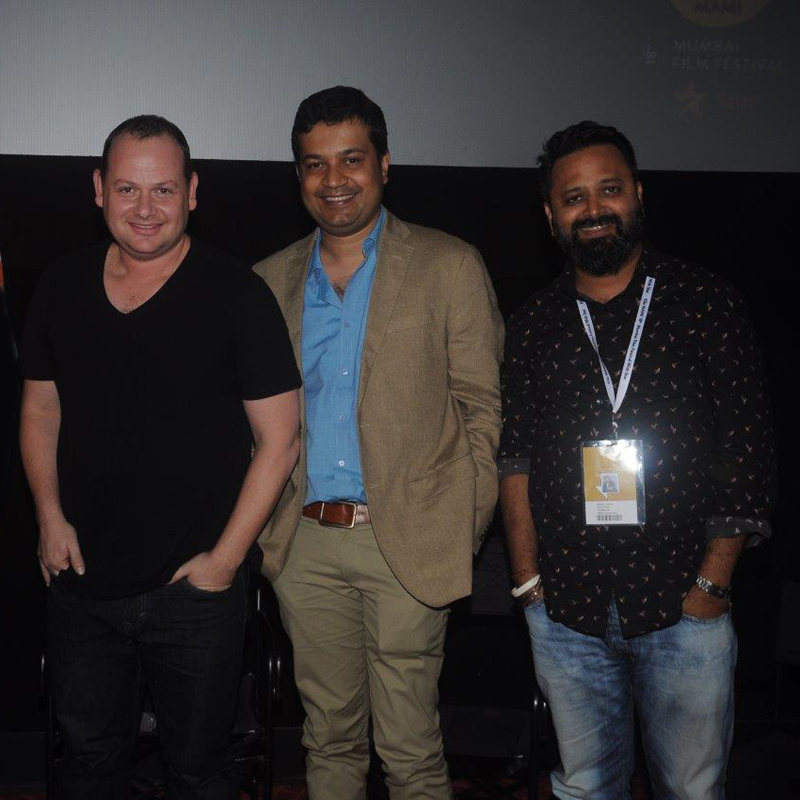
    In a panel discussion on ‘Evolution of Storytelling on Television’ at ‘JIO Mami Mumbai Film Festival with Star’, the question of the hour was — Why all of a sudden television has become more important? The scale and scope for a nuanced story-telling on television, higher reach and inclusive nature of television vis-à-vis films, how TV entertains not just India but Bharat. How television impacts the lives of viewers directly and stimulates change in individuals and society at large?

    And, who could better address this question than those who dabbled in the television space, the likes of — the Israeli writer and director Gideon Raff, the American filmmaker Cary Fukunaga, the Star India content studio head Gaurav Banerjee and the Indian filmmaker and director Nikkhil Advani.

    The session was moderated by Y-Films content and development head Nikhil Taneja. Taneja raised a question to the panellists: Why television has become more important all of a sudden?

    “I don’t know what’s happening worldwide but, in the United States, there has been probably a dearth of mid-range budget dramatic stories which are niche, and I think people were attracted to such stories, and there is an opportunity to tell such stories on television,” says Fukunaga.

    Raff adds, “There is a lack of scope for adult stories told in cinema nowadays. It’s harder and harder to tell stories in our way in cinema, and so, I think, a lot of such stories came to television.”

    While Banerjee believes that television is the new novel, and therefore a lot of stories which need to be told in a scheduled timeframe where graphs need to be longer is only possible on television. Also, television remains the medium for writers, and creative directors. “Television audience is larger, and they give more and more opportunity to get our crafts right whereas, I think, in film business, it is more of a first day, a first look (game), and therefore it has gone into the marketer’s domain,” opined Banerjee.

    public://Amrita-Puri-Nikkhil-Advani-Sandhya-Mridul_0.jpg
    Amrita Puri, Nikkhil Advani and Sandhya Mridul

    Advani, who recently forayed into television production with the Indian adaptation of ‘Prisoners of War’, recalls, “I approached it with a lot of skepticism when Star approached me. I did ‘D-Day’ and it was difficult film for me, and after the launch, everybody was saying that why don’t you make the D-Day part 2? So, a leading channel in Hindi GEC space wanted to do something similar, and they came to me with Hatufim. If you were on such a story with an amazing team, then why we shouldn’t come to television?”

    Before Ekta Kapoor came to television, the Indian women did not hold the remote control of a television set, which were controlled by men. After Ekta’s serial came in with women as the protagonist, the remote travelled to women. Somewhere, it empowered women in India. “How does television impact the lives of viewers directly and stimulates change in individuals and society at large?,” asked Taneja.

    Banerjee said that a study on television in India was done by two professors from University of Chicago in which they surveyed rural India, and researched the early time of satellite television. At that point in time, Ekta Kapoor was making around 47 of the top 50 shows. “There were women who were taking charge for the first time of their destiny,” he said.

    “For a large part of our county, we are talking to Bharat, and not to India. In Bharat, the experience in television viewing is new. There, a storyteller such as Ekta or shows such as ‘Diya Aur Baati Hum’ is changing destinies. A lot of comment has been made on ‘Naagin’ and ‘Bharamraskhas’. “I have nothing to do with these shows as they are not on my network, but nobody’s sleep has been affected more than mine with the normal success of these shows. If you want to tell a fantasy story around a snake, there is no problem with that. In the west, they have Twilight and you too have the ‘Game of Thrones’. Yes, I do have a problem with a lot of regressive content but that doesn’t happen on TV screen alone; that happens in news channels and in a lot of movies made in India,” opined Banerjee.

    You work with your story the way you want, your actors are not determined with what Friday Box Office is going to be like. For long formats on television, one can explore characters and graphs, but it’s not that the films are not fun. Its important to tell a story, and films and television are the media for reaching out to the masses.


  • TV is story-teller’s new novel; audience is Bharat, not India: Star’s Banerjee

    TV is story-teller’s new novel; audience is Bharat, not India: Star’s Banerjee

    MUMBAI: Since five to six years, television has become the talking point. Th series such as ‘Breaking Bad’ to Transparent to Narcos to ‘Game of Thrones’ to 24, and now POW (Prisoners of Wars) has changed the experience of television viewing.

    Filmmakers nationally and internationally are now getting into television. Abhinay Deo who has done 24, Anurag Kashyap (Yudh), Anurag Basu( Rabindranath Series) and Nikkhil Adavni (POW) are getting into multi-series television shows.

    In a panel discussion on ‘Evolution of Storytelling on Television’ at ‘JIO Mami Mumbai Film Festival with Star’, the question of the hour was — Why all of a sudden television has become more important? The scale and scope for a nuanced story-telling on television, higher reach and inclusive nature of television vis-à-vis films, how TV entertains not just India but Bharat. How television impacts the lives of viewers directly and stimulates change in individuals and society at large?

    And, who could better address this question than those who dabbled in the television space, the likes of — the Israeli writer and director Gideon Raff, the American filmmaker Cary Fukunaga, the Star India content studio head Gaurav Banerjee and the Indian filmmaker and director Nikkhil Advani.

    The session was moderated by Y-Films content and development head Nikhil Taneja. Taneja raised a question to the panellists: Why television has become more important all of a sudden?

    “I don’t know what’s happening worldwide but, in the United States, there has been probably a dearth of mid-range budget dramatic stories which are niche, and I think people were attracted to such stories, and there is an opportunity to tell such stories on television,” says Fukunaga.

    Raff adds, “There is a lack of scope for adult stories told in cinema nowadays. It’s harder and harder to tell stories in our way in cinema, and so, I think, a lot of such stories came to television.”

    While Banerjee believes that television is the new novel, and therefore a lot of stories which need to be told in a scheduled timeframe where graphs need to be longer is only possible on television. Also, television remains the medium for writers, and creative directors. “Television audience is larger, and they give more and more opportunity to get our crafts right whereas, I think, in film business, it is more of a first day, a first look (game), and therefore it has gone into the marketer’s domain,” opined Banerjee.

    public://Amrita-Puri-Nikkhil-Advani-Sandhya-Mridul_0.jpg
    Amrita Puri, Nikkhil Advani and Sandhya Mridul

    Advani, who recently forayed into television production with the Indian adaptation of ‘Prisoners of War’, recalls, “I approached it with a lot of skepticism when Star approached me. I did ‘D-Day’ and it was difficult film for me, and after the launch, everybody was saying that why don’t you make the D-Day part 2? So, a leading channel in Hindi GEC space wanted to do something similar, and they came to me with Hatufim. If you were on such a story with an amazing team, then why we shouldn’t come to television?”

    Before Ekta Kapoor came to television, the Indian women did not hold the remote control of a television set, which were controlled by men. After Ekta’s serial came in with women as the protagonist, the remote travelled to women. Somewhere, it empowered women in India. “How does television impact the lives of viewers directly and stimulates change in individuals and society at large?,” asked Taneja.

    Banerjee said that a study on television in India was done by two professors from University of Chicago in which they surveyed rural India, and researched the early time of satellite television. At that point in time, Ekta Kapoor was making around 47 of the top 50 shows. “There were women who were taking charge for the first time of their destiny,” he said.

    “For a large part of our county, we are talking to Bharat, and not to India. In Bharat, the experience in television viewing is new. There, a storyteller such as Ekta or shows such as ‘Diya Aur Baati Hum’ is changing destinies. A lot of comment has been made on ‘Naagin’ and ‘Bharamraskhas’. “I have nothing to do with these shows as they are not on my network, but nobody’s sleep has been affected more than mine with the normal success of these shows. If you want to tell a fantasy story around a snake, there is no problem with that. In the west, they have Twilight and you too have the ‘Game of Thrones’. Yes, I do have a problem with a lot of regressive content but that doesn’t happen on TV screen alone; that happens in news channels and in a lot of movies made in India,” opined Banerjee.

    You work with your story the way you want, your actors are not determined with what Friday Box Office is going to be like. For long formats on television, one can explore characters and graphs, but it’s not that the films are not fun. Its important to tell a story, and films and television are the media for reaching out to the masses.


  • Q2-17: Zeel numbers, PAT up on higher Ad and Subscription revenue

    Q2-17: Zeel numbers, PAT up on higher Ad and Subscription revenue

    BENGALURU: The Subhash Chandra led content and broadcast player Zee Entertainment Enterprises Limited (Zeel) reported a 23 per cent  hike in consolidated revenue for the quarter ended 30 September 2016 (Q2-17, current quarter) as compared to the corresponding quarter of the previous year. The growth was driven by a 15.7 percent growth in Zeel’s advertising (Ad) revenue, supplemented by a 21.7 percent growth in subscription revenue. Zeel reported consolidated revenue (Total income from operations, TIO) of Rs 1,695.44 crore in Q2-17 as compared to Rs 1,378.59 crore in Q2-16.

    Ad revenue in the current quarter was Rs 959.16 crore (56.6 percent of TIO) as compared to Rs 828.98 crore (60.1 percent of TIO) in Q2-16. Subscription Income in Q2-17 was Rs 583.34 crore (34.4 percent of TIO) and in Q2-16, it was Rs 479.14 crore (34.8 percent of TIO) Other Sales and Services Income also more than doubled (by 2.17 times) year-over-year (y-o-y) in the current quarter to Rs 152.94 crore (9 percent of TIO) as compared to Rs 70.47 crore (5.1 percent of TIO) in Q2-16.

    Zeel’s Profit After Tax (PAT) in Q2-17 increased 25.4 percent y-o-y to Rs 238.38 crore (14.1 percent of TIO or margin) from Rs 190.15 crore (13.8 percent margin). Operating Profit (EBIDTA) in the current quarter also increased 36.4 percent y-o-y to Rs 489.22 crore (28.9 percent margin) from Rs 358.59 crore (26 percent margin).

    Total Expenditure in Q2-17 increased 19.3 percent to Rs 1,239.81 crore (73.1 percent of TIO) from Rs 1,039.65 crore (75.4 percent of TIO) in Q2-16.

    Finance costs in the current quarter increased 3.9 percent y-o-y to Rs 8.55 crore (0.5 percent of TIO) from Rs 8.23 crore (0.6 percent of TIO) in the corresponding year ago quarter.

    Employee benefit expense in Q2-17 increased 28.1 percent to Rs 153.27 crore (9 percent of TIO) from Rs 119.68 crore (9.9 percent of TIO) in Q2-16.

    The company spent 1.5 percent lower towards Advertising and Publicity expense in the current quarter at Rs 115.31 crore (6.8 percent of TIO) as compared to Rs 117.03 crore (8.5 percent of TIO) in Q2-16.

    International Business

    Zeel’s International Business contributes to about 15 percent of total revenue. International Business revenue in the current quarter increased 29.7 percent y-o-y to Rs 262.20 crore (15.5 percent of TIO) as compared to Rs 202.20 crore (14.7 percent of TIO).

    International ad revenue in Q2-17 increased 7.8 percent y-o-y to Rs 79.20 crore (8.3 percent of total ad revenue) as compared to Rs 73.50 crore (8.9 percent of total ad revenue). International Subscription revenue in the current quarter increased 11.5 percent y-o-y to Rs 115.80 crore (19.9 percent of total subscription revenue) from Rs 103.90 crore (21.7 percent of total subscription revenue) in Q2-16. International ‘Other sales and services income’ in Q2-17 almost tripled (by 2.71 times) y-o-y to Rs 67.20 crore (45.5 percent of total other sales and services revenue) from Rs 24.80 crore (43.9 percent of total other sales and services revenue).

    Sports Channels

    Sports channels revenue in the current quarter increased 66.3 percent y-o-y to Rs 212.50 crore (12.5 percent of TIO) as compared to Rs 127.80 crore (9.3 percent of TIO. Sports channels expenses increased 82.6 percent to Rs 229.30 crore (18.5 percent of Total Expenditure) in Q2-17 as compared to Rs 125.60 crore (12.1 percent of Total Expenditure).

    Five new channels launched in Q2-17

    The company launched three new channels in domestic market – Zee Anmol Cinema, a Hindi movie channel for FTA audience; Zee Yuva, a youth focused Marathi GEC which would it days would help it consolidate its dominant position in the Marathi market; and Zee Cinemalu, a movie channel in Telugu language, which will help it to increase our reach and expand viewer base in the market. Besides, it launched two new channels – Zee One and Zee Mundo in international markets. This takes its total number of international channels to 40 and channels dedicated to native audience to 12.

    With increasing uptake of HD that company says that it is the in process of launching HD version of its regional channels.

    Company Speak

    Chandra said, “ZEE reported well-rounded strong growth in revenues during the first half of fiscal 2017. While we continue to add new channels to our domestic and international broadcasting businesses our new initiatives in movies, music, events and digital are taking shape and have started contributing to growth.”

    Zeel managing director and CEO Punit Goenka said, “At ZEE we are pleased to deliver yet another quarter of satisfying business and financial performance. Our advertising revenues continue to grow ahead of market on the back of improving viewership share and better monetization of our bouquet. Growth in domestic subscription revenue was aided by catch up revenue in Q2.”

    “Telecom Regulatory Authority of India (TRAI) has released draft regulations for broadcasting services and interconnection arrangement to increase transparency in content pricing and payment of carriage and to allow consumers to choose channels. These draft regulations are steps in the right direction and propose a host of changes to the existing system. Although it still remains to be seen what form the final regulation will take, we hope that improved transparency will enable various stakeholders to get their rightful share in subscription revenues,” said Goenka.

    “The first half of fiscal 2017 has been strong for us. Growth in advertisement spends has held up so far. Moderation in FMCG and e-commerce spends might have some impact on industry growth in the coming quarters. On the positive side increasing competition in telecom business would help ad spend growth. GST roll-out in the coming year could boost advertising spends as a part of potential savings in tax outgo might be reinvested,” concluded Goenka.

    Note: (1) The unit of currency in this report is the Indian rupee – Rs (also conventionally represented by INR). The Indian numbering system or the Vedic numbering system has been used to denote money values. The basic conversion to the international norm would be:
    (a) 100,00,000 = 100 lakh = 10,000,000 = 10 million = 1 crore.
    (b) 10,000 lakh = 100 crore = 1 arab = 1 billion.
    (2) All numbers in this report are consolidated unless stated otherwise.
    (3) Some of the numbers have been rounded off
    (4) Comparitive Q2-16 numbers for International Business and Sports Channels have been obtained from Zeel’s press release for the quarter ended 30 September 2015 (Q2-16).

  • Q2-17: Zeel numbers, PAT up on higher Ad and Subscription revenue

    Q2-17: Zeel numbers, PAT up on higher Ad and Subscription revenue

    BENGALURU: The Subhash Chandra led content and broadcast player Zee Entertainment Enterprises Limited (Zeel) reported a 23 per cent  hike in consolidated revenue for the quarter ended 30 September 2016 (Q2-17, current quarter) as compared to the corresponding quarter of the previous year. The growth was driven by a 15.7 percent growth in Zeel’s advertising (Ad) revenue, supplemented by a 21.7 percent growth in subscription revenue. Zeel reported consolidated revenue (Total income from operations, TIO) of Rs 1,695.44 crore in Q2-17 as compared to Rs 1,378.59 crore in Q2-16.

    Ad revenue in the current quarter was Rs 959.16 crore (56.6 percent of TIO) as compared to Rs 828.98 crore (60.1 percent of TIO) in Q2-16. Subscription Income in Q2-17 was Rs 583.34 crore (34.4 percent of TIO) and in Q2-16, it was Rs 479.14 crore (34.8 percent of TIO) Other Sales and Services Income also more than doubled (by 2.17 times) year-over-year (y-o-y) in the current quarter to Rs 152.94 crore (9 percent of TIO) as compared to Rs 70.47 crore (5.1 percent of TIO) in Q2-16.

    Zeel’s Profit After Tax (PAT) in Q2-17 increased 25.4 percent y-o-y to Rs 238.38 crore (14.1 percent of TIO or margin) from Rs 190.15 crore (13.8 percent margin). Operating Profit (EBIDTA) in the current quarter also increased 36.4 percent y-o-y to Rs 489.22 crore (28.9 percent margin) from Rs 358.59 crore (26 percent margin).

    Total Expenditure in Q2-17 increased 19.3 percent to Rs 1,239.81 crore (73.1 percent of TIO) from Rs 1,039.65 crore (75.4 percent of TIO) in Q2-16.

    Finance costs in the current quarter increased 3.9 percent y-o-y to Rs 8.55 crore (0.5 percent of TIO) from Rs 8.23 crore (0.6 percent of TIO) in the corresponding year ago quarter.

    Employee benefit expense in Q2-17 increased 28.1 percent to Rs 153.27 crore (9 percent of TIO) from Rs 119.68 crore (9.9 percent of TIO) in Q2-16.

    The company spent 1.5 percent lower towards Advertising and Publicity expense in the current quarter at Rs 115.31 crore (6.8 percent of TIO) as compared to Rs 117.03 crore (8.5 percent of TIO) in Q2-16.

    International Business

    Zeel’s International Business contributes to about 15 percent of total revenue. International Business revenue in the current quarter increased 29.7 percent y-o-y to Rs 262.20 crore (15.5 percent of TIO) as compared to Rs 202.20 crore (14.7 percent of TIO).

    International ad revenue in Q2-17 increased 7.8 percent y-o-y to Rs 79.20 crore (8.3 percent of total ad revenue) as compared to Rs 73.50 crore (8.9 percent of total ad revenue). International Subscription revenue in the current quarter increased 11.5 percent y-o-y to Rs 115.80 crore (19.9 percent of total subscription revenue) from Rs 103.90 crore (21.7 percent of total subscription revenue) in Q2-16. International ‘Other sales and services income’ in Q2-17 almost tripled (by 2.71 times) y-o-y to Rs 67.20 crore (45.5 percent of total other sales and services revenue) from Rs 24.80 crore (43.9 percent of total other sales and services revenue).

    Sports Channels

    Sports channels revenue in the current quarter increased 66.3 percent y-o-y to Rs 212.50 crore (12.5 percent of TIO) as compared to Rs 127.80 crore (9.3 percent of TIO. Sports channels expenses increased 82.6 percent to Rs 229.30 crore (18.5 percent of Total Expenditure) in Q2-17 as compared to Rs 125.60 crore (12.1 percent of Total Expenditure).

    Five new channels launched in Q2-17

    The company launched three new channels in domestic market – Zee Anmol Cinema, a Hindi movie channel for FTA audience; Zee Yuva, a youth focused Marathi GEC which would it days would help it consolidate its dominant position in the Marathi market; and Zee Cinemalu, a movie channel in Telugu language, which will help it to increase our reach and expand viewer base in the market. Besides, it launched two new channels – Zee One and Zee Mundo in international markets. This takes its total number of international channels to 40 and channels dedicated to native audience to 12.

    With increasing uptake of HD that company says that it is the in process of launching HD version of its regional channels.

    Company Speak

    Chandra said, “ZEE reported well-rounded strong growth in revenues during the first half of fiscal 2017. While we continue to add new channels to our domestic and international broadcasting businesses our new initiatives in movies, music, events and digital are taking shape and have started contributing to growth.”

    Zeel managing director and CEO Punit Goenka said, “At ZEE we are pleased to deliver yet another quarter of satisfying business and financial performance. Our advertising revenues continue to grow ahead of market on the back of improving viewership share and better monetization of our bouquet. Growth in domestic subscription revenue was aided by catch up revenue in Q2.”

    “Telecom Regulatory Authority of India (TRAI) has released draft regulations for broadcasting services and interconnection arrangement to increase transparency in content pricing and payment of carriage and to allow consumers to choose channels. These draft regulations are steps in the right direction and propose a host of changes to the existing system. Although it still remains to be seen what form the final regulation will take, we hope that improved transparency will enable various stakeholders to get their rightful share in subscription revenues,” said Goenka.

    “The first half of fiscal 2017 has been strong for us. Growth in advertisement spends has held up so far. Moderation in FMCG and e-commerce spends might have some impact on industry growth in the coming quarters. On the positive side increasing competition in telecom business would help ad spend growth. GST roll-out in the coming year could boost advertising spends as a part of potential savings in tax outgo might be reinvested,” concluded Goenka.

    Note: (1) The unit of currency in this report is the Indian rupee – Rs (also conventionally represented by INR). The Indian numbering system or the Vedic numbering system has been used to denote money values. The basic conversion to the international norm would be:
    (a) 100,00,000 = 100 lakh = 10,000,000 = 10 million = 1 crore.
    (b) 10,000 lakh = 100 crore = 1 arab = 1 billion.
    (2) All numbers in this report are consolidated unless stated otherwise.
    (3) Some of the numbers have been rounded off
    (4) Comparitive Q2-16 numbers for International Business and Sports Channels have been obtained from Zeel’s press release for the quarter ended 30 September 2015 (Q2-16).

  • “Let India open its market, we will open ours” – PEMRA chairman Absar Alam

    “Let India open its market, we will open ours” – PEMRA chairman Absar Alam

    Pakistan’s TV watchdog – the Pakistan Electronic Media Regulatory Authority (PEMRA) – charimanAbsarAlam was in the line of Pakistan’s Geo News anchor Shahzaib Khanzada’s fire last week. In his Monday to Thrusday current affairs talk show Aaj ShahzaibKhanzada Kay Sath – the anchor grilled him time and time again on PEMRA’s one-sided decision to ban Indian content.

    Alam, a former journalist, answered as best as he could, but not to Shahzaib’s satisfaction.The interview on Geo News was hard hitting and no-holds barred. Shahzaibwas clear that while he was in favour of blocking Indian content which could cause unrest in Pakistan, PEMRA’s decision to take away choice from the Pakistan consumer was unwelcome.

    We, at indiantelevision.com, believe that the interview could help throw some light on what transpired from Pakistan’s viewpoint that forced the watchdog to pull the plug. Read on for the excerpts from the interview:

    Why have you taken a decision to blanket ban Indian content?

    Pakistan industry was being hit courtesy the Indian TV shows, films and music. But the reason is not only because all Indian dramas are popular; there are others too. Probably one or two are popular. The problem is low quality Indian dramas are made in India and are made available to Pakistani channels at low prices who then air them in prime time. The lay Pakistan viewer then watches them as he has to watch something or the other when he sits in front of the TV, especially during prime time. The thing is if cheap Indian dramas are airing during prime time, expensive Pakistani dramas and series will not  get space.

    Indian dramas want to enter Pakistan, they will have to open on a reciprocal basis to Pakistani dramas. I don’t think Indian dramas are so popular that Pakistan viewers will come down to breaking windows. I am not talking about films I am talking about TV dramas.

    How are you going to stop Indian DTH?

    These days illegal Indian DTH is not flocking in to Pakistan.  If it is anywhere, please let me know, I will crack down on it. Indian DTH is running in rich households in Pakistan. Cantonments, DH (defence housing).

    Islamabad’s E7, Karachi has Clifton, Lahore’s Gulburg are the places where Indian DTH has popped up. We will go there also. We have written to the defence ministry to stop Indian DTH in their cantonment and DH houses.  The second line we are taking is on their subscription payment methods. We will start working on their money trail of the monthly renewal from next week. I hope to block this totally so that Pakistan can have its own DTH too.

    Will you raid people’s homes, which have DTH dishes?

    Why would we want to do that? We will not be raiding houses, we don’t want to intrude on people’s privacy. In most societies, there are laws that prevent you from hanging your clothes on the railing, then how are they allowing illegal Indian DTH services to run? The housing societies will have to cooperate. And people will themselves cooperate with us and remove the dishes that are already installed.  

    In the past, Pakistan banned Indian films. That did not help, it encouraged the parallel economy or piracy, which did not allow tax to come Pakistan’s way. Yet it also enriched the pockets of a few. Won’t this current ban result in the same what with the internetand DTH proliferating now?

    We have studied and tracked that at least 36 arab rupees are going India’s way courtesy its DTH services. When we tackle this through the banking sector, you will see results. People will not swing towards Indian DTH.

    In India, Zee Zindagi dropped Pakistani shows without any government interference. Almost 73 per cent of Pakistan’s revenue is coming courtesy Indian films. Ever since Indian films were shown, Pakistan films also got an audience. It is the choice of Pakistani viewers to watch what they want to watch. Aren’t you doing away with that freedom by regulating what comes on the screen. Why is the government intervening?

    We have our own drama industry. It is our duty to protect their rights. We have our artistes. In India, there are some forces which are not allowing a film starring Pakistani artistes not to be released. In Pakistan, there are media houses insisting which want Indian dramas to be shown. Is it not ironical?

    Be that as it may. India’s foreign minister has said he has not banned any film. There are right wing fundamentalists who are taking that stance. The Indian government is not imposing anything. Why are you?

    The government there is resorting to double speak. It is saying we are not compelling anyone. But tell me: is everything happening there without the government’s consent? You have an entertainment channel, try playing your entertainment dramas there now? Try getting an entertainment licence for GEO Entertainment from India.  Can you get it? I will give Zee a licence for the landing rights. I am giving you that assurance (if a Pakistani channel gets one)

    Once again, I am reiterating, it is about restricting choice. And it’s about the government being unable to reverse a legislation in future about banning Indian content.

    Who told you it is going to be difficult to reverse any decisions. You have a misunderstanding that PEMRA takes its decision under someone’s pressure. It takes its own decisions.

    Remember YouTube. You could not open it up after you restricted it.

    YouTube has opened up.

    For two and a half years it was shut.  Yes, but you were constrained from making any announcements. And are you reacting now to India’s position on Pakistan?

    Comparing YouTube and this is not proper. The reason why we banned Youtube was a sensitive issue. It did not shut down because of Indian content. It is open now. Should not there be parity between India and Pakistan? Should there not be reciprocity? Let India open its market, we will open ours.

    No1. Anything that is happening in Pakistan which is illegal under PEMRA’s framework, we will act on it – whether it is Pakistan’s news channels. Or entertainment channels. Or FM Radio channels. Or cable operators. Or excessive Indian contentWhoever is violating laws, we will go after them from time to time with increasing frequency.

    And it was part of our campaign, our schedule to do away with Indian DTH. Which we have now done.

    The third reason is that our local drama industry is getting destroyed. We have to protect their rights. Like Indian cars that cannot be sold in Pakistan though they are cheaper to make there. Or you allow free trade with India on all goods. Why should only drama come, why not others? Why should not our goods go there? This one way traffic cannot go on. We are not being reactive.

    On the music front, will you allow Hindi songs sung by Pakistani singers in Indian films to be played on Pakistan FM radio?

    The songs sung by Pakistani singers are our songs sung by our artistes. They are ok if they have sung the songs here. And on radio you will not come to know what is the background of the songs, whether it is a film or not. Even on TV if Rahat Fateh Ali Khan or Atif Aslam have made videos of the film songs they have sung, they can play those.

    It was six per cent earlier of Indian content on FM radio. One hour 15 minutes Indian content. You mean to say that Pakistan’s stations can’t fill that up with Pakistan songs?

    But you could have been firm on the six per cent rule. You could have enforced it. Why did you go for a ban?

    We did. We did. We are under tremendous public pressure and we have done it in the public interest. People did not want Indian music to come on Pakistan radio. I don’t want to provoke people, there was a lot of anti-India sentiment. People were asking why are Pakistani songs playing on Indian radio?

    You are becoming a victim of populist speak.  Indian right-wingers are doing the same. If someone does not like content on a Pakistan a channel, he can change it? Why do away with choice of Pakistani people?

    I agree if someone does not like Pakistani content, he can switch it off.

    So if someone does not want to watch Indian content, can’t he switch it off?

    This will not happen. It is damaging our economy – our dramas are suffering. There was so much of Indian content being shown there was very little space for Pakistani shows.

  • “Let India open its market, we will open ours” – PEMRA chairman Absar Alam

    “Let India open its market, we will open ours” – PEMRA chairman Absar Alam

    Pakistan’s TV watchdog – the Pakistan Electronic Media Regulatory Authority (PEMRA) – charimanAbsarAlam was in the line of Pakistan’s Geo News anchor Shahzaib Khanzada’s fire last week. In his Monday to Thrusday current affairs talk show Aaj ShahzaibKhanzada Kay Sath – the anchor grilled him time and time again on PEMRA’s one-sided decision to ban Indian content.

    Alam, a former journalist, answered as best as he could, but not to Shahzaib’s satisfaction.The interview on Geo News was hard hitting and no-holds barred. Shahzaibwas clear that while he was in favour of blocking Indian content which could cause unrest in Pakistan, PEMRA’s decision to take away choice from the Pakistan consumer was unwelcome.

    We, at indiantelevision.com, believe that the interview could help throw some light on what transpired from Pakistan’s viewpoint that forced the watchdog to pull the plug. Read on for the excerpts from the interview:

    Why have you taken a decision to blanket ban Indian content?

    Pakistan industry was being hit courtesy the Indian TV shows, films and music. But the reason is not only because all Indian dramas are popular; there are others too. Probably one or two are popular. The problem is low quality Indian dramas are made in India and are made available to Pakistani channels at low prices who then air them in prime time. The lay Pakistan viewer then watches them as he has to watch something or the other when he sits in front of the TV, especially during prime time. The thing is if cheap Indian dramas are airing during prime time, expensive Pakistani dramas and series will not  get space.

    Indian dramas want to enter Pakistan, they will have to open on a reciprocal basis to Pakistani dramas. I don’t think Indian dramas are so popular that Pakistan viewers will come down to breaking windows. I am not talking about films I am talking about TV dramas.

    How are you going to stop Indian DTH?

    These days illegal Indian DTH is not flocking in to Pakistan.  If it is anywhere, please let me know, I will crack down on it. Indian DTH is running in rich households in Pakistan. Cantonments, DH (defence housing).

    Islamabad’s E7, Karachi has Clifton, Lahore’s Gulburg are the places where Indian DTH has popped up. We will go there also. We have written to the defence ministry to stop Indian DTH in their cantonment and DH houses.  The second line we are taking is on their subscription payment methods. We will start working on their money trail of the monthly renewal from next week. I hope to block this totally so that Pakistan can have its own DTH too.

    Will you raid people’s homes, which have DTH dishes?

    Why would we want to do that? We will not be raiding houses, we don’t want to intrude on people’s privacy. In most societies, there are laws that prevent you from hanging your clothes on the railing, then how are they allowing illegal Indian DTH services to run? The housing societies will have to cooperate. And people will themselves cooperate with us and remove the dishes that are already installed.  

    In the past, Pakistan banned Indian films. That did not help, it encouraged the parallel economy or piracy, which did not allow tax to come Pakistan’s way. Yet it also enriched the pockets of a few. Won’t this current ban result in the same what with the internetand DTH proliferating now?

    We have studied and tracked that at least 36 arab rupees are going India’s way courtesy its DTH services. When we tackle this through the banking sector, you will see results. People will not swing towards Indian DTH.

    In India, Zee Zindagi dropped Pakistani shows without any government interference. Almost 73 per cent of Pakistan’s revenue is coming courtesy Indian films. Ever since Indian films were shown, Pakistan films also got an audience. It is the choice of Pakistani viewers to watch what they want to watch. Aren’t you doing away with that freedom by regulating what comes on the screen. Why is the government intervening?

    We have our own drama industry. It is our duty to protect their rights. We have our artistes. In India, there are some forces which are not allowing a film starring Pakistani artistes not to be released. In Pakistan, there are media houses insisting which want Indian dramas to be shown. Is it not ironical?

    Be that as it may. India’s foreign minister has said he has not banned any film. There are right wing fundamentalists who are taking that stance. The Indian government is not imposing anything. Why are you?

    The government there is resorting to double speak. It is saying we are not compelling anyone. But tell me: is everything happening there without the government’s consent? You have an entertainment channel, try playing your entertainment dramas there now? Try getting an entertainment licence for GEO Entertainment from India.  Can you get it? I will give Zee a licence for the landing rights. I am giving you that assurance (if a Pakistani channel gets one)

    Once again, I am reiterating, it is about restricting choice. And it’s about the government being unable to reverse a legislation in future about banning Indian content.

    Who told you it is going to be difficult to reverse any decisions. You have a misunderstanding that PEMRA takes its decision under someone’s pressure. It takes its own decisions.

    Remember YouTube. You could not open it up after you restricted it.

    YouTube has opened up.

    For two and a half years it was shut.  Yes, but you were constrained from making any announcements. And are you reacting now to India’s position on Pakistan?

    Comparing YouTube and this is not proper. The reason why we banned Youtube was a sensitive issue. It did not shut down because of Indian content. It is open now. Should not there be parity between India and Pakistan? Should there not be reciprocity? Let India open its market, we will open ours.

    No1. Anything that is happening in Pakistan which is illegal under PEMRA’s framework, we will act on it – whether it is Pakistan’s news channels. Or entertainment channels. Or FM Radio channels. Or cable operators. Or excessive Indian contentWhoever is violating laws, we will go after them from time to time with increasing frequency.

    And it was part of our campaign, our schedule to do away with Indian DTH. Which we have now done.

    The third reason is that our local drama industry is getting destroyed. We have to protect their rights. Like Indian cars that cannot be sold in Pakistan though they are cheaper to make there. Or you allow free trade with India on all goods. Why should only drama come, why not others? Why should not our goods go there? This one way traffic cannot go on. We are not being reactive.

    On the music front, will you allow Hindi songs sung by Pakistani singers in Indian films to be played on Pakistan FM radio?

    The songs sung by Pakistani singers are our songs sung by our artistes. They are ok if they have sung the songs here. And on radio you will not come to know what is the background of the songs, whether it is a film or not. Even on TV if Rahat Fateh Ali Khan or Atif Aslam have made videos of the film songs they have sung, they can play those.

    It was six per cent earlier of Indian content on FM radio. One hour 15 minutes Indian content. You mean to say that Pakistan’s stations can’t fill that up with Pakistan songs?

    But you could have been firm on the six per cent rule. You could have enforced it. Why did you go for a ban?

    We did. We did. We are under tremendous public pressure and we have done it in the public interest. People did not want Indian music to come on Pakistan radio. I don’t want to provoke people, there was a lot of anti-India sentiment. People were asking why are Pakistani songs playing on Indian radio?

    You are becoming a victim of populist speak.  Indian right-wingers are doing the same. If someone does not like content on a Pakistan a channel, he can change it? Why do away with choice of Pakistani people?

    I agree if someone does not like Pakistani content, he can switch it off.

    So if someone does not want to watch Indian content, can’t he switch it off?

    This will not happen. It is damaging our economy – our dramas are suffering. There was so much of Indian content being shown there was very little space for Pakistani shows.

  • BIG Magic acquires ‘Boonie Bears’ exclusive FTA rights

    BIG Magic acquires ‘Boonie Bears’ exclusive FTA rights

    MUMBAI: BIG Magic has acquired exclusive FTA rights of ‘Boonie Bears’, the No.1 and most popular animated series in China. BIG Magic has renamed it ‘Babloo Dabloo’ for the Hindi viewing audience. Babloo Dabloo airs every Monday – Sunday 10 am – 11 am & 5 pm – 6 pm only on BIG Magic

    Launched earlier this month, the animated series is already rating well. BIG Magic, the light-hearted family entertainment channel from Reliance Broadcast Network Limited, has been at the forefront of delivering innovative content that resonates with its audience.
    The channel launched a dedicated time band for animated movies and series earlier this year.

    The Indian version, ‘Babloo Dabloo’ is tailor-made for Indian viewers with interesting characters and voice-overs. The show has already gained momentum with respect to ratings. Goofy, action packed and a whole lot of fun, ’Boonie Bears’ was a blockbuster commercial success in China when it was launched in 2012.

    A BIG Magic spokesperson said, “BIG Magic has invested in successful animated shows in the past, and the response we have garnered has always been positive. We are confident that our new offering will consolidate our position as one of the most successful players in the animated content space.”

    Three ‘Boonie Bears’ feature films that have created box office records in China including beating ‘Star Wars – The Force Awakens’ collections on the opening weekend will be featured in India soon. The first film will be released in December in India and second and third film will be released during summer and festival vacations next year.

    BIG Magic is available across all DTH players such as Tata Sky, Airtel, Videocon, Dish TV, Reliance Digital TV along with all cable operators as Hathway, DD Free Dish, Incable, Digicable, DEN, 7 Star, ABS, Siticable, Star Broadband and GTPL amongst others.

    Reliance Broadcast Network Limited is a media and entertainment company with interests in radio, television and television production.

  • BIG Magic acquires ‘Boonie Bears’ exclusive FTA rights

    BIG Magic acquires ‘Boonie Bears’ exclusive FTA rights

    MUMBAI: BIG Magic has acquired exclusive FTA rights of ‘Boonie Bears’, the No.1 and most popular animated series in China. BIG Magic has renamed it ‘Babloo Dabloo’ for the Hindi viewing audience. Babloo Dabloo airs every Monday – Sunday 10 am – 11 am & 5 pm – 6 pm only on BIG Magic

    Launched earlier this month, the animated series is already rating well. BIG Magic, the light-hearted family entertainment channel from Reliance Broadcast Network Limited, has been at the forefront of delivering innovative content that resonates with its audience.
    The channel launched a dedicated time band for animated movies and series earlier this year.

    The Indian version, ‘Babloo Dabloo’ is tailor-made for Indian viewers with interesting characters and voice-overs. The show has already gained momentum with respect to ratings. Goofy, action packed and a whole lot of fun, ’Boonie Bears’ was a blockbuster commercial success in China when it was launched in 2012.

    A BIG Magic spokesperson said, “BIG Magic has invested in successful animated shows in the past, and the response we have garnered has always been positive. We are confident that our new offering will consolidate our position as one of the most successful players in the animated content space.”

    Three ‘Boonie Bears’ feature films that have created box office records in China including beating ‘Star Wars – The Force Awakens’ collections on the opening weekend will be featured in India soon. The first film will be released in December in India and second and third film will be released during summer and festival vacations next year.

    BIG Magic is available across all DTH players such as Tata Sky, Airtel, Videocon, Dish TV, Reliance Digital TV along with all cable operators as Hathway, DD Free Dish, Incable, Digicable, DEN, 7 Star, ABS, Siticable, Star Broadband and GTPL amongst others.

    Reliance Broadcast Network Limited is a media and entertainment company with interests in radio, television and television production.

  • Colors emerges strong on strength of Naagin I & II

    Colors emerges strong on strength of Naagin I & II

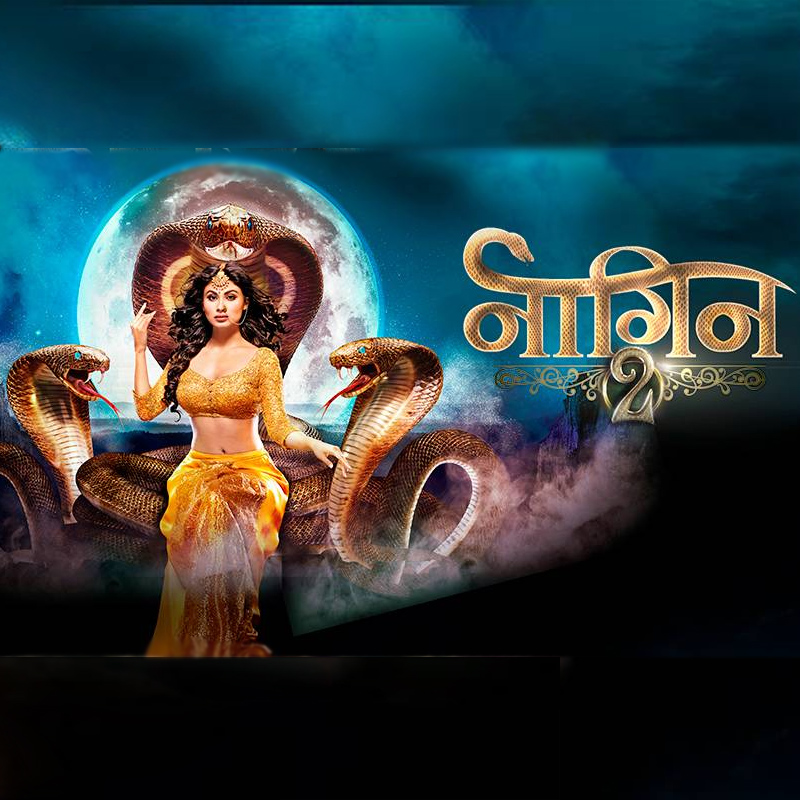
    MUMBAI: One of the top rated shows Naagin Season 2 helped Colors reach a top-ranking position.

    This week Colors was close to Star Plus in Urban and Hindi GEC segment but Star Plus continued to be the leader in the genre. Also, Naagin season one topped the rural market as well.

    It seems that next week will be interesting for both Star Plus and Colors. On the other hand, Zee Anmol continues to lead the rural market and also Big Magic is the new entrant in the section and Sab TV exited the genre in week 41.

    Hindi GEC

    Backed by Naagin season 2 and Shakti, Colors filled the gap to claim the leadership position but Star Plus continued to lead the genre with 706324 Impressions (000s) followed by Colors on second spot with 682916 Impressions (000s) and Zee Anmol on third with 521105 Impressions (000s).

    Zee TV stood at number four with 472953 Impressions (000s) and Sony Pal grabbed fifth spot with 432309 Impressions (000s).

    Life OK climbed up to number six with 415987 Impressions (000s) followed by Sony Entertainment Television at number seven with 415584 Impressions (000s) and Star Utsav at eight with 401336 Impressions (000s).

    Rishtey and Sab TV garnered the ninth and tenth spot with 392580 Impressions (000s) and 364481 Impressions (000s), respectively.

    Hindi GEC Rural

    Zee Anmol garnered the leadership position with 404238 Impressions (000s) followed by Sony Pal on second slot with 329426 Impressions (000s) and Star Utsav on the third spot with 309055 Impressions (000s). Rishtey maintained its fourth position with 302831 Impressions (000s).

    Star Plus bagged fifth spot with 237609 Impressions (000s). Colors stood at sixth spot in Rural HSM with 232220 Impressions (000s) followed by Zee TV at number seven with 208573 Impressions (000s). Big Magic entered the top ten channel list this week and stood at eight with 156238 Impressions (000s) followed by Life OK at ninth place with 150768 Impressions (000s) and Sony Entertainment Television at tenth spot garnered 123171 Impressions (000s).

    Hindi GEC Urban

    Star Plus continued to dominate the Hindi GECs genre with 468715 Impressions (000’s) followed by Colors on second with 450696 Impressions (000’s). Sony Entertainment Television maintained its position at number three with 292413 Impression (000s).

    Life OK replaced Zee TV at four with 265220 Impressions (000s).

    Zee TV grabbed the fifth spot with 264379 Impressions (000s) followed by Sab TV on sixth with 256307 Impressions (000s) and & TV with 138670 Impressions (000s) stood at number seven.

    In Hindi-speaking market, free to air channels Zee Anmol, Sony Pal and Star Utsav grabbed the last three spots with 116867 Impressions (000s), 102883 Impressions (000s) and 92282 Impressions (000s), respectively.