Category: GECs

  • Star India impacts 21st Century Fox Q1-17 numbers

    Star India impacts 21st Century Fox Q1-17 numbers

    BENGALURU: Rupert Murdoch’s Twenty-First Century Fox Inc. (21st Century Fox) reported 7.1 per cent year-on-year (y-o-y) growth in adjusted total revenue (revenue) for its first quarter ended 30 September 2016 (Q1-17, current quarter). Twenty-First Century Fox reported consolidated revenue of $6,506 million in the current quarter as compared to $6,077 million in the corresponding year-ago quarter.

    This revenue growth reflects increase in affiliate fee revenue which was primarily attributable to higher average rates per subscriber across most channels, and the increase in content revenue was led by higher subscription video-on demand (SVOD) revenue from television productions says the company.

    The company’s Operating Income before Depreciation and Amortization (OIBDA) increased 16.7 percent in Q1-17 to $1,791 million from $1,535 million in Q1-16.

    Twenty-First Century has three segments – Cable Network Programming, Television and Filmed Entertainment.

    Cable Network Programming

    Cable Network Programming revenue in the current quarter increased 10 percent y-o-y in the current quarter to $3,810 million from $3,464 million. The segment’s Operating Income before Depreciation and Amortization (OIBDA)increased six per cent y-o-y to $1,384 million from $1,306 million.

    Cable Network Programming has three sub-segments – Affiliate Fees; Advertising; ‘Content and Other’.

    Star India’s contribution

    Twenty-First Century Fox says that International affiliate fee revenue from its segment Cable Network Programming increased as a result of 16 per cent local currency growth, led by additional subscribers, higher rates and new channels in Latin America and Europe at Fox Networks Group International (FNGI) and increases at Star India, partially offset by the adverse impact of the strengthening of the U.S. dollar against local currencies. For Q1-17, international advertising revenue increased as a result of 11 per cent local currency growth, led by the broadcast of the Rio Olympics in fiscal 2017 at FNGI and Star India and higher volume and pricing at Star India’s general entertainment and sports channels, partially offset by the adverse impact of the strengthening of the US dollar against local currencies.

    “Star India’s advertising revenues returned to double digit year-over-year growth on a constant currency basis and we continue to see exceptional growth of our mobile video platform Hotstar,” said James Murdoch during a earnings call on the latest earnings. “Between June and October, average watch time doubled on the platform and minutes viewed is currently more than double, all the mainstream competitors combined and more than 10X the watch time of Netflix, which launched in India earlier this year.”

    The increase in international content and other revenues Q1-17, as compared to the corresponding period of fiscal 2016, was primarily due to higher network and syndication sales in Latin America and Europe at FNGI.

    International channels OIBDA decreased seven per cent, as compared to the corresponding period of fiscal 2016, primarily due to the local currency revenue increases noted above being more than offset by higher expenses an the adverse impact of the strengthening of the US dollar against local currencies. Operating expenses increased by approximately $110 million, for Q1-17, as compared Q1-16, primarily due to the broadcast of the Rio Olympics in fiscal 2017 and increased sports programming rights amortization, including soccer rights at FNGI and cricket rights at Star India.

    James Murdoch responded to a question during the investor call about the IPL rights and other sports properties that the Star Network is developing in India by saying: “..on the IPL, I think it is well known that there’s a – it’s well known that it’s very unclear when those rights will come to market. There has been a delay in that process. But I would say, look with respect to the Indian business we obviously look at different rights packages as they come up, we have really grown the breadth of that business in terms of sports with BCCI domestic cricket contract as well as the growth in Kabbadi and the Indian Super League, so it is really a broad business there and new rights come up where we always will have a look at. There is nothing at this point I can see in the outcome of those things that would deter it from the medium term target that we have laid out for profit growth at Star which were pacing towards pretty well, so we feel confident about that.”

    Domestic (US) Channels

    For Q1-17, Cable Network Programming’s domestic affiliate fee revenue increased primarily due to higher average rates per subscriber led by the

    Regional Sports Networks (RSNs), FX Networks and Fox News Channel (Fox News) partially offset by lower average subscribers.

    For Q1-7, domestic advertising revenue increased primarily due to higher pricing and ratings at Fox News. The increase in domestic content and other revenues for the Q1-17, as compared to the corresponding period of fiscal
    2016, was primarily due to the effect of the acquisition of the NGS Media Business.

    Domestic channels OIBDA increased nine per cent, as compared to the corresponding period of fiscal 2016, primarily due to the revenue increases noted above partially offset by higher expenses which were due to primarily due to the acquisition of the NGS Media Business and higher programming costs, including increased Major League Baseball(MLB) rights amortization at the RSNs and higher entertainment programming amortization at FX Networks.

    Television

    For Q1-17, revenues at the Television segment remained relatively constant, as compared Q1-16 (down one per cent y-o-y in Q1-17 at $1,038 million from $1,049 million), primarily due to higher affiliate fee and content revenues offset by lower advertising revenue. Affiliate fee revenue increased 18 per cent in Q1-17, as compared
    Q1-16, as a result of higher retransmission consent rates. Content and other revenues increased 55 per cent for Q1-17 as compared to Q1-16, primarily as a result of higher SVOD revenue at FOX.

    Television Advertising revenue decreased 11 per cent in Q1-7, as compared to Q1-16, primarily due to lower local advertising resulting from the broadcast of the Rio Olympics on a competitor network, the absence of the Emmy Awards and the Fédération Internationale de Football Association (FIFA) Women’s World Cup events and lower general entertainment ratings at FOX. Partially offsetting these decreases was higher political advertising revenue primarily related to the 2016 presidential election in the US.

    Television segment OIBDA in Q1-7 decreased 2.7 per cent y-o-y to $191 million from $196 million.

    Filmed Entertainment

    Filmed Entertainment revenues increased 6.8 per cent in Q1-17 as compared to Q2-16 to $1,907 million from $1,785 million primarily due to higher SVOD revenue from television productions, led by the licensing of Homeland to Hulu, and higher worldwide theatrical revenue partially offset by lower home entertainment revenue from motion picture productions. For Q1-17, revenues included the worldwide theatrical performance of Ice Age: Collision Course and Independence Day: Resurgence, *as compared to Q1-16, which included the worldwide theatrical releases of Maze Runner: The Scorch Trials and Fantastic Four and the home entertainment release of *Home*.

    In Q1-15, segment OIBDA at the Filmed Entertainment segment more than double (increased $162 million by 2.09 times) to $311 million from $149 million due to the revenue increases noted above and lower expenses of $40 million, or two per cent, as compared to Q1-16. Operating expenses decreased by approximately $20 million for the three months ended September 30, 2016, as compared to the corresponding period of fiscal 2016, primarily due to lower marketing costs due to the mix of theatrical and home entertainment releases in the current quarter compared to the prior year partially offset by higher production amortization and participation costs related to television productions.

    Company speak

    Commenting on the results, Century Fox executive chairmen Rupert and Lachlan Murdoch said, “We delivered a strong quarter, growing our earnings by double digits on solid revenue gains. Whether it was Fox News rating # in basic cable, the 27 primetime Emmy Awards between FX Networks and FOX Broadcasting, producing three of the top five
    scripted shows on television, or our robust international growth, we demonstrated strong operational momentum across our global businesses.”
  • Zee tops TRA Research’s most attractive 2016  TV media brands list

    Zee tops TRA Research’s most attractive 2016 TV media brands list

    MUMBAI: Which are the most attractive TV media brands? Zee TV tops, while MTV is at No 2, and Star Plus, surprisingly is at third spot. Aaj Tak, NDTV, Colors, SAB, Zee News, ABP News, India TV are the rest in the Top in that specific order.

    At least that’s the finding of brand intelligence and data insights company, TRA Research, a part of the Comniscient Group, Most Attractive Brands 2016 report.

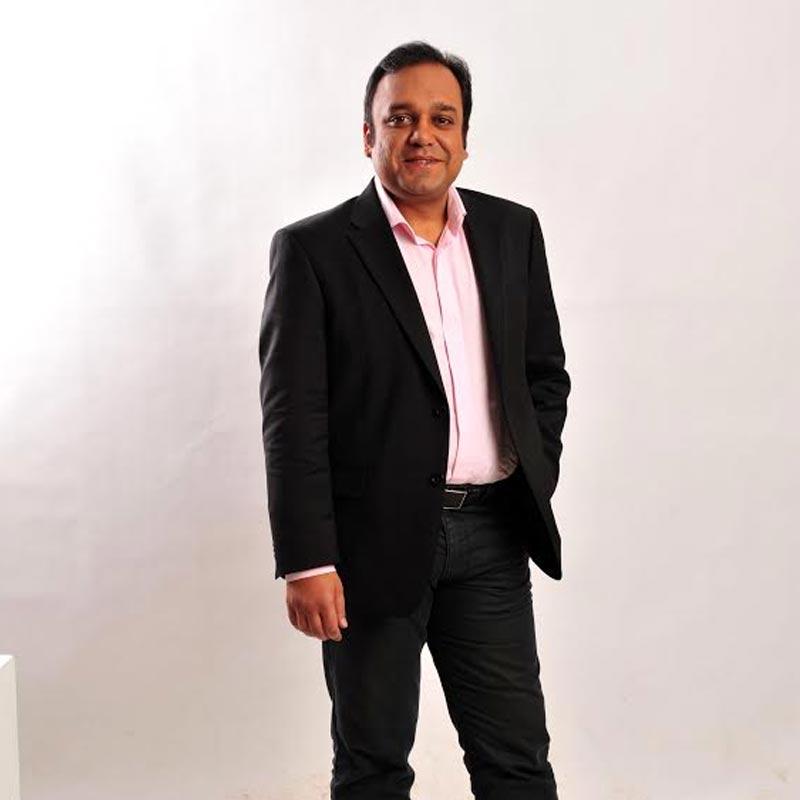
    For Punit Goenka and team Zee there’s many reasons to celebrate. Brand Zee TV has risen 116 places to 93 in the overall list of India’s most attractive brands (as compared to the 2015 ranking), while it ranks number 1 in the Hindi GEC category. Star Plus too has improved drastically by 163 places to rank at 110. But it is placed at No 2 in the Hindi GEC category. Colors which dropped 37 places to rank at 349 overall, is at the third spot in the GEC category.

    What’s surprising is that the mired in controversy NDTV has ranked No1 in the most attractive channel cluster category with the Zee Network coming in at No 2 and TV9 at No 3.

    Aaj Tak is numero uno in Hindi news, while Zee News ranks second and ABP News is a third spot.

    BBC has proved to be the most attractive international news TV brand for 2016, followed by CNN and NBC.

    Amongst kids channels, Disney Channel has taken pole position.

    This year, LG has unseated Samsung from the top spot and the smartphone maker has slipped to the third rank. LG is followed by Sony in the top 20.

    “The survey was conducted in 16 cities across India,” said TRA Research CEO N Chandramouli.

    Patanjali has emerged right on top in the fast moving consumer coods (FMCG) – diversified sub-category. In the FMCG sector, Baba Ramdev’s brand stands at 12, whereas in the overall rankings, it has taken the lead in the chart by 284 ranks to 87th as compared to last year’s 371.

    Amazon’s aggressive growth over the past year or so has seen it go past popular search engine Google to claim the top spot. In the overall attractive brands chart, Amazon has entered the top 100 club at 96th rank, while Google trails it at 102nd rank. Indian e-commerce portal Flipkart is far behind at 125th, but up from previous year’s 346.

  • Zee tops TRA Research’s most attractive 2016  TV media brands list

    Zee tops TRA Research’s most attractive 2016 TV media brands list

    MUMBAI: Which are the most attractive TV media brands? Zee TV tops, while MTV is at No 2, and Star Plus, surprisingly is at third spot. Aaj Tak, NDTV, Colors, SAB, Zee News, ABP News, India TV are the rest in the Top in that specific order.

    At least that’s the finding of brand intelligence and data insights company, TRA Research, a part of the Comniscient Group, Most Attractive Brands 2016 report.

    For Punit Goenka and team Zee there’s many reasons to celebrate. Brand Zee TV has risen 116 places to 93 in the overall list of India’s most attractive brands (as compared to the 2015 ranking), while it ranks number 1 in the Hindi GEC category. Star Plus too has improved drastically by 163 places to rank at 110. But it is placed at No 2 in the Hindi GEC category. Colors which dropped 37 places to rank at 349 overall, is at the third spot in the GEC category.

    What’s surprising is that the mired in controversy NDTV has ranked No1 in the most attractive channel cluster category with the Zee Network coming in at No 2 and TV9 at No 3.

    Aaj Tak is numero uno in Hindi news, while Zee News ranks second and ABP News is a third spot.

    BBC has proved to be the most attractive international news TV brand for 2016, followed by CNN and NBC.

    Amongst kids channels, Disney Channel has taken pole position.

    This year, LG has unseated Samsung from the top spot and the smartphone maker has slipped to the third rank. LG is followed by Sony in the top 20.

    “The survey was conducted in 16 cities across India,” said TRA Research CEO N Chandramouli.

    Patanjali has emerged right on top in the fast moving consumer coods (FMCG) – diversified sub-category. In the FMCG sector, Baba Ramdev’s brand stands at 12, whereas in the overall rankings, it has taken the lead in the chart by 284 ranks to 87th as compared to last year’s 371.

    Amazon’s aggressive growth over the past year or so has seen it go past popular search engine Google to claim the top spot. In the overall attractive brands chart, Amazon has entered the top 100 club at 96th rank, while Google trails it at 102nd rank. Indian e-commerce portal Flipkart is far behind at 125th, but up from previous year’s 346.

  • ‘Chawal’ to channel: Zee’s 24 years of a memorable roller-coaster ride

    ‘Chawal’ to channel: Zee’s 24 years of a memorable roller-coaster ride

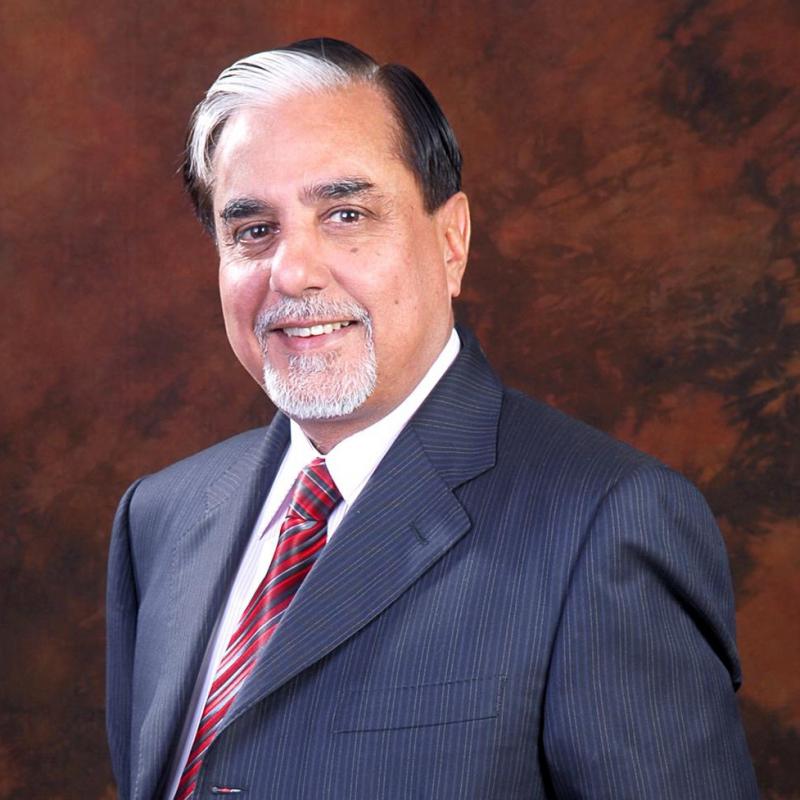
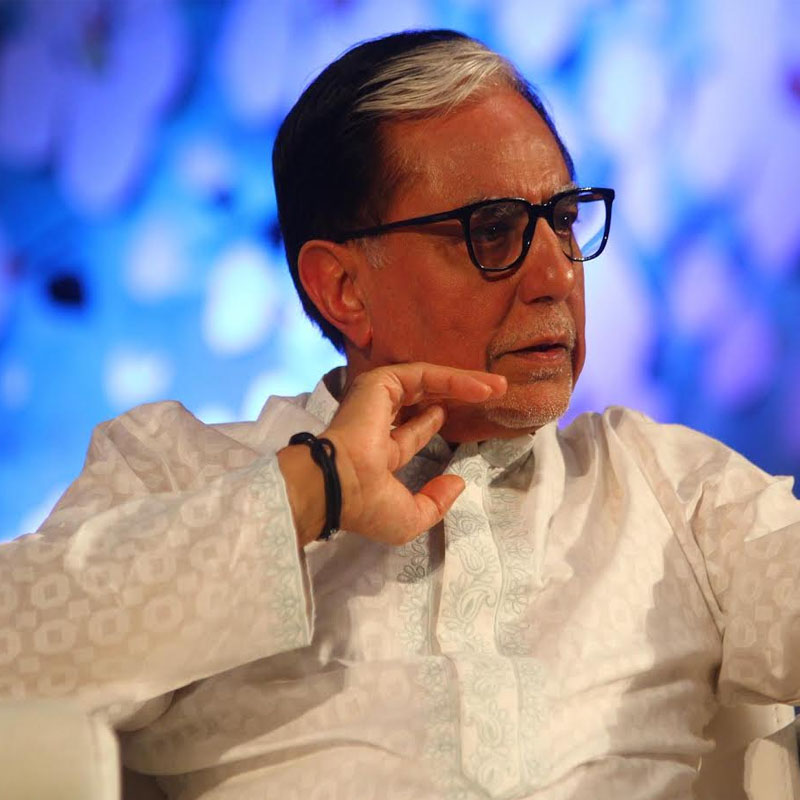
    It was a hot and humid Delhi afternoon sometime in the very early 1990s. A few journalists, mostly clueless about electronic media as we know it today, were milling around in a room in a central Delhi five-star hotel waiting for a press conference to begin. The host was a hitherto unknown company called Essel. When the conference began, one of the gentlemen, sporting former PM Indira Gandhi-style white streak in his hairs, announced that his company would start India’s first Indian-owned satellite TV channel. The other gent present on the occasion was Rajat Sharma, who was till then known as a print media journalist of some repute. The confusing series of question-answer that followed highlighted that few (including yours truly) had any idea of cable and satellite TV (CNN coverage of the first Iraq War was a trailer for Indians and later Star TV’s Santa Barbara and Bold & The Beautiful were like manna from the sky) and fewer understood fully the gravity of what Subhash Chandra was telling the Delhi scribes.

    The rest, as they say, was history. Over 24 years, this journey has not only created India’s first home grown electronic media company, but inspired many others to venture out, as Star Trek’s Captain Kirk & Co would say, where no man or entrepreneur has gone ever before.

    Zee Telefilms or Zee Television or Zee Entertainment Enterprises Ltd — as Zee group has been known in corporate circles from time to time — is itself a testament of the changing ethos of the company and the evolving Indian media landscape. But never has there been a time when the group — now housed over several floors in a swanky building in Mumbai’s Lower Parel area — been not associated with Chandra. To borrow a clichéd political line of the 1970s, it could be said that Zee is Subhash Chandra and Subhash Chandra is Zee.

    From those early days — Zee News started late 1990s used to function out of a four-bedroom residential flat in Delhi’s South Extension and the main office on Mumbai’s Annie Besant Road comprised a series of thatched mostly non-AC rooms — it has a been a long journey not only in terms of time, but also business and expansion.

    One of last annual reports (if we go back in time) on Zee’s corporate website pertains to 1998-99 financial year. Message from Chairman Chandra read: “For Zee Telefilms, 1998-99 was yet another year of exceptional accomplishment and growth. Having made its debut in 1992 as a software production company and marketing concessionaire, Zee has come a long way with its recognition as an emerging company of the year. The 35.8 percent total return our Company produced on the capital employed is of utmost importance to us. We’re not content with that…”  

    In 2016, addressing the investors and public at large in the 2015-16 annual report, the vision is gets contemporaneous as Chandra says: “ZEEL is proactively reorganising its operations focusing on newer delivery formats and ramping up its digital business in line with the changing dynamics of the operating environment. Multiple initiatives are being undertaken. Just as consistency has been a hallmark of our journey, so has change!”

    Change? Yes, of course. And why not? From a humble beginning, Zee now straddles the world, growing its business portfolio along with global presence and revenues. With a strong presence in over 171 countries and a total viewership of 1 billion plus people around the globe, when Zee claims it’s a worldwide media brand, it isn’t off the mark.

    Sample some facts. With a networth of Rs 62,315 million, Zee closed the 2015-16 financial year ending March 2016 with a total income of Rs. 58, 515 million and EBITDA of Rs 15, 095 million wherein global advertising revenue was Rs. 34, 297 million and subscription income was Rs. 20,579 million. Add to these vital stats the fact that the group offers content in multiple Indian and foreign languages and various formats with more than 2,22,703 hours of television content and rights to more than 3,818 movie titles from premiere studios featuring Indian film stars, making it one of the largest Hindi film libraries in the world. All this content is aired via 38 international and 33 domestic channels.

    If Essel group, Zee’s parent, made money from trading in commodities in the early parts of its 90-year existence (having begun in a small town in Haryana state), in the 1980s it upgraded itself to export chawal (rice) to the erstwhile USSR, apart from other more urban-centric business activities. This evolution and flirting with little-known businesses has been a hallmark of Zee’s progress too.

    public://SC-Modi.jpg

    Very few would remember that Chandra’s Essel Group wanted to be the first private sector Indian satellite operator having realised that synergies in entertainment, broadcast and delivery business could have its advantages (as also disadvantages). Though the satellite dream is still to fructify as Agrani started and folded quietly in the 1990s, it helped initiate Chandra’s elder son and present MD of Zee Entertainment, Punit Goenka, into the business.

    Though Zee had a blow-hot-blow-cold relationship with Rupert Murdoch’s 21st Century Fox (in the 1990s it was News Corp) and it’s Indian subsidiary Star TV, the three joint ventures that Zee had with Murdoch’s company in those early days, including a 50:50 shareholding in MSO Siti Cable, helped Chandra and his band of colleagues to firm their footsteps in the broadcast world in India first and then globally.

    The joint ventures with Star, which was bought over by Murdoch mid-1990s from Hong Kong-based Chinese businessman Li Ka-Shing, also helped Zee raise himself to broadcast and entertainment’s international levels where negotiations are cut-throat and not an inch is given to even business partners.

    A description of a Chandra-Murdoch meeting in New York is telling. An expat, then working with Chandra for the Agrani project, glowingly says that despite Murdoch’s reputation of being a ruthless businessman, the comparatively younger and inexperienced Indian businessman (Chandra) discussed business with the Star TV boss on an equal footing over drinks— as a CEO would talk shop with another CEO. India, probably, is one of those rare instances where even the mighty Murdoch got bought out by his Indian partner in joint ventures.

    Just when the 1990s was preparing to bid goodbye, Zee announced it was buying out Star’s shareholding in three joint ventures in a stock-and-share deal worth approximately USD 300 million. Yours truly very well remembers that in an interview soon after the historic deal, Chandra, though jubilant, said in a measured tone said at about 1 am, “Yes, it feels exciting being an Indian (to have bought out the foreign partner), but the tough part has just begun now for Zee.

    And he was bang on target— like he has been so many other times. These 24 years for Zee have not been all smooth sailing; especially so after Zee broke its business chords with Star. There have been decisions taken on fronts like programming, corporate and personnel appointments as also distribution that have been questioned by viewers, investors and media observers alike.

    Take, for example, the introduction on Zee TV around late 2000 and early 2001 a show titled Sawaal Dus Crore Ka (A Question for Rs. 10 crore or Rs 100 million). Put on air in an effort to counter the runaway success of rival Star Plus’ Amitabh Bachchan-anchored Kaun Banega Crorepati, an Indian version of the UK game show Who Wants To Be A Millionaire, Zee’s Swaal… was a major flop and the channel had to terminate it mid-way blaming its two anchors, film stars Anupam Kher and Manisha Koirala, for its failure after having burnt its fingers and loads of cash. Not to mention Zee’s two failed bids to mount a cricket league (Indian Cricket League), which were shot down by cricket politics, but paved the way for the now hugely successful Indian Premier League, blessed by the Indian cricket Board and cricket’s international apex body ICC.

    There have been leadership position appointments that have been also questioned. Adman Sandeep Goyal’s tenure as Group CEO of Zee in 2001, handpicked by Chandra, was regarded controversial.However, destiny’s child that Chandra could be had managed to build a company that was populated with professionals and such decisions helped Zee get over several mishaps over the 24 years.

    Some of the best professionals — many of them who have now left Zee to make a name for themselves independently —  that worked along with Chandra and later his son Punit included people like programming specialist Kanta Advani, marketing whiz Meenakshi Madhvani (now Menon), newsperson Rajat Sharma (he now owns the Hindi news channel India TV), former Times of India group’s Vijay Jindal and Pradeep Guha (both served as successful CEOs at Zee), strategist Bharat Ranga, communications expert Ashish Kaul, Deepak Shourie, newspersons (at Zee News) Alok Verma and Rohit Bansal, operations specialist Rajiv Khattar (Siti Cable and Dish TV), legal eagle A. Mohan, government relations expert PC Lahiri  and, of course, Chandra’s friend, philosopher and guide Ashok Kurien. But most of all, the whole Zee group — now diversified and broken down into separate business entities owing to regulatory restrictions and compulsions — benefited a lot from a harmonious family that controlled it. Chandra’s two younger brothers, Jawahar and Laxmi Goel, at various stages had been instrumental in pushing things and being the balancing factor, but never publicly having a spat with their elder brother.

    Because Zee (and Chandra) valued professionals, it was no surprise when Chandra, during his acceptance speech for Asian industry organisation CASBAA’s award for “Lifetime Contribution to the Asian Pay-TV Industry’ in 2009, said, “The achievement is not my own. Many others have made this possible, most notably my old colleagues Ronnie Screwvala of UTV Software, Prannoy Roy, the Chairman of NDTV and Raghav Bahl who now leads Network 18 Group.” Both Screwvala and Bahl since then have exited the companies after selling their shareholding. But even they were taken aback by the graciousness shown by Zee boss.

    At a time when Zee could well look back over its shoulder and afford to smile while preparing for the 50th anniversary in a growing digital world, the present leadership of Zee could well borrow poet Robert Frost’s lines, echoed also by India’s first Prime Minister Jawaharlal Nehru at the time of Independence, `But I have promises to keep, And miles to go before I sleep.’ We shall certainly Zee (as in see).


  • ‘Chawal’ to channel: Zee’s 24 years of a memorable roller-coaster ride

    ‘Chawal’ to channel: Zee’s 24 years of a memorable roller-coaster ride

    It was a hot and humid Delhi afternoon sometime in the very early 1990s. A few journalists, mostly clueless about electronic media as we know it today, were milling around in a room in a central Delhi five-star hotel waiting for a press conference to begin. The host was a hitherto unknown company called Essel. When the conference began, one of the gentlemen, sporting former PM Indira Gandhi-style white streak in his hairs, announced that his company would start India’s first Indian-owned satellite TV channel. The other gent present on the occasion was Rajat Sharma, who was till then known as a print media journalist of some repute. The confusing series of question-answer that followed highlighted that few (including yours truly) had any idea of cable and satellite TV (CNN coverage of the first Iraq War was a trailer for Indians and later Star TV’s Santa Barbara and Bold & The Beautiful were like manna from the sky) and fewer understood fully the gravity of what Subhash Chandra was telling the Delhi scribes.

    The rest, as they say, was history. Over 24 years, this journey has not only created India’s first home grown electronic media company, but inspired many others to venture out, as Star Trek’s Captain Kirk & Co would say, where no man or entrepreneur has gone ever before.

    Zee Telefilms or Zee Television or Zee Entertainment Enterprises Ltd — as Zee group has been known in corporate circles from time to time — is itself a testament of the changing ethos of the company and the evolving Indian media landscape. But never has there been a time when the group — now housed over several floors in a swanky building in Mumbai’s Lower Parel area — been not associated with Chandra. To borrow a clichéd political line of the 1970s, it could be said that Zee is Subhash Chandra and Subhash Chandra is Zee.

    From those early days — Zee News started late 1990s used to function out of a four-bedroom residential flat in Delhi’s South Extension and the main office on Mumbai’s Annie Besant Road comprised a series of thatched mostly non-AC rooms — it has a been a long journey not only in terms of time, but also business and expansion.

    One of last annual reports (if we go back in time) on Zee’s corporate website pertains to 1998-99 financial year. Message from Chairman Chandra read: “For Zee Telefilms, 1998-99 was yet another year of exceptional accomplishment and growth. Having made its debut in 1992 as a software production company and marketing concessionaire, Zee has come a long way with its recognition as an emerging company of the year. The 35.8 percent total return our Company produced on the capital employed is of utmost importance to us. We’re not content with that…”  

    In 2016, addressing the investors and public at large in the 2015-16 annual report, the vision is gets contemporaneous as Chandra says: “ZEEL is proactively reorganising its operations focusing on newer delivery formats and ramping up its digital business in line with the changing dynamics of the operating environment. Multiple initiatives are being undertaken. Just as consistency has been a hallmark of our journey, so has change!”

    Change? Yes, of course. And why not? From a humble beginning, Zee now straddles the world, growing its business portfolio along with global presence and revenues. With a strong presence in over 171 countries and a total viewership of 1 billion plus people around the globe, when Zee claims it’s a worldwide media brand, it isn’t off the mark.

    Sample some facts. With a networth of Rs 62,315 million, Zee closed the 2015-16 financial year ending March 2016 with a total income of Rs. 58, 515 million and EBITDA of Rs 15, 095 million wherein global advertising revenue was Rs. 34, 297 million and subscription income was Rs. 20,579 million. Add to these vital stats the fact that the group offers content in multiple Indian and foreign languages and various formats with more than 2,22,703 hours of television content and rights to more than 3,818 movie titles from premiere studios featuring Indian film stars, making it one of the largest Hindi film libraries in the world. All this content is aired via 38 international and 33 domestic channels.

    If Essel group, Zee’s parent, made money from trading in commodities in the early parts of its 90-year existence (having begun in a small town in Haryana state), in the 1980s it upgraded itself to export chawal (rice) to the erstwhile USSR, apart from other more urban-centric business activities. This evolution and flirting with little-known businesses has been a hallmark of Zee’s progress too.

    public://SC-Modi.jpg

    Very few would remember that Chandra’s Essel Group wanted to be the first private sector Indian satellite operator having realised that synergies in entertainment, broadcast and delivery business could have its advantages (as also disadvantages). Though the satellite dream is still to fructify as Agrani started and folded quietly in the 1990s, it helped initiate Chandra’s elder son and present MD of Zee Entertainment, Punit Goenka, into the business.

    Though Zee had a blow-hot-blow-cold relationship with Rupert Murdoch’s 21st Century Fox (in the 1990s it was News Corp) and it’s Indian subsidiary Star TV, the three joint ventures that Zee had with Murdoch’s company in those early days, including a 50:50 shareholding in MSO Siti Cable, helped Chandra and his band of colleagues to firm their footsteps in the broadcast world in India first and then globally.

    The joint ventures with Star, which was bought over by Murdoch mid-1990s from Hong Kong-based Chinese businessman Li Ka-Shing, also helped Zee raise himself to broadcast and entertainment’s international levels where negotiations are cut-throat and not an inch is given to even business partners.

    A description of a Chandra-Murdoch meeting in New York is telling. An expat, then working with Chandra for the Agrani project, glowingly says that despite Murdoch’s reputation of being a ruthless businessman, the comparatively younger and inexperienced Indian businessman (Chandra) discussed business with the Star TV boss on an equal footing over drinks— as a CEO would talk shop with another CEO. India, probably, is one of those rare instances where even the mighty Murdoch got bought out by his Indian partner in joint ventures.

    Just when the 1990s was preparing to bid goodbye, Zee announced it was buying out Star’s shareholding in three joint ventures in a stock-and-share deal worth approximately USD 300 million. Yours truly very well remembers that in an interview soon after the historic deal, Chandra, though jubilant, said in a measured tone said at about 1 am, “Yes, it feels exciting being an Indian (to have bought out the foreign partner), but the tough part has just begun now for Zee.

    And he was bang on target— like he has been so many other times. These 24 years for Zee have not been all smooth sailing; especially so after Zee broke its business chords with Star. There have been decisions taken on fronts like programming, corporate and personnel appointments as also distribution that have been questioned by viewers, investors and media observers alike.

    Take, for example, the introduction on Zee TV around late 2000 and early 2001 a show titled Sawaal Dus Crore Ka (A Question for Rs. 10 crore or Rs 100 million). Put on air in an effort to counter the runaway success of rival Star Plus’ Amitabh Bachchan-anchored Kaun Banega Crorepati, an Indian version of the UK game show Who Wants To Be A Millionaire, Zee’s Swaal… was a major flop and the channel had to terminate it mid-way blaming its two anchors, film stars Anupam Kher and Manisha Koirala, for its failure after having burnt its fingers and loads of cash. Not to mention Zee’s two failed bids to mount a cricket league (Indian Cricket League), which were shot down by cricket politics, but paved the way for the now hugely successful Indian Premier League, blessed by the Indian cricket Board and cricket’s international apex body ICC.

    There have been leadership position appointments that have been also questioned. Adman Sandeep Goyal’s tenure as Group CEO of Zee in 2001, handpicked by Chandra, was regarded controversial.However, destiny’s child that Chandra could be had managed to build a company that was populated with professionals and such decisions helped Zee get over several mishaps over the 24 years.

    Some of the best professionals — many of them who have now left Zee to make a name for themselves independently —  that worked along with Chandra and later his son Punit included people like programming specialist Kanta Advani, marketing whiz Meenakshi Madhvani (now Menon), newsperson Rajat Sharma (he now owns the Hindi news channel India TV), former Times of India group’s Vijay Jindal and Pradeep Guha (both served as successful CEOs at Zee), strategist Bharat Ranga, communications expert Ashish Kaul, Deepak Shourie, newspersons (at Zee News) Alok Verma and Rohit Bansal, operations specialist Rajiv Khattar (Siti Cable and Dish TV), legal eagle A. Mohan, government relations expert PC Lahiri  and, of course, Chandra’s friend, philosopher and guide Ashok Kurien. But most of all, the whole Zee group — now diversified and broken down into separate business entities owing to regulatory restrictions and compulsions — benefited a lot from a harmonious family that controlled it. Chandra’s two younger brothers, Jawahar and Laxmi Goel, at various stages had been instrumental in pushing things and being the balancing factor, but never publicly having a spat with their elder brother.

    Because Zee (and Chandra) valued professionals, it was no surprise when Chandra, during his acceptance speech for Asian industry organisation CASBAA’s award for “Lifetime Contribution to the Asian Pay-TV Industry’ in 2009, said, “The achievement is not my own. Many others have made this possible, most notably my old colleagues Ronnie Screwvala of UTV Software, Prannoy Roy, the Chairman of NDTV and Raghav Bahl who now leads Network 18 Group.” Both Screwvala and Bahl since then have exited the companies after selling their shareholding. But even they were taken aback by the graciousness shown by Zee boss.

    At a time when Zee could well look back over its shoulder and afford to smile while preparing for the 50th anniversary in a growing digital world, the present leadership of Zee could well borrow poet Robert Frost’s lines, echoed also by India’s first Prime Minister Jawaharlal Nehru at the time of Independence, `But I have promises to keep, And miles to go before I sleep.’ We shall certainly Zee (as in see).


  • Zindagi’s Turkish stars wish Indian fans on Diwali

    Zindagi’s Turkish stars wish Indian fans on Diwali

    MUMBAI: Turkish actors from Zindagi’s highly appreciated Turkish shows – Feriha, Fatmagul & Little Lord — were in Mumbai. The actors were elated with the overwhelming response from Indian fans & media. The actors were excited to be here during the festive season and loved the festive mood. The charming actors sportingly wished all their fans in India.

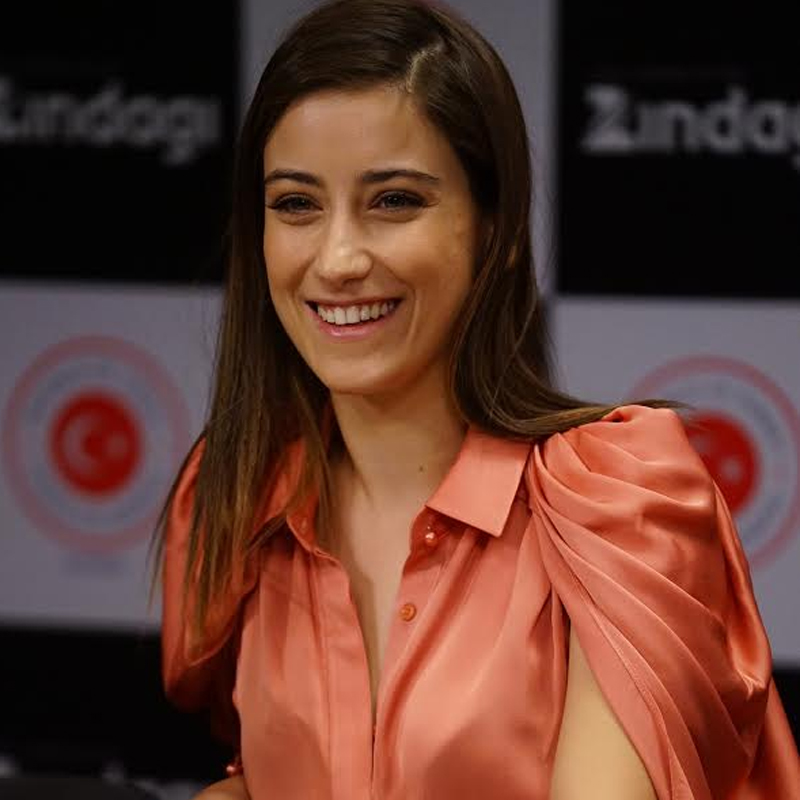
    Actors of Zindagi’s most admired shows – Hazal Kaya (Feriha), Kaan Tasaner (Fatmagul) & Sarp Levendoglu (Little Lord) – were excited to meet their fans

    Popular Turkish shows, Feriha, Fatmagul and Little Lord, being aired on Zindagi, have wowed Indian audiences with its fresh faces and beautiful storyline. The internationally renowned actors of the show are being admired for their acting prowess, charming personalities and their relatable character portrayals.

    ‘Feriha’, ‘Ali’ and ‘Erdogan’ albeit their on-screen names, have all become famous in Indian households in their respective shows. And now to make this festive season more exciting they i.e. Hazal Kaya (Feriha), Kaan Tasaner (Erdoğan Yaşaran) and Sarp Levendoglu (Ali) were in the city as part of the high level Turkish delegation. They were elated with the overwhelming response from Indian fans & media. The actors were excited to be in the city during the festive season and loved the festive mood.

    Zee Entertainment Enterprises Ltd. (ZEEL) chief business officer Sunil Buch said, “Our Turkish shows are a testament of Zindagi’s commitment to bring compelling and differentiated content from across the world. Our first Turkish show Feriha was a runaway success followed by Fatmagul and now the recently launched Little Lord is being appreciated. These shows have resonated well with the audience and have been seen as a breath of fresh air.”

    The audience has flooded the channel with an overwhelming response of appreciation mentioning that they are hooked to the Turkish shows due to the relatable and talented acting, good looking actors, realistic and scenic locales along with the good storytelling that have struck a chord with viewers in India. These shows have not only got the viewers hooked on to their screens but has also helped Zindagi garner impressive ratings in the premium category.

    Few lucky Zindagi viewers were given the opportunity to meet their favourite actors in Mumbai. Acknowledging her fans in India and being appreciative of how well Feriha was received in India, the gorgeous Hazal was excited to meet some of her fans in India. Hazal Kaya plays the title role in Feriha and wished her fans, “I love my Indian fans, Happy Diwali and Happy New Year!”

    The charming Kaan Tasane seen as Erdoğan Yaşaran in Fatmagul and the good looking actor, Sarp Levendoglu seen as Mehmet’s father, Ali in Little Lord also wished their fans.

    After the phenomenal success of Feriha, Zindagi presented two more specially handpicked shows from Turkey, Fatmagul and Little Lord. Fatmagul airing at 9:00 PM is the story of an innocent girl whose fairy-tale life is turned into a nightmare when she gets raped and is forced to marry the accused. Little Lord currently airing at 7:30 PM is a light-hearted Turkish drama, about the endearing tale of a parent-child relationship seen through the lens of a six year old, Mehmet.

  • Zindagi’s Turkish stars wish Indian fans on Diwali

    Zindagi’s Turkish stars wish Indian fans on Diwali

    MUMBAI: Turkish actors from Zindagi’s highly appreciated Turkish shows – Feriha, Fatmagul & Little Lord — were in Mumbai. The actors were elated with the overwhelming response from Indian fans & media. The actors were excited to be here during the festive season and loved the festive mood. The charming actors sportingly wished all their fans in India.

    Actors of Zindagi’s most admired shows – Hazal Kaya (Feriha), Kaan Tasaner (Fatmagul) & Sarp Levendoglu (Little Lord) – were excited to meet their fans

    Popular Turkish shows, Feriha, Fatmagul and Little Lord, being aired on Zindagi, have wowed Indian audiences with its fresh faces and beautiful storyline. The internationally renowned actors of the show are being admired for their acting prowess, charming personalities and their relatable character portrayals.

    ‘Feriha’, ‘Ali’ and ‘Erdogan’ albeit their on-screen names, have all become famous in Indian households in their respective shows. And now to make this festive season more exciting they i.e. Hazal Kaya (Feriha), Kaan Tasaner (Erdoğan Yaşaran) and Sarp Levendoglu (Ali) were in the city as part of the high level Turkish delegation. They were elated with the overwhelming response from Indian fans & media. The actors were excited to be in the city during the festive season and loved the festive mood.

    Zee Entertainment Enterprises Ltd. (ZEEL) chief business officer Sunil Buch said, “Our Turkish shows are a testament of Zindagi’s commitment to bring compelling and differentiated content from across the world. Our first Turkish show Feriha was a runaway success followed by Fatmagul and now the recently launched Little Lord is being appreciated. These shows have resonated well with the audience and have been seen as a breath of fresh air.”

    The audience has flooded the channel with an overwhelming response of appreciation mentioning that they are hooked to the Turkish shows due to the relatable and talented acting, good looking actors, realistic and scenic locales along with the good storytelling that have struck a chord with viewers in India. These shows have not only got the viewers hooked on to their screens but has also helped Zindagi garner impressive ratings in the premium category.

    Few lucky Zindagi viewers were given the opportunity to meet their favourite actors in Mumbai. Acknowledging her fans in India and being appreciative of how well Feriha was received in India, the gorgeous Hazal was excited to meet some of her fans in India. Hazal Kaya plays the title role in Feriha and wished her fans, “I love my Indian fans, Happy Diwali and Happy New Year!”

    The charming Kaan Tasane seen as Erdoğan Yaşaran in Fatmagul and the good looking actor, Sarp Levendoglu seen as Mehmet’s father, Ali in Little Lord also wished their fans.

    After the phenomenal success of Feriha, Zindagi presented two more specially handpicked shows from Turkey, Fatmagul and Little Lord. Fatmagul airing at 9:00 PM is the story of an innocent girl whose fairy-tale life is turned into a nightmare when she gets raped and is forced to marry the accused. Little Lord currently airing at 7:30 PM is a light-hearted Turkish drama, about the endearing tale of a parent-child relationship seen through the lens of a six year old, Mehmet.

  • Hindi channels usher in festivities with special line-up

    Hindi channels usher in festivities with special line-up

    MUMBAI: It’s that time of the year again when television channels go full throttle to appease their viewers. With Diwali in full swing, broadcasters are betting high by undertaking several initiatives to bring television screens alive with their unique programming line-ups.

    With TV viewing expected to be higher at this time added to it is the fact that Diwali is falling on the weekend, several TV broadcasters have made it a point to create special programming during the season. To enhance the festivities of our viewers, Indiantelevision.com looks at some of the specials planned by the Hindi channels during Diwali this year.

    News Channels

    Aaj Tak

    The channel will air a show focused on spot reporting from different posts or camps of military and paramilitary forces, where our soldier stand guard on Diwali. Titled Border, the show will see the anchor going to the border or LoC post and show the country how they celebrate Diwali. This one hour show will air on 29 October at 9 pm with a repeat telecast on 30 October at 6 pm. The channel will also air a show titled Jab Desh Me Hai Diwali wherein the team will spend a day with the Army, BSF and CRPF jawans and see how they performed their Diwali puja. This show will air at 10 pm on 29 October with a repeat telecast at 10 am and 8 pm on 30 October.

    Ek Diya Shaheedon Ke Naam, will focus on Diwali of the Martyr family. The 60 minute long show will air on 30 October at 9 pm. Aye Dil ki Diwali was telecast on 29 October at 11 pm and will be repeated on 30 October at 4 pm and 11 pm. This show is an effort to light up the lives of the underprivileged children. The Aaj Tak team will travel to an orphanage in Mumbai with goodies as Diwali gifts. The children will be treated to a surprise as filmstars Ranveer Kapoor and Anushka Sharma pay them a visit.  The two actors will play games, sing songs, dance with the children and answer their questions.

    A special edition of AAA, this show will narrate the story of the Indian myth of Kuber. Titled Kuber Ka Khajana, this programme will air at 8 pm on 29 October and at12 pm and 10 pm on 30 October.  

    CNBC-TV18

    CNBC-TV18 will showcase India’s biggest and brightest market guru’s share insights and give their top stock picks to help viewers create wealth. Through their special programming line-up for Diwali, the business channel is bringing dedicated expert advice on stocks, markets, wealth creation ideas, investment insights and more.

    The channel will assess the impact of the festive season through CNBC–TV18 Festive Pulse Meter. In addition to this, there will be a fun element added with the Golden Boy of Bollywood Bappi Lahiri.

    Some of the investor focused initiatives being led by CNBC–TV18 this Diwali are:

    Muhurat Trading  on  30 October between 5.55pm to 8pm, The Big Bull wherein Udayan Mukherjee will interview Rakesh Jhunjhunwala discussing investments for the long term, the state of the markets, how Rakesh sees the markets going from one Diwali to next, etc. The show that got viewers 70 per cent returns from last year, CNBC-TV18 Hitlist is back with three experts Dipan Mehta, Prakash Diwan, Ambareesh Baliga. Programmed under wealth generation, Samvat 2073 Market Masters and Samvat 2073 God of stocks will have experts help the viewer with wealth creation ideas, investment insights and more    

    IBN7

    IBN7 has lined up exclusive Utsav programming starting from 1 October to 30 October  to bring to the viewers the excitement of the festivals.

    The programming will showcase Navratri celebrations from across the country along with live footage of Dandia from Mumbai and Gujarat. On the occasion of Dussehra, the channel will telecast live Ravan Dahan visuals and Ram Ek Khoj – a series of 5 one-hour specials on Ramayana related legends and tales associated with the island nation.

    The channel will next focus on Karva Chauth, highlighting celebrations of the festival in Bollywood and the TV world as well as a special segment Karva Chauth Ki Kahani.

    GEC

    &TV will present & It’s Diwali, a special two and a half hour programme with leading artists from the television industry who will perform on latest chart-busters and ring in Diwali with a lot of sparkle and style. The show will air on 29 October at 8 pm.

    Actors like Jay Bhanushali, Saumya Tandon, Angoori, Anita Bhabhi, Mouni Roy, Ritwik Dhanjani, Asha Negi, Sharad Malhotra, Kratika Sengar, etc will enthrall and entertain the audience.

    Viacom18’s Colors doesn’t have any special Diwali show but has popular properties like Thapki…Pyaar Ki, Sasural Simar Ka, Shakti…Astitva Ke Eshaas Kii, Bigg Boss 10 and Jhalak Dikhhla Jaa lined up for the viewers.

    Sony SAB celebrated Diwali with their annual property called SAB Ki Diwali on October 27 which was filled with colourful performances by cast of Taarak Mehta Ka Ooltah Chashmah and its other shows. Additionally, across all their shows there will be Diwali celebrations as part of programming.

    Hindi Movies

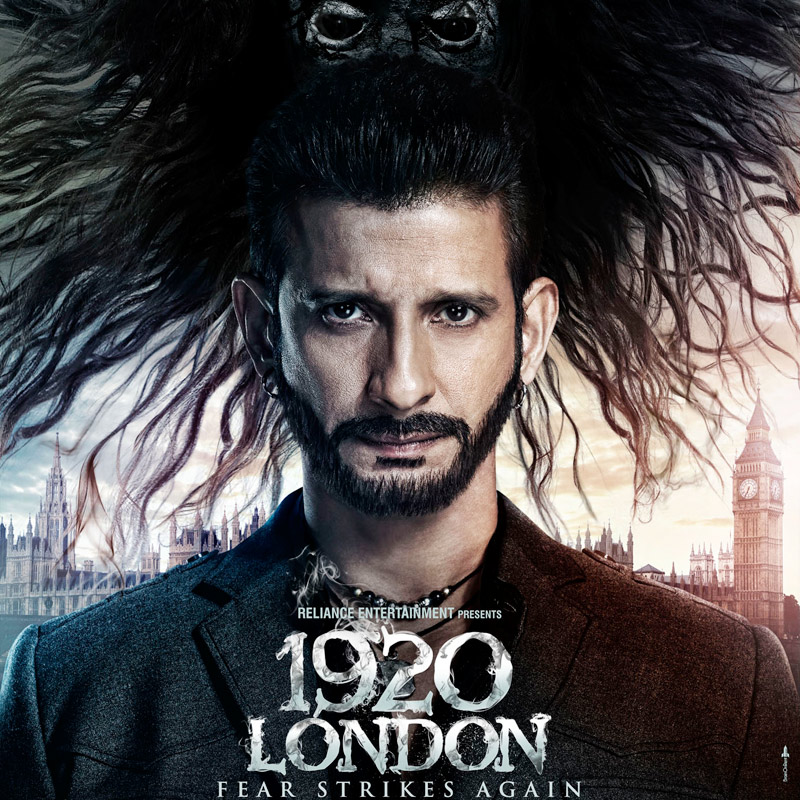
    &pictures will add a thrilling flavor to the Diwali festivities with the premiere of horror flick 1920 London on 31 October at 8 pm. Written by Vikram Bhatt and directed by Tinu Desai, the movie stars Sharman Joshi, Meera Chopra and small screen hunk Vishal Karwal in the lead.

    Sony Max and Max2 will kick- start the festivities with a specially curated movie list. Commencing from 29 October to 31 October, Sony Max’s Dilwali Dhamaka and Jashn- E- Diwali on Sony Max2 will bring a potpourri of entertaining super hits.

    While Sony Max will air titles like Mera Target, Robot, PK, Dhoom3, ABCD2, Jaani Dushman, Magadheera, Bahubali, Dilwale, Return of Rebel, etc, Max2 will telecast movies like Chandni, Yaarana, Guru, Dilwale Dulhania Le Jayenge, Don, Hum Dil De Chuke Sanam, etc.

  • Hindi channels usher in festivities with special line-up

    Hindi channels usher in festivities with special line-up

    MUMBAI: It’s that time of the year again when television channels go full throttle to appease their viewers. With Diwali in full swing, broadcasters are betting high by undertaking several initiatives to bring television screens alive with their unique programming line-ups.

    With TV viewing expected to be higher at this time added to it is the fact that Diwali is falling on the weekend, several TV broadcasters have made it a point to create special programming during the season. To enhance the festivities of our viewers, Indiantelevision.com looks at some of the specials planned by the Hindi channels during Diwali this year.

    News Channels

    Aaj Tak

    The channel will air a show focused on spot reporting from different posts or camps of military and paramilitary forces, where our soldier stand guard on Diwali. Titled Border, the show will see the anchor going to the border or LoC post and show the country how they celebrate Diwali. This one hour show will air on 29 October at 9 pm with a repeat telecast on 30 October at 6 pm. The channel will also air a show titled Jab Desh Me Hai Diwali wherein the team will spend a day with the Army, BSF and CRPF jawans and see how they performed their Diwali puja. This show will air at 10 pm on 29 October with a repeat telecast at 10 am and 8 pm on 30 October.

    Ek Diya Shaheedon Ke Naam, will focus on Diwali of the Martyr family. The 60 minute long show will air on 30 October at 9 pm. Aye Dil ki Diwali was telecast on 29 October at 11 pm and will be repeated on 30 October at 4 pm and 11 pm. This show is an effort to light up the lives of the underprivileged children. The Aaj Tak team will travel to an orphanage in Mumbai with goodies as Diwali gifts. The children will be treated to a surprise as filmstars Ranveer Kapoor and Anushka Sharma pay them a visit.  The two actors will play games, sing songs, dance with the children and answer their questions.

    A special edition of AAA, this show will narrate the story of the Indian myth of Kuber. Titled Kuber Ka Khajana, this programme will air at 8 pm on 29 October and at12 pm and 10 pm on 30 October.  

    CNBC-TV18

    CNBC-TV18 will showcase India’s biggest and brightest market guru’s share insights and give their top stock picks to help viewers create wealth. Through their special programming line-up for Diwali, the business channel is bringing dedicated expert advice on stocks, markets, wealth creation ideas, investment insights and more.

    The channel will assess the impact of the festive season through CNBC–TV18 Festive Pulse Meter. In addition to this, there will be a fun element added with the Golden Boy of Bollywood Bappi Lahiri.

    Some of the investor focused initiatives being led by CNBC–TV18 this Diwali are:

    Muhurat Trading  on  30 October between 5.55pm to 8pm, The Big Bull wherein Udayan Mukherjee will interview Rakesh Jhunjhunwala discussing investments for the long term, the state of the markets, how Rakesh sees the markets going from one Diwali to next, etc. The show that got viewers 70 per cent returns from last year, CNBC-TV18 Hitlist is back with three experts Dipan Mehta, Prakash Diwan, Ambareesh Baliga. Programmed under wealth generation, Samvat 2073 Market Masters and Samvat 2073 God of stocks will have experts help the viewer with wealth creation ideas, investment insights and more    

    IBN7

    IBN7 has lined up exclusive Utsav programming starting from 1 October to 30 October  to bring to the viewers the excitement of the festivals.

    The programming will showcase Navratri celebrations from across the country along with live footage of Dandia from Mumbai and Gujarat. On the occasion of Dussehra, the channel will telecast live Ravan Dahan visuals and Ram Ek Khoj – a series of 5 one-hour specials on Ramayana related legends and tales associated with the island nation.

    The channel will next focus on Karva Chauth, highlighting celebrations of the festival in Bollywood and the TV world as well as a special segment Karva Chauth Ki Kahani.

    GEC

    &TV will present & It’s Diwali, a special two and a half hour programme with leading artists from the television industry who will perform on latest chart-busters and ring in Diwali with a lot of sparkle and style. The show will air on 29 October at 8 pm.

    Actors like Jay Bhanushali, Saumya Tandon, Angoori, Anita Bhabhi, Mouni Roy, Ritwik Dhanjani, Asha Negi, Sharad Malhotra, Kratika Sengar, etc will enthrall and entertain the audience.

    Viacom18’s Colors doesn’t have any special Diwali show but has popular properties like Thapki…Pyaar Ki, Sasural Simar Ka, Shakti…Astitva Ke Eshaas Kii, Bigg Boss 10 and Jhalak Dikhhla Jaa lined up for the viewers.

    Sony SAB celebrated Diwali with their annual property called SAB Ki Diwali on October 27 which was filled with colourful performances by cast of Taarak Mehta Ka Ooltah Chashmah and its other shows. Additionally, across all their shows there will be Diwali celebrations as part of programming.

    Hindi Movies

    &pictures will add a thrilling flavor to the Diwali festivities with the premiere of horror flick 1920 London on 31 October at 8 pm. Written by Vikram Bhatt and directed by Tinu Desai, the movie stars Sharman Joshi, Meera Chopra and small screen hunk Vishal Karwal in the lead.

    Sony Max and Max2 will kick- start the festivities with a specially curated movie list. Commencing from 29 October to 31 October, Sony Max’s Dilwali Dhamaka and Jashn- E- Diwali on Sony Max2 will bring a potpourri of entertaining super hits.

    While Sony Max will air titles like Mera Target, Robot, PK, Dhoom3, ABCD2, Jaani Dushman, Magadheera, Bahubali, Dilwale, Return of Rebel, etc, Max2 will telecast movies like Chandni, Yaarana, Guru, Dilwale Dulhania Le Jayenge, Don, Hum Dil De Chuke Sanam, etc.

  • Q2-17: Zee Media operating profit up

    Q2-17: Zee Media operating profit up

    BENGALURU: The Essel Group’s news network Zee Media Corporation Limited (ZMCL) reported more than double (2.47 times) year-over-year (y-o-y) operating profit (Simple EBIDTA) for the quarter ended 30 September 2016 (Q2-17, current quarter) . The company reported EBIDTA of Rs 18 crore (14.3 per cent of Total Income from Operations or TIO) in Q2-17 as compared to Rs 7.28 crore (5.7 per cent of TIO) in the corresponding year ago quarter. The company’s EBIDTA grew 1.6 per cent quarter-over-quarter (q-o-q) from Rs 17.71 crore (13.8 per cent of TIO) in the immediate trailing quarter.

    Revenue breakup

    ZMCL’s TIO in the current quarter was almost flat y-o-y as well as q-o-q. The company reported 0.7 per cent y-o-y decline in Q2-17 at Rs 126.15 crore as compared to Rs 127.05 crore and a 1.6 per cent q-o-q decline from Rs 128.24 crore.

    ZMCL reported an 8.3 per cent y-o-y growth in advertising revenue in Q2-17 at Rs 98.24 crore (77.9 per cent of TIO) as compared to Rs 90.69 crore, but a 4 per cent q-o-q decline from Rs 102.35 crore. Advertising revenue from ZMCL’s existing channels increased 17.7 per cent y-o-y in Q2-17 to Rs 77.63 crore from Rs 65.93 crore but declined 3 per cent q-o-q from Rs 80.01 crore. Advertising revenue from new channels increased 6.3 per cent y-o-y in Q2-17 to Rs 7.08 crore from Rs 6.66 crore, but declined 2.9 per cent q-o-q from Rs 7.29 crore

    Since 1 June, 2016, the company’s flagship channel Zee News became free-to-air (FTA). Subscription revenue in the current quarter declined 39.9 per cent y-o-y to Rs 16.37 crore (13 per cent of TIO) from Rs 27.24 crore (21.4 per cent of TIO) and declined 8.4 per cent q-o-q from Rs 17.89 crore (14 per cent of TIO).

    Subscription revenues from Existing channels declined 42.3 per cent y-o-y to Rs 14.09 crore from Rs 24.44 crore and declined 9 per cent q-o-q from Rs 15.48 crore.

    Other sales and services revenue increased 26.8 per cent q-o-q to Rs 11.55 crore (9.2 per cent of TIO) from Rs 9.11 crore (7.2 per cent of TIO) and increased 44.4 per cent from Rs 8 crore in the immediate trailing quarter. Other revenues for existing channels declined 45.9 per cent y-o-y to Rs 1.77 crore from Rs 3.27 crore, but increased 14.2 per cent from Rs 1.55 crore.

    Business Revenue breakup

    Revenue from ZMCL’s Television Broadcasting Busin ess (TV Business) was flat y-o-y (increased by 0.3 per cent) at Rs 100.57 crore as compared to Rs 100.30 crore, but declined 3.6 per cent q-o-q from Rs 104.34 crore. The TV Business reported more than sevenfold (7.41 times) y-o-y increase in operating profit at Rs 13.89 crore as compared to Rs1.88 crore, but a 6.1 per cent q-o-q decline from Rs 104.34 crore.

    Revenue from ZMCL’s print business was almost flat (increased 0.7 per cent) y-o-y at Rs 30.26 crore vis-à-vis Rs 30.03 crore and increased 4.3 per cent q-o-q from Rs 29 crore. The business reported lower y-o-y operating loss of Rs 5.88 crore as compared to Rs 6.86 crore. ZMCL’s print business had reported a lower operating loss of Rs 3.79 crore in Q1-17.

    A look at the other numbers reported by ZMCL

    ZMCL reported a lower y-o-y loss of Rs 18.04 crore in the current quarter as compared to a loss of Rs 19.86 crore in the corresponding year ago quarter. The company had reported a profit after tax of Rs 0.09 crore for the immediate trailing quarter. In may be noted that ZMCL has incurred an exceptional loss of Rs 18.88 crore due to sale of land and buildings of a subsidiary in the current quarter.

    The company has controlled its total expenditure in Q2-17, which declined 11 per cent y-o-y to Rs 118.22 crore (93.7 per cent of TIO) as compared to Rs 132.79 crore (104.5 per cent of TIO) and was 2.2 per cent lower q-o-q as compared to Rs 120.83 crore.

    Cost of Raw materials consumed in the current quarter declined 18 per cent y-o-y to Rs 10.32 crore (8.2 per cent of TIO) as compared to Rs 12.59 crore (9.9 per cent of TIO) but was 2.1 per cent more q-o-q than Rs 10.11 crore (7.9 per cent of TIO).

    Employee Benefits Expenses in the current quarter declined 19.8 per cent y-o-y to Rs 30.45 crore (24.1 per cent ofTIO) from Rs 31.92 crore (29.9 per cent of TIO) and was 4.6 per cent lower q-o-q than the Rs 38.60 crore (24.9 per cent of TIO) in the immediate trailing quarter.

    ZMCL’s Marketing, Distribution and Business Promotion Expenses (Marketing expenses) in the current quarter declined 45.9 per cent y-o-y to Rs 13.52 crore (10.7 per cent of TIO) from Rs 24.97 crore (19.6 per cent of TIO) and declined 15.8 per cent q-o-q from Rs 16.05 crore (12.5 per cent of TIO).

    Operational costs in Q2-17 increased 11.4 per cent y-o-y to Rs 23.55 crore (18.7 per cent of TIO) from Rs 21.14 crore (16.6 per cent of TIO) and increased 26.1 per cent q-o-q from Rs 18.67 crore (14.6 per cent of TIO).

    Other expense in Q2-17 increased 31.3 per cent y-o-y to Rs 30.31 crore (24 per cent of TIO) from Rs 23.08 crore (18.2 per cent of TIO) but declined 21.3 per cent q-o-q from Rs 38.51 crore (30 per cent of TIO).