Category: Factual

  • ‘The Bible’ on History TV18 from 24 December

    ‘The Bible’ on History TV18 from 24 December

    MUMBAI: With Christmas around the corner, History TV18 is all set to enthrall its audience with The Bible. Starting from 24 December at 9 pm, the channel will telecast stories from the Bible, revealing insights into the iconic characters of the Bible.

    This 10-part miniseries will feature some of the best-known stories ever written from Noah’s Ark to the Exodus, and the life and resurrection of Jesus of Nazareth in the Bible.

    The series brings fresh life to the world’s best known book. Instead of presenting the Bible’s epic tales through the lens of faith or religion, this event series immerses the viewer in the stories in a new way. It is told in the first person, from the point of view of the heroes and villains whose decisions shaped both Old and New Testaments. From Abraham to Moses, from Noah to David, through Jesus and the Apostles, The Bible captures the struggles of real people dealing with real issues in a way a modern audience can relate to.

    Keith David narrates the series that stars Roma Downey (aka Mother Mary), who also serves as a co-executive producer along with her husband, Mark Burnett, who is the creator and producer of this show. Joining them is the Portuguese TV star Diogo Morgado (aka Jesus), Darwin Shaw (aka Peter) and Sebastian Knapp (aka John).

  • Discovery’s ‘Jawai: India’s Leopard Hills’ wins at Asian Television Academy

    Discovery’s ‘Jawai: India’s Leopard Hills’ wins at Asian Television Academy

    MUMBAI: Discovery India’s production Jawai: India’s Leopard Hills has won the Best Natural History / Wildlife Programme at the prestigious Asian Television Academy Awards 2016, held in Singapore.

    Produced by Robin Roy Films, Jawai: India’s Leopard Hills combines state-of-the-art technology and sophisticated techniques to show leopards’ behaviour like never before.

    “This recognition reflects Discovery’s ingenious and differentiated approach to connect and entertain the discerning Indian viewer. The programme captures rarely-seen-before behaviour of the leopards and urges audience to rethink about the future of these dangerous yet vulnerable species,” said Discovery Networks Asia-Pacific South Asia vice president – real world products Sameer Rao.

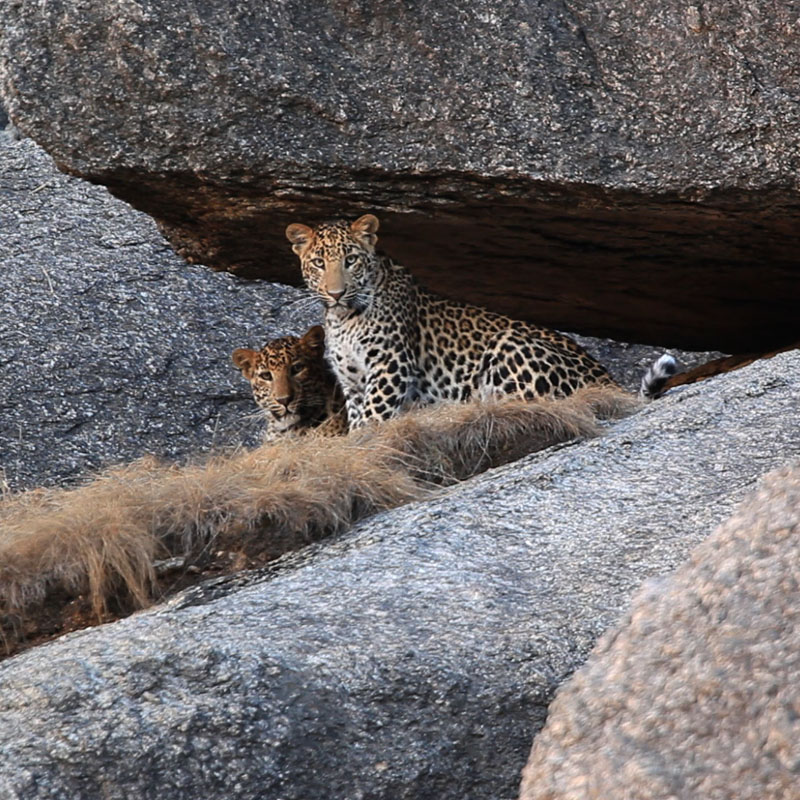
    The one-hour programme documents the astonishing story of the co-existence of nature’s two different creations – leopards and human beings. Situated in the heart of Rajasthan’s untrammeled wilderness is Jawai, a land shaped by lava that bubbled to the surface millions of years ago. But that’s not what makes this place special. The granite hills surrounding human settlements have been claimed by the wild leopards and these leopards are living with the humans for years in perfect harmony.

    Asian Television Awards is the Asian TV industry’s most significant and celebrated event, recognising excellence in programming, production and performance. Determined by an expert panel of over 60 judges from across the region, the awards uphold a prestigious reputation of showcasing quality television production.

  • Discovery’s ‘Jawai: India’s Leopard Hills’ wins at Asian Television Academy

    Discovery’s ‘Jawai: India’s Leopard Hills’ wins at Asian Television Academy

    MUMBAI: Discovery India’s production Jawai: India’s Leopard Hills has won the Best Natural History / Wildlife Programme at the prestigious Asian Television Academy Awards 2016, held in Singapore.

    Produced by Robin Roy Films, Jawai: India’s Leopard Hills combines state-of-the-art technology and sophisticated techniques to show leopards’ behaviour like never before.

    “This recognition reflects Discovery’s ingenious and differentiated approach to connect and entertain the discerning Indian viewer. The programme captures rarely-seen-before behaviour of the leopards and urges audience to rethink about the future of these dangerous yet vulnerable species,” said Discovery Networks Asia-Pacific South Asia vice president – real world products Sameer Rao.

    The one-hour programme documents the astonishing story of the co-existence of nature’s two different creations – leopards and human beings. Situated in the heart of Rajasthan’s untrammeled wilderness is Jawai, a land shaped by lava that bubbled to the surface millions of years ago. But that’s not what makes this place special. The granite hills surrounding human settlements have been claimed by the wild leopards and these leopards are living with the humans for years in perfect harmony.

    Asian Television Awards is the Asian TV industry’s most significant and celebrated event, recognising excellence in programming, production and performance. Determined by an expert panel of over 60 judges from across the region, the awards uphold a prestigious reputation of showcasing quality television production.

  • Discovery A-Pac, Hubu & Looking Glass acquire lifestyle, sports & wildlife programmes from GRB

    Discovery A-Pac, Hubu & Looking Glass acquire lifestyle, sports & wildlife programmes from GRB

    MUMBAI: GRB Entertainment has announced sales to Discovery Asia-Pacific, Hubu Media, and Looking Glass International for a variety of titles spanning lifestyle, wildlife, and sports.

    Discovery Asia-Pacific acquired Hayden Quinn for Central and South Asia, India territory, and New Zealand — an extraordinary culinary adventure through South Africa with the titular Hayden Quinn. Watch as the celebrity cook and Masterchef Australia contestant learns the culture, meets locals, and cooks the best local and sustainable cuisine South Africa has to offer.

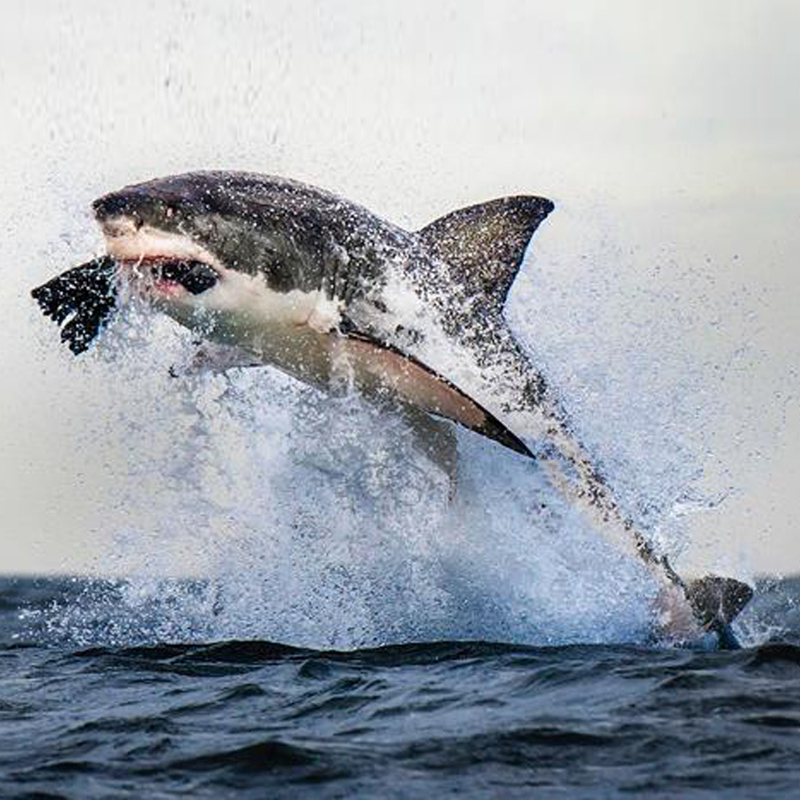
    Hubu Media (China) picked up fascinating shark doc Great White Highway — the central coast of California is home to some of the biggest Great White Sharks in the world, but only for part of the year. Scientists have spent years tagging and tracking these sharks to find out why they come here, why they leave, and where they go once they leave their temporary home.

    Looking Glass International acquired for China the World Cup-centric documentary All Eyes On Brazil — relive the 2014 FIFA World Cup which took the entire globe by storm. This unique film documents one of the greatest sports events of all time in a nation that lives, eats, and breathes football. See how The World Cup dramatically affected cities all around Brazil and relive the historic event.

    Looking Glass also acquired automotive competition series World Desert Championship — the world’s most premiere off-road racing competition series bids man and machine against some of the toughest and unforgiving deserts in the world. From the San Felipe Challenge of Champions to the grueling all out endurance race of the Baja 1000, these drivers must not just beat their fellow competitors but must also take on mother nature and survive to see the checkered flag.

    “Asia and Pacific Rim remain a tremendously strong and growing market for GRB and we are thrilled that our broadcast partners in the region have acquired programming that will undoubtedly appeal to their viewers. We are looking forward to meeting with both our existing partners and new clients at ATF,” said GRB vice president – international acquisitions and sales Liz Levenson.

  • Discovery A-Pac, Hubu & Looking Glass acquire lifestyle, sports & wildlife programmes from GRB

    Discovery A-Pac, Hubu & Looking Glass acquire lifestyle, sports & wildlife programmes from GRB

    MUMBAI: GRB Entertainment has announced sales to Discovery Asia-Pacific, Hubu Media, and Looking Glass International for a variety of titles spanning lifestyle, wildlife, and sports.

    Discovery Asia-Pacific acquired Hayden Quinn for Central and South Asia, India territory, and New Zealand — an extraordinary culinary adventure through South Africa with the titular Hayden Quinn. Watch as the celebrity cook and Masterchef Australia contestant learns the culture, meets locals, and cooks the best local and sustainable cuisine South Africa has to offer.

    Hubu Media (China) picked up fascinating shark doc Great White Highway — the central coast of California is home to some of the biggest Great White Sharks in the world, but only for part of the year. Scientists have spent years tagging and tracking these sharks to find out why they come here, why they leave, and where they go once they leave their temporary home.

    Looking Glass International acquired for China the World Cup-centric documentary All Eyes On Brazil — relive the 2014 FIFA World Cup which took the entire globe by storm. This unique film documents one of the greatest sports events of all time in a nation that lives, eats, and breathes football. See how The World Cup dramatically affected cities all around Brazil and relive the historic event.

    Looking Glass also acquired automotive competition series World Desert Championship — the world’s most premiere off-road racing competition series bids man and machine against some of the toughest and unforgiving deserts in the world. From the San Felipe Challenge of Champions to the grueling all out endurance race of the Baja 1000, these drivers must not just beat their fellow competitors but must also take on mother nature and survive to see the checkered flag.

    “Asia and Pacific Rim remain a tremendously strong and growing market for GRB and we are thrilled that our broadcast partners in the region have acquired programming that will undoubtedly appeal to their viewers. We are looking forward to meeting with both our existing partners and new clients at ATF,” said GRB vice president – international acquisitions and sales Liz Levenson.

  • Discovery to air ‘River Monsters’ throughout December

    Discovery to air ‘River Monsters’ throughout December

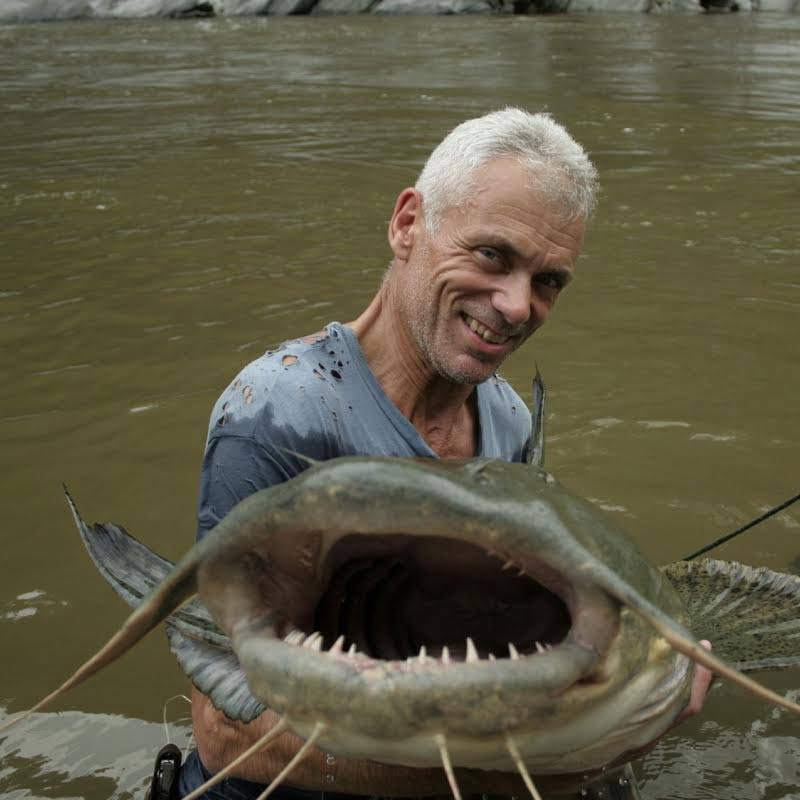
    MUMBAI: Freshwater detective, biologist and extreme angler Jeremy Wade has spent three decades traveling the world’s waterways in search of man-eaters that lurk beneath the surface of rivers and lakes in some of the most inhospitable locations in the world.

    Man-sized piranhas, fish that electrocute, nine-foot river sharks (yes, river sharks) … take a deep dive with Jeremy Wade and bring out these outlandish creatures to your living room weekdays at 8 PM.  The world’s greatest angling explorer takes Discovery viewers where no wildlife program has gone before, revealing the creatures that lurk in the murky depths of our planet’s inland waterways. Starting 5 December, River Monsters will air Monday to Friday at 8 pm.

    Jeremy grew up in southeast England on the banks of the Suffolk Stour, where his fascination with the underwater world and the desire to see “what’s around the next bend” began. His first overseas trip was to the mountain-rivers of India in 1982, and since then, he has increasingly spent his time tracking down large and little-known fish in rivers around the world – particularly in the Congo and the Amazon rainforests.  Over the last thirty years, Jeremy has travelled extensively to India in search of elusive fish in Kali (Brahmaputra), Kauvery and other iconic rivers.  At the Kali River, he found a little-known catfish species that can grow to a large size – the Goonch or Giant Devil Catfish.  His search continued to find the rare fish, a Golden Mahseer. 

    In the new episodes of River Monsters airing this December, the journey will continue with Jeremy visiting India in search of Goonch and Mahseer. He also tries fly fishing that takes a lot of practice to get right. Will he be able to compare it to catches of his past?  Jeremy heads to Southeast Asia in search of the mythological sea serpent. But will his freshwater knowledge be enough to tackle this monster of the deep?  He embarks on an epic mission to reveal the real creature behind the world’s most famous river monster; the Loch Ness Monster. But what will he uncover? Further in Africa’s Rift Valley, rife with killer crocs, hippos and warring gangs, he dives deep for a worthy prize: the Mputa Nile perch.  In Papua New Guinea rumours of flesh-eating pacu are haunting locals. How dangerous is this fish and has it really developed a taste for parts of the male anatomy?  In the Congo River lurks a super predator. Fast and ferocious, this killing machine has even snatched a local child. Can Jeremy catch this notorious fish?

    Why River Monsters?

    Nearly half the world’s fish species live in just 0.01% of the world’s water – our lakes and rivers. Yet most people know less about what lives in fresh water than they do about the oceans.

    Because some rivers are very hard to get to – and/or too murky to see into, using normal means – many of their inhabitants are rarely or never seen in conventional natural history programs.

    River Monsters takes a different approach. Biologist and fishing detective Jeremy Wade starts by examining myths and fishermen’s tales, subjecting them to scientific scrutiny to separate fact from fiction. Then he homes in on his targets using a fishing line. The results are some fish of staggering dimensions and appearance, including some spectacular TV ‘firsts’.

  • Discovery to air ‘River Monsters’ throughout December

    Discovery to air ‘River Monsters’ throughout December

    MUMBAI: Freshwater detective, biologist and extreme angler Jeremy Wade has spent three decades traveling the world’s waterways in search of man-eaters that lurk beneath the surface of rivers and lakes in some of the most inhospitable locations in the world.

    Man-sized piranhas, fish that electrocute, nine-foot river sharks (yes, river sharks) … take a deep dive with Jeremy Wade and bring out these outlandish creatures to your living room weekdays at 8 PM.  The world’s greatest angling explorer takes Discovery viewers where no wildlife program has gone before, revealing the creatures that lurk in the murky depths of our planet’s inland waterways. Starting 5 December, River Monsters will air Monday to Friday at 8 pm.

    Jeremy grew up in southeast England on the banks of the Suffolk Stour, where his fascination with the underwater world and the desire to see “what’s around the next bend” began. His first overseas trip was to the mountain-rivers of India in 1982, and since then, he has increasingly spent his time tracking down large and little-known fish in rivers around the world – particularly in the Congo and the Amazon rainforests.  Over the last thirty years, Jeremy has travelled extensively to India in search of elusive fish in Kali (Brahmaputra), Kauvery and other iconic rivers.  At the Kali River, he found a little-known catfish species that can grow to a large size – the Goonch or Giant Devil Catfish.  His search continued to find the rare fish, a Golden Mahseer. 

    In the new episodes of River Monsters airing this December, the journey will continue with Jeremy visiting India in search of Goonch and Mahseer. He also tries fly fishing that takes a lot of practice to get right. Will he be able to compare it to catches of his past?  Jeremy heads to Southeast Asia in search of the mythological sea serpent. But will his freshwater knowledge be enough to tackle this monster of the deep?  He embarks on an epic mission to reveal the real creature behind the world’s most famous river monster; the Loch Ness Monster. But what will he uncover? Further in Africa’s Rift Valley, rife with killer crocs, hippos and warring gangs, he dives deep for a worthy prize: the Mputa Nile perch.  In Papua New Guinea rumours of flesh-eating pacu are haunting locals. How dangerous is this fish and has it really developed a taste for parts of the male anatomy?  In the Congo River lurks a super predator. Fast and ferocious, this killing machine has even snatched a local child. Can Jeremy catch this notorious fish?

    Why River Monsters?

    Nearly half the world’s fish species live in just 0.01% of the world’s water – our lakes and rivers. Yet most people know less about what lives in fresh water than they do about the oceans.

    Because some rivers are very hard to get to – and/or too murky to see into, using normal means – many of their inhabitants are rarely or never seen in conventional natural history programs.

    River Monsters takes a different approach. Biologist and fishing detective Jeremy Wade starts by examining myths and fishermen’s tales, subjecting them to scientific scrutiny to separate fact from fiction. Then he homes in on his targets using a fishing line. The results are some fish of staggering dimensions and appearance, including some spectacular TV ‘firsts’.

  • “Our metric for National Geographic is different (from BARC)” :  Swati Mohan

    “Our metric for National Geographic is different (from BARC)” : Swati Mohan

    Maintaining the legacy of a top-ranking brand is not smooth. 2016 saw increased focus on localisation in the infotainment and lifestyle genre, both, in terms of local content and Indian language audio feeds. National Geographic began the year with a major announcement in February about its rebranding which came into effect on 14 November.

    At the helm of it is the National Geographic India and Fox Networks group business head Swati Mohan. It has just been a year for her at the company, and Mohan has already mapped several strategies for the channels she heads.

    With a refreshed National Geographic, Mohan and her team are all geared up to provide high-quality premium quality content to its viewers which will be a mix of both, local and global. In an interview with indiantelevision.com’s Megha Parmar, Mohan sheds light on the channel’s rebranding, its purpose and vision, local content, digitisation, 4K, the infotainment genre, BARC, the channel’s next big production, etc.

    Excerpts:

    Congratulations on National Geographic’s rebranding. What is your vision and strategy, going forward?

    The timing, the consolidation of assets and a new National Geographic channel – these are the three reasons for re-branding. I think it really brings out and underlines the brand purpose stronger than ever before. With ‘Further’ as the new philosophy, there are four things we have kept in mind. First, the look, feel, treatment, style, font and packaging of the channel has completely changed. Secondly, it is the depth of the content. For eg., Mars is a completely different format of blending Hollywood-stature scripted entertainment with world-class documentary style sequences and stunning visual effects.

    There will be a lot more delving into newer formats and scripted entertainment, which would really bring out cinematic experience.

    Underlining ‘Further’, our third strategy would be going ahead with the talent that we are bringing on the channel and with producers who are creating this content. A few weeks ago, we premiered Leonardo DiCaprio’s ‘Before the Flood’( which generated 12 per cent viewership in India for the channel),  Years of Living Dangerously, etc., this is just onscreen talent. If I look at the behind the scene talent, we have Mars, then we will have the likes of James Cameron, Martin Scorsese, Ridley Scott and many more Hollywood directors. All of them will be coming forward to make content for us, which is important.

    Lastly, the topic of content for the world, and especially India. Several conversations and activations will happen around the need to drive change. All this could be seen as content which may not resonate very well and might look international in nature. But, we have a data point where we can say this is testament to the fact that it will work in India. New content brings together scale, purpose, talent, which is a combination that is resonating well in India.  We will also have localised content which will tick off all these points. But, it’s not that the global content is not working. It’s equally important for us.

    When you talk about original/local content, who is providing this content? Is the production done in-house or outsourced? Which major production houses are involved?

    Yes, we are in talks with different film-makers, production houses, to really try and embrace not just the local need but also the global vision of the kind of scale and breadth of the content that we are looking at. We will talk about it in the next few months. National Geographic is not just a channel, it has never has been; it is an institution. People have experienced the brand’s magazine much before the channel was launched. It is important for us to provide them world-class high-quality, premium experience with everything that we do.

    It is important to balance our global content with local content which also needs to measure up to that high quality and premium stature of the way we have always done.

    What will be the percentage of acquired versus original content on Nat Geo, going forward?

    There is no particular percentage really. We are working with our global teams to have co-productions which will also focus on India.

    For us, it is irrespective of who is producing out of which market. India as a topic is important for us. We have David Letterman interviewing PM Narendra Modi. We are doing our own work with local production houses here and we are also working with the global team to see what we can do for the world, and India in particular.

    Fox Life has Kalki’s Great Escape, Twist of Taste — what are your plans going forward? Are you delving more into original content production? Who are your partnering with?

    Fox Life is something which attracts a lot of advertisers. We get a lot of demand for associations, integrations and, of course, the local content has done very well for us. That is why we do 4-5 series on the channel every year.

    What is the criteria for acquiring international content or creating original for the Indian audience?

    Well, I think the criteria will not change from what we have, which is access, never seen before content and world-class quality. And now, we will also drive this entire thing of purpose, change, higher scale and access to great talent who will associate while making the content.

    Though it has just been two days, how have the advertisers reacted to the channel’s rebranding?

    So far, we have got some astounding results on the new look, feel and proposition. Some very good results and buzz around Mars from across leading film-makers, industry leaders and the marketing head. Some feedback stated that this was the required leap and something that they were waiting for — which has taken them back to the roots of National Geographic. We are not here to create a new brand, we are here to bring together all the assets in one line and consolidate the mission on one term which can be followed.

    Heading nine channels is not an easy job. What are the key elements that you keep in mind to have differentiated content for each of the channels? What are the challenges that you face?

    The rebranding is only for the National Geographic channel and its assets. It will not have a bearing on other channels such as Baby TV or Fox Life. That is separate. I think they are still unique and global brands with differentiated content and purpose.

    What do you think about 4K? Are you looking at providing UHD feed on any of the channels?

    When it comes to categories with spectacular vision and stunning quality, we have a few genres, and infotainment is definitely up there. We are well placed when it comes to having 4K content. We are just waiting for a lot of technology to just make way for this to be received by the consumers. There are enough and more opportunities and challenges in the world of content distribution, and I think this will happen simultaneously and in parallel. We will not be left behind that curve as we have content that lends itself to that spectacular experience.

    With DAS IV to roll out soon in India, what traction are you expecting from rural India?’

    It depends. We are available in four languages and I can’t say that rural is not the focus for it. We are at an interesting place where we cut across all markets, demographics and age-groups, which we are proud of. I think we are getting at par with the info genre in terms of the traction that we see for rural. And, our languages just help us to cut across these various TGs. For us, the metric is way beyond what ratings may provide. It is the brand’s worth, and it helps us in getting partnerships from advertisers and platforms which has been reassuring for us in the past few years.

    Our position on digitisation is very clear, it is going to help the industry. Our partnership with Star really help us to distribute our channels. As a brand and with Star, we are ready to take on this new development.

    But, National Geographic is not the dominating channel in the genre going by BARC data. How important is BARC as a metric for the channel?

    Our metric for National Geographic is different. We just don’t measure metric. We have top of the genre shows, both local and global in many weeks. The growth of the brand is becoming stronger. It is also our performance on the social and digital platforms. It would not be fair to measure the power of a brand and conversations that it can drive.

    Is infotainment a profitable space in India? If yes, do we have space for more entrants?

    For us, we welcome more people making this content and getting into the genre. The more the merrier — is how we are seeing it. As long as they are driving a purposeful conversation, they are changing the face of the industry which is very important to do, we absolutely welcome them. It will just be a compliment to us. We see that as a positive thing with more players driving the agenda. The agenda is way more important than anything else. Our company gives 27 per cent of the profit back to the National Geographic Society which further fuels more exploration in the world of science. We are very proud of it and I don’t think many companies can say that.

    I think, if someone has a unique proposition, then there definitely is space. There are so many clever and strategic minds out there and I think everyone is looking forward to the changes in the industry, digital, affordable data and everything that it can offer for consumption of data. If there are people who can make a difference in the same space, we are in, its fine.

    You once stated that the network is in the process of developing new platforms and that will be the focus, going forward. Though you are available on Hotstar, what is this new platform all about? Are you looking at launching an OTT or VOD kind of a platform?

    Yes, there is something in the pipeline that we can talk early next year. It will be a global offering with a local connect as well. All our content including Mars is available on Hotstar.

    What are the marketing and promotion strategies for your channels?

    We are a platform with a high and wide reach. That is something which will drive the fact that the channel has changed, it has got a new tagline, entire assets will carry that and of course we are focussed on getting viewers to the channel through the premiere of Mars. We have got fantastic response for it from the industry. True to our style of having imagery and experience leading the way, we had a significant 360-degree marketing campaign in three cities across print, TV, on-ground activation, cinema halls, etc. Our on-ground campaign with virtual reality has been extremely successful and has told us how curious, and how the sense of awe and wonder that continues to remain in the people. The response for Mars has been outstanding.

    We have done a mix of all markets. Since we are across a lot of markets in terms of our priorities, we have chosen TV channels and the top six cities for print and cinema. Other than that, we have used high-reach platforms to make sure we reach the country far and wide. Our sister network, Star, has also helped us in the process.

    Which is the next big production (show) planned? Is it acquired or local content?

    The next big production that we have planned is a global show called Facing Icons. It’s a show which has the greatest two in a particular industry whether it is sports, movies, etc. It is a very interesting take in biography format, and has the top two opponents in any field who talk about what they are feeling when they were really facing the other opponent. The show goes on air by the end of this month, which is a global premiere.

    Our local production would sometime be in December which we can talk about after some time.

  • “Our metric for National Geographic is different (from BARC)” :  Swati Mohan

    “Our metric for National Geographic is different (from BARC)” : Swati Mohan

    Maintaining the legacy of a top-ranking brand is not smooth. 2016 saw increased focus on localisation in the infotainment and lifestyle genre, both, in terms of local content and Indian language audio feeds. National Geographic began the year with a major announcement in February about its rebranding which came into effect on 14 November.

    At the helm of it is the National Geographic India and Fox Networks group business head Swati Mohan. It has just been a year for her at the company, and Mohan has already mapped several strategies for the channels she heads.

    With a refreshed National Geographic, Mohan and her team are all geared up to provide high-quality premium quality content to its viewers which will be a mix of both, local and global. In an interview with indiantelevision.com’s Megha Parmar, Mohan sheds light on the channel’s rebranding, its purpose and vision, local content, digitisation, 4K, the infotainment genre, BARC, the channel’s next big production, etc.

    Excerpts:

    Congratulations on National Geographic’s rebranding. What is your vision and strategy, going forward?

    The timing, the consolidation of assets and a new National Geographic channel – these are the three reasons for re-branding. I think it really brings out and underlines the brand purpose stronger than ever before. With ‘Further’ as the new philosophy, there are four things we have kept in mind. First, the look, feel, treatment, style, font and packaging of the channel has completely changed. Secondly, it is the depth of the content. For eg., Mars is a completely different format of blending Hollywood-stature scripted entertainment with world-class documentary style sequences and stunning visual effects.

    There will be a lot more delving into newer formats and scripted entertainment, which would really bring out cinematic experience.

    Underlining ‘Further’, our third strategy would be going ahead with the talent that we are bringing on the channel and with producers who are creating this content. A few weeks ago, we premiered Leonardo DiCaprio’s ‘Before the Flood’( which generated 12 per cent viewership in India for the channel),  Years of Living Dangerously, etc., this is just onscreen talent. If I look at the behind the scene talent, we have Mars, then we will have the likes of James Cameron, Martin Scorsese, Ridley Scott and many more Hollywood directors. All of them will be coming forward to make content for us, which is important.

    Lastly, the topic of content for the world, and especially India. Several conversations and activations will happen around the need to drive change. All this could be seen as content which may not resonate very well and might look international in nature. But, we have a data point where we can say this is testament to the fact that it will work in India. New content brings together scale, purpose, talent, which is a combination that is resonating well in India.  We will also have localised content which will tick off all these points. But, it’s not that the global content is not working. It’s equally important for us.

    When you talk about original/local content, who is providing this content? Is the production done in-house or outsourced? Which major production houses are involved?

    Yes, we are in talks with different film-makers, production houses, to really try and embrace not just the local need but also the global vision of the kind of scale and breadth of the content that we are looking at. We will talk about it in the next few months. National Geographic is not just a channel, it has never has been; it is an institution. People have experienced the brand’s magazine much before the channel was launched. It is important for us to provide them world-class high-quality, premium experience with everything that we do.

    It is important to balance our global content with local content which also needs to measure up to that high quality and premium stature of the way we have always done.

    What will be the percentage of acquired versus original content on Nat Geo, going forward?

    There is no particular percentage really. We are working with our global teams to have co-productions which will also focus on India.

    For us, it is irrespective of who is producing out of which market. India as a topic is important for us. We have David Letterman interviewing PM Narendra Modi. We are doing our own work with local production houses here and we are also working with the global team to see what we can do for the world, and India in particular.

    Fox Life has Kalki’s Great Escape, Twist of Taste — what are your plans going forward? Are you delving more into original content production? Who are your partnering with?

    Fox Life is something which attracts a lot of advertisers. We get a lot of demand for associations, integrations and, of course, the local content has done very well for us. That is why we do 4-5 series on the channel every year.

    What is the criteria for acquiring international content or creating original for the Indian audience?

    Well, I think the criteria will not change from what we have, which is access, never seen before content and world-class quality. And now, we will also drive this entire thing of purpose, change, higher scale and access to great talent who will associate while making the content.

    Though it has just been two days, how have the advertisers reacted to the channel’s rebranding?

    So far, we have got some astounding results on the new look, feel and proposition. Some very good results and buzz around Mars from across leading film-makers, industry leaders and the marketing head. Some feedback stated that this was the required leap and something that they were waiting for — which has taken them back to the roots of National Geographic. We are not here to create a new brand, we are here to bring together all the assets in one line and consolidate the mission on one term which can be followed.

    Heading nine channels is not an easy job. What are the key elements that you keep in mind to have differentiated content for each of the channels? What are the challenges that you face?

    The rebranding is only for the National Geographic channel and its assets. It will not have a bearing on other channels such as Baby TV or Fox Life. That is separate. I think they are still unique and global brands with differentiated content and purpose.

    What do you think about 4K? Are you looking at providing UHD feed on any of the channels?

    When it comes to categories with spectacular vision and stunning quality, we have a few genres, and infotainment is definitely up there. We are well placed when it comes to having 4K content. We are just waiting for a lot of technology to just make way for this to be received by the consumers. There are enough and more opportunities and challenges in the world of content distribution, and I think this will happen simultaneously and in parallel. We will not be left behind that curve as we have content that lends itself to that spectacular experience.

    With DAS IV to roll out soon in India, what traction are you expecting from rural India?’

    It depends. We are available in four languages and I can’t say that rural is not the focus for it. We are at an interesting place where we cut across all markets, demographics and age-groups, which we are proud of. I think we are getting at par with the info genre in terms of the traction that we see for rural. And, our languages just help us to cut across these various TGs. For us, the metric is way beyond what ratings may provide. It is the brand’s worth, and it helps us in getting partnerships from advertisers and platforms which has been reassuring for us in the past few years.

    Our position on digitisation is very clear, it is going to help the industry. Our partnership with Star really help us to distribute our channels. As a brand and with Star, we are ready to take on this new development.

    But, National Geographic is not the dominating channel in the genre going by BARC data. How important is BARC as a metric for the channel?

    Our metric for National Geographic is different. We just don’t measure metric. We have top of the genre shows, both local and global in many weeks. The growth of the brand is becoming stronger. It is also our performance on the social and digital platforms. It would not be fair to measure the power of a brand and conversations that it can drive.

    Is infotainment a profitable space in India? If yes, do we have space for more entrants?

    For us, we welcome more people making this content and getting into the genre. The more the merrier — is how we are seeing it. As long as they are driving a purposeful conversation, they are changing the face of the industry which is very important to do, we absolutely welcome them. It will just be a compliment to us. We see that as a positive thing with more players driving the agenda. The agenda is way more important than anything else. Our company gives 27 per cent of the profit back to the National Geographic Society which further fuels more exploration in the world of science. We are very proud of it and I don’t think many companies can say that.

    I think, if someone has a unique proposition, then there definitely is space. There are so many clever and strategic minds out there and I think everyone is looking forward to the changes in the industry, digital, affordable data and everything that it can offer for consumption of data. If there are people who can make a difference in the same space, we are in, its fine.

    You once stated that the network is in the process of developing new platforms and that will be the focus, going forward. Though you are available on Hotstar, what is this new platform all about? Are you looking at launching an OTT or VOD kind of a platform?

    Yes, there is something in the pipeline that we can talk early next year. It will be a global offering with a local connect as well. All our content including Mars is available on Hotstar.

    What are the marketing and promotion strategies for your channels?

    We are a platform with a high and wide reach. That is something which will drive the fact that the channel has changed, it has got a new tagline, entire assets will carry that and of course we are focussed on getting viewers to the channel through the premiere of Mars. We have got fantastic response for it from the industry. True to our style of having imagery and experience leading the way, we had a significant 360-degree marketing campaign in three cities across print, TV, on-ground activation, cinema halls, etc. Our on-ground campaign with virtual reality has been extremely successful and has told us how curious, and how the sense of awe and wonder that continues to remain in the people. The response for Mars has been outstanding.

    We have done a mix of all markets. Since we are across a lot of markets in terms of our priorities, we have chosen TV channels and the top six cities for print and cinema. Other than that, we have used high-reach platforms to make sure we reach the country far and wide. Our sister network, Star, has also helped us in the process.

    Which is the next big production (show) planned? Is it acquired or local content?

    The next big production that we have planned is a global show called Facing Icons. It’s a show which has the greatest two in a particular industry whether it is sports, movies, etc. It is a very interesting take in biography format, and has the top two opponents in any field who talk about what they are feeling when they were really facing the other opponent. The show goes on air by the end of this month, which is a global premiere.

    Our local production would sometime be in December which we can talk about after some time.
  • Discovery’s high-octane drama series ‘Gold Rush’ starts today

    Discovery’s high-octane drama series ‘Gold Rush’ starts today

    MUMBAI: Since antiquity, gold has been the most cherished metal known to mankind. India’s passion for the yellow metal remains unparalleled. While an approximate 30% of world’s gold production is consumed by Indians; it produces only a fraction of its consumption and is the largest importer of gold.

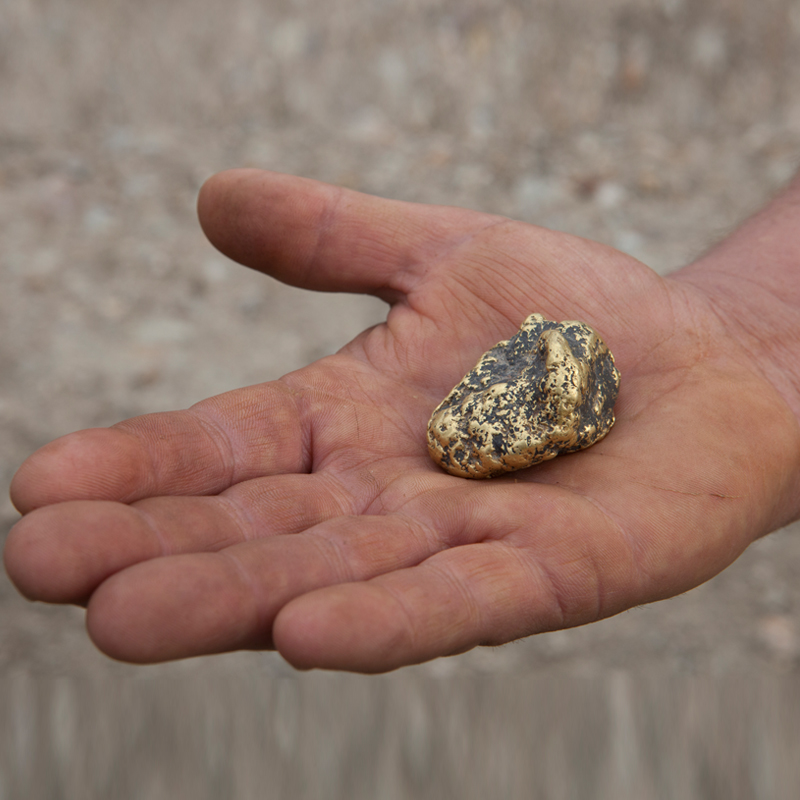
    Gold mining has been a risky business – where one wrong move can cost a crew millions of dollars. Powered by magnetic storytelling and compelling characters, Discovery brings its highly acclaimed series Gold Rush where the miners take on greater risks in hopes of finding more gold than ever before. But not every gamble always pans out with massive profits. With a mix of high-stakes drama and gripping story, Gold Rush will air every Tuesday at 10 pm starting November 15.

    Returning from a record-breaking gold mining season is 21-year-old miner Parker Schnabel. The series begins with a sad start for Parker as he has lost his beloved grandfather, mentor and an expert miner – John Schnabel. In this reality series, Parker who attains the leadership role, will be tested more than ever as he navigates the many changes in his life. This year, he makes his biggest operational investment by ordering a customized $600,000 washplant. But will it be enough to beat out his rival Todd Hoffman? Parker’s gold mining plan is to go lean and mean on expenses in an attempt to make his biggest profit yet.

    Meanwhile, the competitor Todd Hoffman takes the biggest gamble of his life, turning his back on the Klondike region and moving his entire operation to Oregon (US). Todd is on a quest for huge gold nuggets at the High Bar mine, located high up in the mountains. It’s a bold move – with Todd so confident that he sets an ambitious 5,000 ounce goal – more than 2,000 ounces than his best-ever total in the previous seasons of Gold Rush. But with the first Oregon clean ups way below expectations, Todd begins to wonder if he’s made a massive mistake. Could this season mark the end of the Hoffman crew?

    In this season of Gold Rush, legendary Klondike miner Tony Beets, aka “The Viking,” is back and doubling down by investing US$2 million in resurrecting a second historic gold dredge – twice as big as his first. Last year, people thought he was crazy for investing in his first ancient dredge. But Tony is hoping that once again he can accomplish the impossible. But first, he must transport the 75-year-old abandoned dredge from a remote spot 150 miles down-river. He’ll need his family to step up to the plate and run the rest of his gold-mining empire. But when his first dredge sinks within days, Tony’s son, Kevin, finds himself in his father’s firing line.

    In advance of the new season of Gold Rush, beginning November 15, Discovery viewers can binge on prior seasons with a special ‘Story So Far’ at 10 PM.

    This year’s Gold Rush season is filled with the same excitement, as miners have upped the ante by setting up higher goals. This season the miners will take on even greater risks in hopes of finding more gold than ever before.
    Gold Trivia:

    1. Amongst the top gold producing countries in the world, China is in the lead in first place followed by Australia, Russia in third and United States holding fourth place.

    2. Canada’s Barrick Gold Corp. (TSE:ABX) holds first place in global ranking in gold production.

    3. Gold is one of the most recycled materials in the world. Amazingly gold recycling accounts for one third of the total production.

    4. United States tops the reported official holdings in the world. (source: IMF IFS; World Gold Council, Dec 2015). US holds 8,133.5 tonnes of Gold, whereas India ranks at no. 11 with 557.7 tonnes.

    5. In India, besides fascination for gold jewellery, it is considered the most pious metal. This charm is validated by the fact that India is the biggest importer of gold today.

    6. USA’s fascination with Gold Mining dates back to 1848 when the famous California Gold Rush happened. Miners extracted more than 750,000 pounds of gold during the California Gold Rush.

    7. ‘Klondike’marks the story of the last great Gold Rush in history. In 1897 two friends made the perilous journey through North American wilderness to the Klondike boom town Dawson City, “The Paris of the North”, which was filled with murders, revenge, riches and redemption.

    8. Gold mining always catches the attention of individuals, probably that’s the reason Discovery’s popular series Gold Rush has been the highest rated show not only in US but across the world.