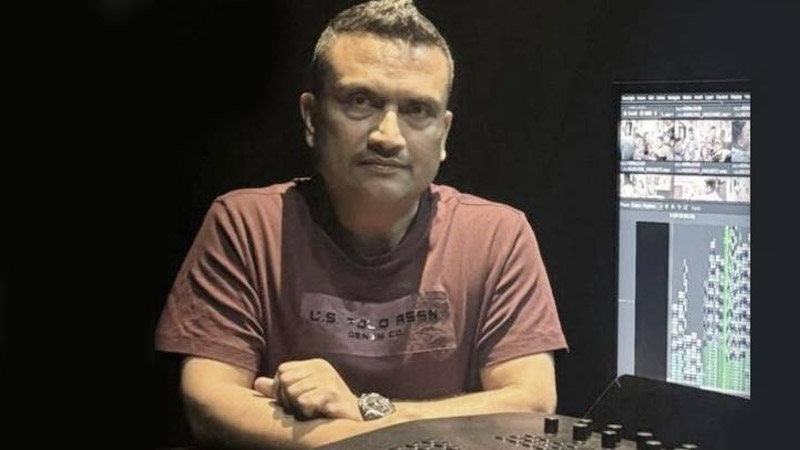
Mumbai: Astra Studios, a bold new force in global creative technology, has been officially launched. Founded by the former senior leadership from MPC, The Mill and Technicolor India – Biren Ghose, RK Chand, Rajarajan Ramakrishnan and Shajy Thomas, the company is backed by a strategic investment from the Hombale Group, creators of India’s most successful storytelling franchises including KGF, Salaar and Kantara along with Perpetual Capital.
The rise of Machine Learning & Gen AI is disrupting every layer of content production, triggering a reinvention of creative workflows, talent dynamics, and business models in the industry. Blending decades of global expertise in Creative Storytelling, Visual Effects, Animation, Immersive & Experiential Media, the Astra Studios leadership team is poised to redefine how high-quality content is imagined & produced. With next-generation workflows and a focus on compelling, character-led storytelling universes, Astra is setting out to empower filmmakers, brands and content platforms alike.
“Astra is our launchpad for a creative revolution – a studio purpose-built for the future of content. We are fusing world-class artistry with cutting-edge emerging technologies. We will play in the arena where cinematic brilliance meets next-gen computer graphics. This will redefine how stories are designed, created, shared and experienced. India is at an inflection point in the global content arena, and Astra aims to lead that evolution, creating new jobs while continuing to partner creatives globally.” said Astra Studios founder Biren Ghose.
“We are supporting the vision behind Astra Studios to help grow stories and movie franchises across different platforms using emerging technologies. Astra’s founding team brings a wealth of talent and experience as well as global connectivity and passion for new technology. This will enable the Hombale Group to undertake projects with greater scope and complexity to create powerful new ‘story worlds’ for our franchise fandoms.” said Hombale Films founder Vijay Kiragandur.
Astra Studios’ core focus areas include:
●End to End Creative Solutions for Films, Series and Brand Campaigns – Ideation, Visualisation, VFX, Generative AI Solutions and Post-Production
● Development of original Character Universes and Global IP
● Immersive Experiences across brands, AR/VR and Location-based media
● Premium Animation for both Streaming and Theatrical formats
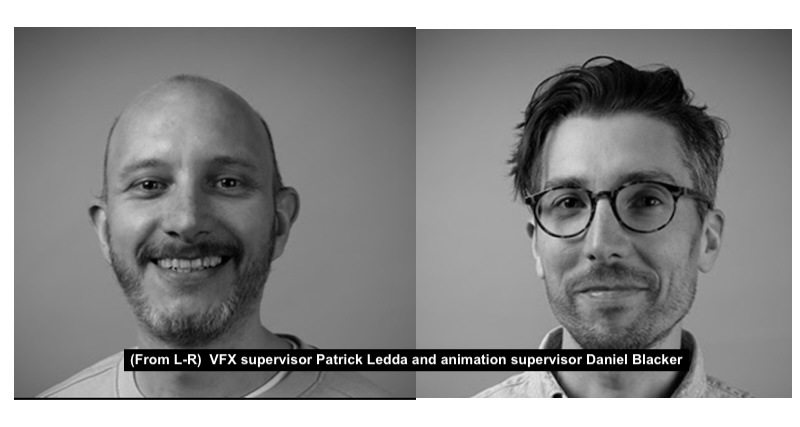
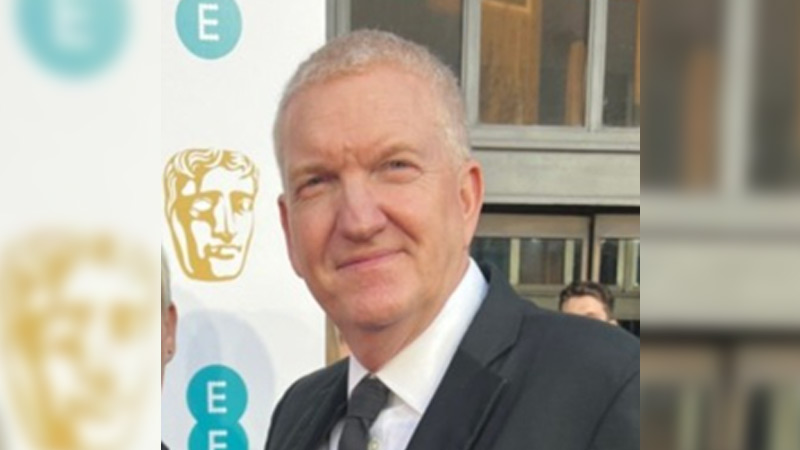
MUMBAI: London’s award-festooned visual effects powerhouse Framestore has swooped on two high-profile creative talents following the dramatic collapse of competitor MPC. Patrick Ledda and Daniel Blacker have joined the London studio’s leadership team, bringing with them a treasure trove of experience from blockbuster franchises including The Lion King and Pirates of the Caribbean.
The pair’s arrival comes hot on the heels of Technicolor’s shock decision to shutter MPC a few weeks ago—a move that left the VFX industry reeling and talented artists scrambling for new berths. Framestore has wasted no time in grabbing the cream of the crop.
With a PhD in Computer Graphics, Patrick Ledda is driven by a fascination with the convergence of creativity and technology. Starting as a generalist at Terry Gilliam’s Peerless, Patrick joined MPC 15 years ago, initially as a Lighting Lead, ascending to Head of Lookdev working on high profile productions including Prometheus, 47 Ronin and Maleficent: Mistress of Evil. His supervisory debut on Disney’s Cinderella paved the way for boundary-pushing work on Pirates of the Caribbean: Salazar’s Revenge, Lady and the Tramp, Dumbo and The Little Mermaid.
“I’ve long admired Framestore’s innovative approach and this is an incredible opportunity to collaborate with some of the industry’s most talented minds across a global network of studios,” states Ledda. “Hugely motivating to be joining a company that continually pushes the boundaries of creativity and technology in filmmaking.”
Blacker’s appointment represents something of a homecoming—the animation maestro began his career at Framestore some 18 years ago before defecting to MPC for a 15-year sojourn. His CV reads like a Disney shareholder’s fantasy, having guided animation teams on Maleficent, Cruella and most recently Mufasa: The Lion King.
“Framestore has always championed handcrafted, animated performances,” Blacker noted. “Coming back to guide these teams and collaborate too with Art Department, Visdev and FPS to tell these stories for our clients is really exciting.” . Framestore, CEO of film & episodic Fiona Walkinshaw could barely contain her glee at the appointments. “Patrick and Daniel join us at a pivotal time, as we embark on film productions that are both creatively ambitious and technologically demanding. We know that they are more than up to the task and are really looking forward to seeing what they create.”
Framestore’s upcoming slate includes How to Train Your Dragon, F1 and The Fantastic Four: First Steps—projects that will surely keep the new recruits busy creating impossible worlds while the very real world of VFX studios continues its dramatic consolidation.
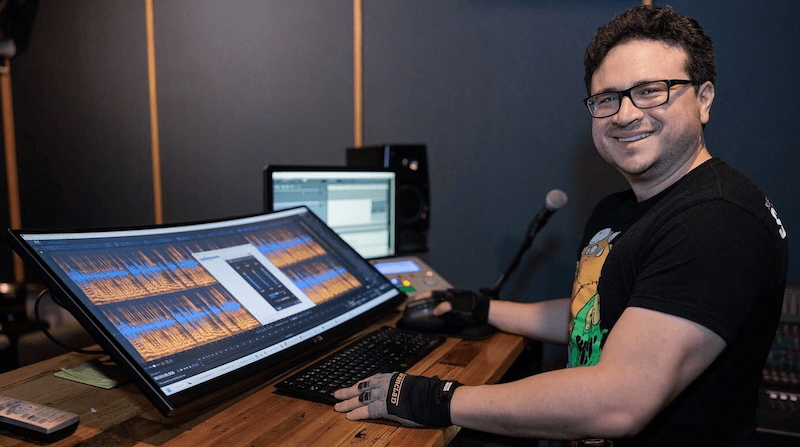
He is an award-winning sound guy. Sound as in reliable; sound as in to do with audio. Cory Choy and his boutique sound studio Silver Sound Studio, located in the heart of New York City, have made a name for themselves, which is the envy of many others.
Silver Sound boasts an Emmy award-winning team of on-location sound recordists in New York and Los Angeles. Choy himself picked up the lovely golden lady for his work mixing the sound for a show Born To Explore.
His studio provides recording, design, edit, restoration and mix services and has worked with all sorts of people all over the globe including, but not limited to: ABC, NBC, Vice, Comedy Central, ESPN, Disney, Google, Microsoft, CNN, MTV, FOX, Netflix, Apple, Shudder and Spotify.
In a wide-ranging interview, the Emmy Award-winning sound artist, engineer and studio owner discusses the evolution of audio technology, creative freedom, and the intersection of art and social responsibility. Here are the key insights from his conversation with Indiantelevision.com group CEO and publisher Mishaal Wanvari.
On what sparked his interest in sound design. It was an inevitability rather than a decision. Both my parents were musicians – my mother wrote plays and operas, while my father combined music with computer programming. One of my earliest memories is watching my mother’s opera being performed at the Kennedy Center. But it was my father who showed me how technology could amplify creativity. He connected a Midi output from the game Monkey Island through a Casio keyboard, making it sound like a full orchestra. He connected a midi through a keyboard with a massive and professional instrument sound bank– which was far superior to the stock soundcard midi instruments. That early demonstration showed me how technology could be used to bring people together… the midi experience taught me that looking for a unique solution and setups can bring great power and creates experiences far beyond what people expect.
On the evolution of sound editing tech during his career. I started at the very end of physical tape editing, where you had to physically cut and splice tape together. There was no undo button – once you made a cut, you had to live with it. The transition to digital audio workstations was revolutionary. Suddenly, all your tape was right in front of you, you could cut anywhere, and if you made a mistake, you could simply undo it.
The economics were equally transformative. In 2006, a professional Pro Tools system cost around $10,000 – might as well have been a million to me at the time. But then Dell provided affordable, powerful hardware, and I discovered Reaper, which cost just $60. With a $2,500 Dell computer and Reaper, we were competing with studios using much more expensive equipment. Reaper vs. Avid – every single line of code in reaper is very well thought through with a small team, it is very efficient, and the entire program is designed to empower the user not restrict it. There is more freedom and there are more possibilities in Reaper than any other program I have ever used.
On his Emmy Award win and on his experience thereafter. We won it in 2016 for the programme Born to Explore. One of our most impressive achievements was capturing crystal-clear dialogue from a host 200 feet away on a lake, using a highly directional Sanken CS-3E microphone. The water’s surface actually helped carry the sound. What made it special for us was that we won it in a category that is extremely competitive.
On his Aisha win at the Tribeca film festival. It’s a fascinating story that began with an intern application. Fayshyo Aluko, a Nigerian poet with no sound experience, applied for an internship. When I asked why she wanted to work in sound, she simply said she wanted to explore sound design. I gave her a poem I’d written about a Palestinian girl, inspired by my own daughter’s questions about human rights.
What Fayshyo brought to it was extraordinary – she incorporated traditional Nigerian storytelling techniques, using an oil drum beat as a metaphor for both footsteps and heartbeats. Her first-ever sound design piece won at the Tribeca Festival. It went on to win a Signal Award and an Anthem Award for human rights work.
On the industry’s relationship with technology. The accessibility of technology has been revolutionary. When I started, a gigabyte of storage was massive – Pro Tools required one gigabyte just to install. Compare that to Reaper, which was just two megabytes. The difference? Avid spent their programming efficiency on creating paywalls – $50 here, $100 there, some plugins over $5,000.
But now, with affordable computers and software, small studios can compete with anyone. Though the challenge isn’t doing the work – it’s finding it. If you’re not in the elite class, convincing someone from that class to work with you is the real challenge.
On what’s next for sound design and sound mixing. We’re at an interesting inflection point with AI and machine learning. The technology is incredibly powerful, but we need to consider the ethical implications. For instance, voice cloning technology could be used for scams or misinformation. The wealth gap in computing power also means some will have access to these tools while others won’t.
The future of our industry will depend on how we balance these technological capabilities with ethical considerations. It’s not just about what we can do, but what we should do.
AI is both enabling and potentially corrupting. It’s incredible for tasks like analysing a voice and removing unwanted noise, but it also raises ethical concerns. We can now make someone sound like they’re saying something they never said, with their exact voice. While that’s exciting from a creative standpoint, it’s concerning from an ethical one.
I have mixed feelings about the cloud-based AI tools emerging in our industry. Tools like Eleven Labs are incredibly powerful, but they raise important questions about access and control. What happens if these services suddenly become restricted based on geography or politics? It’s similar to the wealth gap we’re seeing in computing power – those with access to unlimited energy and graphics cards will have more capabilities than others.
What’s fascinating is watching how different regions approach these challenges. Chinese engineers, for instance, are often outwitting their American counterparts with fewer resources. It’s not just about having the most powerful tools – it’s about how creatively you use what you have.
On the way forward for small studios in a competitive market. The tools have never been more accessible, but the challenge is standing out in an increasingly crowded space. There are billions of talented people in the world, everyone has something unique to bring to the table, and the competition is fierce while resources are limited.
However, I believe independent studios have an advantage in being more nimble and able to take creative risks. The key is finding your unique voice and the audience that resonates with it. It won’t be the easiest path, but if you really want to be in this space, you absolutely can make it work.
And yes, the model has changed completely. At Silver Sound, we’ve evolved from a partnership to a more focused operation. The pandemic really took a chainsaw to the industry in 2020 – many partners and staff left, and we weren’t sure we’d survive. But then I met our current studio manager and latest engineer, both in their 20s, and it gave us new direction.
Now our mission is to help develop new talent while remaining economically sustainable. We want to create things that make both us and the world better, but in a way that supports everyone financially. It’s about finding that balance between artistic integrity and commercial viability.
The hardest part isn’t doing the work – it’s finding it. If someone gives me a project and appropriate funding, we can create something extraordinary. The challenge is breaking through that class ceiling where elite-level clients don’t trust smaller studios with significant projects.
That said, I believe boutique studios have advantages in today’s market. We can be more responsive, take creative risks, and maintain closer relationships with clients. The key is finding clients who value that personal touch and creative freedom over the prestige of a large studio name.
On his feature film. Sound and music are integral to my film Esme, My Love – you really won’t understand the movie without them. We made it for $135,000 total, yet people think we spent £3 million. That was only possible because we had Silver Sound as a home base. It’s now being dubbed into Spanish and Portuguese, with Korean potentially next. It’s still an independent gem – not widely known in the United States or globally – but I’m proud that it got distribution. You can find it on Amazon and Tubi. We spent six years working on it, ensuring it didn’t feel like something just slapped together.
On his approach keeping in mind the technical versus creative aspects of sound design. Technical precision is only a means to an end – creative decision-making is everything. If you don’t have the technical ability to execute your creative vision, then you need to improve technically. The more technical ability you have, the better you understand what’s creatively possible. They feed off each other.
We offer two modes at Silver Sound: we can either help someone achieve their vision to its highest level possible, or we can work with them to create a vision from scratch. People come to us because they know our technical work is solid, but we provide a creative aspect that many other companies can’t match.
On how technology vendors have evolved in service. I’m particularly grateful to Dell, and this isn’t just corporate speak. In New York City, their ProSupport service has been invaluable. When a computer breaks down in a professional studio, having a skilled repair technician on-site within 24 hours is extraordinary. Finding a reliable repair person independently could take a month.
However, I’m watching carefully how technology companies position themselves during these challenging times. We need companies that empower creators rather than restrict them. The best technology partners understand they’re enabling creativity, not just selling hardware.
On what excites him most about the industry’s future. The democratisation of technology has opened up incredible possibilities. When I started, the barrier to entry was hundreds of thousands of dollars. Now, with a decent computer and some affordable software, talented creators can produce professional-quality work.
But what really excites me is seeing how younger generations approach these tools. They’re not bound by traditional workflows or assumptions. They’re combining technologies in ways we never imagined, creating new forms of storytelling. The challenge will be maintaining high creative standards while embracing these new possibilities.
On advice for aspiring sound designers. Do what you love, but understand the economic realities. Unless you join a large company, it’s not an easy path financially. You can live a good life as a sound mixer and designer, but if you’re independent, you need to be a business person as well. If that’s not your strength, find a business partner who can handle that aspect while you focus on the creative work. The competition is fierce and resources are limited, but if you truly want to be in this space, you absolutely can make it work.
On his belief that media has social responsibility and his willingness to remind it of it. Many companies are afraid to take moral stances for fear of alienating potential clients. This year, I’ve made a conscious business decision to openly oppose fascist movements in America. Yes, we might lose some potential clients, but I believe we’ll attract more of the kind of clients we want to work with. You can be moral and ethical, but if you can’t feed your family, it’s no good. However, I don’t want to survive in a way where my soul isn’t surviving.
MUMBAI: In a spectacular turn of events that’s left industry insiders cheered up, London-based visual effects powerhouse Cinesite has secured a jaw-dropping $215 million (over Rs 1,800 crore) cash injection – a dazzling ray of hope amidst the storm clouds gathering over the VFX landscape.
The much-needed financial boost comes just as the industry witnesses the dramatic implosion of once-mighty rivals. VFX titan MPC and its parent company Technicolor crashed and burned last month, while Jellyfish Pictures is currently gasping for air as it scrambles to find a buyer.
“Money shots still matter in Hollywood,” quipped one industry observer, noting the financing was spearheaded by NatWest Corporate Bank, with Barclays and Santander also splashing the cash. Shareholder Gryphion helped sweeten the pot…..more on AnimationXpress.com
MUMBAI: Yesterday our sister publication AnimationXpress broke the news that Jellyfish Pictures was ceasing operations. At that time, there was no real confirmation coming from the the studio which has been struggling to stay afloat. Today, however, the company issued a statement giving its reasons for pulling the plug temporarily on itself – at least until it succeeds in finding a white knight or investor.
Here goes the Jellyfish Pictures statement:
“Like so many other companies operating across the VFX, animation and wider creative industries, we’ve been battling hard in the face of strong headwinds over the past twelve months. The long-tail impact of Covid, coupled with rising costs and the fall-out from the writer and actor strikes, have had a profound effect on our business.
“Over recent months, we’ve been working closely with our key stakeholders to find a path forward, including exploring all options for sale and investment, with the aim of putting in place a strong financial platform upon which we can build. While we continue to engage in these discussions and explore our options, we have today taken legal steps to protect the position of the business while we strive to find a way forward.”
“We have so much to be proud of. We’ve worked on fantastic, ground-breaking projects with brilliant partners. And we want to thank our amazingly talented award-winning teams who day in, day out, strive to push creative boundaries with their innovative thinking and skill.” Jellyfish Pictures spokesperson
MUMBAI: In a shocking turn of events, UK-based VFX and animation powerhouse, Jellyfish Pictures, has suspended its global operations temporarily. This news comes close on the heels of the recent downfall of Technicolor group, casting uncertainty on the future of the AVGC sector at large.
Speaking exclusively to Animation Xpress, a senior source from Jellyfish Pictures India confirmed that the company has been grappling with investor-related issues in the UK. As a result, the management has decided to halt operations temporarily rather than risk leaving employees in the dark about the company’s uncertain future. The studio has assured staff that salaries for March will be paid, with the workforce being notified promptly about the situation.Click here to read the full news item on ours sister publication AnimationXpress.com
MUMBAI: In a devastating blow to India’s animation and visual effects industry, Technicolor India has left thousands of employees unpaid for February 2025 and facing profound uncertainty about their future.
During an online town hall meeting held presumably on Wednesday, a visibly tense Technicolor India head Biren Ghose delivered the shocking news, revealing that he himself and other senior local leadership had been entirely blindsided by the decision, learning of it only when they received an unexpected email from the company’s global CEO that morning. (The townhall video has been leaked online on YouTube.)
Ghose methodically explained the structural relationship between Technicolor India and its parent company, emphasising that the Indian division functions exclusively as a global delivery centre.
“We operate solely as a production hub for Technicolor’s international sites while Paris headquarters maintains absolute control over all corporate functions—finance, accounting, payables, technology, HR and all the backbone functions of the organization,” he stated. This arrangement, he clarified, meant that “India works and delivers for our various global sites. They are our customers; they deal with our clients world over, we deliver to them, we invoice them, and they pay us,” underscoring the fundamentally dependent nature of the Indian operation.
In what appeared to be an attempt to distance himself from responsibility, Ghose revealed that despite what he characterised as persistent, diligent and increasingly urgent requests to corporate headquarters for operating funds over a period of several months, the parent company has categorically refused to release any money to the Indian operation.
“Unless headquarters releases these funds, we will not be in a position to pay salaries or other dues which are quite significant across the company in India,” he said. “We have all been impacted by this like everyone else on this call.”
The immediate practical consequences for employees are severe and multifaceted. The company’s offices have been rendered completely inoperative, with all staff instructed to work from home while protracted negotiations continue with landlords about the future of their premises. In a particularly distressing development for employees who left personal belongings at their workstations, they have been explicitly instructed not to attempt collection until further notice from the facilities team, who plan to coordinate access on a floor-by-floor basis at some unspecified future date.
In what numerous employees later described as the most contentious and troubling moment during the town hall, Ghose appeared to issue a thinly veiled warning against potential legal action.
“I cannot be held financially responsible as your management team and leader in India,” he stated emphatically. “However, whatever action you take can work against finding any solutions through our conversations with clients and potential partners. I am not promising we will find any, but if you don’t function as a team, we don’t function as a team, we could drive away potential solutions.”
This statement was widely interpreted by attendees as an attempt to discourage employees from pursuing legitimate legal remedies.
While repeatedly acknowledging the trauma experienced by staff and referring to the affected workforce as “best in class talent,” Ghose offered little in the way of concrete assistance beyond saying the company’s HR team has committed to providing documentation and support to help employees find new positions elsewhere. “It is unfortunate that this has happened to the best in class talent,” he remarked, in what many employees felt was a grossly inadequate response to their dire circumstances.
The abrupt cessation of operations has left employees not only without February salaries but also facing uncertainty regarding provident fund contributions, and other statutory entitlements. Industry observers note that this sudden closure raises profound questions about Technicolor’s global financial health, corporate governance practices, and ethical commitment to its Indian workforce. The situation has sent shockwaves through India’s animation and VFX community, which had long viewed Technicolor as a stable and prestigious employer.
For thousands of skilled professionals who now face abrupt career disruption and immediate financial hardship with no advance warning, the company’s handling of the situation appears to constitute a significant breach of trust, leaving many questioning whether they will ever receive their rightful compensation for work already performed. Online chat rooms feature employees venting out their frustration at what they called being “cheated.”
MUMBAI: Technicolor group outfit, visual effects studio, The Mill has closed its doors after 35 years of operation, with its US creative team promptly establishing a new venture called Arc Creative in partnership with Dream Machine FX, Variety has reported.
The closure, which took effect on Monday, comes amid ongoing financial difficulties at parent company Technicolor, which has begun shutting down parts of its business. More than 100 artists from The Mill US issued a joint statement to Variety expressing their shock but ultimate resolve to continue their creative legacy. “While The Mill as we know it has shut its doors, its spirit, its passion, and its legacy live on through its amazing and talented people,” the statement read.
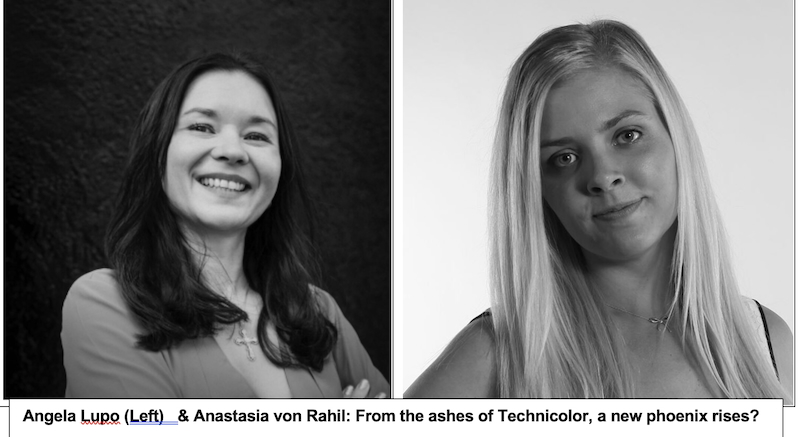
Arc Creative will focus primarily on short-form work including advertising, game cinematics and trailers. The new venture’s leadership includes former Mill US executive creative directors Robert Sethi and Gavin Wellsman, alongside managing directors Angela Lupo and Anastasia von Rahl.
Dream Machine FX chairman David Li told Variety: “We have always held The Mill in the highest regard and the shutting of its doors is a sad day for the entire industry.”
Founded in London in 1990, The Mill earned numerous industry accolades including Cannes Lions, Clios and Visual Effects Society Awards. The studio was also the lead VFX house for “Gladiator,” which won the Academy Award for Visual Effects in 2000.
The team is currently working to secure office space in Los Angeles and New York.
MUMBAI: Stype Cajic, the founder of Stype, is a 40-year-old trailblazer who has built a global media tech empire from the ground up. His journey began with a simple idea while still a student—developing autofocus technology for camera cranes. What started as a project in his parent’s house bedroom has now evolved into Stype, a company with a team of over 200 people.
Since its inception in 2011, Stype has made a name for itself by providing state-of-the-art tracking solutions for VR, AR and MR (mixed reality) productions, as well as movie previsualisations. From the optical camera tracking system RedSpy 2.0 Fiber, used by the world’s biggest broadcasters like BBC, Fox, and MTV, to the innovative StypeKit mechanical tracking solution for cranes and jibs, Stype’s products are now a staple in the industry. The company’s latest breakthrough, Follower, takes talent and object tracking to new heights, enabling real people to seamlessly interact with virtual elements in AR.
In this interview, Cajic shares his insights into the evolution of his company, the technological innovations that have shaped the company’s success, and his vision for the future of media tech. Excerpts:
What inspired you to develop Automatic aiming for camera cranes?
The idea came when a friend was building camera cranes and struggled with controlling the camera using a joystick. I thought, why not automate the process so the camera could track objects on its own? This led to the development of the first prototype, which proved the concept could work.
My background in shooting music videos against green screens also played a key role, as creating dynamic, realistic backgrounds was challenging with static shots. This led me to realise that the encoders used for automatic aiming could also track the camera’s position in 3D space, improving virtual backgrounds. Initially, we developed the system for my friend’s crane, naming it “Aim Crane,” but it took off when we adapted it into a universal kit that worked with popular cranes like the Stanton Jimmy Jib and Cammate.
How did you land your first major client?
Our big break came when we tested the system successfully in Lebanon – an AR project for a Ramadan TV show. This project helped me make necessary innovations in the software side of the workflow, particularly data conversion and lens calibration. The success of this project gave us a foothold in the industry.
Though we shared our work online, it didn’t initially lead to business until we received an unexpected email from Fox Sports Australia. They had ordered a Japanese tracking system for their AR-enhanced broadcast, but it wouldn’t arrive in time. After finding our online posts, they decided to try our system, even though it was much cheaper. We agreed to a trial, and I flew out to their studio. Despite some initial technical issues, I used a data logic analyser to tweak our system to work with theirs, and after a few adjustments, it worked perfectly. Fox Sports was impressed, especially with the auto-aiming feature, which solved problems they had with camera operators. The system not only improved their AR broadcasts but also enhanced the quality of their camera shots. The first unit we sold to them is still operational 13 years later.
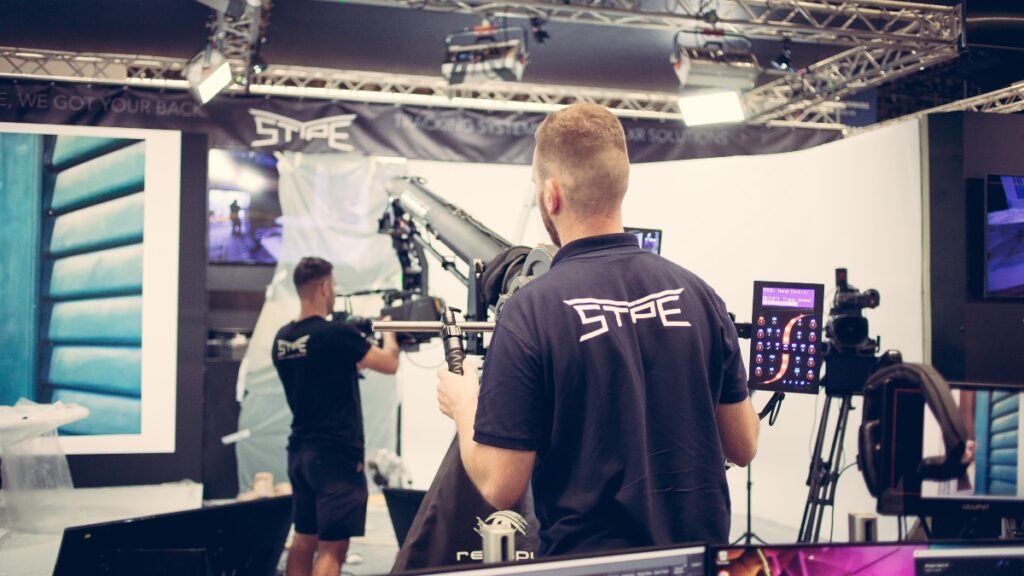
Stype’s RedSpy
What options were available on the market when you began developing an automatic aiming system for cranes?
When I started, I was studying electrical engineering and computing while also working as a video editor, mainly on music videos. It was a fun way to learn during my college days. A friend of mine, who ran a video company, began building camera cranes, but he and his team struggled to control the camera using a joystick—especially with a crane arm stretching five to six metres. It takes years of experience to master that kind of precision.
Drawing on my background in programming, I decided to create a device to automate the process, making crane operation easier, even for less experienced users. After some research, I realised there were no existing products like this on the market. Encouraged by my friend’s enthusiasm, I ordered components, incorporated the project into my college coursework, and eventually developed a prototype by the time I was around 22.
The first prototype worked brilliantly. For example, you could programme the crane to keep a flower perfectly centred in the frame while swinging the arm—producing smooth, professional shots that amazed everyone who saw them.
Interestingly, another benefit emerged from my experience shooting music videos against green screens. Back then—over 20 years ago—we’d rent films from video stores, find suitable backgrounds as inspirations, and painstakingly modify them in Photoshop to repurpose the scenes. However, these backgrounds were static, lacking the depth and dynamic feel of 3D environments. I wanted to move the camera and have the background shift perspective accordingly.
While developing the automated aiming system, I realised the same encoders used to track crane movements could output the camera’s 3D position. This “side feature” turned out to be transformative, opening up new creative possibilities—not just for us but potentially for others in video production. Eventually, this functionality became the core strength of the product, enhancing both camera control and visual effects.
StypeKit and Human Crane setup
How do your camera tracking solutions differ for sports studios, music video production, and esports?
Our hardware solutions have been utilised across various production sectors, including sports, music video production, and esports. Initially, we started with mechanical tracking systems for cranes, such as the StypeKit, which provides auto-aiming and AR data output. Over time, we expanded into optical tracking products like RedSpy and Follower.
For OBs, concerts, arenas and sports, mechanical tracking systems are often preferred because they are reliable, self-sufficient, and don’t depend on external markers, making them ideal for large, dynamic environments like stadiums. In controlled studio spaces, RedSpy is the go-to solution, offering the most precise camera tracking available. Its infrared camera system uses retroreflective markers to ensure flawless tracking, with no drift or wobble, which is essential for high-quality virtual graphics. One key feature was its unobtrusiveness: the infrared LEDs blinked so briefly they were practically invisible, yet the tracking remained flawless. RedSpy’s reliability allows production teams to focus on the creative aspects of their shows instead of worrying about camera tracking performance. This is what has made it the world’s most popular camera tracking system.
StypeKit and RedSpy both have been honoured with an Emmy Award.
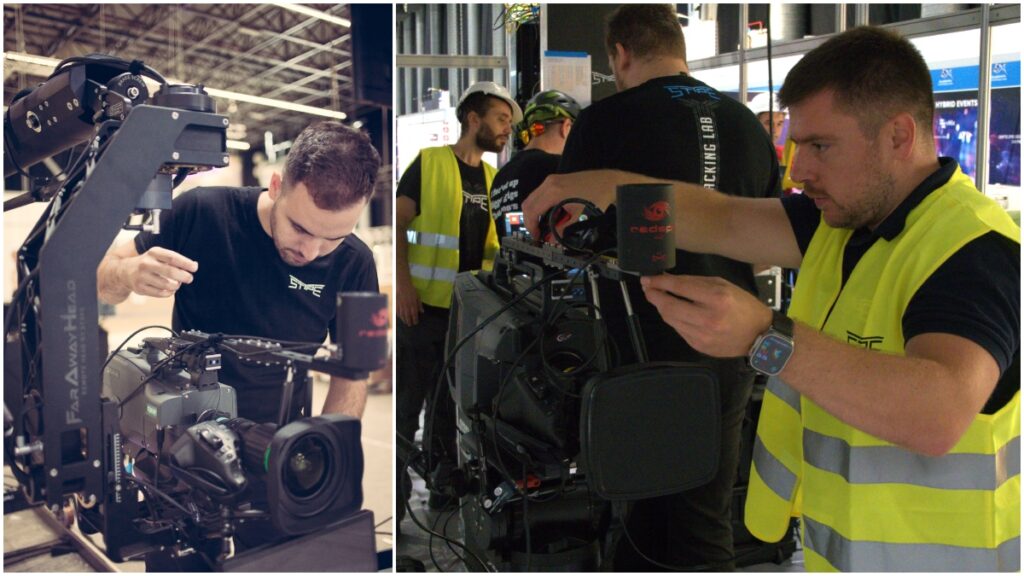
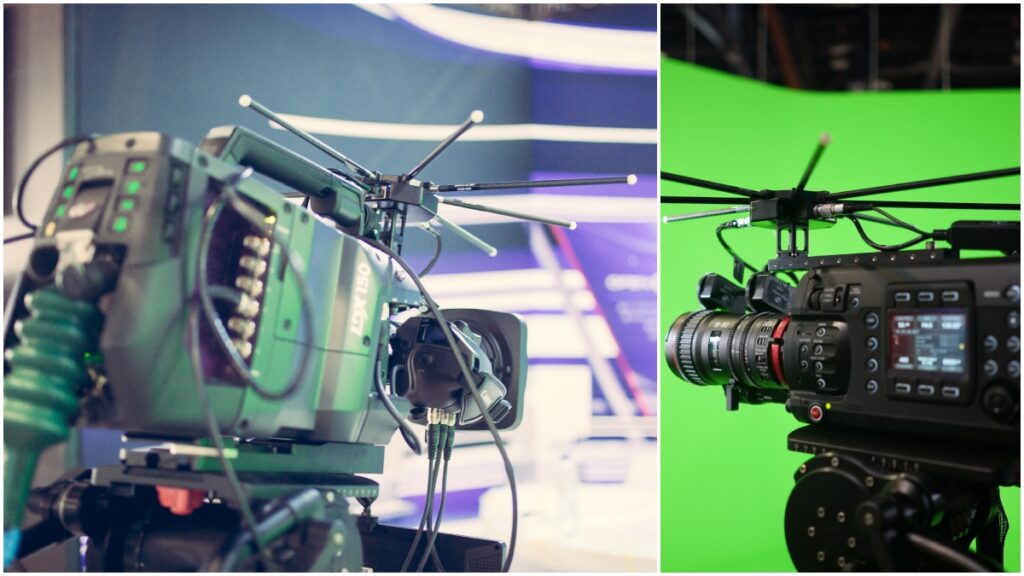
Follower, our newest addition, is another optical solution, goes beyond just tracking cameras. It’s similar to a motion capture system and can track people and objects in real-time. Follower is designed for interactive 3D elements, allowing real-time tracking of objects, people, or even props, making it ideal for interactive broadcasts or performances. Unlike other motion capture systems, Follower can handle the complex demands of high-quality AR and virtual content in live environments. It’s also used in LED volume environments, where traditional tracking systems might struggle with precise tracking when complex foreground graphics are involved.
Follower Spyder
What innovations have you introduced in your software solutions?
On the software side, we have consistently pushed the envelope. After recognising the need for advanced chroma keying, we developed StypeLand, a software tool for Unreal Engine that includes a 3D difference-based chroma keyer called GreenKiller. This keyer surpasses others on the market by refining edges, enhancing shadows, and even keying through transparent objects—features that earned us an Emmy Award.
We also lead in XR solutions, offering photorealistic XR sets with LED volumes and set extensions. Our system ensures seamless transitions between virtual and real environments by automatically adjusting colour shifts across LED panels. This innovation, which is the only one of its kind on the market, earned us another Emmy, recognising our work in XR technology for Fox Sports in Los Angeles.
In total, we’ve won multiple Emmys, both for our technical contributions and for our cutting-edge software solutions. These accolades reinforce our commitment to delivering the most precise and the most reliable technology to the media production industry.
Are your solutions compatible with other suppliers, or do clients need to use your complete end-to-end system?
Our solutions are designed to integrate with other systems. Our hardware camera tracking portfolio is fully compatible with any software manufacturer that requires high-quality camera tracking. We’ve ensured that integration is straightforward, making it easy for clients to incorporate our technology into their existing workflows.
On the software side, we operate almost like a standalone company, which means our virtual graphics and XR solutions can support any other camera tracking system on the market. Compatibility has always been a focus for us, ensuring flexibility for broadcasters and studios with diverse setups.
While some clients prefer the simplicity of having a single point of contact for their entire studio solution, we also work with those who already have existing camera tracking or software in place. They don’t need to replace their current systems—whether they require just camera tracking or software integration, our solutions are fully compatible with others.
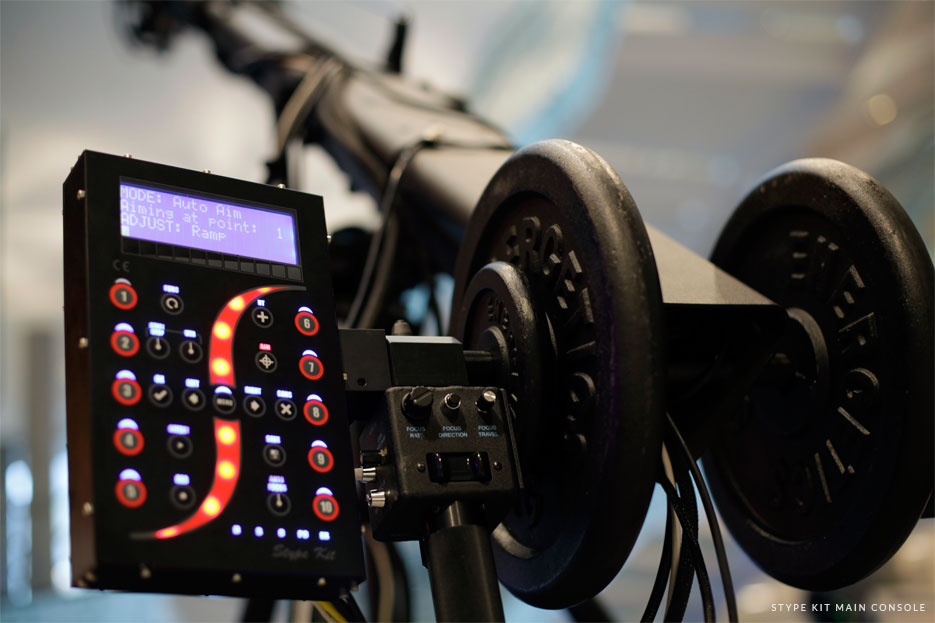
StypeKit main console
How does your technology compare to Zero Density’s solutions?
Our hardware product line is fully compatible with Zero Density, ensuring seamless integration for users. However, when it comes to software, we believe our solutions not only meet but exceed the performance of Zero Density’s offerings.
While Zero Density initially gained more installations by being the first to introduce an Unreal-based workflow, the landscape is shifting. During the period they advanced their software, we concentrated on perfecting our RedSpy camera tracking technology. Now, with both hardware and software offerings, we’re setting new industry standards.
Although software wasn’t our original focus, once we entered the market, we were determined to deliver the best possible solutions. A prime example is our chroma keyer, GreenKiller. When compared to Zero Density’s keyer, GreenKiller consistently delivers superior results—a fact many of our clients have attested to.
How is the Indian market responding to your products? Have you done many installations, and do you see India evolving into a global virtual production hub like Korea or the US?
The Indian market is one of our largest, with over 40 installations across the country. Our biggest client in India is Network18, but we’ve also worked with major broadcasters like Star Sports, Sony, Times Now, India News, and many others. In addition to broadcast and news networks, we’ve collaborated with several film studios and cinema production houses across the country.
While India’s market is vibrant and full of creative potential, it comes with unique challenges, particularly around budget constraints. Unlike regions like the US or Korea, where large-scale LED volume installations are more common, India leans heavily towards AR and green screen setups, which are more cost-effective. However, this hasn’t limited the ambition or creativity we see from Indian clients—they are eager to explore new technologies and make the most of what’s available.
Interest in our products grew significantly after our success with projects in Australia, and it has continued to expand ever since. Even for products like StypeLand, there’s considerable demand in India. Despite budget limitations, the market remains dynamic, with broadcasters and studios pushing the boundaries of virtual production in innovative ways.
Installation of Follower
With generative AI products like Sora becoming increasingly lifelike, how do you see AI impacting the AR products you deliver? Are you also using AI and machine learning within your company to improve your products?
Generative AI, like Sora from OpenAI, opens up tremendous possibilities for the AR space. When creating virtual shows, hardware and software are just part of the equation. One of the biggest investments often lies in designing virtual environments, which requires extensive work from virtual architects and designers. AI can significantly reduce these costs by automating the creation of intricate details within virtual environments—something that would typically take an enormous amount of time. This will accelerate the adoption of virtual production by making content creation more efficient and accessible.
Within our company, we’re actively exploring AI and machine learning to enhance our products. For example, in our StypeLand product, we’re experimenting with AI to optimise certain features. Looking ahead, AI will play an even more prominent role in the next generation of our products, as we continue to explore how it can enhance both performance and efficiency.
Where do you see Stype going from here?
Looking ahead, Stype is focused on expanding its portfolio with several new camera tracking products. As you’ve likely noticed, we’re continually enhancing our camera tracking solutions. We’re also diving deeper into the robotics space, similar to how we developed the StypeKit.
StypeLand has become a major growth driver for us, and its improvements are ongoing. We’re constantly refining it, adding new features that help us stay ahead of the competition. One of the latest advancements we introduced is a playlist-based system for StypeLand, which integrates with newsroom control systems using multiple protocols. This update fills in some of the gaps that were missing before.
What’s especially exciting is how StypeLand has evolved from being a tool for AR and green screens to a full-fledged solution that TV stations are now using as a central part of their workflow. It’s become more than just a piece of software—it’s now an essential tool for broadcasters.
Our aim is to continue offering a comprehensive suite of solutions that meet the needs of modern TV stations, and that’s the direction we’re taking Stype in.
Mumbai: Post facility Identical Brains has announced the appointment of Sabu Jose as creative director, a strategic move aimed at strengthening the company’s post-production services for feature films, OTT, and advertising content. He will also play a key role in advancing its renowned visual effects division.
With over two decades of experience in the film and advertising sectors, Jose has an extensive portfolio featuring collaborations with leading brands such as Pepsi, Coca-Cola, Samsung, Tata Motors, Airtel, Lakmé, and Garnier. His career includes leadership roles at prestigious studios, including Famous Studios, Prime Focus Ltd, Studio Mirage, and VC Studiioz.
In his new role, Jose will oversee creative direction, digital content creation, and post-production consulting. Identical Brains is set to expand its DI colour grading services using advanced technologies like Baselight and Resolve, alongside bolstering audio post-production capabilities with Dolby Atmos and 5.1 mixing for immersive sound experiences.
Previously, Jose served as COO and creative head at VC Studiioz, where he led post-production and brand services. He also founded ClearFX in 2024, offering visual design and filmmaking consultancy. His journey began as a 3D animator at Crest Communication, later progressing to roles as a senior editor and VFX artist at Famous Studios and Prime Focus.


 Follower Spyder