Category: Production House

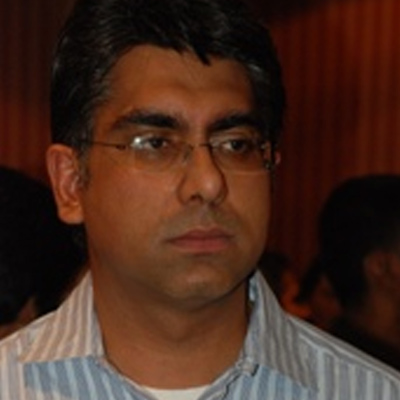
  • ‘We aim to be among the top 3 studios in the country within 3 years’ : Viacom18 Motion Pictures chief operating officer Vikram Malhotra

    ‘We aim to be among the top 3 studios in the country within 3 years’ : Viacom18 Motion Pictures chief operating officer Vikram Malhotra

    Knocked down by a model that relied heavily on acquisitions, Network18 founder-promoter Raghav Bahl has reworked on the movie production business that he has moved to a joint venture company with Viacom as a partner.


    Having snapped up The Indian Film Company that was listed on London‘s Alternative Investment Market (AIM), Bahl will now have movies rolled out from Viacom18, the company that also houses Hindi general entertainment channel Colors, MTV India, Nick and Vh1.


    A cautious spender this time, Bahl has earmarked Rs 1.20 billion for a seven-movie slate that will run through early 2012. The peak funding requirement in a three-year horizon will be Rs 2.50 billion


    In an interview with Indiantelevision.com‘s Sibabrata Das, Viacom18 Motion Pictures chief operating officer Vikram Malhotra talks about the mistakes learnt from Studio18, the focus on building a sustainable capability and the company‘s revival plans.


    Excerpts:
     
     
    The Indian Film Company churned out several hits like Ghajini, Singh is Kinng, Jab We Met, Welcome and Golmaal Returns in the initial years. Why it suddenly collapsed and couldn‘t survive the downturn?
    TIFC had a great run in the first two years. Then came the downturn in the industry. The business model of acquisition was fraught with risks and it lost more value share than the others.


    One year of stupidity wiped out the hard work that TIFC had initially done. What did it do fundamentally wrong for this to happen?
    In 2006 and 2007 capital was easily available to the industry and the acquisition model suited the business environment at that time. But the risks are much higher than the market and the operating margins much thinner. In the changed climate, the model needed to be revisited.


    Was the team not capable to change in the changing times?
    Clearly, the team at that time chose to stick to the then existing model and could not read fully into where the market was heading. The motion pictures business is a dynamic and competitive one and your eye needs to be constantly on the ball. A large part of the focus at that time was on distribution and not on building capabilities to create and produce films. This industry needs a model that is fundamentally sound but agile enough to suit the operating environment.


    How is the business model more protected now?
    We have moved away from the old business model of trading and acquisitions. We won‘t be making first copy ready made acquisitions. We are de-risking by building IP and our own creation. Even in co-productions, we will be involved at every stage. We will be a streamlined organisation that is nimble footed and is focused on profitability, sustainability and capability. We are, in short, rebooting the business.


    Why was the movie business shifted to Viacom18 before working on a revival plan?
    I can‘t comment extensively on this as it happened before my time here. But for Viacom18 which is in the entertainment broadcasting space, the movie production business is only a logical extension – particularly when the business was being revisited. Movies are a fundamental part of the entertainment space in India.


    Studio18 is now rebranded as Viacom18 Motion Pictures. A linked advantage to this realignment of the business is the immense synergies that we will draw from the multiple media platforms that Viacom18 has.

     
    ‘We are 20-25% de-risked before entering into a movie project because of our integrated model. We have a good non-theatrical revenue opportunity with Colors, the upcoming movie channel, MTV and Nick‘   


    How much of the movie business is led by the need to feed content into Hindi general entertainment channel Colors, the upcoming Hindi movie channel, MTV and Nick?
    We are, in fact, 20-25 per cent de-risked before entering into a movie project because of our integrated model. We have a good non-theatrical revenue opportunity with Colors, the movie channel, MTV and Nick. Incidentally, Colors currently happens to be the leading acquirer of motion pictures content.


    Sources say the revival plan includes an investment of Rs 1.20 billion for the first line up of movies and a peak funding requirement of Rs 2.50 billion over three years. Why is Viacom18 taking such a cautious approach?
    I can‘t comment on the financials. But fundamentally, we are going to be prudent in capital spending. We have lined up a slate of seven movies through early 2012, with Players being the most expensive (sources say Rs 400 million upwards). We are doing four films with first time directors.


    We will kick off our slate with a rom-com titled ‘Tanu Weds Manu‘ that will hit the screens on 25 February. This will be followed by two films that are co-productions with Anurag Kashyap – Michael (Working Title) & Shaitan. These films are set for release in the first quarter of the next fiscal year.


    The roster also includes Gang of Waseeypur (2 Series), Buddah (starring Amitabh Bachchan) by Puri Jaganathan, and David Dhawan‘s Chashme Baddoor.


    We will weigh the financial success of each movie. The first two years will be a crucial build-up. In the third year, we will review the business and change track accordingly.


    Is this the best time to stage a comeback with the inflationary costs correcting to a great extent?
    Irrationality has definitely been thrown out of the window. There is a need for further correction in star costs but we will spend our pennies very carefully. Besides, our marketing costs will be 10-15 per cent lower due to the wide reach of our channels like Colors, MTV, Vh1 and Nick.


    How wide will the movie slate be?
    We are going to have a minimum threshold of six movie releases a year. We are in no hurry to deploy capital. We are in no hurry to produce the costliest movie. We are in a hurry to get it right. We are building our business brick-by-brick.


    Will you be producing smaller movies under a different brand name?
    An important part of the gameplan is to produce movies in the urban-youth genre under the brand of ‘Tipping Point Films‘. This kind of targeted movies will also be content for MTV. We have projects in the urban-youth genre in co-production with Irock Media.


    As for animation movies, we are evaluating them along with our partnership with Nick. But there is nothing concrete on this front.


    Is regional language movies on the agenda?
    We are very keenly watching the regional space, particularly Marathi and Bengali. The cultural and economic dynamics are different. We will spend the next few months understanding that market.


    Viacom18 has plans to launch Marathi and Bengali language entertainment channels. Will you wait till then before you decide on movie projects in these languages?
    The movie projects are not linked to the launch of the regional channels. While we will share a relationship with the channels if and when they come, we are not inter-dependent for the launch of regional language movies.


    What is the distribution gameplan?
    We will distribute our own movies. We have our outfits in Mumbai, Delhi and UP territories. The distribution network is being expanded to the South markets, Rajasthan and the North. We will also handle overseas distribution. We will continue to build on our backbone and take up other movies for distribution if the costs are rational. 

     
    Will you get into the home video segment as well?
    We are not entering this segment. The way consumption is happening is changing very fast – you have satellite release windows shortening, new media is growing and 3G is coming. Besides, one has to tackle piracy.

     
    How do you plan to scale up?
    The scale-up plan will involve creating franchise properties that will have a sliding cost model while upping box office revenues. Players is positioned as a franchise property. We plan to have 2-3 properties by 2012. We aim to be among the top three studios in the country within three years – at least in terms of profitability.

  • ‘Fiction will help endemol scale up in India’

    For Endemol India, it has been a roller coaster ride. The international content creator has established itself as a leader in the reality TV genre and has expanded into other strands of content. Now the gameplan is to speed up on the fiction front.

    Endemol, which produced 1400 hours of content in 2010, is planning to scale up in several verticals including regional language, sports and food and lifestyle programming. The company recently formed a JV with Rhiti Sports, the company which manages Indian skipper MS Dhoni, for sports formats.

    In an interview with Indiantelevision.com‘s Ashwin Pinto, Endemol India managing director Deepak Dhar talks about the company‘s growth plans.

    Excerpts:


    What progress did Endemol make in India last year?
    The progress has been 360 degrees. Initially, we were known for reality. Now it is not the only thing; we are known for other strands of non fiction also.

    We have an array of fiction shows. We have moved into regional as well with Bengali and Southern language content. We have also gained from being in the Hindi general entertainment channel (GEC) space.


    How does India compare to other Asian markets?
    It is growing. The entire world is looking at us. Our parent is looking at what India can do. We did over 1400 hours of production last year. We have done well if you look at the state of our productions or business development. We have had double digit growth.


    Could you shed light on how you are scaling up the fiction business?
    We are seeing ideas that can be exploited in the Hindi GEC space. They can also go into the regional space, south, Bengali, Marathi. We are looking at slots that need newer storytellung. We are meeting with our broadcast partners to see what the synergies are.

    We do a lot of non fiction and format work. In terms of scaling up, growth will come from fiction.

    We will be making two to three announcements in the next few weeks.


    What kind of shows are you looking at?
    We are not focussing only comedy or only drama or only thriller. We are known for 360 degree entertainment solutions. Anything that fits the household will be our focus.


    Are you looking at forming JVs with local production houses?
    We are constantly analysing it. Now we are largely focussing on organic growth. We will look at inorganic growth, but at this point of time there is nothing serious.

     
    Now we are largely focussing on organic growth. We will look at inorganic growth, but at this point of time there is nothing serious
     

    In terms of margins, how are you faring?
    Margins are always tough in this country, espcially in the broadcast and production sector. In our formats and even our fiction business, we have kept a healthy balance in our margins due to product efficiencies. In a year, we do around nine non fiction shows.


    But in the fiction space aren‘t margins squeezed?
    They are squeezed but again for us the emphasis is great
    storytelling. We want to be happy with the stories being told and we will manage the margins. Comedy has its own space. In drama, emotions are integral to the Indian psyche. That will never go out of fashion.


    How do you manage costs?
    It is a challenge. Broadcasters are always looking to push costs down without the quality falling. Broadcasters, though, understand that to have a quality product the margins must be healthy. The production house must be given some breathing space.

    Non fiction shows have a larger budget. You get a bang for 13-26 weeks and that is it. With fiction it is like running a marathon. You need to have the stamina to push the idea and engage the audience.


    Balaji to some extent has lost dominance which has created a gap. How are ou tapping this?
    We have already tapped into this. We are doing three fiction shows at this point of time. We will be adding two more within a month or so. We have stepped into this opportunity. We also look at the competition and what is on the horizon.

    Fiction is where the horizon is. The margins can improve in this genre. People will look at us as an Indian producer and not just as a format producer. We will focus largely on fiction.

    Indian production houses are known for doing one kind of show. We are not like that. We do things from ‘songs and dancing‘ to reality and action-based shows.


    How were you able to broadbase youreself into fiction?
    This has to do with the team. We have Gadgi and Kartik as the creative and business heads. They lend credibility and experience to Endemol‘s fiction slate. We believe that if you have the right talent on board, then the right discussions start flowing out.

    Geet has worked. Mili Ye at one point really worked. But the story ran its cycle. These stories have been channel drivers for Star One and Star Plus; they will help us consolidate our next line of fiction.


    In the non fiction area, you entered the food genre with two shows. What scope do you see in the lifestyle space?
    Lifestyle is a niche space. However, we do not want to leave any space untapped. The opportunity might seem small. But an opportunity needs to be seen.

    Documentary and speciality channels are growing in popularity in the West. You will see the same trend happening here. A new spate of speciality channels from science and technology to crime and thriller to food are bound to come in. This is a new space we will be busy with this year.


    Is the approach here different from how you look at other areas like formats?
    Yes! In lifestyle you will have to create original ideas; it is not about replicating an idea from the US. We don‘t want to simply pick up a format. it has to fit into an opportunity.

     
    The local version of Wipeout launches tomorrow. Has the format been changed in any way?
    Not really. You will see the same thing. It will be extremely engaging, funny and competitive. It is the new next breed of reality shows that we will roll out on Indian television. We want to push trends and get trends into the country.
     

    What trends are we seeing abroad in the format space?
    A lot of game shows are doing well at this point. 1vs 100, Million Pound drop Aare two big game shows. We are bringing them to India.

    Deal Or No Deal has done well. We produced 300 episodes of this on the Sun Network. We did five seasons back to back for them.

    You will see us pushing a lot of gameshows going forward. Howwever, reality will always be the flavour of the season. People like to watch others in pressure cooker scenarios. This is the spectrum of ideas you will see.

    We are also looking to bring in State of Panic to India. Circus Of The Celebrities is another one. It is an engaging, high end primetime experience. The common thread is people being pushed into pressure cooker situations; in others pure true human emotions are glorified on primetime television. As long as the emotions are true, it will help some of these format shows stand.

    We are also doing things in the ad funded space. Rin Mera Star Superstar, Fair And Lovely Choo Lo Aasman have done well for us. This is what I mean by having a 360 degree approach. We are pushing ideas in this space. We need top keep a balance between the needs of a broadcaster and an advertiser. You do not want an advertiser funded show to look like one. You have to do something that has been well thought through and engages.


    What is the gameplan to tackle the South market?
    We will take our big ticket gameshows there. We are also taking reality shows there.

    Currently the South is a growing part of our business. This year we will add a few more fundamental blocks to make it stand on its own.

    We are concentrating on the Tamil and Telugu markets. We producing a lot in the Malayalam space as well.

     
    What balance are you looking at between fiction and non fiction content?
    We want it to be 50:50. We are on track to achieve this. We have been the market leader in the non fiction space. The challenge is to see how we can fast track our business and sales. We are adding new pieces like sports into our business. This will bring in new challenges as every business has its own dynamic. We have a good tab on the competition.
     

    How did the tie up with Rhiti Sports come about?
    We have been exploring this in terms of doing things in the sports space. We want formats like The Match, Next Great Champ. We are looking at basketball, football, boxing, cricket. Rhiti Sports with their credibility will help us monetise the formats across sports broadcasting and GECs as well.

    The sports genre is not tapped in terms of formats. Sports formats are consumed a lot by the youth, kids and women. We have a rich library of content in the sports format space.

     
    You used to do a Call TV initiative with ETV. How did that fare?
    It was a good experience. In the interactive TV space, we do a lot internationally. There was a need to create a low cost game show. We produced Break The Bank. The market size, though, is small. The telecom industry versus the content industry faces its own set of challenges. So we did not push it too hard.
     
    Are you looking at new media?
    Yes! We do a lot of content for the mobile internationally. With 3G coming in, we are keen to tap this space. We have formats tailored for the mobile like small comedy interstitials. The youth love to sample something really fast. They are restless. They don‘t only want content on the television. A lot of discussions are going on globally regarding how to cater to the mobile audience.
     
    Where do you see Endemol five years from now?
    When we came in four years ago, the idea was to Indianise the Endemol brand. Now we want to localise and regionalise the Endemol brand. We want to adapt our content to a lot of regional markets.
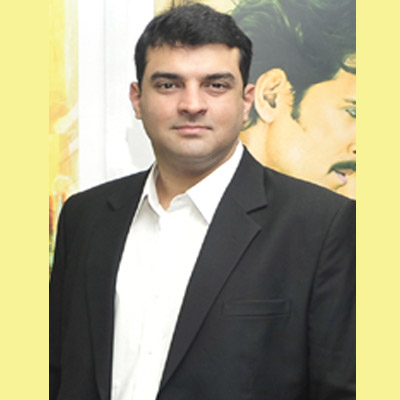
  • ‘The ability to de-risk is more now’ : UTV Motion Pictures chief executive officer Siddharth Roy Kapur

    ‘The ability to de-risk is more now’ : UTV Motion Pictures chief executive officer Siddharth Roy Kapur

    UTV has expanded its movie slate for the fiscal and is eyeing a revenue of Rs 4.5 billion from this segment, up 43 per cent from the year-ago period.

    Upping its operations over the years, UTV has a roster of 12 movies this fiscal. UTV‘s scale-up goal: to have a peak pipeline of 15 movies a year.

    Narrowing its risks, UTV has indulged in a high element of pre-sales activities. The environment has been conducive as prices for satellite TV telecast rights have ballooned with Viacom18 planning the launch of a Hindi movie channel next year. The syndication model, widely popular last year, is being thrown out of the window.

    After delisting from London‘s Alternative Investment Market (AIM), UTV Motion Pictures is not looking at raising further capital as the business has reached a self-generation mode.

    In an interview with Indiantelevision.com‘s Sibabrata Das, UTV Motion Pictures chief executive officer Siddharth Roy Kapur talks about the balance film studios need to perfect between scale and a de-risked strategy.

    Excerpts:

    Indian movie studios were talking of scale a few years back. Now de-risking seems to be the mantra. Is it because in the process of scale some of the studios burnt their fingers?
    Building scale and de-risking are not parallel processes. It is just that the ability to de-risk is more now with the overall slate of movies going up.

    But the trend is to lock in the music and satellite television telecast rights before the theatrical release of the movies. Haven‘t studios increased the pre-sales deals this fiscal?
    The opportunities have definitely increased as the market for satellite TV rights has heated up with a broadcaster planning to launch a Hindi movie channel. The syndication model, widely popular last year, is being thrown out of the window. As broadcasters are chasing exclusive rights, the rates have gone up. This is working out well for the broadcasters and the producers.

    Also, with a diversified and expanded slate, studios have been able to derive higher values. We at the early part of the fiscal, for instance, had locked in Rs 2.37 billion from pre-sales of different rights.

    Aren‘t you in the process sacrificing an upside potential?
    We are offered a premium even before the movie is out. And if we foresee a significant upside potential, we do not go for pre-sales. We decide on a film-to-film basis.

    We have also come out with new models. In case of Raajneeti, we did a satellite deal based on the theatrical performance of the film. We looked at higher slabs based on the performance index.

    But don‘t you have a de-risking approach for each movie?
    We have developed the ability to de-risk on each movie. As a strategy, we look at de-risking on the satellite and music rights front. On the theatrical distribution front, we prefer to handle it ourselves.

    With pre-sales opportunities on the rise, aren‘t you tempted to scale up further?
    We have managed to scale up to 12 movies a year and have a diversified slate in terms of genre and talent. We have a mix of movies ranging between as low as Rs 30 million and as high as a blockbuster can cost. We have the ability to release in 45 countries.

    As for the future, we are looking at a 12-15 movie slate. We feel that it is not a feasible model to scale up more if you are to maintain the same level of quality control.

    Around 50 per cent of the slate will be through co-productions. UTV will, however, handle the marketing and distribution of these movies.
    ‘We are looking at a 12-15 movie slate a year. We feel that it is not a feasible model to scale up more if you are to maintain the same level of quality control‘

    So are we going to see a slower growth in the top line?
    We are on course to achieve a turnover of Rs 4.5 billion this year (up from Rs 3.15 billion). There will be organic growth and we will also do bigger movies.

    With more multiplexes and digitisation coming up, there will be growth in theatrical revenues. We also don‘t see a softening in rates for satellite TV rights in the near future as broadcasters have planned for their growth.

    Our focus, though, will be on profitability. We are confident of posting a 20 per cent year-on-year bottom line growth for the next three years.

    UTV Motion Pictures delisted from London‘s Alternative Investment Market. Is it now looking at raising funds for its movie business?
    We are pretty much well funded and have no fund raising plan. The business has reached a self-generation mode.

    Is the slate firmed up for the next fiscal as well?
    We are sitting in a pretty position and expect to see strong growth in the next fiscal. We have only 3-4 titles to lock up. Our pre-planning is well in place. As a studio, we stand in a unique position as we are a producer and not a content aggregator.

    Is UTV looking at aggressively producing movies in regional languages, particularly Tamil and Telugu?
    We are keeping watch on how the regional play is emerging. But our focus will be totally on the Hindi slate. Strategically, Bollywood is our core business. We may do a one off movie in the regional space on a tactical basis.

    In the south, the game is riskier and the ability to de-risk lower. The theatrical dependence is huge in the south. The sensibilities are also different.

    In the revenue mix, how much does theatrical account for?
    The box office accounts for 55 per cent of the revenue mix, while 20-25 per cent comes from sale of satellite TV rights. Music accounts for 5-7 per cent, overseas for 7-10 per cent; home video for 3-5 per cent and the remaining comes from new media. Going ahead, theatrical will fall to 50 per cent while new media will increase.

    Piracy impacts our overseas home video revenues. We see that compensated over the years by the growth in the new media space. The launch of 3G in India will also augment our new media revenues.

    Has there been a correction on the cost front?
    Costs have fallen to a suitable level for the industry as a whole, but a lot more needs to be done.

    UTV has expressed concern over the rise in marketing costs. How far has the industry come together on this issue?
    There has been a 10-15 per cent increase in promotion and publicity expenses over last year. The industry spends around 50 per cent of the theatrical revenue for domestic marketing, if one calculates the net distributor share to each of the producers. Due to the competitive framework and the increase in media options, we tend to out-shout each other. We are advertising more than we need to.
    A meeting took place among some film producers and everyone seems to be committed to see that this gets corrected as it is affecting our profit margins. It is work in progress and a solution, hopefully, should be on sight soon.

    UTV has shied away from releasing films during the IPL Indian Premier League). Will you be more conscious to plan the movie releases in such a way that bumpiness does not happen from quarter to quarter?
    UTV will have some releases during the IPL this time. While we are looking at ways to ensure that bumpiness does not take place, the right release date is our top priority.

    Yash Raj Films is trying to create a segment for youth films. Do you think the industry has matured for a segmentation approach?
    The first task is to find a great story. This may or may not include some target groups. But the secret to success is working on interesting scripts. Working backwards is not always the solution.

  • TV and film production companies have a bumpy FY’10

    Television content production companies have had a bumpy ride during the 12-month period ended March 2010 as broadcasters cut costs and restructured businesses to tide over the recession.The listed TV content companies – Balaji Telefilms, UTV Television, BAG Films and Media, Creative Eye and Sri Adhikari Bros – posted a combined revenue of Rs 3.36 billion, down 38.32 per cent from Rs 5.44 billion in the year ago period. Barring Sri Adhikari Bros, which has low revenues, each company’s turnover de-grew during the fiscal.

    Realisation per hour of programming fell dramatically and the content creators had to work on squeezed margins. The existence of too many content companies did not make the task any easier.

    The listed companies, in fact, swung into losses at an operational level. The combined loss stood at Rs 25.79 millon compared to operating profit of Rs 186.73 million in the year-ago period.

     
    Expenses were kept under tight control as projects fell, amounting to Rs 2.25 billion, or a drop of 37.48 per cent.

    (We have taken UTV’s content financials which include airtime sales as they don’t disclose them separately. Also, expenses and net profit are not available for UTV and BAG separately).

    The movie production houses also had a rough patch as it was caught in a row with multiplex operators, cluttered releases and high ratio of box office disasters.


    The combined revenues of the five listed companies – UTV Motion Pictures, Cinevistaas, Pritish Nandy Communications, Mukta Arts and Shree Ashtavinayak – dropped 20.48 per cent to Rs 13.78 billion (from Rs 17.33 billion).

     
    On an operational level, these companies, however, posted a profit of Rs 1.43 billion, up 2.6 per cent from the earlier year.
    Expenses fell by 24 per cent to Rs 8.13 billion, as against Rs 10.71 billion in the year-ago period.

    The content entertainment revenue pie, in fact, fell by 24.74 per cent in FY’10. Revenue of the listed film and television production companies stood at Rs 17.14 billion, down from Rs 22.77 billion a year ago.


  • ‘Acquisitions, JVs – We mean business’ : Fremantle Media regional CEO Europe & Asia Pacific Simon Spalding

    ‘Acquisitions, JVs – We mean business’ : Fremantle Media regional CEO Europe & Asia Pacific Simon Spalding

    Simon Spalding is a bit of a homebody. When the Fremantle Media regional CEO Europe & Asia Pacific is not travelling around on business he likes to spend time with his family in Amsterdam.


    The 49 year old Spalding has close to a quarter of a century‘s experience in a career spanning toy marketing (with Hasbro Europe), licensing (Dreamworkz) and television (Fremantle).


    10 of those years have been spent in building Fremantle into the global TV powerhouse it is today. He set up the UK operations, built them up and, then moved onto Sydney Australia where he forged a merger between Grundy and Crackerjack to create Fremantle Australia. Today it probably is the largest Australian TV producer.


    He then moved back to Europe to oversee Asia and Europe, leaving the Asian operations in the able hands of Patrick Schult.


    Spalding was in India to touch base with the Indian operations of Fremantle India, which are headed by Raj Baruah and also meet up with broadcast executives at the leading Indian networks. The TV executive – who counts West Wing as one of his favourite TV shows – caught up with Indiantelevision.com‘s Ashwin Pinto on Fremantle‘s Indian initiatives and the vision for the production house.


    Excerpts:
     

    Was 2009 a difficult year due to the economic downturn?

    It was a better year than we expected it to be. We made our budget but in order to do that we took some things out that we had been saving for a rainy day. Last year we had a couple of rainy days. There has been a bit more of a time lag for producers as the first half of 2009 was committed in the second half of 2008. So the first half of last year was good and it got tougher in the second half. We are still feeling the impact this year.

     
    How do you see this year progressing?

    We have taken a more conservative position regarding our budget. We have recognised that we will be a slightly smaller company this year. But overall the interesting thing is that our big shows are getting bigger. So while everybody was concerned that shows like Idol or Got Talent would also suffer in the recession, the fact is that we are getting a larger audience share. It is also encouraging that more people are watching television than ever before. If you have the right content and can produce it at the right price there is market out there for it.
     

    At this point which are your top five formats?

    Our big three entertainment formats are Idol, X-Factor and Got talent. Our game shows are strong like The Price Is Right which has been around for 54 years. It was the number one daytime show in France after being reintroduced after an eight-year gap. This show has been reintroduced in nine other markets. Fremantle is also a drama producer. Our serial dramas do well.

     
    What additions have been made to your catalogue recently and are you looking at more genres?

    We look at new genres. We brought 10 new formats to MipTV. Some were reversions of existing catalogue. Some we develop ourselves and some we do in partnership with others. We have a show Push The Button which has been done with Gallowgate which is owned by the guys who host Got Talent for us in the UK. We constantly look for new ideas. We recently picked up a new cooking format from Romania. It is a reversion of a classic show called Give Us A Clue.

     
     ‘Historically we have come in on the back of a successful show. Once that show fell away we did not invest in building infrastructure and a broader base to sustain our business (in India) . This time we have come in to build a base. We have a detailed business plan.‘

     
    What goals have been set?

    From a company point of view we are trying to do three things. We want to continue to build and develop our network. We have production companies in 22 countries. We want to strengthen those. If we have a strong entertainment business, for instance in Denmark, we focus on building a drama business. In Italy the situation is the reverse where our drama business is strong. There is already this piece going on as well as looking at new markets. Last year we opened offices in India and Brazil.


    The second part of what we are doing is to build and grow our creative pipeline. The content that we bring to the market is what is going to drive our business forward. So we have made significant investments in developing original content and also in partnerships with third parties.


    The third part of our strategy is building new capabilities. As the world changes, different platforms emerge and people want to use IP in different ways. We are looking at the skill sets and resources that we need available to help build that. This would encompass developing our live show business, gambling business. We want to grow in these areas too.
     

    How much business comes from Asia in terms of business generated? Which are your top three markets?

    Not enough business comes from Asia. I cannot give you a split though. India, China, Indonesia and Japan are our priority markets in Asia. These are the markets where we have production capabilities. In the other territories we have partnerships or licensing operations. We have nailed down


    what we want to do in the markets mentioned earlier. Where do we go next? Do we want to open more production capability?

    We have a strong licensing and co-production business in Vietnam. This is a market where at some point we should open a business. The Philippines is also important. We are trying to balance the benefit of having a local production capability against the cost of a startup. In the current economic circumstances it is a tough decision to make.

     
    Are you still an acquisition target? And how is the RTL ownership helping you?

    We are 100 per cent owned by the RTL Group. RTL is 91 per cent owned by Bertelsmann. They are happy with Fremantle as we have shown a compound annual growth of 9 per cent in revenue and 13 per cent in EBIDTA over the last six years. That makes for a happy shareholder. We can access investment funds. I just bought a company in the Netherlands as I want to strengthen our drama business there. We also made an acquisition in Italy which gives us more content. RTL Group CEO Gerhard Zeller has publicly said that Fremantle is not for sale.
     

    What is your vision for India?

    What I am looking for is a successful locally driven production company that takes full value from the Fremantle network and also contributes back to the network. The Indian group should take programmes and IP and bring them to India. Also over time they should develop things that travel broadly within the Fremantle network.

     
    Will Fremantle be open to considering paper formats from Indian creative professionals?

    We do look at them. Obviously they are much tougher to get to but you have to start somewhere. We would look at an original idea when we have identified a customer. A programme idea is only good if you have a customer to sell it to. Once we have found an idea that we can link effectively to a customer that is when we can offer support to bring that idea to a pilot or a series. Once we have tape then we can start pushing it around our network.


    An example is a format developed in France but we could not find the right customer for it there. We found a customer in Australia. On the basis of this successful launch we took it to other territories. The format is Take Me Out.


    You have made efforts to set up office in India earlier but retreated? What makes your current foray any different? What kinds of investments are you looking at pouring in here?

    Historically we have come in on the back of a successful show. Once that show fell away we did not invest in building infrastructure and a broader base to sustain our business. This time we have come in to build a base. We have a detailed business plan. We have a detailed idea of how much money we need to spend and when we expect ROI. The company has signed up for a longer term vision.


    Endemol has raced far ahead of you here. Zodiak is doing well with SOL. Disney has found customers for its products here. Are you coming in too late?

    The decision for us to withdraw from the market just before I took over the role was perhaps short-sighted. My ambition was to get back as the Indian market watches the kind of television that we produce. India has a range of free to air broadcasters who would want to buy our content. Why would we not want to be in India which is a growing market? The aim is to build a solid foundation and not try to run before we can walk. We don‘t just want to be in entertainment. We want to be in multiple genres.

     
    Is Fremantle also considering taking a stake in a local production house to complement your non fiction business?

    If there is a strategic fit we would look at it. There are other business models. It could be a JV or a partnership. It could be investing in creative people and giving them a place under the Fremantle umbrella. We don‘t have a one size fits all approach.

     
    ‘What I am looking for is a successful locally driven production company that takes full value from the Fremantle network and also contributes back to the network.‘
     

    For this year what is your priority?

    We have to deliver shows that we already have an order for. Indian Idol was our number one priority for Sony. We also focussed on getting our relationship with Colors correct for Got Talent. We want to establish our credibility as a serious content producer in India. You can talk about lots of things but until delivery happens it is only talk.

     
    Do you think the Indian broadcasting and production business is receptive to formats as it is in other developed markets such as the US, the UK, Australia, Malaysia? Are they willing to pay for formats or are they more prone to rip-offs?

    There are examples of formats being ripped of here. Once a successful format is launched there is a temptation on the part of other broadcasters to put something similar into the market. Indian Idol success is a testament to the strength of the IP. Viewers feel that it is worth sticking with. Broadcasters know that they can get away with ripping off stuff once in a while however, they also know that they need the best content and to get that they need to find a way to work with the people who own that content.

     
    American Idol has lost share in the US partly due to the fact that the format has gotten stale. How is Indian Idol faring?

    This year we have made a significantly better show. The talent is stronger and the production is better than it has been for a while. We had a strong launch. The numbers dipped. The test is if we can deliver what Sony expects and what viewers want.
     

    What new formats are being brought to India?

    We are meeting broadcasters. We are trying to fit our shows with the specialities of broadcasters. Every network wants differentiated content. Our entertainment shows have a lot of potential. We are sure that X Factor will be in the market soon. Historically our game shows have done well. So we will bring in some of those. Comedy will be more challenging as it may be tough to translate but I want to do this genre in India. We have some factual content that we feel the market is increasingly ready for. I want to do drama but we are not yet ready.

     
    Are you going to be going into the languages area? Tamil, Telugu? Endemol has done that well.

    This is an area that we have identified and it is a question of building the organisation so that when we make this approach we are capable of delivery. A number of game shows would work here. They are cost effective to do in multiple languages. For instance for Family Feud you could build one set and then bring in different hosts, different families, audiences.
     

    Has there been any learning from other Asian markets that you would look to apply here?

    We have to accept shorter pre-production times. We have figured out how to produce formats that have worked in Europe here though the cost structures are different and circumstances are different. We have learnt about cultural sensitivities. We make three versions of a dating show in Indonesia. We have figured out how to do it in a way that is culturally appropriate. You also figure out when something is culturally inappropriate as opposed to something that they do not want to do.

     
    Most of your shows are upscale. India is discovering rural, massy content. What plans does Fremantle have here?

    We have IP. What our Indian team has to do is sift through them and decide what could work depending on the environment. They have to identify gaps that can be filled locally. That is what we do in different countries. Americans do not just pick up everything that is developed. They pick up some stuff and develop other content that is appropriate. This is also true for the UK, Germany, and France.

     
    Also, there seems to be no differentiation among the Indian general entertainment channels. Nobody wants to take a leap. Do you see innovation happening?

    I am optimistic that it will happen. What we have seen globally is that companies which have innovated and done different stuff have step-changed their position in the market. For us, I accept that we will need to create formats here that travel. That will be a step-change for us.

     
    In the format business what trends are we seeing?

    We are seeing more uplifting themes being popular. So if it is a reality show then one about success works rather than celebrating disaster. In drama the themes are not as dark. There is more comedy coming through. There is more subject matter considered niche like cooking that is growing. They do well not just on lifestyle channels. They have gone mass market.


    Could you elaborate on the plan for the production services division and what is its USP vis-a-vis what is already available?

    The combination is that we have a huge catalogue of IP coupled with a group of people that can produce it as they are linked in to the Fremantle network. Our team understands how to produce shows here and the shows have worked well abroad. Talent, IP and international support are what we offer.


    The market consists of local companies which are developing their own IP or buying IP and produce it here. Fremantle is unique in terms of how it is networked. No other company comes close to our ability to move information around and support productions apart from the BBC. They are obviously very different. Endemol and we are the main global players.
     

     ‘What we have seen globally is that companies which have innovated and done different stuff have step-changed their position in the market. For us, I accept that we will need to create formats here that travel. ‘


    The Indian television general entertainment market has seen growth and also some consolidation. How do you see it progressing and what are the challenges that general entertainment broadcasters will face?

    The economic circumstances will continue to be a challenge. How the advertising market responds to the economic environment, the shift in advertisers‘ priorities between television and other media is a concern. Secondly, they have to remain distinctive and at the same time attract the broadest possible audience. A balance has to be struck. You need to have a personality while not alienating people whom you want to attract.


    Channels have to figure out how to get high quality content whether it is sports rights, news etc. They have to maintain the right relationships to deliver desired content.

     
    You see foreign players actively looking at India, the latest being CBS. How will this change the market dynamics from your point of view?

    Competition is healthy. But is enough investment being made to train people who you will need to run businesses? This is a concern. If this is not looked after then staff will be poached and there will be unpleasant salary inflation. If international companies bring in expats then it would be a step backwards.

     
    Could you talk about the strategy that Fremantle follows in exploiting brands beyond the television screen?

    We look at it in terms of what we term the wheel of value. The hub of the wheel is content. We look at spokes that can be used to exploit that property. Is there a format, a tape sale, home entertainment piece, an Internet experience, a mobile experience? A brand like Idol fills in most of the spokes. The Price is Right also lends itself to various activities. However, a factual entertainment show may not fill many spokes. You can sell this show in many territories but you do not get the mugs and T-shirts part of the business or the live show.


    For The Price is Right we sell the American version in some territories. We also have a DVD. We have multiple online versions where you can play for prizes, fun, and money. We have lottery scratch card elements. We have merchandise like a board game, mugs and T-shirts. We have a gambling version through slot machines in casinos. We have a live version of the show in America. We have sold it to a casino in Belgium. We have also developed a mobile application which has had 500,000 downloads on the iphone. The only thing that we have not done is a film.

     
    Are you looking at creating content for the mobile in India with 3G coming in?

    We have done a number of shows specifically for the mobile or net. The challenge is to create a business model. We have experimented. We have an online comedy service Atomic Wedgie in the US. It has translated into a TV show. We have done other stuff like cut down versions of Baywatch on mobile.


    We are not making much money but we are learning. We are investing rather than losing money. We did a show for MySpace where we went to find interesting people on this social network.

     
    How is the iCount viewer research panel helping Fremantle understand viewers better?

    We rolled this out in Germany. We are about to launch it in the US. It allows us to get very fast feedback from engaged viewers. It does not substitute other forms of research that we do. It allows getting a fast read on what would engage viewers. We can do more pre-testing. So for instance, if you want to look at a storyline in Neighbours, you can talk to those engaged viewers and get a read on whether they think that it is something they feel that we should be doing or not.


    We can test out casting, validity of characters and get a read on other things going on in the market. We get feedback on where people are watching stuff, what they are listening to and how they spend time. It gives us a more complete viewer of the consumer at a reasonable cost.

     
    Are you planning to introduce this for India?

    We will roll it out on a territory by territory basis. Australia is probably going to be the first place in the Asia Pacific region where we will roll this out. In India and Indonesia do we have enough shows where the iCount panel could influence? If you only get feedback on stuff already done it is interesting, but may not be useful beyond a point. I probably will not roll this service in China.


    Has Fremantle cracked the social media puzzle and taken advantage of the buzz going on there?

    I will go back to the point about developing new capabilities. There are processes and techniques going on in that world which need skill sets that are different. What we have to figure out is what we can contribute from our existing skill set to the party. We are playing around the edges of social networking, social gaming. We realise that we as a company need to take more positive steps in this direction. For us gaming is a separate skill set.


    It is a big move for a television production company to say that it also wants to get into gaming. Similarly gaming companies like EA took a while before deciding to enter the entertainment business. Gradual steps were made and now there is more cross over. While the Tomb Raider and Prince of Persia games were made into movies, it took quite a while before that crossover happened.

     
    Four years down the line will Fremantle be among the top production companies in India or would it have wound up?

    India is a territory that we will never be able to not be in. I want us to be a production company that people trust to bring them high quality content. We need to have a range of customers providing a range of genres across a range of price points. We have to be a full service production business.


    The more interesting question is whether we will just be a production company? How will we characterise ourselves three years from now? We already talk about being an entertainment business and not a production business. How we evolve will impact the way in which we develop here.
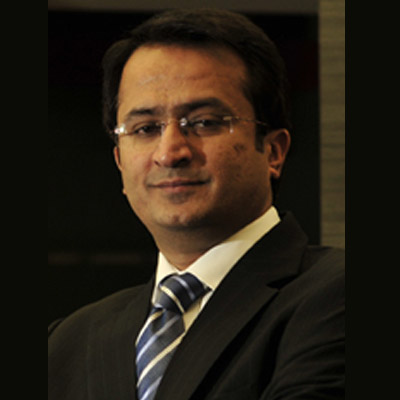
  • ‘Fiction will help us scale up’: Endemol India managing director Deepak Dhar

    ‘Fiction will help us scale up’: Endemol India managing director Deepak Dhar

     For Endemol India, it has been a roller coaster ride. The international content creator has established itself as a leader in the reality TV genre and has expanded into other strands of content. Now the gameplan is to speed up on the fiction front.


    Endemol, which produced 1400 hours of content in 2010, is planning to scale up in several verticals including regional language, sports and food and lifestyle programming. The company recently formed a JV with Rhiti Sports, the company which manages Indian skipper MS Dhoni, for sports formats.


    In an interview with Indiantelevision.com’s Ashwin Pinto, Endemol India managing director Deepak Dhar talks about the company’s growth plans.


    Excerpts:


    What progress did Endemol make in India last year?


    The progress has been 360 degrees. Initially, we were known for reality. Now it is not the only thing; we are known for other strands of non fiction also.


    We have an array of fiction shows. We have moved into regional as well with Bengali and Southern language content. We have also gained from being in the Hindi general entertainment channel (GEC) space.


    How does India compare to other Asian markets?

    It is growing. The entire world is looking at us. Our parent is looking at what India can do. We did over 1400 hours of production last year. We have done well if you look at the state of our productions or business development. We have had double digit growth.

    Could you shed light on how you are scaling up the fiction business?

    We are seeing ideas that can be exploited in the Hindi GEC space. They can also go into the regional space, south, Bengali, Marathi. We are looking at slots that need newer storytellung. We are meeting with our broadcast partners to see what the synergies are.


    We do a lot of non fiction and format work. In terms of scaling up, growth will come from fiction.

    We will be making two to three announcements in the next few weeks.

    What kind of shows are you looking at?


    We are not focussing only comedy or only drama or only thriller. We are known for 360 degree entertainment solutions. Anything that fits the household will be our focus.

    Are you looking at forming JVs with local production houses?


    We are constantly analysing it. Now we are largely focussing on organic growth. We will look at inorganic growth, but at this point of time there is nothing serious.

    Now we are largely focussing on organic growth. We will look at inorganic growth, but at this point of time there is nothing serious

    In terms of margins, how are you faring?


    Margins are always tough in this country, espcially in the broadcast and production sector. In our formats and even our fiction business, we have kept a healthy balance in our margins due to product efficiencies. In a year, we do around nine non fiction shows.

    But in the fiction space aren’t margins squeezed?


    They are squeezed but again for us the emphasis is great storytelling. We want to be happy with the stories being told and we will manage the margins. Comedy has its own space. In drama, emotions are integral to the Indian psyche. That will never go out of fashion.

    How do you manage costs?


    It is a challenge. Broadcasters are always looking to push costs down without the quality falling. Broadcasters, though, understand that to have a quality product the margins must be healthy. The production house must be given some breathing space.


    Non fiction shows have a larger budget. You get a bang for 13-26 weeks and that is it. With fiction it is like running a marathon. You need to have the stamina to push the idea and engage the audience.

    Balaji to some extent has lost dominance which has created a gap. How are ou tapping this?


    We have already tapped into this. We are doing three fiction shows at this point of time. We will be adding two more within a month or so. We have stepped into this opportunity. We also look at the competition and what is on the horizon.


    Fiction is where the horizon is. The margins can improve in this genre. People will look at us as an Indian producer and not just as a format producer. We will focus largely on fiction.

    Indian production houses are known for doing one kind of show. We are not like that. We do things from ‘songs and dancing’ to reality and action-based shows.

    How were you able to broadbase youreself into fiction?


    This has to do with the team. We have Gadgi and Kartik as the creative and business heads. They lend credibility and experience to Endemol’s fiction slate. We believe that if you have the right talent on board, then the right discussions start flowing out.


    Geet has worked. Mili Ye at one point really worked. But the story ran its cycle. These stories have been channel drivers for Star One and Star Plus; they will help us consolidate our next line of fiction.

    In the non fiction area, you entered the food genre with two shows. What scope do you see in the lifestyle space?


    Lifestyle is a niche space. However, we do not want to leave any space untapped. The opportunity might seem small. But an opportunity needs to be seen.


    Documentary and speciality channels are growing in popularity in the West. You will see the same trend happening here. A new spate of speciality channels from science and technology to crime and thriller to food are bound to come in. This is a new space we will be busy with this year.

    Is the approach here different from how you look at other areas like formats?


    Yes! In lifestyle you will have to create original ideas; it is not about replicating an idea from the US. We don’t want to simply pick up a format. it has to fit into an opportunity.

    The local version of Wipeout launches tomorrow. Has the format been changed in any way?


    Not really. You will see the same thing. It will be extremely engaging, funny and competitive. It is the new next breed of reality shows that we will roll out on Indian television. We want to push trends and get trends into the country.

    What trends are we seeing abroad in the format space?


    A lot of game shows are doing well at this point. 1vs 100, Million Pound drop Aare two big game shows. We are bringing them to India.


    Deal Or No Deal has done well. We produced 300 episodes of this on the Sun Network. We did five seasons back to back for them.


    You will see us pushing a lot of gameshows going forward. Howwever, reality will always be the flavour of the season. People like to watch others in pressure cooker scenarios. This is the spectrum of ideas you will see.


    We are also looking to bring in State of Panic to India. Circus Of The Celebrities is another one. It is an engaging, high end primetime experience. The common thread is people being pushed into pressure cooker situations; in others pure true human emotions are glorified on primetime television. As long as the emotions are true, it will help some of these format shows stand.


    We are also doing things in the ad funded space. Rin Mera Star Superstar, Fair And Lovely Choo Lo Aasman have done well for us. This is what I mean by having a 360 degree approach. We are pushing ideas in this space. We need top keep a balance between the needs of a broadcaster and an advertiser. You do not want an advertiser funded show to look like one. You have to do something that has been well thought through and engages.

    What is the gameplan to tackle the South market?


    We will take our big ticket gameshows there. We are also taking reality shows there.


    Currently the South is a growing part of our business. This year we will add a few more fundamental blocks to make it stand on its own.


    We are concentrating on the Tamil and Telugu markets. We producing a lot in the Malayalam space as well.

    What balance are you looking at between fiction and non fiction content?
     
     
    We want it to be 50:50. We are on track to achieve this. We have been the market leader in the non fiction space. The challenge is to see how we can fast track our business and sales. We are adding new pieces like sports into our business. This will bring in new challenges as every business has its own dynamic. We have a good tab on the competition.

    How did the tie up with Rhiti Sports come about?


    We have been exploring this in terms of doing things in the sports space. We want formats like The Match, Next Great Champ. We are looking at basketball, football, boxing, cricket. Rhiti Sports with their credibility will help us monetise the formats across sports broadcasting and GECs as well.


    The sports genre is not tapped in terms of formats. Sports formats are consumed a lot by the youth, kids and women. We have a rich library of content in the sports format space.

    You used to do a Call TV initiative with ETV. How did that fare?


    It was a good experience. In the interactive TV space, we do a lot internationally. There was a need to create a low cost game show. We produced Break The Bank. The market size, though, is small. The telecom industry versus the content industry faces its own set of challenges. So we did not push it too hard.
     
    Are you looking at new media?
     
    Yes! We do a lot of content for the mobile internationally. With 3G coming in, we are keen to tap this space. We have formats tailored for the mobile like small comedy interstitials. The youth love to sample something really fast. They are restless. They don’t only want content on the television. A lot of discussions are going on globally regarding how to cater to the mobile audience.
     
    Where do you see Endemol five years from now?
     
    When we came in four years ago, the idea was to Indianise the Endemol brand. Now we want to localise and regionalise the Endemol brand. We want to adapt our content to a lot of regional markets.
  • ‘Global animation studios will set up shop in India for captive backend facilities’ : Ronald D’Mello – Maya MD and CEO

    ‘Global animation studios will set up shop in India for captive backend facilities’ : Ronald D’Mello – Maya MD and CEO

    Two years back, Maya Entertainment Ltd. was in trouble with two of its business verticals in the red. What followed was a restructuring and the education vertical since then has seen exponential growth to post over Rs 1 billion in FY‘09.

    The studio business has also grown and Maya is in the midst of releasing its first animated movie, Ramayana The Epic.

    Promoted by Bollywood filmmaker Ketan Mehta, the company went through an ownership change. Enam Securities holds 45 per cent stake, Bhukhanwala Holdings 20 per cent and Intel Capital, with three rounds of funding, around 12 per cent.

    The company faces new challenges as it scales up and plans to raise funds.

    In an interview with Indiantelevision.com, Maya MD and CEO Ronald D‘Mello, who is preparing for a new innings, reflects on how the company managed to turn around in the last two years.

    Excerpts:

    When you took over as CEO of Maya Entertainment Ltd, there was a need to restructure the company. What are the measures you took?
    There were substantial corporate hygiene issues which threatened the very structural stability of Maya as a company. In November 2007, we engineered a major restructuring exercise in our education vertical, risking almost half of our business, to eliminate conflict of interest positions of some of the key executives and employees of Maya, the group which went on to form a competing business. Thankfully, the exercise not only resulted in a clean and transparent Maya but also laid a strong foundation for substantial growth.

    On the studio side, the challenge was both on business development and internal operational disciplines which we were able to overcome.

    Did this mean that the key management of the education business changed?
    We terminated 13 educational franchise centres in north India which collectively contributed to 50 per cent of our turnover. The result was extremely satisfying. We were able to grow the education vertical billings by over 300 per cent over the last two years to make it an over Rs 1 billion activity in billing in FY‘09. In terms of number of franchise centres, we grew from 38 ( at the end of the restructuring exercise in 2007 ) to 70 by June 2009.

    We consolidated our position in animation education to become the largest player in career-oriented animation education. We created an Advisory Board comprising the stalwarts of animation industry to build a constant interaction between industry and academia so that the courses we offer are suited to industry needs. We converted the outlook of our courses from software to creativity- focussed. We also created a product ( MAAC Junior Toon Club ) for young students in the age group 7 to 14 as a creative enrichment platform to integrate with art and craft curriculum of schools across India. Association with IGNOU for degree program in animation and VFX was also a feather in our cap during this period.

    And on the studio front?
    We went on to have the most productive year in FY‘09 where the total output between international service work, own IP and domestic service work was amongst the largest in Indian animation studios.

    When you joined two years back, animation was on a high-growth curve. Did that help Maya ride the tide in any way?
    All industries go through highs and lows. Challenge is to get the best out of it when the industry is on a growth curve and to pro-actively future proof your business for industry lows. We did have the benefit of industry highs as much as everyone else in the segment did. But our growth probably outperformed industry and competition.

    are the challenges the Indian animation industry faces today as the global economy is in the midst of a downturn?
    I would rather not get too influenced by the downturn in global economy as it is the ‘uncontrollable” factor all are faced with. In isolation, I see Indian animation industry far slower than the hype it has created for itself. If we believe the global animation and VFX consumption numbers at over $60 billion, what India has managed to get in terms of service outsourcing is abysmally low even if you assume content production constitutes 10 per cent of the global animation consumption pie. Also, the demographics of India population indicate a good future for more youth friendly animation, gaming and VFX content.

    Unfortunately, most of the early entrants in Indian animation production space lack a long term strategy to sustain market penetration and growth over a longer period of time. Even the development of talent has suffered due to this short term approach. If you see the IT sector and how it grew over the years, you will find sustained long term stay over decades by some of the dominant players to make India the hub of IT services and create a large industry today.
    ‘Indian animation studios may not be in the position of strength, both creatively or in market reach, to be up on the value and risk chain on co-productions‘

    Several companies have ventured into animated movies for the domestic market as a scale up strategy. But most of them have flopped at the box office. How do you think this is going to impact the business?
    This is what I meant by short term approach. If anyone thought of producing an animation movie thinking it would be a huge success, it is a wrong base to start with. Animation movies, like any other movies, are not free from the risks familiar to film producers. Moreover, you have the task of playing in an unestablished segment of viewership. I am afraid it would take few more movies to fail and learnings from those taken, before we see the domestic industry evolving in animation. Till someone takes that risk and has a sustained agenda to create this segment, it would be hard to imagine the domestic industry to mature.

    In a period of hype, even Disney entered into a joint venture with Yash Raj Films for an animated movie Roadside Romeo when one thought they didn‘t require a local partner to aid them in what they are best at. Since the movie bombed, this may discourage international companies making animated movies for the Indian market. Are we entering a different phase of the business cycle?
    I don‘t think any international studio considers failures as end of the road. I am sure Disney and Yash Raj Films have drawn considerable learnings from their first attempt which will only help them to make it better next time, both in terms of content creation and market exploration.

    Is getting into co-production arrangements for international movies and TV series a more viable business model?
    It all depends where you place yourself in the value and risk chain. If you are the last man standing in the chain, no international co-production can change the game for you. I am afraid, Indian studios may not be in the position of strength, both creatively or in market reach, as of now to be up on the value and risk chain on co-productions. Hence, it may be a while before it happens to its spoken potential.

    What are the steps you took at Maya to prepare the company for producing an animated movie?
    Ramayana The Epic, Maya‘s first animated film, was already in its baby steps when I joined. We decided to provide a development budget to the director and team so that the idea can be taken to a script, few key character designed and a three-minute sample fully animated and composed sequence developed. At the end of this exercise, we were fully convinced that the team can deliver an astounding product and decided to move on.

    What is the budget for Ramayana and how have you de-risked the project?
    We would have loved to have some co-producer coming in through its production phase. But the overall economic slowdown and Indian film ( specifically animation films ) sector dampness did not help us. The film is now complete and being shown to potential distributors.

    How much does Maya depend on outsourced projects? How does it scale up its studio business?
    Maya is predominantly a service studio, barring the first IP we produced over the last year. I cannot really comment on the future strategy for the studio scale up as it would be now left for Maya board to drive the company.

    Are there too many animation companies fighting for too small a pie?
    The pie is big, but someone needs to take a really long term view of the potential and have sustained existence to bear the desired fruit. Meanwhile, I see international animation producers and studios setting shops in India for captive backend facilities which will open new avenues for talent.

    How tough is it for the small-sized animation companies to raise capital and survive?
    Raising capital is dependent on the industry perception, company fundamentals and overall investment market climate. I presume in the present scenario it would be difficult for an animation production player to raise funds as none of the above three are in favour. Education industry will attract investor interest for businesses which have good fundamentals and clear future focus.

    Is Maya planning to raise funds? How much, how and for what?
    Yes, we have been on it since last year. But I can‘t give you more details.

    You are quitting Maya at a time when it has still to grow. What do You think is the future of such companies?
    I suppose I cannot comment on this. I am sure Maya will be able to attract the next anchor and drive the business forward.

    You are quitting Maya at a time when it has still to grow. What do You think is the future of such companies?
    I suppose I cannot comment on this. I am sure Maya will be able to attract the next anchor and drive the business forward.

    How tough is it for the small-sized animation companies to raise capital and survive?
    Raising capital is dependent on the industry perception, company fundamentals and overall investment market climate. I presume in the present scenario it would be difficult for an animation production player to raise funds as none of the above three are in favour. Education industry will attract investor interest for businesses which have good fundamentals and clear future focus.

    Is Maya planning to raise funds? How much, how and for what?
    Yes, we have been on it since last year. But I can‘t give you more details.

    You are quitting Maya at a time when it has still to grow. What do You think is the future of such companies?
    I suppose I cannot comment on this. I am sure Maya will be able to attract the next anchor and drive the business forward.

  • Zodiak Television to acquire 35% stake in Sol

    MUMBAI: Denmark-based Zodiak Television has agreed to acquire 35 per cent stake in Indian production house Sol.

    The two parties have entered into a memorandum of understanding (MoU) and the deal is subject to due diligence and final agreements.

    Under the agreement, Zodiak Television World, the distribution arm of Zodiak Television Group, will licence and distribute Sol‘s programming internationally, excluding India.

    According to an official release, the two companies will now cooperate on actively developing Sol as a company with the aim of Zodiak increasing its stake in a later stage.

    Sol, which was launched by former UTV executive producers Kamna Nirula Menezes and Fazila Allana in January 2003, specialises in non-fiction entertainment television and event management. It produces the event The Star Parivaar Awards, as well as shows such as Koffee with Karan and Nach Baliye (seasons 1-2).

    Says Zodiak Television president and CEO Patrick Svensk, “The Indian content market is one of the most vibrant in the world. A country where half of the 220 million households have TV sets and 70 million are multi-channel is an exciting prospect for us.

    With around 70 new channels set to launch this winter alone the scope for content production is mind-blowing! Sol and its founders have a perfect platform, network and reputation and we‘re extremely pleased to be working with them as we enter this fascinating arena.”

    Adds Sol founder and MD Fazila Allana, “We‘ve been watching with interest the amazing expansion of Zodiak throughout Europe for a while now. The time is right for us to link up with a big, international player to extend our brand outside of India and to grow our programming portfolio within it.”

    Zodiak Television AB carries on the development, production and sales of TV programmes under the brand names of MTV Mastiff, Mastiff Media, Jarowskij, T & T Broadcaster, Look Entertainment, Diverse Productions, Social Club Production 5th Element, Bird, TeleAlliance, Dixi Media, YS Films, Bullseye and Kanakna in Sweden, Denmark, Norway, Finland, England, USA, Poland, Russia, Ukraine, Belgium and the Netherlands.

    Zodiak Television World, the subsidiary company, sells the programmes and rights of the group and other production companies in the international market with customers in more than 70 countries.

  • Microsoft bullish on India expansion strategy

    Microsoft bullish on India expansion strategy

    MUMBAI: Microsoft Corporation India Pvt. Ltd., has announced aggressive geographical plans to strengthen its presence in India. It is slated to open offices in six additional cities in India, including Ahmedabad, Indore, Nagpur, Chandigarh Cochin, and Coimbatore. This would take its presence to thirteen cities, up from the existing seven cities.

    According to an official statement issued by the firm, the expansion strategy will include establishing a direct sales infrastructure, broadening partner eco-system and market education initiatives and programs.

    With an enhanced presence Microsoft will enable the small and mid market organizations to easily access a comprehensive portfolio of its products and services, faster deployment of customised solutions and increased support from both Microsoft and its partners.

    The expansion plan is in keeping with Microsoft’s vision to empower a broad section of small and mid market organizations understand better, the role which technology can play in driving growth and competitiveness, of the local industry ,in the local and global arena. The direct team in each city will be supported by respective regional branches for functional expertise as per Microsoft’s hub and spoke model. Microsoft will also forge relationships with Industry Associations in each city to understand and address local business challenges.

    Under the geo expansion plan Microsoft will work with broad channel partners to impart information on Microsoft products and licensing to serve IT needs of the business customers in the territory. Microsoft also aims at catalyzing its ISV partners to provide localized solutions for the market.

    Announcing the geo expansion plan Microsoft India MD Neelam Dhawan said, “Small and Medium Businesses are playing a key role in driving India’s growth. We remain committed to help them utilize technology for empowering their people; address consumer needs better and streamline their businesses. Our presence in these cities will achieve this much more effectively”.

    Small and Mid Market Solutions and Partner Group Director Rajeev Mittal said, “Our partners have been providing solutions and services to the customers in a lot of these cities already. We believe that being present there physically will help our partners provide better solutions, services and support and faster turnaround time. Our direct presence will also instill confidence in our existing and potential customers.”

    The channel engagement will be under the Microsoft Partner Programme (MSPP) framework. Microsoft hopes to strengthen as well as invigorate its partner ecosystem in the respective areas so as to help them accelerate the pace of their delivery and thereby their success in meeting the needs of business customers in the area, adds the release.

    Wipro Technologies vice president corporate business unit Anil K. Jain said, “Microsoft’s geo expansion initiative to reach out to local businesses is a step in the right direction to deliver value both to customers as well as the partners in these markets. Microsoft’s direct presence in non metro markets will further strengthen the partner ecosystem as well as inspire greater understanding and trust in its offerings within local business community. We are committed to work together to drive IT as a tool for business advantage among SMEs, along with Microsoft.”
     

  • IBM launches new software service

    IBM launches new software service

    MUMBAI: IBM in collaboration with Lotus unit introduces a set of social networking services that functions like a MySpace for office workers in a renewed challenge to Microsoft Corp.

    The Lotus pioneered software is a service called Connections that features the latest ways for users to share information via the Web, while giving businesses controls over who sees what data.Lotus Connections offers the business equivalent of Web meeting places like MySpace.com or Yahoo’s Facebook’s bookmark sharing site del.icio.us and blog search tools like Technorati.com — stitched together in one package. Burton Group’s collaboration software expert Peter O’Kelly said the new software from IBM Lotus promises to shake up a market dominated by Microsoft.

    “This is going to rekindle the competition between Microsoft and IBM,” said O’Kelly “I think IBM is playing offense here.”
    The new offering could chip away at Microsoft’s lead in the collaboration and e-mail messaging market, where five years ago Microsoft Outlook e-mail and its newer SharePoint collaboration software began to surge past rival IBM products, O’Kelly said.

    While exact numbers are hard to come by, last year IBM said Lotus Notes had 125 million users. Adding in collaboration software, Lotus users number around 150 million, O’Kelly said. Microsoft has 200 million Outlook users and signed up another 80 million licensed users of SharePoint software, he estimated.

    IBM officials see a shift in focus from the quest for personal productivity that characterized computer advances of the 1990s to the “team productivity” which Web-based collaborative tools have begun to enable in recent years.Connections combines five components: member profiles, activities, blogs, communities and “dogear” — IBM’s word for how users identify and share Web bookmarks with colleagues.

    Connections uses the popular Web navigation technique of “tagging” to help users track popular discussion topics and figure out who may have expertise on any subject. The software provides a way for individuals to quickly set-up ad hoc groups to collaborate on projects, storing relevant documents, e-mails and Web sites together. Each user can publish blogs to share ideas with colleagues.

    “What Web 2.0 has demonstrated is that self-defining communities often do a better job of locating relevant information,” IBM software chief Steve Mills said. “This helps with the rapid identification of expertise and experts.” Lotus Connections will be available in the first half of 2007 although pricing hasn’t been disclosed. O’Kelly said IBM’s Web software could cause many corporate buyers who stopped considering Lotus Notes a decade ago to reconsider their reliance on Microsoft’s rival software suite.

    Revenue in the Lotus division grew 30 percent during the latest quarter compared with the final quarter of 2005, IBM reported last week. The company will demonstrate the service at its annual Lotusphere customer conference in Orlando, Florida.