Category: Production House

  • NBC-Universal buys ‘paranormal’ series from Bomanbridge

    NBC-Universal buys ‘paranormal’ series from Bomanbridge

    MUMBAI/ SINGAPORE: Bomanbridge Media, a Singapore-based content distribution and production agency, announced a series of paranormal series programme sales to NBC-Universal’s Syfy and Celestial.

    NBC Universal’s Syfy acquired the iconic series A Haunting – a paranormal anthology television series that depicts eyewitness accounts of possession, exorcism, and ghostly encounters. They also acquired RIP Files a series that follows paranormal investigators, based in Washington DC, who use their psychic abilities and their deep knowledge of metaphysical techniques to interact with the entities they encounter at haunted locations. These investigators encourage the spirits to share their stories in their own words through amazing EVPs and other evidence that is bridging the gap between the worlds of science and spirituality.

    Celestial, Thrill channel, took another season of the long-running Most Haunted series. The multiple award-winning paranormal investigation series seeks the truth into whether ghosts really do exist. The team, led by Yvette Fielding, spends 24 hours investigating infamously haunted locations to uncover mysteries and bring an honest account of reported paranormal activity. Most Haunted has been shown in more than 80 countries, reached over 200 thrilling episodes and is one of the UK’s longest-running and most successful series.

    “Bomanbridge carries great paranormal content within the catalogue and with the expansion of paranormal genre and channels in Asia, we hope to maintain our edge in this entertaining genre,” said Bomanbridge Media CEO Sonia Fleck.

  • Sony Pictures, Wazee Digital bolster post-production relationship

    Sony Pictures, Wazee Digital bolster post-production relationship

    MUMBAI: Wazee Digital, a leading provider of cloud-based video management and licensing services, yesterday announced that Sony Pictures Post Production Services has extended its long-standing relationship with Wazee Digital through December 2017.

    Wazee enables rights-holders to monetise and enrich their valuable content. Its scalable solutions provide complete control over content so that assets reach their rightful audience. It is the only asset management solution built from the ground up to run natively in the cloud, and the only one to make live moments available immediately for global publishing, syndication, advertising, and sponsorship.

    Under the extended contract, Sony Pictures will continue using Wazee Digital Core and its automated metadata-processing technology to store, view, and manage assets from Sony Pictures’ inventory of feature films, including stock footage, full-length features, and clip selects, with granular specificity.

    Wazee Digital Core is a cloud-native media asset management solution that powers all other Wazee Digital products and services, including Commerce, the licensing pillar of the business, as well as Live Event Services. For the past six years, Sony Pictures metadata analysts have used Core to create time-based metadata for the inventory of feature-film assets Sony Pictures uses to fulfill licensing requests. The analysts then use the solution to manage inventory, share content, and create custom clips for delivery.

    “Sony Pictures has been a loyal client of Wazee Digital’s for many years, and it’s an honor that a film studio of Sony Pictures’ stature has relied on our technology for so long to store, view, and edit content for metadata enhancement and distribution,” said Wazee Digital CEO Harris Morris. “Sony Pictures’ continued use of the tools within Wazee Digital Core to create, capture, and augment granular metadata makes its titles more easily discoverable, streamlines its licensing operations, simplifies its contractual compliance, and widens its market reach. It’s a valuable example of how Wazee Digital can help companies like Sony Pictures make the most of their high-value content.”

  • Sony Pictures, Wazee Digital bolster post-production relationship

    Sony Pictures, Wazee Digital bolster post-production relationship

    MUMBAI: Wazee Digital, a leading provider of cloud-based video management and licensing services, yesterday announced that Sony Pictures Post Production Services has extended its long-standing relationship with Wazee Digital through December 2017.

    Wazee enables rights-holders to monetise and enrich their valuable content. Its scalable solutions provide complete control over content so that assets reach their rightful audience. It is the only asset management solution built from the ground up to run natively in the cloud, and the only one to make live moments available immediately for global publishing, syndication, advertising, and sponsorship.

    Under the extended contract, Sony Pictures will continue using Wazee Digital Core and its automated metadata-processing technology to store, view, and manage assets from Sony Pictures’ inventory of feature films, including stock footage, full-length features, and clip selects, with granular specificity.

    Wazee Digital Core is a cloud-native media asset management solution that powers all other Wazee Digital products and services, including Commerce, the licensing pillar of the business, as well as Live Event Services. For the past six years, Sony Pictures metadata analysts have used Core to create time-based metadata for the inventory of feature-film assets Sony Pictures uses to fulfill licensing requests. The analysts then use the solution to manage inventory, share content, and create custom clips for delivery.

    “Sony Pictures has been a loyal client of Wazee Digital’s for many years, and it’s an honor that a film studio of Sony Pictures’ stature has relied on our technology for so long to store, view, and edit content for metadata enhancement and distribution,” said Wazee Digital CEO Harris Morris. “Sony Pictures’ continued use of the tools within Wazee Digital Core to create, capture, and augment granular metadata makes its titles more easily discoverable, streamlines its licensing operations, simplifies its contractual compliance, and widens its market reach. It’s a valuable example of how Wazee Digital can help companies like Sony Pictures make the most of their high-value content.”

  • TV production temporarily impacted by cursed Rs 500-1000 notes

    TV production temporarily impacted by cursed Rs 500-1000 notes

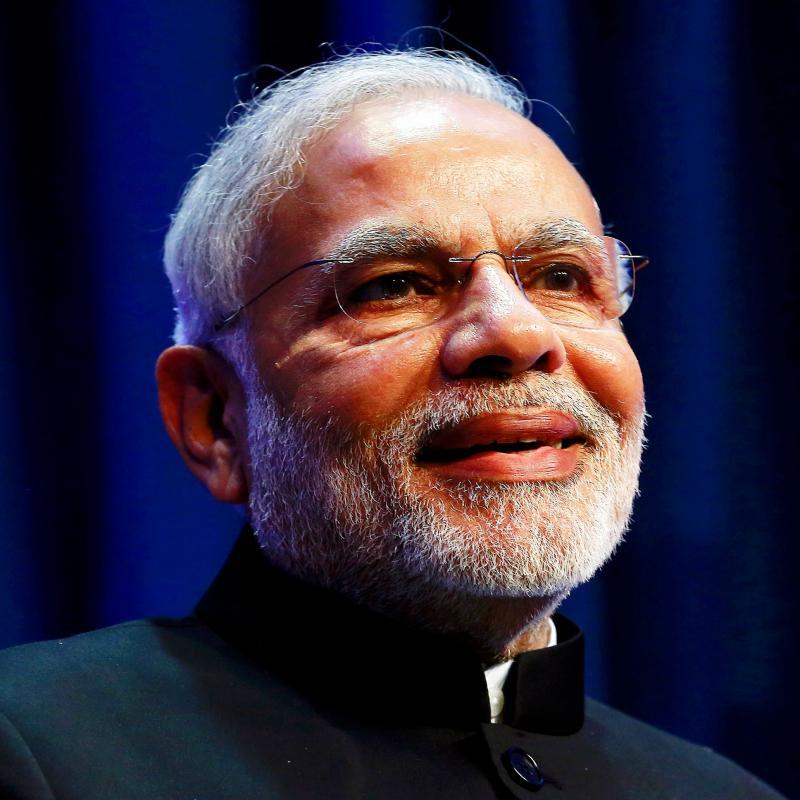
    MUMBAI: In what may be called a Herculean step, PM Narendra Modi banned Rs. 500 and Rs. 1000 notes as of midnight intervening 8 and 9 November. His live television broadcast came as a surprise to millions of unassuming Indians and the world at large, to say the least.

    Once understanding of the gravity of his announcement hit, throngs rushed to the ATMs, super markets, and chemist shops in a bid to rid themselves of the cursed notes which were to transform into waste paper overnight. In fact, retail shopping giant Big Bazaar, luxe watch chain Ethos, among many others seized this opportunity and allowed shoppers in till midnight, rightly expecting a rush. Petrol stations saw long queues even as late as the night of 9 November as desperate Indians tried to shed their 500 and 1000 notes. Foreign tourists despaired about the dud notes they had in their possession, as they neither hold bank account or post office accounts; the only currency they had was useless to them.

    By demonetizing Rs 500 and Rs 1000 notes, Modi has taken a bold stance to curb the raging black money menace and counterfeit currency that has been gnawing at the country’s economy for decades. The speed at which everything had transpired was astonishing, and many netizens lauded the move on social media.

    While this historic move is expected to contribute greatly towards nation-building, the transition phase will not be smooth. With banks shut for another day, ATMs dysfunctional temporarily until new legit denominations are restored in the banking system, life is proving tough for the public, to put it mildly. Different sectors have braced up for the varied impact this decision will bring, including the Indian television production industry.

    “For production houses like us, there are certain requirements for action props — flowers, food items, etc, which we usually buy in cash. Moreover, everyone’s travel and other conveyance compensation are also paid in cash. Not to mention the daily labour and daily-wage workers that a shoot employs… so yes, this ban has definitely created an a problem, especially with the banks shut,” explains Sol Production’s Fazila Allana.

    “Our ongoing shooting in Delhi for the show ‘Small Money Big Makeover’ which airs on FYI is currently stuck. It requires us to go out and buy stuff from the local market, and with today’s cash crunch situation, that is difficult,” she adds.

    Allana isn’t hindered by that, however, as she strongly believes that it is only temporary. “In the long term, I believe it is good for the industry. “A lot of these union workers often used to insist on cash payments, but now this sector can be regulated more effectively.”

    Asked if any of the long-running daily shows would be affected by this temporary turmoil, Allana reassured that it was highly unlikely. “Mega serials, as they are often called, will be the least affected as their shoots and contracts with artistes etc mostly operate on a monthly basis. They might be slightly inconvenienced by the sudden prop requirements, but that is all.”

    Allana, however, expressed concern over the lack of clarity on the upper limits of withdrawal for companies and the corporate, as it will be next to impossible to function if the cap for company usage is also Rs 2000 per day.

    BBC Worldwide India SVP & GM Myleeta Aga has welcomed the Prime Minister’s bold move calling it ” good to happen” to our industry.

    “There will be inconvenience, but we should all manage the inconvenience. It won’t stop our work. We mostly function with partners with whom we have long-term associations. They too understand the current situation, and are cooperating accordingly. We can use credit notes and the right available denominations for the next few days. As long as they are providing a legit service and are being paid in a legit way, there is nothing to worry about,” she adds.

    “The industry simply needs to be mindful while making cash payments in these two to three days,” says the optimistic CEO of The Contiloe Entertainment, Abhimanyu Singh.

    Asked if the TV industry will be majorly affected by this crackdown on black money hoarders, Singh says, “I don’t think the TV industry has something to worry about, most of our accounts are clean and every transaction is accounted for.”

    “In the short run, businesses will have to compromise with the change but I have faith the government has thought this out, and will effectively take action to normalise the situation. I don’t believe the prime minister would want businesses to shut down,” Singh added.


  • TV production temporarily impacted by cursed Rs 500-1000 notes

    TV production temporarily impacted by cursed Rs 500-1000 notes

    MUMBAI: In what may be called a Herculean step, PM Narendra Modi banned Rs. 500 and Rs. 1000 notes as of midnight intervening 8 and 9 November. His live television broadcast came as a surprise to millions of unassuming Indians and the world at large, to say the least.

    Once understanding of the gravity of his announcement hit, throngs rushed to the ATMs, super markets, and chemist shops in a bid to rid themselves of the cursed notes which were to transform into waste paper overnight. In fact, retail shopping giant Big Bazaar, luxe watch chain Ethos, among many others seized this opportunity and allowed shoppers in till midnight, rightly expecting a rush. Petrol stations saw long queues even as late as the night of 9 November as desperate Indians tried to shed their 500 and 1000 notes. Foreign tourists despaired about the dud notes they had in their possession, as they neither hold bank account or post office accounts; the only currency they had was useless to them.

    By demonetizing Rs 500 and Rs 1000 notes, Modi has taken a bold stance to curb the raging black money menace and counterfeit currency that has been gnawing at the country’s economy for decades. The speed at which everything had transpired was astonishing, and many netizens lauded the move on social media.

    While this historic move is expected to contribute greatly towards nation-building, the transition phase will not be smooth. With banks shut for another day, ATMs dysfunctional temporarily until new legit denominations are restored in the banking system, life is proving tough for the public, to put it mildly. Different sectors have braced up for the varied impact this decision will bring, including the Indian television production industry.

    “For production houses like us, there are certain requirements for action props — flowers, food items, etc, which we usually buy in cash. Moreover, everyone’s travel and other conveyance compensation are also paid in cash. Not to mention the daily labour and daily-wage workers that a shoot employs… so yes, this ban has definitely created an a problem, especially with the banks shut,” explains Sol Production’s Fazila Allana.

    “Our ongoing shooting in Delhi for the show ‘Small Money Big Makeover’ which airs on FYI is currently stuck. It requires us to go out and buy stuff from the local market, and with today’s cash crunch situation, that is difficult,” she adds.

    Allana isn’t hindered by that, however, as she strongly believes that it is only temporary. “In the long term, I believe it is good for the industry. “A lot of these union workers often used to insist on cash payments, but now this sector can be regulated more effectively.”

    Asked if any of the long-running daily shows would be affected by this temporary turmoil, Allana reassured that it was highly unlikely. “Mega serials, as they are often called, will be the least affected as their shoots and contracts with artistes etc mostly operate on a monthly basis. They might be slightly inconvenienced by the sudden prop requirements, but that is all.”

    Allana, however, expressed concern over the lack of clarity on the upper limits of withdrawal for companies and the corporate, as it will be next to impossible to function if the cap for company usage is also Rs 2000 per day.

    BBC Worldwide India SVP & GM Myleeta Aga has welcomed the Prime Minister’s bold move calling it ” good to happen” to our industry.

    “There will be inconvenience, but we should all manage the inconvenience. It won’t stop our work. We mostly function with partners with whom we have long-term associations. They too understand the current situation, and are cooperating accordingly. We can use credit notes and the right available denominations for the next few days. As long as they are providing a legit service and are being paid in a legit way, there is nothing to worry about,” she adds.

    “The industry simply needs to be mindful while making cash payments in these two to three days,” says the optimistic CEO of The Contiloe Entertainment, Abhimanyu Singh.

    Asked if the TV industry will be majorly affected by this crackdown on black money hoarders, Singh says, “I don’t think the TV industry has something to worry about, most of our accounts are clean and every transaction is accounted for.”

    “In the short run, businesses will have to compromise with the change but I have faith the government has thought this out, and will effectively take action to normalise the situation. I don’t believe the prime minister would want businesses to shut down,” Singh added.
  • Balaji Telefilms to restructure its motion picture business

    Balaji Telefilms to restructure its motion picture business

    MUMBAI: It’s restructuring time at Balaji Telefilms Ltd (BTL). The company has informed the Bombay Stock Exchange that it has got the board approval to rejig some of the businesses its subsidiary companies Balaji Motion Pictures Ltd (BMPL) and Bolt Media Ltd (BML).

    BMPL does both, film production and distribution. The film production part of BMPL is being carved out and demerged with BTL, with the former being left with film distribution on its plate on which it will focus. Additionally, BTL is also being merged into BTL. BML was set up help BTL have a presence in non-fiction, reality and digital content a few years ago.

    BMPL reported a revenue of Rs 22.82 crore and it had a negative net worth of Rs 47.58 crore in the year to 31 March 2016. In the past year, the company produced films such as Udta Punjab, Kya Kool Hain Hum 3, Azhar, Great Grand Mastii, and A Flying Jatt. The films that are slated to be released under its banner over the next year include: the Kamal Hassan-directed Vishwaroopam II, the Ken Ghosh-directed XXX, the Mohit Suri-directed Half Girlfriend, and the Sashanka Ghosh directed Veera Di Wedding.

    BMPL had once been placed among the top five film production companies in India. BML had revenues of Rs 65 lakh in the same period with its net worth getting wiped out to the tune of Rs 1.74 crore.

    The entire transaction – not involving any cash flow – will not impact BTL’s share capital. However, BMPL’s equity will see a reduction. Axis Capital is advising to BTL with Shardul Amarchand Mangaldas acting as the legal advisor.

    BTL says it is resorting to this so as help streamline the group’s structure as BTL is also into production. The amalgamation and demerger will result in economies of scale, improve capital allocation, cost and operational efficiency, cash flows, and utilization of resources.

    Says BTL joint managing director Ekta Kapoor: “This will help us to focus more efficiently on our content genres and formats.” Adds BTL group CEO Sameer Nair: “We are committed to improving margins and profitability and consolidation of our operations is a step in that direction leading to a better value creation for our shareholders. This will also ensure more efficient use of our senior management’s bandwidth, thereby allowing more time to focus on ALT Digital, our digital foray, which is set to redefine the entertainment viewing experience of Indians in India and across the globe.”

    The restructuring proposal, however, awaits shareholder and other legal approvals.

  • Balaji Telefilms to restructure its motion picture business

    Balaji Telefilms to restructure its motion picture business

    MUMBAI: It’s restructuring time at Balaji Telefilms Ltd (BTL). The company has informed the Bombay Stock Exchange that it has got the board approval to rejig some of the businesses its subsidiary companies Balaji Motion Pictures Ltd (BMPL) and Bolt Media Ltd (BML).

    BMPL does both, film production and distribution. The film production part of BMPL is being carved out and demerged with BTL, with the former being left with film distribution on its plate on which it will focus. Additionally, BTL is also being merged into BTL. BML was set up help BTL have a presence in non-fiction, reality and digital content a few years ago.

    BMPL reported a revenue of Rs 22.82 crore and it had a negative net worth of Rs 47.58 crore in the year to 31 March 2016. In the past year, the company produced films such as Udta Punjab, Kya Kool Hain Hum 3, Azhar, Great Grand Mastii, and A Flying Jatt. The films that are slated to be released under its banner over the next year include: the Kamal Hassan-directed Vishwaroopam II, the Ken Ghosh-directed XXX, the Mohit Suri-directed Half Girlfriend, and the Sashanka Ghosh directed Veera Di Wedding.

    BMPL had once been placed among the top five film production companies in India. BML had revenues of Rs 65 lakh in the same period with its net worth getting wiped out to the tune of Rs 1.74 crore.

    The entire transaction – not involving any cash flow – will not impact BTL’s share capital. However, BMPL’s equity will see a reduction. Axis Capital is advising to BTL with Shardul Amarchand Mangaldas acting as the legal advisor.

    BTL says it is resorting to this so as help streamline the group’s structure as BTL is also into production. The amalgamation and demerger will result in economies of scale, improve capital allocation, cost and operational efficiency, cash flows, and utilization of resources.

    Says BTL joint managing director Ekta Kapoor: “This will help us to focus more efficiently on our content genres and formats.” Adds BTL group CEO Sameer Nair: “We are committed to improving margins and profitability and consolidation of our operations is a step in that direction leading to a better value creation for our shareholders. This will also ensure more efficient use of our senior management’s bandwidth, thereby allowing more time to focus on ALT Digital, our digital foray, which is set to redefine the entertainment viewing experience of Indians in India and across the globe.”

    The restructuring proposal, however, awaits shareholder and other legal approvals.

  • Q1-17: Diversified mix boosts Eros revenue

    Q1-17: Diversified mix boosts Eros revenue

    BENGALURU: The Sunil Lulla-led Eros International Media Limited (Eros) reported 22.2 percent increase in total revenue including other income (TR) for the quarter ended 30 June 2016 (Q1-17, current quarter) as compared to the corresponding quarter of the previous year (Q1-16).

    Eros reported lower revenue of Rs 411.08 crore in the current quarter as compared to total revenue of Rs 480.59 crore in Q1-16, but considering the one-time sale of digital rights of Rs. 1,44.20 crore, its revenue for Q1-16 works out to Rs 336.39 crore. The company says that a diversified movie mix that included worldwide releases of
    Housefull 3, Ki and Ka, Nil Battey Sannata, Sardaar Gabbar Singh (Telugu), 24 (Tamil), amongst other releases helped in the double-digit increase in revenue.

    Total comprehensive income including other income after taxes in Q1-17 increased 42.9 percent year-over-year (y-o-y) to Rs 73.87 crore (18percent margin) from Rs 51.70 crore (15.4 percent margin on Rs 336.39 crore, 10.9 percent margin on TR).

    Finance cost in the current quarter increased 9.7 percent y-o-y to Rs 9.40 crore from Rs 8.57 crore. Total Expenditure in Q1-17 declined 14.4 percent to Rs 329.37 crore from Rs 384.94 crore in Q1-16. Employee Benefit Expense in the current quarter increased 52.6 percent to Rs 17.50 crore from Rs 11.54 crore in Q1-16.

    The company also had a diversified revenue mix comprising Theatrical Revenues – 52.1%, Overseas Revenues – 17.2% and Television & Others – 30.7% as a percentage of Income from Operations.

    Company speak

    Commenting on the performance of Q1-17, Eros, executive vice chairman & MD Sunil Lulla said, “Fiscal 2017 has begun on an excellent note for Eros International with notable progress on operational and strategic parameters. Our approach towards investing in high quality portfolio of film content, which is greenlit at appropriate budgets and is monetized across various revenue streams, continues to yield positive results.”.

    “This year is also marked by strong pre-sales of majority of our film slate including, Dishoom, Baar Baar Dekho, Rock On 2, Banjo as well as regional films to leading satellite channels, as a part of our de-risking strategy and ensuring revenue and cash flow visibility,” Lulla said.

    “Q2-17 has also begun well with the power packed performance of Dishoom and Happy Bhaag Jayegi and our Telugu release Janatha Garage is heading to be the biggest Telugu grosser of this year,” Lulla added.

  • Q1-17: Diversified mix boosts Eros revenue

    Q1-17: Diversified mix boosts Eros revenue

    BENGALURU: The Sunil Lulla-led Eros International Media Limited (Eros) reported 22.2 percent increase in total revenue including other income (TR) for the quarter ended 30 June 2016 (Q1-17, current quarter) as compared to the corresponding quarter of the previous year (Q1-16).

    Eros reported lower revenue of Rs 411.08 crore in the current quarter as compared to total revenue of Rs 480.59 crore in Q1-16, but considering the one-time sale of digital rights of Rs. 1,44.20 crore, its revenue for Q1-16 works out to Rs 336.39 crore. The company says that a diversified movie mix that included worldwide releases of
    Housefull 3, Ki and Ka, Nil Battey Sannata, Sardaar Gabbar Singh (Telugu), 24 (Tamil), amongst other releases helped in the double-digit increase in revenue.

    Total comprehensive income including other income after taxes in Q1-17 increased 42.9 percent year-over-year (y-o-y) to Rs 73.87 crore (18percent margin) from Rs 51.70 crore (15.4 percent margin on Rs 336.39 crore, 10.9 percent margin on TR).

    Finance cost in the current quarter increased 9.7 percent y-o-y to Rs 9.40 crore from Rs 8.57 crore. Total Expenditure in Q1-17 declined 14.4 percent to Rs 329.37 crore from Rs 384.94 crore in Q1-16. Employee Benefit Expense in the current quarter increased 52.6 percent to Rs 17.50 crore from Rs 11.54 crore in Q1-16.

    The company also had a diversified revenue mix comprising Theatrical Revenues – 52.1%, Overseas Revenues – 17.2% and Television & Others – 30.7% as a percentage of Income from Operations.

    Company speak

    Commenting on the performance of Q1-17, Eros, executive vice chairman & MD Sunil Lulla said, “Fiscal 2017 has begun on an excellent note for Eros International with notable progress on operational and strategic parameters. Our approach towards investing in high quality portfolio of film content, which is greenlit at appropriate budgets and is monetized across various revenue streams, continues to yield positive results.”.

    “This year is also marked by strong pre-sales of majority of our film slate including, Dishoom, Baar Baar Dekho, Rock On 2, Banjo as well as regional films to leading satellite channels, as a part of our de-risking strategy and ensuring revenue and cash flow visibility,” Lulla said.

    “Q2-17 has also begun well with the power packed performance of Dishoom and Happy Bhaag Jayegi and our Telugu release Janatha Garage is heading to be the biggest Telugu grosser of this year,” Lulla added.

  • Disney India confirms ending Hindi film production

    Disney India confirms ending Hindi film production

    MUMBAI: Reams and reams of newsprint and countless words have been written over the past week, about the exit of Disney India from the motion picture business and the departure of its managing director Siddharth Roy Kapur. The company refrained from reacting to any of the news reports.

    But it has now decided to issue an official statement confirming that it is indeed bringing down the curtains on its bold Hindi production initiative which it once considered as a crown jewel when it acquired UTV from Ronnie Screwvala four years ago.

    “We periodically review and realign our business priorities in response to evolving market dynamics. Given the challenges with the current economic model for investing in the local film industry, we intend to shift the focus of our film strategy to driving our Hollywood movie slate in India. These movies have enjoyed considerable success, including The Jungle Book, which is the highest-grossing Hollywood movie of all time in India. We remain optimistic about the incredible potential of the Indian market and will continue to invest in growing the Disney brand in India with our movies, television networks, consumer and interactive products, and live experiences,” reads the official statement from the company, which is to be attributed to ‘Disney spokesperson.’

    While Disney India has reserved all comments about Sid hanging up his boots, there is clear indication that he is quitting as a headhunt has commenced to find a replacement for him. .

    To many industry observers the decision to bring up the closing scene to its Hindi film production story, is not a sudden move but is a very calculated step that seeks to have it focusing on nurturing the revenue generating businesses rather than doing the balancing act at the local box office.

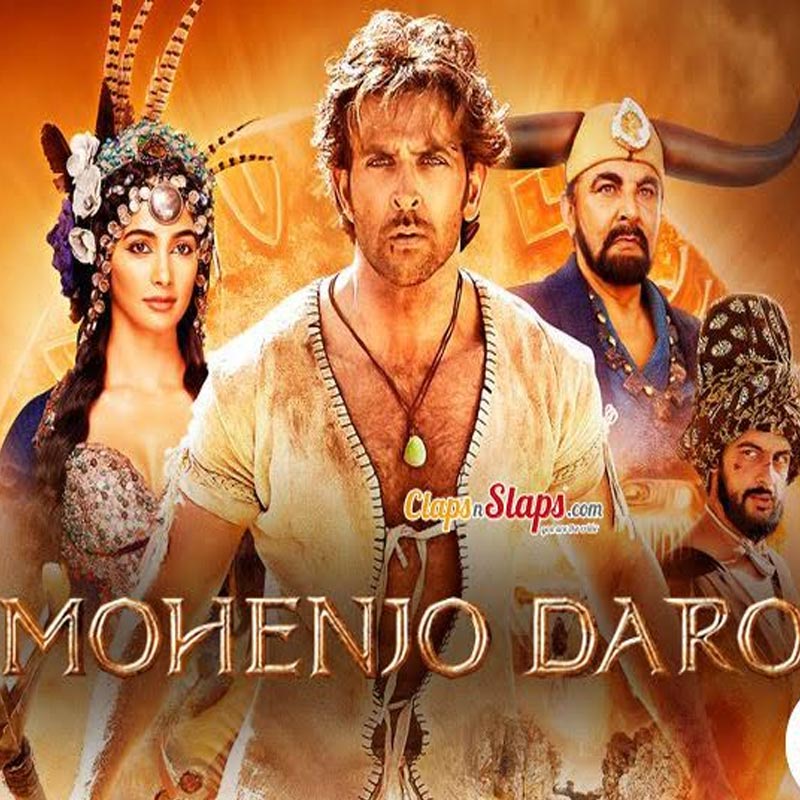
    While some may point that it is the dud performance of Mohenjo Daro at the box office that served as the catalyst behind this decision, it is the overall market dynamics that doesn’t favour profitability in the movie making business, is Disney India’s belief.

    The Hindi box office has been declining in the last few years whereas Hollywood has grown by almost 50 per cent this year. Out of the 250 plus Hindi movies that release every year and within the top 20, less than half the films make profits for the investing studio. Considering the cost of each film, it is very hard to get that money back and make moolah with the limited screens that the country has, shared a veteran in the movie distribution business. Even if a movie does make money, a lion’s share of that profit goes to the stars.

    Since Walt Disney is in the business of making money, staying in the Hindi film market doesn’t make sense for it.

    “Few of the projects that they have greenlit didn’t make practical sense honestly. Filmmakers and studios need to draw realistic budgets if they are to stay in business. A movie like Mohenjo Daro that required a heavy budget due to its historic storyline didn’t seem like a sensible investment from a business standpoint. Not to mention instead of a solo release, it hit the screens with another project and therefore the number of screens it was exposed to were less,” opined Mumbai-based film distributor Rajesh Thadani.

    To be fair to Disney India, Thadani shared that several other studios including Balaji and 20th Century Fox have had their fair share of mistakes and calls this development at Disney India a cue for the film industry to do a reality check for a more realistic approach to making films. “It won’t impact the film making in the industry but it definitely has given the corporate world food for thought,” he shared.

    While the studio will not sign any new production deals in the Indian film market, it will release the promised magnum opuses with due diligence — Dangal in December 2016 and Jagga Jasoos in April 2017.