Category: Production House

  • IFTPC proposes Bio-Bubble plan before Maharashtra Govt

    IFTPC proposes Bio-Bubble plan before Maharashtra Govt

    MUMBAI: Film and TV land juddered to a halt on Wednesday after the Maharashtra government imposed a ban on filming for a period of two weeks owing to the skyrocketing cases of Covid2019 in the state.

    The new order is part of the Break The Chain guidelines, that states all shoots of films, television and advertisement will be put on hold from 14 April to 1 May. Until this order, production had been taking place with restrictions like avoiding filming scenes with large crowds or background dancers and no shoots during the weekend lockdown.

    As the television and film industry gears up to brace the impact of the two-week-long restrictions in Maharashtra, several entertainment bodies and broadcasters met on Wednesday and decided to appeal to state chief minister Uddhav Thackeray to allow certain production-related activity by following Covid2019 safety protocols.

    Television producer and Indian Films & TV Producers Council (IFTPC) chairman TV wing & web JD Majethia has said that while the entire fraternity supports the government in its fight to curb the spread of Covid2019, they have decided to approach Thackeray to allow shoots to go on with stricter measures.

    “We are writing to the CM for a few exemptions during the next two weeks. People look forward to entertainment and fresh content while being confined to their homes during such a trying time,” said Majethia.

    He also mentioned that the production houses who have created a bank of upcoming episodes will sustain and those who do not have fresh episodes in the pipeline will have to air repeat telecasts.

    “Some film and television producers are also mulling over plans to shift productions to locations outside Maharashtra like Goa or nearby places to commence the shooting,” said Swastik Productions MD Rahul Kumar Tewary, who is currently shooting in Gujarat. “They are also changing the track of the shows to current times. The whole industry is facing a very challenging time despite following all the Covid2019 protocols the situation is uncontrollable and unpredictable. Broadcasters are also planning whether they want to air original content or repeat telecasts.”

    The new restrictions could impact the shooting of around 90 TV shows, 50 Hindi movies, and 40 Marathi films. Apart from these, the production of a large number of web series will also be impacted.

    While echoing the sentiment, Majethia mentioned that rather than changing locations, it would be easier for a fiction show to alter its storyline. However, it can be extremely difficult for a non-fiction property to create a whole new infrastructure, he highlighted. “Moving the entire cast and crew to a new location is a possibility but what will we do if the situation gets worse over there as well? A lot of shootings were happening in Madhya Pradesh but the government soon announced a lockdown, due to which ongoing shootings were immediately halted. These kinds of situations can happen anytime,” the producer said.  

    With the double-edged sword of rising caseloads and production shutdown at any time hovering over their heads, representatives of several producers’ bodies have decided to propose creation of bio-bubbles to the state government.

    “This week, along with other stakeholders of the industry, we will present our plan on bio-bubble to the government. Through this move we are trying to build a confidence among government officials that if shooting gets resumed, we have a protected environment where we can shoot,” Majethia explained. 

    He also expressed fears that if the lockdown continues and fresh content dries up, it could be difficult to retain existing viewers, who may migrate to online streaming platforms for good.

    Elara Capital research analyst Karan Taurani said TV shows will be most impacted by the shutdown, specifically Marathi and Hindi fiction and non-fiction shows.

    Meanwhile, broadcasters and producers are working in tandem to tackle the situation. There is no penalty on late delivery of content and discussions are underway on extending the budget in case of outdoor shoots.

    “TV broadcasters generally have a buffer of 10-15 days before a fresh episode is shown, hence the impact will be minimal if this restriction stays for 15 days, however in case of any extension, it will have a negative impact for broadcasters," pronounced Balaji Telefilms CEO Karan Taurani.

    Bollywood is also feeling the heat. Films like Shah Rukh Khan-starrer Pathan, Salman Khan-led Tiger 3 and Amitabh Bachchan’s Goodbye that were filming under these restrictions are now in limbo. Moreover, the industry is bearing losses as spot boys and other daily wagers have returned to their hometown due to no work.

    “We support lockdown, but there has to be a way for us. The government talks about others but not daily wagers in our industry,” said the president of the All Indian Cine Workers Association.

  • Maharashtra shuts all TV, film shoots till 1 May

    Maharashtra shuts all TV, film shoots till 1 May

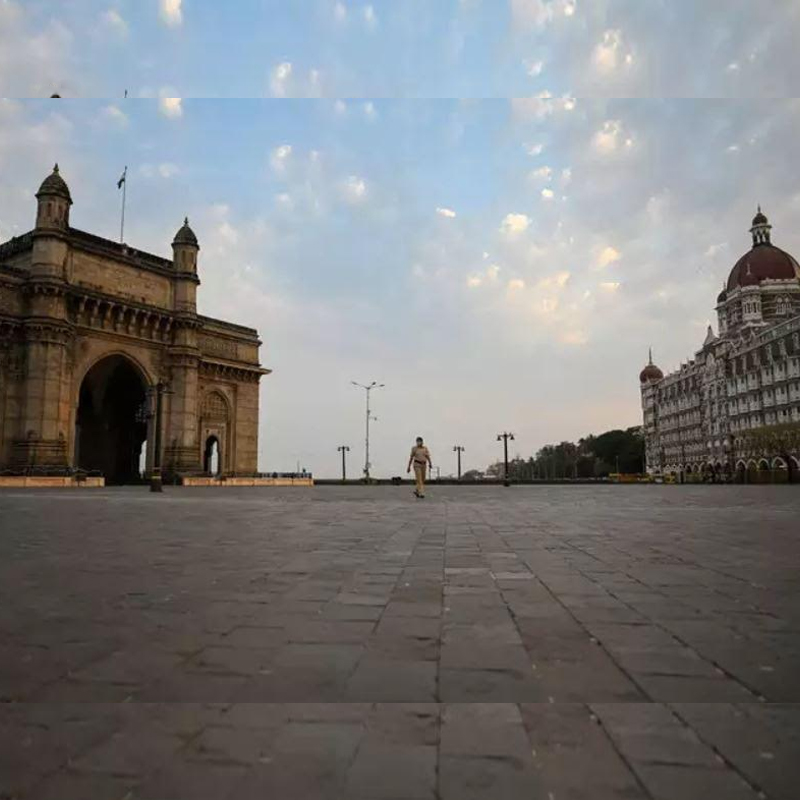
    New Delhi: With no slowdown in sight in the surge of Covid2019 cases, the Maharashtra government has decided to shut down all ongoing television and film shooting from 8 pm on Wednesday. The restrictions will remain in effect till 7 am on 1 May.

    The state is grappling with an alarming rise in the number of Covid2019 infections and has the maximum caseloads, more than any other state, amidst the second wave tearing through the country. Chief minister Udhav Thackeray said the current situation was “scary”, with hospitals across the state battling with acute shortage of beds, oxygen cylinders and lifesaving drugs.

    Thackeray stopped short of using the term ‘lockdown’, but said only essential activities and services will be permitted to operate for the next two weeks. The government has announced closure of all schools, colleges, restaurants, hotels, cinema halls, theatres, multiplexes, gyms, sports complex, amusement parks and all religious places. E-commerce will be allowed for the delivery of goods. Section 144 will be imposed across the state from 8 pm Wednesday till 7 am on 1 May.

    Television producers and broadcasters who were already reeling under the economic fallout of the pandemic will now have to face the challenge of running daily shows amid these strict restrictions. Several TV and film shoots have already been bearing the brunt of the pandemic during the last two weeks, with an increasing number of artists and staff members testing positive for Covid2019.

    Shooting of TV shows like Wagle Ki Duniya, Anupamaa and films like Gangubai Kathiawadi, Mr Lele, Ram Setu were halted after several Covid-positive cases were reported on the sets. The Indian Film and Television Producers Council (IFTPC) had also been urging the producers to ensure their staff is being regularly tested for Covid2019. The government had already announced the closure of cinema halls and multiplexes last week.

    The cases and fatalities have peaked sharply in Maharashtra over the last few weeks with as many as 60,000 cases being reported daily. The state has already lost as many as 58,000 lives to the pandemic. The capital city of Mumbai has reported as many as 7,898 new positive cases on Tuesday and reported 26 deaths, taking the total number of positive cases to 5,35,017.

  • Zee Entertainment inks content production deal with Japan’s TBS

    Zee Entertainment inks content production deal with Japan’s TBS

    NEW DELHI: Indian media conglomerate Zee Entertainment has inked a deal with Japan's Tokyo Broadcasting System Television (TBS) that will see the two companies jointly produce diverse content not only for India and Japan but also for the global market. 

    The first joint effort between Zee Entertainment and TBS will be The Spiceman Trails: Asia, a unique culinary travelogue that delves into spice roots and spice routes of the east. 

    "Its picturesque imagery, vivid landscapes, and brilliant hues take the audience across the continent in search of a wide array of spices, deep-rooted history, multifarious cuisine, and rich culture and traditions in a most entertaining way," the companies said in a joint statement. 

    TBS is one of Japan's largest media groups which celebrates its 70th anniversary this year. In Japan, the company has operations in various areas of entertainment that include, free-to-air TV and radio, satellite TV, digital streaming and film, stage and event production. 

    On the other hand, Zee Entertainment is one of the largest media houses in India with 47 domestic channels across 11 native languages under its belt. 

    "We are thrilled to partner with an accomplished broadcaster like TBS on The Spiceman Trails: Asia. We look forward to curating and collaborating on other concepts across other entertainment genres," said Zee chief business officer Sunita Uchil. 

    TBS general manager of the international business center Takahiro Kawata revealed that his company is very excited to collaborate and work with Zee Entertainment. Kawata also added that he is looking forward to work with vibrant and creative people in India. 

  • Get crew members tested for Covid, IFTPC urges TV producers

    Get crew members tested for Covid, IFTPC urges TV producers

    MUMBAI: With no slowdown in sight in the number of Covid2019 cases in Maharashtra, the Indian Films and Television Producers Council (IFTPC) has urged all television producers to conduct RT-PCR/antigen tests of crew members working on ongoing projects. The statement comes at a time when the state government is mulling a complete lockdown for two weeks to combat the second wave of infections.

    Maharashtra is battling an unprecedented surge of Covid2019 cases, with nearly 60,000 cases being reported daily for the past few days. As many as 394 people lost their lives in the past 24 hours taking the death toll to 57,987.The state worst hit by the ongoing pandemic was forced to enforce a night curfew and a weekend lockdown last week. Except for essential services, it announced the closure of all other businesses, including theatres, cinema halls, and multiplexes till 30 April. However, the film and television shoots were permitted to continue amid restrictions.

    In a statement, the IFTPC said that it has asked the producers of 90 TV shows to conduct Covid2019 tests of their entire crew and submit a report. It has already received confirmation of as many as 9,000 tests, it stated further. The tests will be repeated after 15 days as per the ‘Break the Chain’ guidelines. The association has, however, mandated that antigen tests be done every week for additional safety.

    IFTPC chairman TV & web wing JD Majethia mentioned that broadcasters have borne the cost of the tests. "All the necessary guidelines are being followed scrupulously. We have also urged the producers to create a bio-bubble of the sets and post-production facilities for total safety,” he said, adding that the work on bio-bubble has already commenced and will fructify in a couple of days.

    Several on-ground productions including Ram Setu, Gangubai Kathiawadi, and Dharma Productions-backed Mr. Lele were impacted after actors, as well as other members on the sets, tested positive for the novel Coronavirus. Filming of Wagle Ki Duniya and Anupamaa was also halted after some members on the sets tested positive. Mumbai itself has recorded nearly 10,000 positive cases in the past 24 hours and recorded 79 deaths. Other cities like Aurangabad, Pune, Nashik, Thane also remain badly affected.

    Majethia said the television industry has been continuously producing entertaining shows which help the people to stay at home and bring relief to their stressful life. “We hope the government will treat the industry as an essential service and its workers as frontline workers,” he stated.

    On Sunday, chief minister Udhhav Thackeray held a meeting with the Covid2019 task force to discuss the current situation and the duration of a state-wide lockdown and its potential economic fallout. Thackeray had earlier warned that a lockdown is imminent if there is no let-up in cases. Talking to reporters post the meeting, state health minister Rajesh Tope said most of those present at the discussion were of the view that a lockdown should be imposed in the state for at least two weeks. However, he added that a final decision regarding imposing a lockdown in Maharashtra will be taken after 14 April.

    The state has administered Covid2019 vaccines to over a crore people so far.

    The second wave of Covid2019 and another lockdown could land a serious blow to the entertainment industry, which is still recuperating from the damages incurred last year due to an extended shutdown. Apart from the loss of revenue and the impact on the workforce, the restrictions have also put a question mark over the revival of the film exhibition business.

    What the second Covid2019 wave means for Maharashtra

    The IFTPC had earlier cautioned the producers about a potential "September-2020" like situation developing again and urged them to avoid outdoor shoots with immediate effect. Meanwhile, the Federation of Western India Cine Employees (FWICE) formed a monitoring team to ensure that all Covid2019 shooting guidelines, including safety precautions on the set, avoiding filming of crowd sequences are strictly followed.

  • Zee TV’s Aparna Bhosle on changing the content game in television

    Zee TV’s Aparna Bhosle on changing the content game in television

    MUMBAI: Traditional television broadcast has long been a staple of entertainment. But as the fast-growing internet and over-the-top (OTT) video platforms make inroads into the consumer market, more and more people are beginning to cut the cord and move to a digital viewing experience. The rules of the content game have changed. Digitisation has lifted barriers and offered a multitude of opportunities to tell stories that were once impossible to tell and it has become more important than ever for broadcasters to up their game in terms of content quality.

    Indiantelevision.com’s Shikha Singh spoke to Zee TV business head Aparna Bhosle on how this transformation has impacted the audiences’ demands, the use of newer technologies, shooting techniques to meet the ever-growing need of viewers for quality entertainment and more.

    Edited Excerpts:

    On what has led to the growth of TV shows.

    Technology has evolved over the years and has certainly contributed significantly to our shows looking much better visually. We have more sophisticated cameras and lenses today, much better visual effects, and cutting-edge post-production software. But, at the end of the day, it is more about a maker's intent. Our audiences are far more exposed to global content than they ever were. Hence we, as makers, have started putting in a lot more effort into every small detail which makes the content look more aesthetic and visually appealing. It is not only about monetary investment but also investment in terms of time and thought. A lot more thought goes into production design which overall results in shows looking much better.

    On changes they have introduced to improve the look and feel of the shows.

    Shooting on Sony F5 is a standard in today's time. We even shoot on more sophisticated cameras such as Arri Alexa, Sony FX9. These are some cameras that have given great results even in low lighting conditions and the picture quality is top-notch. And with the advent of specialty equipment such as drones, Go-Pros, one can bring alive the scale of production values.

    Apart from that, more and more technicians are now experimenting not only with cameras but also lighting techniques. The days of flat lighting are long gone. Today's storytelling requires different shows to have different lighting. It is not just about having the latest technology at your disposal, it is more about how one leverages it to narrate a story more effectively. Technicians today love to experiment and create new looks for the show. They play with camera angles, lighting techniques which overall helps in achieving a new contemporary look. Sound, too, plays a very important role in storytelling. Today, our shows come with a Dolby digital 5.1 output which gives our viewers a high-quality sound experience while watching TV.

    On advantages of shooting in 4K.

    Shooting in 4K means more resolution, deeper colours, more creative options to work with during post-production. But the 4K files are heavy, which means more time to grab, hence for daily shows, it becomes time-consuming and not viable as a process. Shooting in 4K is possible in the case of certain events or promos that provide sufficient timelines between the dates of the shoot and on-air telecast.  

    On what kind of discussion goes on with production houses before creating any property.

    Detailed discussions between the channel and the production house right from the concept of a show, the narrative and the pace at which the storytelling should unfold, the key drama spikes, the characterisation, casting, core communication pitch, the production design, and the overall look and feel of the show are an integral part of the show’s making. As one moves closer to the show going on the floor, aspects such as set design, art direction, costume styling, camera treatment, and edit patterns get discussed.  

    Today, with the audience being far more exposed and discerning,  it is imperative for every broadcaster to display their A-game to hold and sustain audience interest.

    On how shows are made and changes introduced in the script.

    Just a few years ago, a tape used to be delivered from the editing studio to a channel’s office for transmission. Today, the same is achieved by a simple file transferring process. Content production is a dynamic process, and we are always eager to introduce new technology into our ecosystem. The journey from envisioning to execution is always a challenging one. As far as scripting is concerned, technology has given far more creative freedom to content creators as a lot of sequences that were earlier unthinkable in terms of execution have now become possible and even cost-effective.

    On how digitalisation has changed content production on TV.

    It has certainly lifted a lot of barriers. The camera quality is far better. Cameras can now shoot much better in low light conditions; they are lighter in weight, there is sophisticated equipment to shoot underwater, action sequences, etc. Our requirement for lights has considerably reduced. Shooting in uncontrolled environments, outdoors has become far easier. Footage transfer has become faster. The advancement in visual effects has empowered us to bring our viewers stories that were once impossible to tell.

    The post-production process has gone through a mammoth leap. The process of DI (digital intermediate, or digitising filmed content and manipulating the colour and other image characteristics), colour grading, sound effects, and background music were all very time-consuming and today can be achieved in a decent timeline. From a viewer's point of view, they are experiencing content with never-seen-before visual and audio quality and further advances in digitisation will only help us to up our ante.

  • BBC Studios taps Phil Hardman as SVP & general manager – Asia

    BBC Studios taps Phil Hardman as SVP & general manager – Asia

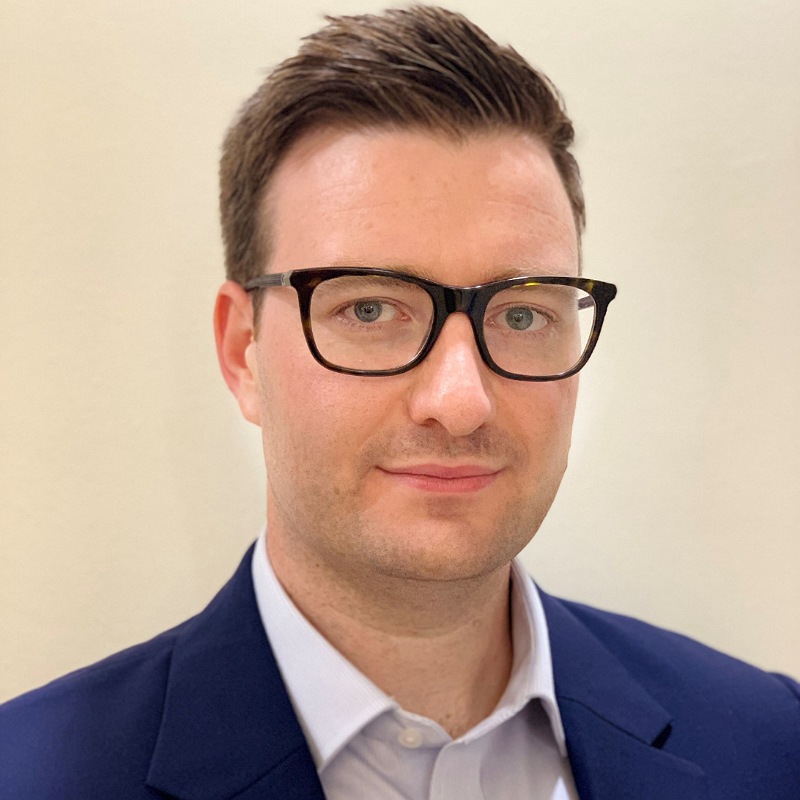
    NEW DELHI: BBC Studios will align the key markets of India, southeast Asia, Japan and Korea in a group to be led by Phil Hardman as the new SVP & general manager – Asia, BBC Studios. The appointment was announced today by BBC Studios EVP – APAC Jon Penn, as he outlined a simpler, more agile APAC structure to help drive future growth in the region.

    In this new role, Hardman will lead the global distribution teams working in Singapore, Mumbai and Seoul, as well as hold responsibility for developing the Asia growth strategy across the region, in territories including India, Japan, South Korea, Singapore, Malaysia, Thailand, Indonesia, Philippines and Vietnam.

    Until recently, Hardman was the SVP commercial strategy for Asia, and last year he also took on the acting lead role of SVP & GM greater China, while recruitment was underway. This organisational change streamlines the BBC Studios APAC business structure, headed by Phil Hardman as SVP & GM Asia, Ding Ke as SVP & GM greater China and Fiona Lang, as GM Australia & New Zealand, who will all report in to Jon Penn. A new strategy manager for Asia will also be appointed to support the region and report into Penn.

    Leading the region’s new content direction as it explores new partnerships and platforms, Ryan Shiotani will move from his current role as SVP & general manager of south and southeast Asia into a key new role as SVP content, Asia & greater China. He will be the regional editorial lead across existing and new branded services, as well as advising on brand and content strategy in Asia and greater China.

    Jon Penn said: “Phil has demonstrated through his contribution over recent years that he is a strategic thinker and leader who will help turbo-charge our growth in the region. Along with Fiona and Ding Ke, I have three formidable commercial leaders in APAC who will help us identify and build on the opportunities in this rapidly evolving market. The key to our success lies in our premium offering and I am pleased that Ryan, who is a consummate content expert, will be our editorial lead, working across our services and brands in Asia and Greater China.”

  • MS Dhoni gets an animated avatar as ‘Captain 7’

    MS Dhoni gets an animated avatar as ‘Captain 7’

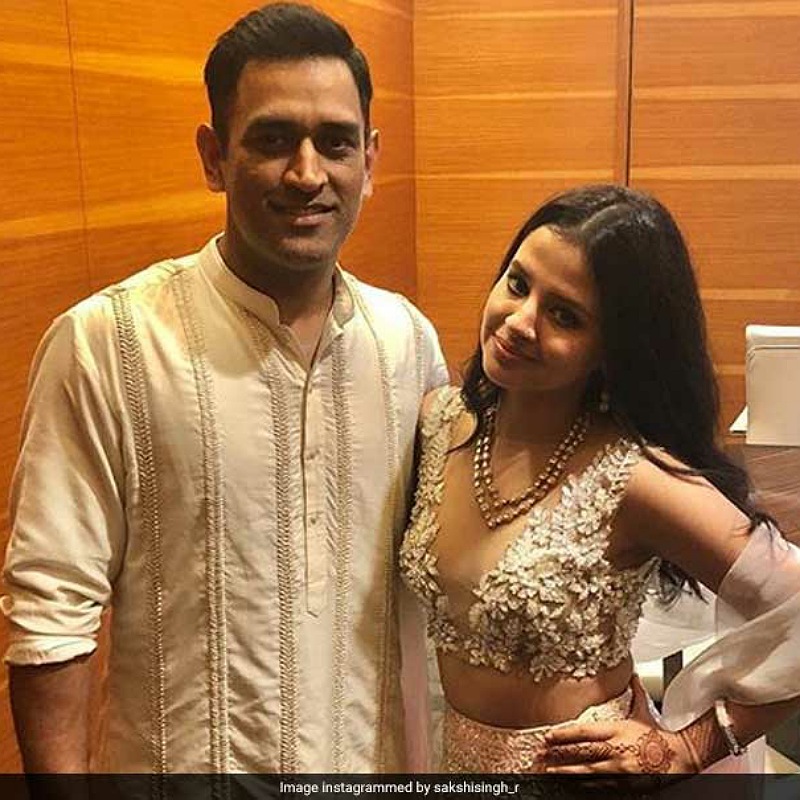
    MUMBAI: Cricketer MS Dhoni and wife Sakshi’s production house Dhoni Entertainment has teamed up with Black White Orange Brands (BWO) to create a secret-agent animated universe. The first edition in the universe will be based on the iconic cricketer himself.

    Captain 7 – an animation fiction show based on MS Dhoni, is slated to launch in 2022 and is being co-produced by Sakshi Singh Dhoni and BWO. The series is currently under pre-production.

    A brand-consulting company, this marks BWO’s first foray into content. The vision of this partnership is to create a premium animation show, followed by a new season in the franchise every year. The content will be distributed across multiple platforms worldwide.


    MS Dhoni in a statement said, “The concept and story is great. It will bring to life my other passions along with cricket.”


    Dhoni Entertainment MD Sakshi Singh Dhoni added, “When BWO came to us with the concept of an animation fiction show based on Mahi, we were on board. A whole lot of adventure awaits you with Captain 7.”

    BWO founder & CEO Bhavik Vora mentioned, “Creating aspirational Indian brands was one of the core thoughts when we started BWO. While our focus has been licensing, we’ve always explored clutter-breaking new avenues. This is our first foray into original content and what better way than to take MSD’s legacy forward. Sports is close to our hearts and we are huge Dhoni fans – the perfect formula to create Captain 7.”

    This isn’t the first time that Dhoni has dabbled in the entertainment space – in 2019, the former Team India captain starred in with docu-drama web series Roar of the Lion. Moreover, reports are doing the rounds that his media firm will back a mythological sci-fi series, based on an unpublished ebook by a debutant creator.

  • The Entertainment Factory merges with Sai Mehar Media

    The Entertainment Factory merges with Sai Mehar Media

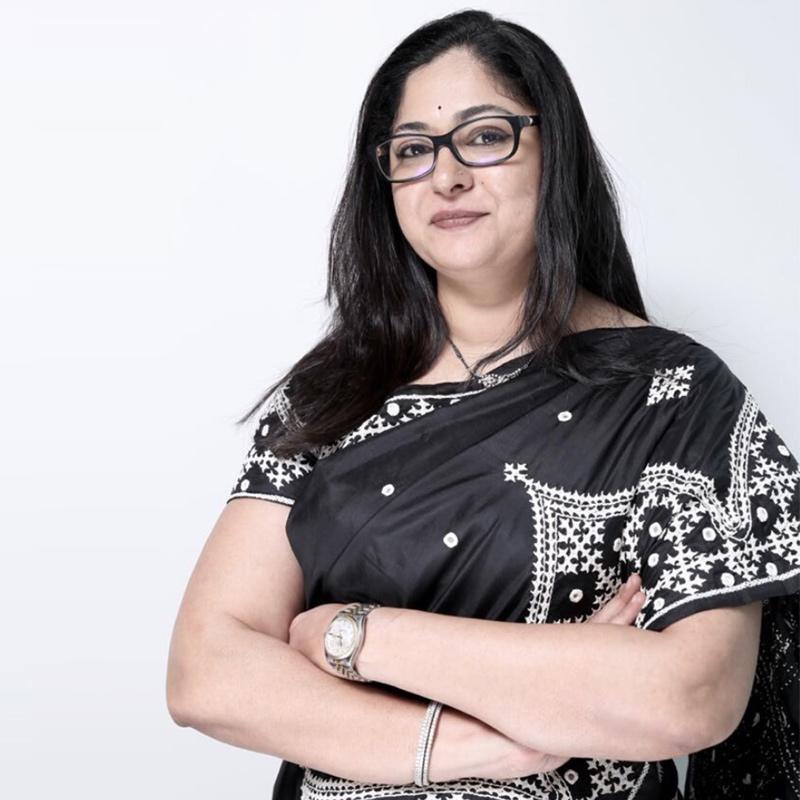
    MUMBAI: Large format event producer The Entertainment Foundation (TEF) has announced a merger with Dada Saheb Phalke Film Foundation awardee and Sai Mehar Media founder Rajiee M Shinde.

    TEF has various intellectual properties in the live entertainment and special events space, with a special focus on creating live stand-up comedy and music concepts. The company has produced and managed several large format events, live concerts, live stand-up comedy and mega productions.

    Shinde holds an extensive experience of more than 20 years within the entertainment spectrum and has served as ex-CEO of Showbox, co-founder of PTC Network and business head ETC Punjabi of Zee Group. Over the last two decades, she has been instrumental in launching new channels, designing new IPs like Punjabi music awards, Punjabi film awards, reality shows, talent hunts, live events within India and abroad. She has also produced two chart-busting Punjabi films –Disco Singh and Zorawar featuring Diljit Dosanjh and Yo Yo Honey Singh.

    Presently, her company Sai Meher Media is into releasing and distributing Hindi, Punjabi and Haryanvi songs, managing artists, providing celebrity shout outs and endorsements and syndicating content for OTT platforms and satellite channels.

    TEF, along with Shinde, plans to introduce new IPs and multi-starrer events like music awards (Hindi, Punjabi and other Indian languages), Indian comedy awards (Hindi & Punjabi), music festivals, and theme based properties in the coming months.

    The Entertainment Factory founder Mubin Tisekar said, “It is an honour to be working with someone of Rajiee’s stature and credit. Her experience and brilliance are sure to bring us success in our endeavour together. We plan to create more opportunities for the upcoming talent and show appreciation towards those that have shown trust in TEF and grown with us.”

    “It is always a pleasure to work with professionals who are passionate about their work. I love the industry I hail from, and meeting fresh talent while giving them a platform has been my passion and goal,” stated Sai Mehar Media CEO Rajiee M Shinde. “With TEF, I hope we can reach out to more artists and provide them more opportunities with interestingly curated events and properties that can  add value to the ever-blooming entertainment industry.”

  • Zodiak Kids secures co-development deal for detective series

    Zodiak Kids secures co-development deal for detective series

    MUMBAI: Zodiak Kids Studios, part of Banijay, has secured a co-development deal with Asner Productions to develop a live action TV series for eight–12 olds, based on the book series, The Wollstonecraft Detective Agency.

    The first book from The Wollstonecraft Detective Agency was published by Penguin Random House in 2015 and there are now four books across the series from best-selling author Jordan Stratford.

    In the series, history, mystery, science, and unlikely friendship collide in an alternate 19th Century London, where teens Ada Lovelace (the world’s first computer programmer) and Mary Shelley (author of Frankenstein) meet and form a detective agency – a secret constabulary for the apprehension of clever criminals.

    Steven Andrew said, “We are delighted to be working with Anne-Marie to bring to life this wonderfully inventive and imaginative retelling of these two remarkable young women. Zodiak Kids has brought many entertaining and thought- provoking live action drama series to children worldwide, such as BAFTA Winning Joe All Alone, Secret Life of Boys & Millie Inbetween (CBBC) and The Lodge (Disney), and we are looking forward to bringing The Wollstonecraft Detective Agency into our portfolio.”

    Asner productions founder & co-development partner Anne-Marie Asner said, “I was drawn to the Wollstonecraft series because of its contemporary feel applied to a period piece for kids. I believe its unstoppable science and literary odd couple girl leads alongside its use of real historic figures, like Ada Lovelace, Mary Shelley, Charles Dickens, will be aspirational role models for viewers. And who wouldn’t want to spend time with brilliant, eccentric and unintentionally funny Ada or feel calmed knowing that savvy, well-mannered and well-read Mary could smooth any social calamity? Wollstonecraft’s Ada and Mary are who many of us would like to be or at least have as our best buddies.”

    The executive producer for the series will be Steven Andrew, creative director, Zodiak Kids.

    Zodiak Kids own international distribution rights to the series.

  • Crucial for broadcasters and production houses to invest in better technology

    Crucial for broadcasters and production houses to invest in better technology

    MUMBAI: Helmed by the creative duo Alind Srivastava and Nissar Parvej, Peninsula Pictures has been entertaining television viewers since 2015. From fantasy to supernatural and mythology, the production house has attempted to explore different genres in a short span. It recently dabbled in creating a historical drama with TV show RudraMaa Devi which went on air on Telugu channel Star Maa.

    “When we started in 2015, we didn’t have enough capital to start a production house. Our decision to still go ahead was purely based on instincts. It began with a TV show for Star Bharat titled Mayavi Maling. Soon, [we were] approached by Zee TV to make a supernatural love story – Vishkanya, which ran for around 140 episodes,” Peninsula Pictures founder Alind Srivastava told Indiantelevision.com.

    This was followed by Dev – a suspense drama series revolving around the life of ace detective Dev Burman, who uses his expertise to investigate various crimes. The show debuted on Colors TV in August 2017 and lasted for as many as 71 episodes.

    “It is all about good storytelling,” said Srivastava, when asked about the factors which drive the popularity of the shows. One of its most popular mythological drama series – Paramavatar Shri Krishna – went on air on &TV in June 2017 and became one of its longest-running shows with 687 episodes. Some of the other shows include Vishkanya, Mayavi Maling, Vish: A Poisonous Story, and Vikram Betaal Ki Rahasya Gatha.

    The production house is currently producing Aladdin – Naam Toh Suna Hoga and Hero Gayab Mode On on Sony Sab. They have also rolled out a new mythological show titled Paapnashini Ganga on the newly launched Hindi GEC Ishara.

    But their journey in TV production was far from a smooth one, the duo shared, as they recalled an incident during the shooting of the TV show Vishkanya, which almost convinced them to shut down the company. “We were mulling over the closure, but before we could even arrive at a decision, we got the opportunity to work on two more shows,” recalled Srivastava.

    Peninsula Pictures co-founder Nissar Parvej chimed in, “In fact, now when we look back, we realise it was the right time to start a production house. There are so many OTT platforms and it is only going to go upwards from here.”

    The Peninsula group has now grown into an integrated and diversified television production house which also owns Peninsula TV and Peninsula Studio, responsible for creating VFX content for their TV shows. The extensive use of VFX and CGI was evident in its sci-fi superhero saga Hero Gayab Mode On, where special effects have been utilised liberally to create an alien spaceship, along with drone footage of Mumbai city to depict an alien world.

    “Virtual production has immense scope, especially in the post-pandemic era. It has become challenging for producers to shoot outdoors with ease,” noted Parvej. Citing the example of one of their own series, he added, “For Paapnashini Ganga, we wanted to shoot some scenes in and around Uttarakhand, Kashmir, Devprayag, and Rudraprayag. But, we could not do it because of the pandemic restrictions.”

    With the rising demand for OTT-like content, the duo believe, it has become important for production houses to master the usage of new technology in their shows.

    “MoCap (motion capture) can be used for live-action shows and animated and 3D shows. We will also see more usage of motion track cameras. Whenever we approach any network or streaming platform, we insist that we need to invest in this particular technology. Investing in good tools and technology is similar to putting money in casting and writing, it is equally important. We need to up the game,” Srivastava signed off.