Category: Film Production

  • Q1-17: Diversified mix boosts Eros revenue

    Q1-17: Diversified mix boosts Eros revenue

    BENGALURU: The Sunil Lulla-led Eros International Media Limited (Eros) reported 22.2 percent increase in total revenue including other income (TR) for the quarter ended 30 June 2016 (Q1-17, current quarter) as compared to the corresponding quarter of the previous year (Q1-16).

    Eros reported lower revenue of Rs 411.08 crore in the current quarter as compared to total revenue of Rs 480.59 crore in Q1-16, but considering the one-time sale of digital rights of Rs. 1,44.20 crore, its revenue for Q1-16 works out to Rs 336.39 crore. The company says that a diversified movie mix that included worldwide releases of
    Housefull 3, Ki and Ka, Nil Battey Sannata, Sardaar Gabbar Singh (Telugu), 24 (Tamil), amongst other releases helped in the double-digit increase in revenue.

    Total comprehensive income including other income after taxes in Q1-17 increased 42.9 percent year-over-year (y-o-y) to Rs 73.87 crore (18percent margin) from Rs 51.70 crore (15.4 percent margin on Rs 336.39 crore, 10.9 percent margin on TR).

    Finance cost in the current quarter increased 9.7 percent y-o-y to Rs 9.40 crore from Rs 8.57 crore. Total Expenditure in Q1-17 declined 14.4 percent to Rs 329.37 crore from Rs 384.94 crore in Q1-16. Employee Benefit Expense in the current quarter increased 52.6 percent to Rs 17.50 crore from Rs 11.54 crore in Q1-16.

    The company also had a diversified revenue mix comprising Theatrical Revenues – 52.1%, Overseas Revenues – 17.2% and Television & Others – 30.7% as a percentage of Income from Operations.

    Company speak

    Commenting on the performance of Q1-17, Eros, executive vice chairman & MD Sunil Lulla said, “Fiscal 2017 has begun on an excellent note for Eros International with notable progress on operational and strategic parameters. Our approach towards investing in high quality portfolio of film content, which is greenlit at appropriate budgets and is monetized across various revenue streams, continues to yield positive results.”.

    “This year is also marked by strong pre-sales of majority of our film slate including, Dishoom, Baar Baar Dekho, Rock On 2, Banjo as well as regional films to leading satellite channels, as a part of our de-risking strategy and ensuring revenue and cash flow visibility,” Lulla said.

    “Q2-17 has also begun well with the power packed performance of Dishoom and Happy Bhaag Jayegi and our Telugu release Janatha Garage is heading to be the biggest Telugu grosser of this year,” Lulla added.

  • Disney India confirms ending Hindi film production

    Disney India confirms ending Hindi film production

    MUMBAI: Reams and reams of newsprint and countless words have been written over the past week, about the exit of Disney India from the motion picture business and the departure of its managing director Siddharth Roy Kapur. The company refrained from reacting to any of the news reports.

    But it has now decided to issue an official statement confirming that it is indeed bringing down the curtains on its bold Hindi production initiative which it once considered as a crown jewel when it acquired UTV from Ronnie Screwvala four years ago.

    “We periodically review and realign our business priorities in response to evolving market dynamics. Given the challenges with the current economic model for investing in the local film industry, we intend to shift the focus of our film strategy to driving our Hollywood movie slate in India. These movies have enjoyed considerable success, including The Jungle Book, which is the highest-grossing Hollywood movie of all time in India. We remain optimistic about the incredible potential of the Indian market and will continue to invest in growing the Disney brand in India with our movies, television networks, consumer and interactive products, and live experiences,” reads the official statement from the company, which is to be attributed to ‘Disney spokesperson.’

    While Disney India has reserved all comments about Sid hanging up his boots, there is clear indication that he is quitting as a headhunt has commenced to find a replacement for him. .

    To many industry observers the decision to bring up the closing scene to its Hindi film production story, is not a sudden move but is a very calculated step that seeks to have it focusing on nurturing the revenue generating businesses rather than doing the balancing act at the local box office.

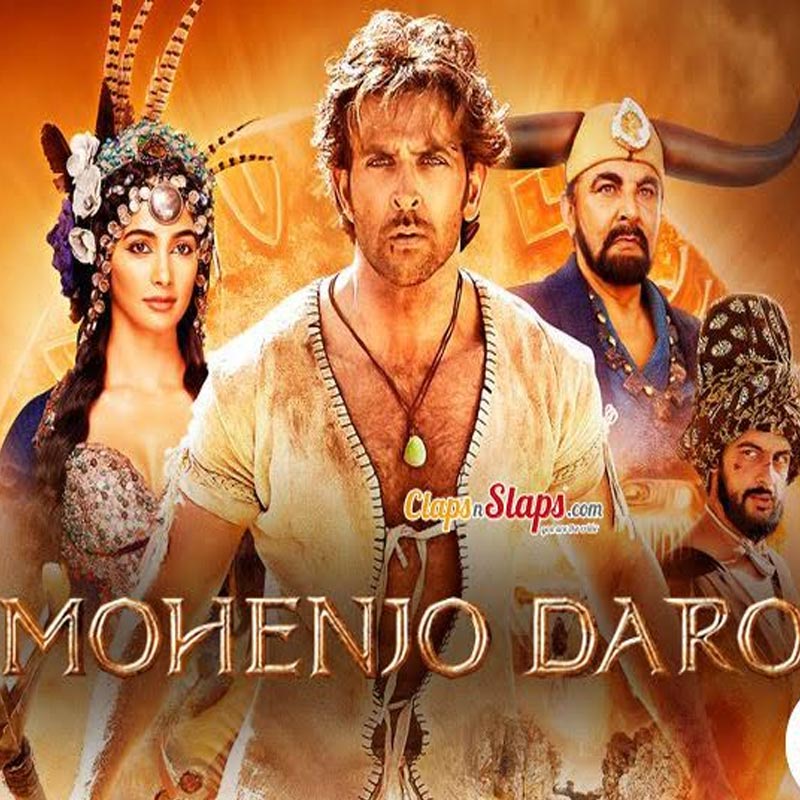
    While some may point that it is the dud performance of Mohenjo Daro at the box office that served as the catalyst behind this decision, it is the overall market dynamics that doesn’t favour profitability in the movie making business, is Disney India’s belief.

    The Hindi box office has been declining in the last few years whereas Hollywood has grown by almost 50 per cent this year. Out of the 250 plus Hindi movies that release every year and within the top 20, less than half the films make profits for the investing studio. Considering the cost of each film, it is very hard to get that money back and make moolah with the limited screens that the country has, shared a veteran in the movie distribution business. Even if a movie does make money, a lion’s share of that profit goes to the stars.

    Since Walt Disney is in the business of making money, staying in the Hindi film market doesn’t make sense for it.

    “Few of the projects that they have greenlit didn’t make practical sense honestly. Filmmakers and studios need to draw realistic budgets if they are to stay in business. A movie like Mohenjo Daro that required a heavy budget due to its historic storyline didn’t seem like a sensible investment from a business standpoint. Not to mention instead of a solo release, it hit the screens with another project and therefore the number of screens it was exposed to were less,” opined Mumbai-based film distributor Rajesh Thadani.

    To be fair to Disney India, Thadani shared that several other studios including Balaji and 20th Century Fox have had their fair share of mistakes and calls this development at Disney India a cue for the film industry to do a reality check for a more realistic approach to making films. “It won’t impact the film making in the industry but it definitely has given the corporate world food for thought,” he shared.

    While the studio will not sign any new production deals in the Indian film market, it will release the promised magnum opuses with due diligence — Dangal in December 2016 and Jagga Jasoos in April 2017.

  • Disney India confirms ending Hindi film production

    Disney India confirms ending Hindi film production

    MUMBAI: Reams and reams of newsprint and countless words have been written over the past week, about the exit of Disney India from the motion picture business and the departure of its managing director Siddharth Roy Kapur. The company refrained from reacting to any of the news reports.

    But it has now decided to issue an official statement confirming that it is indeed bringing down the curtains on its bold Hindi production initiative which it once considered as a crown jewel when it acquired UTV from Ronnie Screwvala four years ago.

    “We periodically review and realign our business priorities in response to evolving market dynamics. Given the challenges with the current economic model for investing in the local film industry, we intend to shift the focus of our film strategy to driving our Hollywood movie slate in India. These movies have enjoyed considerable success, including The Jungle Book, which is the highest-grossing Hollywood movie of all time in India. We remain optimistic about the incredible potential of the Indian market and will continue to invest in growing the Disney brand in India with our movies, television networks, consumer and interactive products, and live experiences,” reads the official statement from the company, which is to be attributed to ‘Disney spokesperson.’

    While Disney India has reserved all comments about Sid hanging up his boots, there is clear indication that he is quitting as a headhunt has commenced to find a replacement for him. .

    To many industry observers the decision to bring up the closing scene to its Hindi film production story, is not a sudden move but is a very calculated step that seeks to have it focusing on nurturing the revenue generating businesses rather than doing the balancing act at the local box office.

    While some may point that it is the dud performance of Mohenjo Daro at the box office that served as the catalyst behind this decision, it is the overall market dynamics that doesn’t favour profitability in the movie making business, is Disney India’s belief.

    The Hindi box office has been declining in the last few years whereas Hollywood has grown by almost 50 per cent this year. Out of the 250 plus Hindi movies that release every year and within the top 20, less than half the films make profits for the investing studio. Considering the cost of each film, it is very hard to get that money back and make moolah with the limited screens that the country has, shared a veteran in the movie distribution business. Even if a movie does make money, a lion’s share of that profit goes to the stars.

    Since Walt Disney is in the business of making money, staying in the Hindi film market doesn’t make sense for it.

    “Few of the projects that they have greenlit didn’t make practical sense honestly. Filmmakers and studios need to draw realistic budgets if they are to stay in business. A movie like Mohenjo Daro that required a heavy budget due to its historic storyline didn’t seem like a sensible investment from a business standpoint. Not to mention instead of a solo release, it hit the screens with another project and therefore the number of screens it was exposed to were less,” opined Mumbai-based film distributor Rajesh Thadani.

    To be fair to Disney India, Thadani shared that several other studios including Balaji and 20th Century Fox have had their fair share of mistakes and calls this development at Disney India a cue for the film industry to do a reality check for a more realistic approach to making films. “It won’t impact the film making in the industry but it definitely has given the corporate world food for thought,” he shared.

    While the studio will not sign any new production deals in the Indian film market, it will release the promised magnum opuses with due diligence — Dangal in December 2016 and Jagga Jasoos in April 2017.

  • Prime Focus provides VFX, DI & Cameras for ‘Udta Punjab’

    Prime Focus provides VFX, DI & Cameras for ‘Udta Punjab’

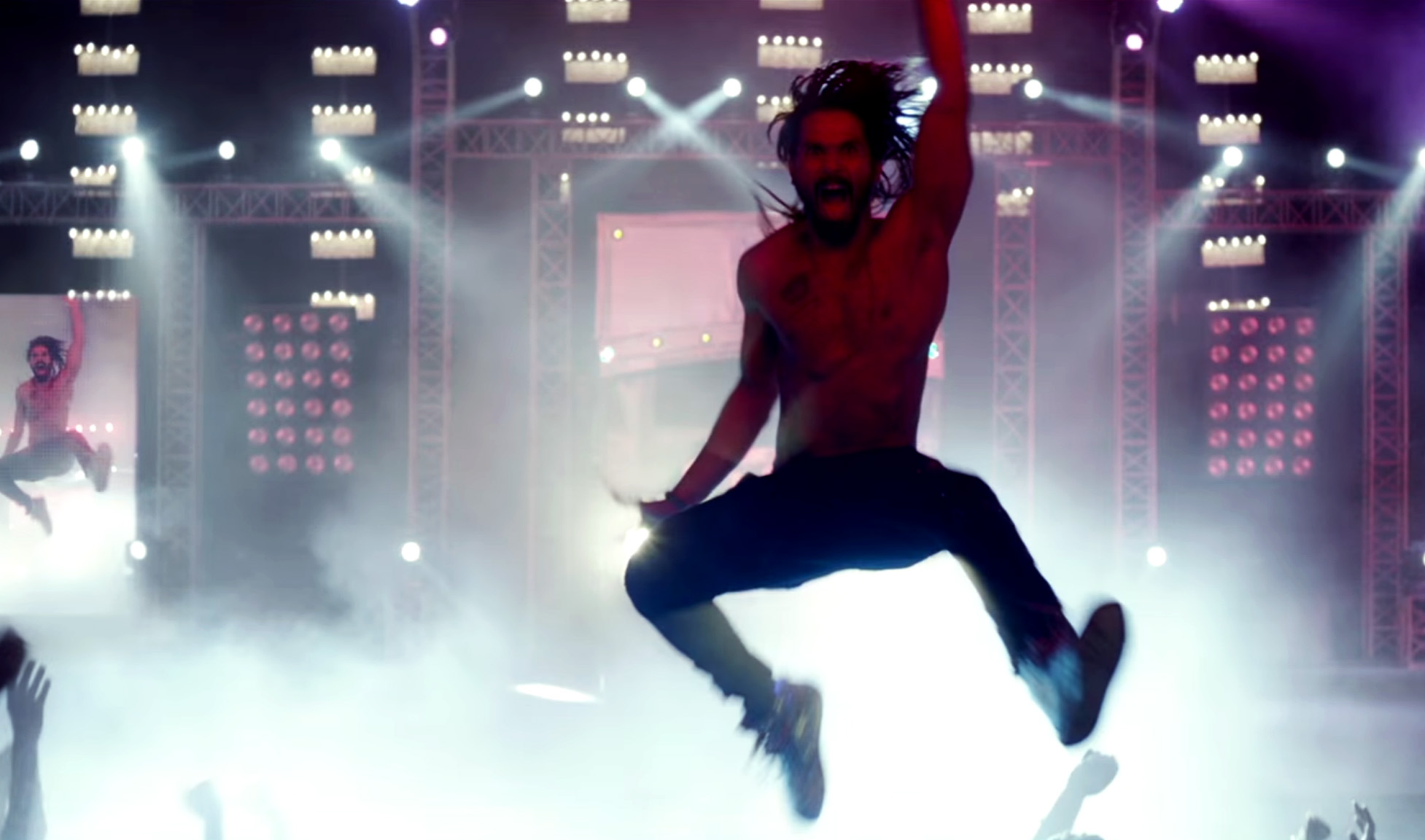
    MUMBAI: From Abhishek Chaubey, the critically-acclaimed writer and director of ‘Ishqiya’, comes ‘Udta Punjab’, a gritty, crime thriller exploring the drug abuse in Punjab from a number of perspectives: a rock star, a migrant labourer, a doctor and a cop. Prime Focus provided visual effects (VFX), Digital Intermediate (DI) services and camera rental for ‘Udta Punjab’, which stars Shahid Kapoor, Alia Bhatt, Kareena Kapoor Khan and Diljit Dosanjh.

    Prime Focus delivered more than 345 VFX shots for ‘Udta Punjab’, including crowd multiplication and LED screen compositing for the ‘Chitta Ve’ song sequence, set extension and enhancement, picture-in-picture (PIPs) and clean-up work. One of the most challenging VFX sequences was a drug injection sequence which required the creation of a surreal dreamlike environment.

    “In the scene in which Alia can be seen freefalling against a pitch-black backdrop, the idea was to portray the calming and sedating effect of drugs on a junkie,” commented VFX Supervisor Vishal Kapoor. “Even after grading we weren’t quite satisfied with the static look of the frame, so in order to impart more dreaminess to sequence we added subtle transverse wave motions to help bring the sequence to life.”

    The grade of the film varied for each of the main characters – from colourful and vibrant for Tommy (a high-on-drugs, Punjabi rockstar), to earthy and raw for Pinky (a Bihari migrant who works in the fields). A rather cold treatment was given to the scenes featuring Preet and Sartaj – the characters battling the drug menace in the state of Punjab.

    “In addition to the overall dark treatment of the movie a grungy texture was added to the drug sequences to bring about the squalid, drug-fuelled underbelly of the region,” said Prime Focus Colourist Aashirwad Hadkar.

    Produced under the banner of Phantom Films & Balaji Motion Pictures, which was also the distribution company, ‘Udta Punjab’ released on 17th June 2016.

  • Prime Focus provides VFX, DI & Cameras for ‘Udta Punjab’

    Prime Focus provides VFX, DI & Cameras for ‘Udta Punjab’

    MUMBAI: From Abhishek Chaubey, the critically-acclaimed writer and director of ‘Ishqiya’, comes ‘Udta Punjab’, a gritty, crime thriller exploring the drug abuse in Punjab from a number of perspectives: a rock star, a migrant labourer, a doctor and a cop. Prime Focus provided visual effects (VFX), Digital Intermediate (DI) services and camera rental for ‘Udta Punjab’, which stars Shahid Kapoor, Alia Bhatt, Kareena Kapoor Khan and Diljit Dosanjh.

    Prime Focus delivered more than 345 VFX shots for ‘Udta Punjab’, including crowd multiplication and LED screen compositing for the ‘Chitta Ve’ song sequence, set extension and enhancement, picture-in-picture (PIPs) and clean-up work. One of the most challenging VFX sequences was a drug injection sequence which required the creation of a surreal dreamlike environment.

    “In the scene in which Alia can be seen freefalling against a pitch-black backdrop, the idea was to portray the calming and sedating effect of drugs on a junkie,” commented VFX Supervisor Vishal Kapoor. “Even after grading we weren’t quite satisfied with the static look of the frame, so in order to impart more dreaminess to sequence we added subtle transverse wave motions to help bring the sequence to life.”

    The grade of the film varied for each of the main characters – from colourful and vibrant for Tommy (a high-on-drugs, Punjabi rockstar), to earthy and raw for Pinky (a Bihari migrant who works in the fields). A rather cold treatment was given to the scenes featuring Preet and Sartaj – the characters battling the drug menace in the state of Punjab.

    “In addition to the overall dark treatment of the movie a grungy texture was added to the drug sequences to bring about the squalid, drug-fuelled underbelly of the region,” said Prime Focus Colourist Aashirwad Hadkar.

    Produced under the banner of Phantom Films & Balaji Motion Pictures, which was also the distribution company, ‘Udta Punjab’ released on 17th June 2016.

  • FY-16: PVR PAT up nine-fold

    FY-16: PVR PAT up nine-fold

    BENGALURU: Indian motion picture exhibition, production and distribution house PVR Limited (PVR) reported more than nine-fold (9.3 times) profit after tax (PAT) for the fiscal ended 31 March 2016 (FY-16, current year, current fiscal) as compared to the previous fiscal FY-15. The company reported PAT of Rs 118.73 crore (6.3 percent margin of consolidated Total Income from Operations or TIO) as compared to PAT of Rs 12.76 crore (0.9 percent PAT margin of TIO). For fiscal FY-14, the company had reported PAT of Rs 50.39 crore (3.7 PAT margin of TIO).

    PVR’s consolidated TIO in the current year increased 26.5 percent to Rs 1,873.54 crore as compared to Rs 1,481.34 crore in FY-15. TIO plus other income in FY-16 increased 27.1 percent to Rs 1,896.99 crore from Rs 1,485.98 crore in FY-15.

    Note: The unit of currency in this report is the Indian rupee – Rs (also conventionally represented by INR). The Indian numbering system or the Vedic numbering system has been used to denote money values. The basic conversion to the international norm would be:
    (a) 100,00,000 = 100 lakh = 10,000,000 = 10 million = 1 crore.
    (b) 10,000 lakh = 100 crore = 1 arab = 1 billion.

    PVR’s total operating profit including other income (EBIDTA) in FY-16 increased 70.8 percent to Rs 358.09 crore (18.9 percent EBIDTA margin of total income including other income) as compared to Rs 209.67 crore (14.1 percent EBIDTA margin of total income including other income) in the previous year.

    Total Expenditure in FY-16 increased 19.5 percent to Rs 1,664.09 crore (88.8 percent of TIO) as compared to Rs 1,393.11 crore (13.2 percent of TIO) in FY-15. Film Exhibition cost increased 22.4 percent to Rs 418.96 crore (23.4 percent of TIO) in FY-16 from Rs 324.18 crore (23.1 percent of TIO) in FY-15. Employee Benefit Expense (EBE) in the current year increased 29.5 percent to Rs 185.30 crore (9.9 percent of TIO) as compared to Rs 143.04 crore (9.7 percent of TIO).Other expenses in FY-16 increased 30.9 percent to Rs 212.29 crore (11.3 percent of TIO) as compared to Rs 162.21 crore (11 percent of TIO) in the previous fiscal. Food & Beverages and other costs increased 16.3 percent to Rs 124.83 crore (6.7 percent of TIO) from Rs 107.38 crore (7.2 percent of TIO) in FY-15.

    Segment Revenue

    Three segments contribute to PVR’s revenues.

    The largest segment – Movie Exhibition reported 26.3 percent growth in operating revenue in FY-16 at Rs 1,730.09 crore from Rs 1,370.39 crore in the previous year. The segment reported more than double operating profit 2.34 times) of Rs 206.51 crore in the current fiscal as compared to Rs 88.23 crore in the FY-15

    Movie Production and Distribution segment reported 59.1 percent growth in FY-16 at Rs 81.50 crore as compared to Rs 51.23 crore in FY-15. The segment’s operating profit in the current year increased 5.1 percent to Rs 2.88 crore from Rs 2.74 crore in FY-15.

    PVR’s ‘Other’ segment which includes bowling, gaming and restaurant services reported 3.9 percent increase in revenue in FY-16 at Rs 76.85 crore as compared to Rs 73.96 crore in the previous fiscal. The segment reported operating profit of Rs 0.1 crore as compared to an operating loss of Rs 2.80 crore in FY-15.

    The board of directors of PVR have approved a dividend of Rs 2 per equity share of face value of Rs 10 each

  • FY-16: PVR PAT up nine-fold

    FY-16: PVR PAT up nine-fold

    BENGALURU: Indian motion picture exhibition, production and distribution house PVR Limited (PVR) reported more than nine-fold (9.3 times) profit after tax (PAT) for the fiscal ended 31 March 2016 (FY-16, current year, current fiscal) as compared to the previous fiscal FY-15. The company reported PAT of Rs 118.73 crore (6.3 percent margin of consolidated Total Income from Operations or TIO) as compared to PAT of Rs 12.76 crore (0.9 percent PAT margin of TIO). For fiscal FY-14, the company had reported PAT of Rs 50.39 crore (3.7 PAT margin of TIO).

    PVR’s consolidated TIO in the current year increased 26.5 percent to Rs 1,873.54 crore as compared to Rs 1,481.34 crore in FY-15. TIO plus other income in FY-16 increased 27.1 percent to Rs 1,896.99 crore from Rs 1,485.98 crore in FY-15.

    Note: The unit of currency in this report is the Indian rupee – Rs (also conventionally represented by INR). The Indian numbering system or the Vedic numbering system has been used to denote money values. The basic conversion to the international norm would be:
    (a) 100,00,000 = 100 lakh = 10,000,000 = 10 million = 1 crore.
    (b) 10,000 lakh = 100 crore = 1 arab = 1 billion.

    PVR’s total operating profit including other income (EBIDTA) in FY-16 increased 70.8 percent to Rs 358.09 crore (18.9 percent EBIDTA margin of total income including other income) as compared to Rs 209.67 crore (14.1 percent EBIDTA margin of total income including other income) in the previous year.

    Total Expenditure in FY-16 increased 19.5 percent to Rs 1,664.09 crore (88.8 percent of TIO) as compared to Rs 1,393.11 crore (13.2 percent of TIO) in FY-15. Film Exhibition cost increased 22.4 percent to Rs 418.96 crore (23.4 percent of TIO) in FY-16 from Rs 324.18 crore (23.1 percent of TIO) in FY-15. Employee Benefit Expense (EBE) in the current year increased 29.5 percent to Rs 185.30 crore (9.9 percent of TIO) as compared to Rs 143.04 crore (9.7 percent of TIO).Other expenses in FY-16 increased 30.9 percent to Rs 212.29 crore (11.3 percent of TIO) as compared to Rs 162.21 crore (11 percent of TIO) in the previous fiscal. Food & Beverages and other costs increased 16.3 percent to Rs 124.83 crore (6.7 percent of TIO) from Rs 107.38 crore (7.2 percent of TIO) in FY-15.

    Segment Revenue

    Three segments contribute to PVR’s revenues.

    The largest segment – Movie Exhibition reported 26.3 percent growth in operating revenue in FY-16 at Rs 1,730.09 crore from Rs 1,370.39 crore in the previous year. The segment reported more than double operating profit 2.34 times) of Rs 206.51 crore in the current fiscal as compared to Rs 88.23 crore in the FY-15

    Movie Production and Distribution segment reported 59.1 percent growth in FY-16 at Rs 81.50 crore as compared to Rs 51.23 crore in FY-15. The segment’s operating profit in the current year increased 5.1 percent to Rs 2.88 crore from Rs 2.74 crore in FY-15.

    PVR’s ‘Other’ segment which includes bowling, gaming and restaurant services reported 3.9 percent increase in revenue in FY-16 at Rs 76.85 crore as compared to Rs 73.96 crore in the previous fiscal. The segment reported operating profit of Rs 0.1 crore as compared to an operating loss of Rs 2.80 crore in FY-15.

    The board of directors of PVR have approved a dividend of Rs 2 per equity share of face value of Rs 10 each

  • FY-16: Eros International Media revenue up

    FY-16: Eros International Media revenue up

    BENGALURU: The Sunil Lulla led Eros International Media Limited (Eros) reported 11.4 percent increase in total revenue including other income (TR) for the fiscal ended 31 March 2016 (FY-16, current year, current fiscal) as compared to the previous year. Eros reported TR of Rs 1,603.45 crore in FY-16 as compared to Rs 1,441.03 crore in FY-15.

    The company’s Total Income from Operations (TIO) in the current year increased 11.3 percent to Rs 1,582.58 crore in the previous fiscal. Profit after Tax (PAT) after minority interest in the current year declined 13.5 percent to Rs 214.15 crore (13.4 percent PAT margin of TR) as compared to Rs 247.06 crore (17.1 PAT margin of TR) in the previous year.

    Eros says that revenue for FY-16 saw a significant growth on account of global releases of Bajrangi Bhaijaan, Bajirao Mastani, TanuWeds Manu Returns, Welcome Back, Srimanthudu amongst others across theatrical, overseas and satellite revenues, and overseas releases of Dil Dhadakne Do, Singh is Bling and Gabbar is Back reinforcing the portfolio and film mix strategy

    Note: The unit of currency in this report is the Indian rupee – Rs (also conventionally represented by INR). The Indian numbering system or the Vedic numbering system has been used to denote money values. The basic conversion to the international norm would be:
    (a) 100,00,000 = 100 lakh = 10,000,000 = 10 million = 1 crore.
    (b) 10,000 lakh = 100 crore = 1 arab = 1 billion.

    Earnings before Interest and Tax in FY-16 declined 6.6 percent to Rs 337.36 crore from Rs 361.19 crore in the previous year.

    The breakup of revenues in FY-16 was: Television and others 30 percent; Theatrical 43.8 percent; Overseas 26.1 percent. The comparative breakup of revenues in FY-15 was: Television and others 31.3 percent; Theatrical 38 percent; Overseas 30.7 percent.

    Total Expenditure in the current year increased 17.2 percent to Rs 1,266.09 crore (80 percent of TIO) from Rs 1,079.84 (76 percent of TIO) in FY-15.

    Direct Costs during FY-16 stood at Rs 1,144.8 crore, including Rs. 617.8 crore of content amortization (Rs 940 crore of direct costs including content amortization of Rs 497.6 crore in FY-15) and overflow accrued to Producers on account of hit films.

    For the period ending March 31, 2016, the company generated free cash flow of Rs 300 crore as compared to negative Rs 50 crore in FY-15. As on 31 March 2016, total receivables stood at Rs. 428.2 crore as compared to Rs. 525.7 crore as on 31 March, 2015.

    Films released in FY-16

    In FY-16, of the 63 films released by Eros, 6 high budget, 16 medium and 41 low budget films were released in as against 6 high budget, 11 medium and 47 low budget movies in FY-15. In FY-16, of the 63 films that were released 33 were Hindi and 30 were Regional films as compared to 64 films during FY-15, which included 45 Hindi and 19 regional films.

    In the quarter ended 31 March 2016 (Q4-16, current quarter) Q4-16, only 6 medium and 6 low budget films were released as against 1 high budget, 4 medium and 17 low budget movies in Q4-15. During the quarter, 12 films were released consisting of 3 Hindi and 5 Tamil/Telugu films and 4 Regional films as compared to 22 films during Q4-15, which included 17 Hindi and 5 Tamil/Telugu films.

    Company speak

    Eros executive vice chairman and managing director Lulla said, “Fiscal 2016 clearly proved to be one of the best year for our films at the Box Office demonstrating the quality and robustness of our content green-lighting strategy, a strong competitive edge for Eros. This is possible as over the years, we have built scale and expertise with the help of an experienced management team which has constantly set new benchmarks in the industry. Continuing this momentum, we had an excellent start to FY17 with Sardaar Gabbar Singh in Telegu, ‘Ki & Ka’ in Hindi and 24 in Tamil delivering splendid performances and together with ‘Housefull 3’ scheduled to open next week, we are looking at a blockbuster first quarter.

    “We have a very exciting film slate for the upcoming quarters, which include films such as ‘Rock On 2’, ‘Dishoom’, ‘Baar Baar Deko’, ‘Shivaay’, Banjo, Singham 3 together with a diversified slate of other regional releases. On the whole, FY 2017 will be seeing an exciting movie repertoire of over 65 content driven Eros films in Hindi and other regional languages, making it the biggest future slate by any studio in India. The slate would also be aided by compelling films from our franchise production arm, Trinity Pictures. To further demonstrate our portfolio and de-risking strategy, I am happy to announce that a substantial part of the above mentioned slate is already pre-sold for satellite rights with the major television networks.”

    “I am happy to report that we ended the year with record revenues of Rs. 16,036 million and healthy profitability. Further, we generated Rs. 3,000 illion free cash flow in FY16 and strengthened our balance sheet by bringing about working capital efficiencies. We are confident that we will continue to maintain
    our market leadership position in the years to come.”

  • FY-16: Eros International Media revenue up

    FY-16: Eros International Media revenue up

    BENGALURU: The Sunil Lulla led Eros International Media Limited (Eros) reported 11.4 percent increase in total revenue including other income (TR) for the fiscal ended 31 March 2016 (FY-16, current year, current fiscal) as compared to the previous year. Eros reported TR of Rs 1,603.45 crore in FY-16 as compared to Rs 1,441.03 crore in FY-15.

    The company’s Total Income from Operations (TIO) in the current year increased 11.3 percent to Rs 1,582.58 crore in the previous fiscal. Profit after Tax (PAT) after minority interest in the current year declined 13.5 percent to Rs 214.15 crore (13.4 percent PAT margin of TR) as compared to Rs 247.06 crore (17.1 PAT margin of TR) in the previous year.

    Eros says that revenue for FY-16 saw a significant growth on account of global releases of Bajrangi Bhaijaan, Bajirao Mastani, TanuWeds Manu Returns, Welcome Back, Srimanthudu amongst others across theatrical, overseas and satellite revenues, and overseas releases of Dil Dhadakne Do, Singh is Bling and Gabbar is Back reinforcing the portfolio and film mix strategy

    Note: The unit of currency in this report is the Indian rupee – Rs (also conventionally represented by INR). The Indian numbering system or the Vedic numbering system has been used to denote money values. The basic conversion to the international norm would be:
    (a) 100,00,000 = 100 lakh = 10,000,000 = 10 million = 1 crore.
    (b) 10,000 lakh = 100 crore = 1 arab = 1 billion.

    Earnings before Interest and Tax in FY-16 declined 6.6 percent to Rs 337.36 crore from Rs 361.19 crore in the previous year.

    The breakup of revenues in FY-16 was: Television and others 30 percent; Theatrical 43.8 percent; Overseas 26.1 percent. The comparative breakup of revenues in FY-15 was: Television and others 31.3 percent; Theatrical 38 percent; Overseas 30.7 percent.

    Total Expenditure in the current year increased 17.2 percent to Rs 1,266.09 crore (80 percent of TIO) from Rs 1,079.84 (76 percent of TIO) in FY-15.

    Direct Costs during FY-16 stood at Rs 1,144.8 crore, including Rs. 617.8 crore of content amortization (Rs 940 crore of direct costs including content amortization of Rs 497.6 crore in FY-15) and overflow accrued to Producers on account of hit films.

    For the period ending March 31, 2016, the company generated free cash flow of Rs 300 crore as compared to negative Rs 50 crore in FY-15. As on 31 March 2016, total receivables stood at Rs. 428.2 crore as compared to Rs. 525.7 crore as on 31 March, 2015.

    Films released in FY-16

    In FY-16, of the 63 films released by Eros, 6 high budget, 16 medium and 41 low budget films were released in as against 6 high budget, 11 medium and 47 low budget movies in FY-15. In FY-16, of the 63 films that were released 33 were Hindi and 30 were Regional films as compared to 64 films during FY-15, which included 45 Hindi and 19 regional films.

    In the quarter ended 31 March 2016 (Q4-16, current quarter) Q4-16, only 6 medium and 6 low budget films were released as against 1 high budget, 4 medium and 17 low budget movies in Q4-15. During the quarter, 12 films were released consisting of 3 Hindi and 5 Tamil/Telugu films and 4 Regional films as compared to 22 films during Q4-15, which included 17 Hindi and 5 Tamil/Telugu films.

    Company speak

    Eros executive vice chairman and managing director Lulla said, “Fiscal 2016 clearly proved to be one of the best year for our films at the Box Office demonstrating the quality and robustness of our content green-lighting strategy, a strong competitive edge for Eros. This is possible as over the years, we have built scale and expertise with the help of an experienced management team which has constantly set new benchmarks in the industry. Continuing this momentum, we had an excellent start to FY17 with Sardaar Gabbar Singh in Telegu, ‘Ki & Ka’ in Hindi and 24 in Tamil delivering splendid performances and together with ‘Housefull 3’ scheduled to open next week, we are looking at a blockbuster first quarter.

    “We have a very exciting film slate for the upcoming quarters, which include films such as ‘Rock On 2’, ‘Dishoom’, ‘Baar Baar Deko’, ‘Shivaay’, Banjo, Singham 3 together with a diversified slate of other regional releases. On the whole, FY 2017 will be seeing an exciting movie repertoire of over 65 content driven Eros films in Hindi and other regional languages, making it the biggest future slate by any studio in India. The slate would also be aided by compelling films from our franchise production arm, Trinity Pictures. To further demonstrate our portfolio and de-risking strategy, I am happy to announce that a substantial part of the above mentioned slate is already pre-sold for satellite rights with the major television networks.”

    “I am happy to report that we ended the year with record revenues of Rs. 16,036 million and healthy profitability. Further, we generated Rs. 3,000 illion free cash flow in FY16 and strengthened our balance sheet by bringing about working capital efficiencies. We are confident that we will continue to maintain
    our market leadership position in the years to come.”
  • Q1-16-Televison, Consumer Products, New Media drive up DreamWorks Animation numbers

    Q1-16-Televison, Consumer Products, New Media drive up DreamWorks Animation numbers

    BENGALURU: DreamWorks Animation SKG Inc., (DWA) reported 14.4 percent year-over-year (y-o-y) growth in revenue for the quarter ended 31 March 2016 (Q-16, current quarter) The company reported revenue of $190.44 million in Q1-16 as compared to $106.17 million in the corresponding year ago quarter. Further, it reported net income attributable to DWA of $13.84 million in the current quarter as compared to a loss of $54.78 million in Q1-15. The growth in revenue was driven by performance in the Television Series and Specials, Consumer Products and New Media segments.

    “I am happy to report another strong quarter of financial results, which I believe reflect continued execution on our strategy of transitioning DreamWorks Animation into a global family entertainment company,” said DWA CEO Jeffrey Katzenberg, “I’m excited to be passing the baton to Comcast, as I know they will continue to build on the foundation we’ve established over the past 22 years.”

    On April 28, 2016 NBCUniversal, a division of Comcast Corporation, announced the acquisition of DreamWorks Animation. The transaction is expected to close by the end of 2016, subject to receipt of regulatory approvals in the U.S. and abroad, as well as the satisfaction of other customary closing conditions. Following the completion of the transaction, DreamWorks Animation CEO and co-founder Jeffrey Katzenberg will become chairman of DreamWorks New Media, which will be comprised of the company’s ownership interests in Awesomeness TV and NOVA.  Katzenberg will also serve as a consultant to NBCUniversal.

    Note: Beginning in the quarter ended 31 March 2016, DWA says that it has changed the method by which intellectual property costs are charged to the Consumer Products segment to provide better comparability to peers and to be similar to the method used in the Television Series and Specials segment while minimizing segment volatility. As a result, the Consumer Products segment no longer bears amortization of capitalized production costs for the use of Film and TV segment intellectual property. Instead, the Consumer Products segment is charged a royalty fee which will compensate the originating segment for the use of intellectual property. There is no change to DWA’s consolidated financials, as DWA’s ultimate revenues and the amortization of capitalized production costs remain unchanged. This methodology impacts segment reporting only. All prior-year period figures have been updated to reflect this new methodology, says the compny.

    Segment numbers
    Feature Films segment

    Feature Films segment’s revenues for Q1-16 declined 26.7 percent to $94.3 million, compared to $128.7 million in Q1-15. Revenues in the  current quarter were favourably impacted by the worldwide pay television distribution of How to Train Your Dragon 2 and Mr. Peabody and Sherman, higher home entertainment sales and recoveries of $6.3 million from previously established home entertainment reserves related to sales through DWA’s former primary theatrical distributor. Segment gross profit for Q1-16 of $26.1 million was 31.5 percent lower compared to $38.1 million in the prior-year period.

    Television Series and Specials segment

    Revenues for Q1-16 from the Television Series and Specials segment more than tripled (3.14 times) to $57.0 million, compared to $18.1 million during the corresponding prior-year period. DWA says that the increase in revenues was attributable to a significantly higher number of episodes delivered under its episodic content licensing arrangements. Segment gross profit in the current quarter increased six-fold to $21.1 million from $3.5 million in Q1-15. The increase was primarily driven by higher revenues and lower marketing expenses, says DWA.

    Consumer Products segment

    Revenues from DWA’s Consumer Products segment increased 50 percent y-o-y in Q1-16 to $21.4 million, compared to $14.3 million in the same period last year. DWA says that the increase was primarily due to revenues earned from location-based entertainment initiatives during the current quarter. Revenue for both the current and prior year quarters also included contributions from merchandise licensing arrangements. Segment gross profit increased 60 percent y-o-y to $15.0 million in the current quarter from $9.4 million in the prior-year period.

    New Media segment

    Revenues from DWA’s New Media segment more than tripled  (3.3 times) in Q1-16 to $15.2 million compared to $4.6 million during Q1-15. This increase was primarily attributable to revenue generated from licensing and distribution of content and to a lesser extent, brand sponsorship and talent management arrangements says DWA. Segment gross profit for Q1-16 also more than tripled (3.1 times) to $6.5 million from $2.1 million in the prior-year period, primarily due to higher revenues.