MUMBAI: PitchVision, ground breaking cricket coaching system that manages to successfully combine the passion of millions with the endless potential of the internet today announced its association with Jain University, Bengaluru. PitchVision cricket training technology is endorsed by some of the biggest names in cricket such as MCC Lords, Cricket South Africa, England and the Wales Cricket boards, and the International Cricket Council facility in Dubai. Its dynamic training tool PV/One system will be a part of the Universities cricket coaching program.
Commenting on the development, PitchVision CEO Rohan Timblo said, “We are very excited to announce our association with Jain University, Bengaluru. Our state of the art PV cricket coaching system will assist coaches to capture and document every aspect of the cricketer’s game. All the data captured is available for the coach and players to review on our proprietary platform PitchVision.com and the PV app. This allows for coaches and players to continuously interact and share their videos and comments with each other even from remote locations. Enabling the university to track, monitor and improve their students cricketing prowess.
The simplicity of the product is that PitchVision technology can be deployed anywhere in the university premises where cricket is potentially played. The PV/One takes about 10 minutes to set up and instantaneously delivers over 25 detailed reports and graphical analyses of each delivery bowled. It captures the critical data like batsmen’s strong and weak zones as well as the bowlers foot position, trajectory, line, length and beehive of the pitch map etc. The system is also equipped with a complete video analyses tool, where the videos are instantly generated and automatically edited and tagged to the player’s profile. All videos and player related data is permanently stored and can be accessed by coach and player on www.pitchvision.com or the PV App.
A delighted Jain Group of Institutions chairman Chainraj Roy Jain said, “Knowing PitchVision’s technological expertise, I am excited with this association. I am confident that this coaching system will help assist our coaching team to train youngsters in a more structured manner. Besides the hardware, PVone.com is also the largest online platform of player generated cricket content in the world with 200,000 unique videos uploaded every month. It’s great to know that these boys will now be registered on the same platform and will be exposed to cricketing content from other coaches from across the world. I strongly believe in outcome based training and I feel that this technology will definitively add value to our education system as a whole.”
MUMBAI: PitchVision, ground breaking cricket coaching system that manages to successfully combine the passion of millions with the endless potential of the internet today announced its association with Jain University, Bengaluru. PitchVision cricket training technology is endorsed by some of the biggest names in cricket such as MCC Lords, Cricket South Africa, England and the Wales Cricket boards, and the International Cricket Council facility in Dubai. Its dynamic training tool PV/One system will be a part of the Universities cricket coaching program.
Commenting on the development, PitchVision CEO Rohan Timblo said, “We are very excited to announce our association with Jain University, Bengaluru. Our state of the art PV cricket coaching system will assist coaches to capture and document every aspect of the cricketer’s game. All the data captured is available for the coach and players to review on our proprietary platform PitchVision.com and the PV app. This allows for coaches and players to continuously interact and share their videos and comments with each other even from remote locations. Enabling the university to track, monitor and improve their students cricketing prowess.
The simplicity of the product is that PitchVision technology can be deployed anywhere in the university premises where cricket is potentially played. The PV/One takes about 10 minutes to set up and instantaneously delivers over 25 detailed reports and graphical analyses of each delivery bowled. It captures the critical data like batsmen’s strong and weak zones as well as the bowlers foot position, trajectory, line, length and beehive of the pitch map etc. The system is also equipped with a complete video analyses tool, where the videos are instantly generated and automatically edited and tagged to the player’s profile. All videos and player related data is permanently stored and can be accessed by coach and player on www.pitchvision.com or the PV App.
A delighted Jain Group of Institutions chairman Chainraj Roy Jain said, “Knowing PitchVision’s technological expertise, I am excited with this association. I am confident that this coaching system will help assist our coaching team to train youngsters in a more structured manner. Besides the hardware, PVone.com is also the largest online platform of player generated cricket content in the world with 200,000 unique videos uploaded every month. It’s great to know that these boys will now be registered on the same platform and will be exposed to cricketing content from other coaches from across the world. I strongly believe in outcome based training and I feel that this technology will definitively add value to our education system as a whole.”
MUMBAI: The explosion of smart mobile phones in India and the penetration of internet has led to a boom in several innovative business proposals that explore the digital platform. With India leading the startup scene, everyday new ideas are turning from just business plans in a ppt file to an actual revenue generating business, backed by an aggressive venture capitalists.
At the same time, it has pushed several small and medium enterprises to go online, as their customers have already made the shift. It not only means a booming in the digital market, it also means more demand for technology to sustain its rapid growth — right from hardware to software. The Mobile App industry is estimated at $ 143 billion and counting. As more businesses start thinking mobile in their digital marketing initiatives, traditional agencies too are realising the need to include application development skilsl in their portfolio to sustain clients.
As per Gartner’s IT Spending Forecast, by 2017 the demand for enterprise mobile apps will exceed the supply available, especially in India — which comes as an opportunity for cloud-based Mobile app creation platform Instappy.
“Though India is one of the largest base for developers, globally the number of developers required and the apps in which are in demand has a gap of 1:5 and by 2017 this gap is only going to grow. A good application requires at least five developers working on it and needs a time period of at least 45 to 60 days on a an average. Whereas the number of enterprises and small businesses who want an application is far more than that. Had the pool of developers grown at the same rate that the SMEs are shifting to digital, this gap would have been avoided, but the mobile industry has seen a rapid boom and the developers aren’t keeping up,” explained Instappy, founder and MD Ambika Sharma
Instappy’s business model is based on this simple ratio, as well as the fact that SMEs prefer a platform that helps them get an app without going through complicated technical discussions with developers.
Observing the current trend in the market, Sharma shared that the small and medium enterprises jumping the digital bandwagon understand the importance of mobile and how it is going to build on their revenue in the long run.
While Instappy does get an occasional request of ‘an ola app’, or a ‘zomato app’, for the most part users are fairly well aware of keeping their app identity unique, though certain features may be replicated as reference.
“The only area that SMEs need to be educated about is building an application is not the end of it, it needs constant maintenance, software updates and improvements. Technology is changing fast and the business owners need to be updated for the most part as well,” she added.
Non technology savvy business owners and marketers often shy away from getting themselves an application to avoid dealing with the technical specifications because they are overwhelmed by the complexity. Therefore the cloud based platform thrives amongst Small and Medium Sized enterprises, making it a more democratised playing field for all businesses.
On an average the platform sees anything between 35 to 40 users building apps every week. Barring the first free trial month, the subscribers start off at Rs 30,000 to be on the platform, and the rates go higher depending on the services a user claims. Apart from this Instappy also entertains clients who ask for a more customized application for their businesses, which commands premium rates. But that is nothing compared to the ongoing rates if a professional team of developers are hired for the job.
For a basic application that serves a simple purpose, a business enterprise will have to pay a small group of developers anything between Rs 15 to Rs 20 lacs and the price can go up to crores if well known developers are hired and difficult coding is required.
“We are currently getting requests from across industry, but the ones that stand out are travel, learning and education, retail and stationery and beauty services business. Interestingly mass manufacturing industry, which is very traditional in its nature has also come on board with us to get an application out,” she shared.
The sudden rush to get an application has also brought in its own set of challenges for the development market. While most businesses want to go digital to expand their market online and open new ways to interact with the consumer, there are also some who want an app just for the sake of it. Sharma stayed clear of them.
“No smart business will create a app just for the sake of it or due to herd mentality. While it’s a trend, the applications have to serve a business purpose for them. It is very difficult to develop an app that covers all the needs of a business, while keeping the functionality in mind, and without going overboard with features. It takes almost 30 days to even figure out what all they want in it, and most of the time a specialised team has to step in to keep the businesses updated about the latest features they can avail or offer their customers through the app. Half the time businesses lack clarity on exactly what they want from an app.That is where the support team comes in and guides them based on their requirement,” Sharma pointed out, adding that Instappy mostly works with businesses who have their content ready.
To reach out to fresh new users, Instappy has a very active digital marketing strategy that banks on content marketing as well. “As a B2B portal that targets businesses online, without platform being on digital, our marketing spends are also largely inclined on digital campaigns with an occasional print advertisement,” Sharma said.
Launched in December 2015 in India, and in the European market in March 2016, the platform is already seeing positive acceptance from both the markets.
When asked about its yearly targets, Sharma said, “At this point we want to have at least 500 applications pushed out in the next 18 months time. Any business takes time when marketing dynamics are changing. We already making money with a revenue increase on a week – on week basis. Keeping in mind that we constantly want to invest in the platform from the technology standpoint to ready on demand features for customers, we cant put a date on when we will break even, but it shouldn’t take longer than two years for sure.
MUMBAI: The explosion of smart mobile phones in India and the penetration of internet has led to a boom in several innovative business proposals that explore the digital platform. With India leading the startup scene, everyday new ideas are turning from just business plans in a ppt file to an actual revenue generating business, backed by an aggressive venture capitalists.
At the same time, it has pushed several small and medium enterprises to go online, as their customers have already made the shift. It not only means a booming in the digital market, it also means more demand for technology to sustain its rapid growth — right from hardware to software. The Mobile App industry is estimated at $ 143 billion and counting. As more businesses start thinking mobile in their digital marketing initiatives, traditional agencies too are realising the need to include application development skilsl in their portfolio to sustain clients.
As per Gartner’s IT Spending Forecast, by 2017 the demand for enterprise mobile apps will exceed the supply available, especially in India — which comes as an opportunity for cloud-based Mobile app creation platform Instappy.
“Though India is one of the largest base for developers, globally the number of developers required and the apps in which are in demand has a gap of 1:5 and by 2017 this gap is only going to grow. A good application requires at least five developers working on it and needs a time period of at least 45 to 60 days on a an average. Whereas the number of enterprises and small businesses who want an application is far more than that. Had the pool of developers grown at the same rate that the SMEs are shifting to digital, this gap would have been avoided, but the mobile industry has seen a rapid boom and the developers aren’t keeping up,” explained Instappy, founder and MD Ambika Sharma
Instappy’s business model is based on this simple ratio, as well as the fact that SMEs prefer a platform that helps them get an app without going through complicated technical discussions with developers.
Observing the current trend in the market, Sharma shared that the small and medium enterprises jumping the digital bandwagon understand the importance of mobile and how it is going to build on their revenue in the long run.
While Instappy does get an occasional request of ‘an ola app’, or a ‘zomato app’, for the most part users are fairly well aware of keeping their app identity unique, though certain features may be replicated as reference.
“The only area that SMEs need to be educated about is building an application is not the end of it, it needs constant maintenance, software updates and improvements. Technology is changing fast and the business owners need to be updated for the most part as well,” she added.
Non technology savvy business owners and marketers often shy away from getting themselves an application to avoid dealing with the technical specifications because they are overwhelmed by the complexity. Therefore the cloud based platform thrives amongst Small and Medium Sized enterprises, making it a more democratised playing field for all businesses.
On an average the platform sees anything between 35 to 40 users building apps every week. Barring the first free trial month, the subscribers start off at Rs 30,000 to be on the platform, and the rates go higher depending on the services a user claims. Apart from this Instappy also entertains clients who ask for a more customized application for their businesses, which commands premium rates. But that is nothing compared to the ongoing rates if a professional team of developers are hired for the job.
For a basic application that serves a simple purpose, a business enterprise will have to pay a small group of developers anything between Rs 15 to Rs 20 lacs and the price can go up to crores if well known developers are hired and difficult coding is required.
“We are currently getting requests from across industry, but the ones that stand out are travel, learning and education, retail and stationery and beauty services business. Interestingly mass manufacturing industry, which is very traditional in its nature has also come on board with us to get an application out,” she shared.
The sudden rush to get an application has also brought in its own set of challenges for the development market. While most businesses want to go digital to expand their market online and open new ways to interact with the consumer, there are also some who want an app just for the sake of it. Sharma stayed clear of them.
“No smart business will create a app just for the sake of it or due to herd mentality. While it’s a trend, the applications have to serve a business purpose for them. It is very difficult to develop an app that covers all the needs of a business, while keeping the functionality in mind, and without going overboard with features. It takes almost 30 days to even figure out what all they want in it, and most of the time a specialised team has to step in to keep the businesses updated about the latest features they can avail or offer their customers through the app. Half the time businesses lack clarity on exactly what they want from an app.That is where the support team comes in and guides them based on their requirement,” Sharma pointed out, adding that Instappy mostly works with businesses who have their content ready.
To reach out to fresh new users, Instappy has a very active digital marketing strategy that banks on content marketing as well. “As a B2B portal that targets businesses online, without platform being on digital, our marketing spends are also largely inclined on digital campaigns with an occasional print advertisement,” Sharma said.
Launched in December 2015 in India, and in the European market in March 2016, the platform is already seeing positive acceptance from both the markets.
When asked about its yearly targets, Sharma said, “At this point we want to have at least 500 applications pushed out in the next 18 months time. Any business takes time when marketing dynamics are changing. We already making money with a revenue increase on a week – on week basis. Keeping in mind that we constantly want to invest in the platform from the technology standpoint to ready on demand features for customers, we cant put a date on when we will break even, but it shouldn’t take longer than two years for sure.
MUMBAI: According to International Data Corporation’s (IDC) monthly city level smartphone tracker, the Tier 1 cities namely – Delhi, Mumbai, Chennai, Bengaluru and Kolkata accounted for 26.4 percent of the entire smartphone market in Q1 2016 as compared to 29.9 percent in Q4 2015 clearly indicating that the smartphone market is gradually deepening towards Tier 2 And Tier 3 cities.
Click to Tweet: China based vendors gaining ground in Tier 2 and Tier 3 cities says IDC #IDCIn
According to Navkendar Singh, Senior Research Manager, IDC India, “As Tier 1 markets saturate, the next growth frontiers for smartphone players are clearly the smaller cities and towns. China based vendors have understood this trend and are gradually building & investing significantly in the offline distribution network in Tier 2 cities and beyond. This really shows that the offline channel remains significant and the vendors have understood that offline must go hand in hand with the online channel.”
China based vendors have already captured more than 20 percent of the smartphone market in 25 Tier 2 and Tier 3 cities of India and are expected to penetrate further as their offline presence increases.
“Majority of the sales for the China based vendors like Lenovo, Motorola, Xiaomi, LeEco are still coming from the online channel in these cities due to their superior positioning as quality brands, with a value for money proposition. Others like Oppo and Vivo are expected to grow in coming months in these markets with their huge marketing spends and increasing retail presence” adds Singh.
Customers across the city tiers are getting future ready, by choosing more 4G than 3G devices, with more than 65 percent of the smartphones being 4G compatible across all city tiers. Also, with Telecom operators gradually increasing the 4G footprint and promoting 4G services, this is expected to see exponential growth in coming months.
“In Tier 2 and Tier 3 cities, China based vendors are eating into the 4G device share of global brands, with almost 40 percent of the demand being generated by them” says Varun Singh, Market Analyst, Channels, IDC India. “This is a clear indication of the acceptance of said brands in these markets with their affordable & quality smartphones” adds Singh.
Price parity between offline & online channels has been a constant concern for the traditional distribution channel. “While online exclusive models will continue to generate demand, the new government regulations forbidding the predatory pricing and dominance by a few sellers on the e-commerce marketplace will help in bringing back the pricing hygiene across channels and a level playing ground for all brands” says Upasana Joshi, Senior Market Analyst, Channels, IDC India.
MUMBAI: According to International Data Corporation’s (IDC) monthly city level smartphone tracker, the Tier 1 cities namely – Delhi, Mumbai, Chennai, Bengaluru and Kolkata accounted for 26.4 percent of the entire smartphone market in Q1 2016 as compared to 29.9 percent in Q4 2015 clearly indicating that the smartphone market is gradually deepening towards Tier 2 And Tier 3 cities.
Click to Tweet: China based vendors gaining ground in Tier 2 and Tier 3 cities says IDC #IDCIn
According to Navkendar Singh, Senior Research Manager, IDC India, “As Tier 1 markets saturate, the next growth frontiers for smartphone players are clearly the smaller cities and towns. China based vendors have understood this trend and are gradually building & investing significantly in the offline distribution network in Tier 2 cities and beyond. This really shows that the offline channel remains significant and the vendors have understood that offline must go hand in hand with the online channel.”
China based vendors have already captured more than 20 percent of the smartphone market in 25 Tier 2 and Tier 3 cities of India and are expected to penetrate further as their offline presence increases.
“Majority of the sales for the China based vendors like Lenovo, Motorola, Xiaomi, LeEco are still coming from the online channel in these cities due to their superior positioning as quality brands, with a value for money proposition. Others like Oppo and Vivo are expected to grow in coming months in these markets with their huge marketing spends and increasing retail presence” adds Singh.
Customers across the city tiers are getting future ready, by choosing more 4G than 3G devices, with more than 65 percent of the smartphones being 4G compatible across all city tiers. Also, with Telecom operators gradually increasing the 4G footprint and promoting 4G services, this is expected to see exponential growth in coming months.
“In Tier 2 and Tier 3 cities, China based vendors are eating into the 4G device share of global brands, with almost 40 percent of the demand being generated by them” says Varun Singh, Market Analyst, Channels, IDC India. “This is a clear indication of the acceptance of said brands in these markets with their affordable & quality smartphones” adds Singh.
Price parity between offline & online channels has been a constant concern for the traditional distribution channel. “While online exclusive models will continue to generate demand, the new government regulations forbidding the predatory pricing and dominance by a few sellers on the e-commerce marketplace will help in bringing back the pricing hygiene across channels and a level playing ground for all brands” says Upasana Joshi, Senior Market Analyst, Channels, IDC India.
BENGALURU: Sony Corporation (Sony) reported 1.3 percent drop in sales for the year ended 31 March 2016 (FY-16, current year). Sony’s revenue for the current year was ¥8,105.7 billion, for the previous year it was ¥8,215.9 billion. Sony attributes the decrease to a decline of 20 percent in sales of its Mobile Communications (MC) segment which was offset by a 11.8 percent increase in sales of its Games and Network Services (G&NS) segment, and a 10.4 percent in sales from its Music segment. The increase in sales from Sony’s G&NS segment reflects an increase in sales of its PlayStation 4 (PS4).
Sony’s reported net income attributable to stockholders at ¥147.8 billion for the current year as compared to a loss of ¥126 billion yen in the previous year.
Of special significance from the India perspective was the increase in Media Networks sales which was primarily due to higher advertising revenues in India and the United Kingdom. The Media Networks is a category in Sony’s Pictures segment.
Mobile Communications
MC segment reported 20 percent drop in sales in FY-16 to ¥1,127.5 billion from ¥1,410.2 billion in the previous year. The segment reported a lower operating loss of ¥61.4 billion as compared to an operating loss ¥217.6 billion in the previous year. The company says that this was because of a strategic decision not to pursue scale in order to improve profitability.
Game & Network Services
G&NS segment reported an increase of 11.8 percent in sales to ¥1,551.9 billion in the current year as compared to ¥1,388 billion in the previous year. The above mentioned gains from PS4 were offset by a decline in PS3 hardware and software sales. Operating income in FY-16 increased 84.4 percent in the current year to ¥88.7 billion from ¥48.1 billion in the previous year. Sony attributes the increase to increase in PS4 software sales and PS4 hardware cost reductions as well as the absence of write down of ¥11.2 billion in the current year of PS Vita and PS TV components that was recorded in FY-15.
Imaging Products & Solutions (IP&S)
IP&S segment reported a 1.7 percent decline in sales in FY-16 to ¥712.2 billion as compared to ¥723.9 billion in the previous year. Sony says that sales of video cameras and digital cameras were lower due to the contraction of the market. This segment reported a 72.1 increase in operating profit in FY-16 at ¥72.1 billion from ¥41.8 billion in the previous year. The increase was due to improvement in product mix of digital cameras and price reductions.
Home Entertainment & Sound (HE&S)
HE&S segment reported a 6.4 percent decline in sales in FY-16 to ¥1,159 billion from ¥1,238.1 billion in FY-15. Sony says that this was due to a decline in unit sales of LCD televisions and a decline in home audio and video unit sales, reflecting a contraction of the market. Television sales declined 4.5 percent in FY-16 to ¥797.8 billion as compared to last year.
The segment’s operating income increased to ¥50.6 billion in the current year from ¥24.1 in FY-15, primarily due to cost reductions and increase in product mix.
Devices
Devices segment revenue in FY-16 was flat (increased by 0.9 percent) to ¥735.8 billion from ¥927.1 billion in FY-15. The segment reported an operating loss of ¥28.6 billion in the current year as compared to an operating profit of ¥89 billon in FY-15.
Pictures
Pictures segment sales increased 6.8 percent to ¥938.1 billion in FY-16 from ¥878.7 billion in the previous year. Sony’s Pictures segment is primarily comprises of Motion Pictures, Televisions Productions and Media Networks categories. The impact of forex rates and lower sales in Motion Pictures was offset by higher sales in Televisions Productions and Media Networks. The increase in Media Networks was primarily due to higher advertising revenues in India and the United Kingdom. The increase in Television Productions sales was primarily due to higher subscription video-on-demand (VOD) revenues from Breaking Bad, The Blacklist and Better call Saul.
Operating income for the segment declined 51.9 percent in the current year to ¥38.5 billion from ¥58.5 billion in FY-15.
Music
Sony’s Music segment comprises of Recorded Music, Music Publishing and Visual Media and Platform categories. The segment reported a 10.4 percent increase in sales to ¥617.6 billion in FY-16 from ¥559.2 billion in FY-15. Sony says that the increase was primarily due to the depreciation of the yen versus the US dollar. There was a significant increase in Visual Media and Platform sales reflecting the continued strong performance of a game application for mobile devices. In Recorded Music digital streaming revenues significantly increased, partially offset by a worldwide decline in physical and digital download sales. The current year includes the record breaking sales of Adele’s new album 25. Other best-selling titles include One Direction’s Made in the A.M., David Bowie’s Black Star and Meghan Trainor’s Title.
The segment’s operating income increased 44.1 percent in FY-16 to ¥87.3 billion from ¥60.6 billion in the previous year.
Besides the above, Sony has two other segments – Financial Services and All Other services. Numbers of these segments have not been mentioned in this report.
BENGALURU: Sony Corporation (Sony) reported 1.3 percent drop in sales for the year ended 31 March 2016 (FY-16, current year). Sony’s revenue for the current year was ¥8,105.7 billion, for the previous year it was ¥8,215.9 billion. Sony attributes the decrease to a decline of 20 percent in sales of its Mobile Communications (MC) segment which was offset by a 11.8 percent increase in sales of its Games and Network Services (G&NS) segment, and a 10.4 percent in sales from its Music segment. The increase in sales from Sony’s G&NS segment reflects an increase in sales of its PlayStation 4 (PS4).
Sony’s reported net income attributable to stockholders at ¥147.8 billion for the current year as compared to a loss of ¥126 billion yen in the previous year.
Of special significance from the India perspective was the increase in Media Networks sales which was primarily due to higher advertising revenues in India and the United Kingdom. The Media Networks is a category in Sony’s Pictures segment.
Mobile Communications
MC segment reported 20 percent drop in sales in FY-16 to ¥1,127.5 billion from ¥1,410.2 billion in the previous year. The segment reported a lower operating loss of ¥61.4 billion as compared to an operating loss ¥217.6 billion in the previous year. The company says that this was because of a strategic decision not to pursue scale in order to improve profitability.
Game & Network Services
G&NS segment reported an increase of 11.8 percent in sales to ¥1,551.9 billion in the current year as compared to ¥1,388 billion in the previous year. The above mentioned gains from PS4 were offset by a decline in PS3 hardware and software sales. Operating income in FY-16 increased 84.4 percent in the current year to ¥88.7 billion from ¥48.1 billion in the previous year. Sony attributes the increase to increase in PS4 software sales and PS4 hardware cost reductions as well as the absence of write down of ¥11.2 billion in the current year of PS Vita and PS TV components that was recorded in FY-15.
Imaging Products & Solutions (IP&S)
IP&S segment reported a 1.7 percent decline in sales in FY-16 to ¥712.2 billion as compared to ¥723.9 billion in the previous year. Sony says that sales of video cameras and digital cameras were lower due to the contraction of the market. This segment reported a 72.1 increase in operating profit in FY-16 at ¥72.1 billion from ¥41.8 billion in the previous year. The increase was due to improvement in product mix of digital cameras and price reductions.
Home Entertainment & Sound (HE&S)
HE&S segment reported a 6.4 percent decline in sales in FY-16 to ¥1,159 billion from ¥1,238.1 billion in FY-15. Sony says that this was due to a decline in unit sales of LCD televisions and a decline in home audio and video unit sales, reflecting a contraction of the market. Television sales declined 4.5 percent in FY-16 to ¥797.8 billion as compared to last year.
The segment’s operating income increased to ¥50.6 billion in the current year from ¥24.1 in FY-15, primarily due to cost reductions and increase in product mix.
Devices
Devices segment revenue in FY-16 was flat (increased by 0.9 percent) to ¥735.8 billion from ¥927.1 billion in FY-15. The segment reported an operating loss of ¥28.6 billion in the current year as compared to an operating profit of ¥89 billon in FY-15.
Pictures
Pictures segment sales increased 6.8 percent to ¥938.1 billion in FY-16 from ¥878.7 billion in the previous year. Sony’s Pictures segment is primarily comprises of Motion Pictures, Televisions Productions and Media Networks categories. The impact of forex rates and lower sales in Motion Pictures was offset by higher sales in Televisions Productions and Media Networks. The increase in Media Networks was primarily due to higher advertising revenues in India and the United Kingdom. The increase in Television Productions sales was primarily due to higher subscription video-on-demand (VOD) revenues from Breaking Bad, The Blacklist and Better call Saul.
Operating income for the segment declined 51.9 percent in the current year to ¥38.5 billion from ¥58.5 billion in FY-15.
Music
Sony’s Music segment comprises of Recorded Music, Music Publishing and Visual Media and Platform categories. The segment reported a 10.4 percent increase in sales to ¥617.6 billion in FY-16 from ¥559.2 billion in FY-15. Sony says that the increase was primarily due to the depreciation of the yen versus the US dollar. There was a significant increase in Visual Media and Platform sales reflecting the continued strong performance of a game application for mobile devices. In Recorded Music digital streaming revenues significantly increased, partially offset by a worldwide decline in physical and digital download sales. The current year includes the record breaking sales of Adele’s new album 25. Other best-selling titles include One Direction’s Made in the A.M., David Bowie’s Black Star and Meghan Trainor’s Title.
The segment’s operating income increased 44.1 percent in FY-16 to ¥87.3 billion from ¥60.6 billion in the previous year.
Besides the above, Sony has two other segments – Financial Services and All Other services. Numbers of these segments have not been mentioned in this report.
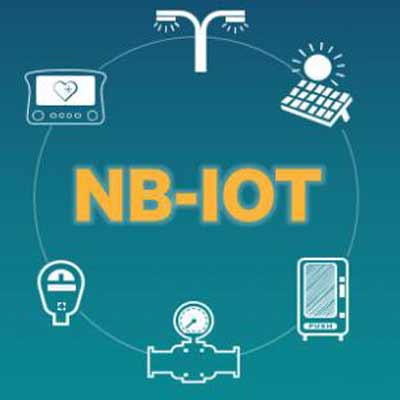
NEW DELHI: Global information and communications technology (ICT) solutions provider Huawei and Vodafone Group have opened an Open IoT Lab to work on the development of products and applications relating to Narrowband Internet of Things (NB-IoT) technology.
The lab will provide a pre-integration testing environment for application developers and device, module and chip manufacturers. The facility, which is the first of seven that Huawei plans to open, will also offer support to developers and partners. They will work with both companies to explore cutting edge developments including network solution verification, new application innovation, device integration, and product compliance certification.
Vodafone Group R&D Director and Chairman of the GSMA NB-IoT Forum Luke Ibbetson said: “As one of the founding members of the GSMA NB-IoT forum, we are delighted that the first lab is up and running. Over the past twelve months we’ve made significant progress establishing industry standards for the technology and the new labs will be critical to the next phase of development, which is to build a vibrant NB-IoT ecosystem.”
Huawei Wireless Product Line President David Wang said: “With our decade-long strategic partnership with Vodafone, the creation of this lab is another important milestone in our long term relationship. Working with Vodafone, we have accelerated standardization of the technology and carried out successful pre-commercial trials. This facility will be crucial in supporting the deployment of NB-IoT globally and contribute to the promotion of its ecosystem.”
“The GSMA’s Mobile IoT initiative has been instrumental in aligning the industry behind three complementary technologies in NB-IoT, Extended Coverage GSM For IoT (EC-GSM-IoT) and Cat-M that will underpin a diverse range of solutions in the burgeoning LPWA market,” said GSMA Head of Connected Living Programme Graham Trickey. “There are already a number of pilots taking place around the world and we welcome the work of the GSMA NB-IoT Forum that will help to accelerate the availability of commercial solutions in licensed spectrum.”
The narrowband technology provides significantly improved network coverage for Internet of Things communications, supports deeper coverage, a large number of connections, while lowering power consumption.
NEW DELHI: Global information and communications technology (ICT) solutions provider Huawei and Vodafone Group have opened an Open IoT Lab to work on the development of products and applications relating to Narrowband Internet of Things (NB-IoT) technology.
The lab will provide a pre-integration testing environment for application developers and device, module and chip manufacturers. The facility, which is the first of seven that Huawei plans to open, will also offer support to developers and partners. They will work with both companies to explore cutting edge developments including network solution verification, new application innovation, device integration, and product compliance certification.
Vodafone Group R&D Director and Chairman of the GSMA NB-IoT Forum Luke Ibbetson said: “As one of the founding members of the GSMA NB-IoT forum, we are delighted that the first lab is up and running. Over the past twelve months we’ve made significant progress establishing industry standards for the technology and the new labs will be critical to the next phase of development, which is to build a vibrant NB-IoT ecosystem.”
Huawei Wireless Product Line President David Wang said: “With our decade-long strategic partnership with Vodafone, the creation of this lab is another important milestone in our long term relationship. Working with Vodafone, we have accelerated standardization of the technology and carried out successful pre-commercial trials. This facility will be crucial in supporting the deployment of NB-IoT globally and contribute to the promotion of its ecosystem.”
“The GSMA’s Mobile IoT initiative has been instrumental in aligning the industry behind three complementary technologies in NB-IoT, Extended Coverage GSM For IoT (EC-GSM-IoT) and Cat-M that will underpin a diverse range of solutions in the burgeoning LPWA market,” said GSMA Head of Connected Living Programme Graham Trickey. “There are already a number of pilots taking place around the world and we welcome the work of the GSMA NB-IoT Forum that will help to accelerate the availability of commercial solutions in licensed spectrum.”
The narrowband technology provides significantly improved network coverage for Internet of Things communications, supports deeper coverage, a large number of connections, while lowering power consumption.