Category: Technology

  • Friend MTS-Castle Media to tackle Bollywood’s digital piracy using unique watermark tech

    Friend MTS-Castle Media to tackle Bollywood’s digital piracy using unique watermark tech

    MUMBAI: Piracy is a serious challenge to the entertainment industry in India. In fact, according to the Motion Pictures Distributors Association of India (MPDA), India country is infamous for having one of the highest rate of video piracy in the world. Lack of stringent IP protection laws to counter exponential growth of online piracy has made matters worse. In 2008 alone, the industry lost close to USD 4 billion (Rs 27,000 crore) to piracy, going by Ernst & Young estimates. By 2016, the figure may have doubled by conservative extrapolation.

    Birmingham-based content protection service Friend MTS sees a business opportunity in bringing back this large sum of non-monetised revenue back to the content-owners in India. Friend MTS is leading a delegation to India that will investigate the escalating problem of digital piracy.

    “As pioneers in the creation and provision of content protection services, already used by many of the world’s Pay-TV operators, rights holders and broadcasters, we want to engage with the country’s movie producers and work with them to effectively fight the increasing threat to the revenue of premium channels and rights holders,” said Friend MTS’ global sales & marketing EVP Paul Hastings.

    Friend MTS has already established the company’s base in Chennai, with Rahul Nehra overseeing its India operations. He works with India’s film studios, broadcasters and content owners to help protect them from unauthorised redistribution of their live and premium on-demand content.

    Film producers and content rights owners such as Kollywood’s Venkat Prabhu is excited “at the prospects of having FMTS track and contain on-line piracy” and are hopeful this will give them a significant upside in local and global revenues. Tamil Film Producers Council secretary T Siva, a film producer at Amma Creation, said, “The industry welcomes these initiatives on digital anti-piracy.” Friend MTS had already helped secure Bollywood movies like Baahubali and Pink against piracy.

    India is the biggest film producer in the world making between 1500 and 2000 movies each year, including the cult Bollywood movies.

    “By teaming up with our local partner, Rahul Nehra, a well-known face in the Indian broadcast, satellite, content and OTT markets, and growth consultants from Frost Sullivan, the event and our delegation will be an unprecedented forum for discussing India’s spiraling digital piracy problems and how together we can work to stop it,” Hastings shared.

    To help the international player understand the complex Indian media ecosystem, it has made an alliance with Castle Media. To guide its penetration in the southern market, it is relying on Novacom. Friend MTS’s flagship service titled ‘Studio’ is designed to identify instances of pirated movies on the internet, and is being used by some of the largest content-owners in the world.

    In 2012 India was added to an ‘International Piracy Watch List’ by a U.S. government panel looking to highlight countries not taking sufficient action to address high rates of digital piracy. According to a 2013 article in WIPO Magazine (the journal of the World Intellectual Property Organization), the Indian film industry loses around US$3.34 billion and some 60,000 jobs every year because of piracy.

    Identifying each copyright violator by generating unique watermark within the content for each user is what Hastings calls is the technology’s USP. “It uses a sophisticated but lightweight fingerprinting technology, coupled with our global monitoring platform and network forensics, to identify and enforce against websites and apps that are being used deliver illegal content,” he added.

    In India Friend MTS is already operational for a leading broadcaster, and in talks with pay TV platforms, OTT service providers, and content makers, to ensure it catches up to its vibrant international clientele. “We deliver digital anti-piracy services for a wide range of customers including content owners such as Viacom and Paramount, sports rights holders such as the English Premier League, Serie A (Italian Football League), UFC, WWE, the International Olympic Committee and leading Hollywood studios. We also protect tier one pay-TV operators such as Sky, BT, nc+ (Poland) and OTE (Greece) delivered via satellite, cable and OTT,” Hastings added in parting.
  • India poised to emerge as lucrative market for UHD STBs

    India poised to emerge as lucrative market for UHD STBs

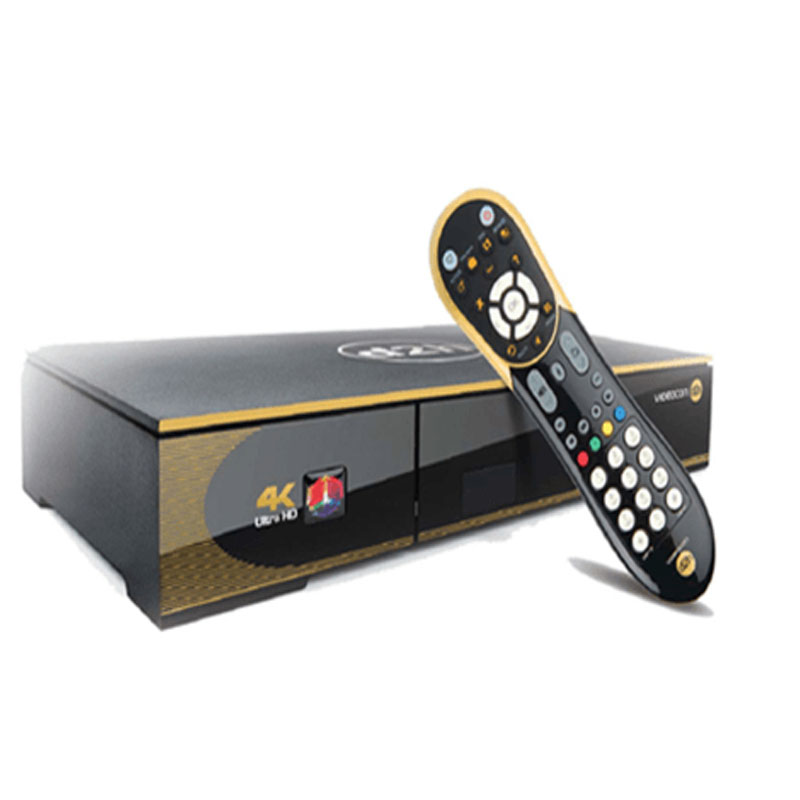
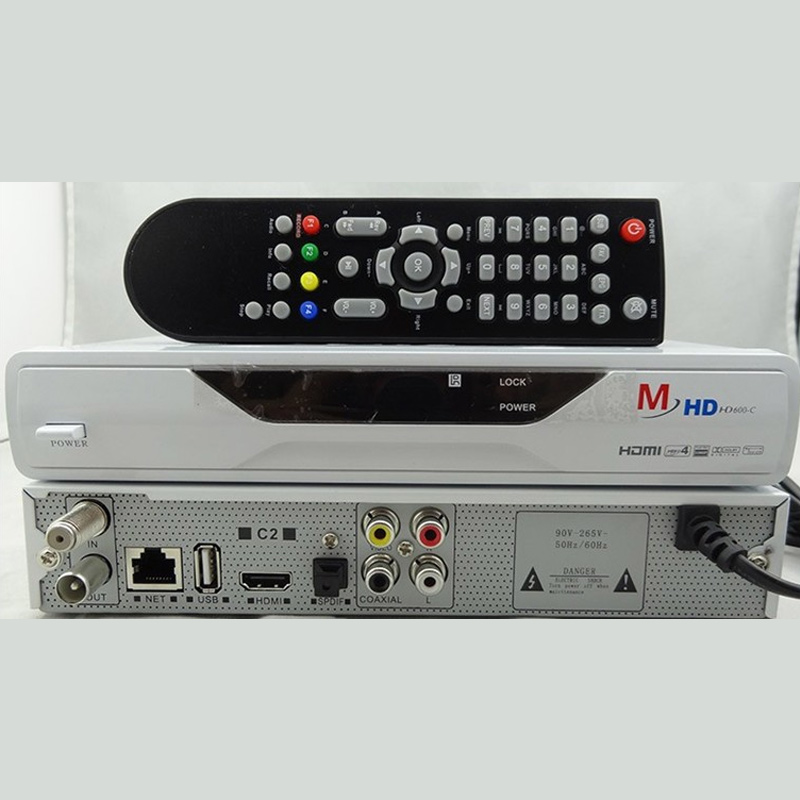
    MUMBAI: The growing inclination of people towards ultra-high definition video viewing can be attributed as a major reason for the 4K Set-Top Box’s (STB) market growth. According to a report by Grand View research, the global 4K STB market size is projected to reach US$7.18 billion by 2024.

    The demand for media-rich home entertainment services among consumers is increasing and is anticipated to fuel market growth. Improved standard of living owing to increased purchasing power is positively impacting the industry growth. The growth is further fostered by favorable government initiatives, large-scale digitization programs, and mandatory installation of set top boxes.

    Valued at at over US$ 50 million in 2015, the is projected to witness high growth over the next eight years, especially in countries such as Korea, Taiwan, and China.

    India is poised to emerge as a lucrative market for UHD STBs with the country expected to witness a CAGR substantially higher than the regional average. DTH operators like Tata Sky, Videocon, Airtel, etc have launched UHD STBs and are attempting to achieve a higher rural penetration with affordable regional packages.

    The increasing penetration of 3D and 4K TVs and escalating demand for large screen displays are fueling the demand for Ultra High-Definition (UHD) STBs. Smart features such as STB operability through voice commands given by Remote Control Unit (RCU) is garnering high potential.

    Internet Protocol Television (IPTV) 4K STBs accounted for over 20 per cent of the market share in 2015 and are expected to witness considerable growth over the forecast period. Increasing broadband penetration can be attributed as the major reason for the rise in the market share of IPTV 4K Set-top Box devices. The IPTV set top box product segment is projected to gain traction owing to benefits such as integration of TV, PC, home phone, and wireless devices offering a high quality of viewing experience to the end-users.

    Key industry participants include ZTE Corporation, SAGEMCOM, Arion Technology, Roku Inc., and Infomir LLC. Manufacturers are emphasizing on UHD STBs incorporated with interactive 4K content to gain a competitive edge in the industry.

    Technology giants such as Apple Inc. have managed to make their mark in this competitive industry. The Apple TV device aids the streaming of OTT content and other videos over the internet. The launch of advanced OTT devices such as Google Inc.’s Chromecast media streaming device and Amazon’s Fire TV STBs have opened up new avenues in the industry.

  • India poised to emerge as lucrative market for UHD STBs

    India poised to emerge as lucrative market for UHD STBs

    MUMBAI: The growing inclination of people towards ultra-high definition video viewing can be attributed as a major reason for the 4K Set-Top Box’s (STB) market growth. According to a report by Grand View research, the global 4K STB market size is projected to reach US$7.18 billion by 2024.

    The demand for media-rich home entertainment services among consumers is increasing and is anticipated to fuel market growth. Improved standard of living owing to increased purchasing power is positively impacting the industry growth. The growth is further fostered by favorable government initiatives, large-scale digitization programs, and mandatory installation of set top boxes.

    Valued at at over US$ 50 million in 2015, the is projected to witness high growth over the next eight years, especially in countries such as Korea, Taiwan, and China.

    India is poised to emerge as a lucrative market for UHD STBs with the country expected to witness a CAGR substantially higher than the regional average. DTH operators like Tata Sky, Videocon, Airtel, etc have launched UHD STBs and are attempting to achieve a higher rural penetration with affordable regional packages.

    The increasing penetration of 3D and 4K TVs and escalating demand for large screen displays are fueling the demand for Ultra High-Definition (UHD) STBs. Smart features such as STB operability through voice commands given by Remote Control Unit (RCU) is garnering high potential.

    Internet Protocol Television (IPTV) 4K STBs accounted for over 20 per cent of the market share in 2015 and are expected to witness considerable growth over the forecast period. Increasing broadband penetration can be attributed as the major reason for the rise in the market share of IPTV 4K Set-top Box devices. The IPTV set top box product segment is projected to gain traction owing to benefits such as integration of TV, PC, home phone, and wireless devices offering a high quality of viewing experience to the end-users.

    Key industry participants include ZTE Corporation, SAGEMCOM, Arion Technology, Roku Inc., and Infomir LLC. Manufacturers are emphasizing on UHD STBs incorporated with interactive 4K content to gain a competitive edge in the industry.

    Technology giants such as Apple Inc. have managed to make their mark in this competitive industry. The Apple TV device aids the streaming of OTT content and other videos over the internet. The launch of advanced OTT devices such as Google Inc.’s Chromecast media streaming device and Amazon’s Fire TV STBs have opened up new avenues in the industry.

  • Reliance Jio to launch Android powered 4K STBs

    Reliance Jio to launch Android powered 4K STBs

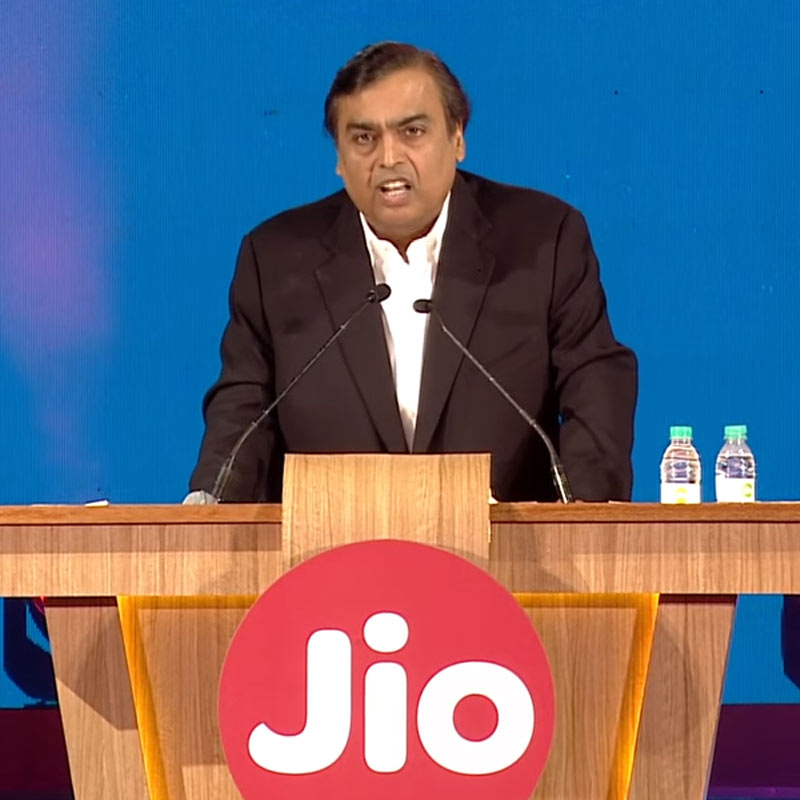
    MUMBAI: Enjoying huge waves of success, Reliance Jio, within few months of its launch, plans to launch Android powered set-top boxes (STBs) in India. Following its idea of providing free 4G internet, this is believed to be Jio’s second step in building their envisioned Digital Ecosystem in India.

    Though they have not announced any date of the launch as of yet, several reports have surfaced hinting at the company’s plans to introduce three STBs, differing in prices and hardware. One will be the high-end STBs powered by Broadcom chipset, the other two would be powered by the Marvell processor. According to reports, the Broadcom powered by STB comes with dual core Brahma CPU and OGLES 3.1 GPU.

    The three STBs are also rumoured to support 4K UHD by default and runs on Android 6.0 Marshmallow out of the box. However, the users would require a 4K supported TV for the best experience.

    The devices come with a pre-installed Google PlayStore along with native Android apps. It also contains Jio Suite apps like Jio TV and Jio On Demand. With these STBs, the normal LCD/LED TV can be converted into a smart TV running on Android.

    Instead of the regular IR remote controller, these boxes come with Bluetooth remote controllers. They can be also controlled with smartphones using the app, similar to something Xiaomi debuted in the U.S market a couple of weeks back. The remote controller also has a mic for voice search with LAN, USB, and HDMI ports along with built-in Wi-Fi support.

    If reports are to be believed, the company has already imported 15,000 STBs priced at Rs. 5,500 per unit.

  • Reliance Jio to launch Android powered 4K STBs

    Reliance Jio to launch Android powered 4K STBs

    MUMBAI: Enjoying huge waves of success, Reliance Jio, within few months of its launch, plans to launch Android powered set-top boxes (STBs) in India. Following its idea of providing free 4G internet, this is believed to be Jio’s second step in building their envisioned Digital Ecosystem in India.

    Though they have not announced any date of the launch as of yet, several reports have surfaced hinting at the company’s plans to introduce three STBs, differing in prices and hardware. One will be the high-end STBs powered by Broadcom chipset, the other two would be powered by the Marvell processor. According to reports, the Broadcom powered by STB comes with dual core Brahma CPU and OGLES 3.1 GPU.

    The three STBs are also rumoured to support 4K UHD by default and runs on Android 6.0 Marshmallow out of the box. However, the users would require a 4K supported TV for the best experience.

    The devices come with a pre-installed Google PlayStore along with native Android apps. It also contains Jio Suite apps like Jio TV and Jio On Demand. With these STBs, the normal LCD/LED TV can be converted into a smart TV running on Android.

    Instead of the regular IR remote controller, these boxes come with Bluetooth remote controllers. They can be also controlled with smartphones using the app, similar to something Xiaomi debuted in the U.S market a couple of weeks back. The remote controller also has a mic for voice search with LAN, USB, and HDMI ports along with built-in Wi-Fi support.

    If reports are to be believed, the company has already imported 15,000 STBs priced at Rs. 5,500 per unit.

  • Highly-beneficial interactions take place at Broadcast India ’16

    Highly-beneficial interactions take place at Broadcast India ’16

    MUMBAI: The 26th Broadcast India Show concluded over the weekend in Mumbai, and was easily the most exciting Broadcast India Show yet. With thousands of eager, high-quality trade visitors swarming the show floor, a sentiment signalling highly-beneficial exchanges and interactions echoed through the halls of the Bombay Exhibition Centre and was at the tip of our exhibitors’ tongues.

    As the number one professional trade show focused on the technology that powers India’s vast entertainment and infotainment industry, the Broadcast India Show delivered yet again on its promise of showcasing the latest in film, television, pro-audio, 3D, broadcasting, digital cinema, radio, mobile, IPTV, and also VR technology from across the world and within the subcontinent.

    The two-day Conference held on 20–22 October was well attended; with 26 speakers presenting papers on the state-of-the-art development in broadcast technology and related subjects. Leading manufacturers like Blackmagic Design, Panasonic, Sony, AVID, RED Digital, Canon, Datavideo, Ross Video, FOR-A, On Air Asia, Adobe, Grass Valley, AJA, PlayBox, IHSE, Primestream, Canare, Ikegami, Hitachi, Chyron Hego, Monarch, Boston, Netweb, Seagate, ARRI, Canara Lighting, GoPro, Atomos, Carl Zeiss, Cooke Optics, DJI, Vitec Group, Panther, Yamaha, Sennheiser, Digigram and Planetcast Media Services, to name a few, were present with their latest innovations at the show.

    “We saw more active engagement between visitors and exhibitors this year than we have seen in the past,” said Saicom Trade Fairs director Kavita Meer. “And since we collect feedback during show days, we came to realise that over a handful of years, our profile of visitors has changed from those who were content with just buying and selling to an audience that questions and challenges these advances in technology as well. That kind of back-and-forth is vital for the growth of the creative industry, not just in India but all over the world,” Meer said.

    Like always, a standard has been set for an arena that provides end-to-end technology solutions for serious visitors, buyers and decision-makers. The overwhelming response to the 2016 show only opens more doors for participation from the world’s most forward-thinking brands. And Broadcast India is committed to making sure this annual tech pilgrimage grows from strength-to-strength. Higher levels of participation from China and European countries as compared to previous years were seen. In total, 36 countries and over 590 companies participated in the show
    this year, with a visitor footfall of 20,143. Broadcast India Show 2017 will take place on 12-14 October 2017 at the Bombay Exhibition Centre in Mumbai.

  • Highly-beneficial interactions take place at Broadcast India ’16

    Highly-beneficial interactions take place at Broadcast India ’16

    MUMBAI: The 26th Broadcast India Show concluded over the weekend in Mumbai, and was easily the most exciting Broadcast India Show yet. With thousands of eager, high-quality trade visitors swarming the show floor, a sentiment signalling highly-beneficial exchanges and interactions echoed through the halls of the Bombay Exhibition Centre and was at the tip of our exhibitors’ tongues.

    As the number one professional trade show focused on the technology that powers India’s vast entertainment and infotainment industry, the Broadcast India Show delivered yet again on its promise of showcasing the latest in film, television, pro-audio, 3D, broadcasting, digital cinema, radio, mobile, IPTV, and also VR technology from across the world and within the subcontinent.

    The two-day Conference held on 20–22 October was well attended; with 26 speakers presenting papers on the state-of-the-art development in broadcast technology and related subjects. Leading manufacturers like Blackmagic Design, Panasonic, Sony, AVID, RED Digital, Canon, Datavideo, Ross Video, FOR-A, On Air Asia, Adobe, Grass Valley, AJA, PlayBox, IHSE, Primestream, Canare, Ikegami, Hitachi, Chyron Hego, Monarch, Boston, Netweb, Seagate, ARRI, Canara Lighting, GoPro, Atomos, Carl Zeiss, Cooke Optics, DJI, Vitec Group, Panther, Yamaha, Sennheiser, Digigram and Planetcast Media Services, to name a few, were present with their latest innovations at the show.

    “We saw more active engagement between visitors and exhibitors this year than we have seen in the past,” said Saicom Trade Fairs director Kavita Meer. “And since we collect feedback during show days, we came to realise that over a handful of years, our profile of visitors has changed from those who were content with just buying and selling to an audience that questions and challenges these advances in technology as well. That kind of back-and-forth is vital for the growth of the creative industry, not just in India but all over the world,” Meer said.

    Like always, a standard has been set for an arena that provides end-to-end technology solutions for serious visitors, buyers and decision-makers. The overwhelming response to the 2016 show only opens more doors for participation from the world’s most forward-thinking brands. And Broadcast India is committed to making sure this annual tech pilgrimage grows from strength-to-strength. Higher levels of participation from China and European countries as compared to previous years were seen. In total, 36 countries and over 590 companies participated in the show
    this year, with a visitor footfall of 20,143. Broadcast India Show 2017 will take place on 12-14 October 2017 at the Bombay Exhibition Centre in Mumbai.

  • India, China to propel APAC, beat CAS Europe market share

    India, China to propel APAC, beat CAS Europe market share

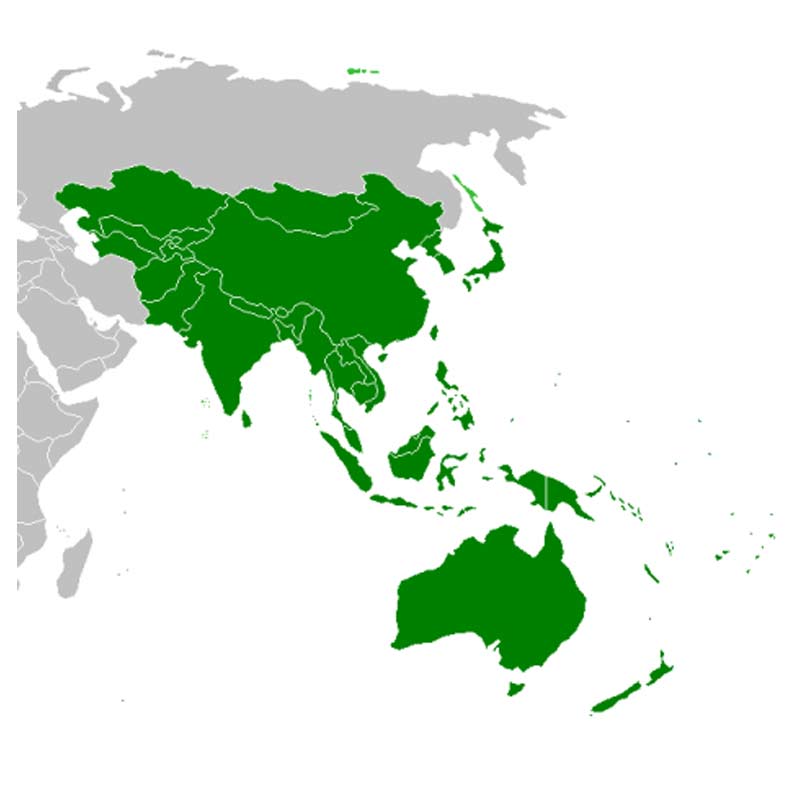
    MUMBAI: APAC is expected to overtake the market share of Europe in future due to an increasing demand for digital TV set-up boxes in countries such as China and India. North America and Europe dominated the global CAS market in 2015. APAC region is estimated to mark a growth rate of 12.0 per cent CAGR during the forecast period 2016 to 2025.

    As per market research by ‘the Insight Partners’, increased digital TV penetration in households coupled with rising internet users will boost the CAS market at a CAGR of 9.1 per cent.

    North America is one of the key regions with the highest demand for CAS due to high adoption of internet services, followed by Europe. Developing countries in APAC and MEA are anticipated to experience significant adoption of CA systems, due to growing internet infrastructure and modernizing traditional TV services. Thus, North America and Europe dominated.

    Conditional Access System (CAS) offers a secure platform to broadcast the digital content through subscription based plans. CAS has set new dimension to the end user viewership and also has set up new revenue opportunities to operators and others who broadcast digital content. Today, CA technology and services are sophisticated, and are more than ever mission-critical for a successful pay TV business venture. In a growing competitive environment, in order to attract customers, traditional pay TV operators have had to diversify their offering from the original idea of offering premium content, to pay per view (PPV).

    The global conditional access systems market was estimated to be $ 2.32 billion in 2015, and is expected to reach $ 5.53 billion by 2025.

    Internet services exhibits a tremendous global growth and creating plethora of opportunities for the CAS market in near future along with increasing number of subscribers. This would also help the CAS market to continue its growth despite of declining STB market. The demand for internet TV and videos for home entertainment would become the prime factor driving the CAS growth. Internet service providers are using CAS for secured content delivery to subscribers. Increasing demand for personalized services and applications such as Netflix, Voot, Hot Star, etc. will accelerate the demand for CAS going ahead.

    Germany Conditional Access Systems market is expected to exhibit highest growth rate of 11.2 per cent during 2016 – 2025. This will outpace the growth rate of the U.K., thereby Germany leading the Europe CAS market by 2025.

    Some of the key players profiled in the report are Nagravision SA, Verimatrix, Inc., Irdeto, Viacess-Orca, Cisco, Inc., Coretrust, Inc., Conax AS, China Digital TV, Wellav Technologies Ltd. and ARRIS International plc.

  • India, China to propel APAC, beat CAS Europe market share

    India, China to propel APAC, beat CAS Europe market share

    MUMBAI: APAC is expected to overtake the market share of Europe in future due to an increasing demand for digital TV set-up boxes in countries such as China and India. North America and Europe dominated the global CAS market in 2015. APAC region is estimated to mark a growth rate of 12.0 per cent CAGR during the forecast period 2016 to 2025.

    As per market research by ‘the Insight Partners’, increased digital TV penetration in households coupled with rising internet users will boost the CAS market at a CAGR of 9.1 per cent.

    North America is one of the key regions with the highest demand for CAS due to high adoption of internet services, followed by Europe. Developing countries in APAC and MEA are anticipated to experience significant adoption of CA systems, due to growing internet infrastructure and modernizing traditional TV services. Thus, North America and Europe dominated.

    Conditional Access System (CAS) offers a secure platform to broadcast the digital content through subscription based plans. CAS has set new dimension to the end user viewership and also has set up new revenue opportunities to operators and others who broadcast digital content. Today, CA technology and services are sophisticated, and are more than ever mission-critical for a successful pay TV business venture. In a growing competitive environment, in order to attract customers, traditional pay TV operators have had to diversify their offering from the original idea of offering premium content, to pay per view (PPV).

    The global conditional access systems market was estimated to be $ 2.32 billion in 2015, and is expected to reach $ 5.53 billion by 2025.

    Internet services exhibits a tremendous global growth and creating plethora of opportunities for the CAS market in near future along with increasing number of subscribers. This would also help the CAS market to continue its growth despite of declining STB market. The demand for internet TV and videos for home entertainment would become the prime factor driving the CAS growth. Internet service providers are using CAS for secured content delivery to subscribers. Increasing demand for personalized services and applications such as Netflix, Voot, Hot Star, etc. will accelerate the demand for CAS going ahead.

    Germany Conditional Access Systems market is expected to exhibit highest growth rate of 11.2 per cent during 2016 – 2025. This will outpace the growth rate of the U.K., thereby Germany leading the Europe CAS market by 2025.

    Some of the key players profiled in the report are Nagravision SA, Verimatrix, Inc., Irdeto, Viacess-Orca, Cisco, Inc., Coretrust, Inc., Conax AS, China Digital TV, Wellav Technologies Ltd. and ARRIS International plc.

  • India lucrative market for 4K UHD STBs: Grand View Research

    India lucrative market for 4K UHD STBs: Grand View Research

    MUMBAI: Here’s a view on the demand for 4K or ultra high definition (UHD) set-top boxes (STBs) in India.

    American research firm Grand View Research Inc has forecast in a new report that India is “poised to emerge as a lucrative market for UHD STBs with the country expected to witness a CAGR substantially higher than the regional (Asia Pacific) average. Several DTH operators such as Tata Sky, Videocon, and Airtel have launched UHD STBs and are attempting to achieve a higher rural penetration with affordable regional packages.”

    The report says that the APAC 4K STB market was valued at just over $50 million in 2015 and will witness a high growth over the next eight years with India leading the charge.

    The Grand View Research Inc analysis states that the global 4K STB market size is projected to reach $7.18 billion by 2024. The growing inclination of the global public towards UHD video viewing can be attributed as the major reason for the 4K STB market growth.

    The demand for media-rich home entertainment services among consumers is increasing and is anticipated to fuel market growth. The growth is further fostered by favourable government initiatives, large-scale digitization programs, and mandatory installation of set-top boxes. Improved standard of living owing to increased purchasing power is positively impacting the industry growth.

    The initiatives undertaken by the Federal Communications Commission for supporting third-party STB manufacturers is paving the way for the expansion of the Ultra High-Definition (UHD) STB industry. The market is anticipated to gain traction in Asia Pacific owing to the strong presence of low-cost set-top box manufacturers, especially in countries such as Korea, Taiwan, and China.

    The increasing penetration of 3D and 4K TVs and escalating demand for large screen displays are fuelling the demand for UHD STBs. Smart features such as STB operability through voice commands given by remote control unit (RCU) is garnering high potential. The computational capabilities of STBs in combination with the advent of quality standards to satiate growing customer expectations have culminated in the STB market growth.

    Further key findings suggest:

    Internet Protocol Television (IPTV) 4K STBs accounted for over 20 per cent of the market share in 2015 and are expected to witness considerable growth over the forecast period. Increasing broadband penetration can be attributed as the major reason for the rise in the market share of IPTV 4K Set-top Box devices.

    The IPTV STB product segment is projected to gain traction owing to benefits such as integration of TV, PC, home phone, and wireless devices offering a high quality of viewing experience to the end-users.

    Key industry participants include ZTE Corporation, SAGEMCOM, Arion Technology, Roku, and Infomir. Manufacturers are emphasizing on UHD STBs incorporated with interactive 4K content to gain a competitive edge in the industry.

    Technology giants such as Apple have managed to make their mark in this competitive industry. The Apple TV device aids the streaming of (Over-The-Top) OTT content and other videos over the internet. The launch of advanced OTT devices such as Google Chromecast media streaming device and Amazon’s Fire TV STBs have opened up new avenues in the industry