Category: Technology

  • How to create live video content sans pros, convert radio broadcast into visual show

    How to create live video content sans pros, convert radio broadcast into visual show

    MUMBAI: ChyronHego will be showcasing its live production, automation solutions at Broadcast India show in Mumbai in mid-October.

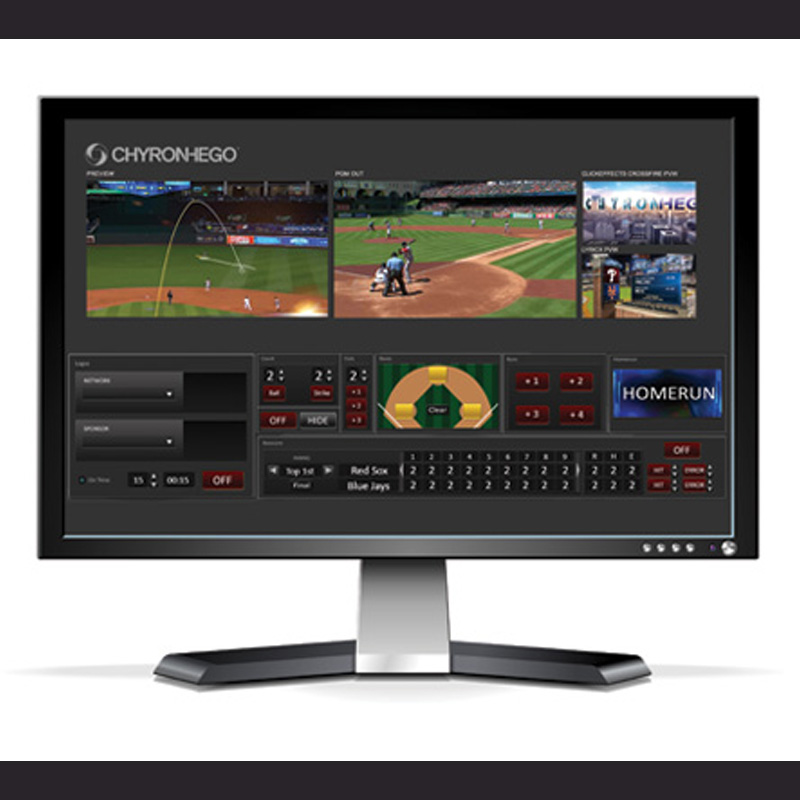
    Live compositor with live assist panels: Live Compositor from ChyronHego is a powerful and intuitive software solution for live multicamera production, allowing both new and experienced broadcasters to create compelling live video content without the need for  technically trained personnel. The solution includes video switching and audio mixing, a powerful video effects engine, multichannel graphics, multiple clip players, and robotic camera control, all packaged in an easy-to-use, all-in-one solution. ChyronHego will demonstrate Live Compositor with the Live Assist Panels platform, an all-new user interface and control panel creation tool. The Live Assist Panels platform leverages the latest multiuser web technologies to enable creation of custom-designed user interfaces for control of any ChyronHego product, and it also supports a growing range of protocols used by ChyronHego and by other leading industry vendors.

    Live assist playout automation: Also being showcased is ChyronHego’s Live Assist playout automation engine. Live Assist offers an ultra-intuitive user interface and open API for smooth integration with existing newsroom system.

    Visual radio: ChyronHego’s Visual Radio is a tool that enriches audio content with synced video to transform a radio broadcast into an entertaining and compelling visual show. The solution allows radio stations to take their shows to the next level by giving the audience the chance to experience unique radio moments as they happen and turn listeners into viewers. Visual Radio is a fully automated software solution that automatically switches cameras and plays graphics by analyzing audio signals and XML data from a radio station’s automation system. Visual Radio mimics a real director, leaving the radio presenters to do what they are good at, which is making radio. Visual Radio combines automatic camera switching, dynamic digital video effects (DVE), and graphic overlays with real-time XML updates and audio control. Visual Radio is designed for web, mobile, and TV platforms. Visual Radio is an add-on to a station’s current radio production system and does not require extra staff.

    Toolbox: ChyronHego’s Toolbox provides broadcasters with the flexibility to quickly capture content from a PC or the web and then convert it to air on live TV with just a few simple clicks. Toolbox allows broadcasters to utilize anydesktop content, play back any codec, and use content from video communication tools such as Skype, Google Hangouts, and Viber in their production. Key features of the Toolbox include a grabber, VLC plug-in, and generic return signal for video calls with a separate overlay for each function.

    The grabber feature allows users to select and grab any PC or web content such as a YouTube clip, PowerPoint slide, or Google Earth location and put it on air. The VLC plug-in takes troubled video files with unknown codecs and allows the user to drop the files in the VLC player and easily play back video files in the broadcast. The generic return signal option allows users to include remote interviews over Google Hangouts, Skype, and Viber in a live broadcast.

  • Sony renews IP licence deal with TiVo

    Sony renews IP licence deal with TiVo

    MUMBAI: TiVo Corporation, a leader in entertainment technology and audience insights, has announced that Sony Corporation, a leader in consumer electronics, has renewed its multi-year intellectual property (IP) licence agreement. The license to TiVo’s patent portfolios covers all of Sony’s worldwide products and services.

    “This licence agreement accentuates the value TiVo’s patent portfolios bring to the fast-growing and competitive entertainment industry,” said TiVo company Rovi Corporation, EVP and chief intellectual property officer Arvin Patel. “We continue our long-standing relationship, renewing our multi-year licence agreement with one of world’s leading entertainment companies,” Patel added.

    TiVo’s innovative solutions touch practically every aspect of consumers’ day-to-day interaction with their entertainment, enabling customers to build customised, next-generation digital entertainment solutions for users around the globe.

    From the interactive programme guide to the DVR, TiVo delivers innovative products and licensable technologies that revolutionise how people find content across a changing media landscape.

  • Digital TV, growing telecom major drivers of coaxial cable growth in A-Pac: Study

    Digital TV, growing telecom major drivers of coaxial cable growth in A-Pac: Study

    MUMBAI: The global coaxial cables market is mature owing to the use of coaxial cables in industries for a long time and the slow or stagnant product innovation.

    Coaxial cables are used for supplying television channels and providing Internet access and telephony services to homes and offices. They are also used for connecting equipment in mobile telecommunication stations and antennas.

    Technavio’s latest report on the global coaxial cables market provides an analysis of the most important trends expected to impact the market outlook from 2017-2021.

    Countries like the US, Germany, France, Japan, and China are the biggest existing markets for coaxial cables, with developing countries in APAC and MEA contributing the highest toward market growth. Regions like the US already have a large network of coaxial cables connecting almost all the CATV (community antenna television, commonly known as “cable TV”) subscribers. The driver for these cables in developed regions is the growth of broadband cable Internet users, while the major driver in developing nations (including India) is the adoption of digital television and the rapidly growing telecommunication sector.

    The top three emerging trends driving the global coaxial cables market according to Technavio heavy industry research analysts are: Growing investment in the aerospace sector Expanding infrastructure and construction growth Increase in global defense spending

    Growing investment in the aerospace sector: The aerospace and defense sector is a major user of coaxial and micro-coaxial cables. These are used to provide interconnection between essential electronic components in aircraft. Since aircraft have several radio communication equipment, isolation of the radio signals is critical for the smooth functioning of this equipment, which makes coaxial cables play a major role in electronic communication. These factors are likely to boost the global coaxial cables market in the coming years and drive its demand even higher.

    “Major aircraft manufacturers such as Airbus and Boeing are looking to increase production to meet the delays caused in aircraft deliveries. The commercial aircraft sector is likely to witness robust growth in aircraft demand, especially for smaller and medium-sized aircraft from domestic carriers as industry profits rise,” says Anju Ajay Kumar, a lead analyst at Technavio for research on engineering tools.

    Expanding infrastructure and construction growth: The rising economic activity and rapid urbanization will be driving the growth in new infrastructure and construction. To support the growing demand from various demographics segments, services like telecom and Internet access are necessary. Expansion in these sectors will directly impact the demand for coaxial cables.

    “China, Vietnam, and India will be spending a significant share of their GDP on average in infrastructure development. The fastest growing economy in the region, Vietnam, will need to invest hundreds of billions in infrastructure development to match up with its neighboring countries. The surge in demand for mobile devices equipped with next-generation wireless Internet access is likely to spur the construction and demand of mobile towers, stations, and related equipment, which are large consumers of coaxial cables,” adds Anju.

    Increase in global defense spending: The rising economic activity and rapid urbanization will be driving the growth in new infrastructure and construction. To support the growing demand from various demographics segments, services like telecom and Internet access are necessary.

  • Cable variant with 50x capacity launched, good for BharatNet, says telecom panel secy

    Cable variant with 50x capacity launched, good for BharatNet, says telecom panel secy

    MUMBAI: Sterlite Tech, an end-to-end global technology leader in smarter digital networks, has bolstered its all-new FlashFWD 5G Solution with the launch of 1152F variant cables at India Mobile Congress (#IMC2017).

    As part of its new FlashFWD 5G Series, this new indigenous cable variant comes with over 50 times the capacity of the typical cable deployed in India.

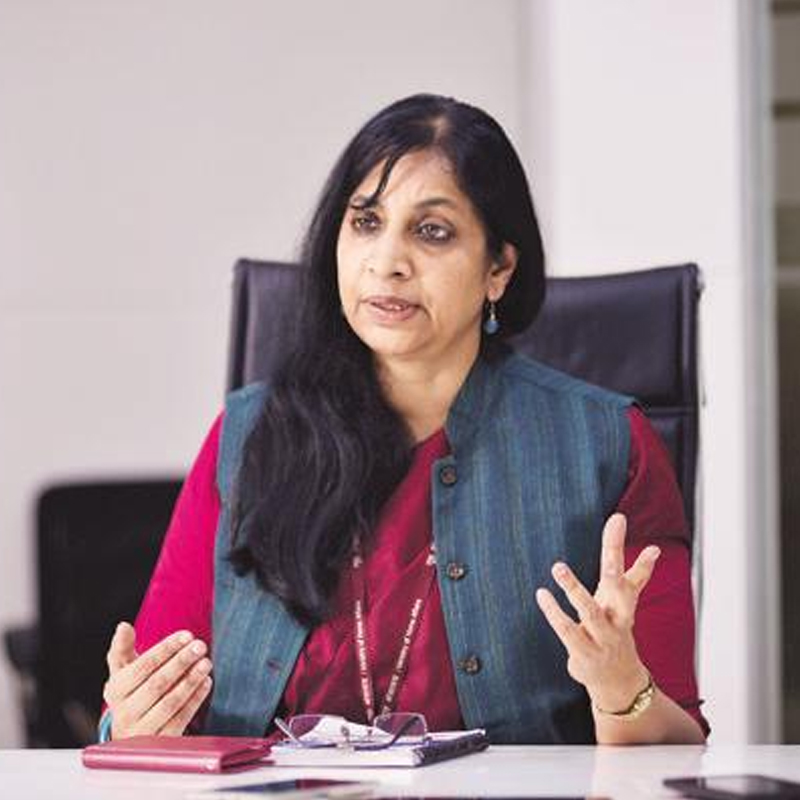
    While launching this solution, Telecom Commission (DoT) secretary (T) and chairman Aruna Sundararajan said, “I am delighted to launch Sterlite Tech’s 5G cable that has been completely made in India. This is really a next-generation product. As the world looks at more fibre deployment, I think this is one of the products that will be a leader. This technology also fulfils the Government of India objectives. As BharatNet and other optical fibre projects roll-out in the country, we will see more such technology deployments.”

    FlashFWD 1152F is NABL certified and complies with the latest global standards of IEC.60794 series, ANSI/ICEA S-87-640, Telcordia GR-20, and ITU-T Recommendations.

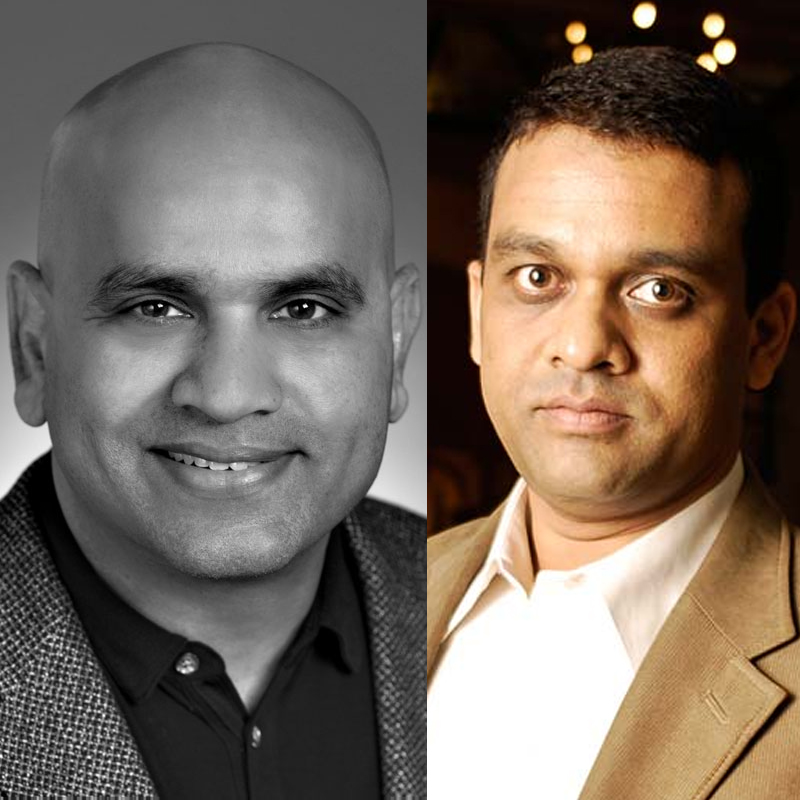
    Sterlite Tech CEO Anand Agarwal asserted, “We are proud to have designed and manufactured this dense network solution for mobile backhaul in India. Sterlite Tech manufactures these products across the value chain from core silicon to semiconductor-grade glass to optical fibres and optical fibre cables, making us the most integrated player globally. This solution proposes the usage of one fibre cable and one duct solution instead of putting multiple ducts, which are subsequently unusable.”

    Sterlite CTO Badri Gomatam said, “These cable solutions have 50 times the capacity of the current cables deployed in the country and future-proof for 20 years. With efficient use of limited duct space, the 1152F cable features a rugged design that protects the network in harsh weather and impact situations, increasing life expectancy to at least double the current average lifetime with lowest carbon-footprint.”

  • Tata Sky and Irdeto tie up, OTT service launched on Android devices

    Tata Sky and Irdeto tie up, OTT service launched on Android devices

    MUMBAI: India’s pay TV market is highly competitive, yet there is tremendous growth potential for OTT services as disposable incomes rise. According to Tetra Pax Index 2017, 82 per cent of the Indian population spends its time on mobile phones, and 2017 saw a 23 per cent rise in internet users who spend an average of eight hours a day online compared to 2016.

    To take advantage of the growing trend of consumption of video on-the-go, Tata Sky aims to offer its customers a high-quality viewing experience with superior navigation within a reliable and scalable service. Irdeto has been selected by Tata Sky, a leading content distribution platform providing pay-TV and over-the-top (OTT) services, to enhance its end-to-end solution for OTT services. The first phase of the project has been launched with Android devices, and the follow-on phases will extend Tata Sky’s OTT service to PC and iOS devices.

    Irdeto’s OTT solutions will simplify the operations and workflow of supporting multiple digital rights management (DRM) systems, configuring consistent business policies across different devices and managing a massive library of media assets. This will enable Tata Sky to not only rapidly re-launch their service, but also have the flexibility to easily adapt their service and business model to meet changing demands.

    Irdeto will enable Tata Sky to not only rapidly re-launch their service, but also have the flexibility to easily adapt their service and business model to meet changing demands.

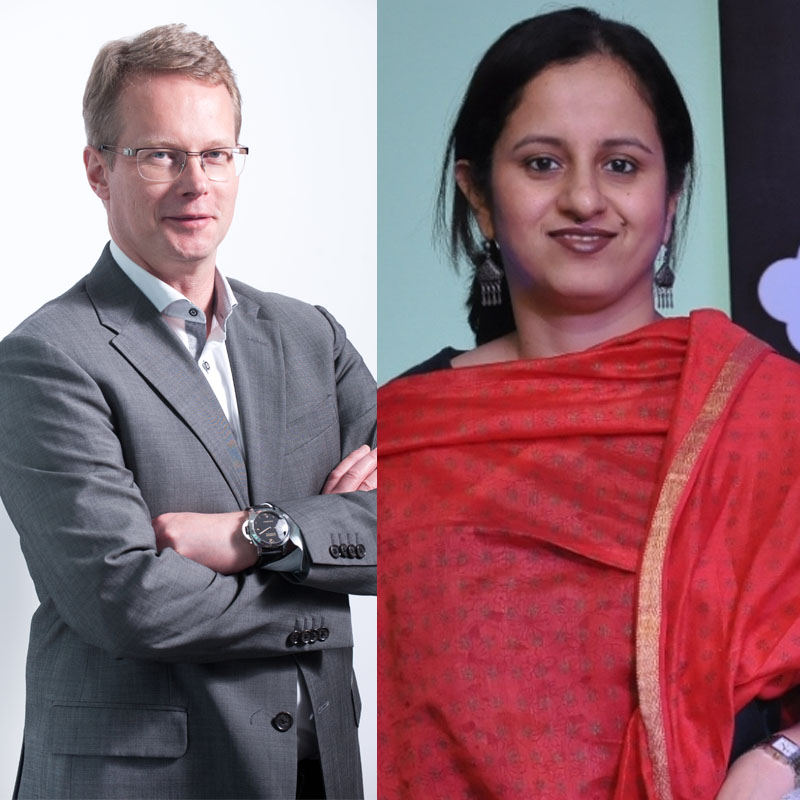
    “In India, it is important for us to offer our customers the best user experience on their devices. This means a high-quality, multi-lingual viewing experience of live channels and on-demand content with superior navigation within a reliable and scalable service,” said Tata Sky chief commercial officer Pallavi Puri.

    “There is a tremendous growth opportunity for OTT services in India, which brings about fierce competition in the industry. As such, it is crucial for operators like Tata Sky to have the freedom to innovate,” said Irdeto senior vice-president of sales and services Bengt Jonsson. “We can offload the complexity of managing security, fragmented technologies and backend workflow for them, and enable them to focus on delivering value to their customers,” he added.

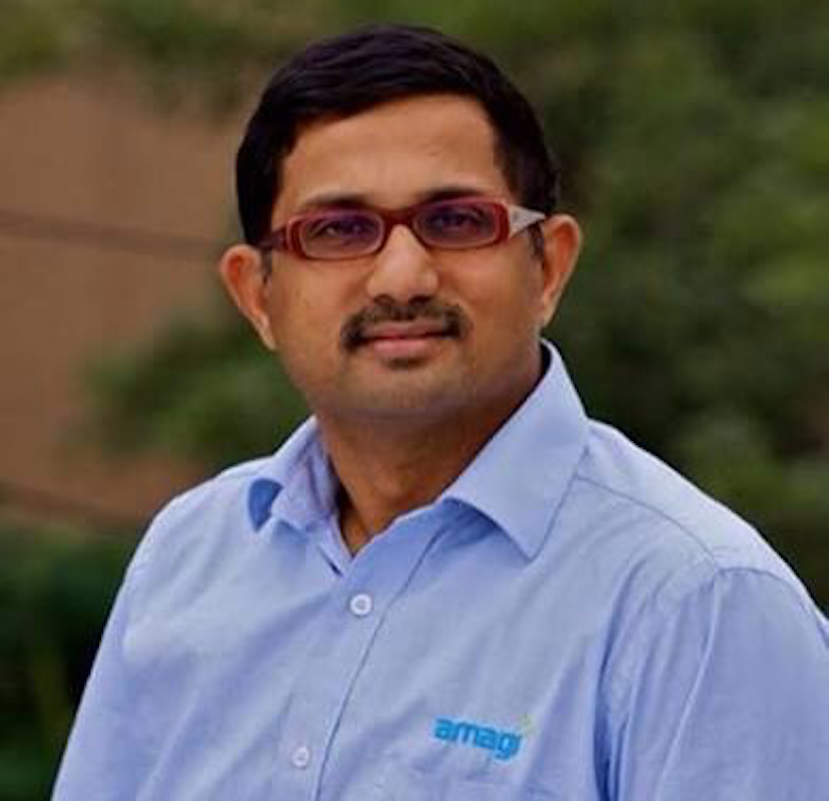
  • “Competition in OTT solutions is what makes it exciting:” Amagi’s Baskar Subramanian

    “Competition in OTT solutions is what makes it exciting:” Amagi’s Baskar Subramanian

    Founded in 2008, Bengaluru-hqed broadcasting, cloud and OTT ad and tech solutions provider Amagi is a homegrown outfit that is slowly and steadily making its mark globally, thanks to its innovative tech prowess.  With offices in New York, London and Hong Kong, and its R&D lab in Bangalore,  Amagi has made  deployments in over 40 countries and delivers more than 80 feeds to audiences worldwide. Its client roster features some big ticket premium players like: Discovery Communications (for DSport), Vice (for its Viceland channel),  Turner, AMC, IMG and B4U.

    Like previous years, the company is exhibiting at the global broadcast and OTT ecosystem confab, IBC in Amsterdam. Among the tech solutions it is showcasing at the exhibition include:  Cloudport channel Playout, Thunderstorm OTT Ad insertion, and Storm TV localization.

    Indiantelevision.com’s Kirti Chauhan had a brief conversation with Amagi CEO Baskar Subramanian about the company’s participation in IBC as well as on its journey so far. Excerpts from the interview: 


    What are the innovations you are bringing to IBC 2017?
    This time we are carrying two big innovations. First is related to machine learning capabilities or we call it the new deep learning capabilities, the artificial intelligence approach. For the first time, we are announcing products and services that would leverage machine learning capabilities to create new services. For example, we are demonstrating the  sports highlight feature.

    In a 90 minutes live soccer match, as soon as the match completes, a video editor identifies and creates a 10-15 minutes highlight show removing injuries, fouls and much more non-highlight things.

    But, Amagi has created a system that can automatically spit out 10 minutes highlights without worrying about missing the key factors.

    This is one step in the evolution of the bunch of services we are bringing in, which is going to transform how content is processed more in terms of live as well as VOD content.

    The new capabilities allow us to create promos, key frames, and much more with the help of our new solutions, which are done manually today.

    The second big innovation is the auto ad detection capability. It is an OTT offering. We have created a mechanism that can identify an ad and content separately so that each can be monetized on an individual basis.


    What is the amount of investment put in the technologies, which you are showcasing at IBC 2017?

    Amagi has raised $60 million to date and a large part of these funds are used on technology and research and development from the past six years. The products and innovations which we are going to present in IBC 2017 are a result of that R&D. We have raised  $35 million earlier in this year from KKR Emerald Media.


    How much traction has your ad insertion solution got globally?

    The total amount of ad insertion transaction we have done is close to about $30 million.


    You are entering a competitive market in OTT end-to-end solutions. Comment.

    There are three different parts specifically to the OTT value chain today. Looking at it from the technology standpoint, there is a need for OTT platform, that is, first, the software infrastructure, users interface towards the customers and the interaction with the customers. That is the whole customer related platform which is the online platform.

    Second is the advertising monetization, which is a separate piece of managing the monetization part. And third is video back pulling which is bringing the content into the system.

    Amagi basically focuses on its strength –  which is ad monetization as well as video back and forth today. We work with multiple different online platforms.

    Yes, it is a competitive market and that is the exciting part. The market is growing dramatically in this segment. Many different players from different parts of the globe are getting into this particular space.


    Who is your target clientele for live streaming online?

    Our target clientele is everybody who is into live streaming of any sort of content. One bunch is the large professional  sports TV channels. Another bunch of clients we are targeting is Youtube stars and wannabes. Those who already exist on Youtube space now are looking to create live events and sessions.

    We have few clients worldwide who have started to look at it and lot more is going to happen in the next few months, where we will be seeing digital first companies becoming great consumers of live streaming capabilities on the internet.

    For example, we already have channels that are using Amagi’s infrastructure for live sports. In India, DSport,  a Discovery Communications sports channel, is run by Amagi. We are handling their live content day in and day out. Content coming in from worldwide is going through our infrastructure where we help them to orchestrate and create live streams for different sports events worldwide. Currently, we are managing their Pakistan vs World XI  match via Bangalore.


    How you will take out the interruptions (ad breaks) from the live content that you are demonstrating at IBC2017?

    When an event happens, we take the whole event content into the cloud, and then there is a stream of the event coming as an IP stream or internet stream into the cloud. In the cloud, Amagi can through a browser insert exact points of the ad. For example, if we are watching a cricket match, exactly at the end of an over to put an advertisement, Amagi uses its browser-based approach. Another current example, in the DSport scenario, the satellite uplink is happening in Hong Kong,  the cricket match is happening in Pakistan, the control of the advertising, graphics and sports score card is done in Bangalore.

    Amagi does the effective master control of the whole live stream from the Bangalore master control room on cloud infrastructure. Amagi has built out sophisticated and complex architecture that we are demonstrating at IBC 2017 as our new innovation.


    What would be the time lag in the telecasting of the live content?

    From the time the camera captures the event to the time it comes to on any screen is called glass-to-glass latency. In Amagi, the glass-to-glass latency is about 10 seconds.


    How have you scaled up to offer these solutions?

    Amagi’s infrastructure has been built from a software architecture standpoint through which we would be able to scale and offer thousands of services. Once, applied on a public cloud infrastructure like Amazon, Microsoft Azure, then it starts scaling up dramatically.


    How do you operationalize these channels and run them?

    Amagi uses a lot of automation instead of people and has built automated monitoring capabilities, alerts, and system capabilities. Everything is automated, as much as possible, and we minimize manpower, as well as our scalability, is automatically addressed using machines.


    How do you manage monetization?

    Amagi has the technology to identify the location of all the ads breaks on the online television content, which is available on television today. Once it is identified, we connect with ad networks and ad exchanges and sell the advertisements to them.


    What is your expectation from these innovations?

    Fundamentally the innovations we are doing are world class and pioneering. We will be probably the only company or one of the companies talking about taking the machine learning and artificial intelligence approach. Also like Google and Microsoft, we will be one of the few companies, which talks about these capabilities for broadcasting as a media business programmer.


    Also read:

    Managed Broadcast Services Amagi’s Skylight Cloud Platform

    Amagi wins IBC Innovation Award

    Amagi to provide ad solutions to Sun TV Network
  • SonyLiv can monetise content bundles better using  Evergent solution

    SonyLiv can monetise content bundles better using Evergent solution

    MUMBAI: Evergent will now empower SPNI to onboard new customers for SonyLiv and monetise live sports. Its comprehensive revenue and user lifecycle management platform supports identity, entitlements, product catalogue and payments across two major media platforms and multiple devices.

    Evergent Technologies, a provider of cloud-based, user lifecycle management solutions for video service providers, has announced a collaboration with Sony Pictures Network India (SPNI) and its SonyLiv premium video-on-demand (VOD) service.

    This would enable Sony to expand beyond its initial push to consumers in India. With Evergent’s User Lifecycle Management solution, SonyLiv can support identity, entitlements and better monetise content bundles across both live and on-demand media platforms.

    SonyLiv provides multiscreen engagement on all devices to millions of users. Sony wanted to leverage that success by expanding into other geographic territories, and has selected Evergent because of its expertise in deploying a global OTT service.

    As part of the collaboration, Evergent will provide identity and user management, entitlement for provisioning content access, revenue management to track global payments by product and region, and product catalogue management for personalising products, bundles and promotions across a range of devices.

    “SPNI has extensive content they want to monetise and want to better manage the customer journey with a cost-effective carrier-scale platform,” said Evergent’s founder and CEO Vijay Sajja. “Companies today require a modern, comprehensive tool set to actively manage video delivery, billing and users accounts in flexible and compelling ways that drive customer acquisition, reduce churn, and maximize predictable revenue.”

    According to SPNI senior VP and head of IT and post-production Ajay Kumar Meher, “By teaming up with Evergent, we can expand our reach offering live streaming video content of select sporting events and personalize offers based on a user’s profile, device or geography.”

  • Infotainment tech DaVinci Resolve 14, Cinema EOS C200 etc. to be showcased at BIS next month

    Infotainment tech DaVinci Resolve 14, Cinema EOS C200 etc. to be showcased at BIS next month

    MUMBAI: The paradigm shifts in infotainment technology across the globe has lead technology seekers to connect with the innovators and experience the marvels first-hand.

    As per a report published by FICCI and KPMG, the media and entertainment industry in India is poised to grow at a CAGR of 14.3 per cent to Rs 2260 billion by 2020, led by advertising revenue. By 2020, the digital advertising market is also likely to scale up to Rs 255 billion and contribute to 25.7 per cent of total advertising revenues. Increased share of mobile and video advertising as part of digital media is one of the things to look forward to as well.

    Latest announcements from NAB and IBC will feature strongly at upcoming expositions. With the new DaVinci Resolve 14 featuring an industry revolutionalising post production workflow featuring the same timeline for Editing, Color and Audio, Blackmagic Design will bring additional resources to help answer any queries surrounding DaVinci Resolve. “We expect to have a good showing at Broadcast India 2017,” Blackmagic Design director (Asia) Richard Lim said.

    “For us this show is by far an excellent venue to meet most of our customers,”  Datavideo Technologies India GM Amit Mittal said.

    The 27th edition of the annual B2B Broadcast India Show, organised by NürnbergMesse India, will be held from 12–14 October at Bombay Exhibition and Convention Centre in Mumbai. From content creation to its management and delivery, BIS presents an entire gamut of products and solutions catering to the entire scale of the broadcast and film industry.

    NurnbergMesse India MD Sonia Prashar shares, “We will continue to create several additional avenues along with the main event for technology seekers to witness these products first hand and gain in depth knowledge about them.” Broadcast India project consultant Kavita Meer said: BIS has the ability to attract professionals from the entire spectrum of the broadcast industry.

    Canon India VP – consumer imaging and information centre Eddie Udagawa: “We will be showcasing our latest Cinema EOS camera C700, for motion picture industry and Cinema EOS C200, a revolutionary video camera with inbuilt 4K Raw and high frame rate capabilities.”

    Some of the leading brands who will be displaying their products are — Blackmagic Design, Sony, AVID, RED Digital, Canon, Datavideo, Ross Video, FOR-A, Grass Valley, ARRI, Atomos, Carl Zeiss, Panther, Seagate, On Air Asia, AJA Video Systems, Playbox, IHSE, Primestream, Ikegami, Hitachi, Monarch, Netweb and Sennheise.


  • Zee, Sony and Disney tech providers NexGuard, Colorfront collaborate to ensure distributors stay ahead of pirates

    Zee, Sony and Disney tech providers NexGuard, Colorfront collaborate to ensure distributors stay ahead of pirates

    MUMBAI: NexGuard and Colorfront have released key updates to their joint solution, adding support for multi-layer watermarking workflows and enhanced scalability and automation of forensic watermarking.

    NexGuard’s Emmy award-winning solutions are used by content producers, broadcasters, Pay TV operators and OTT providers around the world, including all major Hollywood studios; AMC Networks in the US; iQiyi, the largest Internet and mobile video service provider in China; ZEE TV in India and sports leagues.

    NexGuard MD Harrie Tholen will also be speaking at the IBC panel discussion “Protecting media assets and countering cyber threats in the OTT world” on 18 September at Content Everywhere Hub.

    NexGuard, a Kudelski company and provider of forensic watermarking technology and solutions, and Colorfront, the Academy and Emmy Award-winning developer of high-performance, on-set dailies and transcoding systems for motion pictures, high-end episodic TV and commercials, released the updates to their joint solution launched in 2016.

    NexGuard also works with the majority of the members of the newly founded Alliance for Creativity and Entertainment, a new global coalition dedicated to protecting the dynamic legal market for creative content and reducing online piracy.

    The joint Colorfront-NexGuard solution protects digital content assets, particularly 4K/UHDTV and High Dynamic Range (HDR), in digital cinema, broadcast, Over-The-Top (OTT) internet entertainment and Video on Demand (VoD) applications.

    The solution enables the protection for a vast range of dailies, mezzanine and master deliverables at all stages of the production and post production workflow, whilst also allowing users to track the source of illicit B2B and B2C distribution, particularly of 4K/UHDTV and HDR content.

    The joint solution leverages NexGuard’s world-leading forensic watermarking alongside Colorfront Transkoder deployments by major Hollywood studios including Sony Pictures, Disney, Fox, Paramount, Warner Bros. and Universal, and Colorfront On-Set Dailies systems used in the workflows motion picture and high-end episodic TV productions including Blade Runner 2049 (Warner), Atomic Blonde (Universal), Game Of Thrones – Season 7 (HBO), Avengers: Infinity War (Marvel/Disney), Robin Hood: Origins (Lionsgate), Moonlight (A24) and The Revenant (20th Century Fox).

    “Security of media assets is a matter Colorfront takes take very seriously. We work closely with our media and entertainment customers to help them find new and better ways to safeguard their content,” says Aron Jaszberenyi, managing director of Colorfront. “Colorfront joined forces with NexGuard in 2016 to integrate their forensic watermarking technology into our On-Set Dailies and Transkoder product. Now, the full integration of the new generation of NexGuard watermarking technology means we are delivering even more advanced content protection tools, to support our clients as they continue the challenge of staying one step ahead of the pirates.”

    New for IBC 2017, the solution has been extended to include:
    Full integration of the NexGuard Manager with the Colorfront Transkoder: Users of the joint solution can easily scale up their use of forensic watermarking on pre-theatrical and pre-aired content, and store all their NexGuard watermarking job metadata in a centralized database for a 360-degree view of all watermarking activities.

    Support for multi-layer watermarking: Up to three levels of NexGuard “G2” watermark layers can be embedded in any given pre-release or pre-aired piece of content by using different watermarking keys, which do not affect the robustness and imperceptibility of the watermarks. This feature enables watermarks to be embedded at the ingest and outgest of post-production workflows.

    “Last year, we joined forces with Colorfront to launch a tool that protects content when it is at its most vulnerable – during the production and post-production phase’’ said Tholen. “As the industry becomes more aware of the dangers of piracy for the creative industries, solutions that provide a robust yet simple integration into existing workflows are increasingly essential. The latest additions to our solution provide customers of the combined Colorfront-NexGuard solution, ranging from studios through to post-production companies and distributors, with an even higher level of content protection and full visibility on all watermarking activities to secure prime assets.”

    Based on the world’s leading forensic watermark, NexGuard forensic watermarking adds a unique, invisible identifier to video content. The watermark remains with the content, even in the case of transcoding, resizing, downscaling, recording by camcorder or any other alteration before illegal re-distribution.

  • Govt steps helping APEJ STB market, global sales may expand at 7.5pc CAGR

    Govt steps helping APEJ STB market, global sales may expand at 7.5pc CAGR

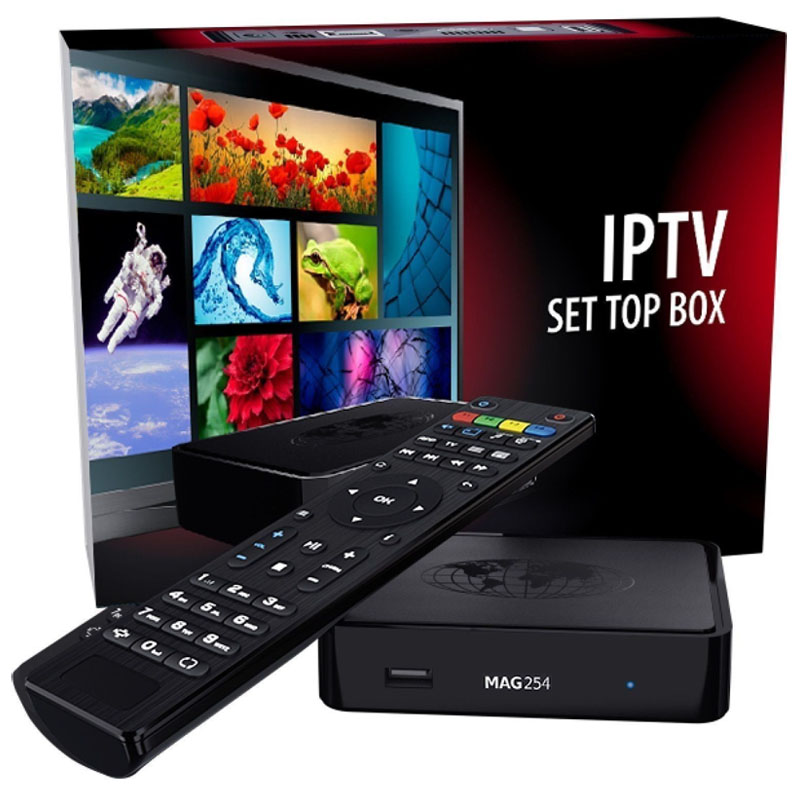
    MUMBAI: Owing to increase in penetration of television and TV services within rural areas as well as urban areas, the set-top box market will receive a boost all across the APEJ region. Disposable incomes are on a rise in India and China, and this is helping the set-top box (STB) market turnover to grow, according to Reportlinker study. In China and India respectively, governments have taken initiatives to focus on HD pictures, HD channels and decline in TV prices. This has led to the growth of the set-top box market in the APEJ region.

    The global set-top box market is estimated to be valued at US$ 22,269 million in 2017 and is projected to reach US$ 46,091 Mn by 2027 end. Sales revenue is expected to increase at a CAGR of 7.5 per cent during the forecast period (2017–2027), the Reportlinker report added.

    Increasing demand for TVs from rural areas boosting the set-top box market in the APEJ region: Due to increase in penetration of television and TV services within rural areas as well as urban areas, the set-top box market will receive a boost all across the APEJ region. In the Asia Pacific region, consumers are more aware about the features, quality and pricing of the set-top box, helping the market achieve greater growth and acceptability.

    Increasing demand for IPTV STBs is fuelling the market for set-top boxes in North America: Increasing demand of 4K TVs is expected to provide support to the growth of the set-top box market in North America. It has been observed that the demand for IPTV based services has increased by 12 per cent and operators are viewing IP-based services as an opportunity to differentiate their products. IP transmission recording features and higher storage specifications are anticipated to support steady revenue growth of the North America set-top box market.

    Domestic production and low-cost products hampering the market growth in APEJ: In the Asia Pacific region, domestic production of set-top boxes by local companies is leading to an increase in price competition with global set-top box manufacturers. Emerging companies are acting as competitors to the established players in the market, thus making the smooth operation of this market difficult.

    Focus on HD videos and powerful interfaces with technology a growing trend in the global set-top box market: It has been observed that set-top box vendors are focussed on supporting devices that enable seamless rendering of high-quality video on a powerful user interface and set-top box vendors have started manufacturing operation systems and app based set-top boxes. The global market is moving towards the 4K android customised set-top box and smart set-top boxes. It has been observed that in the past few years, set-top box manufacturers have shipped a large number of 4K set-top boxes in the APEJ region, and consumers are more aware about the technology and features of set-top boxes in this region.

    Flexible policies and government support encouraging the use of set-top boxes in the APEJ regional market: In November 2015, the Chinese government banned 81 third party apps that allow users to turn television sets into internet streaming devices. The Chinese State Administration of Press, Publication, Radio, Film and Television proposed a rule for governing set-top boxes. In China and India respectively, governments have taken initiatives to focus on high definition pictures, towards HD channels and decline in TV prices. This has led to the growth of the set-top box market in the APEJ region. Manufacturers in this region have also utilised e-commerce retailers such as Alibaba, Ali Express, Amazon, Flipkart etc., and this has propelled the growth of this market.In terms of value, the North America set-top box market is projected to be the most attractive regional market in the global set-top box market during the forecast period

    However, the APEJ market is also poised to register high Y-o-Y growth rates throughout the forecast period. In terms of value, APEJ is anticipated to register a CAGR of six per cent during the forecast period. In 2016, the APEJ market was valued at US$ 6,067.4 Mn and is expected to witness sustained growth in terms of revenue throughout the forecast period.