Category: Technology

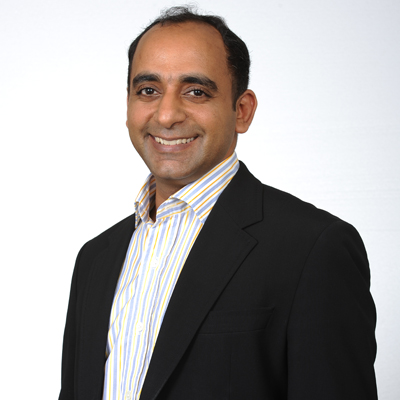
  • Smart TVs provide a much larger platform for brands to advertise on: Abhijeet Rajpurohit

    Smart TVs provide a much larger platform for brands to advertise on: Abhijeet Rajpurohit

    Mumbai: Established in 2017, Cloud TV is a homegrown, bootstrapped start-up dedicated to delivering a premium experience on affordable smart TVs for India’s growing market. With a mission to democratise content, Cloud TV’s adaptable platform works seamlessly across various hardware, currently powering over 12 million users on six million devices. The platform supports 200 smart TV brands and partners with over 200 content providers and 100 apps, including Prime Video and Jio Cinema, while collaborating with more than 22 manufacturing companies.

    At the heart of Cloud TV’s journey is Abhijeet, whose passion for technology and curiosity for new gadgets and software have driven his innovative approach. With a keen focus on India’s tier two and tier three cities, he aims to continually redefine the smart TV experience, making advanced entertainment accessible to a diverse audience across the country.

    Indiantelevision.com’s Rohin Ramesh, caught up with Cloud TV COO & co-founder Abhijeet Rajpurohit, who discussed how Cloud TV as a made in India brand offers competitive solutions and its growth story so far.

    Edited excerpts

    On made in India brand influencing Cloud TV’s operations and your approach to product development:

    Cloud TV is India’s first and only certified smart TV operating system and was created to democratise content streaming and unlock the absolute potential of smart TVs in India. Developed in 2017, we embarked on a journey to develop a TV operating system that would cater to the unique needs of its Indian users. Our product quickly garnered popularity as the only smart TV brand that simplified OTT content discovery while offering affordability. Hence, Cloud TV began by identifying the gap within the Indian smart TV market and bringing forth a locally designed and produced solution.

    Our made in India approach addressed a significant void in the TV OS industry which needed a more local support and nuanced understanding of what the Indian audience truly required. To achieve this, we worked networked and partnered with local Indian TV manufacturers that needed a certified operating system for their TV devices. Eventually, leading us to partner with over 22+TV manufacturing companies.

    Today, our impact resonates across the Indian smart TV landscape, powering over 12+ million users, 6+ million devices, 170+ Smart TV brands, and over 200+ content partners and 100+ App partners like Prime Video, Jio Cinema, etc. while working with over 22+ manufacturing companies.

    On setting you apart from other brands, particularly in terms of technology and user experience:

    Understanding the demands of the Indian TV market and solving the pain-points of TV OEMs (TV manufacturers) and Brands with our offerings, especially for the affordable-tier segment has been our greatest strength.

    To elaborate further, since we are an India led brand, the market and its requirements are more familiar to us than the global OS that is distributed in the market. We work closely with our OEMs and work flexibly to cater to their needs. When it comes to launching a new TV brand in the market with Cloud TV OS, our onboarding and turn-around process is much quicker than global OS companies. Some of these differences make it much easier to work with Cloud TV and build a strong community in the industry.

    With India being a multilingual community, our voice assistance is constantly evolving to include more regional languages to its database to give the user a more personal experience with their smart TV. We were also one of the firsts to focus our UI to be more content led which garnered popularity amongst consumers and made content discovery easier.

    On identifying and catering to the diverse needs of users in tier two and tier three cities

    India’s diverse market demands for affordable smart TVs. Recognising this need, we partnered with manufacturers to optimise our software to perform efficiently on a budget-friendly hardware. This makes the device more accessible to the market. And while we prioritise affordability, our software still delivers features which are typically found in the premium TV segment.

    A smart TV powered by Cloud TV offers a wide range of content, applications along with voice assistance designed to cater to users of all types, whether they’re seasoned Smart TV owners in metro cities or first-time buyers in tier one and tier two cities. We’re expanding the reach of smart TVs by making them accessible to those consumers who want to purchase a budget TV with all the necessary smart TV features.

    One of the biggest challenges we face is that while the consumer is buying an affordable TV, they still expect a premium TV experience from the budget-friendly device. While this is a challenge, it is also an opportunity for us to work with our partners in the ecosystem and ensure that the TV functions appropriately through its shelf life and provides the best experience to the end user.

    On specific software features you have developed to cater to the preferences of Indian consumers:

    Cloud TV has been ahead of the curve by introducing features like the content recommendation-based Home Page with various content categories and Live TV channels for seamless content discovery. While content discovery is important, many users want to search for content in their preferred language, which is why Cloud TV voice assistant supports regional languages like Marathi, Hindi, Punjabi, Gujarati and more.

    Additionally, our mobile remote app allows users to effortlessly browse and play content from their phone to the TV. Our aim with these features and our viewing experience has always been to operate from a place of regional inclusivity. What sets us apart is delivering premium features, typically found in high-end international brands, in affordable TVs, ensuring more people can enjoy a high-quality, convenient entertainment experience.

    On discussing the importance of your partnerships with major content providers like Prime Video and Jio Cinema:

    In a content cluttered market, there is enough content for the consumers to browse. However, strategic partnerships with these OTT applications make content discovery easy for our diverse audiences. This helps to create a seamless experience for our current and new audiences.

    We work in different ways to ensure the consumer is aware of the relevant content choices we have to offer. This includes homepage banners that highlight the popular content releases of the week, and a top trending row that allows the audience to browse through the trending titles. All these features are constantly worked upon and refined to allow efficient content discovery for Cloud TV’s user base.

    These partnerships are aimed at our content repository and provide the OTT apps with 6+ million potential consumers. Our OS also offers free streaming news, music channels, and on-demand sports and entertainment content, becoming a one-stop shop for our consumers.

    On Cloud TV working to make digital content more accessible to the average Indian consumer

    We work with our content partners in a more democratic manner to help them reach out to their target audiences. This benefits both the content partners and the consumers who want content discovery to be much easier and efficient. Irrespective of language, genre or application, Cloud TV becomes a central hub for entertainment for families.

    On CTVs transforming the advertising landscape in India and opportunities you think it presents for advertisers

    Smart TVs provide a much larger platform for brands to advertise on and this is a huge plus for the market. In fact, there are studies that emphasise the fact that the audience has better brand recognition on smart TVs as compared to any other traditional advertising platforms.

    With the help of AI, CTV advertising has also become more targeted and interactive with the audience. This means there are call-to-actions that the user can follow like QR codes or buttons to buy and subscribe to products or services that grab the customer’s attention. This presents several creative opportunities for the advertisers who can work on innovative campaigns that are more engaging with the audience. It is also to be understood that CTV advertising is much more feasible than traditional platforms, which opens this as an opportunity to many more brands, regional and local included. CTV advertising is the future and with the growing market of smart TVs in India, brands will and must capitalise on this evolution.

    On innovations you are currently exploring or excited about that could shape the future of smart TVs:

    Looking ahead, Cloud TV is set to introduce several innovations aimed at enhancing the user experience and broadening our market reach. We are focusing on integrating advanced AI and algorithms to provide more personalised content recommendations and improve user engagement.

    Additionally, we plan to expand our partnership network to include more global OTT platforms and Fast channels, offering a wider variety of content options to our users. We are also looking to expand to MENA (Middle-East and North-Africa) regions to provide affordable solutions to TV brands.

    With CTV advertising being the future, we are constantly working on exciting projects with advertisers for their campaigns. In this changing landscape, we are at the forefront of driving AdTech solutions in this industry and constantly evolving with our approach. 

  • India is an emerging market with abundant opportunities for us to explore: Joanne Weng

    India is an emerging market with abundant opportunities for us to explore: Joanne Weng

    Mumbai: At the Synology Solution Showcase 2024 held in Mumbai, Synology unveiled the developing enterprise-level application blueprint for the first time in India. The company announced that its business sector revenue in the Indian market has surged six times, with total revenue growth of 350 per cent since 2021. The company also introduced several software updates and upcoming new products, including the all-in-one backup solution ActiveProtect appliances, scale-out storage solution and the advanced surveillance solutions.

    To meet the diverse needs of today’s smart surveillance, Synology also introduced its C2 Surveillance Station (regional restricted), a cloud-based video surveillance solution with edge AI and multi-layer encryption, providing secure and efficient monitoring for environments without local recording servers. Synology also updated its productivity tool, office suite, including the integration of GenAI features designed to enhance collaboration and streamline workflows.

    Indiantelevision.com’s Rohin Ramesh caught up with Synology director of international business department, Joanne Weng, where she shared insights into the company’s commitment to deliver easy-to-deploy solutions that support IT in digital transformation, enhance data security and ensure business continuity.

    Edited excerpts

    On Synology’s growth in the Indian market:

    The Indian market is still relatively young for us, offering significant opportunities for growth. Synology is collaborating closely with our channel partners to penetrate the market more effectively. By working together, we aim to create a win-win situation for all parties involved, ensuring mutual success as we navigate this evolving landscape.

    On comparing this market with the other regions you worked so far:

    India is an emerging market with abundant opportunities for us to explore. The solutions we offer can significantly enhance productivity and security for growing organisations. Storage is a fundamental need that virtually every business has, and its importance is rapidly increasing, particularly with the rise of AI. Addressing this demand is crucial for us as we aim to support customers in this dynamic market.

    India is a young nation, which presents significant potential for market growth in the coming years. The progress we’ve seen so far has been remarkable, highlighting the rapid pace of development. It’s likely one of the fastest-growing markets in the Asia-Pacific region for us.

    On Synology helping businesses in India and accelerating their digital transformation efforts:

    During this phase of digital transformation, many organisations are converting traditional paper processes into digital formats, creating a heightened demand for scalable storage solutions. Synology offers flexibility, providing systems that allow customers to easily scale their data storage as their businesses grow.

    Looking ahead, we are also focusing on developing tiering solutions that can automate data management. For example, media companies require storage that enables fast access and editing using SSDs. However, SSDs can be costly as their storage needs increase. They require a more economical storage option to manage all their video data. Currently, moving data around is a manual process, but with our tiering solutions, this will be automated, allowing them to manage their storage efficiently without the hassle.

    On the importance of data security and your approach to the challenges faced by Indian businesses:

    When it comes to security, Synology places a strong emphasis on this critical area. We prioritize security as a top priority, supported by dedicated in-house teams focused on monitoring all security measures. Our commitment extends beyond our products to encompass the services we offer as well.

    We ensure that we stay current by sharing information publicly and participating in global security organisations to receive the latest insights. Additionally, we run a bounty program that invites white-hat hackers to collaborate with us, further strengthening our security robustness.

    On improving the deployment and management of your solutions to make them more user-friendly for IT teams across different industries:

    Starting with the basics, our user interface is designed for simplicity, allowing users to navigate easily without being overwhelmed by excessive information. This straightforward approach makes it easier for customers to engage with the system.

    Central management is another critical area where many brands fall short, often posing challenges in both usability and cost. We strive to make our central management solutions cost-effective and user-friendly, facilitating easier adoption. This is particularly relevant for businesses, such as retail, that operate across multiple locations with numerous servers. Without a central management solution, IT can struggle to monitor these systems efficiently from a single point.

    Our approach integrates software and hardware seamlessly, ensuring that central management is well-coordinated throughout the entire system. This unified solution significantly enhances operational efficiency for our customers.

    On sharing some insights into your video surveillance solutions:

    Synology has been in the video surveillance industry for over 50 years, focusing not just on data security but also on ensuring the safety of your environment through our surveillance solutions. Our Network Video Recorder (NVR) and surveillance station products come equipped with a range of advanced analytic features, such as intrusion detection and future AI capabilities.

    For instance, we offer features like license plate recognition, people detection, and object detection. Additionally, we plan to integrate smoke and fire detection systems to promptly alert users in the event of a fire incident, allowing for immediate response and enhanced safety.

    On Synology’s future strategies for the Indian market:

    The Indian market is still in its early stages, presenting significant growth opportunities for us. At Senology, we collaborate closely with our channel partners and are eager to strengthen these partnerships. Our goal is to penetrate the market more effectively together, ensuring a mutually beneficial outcome for everyone involved.

  • Formovie launches cutting-edge Cinema Edge projector for home theatres

    Formovie launches cutting-edge Cinema Edge projector for home theatres

    Mumbai: Formovie, a Mi ecosystem company co-founded by Appotronics Corporation and Xiaomi Technology, unveils the highly anticipated Cinema Edge projector, revolutionising home entertainment. Officially launched on 15 October 2024, and distributed in India by Aytexcel Pvt. Ltd., this premium laser device is set to elevate your home theatre experience with its innovative design and futuristic capabilities.

    The Cinema Edge projector, part of the Edge series, delivers exceptional picture quality, stunning brightness, and next-generation specifications for an immersive viewing experience. Its direct integration of Google TV and Netflix eliminates the need for external devices, allowing users to enjoy their favourite shows and movies directly from the projector.

    Aytexcel Pvt. Ltd, founder, Sushil Motwani emphasises, “The home entertainment segment in India is undergoing a major transformation. In keeping with these shifts, the brand-new Cinema Edge projector promises to turn your living room into a state-of-the-art home theatre. Unlike traditional projectors that require a capacious space to operate, this advanced device delivers stunning, high-definition visuals even in compact places. Whether you are a fan of laser TVs, a home theatre enthusiast, or just interested in cutting-Edge projection technology, the Formovie Cinema Edge 4K UST Laser TV projector is sure to impress.”

    The Cinema Edge features the latest Advanced Laser Phosphor Display (ALPD®) technology with 4K resolution, providing vibrant and lifelike colours. Its MEMC technology enhances fast-moving images, making it ideal for action movies, sports events, and gaming sessions, delivering exceptional sharpness. A 3000:1 contrast ratio, along with HDR10 and HLG (Hybrid Log-Gamma), ensures flawless representation of deep dark tones and bright colours.

    With ultra-short throw properties, the Cinema Edge achieves a throw ratio of just 0.23:1, transforming even the smallest rooms into entertainment zones. Users need only a 49 cm distance to project a stunning 150-inch screen.

    The device enriches the cinematic experience with dynamic audio, featuring dual-certified DTS-HD and Dolby Audio support. Powered by 2 X 15-watt speakers from the global leader Bowers & Wilkins, it delivers a full-bodied, natural sound for an unparalleled listening experience.

    Integrated with Google Assistant, the voice button on the remote control allows effortless operation. The Edge projector also offers various connectivity options, including HDMI, USB, and wireless capabilities, ensuring compatibility with a wide range of devices.

    Boasting dimensions of 456x308x91mm and an elegant design, it stands out as one of the smartest and most aesthetically pleasing portable projectors. Thanks to Wi-Fi 6 technology, it provides faster internet connectivity for uninterrupted streaming and browsing.

    The Formovie Cinema Edge is more than just a projector; it is a gateway to a new world of entertainment. Priced at Rs 2,85,000, it will be available on the Formovie India website and Amazon.in. Home theatre enthusiasts can experience its features firsthand at Formovie experience lounges.

  • Synology showcased comprehensive data management  at Broadcast India 2024

    Synology showcased comprehensive data management at Broadcast India 2024

    Mumbai – Synology showcased its range of complete data management and protection solutions for the media and entertainment industry in India at Broadcast India 2024 between 17-19 October 2024, at Jio World Convention Centre, Mumbai.

    Graph I. David Liu, Country Manager of Synology SAARC region

    Targeted at filmmakers, photographers, content creators, and professionals in visual effects or broadcasting, Synology’s storage solutions embody a harmonious fusion of creativity and technological innovation. Synology envisions a world for content creators where their creativity knows no bounds.

    Synology sales manager for the SAARC region, David Liu remarked, “As the media and entertainment industries continue to thrive and evolve, the demand for large-scale data management, secure storage, and comprehensive solutions that enable seamless sharing with external partners has become more pronounced.” He added, “Over the past three years in India, Synology has seen a remarkable increase in revenue share from the media and entertainment sector, rising from 10 per cent to an impressive 15 per cent -20 per cent of our regional revenue. This growth highlights our ability to meet the evolving needs of the media, and entertainment industries.”

    A trusted choice for esteemed media companies such as BBC Media Action in the UK and RUN Studio in the US, Synology delivers precise, tailored solutions on a global scale to support the creative workflows of the media and entertainment industry. Additionally, Synology has built strong partnerships with media and entertainment clients across India.

    Graph II. Aarzoo Khurana: Streamlined and Unified Collaboration and Storage Solutions with Synology

    Discover how Synology assisted renowned wildlife photographer Aarzoo Khurana in optimizing data storage and collaboration for her invaluable wildlife footage: 

    In India, Synology collaborates with renowned professional photography studio-Pixel Village in Pune. This cutting-edge studio utilizes Synology’s storage solutions to enhance content creation, streamline collaboration, and ensure future-proof data protection. Additionally, Synology supports Aarzoo Khurana, a prominent wildlife photographer featured by BBC Earth, National Geographic, and Discovery. As Aarzoo embarks on her ambitious journey to document every tiger reserve in India, capturing awe-inspiring images of these majestic creatures, Synology provides her with reliable, scalable data management solutions to safeguard her valuable work.

    By ensuring secure and efficient storage, Synology enables creative professionals to focus on their masterpieces without worrying about data management.

    To serve its esteemed clientele effectively, Synology offers tailor-made storage management solutions that address their unique requirements, empowering them to transcend data limitations and unlock their boundless creativity.

    Graph III. Synology demonstrates comprehensive data storage and protection solutions

    Comprehensive media file storage ownership

    In the rapidly growing media industry, the need for efficient large-volume data storage management is more pressing than ever. Synology’s multi-petabyte scalable solutions redefine storage with high density, exceptional scalability, and unmatched availability—all managed through an intuitive, license-free platform: DiskStation Manager (DSM). These solutions integrate comprehensive data integrity and protection features, offering customers complete peace of mind.

    Revolutionising editing efficiency and seamless collaboration

    As online editing becomes central to the fast-paced media and entertainment sectors, Synology introduces next-level efficiency with high-speed online editing and all-flash storage solutions. Supporting 10GbE, 25GbE, and other high-capacity network connections, Synology empowers professionals with seamless, lightning-fast editing, propelling productivity to new heights.

    Unlocking unprecedented media file sharing speeds

    In today’s globalised creative landscape, seamless collaboration is essential. Synology’s Presto File Server offers an extraordinary leap in file transfer speeds, powered by Synology’s proprietary SITA technology, delivering up to 68 times faster file sharing compared to traditional FTP and HTTP methods. This breakthrough transforms cross-border collaboration, making it more efficient than ever for post-production and design studios.

    Robust backup and archiving: Safeguarding against threats

    With ransomware threats on the rise, especially in data-driven industries like media and entertainment, protecting critical assets is vital. Synology’s security solutions, such as Secure SignIn and Security Advisor, play a key role in shielding valuable data. Their consolidated backup and instant recovery systems running on Synology NAS offer comprehensive file and block-level backups, near-instant protection with snapshots, and enhanced storage efficiency through advanced deduplication technology.

    In response to growing demands for large-scale data storage, Synology has recently launched its flagship model, the HD6500 in India. Capable of delivering up to six petabytes of storage, this high-density solution is ideal as a central repository for files or a backup system for large enterprises with extensive data needs. Perfect for data-intensive industries like visual effects, post-production, and media, the HD6500 redefines large-scale storage capabilities.

  • Airtel, Vonage launch unified business communication app for enterprises

    Airtel, Vonage launch unified business communication app for enterprises

    Mumbai: In a strategic move to revolutionise business communications in India, Airtel Business has partnered with Vonage to launch Airtel IQ Business Connect, a cutting-edge application designed to streamline customer engagement for enterprises. This innovative platform promises multi-channel communication, real-time monitoring, and data loss prevention, ensuring seamless interactions across mobile devices, tablets, and laptops.

    Airtel IQ Business Connect, launched on 16 October 2024, provides enterprises with a unified communication platform that simplifies customer engagement, even during employee transitions. The device-agnostic application ensures continuity, allowing businesses to maintain strong customer loyalty without investing in additional hardware.

    “We are delighted to partner with Vonage and launch ‘Airtel IQ Business Connect’ – a next-gen technology application. Businesses today are looking for a compliance-adhering, unified communications application to ensure smooth customer communications,” said Airtel Business, chief business officer – digital products & services, Abhishek Biswal. “This solution will drive improved business communication and productivity.”

    Vonage, a global leader in cloud communications, expressed excitement over the collaboration. Vonage, head of applications, Reggie Scales said, “We are excited to announce our strategic partnership with Airtel Business to power new unified communications capabilities for enterprises in India. Effective communication and collaboration are essential in today’s dynamic business environment. This solution brings a multi-channel approach, combining voice and messaging to enhance engagement.”

    Airtel IQ Business Connect, part of Airtel Business’s cloud communications portfolio, empowers employees and hybrid workforces to communicate seamlessly with stakeholders, improving customer engagement and satisfaction. As India’s first telecom company serving as a WhatsApp Business Service Provider (BSP), Airtel ensures omnichannel engagement across voice and messaging platforms.

    This partnership strengthens Vonage’s commitment to innovation in India, where it operates an R&D centre of excellence in Bengaluru, focusing on building new business communication features.

  • Challenges we face in the production and broadcast industry are universal: Stefan Pfütze

    Challenges we face in the production and broadcast industry are universal: Stefan Pfütze

    Mumbai: The second day of the Broadcast India Show at the Jio World Convention

    Centre in Mumbai pulsated with the vibrant energy of the broadcast media and

    infotainment sectors. In an industry where technology evolves at lightning speed, the

    impact on broadcast and entertainment is profound. For over 30 years, the Broadcast India Show has served as an interactive platform, showcasing groundbreaking shifts in infotainment technology while connecting attendees with the innovators behind these marvels.

    While exploring the booths, we were particularly drawn to x-dream-group, a full-service provider for the media industry as well as for any commercial or public organisation that utilises audiovisual media. Their clientele includes post-production facilities, broadcasters, telecom operators and public entities.

    Indiantelevision.com’s Rohin Ramesh at the sidelines of this event, caught up with x-dream-group managing director Stefan Pfütze, who shared insights about his organisation with a beaming smile.

    Edited excerpts

    On brief overview of your organisation:

    We are known as x-dream-group, which encompasses three distinct types of activities. One of these is x-media, our company that specialises in software integration, focusing on creating end-to-end solutions using products from other software providers. We are solely dedicated to software and do not engage in hardware manufacturing.

    Through our work at x-dream-media, we’ve identified several established engineering companies that offer excellent products—many now in their second or third generation—but lack international market reach. To address this gap, we established an umbrella organisation called extreme distribution, which serves as a brand ambassador and master distributor for these companies. I am currently representing these various brands at Broadcast India.

    On elaborating some of the productised solutions you have developed for your customers:

    In our journey of development, we began with plugins for transcoders, which have become less relevant over time. From that foundation, we created a business called 1 GUI—a centralised user interface that integrates with various tools such as transcoders, ingest tools, quality control tools, workflow tools, and file transport tools. This interface serves as a cockpit for managing workflow and job queues.

    Over time, we expanded our offerings by adding a workflow starter and a workflow layer. Our latest release is the broadcast suite, a desktop application designed for playback, recording, and multi-viewing—targeted at professional AV users and broadcasters in need of quality control and engineering solutions. While it may not function as a traditional video server in a server room, it provides similar capabilities on a desktop level.

    Our flagship product, extreme fabric, is an end-to-end solution tailored for the media industry. Unlike our software integration approach, which involves customising ecosystems for clients, extreme fabric is a ready-to-go, pre-designed, pre-integrated, and pre-configured solution. Users can simply download and install it to establish a fully functional TV station.

    This may sound ambitious, but our primary target customers are tier one broadcasters who seek custom solutions and want to collaborate closely with us. For tier two and tier three broadcasters, as well as clients from sectors like corporate, banking, insurance, and government, the need is different. These customers often lack broadcast engineering capabilities and require a ready-made solution. When we ask them about their production business processes, they often look at us in confusion—many have little understanding of the necessary workflows.

    We showcase our capabilities on our website and at conferences and trade shows, aiming to enhance the overall process. This challenge is prevalent not only in emerging markets but also in regional TV stations, where organisations may have one or two knowledgeable individuals but lack the capacity to manage large integration projects. They require a more accessible solution. As I travel to various countries, I often hear the excuse that “it’s different in our country” regarding technology, habits, business processes, or even infrastructure. I believe that the challenges we face in the production and broadcast industry are universal whether in India, the Middle East, Europe or America.

    On identifying and addressing the specific needs of your clients:

    To identify and address the specific needs of our clients, we begin with clear demands. For example, when selling individual products, a customer may say they need software to integrate their central ingest desk with their newsroom and post-production systems. From there, we ask probing questions: “Do you also manage remote offices? What about live feeds or social media content?” This often leads to a realisation of additional needs they hadn’t considered.

    When it comes to transcoding, some clients initially believe that open-source solutions are sufficient. However, as they aim for advanced features like 4K Ultra HD, HDR colour spaces, or delivery to professional platforms, they soon realise they must meet strict requirements, such as delivering certified ProRes formats to companies like Apple. This is where we step in to provide the necessary support.

    Monetisation is another crucial area where we see demand for features like ad insertion, graphic overlays, audio track management, and subtitle management—more sophisticated needs than the basics. When we engage with clients, particularly during visits or trade shows, we often hear about inefficiencies in their workflows, such as the inconvenience of using USB devices to transfer content between departments. We can certainly improve these processes, especially for companies with distributed setups that include on-premises installations, cloud services, and multiple facilities across different cities.

    Another significant project category involves managing the business side of operations, particularly through media asset management systems. These systems serve as essential repositories, often involved in both the beginning and end of media business processes. Many vendors offer mini MAM systems for temporary storage, but we approach media management on a larger scale. We focus on publication strategies for marketing, advertising, and B2B or B2C content sales. For B2C, this includes video-on-demand portals, while our B2B offering, called the media market, enables broadcasters and content producers to sell their content online to a global audience.

    Editing is also a critical aspect, where our goal is to manage the bridge between business processes and the editing suite. This includes project management, approval workflows, and remote editing capabilities. Our product portfolio consists of software solutions, allowing customers to select their own hardware, rather than being tied to specific storage systems.

    Additionally, we have introduced a new component we refer to as “storytelling,” which functions as a newsroom system. This terminology resonates with clients outside the media industry, making it more relatable. Our applications are designed to be cross-media, supporting not just TV but also radio, web, and social media. This means that our playout solutions are essentially a form of publication across multiple platforms.

    When it comes to integrating these production systems, aside from editing challenges, we also face issues like ensuring compatibility between various tools and managing different workflows efficiently. We overcome these challenges through thorough assessments of client needs, providing tailored solutions that enhance their overall operations.

    On some common challenges you face when integrating an isolated production system:

    As software developers, it’s natural for us to explore the APIs of various software solutions. Today, most applications typically offer RESTful APIs, though some might have soft APIs, database connections, or file-based integrations. About 99 per cent of software now utilises rest APIs, and when we integrate systems, we prefer this approach because it provides optimal control, monitoring, and failure handling when working with third-party software.

    A common scenario I frequently encounter among system integrators and other vendors involves the use of watch folders. Many systems still rely on a chain of watch folders, where one application drops files into the watch folder of another. This approach is outdated and leads to significant operational overhead, particularly in process management and troubleshooting.

    Another prevalent trend is the transition from on-premises solutions to cloud-based systems. For many of our projects related to publication, we emphasise a hosted approach. However, this doesn’t necessarily mean a public cloud; it could involve dedicated or boutique hosting solutions with either physical servers or virtual machines. While public clouds often rely on virtual machines, they may not be cost-efficient for long-term engagements—though they can be suitable for short-term needs.

    We are witnessing a shift from fully on-premises elements, such as archives and publication systems, to remote data centres. This transition is driven by improved network connections, enhanced security, and better hosting capabilities, including power supply and cooling. Offloading hardware management allows for 24/7 operations without constant oversight, which is a significant advantage of a hosted approach, whether private or public.

    We support this trend through hybrid systems. For instance, high-resolution operations can remain on-premises, where the personnel and content are physically located, and archives may still reside on LTO tapes. Meanwhile, we can move the access components of the system to a hosted solution, connecting both sides to function as a single entity.

    The challenge today is ensuring that these systems operate seamlessly together. Currently, the approach often results in a disruption; the inner system handles publishing to the outer system while the outer system feeds information back to the inner one. Unfortunately, these remain separate systems that do not behave as a unified business process, despite essentially being one.

    On some upcoming trends:

    Discussing trends can be challenging. We’ve seen fads like 3d technology, ultra hd, and hdr come and go. In hindsight, many of these were just hype—something everyone talked about but few actually implemented. Today, most television remains hd and sdr. However, AI is different; it’s here to stay. Currently, we see practical applications like transcriptions and translations being effectively utilised.

    In our portfolio, we offer a product that provides live subtitling with translation capabilities. This tool is actively used in practice, and customers are willing to invest in it because it’s reasonably priced, making it a sensible option.

    One trend I observe is the shift toward on-premises artificial intelligence. Many customers are often unaware of their options and feel compelled to rely on public cloud solutions simply because that’s what vendors are promoting. However, the same software can often be deployed on-premises, which can be advantageous. While it may be challenging to navigate training models and related complexities, the cost savings on data traffic, time, and hosting and processing fees can be substantial.

    Artificial intelligence will also significantly impact storytelling in news, but I view this with some caution. There’s a common misconception that you can simply input a topic into an artificial intelligence and receive a well-formed story. In reality, we still need journalists and reporters in the field, gathering information and engaging with people. Artificial technology can assist in processing and shaping that information into a coherent story, but it cannot create news on its own. While artificial intelligence can generate lyrics or fiction, the essence of news relies on human insight and experience. Ultimately, it is the human mind that remains irreplaceable.

  • Canara Lighting: Illuminating the future with pioneering LED innovations

    Canara Lighting: Illuminating the future with pioneering LED innovations

    The Broadcast India Show’s first day at the Jio World Convention Centre in Mumbai buzzed with the dynamic energy of the broadcast media and infotainment sectors, where technology’s rapid evolution continually reshapes the landscape. For over three decades, the show has been the annual touchpoint for unveiling cutting-edge advancements in infotainment technology, offering a rare opportunity to experience the future today. Amid this innovation, Canara Lighting stands out as a trailblazer in the industry. In an engaging conversation with IndianTelevision.com, Canara Lighting Industries Pvt. Ltd., MD, Ajeet Khare delves into the company’s origin story, its rise as a homegrown leader in lighting solutions, and the forward-looking vision driving its growth.

    In 1972, when the Indian film industry was still navigating the transition from monochrome to colour, a small but ambitious venture near Thane, Maharashtra, set its sights on brightening the future of television and cinema. Today, Canara Lighting Industries is a distinguished name in specialised lighting solutions, catering to studios, stages, and broadcasting requirements across India and beyond. At the helm for the past 14 years is Khare, a seasoned industry leader whose entrepreneurial journey is as fascinating as the company’s evolution itself.

    A bold vision for a bright future

    The idea for Canara Lighting took root in a time when the Indian entertainment industry relied heavily on imported lighting equipment. “There was no one producing lights for the broadcasting and film sectors in India back then,” Khare recounts. “We saw an opportunity to start manufacturing these lights. Wherever we lacked the technology, we collaborated with American companies, like for Cool Light.” This strategic move laid the foundation for Canara Lighting’s dominance in the Indian film sector, which quickly embraced the brand’s offerings.

    New era begins

    Khare’s own journey with the company began in 2010 when he took the bold step of acquiring the company. “I had been working as a managing director for multinational firms in Mangalore. By 2009, I decided it was time to stop working for unknown bosses and start my own venture,” Khare explains. He was drawn to Canara Lighting because of its rich history and potential for innovation. “I wanted to understand the founding philosophy to ensure we carried that vision forward. Our goal has always been to be at the forefront of lighting technology, especially as LED lighting started to gain traction.”

    Keeping pace with technology and trends

    Over the years, Canara Lighting has remained resolute in its mission of providing specialised lighting solutions, adapting to technological shifts and changing market demands. Khare emphasises, “We are not in the business of general-purpose lights. Our focus is on delivering a product and a complete solution that ensures the right output for our clients.” This steadfast dedication to specialised lighting has allowed Canara to keep pace with the industry as it transitions from large studio setups to smaller, multi-purpose spaces suitable for digital content production.

    The company’s ability to stay relevant in a competitive landscape is largely attributed to its continuous R&D efforts. “Our R&D team was given a simple brief: benchmark against the best—like the German company, Aerie—and strive to match or exceed their standards,” says Khare. “Today, I can proudly say that our products are in line with international benchmarks, and our clients can tell the difference.”

    Navigating challenges and reskilling the workforce  

    One significant challenge that Khare encountered was the shift from older lighting technologies, such as halogen, to LED. The transition demanded a workforce with advanced skill sets, a tall order in Mangalore, where manufacturing talent is limited. “The skill levels required for LED technology were very high,” he notes. “To bridge this gap, we recruited experts in illumination technology, power electronics, product design, and circuit manufacturing from outside Karnataka. This newly formed ‘technology team’ trained our existing employees, ensuring a seamless transition to the new technology.”

    Anticipating the future of studio lighting

    Looking ahead, Khare predicts further evolution in the studio and stage lighting sector, driven by advancements in LED technology and emerging alternatives. “For now, LED remains a mature technology, with innovations such as integrated lenses on the LED chips enhancing performance. However, laser lighting is knocking on the door and could be the next big shift within the next five years.”

    He also foresees a convergence in studio design trends. “Today’s studios are still segmented—news, sports, general entertainment—but these boundaries are blurring. Virtual studios, with smaller footprints and sensitive cameras, will become the norm, requiring fewer but more sophisticated lighting solutions,” Khare observes. “The lighting industry must keep pace with these changes, ensuring we continue to deliver cutting-edge solutions.”

    Marketing and outreach strategies in a digital era

    Despite being a major player in the lighting industry, Canara Lighting’s marketing strategy deviates from conventional practices. “Our advertising efforts are not geared towards mass media because we cater to a niche audience,” Khare states. “We focus on making our presence felt through social media splashes on LinkedIn, Instagram, and Twitter, and by participating in specialised trade shows like Broadcast India and Palm Expo.”

    The company’s frugal yet effective approach leverages an in-house team that continuously creates engaging content to keep the brand in the spotlight. “Our social media efforts ensure that we maintain recurring impressions with the right audience,” he adds.

    Canara Lighting’s legacy is one of resilience, adaptation, and an unwavering commitment to excellence. As the lighting landscape continues to evolve, the company is poised to illuminate the path forward, setting new benchmarks in specialised lighting solutions.

  • Interra Systems quality assurance tools aim to revolutionise OTT workflows

    Interra Systems quality assurance tools aim to revolutionise OTT workflows

    The Broadcast India Show’s opening day at the Jio World Convention Centre in Mumbai buzzed with excitement, as the broadcast media and infotainment sectors came together to celebrate innovation. In an industry where rapid technological advancements shape the future of content delivery, the event stands out as a rare opportunity to experience these cutting-edge developments firsthand. For more than 30 years, the Broadcast India Show has not only showcased groundbreaking advancements in infotainment technology but also fostered meaningful connections between attendees and the innovators driving these changes.

    In a rapidly evolving digital landscape, where quality control in broadcasting and streaming is becoming a cornerstone of content delivery, Interra Systems stands at the forefront. With a legacy spanning over two decades, the company has earned its stripes by championing the advancement of video and audio quality assurance. To dive deeper into their strategies and challenges, we sat down with Bibhas K Samanta, head of sales and presales for India & MENA at Interra Systems, to discuss how they navigate this dynamic industry.

    “We specialise in identifying what is inside the video quality,” Samanta begins, setting the stage for an in-depth look at the company’s unique approach. According to him, any entity utilising video or audio—from small cinema houses to large post-production studios—has a potential need for Interra’s products. Whether it’s a niche film production or a global OTT platform, video quality assurance is vital across the spectrum. “Everyone who is using any audio or video needs some quality checking tool, and they could be our potential clients.”

    Differentiating in a crowded market

    When asked how Interra’s offerings stand apart from other automated quality control (QC) systems, Samanta emphasises the company’s deep industry roots and technological capabilities. “Interra has been in the market for about 24 years,” he notes, “and if you talk about the highest number of quality checks, we are number one.” The company supports all major video and audio formats, with its solutions being deployed globally in over 700 client locations. This extensive experience allows them to understand and anticipate client needs accurately, offering superior performance and seamless workflow integration.

    Impact of shifting workflows

    The industry’s shift towards IP and OTT workflows presents both challenges and expanded opportunities. With the majority of traditional television channels migrating to OTT, Samanta sees an increased demand for quality assurance tools that can cater to both live and on-demand content. “For us, it is not really shrinking; it is rather an expanded opportunity,” he explains. As clients transition from file-based workflows to more dynamic OTT environments, the need for quality control solutions only intensifies, ensuring content meets audience expectations across various platforms.

    Addressing challenges in a competitive market

    Samanta acknowledges that while OTT offers immense potential, it is not without its hurdles. “In OTT, it is very difficult to make money,” he admits, citing intense competition for viewers’ attention and limited revenue models for smaller operators. This financial constraint creates a challenging sales environment for advanced technology solutions. To address this, Interra adapts its approach based on the client’s size and financial capabilities. “We work pretty much on a one-to-one basis,” Samanta says, providing tailored solutions that can grow alongside the client’s business.

    Staying ahead in an ever-changing industry

    As the media landscape evolves, staying updated on emerging technologies and trends is crucial. For Interra Systems, this involves a combination of close collaboration with clients and active participation in industry forums. “Whenever any new codec or decoder is getting developed, we are part of that,” says Samanta, underscoring the company’s commitment to innovation. This proactive approach ensures that their solutions are always at the cutting edge, meeting the demands of a rapidly changing market.

    Interra’s portfolio also includes ‘Vega’, a product widely used for developing new codecs and decoders. Through these innovations, the company works hand-in-hand with clients to co-create technologies that benefit both parties. “It’s a win-win situation for everyone,” Samanta concludes, reflecting the collaborative ethos that drives the company’s success.

  • Ross Video shines at Broadcast India Show with cutting-edge solutions

    Ross Video shines at Broadcast India Show with cutting-edge solutions

    MUMBAI: The first day of the Broadcast India Show at the Jio World Convention Centre in Mumbai pulsated with the vibrant energy of the broadcast media and infotainment sectors. In an industry where technology evolves at lightning speed, the impact on broadcast and entertainment is profound. Yet, the full spectrum of innovative advancements often feels just out of reach-except for one remarkable occasion each year. For over 30 years, the Broadcast India Show has served as an interactive platform, showcasing groundbreaking shifts in infotainment technology while connecting attendees with the innovators behind these marvels.

    As we navigated the bustling trade show, overwhelmed by the cutting-edge equipment and technology on display, one booth captured our attention: Ross Video. Initially sceptical, we quickly found ourselves engaged in one of the most enlightening conversations of the day with Ross Video director- sales, Asia, Simon Roehrs along with Ross Video marketing manager, APAC, Irene Siah. Their enthusiasm was infectious and before agreeing upon giving an in depth interview, they provided a brief overview of the company’s journey.

    Founded in 1974 by John Ross in the basement of his Montreal home, Ross Video began with a bold vision. John sold a meticulously restored World War II trainer aeroplane for $3,500, using those funds to launch the company. Remarkably, this initial investment remains the only external funding Ross Video has ever received. Since then, the company has flourished through self-funding and organic growth, reinvesting profits back into the business. In the present, John’s son, David Ross, serves as the chief executive officer, owning over 80 per cent of the company, while dedicated employees hold the remaining 20 per cent.

    Now, Ross Video stands out in the ever-evolving media landscape with an impressive array of products and services. Their offerings include state-of-the-art cameras, real-time motion graphics, advanced production switchers, robotic camera systems and immersive augmented reality and virtual studios. Additionally, the company provides video servers, robust infrastructure and routers, social media management solutions, newsroom systems and comprehensive live event production services.

    Buckle up readers as Indiantelevision.com’s Rohin Ramesh and Sreeyom Sil dived into an in-depth interview with Simon and Irene. Both were eager to tackle a plethora of questions we had lined up.

    Edited excerpts

    On the evolution of the company with the increasing demand for cloud based solutions

    I’ve been frequently asked about our cloud strategy, both by journalists and customers. It’s a great question! At Ross, we recognise that the cloud is a crucial component of the future, and we’re committed to providing a comprehensive broadcast workflow solution for our customers.

    Currently, Ross already offers a substantial range of broadcast-related capabilities in the cloud. This includes video servers, streaming applications like NDI and SOP, as well as graphics, switching, and audio mixing—all the essential elements needed to establish a full broadcast workflow in the cloud.

    Additionally, we provide Software as a Service (SaaS) options for customers, particularly in areas like Media Asset Management (MAM). With our SaaS model, we handle the relationship with AWS and deploy the necessary microservices, allowing customers to simply subscribe to our service. This contrasts with our other model, where the customer manages their own relationship with AWS while we assist in deploying the workflow.

    Our SaaS offerings include not only MAM but also inception, our Newsroom Computer System (NRCS). This dual approach allows us to cater to different customer needs while maintaining a strong commitment to delivering effective cloud solutions.

    On the integrating AI and automation in your product lineup

    That’s another excellent question! Honestly, we don’t focus much on our competition. While they do their thing, we concentrate on how we can best serve our customers today and into the future.

    AI is not new to us; we’ve been working with it for years. Our research lab, which consists of nearly 500 R&D professionals, is dedicated to this effort. For example, we’ve integrated ChatGPT, one of the leading AI technologies, into our Media Enterprise Management System (MEMS) and our Inception Newsroom Computer System (NRCS). This integration helps streamline the daily tasks of journalists.

    Imagine a journalist returning from an assignment with a lengthy story. They may want to create a brief snippet for social media, like an audio or video highlight. ChatGPT can summarise the story into a few concise sentences, which the journalist can then review and approve before publication. This significantly reduces turnaround times for digital content.

    Another exciting development is rossbot, which is available on our website. This chatbot allows customers from countries like Japan or Thailand to ask questions in their native languages. Rossbot accesses our extensive documentation and continually learns to provide accurate answers. For instance, if a user asks about a specific company code, Rossbot can deliver a precise response within 10 to 15 seconds. This is a remarkable improvement compared to traditional support channels, where inquiries often take much longer to resolve.

    Since deploying rossbot, we’ve seen a stabilisation in the volume of support calls, which speaks to its effectiveness in addressing customer queries efficiently.

    On sharing any recent case studies where your company has significantly transformed globally

    One of our most successful products is our hyperconverged solution. A significant trend in the broadcast industry, highlighted during events like IBC, is the growing focus on operational efficiencies. Many countries are facing economic challenges, which impact advertising revenue, especially with the rise of social media platforms. As a result, broadcasters need to operate more efficiently, find synergies, and potentially reduce their workforce.

    Our hyperconverged clusters offer a remedy to these challenges. By combining switching, routing, and a variety of essential features into a single, compact unit, we simplify broadcast operations. This integrated solution eliminates the need for multiple separate devices, reducing cabling and streamlining setups.

    Additionally, our hyperconverged systems significantly lower costs, both in terms of total cost of ownership and deployment speed. For mobile operations, for example, you only need one hyperconverged unit instead of a large truck filled with equipment. This not only saves on costs but also allows for faster on-air readiness. Overall, our hyperconverged solution has tremendous potential for cost reduction in the broadcast industry.

    On the major sport you are targeting in India, given that cricket is already the most established one

    I really appreciate your questions so far! Currently, we cover over 20 different sports, and if you take a look at the screen right there, you’ll see kabaddi. This sport is primarily popular in India, and it’s well-known because of local teams that share their requirements and trends with us. That’s why we’re actively supporting kabaddi today.

    When we identify a trend or demand, we collaborate closely with our product teams to adapt our offerings to fit regional markets. For instance, cricket is incredibly important—not just in India, but also in countries like Australia, England and South Africa. Interestingly, we’ve seen a significant rise in cricket’s popularity in North America.

    Did you know that there are approximately two million Indians living in Canada? This vibrant community is driving interest in the sport, which is why we’ve hosted matches in locations like New York, Texas, and Los Angeles. For example, India faced Pakistan in a match in New York, demonstrating the strong audience demand. When you look at the global audience for cricket, it’s impressive—it dwarfs many other sports.

    On elaborating more on your other vertices besides sports

    As I mentioned earlier, our primary market focus is broadcasting, which encompasses various aspects, especially sports broadcasting. Currently, about half of our revenue comes from this sector, making it a crucial vertical for us. However, we recognise that the broadcasting industry faces increasing challenges.

    We are also looking into live production and sports, as these are two of the most effective ways to capture audience attention. News and live sports are unparalleled in their ability to engage viewers, especially when it comes to thrilling moments like cheering for a cricket team.

    Beyond broadcasting, there is a growing demand for video solutions across other sectors, including government, education, and corporate environments. We see significant potential in corporate markets in India, particularly with large organisations like Tata and Accenture, as well as major banks. These companies are increasingly interested in video solutions for purposes such as video conferencing, board meetings, and town hall events.

    In the U.S., we have a strong customer base that uses our latest Carbonite switchers alongside Microsoft products. For instance, our switchers offer USB-C webcam output, allowing users to easily feed a high-quality video signal into their laptops or PCs. This setup can then be displayed on a TV, providing a professional-grade production quality for executive meetings and other large gatherings.

    On the future of broadcasting in India

    I see a bright future for the Indian broadcast market, and here’s why.

    First, about 50 per cent of broadcasting is still being done in standard definition (SD), which presents significant opportunities for upgrading to high definition (HD) and even ultra high definition (UHD).

    Second, the number of TV channels is steadily increasing. My team informs me that more than 100 new news channels are launched each year. This growth reflects the importance of news in India, a country characterised by its remarkable diversity.

    With distinct differences across the North, South, East, and West, and around 115 languages and dialects spoken, India’s diversity is truly unparalleled. This unique landscape creates a rich environment for broadcasting, with ample opportunities for tailored content that resonates with various audiences.

    On venturing into the post production market in the coming future

    In post-production, creativity is paramount. We are proud to offer a range of creative tools to support this. Additionally, we have a department called Rocket Surgery, which is truly exceptional. This team comprises approximately 40 to 50 talented individuals and is one of our notable acquisitions, showcasing Ross’s commitment to growth.

    Rocket Surgery specialises in bespoke projects tailored to our customers’ needs. When clients come to us with a vision and aren’t sure how to bring it to life, this team steps in to map out their ideas and provide innovative solutions. Some of these solutions are so groundbreaking that they’ve never been seen before in the industry.

    Looking ahead, we certainly see the potential to expand further into the entire production market.

  • Disney Star India’s StarLab partners with Aussie firm STWS for innovations

    Disney Star India’s StarLab partners with Aussie firm STWS for innovations

    MUMBAI: StarLab – part of Disney Star India – has partnered with the Aussie sports tech consulting and services firm Sports World Tech Series and will be participating in its STWS event from 22 to 25  October 2024 in Melbourne.  

    The purpose: providing guidance and scouting startups that can play a future role in addressing problem statements around fan engagement, new audience development, immersive sports viewing, and AI-driven production workflow improvements in sports media as a partner with STWS.

    StarLab will be participating in the Sports Tech Academic Day, Sports Tech Startup & Investor Day, and ANZ Sports Technology Awards at Australia Sports Innovation Week (ASIW), which is rated as the southern Hemisphere’s largest and most respected sports technology event.

    For the Academic and Startups & Investor Day, StarLab will help shortlist candidates and potentially enable the shortlists to secure their first contract with Star Sports.

    For the ANZ Sports Technology Awards, the Star Sports leadership will assist in evaluating candidates and selecting the winners.

    “We stay committed to deepening our understanding of our consumer and what elevates their experience during sporting events. By actively engaging with the talent from Sports Tech Academic Day, Sports Tech Startup & Investor Day, and the ANZ Sports Technology Awards, we gain greater awareness of the latest innovations and emerging trends,” said Disney Star head of production excellence & R&D Prashant Khanna.

    HiG Sports founder & CEO Abhishek Padwal (the agency that facilitated this alliance), further added, “This collaboration is a win-win for both parties, as StarLab enhances and adds value to the startup assessments at ASIW, while gaining access to talent, innovations, and intelligence aimed at solving their problem statements.”

    Disney StarLab drives the adoption of enhanced production technology and workflows, delivering next-gen consumer experiences alongside executing special fan engagement initiatives such as AI language translation, MaxView for AI-enabled vertical viewing on mobile devices, sign language for the deaf sports fans, StarVerse – Star Sports Metaverse for sports fans, optical fielders tracking and more, while also building intellectual property that enhances fan delight.