Category: Year Enders

  • Scope of Innovation in Print Advertising

    Scope of Innovation in Print Advertising

    On 16 April, 2000, The Times of India arrived on the doorsteps of millions of Indian households with its front page blank! It carried only the masthead, but no editorial. Blank!! That was the surprise of all surprises. It was our way of telling the world that the dot com revolution had arrived with the launch of indya.com. It took the country by shock! It hit newsreaders right between their disbelieving eyes. You couldn’t help but notice it. Unbelievable, even to us! 

    When we thought of the idea, we didn’t use fancy words like ‘innovation in print’. All we wanted to do was dominate the news! Take over everything. To shell-shock the world, to be remembered! Nobody had dared mess with the front page of Times of India until then. It took a great client like Sunil Lulla, the then CEO of Indya.com, to inspire, appreciate and see this idea right through. 

    Today we see a lot of messy stuff on the front pages of most newspapers. These are not innovations, but desperations. If we want to truly break through, we’ll have to do much better than what we currently see. More importantly, we’ll have to have the inventive fire of a madman and the inspired blessing of a visionary client. Else all we’ll get is paper pulp.

    It is getting harder for advertising to stand out in print. Because editorial is so much more exciting. And it’s being generated at the speed of life. So forget about creating print ads like we did before. We are competing with gripping news. And the only way to fight news is to make news. 

    Which explains the work many of us have seen for Benetton a few years ago. The ‘Unhate’ campaign. It dared to create news. A childlike argument for peace and reconciliation, it created huge buzz. The big pictures of world leaders kissing each other in the print ads incited strong reactions. The campaign was withdrawn but the brand’s point was made. The work won worldwide accolades and the Grand Prix at Cannes.

    To truly innovate in print advertising, it’s important to remember that we are not competing with other ads, we are competing with news. What’s your news? If you have inspired guts, you’ll find the answer. Innovation in print is not a topic of discussion. It’s not an ad… it’s an act!

    (These are purely personal views of BBDO India chairman and chief creative office Josy Paul and Indiantelevision.com does not necessarily subscribe to these views.)

  • 2015: The year of nip & tuck for Hindi GECs

    2015: The year of nip & tuck for Hindi GECs

    MUMBAI: Ratings, ratings from the BARC, who’s the leader of them all?

    ‘Twas the question on many a lips as the new Indian television ratings body –  Broadcast Audience Research Council India launched earlier this year and within just a few months of operations created waves in the industry by throwing up All India data comprising urban and rural numbers. The dynamics of the Indian television market changed and old programming and marketing strategies were scrapped for newer ones. Many a channel executives went back to the drawing board to figure out what India wanted to watch on television.

    The year 2015 was also when Hindi general entertainment channels (GECs) slugged it out to attain the top slot by moving away from the typical saas-bahu sagas and explored other genres from horror to mythology to reality in order to provide viewers with wholesome entertainment. The fight had never been tougher for as the year drew to a close, it was nip and tuck as to which channel would lead the ratings race week on week. The undisputed leader of the genre – Star Plus could no longer be complacent as Zee Entertainment Enterprises Ltd’s (Zeel) underdog Zee Anmol gave the market leader a run for its money.

    Moreover, channels no longer have the luxury to run non-delivering shows. If a show isn’t working, it’s pulled off air. It’s as simple as that. Gone are the days when a show would endlessly run for years and years. Now, the fight is no longer limited to the top three – Star Plus, Colors and Zee TV. In light of the rural ratings data, free to air (FTA) channels like Zee Anmol, Star Utsav and Rishtey have managed to find their place under the sun and emerge in the list of the Top 10 Hindi GECs. Since week 41, FTA channels started dominating the Top 10 channels’ list. In just eight weeks’ time, Zee Anmol climbed up to the number one spot from the third position, pushing erstwhile market leader Star Plus to the third spot.

    On the programming front, if there was a genre apart from drama and reality shows that ruled the airwaves this year on Hindi GECs, it was mythology and historical shows. While some shows proved to be game changers for the channels, some failed to garner ratings.

    The year also witnessed some successful partnerships reunite. Star Plus and Amitabh Bachchan came together once again after a span of 15 years for Aaj Ki Raat Hai Zindagi. However, the hype that was created for the show subsided as quickly as the show’s content failed to impress the audience. On the other hand, actor Iqbal Khan, who started his television career with Ekta Kapoor’s show Kaisa Yeh Pyaar Hai on Sony Entertainment Television, made a comeback after 10 years with Pyar Ko Ho Jaane Do.

    Even as Priyanka Chopra rocked the international television circuit with her fiction debut in ABC’s high-octane drama series Quantico, closer home there was no dearth of star power on the small screen this year as movie stars from Bachchan, Shah Rukh Khan, Salman Khan, Shahid Kapoor, Hrithik Roshan, Sonakshi Sinha, Farhan Akhtar, Bipasha Basu, Arbaaz Khan to Malaika Arora Khan descended on television with a single minded vision to entertain the audience.

    Additionally, adaptations of international format shows, which have become an important part of Hindi GECs, also saw an increase this year. While adaptations of reality and non-fiction shows have been seen on Indian television for some years now, what was special this year was that for the first time, an international fiction format was adapted. India got its very own Everybody Loves Raymond in the form of Sumit Sambhal Lega. Other non-fiction adaptations that made their presence felt this year were India Poochega – Sabse Shaana Kaun?, Bigg Boss Season 9, I Can Do That, Aaj Ki Raat Hai Zindagi and Power Couple to name a few.

    The year 2015 also saw Zeel launching a new Hindi GEC under the ‘&’ brand name. Ten months into launch, &TV is striving to carve a niche for itself in the already busy GEC space.

    Let’s now take a look at some of the key happenings across the genre in 2015:

    Star Plus

    The beginning of 2015 was good for Star Plus as it performed well in terms of ratings according to TAM Media Research data. The happy saga continued for a few weeks even after the introduction of BARC data. However, from week 34 onwards, Star Plus witnessed many ups and downs and was in close competition with Colors. Come week 41, which was when BARC released its rural data, the channel faced double trouble with introduction of FTA channels in the tally. As per the latest week data, Star Plus stood in the third spot with Zee Anmol in the top slot followed by Colors.

    That said, 2015 will remain memorable for Star Plus as it roped in Bachchan as the host of Aaj Ki Raat Hai Zindagi.

    The channel’s long running show including Saath Nibhaana Saathiya, Yeh Hai Mohabbatein, Diya Aur Baati and Yeh Rishta Kya Kehlta hai are among the top five programmes of Hindi GECs.

    After the successful execution of Mahabharat, Star Plus launched another mythological show Siya Ke Ram on 16 November, which is produced by Triangle Film Company. A reality show called Dance Plus also made its presence felt on the small screen.

    The year gone by also saw a number of shows launching and going off air in a period of three – six months. Shows like Manmarziyan, Gulmohar Grand, Badtameez Dil, Kuch Toh Hai Tere Mere Darmiyaan and Tere Mere Shehar Mein were pulled off because of poor ratings.

    Colors

    2015 has been a good year for Colors even as the tug of war with Star Plus to claim the leadership position kept both players on their toes. Many a times Colors successfully grabbed the lead position inching ahead of the market leader. So, what worked for the channel in 2015?

    Every year Salman Khan says he won’t host the next season of Bigg Boss and every year the channel manages to lure him back on the small screen’s biggest reality show. Colors launched the ninth season Bigg Boss Double Trouble with Khan. However, not wanting to disturb the timings of its prime time fiction shows, which was raking in the ratings, Bigg Boss 9 was placed in the late prime time slot of 10.30 pm on weekdays and 9 pm on weekends.

    Colors also experimented with its weekend time slot and launched the supernatural fiction show Naagin, which proved to be a game changer for the channel and was perched on the top rung of the ladder in week 50.

    Some of the other notable shows, which have been performing well for the channel are the historical Chakarvartin Ashoka Samrat produced by Contiloe Entertainment as well as two fiction shows produced by Rashmi Sharma Telefilms namely Sasural Simar Ka and Swaragini.

    On the non-fiction front, apart from Bigg Boss 9 Colors also launched the second season of its chat show The Anupam Kher Show: Kucch Bhi Ho Sakta Hai and the eighth season of Jhalak Dikhlaa Jaa Reloaded. Experimenting with a celebrity cooking show, Colors roped in Farah Khan and launched Farah Ki Dawat.

    While the year saw Colors acquiring some flagship properties like the IIFA Awards and the Box Cricket League, the earlier editions of which were aired on different broadcasters, the channel also launched its first live event property called Suro Ke Rang Colors Ke Sang to celebrate the world of Indian music industry.

    Zee TV

    The year saw Zee TV struggling to hold on to its position in the third and fourth slots. Even as the channel saw some instability on the ratings chart, the year was sprinkled with a few new launches. The channel, known for its original content formats like Dance India Dance, Sa Re Ga Ma and India’s Best Dramebaaz, experimented this time round with an international format called I Can Do That.

    In the fiction genre, the year saw launches like Kaala Teeka, Ek Tha Raja Ek Thi Raani, Sarojini, Laajwanti and Yeh Vaada Raha. On the other hand, the channel’s fiction show Kumkum Bhagya managed to garner high ratings and was amongst the top 5 shows across Hindi GECs.

    On the non-fiction front, Zee TV launched the second season of India’s Best Dramebaaz as well as the fifth season of Dance India Dance.

    Further strengthening its weekend, the year saw the channel experimenting with the slot with the launch of Neeli Chatri Waale produced by Ashwini Dhir at 8 pm on Saturdays and Sundays. Apart from this, the channel also took its Sunday programming a notch higher with the new adventurous show Janbaaz Sinbad in the 7 pm time slot.

    Zee TV also extended its weekday primetime shows to six days a week from Monday to Saturday. From 28 November onwards, the shows on the channel’s 7 – 9 pm time slot were also telecast on Saturdays.

    Sony Entertainment Television

    In the year 2015, Sony completed two decades of its broadcast operations in India. The year was marked by a new team, new shows and even a new name… 2015 can well be called as the year of everything new for Sony Entertainment Television.

    The channel’s mother company Multi Screen Media India was rechristened as Sony Pictures Networks India.

    That said, even though the channel launched many new shows in the year in a bid to strengthen its programming, unfortunately not one managed to create the much required magic for the channel. The channel has a long way to go if it wants to make its presence felt in the Top 5 Hindi GECs. As of week 50, Sony stood at number seven in the pecking order according to BARC data.

    On the programming front, the channel launched a couple of fiction shows like Parrvarish season 2 and Pyaar Ko Ho Jane Do. On the other hand, hopping on to the mythology bandwagon, Sony too launched two shows in the genre namely Suryaputra Karn and Sankat Mochan Mahabali Hanuman. Going by the popularity of the genre on Indian television, Sony might as well latch on these two shows and offer content that the Indian viewer is readily lapping up.

    On the non-fiction front, the channel launched the second season of Junior Indian Idol, which also saw the television debut of actress Sonakshi Sinha as judge along with Vishal Dadlani and Salim Merchant.

    Even though the current fare on the channel may not be whetting viewers’ appetite, Sony has been known as a pioneer in bringing cutting edge programming to Indian television screens. After introducing shows like Indian Idol, Jhalak Dikhlaa Jaa and Khatron Ke Khiladi, the channel brought another international format -Power Couple to India. Produced by Colosceum Entertainment the show was adaptation of Israeli format launched on 12 December.

    Another major highlight for the channel has been its longest running show CID, which entered in its 19th year in 2015 as well as the hugely successful Crime Patrol,which is all set to follow suit.

    Sab TV

    Sony Entertainment Television’s sister channel Sab TV is one of India’s most loved comedy channel. Though many shows this year failed to garner sustainable ratings, the channel did not hold back when it came to experimenting with content.

    Sab’s comedy show Peterson Hill produced by Garima Productions, was pulled off air due to low ratings despite having a cast like Rohit Roy, Sucheta Khanna and Ashwin Mushran. What’s more, as a part of its programming strategy, the channel also pulled down four of its shows on 19 July this year. The first one to bite the dust was the weekend show Hansi Hi Hansi Mil Toh Lein, which was launched on 29 March. The second show titled Rumm Pumm Po hit screens on 6 June and was wrapped up within 43 days. The game show titled Sab Ka Sapna Money Money, which started from 26 April went off-air in four months too. Rukawat Ke Liye Khed Hai, which launched on 26 April, was the fourth show that ended on the same date.

    However, Sab TV also tried some new formats to keep the spirit alive. Taking the route of advertiser funded programming (AFP), the channel launched Chalti Ka Naam Gadi, which was produced by Deepti Bhatnagar production and funded by Maruti Suzuki.

    The channel’s longest running show Tarak Mehta Ka Oolta Chashma continued to impress the audience with its comic trails. Additionally, in the last year, Sab TV also made its maiden foray into a big ticket reality show called Comedy Superstar with celebrity judges.

    In terms of new offerings, Sab presented Yum Hai Hum, Sahib Biwi Aur Boss and Police Factory  to the audience in 2015.

    Life OK

    2015 saw multiple new show launches across channels and not to be left behind, Star India’s Hindi GEC Life OK too contributed its share to the ecosystem by brining in new shows, which worked slowly but steadily for the channel.

    Dream Girl, Zindagi Baki Hai Mere Ghost, Roshini, Ek Tha Chandar were among the few shows that were launched this year.

    &TV

    Zeel’s new Hindi GEC &TV began beaming from 2 March, 2015. Coming into an already cluttered space with established players in place, the newest baby in the Hindi GEC made its presence felt from the word go!

    It’s been only ten months since launch but &TV has already managed to carve a niche for itself. From the big bang launch of the Shah Rukh Khan hosted show India Poochega: Sabse Shaana Kaun? as its flagship property to its popular fiction drama Begusarai, the sailing has so far been smooth for the channel. In a span of ten months, &TV launched as many as 17 shows across genres.

    In the non-fiction category, the channel brought Deal or No Deal back on Indian television with Ronit Roy as host as well as launched the singing reality show The Voice India.

    This year, the popular television awards show – the 14th Indian Telly Awards 2015, which is hosted by Indiantelevision.com hopped on board &TV.

    In the fiction space, the year saw some fabulous shows like Ganga, Begusarai, Bhabhi Ji Ghar Par Hai, Yeh Kahan Agaye Hum, which managed to create the required magic for the channel.

    &TV also launched its first socio-mytho show Santoshi Maa produced by Rashmi Sharma Telefilms.

    What’s more, Bollywood diva Bipasha Basu also made her television debut this year on &TV’s horror show Darr Sabko Lagta Hai.

    As the industry readies to usher in 2016 as well as the completion of the third phase of Indian cable television digitisation, the mass entertainer Hindi GECs are well poised to go on a growth trajectory. Moreover, as the months go by, the All India ratings data by BARC India will also steadily provide a clearer picture of trends and analysis of what a diverse country like India is actually watching thus making it easier for the channels to put in place bespoke programming strategies.

  • 2015: From employees to employers, a year of transition in media

    2015: From employees to employers, a year of transition in media

    MUMBAI: 2015 saw India retain its title of being the world’s third leader in start-ups. What is interesting to note is that entrepreneurship not only thrived in the technology sector but also showed a sharp increase in the field of media and entertainment.

    Follow the year’s calendar closely and you can see it checkered with launches of new bespoke media ventures and innovative digital solutions companies.

    This was the year when we saw creative heads, vice presidents and marketing heads of leading agencies and media houses leaving their plush corporate jobs and taking on the challenge to establish their own companies.

    Creative stalwarts like Abhijit Avasthi and Gaurav Seth, who were often considered torch bearers in their former organisations, made headlines as they decided to move on to launch independent agencies.

    The world of start-ups is dynamic and unpredictable unlike the stable portfolios that these executives enjoyed until they decided to cut the cord as the lure to explore new avenues and expand their horizons eventually won.

    As the year comes to an end, Indiantelevision.com lists 10 such media professionals who embarked on their entrepreneurial journeys in 2015.

         Abhijit Avasthi: The media had a field day when Ogilvy & Mather chief creative officer Abhjit Avasthi put in his papers out of the blue last year. The mystery was    unravelled six months later, when Avasthi announced his new creative solutions start-up Sideways, of which he is a co-founder. Aimed to be a multi-dimensional    creative solutions provider, Avasthi even gave an open invitation to professionals from different industries to join his new venture.


       Ajay Chacko and B Saikumar: Industry veterans and Network18 associates, who severed ties with company almost at the same time, came together    after a long time to team up with media and broadcasting veteran Ronnie Screwvala to form a new digital media company called Arré. The venture aims  at establishing a digital brand, which will offer multi-genre¬, multi-lingual content across video, audio, text and other traditional and new age art forms.


       Barkha Dutt: Media professional or not, there is hardly anyone unfamiliar with this veteran journalist, who anchors NDTV’s prime time shows. Therefore, her  announcement to quit the news network as an editor to start her own digital multi-media company has saddened several fans of Dutt – the reporter. As she firmed up  plans for her new venture, she moved to the role of consulting editor for the news channel, while remaining closely associated as the anchor for The Buck Stops Here  on weeknights and We The People on weekends.


        Cyrus Oshidar: Former MTV man, who is known for his involvement with iconic shows such as MTV Bakra, Roadies, et al, made a comeback this year with what he  does best – telling stories about young urban India. Through videos, photos and tongue-in cheek style of articles, branded content start-up 101 India is designed to  be the window to open-minded listless and creative millennials and what they find interesting.


         Gaurav Seth: Those who have known Gaurav Seth as the senior vice president of Sony Entertainment Television did a double take when he ended his  relationship of over six years with the broadcast network to co-found Purple Canvas. Fresh in the picture, this new content creating start-up already  has its first television series underway.


        Nitin Suri and Chraneeta Mann: When two highly creative individuals get together, the combination always leads to creation and  that’s exactly what happened when former Dentsu national creative director Suri and Rediffusion Y&R national creative director Mann  joined hands to form The Mob. Funded by the wholly owned subsidiary of Mogae Media, the venture aimed to marry television  commercials and content with mobile phones.


           Prakash Nathan: This former UTV Disney India operations head and UTV Motion Pictures vice president too recently rolled out India’s first ever digital media  market titled CineMArkets Digital Solutions along with partners Girish Kumar and Inkswipe Consulting LLP. Backed by his experience of two decades, Nathan is already  leading this CineMArket into new avenues.


         Prashant Bhatt: Colors fiction head Prashant Bhatt, best known for shows likeMadhubala and Udaan, surprised one and all in the first half of the year  by venturing into production. Bhatt launched the new production house – Studio B&M – along with his business partner and cinematographer Sanjay  Memane. The one year old production house is already slated to produce Mastaangi for Channel V.


         Pratap Bose: As the DDB Mudra Group chief operating officer, Bose helmed several path breaking projects and even donned the hat of the Ad Club president.  Therefore his decision to take on the role of an entrepreneur and start his own creative agency – The Social Street came as a surprise to the industry at large. His  former colleagues and associates Mandeep Malhotra, Arjun Reddy and Pradeep Uppalapati were quick at his heel, and joined his new venture as partners.


        S Yesudas: The most recent executive to join the start-up bandwagon is former managing director of Vizeum India and media expert S Yesudas.      Along with partners Ajit Nair of MX Advertising and Amit Tripathi from IdeateLabs, Yesudas plans to disrupt the current industry with their ‘unagancy,’  which is christened triggerbridge. From the way the agency is spelled to its operational objectives, triggerbridge comes across as having an innovative  and modern outlook towards the current advertising space.


    There’s no doubt that these ever so crucial moves from leading media houses and agencies have created an indelible void in their respective companies. Whether or not the sudden mushrooming of such start-ups pose any competition to the existing industry leaders, only time will tell. But one thing’s for sure, some of these executives have managed to inspire several of their loyal teammates and colleagues to follow in their footsteps, leaving many empty shoes to fill in their former workplaces.

    Even as the curtains draw on 2015, the coming year holds a lot of promise and will see many of them making an impression in the media and entertainment ecosystem.

  • Changing role of media agencies

    Changing role of media agencies

    2015 rang true with the anticipated digital growth and enthusiasm. 

    Mobile led and ‘download the app’ became an almost expected byline. Popular companies saw fit to do away with the very website that built their brand. And, the viewers that most marketers wanted to tap were multi-screen. Further, media measurement across the multi-screens and the rural customer became legitimate. Year-on-Year the only constant with media has been change, some more disruptive; but nonetheless – it’s change.

    With the changing role of today’s ‘Media Agency’ they can aptly be re-branded -‘Media Brand Smith.’

    Closely aligned to client, brand and their customer, the Brand Smith must blend brand ethos and objective in a compelling story using relevant prevailing media and technology. Drawing from ensuing trends, the Brand Smith must craft unique SMART business solutions – that resonate to the brand’s core, echoing it to its customer perception. A ‘meaningful’ solution will be all the better! The Brand Smith further needs to be unwaveringly consistent in this task. They need to be the brand, the agency, the expert and the customer all rolled into one for a full perspective.

    Media Agencies need to unlearn, learn, re-learn, adapt, collaborate and communicate in a way they have never done before within their own internal teams as well as external stakeholders to sprout ideas and talent, both latent and new. Integration is a tough word and matter does not integrate easily. Integration of people, tech, knowledge and skill on the foundation of an idea, takes time; so does the idea itself.

    The job is to be informed and inform, what to do and when, as well as what not to do. It is not about the razzle-dazzle of data, beacons, 3D printing, Augmented Reality, etc., or the immediate big ticket spend but a deeper articulation of the insights, the technology-devices details, its uses, the brand fit and campaign fit – for the long term.

    We live in exciting times with a flood of opportunities and technologies coming out like from a Pandora’s Box. Channelising this and helping clients navigate through a shifting-sands media-devices landscape to unleash its potential will not only win new customers, build engaging-entertaining content but more so create some memorable brand and client experiences!

    2016 is a year we wholeheartedly look forward to. Undoubtedly it will be interesting with some amazing work and of course a very challenging one.

    (These are purely personal views of Havas Media Group, India & South Asia CEO Anita Nayyar and Indiantelevision.com does not necessarily subscribe to these views.)

  • 2014: The roller-coaster year for West Bengal media

    2014: The roller-coaster year for West Bengal media

    A trip down memory lane in 2014 has seldom been a tempest in a teapot; but, a year fraught with a bumpy roller-coaster ride, at least for the media in West Bengal… almost as unpredictable and enigmatic as its leader. West Bengal, centre staged and witnessed many ups and downs on the news channels. Many bled during the year, with a slowdown in the second half, but only one channel triumphed and reigned supreme. It was none other than ABP Ananda, which was rated highest week after week.

    City-based ABP Ananda emerged as a great opinion maker, backed by concrete facts and figures, and powerful, impact reporting. “In fact, its viewership increased after West Bengal Chief Minister Mamata Banerjee’s diktat not to watch the channel,” quoted a media analyst.

    The channel has built a strong presence in the Bengal and Maharashtra markets and has firmed up plans in Punjab as well. ABP Group, in the year 2014, said that it aims to launch 3 – 4 regional news channels in the next 2 – 3 years in the western region, followed by northern India.

    Worthy of note, Zee Entertainment Enterprises Limited (ZEEL), which has a major stake in the news share in the north and western India, gained control in the east through its 24×7 Bengali news channel – 24 Ghanta. The channel inducted veteran journalist and Hindustan Times deputy resident editor Anirban Choudhury as the new face on its board and saw a turn for the better in the programme content and style.

    TV18 Broadcast too launched a 24-hour Bengali news channel called ETV News Bangla in March 2014, in the presence of West Bengal Chief Minister Mamata Banerjee. The channel aims to redefine regional channels in Bengal. ETV News Bangla has caught the attention of various localities in Kolkata.

    Star India too hinted that it plans to start a Bengali sports channel. The Indian unit of Rupert Murdoch’s News Corp empire, Star India aims to expand beyond cricket coverage into sports such as hockey, football and even, kabaddi.

    There was excitement in the air! News of non-operational Mahua Bangla, a Bengali general entertainment channel and Mahua Khabor, a 24-hour Bengali news channel, spread like wild fire that they were to go live again in the year 2014! This sparked renewed vigour among job seekers as the parent company, Mahuaa Media Private Limited (MMPL), which closed down the two channels in 2013 in Kolkata, was “exploring all possibilities” to arrange funds in the range of Rs 150 – Rs 200 crore to breathe life into the sick channels.

    The most interesting development was that production company Channel Eight, which was earlier compelled to disassociate itself from the Bengali GEC Aakash Aath, after it didn’t get the 51 per cent stake in the channel as promised, within a month joined the channel again after it got its stake. The GEC said that though the focus of the channel has changed, it intends to keep news in the mixed bag. It also launched a couple of new shows such as comedy serial – Ghhente Gha directed by Manish Ghosh and scripted by Padmanabha Dasgupta.

    Focus Bangla, a 24×7 Bengali news channel, is bullish about its growth in the regional market. It had introduced many new slots for programmes featuring one-to-one interviews with experts from various fields.

    Narsingha Broadcasting also aimed to foray into television media business. The company was to launch a Bengali satellite news channel in 2014 but its plans were deferred to the early part of next year!

    On the whole, West Bengal, has a small market size with a few 24-hour satellite channels owned by big corporates, which makes it difficult for others to survive in the market place. In the past one and half years, the advertising pie in Bengal has also gone down. On top of that, the money market companies made their exit, further putting a severe fund crunch in the media market. The Saradha chit fund scam was a golden egg for most news channels.

    Bengali GECs, news, and other television channels which generated around 35 – 40 per cent of the advertisement revenue from Non-Banking Financial Institutions (NBFCs) till last fiscal year were all bleeding as the NBFC players understood that even after spending a huge amount, they were not being able to make an impression on the minds of people to invest in deceptive schemes, thanks to the Saradha Group’s chit fund business, which went bust in the beginning of the financial year 2013-14.

    Many other companies, which are engaged in money marketing have reduced their ad spend, firstly to stay away from the authorities’ watchful eye and secondly, they seem to think that even after spending a huge amount on ads, investors are not gullible enough to put in their hard-earned money into the chit fund schemes.

    In 2014, Bengal saw careful media coverage of Lok Sabha elections by the regional television channels. These included 24×7 Bengali news channels like ABP Ananda, 24 Ghanta, ETV News Bangla, Focus TV, Kolkata TV, Tara Newz, and infotainment channels like Aakash Bangla, which had three news slots for all the election coverage. 

    The 2014 elections were notable for the vast array of outlets that an interested consumer could avail to create his own media experience on multiple screens. However, a continuous simmering political situation called for more political debates, phone-in shows in 2014.

    On the other hand, the entertainment channels saw phenomenal growth as the regional market is growing. The advertising market is also growing day by day. The viewer bouquet is fast growing too.  Changes in programme structure have been incorporated in 2014. Serials, reality shows, films are given extra weightage.

    Each channel has grown in terms of viewership. The viewers just want consistent performances and channels, which can give them quality content and programmes; and hence, no one gets to lose their market share.

    Bengali viewers are natural lovers of football. Many of them have been losing interest; but, with the advent of Indian Super League (ISL), with daily exciting coverage, celebrity owners and great sponsors, it ensured more new viewers from all demographics. Not to mention that Sourav Ganguly’s Atlético de Kolkata, finally won the coveted Cup.

    The GECs continue to dominate the Kolkata advertisement market, with high production values and a robust content bank based on local programming.

    Overall, the Bengali media is surging ahead in leaps and bounds with more channels in the foray, new programmes on view and a bunch of creative minds behind them!

    With this change in tide, which is nothing but technology-driven, the media groups had taken the route of social networking sites and web as tools for promoting their programmes and started getting live viewership ratings and responses.

    The face of media is fast changing, where the media once uni-directional in its approach is now becoming bi-directional in communication and the future looks bright!

  • Hindi GECs 2014: The year of experimentation

    Hindi GECs 2014: The year of experimentation

    MUMBAI:  Experimentation, experimentation and experimentation. 2014 was the year when India’s Hindi general entertainment channels (GECs) went to the lab and tested out many new programming concoctions for the Indian viewer.

    Whether it was in the form of new channels or new programmes or new time slots or episode budgets, channel and creative heads played the quintessential scientist.

    Three new channels emerged in the specialised Hindi GEC space: Sony Pal, Zindagi and Epic TV. They had yet to make a mark on Indian viewing habits, though Zindagi was the only one that got the thumbs up from TV critics. 

    Star Plus continued to lord it over all in the ratings space for most of the year, but the second, third, and fourth spots witnessed a see-saw battle between Zee TV, Life OK and Colors. Sony, which once ranked second amongst GECs sank to a lowly sixth position during 2014 even as it’s flanking laughter channel Sab, stayed steady through 2014 at the fifth spot.  The year also saw the near demise of what was once the No. 4 GEC – Sahara from the troubled Subrata Roy-run Sahara Group.

    Star Plus: The year started on a good note for Hindi GEC market leader, Star Plus.  An extra dose of fiction entertainment was on offer to the audiences. It made a strategic move of extending its prime-time (6 pm – 11.30 pm) weekday fiction band to Saturdays too. The move worked wonders for the channel and helped further to maintain its Numero Uno position on the ratings chart.

    Taking a cue from the runaway success that Colors’ Comedy Nights with Kapil had raked in, the channel launched Mad in India, placing it head to head with it. But sadly, Gutthi (Sunil Grover) failed to connect with the audiences. 

    In a bid to attract the younger Indian demographic to the channel, it decided to focus on real urban stories, rather than melodrama based on the heartlands. It took the big budget, limited episode route, streamlined its programming and made the channel look peppy.

    On offer for traditional Star Plus viewers was the YoYo Honey Singh- backed India’s Raw Star (IRS), the more current and urban-based Airlines and film-maker Ashutosh Gowariker’s Everest – a story about a girl wanting to clamber on to the world’s largest peak and the city-focused Nisha Aur Uske Cousins.

    Just as 2014 was ending, it unveiled, the spell-binding Private Investigator (PI) and Tu Mera Hero.

    Aamir Khan’s much talked-about Satyamev Jayate (SMJ) made a comeback in two seasonal parts in keeping with CEO Uday Shankar’s commitment to do socially-relevant programming. Estimates are that while IRS entailed an investment of Rs 55 – 60 crore, SMJ cost Rs 4 crore an episode and Everest about Rs 50 lakh an episode. These are the budgets that TV producers have been dreaming of.                                                                                                                                                                                       The heavy investment was worth it as the network’s sales folks managed to make advertisers fork out Rs 3.5 – 4 lakh per 10 seconds spot and Rs 6 – 12 crore per sponsor for SMJ (Airtel was the presenting sponsor with Aquaguard being the co-sponsor and Coca-Cola, Johnson & Johnson, Skoda Auto, Axis Bank, Berger Paints and Dixcy Scott, the associate sponsors) and Rs 3.3 – 4 lakh per 10 second spot for IRS. Almost all the inventory for the shows was sold out, making it a win-win year for Star Plus.

    With many launches to its kitty, the channel executives had to bring the curtains down on some earlier shows: finite mythological series Mahabharat and drama Saraswatrichandra.  The former helped Star Plus get a tremendous connect with mythological show lovers, and its producer Swastik Productions walked away with many awards.

    The Sanjay Leela Bhansali produced Saraswatrichandra, which was handed over to the Sanjoy Wadhwa run Sphere Origins, too ran its course and was shut down in 2014.

    On the other hand, existing fiction shows have always been great contributors to Star Plus’ ratings. To connect with the youth a lot more, storylines changed to have a progressive outlook. Diya Aur Baati Hum continued to grab eyeballs as it turned out to be the highest-rated No. 1 fiction show across all channels, followed by series like Yeh Hai Mohabbatein and Yeh Rishta Kya Kehlata Hai. Shows like Veera and Saath Nibhana Saathiya too continued to win over audiences this year.

    Colors: The year saw a tug of war between Colors and Zee TV for the second position. Colors finally won the battle and stood steadfast at No. 2. What created the magic for the Channel in 2014?

    Colors this year created a league of its own with its strong non-fiction portfolio. From the fifth edition of Fear Factor: Khatron Ke Khiladi with the tagline ‘Dar Ka Blockbuster’ to India’s Got Talent, from Jhalak Dikhlaja to Bigg Boss 8, it has kept viewers on the edge of their seats and given them a dose of entertainment 365 days of the year. Comedy Nights with Kapil too contiued to make people laugh and stood strong at the ratings chart.

    The fact of the matter is that advertisers have never shied away from investing in these brand properties. For Jhalak, the channel had increased its ad rates by 15 – 18 per cent over last year whereas for Bigg Boss it hiked them by a whopping 30 per cent.

    Apart from a different theme, the 2014 season of Bigg Boss observed a lot of brand integrations on the show. To go beyond the 10 sec to 30 sec TVC, it had brands from TVS Scooty Zest to Britannia; from Garnier Men’s Products posters to using Oppo Smartphones for any task.

    Another highlight was that after five long years, the channel changed its title sponsor with Vodafone dropping out and Snapdeal coming in.

    Further strengthening its non-fiction band, for the very first time the channel launched a celebrity talk show – The Anupam Kher Show Kuchch Bhi Ho Sakta Hai. The finite series was hosted by actor-producer Anupam Kher.

    On the fiction front, with new shows failing to deliver good numbers, old programmes continued to shine and the longest-running series Balika Vadhu is a case in point. Madhubala too won the hearts of many until mid-year and sadly had to end its three-year sojourn with the channel.

    To encourage appointment viewing, it got on-board new and riveting shows like Udaan, Shastri Sisters and Meri Aashiqui Tumse Hi.

    Star Plus’ loss was Colors gain as it went about cherry picking most of the prime events:  Sansui Colors Stardust Awards; from the sixth edition of Mirchi Music Awards to Indian Television Academy Awards, to the 13th Indian Telly Awards.

    It also announced its association with RFS Entertainment to captivate Indian audiences with Got Talent World Stage Live. Hosted by the badshaah of Bollywood, Shah Rukh Khan, it is a first-of-its-kind global on-ground extension of Simon Cowell’s Got Talent franchise.

    Zee TV: It was a year of back-to-back launches for Zee TV. The channel which takes pride in creating original non-fiction formats has had many firsts to its name.  Be it Sa Re Ga Ma Pa, Dance India Dance (DID) or Antakshari, it has consistently tasted success with its non-fiction originals in a market dominated by internationally-acquired formats like Bigg Boss and Kaun Banega Crorepati (KBC).

    Zee’s first attempt with Cinestars ki Khoj, an acting-based reality show in 2004, did not work out. After almost a decade, this year it was miraculously brought back which in its first edition gave recognition to actors like Ankita Lokhande (Archana Deshmukh on Zee TV’s Pavitra Rishta). But once again it did not really set the ratings chart on fire.

    After a year of non-fiction shows on weekends, Zee TV decided to give DID a break. With an aim to strengthen its weekend slot with fresh content, the channel got on-board for the first time a superhero trilogy called Maharakshak Aryan simply to engage with the family a lot more. 

    The channel felt that an original superhero series was a fresh theme. From its slick production values to innovative visual effects and ingenious cinematography, the show has definitely raised the bar for action thrillers and the fantasy genre on Indian television. To further strengthen its weekend slot, it also launched a light-hearted show titled – Neeli Chhatri Wale.

    For Zee TV, India’s first private Hindi GEC channel, launching a number of new shows in a year is nothing new. What is noteworthy is the fact that the channel has produced the top four weekday fiction launches of 2014. That’s quite an achievement.

    If one takes a look at the opening week averages of all the fiction launches across GECs for the year, it is very clear from the numbers as to who has ruled the ratings charts.

    Jamai Raja leads the pack with 5,488 TVTs, Satrangi Sasural that opened in week 49 with 4,970 TVTs, stands at number two,  Bandhan with 4,366 TVTs and Aur Pyar Ho Gaya with 4,044 TVTs followed at number three and four respectively.

    Its other prize property, Kumkum Bhagya, too has done well. After a six-year stint, the channel’s longest running and most popular series – Pavitra Rishta sadly had wound up.

    On 23 June, the Zee TV network launched Zindagi to break free from the stereotype framework and melodrama with shows never before seen on the Indian small screen. True to its philosophy and tagline Vasudhaiva Kutumbakam, shows like Humsafar, Maat, Kitni Gir hain Baaki Hain were handpicked from across the border.

    Life OK: The channel, which is not your run-of-the-mill type catering to the entire family, has played a different game in 2014. This year’s highlights include its first big-ticket Bollywood event, The 20th Annual Life OK Screen Awards. The show registered a whopping 9 million TVTs, three per cent more than the 6.9 million TVTs (ratings provided by Life OK itself) garnered by Colors from its last year’s edition.

    Riding high on the success of Screen Awards, the channel decided to get more Bollywood stars on-board and launched Life OK Now Awards which celebrates excellence in the field of film, television and music every month.  The popcorn generation was its target over a successful three-months run.

    Its belief was in narrating a variety of stories from different walks of life. It thus launched an action-packed serial – Pukaar – Call for the Hero. With a different perspective, Pukaar had men as the main protagonists. Based on a story with an army background, it saw well-known film producer-director Vipul A Shah making his debut on television. Close to Rs 13 lakh has been spent per episode on production.

    Life OK too took the comedy route with Comedy Classes – but the show quickly fizzled out.

    Not only did big film producers make their way to the network, but the channel attracted a lot of film celebrities too. To make the content line-up bolder and stronger, it got an action reality series – Dare 2 Dance with celebrity Akshay Kumar as its host.

    On the fiction front, viewers saw gorgeous actress Sonali Bendre making her debut on television with the series christened – Ajeeb Daastan Hai Yeh. Actress Bhagyashree too made her debut on television with a gutsy series – Laut Aao Trisha.

    Moreover, after a successful three-year run, the channel’s flagship property Mahadev saw its shutters come down and this paved the way for a new show Mahakumbh- Ek Rahasya, EkKahani. The channel’s crime properties – Savdhaan India and Shapath continued to fly high on the ratings chart.

    Sab TV: This family channel from the Multi Screen Media (MSM) stable, can be credited for the rise in the comedy genre with its popular shows Tarak Mehta Ka Ooltah Chashmah, Lapataganj and Chidiya Ghar, by experimenting with a new format based on live audience participation titled Tu Mere Agal Bagal Hai.

    The sitcom was like no other. The cast acted in front of a live audience which the channel believed was the USP of the show. Launched as a daily soap, it was penned as a finite one. Again, a first of its kind, the channel launched India’s only alien comedy TV serial – Badi Door Se Aaye Hai.

    Tarak Mehta Ka Ooltah Chashmah continues to win the hearts of many and is the chart leader. Not only that, but the team was also invited by our country’s PM Narendra Modi to help him with Swachh Bharat Abhiyan campaign.

    F.I.R continued to be very gripping. In between for a month (July – August), the show tried a stint of stand-up comedy with live audience but failed to capture viewers.

    Sony Entertainment Television (SET): It was a year of struggle for Sony and it ended the year at the bottom rung of the TAM TV ratings ladder. This despite the fact that it experimented with concepts, shows, formats and even programme and marketing spends.

    The channel’s hopes were riding high on Amitabh Bachchan’s fiction debut Yudh, but the dark content was unpalatable. The 20-episode drama launched in July dashed all hopes as it only made around 1,199 TVTs in its opening week. The buzz generated around Big B failed to translate into ratings.

    What clicked this year was its only famous property – Kaun Banega Crorepati 8, giving some respectable numbers to the channel to barely survive. This time around, it moved out of its comfort zone, set in Film City with the launch and mid-season episode being shot like events in Surat and Raipur with live audiences. It also went on a big bang 360 degree promotional exercise with 100 on-ground events. The channel spent an outrageous 30 per cent of the total budget on marketing.

    Sony is pinning its hopes high on yet another launch, another high-investment property – Box Cricket League (BCL), a sports reality show. Played with a soft ball and filmed in a studio it will have 19 matches with around 120 celebrities playing the game.

    Fiction turned out to be a near disaster for the channel. Its biggest fiction launch of the year – Itna Karo Na Mujhe Pyaar with Ronit Roy, did not do as well as it was expected. But both, Balaji Telefilms, the producer and the channel’s management think it will build on its viewers over time.

    Other fiction series like Humsafars, Hum Hai Na and Tum Aise Hi Rehna have only a glimmer of hope. The only silver linings are the channel’s crime and investigation properties – CID, Crime Patrol and Adalat and the historical Maharana Pratap.

    MSM launched a new channel – Sony Pal on 1 September aimed at women and housewives with stories about the fairer sex and family. With the ‘Yeh Pal Hamara Hai’ tagline, it was meant to compliment its sister channels Sony Entertainment and Sab. It launched with nine new shows and Juhi Chawla as its face. Pal like the network’s other GEC initiatives did not make much headway with viewers.

    As the year came to a close, another big experiment saw the light of day with the launch of Epic TV. After a wait of almost a year or more. Headed by former Disney executive Mahesh Samat, Epic is India’s first genre-specific Hindi entertainment channel.

    Covering genres ranging from action, drama, comedy to narrative non-fiction, it seeks to celebrate India’s heritage by creating unique and original content within Indian history, folklore and mythology, using a contemporary story-telling format.

    Discovery Communications India too entered the Hindi enertianment space, with the launch of its Investigation Discovery (ID) channel.

    Hopefully, India’s demanding TV viewers will lap it up. And hopefully, India’s GEC executives will continue to experiment in 2015 and possibly continue with their efforts to redefine India TV audience’s entertainment tastes.
  • “The market is expanding faster than expected and more brands are going digital”

    “The market is expanding faster than expected and more brands are going digital”

    As 2014 comes to an end and as the media and entertainment industry bids adieu to the year, company executives are leaving no stone unturned when it comes to listing down the achievements it has attracted throughout the year. 

    On the same lines is Vdopia, a programmatic buying and selling platform for mobile and online video advertising. It tags itself as a pioneer in mobile and online video advertising, enabling major brands to engage their desired audiences in premium content environments around the world. 

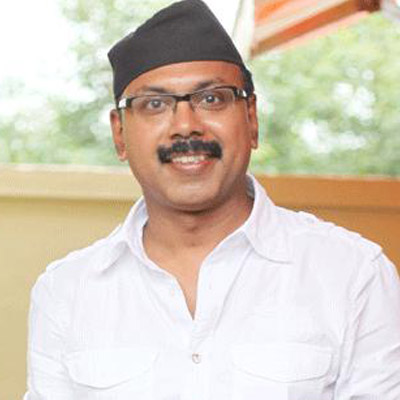
    Vdopia SVP-APAC Preetesh Chouhan pens down the major digital happenings in the year 2014 for Vdopia and the entire industry and also the future of digital platforms in the coming year.

    Major digital happenings…

    Digital Video Revolution – 

    •             Video viewing on PCs has almost doubled in three years in India. (source – comScore)

    •             India now has over 59 million video viewers. (source – comScore)

    •             73 per cent online audience now watch digital video. (Source – eMarketer)

    •             The share of video in internet data traffic is expected to rise from 41 per cent in 2011-12 to 64 per cent in 2016-17. (Source – Assocham and Deloitte)

    Emergence of specialised apps –

    •             App downloads in India likely to cross nine billion by 2015 (Source – Assocham -Deloitte)

    •             Mobile TV registered a 400 per cent growth rate in viewership. 

    m-commerce revolution India –

    •             India has reached 50 million digital buyers. (eMarketer)

    •             1 out of 3 customers of Flipkart arrive via mobile.

    •             33 per cent of Flipkart revenue originates via mobile based transactions. (Flipkart)

    •             60 per cent of all orders received by Snapdeal originate on mobile phones. (Snapdeal)

    Micro-video multiplied –

    •             Micro-video ads can transcend the mobile, tablet, PC and even TV gap, could eventually result in micro-video becoming the most portable video format across screens.
    Television is going digital:

    •             Television content is no longer being consumed only within the four walls of the viewer’s living room.

    •             TV remains one of the primary modes of communication reaching out to 60 per cent of the population, online videos are witnessing a steady surge in consumption even as internet penetration in India currently stands at about 16 per cent.

    Coke Studio, for example. While the latest season of the show on MTV received lukewarm response on TV, it went on to garner more than 54 million views on YouTube and across social media platforms.

    •             By 2018-end, India’s internet user base is expected to touch 494 million as against 938 million TV viewers.

    Marketers in India are leveraging digital marketing –

    •    96 per cent of the Indian marketers have high confidence in the ability of digital marketing to drive competitive advantage. It is among the highest in Asia-Pacific APAC with only Australia leading with 97 per cent.

    •    Indian marketers believe that the key driver to adopting digital is a growing internet population (70 per cent in India against 59 per cent in APAC).

    The big achievements for Vdopia…

    •    Launched Chocolate, a global programmatic buying and selling platform exclusively for mobile video advertising. 

    •    After major metros and cities, Vdopia’s reach has expanded to tier 2 cities, tier 3 cities and small towns.

    Lessons learnt…

    •    The market is expanding faster than expected and more brands are going digital. The demand has grown for new category of content and rich media video ad formats for better engagement. Like, travel, auto, humour, lifestytle, how-to videos etc.

    •    With 70 per cent growth in Asia Pacific, programmatic is the future. 

    Future of digital platforms in 2015…

    Digital India program – The Indian government’s $17 billion ambitious Digital India programme has the potential to be a game changer for the country. (Source – Forrester)
    P.S. – Currently, nearly 74 per cent of the population has mobile phones, most of which though is in the hands of urban India. 

    Focus on mobile content – In 2014 out of 885million mobile users, 185 million are mobile internet users. (IDC and India Digital Review). It’s a changing world, and businesses absolutely need to focus on ways they can give their marketing efforts a mobile component.

    Focus on Content – Content has been an integral part of digital marketing strategies for a few years now, but with so much of it out there, your content needs to be better and smarter. Content that’s relevant and interesting isn’t just a good idea, it’s a requirement. 

    Programmatic advertising will be understood by the majority of marketers – More than two-thirds of marketers are now using programmatic in one form or other shows programmatic might have become mainstream over the course of 2014. It’s a safe bet that this trend will continue in 2015 as more marketers realise the benefits of programmatic in their paid media programmes (Media Week).

    Clients will dictate the future of programmatic – Fundamentally, we believe the future of programmatic market landscape will be driven by the clients’ diverse characteristics and needs. Clients are either transactional or not, large or small, international or local, e-merchants or brick and mortar, large media spenders or not.

    Spending on RTB display advertising will accelerate – Spending on real time-bidded display advertising will accelerate at a 59 per cent compound annual growth rate through 2016, making in the fastest growing segment of digital advertising over the next few years. (IDC)


    (These are purely personal views of Vdopia SVP-APAC Preetesh Chouhan and indiantelevision.com does not necessarily subscribe to these views.)


  • 2014: A year of improved subscriber numbers

    2014: A year of improved subscriber numbers

    The year 2014 has been better than the previous year, in terms of the share of numbers for all direct to home (DTH) players. Subscriber additions were higher and there was more stability in the overall industry. In terms of price discounting, people were more rational through the year. Overall, it has been a much better year than 2013.

    Increased subscriber numbers and ARPU

    Overall additions in subscribers, for all the DTH players, were higher in the magnitude of 25-30 per cent than the previous year.

    That apart, the churn came down substantially, not only for Dish TV, but for all the other DTH players as well.

    2014 also saw a rise in the Average Revenue Per User (ARPU). But there are still problems, since the whole cable TV system hasn’t stabilised and gross billing hasn’t been fully implemented. Though, we do see some encouraging signs, in terms of people getting down to doing that now.

    DTH has been able to take price increases through the year. There was a price increase which took place in April, at the magnitude of 8-9 per cent. But the big collection from the ground will happen only once cable TV gets its act together.

    Different people calculate ARPU differently. For example, Dish TV calculates it on subscriber revenue, whereas Airtel Digital TV, as per its published figures, looks at gross numbers, and so do others. So there is no common matrix being used across the industry for definition of ARPU. But having said that, at the consumer level, the consumer prices are in the average price range of Rs 250-275.

    Challenges in 2014

    One of the major challenges that we continue to present to both the state and central government is on the high level of taxation on DTH. Apart from the taxation element which we have been presenting, we are the only industry which is subject to service tax and entertainment tax. While we were hoping for some relief in the last budget, we didn’t get that, we hope we will get some relief in the coming year.

    Secondly, there is no clarity on the licence fee issue, even though the Telecom Regulatory Authority of India (TRAI) issued a recommendation, there has been no action on that front.

    So while we lived in continued uncertainty in 2014, we hope that the government will take some steps in 2015. People have invested more than Rs 25000 crore in the industry, so at least we have the right to know what the law of the land will be going forward.

    The new launch Zing

    It has been an extremely successful product in all the geographies we launched. The specific proposition that we had, which was regional first and targeting the entire product mix around consumption has clicked very well with the customers. So we are very pleased with the way things have come.

    Highs and lows of 2014

     For Dish TV, it has been a fairly stable year. We regained our share leadership for about last three to four quarters. We launched a significant and tactical product in Zing which has helped us capitalize on the phase III and IV areas. The high point has been that we have been able to, post the balance sheet adjustment that we did last year, been able to get back on the growth path, which is what we have always said and we achieved that in 2014.

    The low point is at two levels: At one level, the whole issue of taxation and licence fee kept dragging for the whole year. Secondly, we expected the cable TV and broadcaster system to stabilize the whole regime. The whole issue of getting proper addressability and customers to actually choose and compare products has still not happened.

    Delayed Digitisation

    First and foremost, the manner of digitisation needs to be addressed. What has happened in the first two phases is simply the change of pipe. This has not been supported by addressability and that is the reason there has been no or marginal change in the revenue flow.

     Until and unless these issues are addressed, a non-addressable digitisation is of no help to anybody, neither to the government nor the stakeholders. We hope that by the time they get down to it, we will have some better roadmap of how to achieve that.


    (These are purely personal views of Dish TV CEO R C Venkateish and indiantelevision.com does not necessarily subscribe to these views)

  • The year of improved sports marketing and production

    The year of improved sports marketing and production

    The year 2014 may have seen a few new leagues coming up but cricket very clearly rules the roost both from an on ground and on air perspective.  While gap between cricket and other sports have shortened, it’s still quite significant.  Indian Super League (ISL) has begun well with aggressive marketing and managed to garner eyeballs for Indian football. ISL has also garnered encouraging response from advertisers. For the first time a non-cricket sports has more than six central on ground sponsors.  Though lot of work need to be done in the grass root development of football, it’s been a great beginning considering its first season.

    Moving onto FIFA, the market in India for the sport is growing every four years as can be seen from the last three editions.  We have beaten the benchmarks of 2010 in 2014. It also generated lot of hype that helped garner newer audiences and fan base. Overall football, as a sport is growing and FIFA being the biggest football tournament has managed to score on all counts. The cumulative efforts over the last five to eight years, by  FIFA, European Soccer Leagues and the broadcast community backed by audience desire to see a more local flavor of football has helped in the formation of the ISL. 

    The surprise package of 2014 was the Pro Kabaddi League (PKL), a pleasant surprise I must say. It was a league which was very well marketed and packaged with fantastic production value. While everyone thought of Kabaddi as rural sports, it’s quite interesting to see viewership numbers ticking from metros.  Looking forward to season 2 of PKL with a hope that it continues to attract audience and build stickiness.

    Indian Badminton League (IBL) launched in 2013 with top international talent and lot of fan following, missed the show in 2014. Hope to see IBL back with bigger and better show in 2015. The Hockey India League (HIL) also showcased fabulous production quality and packaging. HIL has also managed to grab reasonable response from advertisers till now. Currently with the fabulous winning performance of team India, in 2015 we would like to see a better marketing of HIL to attract and hold audience attention.

    The Champions Tennis League (CTL) and the International Premier Tennis League (IPTL) both failed to generate buzz because of lack of marketing efforts. CTL has been a bit disappointing with respect to the production value, while IPTL’s production was world class. Expectations from IPTL were quite high considering the participation of big current stars and legends like Roger Federer, Novak Djokovic, Pete Sampras, Serena Williams etc…. Aspirational and emotional connect with IPTL was very high for the fans who have been following tennis for more than two decades. It was like a dream coming true to see the likes of Roger Federer, Novak Djokovic, Pete Sampras, Serena Williams or even Sania Mirza playing in India. There was high interest in fans to go and see their heroes play live and get to meet them or get a closer glimpse of them.  But would that translate into TV viewership is something we will have to wait and watch. Therefore while CTL’s structure is towards building affinity for tennis as a sport with a hope that more Indian start playing the game. IPTL is clearly going after the experience of getting up and close with the big international stars and ride on their popularity to garner eyeballs. However considering the structure of both leagues, the overall objective of both leagues is little unclear.

    Marketing and production values of these sports have been a key highlight this year.  Sport marketing in India has been ahead of the curve in terms of marketing and production value. Great production values along with a greater thrust on marketing has led to a stronger audience and advertising interaction.

    ICC Cricket World Cup 2015 is the biggest sporting event in 2015 and will continue to attract audience in large numbers. The advertising pie will grow and be bigger than 2011 as other sports are still catching up and are in the development phase.


    (These are purely personal views of GroupM ESP national director entertainment sports and live events Vinit Karnik and indiantelevision.com does not necessarily subscribe to these views)

  • 2014: The year that changed landscape of distribution

    2014: The year that changed landscape of distribution

    2014 has been the most exciting and an eventful year for us in the Media and Distribution Industry. The phrase “There is never a dull moment” is so apt to define the year of 2014 that changed the landscape of distribution so significantly and posed challenges like never before. The year started on a promising note for the Industry with the impact of digitisation settling down and the benefits of this shift starting to roll in. Reduction in carriage fees and an upswing in subscription revenues indicated change, yet the industry continued to grapple with implementation of packaging at the retail level.

    Value chain as a whole moved towards a more structured form, with constituents at each level moving from an adhoc/ flat fee commercial arrangement to CPS model. Subscription flow from LCO to MSO which was significantly low in analog era started growing. Wider choice at the subscriber end also helped growth in ARPUs.

    One of the biggest changes that shall significantly impact the distribution model is BARC becoming a reality. It is set to redefine the way all of us look at distribution. Expansion in LC1 markets and forthcoming BARC measurement is pushing every broadcaster expand visibility to the deepest, darkest corners of the country. Such is the scope of expansion that it will require any organisation 24-30 months to plan, execute and brace one of the biggest change in the history of distribution.

    DTH industry saw a major shift this year in their outlook towards the business. Almost all of them moved away from the customer acquisition mode to better profitability. While the story of subscriber acquisition was not exceptionally different over the previous year, DTH companies managed churn, HD and ARPU increasingly well.    

    No other year has seen a bigger storm than 2014 in the Regulatory environment. There were so many storming changes that touched every stakeholder in the distribution chain. TRAI came out with regulatory changes like Disaggregation, DAS phase III and IV, Commercial establishments and Ad-Cap. The new regulatory environment posed new challenges such as keeping partners together, protecting bottomline revenue and remaining relevant in the new regime. Postponement of digitisation in phase III & IV caused recalibration of business plans by all stakeholders. TRAI’s regulatory change for commercial establishments affected an entire revenue stream of broadcasters and the matter continues to be fiercely litigated.

    Going into 2015, we strongly believe the industry will undergo some paradigm shifts in the way we do business. Implementation of RIOs in cable will see packaging in cable become a reality. Digital platforms hence shall compete effectively. Carriage fee, a big cost for broadcasters will get reduced to miniscule or only exist for FTA channels. HD and broadband in cable will see a big swing to drive revenues significantly for the cable companies. More interesting deals like DEN-Snapdeal shall emerge. DTH players shall equally bring about next level of offers to bring more value to the subscribers such as OTT, 4K boxes, TV Everywhere, and Binge viewing being offered to the consumers.

    For us here at IndiaCast UTV, the year 2014 was equally exciting. In face of compelling challenges, we en-cashed on the opportunities to attain significant growth. There is ample evidence that we are moving forward and in the right direction. In light of disaggregation, IndiaCast UTV was successfully appointed as the authorised agent for TV 18, Disney UTV and ETPL and the broadcasters reposed full faith in the our team. Transcending these regulatory changes, we emerged stronger than ever.

    On the DTH front, we saw all our renewals happening during the year. We had to up our ante and attain a fair share for the unmatched content that the network stands for. It was tough convincing the platforms but eventually they saw sense in the value we bring to the table. We are proud to say that we were able to stitch our multi-year content deals with all the DTH platforms at a healthy growth rate. On the visibility front, we embarked upon the biggest challenge to put in place an entire LC1 team and collectively put in thousands of manpower hours to expand our reach across the length and breadth of the country. Our ratings in the past few months are a testimony to the efforts of the affiliate team who seeded our channels in a number of new networks across smaller markets.

    The year also saw us successfully launching and distributing the third Hindi GEC “EPIC” which expanded the GEC space by offering a season based formats based on Indian Mythology and folklore. Viacom18 gave a myriad of entertainment options with Colors being the frontrunner in Hindi GEC space, launch of new Hindi GEC “Rishtey”, MTV Indies creating a new space in Music genre and by launching “24” – India’s first international non-reality format show with international standard production quality. TV 18 maintained its leadership position and added a business news channel in Gujarati called CNBC Bajar to its portfolio. The regional offering was strengthened by launching four news channels under the ETV banner – Kannada, Bangla, Gujarati and Haryana.

    This year has seen IndiaCast UTV coming of age, adding stability and propelled us to achieve more. We are confident of setting new benchmarks for ourselves and for the industry and embark on a larger journey which will see us coming out stronger than ever before. We are looking forward to an exciting and eventful 2015.


     (These are purely personal views of IndiaCast UTV Media Distribution EVP Amit Arora and indiantelevision.com does not necessarily subscribe to these views)