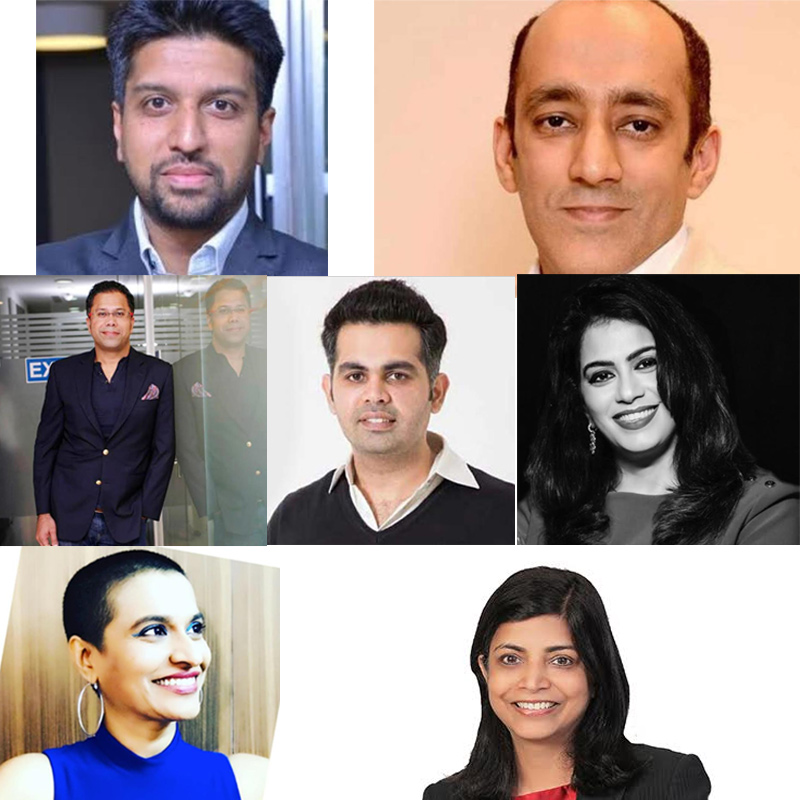
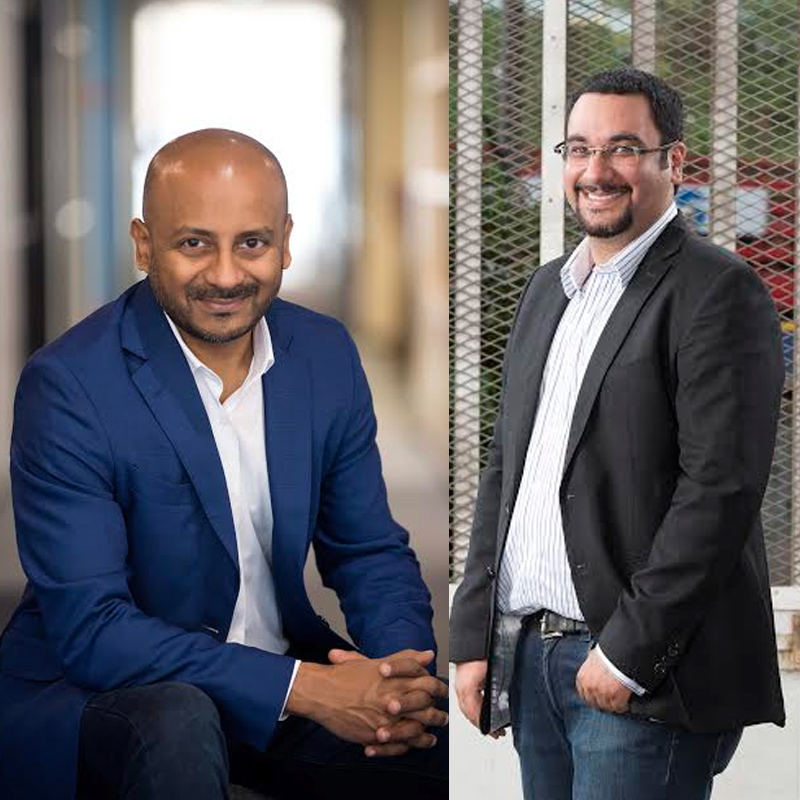
Category: Year Enders

  • 2020: The year of the government intervention

    2020: The year of the government intervention

    KOLKATA: 2020 was the year when the government – both the Centre and states – pushed back against the media. Strongly. Whether it was mainline television or print or digital or social media, authorities showed that they could deal a heavy hand against the fourth estate and digital platforms. Everyone would have to comply or get caned.

    The year ended with the government bringing digital media under the ministry of information and broadcasting and imposing foreign equity restrictions in such ventures. 26 per cent is the overseas investment limit, the department of promotion of industry & internal trade under the ministry of commerce & industry stated in a clarification in October 2020. Ventures involved in aggregating, writing, distribution, streaming of news or current affairs on websites, apps or other platforms will have to bring down the foreign investment to 26 per cent and get government approvals for the same by October 2021, have an Indian CEO, a majority of Indians on their boards, security clearances for foreign personnel employed or contracted for more than 60 days.

    The big news for the year was the ban on all things Chinese following the muscle flexing and murder of Indian armed forces by China on its border at Ladakh with India. More than 267 Chinese apps were shown the door over six months. The biggest of these was the user generated content platform TikTok which had more than 200 – million users in India. PUBG, La – a game which has more than a few million followers amongst India’s uh-uh gamers, was also blocked overnight.

    But the natives were not to be denied their favourite entertainment: under the government’s make in India initiative: a slew of local apps were spawned TakaTak, Roposo, Bolo Indya, Chingari. While not many could better the TikTok algorithm, they quickly signed on millions of subscribers hungry for a platform to show case their short form video talent. And at the time of writing FAU-G was slated to be released in India.

    The Central government and the industry regulator Telecom Regulatory Authority of India ( TRAI) intervened in the case of the industry monitoring agency Broadcast Audience Research Council (BARC) as well. At the beginning of the lockdown, TRAI issued a consultation paper suggesting an overhaul of the measurement body saying there were concerns over the neutrality and reliability of the existing system. It recommended various measures like equal representation from broadcasters, brands, agencies, increased sample size, independent members on board including technological experts.

    Later in the year, as the credibility of the rating agency had come under greater question with the TRP scam unfolding, the ministry of information and broadcasting notified a committee to be headed by Prasar Bharati CEO Shashi Shekhar Vempati to assess  the existing rating system for TV channels. The government emphasised there is need to have a fresh look at the guidelines particularly keeping in view the latest TRAI recommendations.

    Along with linear TV, the new age streaming platforms also came under the government's watchful eagle eye. Throughout the year, a number of PILs have been filed against a number of online premium shows for allegedly hurting “Indian sensibilities”. Several conservative groups have carried out social media campaigns with #boycott or #censor trends. Amid increasing pressure, OTT platforms were already pushed to form self-regulation codes. But self-censorship did not save the day as the government rejected the code asking to restructure  Igniting the censorship fear further, the government notified to bring all online content under MIB.

     The latest notification stated that films and audio-visual programmes made available by online content providers, news and current affairs content on online platforms will come under MIB’s purview. Just a few days post announcement, media reports floated that is it preparing to file a petition seeking the transfer of all court cases in India against OTT platforms to the supreme court. The ministry notified the Punjab and Haryana High Court about its move to approach the apex court.

    At the same time, social media giant Facebook also faced regulatory pushback this year. After a report on the Wall Street Journal that claimed the platform did not comply with hate speech rules properly, it came under tremendous political scrutiny. While some officials were blamed for having a ruling party bias, union law minister Ravi Shankar Prasad alleged that Facebook employees had abused top ministers on record and their certain ideologies led to an inherent bias.

    Facebook India vice president and managing director Ajit Mohan was summoned by a Delhi Assembly panel which was examining Facebook’s role to curb hate speech in connection with the Delhi riots of February 2020. Later, the platform moved to the court to challenge the summons issued by the Delhi government. The parliamentary standing committee on information technology, headed by senior Congress leader Shashi Tharoor also called Facebook officials multiple times to examine if there was any political bias.

    At the state level too, governments bared their fangs. While Delhi government got into a tussle with Facebook, the conflict between Maharashtra government and Republic TV editor-in-chief Arnab Goswami also deepened. Goswami was arrested in the Anvay Naik suicide case by Mumbai Police which was widely seen as a politically motivated move. He also moved to Bombay High Court questioning the police’s decision to re-investigate the case. Finally, Goswami was granted bail by  the apex court.  Even, many other state governments were also criticised for arresting dissent journalists during the pandemic.

    Despite numerous protests by certain ecosystem players, the government stayed put on rolling back or making any changes to the NTO 2.0, to which many had complained.

  • Throwback2020: The great show that Indian e-commerce industry put up

    Throwback2020: The great show that Indian e-commerce industry put up

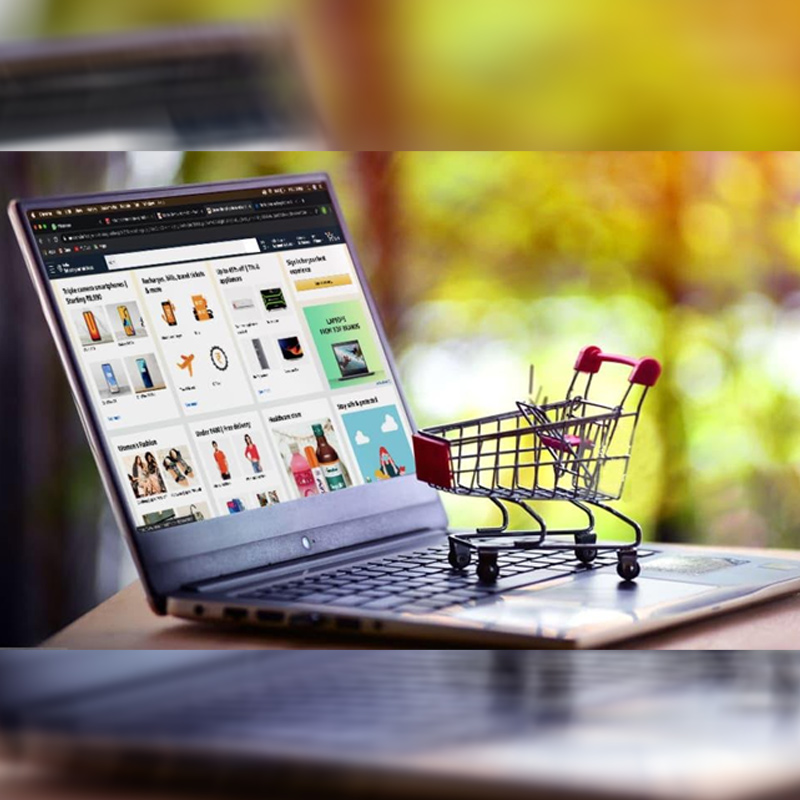
    NEW DELHI: It was more than a decade-and-half long journey for the e-commerce industry in India to grow from a ticket booking platform to an  offeror of everything – from a needle to a car – online. The initial hurdles of  low internet accessibility, pricey data charges, and lack of trust were vaporised  by Reliance Jio in 2014, giving a major boost to the industry. And then came 2020 and  the much spoken about coronavirus, that made e-shopping more of a necessity than an option for almost all on planet earth. It has been said by many and trusted by all that what 2020 did for the digital and e-commerce industry, wouldn’t have been possible to happen in the next five years or so. Here’s an overview of what all went down in 2020 that made e-commerce a stronger and stiffer chap, giving a tough competition to the offline retail stores that remained the predominant choice of buying and selling for most, up until 10 months ago.

    2020 growth story

    The Indian e-commerce industry was  struggling, climbing a steep incline for the past many years, given the strong intent of policymakers to support a digitally-enabled India. From increasing FDI in e-commerce ventures to signing MoUs with banks to rolling out 5G fibre networks, the past few years have seen great strides being made in that direction. However, the 2020 growth story was more the gift of an unexpected catastrophe than organised attempts in the direction. Yes, the sector faced some hiccups in the beginning, because of the uncertain situations and market slowdown, It, however set a new peak in terms of growth this year.

    Starcom CCO Rajiv Gopinath notes, “The e-commerce industry has seen a massive boost in 2020 all over the world due to the pandemic. Global retail e-commerce will hit a staggering 3.9 trillion dollars in 2020– the equivalent of 17 per cent of all retail sales. Meanwhile in India, the industry saw a momentary fall in March and April due to the pandemic and the resultant logistics constraints and curbs on sales of non-essentials. However, after April, there has been a steady rise in the number of orders placed.”

    Overall, it grew about 35-40 per cent and achieved a GMV of around 38 billion dollars, as per IBEF and Redseer Consulting estimates. A report by Kantar and Amazon Advertising indicates that 42 per cent of Indian urban active internet users were shopping online during COVID times.

    Hustlers of the e-comm town

    The e-commerce industry hogged most of the spotlight this year, given the situation the consumers found themselves in with the Covid-2019 imposed lockdown. However, according to data from Venture Intelligence — a firm that tracks private companies’ investments, financials and valuations, private equity and venture capital (PE-VC) investments in e-commerce companies in India from  January to September dropped by 55 per cent as compared to the same period last year. It stood at $1223.12 million in 2020. Additionally, only 66 firms raised funding in 2020 against 107 in 2019. The reasons behind this could possibly be attributed to anti-China sentiments and consolidations within the industry.

    Yet, majors like Amazon, Flipkart, and the biggest star Reliance managed to keep the mills running with a great infusion of dollars.

    Amazon invested $95.51 million in its Indian payments unit AmazonPay, in October. It was the second round of investment into the platform after the company pumped in Rs 1,355 crore in January. Additionally, as the e-grocery industry heated up, Amazon announced the expansion of its ‘Amazon Pantry’ to over 300 new cities in India, delivering to 10,000 pin codes across the country.

    Amazon also forayed in the food-delivery business, an alcohol-delivery service, and an online prescription medicine delivery service, making the most of the year.

    Its closest competitor, the Walmart-backed Flipkart found its base strengthening further as Tencent, the second-biggest shareholder in the e-commerce marketplace, put in $62.8 million in it.

    Additionally, Flipkart tied up with e-pharma company 1MG, foraying into the e-med space. It rolled out ‘dark stores’ to service customers in nearby localities, and unveiled its plans in the wholesale market with the unveiling of its exclusive B2B marketplace – Flipkart Wholesale. Flipkart also acquired the wholesale business of its parent company Walmart in India.

    And of course, most of the headlines space was reserved for Reliance this year as well. Its stock values went through a crushing journey early in the year, dropping to Rs 880 by the end of March from the peak of Rs 1,610 in December 2019, due to the pandemic. However, it was quick to get back on its feet as RIL sold about 10 per cent of Jio Platforms to Facebook in April. A series of marquee investors followed the suite, including Google, and Jio Platforms secured investments of $20.6 billion.

    Reliance Retail Ventures also secured investments worth over $5.1 billion through various investments from leading global investors including two tranches from Silver Lake (1 and 2), KKR, General Atlantic, Mubadala, GIC, TPG, ADIA and PIF.

    The launch of Jio Mart was one of the biggest events in the Indian e-commerce space this year. The megacorp also announced important acquisitions including digital pharma marketplace Netmeds, a chunk of the Future Group’s businesses, and Urban Ladder.

    It created an omni-channel retail strategy which smartly included its brick and mortar presence with its ecommerce wings also spurred the next phase of its growth, which we will see giving fruit in the future as well. Some of the smartest moves in this direction were partnering  with SBI in Jio Payments Bank and collaborating with Facebook-controlled WhatsApp that has launched its UPI-based payment platform.

    Enough space for everyone

    What essentially started as a space for fashion hauls and ticket bookings, the  e-commerce industry really got its due in 2020 with purchases, across all the categories being driven online. According to Google Trends, the interest in the category went up by around 50 per cent since this time last year.

    Logicserve Digital founder & CEO Prasad Shejale shares: “The number of e-commerce shoppers has at least doubled during Covid. Talking about the wide reach of the online shopping phenomena, a recent report by Bain & Co. suggests that 97 per cent postal codes in India ordered at least 1 item online in the last year, which is great. The report also mentions that for many businesses, including the small sellers, 60-70 per cent of the sales happen through e-retail.”

    Gopinath notes:  “Online marketplaces have witnessed a total growth of 30-40 per cent of new users. E-commerce leader in India, Flipkart recorded a new user growth of close to 50 per cent right after the lockdown, with tier 3+ regions registering the highest growth of 65 per cent during the "unlock" July – September phase. Consumers from tier 2 and tier 3+ regions also spent the most time on the platform, signalling a continuing rise in user engagement and a shift in shopping preferences. From the supply side, it saw close to a 35 per cent increase in sellers on board in 2020, in comparison to the same period last year.”

    22Feet Tribal Worldwide Preetham Venkky adds, “Brands have significantly upped their investment on both owned channels as well as a marketplace (Flipkart, Amazon, Nykaa etc.). While investments in the marketplace have borne fruit immediately, in mid and high involvement categories, brands have shown interest in growing their branded e-commerce platforms. For instance, we’ve seen a growth of over 40 per cent on e-commerce in the home appliances space.”

    Gopinath elaborates: “The top-selling category in e-commerce has long been electronics, especially mobile phones, followed by apparel. Rather, in January-March, the most searched categories included personal care, men's clothing, footwear and women's clothing. Though these still remain the dominant categories, a “work from home” category is emerging primarily due to Covid-2019, consisting of products related to office activity like laptops, chargers, small furniture, etc.

    “However, during the lockdown, food and nutrition, household, toys and audio products witnessed the highest demand among consumers. Grocery and FMCG goods were one of the biggest beneficiaries during the pandemic even though fulfilled orders were only a fraction of the total in-demand orders (due to a steep hike in demand). However, even after the lockdown ended, e-grocery orders have been seeing an upward trend.”

    According to a study by RazorPay, categories like beauty and personal care and home furnishings also witnessed massive growth, especially after May. While the former saw an increase of almost 295 per cent in the number of transactions, the latter saw a spike in orders in May and June given lifestyle changes and the need to work from home.

    dentsu Asia Pacific (APAC) Chief Data & Product Officer and dentsu Programmatic – South Asia CEO Gautam Mehra adds, “Sectors that benefitted the most were electronics, pharma and education. Even fintech to a large extent benefitted, with more and more demat accounts, digital-only savings accounts being opened and UPI usage increasing.”

    The Indian retail market also saw a new wave of direct-to-consumer brands such as Lenskart, Licious, Zivame, Epigamia, BoAt, Wow Skin Science, Healthkart, Mamaearth, MyGlamm, SUGAR Cosmetics, IncNut, Country Delight, among others, establishing a strong market  presence. Relying on technology and smart interactive solutions, these brands have made big within the industry.

    Growing in potential

    The industry not just grew in numbers but also made great investments in improving the overall customer experience. They relied heavily on smart-tech interventions and UI/UX development to make the consumer journey more smooth sailing.

    More and more brands were forced to step into the online world and create their own shopping platforms. According to the report titled ‘E-commerce Trends Report 2020’ by Unicommerce, there has been a 65 per cent increase in brands developing their own website in India. Bisleri, Cornitos, Nivea, Kiehl’s and Amaris Jewels were some of the brands that launched their own shopping platforms in India this year. Apple, which used to get 30 per cent  of its annual sales in India from e-commerce sites here, also launched its own online store for India.

    At the same time, brand websites have witnessed 88 per cent order volume growth compared to 32 per cent for ecommerce marketplaces.

    Carwale SVP (used cars) Abhishek Patodia mentioned in an Indiantelevision.com virtual roundtable that the platform included video upload option for car-sellers, which eventually driven up the number of consumers on their platform.

    Baggit head of marketing Atul Rohan Garg added that they are working on incorporating options like video-calling and on-call assistance for its shoppers to make the experience more transparent and wholesome. The same plans are in place for a number of lifestyle, fashion, and jewellery brands.

    Many restaurants, QSRs, and salons adopted options like e-menus, pre-bookings, on-app valet services to fit into the new normal and make physical stores more comfortable and safe.

    Venkky quips: “The growth of e-commerce will be on the back of four services: technology, user experience design, dynamic creative optimisation and performance marketing. This creates the need and demand for fully integrated digital agencies, which will benefit the maximum.

    Driven by Technology

    Mehra notes: “Digital commerce is almost entirely tech-driven. From better warehousing to better personalisation to customers, every part of the commerce journey has an opportunity to be disrupted or innovated on. Ad-tech / mar-tech will play an important role in the acquisition and driving lifetime value, whereas traditional operations where SAP/ERP used to be deployed are now being disrupted by startups like Khatabook and several others.”

    According to Shejale, personalised SaaS-based platforms that are powered by AI also gained great preference from the e-commerce players as they work on systems that ensure that a seamless omnichannel approach is followed.

    The year, therefore saw, ecommerce software platforms making a big mark in India Brands and e-commerce platforms partnered with payment gateways, cloud computing and analytic service providers. Ready-to-use ecommerce software from Shopify, Magento, Ecwid, BigCommerce, Volusion, Wix and others eased out the pain of setting up online stores, making D2C bigger than ever in the country. Use of inbuilt RFID, GPS, and IoT, and telematics played a crucial role in evolving the ecomm world.

    Additionally, brands are also experimenting a lot in closing the gap between the online look and  feel of the product and how it physically is. This has attracted great strides in involving technologies that can create realistic 3D imageries, refine digital texture and colour palette and at the same time keep the site design simple and light. Jewellery brands invested in technologies that can help the retailers and e-platforms to customise designs, do online virtual trials  on a real-time basis.

    Another simple platform that greatly assisted e-commerce players this year was Whatsapp. Reliance Industries started limited use of WhatsApp to connect customers to grocery stores. JioMart successfully interacted with its customers on orders using WhatsApp, simplifying the whole process. Jewellery brands like Mellora are also relying on the Facebook-owned platform to reach consumers.

    In the papers and on the screens

    Keeping up with the buoyancy in online shopping, e-commerce and digital-first players greatly supported the Indian advertising industry too. Online gaming platforms like Dream 11, also the sponsor of IPL, MPL, Poker Stars, e-learning platforms like Vedantu, WhiteHat Jr, and BYJUS, and e-shopping platforms like Flipkart, Myntra, and Amazon were some of the top advertisers this year, keeping the industry afloat.

    Not just that, the marquee sales events like Myntra End of Reason Sale, Amazon Great Indian Sale, Pepperfry Shubh Aarambh Sale, Paytm Maha Cashback Sale, etc. got the bucks moving in the brand’s direction as the sales and supply chains remained largely impacted through the year.

    Has the inflection point been reached. Observers are betting their hats that there’s no going back from here; only forward. 
  • #Throwback2020: Rejigs in the Indian marketing world

    #Throwback2020: Rejigs in the Indian marketing world

    NEW DELHI: Change is the only constant, and 2020 was a year of change. Big ones.On personal and professional fronts, both. Folkspicked up new skills, explored previously untried things, made self-discoveries. The trend reflected in the way people moved across industries, looking for fresh challenges and opportunities – looking for change. The marketing and advertising industry was also no stranger to this. There were a number of movements within agencies, some also chose alternate industries to grow, and many others were promoted to new roles. Here is part one of an intensive overview of how the year fared for the marketing and advertising world in terms of people movements, appointments, and elevations: 

    The year started with WatConsult founder Rajiv Dingra vacating the CEO chair and taking up an advisory role in the agency from the house of dentsu International (earlier Dentsu Aegis Network). He was replaced by Heeru Dingra. Rajeev went on to launch a new venture, RD&X Network, later in the year. 

    Next, Cheil India social media strategist Abhishek Mudgal exited from the agency to join Cars24 as brand manager -digital. Erstwhile CCO south-east and south Asia and VC – India at Ogilvy Sonal Dabral moved on from the creative powerhouse after a two-and-half-year stint to start his journey as an independent creative consultant. 

    Sonal Dabral

    Another big exit from the agency world came whenHavas Media India and SEACEO Anita Nayyar ended her 13-year-long journey with the agency. She later joined Zee5 as head – customer strategy and relationships. Following her exit, Mohit Joshi was elevated to the India leadership role. 

    Anita Nayyar

    The next big transition was made by Anita Kotwani. She left the post of SVP – new business and client lead, The Walt Disney Business at Mindshare India, ending a 16-year-long relationship with the agency, and headed to Carat India as its CEO. 

    Anita Kotwani

    Most recently, Nabendu Bhattacharyya, an industry veteran with more than two decades of experience in the Indian out-of-home (OOH) space, stepped down as CEO and MD of Milestone Brandcom, the India-based OOH specialist agency from the house of dentsu international. He is moving on to follow his personal interests after spending six years with the network. 

    Another exit from dentsu International came earlier in the year with Isobar India’s chief growth officer Shekhar Mhaskar departing the company. Also, Dentsu India CCO Malvika Mehra bid adieu to the network to begin afresh as an independent creative director and brand consultant.  

    Malvika Mehra


    Dentsu roped in Rohit Mukherjee as creative director, south for Isobar India. Prior to this, Mukherjee was associate creative director with Bates India. 

    A slew of exits happened at Publicis Worldwide India too. Managing director for the company’s India operations including Publicis Ambience, Publicis Capital, Publicis Beehive, Publicis Health and Publicis Business Srija Chatterjee left as the group dissolved the position. CCO and MD Ajay Gahlout also stepped down from his position to pursue personal interests. Chief strategy officer and managing partner Neeraj Bassi also called it quits in 2020. He went on to join Havas Group India as the chief strategy officer. 

    Neeraj Bassi

    On the other hand, Publicis announced the appointment of Sanju Menon as chief operating officer of Publicis Ambience and Publicis Beehive. He joined from Leo Burnett India, where his last role was as executive vice president managing the entire Bajaj portfolio for the agency. The group also roped in Deepak Pant as head, data science practice, from Cognizant where he worked as the director AI & analytics of the digital business.

    GroupM, South Asia COO and CFO Sridhar Ramasubramanian on boarded as the CFO for Publicis Groupe, South Asia. The group appointed Mimi Deb to lead its dedicated bespoke unit platformGSK. 

    Simultaneously, Rachana Lokhande, co-chief executive officer (CEO) of GroupM-owned outdoor agencyKinetic India, chose to resign from her position. She was replaced by Ajay Mehta who took on the additional charge as MD – Kinetic along with the post of managing director of cinema (ITV). Mehta also joined the GroupM India executive committee (ExCo).

    Wavemakar also found its South Asia CEO in Ajay Gupte, who was earlier the COO for Wavemaker India, after Kartik Sharma moved on to join Omnicom Media Group as Chief Executive for India operations,

    Ajay Gupte

    In another internal rejig within the GroupM network, Mindshare Fulcrum SVP Premjeet Sodhi joined Wavemaker India as chief growth officer. He was soon elevated to the post of chief strategy officer. Mindshare chief innovation officer – South Asia Mac Machaiah was appointed as the lead of Wavemaker unit for ITC business. Vishal Jacob returned to Wavemaker India as chief digital officer, after close to two years with GroupM as a principal consultant – change planning and transformation. Additionally, Sandeep Pandey, who led product and strategy, was elevated as Wavemaker’s global head of analytics.

    Additionally, Mirum India brought on board former 82.5 Communications SVP Mohit Ahuja as the director of brand strategy and client services. 

    To be continued… 
     

  • Top 4 trends in advertising for the year 2021

    Top 4 trends in advertising for the year 2021

    MUMBAI: 2020 is passing in the blink of an eye, but we are curious to see what 2021 will bring to the digital world. While there have been several memes that went on to amusingly take pot shots on the eventful year 2020, those were dark humour that really went on to portray how the year panned into appalling uncertainty. Many of these memes have actually been used by advertisers to engage with consumers. Does this go on to signify that as dream merchants, we have always made the best use of adversity, confronted challenging situations and stood as shining examples to the society? If it were not for us, the whole of India would not have connected in virtual concerts, stood in solidarity with frontline workers through our remote habitats, portrayed how complex problems might be resolved in spite of social distancing and in particular made everyone within the country conscious of the safety measures that one needed to undertake during the pandemic.

    We as a community are not any strangers to disruption and turmoil. We have overcome economic pressures, political tensions and even natural disasters. With the outbreak and therefore the global spread of the pandemic resulting into an entire shut-down, mega events, gatherings and such platforms that engage with brands and consumers, advertising agencies had to rejig their strategies and work doubly hard to make things happen in shoe-string budgets and remotely placed production equipment & operational teams. The world of advertising is heavily hooked in to interpersonal and human connects, but we are rethinking the way we are operating. Some of the trends that might not just dot 2021 but a replacement era, since there'll be no going back so as to fortify the longer term of the planet in the first place. These could be listed as below:

    Building partnerships with data and tech platforms:

    The pandemic and the ensuing lock-downs in various phases have not just impacted the manufacturing sector & supply chain of companies but also impacted the consumer demand. Consumers have become very stringent and most of the buying patterns are seen only in essential goods. Brands have and would within the future check out lowering their offline budgets and invest in online which has become essentially the market place across sectors. That apart the digital space is also a veritable consumer touch point for news & entertainment consumption. So a digital explosion is on the cards before later.

    Hyper-engagement model:

    Agencies would need to offer more to its clients and create Intellectual properties on the digital platforms that would enhance the relevant consumer touch points. These would be engagement tools that will have to focus on creating long-term relationships with the sharply targeted audience groups instead of making ads and hard-sell. A case-in-point is “Tattva” – a platform that is being created as a ‘centre of excellence’ for the BFSI segment audiences; IFAs and buyers simultaneously. A property like this is often a boon to the myriad financial brand that's trying to find a market place!

    B2B2C models through e-commerce solutions:

    One specific surge which we'll notice as a trend is that the B2B2C models of companies with specialize in e-commerce. Agencies would need to actively work with advisors and data driven firms to make be-spoke solutions for buyers. With an eye fixed on efficiency in cost-savings, value-driven approach and gains within the short-term and sustainable growth within the mid to long-term

    Focus on the experience:

    Interaction and engagement on the virtual platforms would be key to everything. From brand launches to sporting events, the entire ecosystem is moving online and consumers are going to engage with the brands from the comforts of their homes. Experiences therefore and a virtual transportation to another world would be important for advertisers. Fantasy games, virtual concerts or for that matter retailing of fashion & food would all need to give the relevant experience for the consumers to buy into that experience and thereby the product.

    Although one might not make certain, whether of these innovations would find out how to negate the large accumulated losses the industries faced this year but it's surely the right time for advertisers and advertising agencies to create capabilities in areas that might be primary within the new era. The agency of the future would need to be futuristic!

    (The author is CEO, Hotstuff Media Group. Indiantelevision.com may not subscribe to his views.)

  • #Throwback2020: The rise of hyperlocal OTT platforms

    #Throwback2020: The rise of hyperlocal OTT platforms

    KOLKATA: A number of pure play language-specific over-the-top (OTT) platforms entered the streaming space across the country throughout the year, with deep-pocket big streamers also expanding into major regional languages. Notably, the new platforms have been launched not only in major regional markets but in long-tail ones too.

    Of all the new entrants, Aha has emerged as the most eye-catching. The Telugu OTT entered the market in early 2020 but with the onset of the pandemic, it had to push back some of its plans. It is owned by Arha Media and Broadcasting Pvt Ltd, a joint venture by Geetha Arts and My Home Group, one of the largest construction groups in south India. During its official launch in November, the promoters vouched that they would pump a high amount of money into the platform.

    While it is targeting 50 million Telugu speaking internet users who are already consuming online videos, the huge appetite for language content has helped it to five million downloads and 18 million unique visitors in a few months. Aha has fixed a price point of Rs 365 per year, a cheaper and more affordable price point compared to bigger players.

    A dedicated Malayalam OTT platform also entered the landscape this year. Studio Mojo, the team behind India’s first OTT platform iStream.com, launched the independent OTT platform Koode in September. Koode was born with the vision to help Malayalis across the world discover content they love. Along with creating premium content, the service aims to focus on curating content from other social media platforms too.

    However, unlike other niche platforms, Koode has not adopted a subscription-based business model. Based on the learnings from iStream.com, Studio Mojo has kept the content free for users. Going forward, it will have branded content and pay-per-view model as its revenue stream.

    South Indian languages, Bengali, Marathi have always been at the forefront of media and entertainment revolutions. Surprisingly, few OTT platforms catered to or made a mark in long-tail markets. Hoping to buck this trend is CityShor.TV, another language-specific OTT platform that debuted in the Gujarati market.

    Although the quantity of content offered by CityShor.TV is not at par with services like Aha or Hoichoi, it has promised to bring at least one original each month for its users. Initially in a bid to lure viewers, the platform is running a promotional offer of Rs 100 in December for its yearly subscription plan, to be hiked by Rs 50 each month till February.

    Another OTT platform which is ready to hit the market very soon is Planet Marathi. The Marathi service, which looks to cater a target audience of 100 million globally, will offer a wide range of content including films, theatre, TV shows, and infotainment. Further, it will also stream content like karaoke songs, recipes, yoga, health, and live-fitness videos. Singapore-based Vistas Media Capital recently announced its plans to invest up to $5 million in Planet Marathi.

    In addition to that, a second Marathi OTT Letsflix is all set to enter the arena.

    It may seem like these new entrants have a minimal audience but the next wave of OTT growth is coming from the hinterlands of India. The annual media and entertainment report by the Boston Consulting Group (BCG) states that 35-40 per cent of the consumption on streaming services happens in local languages. Even the hours of original content in vernacular languages have gone up by 3X in 2020 from 2018. No doubt, this year has registered the rise of the regional OTTs, and it’s only onwards and upwards for these platforms from here on.

  • #Throwback2020: Not letting a crisis go waste

    #Throwback2020: Not letting a crisis go waste

    NEW DELHI: While battling the great recession in 2008, then chief of staff in POTUS Barack Obama’s office Rahm Emanuel had famously stated, “You never want a serious crisis to go to waste. I mean, it’s an opportunity to do things that you think you could not do before.” Emanuel was possibly inspired by Sir Winston Churchill, who’s believed to have said something along those lines in the mid-1940s, when the world was engulfed in the second World War. The thought became an anchor for a number of entrepreneurs in the Indian advertising and marketing industry too,  as they navigated a world turned upside down by the Covid2019 pandemic. The result – we witnessed a number of new agencies and specialist arms popping up throughout the year. 

    ^atom

    It began with the launch of ^atom, an ad agency floated by Ogilvy ex-president – Mumbai and Kolkata Abhik Santara along with Yash Kulshresth and Ananda Sen. While the agency had been in the pipeline for more than five months before it was finally launched in April this year, it was a courageous decision on the team’s part to enter the market during the first phase of the lockdown. Well, the risk paid off, as they quickly won several accounts, including Lifology, Ahimsa Trust and Ezee. 

    Dentsu Marketing Cloud Video+

    Dentsu International’s Indian data science division fielded a unique OTT planner called Dentsu Marketing Cloud Video+ in April 2020. The tool provides an agnostic approach towards planning and buying on over-the-top TV (OTT) platforms. It, reportedly, became the first holistic product catering to planning and buying OTT audiences within the ecosystem. The tool was launched under the umbrella of DMC Explore, the proprietary Audience Intelligence tool of the data sciences division under its suite of products – the Dentsu Marketing Cloud (the overarching platform that houses DAN Data Labs).

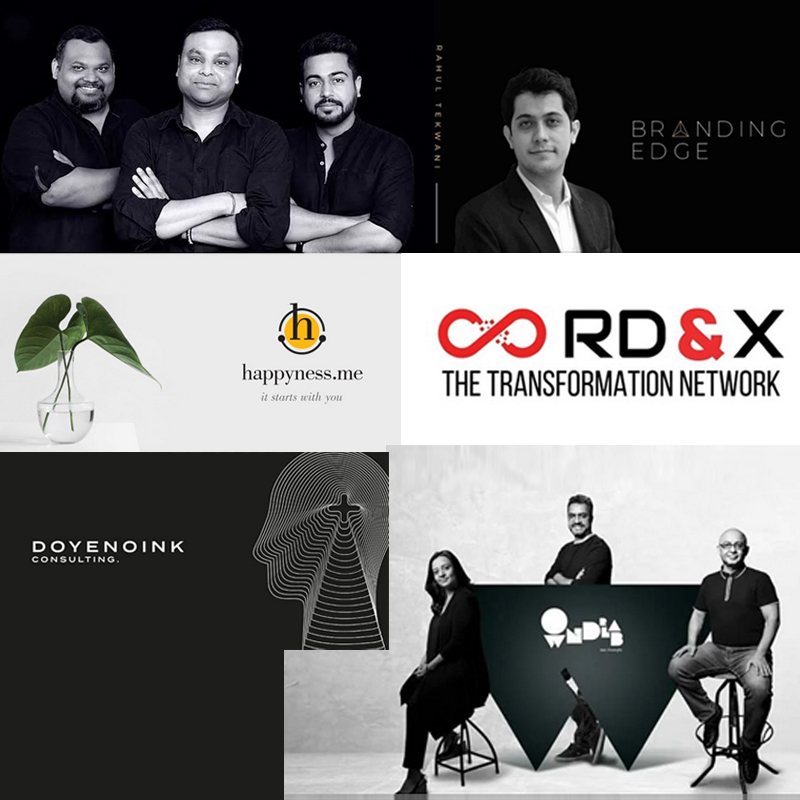
    Happyness.me

    House of Cheer Pvt Ltd, which was founded by former Viacom18 COO and media personality Raj Nayak in 2019, announced the launch of their new division, Happyness.me in June. Happyness.me is a proprietary tool that measures the happiness quotient of corporations and its people using behavioural psychology, neuroscience, and data analytics, with inputs from experts in the field. 

    Ipsos Digital

    Ipsos India unveiled its platform Ipsos Digital to provide the clients with cutting edge online research tools to aid their decision making. Ipsos India also announced the launch of its first online research offering of Fast Facts, which is a fully automated, DIY, AI-supported express tool to cater to clients’ quick research and advisory needs.

    brandhalō

    After quitting a 12-year-long stint with Volvo Cars, its first Indian director Sudeep Narayan founded the brand advisory firm brandhalō in August 2020. It is a boutique advisory firm providing marcomm and integrated e-commerce solutions to deliver business performance. The firm intends to add the halo-effect to a brand/corporate reputation, thereby turning customers to evangelists and fans.

    DoyenOink Consulting

    Expanding its elaborate portfolio of offerings, Zoo Media kickstarted DoyenOink Consulting in September this year. DoyenOink is a transformation and management consulting firm which leverages data intelligence, technology interventions, inventive strategic thinking and impactful communication to drive systematic solutions for business challenges across the spectrum, be it business and product strategy; operational and process structure; revenue and sales strategy; growth strategy; and consumer outreach. 

    Kombat

    A niche marketing agency for the wellness industry, Kombat was launched in September 2020. The Delhi-based agency will provide services for brands in a variety of areas including social media, PR, events, collaborations, marketing strategy and more. It is founded by Neha Lidder, a specialist in marketing for over 20 years, and includes a team of professionals with backgrounds in design, PR, and digital marketing.

    RD&X Network

    Rajiv Dingra (previously founder and CEO of WATConsult, a digital agency part of Dentsu International), floated his latest entrepreneurial venture, RD&X Network, in October. It is said to be a deep-tech network that will drive brand, business, media and data transformation helping businesses globally become real-time, disruptive, and thereby achieve exponential growth. The company will leverage the impending deep tech and business model disruption across marketing, advertising, media, and business consulting with its offerings.

    Digital Edify

    Former FabIndia head of digital and social advocacy Gauri Awasthi also took the entrepreneurial route this year with the launch of an innovative design thinking and digital transformation enterprise named Digital Edify, DTBU, along with her co-founder Aakash Shrivastava. The agency aims to help build brand awareness, brand salience, desire, generate demand, convert into sales for brands by being advisors, brand advocates, and growth hackers. 

    Wondrlab

    Advertising and brand communication leaders Saurabh Varma, Vandana Verma and Rakesh Hinduja collaborated to launch a platform-first start-up Wondrlab. The unique agency comes with three key verticals – content, experience, and digital business transformation to help clients win in the new marketing landscape. The agency also partnered with Amit Akali’s WYT in its first acquisition. 

    Sensibly Weird

    A former WPP talent, adman Subhas Warrier along with his partner Shyam Musthafa started a multidisciplinary creative solutions platform – Sensibly Weird Company in November this year. Based in Kochi, the company will help brands grow by creating “honest stories, designs, and creatives that break through the noise.”

    Branding Edge

    Former Enormous Brands’ strategist Rahul Tekwani floated his own strategic communication venture Branding Edge Strategic Communications and Advisory in December. It focuses on developing a brand and reputation program to help achieve business goals, build awareness and credibility, and will enhance the long-term enterprise value of the clients.  The company will also be providing 360-degree services, which include branding, design, digital strategy and research and data-driven storytelling, and influencer engagement strategies. 

    Catalysts

    Former president of Mullen Lintas, Syed Amjad Ali announced the launch of his own firm Catalysts in December. The start-up will be a content and brand strategy platform. 
     

  • #Throwback2020: Top promotions in the Indian news industry

    #Throwback2020: Top promotions in the Indian news industry

    NEW DELHI: While 2020 was marked by many highs and lows for the Indian news industry, some newspersons’ star only rose.Here’s the second part of the year-end series on people’s movements in the Indian news industry,focusing on top-rank promotions within the organisations and those who took on additional charges. 

    India Today

    Dinesh Bhatia was elevated to CEO of India Today Group. He was earlier the group CFO. 

    Mail Today deputy editor Darpan Singh was named the executive editor for Indiatoday.in. The announcement came after India Today announced the closureofMail Today’s print edition.

    Rahul Shaw was promoted to the post of CEO – TV and radio, Salil Kumar to CEO – digital, KR Arora to COO – distribution and international, and Yatendra Tyagi was made TVTN CFO. Manoj Sharma took on the new responsibilityof CEO – magazines, LMI. 

    India TV

    In its decision “to rethink, rework, and retool” its business strategies, India TV announced promotions for four of its key persons looking after business revenue, corporate affairs, television operations, and growth and monetisation aspects. 

    Sudipto Chowdhury was elevated to chief revenue officer, Puneet Tandon as chief officer – corporate affairs, Rohit Lal as chief officer – television operations, and Gulab Makhija,  in addition to his role of CFO, was given the portfolio of CEO for growth and monetisation. 

    Mathrubhumi Group

    After the demise of late chairman and managing director MP Veerendra Kumar, Mathrubhumi Board elected PV Chandran as chairman and MV Shreyams Kumar as managing director. PV Chandran also continues to function as the whole-time director and managing editor.

    PV Chandran

    PV Gangadharan, erstwhile director, was appointed as the whole-time director and Mayura MS was tapped as a whole-time additional director of the company. 
    Mathrubhumi also announced the elevation of Naveen Sreenivasan as head media solutions TRD (television, radio, anddigital). 

    Network18

    Firstpost business head – English news cluster Azim Lalani was elevated as COO – brand solutions and convergence for Network18 digital. He was also given the additional charge of branded content for CNN-News18. Kishore Ajwani was given the post of managing editor from deputy managing editor. 

    Smriti Mehra was promoted from the post of COO – business news to CEO – business news cluster. She is now responsible for the P&L of this cluster and CNBC digital. Additionally, News18 Languages product function Sudipto Nandy was tapped as News18.com product head – general news. 

    Karthik Subbaraman was appointed the managing editor for the network’s digital news operations. Prior to this, Subbaraman was the editor overseeing three southern channels, a responsibility he passed on to Vivek Narayan.

    Karthik Subbaraman

    Preeti Sahni was handed the charge of COO – Forbes India; Siddharth Saini shouldered the responsibility of handling English news, business news and Forbes verticals, as well as international business. 

    The Hindu Group

    Malini Parthasarathy was named the chairperson of the board of directors. She took over the reins from N Ram, who stepped down from the position at the age of 75. Prior to this, Parthasarathy had been the co-chairperson.

    Additionally, publisher of The Hindu Group’s various newspapers N Ravi was elected as the chairperson of Kasturi & Sons Ltd. 

    The New Indian Express

    The publisher promoted VP – marketing and digital operations Amitabh Bishnoi to VP for digital properties. 

    The Quint

    The Quint announced the elevation of national revenue head Devika Dayalto the position of its chief revenue officer in September this year. 

    Times Network

    Times Network president – strategy and business head – English entertainment cluster Vivek Shrivastava was given the additional charge of the network’s news business. In addition to Movies Now, Romedy Now, MN+, MNX, the news channels Times Now, ET Now and Mirror Now were added to his portfolio.

    Vivek Shrivastava

    TV9 Network

    TV9 Network strengthened its management team by promoting president Vikram K as COO – south. He will be driving the group’s flagship channels TV9 Telugu and TV9 Kannada. It also announced the appointment of Raktim Das as COO – Studio 9.

    Republic Media Network

    Group president Bhaskar Das was elevated to chief strategy officer. Group CFO S Sundaram was given additional responsibility as group president. Hersh Bhandari and Priya Mukherjee were also tapped as COOs.
     

  • #Throwback2020: People’s movement in the Indian news industry

    #Throwback2020: People’s movement in the Indian news industry

    NEW DELHI: The year 2020 saw a number of news outlets either going through a revamp, shutting down operations, or embarking on a path of vigorous growth. All this led to a substantial to and fro of personnel in the industry. Here’s the first part of the year-end series on people’s movements in the India’s news industry: 

    On new roads

    The year saw a number of prominent names hopping channels and taking up new roles and responsibilities. While some moved within the industry, some veered off on alternate career paths. And there were some who entered the news world from completely different universes. 

    Senior journalist Nidhi Razdan decided to move on from NDTV and started afresh as an educator at Harvard University. 


    Senior journalist Bhupendra Chaubey, who was associated with CNN News18 for nearly 15 years, parted ways with the organisation in April this year to join Andhra Prabha Publications as group-editor-in-chief and CEO. He has shouldered the responsibility of leading the group’s foray in the world of broadcasting. He is currently managing 12 editions of the newspaper and the English language news channel India Ahead. 


    A close aide of Chaubey from CNN News18, Sudip Mukhiya preceded his entry at India Ahead. He joined as group president – newsroom and editorial strategies. Senior journalist Jacob Mathew also came onboard as director news. 

    Amit Goel, who has earlier worked with print publications like The Economic Times and The Pioneer, came in as India Ahead president – national editorial affairs. Producer and filmmaker Arjun Pandey joined the team as president – sales, marketing and strategies. Broadcaster and publisher Sudha Sadanand came onboard as president – editorial affairs. A former senior editor from The Economic Times, Rishi Joshi was also hired by the channel. 

    Zee Entertainment executive cluster head – innovation studio & custom content Raktim Das joined TV9 Network as COO – Studio 9.

    Another senior journalist, Ajay Kumar ended his association with News Nation as managing editor and went to India TV as a consulting editor. The channel also brought in DB Star – Dainik Bhaskar, Bhopal editor Anand Pandey as editor – research and planning. Further, it welcomed Jayprakash Singh back after a gap of two years as chief of bureau – Mumbai. 

    BBC India’s digital editor Milind Khandekar stepped down from his post after a short stint of one-and-a-half years and joined TV Today Network Ltd as managing editor of Tak Channels.

    Milind Khandekar

    TV9 Network, in line with its agenda to revamp its digital businesses, found the editor and business head for business content vertical in Rakesh Khar, who bid adieu to his company of six years, Network18. Additionally, the organisation also got on board Amit Tripathi, yet another resource from Network18, as its chief revenue officer. It also welcomed Zee Media Corporation’s former SVP Manish Seth as its EVP.

    Earlier this year, Network18 (IBN7) deputy managing editor Sumit Awasthi exited the channel to join ABP Network as VP – news and production. 

    Zee Hindustan hired Shamsher Singh as its managing editor. He has worked with networks like TV Today, India TV and Republic Bharat in the past.

    Sun TV Network got News18 Tamil Nadu’s M Gunasekaran as its new editor-in-chief. He was instrumental in commissioning the launch of News18 Tamil Nadu, right from setting up an office in Chennai to building up a robust team of top journalists and reporters. 

    Erstwhile India TV political editor Jayanta Ghoshal left the news outlet after a brief stint of one year and was appointed by the West Bengal government to liaise with the central government. 

    Jayanta Ghoshal

    Sahara News Network group editor Manoj Manu stepped down to join India News Network as executive editor. Sunita Rajan left CNN as SVP -advertising sales to enter Bloomberg Media as MD for media sales and marketing in APAC. Rajesh Kalra moved on from the post of chief editor at Times Internet and joined Asianet News Media and Entertainment Pvt Ltd (AMEL) as executive chairman. 

    Times Now executive editor and head of output Vivek Narayan quit to head Network18’s regional language network in south India as the managing editor. India Today roped in senior journalist Prabhu Chawla as an editorial consultant for TVTN while he also continued his association with The New Indian Express. 

    PopXO’s former head of engineering, Piyush Yadav joined ScoopWhoop Media as head of technology. Warner Media’s former associate director – sales Pooja Madan went to Republic Media Network to take up the position of sales director – north & east. 

    Additionally, SonyLIV Sports head of monetisation Maruti Indoria joined Network 18 as business head for CricketNext in March this year. Zee Innovation Studio’s national vertical head Gaurav Mehra ended the association and flitted to TV9 Network as VP of its TV and digital convergence specialist unit TV9. 

    Disney India’s Pawan Sharma, who was the national head – revenue (branded content and Bindass), joined News18 Network as sales head – focus, Hindi, and language cluster.

    Pawan Sharma

    CNN News 18’s Utkarsh Anand moved to Hindustan Times as its legal editor. 

    On the other hand, Pradip Khatri left India TV as a general manager and head of marketing to join DigiVidyapeeth Learning. 

    Vikatan VP and vertical head – print Sunder Thiyagarajan, and head – business development and brand marketing Prakash Sankaranarayanan also quit this year. While Thiyagarajan co-founded The Idea Factory and is also acting as its COO, Sanjaranarayanan has yet to share his next move.

    Mathrubhumi TV and Kappa TV CEO Mohan Nair too ended his over nine-year-long stint with the network this year. He hasn’t disclosed his plans for the future yet.

    Mohan Nair

    Before the shutting down of Mint, its editor-in-chief Vinay Kamat and managing editor Anil Padmanabhan resigned. They are yet to announce their next. Kamat was replaced by Sruthijith KK

    The Hindu Business Line editor R Srinivasan announced his retirement as well. The senior journalist was with the newspaper for the last nine years.  He was earlier associated with media houses like BCCL, Business Standard, Ananda Bazar Patrika Limited, HT Media and Mail Today. 
     

  • #Throwback2020: Big CMO appointments

    #Throwback2020: Big CMO appointments

    NEW DELHI: No doubt Covid2019 had an impact on nearly each and every category, but it could not deter the long-term objectives of brands. They ensured that work did not stop and it was business as usual, albeit under vastly different circumstances. As the lockdown lifted, several businesses started regaining pre-Covid sales and revenues, while others are still working their way to it with optimism.

    Even though there were layoffs at all levels, there were also those who picked up new roles during this challenging time. In the marketing domain, there were several big movements across brands throughout the year that surprised the industry and became the talk of the town. Some of these industry leaders joined emerging start-ups, vouching to scale them with their skills and market understanding; while others took charge of large and established brands, ensuring that their user base remains intact, and the communication with the consumer evolves further.

    Some of the noteworthy appointments include:-

    Kapil Grover, Burger King

    The quick-service restaurant space has witnessed rapid growth in India, though it, too, hit a stumbling block courtesy the pandemic. Home delivery and take-away options sustained the category, but with the fifth phase of Unlock underway, people have started dining out again. In order to further grow and consolidate its business, Burger King India appointed Kapil Grover as chief digital officer. He returned to Burger King after nearly two years at Jubilant FoodWorks’ Domino’s Pizza as CMO.

    Grover is a successful marketer with close to two decades in the industry. He has had stints with KFC India, Radico Khaitan, and Luxor Writing Instruments in the past.

    Aparna Mahesh, Great Learning

    The star of edu-tech continues rising in India, and competing brands are leaving no stone unturned to ensure their campaign outshines the rest. Amid this high-stakes fight, Great Learning appointed Aparna Mahesh to lead its global marketing strategy, development and delivery of brand communication, strategic marketing partnerships and user engagement. She joined from BankBazaar and has two decades of experience under her belt and a track record of building and nurturing successful brands nationally and internationally.

    Under Mahesh’s leadership, GreatLearning hit it out of the park this IPL with its Power Ahead campaign featuring Indian cricket’s golden boy Virat Kohli.

    Deepika Warrier, Diageo

    Liquor is one of the most difficult categories to market as the government does not allow any kind of advertising in it. The marketers in this category experiment with different formats to create a recall for their brand. This year, during the pandemic, Diageo brought ace marketer Deepika Warrier on board as CMO to lead its portfolio. Warrier has spent over two decades at Pepsico across different roles in India and markets overseas. 

    Gayatri Yadav, Sequoia Capital

    Star India’s former top executive and one of the most trusted hands at the broadcast network, Gayatri Yadav joined Sequoia Capital as chief marketing officer – India. Yadav spearheaded numerous initiatives at Star India and has over 20 years of experience in marketing across consumer products and media industries. She was last serving as president of consumer strategy and innovation at the broadcaster. Yadav has worked with brands such as Procter & Gamble and General Mills and was responsible for launching the Pillsbury brand. She is known in the industry for her leadership skills, brand management, business development, competitive analysis, business strategy, and keen customer insights.

    Gaurav Verma, PharmEasy

    Online medicine delivery is an extremely vibrant category that has only skyrocketed with the onset of the pandemic. It consists of several players competing for the mind space of consumers. PharmEasy, which accounts for 25 per cent of revenue in the e-pharmacy market, recently hired Gaurav Verma as CMO. He joined the organisation from Zomato, where he was working in the same capacity. Verma has over 15 years of experience and has worked at PepsiCo, TATA Tea, Lenovo and ITC.

    Suman Varma, Hamdard Wakf Laboratories

    Earlier this year, Hamdard Wakf Laboratories brought Suman Varma onboard to lead the marketing strategy for its extensive portfolio, which includes classical medicine, patented medicines, OTC products, and wellness centres. Varma is a veteran agency professional and marketer with over 30 years of experience. She has worked at J. Walter Thompson and Rediffusion Brand Solutions, and served on the boards of several brands as an independent director.

    Pradeep Hejmadi, Hathway

    Hathway Cable and Datacom appointed Pradeep Hejmadi as its chief marketing officer in April 2020. He joined the MSO from Aidem Ventures where he was serving as CEO. Hejmadi has over two decades of experience and has previously been with ZeeL, TAM, MTV India, Turner Research, Discovery Networks, BCCL, and J Walter Thompson.

    Avneesh Khosla, Vodafone

    Over the years, the telecom sector in India has expanded services across multiple portfolios – broadband, enterprise solutions, VAS, telecom services, cloud, security, cybersecurity, shared solutions, and others. Vodafone, one of the leading telcos in the country, elevated Avneesh Khosla as the brand’s chief marketing officer in April this year.

    Khosla is an old hand at Vodafone and was last serving as director, marketing. He has over 20 years of experience and has seen the transformation of Hutch into Vodafone. During his tenure, the company underwent yet another change in brand identity, as is now known as Vi.

    Meghna Apparao, Licious

    Industry stalwart Meghna Apparao joined Licious to grow the meat, meat-products and seafood brand as a chief business officer. From strategising for growth, to launching new categories, building business verticals, leading pioneering assignments across India and global markets to transforming consumer behaviour in the online space; Apparao has done it all. An able leader, she has led and mentored high-performing, multi-disciplinary teams throughout.

    Apparao came from Godrej Consumer Products where she was serving as a CMO. She has been associated with some of the biggest names in India Inc, viz, Hindustan Unilever, Amazon and Godrej.

    Kedar Apte, RBML

    A veteran marketer, Kedar Apte joined RBML, a 2019 joint venture between Reliance and BP for fuels and mobility in India, as CMO to lead categories such as fuel, convenience retail, and electric vehicles charging. He is a part of brand Jio-BP.

    Apte joined RBML from Castrol, where he was serving as VP marketing. He joined the firm in 2011 and spent a total of nine years at the lubricants giant. Prior to that he worked with HUL for nearly nine years.

    Manav Sethi, Octro

    With leadership experience across ecommerce, omnichannel marketplaces, local search, maps and classifieds, Manav Sethi joined Octro as global chief marketing officer.

    Prior to that, he was with Eros International, where he was working as group chief marketing officer. At Eros, he supervised growth of OTT platform and brand Eros Now. He was also the founding CMO for ALTBalaji. During his two-decade-long career, Sethi has worked with Zenith Infotech, PSI Data Systems, Webdunia.com, Reliance Big Entertainment, Bigmaps and AskMeBazaar.

    Karan Shroff, Unacademy

    The edu-tech brand which brought Karan Shroff from Xiaomi to lead the marketing function elevated him as the chief marketing officer for the brand. He is responsible for product growth, marketing, strategy, user retention, acquisition and several other portfolios. An ace marketer with sharp analytical skills, Shroff is an entrepreneur turned marketer. He founded his events company and then moved up the ladder step by step to reach this position. He spearheaded Unacademy’s first TV campaign ‘Let’s Crack It’, which became a viral success.

    Viral Oza, Mahindra Life Sciences

    A veteran marketer with experience across media, handset, FMCGs, realty, and technology sector, Viral Oza joined Mahindra Life Sciences as CMO. He has nearly three decades of experience and has worked with a variety of brands such as HUL, Nokia, BCCL, Microsoft, Lodha Group and others.

    Oza is leading the brands product portfolio, building deep market understanding and strengthening customer insight capabilities. He steers this transformation across the company’s residential and industrial businesses.

    Anupam Bokey, Allied Blenders

    India’s alcohol market includes domestic as well as foreign brands. With more disposable income in peoples’ hands, the category has been taking off of late and brands are launching newer variants, and marketing across multiple channels to connect with audiences. Allied Blenders and Distillers, which hosts brands such as Jolly Roger, Sterling Reserve, Officer’s Choice and others, roped in Anupam Bokey as CMO to lead marketing across its product portfolio. He joined from Too Yumm! He has over 25 years of experience and has worked with brands such as HUL, Britannia, and RPSG, to name a few.

    Meenu Bagla, Cyient

    Cyient, a digital technology and engineering solutions provider, appointed Meenu Bagla as VP and CMO. She is responsible for strengthening the brand reach, relevance, and advocacy to deliver accelerated business growth in new and existing markets.

    Prior to her Cyient stint, she was with Tech Mahindra as global head of. She has held marketing leadership positions at major multinational companies, including Quinnox, Wipro, Oracle, Aditya Birla Group, and CSS Corp. Bagla has evangelised and implemented a lean marketing strategy that is fuelled by digital technologies and powerful storytelling.

  • 2019: A year that was for English GECs

    2019: A year that was for English GECs

    MUMBAI: 2019 was all about implementation and the impact of new tariff order (NTO). It has been a year of disruption and innovation for the industry. Overall it was a challenging year for niche channels but throughout the year, channels made various efforts to overcome them and retain its consumer base. Going forward in 2020, leading English GECs, Zee Café and Colors Infinity, plan to offer innovative and engaging content to strengthen their subscriber base. The sector hopes for stability and positive growth in the broadcast industry. 

    “NTO implemented in Feb 2019 impacted reach and ad sales and broadcasters have been managing this change to get to a new equilibrium. We hope proposed tweaks to the regulation will further help stability,” says Times Network MD and CEO MK Anand. “Consolidation in the M&E sector will continue in FY'20. This will have a positive impact on cost efficiencies and the overall competitiveness of the broadcast industry.”

    “After months of tepid and negative performance across the board, some ad categories are expected to see a resurgence in FY'20, which will be a welcome respite to broadcasters,” he adds. 

    Zee Café’s big focus for the year ahead is to drive subscriber value. “Consumer experience alongside engaging content will be key to driving growth. Businesses that quickly adapt to the new tariff regime and align growth levers to solve for relevant consumer needs will ultimately benefit,” says ZEE Entertainment premium cluster business head Kartik Mahadev. 

    Similarly, Viacom18’s English cluster will bring unique international content and continue to explore more concepts that attract viewers, partner brands and sponsors. It will continue to consolidate and bolster by engaging with consumers and offer the best of international content, awards, music events and homegrown content. Adding new shows to the existing line-up as well as broadcasting the biggest entertainment events and music awards including the Golden Globe Awards, Billboards, American & Europe Music Awards, Brit Awards, and the Grammy Awards amongst others.

    Viacom18 Youth, Music & English Entertainment head Ferzad Palia says: “2019 has been a year of disruption for the entire entertainment industry and we’ve embraced it to the fullest. These changes challenged broadcasters to retain and expand their consumer base, while making consumers more aware of their entertainment habits and the value that comes with individual choices.”

    “Despite the many industry-wide challenges, we have maintained our leadership position with consistent performance across all our channels thus our ratings continue to surge in an upward trend. In terms of market share, we continue to hold a lion’s share of the pie, currently being around 71 per cent in the month of Nov’19 (GEC + Music), even more than 2017.

    While the expectation has always been for light or infrequent viewers to drop off, the heartening part is that we have managed to increase consumption from our loyal base and also acquire fresh subscribers through a solid content offering and innovative outreach programmes,” he further adds. 

    Strategies adopted by the channels to overcome the challenges in 2019

    Maintaining a balance of quality and variety has been pivotal in adapting rapidly in terms of retaining and attracting new viewers. In a conscious effort to reach newer, younger audiences the channels went beyond conventional promotional methods and practices through innovative and clutter-breaking marketing campaigns.

    “2019 has been a year of significant disruption and innovation for Zee English Cluster. By far, one of our biggest achievements has been to be able to offer World Television Premieres to our viewers, reducing the wait time for Hollywood blockbuster movies’ television release by half. Hollywood movie fans can now watch their favourite movies within months of release. Zee English cluster also gave consumers the choice to watch their favourite movies and World Television Premieres in their native language – Hindi, Tamil or Telugu, alongside English. This has successfully enabled us to widen our audience base delivering a better channel experience to the Zee Prime English pack subscribers,” says Mahadev

    On Zee Café, the third season of BBC First, our flagship programming block, was extremely

    successful and well-received by our discerning audience. The channel has also upheld its legacy by bringing multiple award-winning dramas and mini-series such as the Golden Globe nominee ‘The Loudest Voice’, Season 16 of the Golden Globe winner ‘Grey’s Anatomy’, the Emmy Award winners ‘Counterpart Season 2’ and ‘McMafia’, as part of ‘Along With The US’ and ‘Hollywood On Café.’ Shows that were “TV First” and mini-series as a strategy worked well for Zee Café in strengthening engagement with its audience.

    Examples of Viacom18 English cluster’s innovative campaigns in 2019:

    1) Colors Infinity – BFFs With Vogue – For its 3rd successive season, television’s most riotous Bollywood chat show BFFs With Vogue hosted by the sassy Neha Dhupia, received an overwhelming response from audience, as well as clients. Complementing the extensive ATL campaign that included multi-city Outdoor and Radio promotions, COLORS INFINITY launched ‘The BFF Quiz’ – a pioneering Amazon Alexa voice skill for the show, voiced by the show’s host Neha Dhupia. It further recreated an ARVR-version of Neha’s cosy and exclusive loft for BFFs With Vogue, that gave viewers a life-sized virtual step-in tour to the loft.

    2) Comedy Central – FRIENDS – Marking the milestone 25th anniversary of Friends, Comedy Central India and Warner Bros. Television Group brought a specially created replica of the iconic Central Perk orange couch to India. This unique experience gave loyal fans an opportunity to re-enact and re-live the countless indelible moments from the show. Taking the anniversary celebration a few notches higher it also rewarded the winner of the ‘Wackiest Friends Fan’ contest with a paid trip to New York and a visit to the sold-out Friends 25 Pop-Up Experience along with a friend.

    3) Vh1 – World Music Day – For the first time ever, two music powerhouses – MTV Beats and Vh1 India curate a 24-hour LIVE music festival on World Music Day on Facebook and Instagram. In this 24-hour long musical gig, that transcended beyond genres, over 40+ India’s most popular musicians, including a string of B-town artists like Darshan Raval, Aparshakti Khurana, Aastha Gill alongside Indie musicians like Zaeden, Sickflip, Su Real and many more, collaborated to perform their best songs live. Giving fans an experience of a lifetime. The campaign reached 60Mn+, 25Mn+ impressions, 5Mn+ engagement and overall, 10Mn+ people viewed the live across 24 hours.

    Plans for 2020

    “We’re also the first-choice for brands when it comes to AFPs (Advertiser Funded Programming). In 2019, Comedy Central partnered with Sterling Reserve to create a talent hunt for the next comedy sensation with Sterling Reserve Comedy Project hosted by the witty Varun Thakur. And we’ll continue to explore more concepts that attract viewers, partner brands and sponsors. Additionally, our unique on-ground and digital marketing initiatives that engage the massive new-age audience, continues to deliver higher visibility in the market,” said Palia.

    The year ahead promises to be very exciting for the Zee English cluster. It is a milestone year for Zee Café, the pioneering English entertainment channel, as it turns 20! To commemorate the occasion, the channel has special plans to engage with its discerning consumers. Drama being the biggest strength of the channel, it will continue showcasing award-winning and compelling shows. 

    “With our upcoming property ‘Greatest Of All Time’ we are very excited to showcase the most iconic and anticipated dramas such as Star Trek: ‘Discovery’, ‘Dynasty’ and ‘Penny Dreadful’. Continuing to feature diverse genres, the channel will also curate light-hearted conversational content with shows that are locally nuanced such as ‘Not Just Supper Stars’ and ‘Starry Nights – Gen Y’ which will go on- air early next year. The upcoming season of Starry Nights features the next generation of Bollywood stars who are hyper-connected and have a following, in an unfiltered conversation that is real and relatable,” informed Mahadev.