Category: Year Enders

  • 2024: The year that was – A snapshot of the snacks & sweets segment

    2024: The year that was – A snapshot of the snacks & sweets segment

    MUMBAI: Snacks are some small nibbles you munch on just to satisfy your cravings sometimes. But it’s no surprise that consumption has surged in a big way  – in fact the growth has been unprecedented – in 2024. The increasing population, growing incomes of people, and the shifting priorities of consumers are increasing the demand for snacks. 

    According to a report by global market research group, Imarc  the Indian snacks market was valued at ?42,694.9 crore in 2023. It is expected to swell dramatically by more than doubling by 2032, reaching ?95,521.8 crore. 

    This impressive growth is being driven by consumers’ love for convenience, the increasing role of e-commerce, and improved food safety standards.

    festivals increasing demand

    Festivals Lead to Increased Demand

    The festive season brings  joy not only to consumers but also to the FMCG brands. During this time of the year, gifting, celebration, and indulgence in snacks and sweets are synonymous.

    Many brands launched new products this year and created special hampers to meet the festive demand with variety and innovation.

    According to logistics intelligence platform for online retailers Clickpost’s report, online sales in this year’s festival season surged by as much as 49 per cent through tier-2 and tier-3 cities. And for brands, it’s probably the perfect opportunity in recent times to garner new customers, boost sales, and even better their market reach in those relatively smaller towns and cities.

    Kush Aggarwal

    Rural Growth and online expansion

    Rural areas are now an important part of the growth of FMCG brands. NielsenIQ data reports that rural markets expanded by six per cent in the Q3 of 2024, a rate greater than that of urban areas, which grew at 2.8 per cent. Small producers, however, also appeared to recover, playing a big role in the overall growth of the industry.In the meantime, the e-commerce expansion has shaken the snack and sweets industry. In the past three years, India has acquired 125 million online buyers and expects to add 80 million more by end-2025. This trend is increasing the accessibility of snacks and sweets throughout the country by improving convenience and availability more than ever.

    Swiggy delivery
    Consumer Trends Shaping the Industry

    Consumer preference is one of the major drivers of innovation in the snacks and sweets segment. Younger generations (Genz, Gen Alpha),  along with the influence of western eating patterns, are raising the demand for quick, ready-to-eat options. Sustainability too is gaining priority. On the other hand, brands are adopting eco-friendly packaging using recyclable materials, compostable, and biodegradable materials as well. This is being done to protect the environment as well as to satisfy the so-called woke younger segments sensitivity to sustainability. 

    Looking Ahead

    The Indian FMCG industry, especially the snacks and sweets category, has shown resilience in a challenging economic environment. From festive sales and rural growth to online expansion and sustainable packaging, the sector continues to evolve to meet consumer demands. Brands are not just satisfying cravings but also creating delightful experiences, making snacks and sweets a key part of India’s dynamic food landscape.

    (The views in this article are the author’s and Indiantelevision.com needn’t subscribe to them)

  • Changemakers 2024: Culver Max’s Gaurav Banerjee’s emergence from the shadows

    Changemakers 2024: Culver Max’s Gaurav Banerjee’s emergence from the shadows

    MUMBAI: Gaurav Banerjee does not come across as CEO nor as MD material when you meet him the first time. The bespectacled unassuming 47-year-old actually reminds you of a writer or a director or a journalist or a scholarly researcher. But today he sits atop Culver Max Entertainment as the chief executive officer & managing director, a handpicked successor to the quiet and unassuming number-crunching CEO NP Singh who built a profitable broadcast network and retired earlier this year.

    Not for GB, as he is known, are all the pomp and flash that others in the business were vaunt to opt for in earlier times when pay TV was a fat man’s business oozing money like there was no tomorrow. Today, pay TV is shrinking, cord-cutting is rampant cord-nevers are growing and the coming generation will probably not know what cable TV and satellite dishes were.

    GB – a history graduate from St Stephen’s College and a masters-degree holder in film making and TV production from Jamia Milia Islamia,  Delhi – belongs to a group of young executives like Arjun Nohwar who leads Warner Bros Discovery for India and south Asia.

    GAURAV BANERJEE

    These folks know they are leading legacy media companies in rapidly-changing times and they have to ensure that their charges stay relevant even in the midst of rapid churn and chaos.  Their response lies in putting their heads down and focusing on the task they have been assigned: protect and build legacy business and ensure they continue to generate cash which –  like in the past – continues fueling their existence and growth and money-gobbling streaming platforms.

    They also have to make the right moves on the streaming side on content, tech, distribution and business models. And they have to do all this profitably, without breaking the bank. For ranging against them are big players in the media and tech ecosystem: Google, Meta, Netflix, Amazon Prime and the potent combo of JioStar – all having deep pockets and a hunger to invest big and dominate the market. Plus there are others such as Zee5 and Sun Nxt and a string of other OTT players which are being spawned by the hour.

    No one in his or her right mind expected GB to be a candidate for the prized position of Culver Max Entertainment MD & CEO. For long the boyish-looking  executive was known to be a close ally, actually protégé, of current JioStar vice-chairman Uday Shankar and every one expected him to follow him to the joint venture that was in the making. (Danish Khan would succeed NP was most media observers’ guess; we at indiantelevision.com did not speculate about this)

    But GB probably knew otherwise; that it would be Kevin Vaz who would be chosen over him. Hence, when the offer to lead Sony came, he accepted it.

    Of course, he was deserving. A very strong content professional (he began his career as an anchor and producer with news channel Aaj Tak and later at Star News) with an uncanny knowledge of audience preferences, he knows how to weave stories into shows that generate high viewership.

    He did that very successfully both on Star Plus and Hotstar when he was president content at Disney Star India, retaining the network’s numero uno status for more than half a decade. It led others – who struggled to come even close – by a mile. To top it all he had the reputation of being a good manager and leader – earning the loyalty of his colleagues and subordinates.

    LA-based chair of global television studios and Sony Pictures Entertainment president & CEO Ravi Ahuja had expressed total confidence in GB’s visionary approach at the time of his appointment. “ Gaurav’s expertise in content creation and strategic leadership will undoubtedly lead SPNI (read Culver Max) into an exciting new chapter of growth and achievement. We are thrilled to have him at the helm and look forward to the continued success of SPNI under his leadership,” he had said.  

    GB has been playing low key ever since he took over in end-August 2024. He has been building up his A team bit by bit. Most old-timers have been retained, though some like Neerja Vyas chose to quit.

    Danish Khan who was EVP & business head Sony Entertainment Television, Studio Next and SonyLiv was recast to head -digital business, Studio Next, and networks channel licensing.   Ajay Bhalwankar, who  led Sony Marathi successfully,  was handed over Sony Sab to manage along with his existing charge.

    Nachiket Pantvaidya, general manager of Sony Pictures International Productions, was additionally made business head of Hindi general entertainment channel Sony Entertainment Television, marking his third stint with the network.

    Tushar Shah who led English, Bengali, and infotainment channels and  was the chief marketing officer (CMO) at the network was additionally asked to oversee Sony MAX, Sony MAX HD, Sony MAX 2, Sony WAH and Sony PAL.  

    Manu Wadhwa who was chief human resources officer was handed additional responsibility of information technology

    Ambesh Tiwari is currently being groomed to take over as kids channel Sony Yay’s business head when Leena Lele Dutta departs at the end of this fiscal year.

    Ritesh Khosla was brought in as general counsel.

    Veteran Rajesh Kaul, continued in his chief revenue officer, distribution and sports business head.  Aditya Mehta who headed corporate strategy, business monetization, and data analytics’ centre of excellence continues in his position.  Sandeep Mehrotra, continued in his position as EVP -sales.

    A new CFO Sibaji Biswas is slated to join come the first week of January 2025.

    The new leaders, in turn, have been building, their respective A teams.

    GAURAV BANERJEE

    In the meanwhile, GB has been working on getting to know  Culver Max Entertainment, its processes, its people, its neurology, its innards  better. He starting rerunning  episodes of old shows (Beyhadh, Bade Achche Lagate Hain, among others) on Sony excepting for  non-fiction shows Kaun Banega Crorepati and Indian Idol. The two were tweaked with better production quality and selection of participants. Each contestant had a dramatic back story or extremely good talent. Or even both.

    Without incurring any great additional programming costs, the ratings of SET  started rising.

    The teams in the meanwhile strategised on what kind of programming audiences would like to see on the network. The answer was classics like CID and Tenali Rama which would be modernised, have better casting, fabulous production values and improved storytelling. The first is being produced by Banijay Asia and the second by Contiloe Films and have already starting airing on their respective channels Sony Entertainment and Sony Sab. The focus in on gauging audience reactions to these two, before launching new shows which are currently being developed with other producers. Shark Tank, which has been drawing eyeballs and attention ever since it launched three seasons ago is slated to launch on 6 January.

    The second strong plank of content at Culver Max is its sports programming under the Sony Sports Network umbrella. Recently, rights to the Asian Cricket Council covering men’s, women’s, under19’s, and men’s and women’s emerging Asia cup tournaments from 2024 to 2031 were  acquired. The network already has rights to  cricket matches in New Zealand, England, Sri Lanka. Formule E race broadcast rights have been inked for the next three years. 

    For football fans, close to 1,600 matches from the 2024-2025, 2025-2026 and the 2026-27 seasons of the UEFA Champions League, UEFA Europa League, UEFA Conference League, UEFA super cup and UEFA Youth League havbeen be been signed up earlier this year. Ultimate Fighting Championship matches till 2028 should continue attracting its loyal audiences, even though it’s quite possible it will lose the WWE (its staple)  programming to Netflix which has paid top dollar for it as part of a global acquisition deal.  Rights to local Hockey India League championships for three years have also been acquired,. Sony has also been a partner to three of the Grand Slam tennis tournaments. Therefore it has enough heft to keep viewers engaged throughout 2025 with their TV and handphones, says GB.

    SonyLiv is the least of GB’s worries. Led by old-timer Danish Khan and content commissioner Saugata Mukherjee, the streamer has been churning out shows which have attained cult status: The Scam, Rocket Boys, Freedom at Midnight, Gullak, Tanaav, Cubicles, Undekhi, among many others. It has loyal subscribers who know what they are going to get on the platform, and they come there to get it. Sources indicate that it has the lowest churn among all the streamers, though its subscriber base is in the 15-20 million range.

    Four months into his job, and GB has begun to make his presence felt on the Indian entertainment landscape. He has just begun emerging from the shadows as a corporate leader. 2025 will see his influence spreading even further.

    Media mavens had better not be surprised if he makes some sharp moves, especially acquisitive ones. For as his boss Ravi Ahuja expressed to him on his December visit to India: “Exceed expectations, take on new challenges, and build your skills and network – that’s the path to leadership!”

    To his advantage, to many in the industry, he is a mystery, known more for his content savviness, not for his managerial or strategic skills. 

    And that is his trump card. 

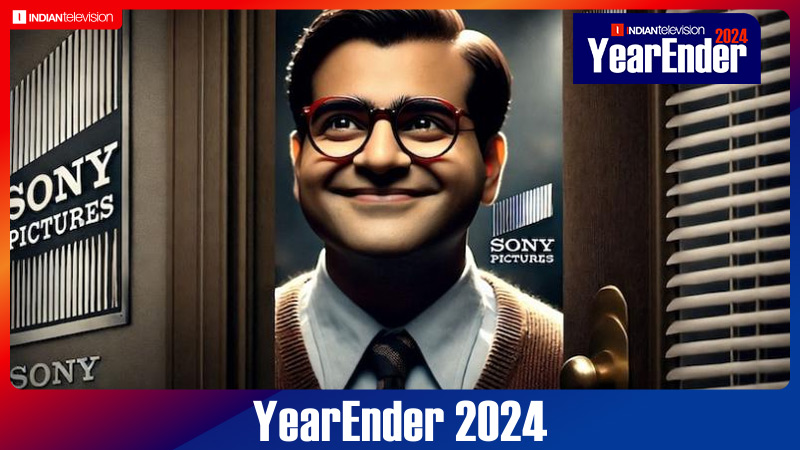
    (We asked an AI pic generator to re-imagine Gauarav Banerjee through its tool, and the main picture on our home page is what it came up with. No malice is intended toward Culver Max, Gaurav Banerjee or anyone else asociated with personally or professionally. No copyright infringement is intended either.)
     

  • 2024 The Change makers: Subhash Chandra, the corporate warrior

    2024 The Change makers: Subhash Chandra, the corporate warrior

    MUMBAI: Subhash Chandra. No idea if today’s GenZ AND Gen Alpha know who he was. The freedom fighter in the 1940s believed in the use of guns as much as Mahatma Gandhi did in ahimsa. He did his best to trouble the English during their occupation of India. For many he is just a name in the history books.

    The modern day Subash Chandra that we know is also a doughty fighter. Excepting that he had a Goyal to his surname which he dropped.  Excepting that  he is an entrepreneur and a corporate warrior. The pioneer of lamitubes in the country. Now they are common place in this nation of ours but when he launched the tubes in India in the nineties as a replacement for the old aluminium toothpaste packaging, they were unfamiliar. T hey were an immediate success.  Soon his Essel group was the largest manufacturer of the tubes in the worldThe pioneer of entertainment pay TV in India.

    Then he launched his general entertainment television channel Zee TV, which was again a major runaway hit. It seemed whatever he touched turned to gold, or at least had to have long-term value.

    Subhash Chandra

    Cut to two years go. In 2022, Zee got into a conversation with Sony – oops we should say Culver Max Entertainment – to merge in readiness for the media gorilla that would be formed with the merger of Reliance-Viacom18 and Disney Star India. Due diligences had been done, valuations had been arrived at, exit clauses and penalties agreed upon.

    All seemed to be going well. Until dirt hit the fan and banks started calling in his loans he had taken against his equity holding in Zee to realise his grandiose ambitions to get into the development sector, that is infrastructure. The amounts were large and fingers of suspicions were pointed towards him and his son Punit the CEO of the company. Allegations that the Zee books were not all clean flew, the goateed entrepreneur was forced to step down as a director and chairman from his own company. As was his son as a director.

    The banks continued to bay for his blood and some of the FIIs actually cashed in their holdings and the promoters’ equity in a company which he had built from scratch fell to sub-five per cent levels.  He was suddenly a minority shareholder, with no control, no say, over the once entertainment power house he ruled with a tight fist.

    Through all of this, Sony continued to say it would go ahead and wed Zee. Of course, negotiations were hard as the Zee share price had meanwhile tanked. After much discussion, a peace accord was arrived at that Punit would be MD.

    Things seemed to be proceeding when before they could say hello, the proposal to form a joint venture with Sony collapsed with no hope of revival. In January earlier this year, Sony decided to officially call of their discussions with Zee TV.  Two years of laborious discussions and getting ready for the merger went down the drain.

    The two litigated against each other internationally and within India – Zee to get the NCLT’s order to Sony to go ahead with the joint venture and Sony seeking $90 million as penalties.  They finally smoked the peace pipe in August 2024, calling of their disagreements with each other.

    But some damage had been done by the banks which name called him, Sony’s backing out, all the bad press, and the impending merger between Disney-Star-Viacom18-Reliance. The Zee Entertainment share lay in the doldrums – a far cry from the Rs 500 zone it once roamed.

    Zee would collapse was what many a media observer foretold:  after all, from media baron Chandra was now a media fallen. Every company in his media empire – whether Zee Entertainment or Zee Media or Siti Networks or Dish TV – was facing flak from all quarters. 

    Subhash Chandra

    But not Subhash Chandra. He does not believe in giving up easily even if the powers that be in the Centre are not looking upon him kindly. Even if all the naysayers and rivals are ranging against him.

    In fact, being down and out gave the 74 year old a new infusion of energy. He had something to prove to himself: that he could turn around the venture he had given birth to, nurtured, until, because of circumstances beyond his control, had gone out of his hands.

    He came up with a plan to keep costs under control, let go of the flab that had accumulated in Zee Entertainment, trimmed the workforce and went back to the drawing board to begin almost as if anew. He got the professional Zeel’s  board approval to back him and his rescue plan.

    Along with his sons Punit and Amit, he went out into the market, calmed jittery nerves of banks, financial institutions, lenders, and the markets as a whole. He also hit the international markets and managed to get international financial institutions to invest in his abilities to get Zee back into fine fettle. He raised Rs 2,000 crore to almost every financial analyst’s disbelief.  But that’s Subhash Chandra for you.

    These days Subhashji or chairman (as he is called) is back on the shop floor – or should we say studio floor.

    He’s rolled up his sleeves and he is back to doing what he did best in the early days of Zee TV: go by his gut and select the right stories and make them into TV shows. His goal:  get Zee back to the top of the ratings charts.  And be ready for the behemoth JioStar when it starts stomping its way into the marketplace with its large platter of offerings soaking up advertising and subscription revenues.

    Will his magic work in today’s D2C world?

    Will he win over his lost TV viewers again in an era where streaming is gnawing away at linear TV consumption?

    Will he manage to get Zee5 to fire on all cylinders?

    He will. That’s what he is betting on.

    And we at indiantelevision.com also tend to agree.

    For the gent from Hissar, Haryana, carries a name he has to live up to: Subhash Chandra.  

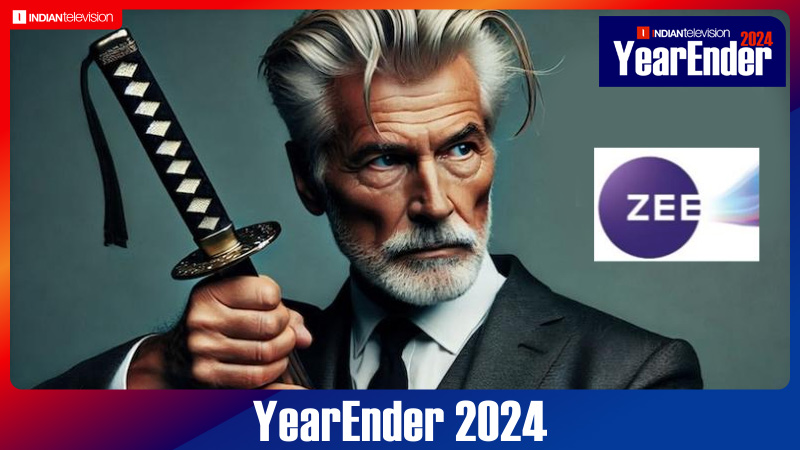
    (We asked Microsoft image generator to re-imagine Subhash Chandra as a corporate warrior and the main image of the executive with the sword  is one of the images it came up with. No offence is intended to Subhash Chandra nor to anyone at Zee TV nor his family. No copyright infringement is intended either)

    Pictures of Shubash Chandra courtesy his X account. 

  • 2024 the year that was – Peter Watling & the art of getting your AI right in 2025

    2024 the year that was – Peter Watling & the art of getting your AI right in 2025

    MUMBAI: The buzzword dominating the industry in 2024 is undoubtedly artificial intelligence (AI). Whether or not it’s being fully adopted across the board remains a topic of debate, but one thing is clear: AI’s potential to revolutionise workflows and deliver efficiencies is captivating business leaders everywhere.

    But amidst the excitement, are we overlooking something essential? 

    Sure, AI might one day butter our toast and tie our shoelaces, but before we dive headfirst into complex AI models and cutting-edge algorithms, we should step back and consider whether the core infrastructure of our businesses is ready to support these advancements as we move into 2025. 

    The Distinction Between automation and AI

    Because of the hype around AI and generative AI in 2024 and the bizarre valuations  and market capitalisation that companies are getting just by mentioning  AI in their mission statement, it’s important to clarify  now as we are moving into 2025 what we mean when we talk about AI. 

    Much of what is often labeled AI is really advanced automation—technology that eliminates repetitive, manual tasks and introduces efficiency to workflows. Take, for example, the ability to automatically extract and organise metadata from content files, making them searchable without manual data entry.

    True AI, on the other hand, ventures into areas like object recognition, natural language understanding, and predictive analytics. While these capabilities are impressive, they often require significant investment in training and fine-tuning to produce meaningful results. Even then, they may not deliver the expected benefits if the system is working with incomplete or poorly organised data.
     

    Peter Watlling

    The archive: a neglected core asset; pay heed to it in 2025

    Here’s the crux of the matter: no AI model, no matter how intelligent, can be effective without a solid foundation. That foundation is your archive.

    All too often, businesses rely on outdated or fragmented storage solutions—an array of drives, legacy systems, or LTO tape setups that were never designed to handle the demands of today’s workflows. Even those who’ve embraced cloud solutions may find themselves hindered by unexpected costs, such as prohibitive fees for accessing and retrieving data during AI-driven searches.
    Without an effective archive platform, the very content you want to leverage may be disorganised, inaccessible, or prohibitively expensive to use.

    Investing in the right foundations; 2025 is the year to begin

    To truly harness the potential of AI—or even simpler workflow automation—organisations need to prioritise modernising their storage and archive platforms. This doesn’t mean discarding everything and starting over; rather, it’s about adopting solutions that integrate with existing systems while offering the scalability and efficiency required for future growth.

    A modern archive platform serves as an active repository, enabling seamless access to your media and providing the tools to:
    * Automate workflows.
    * Quickly locate and retrieve content.
    * Share assets effortlessly with partners and clients.

    Such platforms aren’t just about storage—they unlock the potential for monetisation, turning your archive from a static cost center into a dynamic business asset.

    Overcoming challenges to change; back to the drawing board in the new year

    The two greatest obstacles to modernising archives are budget and mindset. While technology providers have become increasingly flexible in their pricing models—offering cost-effective, private-cloud solutions that organisations can host and control—resistance to change often proves harder to overcome.

    Rethinking long-established workflows and processes can be uncomfortable but standing still in a fast-evolving industry risks falling behind. Adopting modern storage solutions isn’t just about saving money; it’s about enabling greater efficiency and creating new revenue opportunities.

    Building for the future; not just for 2025

    In the rush to embrace AI and other advanced technologies, let’s not forget the importance of laying a strong foundation as we move into 2025. An optimised archive platform isn’t just a storage solution—it’s the backbone of your operations, enabling you to take full advantage of innovations like AI when the time is right. That means being ready with your tech stack which is upgradable and scalable in future. 

    So, before we sprint into the AI-driven future, let’s ensure we’ve built the solid infrastructure we need to thrive. After all, there’s no point decorating the house if the foundation isn’t sound. 

    By focusing on the basics—organising, protecting, and making your content accessible—you’ll not only prepare your business for the next wave of innovation but ensure you’re maximising the value of your assets today.

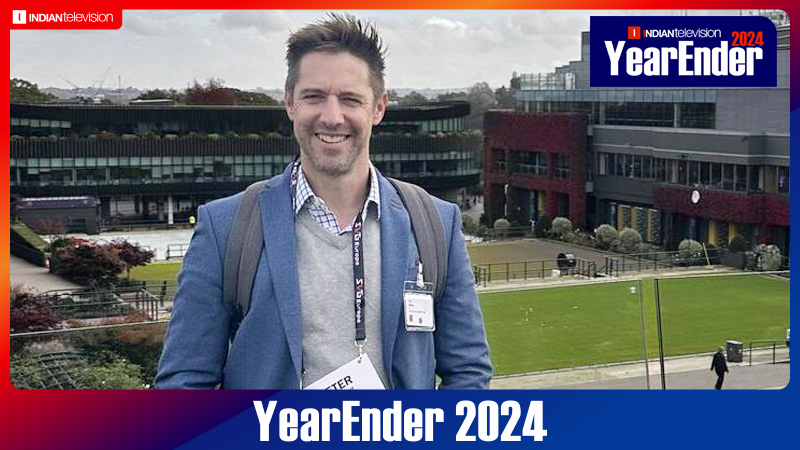
    Peter Watling is  Perifery senior sales director – EMEA    .

  • 2024 The year that was – Convergence redefines India’s media landscape

    2024 The year that was – Convergence redefines India’s media landscape

    MUMBAI: As 2024 draws to a close, India’s media and entertainment sector has undergone a profound transformation, reshaping how content is created, distributed, monetised and consumed. The industry’s trajectory is no longer defined by linear growth but by convergence – a blending of formats, technologies, and audience experiences. This article explores the standout trends of 2024 that have positioned India at the forefront of the global media revolution. 

    The Rise of Unified Media Ecosystems 

    In 2024, the fragmentation of content across platforms prompted a surge in unified media ecosystems. Major players integrated cable, satellite, and OTT services into seamless bundles. Partnerships like those between Tata Play and JioCinema offered consumers a singular subscription covering live TV, streaming, and interactive content. The merger of Disney+ Hotstar and JioCinema under the JioStar brand will further demonstrate this trend, combining Disney’s extensive content library with Jio’s robust technological and distribution infrastructure.  

    These developments addressed subscription fatigue by offering cost-effective and convenient bundled services. As telcos and streaming players increasingly leaned towards unified offerings, the next pivotal step emerged – creating singular OTT platforms to integrate multiple streaming services under one roof. Scalable and modular architectures have become essential, enabling flexibility and customisation to accommodate evolving service bundles and diverse consumer preferences. This shift underscores the industry’s adaptability in meeting the complex demands of modern consumers. 

    Sports Broadcasting Reinvented 

    India’s sports media landscape saw unprecedented innovation in 2024. Beyond traditional cricket broadcasts, kabaddi, football, and esports embraced hybrid delivery models. Augmented reality (AR) features allowed fans to experience matches with real-time statistics and dynamic visuals, while 5G-enabled immersive experiences brought stadium energy into living rooms. 

    Regional sports leagues also thrived by leveraging vernacular commentary and localised marketing, broadening their appeal and strengthening connections with diverse audiences. These efforts not only amplified audience engagement but also positioned regional sports as valuable contributors to India’s overall sports media ecosystem. 

    AI, Advertising, and Live Commerce Converge 

     Artificial intelligence, innovative advertising, and live commerce emerged as interconnected forces shaping the media landscape in 2024. AI-driven personalisation powered hyper-targeted recommendations and dynamic content delivery, tailoring experiences to individual, regional, or similar preferences. This capability extended into advertising, where AI analytics enabled micro-segmentation and dynamic ad formats. Brands also experimented with shoppable media embedded directly into OTT platforms, allowing users to interact with ads and make purchases seamlessly. 

    Live commerce further transformed engagement by integrating real-time shopping into live events. Cricket telecasts, for instance, featured exclusive merchandise drops available for purchase during key moments. Platforms with modular architectures and seamless third-party integrations supported these innovations, unlocking new revenue streams and enhancing viewer interactivity. These advancements reflect a significant evolution in how audiences engage with content and commerce simultaneously. 
     

    Deltatre

     Content Without Borders 

     In 2024, Indian content flourished on the global stage. Platforms like Netflix and Amazon Prime Video promoted Indian originals, while regional OTT platforms expanded into south Asia, the Middle East, and Africa. This cross-border success highlighted the universal appeal of culturally rich narratives. 

    International co-productions became more common, with Indian creators collaborating with global studios. Flexible monetisation models, including ad-supported, subscription-based, and hybrid offerings, enabled experimentation and growth, allowing platforms to cater to diverse audience needs. This trend underscores the global demand for authentic storytelling and India’s role as a leading content powerhouse. 

    Collaborative Ventures and Audience Co-Creation Redefine Engagement 

    Collaborative ventures between creators, platforms, and brands surged in 2024. Co-productions between Indian and international studios introduced fresh storytelling perspectives, while brands acted as content producers, funding original series that aligned with their ethos. 

    Audiences also became active contributors, engaging in interactive storytelling, user-generated content campaigns, and fan-led initiatives. This participatory approach fostered loyalty and transformed viewers into brand advocates. Platforms embracing flexible monetisation strategies and modular architectures capitalised on this trend, delivering sustainable revenue through community-driven content models. Such initiatives highlighted the importance of deeper connections between creators and audiences in driving content innovation. 

    Looking Ahead: 2025 and Beyond 

    As we step into 2025, the role of technology in shaping India’s media landscape cannot be overstated. Scalable, modular platforms will be critical in enabling media companies to grow and adapt without overhauling their infrastructure.  

    These technological advancements will not only enable cost-effective scaling but also foster innovation, allowing the industry to explore new content formats, distribution models, and audience engagement strategies. 

    India’s media and entertainment sector is poised to lead the way in leveraging technology for inclusivity and innovation. By embracing modularity, scalability, and flexibility, stakeholders can address the complexities of a rapidly evolving market, ensuring sustained growth and global relevance. 

    The author is country manager India, Deltatre.

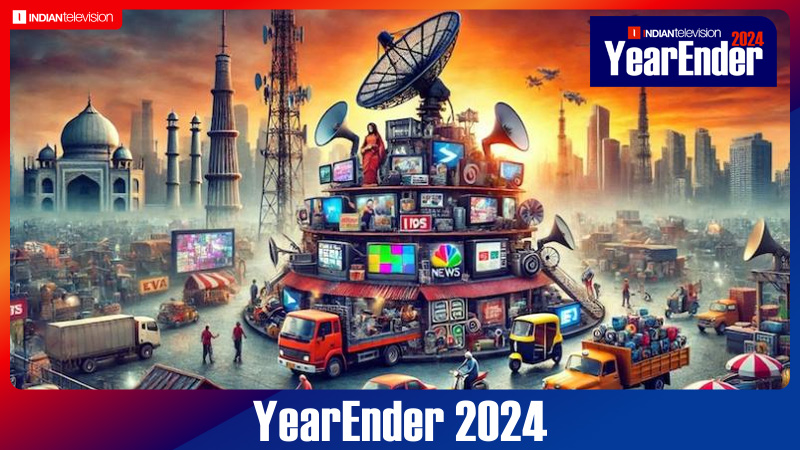
    (The picture  for this article featured on Indiantelevison.com’s home page was generated using Microsoft’s AI Image generator. No copyright infringement is intended)

  • The ChangeMakers of the year that was 2024: Uday Shankar

    The ChangeMakers of the year that was 2024: Uday Shankar

    Indiantelevision.com brings you the folks who made a difference in 2024 to the media and entertainment industry. It will cover an eclectic bunch of executives and talent from television, film, OTT, advertising, marketing and media industries. Our hope is we end up doing a good job in selecting the right candidates as we write about their achievements in the year just gone by and challenges that lie ahead of them in 2025.

    Any errors of selection or perspective or narrative are inadvertent and unintended. 

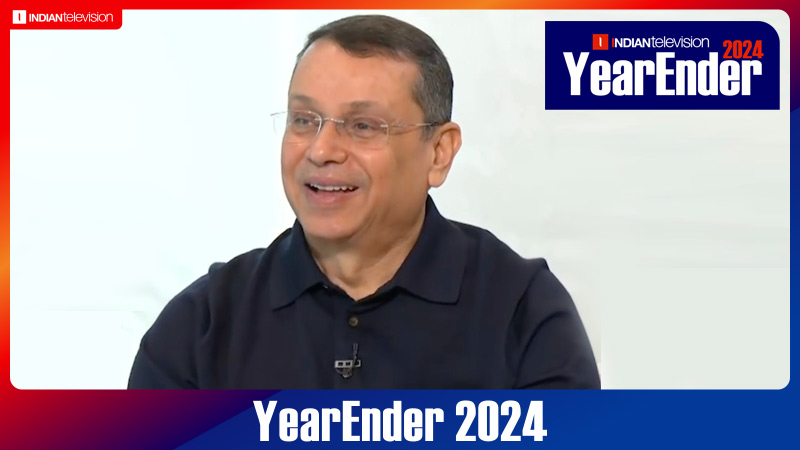
    In the meanwhile, enjoy reading about the first of our selection: Uday Shankar who is ushering in change in the media and entertainment space in the streaming era just like Zee TV did in the nineties in satellite broadcasting. Read on to know our perspective on The Man who sees the future, not just tomorrow.

    Uday Shankar: The executive who sees the future, and bets on it

    He looms like a giant over all other executives in the media sector though  from shoes to the tip of his head , he does not exceed 6 ft in height. 2024 was Uday Shankar’s year by far. As will 2025 be.

    A master planner. 

    A master deal maker; he convinced James Murdoch to partner with him to invest in the Indian market  through Bodhi Tree.  More than that, he managed to get the third most powerful man in India (after prime minister Narendra Modi and home minister Amit Shah) Mukesh Ambani to agree to get into bed with Disney Star India (a company he once headed as CEO).

    On top of that, he got the by-then willing Disney CEO Bob Iger to nod in the affirmative for the alliance where the mouse house would cede management control to the Reliance group. The icing on the cake was that he convinced the two of them to give James and himself a piece of the pie in the joint venture that emerged – JioStar.

    Uday now leads a much bigger company – almost twice the size of Disney Star which he once headed. Yes, he has Mukesh’s wife Nita Ambani as chairperson and son Akash Ambani having oversight over his moves. But the reality is what Uday wants, he gets.  He can be persuasive with his cogent arguments and long-vision thinking and projections. Unlike other leaders in the media, Uday sees the future like others don’t. Probably only one other businessman has his way of thinking –  Mukesh Ambani. That’s why he got Asia’s richest businessman’s buy-in for his strategic and tactical moves. Both love to disrupt the status quo  – that’s the common thread between Mukesh and Uday. 
     

    Uday Shankar

    And Uday bets on that future. In most cases, his “third eye” gets it right.

    Now that the joint venture has got past regulatory clearances, Uday has been working on putting his core team in place. And his core team is working on putting their core teams in place. 2025 might see some blood-letting with the excessive manpower (which has emerged on account of  duplicated roles in the two companies)  being jettisoned. Already senior executives who did not fit into his plans for the corporate structure have been eased out.  The merger and joint venture will take some time to digest. Channels have to be shuttered.  Synergies need to be established. But eventually everything will fall into place. It normally does for Uday.

    And then it will be back to business for him. He is an executive on steroids. He, along with Mukesh and team, have probably already decided which streamer is going to lead – Hotstar  or JioCinema. But no announcements have been made. Executives have been told to port Hotstar’s shows on to JioCinema. However, the former’s technology stack is believed to be much more robust than the latter’s.

    The best part about Uday is that he knows how much he knows and how much he needs to know. He supplements what he does not know through his team mates who know a lot more about what  he does not know. (In simple English, he brings in  the best talent to help him). He then trusts them implicitly and delegates fully, something which the Murdochs did with him when he ran their Indian empire. That’s a trust which Mukesh Ambani has also put in him. Of course, there will be the checks and balances that the Ambanis put in the way they manage. But there’s entrepreneurial spirit a-plenty in the world of Reliance. 

    He will need a lot of that if one considers the IPL rights’ investments which both companies made three years back. The figures seem monstrous; but in Uday’s mind, these were bets which had to be made. So far, both advertising and subscription revenues have not matched the money pumped in. He and his troops have to ensure that the gap is reduced. That could prove challenging as the ad market for certain products was soft during the main spending festival period which went by a couple of months ago. There is no doubt he will drive his  foot soldiers hard like a general on the war front to get to their targets even if it seems difficult with bullets and bombs flying around.  And, like he is vaunt to, he will in all likelihood don his uniform and enter the battlefield himself. 

    To his advantage, if the external environment is rough, then there is enough spending ammunition available in-house in the rapid expansion and diversification drive that the Reliance Industries group is making into retail and fast-moving consumer goods. It is already the leading retailer in the country. As well as the leader in telecom and broadband delivery. On the FMCG side, Campa Cola has been relaunched. Snacks have been launched. Many more forays are in the planning stages.


    Uday shankar questions

    These initiatives will need platforms to reach out their advertising communications to consumers. What better ones can there be than Hotstar, JioCinema, Star Plus and Colors and of course the regional channels which are leading in their respective languages in different states. And then of course there’s the IPL which generates zillions of eyeballs in the country. Loyal ones. Still breakeven might be hard, is what observers are foretelling. However, should the wars  – one in the east and the other in the north – that are harming economies end – just like Donald Trumps wants them to – then we might be narrating a different story by this time next year. 

    At heart, Uday is a man who likes to create and tell stories. Under his tutelage, Star India flowered and bloomed like it had not in the past.  Uday understands what consumers want, and, what he did not, he picked up  from his colleague at Star India, the former Hindustan Unilever professional Sanjay Gupta who is now Google’s APAC head.  He  knows how to tell good stories but more than that he knows how to motivate other creative folks around him select good stories and tell them well. Just like he did earlier on in his career when he was a journalist at The Times of India, and  he led teams at the India Today group and at Star News.  

    Uday has been talking television, saying it has long legs within India with 90 million homes and almost 500 million individuals still watching it through pay TV platforms and free DTH from the public broadcaster. He’s determined to take JioStar’s TV channels deeper into India with stories that resonate with the audiences there. But there’s many a problem that plagues those in heartland India like power cuts and load shedding, that makes watching television continuously difficult on most occasions.  Hence, even if he succeeds with the drama series  and stories how will he ensure  continuous power supply? Or will he rely on innovation from within the Reliance group and its partners to help out on this front?

    Mukesh Ambani is quite in tune with prime minister Modi’s ambition to take Indian stories global just like south Korea and Turkey have been doing. Honest well-written Indian-made stories made with high production values, reflecting the modern India. And yes the content  will have to be made relatable to those in foreign lands. Netflix and Prime Video have done that in a small way by pushing India-made TV shows on their streaming platforms. But they have barely scratched the surface.

    It will be up to the likes of Mukesh Ambani and Uday Shankar – actually mostly up to Uday and his band of merry executives  – to take Indian content where it has not gone before.  Aggressive investments in developing original series and films need to be made either alone or as co-producers with international studios that have the know how and the distribution muscle. There’s Rs 11,500 crore that’s been pumped into the joint venture which needs to be deployed well. Some of that could be used to build the JioStar brand at markets like MipCom where the world’s biggest content creating studios congregate every year. 


    Uday Shankar gesticulating

    Within the country, Reliance Jio has distribution deltoids like no one else does.  With 400 million  plus subscribers consuming video – and hence data, either on mobile handsets or on connected TVs – it can only be win-win for the wireless and wired broadband telco. The more JioStar gets people to binge watch, the more the revenue that will come Jio’s way. Either as video on demand shows or as linear channels being streamed. They will contribute towards Jio’s top line as well as bottom line with data costs dropping – and dropping- and incentivising users to consume more.

    We are not sure if this will benefit Uday and his troops as much as it will Jio. But, on the other side, getting preferential carriage and promotional rates will, and could reduce costs for JioStar and its large bouquet of channels and streaming services.  Synergies there are a-plenty definitely, despite what we have been told. And what the regulators have been told too.

    2025 will keep Uday busy.  He is likely to emerge even stronger as the year goes by.  Most regard him as one of the top media – no, top business  –  leaders in India;  some say even globally (We, at indiantelevison.com tend to agree). And that’s no mean achievement for a media maverick who used to once travel on a two-wheeler to work every day as a journalist.  

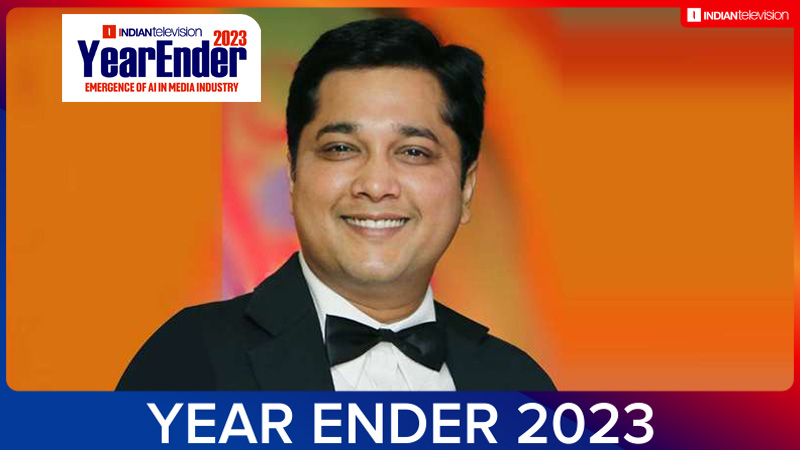
  • 2024: The year of digital transformation in the entertainment industry: Abhishek More

    2024: The year of digital transformation in the entertainment industry: Abhishek More

    Mumbai: As 2023 came to a close, it marked a turbulent year for the media and entertainment industry. Extended strikes by the Writers Guild of America and the Screen Actors Guild-American Federation of Television and Radio Artists led to a standstill for months, leaving wounds that are still healing.

    Major layoffs followed, with big players like Netflix and Spotify facing tough new realities. Some studios even dimmed their lights, while others closed their doors for good, unable to withstand the storm.

    But as the old saying goes, the show must go on. As the entertainment industry gears up for 2024, it’s grappling with the aftermath of the strikes while also looking ahead to the opportunities that digital technology offers.

    Production delays might cast a shadow over the coming months, but there’s also excitement about a potential boom in Visual Effects work that could bring dormant screens back to life. However, the road ahead is filled with uncertainty.

    Two rising stars in the digital ecosystem, artificial intelligence (AI) and Virtual Production, are eagerly waiting to shine in 2024.

    AI allows creators to bring their wildest imaginations to life digitally, automating repetitive tasks and freeing them to focus on more valuable work. But not everyone in the industry is ready to roll out the red carpet for AI, with some fearing that it might overshadow their roles.

    On the other hand, Virtual Production blends the physical and digital worlds, giving directors unprecedented control over the creative process. Its potential is limitless, constrained only by one’s imagination. However, significant financial and technical challenges need to be addressed before Virtual Production can take a bow as the next big thing in entertainment.

    India’s smaller VFX studios, known for their meticulous visual work for foreign firms, are particularly unsettled by the upheavals of 2023 and the digital transition of 2024.

    As AI continues to rise, there are concerns that it might master even these niche visual skills, especially after 2025. With their success tied to the ever-changing international market, India’s boutique studios face complex decisions about their future.

    The main drama of the next act lies in the interplay between digital promise and disruption.

    As the industry moves towards virtual platforms, it’s a delicate balancing act to progress without losing too many of its current stars before new ones can take their place. This profound change calls for careful, compassionate steps, gradually embracing new technologies while staying true to the creative traditions that continue to captivate audiences worldwide.

    If the industry can strike the right balance between the past and the future, 2024 might see a broader revival from the creative low point of 2023.

    Just as the bitter end of this year’s strikes planted the seeds for collective renewal, digital disruption can also bring new opportunities. Despite the apprehension surrounding the coming year, with careful planning, the entertainment industry can continue to write its next exciting chapter. As the curtains rise on 2024, it’s ready to weave both virtual and genuine digital magic into creative existence.

  • A brand’s strategic shift – A year-end reflection

    A brand’s strategic shift – A year-end reflection

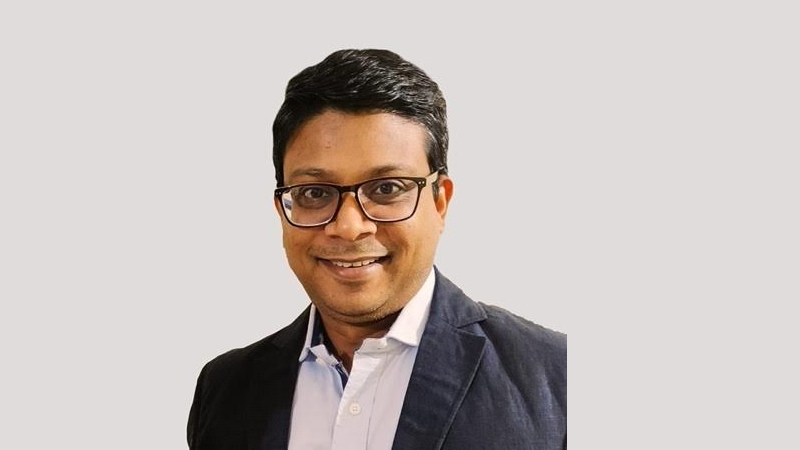
    Mumbai: As 2023 winds down, reflecting on AI’s impact in the digital space is essential. Leading a digital agency, I’ve seen brands not just adapting but strategically embracing AI. This year-end review delves into AI’s profound impact across the digital spectrum and how brands leverage it.

    Precision in Advertising (Maximizing Returns with AI Insights):

    In 2023, AI-powered tools like Google’s Performance Max and Facebook’s Conversions API redefined the game for digital advertising. Brands, more than ever, sought precision in their ad placements. The strategic integration of AI allowed for a nuanced understanding of consumer behaviour, ensuring that advertising efforts were not just seen but resonated with the right audience. In 2024, we anticipate brands doubling down on AI-driven insights to fine-tune their advertising strategies.

    First-Party Data (The Strategic Currency for Digital Success):

    With the impending deprecation of third-party cookies, brands have pivoted towards prioritizing first-party data as a strategic asset. In this year-end reflection, it’s evident that successful brands have not only recognized the shift but have actively invested in building and leveraging their first-party data. The ability to harness this data for personalized marketing efforts has become a crucial differentiator. As we enter 2024, brands that have mastered the art of first-party data utilization will offer a competitive advantage.

    Micro-Influencers and AI-Generated Influencers (The New Faces of Authenticity):

    Gen Z’s demand for authenticity has reshaped influencer marketing. In 2023, brands observed a shift towards micro-influencers and even AI-generated influencers. These influencers, with their authenticity and relatability, have become powerful brand advocates. As we close the year, brands are expected to deepen their engagement with influencers who resonate with their target audience, blurring the lines between human and AI-driven endorsements.

    Agile Market Research (Real-Time Insights in the Digital Age):

    Traditional market research has undergone a digital transformation, with brands turning to online surveys and internet-driven consumer insights. The ability to gather real-time data has given brands an edge in understanding rapidly evolving consumer preferences. In this year-end review, it’s clear that brands are recognizing the agility and cost-effectiveness of AI-enabled market research, a trend set to accelerate in 2024.

    Connected TV (CTV) (Bridging the Digital and Traditional Experience):

    The rise of Connected TVs (CTVs) allowed brands with a unique opportunity to merge the impact of traditional television with the measurability of digital platforms. In 2023, we witnessed early adopters experimenting with CTV advertising. As the year come to an end, brands are gearing up to embrace CTV as a key channel in 2024, blurring the lines between digital and traditional advertising along with data-driven insights from CTVs will reshape how brands approach television advertising.

    Conclusion:

    As 2023 concludes, brands find themselves at the intersection of tradition and innovation in the digital realm. AI serves as the linchpin, influencing advertising, data strategies, influencer engagements, market research, and television advertising. This year-end reflection underscores the strategic shifts made by brands to not merely adapt to AI but leverage its capabilities for a nuanced and impactful digital presence. Stepping into 2024, brands that harness AI’s true potential will lead the charge in shaping the future of the digital landscape.

    LS Digital senior VP – Digital Strategy Planning & Client Success Shantanu Bhattacharyya.

  • SahiBandhu’s remarkable journey: Pioneering growth and digital transformation in 2023S

    SahiBandhu’s remarkable journey: Pioneering growth and digital transformation in 2023S

    Mumbai: The financial services sector in India is growing at an unprecedented pace today, thanks to the increased proliferation of digital services. Amid this dynamic landscape, SahiBandhu, the largest gold loan aggregator platform, has emerged as a trailblazer, seamlessly blending the realms of physical and digital interactions.

    In the transformative year of 2023, the company’s innovative phygital model not only facilitated unparalleled growth but also set new benchmarks in the gold loan industry. SahiBandhu’s strategic collaborations, market leadership achievements, and the impactful reach of its digital-first lending solutions have redefined the narrative of financial empowerment, making it a beacon of success and innovation.

    A Fusion of Physical and Digital Brilliance

    In the current year 2023, SahiBandhu’s groundbreaking phygital model, blending physical outreach with digital gold tech, propelled the company to exponential heights. Disbursing gold loans surpassing Rs 11,300+ Cr, the company reached 620+ districts, covered 11,000+ PIN codes, and collaborated with 9,500+ branches of leading banks.

    Market Leadership Achieved: A Year of Strategic Triumphs

    From aspiring to be a market leader at the beginning of the year, SahiBandhu now proudly stands as India’s largest gold loan aggregator platform. Teaming up with Karnataka Bank, the launch of KBL-Swarna Bandhu doorstep gold loan marked a significant stride.

    Serving as a Corporate Business Correspondent, SahiBandhu’s digital-first lending solutions have redefined the gold loan landscape. The company provides customers with a unique product for gold loans with end-to-end digitalisation by leveraging technology and a doorstep service framework. With our collaboration with KBL, we are poised to unlock new opportunities while offering digital-first lending solutions through our gold loan aggregator platform.

    Milestones Galore: Empowering Lives, One Loan at a Time

    With over Rs 11,300+ Cr worth of loans disbursed, SahiBandhu left an indelible mark on the financial landscape. Having delighted more than 3,07,000 customers and spanning 9,500+ bank branches, the company has become synonymous with trust and efficiency. The journey so far has set the stage for even greater achievements, and the company strives to disburse more loans in the near future.

    Shaping the Future: Unleashing Potential in 2024

    The gold loan market in India is a combination of highly unorganized and organised segment i.e. Banks, NBFCs, Aggregators, etc. However, the mix is changing as there are greater prospects for organized segments to expand. SahiBandhu stands poised for further growththe company’s expansion outside metropolitan areas since its inception in 2019 has democratized access to formal institutional lending.

    The unique Phygital model of SahiBandhuwith its customer-centric approach, SahiBandhu’s vision extends to tier-1, tier-2, tier-3 and beyond cities in 2024, providing gold-backed financial lending products to empower individuals on their journey to true financial freedom through financial inclusion. These untapped opportunities of the unorganised gold loan market awaitaggregators like ours that have customer interest at its forefront.SahiBandhu not only adapts to change but also pioneers innovation in the country’s financial ecosystem.

    SahiBandhu’s trailblazing journey in 2023 makes it evident that the intersection of physical outreach and digital prowess can pave the way for unprecedented success. The company’s ascendancy to being India’s largest gold loan aggregator platform, with a focus on customer trust and efficiency, is a testament to its unwavering commitment to empowering lives.

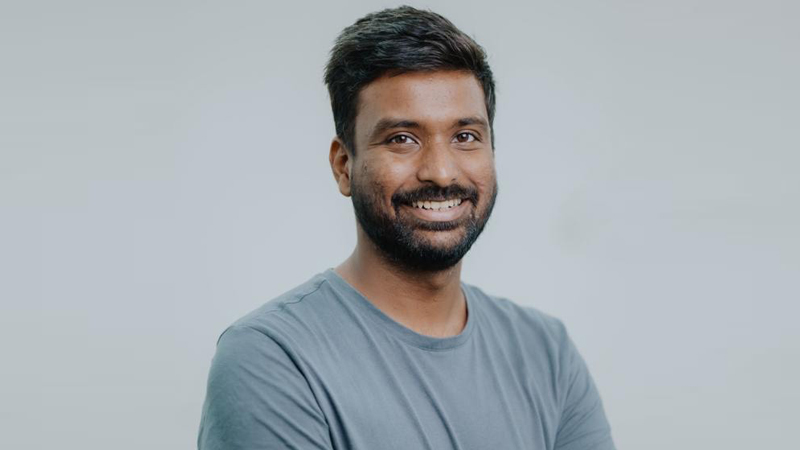
    The author of this article is SahiBandhu marketing head Mehak Srivastava.

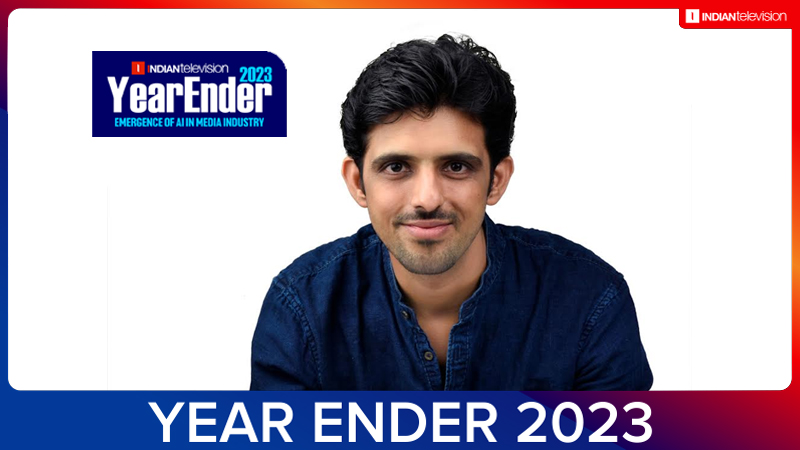
  • 2023 recap & exciting 2024 prospects: Indian Sports riding the wave: Yash Bhagwatkar

    2023 recap & exciting 2024 prospects: Indian Sports riding the wave: Yash Bhagwatkar

    Mumbai: In the dynamic world of Indian sports, 2023 has been nothing short of a rollercoaster ride. Bringing up niche sports into the limelight and setting the stage for an even more eventful 2024. As we reflect on the highlights of the past year and gaze into the future, it’s evident that the landscape of sports marketing, advertising, and broadcasting is set to undergo a groundbreaking shift.

    2023 Highlights: Niche sports take center stage

    Prime Volleyball League (PVL)
    The Prime Volleyball League emerged as a thunderbolt of excitement, captivating audiences with its action-packed matches and top-notch athleticism. The second season of the league not only showcased the horeism of Indian volleyball but also provided a platform for young talent to shine on the national stage with overall viewership growing by about 50 per cent compared to its premiere season.

    Ultimate Kho Kho League

    Kho Kho, a traditional Indian sport, experienced a modern-day makeover with the Ultimate Kho Kho League. The league’s success lies in its ability to blend tradition with indie entertainment, drawing in a diverse fan base and giving the ancient game a vibrant, new identity. In late 2023, Kho Kho Sports League Private Limited, the company behind UKK, successfully concluded a Series A funding round, making it the first sports league in India to have secured private equity funding.

    Pro Kabaddi League (PKL) Season 10

    PKL continued its excitement, reaching new heights in its tenth season and garnered a whopping 158 million viewers in the first 24 matches of the competition, representing a 20 per cent increase over the previous season. The league’s strategic combination of star power, intense competition, and innovative marketing strategies solidified its position as one of India’s premier sporting events, transcending regional boundaries.

    Pickleball Leagues in urban areas

    Pickleball, a sport that gained traction in local parks, found its way into urban leagues, captivating fitness enthusiasts and casual players alike. The sport’s inclusivity and simplicity struck a chord, turning it into a community-driven phenomenon.

    Cricket Continues its reign with the World Cup

    While niche sports surged, cricket continued to be the heartbeat of Indian sports. The ICC Men’s Cricket World Cup 2023 had the nation glued to their screens with record viewership, followed closely in magnitude by the other star-studded cricketing events of the year, reinforcing the sport’s irreplaceable position in the hearts of millions.

    2024 Forecasts: A glimpse into the future

    Sports marketing & advertising:
    Key sports events in 2024:
    With major events like the Tokyo Olympics and FIFA World Cup, 2024 promises a feast for sports enthusiasts. Indian marketers have a unique opportunity to capitalize on the global stage, aligning their brands with the passion and enthusiasm these events generate.

    Sports streaming’s role in branding & advertising:

    As the digital landscape evolves, sports streaming is becoming the preferred medium for fans. This shift opens new avenues for branding and advertising, allowing for personalized, targeted campaigns. Brands can now engage with audiences in real time, creating a more immersive and interactive experience. With the rise in demand for sports tech platforms like SportVot, which is enabling live broadcasting at the domestic level, The spotlight is shifting to regional sports, creating untapped markets for advertisers. Leagues that resonate with local cultures and traditions are becoming fertile ground for brands looking to establish a deep connection with diverse audiences. From predictive analytics to automated highlight reels, Sports Tech is revolutionizing the way we consume sports content, providing a more personalized and engaging experience.

    Brands investment & impact at the grassroots level:

    Beyond big leagues, brands are recognizing the impact they can have at the grassroots level. Initiatives supporting local sports clubs, youth development programs, and community engagement are on the rise, marking a shift towards more socially responsible and community-oriented advertising.

    Monetisation options for the sports ecosystem:

    The monetisation of sports extends beyond traditional avenues. From virtual merchandise to exclusive content subscriptions, sports leagues are exploring innovative ways to generate revenue. This diversification ensures a sustainable financial model for the sports ecosystem.

    Demand for player analytics:

    Fans crave in-depth insights into player performance. The demand for player analytics is driving broadcasters to integrate advanced statistical analysis into their coverage, giving viewers a deeper understanding of the game and its protagonists.

    Remote production breaking geographic barriers:

    The fusion of sports and technology has shattered geographic constraints. Remote production allows for seamless collaboration between teams located across the globe, ensuring that the best minds in broadcasting can contribute to the live experience.

    Consumer trends:

    Short-Form Content Dominance:
    In an era of rapid consumption, short-form content is king. Snackable highlights, quick analyses, and bite-sized clips dominate the digital space, catering to an audience with limited time but insatiable appetites for sports content.
    Sports Talk Shows on the Rise:
    Sports talk shows have become the go-to platform for fans seeking in-depth discussions and analyses. From tactical breakdowns to spirited debates, these shows provide a space for fans to connect and engage with the sporting community.

    Niche Sports Gain Quick Attention:
    As attention spans shrink, niche sports are finding favor with audiences seeking quick, fast-paced action. The inherent excitement of these sports aligns perfectly with the demand for content that delivers instant gratification.
    In conclusion, the landscape of Indian sports is evolving at an unprecedented pace. Domestic sports rising to prominence, innovative marketing strategies, technological advancements in broadcasting, and evolving consumer trends paint a picture of a dynamic and vibrant future. As we step into 2024, the journey promises to be as exhilarating for fans as it is for the visionaries shaping the future of Indian sports. Get ready to witness the next chapter in the ever-evolving saga of athleticism, competition, and passion in 2024!