Category: Specials

  • FICCI demands infrastructure status for broadcast industry in pre-budget memo

    FICCI demands infrastructure status for broadcast industry in pre-budget memo

    NEW DELHI: The Indian broadcast, cable and direct-to-home (DTH) sectors have been demanding a infrastructure status for the industry as well as seeking all benefits and incentives available for the infrastructure industry including the availability of finance at a concessional rate.


    To this effect, the Indian Broadcasting Foundation (IBF) had earlier this month urged the Union Government to grant “Infrastructure Status” to the broadcasting industry.


    Now, making this demand, the Entertainment Wing of FICCI has said in a pre-budget memorandum to Finance Minister Arun Jaitley that the sector should be allowed tax concessions as per Section 80-IA of the Income Tax Act.


    The digitisation process and the deployment of set top boxes (STBs) are heavy capital oriented and thus require huge investments, which may force various amalgamations and thus they should be allowed to set off accumulated losses and unabsorbed depreciation allowances to be carried forward as per Section 72 A of the Act, the industry body said.


    Parity with Manufacturing Industry under Section 72A of the Act


    It also said that the disparity between the service and the manufacturing sector is very adversely affecting the growth and consolidation of the Service sector.


    The tax benefits under Section 72A of the Act in respect of amalgamation or de-merger (carry forward and set off of accumulated loss and unabsorbed depreciation allowances) are currently limited to industrial undertakings or a ship, hotel, aircraft or banking. The definition of industrial undertaking should be widened to include service industry, broadcasters and content production companies.


    Rationalisation of Indirect taxes


    The rate of taxes, which range from 30 – 70 per cent, especially the entertainment tax imposed by the states, over and above the service tax, are punitive in nature, FICCI said, adding that such punitive level of taxation incentivises unhealthy practices, such as piracy, revenue leakage on account of under reporting of revenues, etc. It is important that the overall taxation level is brought down for the sector as a whole.


    State Entertainment tax legislations levy high taxes on the subscription earned by cable operators and DTH operators. The non-availability of credit of central taxes against the state taxes and vice versa increases the tax burden on the entertainment industry. In addition to this, the Central Government has levied service tax at 14 per cent on the transfer of copyrights, which is already being taxed as ‘goods’ under the various state VAT legislations.


    Payment for Content Production


    FICCI said there is ambiguity since the tax authorities have been adopting a view that the payment towards production of content is in the nature of fees for technical services and subject to tax at the rate of 10 per cent under section 194J of the Act whereas Explanation III to section 194C of the Act clarifies that payments made towards a contract, concerning broadcasting and telecasting including production of programmes for such broadcasting or telecasting, would fall under the definition of ‘work’ for the purpose of section 194C of the Act.


    It suggested that to avoid difference in positions adopted by the tax payer and tax department on applicability of relevant section and to mitigate resultant litigation and hardship, a clarification may be issued regarding appropriate classification of content production services and applicability of relevant section for withholding of taxes.


    Carriage Fees/Placement Charges


    FICCI has demanded that the Government should provide a clarification that the payments made towards carriage fees are not in the nature of royalty or fees for technical services and TDS is required to be made on such payments as per section 194C of the Act.


    It said that the tax department is contending that since cable operators are providing technical services, payments made towards placement of channels is subject to TDS under section 194J of the Act.


    Broadcasters pay placement or carriage fee to the cable and DTH operators to place their channel in prime bands, which in turn enhances the viewership of the channel. Such charges are paid under a contract merely for placing the channel on agreed frequency bands.


    Deduction of tax at source under Section 194H on the “15% agency commission”


    FICCI recommended a clarification that no taxes need to be deducted at source by broadcasters on the “15 per cent agency commission” as mentioned in the invoice raised by broadcasters to advertisement agency or advertisers.


    FICCI said the 15 per cent agency commission mentioned by broadcasters in its invoices for ad airtime sale raised on ad agency or advertisers is merely a presentation in the invoices and not a real transaction. Neither the broadcasters nor ad agency recognises the same as revenue or expense. It is customary in nature, as is also evident from the fact that even on the invoices raised directly on advertisers; the said 15 per cent agency commission appears.


    Broadcasters are not supposed to make any payments towards 15 per cent agency commission mentioned in the invoice, as there is no agreement or arrangement to pay such the commission with ad agencies or advertisers. In fact, broadcasters do not make any payment in respect of the said commission mentioned on the invoices.


    At the outset, FICCI said that the Indian media and entertainment industry grew from Rs 918 billion in 2013 to Rs 1026 billion in 2014, registering an overall growth of 11.7 per cent. The industry is estimated to achieve a growth rate of 13 per cent in 2015 to touch Rs 1159 billion. The sector is projected to grow at a healthy CAGR of 13.9 per cent to reach Rs 1964 billion by 2019.


    As per FICCI, television clearly continues to be the dominant segment but strong growth had been posted by new media sectors. Gaming and digital advertising recorded a strong growth of 22.4 per cent and 44.5 per cent compared to the previous year.


    The benefits of Phase I and II of cable digital addressable system (DAS) rollout, and continued Phase III rollout are expected to contribute significantly to strong continued growth in the TV sector revenues and its ability to invest in and monetise content. The sector is expected to grow at a CAGR of 15.5 per cent over the period 2015-2019.


    Tax Exemptions for Radio Broadcasting


    While noting that radio is anticipated to see a spurt in growth after rollout of FM Phase III licensing, FICCI asked the Government to consider providing tax holiday of five years for new capital investment in Phase III; reduce customs duty on capital equipment for radio broadcasting to four per cent; and consider service tax exemption for billings to service recipients covered in the negative list.


    Tax Holiday for five years for setting up of new screens


    Noting that the film sector had shown a minimal growth of 0.9 per cent in 2014 over 2013, FICCI said there had been an increase in piracy, since the number of screens for viewing films had not increased in proportion to the increase in number of films and the number of people viewing these films.


    FICCI said that it was essential to extend the benefit to cinema owners in terms of 80-IB of the Act to multiplexes constructed after March 2005 to encourage the set-up of multiplexes and thereby improve the density of cinema houses in the country. This will encourage setting up of new screens in India and help in improving screen density.


    Reduction of prescribed time limit under Rule 9A and 9B


    FICCI suggested that the existing period of 90 days before end of the financial year (under Rule 9A and 9B of IT Rules) is suitably reduced to grant relief to assessees whose feature films have incurred losses and have been released for exhibition in the last quarter of the financial year.


    Under Rule 9A of the Income Tax Rules, if a film producer sells all rights of exhibition of his feature film, the entire cost of production is allowed as a deduction in computing the profits and gains of such previous year.


    However, if the film producer does not sell all rights of exhibition of his film, it is released for exhibition on a commercial basis at least 90 days before end of the financial year and the film producer is eligible to claim deduction of the entire cost of production. Otherwise, a feature film is released for exhibition on a commercial basis within a period 90 days before end of the financial year and the producer is eligible to claim deduction of cost of production only up to a ceiling limit and any excess cost of production is carried forward to the next financial year. This ceiling limit is the amount of revenues generated by the feature film in the financial year.


    In certain cases where not all rights of exhibition of a feature film are sold and it is released for exhibition on a commercial basis within 90 days before end of the financial year, the feature film performs poorly and it is exhibited only for a short duration. Consequently, the film producer may not recover costs. In such cases in view of the prevailing IT Rules, the film producers are unable to claim a deduction of entire production cost and, the loss is to be carried forward to the next financial year. Accordingly, such film producers are unable to claim losses in the year the feature film is released for exhibition despite no further scope of income. A similar situation exists in the case of expenditure of distribution rights in view of Rule 9B of IT Rules.


    Exemption of Service Tax on major inputs/input services


    FICCI recommended that major inputs / input services that are used in relation to theatrical rights in movies, be exempted from service tax. Since the major inputs/input services used in relation to revenue earned from theatrical rights are taxable, the CENVAT credit of service tax paid on such inputs/input services is blocked in the supply chain due to applicability of CCR. Eventually such taxes result in increase of the cost of production thereby defeating the purpose of providing an exemption on the output service.


    Re-instatement of the Service Tax exemption on Transmission of digital cinema


    FICCI also recommended reinstating the exemption to digital cinema service distributors, as it existed earlier under notification 12/2007 ST of 1 March, 2007, which had been rescinded with the introduction of the negative list.


    Service tax on transmission of digital cinema is a direct cost to the producers since the same is in relation to theatrical exhibition of cinematograph film (which is an exempt service with effect from 1 April, 2013) and hence no credit can be availed of such service tax.


    Clarity on export status of post-production services


    FICCI asked for clarity on the inclusion of post-production activities in the exclusion to this Rule. Alternatively, the second proviso to the Rule 4(a) of the POPS Rules be re-worded.


    Given the various technological advances in the Indian film industry, many Indian entities are hired by foreign producers for carrying post production activity. For such activities, the content is temporarily imported into India (either physically or electronically) and re-exported after completion of service. Post-production activities, which may be performed in India, do not find explicit mention in the proviso that carves out exceptions to the performance based rule in POPS Rules.


    Service Tax exemption to on-screen advertising in cinemas


    The industry body said on-screen advertising in cinemas and multiplexes should be exempted from levy of service tax.


    After 1 October, 2014, the negative list of services was amended and on-screen advertising within cinemas is liable to service tax.


    The on-screen advertising within cinemas caters to advertisers with small businesses, with limited resources. For large advertisers, on-screen advertising is a secondary medium of advertising at best and they have a small contribution to onscreen advertising within cinemas. The on-screen advertising forms an important source of revenue for the exhibitors, which are already reeling under the pressure of multiple taxes. Re-instatement of service tax on such revenue will only increase their tax burden.


    Applicability of Service Tax on food and beverages sold within Cinemas


    The food and beverages (F&B) sold in theatres during movies are subject to VAT under local state laws and the same is paid by the exhibitors. But with effect from 1 April, 2011, restaurant services became taxable whereby services rendered by any air-conditioned restaurant serving alcohol were made liable to service tax and later with effect from 2013 the condition of serving alcohol was withdrawn. However, it is still not clear whether the sale of F&B by cinema halls and multiplexes is covered in this service.


    Unlike restaurants, there is no seating arrangement, no cutlery is provided and no waiter serves F&B and hence there is no element of service involved in any meaningful manner.


    FICCI said levy of service tax is intended on “restaurants” rendering certain services and is not intended on sale of food, beverage and snacks from candy counters in cinema theatres.


    Service Tax exemption on entry to award functions, musical performance etc.


    The Union Budget of 2015 had amended the negative list of services and effectively withdrawn the unconditional service tax exemption, which was granted to tickets for award functions, music events, sports events etc. With effect from June 2015, service tax is payable when the consideration for admission to entertainment events such as award function, concert, pageant, sporting event etc. is more than Rs 500 per person.


    However, FICCI said payment for admission to any event is already liable to a high state entertainment tax and levying of a service tax of 14 per cent over and above the high rates of entertainment imposes a high burden on the entertainment sector.


    The industry body asked for a clarification to specify that the value of ticket for the purpose of levy of service tax on such admission (where the ticket price is more than Rs 500) should be the value excluding Entertainment tax. It also wanted clarification on if service tax is payable, the same should be computed on a value exclusive of Entertainment tax and accordingly no service tax should apply on entertainment tax amount.


    Customs Duty exemption on film equipment under the ATA Carnet


    The ATA Carnet permits duty free temporary admission of goods into a member country. The list of exempted products covers filming equipment too. However, there is no Customs Notification in order to exempt the import of filming equipment from the levy of Customs Duty, on the lines of the ATA Carnet.


    FICCI recommended that Customs Duty should be exempted on film equipment under ATA Carnet. The film production equipment is very expensive and not easily available in all countries because of which the film producers are compelled to temporarily import the same on lease for the purpose of producing the film. In absence of a customs notification to exempt filming equipment, the ATA Carnet duty exemption benefit cannot be extended to import of filming equipment.

    These imports significantly increase the burden of tax on the film producers.


    Proposals for Animation, Gaming and VFX Industries


    FICCI also made some recommendations for the Animation, Gaming & Visual Effects (VFX) industries.


    It asked for a 10-year tax holiday for the Animation, Gaming, and VFX industries; and removal of withholding tax on revenues accruing from sales of mobile games in non-India markets as well as removal of withholding tax on the development contracts given to mobile game developers outside India.


    FICCI also asked for removal of withholding tax paid by expats working in India for Indian mobile game development companies.


    The Minimum Alternate Tax (MAT) applicability for units undertaking animation work in SEZ should be withdrawn to encourage export of animated contents.


    The industry body wanted restoration of STPI advantage scheme for AVGC or ITES for another 10 to 20 years and cover/encourage exports as well as IP creation.


    To promote domestic gaming market, excise duty on local manufacture should be brought down to nil (similar to film and music industry). This will enable CVD to be brought to zero also. The effective reduction in taxes would be around 15 per cent. Import duty on consoles (gaming hardware) to be brought down to zero per cent to increase the installed base to enable the local developer ecosystem to flourish.


    There should be a provision of 50 per cent reimbursable MDA (Market Development Assistance) for travel and registration fees to international market events.


    The Government should extend support under Market Development Assistance (MDA) activity for Indian companies to exhibit by setting Indian Pavilions in the world markets. What is needed is to help bringing local production companies to international markets, collect and disseminate information and support creating the infrastructure needed for a healthy media market to develop.
  • ‘Some tried roast format well; I don’t know how the society will accept it’ : Anooj Kapoor

    ‘Some tried roast format well; I don’t know how the society will accept it’ : Anooj Kapoor

    The comedy genre on Indian television has witnessed considerable growth over the last few years. While Sony Pictures Networks India’s comedy channel Sab TV has carved a niche for itself in the space, others like Reliance Broadcast Network Limited (RBNL) also saw the potential in it and launched Big Magic. What’s more, even Hindi general entertainment channels dish out their fair share of comedy week on week.

    Sab TV, which has pioneered the daily comedy format in the industry, has given many iconic shows over the last 15 years. 

    From dramedies to stand-up comedy to roast comedy, shows are sprouting left, right and centre across channels. In a competitive scenario, it’s definitely no laughing matter to constantly innovate and dish out content that will tickle the funny bone. And Sab TV senior executive vice president & business head Anooj Kapoor probably has the toughest job of making sure that the channel’s shows are consistently making the audience laugh.

    In conversation with Indiantelevision.com, Kapoor talks about the comedy genre and its growth.

    Excerpts:

    How was 2015 for the comedy genre – fiction & non-fiction – on Indian Television? 

    It’s interesting to see channels beyond Sab trying to emulate our model of daily comedy. It’s a tribute to Sab, which is a pioneer in daily comedy.

    More and more channels are introducing comedy shows and we also have a comedy channel in Big Magic. Do you think that the comedy space is growing or is it just a strategic move? 

    There’s no doubt that the genre has grown and it is poised to grow more sooner or later. Sab has carved out a successful business model for itself since the last seven – eight years of how daily comedy can attract viewers and advertisers. Fortunately, some players in the market have also realised the same and it can only be good for the genre overall.

    Stand-up comedy, family drama comedy or historical comedy, which do you think has more potential?

    Only good content has the potential to make shows successful or unsuccessful. To give you a parallel of comedy in Hindi cinema, there are different kinds of comedy created by different people. The kind of comedy that Hrishikesh Mukherjee created is different from that by David Dhawan or Priyadarshan but at the same time they were all successful, which proves that whenever you create quality content in comedy or in any other genre, it will attract viewers.

    Sab launched a first of its kind reality show called Comedy Superstar. What was the response and what’s the scope of a reality show like that?

    The response was not very good but our intention to launch the show was good. We tried to create a platform for budding stand-up comedians but fortunately or unfortunately the audience are now used to some top level people from the field, who are veterans in the industry now. The audience is used to their peculiar style of humour and obviously new comers would not match up to their standard, so they didn’t do well. But as a format, we would certainly try it again as it gives the industry fresh talent.

    In the fiction and non-fiction space, many international shows have been brought to India. Is there scope of bringing international comedy show formats to India?

    In 2012, Sab TV launched the Indian adaptation of the American sitcom I Dream of Jeannie, which was called Jeannie Aur Juju. Between the 1990s to 2000, many successful sitcom were launched in the west, a lot of which have the scope of being brought to India. 

    Fortunately, at present, we don’t have a shortage of home grown content, which is also more cost effective. However, if a striking show in the comedy genre comes up and if we have a suitable budget, we are open to acquiring it.

    When it comes to ratings, Tarak Mehta Ka Oolta Chasma is the only high rated show on Sab TV. However, the others have not really delivered remarkable ratings. What is holding them back?

    All channels have a flagship show, whether it is Star Plus’ Diya Aur Baati Hum or Sony Entertainment Television.com’s CID. In fact, CID has been Sony’s flagship show for a very long time. So just because channels have a flagship show, it doesn’t mean that their other shows are not successful. On our channel, we had Lapataganj and F.I.R, which ran for 1500 episodes. Now we have shows like Chidya Ghar, which has done more 1000 episodes and Balveer that has completed 800 episodes and are still going strong. These are delivering a threshold for the channel and making it a profitable proposition for us.

    When the channel has four strong running shows, which are doing so well in a difficult daily comedy format, then they are successful. Tarak Mehta Ka Oolta Chashma, which is based on the famous weekly Gujarati series Duniya Na Undha Chasma written by renowned writer Tarak Mehta, who is already a household name in Gujarat, enjoys other benefits that other shows on the channel do not have.

    What growth are you expecting from comedy genre in the coming year?

    It’s difficult to say how the comedy genre will grow. It will depend on what everyone in the market is doing to raise the bar. If they are able to grow themselves, then obviously the overall genre will expand but if not, then I don’t see a market growth.

    Comedy as a genre is spreading its wing to others platform as well. Do you think it as a danger sign for television? 

    Not at all because it simultaneously existed in the west for decades and now it is available on multiple platforms. Everyone has survived and sustained in the market, so I don’t see it as a danger.

    What do you think were the landmarks in the comedy space in 2015 – on-air and off-air?

    Tarak Mehta Ka Oolta Chasma became the world’s longest running show and was named in the Guinness Book of World Record. That is a big landmark on-air. When it comes to off-air, we launched Chai Pe Chutkule where stand-up comedians travelled to various cities in India and Sab viewers were provided with free entertainment by top ten comedians over a cup of tea.

    Colors is now trying the roast format with Comedy Nights Bachao. With the Indian Censor board’s hawk eye on “propah” content, what is the scope of brining the international roast format to India? We saw what happened earlier this year with the Ranveer Singh – Arjun Kapoor roast.

    Some people have tried it successfully but I don’t know to what extend the format will be accepted by our society. We will have to wait and watch for its sustainability.

  • ‘Some tried roast format well; I don’t know how the society will accept it’ : Anooj Kapoor

    ‘Some tried roast format well; I don’t know how the society will accept it’ : Anooj Kapoor

    The comedy genre on Indian television has witnessed considerable growth over the last few years. While Sony Pictures Networks India’s comedy channel Sab TV has carved a niche for itself in the space, others like Reliance Broadcast Network Limited (RBNL) also saw the potential in it and launched Big Magic. What’s more, even Hindi general entertainment channels dish out their fair share of comedy week on week.

    Sab TV, which has pioneered the daily comedy format in the industry, has given many iconic shows over the last 15 years. 

    From dramedies to stand-up comedy to roast comedy, shows are sprouting left, right and centre across channels. In a competitive scenario, it’s definitely no laughing matter to constantly innovate and dish out content that will tickle the funny bone. And Sab TV senior executive vice president & business head Anooj Kapoor probably has the toughest job of making sure that the channel’s shows are consistently making the audience laugh.

    In conversation with Indiantelevision.com, Kapoor talks about the comedy genre and its growth.

    Excerpts:

    How was 2015 for the comedy genre – fiction & non-fiction – on Indian Television? 

    It’s interesting to see channels beyond Sab trying to emulate our model of daily comedy. It’s a tribute to Sab, which is a pioneer in daily comedy.

    More and more channels are introducing comedy shows and we also have a comedy channel in Big Magic. Do you think that the comedy space is growing or is it just a strategic move? 

    There’s no doubt that the genre has grown and it is poised to grow more sooner or later. Sab has carved out a successful business model for itself since the last seven – eight years of how daily comedy can attract viewers and advertisers. Fortunately, some players in the market have also realised the same and it can only be good for the genre overall.

    Stand-up comedy, family drama comedy or historical comedy, which do you think has more potential?

    Only good content has the potential to make shows successful or unsuccessful. To give you a parallel of comedy in Hindi cinema, there are different kinds of comedy created by different people. The kind of comedy that Hrishikesh Mukherjee created is different from that by David Dhawan or Priyadarshan but at the same time they were all successful, which proves that whenever you create quality content in comedy or in any other genre, it will attract viewers.

    Sab launched a first of its kind reality show called Comedy Superstar. What was the response and what’s the scope of a reality show like that?

    The response was not very good but our intention to launch the show was good. We tried to create a platform for budding stand-up comedians but fortunately or unfortunately the audience are now used to some top level people from the field, who are veterans in the industry now. The audience is used to their peculiar style of humour and obviously new comers would not match up to their standard, so they didn’t do well. But as a format, we would certainly try it again as it gives the industry fresh talent.

    In the fiction and non-fiction space, many international shows have been brought to India. Is there scope of bringing international comedy show formats to India?

    In 2012, Sab TV launched the Indian adaptation of the American sitcom I Dream of Jeannie, which was called Jeannie Aur Juju. Between the 1990s to 2000, many successful sitcom were launched in the west, a lot of which have the scope of being brought to India. 

    Fortunately, at present, we don’t have a shortage of home grown content, which is also more cost effective. However, if a striking show in the comedy genre comes up and if we have a suitable budget, we are open to acquiring it.

    When it comes to ratings, Tarak Mehta Ka Oolta Chasma is the only high rated show on Sab TV. However, the others have not really delivered remarkable ratings. What is holding them back?

    All channels have a flagship show, whether it is Star Plus’ Diya Aur Baati Hum or Sony Entertainment Television.com’s CID. In fact, CID has been Sony’s flagship show for a very long time. So just because channels have a flagship show, it doesn’t mean that their other shows are not successful. On our channel, we had Lapataganj and F.I.R, which ran for 1500 episodes. Now we have shows like Chidya Ghar, which has done more 1000 episodes and Balveer that has completed 800 episodes and are still going strong. These are delivering a threshold for the channel and making it a profitable proposition for us.

    When the channel has four strong running shows, which are doing so well in a difficult daily comedy format, then they are successful. Tarak Mehta Ka Oolta Chashma, which is based on the famous weekly Gujarati series Duniya Na Undha Chasma written by renowned writer Tarak Mehta, who is already a household name in Gujarat, enjoys other benefits that other shows on the channel do not have.

    What growth are you expecting from comedy genre in the coming year?

    It’s difficult to say how the comedy genre will grow. It will depend on what everyone in the market is doing to raise the bar. If they are able to grow themselves, then obviously the overall genre will expand but if not, then I don’t see a market growth.

    Comedy as a genre is spreading its wing to others platform as well. Do you think it as a danger sign for television? 

    Not at all because it simultaneously existed in the west for decades and now it is available on multiple platforms. Everyone has survived and sustained in the market, so I don’t see it as a danger.

    What do you think were the landmarks in the comedy space in 2015 – on-air and off-air?

    Tarak Mehta Ka Oolta Chasma became the world’s longest running show and was named in the Guinness Book of World Record. That is a big landmark on-air. When it comes to off-air, we launched Chai Pe Chutkule where stand-up comedians travelled to various cities in India and Sab viewers were provided with free entertainment by top ten comedians over a cup of tea.

    Colors is now trying the roast format with Comedy Nights Bachao. With the Indian Censor board’s hawk eye on “propah” content, what is the scope of brining the international roast format to India? We saw what happened earlier this year with the Ranveer Singh – Arjun Kapoor roast.

    Some people have tried it successfully but I don’t know to what extend the format will be accepted by our society. We will have to wait and watch for its sustainability.

  • The vehemently tailored factual entertainment genre in India

    The vehemently tailored factual entertainment genre in India

    The factual entertainment channels’ genre in India has seen rapid growth over the last couple of years. While the big daddies of factual entertainment like Discovery,National Geographic Channel and HistoryTV18 have already carved out a niche for themselves with a balanced mix of international and localised content,a few new channels have also sprung up,which are trying to make their mark. What’s more,with a handful of more channels slated to launch soon,the genre is poised to get a huge impetus.

    The genre has shaped effectively due to key factors like digitisation,change in lifestyle and localised content amongst others. Breaking away from the soaps and movies,it is observed that the demand for non-fiction and reality content is on the rise.

    The entire genre,both in terms of share and viewership has grown exceptionally,by providing a great breeding ground for advertisers to effectively target a larger number of niche audience. Viewers now are demanding good quality entertainment with a blend of enrichment and learning.

    According to the FICCI-KPMG M&E report 2015,the factual entertainment genre enjoys a viewership share of 1.3 per cent of the total market,higher than the 0.9 per cent of English Entertainment and 0.1 per cent of English News,while the genre’s AdEx share stands at two per cent of Rs 175 billion ad spends for 2015.

    India is a young and diverse country,where viewers have a high demand for inspirational programming. They want to be informed and entertained at the same time. Television viewing in India has undergone a dramatic shift over the last decade. The change has come into play owing to factors like tastes and preferences of the audience,competition in the TV entertainment industry as well as changes in regulation. Though the factual entertainment genre is not that diverse,apart from the pioneers in the space,newer channels like Travel XP,Insight Channel,Living Foodz are also catering to the needs of the audience. Additionally,channels like Sony BBC Earth,Living Travelz,Living Rootz and Living Homez are all waiting to launch and further expand the genre.

    Discovery Networks has many firsts to its credit. Discovery has pioneered the factual entertainment genre in India since 1995 and has also introduced a refreshing new wave of programming. It also led dubbing of international content with multiple language feeds in the country.

    Discovery was the first mover in bringing the best of non-fiction programming across genres like science,exploration,survival,natural history,sustainability of the environment,technology,anthropology,health and wellness,engineering,adventure,lifestyles and current events. Lately,the channel has expanded its portfolio to include reality television and pseudo-scientific entertainment.

    Discovery Channel has maintained its leadership in the factual entertainment genre. The new rural rating released by BARC has reiterated viewership trends amongst urban and rural audience alike. The channel showed a viewership increase of 84 per cent from 2014.

    The channel has played an important role in shaping the entire infotainment genre in India.

    Discovery Networks Asia Pacific executive vice president and general manager – South Asia Rahul Johri tells Indiantelevision.com,”We have also witnessed increased demand for genres such as adventure,wildlife,survival,technology,travel,cuisine,auto and science. The channel runs with original content globally as well as in India. The channel airs shows like Man v/s Wild,HRX Heroes and How Do They Do It,etc.’

    Observing that India has a significantly diverse viewer base with differentiated tastes and preferences,Johri says,”While local content finds more appeal,there is demand for a mix of international and localised content from our network. Discovery Networks offers viewers a window to the world.’

    Viewers expect to see unique facets of India from the prism of such infotainment channels and hence,localisation forms the bedrock of the India growth strategy.

    The channel has very well stuck to its localised content by airing a new India series every month like Tiger Sisters of Telia,Story of Yoga,India’s Wandering Lions,India Emerges,1965: A Visual History,Jai Ho with A.R. Rahman and HRX Heroes with Hrithik Roshan. While Investigative Discovery saw Indian shows like Khooni Saaya with actor Rohit Roy and Shaitaan with Sharad Kelkar,the Discovery Kids channel contributed with series like Kisna and Luv Kushh amongst others.

    While some channels have advanced to the 4K format,Johri is of the opinion that 4K is still in its nascent stage in India. “We continue to explore new opportunities to make a strong connect with our viewers. 4K is at its nascent stage in India and as technology evolves,we shall assess the prospects,’ he says.

    The channel claims to have evenly distributed the revenues across both advertising and affiliate business. Emphasising that the network values both cable as well as DTH subscriptions due to their respective advantages,Johri adds,”While cable is cheaper,it gives wider penetration to the channels. On the other hand,DTH offers more value to its consumers viz. variety,clarity,service and offers high growth in revenues for broadcasters.’

    The channel claims to have nearly three billion cumulative subscribers in more than 220 countries and territories. In the Asia Pacific region,Discovery’s reach is at 209 million subscribers.

    “Our vision moving forward would be to bring best in class content and offer distinct value to all our stakeholders. We shall also relentlessly explore new opportunities of growth. India content has been a key focus for the network and we shall continue to produce path-breaking programs to suit Indian viewers’ tastes. Our aim is to continue to innovate and deliver value to viewers,advertisers and affiliates alike,’ says Johri.

    While in 2015,Discovery took its focus a notch up with an intensive slate of India shows across all brands,in 2016 plans are to keep the momentum high with new formats,exclusive accesses,topical shows and refreshing hosts in a bid to satisfy the curiosity of Indian viewers.

    Cable television digitisation has been a major change that the industry has witnessed,which has also helped drive up the value of differentiated and high quality content. “Backed by digitisation,we launched eight new channels including three high-definition channels,a kids channel (Discovery Kids),a regional (Discovery Tamil) and a Hindi entertainment channel (ID) in the last five years. Each of these channels has garnered tremendous response from the viewers,advertisers and affiliates alike,’ says Johri.

    Catering to a specific audience segment,Animal Planet has climbed up the ropes in the factual entertainment genre and is successfully surging ahead of competition. The channel offers entertainment-focused programming tapping people’s primal instincts with compelling stories,engaging characters and the innate drama of the natural world.

    The channel aims to bring refreshing television content for Indian audiences making for family entertainment. Beyond just animals,the channel will continue to offers different perspective to the animal kingdom. It will immerse viewers in a rich range of wildlife content – from blue chip natural history to adventure,conservation to extreme expeditions,and intimate stories of wildlife enthusiasts to bizarre creatures; catering to audience across age groups.

    Animal Planet has sharpened its claws and is ready for 2016 with a new programming line-up including series and specials to strengthen its content slate. In the first quarter of the year,the channel will launch Masters of the Jungle,which will be aired every night at 9 pm. The band is one of the highly rated time bands that will bring exciting new adventures of the channel’s hosts and wildlife experts. Animal Planet will also bring the fifth edition of Where Tigers Rule,an initiative to shine spotlight on the importance of tiger,which will be aired every night at 9 pm starting from March.

    “We have a well-entrenched portfolio that provides high-quality and differentiated audience through the year for advertisers across categories. Our brands offer consistent and targeted viewers,which is what the advertisers look for. This is evident from the fact that our channels have a wide range of advertisers and product categories across markets,pan India,’ adds Johri.

    The channel will also introduce two new shows namely Rann Bhoomi,which will be aired every night at 10 pm uncovering the lives of the world’s most elusive predators and Return of the Lions,which will air every Monday at 8 pm,honouring the majestic lion. The channel will also be bringing the new season of its popular series The Wildlife of Tim Faulkner,River Monsters,etc this year.

    “In a cluttered television environment,the challenge remains to establish unique and differentiated proposition and we have succeeded in our mission to provide the highest quality entertainment across our 11 brands,’ asserts Johri.


    As per data provided by Discovery Network, the channel in AA 4+, All India market is placed at second slot.

    Another channel that enjoys a strong foothold in the space is National Geographic Channel (NGC). The channel is owned by Fox Cable Networks,which had seen its inception in 1997. It airs non-fiction television programs and also features documentaries with factual content involving nature,science,culture,history,reality and pseudo-scientific entertainment programming. The channel ranks third in the genre in Week 1,2016 all India (U+R) data from Broadcast Audience Research Council (BARC) India with 4090 (000Sums).

    With the digitisation wave in India,the channel has witnessed a shift in the audiences’ TV viewing habits. There is an increasing demand for specialised content,which in turn has created an opportunity for special interest channels. The other significant impact of digitisation has been a gradual demand for quality and localised content. “Infotainment channels like National Geographic are slowly but steadily commanding a much larger viewership pie compared to what they were commanding earlier. Competition is making sure that everyone has enough and more to keep the audience hooked on to TV,’ says National Geographic and Fox International Channels India business head Swati Mohan.

    “Viewers expect content to be world class,distinctive,informative and awe inspiring. Nat Geo takes pride in continuing to deliver on this promise,’ adds Mohan. Even as the genre has seen an increase in the local content hours,Mohan is of the opinion that there will always be room for stories,facts,innovations from across the world that Indian viewers will continue to want to see and learn about.

    Content creation for the infotainment genre is definitely not inexpensive,but at the same time the channel also believes in the unique access it provides,the conversations it creates,and the evergreen nature of the content as priceless. Maintaining a balance between what the viewers want and what will the advertisers be interested in,is NGC’s core are of focus.


    Travel XP,the home-grown travel channel owned by Celebrities Management Private Limited,flagged in 2011 and enjoys good viewership in India. The channel features shows like Xp Guide,Great World Hotels,Great Indian Hotels,Bada Weekend,Foodicted,Strictly Street,Xplore World,etc and is known to provide 100 per cent original content to viewers as well as license its shows to several networks outside India.

    Travel XP believes in localising content for the Indian trade. “The sensibilities and requirements of the Indian consumers are different and so are the consumption patterns. Audiences have to identify with the content and we think local content is what they would relate to,’ says Travel XP CEO Prashant Chothani. The channel is aggressively investing in 4K and will be soon migrating its complete production from HD to 4K.

    The channel is widely available across India,Sri Lanka,Africa,Canada and the Middle East. The ad free channel effectively reaches out to viewers through DTH and cable and rakes in revenue from domestic as well as international subscription. The channel syndicates its content to over 50 networks across various geographies and licenses content to over 15 airlines for in-flight entertainment.

    “There has been a lot of activity in the genre in recent times. Niche has its own distinct audience and advertisers. Original content will help the genre grow in terms of viewership but the quality cannot be compromised. Overall,I see the genre doing well,’ says a media planning and buying veteran,who did not wish to be named.


    One of the factual entertainment channels enjoying success in India is History TV18,which began its sprawl in 2011. The channel is jointly owned by A+E Networks and TV18 and broadcasts programmes related to historical events,infotainment and persons. It is available in eight languages across all major markets in India. The channel ranked second in Week 1,2016 all India (U+R) data from BARC India with 5143 (000Sums).

    “The entire factual entertainment genre lacked some action and was operating in a niche space before the launch of History TV18,concentrating more on GEC,sports,etc. Post our channel’s launch,the entire genre grew by 30 per cent,’ informs A+E Networks | TV18 vice president and head marketing Sangeetha Iyer. “With more players in the fray,the entire genre expands with a larger number of audience sampling the genre,’ she adds.

    Even though History TV18 runs with original content,Iyer believes that there is not much local content to dramatically change the landscape of the genre yet. “Players run with only 10-15 per cent of original content and are cautious about localising it. If you don’t invest in original content and not talk the language that the local market understands,the business opportunities won’t grow,’ voices Iyer.

    The channel is strategising to invest more in storytelling,idea,innovation and uniqueness of the story by talking about things that are rooted in people’s culture,lifestyle and choices.

    The newest player in town is Trilogic Digital Media and iTV Network’s Insight,which is a linear and non-linear channel. The channel is focussed on technology with an emphasis on showcasing talent to its viewers. It claims to change the ordinary television viewing experience and has a strategically planned line-up that will upgrade the level. “We are working towards taking the interaction and integration on TV to an entirely different podium globally. We are working on how the product is coming out and how will it work in the market,” says iTV Network MD Kartikeya Sharma.

    “Subscription revenue is a contending contributor and a lot depends on the implementation of Conditional Access System (CAS) for this to become a larger contributor.Currently,the subscription revenue is in the range of 20-30 per cent overall and about as high as 35 per cent for infotainment at this point. Infotainment has higher reach through cable therefore,the implementation of CAS is critical for their overall growth,” informs Madison Media COO Karthik Laxminarayan.
    The ad free channel,Insight,has been positively received by DTH players and expects to yield up to 30 per cent subscription revenue in year two of operations. “We are aiming for a 35 per cent hike in subscription revenue in our third year,” says Trilogic Digital Media COO Shivani Jaisingh.

    Insight idealises that growth depends on the content available and claims to reach out to 80 million viewers. The channel has laid down content for the entire year exclusively for a splendid 4K experience. “Talking about ad spends,the figure has been growing quite highly and is in the 15 per cent range,while the infotainment spends are growing at 10-12 per cent annually,” adds Jaisingh.

    The infotainment channels are expecting a drastic change with the phase III of digitisation and have rolled up their sleeves in preparations. With more channels poised to enter the market soon,the genre’s growth will be interesting to watch. “The phase III of digitisation will be a milestone achievement for the country and will generate higher value for all stakeholders,especially the viewers. It will also be crucial for broadcasters and will see a substantial growth in the reach and revenue,” adds a media observer.

  • ‘Made in India’ characters pave way for glocalisation of kids genre: Nina Jaipuria

    ‘Made in India’ characters pave way for glocalisation of kids genre: Nina Jaipuria

    Children are a dynamic audience and their entertainment preferences are constantly evolving. The kids’ category in India is therefore reposed with the challenging task of keeping the most dynamic set of audiences constantly engaged and entertained. Over the last few years the most noted shift amongst kids has been an increasing inclination towards local characters that they relate to and can engage with even beyond television. Great story telling based in familiar settings brought alive through elements like dialect and lifestyle have been key to ensuring that children strike a bond with the character. Infusing local nuances that drive familiarity, a sense of belonging and relatability have hence become drivers to creating affinity for local characters. Local content curated from start to finish in India is therefore proving to be the game changer for the kids’ genre and has defined the way kids’ channels have evolved in India. Unlike the earlier days, today the most popular characters in the kid’s genre are local Indian characters like Motu, Patlu, Chota Bheem, Doggy Don, etc. The warm welcoming of the latest entrant into the kid’s category i.e. Nickelodeon’s very own super-kid Shiva is another example of the love and affinity that kids have for local characters and shows.

    With the soaring popularity of these “Made in India” characters, the genre has further widened its appeal with local character based “Made for TV films,” thus adding to the engagement and viewing experience for children. Such made for TV films of our popular characters Motu Patlu and Doggy Don of the Pakdam Pakdai gang continue to top the rating charts, emerging as a clear favourite amongst children. These characters are no more just a mere viewing experience for children but have forged a lasting bond with them. These local characters have now become a part of every child’s inner circle as their best friend, role model and confidante.

    At Nickelodeon, we truly believe in the power of local content to engage and connect with children. Each of our iconic “Made in India” characters like Motu, Patlu, Shiva, Doggy Don and Chotu have helped us create great resonance amongst children. We have taken these iconic characters out of television screens into the daily lives of children through on ground events, consumer products, digital games, etc aligning to the evolving consumption patterns of entertainment through various platforms.

    Curating local content comes with its own set of challenges. However we are in the business of engaging and entertaining children and have always endeavoured to give them the best of stories, characters and quality of animation. We have thus overcome challenges like escalating animation costs, lack of specialised talent to create good content and scripts by investing in a business model that is a win-win for all stakeholders. It has provided great quality of content for the viewer translating to better viewership for the broadcaster, widespread reach for brands within their target groups and also facilitated interesting and innovative integrations for advertisers. This has also fuelled the growth momentum of the animation industry in India.

    Kids are at the core of all we do at Nickelodeon. Curating local content and owning IPs thus enables us to create an ecosystem that amplifies our engagement further. For instance

    1. Motu Patlu merchandise like, ride on’s, apparel, stationery and the back to school range have allowed children to make them a part of their inner circle

    2. Games of Motu Patlu and Shiva have kept them engaged online and allowed off screen interactivity with their favourite characters. 

    3. On ground meet and greets with Motu Patlu, Shiva and the Pakdam Pakdai gang have given children up-close and personal experiences with their favourite toons.

    4. Promo licensing partnerships like the latest Motu Patlu promotional pack of Mc Vities biscuits and Yellow diamonds have allowed kids to enjoy their favourite treats with their favourite characters.

    These engagement opportunities also provide ancillary revenue streams thus bringing more scale to the entire ecosystem.

    With India witnessing a digitisation drive, premium local content has emerged as a key differentiator for the discerning viewers with a wider variety of entertainment choices. Having made our mark in India, this superior local content has also demonstrated great potential and has made an indelible mark in the global animation landscape. We are already seeing instances of this with many of our local animation productions making a global foray. For instance Motu Patlu is now present across five countries, Pakdam Pakdai as Rat-a-Tat has been syndicated across seven countries. Our latest character, the super kid Shiva showcased at the latest chapter of MIPCOM has also received tremendous response and talks of international syndication for our new hero are underway.

    The Indian animation industry led by the kid’s entertainment genre is at the cusp of the next echelon of growth where opportunities are galore. High quality of animation, great story telling and engaging “Made in India” characters are not only capturing hearts and minds in India but also making global in-roads, paving the way for glocalisation of the kids genre. Jai Ho!

    (Disclaimer: These are purely personal views of Viacom18 EVP and head – kids cluster Nina Jaipuria and Indiantelevision.com does not necessarily subscribe to these views.)

  • Challenges behind setting up BARC India & the way forward

    Challenges behind setting up BARC India & the way forward

    The launch of Broadcast Audience Research Council (BARC) India, a joint industry body, in 2015 was one of the biggest developments of the year in the media industry. Its launch was proof that the three stakeholders, namely the broadcasters, advertisers and media agencies could come together and set up a robust and transparent system in the quickest possible time.

    The key to BARC India’s successful rollout was in building a strong team along with top-notch vendor partners who understood our needs. The advantage was that we were able to find the right resources who ensured that the smooth ratings rollout happened within the shortest possible time.

    BARC India was formed with an aim to bring in robustness and transparency to the whole television viewership measurement system. This was achieved by introducing the sector to the new Watermarking technology for measuring TV viewing habits and also using the New Consumer Classification System (NCCS) for understanding the lifestyle of the viewer. The sector now gets a more inclusive and fair representation of  “What India Watches.

    BARC India has been set up at the back of huge expectations from the industry that needed a new TV viewership measurement body, which was representative and robust. This meant that we had to ensure that each and every step by BARC India was being taken in the right direction. It was for this that we decided to make technology our differentiator to give precise and high fidelity ratings. We also opted for a multi-vendor model, instead of a single vendor who could do everything. The reason for this was that we wanted to make the system more robust, high integrity and cost efficient. This has worked in our favour. 

    The other big challenge we faced was funding. We innovated here as well and ensured a smooth financial closure without the stakeholders investing cash in the business. 

    2015 was the year for the launch of a new television viewership measurement system in the country and now in 2016, we will only grow better and bigger. The first in the pipeline is the rollout of the meter management company, which we had announced last year as a JV with TAM India. The year will see the industry using television viewership data on the go with our new BARC India app. The work on Universe Estimation Study has begun and the findings will throw relevant insights on the landscape of television viewership measurement in the country.   

    The year 2016 will see the industry try another innovation christened as VAL-ID (Video Asset Linked ID), which will make life easier for the ecosystem for monitoring and measuring commercials.

    After a fruitful 2015, BARC India is all geared up for a great 2016.

    (These are purely personal views of Broadcast Audience Research Council (BARC) India CEO Partho Dasgupta and Indiantelevision.com does not necessarily subscribe to these views.)

  • ‘Iss Pyaar Ko Kya Naam Doon Ek Jashn’ to ‘ICC  World Cup’ What’s hot on the Indian OTT scene

    ‘Iss Pyaar Ko Kya Naam Doon Ek Jashn’ to ‘ICC World Cup’ What’s hot on the Indian OTT scene

    MUMBAI: The latest buzz about town is how Netflix is all set to launch in India later this week. But even without the American Video On Demand (VOD) giant, India’s over the top (OTT) scene has kept pretty active, thanks to all the new and edgy shows that the different platforms streamed last year and some more lined up to storm digital screens later this year.

    Hotstar, #Fame, Sony Liv and Ditto TV have kept the market up and running with carefully curated content, which paves way for a promising future for web-only content in 2016. In the light of the OTT space hotting up, Indiantelevision.com compiled a list of such initiatives on digital platforms in India that made an impact in the web-only content market.

    1) Iss Pyaar Ko Kya Naam Doon — Ek Jashn: No sooner did word get out that this phenomenal fiction show from Star Plus, that ruled the tele ratings chart three years back, was going to have a reboot through the network’s OTT platform, Hotstar, fans of the show were already going gaga over this mini-series. It was a clever move on Star India’s part to not only evoke nostalgia for the popular show but also turn a chiefly television audience towards its OTT platform.

    2) Love Bytes: While television is slowly only just proceeding to handle progressive and bold content, digital has been way ahead of its broadcast counterpart in this arena. Take Sony Liv’s exclusive web series Love Bytes for example. Targeted mostly at metro centric netizens, this show, which was initially launched on Zoom, was later moved to Sony Liv as India’s first-ever show exclusively for the digital platform.

    The 26-part series, which stars Kushal Punjabi and Sukhmani Sadana, portrays the ups and downs in the relationship of the lead characters Ananya and Abhishek.

    3) On Air with AIB: Think web only and YouTube in India, and the very first name that comes to your mind is All India Bakchod or simply AIB. Therefore it was no surprise when Star India roped in the four comedians for a new show On Air With AIB on Hotstar albeit with re-airings on Star World and Star Plus. This OTT first show garnered a huge response from the millennials and can be easily considered one of the breakthroughs in digital content. Inspired by factual comedy that is patented to American comedian John Oliver for his show Last Week Tonight, On Air With AIB delivered a new breed of comedy that makes fun of burning social issues and at the same time strikes a key note with the audience.

    4) ICC Cricket World Cup 2015: Hotstar became a new partner for all cricket fans in India early 2015. With its epic launch with ICC Cricket World Cup played in Australia and New Zealand, the VOD platform leap-frogged to one of the most downloaded apps. The matches were played in the wee hours of the morning leaving Indian fans fuming in dismay. In came Hotstar and in a jiffy Indian fans took to the app to get a fix of their favour favourite sport.

    5) Re-Gender (Indian adaptation): The new kid on the block in the digital content scene, Arre from Ronnie Screwvala’s UDigital is also all set to take everyone by surprise with edgy content that is rumoured to set some new standards in the industry and blur other lines. For starters, the platform plans to release a provocative docu-reality show that is inspired by Israeli LGBT show Re-Gender. Distributed by Armoza Formats, the show’s format allows gives men and women a chance to experience life of the opposite sex.

    While the show’s title in India remains tentative in India, it will be interesting what comes out of the three weeks’ shooting time at Chhatarpur in Delhi.

  • ‘Content innovation to govern English movie channels’ landscape:’ Kevin Vaz

    ‘Content innovation to govern English movie channels’ landscape:’ Kevin Vaz

    MUMBAI: As 2016 rolls in after an action packed 2015, people are now rolling up their sleeves setting tougher goals to meet new challenges and touch greater heights in the new year. And amongst them is Star India business head – English cluster Kevin Vaz.

    According to Vaz, the English movie channels’ landscape will be governed by content and experience that will be led by innovation. And that’s exactly what Star Movies and Star Movies Select HD plan to do this year.

    Vaz tells Indiantelevision.com, “The industry landscape will be governed by content and experience that will be led by innovation. The invitation to our viewers is not just the promise of top-of-the-line Hollywood premieres on TV, but a marketing story to match its grandeur. Advertisers are well informed and believe in the power of great content and innovations and are willing to partner on something that will drive the viewers. At Star, we have also invested in creating a very strong brand extension in the form of Star Movies Secret Screening that engages and involves viewers beyond TV and makes them a part of the brand community. Understanding the consumer psychographics and creating stories that appeal to them will continue to the motivation for the team.”

    With an edge over its competitors with the rights to the Oscars, this year the 88th Academy Awards will be simulcast live for the first time on Star Movies as well as Star Movies Select HD on 29 February, 2016.

    While Star believes in curating content with content filters that appeals to the audience, Vaz is not perturbed by the advent of over the top (OTT) platforms offering content to viewers at their convenience. Opining that the mushrooming OTT platforms are not something that will affect acquisition cost of content, Vaz says, “At Star, we have some of the longest running studio deals giving us access to the biggest blockbusters and franchises. Our acquisition model has always been content based and continues to focus on ensuring that our viewers get the best of Hollywood.”

    Nowadays, marketing is not just about spending more, but spending smart and driving impact for viewership and perception of brands. For the premiere of Captain America, the channel initiated a first of its kind activity giving viewers a chance to win Captain America’s Harley Davidson bike. Going a step further in content innovation, for X-Men: Days of Future Past, Star Movies had joined forces with Farhan Akhtar, Vishal Dadlani & SKRAT to create a music video for the TV premiere.

    Additionally, the network has strategically invested in creating a strong brand extension in the form of Star Movies ‘Secret Screening’ that involves viewers beyond the television and makes them a part of the brand community.

    When queried as to how viewership impacts advertisers and agencies when it comes to English entertainment channels, Vaz says, “Advertising does depend on viewership, as that’s how the format of the TV business operates in India.” However, he is quick to add that Star has a competitive edge over its rivals with the strategic content deals with 21st Century Fox and Disney, which gives it access to some of the biggest blockbusters and franchises. “Our library strength is exhaustive and cannot be replicated by anyone. These facts alone make us a natural choice for our partners. The responsibility of having the best premieres and the biggest library is well shouldered with thought through marketing stories and festivals,” he adds.

    From a content perspective, Vaz is bullish about 2016. “This year will be spectacular for our viewers as they will get to see some of the biggest titles like Avengers- Age of Ultron , Birdman, Boyhood, Fantastic Four and Ant Man being showcased as an offering month on month between Star Movies and Star Movies Select HD. We will continue with our radical content innovations like premiering unreleased movies month on month on Star Movies Select HD, something no other channel can offer,” he informs.

    Beyond the premieres, the channel will continue to offer viewers unique movie festivals on book adaptations, critically acclaimed animation and Select 7+ to name a few, which brings some of the highest rated movies together.

  • ‘Too much of sensation, not enough sense; too much of Delhi, not enough on the rest:’ Rajdeep Sardesai

    ‘Too much of sensation, not enough sense; too much of Delhi, not enough on the rest:’ Rajdeep Sardesai

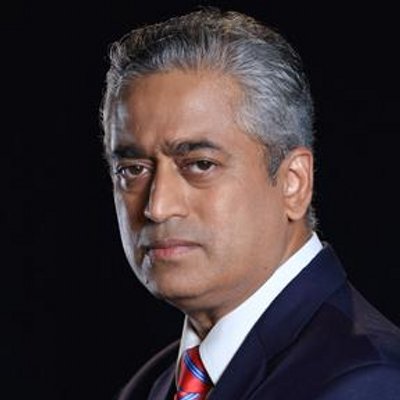
    ‘Main zindagi ka saath nibhaata chala gaya,’ is the song that you hear when you call him. With a journalistic experience of 26 years in print and television specialised in covering national politics, this man lets his work do the talking for him. He has never abandoned hard hitting real life stories behind his brand name and has always been open and unbiased about his thoughts. Known for his fearless coverage of news and love for music, he is none other than India Today Group consulting editor Rajdeep Sardesai.

    He is also the author of 2014: The Election that Changed India. Sardesai started his career in 1988 and entered television journalism in 1994. He has bagged several awards for his journalistic excellence. Known for his humble nature and love towards his family, cricket, music, food and news, Sardesai has seen the struggle for a byline in print to an anchor on TV news channel.

    Speaking to Indiantelevision.com’s Megha Parmar, Sardesai sheds some light on PM Narendra Modi, his new hire, social media trends and the big stories witnessed in 2015.

    Read on:

    2015 was all about PM Modi traversing the world… to countries far and wide. Do you believe news channels did justice to the coverage? Don’t you think it was more about discussing his wardrobe choices and pondering about the purpose of him visiting a country rather than putting light on other important ones?

    PM Modi travelling to different parts of numerous countries is just one part of the insight. There are lots of other insights to it. If you see from his point of view, his visits abroad are his highlights. I think no Prime Minister has ever got such coverage before. Manmohan Singh had also travelled to as many countries as Modi in his tenure as a PM, but we didn’t see any coverage on that. Modi is known by his nature and is a great showman. Be it his trip to San Francisco or his trip to Australia, he knows what will sell. Talking about if we did justice to the coverage, I think yes, we did manage to highlight few other important details behind his visit. Having said that, I have also observed that many a times TV news channels act more like cheerleaders and not as journalists while covering such stories.

    In your book, ‘2014 The Election that Changed India,’ you mention about being neutral towards Modi. How difficult was it for you to remain neutral after covering what happened in 2002?

    The 2002 riots have affected me and as an observer I have the right to question politicians and criticise them. The book is my perception on where I stand on Modi. I have just put down my views about the same in my book. I share strong feelings with what happened back in 2002.

    How difficult was it to let go a channel that you had built from scratch? How has been your journey with the India Today Group so far?

    It was very difficult to part ways from the channel. That has been the most emotionally and professionally difficult decision of my life. Talking about the India Today Group, the journey has been good so far. They have been very supportive and have allowed me journalistic freedom and that’s what I value more than anything else.

    Indian media went bonkers over the Sheena Bora case, was it really required or was it simply another way of pleasing the voyeur in us?

    Frankly, it was not required at all. In my view, it’s just an example of how sensationalism replaces sense. The fact though lies that it was indeed a great news story. Mother killing a daughter story is always going to be a great news story. Having said that, we could have covered it much better. We could have laid down many facts than going into so much of gossip and trivia. We lacked on showing less facts, which needed to be covered. It was a big story. But the two questions that are to be asked is, the proportion i.e. did we over cover it and secondly, did we focus more on gossip and trivia and not facts?

    Has the age of a neutral journalist gone? Do anchors or journalists have to start taking sides?

    I don’t want to use the word neutral but according to me the age of the serious journalist, who takes up journalism seriously is under serious threat. A serious journalist would like to do stories beyond what was done in the Sheena Bora case. I don’t think we as journalists should be limited in our thoughts. Though few organisations believe in the idea that unless he or she does not take a strong stand about something, the viewers will be confused. Therefore they resort to taking sides at times for the sake of a strong position. A journalist should always push himself and should be hungry to get something exclusive and unique from a story.

    You voiced your opinion on how news channels missed the bus on the Chennai floods coverage. What steps can be taken by news broadcasters to ensure that this doesn’t happen again?

    The way out is to realise that there is a world beyond Delhi. We need to change our mindset. It is just with the mindset of the people. They have to change their mindset and have to understand that news is not only about Delhi. We followed the Nepal story better than what we did for Chennai floods and we should ask ourselves the reason behind this. I think every big story should be covered in a major way by not restricting ourselves to demographic boundaries.

    Do you think journalists are under threat from people or do you believe that social media is acting as a threat too? Can it affect the newsrooms on what stories to be followed through its trends?

    I don’t think it is a threat. I think social media is a gift to us. One can and should always try to use social media more creatively and constructively. We can’t follow social media just because of the trends or the #tags. It can be a great source of information for good stories. It can play as a compliment to the journalists. But if you only follow what is trending on Twitter or the ‘masala’ on Facebook, then I don’t think we are utilising social media to its fullest.

    If there is a large group on social media that follows me but still targets me, I take pride in that. I have the right to dissent just like everyone but you cannot abuse me. People have to understand what role we as journalists have to play in society.

    Talking about social media affecting newsrooms, today a company can fix the #trends. If the newsrooms get influenced by it, it’s terrible and I think one needs to re-think about what he is exactly trying to do by resorting to such things.

    Do trending #tags like presstitutes bother you?

    It bothers me deeply. It bothers me more because it came from a minister who used such kind of a language. I think and strongly believe that General VK Singh owes an apology to journalists for using that word in the manner he did. And the unfortunate part is that if the ministers do it, then the public will also resort to such things. They will also say that journalists are ‘presstitutes.’ There will be a few journalists who may have done a few things you could object to, but still you can’t use such words. It’s a very unfortunate word and I am sorry to say that a minister has used such a word. Twitter is a double-edged sword. As I said, it can be a great source of information or it can be a deadly aggregator of hate and anger that targets people and will lead on to building enemies. 

    Your views on the usage of the keyword intolerance and the way it was ridiculed.

    I think the way it began was unfortunate. In our country there is so much of threat that even if I give you a serious answer someone will object to it. It’s not about intolerance or religious intolerance. It’s about the lack of respect towards someone’s viewpoint. If I say something you don’t agree with, you might get angry and call me anti-national. That troubles me. India is an extremely tolerate country in many ways. What we are losing is our capacity to listen to the other side’s point of view. I think we need to get some perspective behind this entire debate and we should realise that we need to have a dialogue with each other. Everyone is saying their own thing and moving away in the society, which is not leading any of us to a logical conclusion.

    Is there a reason behind the profession attracting so much of negative criticism in the society?

    I think the fact is that we as journalists have also somewhere lost our way. We have lost our moral compass. We tend to do things sometimes in a manner that it’s bound to face criticism. It’s not that we can hide from that. We are also involved in it. If you mix sense with sensation, there will be people commenting ‘yeh toh nautanki hi karte hai.’ If you reduce a studio to a fish market, people will point fingers at you. But it still does not justify the use of words like ‘presstitiutes.’

    A few days back Harsha Bhogle said how he no longer understood television and its role in sport when he came across young journalists and their obsession with negativity because their editor would not allow anything that was non-confrontational, not aggressive or demanding. What do you have to say about this?

    I am an optimistic. I myself believe that we should have more positive stories. I myself try to do at least one positive story in a day. I agree that there is too much of negativity currently, and you need to have more positive feel-good stories as well. But that doesn’t mean that journalists should abandon negative stories. When there is a negative story, we will obviously have to report it. If in a 24 hours new channel, we cannot see one positive story then there is something wrong and we have to rectify that. It’s all about proportion; cover the Sheena Bora case but don’t cover it at the expense of the other news. Cover other news, but don’t cover it at the expense of the Chennai floods.

    Will we soon see TV news divided into two parts? Debates and News?

    I think viewers are tired of what many of the news channels are providing them. I know it’s a staple diet in the news space; but it is the cheapest way of doing journalism. Getting five people in the studio and making them fight is cheap. It doesn’t cost you much. The viewers want different ways of stating factual information from you. It will work but not in the long run.

    With growing competition, news channels have to witness a fight of breaking news first. What is your take on that?

    The thing about being first is the most stupid thing that you can have in journalism. It is stupid to go through this ‘tamasha’ of who breaks it first. What is important is the way you write and interpret it rather than being the first to break it. Breaking news at one level is breaking down now.

    Is digital gradually taking over TV when it comes to breaking news? What should news broadcasters be doing to keep the TV news audience enact?

    Yes I think so. I think earlier TV was the first resource for information. The traditional is losing its importance now. I think we will have to do much more quality stuff. Quality differentiating news is the need of the hour. The future is about quality and not quantity. The quicker the media changes its working structure; the lesser the TV channels will have to worry about its audience. They will follow the news channels eventually.

    Should ratings determine the editorial strategy as only few people have meter boxes whereas there are so many digital followers of the news channels? Is it fair to curate content for people meters and forget the followers?

    I think we should be conscious about ratings but it cannot decide content, in my view. Content should be decided on the basis of quality. If you give out quality content, you will get good enough ratings in the long run. The system itself is so flawed, that you cannot have ratings to decide your content. It is definitely unfair for the followers who are not a part of the ratings. In the end, we would be left pleasing and entertaining the people rather than enlightening them with quality news.

    Your views on the declining standards of news media is no secret. Where do you think news went wrong in 2015?

    One of the stories that we missed out in this year is Chennai floods. We did not cover it properly in the early days. Later on it was good. The first part wherein Chennai was being hit by the floods is something that I would call as our failure. We have to move beyond the Delhi centric view of the world. And I still think that we tend to focus more on the sensation element rather than on the sense.

    The other one is the Sheena Bora case and how we covered it. I personally enjoyed covering the Bihar elections where I was talking to the people and not the politicians. I think you can cover politics differently and not only through politicians. I think there is too much of sensation, not enough of sense and too much of Delhi, not enough coverage on the rest.

    Will 2016 also see news going the HD way? Is it the need of the hour?

    I think so. But even that depends on the economics of the channel. I don’t think at this moment news channels are going that way. Economically it doesn’t make sense to me. I am sure it will happen in a year or two.

    What will you advise young igniting minds who aspire to be journalists?

    To the evolving mindset I will suggest to keep your minds free and open to ideas. Always be passionate about news and never force your mind towards anything.

  • Scope of Innovation in Print Advertising

    Scope of Innovation in Print Advertising

    On 16 April, 2000, The Times of India arrived on the doorsteps of millions of Indian households with its front page blank! It carried only the masthead, but no editorial. Blank!! That was the surprise of all surprises. It was our way of telling the world that the dot com revolution had arrived with the launch of indya.com. It took the country by shock! It hit newsreaders right between their disbelieving eyes. You couldn’t help but notice it. Unbelievable, even to us! 

    When we thought of the idea, we didn’t use fancy words like ‘innovation in print’. All we wanted to do was dominate the news! Take over everything. To shell-shock the world, to be remembered! Nobody had dared mess with the front page of Times of India until then. It took a great client like Sunil Lulla, the then CEO of Indya.com, to inspire, appreciate and see this idea right through. 

    Today we see a lot of messy stuff on the front pages of most newspapers. These are not innovations, but desperations. If we want to truly break through, we’ll have to do much better than what we currently see. More importantly, we’ll have to have the inventive fire of a madman and the inspired blessing of a visionary client. Else all we’ll get is paper pulp.

    It is getting harder for advertising to stand out in print. Because editorial is so much more exciting. And it’s being generated at the speed of life. So forget about creating print ads like we did before. We are competing with gripping news. And the only way to fight news is to make news. 

    Which explains the work many of us have seen for Benetton a few years ago. The ‘Unhate’ campaign. It dared to create news. A childlike argument for peace and reconciliation, it created huge buzz. The big pictures of world leaders kissing each other in the print ads incited strong reactions. The campaign was withdrawn but the brand’s point was made. The work won worldwide accolades and the Grand Prix at Cannes.

    To truly innovate in print advertising, it’s important to remember that we are not competing with other ads, we are competing with news. What’s your news? If you have inspired guts, you’ll find the answer. Innovation in print is not a topic of discussion. It’s not an ad… it’s an act!

    (These are purely personal views of BBDO India chairman and chief creative office Josy Paul and Indiantelevision.com does not necessarily subscribe to these views.)