Category: Specials

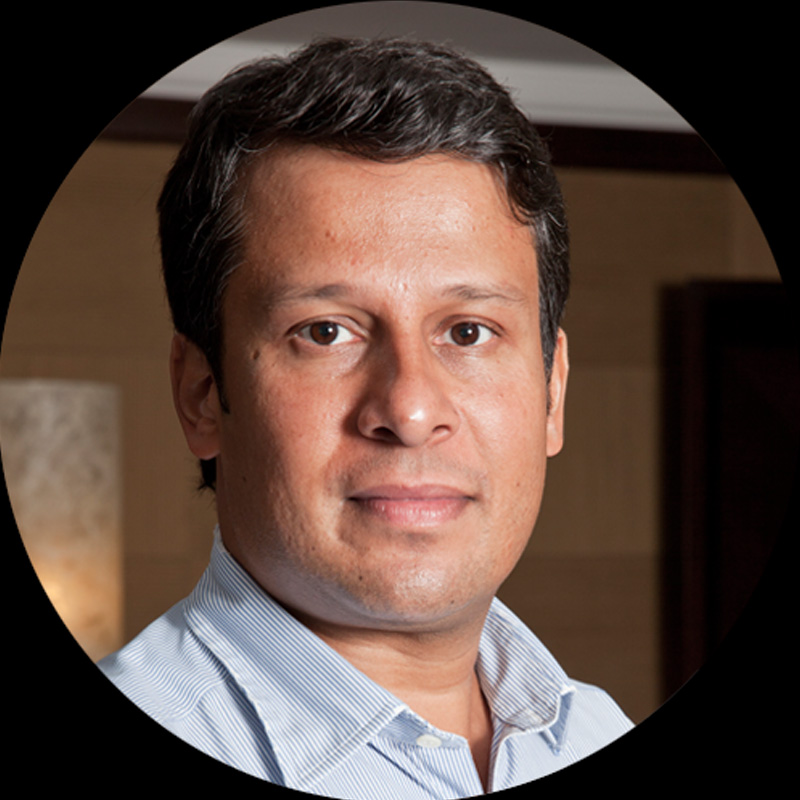
  • #Retrace2021: 30-40 per cent of our investments will be in regional content: Manish Kalra

    #Retrace2021: 30-40 per cent of our investments will be in regional content: Manish Kalra

    Mumbai: Outlining the vision for Zee4.0 at the company’s 39th AGM held prior to the Zeel-SPNI merger, CEO Punit Goenka had said that the roadmap for the next three years is going to be driven by digital. The focus on digital meant greater opportunity as well as challenges for team Zee5, particularly in terms of scaling up the content library and providing enhanced customer experience, as emphasised by Goenka.

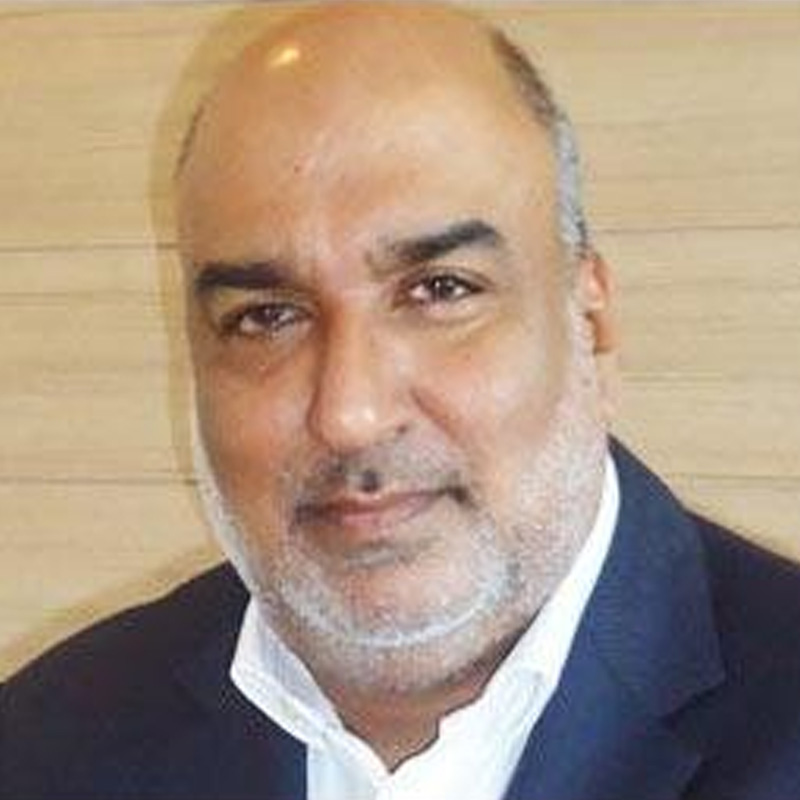
    For Zee5 chief business officer Manish Kalra who leads the B2C business for India, the year 2021 was largely about aligning the platform’s content strategy with these tangible business outcomes. With rich experience in leadership roles at digital-first companies such as Amazon, Craftsvilla, and MakeMyTrip, he is now responsible for growing the overall revenue, viewership, and driving subscription numbers for Zee5.

    Kalra strongly believes that successful businesses are built by teams with a great understanding of customer behaviour, which explains his zeal for the ‘customer-first approach’. Under his leadership, Zee5 placed the bet on ‘deeper regionalisation’ and TVOD services in an SVOD and AVOD-dominated market to build an expansive and diverse library of content comprising over 150 web series and over two lakh hours of on-demand content across 12 languages.

    In Q2 FY22, Zee5 reported 93.2 million global monthly active users (MAUs) on the platform. On the back of the Punjabi content slate announced in the year’s second half, it witnessed 2X growth in active subscription numbers with the highest contribution from Punjab and neighbouring states like, Haryana Delhi NCR and Uttar Pradesh. The average watch time per viewer per month as on September stood at 186 minutes. Another significant development in 2021 was the launch of the Zee5 Intelligence Monitor – a fortnightly knowledge series for advertisers.

    In this interaction with Indiantelevision.com, Manish Kalra talks about all these developments, and other happenings in 2021, and shares his plans for the year ahead.

    Edited Excerpts:

    On the content strategy for 2021 and going ahead

    Content is one of the strongest pillars of Zee5’s growth strategy. 2021 has been a phenomenal year in terms of churning out compelling content as we endeavoured to develop a robust content slate that caters to the diverse needs of our consumers. Right from launching tentpole properties such as ‘Radhe’, ‘Friends: The Reunion’, ‘Break Point’, and ‘Rashmi Rocket’ to collaborating with TVF, and offering the Punjabi content slate ‘Rajj ke Vekho’, we’ve ensured having something for everybody at our content store.

    In fact, with a concerted focus on ‘Deeper Regionalisation’, and a primary objective to drive ‘Entertainment Inclusion’, we also launched two successful campaigns – ‘Any Time Manoranjan’ and ‘Dekhtey Reh Jaogey’. Both these initiatives were aimed at democratising access to bespoke Indian entertainment for all, especially for markets that are new or underserved.

    We foresee the next wave of growth coming from the Tier II and III cities that are looking for diversity in original content and genres. While the big cities will have a definite influence, the larger share of the pie will come in from smaller markets over time. Content will still be king across all, and the diversity of content is only going to grow. Regional content is our forte and we want to continue to be the multilingual storyteller for multiple entertainment seekers.

    On the opportunities in regional and sports content

    A major part of Zee5’s strategy is to convey realistic and original tales from the heartland. Coming from the legacy content powerhouse, Zee, we have established our dominance in the regional content space. Almost 50 per cent of our viewership comes from regional language content. In fact, we were the first home-grown streaming platform to have been launched in 11 Indian languages (Hindi, Bengali, Malayalam, Tamil, Telugu, Kannada, Marathi, Oriya, Bhojpuri, Gujarati, and Punjabi), offering access to one of the largest regional content libraries in the country.

    Going forward, around 30-40 per cent of our content investments will be in the regional space, and we expect this percentage to increase as we further cater to untapped regions. After the recent foray into original Punjabi programming, our aim is to double our Telugu and Tamil originals by early 2022. Bengali is on the radar post that.

    On the emergence of new business and subscription models

    The pandemic made us rethink the way we operated and accelerated the process of innovation. Since people were confined to their homes OTT adoption accelerated resulting in a surge in viewership and watch-time. Consumers’ willingness to pay has also increased, resulting in SVOD revenues growing at a higher rate than AVOD revenues globally for the first time ever in 2020. Zee5 being a hybrid video streaming platform saw an upsurge in traffic on both SVOD and AVOD. It was heartening to see how consumers sampled content on AVOD and further migrated to SVOD to enjoy uninterrupted content across genres and languages from our library.

    That being said, we had to continuously reinvent ourselves to give our viewers the best experience and value for their investment. With this thought, we introduced our pay-per-view subscription model ‘ZEEPlex’ to bring the box office home to Indian audiences. With digital consumption being at an all-time high we are positive that the TVOD subscription model will prove to be a success in the coming days. The concept of subscriptions was also once new, but it has picked up today. We expect TVOD to meet the same fate.

    On the evolution of movie business through 2021

    The pandemic-induced lockdown resulted in two trends – consumers stayed at home to enjoy movies and other forms of entertainment, while studios and filmmakers had to go back to the drawing board and rework their distribution strategy. Since the advent of streaming has fundamentally altered how the audiences consume content, OTT became the natural choice for filmmakers for premiering their movies – be it low-budget movies or blockbusters, giving birth to the concept of direct-to-digital. The TVOD (pay-per-view) model also emerged as a viable option. In fact, India also witnessed an industry-first, hybrid release of the magnum opus ‘Radhe’ on Zee5 and ZEEPlex.

    Now, even though the theatres have opened up, there are plenty of opportunities for both movie theatres and OTT platforms to leverage and co-exist in a profitable way. The way I see it is that movies will now first release in theatres and then come to our platform where viewers will have the flexibility to view them at their convenience. Both entities will have a synergistic relationship with each other.

    At Zee5 we are geared up for 2022 with our pipeline comprising both originals and acquired content including movies such as ‘420 IPCC’, ‘Bob Biswas’, among many others. Over and above this, we have a list of direct-to-digital releases lined up. It will be unveiled gradually in the coming days.

    On the road ahead; key focus areas for 2022

    Our customer is at the heart of everything we do. Hence, our focus has always been to enhance our technology prowess and provide high-quality video and best-in-class content viewing experience across devices.

    Moving forward, we want to focus on family entertainment along with regional content. Our aim is to make South-Asian content across languages popular, not only in India but also internationally. We aim to reach 50 per cent of the audience that is consuming content digitally. We will continue to offer differentiated shows and blockbuster movies and invest in content that is ‘real, relevant, and resonant’. These investments would drive our market share putting us in good stead going forward. In terms of content investments, it will be equally divided between original shows and acquisitions, primarily films and other shows.

  • GUEST COLUMN: Top marketing trends brands may need to adopt in 2022

    GUEST COLUMN: Top marketing trends brands may need to adopt in 2022

    Mumbai: With the rising internet and smartphone penetration and social media usage, especially in tier-II and tier-III cities, the way brands engage with their clients has irrevocably changed. Digital adoption has been the primary focus for marketers in 2021, with a myriad of trends appearing in the marketing industry, including growing online shopping, technology-integrated operations, and so on. With this backdrop in mind, here are some of the most essential marketing trends to watch in 2022.

    Influencer marketing

    Once known as an additional leg to a brand campaign to gain social media visibility, influencers have expanded their audiences and now are driving the communication strategy for many brands. Millennials and Gen Z customers religiously follow influencers on social media, considering them to be highly relatable in terms of content they share. Various brands are already banking on this trend, collaborating with influencers to promote their products and services. The coming months will see more marketers and advertisers follow suit increase brand exposure and garner fans from the influencer’s audience. In fact, several businesses are developing technologies that will enable influencers to create their D2C brands, resulting in creating a micro-entrepreneur ecosystem.

    First-party data will become relevant

    Until recently, most marketing platforms have relied on third-party cookies to collect consumer data. These insights help them understand the evolving shopping patterns of customers and accordingly modify their ongoing marketing activities. However, with rising privacy concerns, the new legislation has initiated restricting the use of third-party consumer data sources. Given this, first-party data will become more relevant than ever. As a result, organisations should enhance their existing data practices and partner with platforms that have extensive first-party data. Doing so will not only give them access to quantitative insights but also help them craft innovative marketing campaigns that are tailored to the intent of consumers.

    AI-powered conversational marketing

    As technological advancements continue to evolve, consumer behavior, interests, and expectations will keep changing at an accelerated pace. Today’s consumers aren’t satisfied with simply appealing websites or products. They are always looking for something new, desiring more personalised, engaging, and immersive shopping experiences. Brands must therefore modify their customer interaction strategies to generate interest, engage buyers, and convert demand to flow in sync with the new customer journey.

    Many brands are implementing conversational AI technologies such as chatbots and voice assistants that can understand and speak vernacular to provide an enhanced experience and strengthen brand-customer relationships.

    Short-form content

    Long-form videos make consumers reluctant to watch and consume content about the brand and its products, pushing them away rather than attracting and retaining them. But fitting well with the fast-paced attention spans of Millennials and Gen Z consumers across several demographics, short videos have gained substantial traction, contributing to an overall increase in e-commerce. As a result, major e-commerce platforms are shifting their focus to short-form content to create more engaging purchasing experiences.

    Mobile-friendly digital experiences

    With over 600 million internet users in India, it’s no wonder that people are spending more time on their smartphones and tablets. And, as millennials and Gen Z audiences, who like to explore and buy across a range of devices, increase their purchasing power, the problem of providing a & seamless experience across all devices — particularly on mobile — will get more complicated. So, it is pivotal for marketers to recognize that mobile-friendly digital experiences are more important to consider, and accordingly create meaningful user experiences to drive brand awareness.

    Conclusion

    The Covid-induced quarantine and consequent isolation have redefined the consumer expectations and how they interact with brands. Improving customer satisfaction is the most accessible approach to distinguish yourself from the increasing e-commerce crowd. And catalysed by the pandemic, the aforementioned trends will continue to thrive in 2022, which is why you should start experimenting with different advertising strategies to keep customers happy and delighted at every point possible.

    (Vijay Kumar Mikkilineni is TCL India marketing head. The views expressed in the column are personal, and Indiantelevision.com may not subscribe to them.)

  • #Retrace2021: Decoding BBC Studios’ giant OTT leap in India with Sameer Gogate

    #Retrace2021: Decoding BBC Studios’ giant OTT leap in India with Sameer Gogate

    Mumbai: Sameer Gogate has been leading BBC Studios’ production business in India as general manager since 2019. In the last two years, he has played an instrumental role in steering the internationally renowned brand to its deserved status in India.

    Smartly leveraging the OTT boom in the country, he was able to earn a reputation for BBC Studios beyond just being the producer of ‘Jhalak’. Through the pandemic years the studio produced over 11 shows for OTT including ‘Criminal Justice’ (three seasons), ‘What the Love’, ‘Out of Love’ (two seasons), ‘The Office India’ (two seasons), ‘Rudra’, ‘Guilt’ and ‘Sons of the Soil’. This year, they ventured into the regional markets with scripted formats. 

    Gogate has spent over 16 years in the Indian media and entertainment industry across the TV and film businesses. During his stint with Viacom 18, he oversaw the commercial function for the GEC Colors and managed co-productions and acquisitions for the Studio business at Viacom18 Motion pictures. He also set up the film business at Endemol. As chief development officer at Eros International, he managed their in-house productions and the regional slate of films.

    In this exclusive interview with Indiantelevision.com, Sameer Gogate talks about his two years journey with the brand, the ‘BBC Studios advantage’ which made British formats such as ‘Criminal Justice’, ‘The Office India’, ‘Out of Love’, and ‘Luther’ runaway success in the India market, and upcoming plans for 2022.

    Edited Excerpts:

    On looking back at 2021, and how it was for BBC Studios

    BBC Studios has come a long way from being known just as a producer that made ‘Jhalak Dikhla Jaa’. In that same time period, we have picked up ten commissions in the OTT space. I think we are largely OTT-skewed today, and that’s because of our premium dramas like ‘Criminal Justice’, ‘Out of Love’, ‘Guilt’, and ‘Rudra’. The demand for scripted content in the market is high, and by virtue of our quality formats and the British talent that’s associated with them, it’s easier for us to work with certain clients in the OTT space.

    On the “BBC advantage”, and the kind of content being created

    We have got great and relatable stories to tell at BBC Studios, and our biggest advantage is the ‘premium-ness’ of BBC Dramas that has two reasons for it. First is the synergy with British formats which have themes that are easily adaptable for the Indian market. This ensures a quicker turnaround (right from the development to the execution stage) due to the already established success of the show.

    The second advantage is the quality of dramas that are coming out of the UK, all associated with top British writers. To have access to these dramas that have been through numerous stages of development, checks, and balances, and discussions, just make it easier and quicker for us to adapt them for the Indian audience while maintaining the ‘premium-ness’ i.e. the high quality of writing and the higher production value that BBC is associated with. By virtue of this ‘premium-ness’, we have further been able to attract quality talent, whether it’s the directors, writers, or actors.

    On the genres most in-demand in 2021

    In principle, crime and thrillers always do well. But at the same time, we were also able to produce a ‘Sons of the Soil’ for Amazon which is a factual content piece. Going forward, you will see more factual content from us in India. We are currently working on another docu-piece which is likely to be announced by the middle of next year and our first scripted original. Apart from that, there is demand for premium dramas (non-crime genre), and I see that going up as we move ahead. Streaming services also want more regional and local content today.

    On the economics of producing content for OTTs, including films

    At BBC Studios we are not saying ‘no’ to movies, but the focus has been on scripted dramas.  Regarding OTT economics, I’d say it’s important to be flexible and yet not compromise on the ‘premium-ness’ of the content. The cost consideration for us is two-fold; one is the price in terms of the time required to produce these premium drams, and the second is the actual cost of making them. We want to remain adaptable on both fronts to win the trust of our clients.

    On the production and other challenges that spilled over from 2020

    There are two parts of our business; production and development. The production part did suffer because teams were working from home during covid, there were far too many challenges on-ground especially during the second wave.  But the last one-and-a-half years have taught us a lot on how to be flexible, nimble, and yet not compromise on our quality. Even though India witnessed a very bad second wave and it did affect things on-ground we used the time effectively for developing our content slate, and are now looking forward to 2022 with a strong pipeline.

    On OTT content growing as a full-fledged ‘industry’ in India

    We are at that point if we haven’t crossed it already. India is a unique market that has the same audience watching ‘Anupama’ and ‘Out of Love’ on the same platform. So, clearly, TV and OTT are going to coexist, even as more and more people consume media on OTT even after the pandemic. 

    On looking ahead to 2022, and plans for BBC Studios India

    2022 will see new genres come to the fore. There will be a lot more factual entertainment and new formats in the unscripted reality content space as well. On the scripted side, India is almost there in terms of our quality but the ‘premium-ness’ of dramas can only go a notch higher from here. This being another Covid year we could deliver only two shows, ‘Guilt’ and ‘Luther’ (Rudra), but the pipeline for next year, including regional, is almost three times this.

  • #Retrace2021: Cautious optimism will drive industry growth in 2022

    #Retrace2021: Cautious optimism will drive industry growth in 2022

    Mumbai: The year 2021 saw work-life turning 360 degrees for former Havas media India boss Anita Nayyar, as she joined Patanjali Ayurved as COO- Media & Communications, after a year-long stint with Zee5 as head of customer strategy and relations.

    An industry veteran with over three decades of experience, Nayyar has managed many portfolios of brands across sectors. She has played leadership roles in several media and advertising agencies including Saatchi & Saatchi, Ogilvy & Mather, Initiative Media, MediaCom, and Starcom Worldwide. Nayyar spent the longest tenure at Havas – the agency she joined in 2007 as chief executive of the India operations. Under her aegis, the agency grew exponentially and expanded its offerings as an integrated communications group. She subsequently headed Havas Media Southeast Asia (SEA) in addition to her role as CEO of Havas Media.  

    As the year draws to a close, Indiantelevision.com, got into a freewheeling conversation with Anita Nayyar about her big professional move in 2021, leading the media and communications strategy at Patanjali Ayurved, and outlook on industry’s growth as we enter 2022.

    Edited excerpts:

    On looking back at 2021 and her transition from Zee5 to Patanjali

    I spent over 30 years working with agencies and publishers. After so many years on the agency side, I thought I had done my bit. Plus, the monotony tends to set in. So, it’s good to learn something new from the other side of the table. That’s how Zee5 happened. On the whole, I have worked with advertising agencies, media agencies, publishing platforms, as well as new-age digital platforms like Zee5. So when Patanjali came in, I thought it’s a good opportunity to do a full circle and explore all aspects of advertising, marketing, and communication. So to that extent, I feel it completes my circle in the industry.

    On how the year was for Patanjali as a brand, and her priorities when she joined the company in July

    Patanjali is one of those aggressive Indian brands, which has galloped its way through to the top in the Indian FMCG industry. When I took over as the COO for media branding and communication, the idea was to oversee all the strategies that are happening in their advertising domain, how they are progressing and what is it that we can do better. It was interesting to see their (Baba Ramdev and Acharya Balkrishna) vision. Sometimes, it’s even difficult to match up to the speed at which their vision for the company goes- both in the Wellness, fitness, and the Ayurveda sector. Also, the fight that they are bringing to the table for the MNCs in the FMCG category. Patanjali Ayurveda, along with Ruchi Soya, is the second-largest FMCG brand in the country.

    On any key innovation that the brand brought in this year

    The company is constantly innovating, in terms of the categories and areas they have entered in over the years. Like IT solutions or Agri sciences for example and this foresight of acquiring Ruchi Soya. The brand has kept up with the times, even by propagating the fact that they are ‘swadeshi’ as well as ‘Make in India’ initiatives. So innovation, to my mind, is the core of this brand. We have recently launched a Nutrela nutraceutical range of supplements, that’s the new category that Patanjali along with Ruchi Soya has entered into. And it’s interesting as there aren’t too many players in this segment and the fact that people have become very conscious about their health and wellness, especially in the last two years.

    On any changes in the brand’s media strategy in 2021

    This past year has fared fairly well for the brand because we have strategically invested in some high-impact properties. As a brand, we have been highly visible on the news channels and we have done a lot of GECs as well, and as such, there’s a tremendous amount of reach and awareness for the category. New marketing campaigns are on and we are in the process of working on our annualised spend and strategies, so let’s see how that goes.

    On looking ahead to 2022 and expectations for the brand

    We are cautiously optimistic. In businesses, when there’s recovery, optimism is the core. If you aren’t optimistic how will you take risks and move forward? That applies to life in general. But, if I were to wrap up my expectations for the brand in a single word, it’s ‘growth’. That is what every organisation’s looking for and we specifically do so, because we want to bridge the gap between the number one in the industry. And we are getting there. In the media branding and communications domain, I want to maximise the return on investment (ROI) that we are doing in the media industry.

    On key industry trends that might dominate next year

    The past year has certainly fast-paced the digital transformation of companies, whether it was entertainment, online shopping, or the use of digital platforms to connect with other people. It was anyways slated to grow between 25-30 per cent earlier also, the needle just moved quicker now. To my mind, next year we will see a healthy mix of both TV and digital and each medium plays an important role, depending on what the objectives are. TV, of course, remains the mainstay because of its reach and low CPMs (Cost per Thousands) that it offers.

    Print was badly hit during the pandemic. It is doing a little better, but still nowhere close to where they were pre-pandemic as yet. Outdoor is back and Cinema is also showing signs of recovery, depending on the titles that are playing.

    Each medium today has a role to play from that aspect and we use them for their attributes. So I think overall for the media industry and, as per industry reports too, there should be a growth of 12-16 per cent in the media & advertising industry, which given the situation is not a bad thing. 

    On any personal learnings that she will take into the next year

    My personal learning may sound a little clichéd, but it was very important for me to explore other areas and not remain stuck to a particular area of expertise. It’s when you try to explore other fields that you know what your proficiencies are. Every domain that I’ve worked in has given me immense learning. So, it’s a good check for one to constantly keep trying newer opportunities and opening up newer avenues for one’s own learning. If you continue to explore newer domains, it just keeps adding to your professional and personal growth as well. 

  • GUEST COLUMN: Digital marketing trends that reigned supreme in 2021

    GUEST COLUMN: Digital marketing trends that reigned supreme in 2021

    Mumbai: 2021 was coined as the year of the ‘New Normal’ and it did turn out to be one in many ways. The second wave of the Covid-19 pandemic this year not only affected every aspect of our lives but also impacted how companies further realigned their operations all over the world.

    Strengthening the migration to a digital environment in 2020 became the only viable option to stay on the map for many businesses, which in turn greatly impacted their digital marketing strategies. 

    The ‘New Normal’ kept alive the status of digital marketing as the need of the hour for businesses to stay afloat, gain new customers, retain current ones and generate revenue. Staying ahead of the digital marketing game is beyond just understanding and applying basic industry principles.

    As we bid goodbye to 2021, it’s time to analyse trends that reigned supreme. By analysing past trends and staying aware of ongoing changes, marketers in India will be better prepared for what’s next for the coming year.

    Marketing automation:

    Automation stood at the top of every marketer’s strategic pyramid this year and played a pivotal role in providing brands with more detailed insights into behavioral patterns of their users. Our research estimates that some brands even saw a 30-35 per cent increase in leads generated after implementing automation software. With each channel working together, brands were able to create a unified customer experience, thereby facilitating a seamless journey.

    AI-powered personalised marketing strategies:

    As per industry research, 70 per cent of companies observed that AI-powered personalised marketing strategies generated around 200 per cent ROI while 86 per cent of brands noticed a spike in business after integration. Thanks to AI, marketers were able to make product recommendations to users, hyper-personalisation of messages, optimisation of display and search ads, email marketing, and even content marketing by discovering what works better and what type of content is more effective. All in all, it empowered brands to have a better engagement with their customers and gave a boost to customer loyalty and retention.

    Live streaming

    The number of live streaming platforms and streamers has increased mainly since the onset of the pandemic in late 2019. With the use of live streaming this year, consumers got yet another opportunity to acquire better information about brands, products & discover the character of brands. Thanks to real-time interaction, Live streaming emerged as a strong medium for brands to create a better relationship with their consumers and expand the viewership for their marquee events and new launches.

    Continuous visibility on different live streams enabled brands to experience better engagements. The community of live streamers is just starting to get bigger and live streaming will continue to play an exceptional role in 2022 as well. 

    Vernacular content

    According to a Google KPMG report, 70 per cent of Indians find local language digital content more reliable; 88 per cent of Indian language internet users are more likely to respond to a digital advertisement in their local language as compared to English.

    We saw digital marketing moving towards vernacular in a holistic way. Brands actively began transcending into literacy agnostic content across formats – audio and video to target consumers across the spectrum. For example, if you look at the latest brand video for Baidyanath Chyawanprash, the entire communication is primarily in Hindi as North India is their target location. Even the media banners and communication on the social media handles follow the same route. In this year, there have been multiple examples of brands like Britannia Good Day (Tamil), Ola Autovin Home Delivery (Tamil), Goodknight Fabric Roll-On (in Bengali), Sunfeast YiPPee (in Malayalam) which were some of the most viewed YouTube Ads in the regional language.

    Nano influencers and creators

    Nano influencers were one of the core facets of all major ongoing campaigns and helped in providing brands with valuable awareness and recall amongst a niche audience. They often see the highest percentage of engagement, as they have a small and more closely linked community of followers. According to the INCA report, the average engagement rate of nano-influencers in India is 30 per cent, while for micro-influencers it is 14.5 per cent. For mega and macro, it stands at 18.2 per cent and 12.7 per cent, respectively. We observed major brands dedicating about 20–25 per cent of their brand promotion budget to influencer marketing and primarily focus on nano-influencers that can reach their target group.

    Voice Search

    emerged as a new market for marketers. According to research estimates, 65 per cent of smart speaker owners don’t want to go back to a life without a voice-controlled assistant. Smart speakers will continue to change the ways users interact and spend.

    Tech will continue to take the lead in the new year with robust advancements in technology, marketing tools, and forward-thinking strategies. 2022 will be the year to further seize opportunities, take charge from the front and take necessary steps to leverage customer behavioural trends to get the maximum out of digital marketing.

    (Shreyansh Bhandari is COO and co-founder at Lyxel & Flamingo, while Shikha Abrol is a media strategist at the same company. The views expressed in the column are personal, and Indiantelevision.com may not subscribe to them.) 

  • #Retrace2021: Entertainment trends that swept the media industry in 2021

    #Retrace2021: Entertainment trends that swept the media industry in 2021

    Los Angeles: As the credits roll on 2021 and the curtain prepares to rise on 2022, we’ve put together a few previews of entertainment trends to look forward to in the coming year and beyond. The convergence of new technologies, increasing domination of smart devices like smartphones and smart TVs, 5G internet, the growing demand for streaming content combined with the omnipresent Covid lockdowns have been the driving forces behind these trends.

    OTT STREAMING SERVICES

    The global over-the-top (OTT) streaming industry is booming. According to a report published by Research Dive, the OTT market is expected to generate a revenue of $438.5 billion by 2026, growing at a compound annual growth rate (CAGR) of 19.1 per cent. The outbreak of Covid-19 has contributed to this growth, however, leading players are focusing on developing strategies to bolster growth in a post-pandemic market. Netflix leads the pack of providers with 35 per cent of the global OTT streaming market share followed by Disney+, Hulu, ESPN+, Prime Video, and HBO Max.

    SOCIAL VIDEO

    By 2022, it is estimated that online videos will make up more than 82 per cent of internet traffic. These clips may be short, only 30 seconds or so long, but the ones that go viral have been viewed over a million times. Social media platforms such as Facebook and YouTube have been trying to retain the social video throne but rising star TikTok is working hard to overthrow them benefitting from Gen-Z users during the Covid lockdowns. Growth has also been seen on Instagram which has been putting a heavy focus on optimising users’ video experience. Likewise, LinkedIn users are increasingly preferring video content over other types of posts. Twitter, Snapchat, and Vimeo are also seeing a significant uptick in video content. However, no matter which platforms are able to increase their share of users, one thing is for sure: social videos are here to stay.

    CLOUD GAMING

    The ability to play the best video games out there without the need for a console has now become a reality and has pushed this industry forward. There are estimated to be about 3.2 billion gamers in the world and very few have the hardware required to play the latest, most demanding games. Cloud gaming solves this problem by streaming video game content from remote servers to your device. The range of video games is extensive from casino to adventure. Major offerings include Nvidia’s GeForce Now, Google’s Stadia, Sony’s PlayStation Now, and Xbox’s Project xCloud. It’s new and evolving technology but a growing trend to watch for in 2022. According to a report published by Allied Market Research, the global cloud gaming market generated $244.8 million in 2020 and is expected to reach $21.95 billion by 2030, seeing a CAGR of 57.2 per cent from 2021 to 2030.

    PODCASTS

    The number of people listening to podcasts in 2022 is expected to grow to 164 million and that’s just in the US alone. Podcasts have taken off and are no longer considered a hobby but a legitimate business model with new opportunities for brands and businesses. In a world where influencers are kings and people trust them more than traditional outlets, podcasts have been an effective way for their hosts to grow their influence and share their niche viewpoints and knowledge on specific topics. In addition, with increasing tolerance for advertising – a recent survey by Nielsen found 78 per cent of listeners don’t mind sponsorship ads – podcast ad revenue is expected to grow to $1.33 billion in 2022. Now, big-name companies like 20th Century Fox and Spotify are jumping onto the podcast bandwagon, backing and developing content and, in the process, increasing the production quality and value.

    GAME STREAMING

    Game streaming has been around since the early 2000s but now is gaining traction. It involves the streaming of video games where people broadcast themselves playing games to a live audience online. Professional streamers often combine high-level play and entertaining commentary and earn income from sponsors, subscriptions, ad revenue, and donations. Game streaming became popular on the US-based site Twitch before growing to other sites particularly in China.

    In 2014, Twitch was acquired by Amazon and since then it has experienced explosive growth. In Q1 2020 alone, Twitch had more than three billion hours watched, 100 million hours streamed, and an average of 1.4 million concurrent viewers, firmly cementing it as the number one platform for game streaming worldwide.

    THE KOREAN WAVE

    The Korean Wave or “Hallyu” refers to the rise in South Korea’s growing international popularity for its culture encompassing dance, music, TV dramas, movies, food, and more. In 2012, the music video for “Gangnam Style” by recording artist PSY was one of the first Korean hits to go global, became the first YouTube video to reach one billion views, and spun off an international dance craze. K-Pop bands exploded onto the music scene in the early 2000s and currently boy band, BTS is South Korea’s biggest cultural currency whose sales rival big names like Ariana Grande, Taylor Swift, and Billie Eilish.

    In 2020, South Korea’s black comedy thriller, ‘Parasite’, written and directed by Bong Joon-ho, won a leading four awards at the 92nd Academy Awards: Best Picture, Best Director, Best Original Screenplay, and Best International Feature Film, becoming the first non-English language film to win the Academy Award for Best Picture.

    Now, this September, ‘Squid Game’, the South Korean survival drama series quietly premiered on Netflix and then took off like a rocket ship. With more fans coming on board every day, Bloomberg has reported that the show will bring in $900 million for Netflix (it was produced for 21.4 million). The Korean Wave is going strong and worldwide fans are enjoying the ride.

    It will be interesting to see how some of these trends fare in a post-pandemic world but, at least for now, we have come to value these forms of entertainment just as the devices we access them from – our mobile phones, smart devices, laptops, and PCs.

  • #Retrace2021: Digital evolution has changed the game for kids genre

    #Retrace2021: Digital evolution has changed the game for kids genre

    Mumbai: A seasoned professional in the broadcast industry with over two decades of experience under her belt, Leena Lele Dutta has worked with Ten Sports India, Channel 9 (Nine Broadcasting Media) and MTV India amongst other reputed companies, besides having worked in sales with SPN (then SET India) from 1995-1999. During her stint with Sony Pictures Television, she spearheaded, structured and developed the content distribution and licensing division for the company in India and South Asia.

    In her current role, as the business head – kids genre at Sony Pictures Networks India, she is responsible for driving the overall business and building the growth trajectory of the Kids’ genre for SPN by focusing on strategic content development and marketing initiatives.

    The kids channel – Sony Yay! has launched 140 hours of fresh programming, including new shows and movie premieres, and captured a significant share of viewership in the kids’ genre in October which saw the highest ad volumes of 2021. With 63.7 gross rating points (GRPs) in the Hindi-speaking market for week 43-45 (Avg, 24 hours, 2-14 ABC, BARC data), it reached the pole position in ratings compared to other kids’ channels.

    As the year draws to a close, Indiantelevision.com caught up Leena Lele Dutta to talk about the channel’s performance in 2021 and the key trends that shaped the kids’ entertainment space.

    Edited Excerpts

    Looking back at 2021

    It has been a stupendous year for us, especially the festive season. Every year we have two periods for our tentpole launches – summer (April-May-June) and the festive months. The festive period is the most potent time, in terms of ad monies and the revenue involved. So, this year, we had envisioned our programming line-up starting from Dussehra to Durga Puja, Navratri going all the way to Diwali, Christmas as well as the New Year. We actually had a lot of ammunition to fire so that we could get a share from the advertising market for our channels viz-a-viz the rest of the channels in the category.

    Unlike 2020, when the kids’ category was down by half in terms of inventory sold out because there was uncertainty and sales only picked up during Diwali, the mood of all our advertisers across all categories has been encouraging this year. Everything has opened up. Also, this year, since Diwali was in the first week of November, it gave advertisers a long four-week period in October to advertise. Barring FCT, advertising spots and sponsorships selling out, there has been demand from new clients that wanted to make their mark this season.

    On the launch of new shows, and programming line-up

    Kids genre is a highly saturated marketplace. So, when we entered the space, we knew we had to bring something different. We’re still relatively new, while our competitors are over a decade old. What we have realised, is that unlike any GEC, the rotation of audiences on the kids’ channel has become even shorter now. Kids between the age group of four to seven who land on our channel grow out of it in three years and you have a fresh set of audiences coming in.

    So, our differentiator has been local programming, indigenous characters and multi-language feeds. From a slate of four original IPs in a year we’ve ramped up and produced almost seven original shows by year, with the help of in-house scriptwriters and array of dubbing studios that are aligned to us.

    On any new innovation that the channel brought in this year

    The pandemic had first led to a surge in viewership during summer when kids and their parents were at home. There was a lot of co-viewing happening. We altered our programming strategy and introduced a variety of different characters that can appeal not just to kids but also to their mothers. This included ‘Oggy’, and a new anime show ‘Obocchama-kun’. We also revamped a show called ‘Horrid Henry’ for the Indian context and called it ‘Haste Raho Henry’.

    Through research that we conduct periodically, we understood that kids don’t necessarily want home grown IPs but want to be entertained by an array of characters that appeal to them and are a reflection of themselves. We followed it up with a 360-degree amplification including on-ground, digital platforms and through our association with network channels.

    What we’ve added because of the lockdown is a whole lot of digital innovation as kids are spending more time on devices. Whether it is a watch party, an online contest, or a digital workshop with videos from our creators and DIY activities, we’re doing all of those engagements as well on our digital platforms.

    On how the kids’ audience has evolved

    Today, a child has a lot of content choices that he/she can make. The child may go to gaming platforms, subscription video-on-demand players, YouTube, or ed-tech platforms. Right now, if you look at the ecosystem, it is not about creating the next ‘Tom and Jerry’ but also about what a new character can do to enhance your kids’ ability. We cannot satiate the kids’ appetite by just showing them content. It needs to go beyond that.

    On the trends that dominated the kids’ genre this year

    Today, OTT platforms’ acquisition of kids’ content is running into millions of dollars as they have begun to see the potential. The fact that so many players are investing in this genre is a great sign for us. That’s why at Sony YAY! apart from the production pipeline we’re also building a parallel ecosystem to make diverse content for kids and feed it into digital platforms. We have a couple of shows developed specifically for OTT platforms and YouTube that’s concurrently happening while we cater to our channel’s audiences.

    We also recently concluded our on-ground activation plan across 30 cities including metros. We’ve observed that people are going to markets and shopping with their kids so on-ground has come back and is here to stay as the more efficient form of engagement to grab a captive audience.

  • #Retrace2021: Advertising campaigns that struck a chord in 2021

    #Retrace2021: Advertising campaigns that struck a chord in 2021

    Mumbai: The pandemic has changed the way businesses function all around the world. As organisations start limping back to the new normal, they also had to find ways to adapt to the changing dynamics of the market- from consumer behaviour to the way brands communicate to their consumers.

    2021 year saw brands and advertisers experimenting with new trends, and taking a detour from their original marketing strategies. A lot of them embraced empathy and compassion to connect with their consumers, who too were learning to adapt to the new normal. From Savlon to Byju’s and from Coca Cola to Dove, let’s look at some of these brand campaigns that struck a chord with the masses, as the year draws to a close.

    Savlon- #NoHandUnwashed by Ogilvy

    Regular hand washing became a norm during the pandemic. Savlon launched the campaign ‘No Hand Unwashed’ in association with Ogilvy. The campaign featured a video that depicts the story of an artist without arms who paints with her legs and can sanitise her limbs. “If she could, why can’t you?” was the inspiration behind.

    Dove- #StopTheBeautyTest by Oglivy

    The empathetic advertising continued even after the Covid wave subsided. Dove took this approach to address other issues of Indian society. In its ad campaign #StopTheBeatuyTest Dove addressed body shaming and skin colour biases in the Indian matrimony space. Dove has always been vocal about such negative norms of society. In 2021, it came up with its ad film #StopTheBeautyTest by Ogilvy.

    Domino’s ke Saath #HaathBadhaoIndia #VaccineLagaoIndia by FCB

    The empathetic ad film by Domino’s takes a look back at the struggles that people went through during the pandemic. Domino’s tells people to extend their hands once again and get vaccinated together through its ad film. FCB India conceptualised the campaign. The ad film was directed by Amit Roy of Love Aaj Kal fame, and lyrics penned by Swanand Kirkire.

    Unacademy- #TeachThemYoung by Lowe Lintas

    This ad campaign by Unacademy and Lowe Lintas, Made by Lowe Lintas, tells how a brother opening her sister’s bag is nothing but an invasion of her privacy and boundaries. It talks about empowering women and teaching gender equality to boys at a young age.

    Cadbury- Not just a Cadbury ad by Ogilvy

    Undoubtedly the pandemic has shaken the spine of the Indian economy. While the big brands managed to bring back their business quickly, the local ones couldn’t do much due to the lack of resources. The spot by Ogilvy features Shah Rukh Khan, who is seen promoting local cloth merchants, shoe shops, electronic stores and the nearby Kirana shop. The ad showcased 7000+ stores across 34mn consumers in two weeks.

    Facebook- Pooja Didi by Taproot Dentsu

    The ad campaign designed by Taproot Dentsu ignites hope among the users. The ad highlighted how we could reach out to the many unorganised sector workers who had lost their livelihoods.

  • Netflix’s Monika Shergill talks about crafting stories for every mood on OTT

    Netflix’s Monika Shergill talks about crafting stories for every mood on OTT

    New Delhi: The OTT platforms have taken the world by storm. If there is one key trend that has completely revolutionised the way content is now being created across mediums, it is definitely these new-age platforms. And leading the way is OTT giant Netflix which currently boasts of over 209 million subscribers worldwide.

    From originals, sit-coms, documentaries, adapted formats to movies, the platform offers something for every kind of viewer. It will also be completing ten years in original programming soon, globally.

    “In all these years, we have tried to offer all kinds of stories on our platform – stories that feel real, and have universal emotions. We have had powerful novel based series, and multiple seasons each told in a fresh way,” says Netflix India, vice president, content, Monika Shergill at the fifth edition of The Content Hub 2021, which concluded recently.

    The three-day mega event organised virtually by Indiantelevision.com brought content makers from the world of television, films and OTT on one platform to delve upon the evolving media and entertainment industry. Indiantelevision.com’s founder and CEO Anil Wanvari got into an engaging fireside chat with Shergill about Netflix’s journey of creating content for the Indian masses.

    “Netflix is creating stories for every mood,” highlights Shergill. “As a streaming service, we are designed very uniquely. Everyone’s version of Netflix is different. You can experiment according to your taste, and try new content anytime you want. The way Netflix is designed, it is to really reflect as many lives as we can, mood within moods, genres, creating an ocean of stories and unlocking its full potential.”

    The French series, Lupin which was released on the platform in January remained among its Top 10 shows across most countries for weeks. It recently released Taapsee Pannu starrer Haseen Dillruba, and Kriti Sanon’s Mimi, and is gearing up for the release of the much-awaited fifth season of Spanish drama Money Heist. Then, there is the American teen romantic comedy, The Kissing Booth 3 in August.

    Haseen Dillruba has been trending ever since it was released. Ray (an anthology based on the works of Satyajit Ray) also spiked audience’s interest. Money Heist remained in Top 10 for 117 days last year,” Shergill says joyously. “What we are beginning to do is to create programming catering to different tastes. One story cannot work for everyone and we understand that everyone has different tastes, which we must cater to. Viewing of Kids content has increased by 100 per cent, and also the documentaries and films in different languages.”

    The final season of Money Heist is now set to launch in two instalments of five episodes each on 3 September and 3 December.

    The platform had announced as many as 41 titles early this year, and has a huge pipeline of new series, shares Shergill. “Finding Anamika will mark Madhuri Dixit’s debut on OTT. Then we will have another web-series, Yeh Kaali Kaali Ankhein in August which is a dark romantic series, bound to surprise everyone. R Madhavan will be seen in the comedy series, Decoupled. So, yes, we programme for every mood and taste,” adds Netflix India’s top executive, “Family dramas are also close to our hearts, and they appeal to the widest set of audiences.”

    According to Shergill, the platform has also made its mark as a global platform that has been successfully bringing best of stories from the world to India and vice-versa. “At a time when people cannot travel physically, we are taking them to different places through our stories. We are glad we are able to do it. All we want to do is entertain, and we promise that we have something for everyone. And, we deliver it to them in a responsible way,” she sums up.

    The fifth edition of the Content Hub 2021 was co-presented by IN10 Media Network and ZEE5, and co-powered by Applause Entertainment and Tipping Point, the digital content unit of Viacom 18 Studios. PTC Network was the supporting partner.

  • “The idea whose time had come”: Hansal Mehta on making financial thriller ‘Scam 1992’

    “The idea whose time had come”: Hansal Mehta on making financial thriller ‘Scam 1992’

    New Delhi: When the ten-part series Scam 1992 hit SonyLIV platform last October, it captured the imaginations of millions of young Indians in no time. The financial thriller chronicling the life of Gujarat-based stock broker Harshad Mehta, and his involvement in the 1992 Indian Stock Market Scam soon became the most-viewed series on the platform.

    On the last day of fifth edition of the Content Hub 2021 -TV, Film, Digital Video, and Beyond’ – the makers and writers of ‘Scam 1992: The Harshad Mehta Story’ got into a freewheeling conversation with Indiantelevision.com founder and CEO Anil Wanvari and showrunner-writer Alok Sharma to discuss the making of one of the most successful digital series on an Indian platform during the pandemic.

    “Harshal Mehta’s meteoric rise and sudden downfall had captured the imagination of millions, especially Gujaratis in the 90s. I was fascinated by his journey ever since I read Sucheta Dalal’s book in 2003-04, and wanted to tell the story. But that was the era of six-pack abs and shirtless songs, and I couldn’t even consider making it, until years later, when Samir Nair (Applause Entertainment) pitched the story to me and I jumped at it,” recalls director-producer Hansal Mehta, “It was the idea whose time had come.”

    The series went LIVE on the SonyLIV platform in October, 2020 when the first wave of the pandemic had begun to ebb away. The show was lauded for its tight screenplay and sparse writing by a team led by Sumit Purohit, Saurabh Dey, Vaibhav Vishal and Karan Vyas.

    The protagonist played by Pratik Gandhi hit it off with the audience with his one-liners, so whether it was ‘Risk hai to, Ishq hai’ which went on to become the tag-line of the series, or ‘Success kya hai, failure ke baad ka chapter’. These were also some of the lines that Hansal Mehta wanted to scrap out of the script believing them to be too filmy.

    “I found these lines to be too naïve and filmy at first. Par writers ka kamaal hai, wo kaise dikhate hain. Pratik (Gandhi) delivered those dialogues with such conviction and belief, that the audience connected with them. Wo daur filmi bhi tha,” smiles Mehta. Such one-liners were also used by stock brokers then, he adds.

    “It was also a casting feat,” quips co-director Jai Mehta. “Pratik (Gandhi) lent authenticity to the dialogues. Both of us had met several brokers on Dalal Street to get those nuances, and gestures right. It was unreal. Also, most actors in the series, including Gandhi understood finer nuances of the language, as they had done Gujarati theatre or stage plays early in their career.”

    Harshad Mehta’ character in the series represented the angry young man, the writers say, drawing inspiration from Amitabh Bachchan of the 70s. All through the series, he is seen, relying on his family for support.

    Delving into the writing process for a financial thriller, replete with several technical terms, filmmaker-writer Sumit Purohit says, the team made a conscious attempt not to dumb down the script to make it look simple. “We wanted to ensure that it looks authentic- whether it was the way the stock brokers were talking, or bankers discussing the financial transactions. It’s like science fiction. It’s not necessary that people understand the terms, for as long as they are emotionally invested with the characters,” he elaborates.
    Saurav Dey concurs, “That’s exactly the brief we got. We could tell the story as it is, and don’t have to spoon-feed the audience. They can use their judgment and draw inferences.”

    The story also carried a deep political undercurrent, with several scenes raising questions over alleged involvement of political leaders during that time. When asked about treading the fine line, Dey says, “We wanted to be responsible about what we show on screen. So, we retained only those parts, which we could substantiate with evidence. Rest was speculation, and we steered clear of that, or it would have irresponsible filmmaking.”

    The team began with the simple idea of telling a human story. “It was a volatile time, and we showed as much as we could do within the limits of the current time. We focussed on the bigger picture, and did not want that it should get impacted by any kind of outrage,” shares the ace director, who won the National Film Award for directing 2013 movie Shahid.

    However, for this series, Mehta says, he acted more like a motivator, than a writer. “I see my job as that of a motivator, who brings a pool of talent together, and ensures they move in a single direction. The biggest thing in long-form writing is patience and discipline, and the team had that,” he shares.

    Also, like his previous movies – Shahid or Omerta, the series Scam 1992 also did not have a lead actor who shared physical resemblance with the lead character in real-life. “My approach is driven by instincts and trust. That’s how I get writers and actors on-board. The physical likeness is not as important as it is to convey the spirit of the character on screen,” he opines.
    The ace-director also credits his association with Applause Entertainment, CEO Sameer Nair, who he says, ‘gave him the freedom to choose and trusted his choices.”

    Among those choices, were also several famed actors from the 90s, including Mamik Singh aka ‘Rattan’ from the iconic movie – Jo Jeeta Wahi Sikandar who played the Citibank chief Rao in the series. The series also had Anant Mahadevan, playing RBI Governor, S Venkitaramanan and Satish Kaushik as the foul-mouthed stock market kingpin Manu Mundra. “It was a masterstroke,” says Mehta emphatically.

    Another crucial element was planning the locations for the series, set in the 90s – ‘Bombay’ that most members of the team had not seen. “We went through books, pictures and did our research to recreate that era. We even got the original CBI office opened for a few scenes we shot there. It has been lying closed for over two decades,” recalls Jai Mehta.

    After the success of Scam:1992, Hansal Mehta is now back on the sets for his next – a crime thriller based on a true incident.

    The fifth edition of the Content Hub 2021 was co-presented by IN10 Media Network and ZEE5, and co-powered by Applause Entertainment and Tipping Point, the digital content unit of Viacom18 Studios. PTC Network was the supporting partner.