Category: Specials

  • 10 Key trends in the movie biz by Siddharth Roy Kapur

    10 Key trends in the movie biz by Siddharth Roy Kapur

    The Hindi film industry is at an interesting crossroads – one that will define the next phase of growth for the business – both creatively and commercially.

    For anyone involved in the movie business in India today, it is an exciting and a challenging time. Exciting because there are so many moving parts that the sheer adrenalin of navigating through them and achieving commercial and creative success can give you a headrush. Challenging because the choices we make today as an industry could determine the trajectory for a whole future generation of studios, filmmakers, actors,
    technicians and audiences.

    The 10 key trends are:

    1. Growth of Exhibition platforms and digitalisation of cinemas: The advent of the multiplex culture and the digitalisation of cinemas has completely changed the dynamics for audiences, exhibitors, distributors and producers.

    Films will become much more accessible to the audiences in remote towns via satellite technology, thereby
    reducing costs and making it more feasible and cost effective to further increase the penetration of cinema into the hinterland of the country.

    2. Marketing and Promotions: Skilfully executed marketing and PR initiatives are increasingly contributing to the good opening weekend of a movie. It plays an aggressive role in driving a film through the “media noise corridor” right from pre-production all the way to release and beyond.

    Creating the right noise from the very initial stages of the film to post production stages has become an imperative function coupled with innovation and ongoing market research for every film.

    3. New Revenue streams: The advent of new emerging platforms and technologies will pave the way for newer revenue streams for the film industry apart from the box office and other traditional sources of revenue. Innovations like 3G and 4G will change the dynamics of the movie watching experience, creating new access points for consumers across the world.

    4. Short and Entertaining: Audiences of today especially the 15-24-year-olds, which form the most significant part of the Indian population and are popularly known as the impatient generation, have a preference for more snacky and short form content.

    New age directors who can feel the pulse of these audiences are very capable of delivering content that will soon bring in the trend of watching short format entertaining content on non theatrical platforms.

    5. De-risking – Today a studio does not have solely the opening weekend box office collections dictating the commercial fate of the film. Pre-sales deals which include satellite rights, music rights, home video rights and new media rights sometimes help recover 40- 45 per cent of the production cost of the film. Moreover, an established studio with a strong slate of 12- 15 movies a year, today has the advantage of being able to derisk an entire slate of productions well in advance of their theatrical release.

    6. Going Regional – The increasing preference amongst audiences for local flavours rather than standardisation in content will see regional cinema growing in the coming years, and demanding a share in
    the larger pie of the Indian film industry.

    7. Co-productions: The entry of Hollywood studios into the local production sector have increased manifold. Considering that some countries have reached a saturation point, while others have stringent protectionist policies in favour of local cinema, India is an emerging media and entertainment hot spot for international players.

    8. Existing paucity of trained talent: The industry today does not see many trained specialists, the reasons being lack of structured film schools and frankly inadequate credit and compensation to talent other than those seen on screen. If this is addressed, it will have a lasting impact on the quality and commerce of our cinema.

    9. Changes in legislation – Various amendments to existing laws have been proposed, which will have a direct impact on the functioning of the industry. In this process, it is imperative for the legislators to keep in mind all sides of an issue, rather than be swayed by specific interest groups. The entire commercial dynamics of the industry could be decided simply based on a few of these amendments, and hence the required due diligence must be put in before pronouncing judgement.

    10. No distinction beween art and commercial cinema – And finally, a new breed of filmmakers who no longer believe in making a distinction between “art” and “commercial” cinema. They are open to telling new stories and experimenting with new genres in an entertaining manner… the key to making it interesting for audiences to try new fare! It is very encouraging to see so many studios today supporting and encouraging new talent, and I am sure this heralds a very exciting time in our cinema. A time in which all sorts of cinema can co-exist and achieve commercial and creative success.

  • When creative entrepreneurship saw a renaissance: Leo Burnett India national creative director KV Sridhar

    When creative entrepreneurship saw a renaissance: Leo Burnett India national creative director KV Sridhar

    As an industry, 2011 has seen a creative resurgence last year. Big brands and big agencies did a lot of creative work on big campaigns. There was good work from Vodafone, Airtel, Docomo, Reliance, Cadbury, McDonald‘s, Cole and Pepsi.

    The other thing that has happened in the past year is the emergence of the independent creative agencies. We have not seen creative entrepreneurship thriving since the last 30 years. The last renaissance of creative entrepreneurship was with Enterprise, Contract and Ambience; this can be called the golden era in that aspect. Ravi Gupta set up Trikaya around that time while Gopi Kukde and his Onida campaign also happened simultaneously.

    After that though, the creative entrepreneurship in the country died down. All the Indian creative agencies were sold out to international agencies with Chaitra becoming Leo Burnett, Sistas becoming Saatchi and Saatchi, etc. All these agencies merged with international companies working with global brands, therefore creating a vacuum for creative entrepreneurship.

    If you see, all new creative agencies are doing very well. Whether it is Aggi and Padhi or it is Raj Kurup or Priti Nair or Prashant Godbole, all of them have started something in their own capacity. It is very heartening to see that they are doing campaigns which have actually changed the perception of the people and may actually challenge the work of the top three agencies. I just hope that this time around the Indian entrepreneurship is not sold out to multinationals in a hurry. I only wish that these guys hold on to the Indian flag for a little more time and then buy out the foreign guys as the future is India.

    What has been disappointing and has been consistently so over the past couple of years is the growth of digital media. It is a medium that holds lots of promise and it should become big, but it did not become so big.

    Effective Creativity

    You need creativity to be more effective. If you have a solution, it maybe very effective on paper, but in the market it may not be as good if you need more money for people to see it. So you need creative work which not only does the job with lesser money but also in a much more emphatic manner. Therefore creativity and effectiveness go hand in hand. In recognition of that, even Cannes introduced the Effective Awards, the pre-requisite for which is that you should have won a creative award first and then put up the case for the Effective category.

    The clients are becoming increasingly demanding. Large clients are doing good creative work. Today, the big guys have understood that creative is the only way to be effective and it also helps you spend less money.

    You need a creative person when you need to make a rupee work like a hundred bucks. To make a rupee work like a rupee, you need a CA not a creative agency. Therefore creativity is the biggest currency which clients are cashing on and it is the biggest currency that all agencies possess today.

    There are two things here. One is that humanity and the insights have become much more valuable. Moreover, the transparency of communication and the way you do business is becoming more important. The values brand posses is far more important than the technological superiority because tech itself is becoming a commodity.

    The World A Global Village

    In this day and age with social media and borderless communication, you can’t pretend to be what you are not. It will take a nanosecond to get exposed. It takes one tweet to expose someone’s misdeeds. See what happened to Dow chemicals. An agitation in a small town of India in Bhopal actually catapulted and became a global thing and then put pressure on the company. So today, brands are trying to understand how humanity is connected with each other and how this information travels without loosing absolutely any time and how to deal with this borderless, timeless communication.

    People with a Premium

    Everything is becoming a commodity now. Nothing is patented, everything is commoditized. The only thing which you have and own is the emotional equity with your consumer. The emotional bond that the brand has actually created is far more superior to the patent of the technology that it has. All the patents can be copied, but my affinity for Apple cannot be copied or replicated because of the joy I get using an Apple phone and the emotional equity I share with the brand.

    Today, marketing, advertising, and entrepreneurship itself has changed. The way you manufacture things, the way you sell things, everything starts with people and ends with people. Therefore, the people who understand people are at a premium.

    You need people who understand how human beings behave. What motivates them to do what they do? And finally what is it that you need to do to make them do what you require them to do? So understanding human behaviour is becoming very important to business. All these new values are coming in and they have given a new lease of life to people like us who know nothing apart from how to communicate with people. No amount of internet or new media is going to take that away from us. At the end of the day every medium or every business deals only with human beings. No McKenzie’s of this world, no digital companies can ever take our jobs away because we understand human beings.

    As long as we get new talent which has passion, zest for life and can understand how people behave, we have a bright future. We don’t need to go with a microscope; we only need to relive our past experiences, how our mother used to behave in different situations and understand that and then try and use it to connect with many mothers in the world to sell your products.

    Those with a passion for advertising come to advertising, despite getting high paying jobs at other places. Because they believe they can use their creative talent to entertain people and engage them. People who lasted long in advertising, they are the ones who know nothing apart from liking and studying human beings and discovering insights to connect with consumers.

    Also, today life itself has become much richer. I believe that the first standard years of life, that is the first 16 years, whatever you see observe and learn stays with you. What I have experienced in the first 16 years of my life is very little when compared to this generation’s 16-year-olds. This generation’s 16-year-olds have got a much wider world view and they have more experiences and knowledge and more understanding and, thus, are more mature. Also, till the age of sixteen, they have no selfish motives.

    Therefore, I am very confident that the next generations of people who come into the field are much richer and better than us. They would have had much better and richer experiences to draw from and connect back to people. So I am very optimistic that everything about our profession is going to be better tomorrow.

    We were quite scared in the 80’s and 90’s because foreign companies were coming here. There was uncertainty regarding what will happen. People thought that computers will come and take over and there will be no jobs and foreign companies will come here and suck our blood dry and export it to other countries. We did not know about the world economy and, therefore, have no clue how to get integrated into this new bold new world.

    But through liberalization we understood the benefits of it. We realised that machines can’t do everything. So, we had actually not seen the threat and what happened subsequently in 2007 and 2008, changed our view of world economy.

    In 2007-08 we were growing at around 15 to 20 per cent, our business and economy was good. Our banks were not exposed and our real estate was doing well and still is. But we have understood the impact of being in a global economy and with global customers. Despite doing a 20 per cent and contributing to profit, we have understood that if our cousins in the UK or US don’t do well, you have to finance them. So we have taken salary cuts so that people in the US and in Europe don’t loose their jobs.

    The Indian companies eyed the opportunity, paid more money and took the talent away from MNCs. Also, the client started to cut fee. So apart from the 15 per cent commission thing, the second shocker to the industry was the task of retaining talent without paying more, or at lower pay. Also, how do you work with the same client at 20 per cent or 30 per cent less fees? Those two things have really taught us that we need to run faster and faster to stay in the same place.

    I feel we are better prepared this time around. Most of the things that we do in the bad times are actually things we should do in the good times so that bad times never occur. If you think that travelling business class is a waste, and in bad times we travel by economy. Now, it has become a norm.

    We know how to retain the talent, we know how to command premium in hard times. We know how to sell products in a time of bad sentiment. We know that we need to make our customers prioritise. It all depends on how you argue with your customer and make him prioritise. If people prioritise and find you/your product/service as a necessity, they will buy it.

    Lessons learnt

    The marketing people have learnt a lot of lessons. So, this one is not going to be as bad as the previous one. The Indian exposure to world economy has increased many folds in the past three to four years, but this time around, we are much more prepared. Even people are planned, so they know what it means to be in a multinational company. They know what kind of risk is involved and what the upside is and what is the downside. They know that if anything happens in France or Germany, this company will be affected.

    This time around the companies are prepared, so are the people and clients as well. So we know how to handle it. People have also understood that during the slow down, the companies which invested in branding have benefitted. In hard times, it is not the discounts that you give, but the assurance and trust you give to your customers. If you withdraw the discount, people don’t buy it and you fall into a trap and then each time you give a discount, it is eating into your pocket. On the other hand, investing 50 per cent of that discount into advertising will help build brand affinity. Then the chances of even in bad times people buying you are much higher. So people are putting back into advertising.

    I am super optimistic as a person. I think we have learnt some good lessons and we will sail through even if we have to go through hard times. Actually, what is hitting us very badly is our domestic issues like not having a majority government, the government not functioning properly, lack of new and contemporary policies, lack of encouragement to the economy and the continuing indecisiveness is stalling the entire mechanism. The confidence is very low as we have hardly made any progress in the past three years.


  • A whiff of fresh opportunities for Prasar Bharati

    A whiff of fresh opportunities for Prasar Bharati

    Almost 16 years after it was formally set up, pubcaster Prasar Bharati may be able to tide over its most pressing crises in the next three years – provided it manages to avoid the bureaucratic pitfalls that it has been continually encountering.

    The passing of the Prasar Bharati Amendment Act 2011 taking a major financial burden of salaries off its shoulders, the government’s digitisation plan for both All India Radio (AIR) and Doordarshan, the ambitious expansion of Doordarshan’s free-to-air DTH DD Direct Plus, and the expansion of FM Radio which not only give AIR more stations but extra income by giving news slots to the private FM channels – these are all signs of major opportunities that the pubcaster can grab over the next two to three years.

    Added to this is the promise of early introduction of a comprehensive re-modeled Prasar Bharati Act which will take away a lot of the shortcomings noticed over the past 15 years since it was notified in 1997.

    But if the public broadcaster has to stay afloat in a sea of almost 750 TV channels and the over 800 private FM Channels that will become a reality after FM Phase III, it has to realise its weaknesses and attempt to overcome these. And its greatest weakness lies in its organisation, with Indian Administrative Officers manning key posts which should ideally be given to broadcasters or to officers of the Indian Broadcasting (Programme) Service which was created especially for this purpose in the early eighties.

    A comprehensive study made by the Information and Broadcasting Ministry has also identified the different forms of challenges the pubcaster faces. In the first place, it has to compete with different kinds of content being tried by broadcasters and which may not be possible on AIR or Doordarshan.

    The failure to successfully monitor the must-carry clause has resulted in most cable operators still resisting putting DD or Parliament channels on their prime bands.

    Competition from six private direct-to-home (DTH) delivery platforms – Dish TV, Tata Sky, Sun Direct TV, Airtel Digital TV, Reliance Digital TV, and Videocon d2h – is also a major challenge since DD Direct Plus only carries free to air channels and not popular encrypted channels.

    There is no record of subscribers to DD Direct Plus since it entails a one-time expenditure of purchase of dish antennae and there is no subscription base.

    Prasar Bharati also faces other problems: it is still dependent to a large extent on casual manpower for both AIR and Doordarshan and has been facing constraints of funds and manpower to implement schemes that may come in the way of progress. There have been constant time and cost overruns due to weak planning and implementation.

    There is also non-availability of land and tower infrastructure for Prasar Bharati in most of the cities proposed for expansion of FM channels and most states which have been asked to give land have so far not done so.

    But Prasar Bharati’s strength lies in a dedicated listenership to its FM Gold and FM Rainbow channels; a large viewership base of Doordarshan which offers immense potential; the inclusion of a large number of private regional and some foreign TV channels in addition to DD’s own on its DTH service; a wide network of DD Programme Production Centres throughout the country and availability of DD network throughout the country.

    The switch to High Definition TV with the Commonwealth Games in 2010 has opened up a lot of opportunities to DD, and Prasar Bharati is also set to earn revenue from giving content to viewers of TV on mobile phones. Digital technology would be more acceptable to listeners and viewers as it tremendously enhances the quality of transmission and broadcast.

    Both AIR and DD are now gearing up to meet the challenges, albeit riddled with bureaucratic wrangles and financial constraints.

    AIR has embarked upon a sweeping modernisation programme during 2011-16 that will see it broadcasting to the entire country with state-of-the-art technology. Having already covered 99 per cent of the population and area under the analogue mode, AIR has made detailed plans of increasing the coverage to 100 per cent under the digital mode. This coverage would strengthen broadcasting to all strategic border areas as well. Within this 100 per cent coverage on the primary grade signal (MW & SW), coverage by FM signal will increase from 37 per cent to 90 per cent of the population. This would entail digital broadcast in FM band from 50 places in the country including all State capitals and major cities.

    The digitalisation of the entire network including studios, transmission and connectivity would include replacement of old/obsolete equipment. In addition, strengthening of related civil infrastructure would also be taken up, particularly for imparting training to staff in the field of digital technology and intensifying related R&D programmes. Staff productivity will be further enhanced through implementation of Assured Career Progression scheme for existing staff and induction of fresh talent. Investment in e-governance will be made for ensuring efficient management of the vast AIR network.

    Digitalisation will enable AIR to make its broadcast available on alternate platforms such as webcasting / Podcasting / SMS / Mobile services. A 24-hour AIR news channel is planned besides a speech quality programme. The entertainment programme will be broadcast on the main channel to compete with the best in the industry.

    Introduction of value-added-services (Vas) like Interactive Text Transmission, Multimedia Object Transfer (MOT), disaster warning, etc have also been planned. News on Phone is already available and has been digitised in Delhi.

    A total of 137 studio centres have been partially digitalised by providing hard disc based systems. There are at present 215 studio centres in the AIR network, and digitisation of 98 Studios will be achieved in the XI Plan. The remaining studios are proposed to be digitalized during the next two years. These studios will have provision for stereo recording, production and transmission, all in the digital domain.

    There are 380 Transmitters in the AIR Network consisting of 149 Medium Wave, 54 Short Wave & 177 FM Transmitters. One 250 KW Short Wave Transmitter at Delhi has been converted to Digital mode and has been operational since January 2009. Another 78 MW (Medium Wave) Transmitters including six Mobile Transmitters are being digitalised as part of the XI Plan Digitisation schemes. The remaining MW Transmitters in the network are proposed to be digitalised during next few years. Nine SW (Short Wave) Transmitters (4 in Delhi, 4 in Aligarh and one in Bangalore) are being digitised as part of the Digitisation Schemes in the XI Plan. The remaining Shortwave Transmitters are proposed to be digitalized during the next two years.

    At present, Digital Uplink facility is available at 32 Centres, all downlink facilities have digitised except at 44 places, and there are Digital Studio Transmitter links at 20 places, apart from four DSNG Systems (Digital News Gathering Systems). A total of 115 Studio Transmitter links are being digitised, five new Digital Captive Earth Stations are being set up (32 are already available), 44 downlink facilities are being digitised, and 98 Studio Centres being digitalised in XI Plan are being networked to a Central Data Server System for exchange of programme.

    AIR programmes are presently available through terrestrial mode and DTH. As part of XI Plan, 20 AIR channels are proposed to be made available through Webcasting/Podcasting with a view to use the Internet platform to serve listeners having Internet connectivity. There are presently 21 radio channels available on the Ku band DTH platform of DD Direct Plus.

    AIR will spend Rs 668.5 million on new content creation, Rs 100 million on special activities like music concerts, Rs 62 million on coverage of important international and national events and production of programmes, and an estimated Rs 24.5 million on news activities like production of special flagship programmes etc.

    As far as Doordarshan is concerned, it is presently operating 35 satellite channels and has a vast network of 66 studios and 1415 transmitters providing TV coverage to about 92 per cent population of the country. Like AIR, DD will also be making a switch from analogue to digital transmitters, which would offer multi-channel transmission from single transmitter, spectrum efficiency and enhanced picture quality. Old studio, satellite broadcast and transmitter equipment will be replaced to maintain high quality of services.

    In line with the trend taking place all round the world, digitalisation will continue to be the top priority so that by the end of the XII Plan, a complete analogue switch-off will have been made.

    Doordarshan’s Eleventh Plan Scheme of Digitalisation involving an outlay of Rs. 6.2 billion was approved by the Government in April 2010. This essentially entails continuation of the XI plan schemes to fully digitalise the remaining 39 out of 66 studios and establishing 40 digital High Power Transmitters at existing locations. In addition, provision will be made for 590 low power digital transmitters during the XII plan. Additional infrastructure build up will include up gradation of 10 existing satellite Earth stations and setting up of 5 new ones, procurement of 15 DSNG and replacement of uplink PDAs/IRDs.

    A critical component of digitalisation would be setting up facilities for providing HDTV telecasts for viewers, which has a resolution five times higher than traditional television systems. This would entail conversion of a studio for HDTV production establishing a HDTV transmitter in each of the 4 metros.

    In so far as DTH service is concerned, DD will upgrade its DTH platform to accommodate 200 channels by the end of the 12th plan from the present level of 59 channels so that viewing of channels becomes less expensive than before. The programme entails establishment of 40 digital HPTs by 2013. There will be provision for 590 digital transmitters and digitisation of four analogue Studios in the 12th Plan.

    Projects of setting up of HDTV studios at Delhi and Mumbai; HDTV post production, field production and preview facilities, HDTV terrestrial transmitters at Delhi, Mumbai, Kolkata & Chennai; HD TV Play out facility at Delhi, Multi camera OB Vans at Delhi and Mumbai are under implementation.

    DD will develop and improve content delivery to the rest of the world on essentially four channels, which are visible in 86 countries on the IS10 satellite: DD-News, DD-Sports, DD-Bharati and DD-India. DD-India channel is additionally available in North American countries, viz., USA, Canada, Mexico. Prasar Bharati is presently drawing up a plan estimated to cost around Rs one billion for strengthening the international DD India.

    DD’s plans include production of 15,067 episodes for various channels in three years starting from 2010-11. Out of this, 12,400 episodes are being made in-house and 2,667 episodes commissioned through outside producers. The total cost of in-House episodes would be Rs 620 million and Rs 800 million for commissioned programmes.

    Strengthening network of terrestrial transmitters in border areas will be a high priority to check adverse propaganda from across the border. Until a complete analogue switch off takes place, both High and Power Analogue Transmitters will be set up in the border areas, both afresh as well as replacement for transmitters that have served their useful life. Existing analogue transmitters can be converted to digital transmitters at little additional cost. At present, 273 transmitters of varying power are operating in border areas.

    Apart from the schemes of digitization and HDTV, schemes of replacement and modernisation of satellite broadcast equipment and studio & transmitter equipment are included in the 11th Plan. Upgradation of 10 existing satellite earth stations, establishment of five new earth stations, and procurement of nine new DSNGs will be achieved this year.

  • Size Does Not Matter Curry-Nation – Director Priti Nair

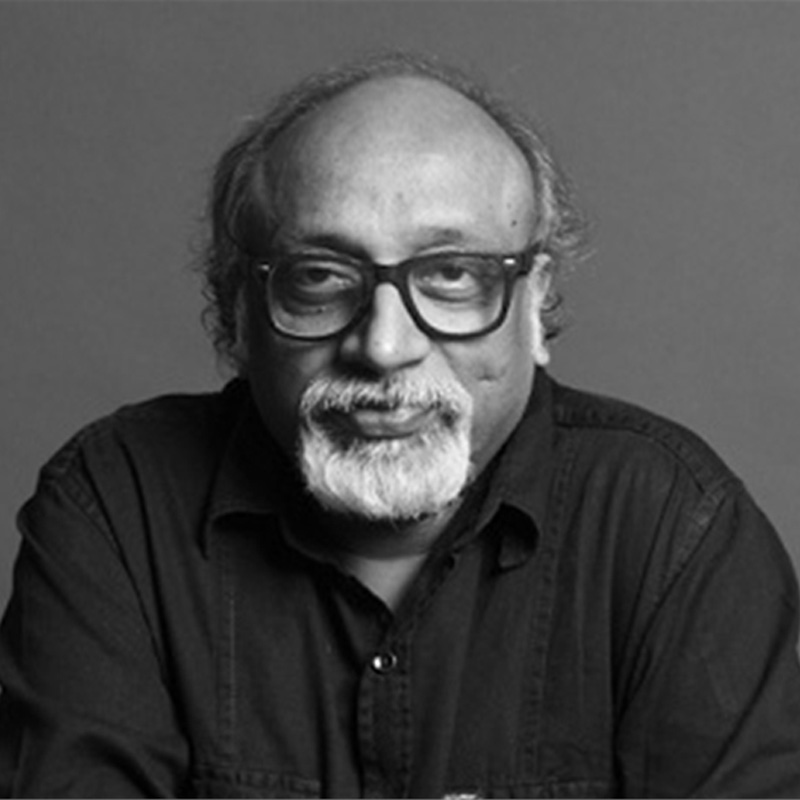
    Size Does Not Matter Curry-Nation – Director Priti Nair

    2011 has been good for independent agencies with a whole bunch of them sprouting in the year.

    The trend actually started three years back. Taproot. Cartwheel. Scarecrow. And what you witnessed was a fantastic new advertising culture emerging.

    The market is ready and willing for smaller non-network driven agencies. The big and small marketers are willing to experiment and are quite happy actually to have smaller agencies as their partners.

    Overall, it was an enormously encouraging place for you to start on your own if you wanted to. And that is how in 2011 there were more of us – indies as the media call us – coming up.

    The advertising world seems to be coming a full circle .The trend that happened many years ago suddenly stopped. It continued in other parts of the world, but not in India. With most Indian agencies selling stake, full or part, I am glad it is back.

    What is it that is letting the clients find ways around alignments and also breaking the self-created rule of working with big names only?

    Primarily I feel it is the partnering, the passion and the closely knit teams with which smaller agency set ups approach the business and the brands.

    And finally you don’t really deal with organisations, you deal with people. If the same people that you dealt with before and were happy with what they delivered for you, then how does it matter if they are in a small or a large agency? Also as small start-ups, you automatically work harder and harder and there are no goof ups whatsoever because there is no longer any cushioning or complacency. I guess all these factors combined make small start-ups an equally attractive option.

    It has been an amazing experience for Curry-Nation. We already have 10 brands with us. And have also done projects for four other brands. It was a good and solid foundation.

    Size has stopped bothering us. It is now about quality, service, partnerships and output.That is what matters. And that is what should have mattered all along.

    So last year for us was all new. A combination of getting talent, winning clients and working like close knit family that has got together. Evolving new ways of working, creating your culture. We got talked and written about.

    Now is the second year and the challenge is even bigger. Because once the ‘newsiness’ on your newness dries out, it is only your work that will make you stand shoulder to shoulder with the biggies. Taproot has done an admirable job. It is an agency we look up to in terms of what they have achieved over the last few years after starting.

    And there are our bold clients who have made the call, broken norms, put aside big agency repute myths and stood by us. Their faith is what made us smile everyday through last year and made us feel that we are on the right track.

    So we do salute the year that went and welcome 2012 with open arms as we step into the second year of our business.


  • Infotainment & lifestyle genre in a new wave of evolution

    Infotainment & lifestyle genre in a new wave of evolution

    The infotainment and lifestyle genre is going through a new wave of evolution as more entrants, channel launches and regional-language feeds marked the whole of 2011. While challenges dogged the year, digitisation threw open opportunities. With the four metros having a sunset date of 30 June 2011, channels are looking at sprucing up their content and preparing for differentiated offerings to tap into audience segmentation as about one-fourth of their viewership comes from there.

    Clearly, defined brands will hold the edge and distribution revenues will have to look up for the genre to grow. The overall ad revenue market for infotainment and lifestyle is estimated to be around Rs 3 billion and with so many channels in the fray, the pie is not large enough for all of them to dig into.

    The focus in 2011 was on increasing investments in content and expanding reach and time spent on all the networks. Said Discovery South Asia senior VP, GM Rahul Johri, “We made ingenious innovations on all fronts: programming, language offerings, availability and marketing.”

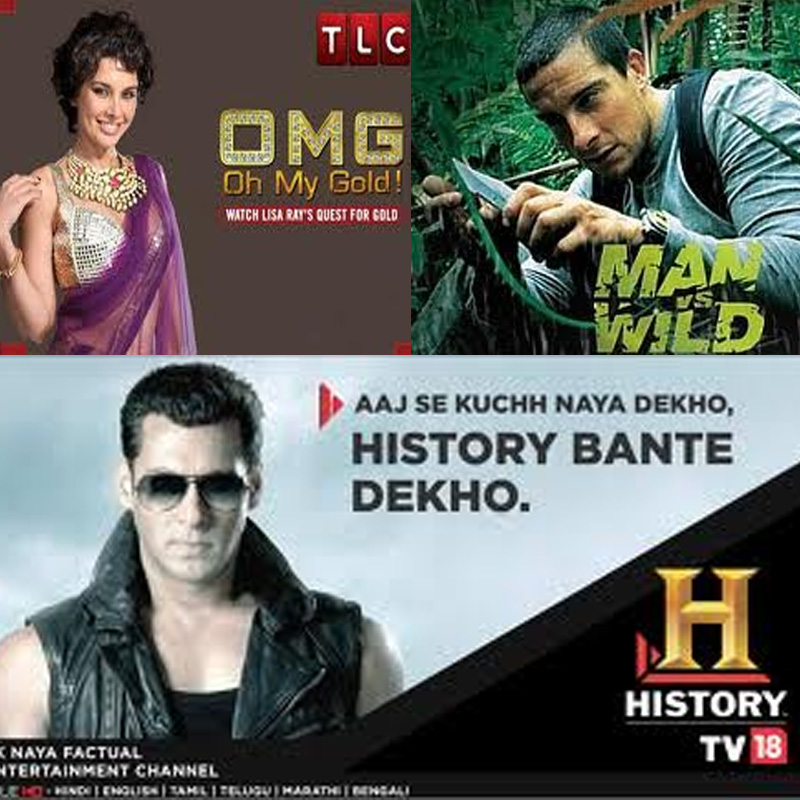
    Discovery upped the ante launching over 100 series across its seven channels with the aim to offer Indian audiences multiple new hosts and entertaining formats. “We brought brand defining programmes like ‘Curiosity’ on Discovery Channel, ‘Oh My Gold’ on TLC and ‘Taking on Tyson’ on Animal Planet. We introduced a number of interesting new formats and engaging hosts,” said Johri.

    The result was telling. While feeling the heat from competition, Discovery maintained its lead among the infotainment channels. According to Tam data (C&S 15+, All India), it had a share of 53 per cent in 2011, though it fell to 49 per cent in the second half of the year from 57 per cent in the first half. In 2010, Discovery had a share of 57 per cent.

    Arch-rival NGC is behind with a share of 25 per cent, slightly up from 23 per cent in the earlier year, while Animal Planet’s share has gone down from 18 per cent to 15 per cent. New entrant History TV18 has an average share of 9.9 per cent ever since it launched in October 2011.

    Discovery has a monopoly on the top 10 shows, both in 2011 and in 2010. Episodes of ‘Man Vs Wild’ were the top shows in both years. Other shows that rated include ‘Destroyed In Seconds’ and the special ‘Death of Bin Laden’.

    National Geographic Channel went through a global rebranding. Said National Geographic Network, Fox International Channels India MD Keertan Adyanthaya, “2011 has been a very important year for National Geographic Channel. We have completely changed the way we look and are perceived by our audience. The ‘This is who we are’ campaign, launched in December, showcased the range of experiences, passion and adventure that lies within the channel. NGC has always been dynamic, experimentative and larger than life and this campaign helped articulate this appropriately; it gave us a sharp spike in viewership.”

    Maintaining the genre share remains a huge task in the wake of increased competition. Said Adyanthaya, “ Our mix of diverse series, a new theme every month and having best-rated shows will ensure that our viewer base remains unshaken.”

    The preference is to have daily striped programming. Said Adyanthaya, “If viewers like a show, then they are more comfortable if that series is made available to them as a daily stripe rather than being showcased once a week. As a result, we have striped the popular promotable series on our grid, and we’re seeing daily sampling for these shows recording higher numbers than previously when they were available just once a week.”

    The Regional Language Push: 2011 was a year when players in this genre tried to boost viewership by launching regional-language feeds. Discovery, for instance, increased the reach of the channels on both digital and analogue platforms, launching the Bangla and Telugu language feeds and expanding lifestyle channel TLC’s Hindi feed. “Supplementing our regional strategy, we launched a dedicated 24-hour regional channel – Discovery Channel Tamil catering to Tamil speaking viewers,” averred Johri.

    NGC launched channel feeds in Tamil, Telugu and Bengali. “We feel that our content is universal in its appeal and, hence, language should not be a barrier to viewership. We have seen very strong results with these feeds. The introduction of regional feeds has seen the channel penetration and reach numbers improve significantly in these states,” said Adyanthaya.

    New entrant History TV18, launched last year as a JV between AETN and TV18, has taken the lead in regional languages by being present in as many as seven languages. “We launched with six languages and we have just added Gujarati to our portfolio. Going regional does two things – it helps us to penetrate geographies and SECs, thus helping us aggregate audiences; it will also help us monetise the GRPs.”

    Incidentally, Fox History and Entertainment had exited the space last year and became a lifestyle channel, thus making it easier for a new player to come in. History TV18 aims to change people‘s perception of history by making it contemporary; it also shows action and adventure.

    A+E Networks TV18 JV GM marketing Sangeetha Aiyer believes the Indian market is ripe for alternative formats. “That is one of the reasons for the Network18 group to foray into the factual entertainment space. Factual entertainment as a genre competes with general entertainment or fiction-based entertainment and unscripted formats in evolved markets like the US. It is also emerging as the new preferred choice across other markets in Europe and South east Asia. We believe that the trend will continue and the genre has the potential to become a relatively mainstream option for entertainment in India as well.”

    History hopes to break-even in three years and has invested close to Rs 150 million in 2011. “Going forward, we will be looking at creating innovative clutter-breaking marketing concepts, along with exploiting synergies within the network,“ said Aiyer.

    The Lifestyle Genre: Activity intensified in the lifestyle space as well. Fox History and Entertainment rebranded as Fox Traveller, learning from the experience that travel shows were performing well.

    “2011 was about rediscovery and revamping. Since the travel shows were doing well for us, we started a dedicated Traveller band in January 2011; the shows were well received by our viewers as the band witnessed a significant increase in ratings. In May 2011, Fox History and Traveller was reborn with increased focus on travel-based programming and local productions. The channel was renamed Fox Traveller in October 2011,” said Adyanthaya.

    According to Tam data (C&S4+ All India), TLC leads with a 35 per cent share in 2011. Fox Traveller enjoys a share of 28.7 per cent share while NDTV Good Times has 28.7 per cent. Travel XP follows with a share of 7.6 per cent. The top shows for 2011 are well distributed among the players.

    Lifestyle is an evolving genre. Said Johri, “TLC brought lifestyle programming in India, offering a wide variety of series in the travel and cuisine genre. It later added new genres like makeover, grooming, health, fashion and home. It further created new trends in India by its brand defining programmes on subjects like tattoo and yoga.”

    TL went a step further last year by adding another layer with programming under the jewellery and high-life genre. Most noted amongst them was ‘Oh My Gold!’ with model and actress Lisa Ray.

    “The channel’s success in lifestyle is due to its ability to identify the global and India trends and present entertaining programmes,” said Johri.

  • 2011: Getting ready for the next growth phase:  Discovery Networks Asia-Pacific SVP and  general manager (South Asia) Rahul Johri

    2011: Getting ready for the next growth phase: Discovery Networks Asia-Pacific SVP and general manager (South Asia) Rahul Johri

    2011 was a year of dynamic transformation for the industry. It will be remembered as a landmark year with the most noteworthy announcement being the government‘s new Digitisation Policy. The other major development which stands out was the sizeable M&A activity in the sector.

    The competitive landscape intensified with every major broadcaster expressing their interest in India with strong actions. New channel launches increased fragmentation. To keep the viewers engaged, companies invested on the brands and launched multiple high-cost productions. Offering a new experience, the HD channels gained attraction. And, of course, there was increased pressure on the limited distribution bandwidth.

    During the year, one of the most evident trends we witnessed in favour of the lifestyle and factual entertainment genre was the increased preference and value for differentiated, high-quality and entertaining content amongst all stakeholders.

    For Discovery India, it was a momentous year. We consolidated our leadership as India‘s No. 1 non-fiction media company by making consistent investments in content, distribution and promotion.

    During this exciting period, we expanded our business on all counts: new channels, new language feeds, path breaking India productions, quality global programmes like Curiosity, increased availability to over 173 million households, robust ad sales growth, all round innovations and high-decibel marketing and communications.

    Discovery‘s guiding principle, “Right Place, Right Time” was in action in all our strategic launches in the year – be it the introduction of our first regional channel Discovery Channel Tamil or the 24-hour Bangla and Telugu language feeds or the innovative local productions like Oh My Gold with Lisa Ray. During the last year, we also showcased our preparedness for the emerging new media landscape.

    India is witnessing a strident demand, amongst all stakeholders, for refreshing and distinct television entertainment. Discovery Channel has risen to the challenge and is today ranked in top 10 channels in India amongst more than 600 plus channels, measured on cumulative annual reach. A nationwide distribution encompassing more than 200,000 villages and a notable presence in the basic packs of the DTH companies are prime indicators of changing India and its strong preference for quality and differentiated entertainment.

    Comprehending the emerging trends, along with the ability to produce matching products and solutions, has been the foundation on which Discovery has created its robust business in India. I am confident that Discovery will continue to be both a beneficiary and catalyst of this fantastic change.

    2012 will be a year of new opportunities. However, it will also present unique challenges. The environment will be extremely vibrant with action on all levels – policy, industry, regional and genre. The year, amongst other things, will test the brands‘ strength and viewer loyalty. One can also expect an increase in spends by channels on both content creation and promotion. The viewer will get an even wider choice of networks, programmes and distribution platforms.

  • 2011: The defining year for the music genre

    2011: The defining year for the music genre

    Year 2011 was special for the youth and music channels in more than one way. For starters, the genre grew with the advent of focused new players, and also came of age as channels clearly selected the model they want to follow.

    If 2010 was the year of uncertainty for the genre, 2011 was the Buddha moment, when the players found the light, the path and, most importantly, the business model.

    So far the category was suffering with the biggest limitation – no scope for differentiation as every channel had access to the same pool of music. But 2010 end was a watershed moment, after which viewers started witnessing an urge amongst the players to be, for the lack of a better word, different.

    Finally, in 2011, the two clear categories emerged within the genre – one was pure play music and other was youth centric channels.

    The clear distinction or segregation happened with the launch of pure play music channels like Mix and MTunes. This channel brigade was led-by 9XM with other players including B4U Music, Music India and, up to some extent, Mastiii. Meanwhile, the youth genre found stability on the tri-pad of MTV, Channel [V] and UTV Bindass.

    Though executives of all of these channels differ on their content strategies and business models, they all agree that this genre is extremely competitive and in order to reach their target audience, they need to be far more than a mere TV channel.

    The biggest challenge is that the genre is highly fragmented and is marred with low viewership. As it is, music is no longer the mainstay of music channels. So experimentation by the youth channels continued in 2011. While Channel [V] found solace in fiction properties, MTV went for a mix of reality along with non-film music. UTV Bindass targeted youth from campuses and also focused on relationships.

    Similarly, among the pure play channels, while 9XM continued serving latest Bollywood music with the animated characters, Mastiii had comedy gags to retain audiences. Mix, the four-month-old channel, opted for mood mapping and is working on improving its distribution.

    The genre now has 19 players and they are fighting for an ad pie between Rs 3.5-4 billion yearly and a share of 200-240 GRPs (gross rating points)on a per week basis. Thankfully, the music space has undergone transformation and today they have some differentiated content and not the same generic content – be it music or reality shows.

    UTV Bindass business head Keith Alphonso says, “Finally, after 14 years, the genre has matured in 2011. We have taken the positioning of a youth channel and it is a three-horse race – MTV, UTV Bindass and Channel [V]. Though every channel is creating its niche, we have decided that we want to own the three verticals which are close to heart of the youth – campus, relations and music. For us, it is important to emerge as a brand.”

    But the question remains: How will the music and youth channels survive with such competition? Answers MTV India EVP and business head Aditya Swamy, “Unlike general entertainment channels, youth genre is not sold on GRPs. In any case, the difference between the top and the eighth player will be less than 10 GRPs. Advertisers and clients look at what more we are putting on the table; its always GRP++. And so, we give them much beyond TV. We give social media, digital etc as we are engaging our consumers on multiple platforms.”

    Agrees Channel [V] EVP and GM Prem Kamath, “First I think calling this genre niche is a big oxymoron. Youth constitutes 60 per cent of total population. Everyone is targeting them, so definitely its not niche. But, having said that, the problem with the genre is that with only music, there is a certain level you can grow. Best chances are you can get up to 30-35 GRPs. Yes, you can make some money if you are on top, but there is no growth.”

    About Channel [V]‘s decision of entering into fiction, he says, “Our offerings are customised for the youth. The two fiction properties are top rated shows and in certain markets, they rate even higher than shows on the GECs.”

    Among the three youth channels, Channel [V] plays least amount of music. It has only two bands — 8-11 am and 4-6 pm – reserved for music.

    Kamath explains, “Today the maximum consumption of music is happening over the phone or music players. Secondly, it is same everywhere and exclusive music is not working as it is not monetiseable. Plus we do
    not want just a visual radio.”

    Interestingly, the genre suffers from a very low time spent of around 25 minutes per week. Even FM radio stations become a competition for the channels, given the passive listening that is happening with pure music channels.

    “The biggest challenge is to increase the time spent on the channel. The average time spent on our channel is 28-30 minutes per week, but that needs to grow. Secondly, the whole genre is struggling to get the due respect from viewers as well as advertisers,” Max EVP and business head Neeraj Vyas says.

    Vyas adds that in order to increase the stickiness and to get appointment viewing, the channel will have more format shows, and Mix will be a platform for the singers and other musicians.

  • 2011: Pure music, regional key trends 9X Media head – New Business Punit Pandey

    2011: Pure music, regional key trends 9X Media head – New Business Punit Pandey

    If a picture is worth a thousand words, music is worth millions and the year 2011 helped the industry to generate multi-millions. Year 2011 can be called the year of growth for the music channels. And it is Bollywood that provided some of the most popular numbers to the music television industry in India, which has 49 channels in the genre and is way ahead of other media markets across the world.

    The Hindi music category operates at approximately 245 GRPs and Rs 3.92 billion. From year 2010 there were two distinct categories of music channels seen in the country, the ones that focused more on non music content than music and the ones that focused on pure play music content like 9XM. These Pure Music channels contribute 48 per cent of Hindi music GRPs and 36 per cent of revenue for the genre.

    One of the main reasons for the growth of this genre was the advent of so many new players in this space. With just 10 music channels in 2010, today we have at least 14 channels concentrating on the music genre. The music genre share in the year 2011 increased from 2.5 per cent to 4.2 per cent. This increase of the absolute channel shares can be attributed to trends which were seen prominently in the year 2011.

    The music genre has traditionally been highly fragmented and characterised by low viewership. To hold viewer interest and differentiate themselves, channels keep innovating their programming and content. Continuing from last year, music is no longer the mainstay of music channels. The year 2011 saw these channels experimenting with content and positioning appeal to the audiences. These experimentations included large format reality based shows being launched on channels to expand their viewer base.

    However, the format that has stood the test of time and gets the viewers hooked on was sticking to simple and pure music content. Hence 2011 saw channels returning back to the roots and concentrating on playing pure music as they realised that viewers tune in to music channels for music and not for reality shows which they can watch on GECs.

    Another major trend seen in the year 2011 was the growing importance of the regional markets – Regionalisation of media. Regional channel revenues across all genres are growing at 26 per cent (YOY across Year 2006 – 2010). The revenues recorded for year 2010 was Rs 42 billion across all genres.

    Taking cognizance of the potential of these regional markets, 2011 saw launches specifically made for these regions. We at 9X Media Group forayed into this space with the launch of our very first regional music channel 9X Tashan – a Punjabi music channel that rules the charts and has been the No.1 channel in the space since the very first week of its launch. We also launched 9X Jhakaas – India‘s very first Marathi music channel in 2011.

    The advent of social media and digitalisation has also extended the reach of the channels. Digital platforms and social media have changed the way media is consumed and 2011 saw channels increasingly experimenting with various online strategies and use of social media tools to connect and interact with their target audiences. The content provided on the channel is developed keeping the online viewers in mind and this has been tremendously appreciated by viewers and online users. Today Bollywood music premieres simultaneously on YouTube and On air – that‘s how important this platform is today.

    2011 saw the advent of Mobile TV – the on the move television and with the technological developments like 3G, these platforms have created the larger reach for the music channels and helped the viewers consume content on the move. 9XM is the first music television channel to have a live streaming facility of its on-air content on the official website – www.9xm.in. In fact, we have also extended the live streaming facility across our regional channels – 9X Tashan and 9X Jhakaas.

    Given the interactive ability of the medium to provide direct access to consumers going forward, we see media companies and advertisers leverage this platform to understand consumer behaviour and influence their choices. Content consumption will no longer be restricted to television sets and 2012 will witness a substantial increase in the consumption of music via You Tube and other online sites and via Mobile TV.

    Content development for the regional audiences and focus on innovation of content is another trend that will be seen gaining importance in the upcoming year.

  • Digital businesses should focus on profitability


    MUMBAI: For all the hype surrounding new media, few companies have figured out how to profit from their initial forays into the arena. From running a social media website to publishing a traditional print newspaper online, every company needs to turn the corner from investing in digital businesses to profiting from them. Companies can monetise their offerings through advertising and subscription-based models.


    The realisation has sunk in that while content and distribution are important aspects of the digital business model, companies can provide value in many ways – by providing context, coverage or convenience to the target audience.


    The Ficci KPMG report notes that in the second digital decade, the proliferation of devices created new channels of communication for personalized and localised.
      
    On the other hand in the first digital decade, “content is king” was believed to be the key to success. As telecom operators and cable companies aggressively entered the digital value chain, the debate shifted to whether controlling distribution channels mattered more than owning content.


    In the next five years, more Internet users are expected to connect to the Internet via mobile devices than desktop PCs. Consumers in Bric countries have leapfrogged to newer devices like tablets, as compared to consumers in more mature markets.


    In July 2010, news of India developing the world‘s cheapest tablet hit headlines. Initially, expected to cost $35, the device is another way to provide cheap computing power to the masses.


    The entry of affordable tablets for the price sensitive Indian consumer in time for the launch of 3G services is expected to boost growth in this segment. Tablets are expected to attract consumers looking to replace secondary PCs. 10 per cent of 16 Indians plan to purchase a tablet PC in 2011. In India, some forecasts suggest that there will be 1 million tablet devices in the 17 market by 2011.


    Faster broadband speeds and high user demand in India will drive content to be presented and consumed in different ways such as social media, videos and streaming of music and movies. For instance, last year, YouTube streamed live telecasts of IPL matches on its website – the first time the company showed a 18 major sporting event live .


    The IPL channel received viewers from over 200 countries and territories, and grew from 2 million channel views on the first day of the IPL to 54 million at the end of the season. IPL was the number one YouTube sports channel and the number one channel on YouTube India.


    The ad market: The advertising ecosystem has undergone a dramatic shift. The historical boundaries of traditional print and broadcast advertising disappear in the online medium. Digitisation has not only opened up new ways of reaching out to target audiences but can also effectively measure this outreach. The traditional advertising concept of right advertisement, right time and right place is enhanced with the ability to target the right consumer online through rigorous data analytics, measurement and tracking.


    While new media has created new opportunities, it also requires a shift in thinking – moving from advertising based marketing towards building a dialogue with customers. Harnessing this potential of interactivity and measurability is key to the success of digital advertising campaigns.


    The Indian online advertising market was estimated to be Rs 10 billion in 2010. Of the total online advertising market, paid searches constitute approximately 50 per cent. Sponsored advertisements in search engines (paid searches) are the most cost effective and results driven form for the advertiser, with the highest click-to-seen conversion ratios, whereas, viral marketing ads result in far fewer click conversions. Sponsored ads are more successful as users clicking on these ads are more likely to have an intention to buy the advertised product. Ironically, search is the ultimate form of behavioral targeting because people target themselves. Consequently, paid search is an effective way for small and medium sized enterprises to accomplish their marketing objectives.


    Online display advertising: Online display advertising is a sizeable portion of the overall online advertisement market in India. Online display advertising consists of banner ads, sponsorship links, rich media and digital video. Social media advertising also has a huge potential for growth.


    Successful social media strategies should effectively monitor trends, research new product ideas via social networks, have an online user group for customers, and collect and track customer reviews on their website.


    Categories using online: The biggest online ad spenders are the travel, BFSI, auto and telecom sectors. The FMCG sector, a large advertiser on traditional media platforms, is only now increasing spending on 23 online advertising.
     
    With low Internet penetration and poor understanding of the return on investment of online advertisements, there is an initial reluctance by companies and advertisement agencies to spend heavily on the online medium. However, not only can online advertising be used to publish advertising content quickly, but the content can also be customized by viewer location. Consequently, online advertising in India is expected to grow significantly.


    Mobile advertising: The Indian mobile advertising market is estimated to be Rs 0.4 30 billion in 2010.


    India is the second largest mobile Internet market in the world and now the single largest mobile ad impression market in the Asia Pacific Region.


    The Indian mobile advertising market has grown rapidly over the past year. This is primarily due to the increased penetration and also acceptability of mobile phones in India, which makes mobile phones an attractive medium for targeted and interactive ad campaigns.


    However one of the challenges is technology. In the US, the iPhone and Android are the predominant mobile operating systems with Nokia‘s symbian and Windows mobile also having prominent shares.


    Consequently, advertisers are able to develop highly focused ad campaigns targeting users of these platforms. In India, multiple OEMs and the proliferation of cheap devices used by a large segment of the population, make it difficult to reach consumers using the kind of rich media capabilities available on smartphones. Currently, only 4-5 per cent 33 of mobile phones in India are categoried as smart phones .


    3G is yet to take off: Although telecom operators in India have launched 3G services, the number of 3G-ready devices in India is still a small fraction of the total number mobile phones. With the time required to upgrade these devices to make them 3G compatible, extensive 3G usage may not happen immediately. Data plan pricing will also determine how broad 3G adoption will really be. Therefore, players should be cautiously optimistic of the growth potential of 3G in the near future.


    New media companies face challenges with concept selling of the ad-funded model to advertisers who are used to traditional ways of advertising. Even as larger companies are seriously developing broader multi-channel advertising strategies, mobile Internet advertising remains an afterthought. This is primarily due to the low levels of understanding of the wide variety of options available in mobile and Internet marketing, ranging from SMS based advertising to Bluetooth advertising.
     

  • For scale, industry needs to evole subscription models: Ronnie Screwvala


    MUMBAI: The Indian media and entertainment industry is dangerously tilted towards advertising revenues across segments and for it to considerably scale up, subscription models have to mature.


    Consumers need to pay more for their entertainment if the sunshine industry is to grow at the pace it should.


    “There are no companies of scale in that sense. The biggest problem is that all the segments are heavily dependent on advertising revenues. Even in movies, the sale of theatrical rights to broadcasters is a significant revenue stream – and the channels are dependent on advertising. The industry has to evolve subscription models,” said UTV Software Communications founding chairman and CEO Ronnie Screwvala, while delivering the valedictory address at Ficci-Frames 2011.


    Consumers do not want to pay for the content that they consume. “Due to this, the industry is heavily dependent on advertising revenues. Almost 80 per cent of the revenues come from advertising and this is the problem with all the models. You have to develop other revenue streams like subscription,” Screwvala said.


    The industry is just $15 billion now and should be growing at least 20 per cent.


    “With the given scale of the media industry, we should be growing at 20 per cent or even more like the other sunshine industries,” said Screwvala.


    Emphasising on the need for scale, he said that the media and entertainment industry would attract talent only when there is scale.


    On the rampant piracy prevalent in the film industry, he noted that it is restricting the sector to a mere 7 per cent growth rate, which is “actually a de-growth if you take into account the inflation rate”.


    He said the stakeholders need to put up large sums of money upfront to fight the menace of piracy. The proliferation of piracy was primarily due to the lack of enforcement – and not lack of regulation.


    Talking about the way forward, Screwvala said the industry needs to move from an advertising-led growth model to subscription-led growth, undertake research into audience preferences, ensure enforcement of anti-piracy laws, and innovate to make it a truly creative business.


    He also said that there is need to segregate gut feel from research in trying to find out what the audience want. He urged the younger players in the media and entertainment business to regard research as a good guiding force, by which one could pre-empt what’s going to be a hit or otherwise.


    Screwvala was gung-ho about new media and said the introduction of 4G spectrum would be a “game changer”.


    “But let us not waste this opportunity. 4G should be developed as a subscription-led and not ad-supported model,” Screwvala warned.