Category: Specials

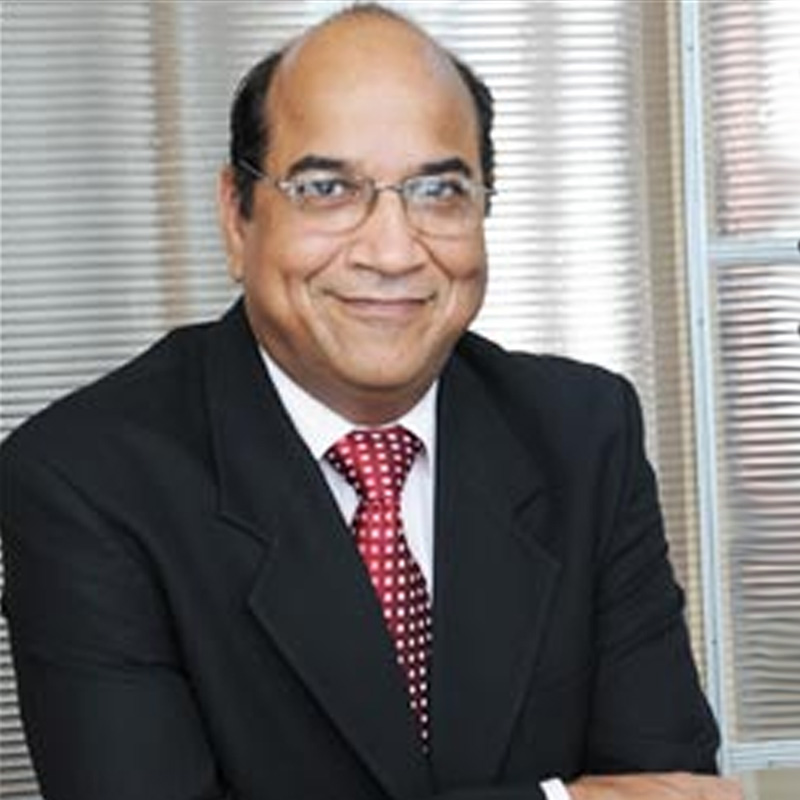
  • India heading towards oligopoly in sports broadcasting: Zeel Sports Business CEO Atul Pande

    India heading towards oligopoly in sports broadcasting: Zeel Sports Business CEO Atul Pande

    The events in 2012 could be an indicator at how the sports business will look going forward. An oligopoly, with two primary broadcasters driving the business. This is a similar model to what happens internationally, where one or two large broadcasters drive the business and share most of the content and the platform play. Sports viewing will become more expensive, innovation will drive broadcaster hooks to drive affiliation, and High Definition will start becoming a real player in the business. By definition, therefore, being marginal will not remain an option. And yes, some definitive steps will be made towards profitability.

    This was a very LIVE heavy year. Almost 50 days of live India cricket, and more than 200 days of international cricket from other boards. Fully loaded IPL with nine teams, all the key European football leagues broadcasting most of their wares, new Indian leagues coming up with live products ensured that the sports enthusiast has enough to watch throughout the year.

    Sports penetration increased to 22 million households. The genre share continues to hover around 6 per cent. Most of this is now split between two broadcasters and they are must have bouquets to have for any platform worth its value in a very scattered broadcasting market.

    Internet continued to emerge as a credible platform. With more than three million tablets in India and 15 million broadband users, and growing at a substantial rate, it will become a platform of choice for some users eventually, and it continues to be a space to watch out for. Ten Golf launched an iPad and iOS application for live streaming and the response has been very encouraging. We will see much action on the Streaming side of the business in this area, and pricing scenarios will begin to evolve this year as the user base settles down.

    Indian cricket changed hands once again on record payouts. Cricket viewership growth remained tepid across the board. Football continued its spectacular growth by increasing its reach to 11 million households and in the metro markets it is a credible and a driver product. While the other sports remained marginal, they continue to demonstrate growth and build affiliation. Football content prices are now starting to demonstrate the cricketsque growth rates of the 90s and will put the revenue model of the product under pressure going forward.

    Much touted digitisation has commenced, and could be a game changer for the industry. As I write this, there is confusion on the ground but the landscape is quite positive. Clearly, sports will become a part of high value packs of the operators and full pricing delivery will kick in for discerning customers. To that extent, delivered penetration at the platform level will improve for all players, driving significantly enhanced revenues at the erstwhile analogue customer and the platform levels. This revenue action has been demonstrated at the DTH operators for the last couple of years, and the same should translate at the analogue level now. The key issue I see is the timing of the new industry structure, which may set back the real delivery by a few months as the packaging, MSOs and their LCO brethren settle down in the new regime.

    The other issue that will become transparent and lead to debate is the whole pricing paradigm around niche, and especially sports channels. My hypothesis is that some of the current channels at their current pricing will find it difficult to sustain their operations and the regulator will have to look favorably at pricing changes for key sports channels. There is a market for highly niche, high value channels that needs to be developed. High value and pay per view solutions will have to be considered and approved to help these products retain their quality and their business models. This is an imperative, which cannot be postponed anymore, and the niche and sports operators will have to espouse these causes with the decision makers.

    As we move to a new stage in the sports broadcasting arena, I also see a new dawn in the rural sporting landscape. This is one area where, because of the way sports channels have evolved and have become largely urban, up market products, there has been lack of focus, and initiative. I forecast 2013 as the year when we will see the birth of some rural leagues in India. I see Kabaddi and Kushti (Wrestling) as products, which will garner immediate traction and will be able to generate sponsor support too. The interesting thing to notice would be placement of these products – how do the sports channels with their urban mindset deliver these products to their eventual viewers and build credibility in this segment. So watch this space for some interesting action.

    As the sports broadcasting has moved to the next stage in India, the last few years have been extremely trying financially for the business. The financial model which has evolved mandates that 70 – 80 per cent revenue of the business comes out of the subscription vertical, and most of the acquisition strategy is built around that. The industry has been suffering because the cable analogue side of the business has not supported it as much as it should, and I hope in 2013 all of us collectively are able to drive that part of the business for consumer and enterprise value.

    We deserve it, to support our viewers, our investors and other stakeholders to achieve their ambitions. And above all, to help support local Indian sport and sportsmen, who deserve continued backing from the key stakeholder – the broadcaster – who helps monetise the industry. Make us healthy folks, and watch us give back to them to drive Indian sport to the glory it deserves!

    Have a terrific 2013.

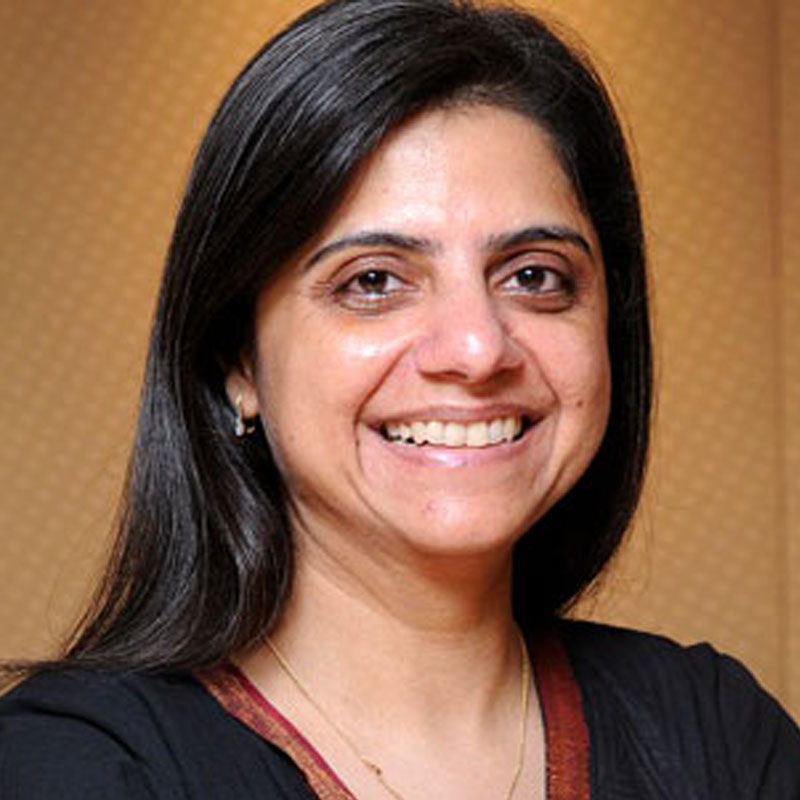
  • 2012 : A year of agency consolidation : Anita Nayyar, CEO, Havas Media India and South Asia

    2012 : A year of agency consolidation : Anita Nayyar, CEO, Havas Media India and South Asia

    India because it is English speaking, in addition to all the other factors, has every global brand, executive and company vying for a place in the sun. Exchange rates and need of funds coupled with the revered Silicon Valley philosophy of getting bought has made buying of media assets, namely smaller agencies, very lucrative. They called it ‘Consolidation’ and this phenomenon was big in 2012.

    Consolidation seems to be the name of the game with agencies today and has caused a lot of excitement with the media too. It signifies growth, scale, of having arrived, of expansion – resources, fresh finance, services, markets, leverage and professional management, for the partners. Sure, it includes all of it and monopolistic rates for the biggies.

    With a sluggish global economy, emerging markets are havens for international companies, advertising having dried in their primary markets. This environment has been great for a bear run to pick up preferred stocks — digital is A list — at the best price to scale up the portfolio and create volume. Economies of scale drive this from all sides – agency, client, target audience, brand and along with the online ad world being truly flat, it makes perfect business value for groups with deep pockets or who wish to be right at the top.

    Customers want it too, more so planning and buying over creative as did Marriott International. With global presence it needs a global agency from the ‘best’ aspect of brand understanding and inventory.

    These are the Pros and they are far more. It builds market share, creates brand opportunities, allows buying options and deals, has finance and human resource, markets and clients can be leveraged, knowledge and systems are at the core and so on.

    However the Cons part is not without its challenges – internal and external.

    Internal Challenge

    The acquisition culture shock has far reaching effects on work output, people morale and also unknowingly to their client . The essential attractive part that defines them comes from their environment. Chances are this could get lost with the change of culture.

    •  Independent or smaller agencies are more nimble having fewer or no bureaucratic networks of process, reporting and structure.
    •  Competitive and enterprising they go to the client with a ‘less is more‘ approach; redefine the brief and some come up with radical solutions.
    •  For their survival they are democratic and encourage creativity from across the board.
    •  Opposition to mandated thoughts is not career suicide.
    •  There is more focus on ideas over targets, while targets never lose sight
    •  There is more interaction and integration with the boss and across teams.
    •   Even smaller clients get the attention of the boss.

    The adjustment factor takes place from both parent and network, working fruitfully only when financial and human value is accrued.

    External Challenge

    The other aspect is monopoly and stifling of competition.

    Also talent moves to the highest bidder. They cut their teeth and shift; which can lead to boxed horizons right in formative years, as agencies get more specialised and the ‘gurus’ do not really interact with them.

    As business increasingly goes to the behemoths that command better rates, use their network and media relations; small and medium sized agencies are restrained from delivering their best work. In the long term this does not auger well for client or industry and certainly not for the agencies who put their best foot forward.

    2012 in many ways was a landmark year of endurance for media in India, in yet another dismal twelve months of depressed global and local economy.

    Traditionally, when markets do not perform the first thing that gets cut is secondary expenditure, marketing and adverting first. The overall growth from 2011 was about 8 per cent; even the festive seasons did not see the spurt of good times as also the duration of activity which was more curtailed.

    To note is that from this 8 per cent not more than about 2 per cent would be new advertisers or channels, attributed towards new brands or media vehicles. The major share is rate increase in cost of purchase.

    “It is not the strongest of species that survive, nor the most intelligent, but the one most responsive to change.” – Charles Darwin

    2012 taught agencies yet again to be more responsive to change:

    Resourcefulness

    Advertisers with their experience of recessionary years have learnt to deliver more with less. But 2012 brought to the fore that this might be here to stay for a longer time and have learnt to work around the client within their budgets and deliver.

    New Media and Clients

    Digital and mobile are now an essential part of a clients marketing plan. They ask for it directly or need to be led towards it. Most have already been approached by at least 2-3 agencies or are already being serviced. They know they want to be up there but many are either not savvy enough or not sure exactly what should be done. Agencies, who force too detailed a brief and asking the client what exactly they want, stand to lose the business to a smaller incumbent.

    Performance, frequency capping and changing of creative’s, altering the ad in real time; alternate ad formats using content and sponsorship have gained prevalence for clients especially those focused on digital; and all are learning fast.

    Working without TAM

    For the first time since its inception almost a decade ago, TAM stopped, chaos was anticipated but clients trusted their agencies and agencies did their job. Advertising continued, inventories were bought, plans were auctioned and the results after the data was released justified that TAM was a report card for good performance not the sole reference point of disbursement of client investment. The “GUT” did return.

    Digitisation

     Finally, the much awaited digitisation set in and 2012 will be a milestone year for TV in India. While it is not complete it moved at a faster pace than people actually expected. Viewers have been sensitised to ‘pay’. It will open alternate revenue streams, create new and differentiated content as also patterns of viewing and grow the platform.

    Integration & Specialisation

    Integrated & Innovative solutions are the flavour of the season. Agencies are positioning themselves as integration specialists along with dedicated teams for clients to become their extended marketing arm in the true sense. Different communication touch points impacting the different stages of the purchase funnel are being looked at as key differentiators.

    Agency Marketing

    More agencies are coming to the fore and marketing themselves, availing the opportunity the industry media and marketing associations afford them. They are more present, more vocal with a shifting mindset from even the more restrained ones.

    2013 is not going to change the economic or advertising scenario. We should see an overall growth of about 9 per cent but when you break it, it shows how lean advertising break-even is and the positives and negatives of economies of scale.

    However, these are realities the industry must contend with. Given its past record, agencies large and small will deliver some great work and value to most of their clients.

    Though what will not change are the growth targets both for top-line and bottom-line.

    Lets wish for happier times going forward. As they say there is no harm in wishing for the best!!

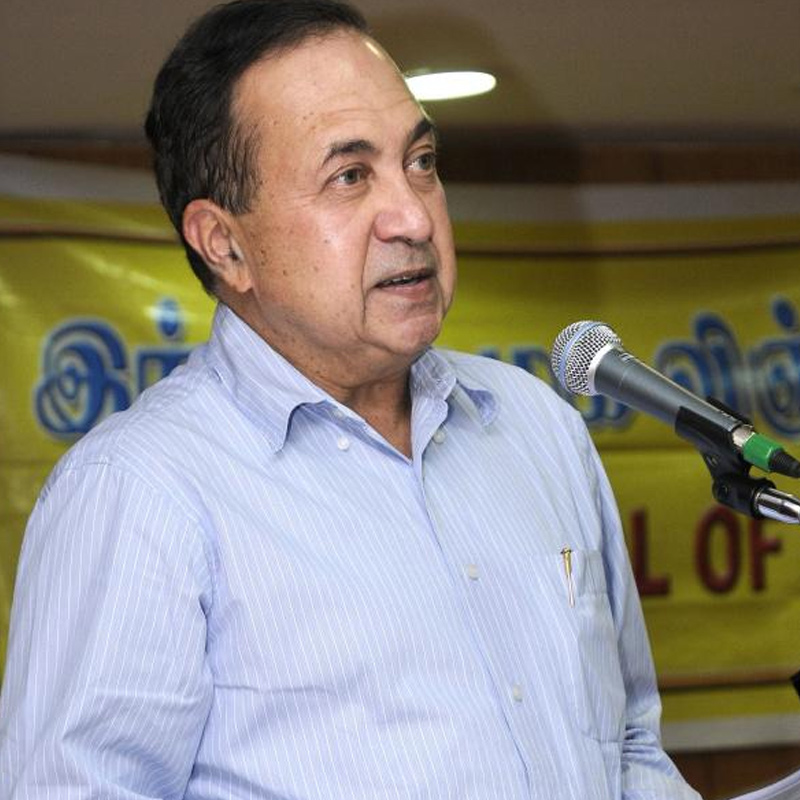
  • 2012: Industry unites to avert deadlocks : Arvind Sharma, Chairman of Leo Burnett India Sub-Continent

    2012: Industry unites to avert deadlocks : Arvind Sharma, Chairman of Leo Burnett India Sub-Continent

    As the ancient Chinese proverb goes – May you live in interesting times! 2012 was certainly an interesting year. Worsening economic conditions caused India‘s GDP growth rate to fall dramatically and its credit rating to be downgraded (much has been written about its causes and remedies). The telecom industry survived the impact of an unprecedented cancellation of 122 licenses. Clients approached life with what is euphemistically called ‘cautious optimism‘. In the middle of all this action, there were a number of good campaigns and a number of unorthodox marketing initiatives – Goafest is round the corner and we‘ll celebrate these soon. These included an unlikely one by Arvind Kejriwal. I was amused that his party‘s name came out of a slogan I had written for the 2004 Congress election campaign, ‘Aam Aadmi ko kya Mila?‘

    Each one of these topics is worthy of a piece in itself. However, in this piece I am writing about a new perspective. A perspective derived from a very unique situation that my industry colleagues put me in. I was requested to perform three industry level roles – each one of them probably a whole job in itself. The roles were that of the President of Advertising Agencies Association of India (AAAI), Chairman of Advertising Standards Council of India (ASCI) and a member of Readership Studies Council of India (RSCI).

    For the last several years, the broad view that industry bodies have been taking was that they represent special interest groups and they must confront associations and institutions which represent other groups. This philosophy has merits – it is fair and legitimate that all sections of the industry aggressively push their viewpoints and interests. However, demerits of this approach should be equally obvious. If every association is locked into an inflexible position of self interest, you only have deadlocks and ‘cliffs‘. 2012 was a year where my colleagues across associations, took a U-turn on this mindset. We were able to resolve a number of deadlocks that had dogged the industry for years.

    Audit Bureau of Circulation (ABC), promoters of erstwhile National Readership Survey (NRS), and Media Research Users Council (MRUC), owners of Indian Readership Survey (IRS), not only came together but actually agreed on all the improvements that were required in readership studies. They agreed on major methodological issues. They even agreed on choice of a new research agency to conduct the new IRS.

    On the TV measurement front, Indian Broadcasting Foundation (IBF), Indian Society of Advertisers (ISA) and AAAI actually signed an agreement to create the Broadcast Audience Research Council (BARC). And surprise surprise! Everyone agreed on the choice of the technical committee chairman! Hopefully, BARC will now move forward and deliver us a new TV audience measurement system in around a year.

    A few years ago, an attempt to introduce digitisation under the name of Conditional Access System (CAS) in metros failed miserably. One of the reported reasons for the failure was that under CAS, measurement data is bound to be unstable for some weeks which resulted in unexpected winners. The winners tried to make the most of their weekly bonanzas and the losers retaliated by withdrawing support for CAS. AAAI, IBF and ISA, looking at the big picture, agreed to suspend release of audience measurement data for a few weeks. Of course, the then Minister of Information and Broadcasting, Mrs. Ambika Soni‘s role in making digitisation possible has been recognised across the country. However, the role that the three associations collectively played to ensure successful implementation of this law has been critical.

    On regulation of advertising content, similar positive and collaborative dialogues are under way between ASCI and various other institutions.

    Various institutions and industry associations do represent interests of various segments of the society and business. However, in 2012, the wisdom that segments cannot improve their lots unless the whole improves, is the wisdom that prevailed. I fervently hope that this will continue to be the industry‘s mindset as we move forward to address many issues that the society at large and the industry face moving ahead.

    With some definite signals and many forecasts optimistic of a better year ahead, I eagerly look forward to 2013. I believe that it will not just be an interesting year but a year of growth and progress for all of us. Wishing everyone a happy 2013!


  • Recapping 2012

    Recapping 2012

    The year 2012 was an action-packed one for the television broadcasting industry. India began its historic journey with digitisation and the first phase kicked off in November. NDTV filed a landmark case in New York against TAM Media Research and its holding companies Nielsen, Kantar Media and Cavendish Square Holding BV. Broadcasters united to put pressure for creation of a new Broadcasters Audience Research Council (Barc).

    The year also witnessed a slew of deals and marked the entry of two big industrial houses into television broadcasting — Reliance Industries Ltd (RIL) by helping Raghav Bahl‘s Network18 group to snap up ETV and the Aditya Birla Group by acquiring a 27.5 per cent stake in Aroon Purie‘s Living Media, which runs TV Today Network.

    Sahara made an entry into cable TV distribution and acquired Digicable. Network18 Group formed a distribution company, IndiaCast, which will also house the syndication business and exploit content across all media platforms.

    It was the year in which Zee Network completed 20 years, after having pioneered private television broadcasting in India. The year saw a Hindi general entertainment channel Imagine, which was acquired by Turner from NDTV, being zapped, when it slipped below the second-rung Hindi general entertainment channels (GECs).

    The sports genre saw the exit of The Walt Disney Company with News Corp acquiring its 50 per cent interest in their joint venture ESPN Star Sports for $335 million. Sony, which has the rights for the Indian Premier League, launched its first sports television channel. After having agreed to buy Walt Disney‘s interest in ESPN Star Sports, Star India pipped Multi Screen Media (MSM) to bag BCCI media rights till 2008 for a whopping Rs 38.51 billion.

    There was a lot of action during the year in the kids TV genre. Though BBC‘s advertisement free Cbeebies channel exited India citing prohibitive carriage fees, a few kids‘ channels got added to the bouquet. Discovery Kids, Disney Junior, ZeeQ and Nick Jr were launched during the year, which coincided with the beginning of the compulsory shift to digital delivery of television channels in the country.

    Channel launches:

    • Star launches its second Hindi movie channel Movies OK under ‘Ok‘ brand
    • Star launches Bengali movie channel Star Jalsha Movies
    • Star-owned Asianet Communications launches Asianet Movies, the first satellite movie channel in Malayalam
    • Zeel launches Bengali movie channel Zee Bangla Cinema
    • After a football and cricket dedicated channel, Zeel launches its third specialised offering Ten Golf
    • Zeel enters kids genre with ZeeQ, an edutainment channel targeted at 4-14 kids
    • Viacom18 launches its third kids channel with preschool channel Nick Jr
    • Disney launches a full-fledged pre-school offering with Disney Junior
    • Discovery enters kids segment in India with Discovery Kids
    • MSM‘s much awaited sports channel Sony Six makes a debut during IPL
    • HBO partners Eros to announce launch of two ad free channels HBO Defined and HBO Hits
    • Reliance Broadcast Network (RBNL) and European entertainment network RTL Group joint-venture launch their first channel Big RTL Thrill
    • Big CBS, the joint venture between RBNL and CBS Corp, forays into regional TV space with the launch of its fourth channel, Spark Punjabi
    • Leading Gujarati dailies Sandesh and Gujarat Samachar enter television market with the launch of their news channels, GS TV News and Sandesh TV
    • 9X Media launches its international music channel 9XO
    • Softline Creations enters TV broadcasting with Cinema TV
    • Delhi-based production house AAP Media launches Bhojpuri entertainment channel Anjan TV

    Deals:

    • Mukesh Ambani-led Reliance Industries (RIL) marks his entry into media and entertainment space by investing in Network18
    • Media & Investments and TV18 Broadcast through an Independent Media Trust
    • News Corp and The Walt Disney Company end their Asian sports JV ESPN Star Sports with the former taking complete ownership of the sports broadcasting company for $335 million
    • Aditya Birla Group acquires 27.5 per cent stake in Aroon Purie-controlled Living Media, which runs TV Today Network
    • Sahara acquires 90 per cent stake in Digicable for $52 million
    • Sony Pictures Television, the parent company of Multi Screen Media (MSM), makes its regional foray as it agrees to acquire 30 per cent stake in Maa Network
    • Ajay Bijli-promoted PVR buys out promoter stake in Cinemax for Rs 3.95 billion to become biggest multiplex operator in the country
    • Karthikeya Sharma-promoted ITV Media snaps up News X from Indi Media, a joint venture between NaiDunia promoter and CEO
    • Vinay Chhajlani and former Business World editor Jehangir S Pocha
    • After a decade long rocky relationship, the Indian shareholders of MSM exit the television company with Sony Pictures Television (SPT) acquiring 32 per cent stake in MSM for $271 million
    • The Walt Disney Company buys out Ronnie Srewvala‘s stake in UTV Group for Rs 8.05 billion
    • CA Media picks up 49 per cent stake in Endemol India
    • Cisco becomes largest video and content security solutions provider in India with its $5 billion global acquisition of NDS

    Exits:

    • News Corp exits cable business in India as it divests 17.3 per cent stake in Hathway Cable for Rs 3.58 bn
    • Walt Disney‘s ESPN exits sports broadcasting in Asia following stake sale in ESS
    • News Corp exits news business in India and is in process of selling its 26 per cent stake in Media Content and Communications
    • Services (MCCS), the company that runs Star News (ABP News), Star Majha (ABP Majha) and Star Jalsha (ABP Majha), to JV partner ABP Group
    • Turner ends its expensive date with Hindi GEC space, shutters Imagine TV citing unviability
    • ABP Group exits Bengali GEC space by shutting Sananda TV more than a year after its launch
    • NDTV ends ad sales partnership with News Corp‘s Star India; to handle ad sales on its own

    Government

    • Information and Broadcasting ministry extends the digitisation deadline for the first phase of digitisation in four metros to 31 October
    • Ahead of digitisation, government raises foreign direct investment (FDI) ceiling to 74 per cent from 49 per cent in DTH and MSO biz; FDI limit in teleports and hubs set up for uplinking of television channels also raised to 74 per cent
    • Congress spokesperson Manish Tewari takes charge as the new Information and Broadcasting minister replacing Ambika Soni
    • Arasu fails to get DAS licence for Chennai despite repeated pleas to the government
    • MIB kicks-off the second phase of digitisation covering 38 cities and towns across 14 states
    • Rahul Khullar appointed as the new chairman of the Telecom Regulatory Authority of India (Trai) for a three-year term
    • Former Supreme Court judge Justice Cyriac Joseph appointed as the new chairperson of the Telecom Disputes Settlement and Appellate Tribunal (Tdsat)

    Some other milestones:

    • Star India bids a whopping Rs 38.51 billion to bag the BCCI media rights till 2018
    • Sun TV bags Hyderabad franchise for Rs 4.25 billion, bidding higher than PVP Ventures‘ Rs 3.45 billion
    • BCCI terminates Deccan Chargers franchise agreement followed by a protracted legal battle which ends with Supreme Court finally upholding Chargers termination
    • The Indian Broadcasting Foundation (IBF), the Indian Society of Advertisers (ISA) and Advertising Agencies Association of India (AAAI) form audience research joint body Broadcast Audience Research Council (Barc)
    • New Delhi Television (NDTV) files a lawsuit against TAM and its holding companies in New York Supreme Court for manipulation of viewership data
    • Channel [V] stops airing Bollywood music from 1 July becomes a Youth GEC
    • TV18 and Viacom18 form distribution joint venture IndiaCast to distribute all channels and content of the two companies in India and abroad
    • Congress MP Naveen Jindal files FIR against Zee News for allegedly demanding Rs 1 billion in extortion to go slow on its coverage of Coal scam which leads to the arrest of Zee News and Zee Business editors Sudhir Chaudhary and Samir Ahluwalia
    • Aamir Khan makes his TV debut with Satyamev Jayate, which creates massive buzz in the social media
    • After yearlong negotiations, Sun TV strikes a distribution deal with Tamil Nadu government-owned Arasu Cable TV Corporation
    • Pepsi replaces DLF as the title sponsor of IPL, forks out Rs 3.95 billion to take the rights
    • Youth focussed channel Big CBS Spark transitions into a music channel
    • UTV bindass undergoes makeover, sheds UTV in its name and takes the positioning ‘Rest Less‘
    • MSM CEO Man Jit Singh is elected IBF president
    • History TV18 launches Urdu feed
    • Discovery Science goes regional with Hindi fee
  • Kids TV genre needs to expand amid more channel launches

    Kids TV genre needs to expand amid more channel launches

    The media and entertainment (M&E) industry comprises several powerful vehicles – many of which are much older than television. But it is television that commands a place of pride in the business pecking order. Today, television is estimated to account for almost half of the Indian M&E revenue and is projected to be over twice the size of print media by 2015.

    The kids entertainment industry although largest in viewership after general entertainment channels (GEC), saw a year like none before. The viewership pie of this genre grew by a meagre 4 per cent over 2011 but the industry saw the entrance of four channels.

    With more channels in the market, the industry waited with baited breath for the overall genre to grow. But after two launches and no growth by the third quarter of 2012, competition became more aggressive. Now, as we come to the end of the year with two more channel launches, the need to expand the genre becomes dire. It has truly been a year of more of less with more channels fighting for a small share.

    In an effort to grow the pie, an interesting move by broadcasters this year has been to target younger kids with preschool channels. In the year to come, the performance of these channels will pave the way for other competitors to consider investing in this new demographic of television audiences.

    Personifying ‘more of less’ has been the consumption habits of kids. Over the year, a prominent trend that has emerged has been that kids prefer watching more of fewer shows as opposed to watching a bouquet of shows. It is for this reason that shows like Chhota Bheem and Doraemon dominate 60-80 per cent of their respective channel schedules and have emerged as iconic characters amongst kids.

    2013 – The year of plenty

    The upcoming year brings a lot of hope for broadcasters of the kids genre. With the first phase of digitisation complete, it will be interesting to see the level of set-top box (STB) penetration thereby determining reach of all genres including kids. Digitisation will also determine the effectiveness of the current revenue model. The current advertising driven model under-values and under-prices the kids genre. With a subscription based revenue model, broadcasters will hopefully receive a fair share of the revenue pie. The need of the hour, however, is to go beyond television and explore revenue optimisation from online, mobile and licensing and merchandising as well.

    However, to keep the kids engaged in today’s world, the content needs to be even more engaging and relatable. Simplicity of storytelling and relatability of characters need to continue as focus from the content point of view.

  • Digitisation the potential game changer for kids TV

    Digitisation the potential game changer for kids TV

    The Mayans got it wrong and thankfully so!

    As we bid adieu to the Year of the Dragon, India has already added approx. 30 million children to its burgeoning population of 330 million kids. Thanks to the growing population, there has been an explosion in demand for kids’ specific products and services, not to mention their need for entertainment. Hence avenues of entertainment multiplied and kids TV not only witnessed growth but also saw new offerings.

    The children’s appetite to be entertained continued to be insatiable. Kids broadcasters rose to the occasion to fulfil this need with tailor made offerings. Animation continued to rule the roost as it is timeless and transports children to an alternate world of escapism and fantasy, which live actions shows are challenged with. The Indian animation industry came of age with locally produced content. The highlight has been the development of original and endearing characters and content like Motu Patlu, Keymon Ache etc which have made great inroads into the category.

    Comedy, Action and Value Based shows continued to be the category drivers. Bollywood went on to have a huge influence on children, which also got mirrored in the shows. Characters kept to rule the hearts of kids and were larger than the channels that carried them. Hence 3-4 shows based on these characters continued to garner the maximum GRPs.

    Kids continued to shape the buying patterns of their families. From vacation choices to car purchases to meal selections, they exerted tremendous power over the family pocketbook. While kids are almost in- house consultants, marketers and broadcasters have been very mindful while communicating with them.

    With 8% – 9% genre share, the kids genre is the 4th largest viewed in CS4+; larger than news and music (the word ‘Niche’ used traditionally to categorise the kids genre should be termed ‘Special Interest’). Within 4-14 years itself, it is the second largest genre with 23% share, second only to GECs. The 4-9-year-olds remained being the loyal viewers. 10-14 years remain the flirtatious/closet watchers. The category viewership continued to be driven by boys while the girls indulged in kitchen politics.

    Despite many players in the category, over 70% viewership was concentrated within the top 4 players. Despite all the fragmentation, the category has grown by 5% CAGR in the last 5 years.

    Challenges

    While the kids genre contributes 8% viewership share of the CS4+, it accounts for a mere 2% ad revenue share. Hence there is a huge potential for growth and this has to get corrected over a period of time through rate correction and non FCT partnerships. While pester power plays a role in brand purchases (candies, chocolates, biscuits, toys etc.), the control of the purse strings are still with the parents. Parents are not the primary audience for kids channels (while there is co-viewing but the level of viewer engagement is low) and hence advertisers are not paying premium dollars.

    Multiple Entrants – The fragmentation in the kids category is increasing by the day with over a dozen national players existing currently. This has led to the viewership and share of the revenue pie being divided between the players. The challenge the genre faces is on generating revenue beyond spots and that is something the category needs to seriously introspect. Over reliance on FCT to generate top line and over supply of inventory has led to spot rates being depressed.

    Marketing to Kids – Kids as an audience are a tough bunch to target. They barely consume print and outdoor. A large chunk of the marketing investment is on BTL activities such as School Contact Programmes, retail activation and direct consumer contact using multiple on-round vehicles which have an extremely high cost per contact. The wired kid of today is more tech savvy than his parents. The dependence on the digital and online medium is fast increasing.

    2013 – Trends & Roadmap

    Digitisation will be a game-changer in 2013. We are already witnessing the benefits of the 1st phase of the rollout. This has benefited not only the consumers (more channel offerings and of superior quality) but also broadcasters.

    Digitisation will give an impetus to ‘special interest’ channels and hence create space for broadcasters to create categories to address specific need gaps, like Sonic, the Action Adventure channel for boys or Nick Jr., the play-and-learn platform for pre-schoolers. Digitisation will go a long way in better ROIs and hence better business models for television.

    Lines across platforms & screens will blur further in 2013. Content consumption will become increasingly platform agnostic. Kids content creators will now make their content and characters available to kids across platforms, be it TV, Computers, Tablets or Phones.

    As Indian animation comes of age and more home grown characters (not just mythological ones) are developed, Indian animation will make a mark on the global map as it moves from being an outsourcing industry to an original content creator with Shows like Shaktiman, Chhota Bheem, etc. that can travel overseas.

    The “Touch.Play.Feel” mantra will take on a whole new dimension. Most kids broadcasters will be aiming to move beyond Television and form a Kids Ecosystem. Broadcasters may leverage their platform strength and influential characters to create interesting Entertainment offshoots beyond television. Consumer Products, Theme Parks, Retail Stores, etc. may be the next BIG opportunity for broadcasters.

    So let me leave you with the thought that this TG is a formidable one and will keep the marketers and broadcasters on their toes. Kids broadcasters will need to continuously re-invent themselves to stay relevant to this ever evolving and dynamic bunch of consumers.

    2013 will be an exciting year with lots to look forward to. Wish everyone a very successful and profitable year!

  • Kids broadcasters gear up to play in India’s digital era

    Kids broadcasters gear up to play in India’s digital era

    Grappling with an under-indexed ad market and audience fragmentation due to entry of new players, kids TV broadcasters found hope in cable TV digitisation towards the end of 2012. Particularly encouraging was the launch of preschool channels, a segment that existed only as programming blocks and was looked upon as commercially unviable in India.

    Out of the four channel launches, two were in the preschool segment. The launch of Disney Junior and Nick Jr, in fact, marked the beginning of segmentation in the hyper-competitive kids TV genre.

    The other two launches were equally significant as it marked the entry of both Discovery and Zee. Zee Entertainment Enterprises Ltd (Zeel) plans to invest Rs 1 billion in the edutainment channel, ZeeQ, over a period of five years.

    For Discovery Kids, ZeeQ and the other two new channels, subscription is going to be the main business model. The existing kids channels, in contrast, are heavily dependent on ad sales where subscription revenue is still very small and licensing and merchandising negligible.

    Of the four, three excluding Discovery Kids have been launched only for digital platforms. The launch of ZeeQ, which has been positioned as an edutainment channel, has completed Zeel’s bouquet that virtually covers every genre.

    Digitisation is expected to bring down carriage fees that has been a bane for a lot of broadcasters and bring in the much needed transparency of the subscriber base declared by the cable TV operators. Broadcasters expect their affiliate revenues to jump in the medium-to-long term.

    “Digitisation will allow us to try focussed segmentation which we could not have done in analogue cable TV environment. Today in digital, we can segment as much as we can. Carriage payouts will no longer be a deterrent and pay revenues can only grow. So we are all riding the wave of digital right now and hoping that while we cater to need gaps, we also make business sense,” Viacom18 EVP & business head – Kids Cluster Nina Elavia Jaipuria had told Indiantelevision.com in an earlier interview.

    Agrees Disney UTV executive director and Disney kid’s network business head Vijay Subramaniam, “The timing (of Disney Junior’s launch) was an important consideration as digitisation is a very effective way to bring such a high-quality channel to be made available in market to the consumers.”

    Subramaniam feels that with digitisation segmentation will only become clearer as it already existed in different forms. “If you look at the landscape segmentation already exists with digitisation it will become clearer and quality of reception will become a constant,” he explains.

    Despite the right noises made about digitisation and the possible benefits that it would bring for the industry, British pubcaster BBC surprisingly shut its kids channel Cbeebies.

    In an interview to Indiantelevision.com, BBC Worldwide Channels, Asia senior VP, GM, Mark Whitehead had cited “the uniquely challenging pay TV market in India and the delays to digitisation” as the prime reasons for shutting Cbeebies along with BBC Entertainment.

    Whitehead had also confessed that running an ad free channel like Cbeebies is unviable as advertising is currently a major source of revenue for pay TV channels in India.

    The difficulty faced by BBC in running an ad-free channel is not lost on Indian kids broadcasters. Though ad-free in the initial stage, both Disney Junior and Nick Jr. will have ads going forward. They will, however, be selective about the ads that they carry on their respective channels.

    “We may consider hybrid sponsorship model in stage two from 12-24 months from now,” avers Subramaniam.

    Even ZeeQ, which is a bi-lingual channel targeted at 4-14 kids, has a strict ad policy to avoid ads that promote unhealthy lifestyle.

    This will mean that broadcasters will not be at the mercy of ad revenue, which is currently the mainstay for most children channels. With the kind of pester power that these channels enjoy, the broadcasters sense an opportunity to exploit in a digital era when brand loyalty will come into play.

    Apart from the business model correction that is expected to happen with digitisation, the kids channels will also get enough headroom to experiment with content by trying their hands at new genres. Developing locally relevant content will be foremost on the minds of most broadcasters.

    Viewership and ad scenario

    While the genre grew at 4 per cent to reach 616 GRPs till week 40 of 2012, it still bettered the previous year’s performance of two per cent growth. In 2010, the genre grew at a whopping 13 per cent which remains the best year for kids broadcasters over a five-year period since 2008.

    The ad market for the genre is Rs 2.5 billion and has room for fast growth as the market is under-indexed. It is expected to grow at 10 per cent year-on-year as new advertisers make efforts to reach out to kids.

    “While the kids genre contributes 8 per cent viewership share of the CS4+, it accounts for a mere 2 per cent ad revenue share. Hence there is a huge potential for growth and this has to get corrected over a period of time through rate revisions and non FCT partnerships,” avers Jaipuria.

    Localisation push and movie airings

    Kids broadcasters continued their push towards localisation with Nick taking the rights of Reliance Animation’s animated show Shaktimaan while Pogo continued to build its favourite property Chhota Bheem.

    In continuation of its strategy to push local live action series, Disney aired new seasons of Best of Luck Nikki and The Suite Life of Karan and Kabir. The channel is betting big on live action notwithstanding the skepticism surrounding it.

    Discovery Kids launched its first local production, Mystery Hunters India, as part of its localisation strategy for the channel.

    ZeeQ, whose content is being looked after by Zee Learn, has several local shows under its belt including Teenovation, Wordmatch, and Brain Café. Additionally, it had also acquired the rights for 26 episodes of Amar Chitra Katha (ACK) from Ideas Box Entertainment.

    The year saw the theatrical debut of Nick India’s local character Keymon with Keymon Ache & Nani in Space Adventure movie.

    Disney Channel premiered its first made-for-television live action film Luck Luck Ki Baat and is planning to air more such made-for-tv films in future.

    Pogo continued to treat its viewers with Chhota Bheem movies like Chhota Bheem aur Hanuman, Chhota Bheem: Dholakpur to Kathmandu, Chhota Bheem & the Curse of Damyaan, Chhota Bheem: Master of Shaolin and Chhota Bheem: Mayanagri.

    The channel also premiered its first live action movie Bhootraja Aur Ronnie followed by another one called ‘Chatpat Jhatpat’.

    “Earlier, kids used to consume five or six shows. Kids viewing habit has changed now as they are consuming one, two or three shows on a channel. Across channels you will find that two-three shows are driving viewership,” says Turner International India South Asia Director-Content Krishna Desai.

    According to Desai, kids also prefer humour content as opposed to action and adventure. “The thing with live action is that you are competing with 100 other channels which may not be targeted at kids but they still get watched. So if it’s a good live action show, they will watch it for a few times. But since they are kids channels, they thrive on repeats also,” Desai says.

  • Infotainment, lifestyle genre gets sprightly

    Infotainment, lifestyle genre gets sprightly


    The year 2012 saw increased focus on localisation in the infotainment and lifestyle genre to attract more viewers – both in terms of local content and providing Indian language audio feeds. Digitisation also prompted broadcasters to launch expansion strategies with audience segmentation and fragmentation in mind. Another visible trend is the focus on sub genres as competition intensified in the infotainment or lifestyle space.

    Fox International Channels (Fic) entered the lifestyle genre by re-branding Fox History and Entertainment as Fox Traveller. Armed with two strong brands in the portfolio, the aim was to build strong identities for National Geographic and Fox. Explains Fic India managing director Keertan Adyanthaya, “National Geographic is building on its brand values of knowledge, education and research to focus on Infotainment. Fox, on the other hand, is the lead brand in the lifestyle space. Lifestyle is the dark horse of TV and has immense potential.”

    Asked if the ad pie was the reason to move into lifestyle, Adyanthaya counters saying that audience was the main reason. “We see a large segment of the audience who‘s interested in lifestyle and we have global strengths in lifestyle that we can leverage to provide content to this audience.”

    Fox Traveller has brought a certain zest and energy to the lifestyle space. The channel’s aim is to whip up a whole host of experiences- not just in places that haven’t been seen or experienced before, but even in the most mundane of the destinations. “The channel is insightful about what the young traveler in India seeks, and presents it with an air of aspiration,” says Adyanthaya.

    Localisation is an important strategy for Fox Traveller. About 35 per cent of the channel‘s content is Indian compared to just 20 per cent on NGC. Some of the local shows include ‘It Happens Only in India’ which travels to some unvisited places; ‘Twist of Taste with Vineet Bhatia’ which sees the Michelin star chef in a very unexpected way; and ‘What’s with Indian Men’, hosted by two women presenting the flavour of towns through one of its most important aspect- its men.

    Interestingly, the channel launched a Bangle feed before going into other languages like Hindi. Adyanthaya explains that the Bangla team was better prepared and had got into a good rhythm of versioning and they were able to deliver to an earlier timeline than planned. It also celebrated the anniversary with an HD feed.

    Seeking to fortify its position in India, archrival TLC’s focus also rested on doing a mix of international and local shows. In an attempt to ward off competition, the channel identified genres within the lifestyle space. Says Discovery South Asia senior VP, GM Rahul Johri, “We, for instance, identified the grooming genre as a popular mix for the Indian audiences. ‘Be Blunt With Adhuna Akhtar’ is one such show. We also relied on signature international shows like ’No Reservations’ and ‘Project Runway’ to offer a complete viewing experience. “

    NDTV Good Times continued to adopt a 360 degree approach to reach the viewer. “We have increased our touch-points and frequency of connecting directly with the viewer – be it through on-ground, in-person interaction between the viewer and our anchors / experts, or virtually via the Internet,” says NDTV Lifestyle CEO Smeeta Chakrabarti.

    NDTV Good Times is hyper active on social media and stresses on building a loyal community on its website. “Instead of simply showcasing the programme schedule and the other obvious constituents of a typical TV channel website, we have created a platform for like-minded people to discuss their interests with each other and interact one-on-one with our anchors,” avers Chakrabarti.

    Having Indian origins, NDTV Good Times feels it is uniquely. “Nearly all our content is tailor-made for the Indian lifestyle viewer. This edge that NDTV Good Times has remains unmatched till date,” adds Chakrabarti.

    Infotainment

    History TV18, the joint venture between A+E Networks and TV18, tried to shake up the market with its spread across regional languages. Having launched History TV18, it is looking at three channels to give it a bouquet.

    History TV18, aiming to show history in a contemporary way, launched in eight languages and added one more, making it the first of its kind. Another first was roping in Salman Khan who is normally associated with Bollywood and Hindi GECs.

    History TV18 GM marketing Sangeetha Aiyer notes that while progress has been made, there is a long way to go to achieve what it has done in the US. “History is a leader in the US and other key markets of the world. We are yet to achieve that in the India market,” she says.

    In terms of the way forward, she says that the first key step to consolidate ratings is to strengthen the distribution footprint. Expansion in 1mn+ town class, therefore, will be important. The channel is also pinning its hopes on digitisation as the factual genre gets significant contribution to viewership from digital cable and DTH platforms. “So we are ensuring that we focus on our presence and availability through these broadcast platforms,” she avers.

    Along with focussing on connectivity and availability to be optimal and accelerated, the broadcaster is also working on the programming strategy and content mix. “A few subgenres within the factual entertainment genre have shown traction for us,” says Aiyer.

    She elaborates that the sub genres that will be focussed on going forward are 1) Action/ adventure/ thrills; 2) informative programming packaged in an entertaining way like The Works, Food Tech, etc that are character driven; and 3) India centric content. The aim is to continue to strengthen this sub genre. Another type of content that is working is topical stuff which will be more like a tactical strategy to get the much needed spikes, she points out.

    Localisation will be key going forward. For instance it has a show about Australians looking to get a break in Bollywood. The aim of language feeds is to reach out to markets like Gujarat where in past infotainment has not had much impact due to the lack of availability of content in that language.

    Johri points to a serious push being given to secondary channels like Discovery Science. The first step was to establish its unique proposition and gain traction. “On the back of an encouraging response, we launched the Hindi feed of Discovery Science. The discerning Indian viewer wants to be informed and entertained about the various advancements from around the world.”

    On the content side, Discovery across its channels looked to continue presenting topical and event led programming. “Throughout the year, Discovery Channel continued to bring topical programmes like One Giant Leap: A Neil Armstrong Tribute, Inside Indian Television, Titanic: The Aftermath, Revealed: The Making of Ra.One and many more,” says Johri.

    The male targeted Discovery Turbo aims at being a trendsetter. One highlight was the show Khardung- La – Race Car Extreme along with Red Bull to coincide with the F1 race in Delhi.

    Animal Planet looked to grow the overall brand experience with initiatives such as ‘Where Tigers Rule’, a month long programming initiative dedicated to the cause of tiger conservation and ‘Yeh Mera India’, a celebration of the country’s wildlife.

    As far as archrival Fic’s flagship channel NGC is concerned, the focus has been on placing the channel better as well as being on more feeds. Shows that have gotten traction include ‘Taboo’, ‘Banged Up Abroad‘ and ‘India @ 10‘.

    Offering his take on the progress that infotainment made this year, Adyanthaya is positive noting that there was significant growth in the infotainment genre this year, first with the entry of History and then with the resurgence of National Geographic. “Also the smaller channels like Discovery Turbo and Nat Geo Wild continued to grow and make inroads into the genre.”

    He says that Nat Geo Wild is now carried across all DTH platforms and will also be available on most multi-system operator (MSO) platforms as soon as digitisation takes place.

    The Challenge: Infotainment, though, has its set of challenges. Adyanthaya explains that in infotainment, there is no single content formula like the GECs have. “Our audience is made up of people who are curious and want to know more about the world around them and, hence, we create a large variety of shows which cater to the need.”

    Managing costs is another challenge. It is expensive to produce shows for infotainment because of the amount of research and due diligence that needs to be done. In fact, it is due to costs that Fic is not looking at more languages for now.

    “The cost-benefit ratio far outweighs business sense in doing any additional languages,” says Adyanthaya.

    The Ad Scene: The ad pie of the lifestyle and infotainment genre is estimated at Rs 4 billion and is expected to show double digit growth.

    The genre draws in maximum ad support from the FMCG category. Aiyer says th challenge is to change that established rule. “We have tried and have succeeded in bringing on board other categories actively like banking, telecom and consumer durables.”

    Chakrabarti, however, notes that things have been tough for the lifestyle genre. “Genres that are not considered mass – such as lifestyle – are particularly worse hit during periods of economic slowdown. At such times, not only does the ad pie shrink (or, at best, exhibit lower growth) but advertisers also prefer to play safe and allocate a greater share to mass genres such as GECs.”

    So will NDTV Good Times show revenue growth this year? “We are focussed on keeping old clients while adding new ones. We expect to grow revenues over last year, “ says Chakrabarti.

    The impact of digitisation: Digitisation is expected to be especially beneficial for the infotainment and lifestyle genre. But it will need a change in the mindset of how players operate and think.

    Adyanthaya explains that until now, subscription was a B2B led vertical. “We will now need to re-calibrate our thinking to it being a B2C vertical. Earlier channel communication was strongly dependent on show-led marketing in order to grow viewership. This will need to change to a marketing strategy where we ask people to subscribe to the channel. Co-marketing with MSO / DTH platforms will gain even more importance.”

    Elaborating on the strategy in a digital world Adyanthaya says that the company is re-looking at its communication plans and are also in discussion with platforms on collaborative partnerships to push the subscribers into opting for its channels.

    But there are challenges. Adyanthaya admits that unfortunately, there are some parties who are more interested in continuing with the status quo. “Some of them haven’t recognised the opportunity and some have their own shallow, short term interests in mind,” he says.

    The big question is when the ratio between advertising and subscription tilts in favour of the latter. The split for Fic, according to Adyanthaya, is about 70:30 in favour of advertising. He does not expect any earth shattering hikes in subscription revenue in the short term. “There will be a gradual growth in this stream once declaration of subscriber numbers grow. The growth will come mainly from real subscriber numbers and not from any hikes in channel rates,” he explains.

    For Johri, the expectation is that the digitisation process will amplify the progress of unique content channels. “We believe that Animal Planet would be a key beneficiary of this trend and would attract true value for its content and brand reputation.”


  • Specialised channels: The growing flavour of entertainment

    Specialised channels: The growing flavour of entertainment

    The Indian television industry is poised for a dramatic transformation. 2012 saw significant changes in almost every aspect–increase in channel offerings, high-decibel launches, variety in content, innovative programming formats, renewed interest in the regional market and a range of speciality channels being launched.

    At the same time, delivery technologies have been upgraded, demanding a review of broadcasters’ growth strategies. The defining event for the industry, undoubtedly, was the roll-out of digitisation process in the four metros. Six years ago there was no DTH. Today, DTH and digital cable are transforming the television viewing experience for thousands of Indian households.

    Digitisation will continue to be the game changer for the Indian television industry in 2013 as well, when it expands into 38 more cities in the second phase and beyond. Viewers will not be restricted for choice of content because of capacity constraints in analogue cable. Digital delivery, while providing superior broadcast quality to viewers, will highlight the real value of media brands and their unique offerings.

    Discovery‘s gains in digitisation

    The growing footprint of digitisation is important for Discovery Networks. It gives us the opportunity to offer viewers a complete spectrum of our channels, a wide variety of quality content and the highest possible viewing experience. It is one of the reasons for us expanding our portfolio to eight channels and adding multiple language feeds across brands.

    Our unmatched and robust bouquet of unique content channels–Discovery Channel, TLC, Animal Planet, Discovery Kids, Discovery Science, Discovery Turbo, Discovery HD World, and Discovery Tamil—enjoys immense brand equity and continues to delight viewers with its sheer range of programming.

    Our programmes probe myriad mysteries, explore countries, people and cultures, celebrate scientific, engineering and medical breakthroughs from around the world and delve into thought-provoking subjects to gain insights into some of the most fascinating subjects. We have been the market leader in introducing unique channels globally and in India such as Factual, Lifestyle, Auto, Wildlife, Science, Animation and High Definition. With the launch of Discovery Science, Discovery Turbo, Discovery HD World, Discovery Channel Tamil, and most recently Discovery Kids, we’ve even pioneered new genres in television programming.

    Importantly, the immense affinity to our networks has proven that viewers, when offered choice, will prefer well-defined, entertaining and high-quality content. All these channels have created new and distinct viewer groups. Others in the industry have also responded to this consumer trend by launching multiple channels across categories. In an emerging digital environment, this ability to innovate will be a crucial determinant of value for media brands.

    Digitisation to broaden scope of TV viewership

    Going forward, digitisation is bound to broaden the scope of television viewership. The growth in television audience population representing varied interests, languages and disparate content preferences has led to audience segmentation. This, in turn, is encouraging broadcasters to launch new and differentiated channels and innovative packaging.

    Post digitisation, it will be a different game plan for advertisers to reach their consumers. For advertisers who are continuously looking to reach out to their unique target group, digitisation allows them to customise their delivery according to content platforms, viewer demographics and distribution reach of channels.

    The new breed of Indian TV viewers seeks programmes dealing with information and experiences that have a direct bearing on their lives and lifestyle. They want insights into the world that they live, work and travel in just as much as they crave to see themselves through global points of view. Evidently, no single channel can hope to be a one-stop shop for entertainment anymore. Only those channels that have a distinct proposition will thrive in this new order, and emerge as the most-preferred destinations for viewers, advertisers and affiliates alike.

    Once digitisation is complete, we will enter into a pay-per-use scenario where television viewers can choose from among multiple options of specialised content according to their preferences. We foresaw this trend much ahead of others, and launched TLC in 2004, as we believed DTH will be a significant step in empowering viewers to demand content of their choice. The success of TLC fuelled our decision to launch more specialised channels like Discovery Science and Discovery Turbo. Our high-definition offering, Discovery HD World continues to woo viewers and the trade alike with its breathtaking content. Discovery Kids, our latest and 8th network offering, has already ignited the imagination of millions of kids across India.

    We believe that the pay-TV model will be dominant for years to come and will change the television landscape for everyone’s benefit.

  • Indian print media still has time before negative trend starts: N Ram

    Indian print media still has time before negative trend starts: N Ram

    MUMBAI: The Indian print market is different from the west and is still showing growth in readership unlike many matured markets where digital growth is affecting readership. India has a ‘new kind of advantage’ as readership is still growing.

    However, even if the media here is growing, it can’t afford to be complacent about the timing because India could head towards “a mature market-like situation”. These were the thoughts of The Hindu former editor-in-chief N Ram, who was delivering a keynote at the third day of global media convention Ficci Frames 2012.

    Throwing a word of caution, Ram said that in 3 to 7 years, Indian print would start suffering the same fate as that of the US.

    Citing the example of matured markets, Ram said that newspapers and broadcast are in “irreversible decline” mode and there is “anxiety and gloom”.

    Ram was talking on ‘Building Deeper Reader Engagement- Sustaining Long Term Newspaper Loyalty over Regions’. He said that in the mature markets, news media is in crisis because of a decline in the circulation as more people are embracing digital. Even in the broadcast media the dominant players are witnessing sharp decline, he said.

    However, India has a different advantage, said Ram while outlining the “Two Media World Phenomenon”. He said that regional languages and Hindi newspapers are seeing increase in their circulation. He was optimistic that the medium term prospects for the media industry are looking good.

    He stressed on the need of building the bond of trust with the readers, which according to Ram can engage the readers to sustain their loyalty.

    Ram said that the most important thing is to stick to the basic principles of journalism – context, accuracy, perspective, fact checking and verification. This, according to him, is imperative in building a relationship with the readers.

    Ram said that “trust is the key to good journalism”. He emphasised on the need for a brand to be clear about its identity, core values and focus without imitating anybody else.

    He also warned against “editorialising in the guise of news” and said that the readers want shorter articles and more analyses and editorial content and views, especially in the digital viewing context.

    Talking about digital, Ram said that the time is more challenging and exciting than ever before. Increasing popularity of the digital media will hurt circulation.

    Terming it as a “Digital Age Paradox”, Ram said that the newspapers are witnessing increase in readership of their online editions. However, there is no business model.

    Ram said that the revenue model has not been evolved for the digital yet and so it will not replace the old revenue model of the newspapers any time soon. In the digital era, a major share of the revenue goes to the search engines like Google and content providers like iPad apps.

    This, he said, is squeezing the newspapers’ revenue, as they have to subsidise digital journalism, which is cannibalising their circulation.

    Dainik Bhaskar Group director Girish Agarwal also stressed on the need of maintaining the standards and fundamentals of journalism.

    As per Agarawal, India had a huge advantage in terms of numbers as there is a huge gap between people who can read and who actually read a newspaper.

    He added that its a Herculean task for intellectual organisations like newspapers to be relevant to consumers (readers) while keeping the fundamental of news intact. He said that a newspaper brand cannot rest on its past glory but should move ahead by acknowledging and understanding what the consumer wants.

    He also added that newspapers should have “global vision and hyper local content”.