Category: VidNet

  • Vidnet 2024: The advertising opportunity beyond AVOD

    Vidnet 2024: The advertising opportunity beyond AVOD

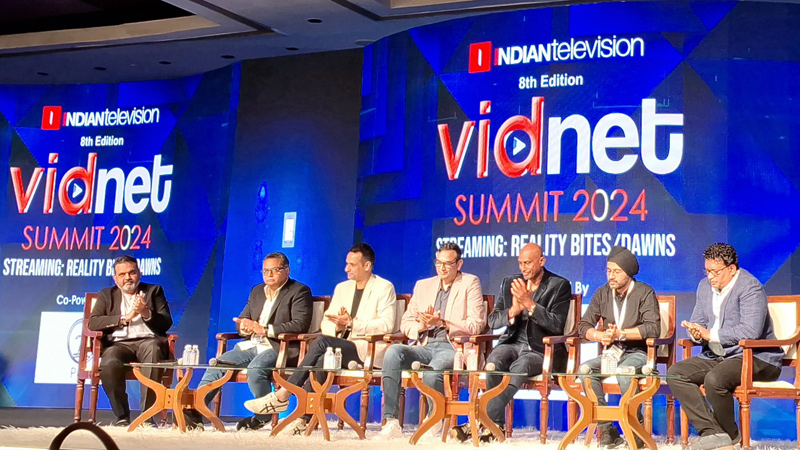
    Mumbai: The OTT business in India is buzzing with new streamers, niche, and language offerings. However, early players are struggling as heavy content spending isn’t matching revenues, and India-specific low pricing hasn’t spurred subscriptions. Growth has plateaued as consumers return to post-COVID normalcy, preferring to binge occasionally.

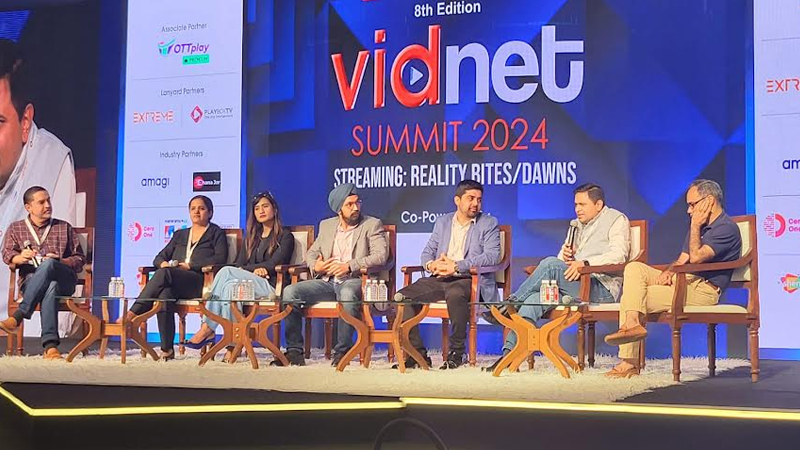
    Adding to the churn is the shift towards AVOD by giants like JioCinema, offering premium events like cricket for free, with Disney+Hotstar following suit. This has strained streaming bottom lines. The rise of FAST channels is also causing industry jitters. Vidnet explores the future of the streaming ecosystem. This event was held on 19 July 2024, at Hotel Sahara Star, Mumbai.

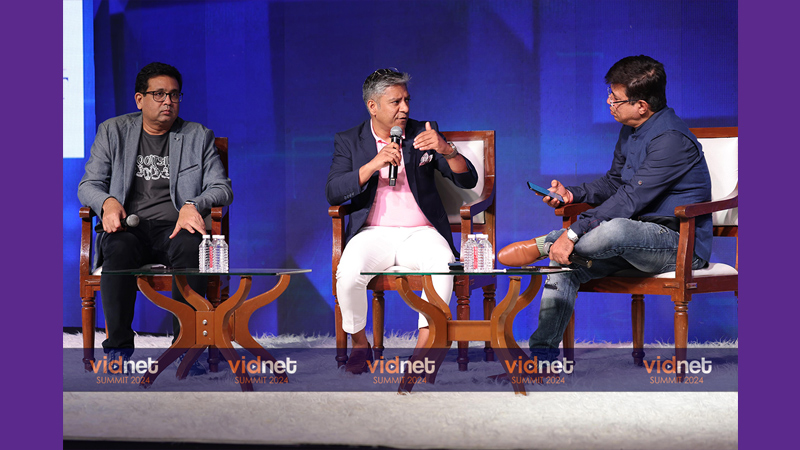
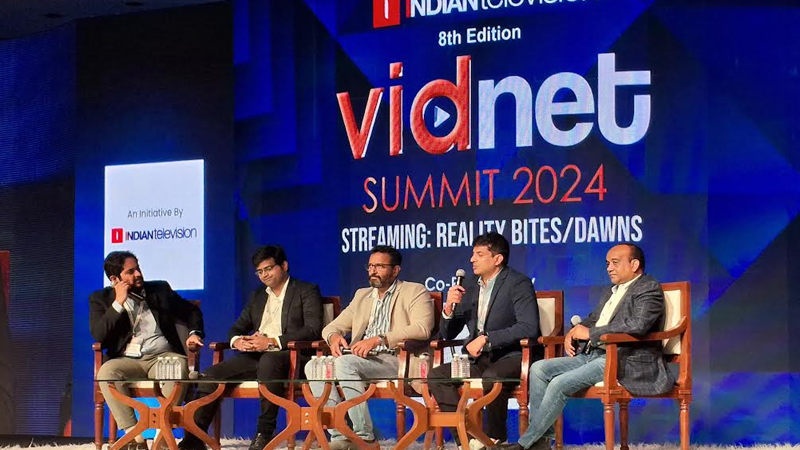
    This panel discussed innovative advertising avenues beyond ad-supported video-on-demand (AVOD) platforms and how businesses could seize those new opportunities to reach their target audience effectively.

    The session was chaired by  Kurate Digital Consulting’s founding partner Uday Sodhi. It included the following panellists: Amazon minitv business head & director Aruna Daryanani, Sony LIV, SPNI  Sr. vice president & head of ad revenue Ranjana Mangla, Zee5, South Asia chief revenue officer Gaurav Kanwal, Marico head – media, digital marketing and Brand PR (India and Global COE) Ankit Desai, CereOne director Deepak Karnani, PubMatic senior director – customer success Harguneet Singh.

    The discussion highlighted key industry trends and perspectives on content consumption and advertising priorities. Ranjana Mangla emphasized that different video genres cater to diverse audiences, with broad appeal achieved by shows like KBC or Indian Idol, while most content targets specific niches. Understanding the addressable market and tailoring content and sponsorship strategies to meet specific goals is crucial for advertisers.

    Gaurav Kanwal pointed out that the persistent issue of trust in digital advertising necessitates a shift from efficiency to effectiveness in media planning. Advertisers should focus on outcome-based strategies and leverage data to address specific challenges and metrics, making campaigns more relevant.

    Harguneet Singh noted that advertisers are primarily focused on acquiring cost-effective impressions to maximize reach and frequency. Targeting strategies can vary from geo-specific to audience segments based on advertiser behaviour.

    Anand Makhija discussed the common comparison of YouTube’s rates with other platforms, highlighting that CPMs are often higher elsewhere. It is important to communicate the additional benefits of different platforms. The growth of connected and smart TVs is driving the industry towards hybrid models (combining AVOD and SVOD), which help transition users and enhance platform engagement.

    Aruna Daryanani shared that as publishers, we will need to meet the diverse needs of advertisers. There is no one-size fits all approach here and all media plans need to be customised based on objectives. The new brands are looking to build upper-funnel awareness, whereas the established brands are looking to build saliency and mid to lower-funnel impact. Given Amazon miniTV is tightly integrated with Amazon, advertisers benefit from Amazon’s rich content and shopping insights.

    Ankit Desai highlighted that advertisers are investing significantly in video platforms, with 50-60 per cent of their budgets allocated to video advertising, and some up to 80 per cent. Despite YouTube’s classification as short-form content, consumers perceive all video content similarly, blurring the lines between digital video and OTT platforms.

  • Vidnet 2024: Live Sports – The Next Bastion of Growth

    Vidnet 2024: Live Sports – The Next Bastion of Growth

    Mumbai: The OTT business in India is buzzing with new streamers, niche, and language offerings. However, early players are struggling as heavy content spending isn’t matching revenues, and India-specific low pricing hasn’t spurred subscriptions. Growth has plateaued as consumers return to post-COVID normalcy, preferring to binge occasionally.

    Adding to the churn is the shift towards AVOD by giants like JioCinema, offering premium events like cricket for free, with Disney+Hotstar following suit. This has strained streaming bottom lines. The rise of FAST channels is also causing industry jitters. Vidnet explores the future of the streaming ecosystem. This event was held on 19 July 2024, at Hotel Sahara Star, Mumbai

    This panel discussed the imminent growth and development of the live sports industry. It highlighted significant opportunities such as increased viewership, ad revenue, sponsorships, tech advancements, and global expansion. Sports could dominate entertainment further, benefiting stakeholders like sports bodies, broadcasters, advertisers, and tech firms. Factors driving this growth include these opportunities, and businesses can leverage them to boost revenue, engagement, and brand presence.

    The session was chaired by Indiantelevision.com group founder, chairman & editor-in-chief in chief Anil NM Wanvari. It included the following panellists: GroupM India managing director of content, entertainment & sports Vinit Karnik, Star Sports head of ad sales Kingshuk Mitra

    Industry leaders shared their perspectives on the imminent growth and development of the live sports industry and highlighted significant opportunities such as increased viewership, ad revenue, sponsorships, tech advancements, and global expansion.

    GroupM India managing director of content, entertainment & sports Vinit Karnik said,

    “With content fragmentation, aggregating consumers is a major challenge. Live sports, one of the few content types that guarantees a specific audience at a specific time, addresses this by providing appointment viewing. This consistency simplifies advertising planning and ensures a stable viewer base, solving a significant problem in our fragmented ecosystem.”

    Kingshuk Mitra Star Sports Disney Star emphasised, “Sports, especially cricket, is experiencing significant growth, with notable increases in participation from new cohorts and regions, such as South India and tier-2 towns. The rise in engagement from fintech companies and consumer brands underscores the sport’s role in building trust and connecting with audiences. Advertisers are leveraging cricket for its impressive ROI, exemplified by campaigns that highlight grassroots contributions and foster deeper consumer relationships. As technology continues to evolve, it will further drive growth and innovation in the sports sector.”

  • Vidnet 2024: NexC: Distribution that pays off

    Vidnet 2024: NexC: Distribution that pays off

    Mumbai: The OTT business in India is buzzing with new streamers, niche, and language offerings. However, early players are struggling as heavy content spending isn’t matching revenues, and India-specific low pricing hasn’t spurred subscriptions. Growth has plateaued as consumers return to post-COVID normalcy, preferring to binge occasionally.

    Adding to the churn is the shift towards AVOD by giants like JioCinema, offering premium events like cricket for free, with Disney+Hotstar following suit. This has strained streaming bottom lines. The rise of FAST channels is also causing industry jitters. Vidnet explores the future of the streaming ecosystem. The Vidnet 2024 is being held on 19 July 2024, at Hotel Sahara Star, Mumbai.

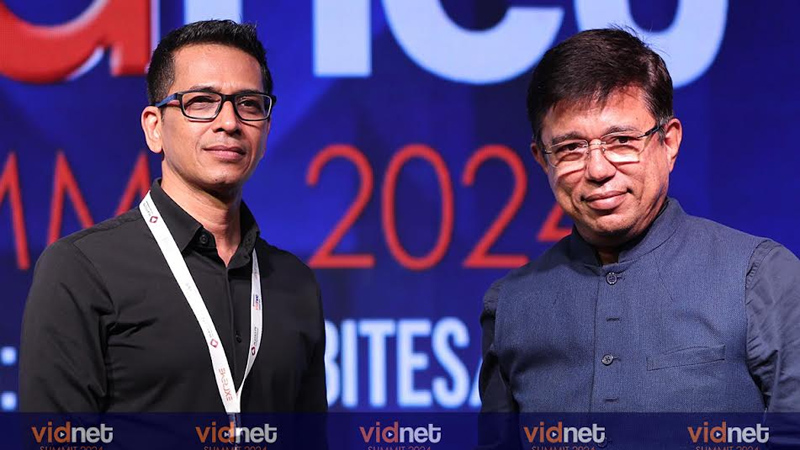
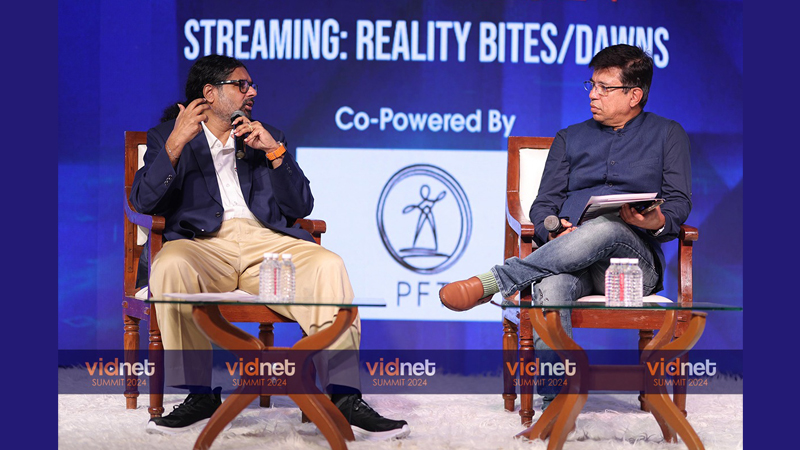
    The fireside chat saw Indiantelevision.com group founder, chairman & editor-in-chief Anil NM Wanvari in conversation with Planetcast COO – digital Venugopal Iyengar.

    The fireside chat delved into the evolving landscape of distribution technology and the challenges faced by Planetcast in its 28-year journey of serving media customers. Venugopal Iyengar highlighted Planetcast’s mission to streamline content creation to delivery, emphasising the integration of software programming and AI in transforming processes and improving cost efficiency.

    “We have been in the business of distribution technology, serving media customers for 28 years,” said Iyengar. “Our goal is to pave the path from content creation to the endpoint where viewers watch it on their screens.”

    Iyengar introduced NexC, a unified platform that simplifies the distribution journey by offering a single access point for all necessary products and services. “NexC gives you a single point ingest and seamless access to all the products and services you need in your distribution journey,” he explained.

    Addressing challenges, Iyengar noted misconceptions about NexC being a monolithic product and concerns over transitioning to cloud solutions. “It’s not a monolith. You can enter through any one product and still be part of the platform,” he clarified. To ease cloud adoption, Planetcast offers hybrid solutions, combining on-prem and cloud services.

    Iyengar also discussed differences between Indian and global markets in cloud adoption and highlighted the significant impact of AI. “AI has been fabulous for us,” he said. “Applications like speech-to-text, text-to-speech, and scene-by-scene tagging are now seamless.”

    In conclusion, Iyengar emphasized the importance of embracing technological advancements to meet customer needs effectively. “We must acknowledge the benefits AI brings and continue to innovate in our approach to content distribution,” he stated.

  • Vidnet Summit 2024: The evolving landscape of OTT in India: Regional growth, consumer trends, and aggregation dynamics

    Vidnet Summit 2024: The evolving landscape of OTT in India: Regional growth, consumer trends, and aggregation dynamics

    Mumbai: The OTT business in India is buzzing with new streamers, niche, and language offerings. However, early players are struggling as heavy content spending isn’t matching revenues, and India-specific low pricing hasn’t spurred subscriptions. Growth has plateaued as consumers return to post-COVID normalcy, preferring to binge occasionally.

    Adding to the churn is the shift towards AVOD by giants like JioCinema, offering premium events like cricket for free, with Disney+Hotstar following suit. This has strained streaming bottom lines. The rise of FAST channels is also causing industry jitters. Vidnet explored the future of the streaming ecosystem.

    The fireside session was hosted by Indian Television.com Group founder, chairman & editor in chief Anil NM Wanvari along with host HT Labs co-founder & CEO Avinash Mudaliar.

    The interaction dug deeper into the rapid expansion and increasing popularity of regional OTT platforms in India, and the role of regional OTTs in preserving and promoting local languages and cultures. It also explored how changing viewing habits and personalisation algorithms are shaping Indian OTT content trends, emphasising diverse, inclusive offerings and platform adaptation to technology and user feedback.

    “We’ve navigated through the challenge of finding what to watch, but the next hurdle is choosing an OTT platform. How much do we pay for these services, and can we access them all at once? Our goal is to simplify this with Odd Play Premium. By partnering with major players like Sony, Zee5, Lionsgate, and more, including regional ones like Malayala Manorama and Ahad Mammal Telugu, we’ve delved into diverse language content. Our recommendation engine stands out—it not only suggests based on metadata but also considers thematic preferences. For instance, if you’re watching “Trance” on Netflix, it might recommend similar films or those featuring the same actors,” said Mudaliar.

    He further continued, “We also tackle acquisition costs for partners. By lowering these costs through our distribution channels, we make it easier for them to gain new users. Our platform acts not only as a discovery engine but also as a marketing tool, enhancing exposure for content that might otherwise go unnoticed. Plus, we offer a unified experience across 11 platforms—Android, iOS, and various smart TV ecosystems—eliminating the need for multiple app downloads. This approach not only benefits partners but also offers users a cost-effective way to access a wide range of content.”


  • Vidnet 2024: Building affordable sticky binge worthy content

    Vidnet 2024: Building affordable sticky binge worthy content

    Mumbai: The OTT business in India is buzzing with new streamers, niche, and language offerings. However, early players are struggling as heavy content spending isn’t matching revenues, and India-specific low pricing hasn’t spurred subscriptions. Growth has plateaued as consumers return to post-COVID normalcy, preferring to binge occasionally.

    Adding to the churn is the shift towards AVOD by giants like JioCinema, offering premium events like cricket for free, with Disney+Hotstar following suit. This has strained streaming bottom lines. The rise of FAST channels is also causing industry jitters. Vidnet explores the future of the streaming ecosystem. The Vidnet 2024 is being held on 19 July 2024, at Hotel Sahara Star, Mumbai.

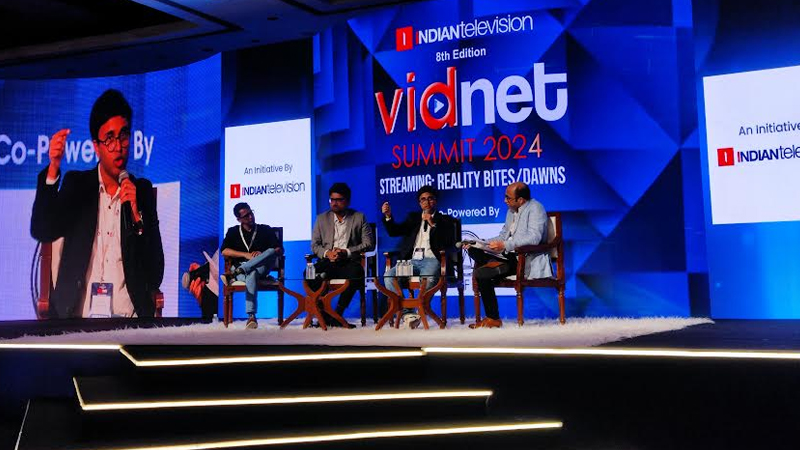
    This panel explored creating affordable, binge-worthy content by blending creativity, strategy, and resourcefulness. The discussion focused on crafting engaging, addictive content on a shoestring budget to capture and retain audience attention, leading to binge-watching behavior. Cost-effective content creation strategies and emerging trends were highlighted as key tools for achieving this within budget constraints.

    The session was chaired by Bodhitree CEO Mautik Tolia. It included the following panelists: Red Chillies Entertainment producer Aashish Singh, Locomotive Global Inc co-founder and managing partner Sunder Aaron, Friday Filmworks CEO Devendra Deshpande, Jio Studio head originals Tejkarran Singh Bajaj, and TVF president Vijay Koshy.

    Industry leaders shared their perspectives on balancing budget constraints with the need for engaging and effective content.

    Reflecting on the current challenges in cost management, Rishi Negi said, “The current challenge we face is how to rationalise costs and produce shows within a smaller budget. The key is to get the creators and production team on the same page to create a good show. We believe that the quality of a show is not determined by its budget. At Banijay, we’ve produced some of the most commercial hits from India, as well as niche projects, both with great results. No show is big or small to us. We approach every project with the same dedication, regardless of the budget. This challenge is interesting because, unlike film people who are used to a certain scale, our television background makes it easier for us to scale up or down as needed.”

    Devendra Despande emphasized the importance of return on investment: “As long as a show delivers a return on investment in terms of business metrics, the budget is secondary. Whether it’s a high-budget production or a smaller project, if it delivers results, it works. Audiences will still eagerly await the next season of a show like Game of Thrones, despite its high costs, because it remains affordable and engaging.”

    Highlighting the core principle of engaging content, Aashish Singh said, “Budget isn’t the key factor; the content must engage the audience and keep them invested, whether it’s a series or a film. The formula remains the same: if the content is compelling, it will attract viewers. Affordability is about aligning the budget with the project’s needs, not cutting corners. As long as the content is strong, budget concerns become secondary.”

    Sunder Aaron discussed the flexibility of global studios and cost-effectiveness: “Global studios are now more flexible and responsive than they were a decade ago, which has been beneficial for our formats. While creative passion is crucial, we must also consider the cost of acquiring and retaining viewers. For instance, episodic shows can be more cost-effective for streaming platforms, as they lower the acquisition cost for new viewers and keep them engaged with standalone episodes. Our recent show, produced with Applause Studios and Sameer Nair, and created by Simon Mirren the former showrunner for ‘Criminal Minds,’ exemplifies this approach, highlighting the need for innovative storytelling forms.”

    Addressing the subjective nature of affordability, Tejkarran Singh Bajaj said, “Regardless of whether a show is big or small, it must be effective. Affordability is subjective and depends on the show’s concept and delivery. For example, Geo Studios produced ‘Up 65’ with a lower budget by shooting two seasons together, while a show about 1947 had a higher budget. We focus on ‘right cost’ rather than just affordability, adjusting budgets according to the project’s needs. Innovative budgeting strategies, like combining seasons, help reduce costs while ensuring quality content.”

    Vijay Koshi shared his insights on the importance of storytelling: “13 years ago, a group of engineers and storytellers started with a focus on strong writing and frugality, lacking big stars or international formats. They prioritized good storytelling over glamour and have maintained that ethos even as they gained recognition. Their success with shows like ‘Panchayat’ and others demonstrates that solid storytelling, practical solutions, and a focus on creating compelling content can drive success, regardless of initial resources.”

  • Vidnet 2024: The new content tangle

    Vidnet 2024: The new content tangle

    Mumbai: The OTT business in India is buzzing with new streamers, niche, and language offerings. However, early players are struggling as heavy content spending isn’t matching revenues, and India-specific low pricing hasn’t spurred subscriptions. Growth has plateaued as consumers return to post-COVID normalcy, preferring to binge occasionally.

    Adding to the churn is the shift towards AVOD by giants like JioCinema, offering premium events like cricket for free, with Disney+Hotstar following suit. This has strained streaming bottom lines. The rise of FAST channels is also causing industry jitters. Vidnet explores the future of the streaming ecosystem.  The Vidnet 2024 is being held on 19 July 2024, at Hotel Sahara Star, Mumbai.

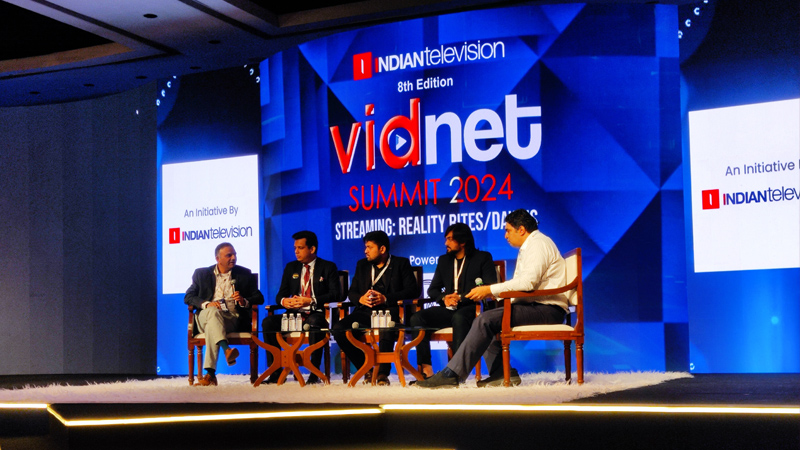
    This panel explored the evolving content landscape with constant changes in production and distribution. The new 30-plus episode format on OTT shows (TV++) is seen as a game changer, while premium originals (6-10 episodes) remain popular among urban audiences. Increasing platforms and aggregators are expanding content reach and footprint. Audio content is also making significant strides. How can these strategies be assimilated to create an effective content platform?

    The session was chaired by Boston Consulting Group managing director & partner Akshay Kohli. It included the following panelists: Shemaroo Entertainment COO-digital, Saurav Srivastava, MMTV head of digital & OTT Sathyajith Nair, Klassroom CEO Dhruv Javeri and Chana JOR, V Hunt Digital Media director & CEO Pratap Jain.

    Emphasising the dual nature of content in the global digital landscape, Saurabh Srivastava said, “Good content can be language agnostic and appeal globally, but it also has a soul tied to local culture and nuances. Both will coexist, with some stories resonating universally and others deeply rooted in specific cultural and linguistic contexts.”

    Sathyajith Nair underscored the importance of genuine content that connects with audiences on a personal level and said: “Content should be genuine, focusing on its trueness rather than catering to a specific audience. Our strategy ensures that shows reach a Pan India audience by targeting promotions to individual tastes, as evidenced by a recent show reaching 98 per cent of PIN codes in India.”

    By staying true to the essence of the content, creators can achieve widespread reach and resonance across diverse regions.

    Talking about educational content, Dhruv Javeri shed light on the distinct approach required for academic and extracurricular content. Javeri said, “In education, content creation starts differently. We have two types: academic content, defined by board standards, and extracurricular content. For academics, we write stories from the provided content and visualize them. The focus is on innovative pedagogies to enhance learning, aligned with the new education framework.”

    Highlighting the strategy of creating exclusive content to captivate and retain users, Pratap Jain said, “Creating exclusive content is key to engaging and retaining users, as opposed to relying on content available on multiple platforms. By casting new talents and producing fresh, simple content, we stand out in the market, similar to the appeal of popular YouTube videos.”

  • Vidnet Summit 2024: How technology is driving the customer streaming experience

    Vidnet Summit 2024: How technology is driving the customer streaming experience

    Mumbai: The OTT business in India is buzzing with new streamers, niche, and language offerings. However, early players are struggling as heavy content spending isn’t matching revenues, and India-specific low pricing hasn’t spurred subscriptions. Growth has plateaued as consumers return to post-COVID normalcy, preferring to binge occasionally.

    Adding to the churn is the shift towards AVOD by giants like JioCinema, offering premium events like cricket for free, with Disney+Hotstar following suit. This has strained streaming bottom lines. The rise of FAST channels is also causing industry jitters. Vidnet explored the future of the streaming ecosystem.

    The session head for this panel was Publicis Groupe India managing partner & head of Publicis Commerce India Anshul Garg along with other panelists: travelxp CEO Tanay Chothani, Planetcast COO – Digital Venugopal Iyengar and Prime Focus Technologies senior VP, Sales & BD-APAC Anupam Sharma.

    Garg discussed technological advancements in the OTT industry, also opening the session to the panelist on how improvements in video streaming, such as high-definition video, low-latency streaming, and adaptive bitrate streaming, significantly enhance the quality and reliability of the customer streaming experience.

    Sharma noted the nature of localisation. He noted that language localisation enhances content accessibility, with AI playing a crucial role in text localisation while experiments continue for voice localisation.

    Chothani said the importance of delivering substantial value swiftly, is driven by decreasing customer attention spans and rapid innovation.

    Lastly, Iyengar highlighted the rapid advancements in viewer experience. He pointed out that platforms like Amazon are at the forefront, leveraging innovations such as multicam views and second-screen interactions to enhance viewer engagement.

  • Vidnet Summit 2024: The streaming commerce: Where is this heading?

    Vidnet Summit 2024: The streaming commerce: Where is this heading?

    Mumbai: The OTT business in India is buzzing with new streamers, niche, and language offerings. However, early players are struggling as heavy content spending isn’t matching revenues, and India-specific low pricing hasn’t spurred subscriptions. Growth has plateaued as consumers return to post-COVID normalcy, preferring to binge occasionally.

    Adding to the churn is the shift towards AVOD by giants like JioCinema, offering premium events like cricket for free, with Disney+Hotstar following suit. This has strained streaming bottom lines. The rise of FAST channels is also causing industry jitters. Vidnet explored the future of the streaming ecosystem.

    The panel for this session was moderated by Ernst and Young LLP (Session Chair) partner Raghav Anand along with other panelists like Arha Media & Broadcasting CEO, Ravikant Sabnavis, Chaupal co-founder Ujjwal Mahajan, JOJO App co-founder Meet Kariya, PlayboxTV founder & CEO Aamir Mulani.

    Anand set the tone by highlighting the rapid evolution of streaming commerce and its profound impact on brands and OTT platforms. He posed a question to the panelists about how they foresee the evolving landscape of streaming commerce influencing both brands and OTT platforms, and what strategies they deem crucial for effectively leveraging this trend in the coming years.

    Mulani shared his perspective, telling the goal of achieving parity with television distribution to enhance cache and development capabilities, “‘The idea is the day we match, 50% of distribution of television, we all be able to have a better cache. We always able to have a better dev. Everything will be smooth.”

    Mahajan stressed the importance of engaging content across multiple languages, aligning with theatrical markets, and boosting marketing efforts for major movies, “The power of content lies in its ability to engage audiences. If our platform operates in multiple languages from the start, it aligns well with theatrical markets and boosts existing marketing efforts for major tentpole movies. However, long-term success hinges on digital content.”

    Sabnavis said their content strategy’s evolution to resonate strongly with cultural preferences, initially focusing on a direct subscription model to build brand loyalty, “Over the last four years, we have honed our content strategy to ensure a strong cultural affinity, making it compelling and unique. Initially, we opted for a subscription model, avoiding partnerships with telecom operators to create a direct brand pull.”

    Lastly, Kariya reflected on their app journey from producers to launching a free platform, driven by a desire to support content creators facing challenges.

  • VidNet 2022: ‘Over half of global online video services are subscription funded’

    VidNet 2022: ‘Over half of global online video services are subscription funded’

    Mumbai: Over half of the online video services worldwide were subscription funded at the end of 2021, according to a study. The key findings of the study pointed out that while there are more subscription funded over-the-top (OTT) services worldwide, advertising is a much larger revenue stream for video-on-demand platforms. Advertising revenue will also outpace subscription revenue over the next five years nudging many global OTT players including Netflix to introduce an ad-supported plan on their platforms. These insights and more were revealed in the session ‘Trends in Global OTT’ presented by Omdia senior principal analyst – digital content and channels Tim Wescott at IndianTelevision.com’s VidNet 2022 Summit on Thursday. 

    The two-day industry event was supported by technology partners Dell Technologies and Synamedia, summit partners Applause Entertainment and Viewlift, industry support partners Gupshup, Lionsgate Play and Pallycon, community partners Screenwriters Association and Indian Film and Television Producers Council and gifting partner The Ayurveda Co.

    Omdia is a research firm that focuses on technology, media and telecommunications sector and connects the dots in the global media ecosystem. 

    Wescott shared that there were 5671 online video services available at the end of 2021. This includes video sharing services like YouTube, subscription video-on-demand (SVOD) services like Amazon Prime Video, Netflix and transactional video services like Apple iTunes. “We have seen a plateau in terms of the number of online video services that peaked in 2019. New services are being launched all the time that are replacing old online video brands. Some services have been shuttered because they haven’t managed to turn a profit.”

    There were slightly more OTT services in 2021 as compared to 2020. There are 2222 subscription funded online video services followed by just over 2000 AVOD platforms and 1362 transactional video-on-demand services. There were just over 1000 dedicated sports streaming services, 600 virtual pay TV operators and 463 free video-on-demand services. Free VOD services are either promotional channels or are public broadcaster funded services.

    There are an estimated 127 online video services in Central and Southern Asia out of which 51 are AVOD services and 45 are SVOD services. “Despite the publicity of SVOD, advertising is the larger revenue stream and has been since 2010,” said Wescott. “It is going to outgrow subscription as a source of revenue for online video services over the next five years.”

    The online video world is dominated by YouTube and Facebook. A lot of OTT streaming services have started offering advertising including HBO Max, Peacock, Hulu, Disney+ (later this year) and Amazon Prime Video. “We heard recently that Netflix is considering adding an advertising tier,” noted Wescott. “It comes as no surprise as advertising supported plans are already being rolled out by other OTT players. We forecast that online video advertising is going to outstrip linear advertising in 2022. It is a very strong source of financing that will continue to grow.”

    The number of global online video subscriptions have seen dramatic growth since 2015 with the launch of more streaming platforms. Amazon Prime Video and Netflix launched globally in 2012 followed by Disney+ and Apple TV+ in 2019, HBOMax and Peacock in 2020 and Paramount+ in 2021. “We will continue to see subscription growth, especially with the advent of SVOD platforms of US studios. Earlier, these studios used to sell content directly to OTT players but now they view them as competitors.” 

    Omdia also conducted a consumer study in eight countries including India to understand consumer preferences when it comes to OTT services. They found that in most countries the arrival of SVOD services had decimated pay TV subscriptions. For example, SVOD services in the US have undercut existing pay TV in terms of pricing and have led to dramatic decline in pay TV subscriptions. The opportunity to watch on demand and binge watch content is something consumers have enthusiastically embraced, according to Wescott. The picture is similar in other countries where pay TV hasn’t declined as much as in the US but there are more SVOD subscriptions in most cases.

    India is slightly different from other markets because the pricing differential between SVOD and pay TV is not the same. In India, SVOD is a premium service whereas pay TV tends to be cheaper. There are also a lot more pay TV households than SVOD in India, though that is also because a lot of people get their television services via fraudulent operators.

    “While there is an increasing array of SVOD services being launched every year, clearly not every household is going to subscribe to all these services,” observed Wescott. “Our research shows that people use free ad funded services the most. So, YouTube is the number one choice in many countries including India. Before 2021, YouTube was the biggest online video service followed by Facebook Watch and then the free ad-supported tier of Disney+ Hotstar. Amazon Prime Video and Netflix are in the middle of the rankings among top ten OTT services. “Netflix has famously said that they’re competing with sleep for the consumer’s time but in reality, all online video services, whether they are AVOD or SVOD are competing for the consumer’s attention,” said Wescott.

    When Omdia asked consumers what they rated highly in a SVOD service, most respondents overwhelmingly said that original exclusive content i.e., content that is not available anywhere else was the most important aspect of any OTT. Consumers also wanted to watch the most talked about TV series that they had yet to catch up on. The depth of the content catalogue is rated as the next most important aspect for consumers of online video services. Advertising or lack of ad-supported content was also a big deal for some consumers but not as much as having original content.

    Omdia’s Wescott also shared some exclusive data at VidNet Summit 2022. The data showed that the number of original productions that were transmitted in 2021 by streaming services including Amazon Prime Video and Netflix were less than the previous year. There were also fewer hours of original content last year. Netflix produced the most original content coming up at 1767 hours. “The main reason for the decline in original productions is due to the production hiatus that began in 2020 due to the pandemic. We see that disruption working into the delivery pipeline for players such as Netflix and Amazon Prime Video. However, if you compare what Netflix is putting versus a typical US linear TV service then it is still a considerable amount of original content.”

    More global OTT platforms are commissioning originals locally. Netflix commissioned content in 47 countries in 2021 that were outside the US. Netflix’s most successful hits are being produced outside the US in languages other than English. In the last five years, Spain (Spanish shows) has been the biggest source of drama content for Netflix followed by India. “When Netflix came to India it wasn’t able to get as much local content as it would have liked and thus was obliged to originate content,” said Wescott. “Also, audiences in India prefer local content. While they will watch content from other countries, what they’re looking for is local content.”

    Similarly, India ranked as an important market for Amazon Prime Video, as most of its original drama productions outside the US, have been made in India in the last few years. Many direct-to-consumer services are offering a broader range of content and not just original content, even though they are increasing their original productions. US studios are expecting their new films to be a very important part of their SVOD service. Studios like Disney, Paramount, Universal and Warner Bros are planning to release their films exclusively on their SVOD services after the theatrical release. They also have deep libraries of film and TV content. Recently, Amazon completed the acquisition of legacy movie studio MGM and has access to 50 per cent of all James Bond titles.

  • Competing with Google & FB on free side and with Netflix and Amazon on subscription — Hotstar CEO Ajit Mohan

    One of the early movers in the Indian over the top (OTT) space, Hotstar – – part of the Twenty First Century Fox-owned Star India – has been setting a scorching pace for itself. In a nation where high data costs made customers wary of consuming content when on the move, it displayed a voracious appetite for acquiring them. Today, its massive subscriber base equals or surpasses the total subs of all the VOD services in Asia and rivals that of the big boys in the US.

    It has also been aggressive in its content strategy – paying top dollar for movies and TV series from  top notch Hollywood studios as well as for sports telecast rights.

    21st Century’s Fox’s leaders – the Murdoch brothers Lachlan and James – along with the Star India management led by Uday Shankar and Sanjay Gupta – are quite bullish that the investments being poured into Hotstar are well worth it and should bear fruit, sooner than later. Estimates are that around $500 million has so far been pumped into the VOD service.

    The man in the hotseat at Hotstar has been the US returned executive Ajit Mohan who has been steering it right from day one three years ago. With single minded focus, he has been at his task of building a robust product and a team that helps it remain so.

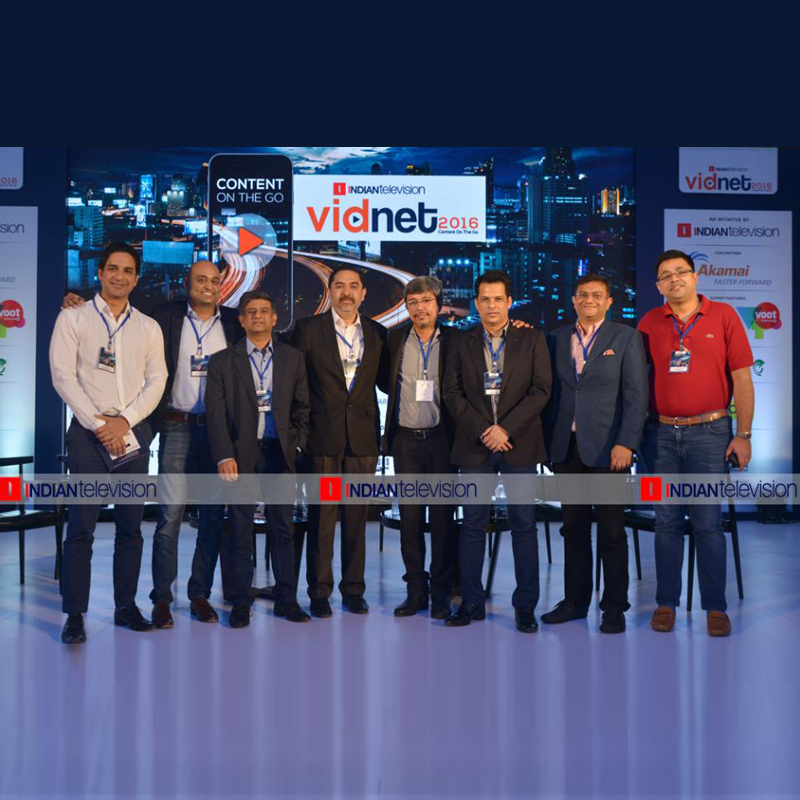
    The publicity shy Mohan was one of the Indian VOD leaders who had a one on one with Indiantelevision.com founder, CEO and editor in chief Anil Wanvari at the highly successful  second VIDNET OTT conference in Mumbai two weeks ago.  Excerpts from the conversation:

    First of all, I would like to start by congratulating you on your CBS Showtime deal. Tell me little more about it?

    If you look at what we have built on Hotstar premium we feel pretty proud. I think we have built a fairly distinctive subscription service which in many ways I think compares to the best in the world.  I am not sure that there is any platform worldwide that brings together the best studios for American TV shows and movies. With Hotstar Premium we have HBO, Fox and Disney movies exclusively. And we thought that the only missing piece was Showtime. So we have done an exclusive partnership with  Showtime to both bring the Showtime brand and also the best of their marquee shows  to India on Hotstar.

    I think it really completes our offering. We have built a free service that has scaled up dramatically in the past two and half years or so. Now we are kind of applying some of the same rigor and aggression on P remium as well.  From the content proposition point of view I feel pretty good about how it  looks like.

    What will we get to watch? What kind of shows and will it be on same day and date?

    It is. One of the promises we have as pat of the English part of Premium is that all the TV shows will be aired at the same time as  the US. That’s true for HBO, Fox and it will be true for Showtime as well. Billions, one of their best shows will be on Hotstar and Twin Peaks too. Overall, I think it’s a pretty exciting roster.

    I think more than any individual shows what I am excited about is that both HBO and Showtime in the US have created these fabulous premium pay TV propositions on the back of really redefining what a high quality  American show looks like. I think  by bringing them together on the same platform, what we are essentially saying when it comes to English content there really is no need to look beyond Hotstar Premium. Not in terms of other services.  Or not in terms of torrents, which is still a meaningful source of competition for us.

    We will now start investing in educating the market where there is a substantial number of users who have an affinity to English who are spending a lot of time – especially the younger demographic – digging up for content on torrents. And very often they don’t get good quality versions. They don’t get it on time.Or they get It dubbed or subtitled in a language that is not familiar.

    Now the reality is that as a consumer in India you don’t need to have  to go through the pain. It may be difficult for them to understand the richness of the proposition that is  on offer today. Now when you compare it to consumers in any other part of the world today; the Indian consumer has probably the best deal.  Rs 199 per month only…I don’t think price is a  challenge anymore. So I think it’s more about creating  awareness.  And I think there is still a segment – especially in the younger demographic – who believes it’s cool to pirate. And I am sure that philosophy will be carried by a lot of people. For most people,  it is just creating awareness that there is a serious ease of getting almost every show that you want on Hotstar Premium at a price that is quite affordable. And that is what we are going to invest in on the back of the Showtime deal and what we already have on Premium. And taking it to a mass market in a way that’s not been done in this country before.

    So will you have Hindi sub titles? Or in any other languages?

    Currently, it’s English subtitles. I think the fundamental  point you are making is improving accessibility, can dramatically expand the audience for English TV shows or movies in India. Hollywood has shown that with dubbing. The direction we are moving is to make it accessible by subtitling in multiple languages which you will see over the next few months.

    How are you doing on the app download front?

    We have crossed 300 millions downloads and we are seeing downloads across all operators. Wifi.  Jio obviously has  had a tremendous impact on the ecosystem in terms of expanding access to mobile broadband and increasing affordability. Two things stand out over the last nine months when Jio has had this massive disruption. One is that video has  benefited disproportionately. For us what the last two years -and the last year in particular – has really established is the bet that we made if data was not a constraint,  people will gravitate towards  long-form content including on a mobile. That  what we saw in the early stages of the ecosystem , people consuming short form clips, user generated content  – that it did not represent the truth. It was not the end state; it was the beginning of the market.  That has really played out  And you see that in the data, the time spent time..the watch time on video  has grown disproportionately to social media.. And by multiple factors. And Hotstar has grown – disproportionately to any other video platform.

    300 million I don’t think somebody else has this kind of numbers in the world.

    I think Jio has been an enabler. But more and more you are seeing that for sieving out where consumers are going, both in terms of adoption and in terms of watch time. I think data is an enabler. My sense is that the more people have access to 4G, the cheaper data gets – a high quality propostion like Hotstar that has both the content proposition and is compelling as well  and we are seriously investing in technology to keep improving the consumer experience. I think that combination is quite powerful.

    We are seeing that in the numbers which are substantive. One of the numbers that stands out for us is that just on the Google Playstore globally we crossed 100 million downloads a couple of months ago. From what we know, only Netflix has done that globally outside of Hotstar and may be in the entertainment space, Spotify. And it does feel like even being in one market in India, I think  the scale of what we are seeing clearly compares to the best in the world.

    I believe this should be a moment of pride for the country as well that in the mobile ecosystem that we are blazing the trail in terms of what can be done. And for us, we really think of ourselves as “we are not replicating models that have happened in other parts of the world. We are truly creating a template for what a mobile centric business could look like which would be relevant in any market.”

    How many of these are active?

    In the month of May and June 2017, we crossed more than 100 million active users

    How would you define these actives?

    Somebody coming and spending meaningful time at least once a month. The reality is almost everyone who comes to Hotstar comes multiple times a month. And very often multiple times a day. But a monthly active way is a good way to look at it as it a common measure for looking at adoption across the ecosystem. And all our 100 millions actives are unique.

    Some of the OTT players are distinguishing between monthly active users and uniques.  

    Digital is an interesting space where is there is no common measurement system in place and that equally applies to Facebook, Youtube or Hotstar. It makes sense to have a common measurement that is consistent. To the extent that  we know how to identify  unique users, their presence on devices, not everyone logs in. It’s not the same login across Hotstar, Facebook, Google  – all of those still remain. But We are seeing more than 100 million users coming to Hotstar.

    Are you still in the consumer acquisition mode or you have passed that. In what phase are you?

    I think we are going to be in a perennial growth mode for a long time because of two reasons: I think that’s the kind of company we want to build. The proposition is so exciting,  it’s relevant for more than 100 million users.

    Second, the context of India where as more people get access to  data… one of the things that we are convinced is the primary use case for getting people getting online can be video and Hotstar.

    The next 100 million or the first 500 million to go on digital in India.. we think mobile video and especially around the entertainment proposition that we have.. more than search, social media or ecommerce we can be the beach head. Because people love stories and it’s relevant for  a larger number of people. From that point of view I don’t think we are going to stay away from focusing on growth for a long time. I think we can be the primary use case for bringing people online in India.

    But your customer acquisition cost are going up or down?

    I think costs are going down. It’s a two and half year old platform now; there is a lot equity of the Hotstar as a brand. Once you reach a certain scale and have broken through I think the organic momentum starts kicking in. We are in the stage where it feels like growth is happening with far less effort than two years ago. Having said that it looks exciting to look for the next100 million users..and the next 100 million users after that.

    It’s not in an optimization mode, it’s in growth mode and in growth mode our focus is all three:  adoption of new users, it’s watch time and the third is revenue.

    I think for a uniquely consumer internet company we believe there is a virtuous cycle between consumer adoption, engagement and revenues.  We don’t see  it as competing, we see it as going together.  

    Varun (HotStar head of product and engineering EVP) said in some conference that he would like get some billion minutes. Correct me if am wrong?

    A year ago in APOSTech in Shanghai Varun had articulated this ambition of crossing a billion minutes a day in watch time. I don’t think we have said this publicly but we have crossed that  number a few times  in the past couple of months.  

    How has the playground has changed since you were here last year. What do you seeing? Your tech is keeping up or you have to spruce up your tech. You invested in Zapr to get some analytics in place. What has changed?

    Three things in my mind have changed.

    We have made significant movement in the past 12 months.  I think we have hired 60 engineers just in the last nine months. I think we are looking at doubling that number in the next six months.

    We have the clarity that we can build something unique in India and compete with some of the best global tech companies. It comes with building our own technology muscle.

    Second, if you look at the consumer internet space with lot of actions across e-commerce, fin-tech and our own media space, we have been quite thoughtful in building a deep bench in leadership. The past 12 months have been marked by a significant bulking up of our leadership capacity in Hotstar.

    Third big change that has happened as a result of that there is starting to be  a bit of a separation in terms of services that are standing out from an adoption, engagement and scale point of view – and clearly that’s happening.

    The last 12- 15 months have seen the launch of whole bunch of new services in OTT and a lot of them have very interesting propositions. They are occupying interesting positions in the market …some fairly niche but if I step back and think about it what we are proud of at Hotstar is we are breaking away when it comes to  serious scale and engagement.

    And for me it looks like we are competing with Google and Facebook on the free side which is all about its large scale,  ad supported and big numbers. And on the other front its subscription, which is still nascent, much smaller audience at the moment, we are competing with Netflix and Amazon Prime. At Hotstar, we have two sorts of vertical, one is the free ad supported business and the subscription business where we are facing two different sets of competitors.

    But I believe the ad supported services, IPL got you good revenues from two partners Vivo and Maruti. Agencies have told me its Rs 20 crore per head.

    I think we did okay.

    But that is serving out well in the terms of revenue.

    One of things is clear to advertisers and that’s a big movement in the last 12-24 months especially at a time when there have been a lot of issues around  brand safety that came up in the UK. I think two things are showing up I think most advertisers started to recognizing that the Hotstar proposition is unique. In most parts of the world high quality on demand content on streaming is completely behind the paywall. Therefore it’s not available for brands to advertise on like you can’t advertise on Netflix in US.

    So Hotstar represents a unique opportunity on digital where for the longest time advertisers could only reach audience through user generated content or short clips whereas on HotStar you get premium content which is very different from most streaming business models.

    Second thing that the advertisers started recognizing the power of its engagement. I think it different when you reach an audience when they are scrolling and checking something on social media for 30 seconds or when watching a 40 second clip. It’s a very distracted audience. So even when you presumably get scale and you get metrics like video views what you are not getting is real engagement that comes with long form content. There is a reason why television helped build brands for 50-60 years. It was because people spent time deeply immersed into stories. And that’s the proposition we offer on Hotstar.

    Sports is driving you plus Hollywood. You kind of have tip toed away from originals unlike what Amazon Prime or Netflix are doing?

    I feel I keep answering this question but for whatever reason people don’t want to embrace the answer – especially my peers. Sports is big on Hotstar.  Sports is less than 15 per cent of our total watch time. It’s definitely played a meaningful role for us.

    But TV shows and movies are much larger on Hotstar. The proposition of Hotstar at least for consumers is  that they know that Hotstar is beyond cricket or sports. On originals, almost everything we have is exclusively on Hotstar on digital. Right from the early stages we believe in the power of exclusive content. Which is why Game of Thrones, a Star Plus show is all exclusively on Hotstar. The originals bandwagon was started by the people who did not have the enough content. I am not sure why Hotstar with the most compelling  content portfolio in the world would want to get on the same bandwagon.

    Why is Republic TV  there on your platform?

    …..For more of the interview click and watch the video  link below