Category: Event Coverage

  • CASBAA 2015 forum to focus on ever-evolving satellite industry landscape

    CASBAA 2015 forum to focus on ever-evolving satellite industry landscape

    MUMBAI: CASBAA, which will be hosting its annual Satellite Industry Forum in Singapore this June, will explore the latest developments and issues affecting the satellite industry in the Asia Pacific.


    The CASBAA Satellite Industry Forum 2015 is a one-day event that brings together industry experts to examine a variety of topics and to exchange and discuss information critical to the development of the communications sector and related services across the Asia-Pacific.


    The conference has an impressive lineup of speakers and a good mix of Asian and global players in attendance. Last year around 100 companies were represented with almost half of delegates coming from the US and Europe- with most of the balance coming from Asia.


    “Satellite services are instrumental in delivering television signals to the bulk of viewers across the region, and the satellite sector is an integral component of the multichannel TV industry in Asia. The annual CASBAA Satellite Industry Forum is an extremely important event in our calendar, a fact that is reflected by our very active Satellite Industry Committee, as well as by the number of satellite-related companies that are CASBAA members,” said CASBAA CEO Christopher Slaughter.


    ITU secretary-general Houlin Zhao will deliver this year’s welcome keynote.


    “Zhao only took office in January this year so for many this will be the first opportunity for people to see him in this capacity,” said CASBAA programme director Kevin Jennings.


    In addition, Intelsat chief executive officer Stephen Spengler will also be delivering an Industry Keynote. Spengler is a satellite and telecommunications industry veteran with experience in the media, broadband, government and internet sectors and is a driving force behind Intelsat’s next generation of satellite solutions.


    Myanmar Communications and Information Technology deputy minister U Thaung Tin will also speak at the forum and discuss Myanmar’s plans to launch its own satellite and how the role of a sovereign satellite will impact the country.


    The theme for 2015 asks “Is The Satellite Game Changing?” in acknowledgement of the ever-evolving industry landscape. The agenda for this year’s forum will touch upon the challenges the industry is facing as the very definition of television changes to embrace new technologies, delivery methods and consumer habits.


    The roster of speakers encompasses the whole value chain of the satellite industry including: SKY Perfect JSAT Space & Satellite Bus Group exec officer Mitsutoshi Akao, SpeedCast CEO P J Beylier, Intelsat Asia Pacific Regional VP Terry Bleakley, MEASAT CEO Paul Brown-Kenyon, SSL Business Development SVP Richard Currier, ABS CEO Thomas Choi, GapSat CEO Gregg Daffner, Intelsat associate general counsel Gonzalo de Dios, Eutelsat CEO Michel de Rosen, MEASAT Space Systems Development SVP Dr. Ali Ebadi, LeoSat CEO Vern Fotheringham, ITU Space Services Department chief Yvon Henri, APT Satellite EVP Huang Baozhong, Via Sat programme manager Erwin Hudson, SES CCO Ferdinand Kayser, Eutelsat orbital resources director Ethan Lavan, SES Asia-Pacific and Middle East SVP Deepak Mathur, SpaceX commercial sales & business development SVP Barry Matsumori, Encompass Digital Media Asia MD Deepakjit Singh, Globecast Asia MD Soo Yew Weng, Sea Change International SVP& GM Dave Ulmer and AsiaSat CEO & president Bill Wade.


    The sponsors on-board the CASBAA Satellite Industry Forum 2015 are ABS, AsiaSat, Boeing, Eutelsat, Intelsat, JSat, Lockheed Martin, Marsh, Measat, SES, SSL, and Telstra. 

  • Popcornflix expands into 36 territories

    Popcornflix expands into 36 territories

    MUMBAI: Popcornflix has launched in 36 countries, including Latin-America, the Middle East, Russia and China, making it one of the world’s most widely available ad-supported streaming services.


    With this, users in over 60 countries can enjoy free movies and television across a number of platforms via Popcornflix.


    This recent expansion makes the service newly available on the web and mobile devices in sixteen countries in Latin America, from Mexico to Argentina, sixteen Middle-Eastern countries, including Iran, Iraq and Saudi-Arabia, as well as Poland, Russia, Turkey and China.


    Additionally, Popcornflix has also launched on Xbox One and Xbox 360 in the United Kingdom, marking their first foray on gaming consoles in the territory.


    “Today’s audiences increasingly want to watch content on their own terms, however they want, wherever they are. Popcornflix is dedicated to making our content widely available, not only across platforms, but across continents. We are enthusiastic to engage a new set of users, eager for free and easily accessible movies and television,” said Popcornflix executive vice president David Fannon.


    Popcornflix made the announcement at MIPTV in Cannes, France.


    Being an ad-supported platform, Popcornflix includes pre-roll, mid-roll and banner ads in all movies and TV shows.

  • Warner Bros. unveils 12 new show formats at MIPTV

    Warner Bros. unveils 12 new show formats at MIPTV

    MUMBAI: Warner Bros. International Television Production (WBITVP) has unveiled 12 all-new primetime formats at MIPTV. These include Repeat After Me (ABC, U.S.), The Gift (BBC One, UK), Weight for Love (in development at NBC),Backyard Survival (RTL4, Netherlands) and Our First Home (TVOne, NZ).


    The company will also be previewing its all-new event game show format 500 Questions (ABC, U.S.) from executive producer Mark Burnett and creator Mike Darnell at MIPTV.


    Inspired by a highly successful signature segment from the Emmy-winning daytime talk program The Ellen DeGeneres Show and produced by Ellen’s A Very Good Production in association with Warner Horizon Television, Repeat After Me sees Wendi McLendon-Covey instruct superstar talent, via a remote earpiece, to interact with everyday people in high-energy, comedic hidden-camera situations. Guests include Harry Connick, Jr., Usher and Justin Bieber, whose sketch reached more than 800 million users on Twitter.


    From the makers of worldwide success Who Do You Think You Are? comes The Gift for BBC One. This unique factual entertainment series follows the unexpected and heart-warming personal stories of ordinary people given the extraordinary opportunity to be reunited with someone who changed their life forever. The Gift premiered in February on BBC One and is the highest rated new factual format series at 9 pm on the network in 2014/15.


    From 5×5 Media in association with Warner Horizon Television, Weight for Love sees the emotional and physical transformation of overweight couples who commit to separate for a long period of time in order to regain their health. The couples will be documented and united in an emotional reveal, as they begin to plan the next part of their new lives.


    Coming soon to RTL4 (Netherlands) is Backyard Survival, from the creators of Adam Looking for Eve. The show challenges four famous faces to live and survive without shelter and food in the wilds of the nation’s countryside, revealing personal and touching stories of the stars as they attempt Backyard Survival.


    From the producers of The Bachelor New Zealand is Our First Home for TV One (NZ). Currently outperforming all international formats in its primetime slot, the show is feel-good and competitive. Part observational documentary and part soap opera, parents sacrifice everything for their kids, as they buy a ‘do-up’ and work together to help them with their first step on the property ladder. Competing against the clock to win big – families will be pushed to the limit in TV’s most exciting new property renovation show.


    The new format slate also includes the market debut of Adoption Stories (Nelonen, Finland), Bring Back Borstal (ITV, UK), Back in Time for Dinner (BBC Two, UK),Ellen’s Design Challenge (HGTV, U.S.), Push The Red Button (RTL4, Netherlands),Soundtrack of Love (YLE, Finland) and Wanted – A Very Personal Assistant (BBC Three, UK).


    Warner Bros. International Television Production includes new productions worldwide for The Bachelor, produced in 30 territories including ABC (U.S.) and RTL (Germany); the recently launched Adam Looking for Eve, produced in seven countries including RTL (Germany) and Cuatro (Spain); and First Dates, the top rated format created for Channel 4 (UK) and recently commissioned by NBC for a primetime US version produced by Shed Media (part of the unscripted/alternative programming department at Warner Bros.).

  • HD, premium channels, VAS help increase ARPUs for DTH: FICCI-KPMG

    HD, premium channels, VAS help increase ARPUs for DTH: FICCI-KPMG

    The growth of average revenue per user (ARPU) in the Direct To Home (DTH) sector continues, even as digital cable is still struggling to roll out channel packages. As per the FICCI- KPMG 2015 report, due to sustained increase in ARPU, the sector had a healthy revenue growth despite a muted subscriber addition in 2014.


    In 2014, DTH operators saw an increase of around 12 to 15 per cent in ARPUs. While some of the ARPU increase was driven by DTH operators’ ability to continue to push price hikes (there was a price increase in April 2014 of an approximate eight to nine per cent), the more promising trend is that DTH operators were able to increase collections from customers by providing additional services such as High Definition (HD) channels, premium channels and other value added services (VAS).


    As phase III and IV of digitisation draws near, the battle will be closely contested by MSOs and DTH operators. In phase I and II, DTH operators managed to gain 20 to 30 per cent of the subscriber base converting to digital. Two factors, namely an inherent technology advantage and stronger balance sheets, will give DTH players the bonus advantage to take on MSOs, especially the smaller players, in the year ahead. However, in order to gain a bigger piece of the pie, they will have to re-jig their channel packages, in sparsely populated areas so that it becomes affordable for subscribers in Phase III and IV.


    Dish TV’s sub-brand Zing is all set to tackle digital cable players at the regional level. The brand addresses various linguistic needs of subscribers and offers regional specific channels as part of all available packs, while the other channels can be added based on the customer’s choice. It has been launched West Bengal, Tripura, Odisha, Maharashtra, Telangana and Andhra Pradesh.


    When one compares Zing’s package prices, they are cheaper than those of digital cable. For example, the base package of Zing costs Rs 99 per month versus Rs 220 per month for digital cable. Its mid level package carries a price tag of Rs 249 versus Rs 270 per month for digital cable. Besides the content, even the advertising and other marketing activities are done in the regional languages, while customer support services will be at the local level through trade partners, similar to the cable TV model.


    While digital cable operators are still grappling with securing their business model right, DTH operators have focused on increasing monetisation by providing additional value to their subscribers either through innovative services or STBs, such as those with unlimited recording and technology revolution like 4K.


    According to the report, there are four million HD subscribers, accounting for 10 per cent of all DTH subscribers, while 15 to 20 per cent of incremental subscribers in 2014 were HD subscribers. HD adoption continues to drive ARPU growth for DTH players with the average ARPU of a HD subscriber at an approximate 1.5 to 2x the ARPU of a non-HD subscriber.


    Compared to 6.5 million units of panel television sets (LCD, LED and plasma TVs) sold in 2013 in India, eight million units were expected to be sold in 2014, of which 55 per cent was expected to have been HD panel TV sales. The share of HD and 4K TV sales is expected to further increase over the next five years, reaching 80 per cent by 2019. While HD adoption will continue to be a key growth driver for DTH ARPUs over the next few years, adoption of 4K STBs is expected to pick up in India, though lack of 4K content can be a major problem.


    Currently only Videocon d2h and Tata Sky offer 4K services. Live sports action is expected to be one of the enablers of HD adoption, with the recently concluded ICC Cricket World Cup 2015, likely to be a key trigger in 2015.


    All major DTH operators namely Tata Sky, Dish TV, Videocon D2H and Airtel Digital have launched ‘TV Everywhere’ apps on mobiles and tablets through, which subscribers can watch live TV, catch up TV and video on demand (VoD) for an additional monthly fee. While there are several players along the media value chain who have launched online platforms for on-demand content to capture the surging viewer base, DTH operators have a key advantage in monetising these viewers through their ‘TV Everywhere’ apps, given their already existing payment relationships with subscribers.

  • FremantleMedia to unveil new formats at MIPTV 2015

    FremantleMedia to unveil new formats at MIPTV 2015

    MUMBAI: FremantleMedia is all set for this year’s MIPTV with a range of compelling, entertaining and laughter-inducing new formats that are sure to excite audiences around the world.

     
    FremantleMedia director of global entertainment development Rob Clark said, “Our new formats for MIPTV are a real mix of original, fresh and engaging titles. We’re confident that we have something suitable for all broadcasters and are looking forward to the market.”

     
    First from the line-up is The Most Beautiful Woman, an uplifting and inspirational series, which launched on RTL Television in Germany this year and celebrates real beauty. The series invites women of all ages and backgrounds to take part in a national competition designed to recognize the many faces of beauty, and to find the most beautiful women in the country. 


    Throughout the series, 20 ladies take part in challenges designed to bring out their confidence, self-esteem and inner beauty. The format empowers the women themselves to choose who shines the most with inner beauty as the series heads towards the live final. During the grand finale, the finalists come together in a thrilling celebration of beauty as the audience votes to decide who is The Most Beautiful Woman.

     
    Next, things heat up in the kitchen as professional chefs dare to put their reputations on the line in Chef On The Block. Produced by FremantleMedia in Finland and Denmark, the series sees professional restaurateurs risk their reputations in a bid to be the best. Each episode features three pairs of chefs as they visit each other’s restaurants and score the restaurants’ food, décor and overall service. The restaurants with the highest score across the series meet in the grand finale as the top three battle it out for the top spot. The competition is tense but the tone is humorous as the national champion is named the Chef on the Block.

     
    Moving from food to matters of the heart, FremantleMedia’s next offering is 10 Questions You Wouldn’t Ask On A First Date, the first reality dating quiz show. Filmed on location, each blind date couple can win big money by answering questions correctly about each other. But these questions are the 10 questions you would never ask on a first date. Imagine if your date asks for your salary details, your political persuasion or… your favourite sexual position? And you have to answer! Before the flirty chat up lines can even begin, the interactive screen pings and the game is underway. Honesty is the best policy in this game as each correct answer builds your cash prize.

     
    Two worlds collide in The Trade Off, a brand new format exploring the huge lifestyle contrasts that occur when two professionals from vastly different working environments swap jobs and salaries for two weeks. The series launched on the UK’s BBC 2 earlier this year and was their #1 show for men aged 16-34. In The Trade Off, both workers will have to learn on the job, impress brand-new bosses and deal with a completely different set of customers. During their time away, the two workers are immersed in an unfamiliar community, meet the family and friends of their opposite number, and gain a unique insight into just how different life can be.

     
    Next up is an eye-opening series about man’s best friend. Dogs: Their Secret Lives provides a unique insight into the behaviour of our faithful canine friends. Commissioned by the UK’s Channel 4 from Arrow Media, the format sees a veterinary expert, take on the role of pet detective to tackle the major welfare issues that affect dogs and their owners. Using spy-cam and GoPro technology, the audience will witness the ways in which being home alone can impact on pet dogs. From issues with obesity and aggression, to neurosis – the expert reviews the surveillance and combines their expert advice with enlightening experiments to demonstrate what can be done to help treat and prevent these types of behaviour.

     
    Next up, FremantleMedia will showcase the brand new family friendly game show format Cash or Splash. An amalgamation of the hit Fuji TV formatsClock Hanger, Boxing Glove, and Run Quiz Run, the format sees teams of contestants compete for cash prizes by answering questions and completing hilarious physical challenges in order to avoid being sent for a plunge into an icy pool of water.

     
    To round off the new line-up, FremantleMedia will present Extreme Love, the fresh new dating format from Israel’s Studio Glam. Extreme Love sees romance, survival and heart-break as the show challenges a group of modern-day Prince Charming’s to prove their survival skills in order to win the hand of their princess. The men arrive with nothing but the shirts on their back. They live together in a simple compound with only the basics to get by. Each week, they must compete against nature, with success ensuring better shelter and more food. Their progress is monitored by the maiden who, located in a luxurious villa, will then chose two of the most impressive suitors to accompany her on a date so that she can get to know them better.
     

    The would-be charmers have to face further challenges to whittle down the pack with eliminations taking place each week until only two remain. Only in the finale does she then have to unveil which of the remaining two suitors has stolen her heart and become her Extreme Love. 

  • IPL is the largest reached sports event in 2014: FICCI KPMG Report

    IPL is the largest reached sports event in 2014: FICCI KPMG Report

    The global sports industry is estimated be worth of $600 – $700 billion. Revenue generated from the industry is estimated at $80 billion globally and is growing at Compound Annual Growth Rate (CAGR) of 6.5 per cent over 2009 to 2014, which includes revenues from media rights, sponsorships and ticketing.

    The market for advertising in sports in India was estimated at Rs 41 billion in 2013 growing at a CAGR of 14 per cent from Rs 21 billion in 2008. It consists of on ground advertising, team sponsorship, athlete sponsorship and media ad spends on sports. Licensing and merchandising contribute Rs 2 billion to the industry in India. Gate revenues make up another revenue stream but its contribution to the sports market in India is relatively low compared to media ad spends and sponsorship.

    Sporting events have been popular throughout history, and have gained greater viewership with bigger stadiums and TV broadcasting of domestic and global events. Annual sports viewership in India reached 276 million in 2014. But the sports genre accounts for only 2.4 per cent of total TV viewership and 4.3 per cent of AdEx (Advertisement Expenditure) revenue in the Indian TV industry, much smaller than the general entertainment genre.

    The median age in India is around 27 years and around 64 per cent of the population is expected to be in the working age group by 2020. This provides a large and growing target segment for sports in India. Moreover, an increase in percentage of middle class and rich households (households with annual income greater than Rs 2,00,000) from 6.1 per cent in 2001-02 to 14.5 per cent in 2009 -10 has increased the number of people with an appetite for sports consumption. The middle class alone is expected to increase to 41 per cent of the population by 2025. There has also been an increase in the average share of educational and recreational activities in the annual household consumption and it is estimated to increase from five per cent in 2005 to nine per cent by 2025.

    A good start to non cricket sports is one interesting to look at the growth of sports other than cricket in India. Many sports have grown well over the last half decade. A survey on the popularity of sports in the Indian online community reports that while 85 per cent of respondents followed cricket in some manner, an estimated 44 per cent followed tennis, 41 per cent followed football (soccer) and 32 per cent followed badminton. With economic development, sports viewership in a country usually moves from single sport to multi sport. Africa and the Indian subcontinent have been traditionally dominated by football and cricket respectively. However, with greater economic development, India is seeing a growth in other sports as well. 

    League formats have helped in increasing popularity of sports Globally

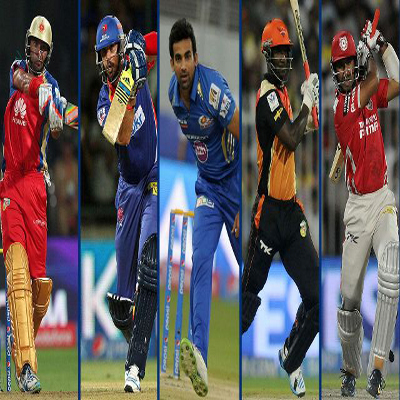
    The leagues system has served as an important way for companies to enter the sports sector. A sports league creates several opportunities for private companies in domains such as league management, franchisee, broadcasting and sports videos production houses, advertising, sports infrastructure such as multipurpose venues, player management, licensing and merchandising. One of India’s most successful leagues in terms of viewership and revenues has been the Indian Premier League (IPL), which is based on the English Premier League (EPL) format. The league was launched in 2008 by the Board of Control for Cricket in India (BCCI) with eight city franchisees. Though it is still small in comparison to some of the biggest leagues of the world, it has been able to achieve success in a short span of time, which other mature leagues could not manage to do. The evolution of IPL as a brand is an example of successful product innovation, which effectively combined entertainment and sports. The Twenty20 (T20) format of IPL has made the sport more popular and convenient to watch for cricket enthusiasts. The success of the IPL, which is estimated to have had a viewership of 191 million people and ad revenue of Rs 8 billion in 2014 has led to the creation of several other league-format sporting events, such as the Indian Badminton League, Hockey India League and the recently launched Pro-Kabaddi League. The inaugural season of football’s Indian Super League has been fairly successful as well. Cumulative reach of Pro Kabaddi League was 435 million compared to 560 million for IPL in 2014. Football’s Indian Super League was close with 410 million cumulative reach. The new domestic sports leagues however require significant management efforts over a period of time to get established and be successful. 

    Viewership refers to sum of weekly GVTs, which is a factor of number of viewers and frequency.

    IPL leads the cumulative reach chart amongst sporting events held in 2014
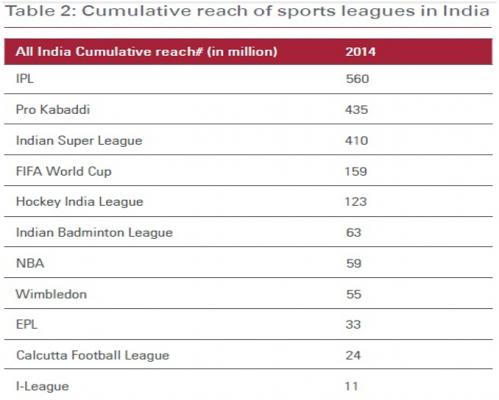
    Cumulative reach refers to the number of individuals within the target group who viewed the tournament over a certain period of time, including duplication.

    Ecosystem to support sports development in India

    However, in order to sustain the growth in sports and sports-related businesses, a flexible regulatory and policy framework that is able to realise synergies between various segments of sports needs to be developed. This in turn requires the sports ecosystem and its stakeholders to be recognised under the purview of a dedicated industry of sports which can provide impetus to an organised and professional business environment for sports in India.

    Sports Broadcasting in India

    There has been a surge in the number of sporting events broadcast in the past few years. These events include tournaments and leagues played at state, national and international levels. Several international tournaments and leagues played at the regional or global level are now telecast in India bringing in a larger and much diverse audience. Males form around 60 to 65 per cent of viewers and are expected to continue to be the main target segment. However, the number of female viewers has been increasing. About 57 per cent of the viewership of ISL and 53 per cent of the viewership of Pro – Kabaddi League was made up of women and children. Broadcasters are supplementing the sports with other entertaining and informative pieces to make the program more inclusive.

    Getting to the right content mix

    With the rise in number of sporting events, sports channels are covering several sporting events in their annual calendar. It consists of a mix of marquee events from domestic and international leagues, major tournaments along with minor domestic leagues and tournaments.

    Star Sports has revamped itself with uniformly branded eight channels to showcase a variety of domestic and international sports both cricket and non – cricket and in English as well as Hindi. While international cricket matches featuring India will make up 65 per cent of Star Sports 1, Ranji matches, university and women’s cricket and international cricket matches not featuring India will form 50 to 60 per cent of content on Star Sports 2. This will enable Star to nearly double its cricket content, which is the major revenue driver for sports channels in India. Star Sports 4 will feature other sports, which include international football (soccer), European soccer leagues, badminton, tennis and Formula-1 racing.

    The new Indian leagues, which include hockey, badminton and soccer, will be telecast on Star Sports 1 to 3 to reach a larger audience. Such a strategy enables Star Sports to increase its cricket content as well as broadcast non – cricket sports, which are seeing increasing traction. There is also an increasing trend towards multi-sports channels, as the viewership of different sports are increasing and sports channels are vying for TV rights across sports. Star has seen a shift from having a cricket specific channel in its cluster to multi-sports channels. It enables Star to broadcast both international and domestic cricket content simultaneously as well as gives it flexibility to show different sports across different channels. This can be attributed to the large investments made by Star to purchase rights for domestic and international cricket, football, tennis, badminton etc.

    On the other hand, Neo has rebranded its cricket specific Neo Cricket to Neo Prime on account of reduced live cricket properties and surge in volume of several sports.

    Ten however, has sports specific channels with Ten Cricket for cricket, Ten Action for football and Ten Golf for Golf broadcasting. Availability of sufficient single sport media rights and a definite viewership base for that particular sport drives the presence of sports specific channels. This helps advertisers to target a specific audience, for example luxury products have tied up with Ten Golf. Although, digitization and lower costs of distribution make single – sport channels more viable than before, it can take some time to evolve in India and reach the popularity of golf and tennis channels in some developed countries.

    Regional language boost to broadcasting

    Another strategy to target a specific audience is the language of telecast. Hindi and other regional languages increase the audience reach for sports as English has a limited audience. Star Sports 3 replicates Star Sports 1 in Hindi. In 2014, it telecast the domestic football league – Indian Super League in five languages. Its regional TV channels were used to telecast the league in Bengali, Kannada and Malayalam apart from English and Hindi broadcasts. During FIFA World Cup 2014, Bengal accounted for half the country’s viewership mainly because of regional language feed by Multi Screen Media (MSM) on its Bengali general entertainment and film channel Sony Aath. Hindi broadcast of the Pro Kabaddi League on Star Gold also helped take the cumulative reach to 435 million for the event. Other than using regional sister channels for feed in local languages, sports channels may spin off separate regional language sports channels if the demand picks up.

    Revenue and Profitability model

    Sports industry is still an ad driven revenue model. Media spends on sports, most of which is on TV, increased from Rs 11.5 billion to Rs 22.5 billion over 2008 to 2013 at a CAGR of 14 per cent. In mature markets, subscription is the main revenue driver for sports channels, contributing nearly 60 to 90 per cent of the revenues. However in India, advertisements still account for nearly 60 per cent of the revenues of sports channels, mainly driven by cricket, which is the largest revenue spinner and accounts for nearly 80 to 85 per cent of the total television sports media revenue. Non-cricket sports provide live sports content around the year, which gives advertisers a regular touch-point to their target segments. Revenues from advertisements in any year vary depending on the tournaments and series held during the year. Cricket mostly forms the peaks whereas the troughs are being evened out with non–cricket sports and non-live cricket content. In 2011, ad spends on TV for cricket was estimated to have crossed Rs 20 billion. In 2015, ad spends from the ICC World Cup and IPL 8 alone are expected to be around Rs 22 – 25 billion. Ad revenues for non-cricket sports are only a small fraction of cricket revenues. In 2013, ad revenues from Indian Badminton League and Hockey India League were Rs 0.9 billion and Rs 0.7 billion respectively.
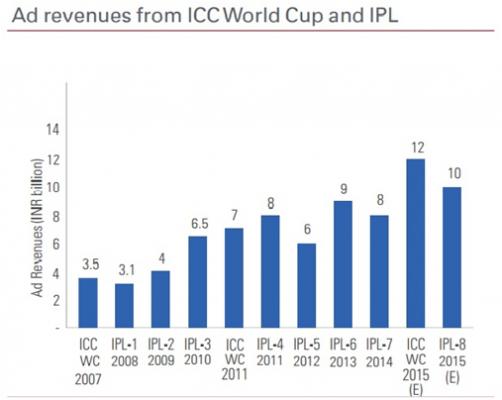
    Key challenges facing the spurt of non-cricket leagues in India includes:

    • Poor investor confidence

    For instance the Indian Badminton League (IBL) suffered a loss of Rs 25 crore in the opening season in 2013 owing to investors pulling out casting doubt on the return of IBL with its second season. However, despite no play in 2014, the IBL is set to return in 2015.

    • Lack of industry status

    Provision of industry status could lead to an organized sports industry leading to higher available capital, newer sports businesses, additional revenue streams for stakeholders making leagues commercially viable ventures.

    • Lack of a culture for sports

    Sporting leagues in India are designed to last just a couple months every year. However, many major sporting league seasons in the world last for longer durations every year. Sporting leagues need to become year round (or at least three – four months a year) ventures. Apart from the benefit of a longer engagement with viewers (allowing the building of a larger fan base and culture for the game), this also touts the idea of sport becoming a year round profession furthering the advent of sports businesses.

    Revenue model in leagues

    Major sources of revenue for any league come from media rights, sponsorships and revenue from franchisees. Share of franchisee consideration in IPL has increased from 30 per cent in 2010 -11 to 37 per cent in 2012- 13 with a corresponding decrease in the revenues from sponsorship rights. Income from media rights and other sources have nearly the same share in 2012-13 as in 2010- 11.

    Major Sources of revenue for a League Franchisee

    Major sources of revenue for any league franchisee are share of the central revenues, local revenue and performance revenue.

    • Share of central revenue

    This includes a percentage of the revenue to the league from media rights and central sponsors like Pepsi in the IPL. In India, media rights are a major revenue sources both for the league and the franchisees. Channels are expected to further increase the subscription revenue for sports channels.

    • Local revenue

    Local revenue for a franchise entails revenue from match day ticket sales (gate revenue) and commercial revenue that includes funds from franchise sponsors, merchandise sales and revenue generated from membership with the franchise club if any. However, revenue from franchise sponsors makes for a majority of the commercial revenue. Sports merchandise sales is a fast growing segment with Rs 2 billion in retail sales in 2013. Moreover, contribution of gate revenue to overall revenue of franchises is low due to inexpensive ticket pricing, especially in non-cricket leagues. This is in contrast to leagues abroad where gate revenues are a significant contributor to a franchisee’s revenue.

    How can leagues be further popularised/ monetized?

    Some of the critical success factors of a league in India are identified below:

    • Players

    Involvement of top players of the world creates interest in the viewers and increases the quality of the game. The IPL is a successful example of the same. On the other hand, I-League is struggling to attract top players resulting in poor viewership.

    • Marketing

    An effective marketing campaign is another critical factor in making the league popular. Again, the involvement of various celebrities as brand ambassadors or owners in the IPL contributed to generating larger viewer interest in the league. In fact, the marriage of the Indian entertainment industry and cricket has aided in making IPL a commercial success.

    • Governance framework

     It is seen that leagues, which are run with the support of the approved federation have been able to sustain. The ICL failed due to lack of support from BCCI and World Series Hockey (WSH) is facing similar troubles due to non-recognition of the founding federation as the official national sports federation of hockey itself.

    • Stadium Infrastructure

    Quality of stadium infrastructure improves the viewing experience, hence increases the level of interest in the sport. It is important to create supporting infrastructure like restaurants, bars, fast-food chains, merchandise, stores, books and music stores, etc. to develop stadiums into popular entertainment spots for the family. Hike in ticket prices subsequent to rise in viewership, organizing multiple sporting events and entertainment shows wherever possible can help monetise stadium infrastructure.

    • Fan base

    An effective strategy to increase a franchisee fan base is engagement of respective franchises with local community. This helps generate greater TV viewership, increase attendance of matches and sale of merchandise. Performance of national team or players at international level increases the interest in the game, hence the league.

    League timing

    The tournament should be held at a time when there is no clash with international tournaments that could divert a significant section of the viewers, many players are available and weather is suitable for holding matches. The length of games and timing of matches (conducive for family viewing) are also important factors to consider, both having further helped significant viewership of the IPL. Other factors may include spectator friendly broadcasting such as better viewing angles and broadcasting in Hindi and English.


  • Changing dynamics in consumption of kids content

    Changing dynamics in consumption of kids content

    MUMBAI: Producing content to consume for today’s kids is no child’s play. Data and trends on kids content consumption across media-electronic and print goes a long way in impacting decisions made by commissioning editors and TV programmers. A panel at the just concluded FICCI Frames 2015 titled “Decoding Kids’s Content Consumption” presented such data and trends.


    On the panel were Eurodata TV Worldwide International senior sales manager Eric Lentulo, Viacom 18 Media EVP and GM Sonic and Nickelodeon India Nina Jaipuria, BARC chief business officer Romil Ramgarhia, IMRB International group business director Ashish Karnad and Stratagem Media CEO Sundip Nagpal. The session was moderated by FICCI AVGC Forum chairman Ashish Kulkarni. 


    Lentulo shared some crucial insights from various reports of studies conducted by the company. He said that kids in Asia were viewing less amount of kids content as compared to their US and European counterparts with an average viewing daily time of 2:32 minutes. In Germany, sports worked best for kids with nearly 95 per cent of the kids under the research having watched the FIFA World Cup Final. In Canada, the Super Bowl brought in large traction kids viewers. “Kids are watching content on smart phones as well as tablets but television is the firsts screen for children,” Lentulo observed. 


    Providing an Indian perspective, Nagpal said, “Younger kids spend just 30 per cent of their time watching kids channels in India, 35 per cent of GEC content, and the remaining 30 per cent of other content.” He went on add that TAM data showed that young mothers spend just six per cent of their time watching the content viewed by their wards. “The kids genre is popular across metros and one million plus towns and even in towns with population less than one lakh people. While Maharashtra and Gujarat were well performing markets for the genre, Kerala is missing out on children’s content.”


    On the other hand, as per Karnard’s study in 2013, two out of three kids seek entertainment primarily to reduce stress and tension from studies. The second primary reason was to seek information. “Three out of the four kids prefer watching content in Hindi rather than in English, while they love animated characters that help others. When they are alone, they would use mobile phones and computer games, they would utilise television to watch music and shows. On the other hand, when in company of their friends and family, they would play outdoor sports and watch movies and sports on television,” Karnard stated.


    Having the last word on the subject, Jaipuria said, “While kids today are consuming content on various devices, TV is here to stay for a while.” According to her, kids latched on to television for two reasons: 1) They were terribly bored and seek it as a form of entertainment value. 2) They wanted an escape route where they are able to run from a competitive world to one of fantasy. “Animation is the only medium that can transform them to an imaginative world,” she added.


    Highlighting an important point from the perspective of a kid’s broadcaster, she said that they were a safe genre and hence parents trusted the network for its content. Storytelling too was crucial along with quality dubbing and environmental sounds that together made up for solid content. “The primary factor that drives this category is the element of fun and being mischievous and kids are looking for honest values,” she said.


    The other elements that children looked for in a character were looks (dressing, style and smile), fantasy (talking about gadgets) and values that the characters stood up for. Throwing light on whether language made a difference, Jaipuria said, “It is the character, bond and relationships which brings them to TV. Language only breed familiarity. Local content is currently edged out because we started off late.”


    For the category that is growing at nine per cent and sees under two per cent ad revenue, Jaipuria informed that with carriage fees going down and subscription going up, there was space for further segmentation.


    Ramgarhia added that with the coming of BARC, the audience measurement platform would cover everything that India watched including the rural markets. “As more segmentation takes place, a lot of thrust will be placed on kids channels. Nine is the new 14,” he said, adding that moving ahead it would be their endeavour to expand the panel that monitors channels.


  • M&E cos plead government for rationality in taxation

    M&E cos plead government for rationality in taxation

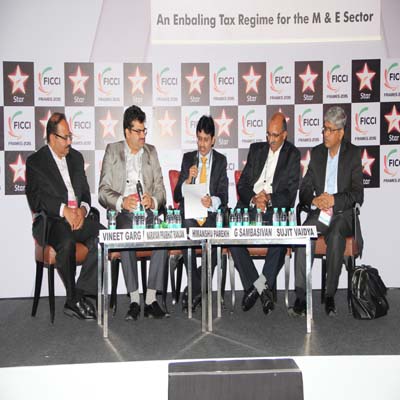
    MUMBAI: The Media and Entertainment (M&E) sector is one of the most highly taxed sectors in India. The rollout of the proposed GST (Goods and Service Tax) is expected to be a major game changer as it will simplify the tax regime by combining a multitude of national, state and local taxes. However, whether it will ease the M&E sector’s tax burden or not, remains to be seen.


    A detailed panel discussion on the same was held in FICCI Frames moderated by KPMG executive director Himanshu Parekh with Viacom 18 CFO Narayan Prabhat Ranjan, Disney UTV CFO Sujit Vaidya, Tata Sky CFO G Sambasivan and Hathway Datacom deputy CFO Vineet Garg on the panel.


    The financial officers put up the issue of multiple taxation policy in India and inconsistency of the government, which makes scenario less business friendly. Other major issues bothering industry is lack of clarification and the biggest sufferer of that is consumer. Speaking on what the government should do, Ranjan said, “Whenever an amalgamation takes place and there is a loss, the carry forward of losses is allowed and that is something that the government should address with immediate effect. Moreover the issue of service tax VAT and excise duties should also be paid attention at. Why should one product be taxed numerous occasions with various nomenclatures?”


    Echoing Ranjan’s point of view, Vaidya added, “In other countries, if a consumer pays 100, 50 is devoted to the content. Whereas in India, due to the multiple taxation system, only 30 per cent is devoted to content. Service tax has been another pain point and entertainment tax, which varies from state to state and ranged anywhere between 10 to 40 per cent approximately is something government should look after.”


    The government in numerous occasions came on record and accepted the irregularities when it comes to taxation and GST has been portrayed as a solution. But again GST is also in experimentation stage and concrete figures are yet to be displayed in public forum. Sambasivan asserted, “Things which we expected to change did not change and there is no reason to be buoyed by GST. There is no clarity on whether entertainment tax will be subsumed or not. There is a cap of 16 – 27 per cent between which the tax will fluctuate and hence no matter how much ever we plead for a rational uniform policy, nothing of that sort comes out. Now we get 30 when someone spends 100 and if this phenomenon keeps sustaining then share holders will stop putting money as all expect high return.”


    “With digitization phase III and IV to follow, the opportunity of growth increases but at the same time there is a huge requirement of a consistent regulatory body, which has the intention to make scenarios business friendly. All the time we are suppose to devote on improvising and innovating our business model we are devoting on managing tax complacencies. AOP is an unnecessary hassle and hugely unwanted, my request to the government is to come to a consensus and make rational policy which is a win win for both the parties” concluded Garg.

  • India will shape mobile innovation: Ajit Mohan

    India will shape mobile innovation: Ajit Mohan

    MUMBAI: The digital consumer is on his way to become the king of media and entertainment. It is he who will dictate future content trends, platform specifics and most importantly revenue flows. How can the vast media and entertainment ecosystem channelise its vision towards a sustainable revenue system reaping off the all encompassing digital landscape – overhauling payment gateways, broadband speed and consumer sensitisation?


    Seeking answers to these questions, a panel discussion was held in FICCI Frames 2015 moderated by BBC Global News presenter Matthew Amroliwala. The panel comprised Star India digital head Ajit Mohan, Yahoo India MD Gurmit Singh, UCWeb India MD Kenny Ye and Airtel global voice and data business CEO and director Srinivasan Gopalan.


    The digital platform is yet to have a concrete revenue model and most of the content available now is free content. Mohan said, “India is going to shape innovation in mobile and not the United States and hence we need to have our own model and cannot refer to any other. My observation is that consumers are underserved and they are absolutely ready for real and fresh content in the VOD platform. It is a mass market and quality content will find recognition and appreciation.”


    Yahoo’s Singh added, “Yahoo is a 20 years old company that has seen technological evolution. Every 10 years, we have a new technology, which shapes the processing and the same will happen when 4G and 5G comes in. All the existing devices will talk to each other, complement each other and advertisers will have a choice of platform. The advantage of digital is that proper analysis can be done, which makes reaching the target audience easy and accurate. This will also ensure higher returns.”


    Talking about the Indian circumstances, UCWeb India’s Ye said, “The government of India launched a digital India campaign, which is highly encouraging and mobile will play a very important role in making India digital. The revenue model is yet to be figured out and a lot of that will be decided by development in infrastructure in the near future. Better online payment infrastructure and more credit and debit card holders will make the revenue model easier.”


    The online ventures need communications and carriers to carry the signal from provider to consumer. Airtel’s Gopalan asserted, “About 93 per cent of internet usage is in mobile and it’s high time that content makers and service providers collaborate in order to make things more efficient and revenue generating. We should bundle content and put it in a package for the consumers. And data is not expensive in India and it’s mobile data, which is expensive and there are different reasons behind it.”


    Star India’s digital platform Hotstar was free and it got a lot of encouragement in terms of viewership. Commenting on the success of the venture, Mohan said, “Hotstar is not free. The content needs data and the consumers are paying premium rates to see content and hence the myth is baseless.”


    It remains to be seen what revenue model the digital platforms accept and if the formula of content is king is followed.

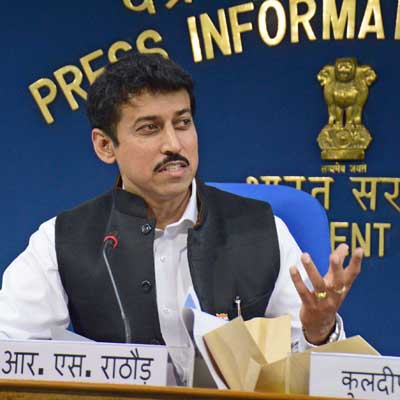
  • I&B Ministry open to discussion with M&E sector: Rajyavardhan Singh Rathore

    I&B Ministry open to discussion with M&E sector: Rajyavardhan Singh Rathore

    MUMBAI: The India media and entertainment (M&E) sector is undergoing rapid changes and has huge potential to take its content across the globe. However, in order to achieve this, the sector will need the support of the Information and Broadcasting (I&B) Ministry.


    “The country has the power to become a super power in M&E and as government, we want to interact with the different sectors in the M&E industry. We want to hear about the bottlenecks and the suggestions. We are keen to iron them out to do business,” said Minister of State Information & Broadcasting Rajyavardhan Singh Rathore.


    Rathore, who was talking at the just concluded FICCI Frames 2015, said that the Indian M&E sector had the ability to reach out to the world. “India is poised to be a global phenomena. We just need to come up with content that can create a foothold in any country,” said Rathore.


    He added that Indian content can be targeted at larger audiences and not just the Indian diaspora. “This we can learn from the US, which has been able to push across its culture across boundaries,” he said.


    The I&B Ministry, under the aegis of Prime Minister Narendra Modi’s government, has been working hard towards improving the media unit. “The Prime Minister has been able to popularize radio, which is now expanding. In a year or so, close to 800-900 cities will have either one or multiple FM Radio stations,” he informed.


    Talking about film certification, Rathore said that the Central Board of Film Certification (CBFC) has be a certification board and not censorship body. “They need to give certification based on content,” he said, adding that the Ministry has decided to have a re-look at the Cinematography Act.


    The Ministry is also looking at improving the Film and Television Institute of India (FTII). “Script is important for any movie and that is what is currently lacking. There is no structure. This facility needs to be improved. Film and TV industry should partner with FTII,” he said.


    Talking about the other initiatives, which the Ministry is undertaking, Rathore said that a National Centre of Excellence for the Animation, Visual, Gaming and Comic (AVGC) is being set up. “We want this centre to be a benchmark for all centres that come later. But to do this, the government will need the support of the industry. It is the industry, which can give life to this project. Become a partner with us,” urged Rathore.


    The MoS is of the view that the country’s culture can be promoted though the films. “The content that is being put out should carry our culture,” he said.


    Speaking on how the M&E sector could become a ‘Soft Power’ of the 21st century, Rathore said, “Currently, the M&E sector is working on individual efforts. We need to join forces and interact more to understand the strengths and move in a certain direction.”


    Rathore concluded by assuring the sector that the Ministry will, with open arms, help the M&E sector grow. “We need to develop a degree of trust to grow,” he concluded.