Category: Event Coverage

  • Introducing digital measurement is more a political hurdle, than technical

    Introducing digital measurement is more a political hurdle, than technical

    NEW DELHI: Who is afraid of the yardstick, and an authentic one? The digital media has been a victim of many a misnomers. “Easily measurable” media, for example. The assumption stems from advertisers taking their campaigns’ ‘views’ or social media numbers at face value, and not questioning agencies on the effectiveness of paid or inorganic reach gained through proxies or hoax accounts.

    This fundamental lack of understanding or ignorance of duping digital figures comes in the way of measuring effective digital media consumption — an issue that the four-person panel gathered at Broadcast Audience Research Council (BARC) India’s session at Zee MELT were keen to address.

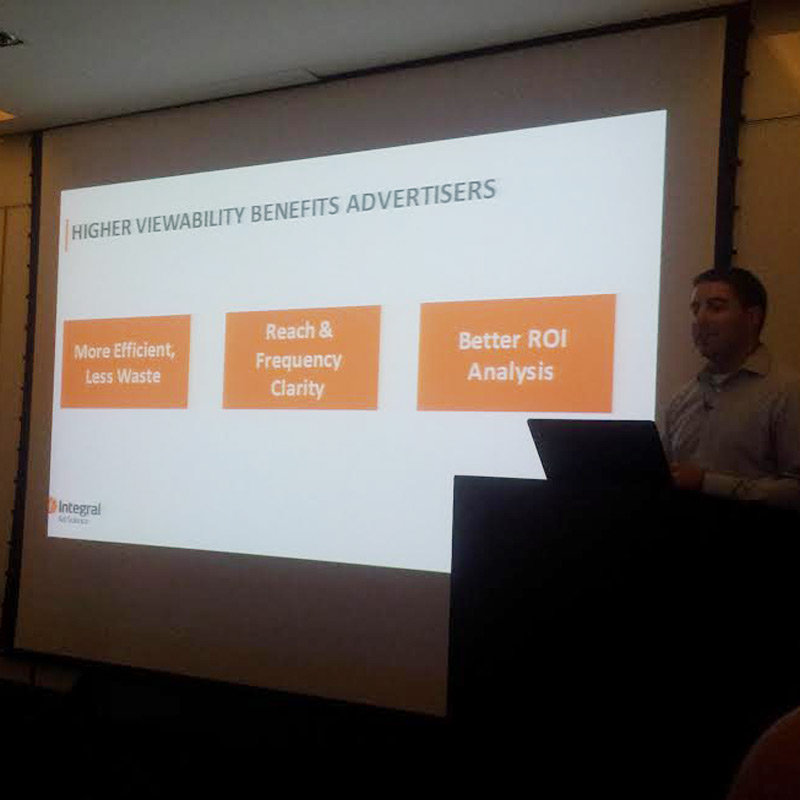
    The panelists were — Integral Ad Science product management VP Brian Murphy, comScore strategic partnerships SVP Paul Goode, Moat APAC director Guy Barbier, and BARC India CEO Partho Dasgupta.

    To put the panel discussion in context, BARC India is on an ambitious mission to roll out digital ratings in the country based on viewability in a few months. The aim is to measure unduplicated audiences across all devices and platforms together through a neutral third-party monitor. If that were achieved, BARC India will become the first rating agency to provide a TV+ digital viewership measurement service across the globe.

    Introducing a standard digital measurability in India was a high mountain hall, thankfully, the country could fast-forward the progress by learning from other mature markets such as the US, and Europe, Murphy suggested.

    “The first lesson learned is to accept that third-party javascript is not commonplace with publishers. There are both, policy and technological limitations,” he said. Secondly, Murphy observed, the stakeholders needed to be open about what could and could not be measured.

    The measurability standards need to be based on a realistic picture, after all.

    The panel also raised concerns that are perhaps unique to emerging markets such as India. From an advertiser’s perspective, a lot of the current digital traffic can be dismissed as invalid (due to duplication or its irrelevance to the brand). Given the fact that India is still at a nascent stage when it comes to digital marketing, will it deter advertisers from investing into the medium? Or else, advertisers can continue to rely on their existing media options that have been fruitful, and avoid the digital medium.

    While India has a relatively cleaner slate, it has already set out on the digital transformation path, however smaller it may be. Thus, there was no turning back for brands, Murphy noted. The real challenge would be to bring brands and publishers to come to terms if the standard measurement data, when rolled out, was below their expectations. “Coming to terms with the fact that you weren’t really getting the numbers you thought you were, is the real challenge,” Goode pointed out.

    The uneven brands-platforms power ratio was discussed as well, keeping in mind the growing digital ecosystem in India. “Those with the advertisement dollars will always have an upper hand. Its true for any market,” said Barbier, adding a global perspective. Traditional TV advertisers in India too are known to flex their muscle when it comes to getting their money’s worth. Advertisers buying spots during cricket matches sometimes refuse to pay the full worth of a spot if a part of the advertisement was cut out due to live coverage limitations, the panel cited.

    When it comes to programmatic media management, the assumption that the digital inventory is endless has been a hindrance to bringing in the advertisement dollars for premium inventory.

    Advertisement blocking was the elephant in the room that the panel dared to address. The panel established the fact that irresponsibly placing advertisement that causes the viewer inconvenience doesn’t serve anyone, be it the publisher or the advertiser. A huge advertisement that dominates the entire screen may not be able to provide an advertiser the desired viewability. On the contrary, it may put off the viewer from the publisher’s content. Success metrics can be driven by content and context, instead of blindly maximizing visibility of a campaign.

    Queuing back to introduction of digital measurement in a new market, the moderator raises the question: on which factors does the success of a digital measurement system depend? Threatened by the disruption that digital measurement may bring into their businesses, several publishers are bound to resist the introduction of a new digital currency, afraid that it will devalue their inventories.

    Broadcasters too are concerned that their metrics may not be able to keep up with that of digital, if both the mediums were to be judged on the basis of viewability numbers.

    Therefore, even after establishing the technological backbone for the measurement system, it cannot take off. This was seen in the case of Spain. Thus, establishing a digital measurement standard is a bigger political challenge than technological.

    When it comes to India, Dasgupta is optimistic that the level of resistance will not hinder the progress of the initiative in the market. “When it comes to videos, our confidence in the system comes from the number of major broadcasting partners that have signed up for this system. Moreover, the biggest push is coming from big brands and the Levers of the world who want an apple to apple comparison between television and digital videos,” Dasgupta concluded on an optimistic note.
  • Introducing digital measurement is more a political hurdle, than technical

    Introducing digital measurement is more a political hurdle, than technical

    NEW DELHI: Who is afraid of the yardstick, and an authentic one? The digital media has been a victim of many a misnomers. “Easily measurable” media, for example. The assumption stems from advertisers taking their campaigns’ ‘views’ or social media numbers at face value, and not questioning agencies on the effectiveness of paid or inorganic reach gained through proxies or hoax accounts.

    This fundamental lack of understanding or ignorance of duping digital figures comes in the way of measuring effective digital media consumption — an issue that the four-person panel gathered at Broadcast Audience Research Council (BARC) India’s session at Zee MELT were keen to address.

    The panelists were — Integral Ad Science product management VP Brian Murphy, comScore strategic partnerships SVP Paul Goode, Moat APAC director Guy Barbier, and BARC India CEO Partho Dasgupta.

    To put the panel discussion in context, BARC India is on an ambitious mission to roll out digital ratings in the country based on viewability in a few months. The aim is to measure unduplicated audiences across all devices and platforms together through a neutral third-party monitor. If that were achieved, BARC India will become the first rating agency to provide a TV+ digital viewership measurement service across the globe.

    Introducing a standard digital measurability in India was a high mountain hall, thankfully, the country could fast-forward the progress by learning from other mature markets such as the US, and Europe, Murphy suggested.

    “The first lesson learned is to accept that third-party javascript is not commonplace with publishers. There are both, policy and technological limitations,” he said. Secondly, Murphy observed, the stakeholders needed to be open about what could and could not be measured.

    The measurability standards need to be based on a realistic picture, after all.

    The panel also raised concerns that are perhaps unique to emerging markets such as India. From an advertiser’s perspective, a lot of the current digital traffic can be dismissed as invalid (due to duplication or its irrelevance to the brand). Given the fact that India is still at a nascent stage when it comes to digital marketing, will it deter advertisers from investing into the medium? Or else, advertisers can continue to rely on their existing media options that have been fruitful, and avoid the digital medium.

    While India has a relatively cleaner slate, it has already set out on the digital transformation path, however smaller it may be. Thus, there was no turning back for brands, Murphy noted. The real challenge would be to bring brands and publishers to come to terms if the standard measurement data, when rolled out, was below their expectations. “Coming to terms with the fact that you weren’t really getting the numbers you thought you were, is the real challenge,” Goode pointed out.

    The uneven brands-platforms power ratio was discussed as well, keeping in mind the growing digital ecosystem in India. “Those with the advertisement dollars will always have an upper hand. Its true for any market,” said Barbier, adding a global perspective. Traditional TV advertisers in India too are known to flex their muscle when it comes to getting their money’s worth. Advertisers buying spots during cricket matches sometimes refuse to pay the full worth of a spot if a part of the advertisement was cut out due to live coverage limitations, the panel cited.

    When it comes to programmatic media management, the assumption that the digital inventory is endless has been a hindrance to bringing in the advertisement dollars for premium inventory.

    Advertisement blocking was the elephant in the room that the panel dared to address. The panel established the fact that irresponsibly placing advertisement that causes the viewer inconvenience doesn’t serve anyone, be it the publisher or the advertiser. A huge advertisement that dominates the entire screen may not be able to provide an advertiser the desired viewability. On the contrary, it may put off the viewer from the publisher’s content. Success metrics can be driven by content and context, instead of blindly maximizing visibility of a campaign.

    Queuing back to introduction of digital measurement in a new market, the moderator raises the question: on which factors does the success of a digital measurement system depend? Threatened by the disruption that digital measurement may bring into their businesses, several publishers are bound to resist the introduction of a new digital currency, afraid that it will devalue their inventories.

    Broadcasters too are concerned that their metrics may not be able to keep up with that of digital, if both the mediums were to be judged on the basis of viewability numbers.

    Therefore, even after establishing the technological backbone for the measurement system, it cannot take off. This was seen in the case of Spain. Thus, establishing a digital measurement standard is a bigger political challenge than technological.

    When it comes to India, Dasgupta is optimistic that the level of resistance will not hinder the progress of the initiative in the market. “When it comes to videos, our confidence in the system comes from the number of major broadcasting partners that have signed up for this system. Moreover, the biggest push is coming from big brands and the Levers of the world who want an apple to apple comparison between television and digital videos,” Dasgupta concluded on an optimistic note.
  • Six principles vital for acceptance of branded content: Vanessa Clifford

    Six principles vital for acceptance of branded content: Vanessa Clifford

    NEW DELHI: It’s the business of consumer connect, realistically. Noting that there was a dearth of good branded content and the British media invested 350,000 pounds sterling towards that every year, Newsworks deputy chief executive Vanessa Clifford said the aim should be to provide value to the consumer.

    Talking about opportunities for branded content at the session “All News is Good News” at ZEE Melt here, she listed six guiding principles for branded content.

    She said that the first was clearly the audience interest. One needed to attract the right kind of audience for a particular brand that one planned to sell through a specific advertisement, she said.

    There was need to plan the communication idea keeping the target audience and the platform – online or print – in mind. Secondly, the print medium was important as its expertise and heritage were built on reputation, she said.

    Trust and transparency was the third on Vanessa’s list of principles. She demonstrated examples of how a reader and viewer’s trust had been won in different advertisement campaigns.

    It was necessary for the advertiser and the media, she said, to set the right goals so that the objective of the campaign was fulfilled.

    Collaboration between the advertiser and the medium was of prime significance so that the message was conveyed perfectly well, Vanessa felt.

    Finally, Vanessa said, there was need to ‘create stories’ that kept the interest of the audience alive.

    Earlier, speaking in the same session on “The Role of Print”, Vanessa said that her experience in the United Kingdom had shown that the impact of the print medium was higher in the long-term and national newspapers drove news brands.

    She quoted Arthur Miller to say that a good newspaper was like a nation talking to itself.

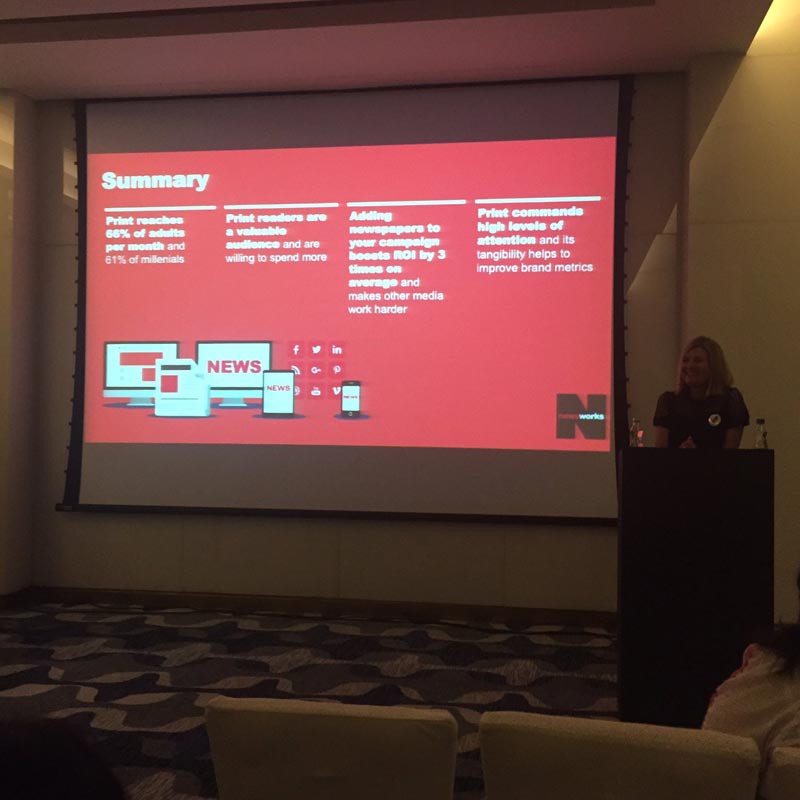
    The print medium delivers results better than any other medium, and campaigners using the print news delivered stronger effects on businesses. News brands command a higher level of attention and 60% of that was focused on newspapers as against 57% on television.

    Referring to branding content, she said that there was greater engagement, trust and personal identification. She observed that advertisements worked on ‘sight and sound’ but often forgot the ‘touch’ aspect which actually drove brands, and this was achieved through the print medium.

    Furthermore, she said that physical interaction in researches had shown that 66% of the consumers considered buying or subscribing to a product if they saw it in print. The return on investments (ROI) by advertisers through the print medium was three times better than any other medium. The print also commanded a higher level of attention.

    Answering a question, she said credibility was higher in the print medium despite the influx of newer online media. Age of the consumer was not a consideration as far as the print medium was concerned, she noted.

    Speaking on “Brands and Marketers” in the age of democratized story-telling, News Corp Senior Vice President-Strategy Raju Narisetti said user-generated content (UGC) used by advertisers had greater effect than a commercial where it was clear that it was being enacted.

    “Everyone is creating content these days, and around 400 hours of content is produced on YouTube every minute,” he said. Democratized story-telling showed that anyone could tell a story through the mobile.

    Raju referred to studies that had shown that 92% consumers were more likely to trust their peers than an advertisement. But, he said, the challenges before UGC was volume, accuracy, acceptance and acquisition.

    There was need to align, identify, verify and license, and deploy before using technology for UGC, Raju concluded.

  • Six principles vital for acceptance of branded content: Vanessa Clifford

    Six principles vital for acceptance of branded content: Vanessa Clifford

    NEW DELHI: It’s the business of consumer connect, realistically. Noting that there was a dearth of good branded content and the British media invested 350,000 pounds sterling towards that every year, Newsworks deputy chief executive Vanessa Clifford said the aim should be to provide value to the consumer.

    Talking about opportunities for branded content at the session “All News is Good News” at ZEE Melt here, she listed six guiding principles for branded content.

    She said that the first was clearly the audience interest. One needed to attract the right kind of audience for a particular brand that one planned to sell through a specific advertisement, she said.

    There was need to plan the communication idea keeping the target audience and the platform – online or print – in mind. Secondly, the print medium was important as its expertise and heritage were built on reputation, she said.

    Trust and transparency was the third on Vanessa’s list of principles. She demonstrated examples of how a reader and viewer’s trust had been won in different advertisement campaigns.

    It was necessary for the advertiser and the media, she said, to set the right goals so that the objective of the campaign was fulfilled.

    Collaboration between the advertiser and the medium was of prime significance so that the message was conveyed perfectly well, Vanessa felt.

    Finally, Vanessa said, there was need to ‘create stories’ that kept the interest of the audience alive.

    Earlier, speaking in the same session on “The Role of Print”, Vanessa said that her experience in the United Kingdom had shown that the impact of the print medium was higher in the long-term and national newspapers drove news brands.

    She quoted Arthur Miller to say that a good newspaper was like a nation talking to itself.

    The print medium delivers results better than any other medium, and campaigners using the print news delivered stronger effects on businesses. News brands command a higher level of attention and 60% of that was focused on newspapers as against 57% on television.

    Referring to branding content, she said that there was greater engagement, trust and personal identification. She observed that advertisements worked on ‘sight and sound’ but often forgot the ‘touch’ aspect which actually drove brands, and this was achieved through the print medium.

    Furthermore, she said that physical interaction in researches had shown that 66% of the consumers considered buying or subscribing to a product if they saw it in print. The return on investments (ROI) by advertisers through the print medium was three times better than any other medium. The print also commanded a higher level of attention.

    Answering a question, she said credibility was higher in the print medium despite the influx of newer online media. Age of the consumer was not a consideration as far as the print medium was concerned, she noted.

    Speaking on “Brands and Marketers” in the age of democratized story-telling, News Corp Senior Vice President-Strategy Raju Narisetti said user-generated content (UGC) used by advertisers had greater effect than a commercial where it was clear that it was being enacted.

    “Everyone is creating content these days, and around 400 hours of content is produced on YouTube every minute,” he said. Democratized story-telling showed that anyone could tell a story through the mobile.

    Raju referred to studies that had shown that 92% consumers were more likely to trust their peers than an advertisement. But, he said, the challenges before UGC was volume, accuracy, acceptance and acquisition.

    There was need to align, identify, verify and license, and deploy before using technology for UGC, Raju concluded.

  • Ten commandments for agencies to stay in business: GroupM’s CVL Srinivas

    Ten commandments for agencies to stay in business: GroupM’s CVL Srinivas

    MUMBAI: It was hard hitting, the way CVL Srinivas began his address at Zee MELT 2016. With a satirical audio-visual titled ‘The Last Agency On Earth’ (2010), the GroupM south Asia CEO laid down the fundamentals of the ‘change or perish’ ecosystem today’s agencies exist in; bringing down the media behemoths from their high horses and urging them to face the reality.

    If an agency needs a reality check on where it stands in this era of disruption it needs a clear understanding of where its client stands. It needs to ask itself ‘What keeps my clients up at night?’ Srinivas insisted.

    “Clients are being witness to this disruption all across – be it the value chain, the consumer chain, supply chain. This introduces a lot more cost pressure on the advertisers, and pressure on procurement as well. Not to mention the planning cycle is getting shorter as well. From an annual plan, the clients are moving to quarterly evaluations,” Srinivas shared, adding that managing multiple partners could be the most challenging issue for these clients.

    While the agency has to deal with newer business for clients, the same disruption within the clients adds more pressure on it. Positioned between the client and the consumer the agency has to stay updated with every new development that might translate into an insight.

    “Therefore the contents of the ‘agency survival kit’ consist of the will to contemporising traditional or existing models, building speed and adaptability and staying relevant and farsighted,” Srinivas said.

    In spite of all this talk of data, digital insight, tools and technical support, the clients still judge an agency on an excel spread sheet and ask ‘at what rate can you buy media for me?’ : Srinivas painted the sad picture.

    So what are agencies to do to be relevant to its clients and ensure a revenue generating future? Follow these ten rules, of course.

    1. Turning one’s weakness to strength is a first step in overcoming any major challenge and the media management world is no exception. Touting ‘tech’ to be the industry’s Achilles’ heel, Srinivas advised all to brainstorm into aggressively adapting new technology. No going forward until this is achieved.

    2. Tracing media agencies back to the roots, the business was mostly trade centric. “Those days are gone, now you have to be data centric, in whatever form you acquire it,” Srinivas simply put.

    3. Agencies must constantly question themselves on their relevance to client and the market, as a lot of the grunt work that was part of the daily chore has been automated. So how else can an agency add value to stay relevant?

    4. Adaptive marketing: There is no room for settlement and creating routines if you ask Srinivas. Giving an example of PepsiCo’s ‘Pressure is good’ campaign using real-time data, he showcased what wonders a truly nimble and adaptive agency can create.

    And let’s not forget the holy trinity of timing, content and authenticity.

    5. Srinivas encouraged agencies to keep an ‘open source’ mindset that lends itself to various partnerships and collaborations. The Cannes Lions 2016 Grand Prix winner ‘Six Pack band’ initiative by Brooke Bond Red Label was the result of that.

    6. Keeping a fluid structure within the organisation can help internal processes from becoming bottle necks sometimes.

    7. Talent diversity is the key, Srinivas said. “Earlier you either had math men or mad men in the organisation. Now the skills sets are more diversified.”

    8. Breaking hierarchies within the organisation can help an agency from becoming rusty as fresh ideas are encouraged. “We must ensure contribution from the junior level as they may be better placed to take calls in certain issues in this digital world.”

    9. All the above points would fall flat if not for an’ Integrated system,’ which keeps an agency tied to its data center while connecting it to several other touch points like pricing platform etc.

    10. All that jazz about data still can’t displace ‘creativity’ from being the key focus of any agency. “Ultimately we are in the creative business,” Srinivas concluded.

  • Ten commandments for agencies to stay in business: GroupM’s CVL Srinivas

    Ten commandments for agencies to stay in business: GroupM’s CVL Srinivas

    MUMBAI: It was hard hitting, the way CVL Srinivas began his address at Zee MELT 2016. With a satirical audio-visual titled ‘The Last Agency On Earth’ (2010), the GroupM south Asia CEO laid down the fundamentals of the ‘change or perish’ ecosystem today’s agencies exist in; bringing down the media behemoths from their high horses and urging them to face the reality.

    If an agency needs a reality check on where it stands in this era of disruption it needs a clear understanding of where its client stands. It needs to ask itself ‘What keeps my clients up at night?’ Srinivas insisted.

    “Clients are being witness to this disruption all across – be it the value chain, the consumer chain, supply chain. This introduces a lot more cost pressure on the advertisers, and pressure on procurement as well. Not to mention the planning cycle is getting shorter as well. From an annual plan, the clients are moving to quarterly evaluations,” Srinivas shared, adding that managing multiple partners could be the most challenging issue for these clients.

    While the agency has to deal with newer business for clients, the same disruption within the clients adds more pressure on it. Positioned between the client and the consumer the agency has to stay updated with every new development that might translate into an insight.

    “Therefore the contents of the ‘agency survival kit’ consist of the will to contemporising traditional or existing models, building speed and adaptability and staying relevant and farsighted,” Srinivas said.

    In spite of all this talk of data, digital insight, tools and technical support, the clients still judge an agency on an excel spread sheet and ask ‘at what rate can you buy media for me?’ : Srinivas painted the sad picture.

    So what are agencies to do to be relevant to its clients and ensure a revenue generating future? Follow these ten rules, of course.

    1. Turning one’s weakness to strength is a first step in overcoming any major challenge and the media management world is no exception. Touting ‘tech’ to be the industry’s Achilles’ heel, Srinivas advised all to brainstorm into aggressively adapting new technology. No going forward until this is achieved.

    2. Tracing media agencies back to the roots, the business was mostly trade centric. “Those days are gone, now you have to be data centric, in whatever form you acquire it,” Srinivas simply put.

    3. Agencies must constantly question themselves on their relevance to client and the market, as a lot of the grunt work that was part of the daily chore has been automated. So how else can an agency add value to stay relevant?

    4. Adaptive marketing: There is no room for settlement and creating routines if you ask Srinivas. Giving an example of PepsiCo’s ‘Pressure is good’ campaign using real-time data, he showcased what wonders a truly nimble and adaptive agency can create.

    And let’s not forget the holy trinity of timing, content and authenticity.

    5. Srinivas encouraged agencies to keep an ‘open source’ mindset that lends itself to various partnerships and collaborations. The Cannes Lions 2016 Grand Prix winner ‘Six Pack band’ initiative by Brooke Bond Red Label was the result of that.

    6. Keeping a fluid structure within the organisation can help internal processes from becoming bottle necks sometimes.

    7. Talent diversity is the key, Srinivas said. “Earlier you either had math men or mad men in the organisation. Now the skills sets are more diversified.”

    8. Breaking hierarchies within the organisation can help an agency from becoming rusty as fresh ideas are encouraged. “We must ensure contribution from the junior level as they may be better placed to take calls in certain issues in this digital world.”

    9. All the above points would fall flat if not for an’ Integrated system,’ which keeps an agency tied to its data center while connecting it to several other touch points like pricing platform etc.

    10. All that jazz about data still can’t displace ‘creativity’ from being the key focus of any agency. “Ultimately we are in the creative business,” Srinivas concluded.

  • Digital success via differentiated content, good story-telling, partnerships

    Digital success via differentiated content, good story-telling, partnerships

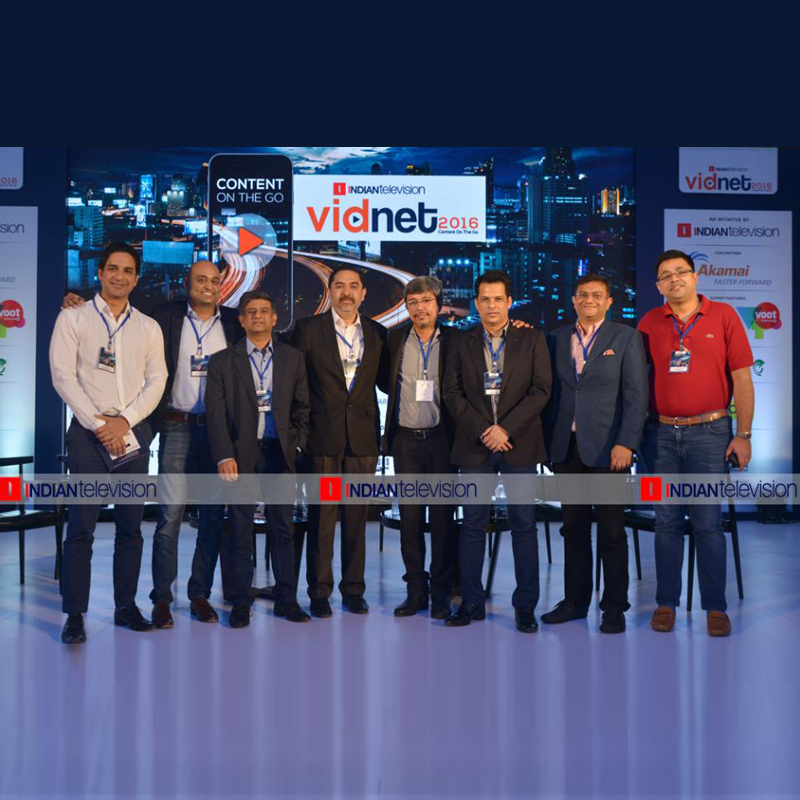
    MUMBAI: Bollywood, Hollywood and sports content will certainly get you traction, but ultimately well thought out differentiated content, partnerships with platforms and targeted audience will not only get the eyeballs, but also return on investment for content creators on OTT platforms.

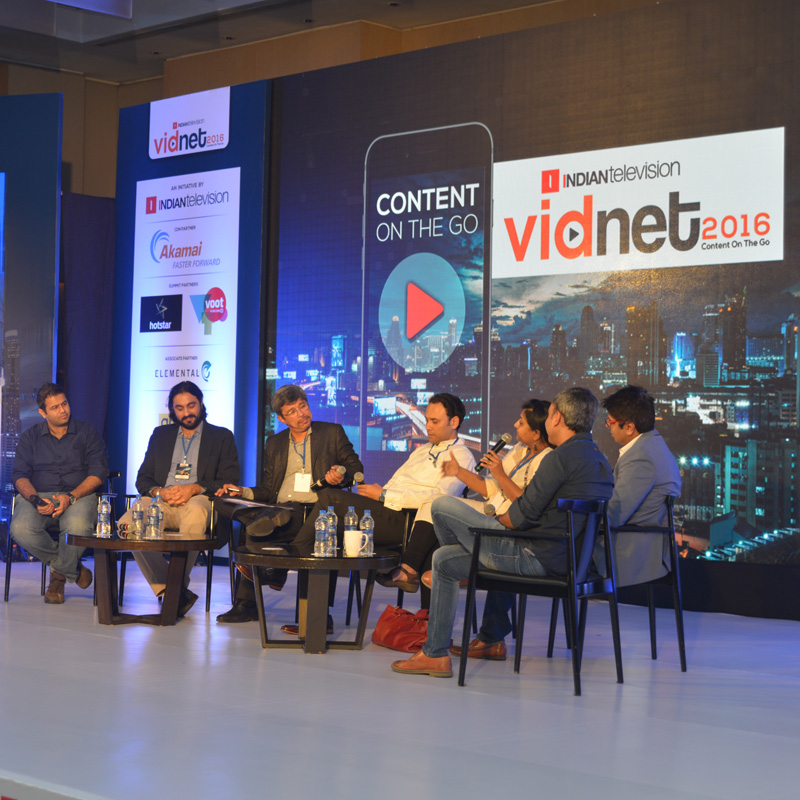
    This was the over-arching message from content creators and OTT platform operators at the session on content paradigm at Indiantelevision.com-organised conference related to OTT here yesterday, aptly themed Vidnet 2016.

    The panel included Abhimanyu Singh, CEO, Contiloe Entertainment, Mahesh Narayanan, MD, Saavn, Salil Kapoor, MD, HOOQ India, Uday Sodhi, EVP and Head Digital Business, Sony Pictures India, Varun Mathur, Co-Founder and Director VEQTA, Viviek Bhargava, MD and CEO iProspect and Yash Patnaik, Founder, Beyond Dreams Entertainment.

    The session’s basic underlying theme, highlighted by moderator Anil Wanvari, Founder and Editor-in Chief, Indiantelevision.com, revolved around the type of content that could work in the digital world while keeping in mind the needs of advertisers, agencies and investments.

    The variety of online content is vast, Sony’s Sodhi said, adding since the ecosystem is fairly new, consumption is from television content catch up. “There is a fair demand for movie viewing, including short films,” according to him as he pointed out sports too is majorly consumed by OTT subscribers.

    However, Sodhi was candid enough to admit that presently in an evolving eco-system it cannot be said with guarantee what works and what does not.

    As SonyLiv depends a lot on streaming of sports content on the platform, a question was raised whether programming differentiation on major OTT platforms was needed and also whether a global player like Netflix, focused on fictional series and movies, needs to re-strategize in India.

    Pointing out that OTT platforms ultimately will come out with their strengths, Sodhi said, “We come with a huge legacy of sports. We believe it works well for us and gives us an automatic connect between our users on TV and digital (platform), acting as an entry point for consumers.”

    While Sony Liv is banking on sports, HOOQ is finalising plans to launch in India as a VOD platform.

    Educating the uninitiated that HOOQ is a joint venture amongst Sony Pictures TV, SingTel and Warner Bros., HOOQ India chief Kapoor was of the opinion that the new digital evolution is about “pull and not push” and, therefore, “good content will get pulled (by consumers).”

    “All sorts of stories and entertainment can co exist in this (digital) space,” Kapoor said, adding that the criteria for success in the digital world were quality of content as people appreciate good content on every format.

    As per HOOQ, the criteria to measure the success of engagement is not downloads (of an app), but continuous engagement and number of active users.

    However, the experts on the panel did agree that since there is more television content, `catch up’ is a big issue presently. The next step ought to be and should be engagement of consumers with original content and the players are experimenting with that as to what’s relevant to digital natives.

    For example, Saavn, the music streaming app, has its own formula to engage audiences. The strategy for audio players is to package their content differently to provide a unique experience.

    Sharing the company’s varied ways of consumer engagement, Saavn’s Narayanan said an interesting property the company created was Saavn Live where live gigs happen on a stage in the company office with artistes performing at a pre-set time that goes live on Facebook.

    Saavn counts on social media to push its content and offers unplugged version of songs.

    The mechanism of how digital content is working has a big influence on advertising sector as well. iProspect’s Bhargava pointed out while previously brands found advertising cheaper than creating content, digital content creation has minimised cost encouraging brands to produce their own content.
    According to Bhargava, this gives brands an opportunity to engage consumers on their own platforms through licensed content and brand communication becomes easier.

    A digital advertising expert, Bhargava also felt that a shift in advertising pattern has happened past 2-3 years where a large chunk of a client’s budget has been dedicated to digital advertising. “This has given brands an opportunity to reduce advertising costs through content. Digital provides same amount of engagement in less money,” he added.

    But the question remains as to which content works and gives the correct RoI. The content creators on the panel were of the opinion that platforms and advertisers can only succeed with the right shows when a good story is created and told well. The message from the content creators was clear: better storytelling does work wonders.

    Contiloe’s Singh pointed out that television has witnessed a downfall in viewership as there was a “disengagement” with “discerning” viewers/consumers. “Platforms and (content) makers will have to shift to making differentiated content,” he explained, adding not only the plot, but storytelling method has to go undergo a change too.

    “There is a severe need to reinvent the way audiences are engaged with plots and characters,” Singh said, adding that the good news is India has a rich tradition of story-telling and an equally rich bank of tales.

    Though in today’s world there is palpable excitement about the digital eco-system, Patnaik from Beyond Dreams expanded the perspective highlighting that television, cinema and digital are separate platforms catering to the same audience and, hence, “viewership will fluctuate” according to quality of content.

    With the kind of buzz digital space is witnessing, brands, production houses and channels are launching their own platforms or attempting to. Could this clutter the digital space?

    Hinting that existing OTT platforms like Sony Liv could be used by content owners and creators, Sony’s Singh said not everyone needs to have their own platforms and, instead, they need to collaborate to create content.

    Yes, collaboration between content creators and platform operators did resonate with the panellists with most having their own perspectives.

    While Contiloe’s Singh supported the collaboration angle as a way forward, HOOQ’s Kapoor said that instead of everybody trying to do everything, partnerships should be explored.

    VEQTA’s Mathur added that sports as a segment is an under-served one in India and more variety in this space would add to the spice.

  • Digital success via differentiated content, good story-telling, partnerships

    Digital success via differentiated content, good story-telling, partnerships

    MUMBAI: Bollywood, Hollywood and sports content will certainly get you traction, but ultimately well thought out differentiated content, partnerships with platforms and targeted audience will not only get the eyeballs, but also return on investment for content creators on OTT platforms.

    This was the over-arching message from content creators and OTT platform operators at the session on content paradigm at Indiantelevision.com-organised conference related to OTT here yesterday, aptly themed Vidnet 2016.

    The panel included Abhimanyu Singh, CEO, Contiloe Entertainment, Mahesh Narayanan, MD, Saavn, Salil Kapoor, MD, HOOQ India, Uday Sodhi, EVP and Head Digital Business, Sony Pictures India, Varun Mathur, Co-Founder and Director VEQTA, Viviek Bhargava, MD and CEO iProspect and Yash Patnaik, Founder, Beyond Dreams Entertainment.

    The session’s basic underlying theme, highlighted by moderator Anil Wanvari, Founder and Editor-in Chief, Indiantelevision.com, revolved around the type of content that could work in the digital world while keeping in mind the needs of advertisers, agencies and investments.

    The variety of online content is vast, Sony’s Sodhi said, adding since the ecosystem is fairly new, consumption is from television content catch up. “There is a fair demand for movie viewing, including short films,” according to him as he pointed out sports too is majorly consumed by OTT subscribers.

    However, Sodhi was candid enough to admit that presently in an evolving eco-system it cannot be said with guarantee what works and what does not.

    As SonyLiv depends a lot on streaming of sports content on the platform, a question was raised whether programming differentiation on major OTT platforms was needed and also whether a global player like Netflix, focused on fictional series and movies, needs to re-strategize in India.

    Pointing out that OTT platforms ultimately will come out with their strengths, Sodhi said, “We come with a huge legacy of sports. We believe it works well for us and gives us an automatic connect between our users on TV and digital (platform), acting as an entry point for consumers.”

    While Sony Liv is banking on sports, HOOQ is finalising plans to launch in India as a VOD platform.

    Educating the uninitiated that HOOQ is a joint venture amongst Sony Pictures TV, SingTel and Warner Bros., HOOQ India chief Kapoor was of the opinion that the new digital evolution is about “pull and not push” and, therefore, “good content will get pulled (by consumers).”

    “All sorts of stories and entertainment can co exist in this (digital) space,” Kapoor said, adding that the criteria for success in the digital world were quality of content as people appreciate good content on every format.

    As per HOOQ, the criteria to measure the success of engagement is not downloads (of an app), but continuous engagement and number of active users.

    However, the experts on the panel did agree that since there is more television content, `catch up’ is a big issue presently. The next step ought to be and should be engagement of consumers with original content and the players are experimenting with that as to what’s relevant to digital natives.

    For example, Saavn, the music streaming app, has its own formula to engage audiences. The strategy for audio players is to package their content differently to provide a unique experience.

    Sharing the company’s varied ways of consumer engagement, Saavn’s Narayanan said an interesting property the company created was Saavn Live where live gigs happen on a stage in the company office with artistes performing at a pre-set time that goes live on Facebook.

    Saavn counts on social media to push its content and offers unplugged version of songs.

    The mechanism of how digital content is working has a big influence on advertising sector as well. iProspect’s Bhargava pointed out while previously brands found advertising cheaper than creating content, digital content creation has minimised cost encouraging brands to produce their own content.
    According to Bhargava, this gives brands an opportunity to engage consumers on their own platforms through licensed content and brand communication becomes easier.

    A digital advertising expert, Bhargava also felt that a shift in advertising pattern has happened past 2-3 years where a large chunk of a client’s budget has been dedicated to digital advertising. “This has given brands an opportunity to reduce advertising costs through content. Digital provides same amount of engagement in less money,” he added.

    But the question remains as to which content works and gives the correct RoI. The content creators on the panel were of the opinion that platforms and advertisers can only succeed with the right shows when a good story is created and told well. The message from the content creators was clear: better storytelling does work wonders.

    Contiloe’s Singh pointed out that television has witnessed a downfall in viewership as there was a “disengagement” with “discerning” viewers/consumers. “Platforms and (content) makers will have to shift to making differentiated content,” he explained, adding not only the plot, but storytelling method has to go undergo a change too.

    “There is a severe need to reinvent the way audiences are engaged with plots and characters,” Singh said, adding that the good news is India has a rich tradition of story-telling and an equally rich bank of tales.

    Though in today’s world there is palpable excitement about the digital eco-system, Patnaik from Beyond Dreams expanded the perspective highlighting that television, cinema and digital are separate platforms catering to the same audience and, hence, “viewership will fluctuate” according to quality of content.

    With the kind of buzz digital space is witnessing, brands, production houses and channels are launching their own platforms or attempting to. Could this clutter the digital space?

    Hinting that existing OTT platforms like Sony Liv could be used by content owners and creators, Sony’s Singh said not everyone needs to have their own platforms and, instead, they need to collaborate to create content.

    Yes, collaboration between content creators and platform operators did resonate with the panellists with most having their own perspectives.

    While Contiloe’s Singh supported the collaboration angle as a way forward, HOOQ’s Kapoor said that instead of everybody trying to do everything, partnerships should be explored.

    VEQTA’s Mathur added that sports as a segment is an under-served one in India and more variety in this space would add to the spice.

  • Decoding the Indian online video watchers remains an enigma

    Decoding the Indian online video watchers remains an enigma

    MUMBAI: Perhaps the biggest challenge for programmers on online media is to define and segregate the online viewers who will take to OTT mediums in India.

    Following the presentation on OTT trends in the APAC region by Media Partners Asia executive director Vivek Couto at VidNet, this question expectedly assumed importance.

    Indian Television Dot Com’s founder CEO and editor in chief Anil Wanvari flagged off the discussion by asking Isobar India MD Shamsuddin Jasani to define who is a customer for him?

    “A person who is consuming digital content through any medium be it TV, mobile, YouTube, Facebook, etc is my customer. I would spend dollars on a person who is consuming content via digital platforms, what is he consuming, time spent on that piece of content,” said Jasani.

    Adding his perspective on defining a digital customer was FoxyMoron co-founder Suveer Bajaj. He seconded the definition of an OTT consumer and added that he was one who migrated to the digital medium. “I have come across consumers who are consuming three hours on digital. There is a very powerful change that we are seeing right now. These people are plunging on digital than TV.”

    Citing example from his own personal experience, Jasani highlighted how his 6-year old kid consumes around six to seven hours of video content on various platforms like Voot, YouTube, etc. He opined that this is a powerful change that he is witnessing from TV which happens through demand. Bajaj further added that it is not just on demand but also on the go.

    dittoTV business head Archana Anand strongly believed on the platform’s subscription model. Underlining the success of ditto TV’s campaign and aggressive pricing, Anand believed that she and her team had grown the pie by reaching out to people who are not internet savvy audience and is very clear on not getting content for free. “We have marked the people who perhaps are not typical OTT audience to whom TV is being provided at a subscription of Rs 20. There is a huge audience who is alien to OTT in India and we are trying to get them on board by handholding them throughout the entire procedure of getting our app by just a missed call.

    Arre co-founder Ajay Chacko was sure he did not intend to become an OTT platform. “The way we are defining our consumers is not just through access and comfort but by creating new forms of content to drive change.”

    Voot, the AVOD platform from Viacom18 which is often credited with bolstering kids and originals apart from content from the various channels falling under the network, has targeted their digital natives. Their Head marketing and partnerships Akash Banerji dissected consumers into different categories depending upon-access and comfort, demographics and content business offers.

    Discussing the first point, he explained that there are 180 million TV households in India with an average of at least two persons in every house, meaning 350 million subscribers on Internet who are not necessarily active users. “In India, we have 120 video consumers out of which 20-30 million are native digital who are consuming videos online. It is up to a platform whether they are targeting digital natives or getting internet consumers who are not consuming videos or are looking at growing the pie of digital.”

    The discussion went a notch up with the panelists enlightening the audience on the regional content that the content providers have created so far.

    Even the consumers come from varied backgrounds. At the base of the pyramid is the young, college or office going people who are mostly from the metropolitans. The older males and women who are consuming on mobile and desktop are not consuming high velocity content like the youth comprise the mid level. Banerji said that in the past 18-24 months, he has also seen consumers evolving from tier 2 and tier 3 markets primarily consuming content on mobiles. “Rural consumers which are about 200 million i.e 80 per cent of India are also coming up on board in the next few years.”

    Voot follows clear cut understanding of content and is leveraging on its popular content library of TV shows from market. Kids content and Voot originals are the other two important key factors for the platform. “Our Voot originals do not have to follow any format or template. They have to resonate with the consumers”, he added.

    Banerji strongly believes that it is a myth for any business to chase app download numbers. “The players should work on active users and the video watch time.”

    With the second most important driver being content, focusing on just the demographics is not enough. Yash Raj Films Head of content and development Nikhil Taneja said the digital audience is primarily between the ages of 18 to 34. “We are not targeted at providing entertainment to the audiences through effective storytelling and providing emotions through content.”

    He also spoke about the different gender differences by sharing some interesting statistics about the traction and viewership of YRF’s shows. The platform, being a YouTube channel, manages to get some revenue from their channel but also has various other ways to make money. “We launch our own talent and if that talent gets picked by an advertiser, we are benefitted. Our show Love Shots has been picked up by airlines. It is definitely early for advertisers to invest but that does not stop us from creating good quality content.”

    Adding to that, Jasani said, “The customers are agnostic in accessing content and consume digital data through Wi-fi and other services available to them. The offline viewing space is also brewing up rapidly in India. If we are putting an advertiser on every stage of digital consumption, there is no need for him to be on TV.” With various service providers launching 4G, Jasani opined that within 18 months the data is going to become cheap. “Adding to cheap data rates is the launch of smartphones for Rs 2,000 which is also going to grow in the future.”

    Banerji also shed light on how the viewing dynamics are changing and why that change is happening. “With consumers in control of what they consume and content being the king, the need for quality content is just going to grow. The illusion that most of us have on the content that can go on a digital platform has to be broken”.

    The panel discussion also concentrated on the discovery of content in various languages which is currently difficult. The players said they were collectively working on the challenge.

    One thing that all the panelists accepted was to keep innovating and experimenting with content.

    Anand spoke of how asked how she is facing a challenge from payment gateways as they are in English which majority of the Indians do not understand. “Even if there is a potential customer, he has to be guided to pay for my subscription and so.80 per cent of my potential subscribers cannot be captured.” She opined that all the players in the eco-system and various payment platforms have to think in this direction.

    But are there advertisers willing to get on board? Bajaj said that it is no more about ads but content. Selective content will attract specific advertisers.

    “Advertisers are squeamish to put money. We decide after evaluating how it will help the brand after a year. We are no more selling a product but brand through its content,” said Taneja.

    “We are not finicky about not putting ads on dittoTV. There is an ad replacement technology through which I can have two different ads on TV and digital for the same content,” added Anand.

    Jasani said the digital advertising pie is small as the major audience is not yet online. The consumers are not ready to pay for content but the fact that innumerable content creators are evolving cannot be sidelined. With both AVOD and SVOD having their own perks and challenges, there is no tangible answer that any player can provide currently.

    It is an exciting space where everyone is experimenting and innovating. The panel discussion concluded by citing that both the models will co-exist at least for 10 years down the line.

  • Decoding the Indian online video watchers remains an enigma

    Decoding the Indian online video watchers remains an enigma

    MUMBAI: Perhaps the biggest challenge for programmers on online media is to define and segregate the online viewers who will take to OTT mediums in India.

    Following the presentation on OTT trends in the APAC region by Media Partners Asia executive director Vivek Couto at VidNet, this question expectedly assumed importance.

    Indian Television Dot Com’s founder CEO and editor in chief Anil Wanvari flagged off the discussion by asking Isobar India MD Shamsuddin Jasani to define who is a customer for him?

    “A person who is consuming digital content through any medium be it TV, mobile, YouTube, Facebook, etc is my customer. I would spend dollars on a person who is consuming content via digital platforms, what is he consuming, time spent on that piece of content,” said Jasani.

    Adding his perspective on defining a digital customer was FoxyMoron co-founder Suveer Bajaj. He seconded the definition of an OTT consumer and added that he was one who migrated to the digital medium. “I have come across consumers who are consuming three hours on digital. There is a very powerful change that we are seeing right now. These people are plunging on digital than TV.”

    Citing example from his own personal experience, Jasani highlighted how his 6-year old kid consumes around six to seven hours of video content on various platforms like Voot, YouTube, etc. He opined that this is a powerful change that he is witnessing from TV which happens through demand. Bajaj further added that it is not just on demand but also on the go.

    dittoTV business head Archana Anand strongly believed on the platform’s subscription model. Underlining the success of ditto TV’s campaign and aggressive pricing, Anand believed that she and her team had grown the pie by reaching out to people who are not internet savvy audience and is very clear on not getting content for free. “We have marked the people who perhaps are not typical OTT audience to whom TV is being provided at a subscription of Rs 20. There is a huge audience who is alien to OTT in India and we are trying to get them on board by handholding them throughout the entire procedure of getting our app by just a missed call.

    Arre co-founder Ajay Chacko was sure he did not intend to become an OTT platform. “The way we are defining our consumers is not just through access and comfort but by creating new forms of content to drive change.”

    Voot, the AVOD platform from Viacom18 which is often credited with bolstering kids and originals apart from content from the various channels falling under the network, has targeted their digital natives. Their Head marketing and partnerships Akash Banerji dissected consumers into different categories depending upon-access and comfort, demographics and content business offers.

    Discussing the first point, he explained that there are 180 million TV households in India with an average of at least two persons in every house, meaning 350 million subscribers on Internet who are not necessarily active users. “In India, we have 120 video consumers out of which 20-30 million are native digital who are consuming videos online. It is up to a platform whether they are targeting digital natives or getting internet consumers who are not consuming videos or are looking at growing the pie of digital.”

    The discussion went a notch up with the panelists enlightening the audience on the regional content that the content providers have created so far.

    Even the consumers come from varied backgrounds. At the base of the pyramid is the young, college or office going people who are mostly from the metropolitans. The older males and women who are consuming on mobile and desktop are not consuming high velocity content like the youth comprise the mid level. Banerji said that in the past 18-24 months, he has also seen consumers evolving from tier 2 and tier 3 markets primarily consuming content on mobiles. “Rural consumers which are about 200 million i.e 80 per cent of India are also coming up on board in the next few years.”

    Voot follows clear cut understanding of content and is leveraging on its popular content library of TV shows from market. Kids content and Voot originals are the other two important key factors for the platform. “Our Voot originals do not have to follow any format or template. They have to resonate with the consumers”, he added.

    Banerji strongly believes that it is a myth for any business to chase app download numbers. “The players should work on active users and the video watch time.”

    With the second most important driver being content, focusing on just the demographics is not enough. Yash Raj Films Head of content and development Nikhil Taneja said the digital audience is primarily between the ages of 18 to 34. “We are not targeted at providing entertainment to the audiences through effective storytelling and providing emotions through content.”

    He also spoke about the different gender differences by sharing some interesting statistics about the traction and viewership of YRF’s shows. The platform, being a YouTube channel, manages to get some revenue from their channel but also has various other ways to make money. “We launch our own talent and if that talent gets picked by an advertiser, we are benefitted. Our show Love Shots has been picked up by airlines. It is definitely early for advertisers to invest but that does not stop us from creating good quality content.”

    Adding to that, Jasani said, “The customers are agnostic in accessing content and consume digital data through Wi-fi and other services available to them. The offline viewing space is also brewing up rapidly in India. If we are putting an advertiser on every stage of digital consumption, there is no need for him to be on TV.” With various service providers launching 4G, Jasani opined that within 18 months the data is going to become cheap. “Adding to cheap data rates is the launch of smartphones for Rs 2,000 which is also going to grow in the future.”

    Banerji also shed light on how the viewing dynamics are changing and why that change is happening. “With consumers in control of what they consume and content being the king, the need for quality content is just going to grow. The illusion that most of us have on the content that can go on a digital platform has to be broken”.

    The panel discussion also concentrated on the discovery of content in various languages which is currently difficult. The players said they were collectively working on the challenge.

    One thing that all the panelists accepted was to keep innovating and experimenting with content.

    Anand spoke of how asked how she is facing a challenge from payment gateways as they are in English which majority of the Indians do not understand. “Even if there is a potential customer, he has to be guided to pay for my subscription and so.80 per cent of my potential subscribers cannot be captured.” She opined that all the players in the eco-system and various payment platforms have to think in this direction.

    But are there advertisers willing to get on board? Bajaj said that it is no more about ads but content. Selective content will attract specific advertisers.

    “Advertisers are squeamish to put money. We decide after evaluating how it will help the brand after a year. We are no more selling a product but brand through its content,” said Taneja.

    “We are not finicky about not putting ads on dittoTV. There is an ad replacement technology through which I can have two different ads on TV and digital for the same content,” added Anand.

    Jasani said the digital advertising pie is small as the major audience is not yet online. The consumers are not ready to pay for content but the fact that innumerable content creators are evolving cannot be sidelined. With both AVOD and SVOD having their own perks and challenges, there is no tangible answer that any player can provide currently.

    It is an exciting space where everyone is experimenting and innovating. The panel discussion concluded by citing that both the models will co-exist at least for 10 years down the line.