Category: Event Coverage

  • Digitisation vital for transparent governance, says Prasad

    Digitisation vital for transparent governance, says Prasad

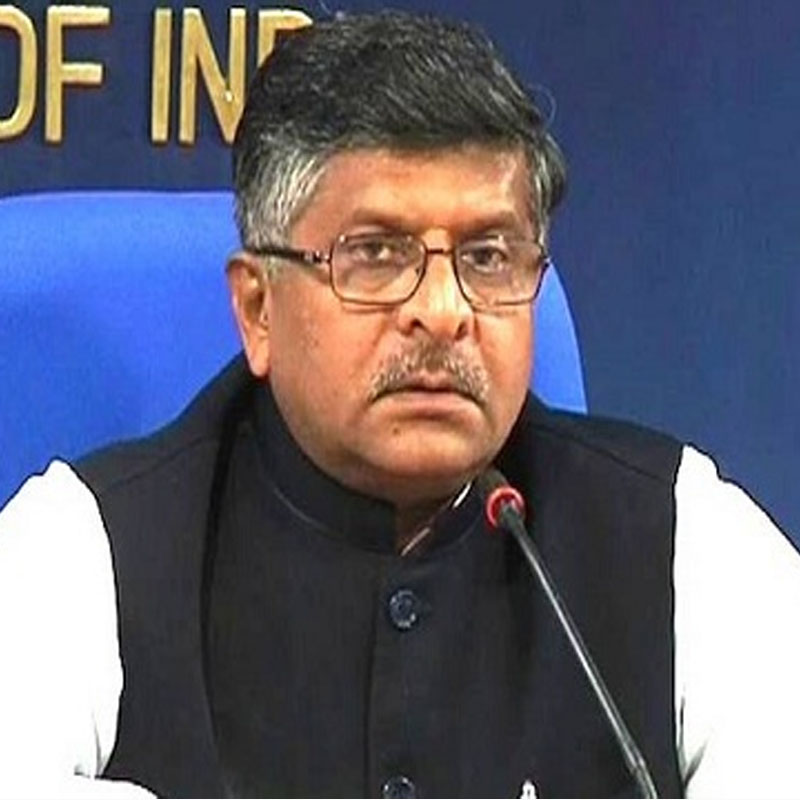
    NEW DELHI: Electronics & information technology minister Ravi Shankar Prasad feels “Digital governance is good governance, digital governance is transparent governance and digital governance is honest governance.”

    Speaking at a Special Session at FICCI’s 89th Annual General Meeting, he said with a population more than 1.25 billion, India has 1.04 billion mobile phone users, of which 350 million are smart phone users with 500 billion internet users.

    Backed up by initiatives like Make in India, Digital India and Startup India, the nation is at the cusp of a big transformation.

    With government emphasizing on electronics manufacturing sector, India has established 40 mobile phone manufacturing centres in the last one year and with conducive policy initiatives and framework India aims to become global manufacturing hub.

    Prasad also gave examples of how citizens from remote parts of India are utilising the digital tools as epicentre of socio-economic development.

  • Digitisation vital for transparent governance, says Prasad

    Digitisation vital for transparent governance, says Prasad

    NEW DELHI: Electronics & information technology minister Ravi Shankar Prasad feels “Digital governance is good governance, digital governance is transparent governance and digital governance is honest governance.”

    Speaking at a Special Session at FICCI’s 89th Annual General Meeting, he said with a population more than 1.25 billion, India has 1.04 billion mobile phone users, of which 350 million are smart phone users with 500 billion internet users.

    Backed up by initiatives like Make in India, Digital India and Startup India, the nation is at the cusp of a big transformation.

    With government emphasizing on electronics manufacturing sector, India has established 40 mobile phone manufacturing centres in the last one year and with conducive policy initiatives and framework India aims to become global manufacturing hub.

    Prasad also gave examples of how citizens from remote parts of India are utilising the digital tools as epicentre of socio-economic development.

  • ’17 to be year of survival for VR market

    ’17 to be year of survival for VR market

    SINGAPORE: Though forecasts on Virtual Reality or VR are optimistic — a study said it would be a $30 billion market by end of this decade — these statistics do seem a bit unrealistic as many area of concerns are yet to be addressed.

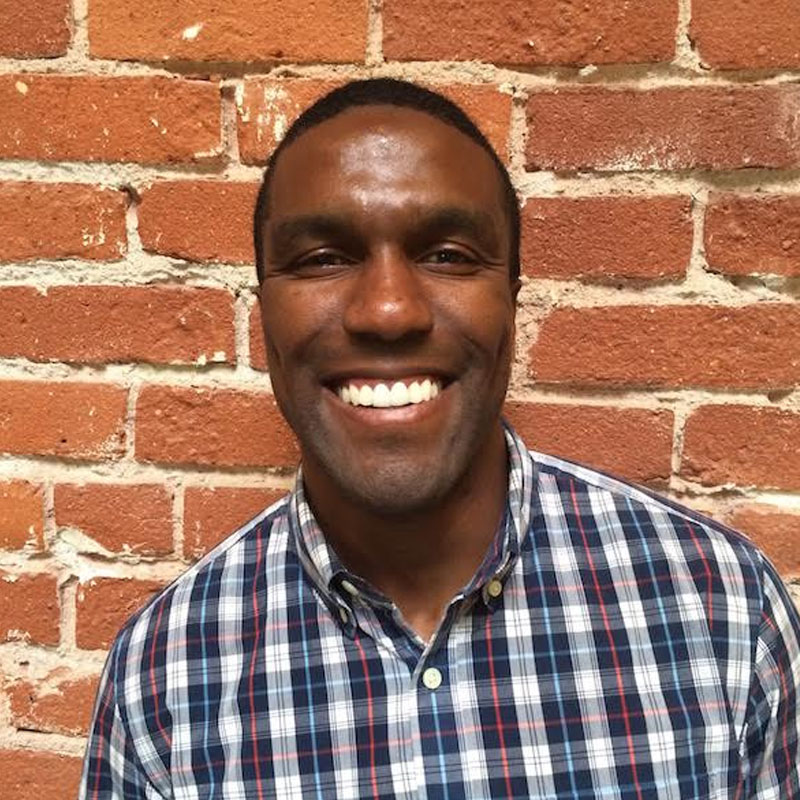
    When will we get to see 10 million VR units? When will an inflection point be witnessed? When will VR or related technology start monetising data flowing from VR usage? These are some of the many questions that come to mind. With not many analyst teams focused on VR, Clifton Dawson decided to venture into this area two years ago with his company Greenlight VR.

    “Due to the fragmented nature of the industry, people are still trying to crack the market and are not yet aware of the various business models. Having said that, I believe that 2017 would be the year of survival for the industry because the time horizon for this robust industry to place its foot firmly is much longer due to the few missing pieces that will eventually unfold with time,” Greenlight VR founder and CEO Clifton Dawson says.

    With a comprehensive research on the virtual and augmented reality industry, Greenlight Insights provides market intelligence to innovative companies through syndicated research, services and events. Having headquarters in San Francisco and a small set-up in Beijing, Greenlight VR has an employee strength of 20.

    Will 2020 be the year of inflection? Dawson clearly rubbishes this thought as he mentions that the focus on 2020 is short-sighted. “2025 is strategically a better year,” he explains, adding that so far there have been launches or expected launches like Oculus Rift, HTC Vive, PlayStation VR and Samsung Gear VR.

    Dawson points out that presently the VR headsets are of first generation quality and it would improve when the fourth generations sets come in wherein issues relating to audio or (video) display would get resolved. “I truly believe that these headsets would look nothing like the current ones, he adds.”

    It is expected that as the industry and technology progress, VR would not just be restricted to the gaming world, but increasingly used by brands for promoting their products, medical college students being taught with the help of VR and property agents using it to sell properties. So, a question arises: which all markets this technology likely to flourish more?

    “It’s all about timing as it’s the only thing in question. For now, certain genres of gaming (not casual) would work. As for brand advertisement, it is not there yet. VR mechanism leads to behavioral changes and one needs to crack the code on how to monetise it,” Dawson says.

    Will the blend of augmented reality and virtual reality, that is mixed reality (MR), be future? Dismissing this idea outright, Dawson explains, “MR is totally a different ball game. It’s an entirely different technology and requires separate business model and ecosystem.”

    Dawson advises people that to succeed in the virtual reality field, one needs to have a 10-year view and not be short-sighted as the returns won’t come so easily. Be patient: is his final suggestion to players and the industry in general.

  • ’17 to be year of survival for VR market

    ’17 to be year of survival for VR market

    SINGAPORE: Though forecasts on Virtual Reality or VR are optimistic — a study said it would be a $30 billion market by end of this decade — these statistics do seem a bit unrealistic as many area of concerns are yet to be addressed.

    When will we get to see 10 million VR units? When will an inflection point be witnessed? When will VR or related technology start monetising data flowing from VR usage? These are some of the many questions that come to mind. With not many analyst teams focused on VR, Clifton Dawson decided to venture into this area two years ago with his company Greenlight VR.

    “Due to the fragmented nature of the industry, people are still trying to crack the market and are not yet aware of the various business models. Having said that, I believe that 2017 would be the year of survival for the industry because the time horizon for this robust industry to place its foot firmly is much longer due to the few missing pieces that will eventually unfold with time,” Greenlight VR founder and CEO Clifton Dawson says.

    With a comprehensive research on the virtual and augmented reality industry, Greenlight Insights provides market intelligence to innovative companies through syndicated research, services and events. Having headquarters in San Francisco and a small set-up in Beijing, Greenlight VR has an employee strength of 20.

    Will 2020 be the year of inflection? Dawson clearly rubbishes this thought as he mentions that the focus on 2020 is short-sighted. “2025 is strategically a better year,” he explains, adding that so far there have been launches or expected launches like Oculus Rift, HTC Vive, PlayStation VR and Samsung Gear VR.

    Dawson points out that presently the VR headsets are of first generation quality and it would improve when the fourth generations sets come in wherein issues relating to audio or (video) display would get resolved. “I truly believe that these headsets would look nothing like the current ones, he adds.”

    It is expected that as the industry and technology progress, VR would not just be restricted to the gaming world, but increasingly used by brands for promoting their products, medical college students being taught with the help of VR and property agents using it to sell properties. So, a question arises: which all markets this technology likely to flourish more?

    “It’s all about timing as it’s the only thing in question. For now, certain genres of gaming (not casual) would work. As for brand advertisement, it is not there yet. VR mechanism leads to behavioral changes and one needs to crack the code on how to monetise it,” Dawson says.

    Will the blend of augmented reality and virtual reality, that is mixed reality (MR), be future? Dismissing this idea outright, Dawson explains, “MR is totally a different ball game. It’s an entirely different technology and requires separate business model and ecosystem.”

    Dawson advises people that to succeed in the virtual reality field, one needs to have a 10-year view and not be short-sighted as the returns won’t come so easily. Be patient: is his final suggestion to players and the industry in general.

  • ATF ’16: Singapore company Xtreme Media wins $20,000 prize

    ATF ’16: Singapore company Xtreme Media wins $20,000 prize

    SINGAPORE/MUMBAI: Asia TV Forum & Market (ATF) and all3media International, the distribution arm of the UK’s leading TV production group, yesterday announced that Singapore-based production company, Xtreme Media, has won the inaugural ATF Formats Pitch competition, walking away with a prize worth S$20,000 from all3media International. ATF is the region’s leading entertainment content event, is the platform of calibre to acquire knowledge, network, buy, sell, finance, distribute and co-produce across all platforms.

    With the tagline “New Ideas. New Talent. New Formats.”, ATF Formats Pitch is the premier Asian pitching competition for creators and producers of innovative concepts for new and original, non-scripted entertainment formats. This platform showcases the best of Asia, and exposes ideas for export and development within and even outside of the region.

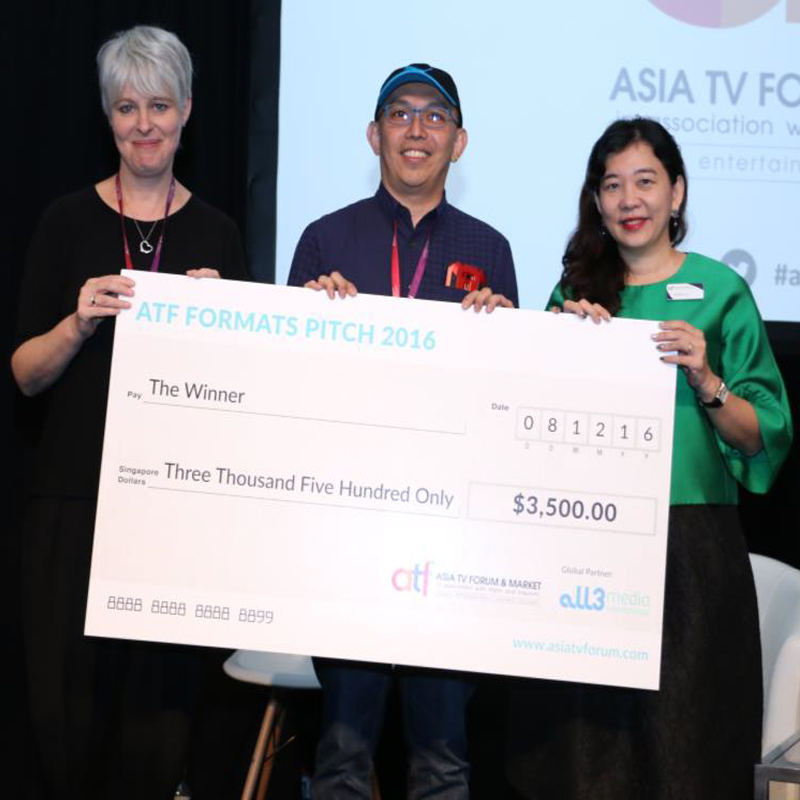
    all3media International CEO Louise Pedersen, and Reed Exhibitions managing director (Singapore, Malaysia and Indonesia) Michelle Lim, presened the cash prize for ATF Formats Pitch 2016, to Xtreme Media executive producer William Lim.

    Introduced for the first time this year, ATF Formats Pitch 2016 received entries representing nine countries – Australia, China, Hong Kong, India, Malaysia, Singapore, Taiwan, Ukraine and USA. Earlier today, five finalists from China, Malaysia, Singapore and Ukraine pitched their concepts at a live judging session, to a panel of illustrious television format experts.

    The winning format, “HIT IT”, stood out amongst competitors for its originality, creativity, innovation and ability to be adapted across the world. Planned as a weekly series, each episode will feature two teams. Produced by competing against each other in a series of comedic challenges that put a spin on sports. With many hilarious high-pressure moments, the game show hopes to entertain viewers with non-stop action of amusing, yet astonishing feats.

    William Lim said, “Participating in the inaugural ATF Formats Pitch has been an eye-opener, with many participants sharing new format ideas that we have never explored before. We are honoured to have won the first-ever ATF Formats Pitch as we now have the opportunity to work with a well-established format distributor, all3media International, to further develop our concept.”

    With the S$20,000 prize – comprising a $3,500 cash award and $16,500 customised consultancy package – Xtreme Media will be working with all3media in the coming months to develop “HIT IT”, readying it for pitching to broadcasters.

  • ATF ’16: Singapore company Xtreme Media wins $20,000 prize

    ATF ’16: Singapore company Xtreme Media wins $20,000 prize

    SINGAPORE/MUMBAI: Asia TV Forum & Market (ATF) and all3media International, the distribution arm of the UK’s leading TV production group, yesterday announced that Singapore-based production company, Xtreme Media, has won the inaugural ATF Formats Pitch competition, walking away with a prize worth S$20,000 from all3media International. ATF is the region’s leading entertainment content event, is the platform of calibre to acquire knowledge, network, buy, sell, finance, distribute and co-produce across all platforms.

    With the tagline “New Ideas. New Talent. New Formats.”, ATF Formats Pitch is the premier Asian pitching competition for creators and producers of innovative concepts for new and original, non-scripted entertainment formats. This platform showcases the best of Asia, and exposes ideas for export and development within and even outside of the region.

    all3media International CEO Louise Pedersen, and Reed Exhibitions managing director (Singapore, Malaysia and Indonesia) Michelle Lim, presened the cash prize for ATF Formats Pitch 2016, to Xtreme Media executive producer William Lim.

    Introduced for the first time this year, ATF Formats Pitch 2016 received entries representing nine countries – Australia, China, Hong Kong, India, Malaysia, Singapore, Taiwan, Ukraine and USA. Earlier today, five finalists from China, Malaysia, Singapore and Ukraine pitched their concepts at a live judging session, to a panel of illustrious television format experts.

    The winning format, “HIT IT”, stood out amongst competitors for its originality, creativity, innovation and ability to be adapted across the world. Planned as a weekly series, each episode will feature two teams. Produced by competing against each other in a series of comedic challenges that put a spin on sports. With many hilarious high-pressure moments, the game show hopes to entertain viewers with non-stop action of amusing, yet astonishing feats.

    William Lim said, “Participating in the inaugural ATF Formats Pitch has been an eye-opener, with many participants sharing new format ideas that we have never explored before. We are honoured to have won the first-ever ATF Formats Pitch as we now have the opportunity to work with a well-established format distributor, all3media International, to further develop our concept.”

    With the S$20,000 prize – comprising a $3,500 cash award and $16,500 customised consultancy package – Xtreme Media will be working with all3media in the coming months to develop “HIT IT”, readying it for pitching to broadcasters.

  • ATF 2016 discusses secret sauce for Asian OTT’s successes

    ATF 2016 discusses secret sauce for Asian OTT’s successes

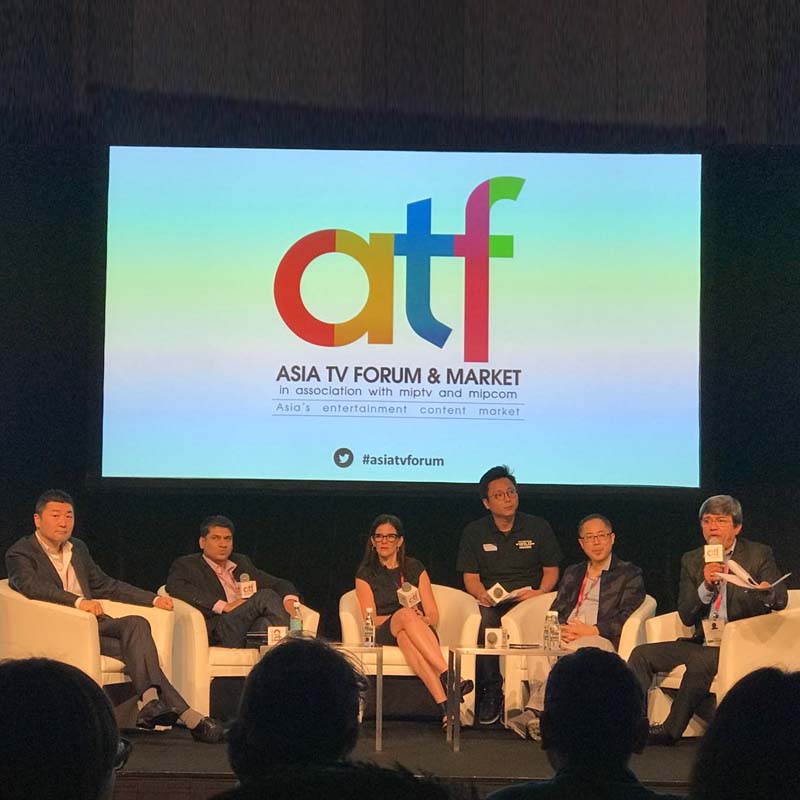
    SINGAPORE: The media and entertainment industry is known for its dynamic and unpredictable nature. With digital media taking an upward turn, over the top services are slowly making a mark and challenging traditional viewing methods. To address how effective are the various OTT models, the pre-ATF market conference on 6 December witnessed the session ‘View From Over The Top.’

    The discussion was led by IndianTelevision.com group founder, CEO and editor-in-chief Anil Wanvari, and covered the scope of the new content buyers in the online evolution and the success in re-aligning company strategies to meet new demands.

    The panelists consisted of an interesting bunch of execs whose services are as different as chalk and cheese: Hulu Japan (Japan), chief content officer, Kazufumi Nagasawa; Singapore-based Hooq co-founder and chief content officer, Krishnan Rajagopalan; LeTV (China), chief executive producer, Hao Fang; and US-based AwesomnessTV head of worldwide distribution, Rebecca Glashow.

    Wanvari set the ball rolling by questioning whether OTT as a business concept is a pipe dream or a reality. “OTT services have not really made a dent on viewing habits for a large part in Asian markets where television viewing is still rating high with consumers,” he stated. “Yet close to 100 or so OTT/VOD services have launched in various Asian nations. No one knows what the right business model is — Is it AVOD? Is it TVOD? Or, is it SVOD? Or is it a freemium model? Or is it a telco-bundled/TV set-bundled service? What is the pricing sweet spot? How much time will it take to build them into viable businesses? It looks like the OTT industry looks like what the cable and satellite TV industry did in the early nineties across Asia. The broadcasters were making losses and kept on bleeding for a decade or so. Will the same happen to OTT? And, what could help accelerate its fortunes better? Is it data costs? Or consumer education?”

    The panelists then went to on to talk about how they were each dealing with the market’s challenges. With China being the largest market in terms of mobile subscribers, LeTV took a strategic decision to bundle its streaming service platform with ‘Le’ mobile phones and in Hong Kong with its TVs. Consumers got LeTV free for varying periods as it was built into the price of the hardware.

    On the other hand, Hooq, being a comparatively young player in the market, Rajagopalan mentioned that the Asian audience is slowly getting used to the idea of paid services. Hooq has strong partnerships with telcos such as Singtel, Airtel, Vodafone, Globe Telecom, Telkomsel in different regions as it rolls out. Partnering with other companies has enabled Hooq to reach out to consumers who might be unaware of Hooq or don’t want to shell out money as it’s a SVOD service. Hooq launched in Singapore in end-November adding to Indonesia, Philippines, India and Thailand – countries in which it has been investing.

    AwesomnessTV follows a completely different approach; it perceives itself as a content creator for all the screens – TV, theatre, mobile, tablet – and its MCN strategy is totally a separate kettle of fish. Its advantage is that it has a strong millennial content focus on account of it strong digital talent. This has landed it deals with various platforms: Verizon for its Go90 mobile service; with ITV2 in the UK for which it is developing a millennial targeted commissioned programme block. A slate of feature films is also in the offing.

    And because its productions have a slew of digital stars it uses their online social media following to tease their fans and lure them to watch the content it creates for the other screens. Glashow said that she was in Asia to explore and evaluate opportunities and build partnerships to help it with its Asian foray. With enough money from its varied parents right from Verizon to Dreamworks Animation and Hearst Entertainment, it can afford to be ambitious for the continent as well.

    Hulu Japan – which is owned wholly by the broadcaster Nippon TV after Hulu exited a few years ago — follows the SVOD model, and has partnered with the Japanese major telco DoCoMo. As far as content is concerned, Nagasawa said that the OTT service has an international to domestic content ratio of 50:50. The service offers its users a smorgasbord of international top series as well as domestically produced content. Production budgets vary from 10,000 dollars to as much as a million dollars.

    Nagasawa said he has plans to make Hulu a one-stop-destination for consumers as the company plans to expand its linear streaming service to include transactional video on demand (TVoD) and electronic sell-through.

    Speaking about original content production, Hooq which recently released the trailer of its first original co-produced show ‘On The Job’ at ATF, Rajagopalan commented: “We have converted a movie into a TV series and are paying more than what goes into the production of a TV show as with multiple business models existing, content differentiation is the key to success. And that’s where the focus should be.”

    Stressing the same fact, Fang added, “While creating our content, we almost feel as if we are buying a building as it costs us around RMB four to five billion! We want to produce more original content but it is difficult.”

    When asked by Wanvari what kind of content and partners are the panelists looking for, Ramagopalan said that it all depends on how differentiated the content is. Glashow advised, “Before producing anything, know your audience and then reach out to them. For us, our client is the audience and so we take feedback from them and listen to what they want.” And, Fang revealed that LeTV is keeping an open mindset and is willing to participate with everyone.
  • ATF 2016 discusses secret sauce for Asian OTT’s successes

    ATF 2016 discusses secret sauce for Asian OTT’s successes

    SINGAPORE: The media and entertainment industry is known for its dynamic and unpredictable nature. With digital media taking an upward turn, over the top services are slowly making a mark and challenging traditional viewing methods. To address how effective are the various OTT models, the pre-ATF market conference on 6 December witnessed the session ‘View From Over The Top.’

    The discussion was led by IndianTelevision.com group founder, CEO and editor-in-chief Anil Wanvari, and covered the scope of the new content buyers in the online evolution and the success in re-aligning company strategies to meet new demands.

    The panelists consisted of an interesting bunch of execs whose services are as different as chalk and cheese: Hulu Japan (Japan), chief content officer, Kazufumi Nagasawa; Singapore-based Hooq co-founder and chief content officer, Krishnan Rajagopalan; LeTV (China), chief executive producer, Hao Fang; and US-based AwesomnessTV head of worldwide distribution, Rebecca Glashow.

    Wanvari set the ball rolling by questioning whether OTT as a business concept is a pipe dream or a reality. “OTT services have not really made a dent on viewing habits for a large part in Asian markets where television viewing is still rating high with consumers,” he stated. “Yet close to 100 or so OTT/VOD services have launched in various Asian nations. No one knows what the right business model is — Is it AVOD? Is it TVOD? Or, is it SVOD? Or is it a freemium model? Or is it a telco-bundled/TV set-bundled service? What is the pricing sweet spot? How much time will it take to build them into viable businesses? It looks like the OTT industry looks like what the cable and satellite TV industry did in the early nineties across Asia. The broadcasters were making losses and kept on bleeding for a decade or so. Will the same happen to OTT? And, what could help accelerate its fortunes better? Is it data costs? Or consumer education?”

    The panelists then went to on to talk about how they were each dealing with the market’s challenges. With China being the largest market in terms of mobile subscribers, LeTV took a strategic decision to bundle its streaming service platform with ‘Le’ mobile phones and in Hong Kong with its TVs. Consumers got LeTV free for varying periods as it was built into the price of the hardware.

    On the other hand, Hooq, being a comparatively young player in the market, Rajagopalan mentioned that the Asian audience is slowly getting used to the idea of paid services. Hooq has strong partnerships with telcos such as Singtel, Airtel, Vodafone, Globe Telecom, Telkomsel in different regions as it rolls out. Partnering with other companies has enabled Hooq to reach out to consumers who might be unaware of Hooq or don’t want to shell out money as it’s a SVOD service. Hooq launched in Singapore in end-November adding to Indonesia, Philippines, India and Thailand – countries in which it has been investing.

    AwesomnessTV follows a completely different approach; it perceives itself as a content creator for all the screens – TV, theatre, mobile, tablet – and its MCN strategy is totally a separate kettle of fish. Its advantage is that it has a strong millennial content focus on account of it strong digital talent. This has landed it deals with various platforms: Verizon for its Go90 mobile service; with ITV2 in the UK for which it is developing a millennial targeted commissioned programme block. A slate of feature films is also in the offing.

    And because its productions have a slew of digital stars it uses their online social media following to tease their fans and lure them to watch the content it creates for the other screens. Glashow said that she was in Asia to explore and evaluate opportunities and build partnerships to help it with its Asian foray. With enough money from its varied parents right from Verizon to Dreamworks Animation and Hearst Entertainment, it can afford to be ambitious for the continent as well.

    Hulu Japan – which is owned wholly by the broadcaster Nippon TV after Hulu exited a few years ago — follows the SVOD model, and has partnered with the Japanese major telco DoCoMo. As far as content is concerned, Nagasawa said that the OTT service has an international to domestic content ratio of 50:50. The service offers its users a smorgasbord of international top series as well as domestically produced content. Production budgets vary from 10,000 dollars to as much as a million dollars.

    Nagasawa said he has plans to make Hulu a one-stop-destination for consumers as the company plans to expand its linear streaming service to include transactional video on demand (TVoD) and electronic sell-through.

    Speaking about original content production, Hooq which recently released the trailer of its first original co-produced show ‘On The Job’ at ATF, Rajagopalan commented: “We have converted a movie into a TV series and are paying more than what goes into the production of a TV show as with multiple business models existing, content differentiation is the key to success. And that’s where the focus should be.”

    Stressing the same fact, Fang added, “While creating our content, we almost feel as if we are buying a building as it costs us around RMB four to five billion! We want to produce more original content but it is difficult.”

    When asked by Wanvari what kind of content and partners are the panelists looking for, Ramagopalan said that it all depends on how differentiated the content is. Glashow advised, “Before producing anything, know your audience and then reach out to them. For us, our client is the audience and so we take feedback from them and listen to what they want.” And, Fang revealed that LeTV is keeping an open mindset and is willing to participate with everyone.
  • ATF to showcase over 700 hours of compelling Asian stories for global market

    ATF to showcase over 700 hours of compelling Asian stories for global market

    SINGAPORE: Singapore makes a strong showing at this year’s Asia Television Forum and Market (ATF) 2016, with the participation of 65 local media companies showcasing over 700 hours of compelling Asian stories for the global market.

    The ATF, part of the on-going Singapore Media Festival (SMF), officially opens today and runs until 9 December. Over the next three days, the Singapore Pavilion will play host to an exciting line-up of partnership and investment announcements by Singapore content creators, as well as Sneak Peeks of fresh film, television and digital content expected to be released in the coming year. This includes a multi-financing deal with Kathy Morgan International, cross-border partnerships for the launch of a new Food Channel, as well as the world’s first VR lifestyle web-series!

    Key Announcements from Singapore


    Link to media materials, visuals, bios, etc.


    Tech Storm, the entrepreneur TV, arrives at ATF 2016


    Tech Storm, a next-generation media delivering inspiring video and editorial content to a global community of tech-loving fans across Asia-Pacific markets, will be exhibiting at Asia TV Forum 2016 at the Singapore Pavilion from 7 – 9 Dec.


    https://goo.gl/5YqVUx

    BeVRR announces world’s first VR lifestyle web-series – the inaugural investment of the BeVRR VR Fund 


    BeVRR, Asia’s premier Virtual Reality VR Company, will be releasing Dining Stars, the world’s first 8-episode lifestyle series on 14 Dec 216. Dining Starts was filmed entirely in 360 degree Virtual Reality format, and will invite viewers to dine with supermodel Rebecca Tan and celebrity guests in the heart of award-winning restaurants. The series is the inaugural investment of the BeVRR VR Fund.


    https://goo.gl/qFSnvo

    Singapore-based Hiverlab debuts its new independent 360-degree VR documentary, Against Blue Currents, at ATF 2016


    Hiverlab, a Singapore-based Virtual Reality Storytelling company, debuts its 360-degree documentary, Against Blue Currents, telling of a group of handicapped divers’ diving experiences in Redang Island, Malaysia. Both aerial and underwater 360-degree filming tech solutions developed by the production team were applied in this production.


    https://goo.gl/lRDW9e

    Singapore-based Ying Group’s BIG FOOD was named Best Infotainment Show at the 3rd Asia Rainbow TV Awards


    Ying Group’s Big Food sees host Greta Georges discovering what it takes to make, manage and move massive amounts of food.


    https://goo.gl/WUFgw0

  • ATF to showcase over 700 hours of compelling Asian stories for global market

    ATF to showcase over 700 hours of compelling Asian stories for global market

    SINGAPORE: Singapore makes a strong showing at this year’s Asia Television Forum and Market (ATF) 2016, with the participation of 65 local media companies showcasing over 700 hours of compelling Asian stories for the global market.

    The ATF, part of the on-going Singapore Media Festival (SMF), officially opens today and runs until 9 December. Over the next three days, the Singapore Pavilion will play host to an exciting line-up of partnership and investment announcements by Singapore content creators, as well as Sneak Peeks of fresh film, television and digital content expected to be released in the coming year. This includes a multi-financing deal with Kathy Morgan International, cross-border partnerships for the launch of a new Food Channel, as well as the world’s first VR lifestyle web-series!

    Key Announcements from Singapore


    Link to media materials, visuals, bios, etc.


    Tech Storm, the entrepreneur TV, arrives at ATF 2016


    Tech Storm, a next-generation media delivering inspiring video and editorial content to a global community of tech-loving fans across Asia-Pacific markets, will be exhibiting at Asia TV Forum 2016 at the Singapore Pavilion from 7 – 9 Dec.


    https://goo.gl/5YqVUx

    BeVRR announces world’s first VR lifestyle web-series – the inaugural investment of the BeVRR VR Fund 


    BeVRR, Asia’s premier Virtual Reality VR Company, will be releasing Dining Stars, the world’s first 8-episode lifestyle series on 14 Dec 216. Dining Starts was filmed entirely in 360 degree Virtual Reality format, and will invite viewers to dine with supermodel Rebecca Tan and celebrity guests in the heart of award-winning restaurants. The series is the inaugural investment of the BeVRR VR Fund.


    https://goo.gl/qFSnvo

    Singapore-based Hiverlab debuts its new independent 360-degree VR documentary, Against Blue Currents, at ATF 2016


    Hiverlab, a Singapore-based Virtual Reality Storytelling company, debuts its 360-degree documentary, Against Blue Currents, telling of a group of handicapped divers’ diving experiences in Redang Island, Malaysia. Both aerial and underwater 360-degree filming tech solutions developed by the production team were applied in this production.


    https://goo.gl/lRDW9e

    Singapore-based Ying Group’s BIG FOOD was named Best Infotainment Show at the 3rd Asia Rainbow TV Awards


    Ying Group’s Big Food sees host Greta Georges discovering what it takes to make, manage and move massive amounts of food.


    https://goo.gl/WUFgw0