
Category: IBC2016

  • IBC 2016 scores another triumph

    IBC 2016 scores another triumph

    The 49 th edition of IBC 2016 held at Amsterdam’s RAI convention centre between 8-13 September 2016 resulted in streets, hotel lobbies, trams, restaurants, bars, cafes, and even the infamous red light district brimming over with techies and business executives.

    Statistics released by the IBC office reveal that 55,796 professionals attended the six-day exhibition-cum-conference, coming from 160 countries. 668 more attended this year compared to 2015. 435 speakers took part in more than 100 sessions including keynotes and panel discussions during the IBC conferences.

    On the exhibition side, 1,800 exhibitors set up tent in the RAI with stands. 249 of them were newbies to the trade show.

    One important addition to the feature areas in the exhibition was the IBC IP Interoperability Zone, an initiative to push forward open standards in new connectivity. Supported by AIMS and the IABM and working with AES,AMWA, the EBU, SMPTE and VSF, IBC created a dedicated exhibit which demonstrated verified technical progress in IP interoperability and featured the award-winning VRT-EBU LiveIP studio which was used for IBCTV’s production at this year’s show.

    IBC chief executive Michael Crimp was thrilled to bits. Said he: “IBC really is the only forum that attracts a global audience, the most comprehensive exhibition, and the best thought-leaders to spark the debate. Above all else, it is about bringing people together to share knowledge and to do business. It is clear, from the buzz around the whole show, that this has been a great year.”

    It probably had a record participation this year from India too. Specific numbers were not available but they definitely were in excess of 300. CTOs of broadcast majors, cable ops roamed the aisles trying to get to grips the technological upheaval the world of television. OTT, cable TV is going through. Dish TV’s Jawahar Goel, Tata Sky’s Harit Nagpal, Videocon d2h Himanshu Patil were spotted meeting their tech suppliers. GTPL’s Anirudh Singh Jadeja was checking out the latest in STBs and billing solutions.

    Among the major Indian exhibitors figured: Media Guru, Amagi, Wasp3D, Canara Lighting, Tata Elxsi, and Prime Focus Technologies.

    Media Guru’s Sanjay Salil said he had back to back meetings with clients which kept him on his toes throughout the six days.

    According to Goel, the transformation of the industries towards the cloud,IP and streaming services is going to change the way everyone in traditional television delivers and creates content. In the process, this is going to put pressure on vendor pricing – especially those who are continuing to work in the old linear television broadcast ways.

    Amongst the key trends noticed were the increasing shift towards augmented reality, virtual reality filming equipment, processing and VR and AR video delivery. Ultra HD, HDR, OTT platforms and app development and deployment were some of the major key words heard during the six days.

  • IBC 2016 scores another triumph

    IBC 2016 scores another triumph

    The 49 th edition of IBC 2016 held at Amsterdam’s RAI convention centre between 8-13 September 2016 resulted in streets, hotel lobbies, trams, restaurants, bars, cafes, and even the infamous red light district brimming over with techies and business executives.

    Statistics released by the IBC office reveal that 55,796 professionals attended the six-day exhibition-cum-conference, coming from 160 countries. 668 more attended this year compared to 2015. 435 speakers took part in more than 100 sessions including keynotes and panel discussions during the IBC conferences.

    On the exhibition side, 1,800 exhibitors set up tent in the RAI with stands. 249 of them were newbies to the trade show.

    One important addition to the feature areas in the exhibition was the IBC IP Interoperability Zone, an initiative to push forward open standards in new connectivity. Supported by AIMS and the IABM and working with AES,AMWA, the EBU, SMPTE and VSF, IBC created a dedicated exhibit which demonstrated verified technical progress in IP interoperability and featured the award-winning VRT-EBU LiveIP studio which was used for IBCTV’s production at this year’s show.

    IBC chief executive Michael Crimp was thrilled to bits. Said he: “IBC really is the only forum that attracts a global audience, the most comprehensive exhibition, and the best thought-leaders to spark the debate. Above all else, it is about bringing people together to share knowledge and to do business. It is clear, from the buzz around the whole show, that this has been a great year.”

    It probably had a record participation this year from India too. Specific numbers were not available but they definitely were in excess of 300. CTOs of broadcast majors, cable ops roamed the aisles trying to get to grips the technological upheaval the world of television. OTT, cable TV is going through. Dish TV’s Jawahar Goel, Tata Sky’s Harit Nagpal, Videocon d2h Himanshu Patil were spotted meeting their tech suppliers. GTPL’s Anirudh Singh Jadeja was checking out the latest in STBs and billing solutions.

    Among the major Indian exhibitors figured: Media Guru, Amagi, Wasp3D, Canara Lighting, Tata Elxsi, and Prime Focus Technologies.

    Media Guru’s Sanjay Salil said he had back to back meetings with clients which kept him on his toes throughout the six days.

    According to Goel, the transformation of the industries towards the cloud,IP and streaming services is going to change the way everyone in traditional television delivers and creates content. In the process, this is going to put pressure on vendor pricing – especially those who are continuing to work in the old linear television broadcast ways.

    Amongst the key trends noticed were the increasing shift towards augmented reality, virtual reality filming equipment, processing and VR and AR video delivery. Ultra HD, HDR, OTT platforms and app development and deployment were some of the major key words heard during the six days.

  • Ang Lee and the art of 4KHD 3D 120 fps film-making

    Ang Lee and the art of 4KHD 3D 120 fps film-making

    AMSTERDAM: Ang Lee is an auteur par excellence. His films Crouching Tiger Hidden Dragon and The Life of Pi bear testimony. Lee is open to pushing technology to mount a magnificent tale. Lee was at the IBC here to talk about his latest film Billy Lynn’s Long Halftime Walk.

    What’s different about his latest work is that it has been shot in 4K HD 3D and at a 120 fps frame rate under the Tristar banner for a 11-November release in the US. It is the highest frame rate that a film has been shot at so far, and has been filmed at a budget of $ 46-48 million. The film has been shot on the Sony 4K F65 by two-time Oscar-winning cinematographer John Toll.

    Otherwise, it’s based on Ben Fountain’s 2012 novel by the same name. It follows Billy Flynn, a 19-year old soldier (played by newcomer Joe Alwynn) and his unit who survive a battle in Iraq to return to the U.S. for a promotional tour culminating with a halftime-show appearance at a Thanksgiving football game.

    Lee has said that his film is a story of a young man “learning his place in the world, and of the special brotherhood among men at arms, the depths of their bonds, and the sacrifices they make.”

    Sony’s TriStar and Britain’s Film4 are partnering with Jeff Robinov’s Studio 8 for the film.

    Lee disclosed during his key note that it was a challenge to film at 120 fps 4K HD 3D.

    “We had to really light up everything differently. I wanted realism for this film. I wanted the expressions to be real, and not acting. But, everything was magnified,” he stated. “If the actors overacted or made some awkward facial movements, it became larger than life.”

    “I am a guinea pig for the studio,” he confessed. “Since the day I began this film, everyday has been crazy. I was seeing what was being shot at 120 fps 4K in 60 fps 2K monitors, and it was a challenge. I kept telling my heads of departments that they are not good enough. Because, even I am not good enough while working with this new format.”

    While Lee was greeted with applause, some stated that the clip which was screened looked very much like “video” and did not look like cinema.

    To this Lee, responded, “Please give us a chance. It is a baby, and we are pioneering something. Directing this film has been very humbling for me as no one has tread this path before, shooting in 120 fps 4K, HD, 3D.”

    Lee chose to shoot at these frame rates because it would allow the studio to be able to experiment with various frame rates below — right from 60 fps to 24 fps to 48 for releases in different territories because of the availability — or lack of 4K HD 3D 120 fps projectors – in theatres in different parts of the world.

    “I am not saying 24 fps 2D is not good enough,” he pointed out. “But, it is about making a difference and taking a leap forward in technology and in art.”

    Lee ended by saying he would continue pushing the boundaries on technology in cinema. He would like the equipment makers to come up with smaller cameras, better sensors.

  • Ang Lee and the art of 4KHD 3D 120 fps film-making

    Ang Lee and the art of 4KHD 3D 120 fps film-making

    AMSTERDAM: Ang Lee is an auteur par excellence. His films Crouching Tiger Hidden Dragon and The Life of Pi bear testimony. Lee is open to pushing technology to mount a magnificent tale. Lee was at the IBC here to talk about his latest film Billy Lynn’s Long Halftime Walk.

    What’s different about his latest work is that it has been shot in 4K HD 3D and at a 120 fps frame rate under the Tristar banner for a 11-November release in the US. It is the highest frame rate that a film has been shot at so far, and has been filmed at a budget of $ 46-48 million. The film has been shot on the Sony 4K F65 by two-time Oscar-winning cinematographer John Toll.

    Otherwise, it’s based on Ben Fountain’s 2012 novel by the same name. It follows Billy Flynn, a 19-year old soldier (played by newcomer Joe Alwynn) and his unit who survive a battle in Iraq to return to the U.S. for a promotional tour culminating with a halftime-show appearance at a Thanksgiving football game.

    Lee has said that his film is a story of a young man “learning his place in the world, and of the special brotherhood among men at arms, the depths of their bonds, and the sacrifices they make.”

    Sony’s TriStar and Britain’s Film4 are partnering with Jeff Robinov’s Studio 8 for the film.

    Lee disclosed during his key note that it was a challenge to film at 120 fps 4K HD 3D.

    “We had to really light up everything differently. I wanted realism for this film. I wanted the expressions to be real, and not acting. But, everything was magnified,” he stated. “If the actors overacted or made some awkward facial movements, it became larger than life.”

    “I am a guinea pig for the studio,” he confessed. “Since the day I began this film, everyday has been crazy. I was seeing what was being shot at 120 fps 4K in 60 fps 2K monitors, and it was a challenge. I kept telling my heads of departments that they are not good enough. Because, even I am not good enough while working with this new format.”

    While Lee was greeted with applause, some stated that the clip which was screened looked very much like “video” and did not look like cinema.

    To this Lee, responded, “Please give us a chance. It is a baby, and we are pioneering something. Directing this film has been very humbling for me as no one has tread this path before, shooting in 120 fps 4K, HD, 3D.”

    Lee chose to shoot at these frame rates because it would allow the studio to be able to experiment with various frame rates below — right from 60 fps to 24 fps to 48 for releases in different territories because of the availability — or lack of 4K HD 3D 120 fps projectors – in theatres in different parts of the world.

    “I am not saying 24 fps 2D is not good enough,” he pointed out. “But, it is about making a difference and taking a leap forward in technology and in art.”

    Lee ended by saying he would continue pushing the boundaries on technology in cinema. He would like the equipment makers to come up with smaller cameras, better sensors.

  • IBC to Honour NASA at IBC2016 Awards

    IBC to Honour NASA at IBC2016 Awards

    MUMBAI: IBC announced that it is to give one of its highest awards, the Judges’ Prize, to NASA. Celebrating the achievements of one of the world’s most well known brands, the award will be presented at the ceremony held on Sunday 11 September at the RAI, Amsterdam. NASA’s contribution to the ceremony promises to be literally out of this world.

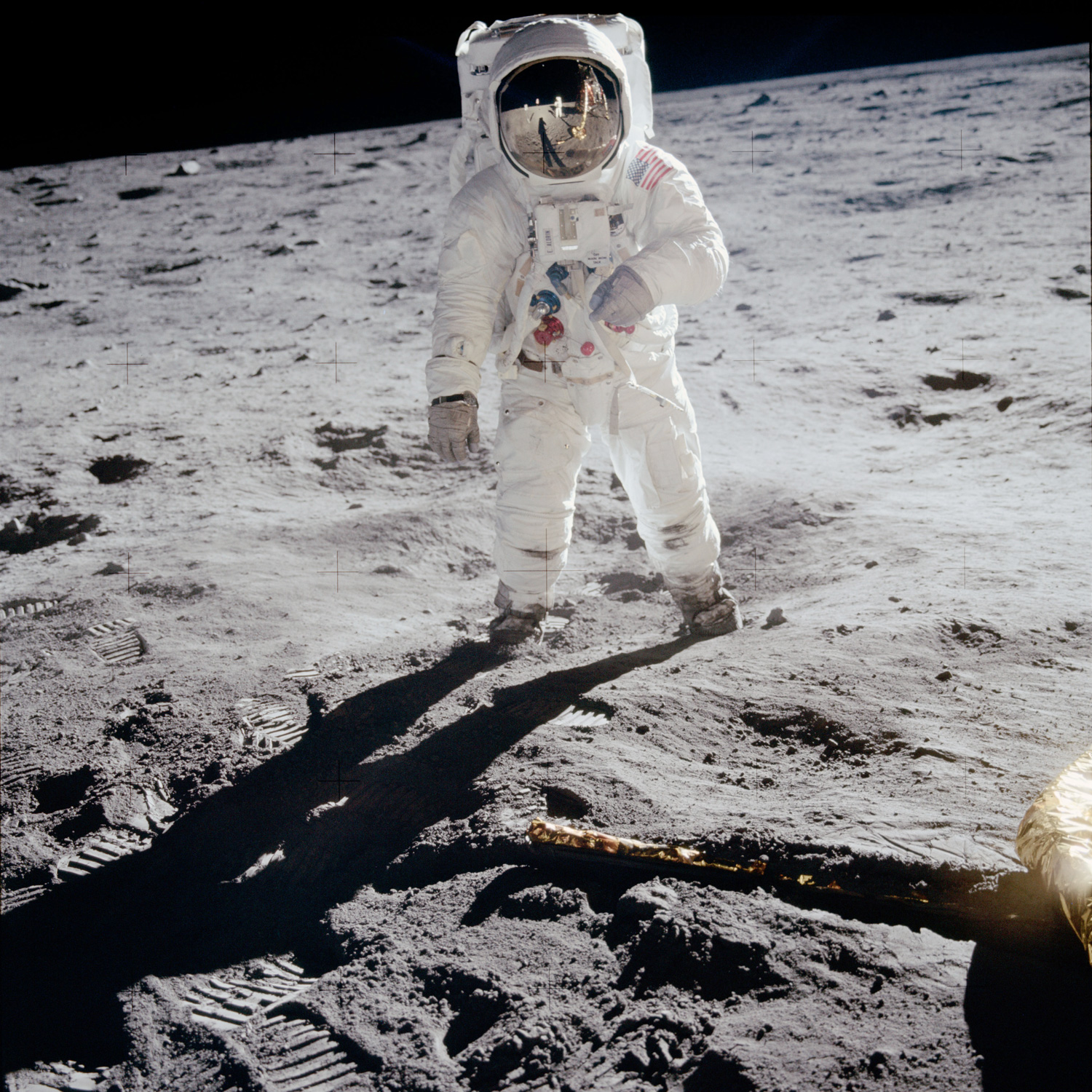
    From the very beginning, NASA has ensured that every moment of the space exploration programme has been captured, firstly with film cameras and then video, including the globally viewed footage of Neil Armstrong setting foot on the moon in 1969. Today NASA operates a 4K Ultra HD channel and allows viewers to watch footage on a wide range of televisions and internet connected devices.

    The Judges’ Prize is presented to a company or project displaying a unique creative, technical or commercial imagination and past winners include Stereoscopic 3D coverage of the 2010 FIFA World Cup and DNA’s single frequency networks for HD with DVB-T2, which was awarded in 2011. The award will be accepted by Carlos Fontanot, Imagery Manager for the International Space Station and Kelly O. Humphries, the voice of mission control for more than 50 shuttle missions and hundreds of space station activities.

    “It is impossible to understate the importance of NASA’s film and video efforts,” said Michael Crimp, CEO of IBC. “Their engineers and producers have had to overcome massive technical challenges, which has meant close co-operation with suppliers of equipment and systems. The result has been stunning imagery, which has literally changed our view of the world.”

    The IBC Awards Ceremony will take place on Sunday 11 September, and is free for all IBC attendees. Find out more about the awards at IBC.org/awards and register for your IBC2016 pass at IBC.org/register

  • IBC to Honour NASA at IBC2016 Awards

    IBC to Honour NASA at IBC2016 Awards

    MUMBAI: IBC announced that it is to give one of its highest awards, the Judges’ Prize, to NASA. Celebrating the achievements of one of the world’s most well known brands, the award will be presented at the ceremony held on Sunday 11 September at the RAI, Amsterdam. NASA’s contribution to the ceremony promises to be literally out of this world.

    From the very beginning, NASA has ensured that every moment of the space exploration programme has been captured, firstly with film cameras and then video, including the globally viewed footage of Neil Armstrong setting foot on the moon in 1969. Today NASA operates a 4K Ultra HD channel and allows viewers to watch footage on a wide range of televisions and internet connected devices.

    The Judges’ Prize is presented to a company or project displaying a unique creative, technical or commercial imagination and past winners include Stereoscopic 3D coverage of the 2010 FIFA World Cup and DNA’s single frequency networks for HD with DVB-T2, which was awarded in 2011. The award will be accepted by Carlos Fontanot, Imagery Manager for the International Space Station and Kelly O. Humphries, the voice of mission control for more than 50 shuttle missions and hundreds of space station activities.

    “It is impossible to understate the importance of NASA’s film and video efforts,” said Michael Crimp, CEO of IBC. “Their engineers and producers have had to overcome massive technical challenges, which has meant close co-operation with suppliers of equipment and systems. The result has been stunning imagery, which has literally changed our view of the world.”

    The IBC Awards Ceremony will take place on Sunday 11 September, and is free for all IBC attendees. Find out more about the awards at IBC.org/awards and register for your IBC2016 pass at IBC.org/register