Category: Ficci Frames

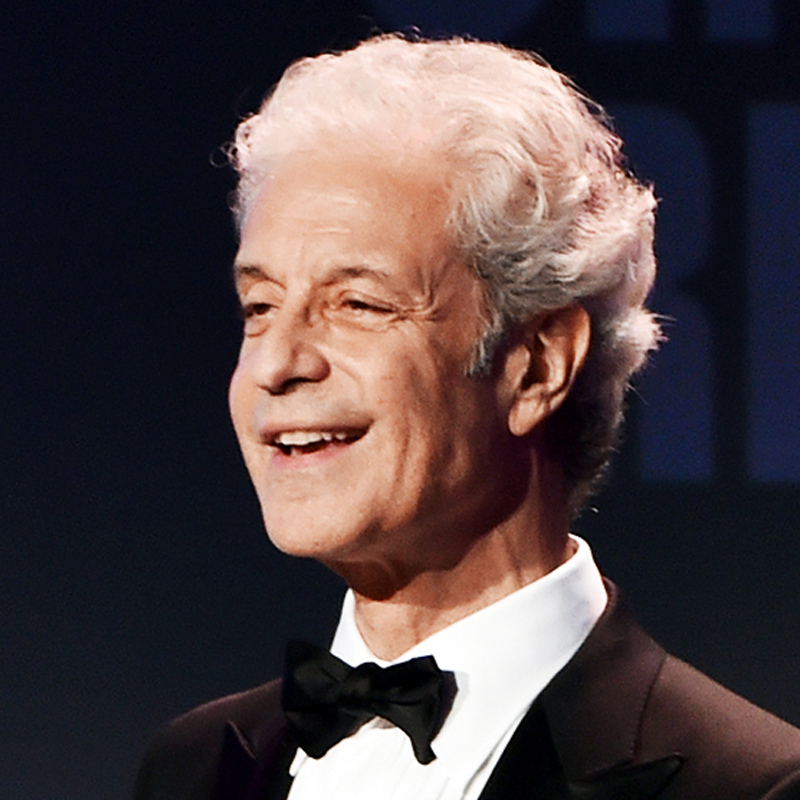
  • Viacom18  looking at regional play and more channel launches: Bob Bakish

    Viacom18 looking at regional play and more channel launches: Bob Bakish

    MUMBAI: Viacom18, the equal joint venture company between Viacom and TV18, is looking at launching more channels, expanding into regional markets and creating content for new media.

    Viacom is conducting a due diligence on the ETV general entertainment channels (GECs), Viacom International Media Networks President, CEO and Viacom18 board member Robert Bakish said today. "The regional markets are seeing fast growth," he added.

    Indiantelevision.com was the first to report that TV18 had offered Viacom the option to buy 50 per cent stake in five ETV GECs and 24.5 per cent equity interest in ETV Telugu. If Viacom decides to buy stake, the ETV GECs would move to Viacom18.

    When asked about what kept the joint venture alive (the only surviving one in the M&E space between a global media giant and a local company), Bakish said that it is not enough to have a shared vision. “The success of a JV is all about having a cultural fit. Our venture has had challenges and we have been forced to evolve. We decided to get into film production. We launched more channels like Sonic. Then we created IndiaCast to take advantage of digitisation. We see an opportunity to export content from India. We created a channel in the UK, Rishtey, using content from Colors and MTV.”

    The aim of Viacom partnering with Network18 was to make a local cultural connection. “In 2006 we realised that India offered opportunities we could not ignore. Viacom has resources but we felt the need for a local partner. JVs are a tradeoff. You don’t have complete control. Therefore it is important to have productive dialogue. In Korea, we have a JV with SBS which started a year ago,” said Bakish.

    In India, the company realised that brand positioning would be key. Therefore the decision was taken to make Colors edgier and more of a risk taker. “The good news for India is that more local production money is coming in. Out of this will come quality content.” He also noted that a hit television format is the most valuable IP. “After all, a local version of ’Fear Factor’ played a key role in Colors’ launch and success.”

    Network18 Group CEO Sai Kumar said the joint venture had been helped by the alignment between the two companies in terms of the scale of ambition and challenges that would have to be met. He noted that IndiaCast has allowed for reverse migration. Colors is now in 70 countries. “It is not just about the channel going abroad. Even shows like Ballika Vadhu have been being picked up abroad,” he said.

    Talking about new media, Sai Kumar said while platforms like OTT and VoD represent a risk and an opportunity, Viacom18 prefers to focus on the latter. Kumar noted that 13 years ago distribution became king as there was a lack of platforms to showcase content. Today the good news is that content is once again king. "The challenge today is that while consumption of content is at its highest it has gone multi device. The different platform windows are each a kingdom. With these platforms the possibility of milking content for revenue has gone up. The long tail will stand a better chance in the future,” he averred.

    Kumar called IndiaCast the second phase of the JV partnership.

    “Indiacast has a global multiplatform mandate.” Bakish said. “Star and Zee surprised people by coming together. We responded by creating one entity and partnered with Disney UTV to unlock the value of digitisation. While Nickelodeon and Disney compete fiercely with each other globally, the fact is that you have to look at each country differently."

    Referring to film business in India, Kumar noted that it is a great adjunct for Viacom18’s other businesses. “There are opportunities for synergies in our film business with Colors and other channels. At the same time, our exposure to film will be strategically limited. Having two films that are hits does not mean that the next three will also work. With each film you start from ground zero.”

    Bakish noted that film production business is not for the faint at heart. “We had long conversations about why we were in the film production business. We have had hits and misses but that is the nature of the game. Not everything will work.”

    In terms of the challenges facing the media and entertainment industry, Bakish spoke about the lack of reliability in measurement globally due to multiple platforms. “India is great to do business in but it isn’t perfect. Could digitisation have happened sooner? Sure. Could Phase one of DAS have been a solid four cities? Sure! Phase two is now happening and the industry needs to keep up the pressure to see that things work”, he noted.

    Kumar noted that advertising is now at its softest. Things will not change unless the measurement system improves. More homes for SEC A could help the niche genre, he added.
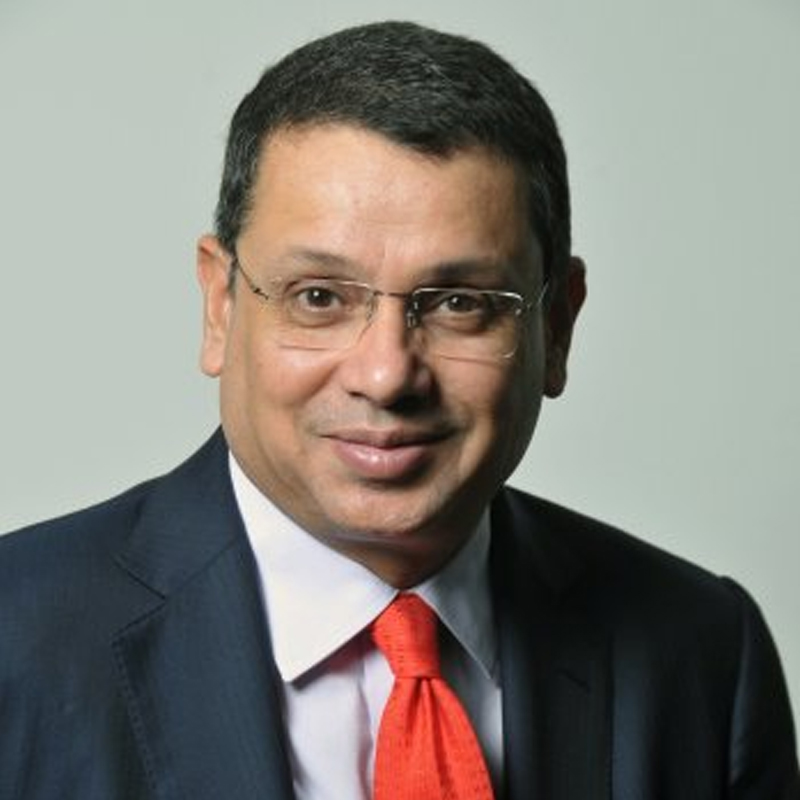
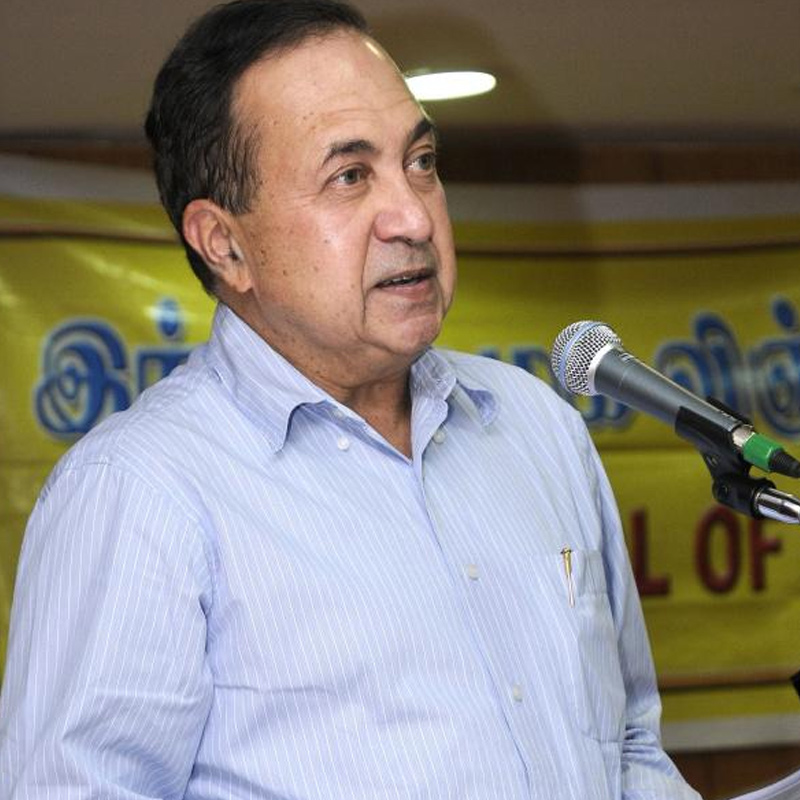
  • M&E  industry  lacks reliable data: Uday Shankar

    M&E industry lacks reliable data: Uday Shankar

    MUMBAI: For a $15 billion media and entertainment industry, the lack of reliable data is one of the major factors pulling down growth.

    Star India CEO and chairman of the Ficci Media & Entertainment Committee Uday Shankar wondered how a fledgling industry could function without availability of acceptable data.

    Urging stakeholders of M&E industry to set their house in order, Shankar said that there is lack of reliable data on audience measurement across verticals of the media and entertainment sector.

    "How can this industry function without a shared and non-controversial view of the most basic facts? Numbers are supposed to be the foundations of rational business decisions. How can we make decisions when professionals in the business of numbers can’t get their numbers straight?," he questioned.

    The lack of reliable data is not limited to TAM, Shankar elaborated. "As a TV executive, I am surprised sometimes how I am even able to function. I do not know enough about my viewers – in fact, I don’t even know how many of them are there. There are 140 million cable and satellite homes but the measured universe is 62 million households."

    Shankar also said that the country’s premier media agencies differ on a fact as basic as the size of the advertising market.

    He also pointed out that it‘s not just the television industry that suffers from lack of reliable data. In fact, the whole industry across verticals is functioning without proper data.

    "The ambiguity in data for other sectors of the media and entertainment is no less. For instance, no film producer seems to know accurately how many people actually bought tickets to watch his film," Shankar averred.

    Shankar also exhorted that there is a need for a change of mindset among stakeholders to take the industry to the next level.

    The M&E industry is a real economic enterprise and not just a vehicle of glitz and glamour, one that has the potential to solve the problem of unemployment by creating new jobs.

    "The time has come for all of us to make sure that it is not just industry status that we seek; it is a fundamental change in mindset," Shankar said, while delivering his keynote address today at Ficc-Frames 2013, an annual media and entertainment conclave held in Mumbai.

    He also said that the M&E industry is capable of creating employment and wealth much faster than most other sectors and has the ability to be a force multiplier, like it is in most countries.

    "It is particularly relevant in India because it can be an employment generator without massive public investments and without being hampered by the deficiencies of public infrastructure. Just to put things in perspective, as a $15 billion industry, we employ over 6 million people. This can be so much more significant and meaningful," he said.

    He also bemoaned the fact that the industry despite the huge potential has not got the adequate support from government.

    A case in point, Shankar said, was the government‘s recent decision to increase customs duty on Set Top Boxes, notwithstanding the fact that the cost of STBs will go up at a time when the country is moving towards mandatory cable television digitisation and impose withholding taxes on content rights

    "The lens often used to look at this industry is largely one of glamour and propaganda and the biggest debate is on how to control and contain it. As a result, the growth of M&E has not been supported by policy and regulatory initiatives," he added.

    Emphasising that the industry is facing an imminent talent crunch, Shankar said: “We hide under the pretense of creativity and have convinced ourselves that creativity gives us the license to be informal and chaotic. It is this informality and chaos that has seeped into our approach to spotting and grooming talent. This is dangerous. We must realise that discipline and formality are not antithetical to creativity and if anything they are necessary ingredients to fostering the creative process.”

    Shankar said efforts to curb free speech in a robust democracy like India is one of the biggest challenges that can potentially derail the industry from its trajectory. “When Satyamev Jayate points to weaknesses in the medical system, doctors are offended. When Jolly LLB creates a courtroom satire, lawyers are offended. Even when a precocious teenager posts a comment on Facebook, some people start baying for her blood,” he lamented.

    “What is interesting to me is that we all agree that the role of media is to question the status quo. But with the right to question must come the right to provoke and the right to offend.”

    Shankar also set out the ambitious Rs 10 billion target for Indian movies. "We should work hard and strive for such success. If the stakeholders can come together, a lot can be achieved. We have seen that in the case of digitisation," Shankar said.

  • Indian print media still has time before negative trend starts: N Ram

    Indian print media still has time before negative trend starts: N Ram

    MUMBAI: The Indian print market is different from the west and is still showing growth in readership unlike many matured markets where digital growth is affecting readership. India has a ‘new kind of advantage’ as readership is still growing.

    However, even if the media here is growing, it can’t afford to be complacent about the timing because India could head towards “a mature market-like situation”. These were the thoughts of The Hindu former editor-in-chief N Ram, who was delivering a keynote at the third day of global media convention Ficci Frames 2012.

    Throwing a word of caution, Ram said that in 3 to 7 years, Indian print would start suffering the same fate as that of the US.

    Citing the example of matured markets, Ram said that newspapers and broadcast are in “irreversible decline” mode and there is “anxiety and gloom”.

    Ram was talking on ‘Building Deeper Reader Engagement- Sustaining Long Term Newspaper Loyalty over Regions’. He said that in the mature markets, news media is in crisis because of a decline in the circulation as more people are embracing digital. Even in the broadcast media the dominant players are witnessing sharp decline, he said.

    However, India has a different advantage, said Ram while outlining the “Two Media World Phenomenon”. He said that regional languages and Hindi newspapers are seeing increase in their circulation. He was optimistic that the medium term prospects for the media industry are looking good.

    He stressed on the need of building the bond of trust with the readers, which according to Ram can engage the readers to sustain their loyalty.

    Ram said that the most important thing is to stick to the basic principles of journalism – context, accuracy, perspective, fact checking and verification. This, according to him, is imperative in building a relationship with the readers.

    Ram said that “trust is the key to good journalism”. He emphasised on the need for a brand to be clear about its identity, core values and focus without imitating anybody else.

    He also warned against “editorialising in the guise of news” and said that the readers want shorter articles and more analyses and editorial content and views, especially in the digital viewing context.

    Talking about digital, Ram said that the time is more challenging and exciting than ever before. Increasing popularity of the digital media will hurt circulation.

    Terming it as a “Digital Age Paradox”, Ram said that the newspapers are witnessing increase in readership of their online editions. However, there is no business model.

    Ram said that the revenue model has not been evolved for the digital yet and so it will not replace the old revenue model of the newspapers any time soon. In the digital era, a major share of the revenue goes to the search engines like Google and content providers like iPad apps.

    This, he said, is squeezing the newspapers’ revenue, as they have to subsidise digital journalism, which is cannibalising their circulation.

    Dainik Bhaskar Group director Girish Agarwal also stressed on the need of maintaining the standards and fundamentals of journalism.

    As per Agarawal, India had a huge advantage in terms of numbers as there is a huge gap between people who can read and who actually read a newspaper.

    He added that its a Herculean task for intellectual organisations like newspapers to be relevant to consumers (readers) while keeping the fundamental of news intact. He said that a newspaper brand cannot rest on its past glory but should move ahead by acknowledging and understanding what the consumer wants.

    He also added that newspapers should have “global vision and hyper local content”.

  • Regional TV: The land of opportunities and challenges

    Regional TV: The land of opportunities and challenges

    MUMBAI: For national broadcasters, having a regional footprint is becoming imperative as it is growing at a furious pace compared to its matured richer brother that is more than double its revenue size.

    Pegged at Rs 140 billion, regional TV media grew at a whopping 70 per cent in 2011 compared to the industry growth of around 12 per cent. Deeper penetration of cable & satellite (C&S) homes, rise in per capita income, emerging middle class and high consumption expenditure are fuelling this growth.

    Asianet managing director K Madhavan calls regional the new “National” as the language entertainment channels compare strongly with the Hindi GECs on critical parameters like viewership and reach.

    “Regional has become the new national. In 2011, the regional space grew at 70 per cent compared to the national growth of 11-12 per cent. Overall, the television industry is pegged at Rs 300 billion while the regional is Rs 120-140 billion. Regional channels have a strong captive audience. One of the reasons for this high growth rate is the emerging new middle class with increased purchasing power in the Tier I and Tier II cities; the positive impact of this could be huge and bigger. The per capital income of Southern states is almost 80 per cent higher than the Northern states.”

    In recent years, as national markets have slowed down, advertisers have shown renewed interest in regional television.

    Says Zee Entertainment Enterprises Ltd (Zeel) EVP regional channels Sharda Sunder, “Growth in the regional sector is largely due to a few factors like size of population. The top nine regional states form 50 per cent of the population and the per capita income in these states is higher than the national average. Consumption expenditure is, thus, higher than the national average.”

    Regional broadcasters, however, do have their own set of problems that need to be dealt with on a long-term and short-term basis. These range from lack of quality content coupled with rise in cost of content to monetisation. Carriage fee is also a huge concern.

    Says Sunder, “Subscription revenues need to drive in. New media is also a challenge.” She was speaking at Ficci Frames 2012.

    The regional market mainly consists of six states – Tamil Nadu, Andhra Pradesh, Karnataka, Kerala, West Bengal and to a lesser extent Maharashtra. “Tamil Nadu has the lion’s share with a revenue size of Rs 12 billion, followed by Telugu and Bengali which accounted for Rs 8.5-9 billion each. Kannada and Malayalam rake in revenues of Rs 6 billion while the Marathi genre is estimated at Rs 3.5-4 billion,” says Madhavan.

    He also pointed out that the penetration of cable as well as DTH is growing in the South; regional channels have also increased. The quality of local content has improved due to competition.

    “Of the total C&S penetration, we had one-third in the South, while DTH has conquered 30 million connections out of the total 42 million. Time spent in non-metros is growing and should catch up with the metros in two to three years. Currently, time spent in non-metros is two hours and three hours in metros. Due to competition with national channels, the quality of local content has increased considerably. The contribution of revenues from overseas market is 10-12 per cent,” he averred.

    Another challenge is the movie-driven GRP, with almost 35 per cent of regional GRPs coming from movies. “The problem is that the cost of movies has gone 200-300 per cent up in the last 2-3 years. There is difficulty of good content and the shortage of skilled talent specially to cater to 100 plus regional channels has become a big issue.”

    Since movies drive ratings for regional channels, both Madhavan and Sunder are of the opinion that financing film related content could be a preferred option. Channels, in fact, need to look at getting into movie production.

    Madhavan said the cost of producing a show has gone up considerably. While it used to cost Rs 100,000-150000 to produce a local show, it has increased considerably. A case in point is the Tamil version of Kaun Banega Crorepati (KBC).

    “KBC, which we are producing in the South, costs Rs 2.5-3 million per episode. The big question is whether regional media will be able to absorb this cost. Earlier, 90 per cent of the software was available locally. Now by default we are forced go to national producers like Endemol,” he pointed out.

    While Madhavan concurred with Sunder that digitisation is good for the industry, he was skeptical about its reception in the semi-urban and rural areas as set-top box costs were high. He also said that the carriage fee for regional channels has gone up.
    Madhavan also termed the recent decision of the Tamil Nadu government to impose heavy tax on DTH service as a dampener for the industry since it had emerged as a major source of pay revenue for the broadcasters.

    “Recently the Tamil Nadu government imposed a tax of 32 per cent on DTH services, so that is going to impact pay revenues. Advertisement rates are the lowest in the country because of the unhealthy competition in the regional markets. We are selling at 8-10 per cent of the national channel rates,” he stressed.

  • Regional TV: The land of opportunities and challenges

    MUMBAI: For national broadcasters, having a regional footprint is becoming imperative as it is growing at a furious pace compared to its matured richer brother that is more than double its revenue size.


    Pegged at Rs 140 billion, regional TV media grew at a whopping 70 per cent in 2011 compared to the industry growth of around 12 per cent. Deeper penetration of cable & satellite (C&S) homes, rise in per capita income, emerging middle class and high consumption expenditure are fuelling this growth.


    Asianet managing director K Madhavan calls regional the new “National” as the language entertainment channels compare strongly with the Hindi GECs on critical parameters like viewership and reach.


    “Regional has become the new national. In 2011, the regional space grew at 70 per cent compared to the national growth of 11-12 per cent. Overall, the television industry is pegged at Rs 300 billion while the regional is Rs 120-140 billion. Regional channels have a strong captive audience. One of the reasons for this high growth rate is the emerging new middle class with increased purchasing power in the Tier I and Tier II cities; the positive impact of this could be huge and bigger. The per capital income of Southern states is almost 80 per cent higher than the Northern states.”


    In recent years, as national markets have slowed down, advertisers have shown renewed interest in regional television.


    Says Zee Entertainment Enterprises Ltd (Zeel) EVP regional channels Sharda Sunder, “Growth in the regional sector is largely due to a few factors like size of population. The top nine regional states form 50 per cent of the population and the per capita income in these states is higher than the national average. Consumption expenditure is, thus, higher than the national average.”


    Regional broadcasters, however, do have their own set of problems that need to be dealt with on a long-term and short-term basis. These range from lack of quality content coupled with rise in cost of content to monetisation. Carriage fee is also a huge concern.


    Says Sunder, “Subscription revenues need to drive in. New media is also a challenge.” She was speaking at Ficci Frames 2012.


    The regional market mainly consists of six states – Tamil Nadu, Andhra Pradesh, Karnataka, Kerala, West Bengal and to a lesser extent Maharashtra. “Tamil Nadu has the lion’s share with a revenue size of Rs 12 billion, followed by Telugu and Bengali which accounted for Rs 8.5-9 billion each. Kannada and Malayalam rake in revenues of Rs 6 billion while the Marathi genre is estimated at Rs 3.5-4 billion,” says Madhavan.


    He also pointed out that the penetration of cable as well as DTH is growing in the South; regional channels have also increased. The quality of local content has improved due to competition.


    “Of the total C&S penetration, we had one-third in the South, while DTH has conquered 30 million connections out of the total 42 million. Time spent in non-metros is growing and should catch up with the metros in two to three years. Currently, time spent in non-metros is two hours and three hours in metros. Due to competition with national channels, the quality of local content has increased considerably. The contribution of revenues from overseas market is 10-12 per cent,” he averred.


    Another challenge is the movie-driven GRP, with almost 35 per cent of regional GRPs coming from movies. “The problem is that the cost of movies has gone 200-300 per cent up in the last 2-3 years. There is difficulty of good content and the shortage of skilled talent specially to cater to 100 plus regional channels has become a big issue.”


    Since movies drive ratings for regional channels, both Madhavan and Sunder are of the opinion that financing film related content could be a preferred option. Channels, in fact, need to look at getting into movie production.


    Madhavan said the cost of producing a show has gone up considerably. While it used to cost Rs 100,000-150000 to produce a local show, it has increased considerably. A case in point is the Tamil version of Kaun Banega Crorepati (KBC).


    “KBC, which we are producing in the South, costs Rs 2.5-3 million per episode. The big question is whether regional media will be able to absorb this cost. Earlier, 90 per cent of the software was available locally. Now by default we are forced go to national producers like Endemol,” he pointed out.


    While Madhavan concurred with Sunder that digitisation is good for the industry, he was skeptical about its reception in the semi-urban and rural areas as set-top box costs were high. He also said that the carriage fee for regional channels has gone up.
    Madhavan also termed the recent decision of the Tamil Nadu government to impose heavy tax on DTH service as a dampener for the industry since it had emerged as a major source of pay revenue for the broadcasters.


    “Recently the Tamil Nadu government imposed a tax of 32 per cent on DTH services, so that is going to impact pay revenues. Advertisement rates are the lowest in the country because of the unhealthy competition in the regional markets. We are selling at 8-10 per cent of the national channel rates,” he stressed.

  • Independent cinema with good scripts have future

    Independent cinema with good scripts have future

    MUMBAI: There is a strong future for independent cinema in India that can focus on telling stories without first worrying about stars, music.

    This was the general view of screenwriters from India and overseas at a session at the Ficci Frames convention here.

    The screenwriters included an array from all over the world: Jose Rivera who was nominated for an Oscar for ‘The Motorcycle Diaries‘, Guillermo Arriaga who has also been nominated and has written films like ‘Babel‘ and ‘Amorres Perros‘, Shekhar Kapur who made ‘Elizabeth‘ and ‘Bandit Queen‘, Kasi Lemmons who has made African American films like ‘Eve‘s Bayou‘, Asif Kapadia who won a BAFTA award for his documentary ‘Senna‘ which was earlier screened at Frames, Michael Goldenberg who wrote the screenplay for ‘Harry Potter and The Order Of The Phoenix‘, and Audrey Wells who wrote ‘Under the Tuscan Sun‘ among other films.

    The discussion came in the backdrop of the Sundance Institute tying up with Mumbai Mantra for a Screenwriter‘s lab initiative. The first one was held recently over five days. Similar labs will be held over the next three years. The aim is to give aspiring screenwriters a chance to show their ideas and screenplays to established global screenwriters. A total of 500 applications were received and eight aspiring screenwriters were chosen. They had one-on-one sessions with the global screenwriters and ideas were exchanged.

    Lemmons noted that there was a lot of variety in the scripts that were selected.”There were personal stories about a personal vision whether funny or sad. In each country, the screenwriters‘ lab is a way to get in touch with the culture. The scripts I saw in India had both a gentleness and a passion of spirit.”

    Arriaga said the scripts of the aspiring Indian screenwriters were very human. Humanity was on the surface and the screenplays revealed contradictions. There were different screenplays including a fable about handicapped people. Goldenberg felt that while the cultural specifics are different, there is universality in stories. He was struck by the generosity in spirit of the Indian writers and feels that their stories deserve to be told.

    Rivera said looking at the talent available, the future for independent cinema in India is wonderful.”I did not know what to expect before coming to India. But I found that the quality was high and the range of obsessions was broad. Different themes were explored in the screenplays, such as migration, caste, religious intolerance. Unselfish themes emerged in the screenplays and I was impressed by the screenwriters‘ desire for a global voice.”

    Wells felt that some of the scripts she had seen would travel abroad if made into films. The theme of pain does not belong to any one country. She called the stories, beautiful, advanced and unrestricted. Kapadia noted that partnership between Sundance and India which loves movies will allow screenwriters to just focus on the story without worrying about stars, music etc.”At the lab I heard intelligence and I heard from people who know how to tell stories. The lab will allow writers to feel confidence and be able to tell stories in any way.”

    Kapur noted that the problem in India, Hollywood and even in China does not lie in lack of screenwriters. But people are not willing to listen. What is needed are less suits and more people who are wiling to listen. That is what the global screenwriters did at the lab. The issue is that people only look at empirical data. They ask screenwriters if they can produce something similar to the last hit film.”But when you listen then you understand the idea of storytelling and filmmaking.”

    The global screenwriters were also asked about that what the starting point was for their scripts. Lemmons said she was an actress and the casting director had wanted her to tell a story. So she had narrated the story of an aunt and then asked herself who was responsible if a child was angry at a parent and something bad happened. This shaped the idea for ‘Eves Bayou‘ which existed on two levels – metaphysical and realistic. “If two people in a family remember an event in two different ways, where does the truth lie?”, she asked.

    Ariagga‘s starting point was when he bought a dog at the age of nine. The dog was ugly but used to fight other dogs. His dog killed 100 dogs in fights. People loved to bet on his dog. He wanted to write a story about that dog and so ‘Amorres Perros‘ was born.

    Goldenberg said Harry Potter was the most personal film he has worked on as he connected with the themes in the film like the struggle of adolescence, rage, fear etc. It was also the most independent experience he has had as there was no worry about whether the film would make money. He could just focus on the story.”We could focus on finding the best way to tell the story. It was a situation where the producers trusted the director”.

    Rivera said an image and the question of ‘what if‘ is his starting point. Something arresting comes into his field of vision that he cannot let go of. He gave the example of a pregnant woman whom he saw on the side of the road when he was driving one day. It was raining but he did not stop his car. He wondered subsequently what could have happened if he had stopped.

    Wells said when she first moved to Los Angeles, she did not have much money and did not know anybody. One day she went to a cliff on a beach and imagined that she was talking to an older version of herself. This notion became a film ‘The Kid‘ with Bruce Willis where Willis‘ character as an adult who converses with himself as a boy.”I exploit my own strangeness which serves as a fertile ground for my movies.”

    Kapur said that he wants to own every character in a film. He wants to understand every character. ‘Bandit Queen‘ was about a situation that happened 200 miles from his village and he felt angry that he did not do anything. He examined his manhood and directed anger at himself. His aim is to bring characters to an emotional idea that he has experienced. According to him, if a film is good then the audience will be able to see their own story in the film. If a film is really good, then viewers will see a different story ten years down the line.

    Kapadia said he had initially begun writing ‘Warrior‘ as a Japanese film but then changed the setting to Rajasthan. Earlier, he had tried to write a screenplay set in London about his own experiencs but nobody was interested. With ‘Senna‘ he did not want to do the normal interviews. He wanted it to be more visual.”You have to trust your gut and instinct”.

    Wells touched on the issue of unspoken dialogue. Her fear is that directors will not shoot what is unsaid but which must be communicated. Lemmons agreed, saying that often what is happening around the dialogue is more important.”Screenplay goes beyond dialogue.”

    The panel of screenwriters were also asked about their fears. Kapur said that fear is about doubts that come in one‘s mind. That is why writers do their best work when they are in a state of panic as the deadline draws nearer.”The screenwriters then propel themselves into a no doubt zone.” Rivera fears running out of time to do things he should be doing.”Writing is a relationship and it has never disappointed. I should fear that one day it will let me down but I don‘t.”

    Lemmons said that fear exists in terms of starting to write a screenplay. Characters talk in her ear for a long time and she worries about how to get on the page. But once the process starts then things get better. Kapadia said that he has not written anything for a long time and has just been directing films. The lab made him think about going back to writing something. His fear is how he goes about doing things when he sits in front of a blank piece of paper. Wells noted that writing is not easy. If it was easy then more people would be doing it. It is about shutting off the phone and going to a lonely place.

  • Challenges of TV programmers in a fragmented market

    Challenges of TV programmers in a fragmented market

    MUMBAI: Tailoring content to fit into a fragmented television and fast-changing socio-economic milieu is a fresh challenge that content creators face in India today. An expansive youth population makes the task even more daunting. So what works? Gut feeling backed by research and knowledge of social changes taking place in the country, say senior programming executives of leading entertainment broadcasters.

    The decision of launching a new show is, indeed, very complex. Zee TV programming head Ajay Bhalwankar says, “Research gives us certain ideas, but it is not a prescription. One should go with instinct more than research. And it is something that one needs to understand from the viewer‘s point of view. What we perceive, what we do, how will the society react is very complex and it is a programming person’s job to understand this complexity.”

    TV programming executives need to understand the societal changes that are taking place in India as the economy opens up and the speed of growth accelerates, albeit with inequalities and other challenges. Indian viewers have shown that they have taste for social issue-based entertainment content, evident from the popularity of Balika Vadhu that has stayed for long as Colors‘ flagship show. Research helps in providing information and capturing these trends.

    Says Bhalwankar, “When you are creating a show for Indian audiences, you have to behave like a family member and that viewpoint can come through a research. There is a lot of gut feeling involved while creating a show but that needs to be informed through research and also evolved along with the changes taking place in society.”

    Though private television has expanded its reach in the country, there are still 220 million people who don‘t watch TV. Programming executives need to create content that will make them watch.

    Says Star India SVP-content strategy Gaurav Banerjee, “We are shaping India in the real sense. C&S has a large effect on women in rural India. There have been behavioural changes that have been seen. As content creators, it is our responsibility to also reach out to people who don‘t watch television.”

    Making TV shows that have an impact is important. Says Storyshare International‘s television producer Peter Dodds, “Creative producers have to take the vision of writers and directors ahead. We can‘t take drama for granted. If you say that content is king, then the story has to be relevant and engaging. At the same time, the nature of this business is that one has to be risk friendly. No one exactly knows what works and what doesn‘t.” Based out of Australia, Storyshare International is producer of shows such as Neighbours and A Country Practice.

    Driven by profit pressures in a tough global economy, broadcasters yield to commercial considerations when they decide on content. Producing popular content is, thus, very important and not an easy task.

    According to Ormax Media CEO Shailesh Kapoor, there have been 91 new show launches in India in 2011, out of which only 7-8 have had lasting impact. Most of them didn’t even survive for more than six months.

    “Television shows in India have 15 per cent success rate. The research team of channels should work in co-ordination with the creative team. Research plays an important role and can help this 15 per cent grow to at least 30 per cent,” says Kapoor, co-founder of a consumer knowledge firm that specialises in the media and entertainment business.

    Following the herd and adapting ‘me too‘ concepts do not work. The biggest example of this is the ‘Saas-Bahu‘ theme, popularised by content production house Balaji Telefilms through its three serials (Kyunki Saas Bhi Kabhi Bahu Thi, Kahaani Ghar Ghar Ki and Kasauti Zindagi ki), that ran successfully on primetime television on Star Plus for so long but failed on other Hindi entertainment channels that tried to create similar dramas.

    Spotting the trend is important. “For the last year or so, the general mood of entertainment in the country is light-hearted dramas. There has to be a rare mix of uniqueness and relevance in the content. Formats like ‘Bade Achche Lagte Hain’ on Sony are good examples,” says Kapoor.

    Opines Bhalwankar, “The formula today is to work outside the formula.”

    Programming executives should keep their creative juices alive, going beyond research and commercial considerations. Says Geo TV CEO Ibrahim Rahman, “One should do something with conviction and passion and not only think about making money. In Pakistan, the popular dramatic television shows are issue-based.”

    International reality show formats have mushroomed in India, but their initial spark is dimming. Says Banerjee, “We are beginning to see the first steps of indigenous reality content. We launched ‘Aap Ki Kachehri’ with Kiran Bedi. The trend of bringing International formats is still there, but it’s not easy anymore. There is nothing like KBC (Kaun Banega Crorepati) that happened years ago and it has grown because it is truly Indian. We don’t get the same impact for non-fiction properties these days. The most popular shows are fiction because they are more Indian.”

  • Indian filmmakers need to change mindset to make global films

    Indian filmmakers need to change mindset to make global films

    MUMBAI: Indian films have won laurels, been applauded at the box office and are watched theatrically, on television and many other available mediums. What then is the reason that they have failed to make it to the Oscars?


    In fact, Indian cinema can make an impact internationally since many Indian actors have already begun making appearances in Hollywood. So what is holding back?


    Former partner C.A.A. and chairman Rick Nicita said, “To make an international impact, Indian films should be based around the world and not be India-centric. Not that all Hollywood films are based on foreign land, but those which are always leave an everlasting impact in the minds of millions of people. It is not that Indian films are bad, but filmmakers here need to change their vision”, he said.


    Giving an example, Nicita spoke about Danny Boyle’s Slumdog Millionaire. “Though it was a good film, its success was financially just about okay taking the overall box office collection of the film,” he said.


    Cameron Bailey, artistic director of the Toronto Film Festival, referred to actors like Kabir Bedi who had done more than 60 films in India, featured in Hollywood films, and also had a taste of European cinema and television. Nana Patekar, Bailey said, was an exemplary artiste, having done varied kind of roles. “He stands a very good chance of navigating international waters.” He was speaking at Ficci Frames 2012 at a session on ‘Navigating the International Waters: Indian Cinema and Actors Overseas‘.


    Bradd Pitt had risen to international standards with his intense dedication. “Being a hero, Pitt has often undertaken small character roles and has excelled in them,” Bailey said. He also referred to film personalities like Colin Firth (Kings Speech fame), Freida Pinto (Slumdog Millionaire), Kiran Rao (director Dhobi Ghat), Anurag Kashyap and Shah Rukh Khan.


    But Bailey lamented that Indian cinema does not go beyond the South Asian audiences.


    Academy of Motion Pictures Arts & Sciences (Oscars) Governor Mark Goldbatt said he had been seeing the Indian Film Industry “growing bigger and bigger by the day. What the country’s film industry needs is advent of good technology because there is no dearth of acting talent in the country.”


    Life Entertainment, Berlin, CEO Stephan Ottenbruch was of the view that the film industry in India has seen good development in the last two years. “I was amazed to see the technicality in Shah Rukh Khan’s Ra.One. I wish it all the best.”


    Kabir Bedi said the business of casting was a major bane of the industry here. An actor should establish himself so that his name is well remembered.


    Agreeing, Ottenbruch said, “The real name of Ben Kingsley is Krishna Bhanji but he is known by his screen name and not by the other. I remember once Kingsley told me that if I had to seek a film role in the name of Krishna Bhanji, producers will say that will we call you, but if I go as Kingsley they would ask me ‘When will you start?””


    Commenting on how Indian films can make it to the Oscars, Ottenbruch advised Indian filmmakers to make films that should move people emotionally, irrespective of any region or country.

  • Nothing niche about niche channels

    MUMBAI: There is nothing called niche channels as the viewership for speciality content has grown substantially and the term is used by media buyers to stitch better deals, broadcasters said.


    Zee Sports Business CEO Atul Pande said Ten Golf can be termed as a niche channel but the truth of the matter is that 1.9 million viewers watched a golf game last year. The pricing at Rs 200 is a premium and the channel addresses specific consumers.


    “Certain views have developed on niche content that are incorrect. 40 million people viewed a soccer game last year. And yet when the channel went to the advertisers to sell soccer as an alternative to cricket, the advertisers said that soccer was niche,” Pande said, while speaking at a session on ‘Building Sustainable Models For Niche Content‘ in Ficci Frames 2012.


    Turner International India GM Entertainment Networks South Asia Monica Tata said that the concept of niche does not exist, while urging for a different ratings system for addressing special interest channels. “There are special interest channels for audiences who appreciate certain content, “she said.


    A&ENetworks TV18 JV president Ajay Chacko agreed that the concept of niche existed only in the minds of media buyers. “Niche is a currency used not by consumers but by media buyers. We should look at absolute numbers and not just the percentage of viewers for English content. The power of niche brands will be a force to be reckoned with going forward as digitisation happens,” he said.


    Star India senior VP English programming Rasika Tyagi noted that one shouldn’t just talk about absolute numbers but also about the quality of the audience being delivered by channels like Star World. “I may only deliver five million viewers, but those viewers are hard to reach out to on other platforms. They have money and are opinionated. They dictate trends.”


    Tyagi also said that paying Rs 5 for a channel (in Cas territories) is not a sustainable business model in the long term.


    Tyagi also said that paying Rs 5 for a channel (in Cas territories) is not a sustainable business model in the long term.


    NDTV Lifestyle CEO Smeeta Chakrabarti noted that broadcasters devalued their content through such low pricing. “You now have a situation where somebody pays Rs 150 for a movie ticket but will not pay even Rs 5 for a channel. The way we look at specialist programming is that we cater to people’s passions. We build tribes and communities. Now they should be willing to pay for their passions.”


    Star CJ CEO Paritosh Joshi who moderated the session pointed out that BARC (Broadcast Audience Research Council) is developing a measurement system that understands not just numbers but also viewer’s affinity to content.


    The issue also came up about content being able to travel. Tata said that kids content like ‘Kumbh Karan‘ does travel. “It is about a show‘s ability to relate. However, we (Turner) who run children’s channels have to be more careful compared to other broadcasters about what is being shown.”

  • India must remove price controls for broadcast industry to thrive: Lopez

    MUMBAI: Price controls are limiting the revenue growth for broadcasters in India as they earn net income of $700 million from subscription after paying out carriage fees of $400 million. Investments in programming are muted and, as a result, India is not able to export television formats and finished content while software, music and animation is travelling overseas.


    “If the industry is to see strong ROI which would encourage greater investments in programming, then price controls must go,” said Fox International channels president, CEO Hernan Lopex at Ficci Frames 2012.


    Advertising revenue stands at $2.6 billion and, thus, broadcasters are heavily dependent on advertisers. An ideal revenue mix should be 50:50.


    “No other democracy puts controls on television. Price controls equals creative shackles; they trickle down the creative process. At Fox we buy formats and content from different markets but India is not there. This is not due to lack of talent, ambition and vision,” said Lopex.


    Lopex gave the positive example of Colombia where a TV episode costs $150,000 compared to India where an episode costs around $20,000. The turnaround there was the emphasis on creating a dual revenue stream. New channels were launched for underserved audiences. Consumers also wanted content in Spanish and Portugese.


    “That is because Colombia has a strong system of TV production, has great writers, animators, actors and the country also fights strongly against piracy. In India under declaration, along with controls, means that the broadcasters are getting squeezed,” Lopex averred.


    India must let go price controls and allow consumers tell how valuable content is. “When consumers see that spending more money results in better content, then they will be happy to pay more. In some markets, initially consumers thought that cable and satellite services were not worth paying for. But as more options were added, they realised that they were getting value. I am looking forward to a time when my children, when searching for content, find choices that come out of India. I am keen on buying Indian formats that can be shown elsewhere,” Lopex added.


    FIC has now nine channels in India, including National Geographic. “We have seen double-digit growth year-on-year. But things have to be approached differently here compared to other global markets,” he said.