
Category: Budget 2017

  • Budget ’17 initiatives will drive overall demand, believe startups

    Budget ’17 initiatives will drive overall demand, believe startups

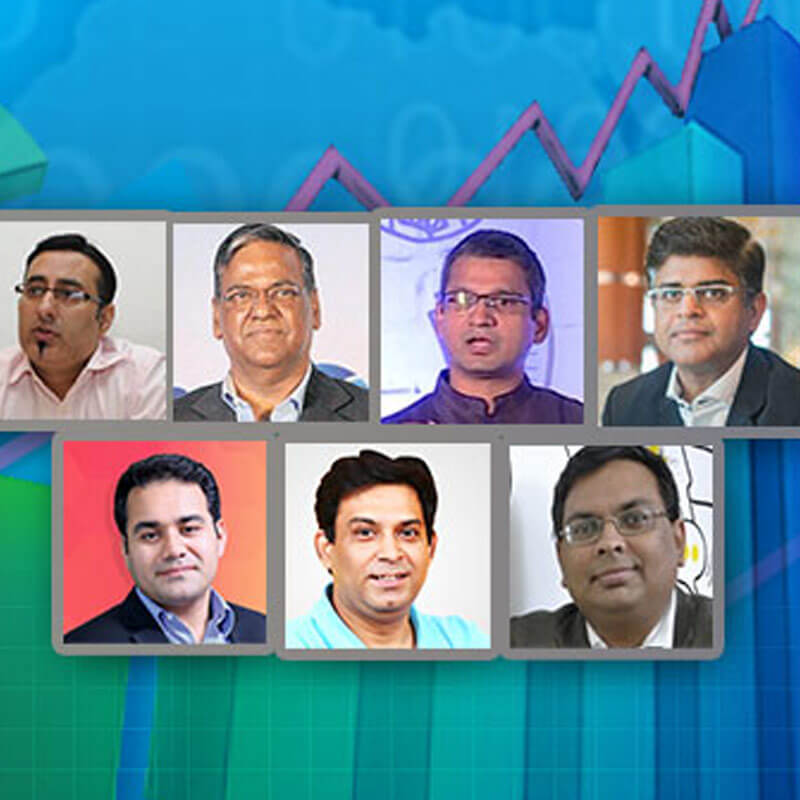
    MUMBAI: Startups are in a celebratory mode after the presentation of the Union Budget 2017 by the finance minister Arun Jaitley. He announced that small businesses with an annual turnover of Rs 50 crore will now have to pay five per cent less income tax, in order to make micro, small and medium enterprises (MSMEs) more viable.

    This brings down their income tax level to 25 per cent. The profit linked deduction available to the start-ups has changed to three years out of seven years.

    For the purpose of carrying forward of losses in start-ups, the condition of continuous holding of 51 per cent of voting rights has been relaxed. However, this is subject to the condition that the holding of the original promoter/promoters continues.

    On the issue of removal of Minimum Alternate Tax (MAT), the FM opined that it is not practical to remove or reduce MAT at present though, he has proposed to allow carry forward of MAT up to a period of 15 years instead of 10 years at present.

    The government also plans to spend Rs 2.44 lakh crore for small business loans.

    Media Konnect founder and CEO Ranjit Thakur said, “After being overlooked for almost two years, the media & entertainment industry has finally come to the fore in this Union Budget. Post-demonetisation, the budget focuses on paving the way for entrants and helping in sustainability of businesses. An industry that is audience-led, with the GST finally getting implemented this April, ticket prices will go down by 15-20 per cent which in turn will increase the demand and consumption by the audience.”

    “The abolishing of the Foreign Investment Promotion Board (FIPB),” he said, “will allow a smooth foreign investment in this sector. On an optimistic note, a quick action team initiated by the Finance Minister is going to help curb film piracy that plagued the industry until now. Overall, with the roll out of the GST, access to digital media and a strong action against film piracy – brings a lot of promise for the M&E Industry.”

    Venture Catalysts co-founder Dr. Apoorv Ranjan Sharma asserted, “Union Budget 2017-2018 is a progressive economy budget. The government has introduced the right policies, from reducing fiscal deficit gap to cleaner GDP growth, whilst promoting digitalisation and growth of the rural sector. For the startup economy, there is a significant relief in deductions within profit available for seven years from the existing five years. Furthermore, the deduction in corporate tax is a great boost for the companies with turnover of Rs 50 crore or less. Besides, SMEs with turnover up to Rs 2 crore, will enjoy tax relaxation from eight per cent to six per cent now. The move is going to waive the financial burden, while propelling small merchants on their path to success.”

    Mobclixs Technologies founder and CEO Dushyant Jani added, “Finally, the anticipation has come to an end with the unfolding of the Union Budget 2017-18 and we welcome the finance minister’s decisions on the various policies and tax saving schemes. The decision on the allocation of Rs. 10,000 crore for the Bharat Net project will provide high-speed broadband will definitely change the game for VAS businesses in the future. With increased number of people accessing the internet, the number of VAS users will also increase. Infrastructure development in terms of highways, shipping, and airways will help in public transportation.”

    He added, “Further, the newly announced income tax slab of 25 per cent, for the income bracket of Rs. 50 crore for start-ups, will help entrepreneurs in the efficient allocation of funds. However, the detailed announcement on the GST bill is still on the cards, and companies now are eagerly awaiting the same. We hope that the new policy formations in the budget are put into action effectively, in the same way as their presentation.”

    Tpot founder Robin Jha said, “Considering the current market scenario post-demonetisation in the last two months, it was important for government to introduce initiatives which would have a ripple effect on the overall demand in the economy. The increased spending by government on infrastructure and reduction in tax for salaried class is a step in that direction. Further the tax break for start ups and benefits for labor intensive industries would also spur the demand.”

  • Budget ’17 initiatives will drive overall demand, believe startups

    Budget ’17 initiatives will drive overall demand, believe startups

    MUMBAI: Startups are in a celebratory mode after the presentation of the Union Budget 2017 by the finance minister Arun Jaitley. He announced that small businesses with an annual turnover of Rs 50 crore will now have to pay five per cent less income tax, in order to make micro, small and medium enterprises (MSMEs) more viable.

    This brings down their income tax level to 25 per cent. The profit linked deduction available to the start-ups has changed to three years out of seven years.

    For the purpose of carrying forward of losses in start-ups, the condition of continuous holding of 51 per cent of voting rights has been relaxed. However, this is subject to the condition that the holding of the original promoter/promoters continues.

    On the issue of removal of Minimum Alternate Tax (MAT), the FM opined that it is not practical to remove or reduce MAT at present though, he has proposed to allow carry forward of MAT up to a period of 15 years instead of 10 years at present.

    The government also plans to spend Rs 2.44 lakh crore for small business loans.

    Media Konnect founder and CEO Ranjit Thakur said, “After being overlooked for almost two years, the media & entertainment industry has finally come to the fore in this Union Budget. Post-demonetisation, the budget focuses on paving the way for entrants and helping in sustainability of businesses. An industry that is audience-led, with the GST finally getting implemented this April, ticket prices will go down by 15-20 per cent which in turn will increase the demand and consumption by the audience.”

    “The abolishing of the Foreign Investment Promotion Board (FIPB),” he said, “will allow a smooth foreign investment in this sector. On an optimistic note, a quick action team initiated by the Finance Minister is going to help curb film piracy that plagued the industry until now. Overall, with the roll out of the GST, access to digital media and a strong action against film piracy – brings a lot of promise for the M&E Industry.”

    Venture Catalysts co-founder Dr. Apoorv Ranjan Sharma asserted, “Union Budget 2017-2018 is a progressive economy budget. The government has introduced the right policies, from reducing fiscal deficit gap to cleaner GDP growth, whilst promoting digitalisation and growth of the rural sector. For the startup economy, there is a significant relief in deductions within profit available for seven years from the existing five years. Furthermore, the deduction in corporate tax is a great boost for the companies with turnover of Rs 50 crore or less. Besides, SMEs with turnover up to Rs 2 crore, will enjoy tax relaxation from eight per cent to six per cent now. The move is going to waive the financial burden, while propelling small merchants on their path to success.”

    Mobclixs Technologies founder and CEO Dushyant Jani added, “Finally, the anticipation has come to an end with the unfolding of the Union Budget 2017-18 and we welcome the finance minister’s decisions on the various policies and tax saving schemes. The decision on the allocation of Rs. 10,000 crore for the Bharat Net project will provide high-speed broadband will definitely change the game for VAS businesses in the future. With increased number of people accessing the internet, the number of VAS users will also increase. Infrastructure development in terms of highways, shipping, and airways will help in public transportation.”

    He added, “Further, the newly announced income tax slab of 25 per cent, for the income bracket of Rs. 50 crore for start-ups, will help entrepreneurs in the efficient allocation of funds. However, the detailed announcement on the GST bill is still on the cards, and companies now are eagerly awaiting the same. We hope that the new policy formations in the budget are put into action effectively, in the same way as their presentation.”

    Tpot founder Robin Jha said, “Considering the current market scenario post-demonetisation in the last two months, it was important for government to introduce initiatives which would have a ripple effect on the overall demand in the economy. The increased spending by government on infrastructure and reduction in tax for salaried class is a step in that direction. Further the tax break for start ups and benefits for labor intensive industries would also spur the demand.”
  • Top M&E industry honchos see no major benefit from Budget ’17

    Top M&E industry honchos see no major benefit from Budget ’17

    MUMBAI: With the Union Budget’s focus on rural and infrastructure sectors, the media and entertainment (M&E) industry seems to be disappointed as the budget does not offer much. Though the sector is hoping to get some benefit through the digital push mentioned in the budget, expectations were high as the budget overlooked the sector even in the previous two budgets.

    No clarity on foreign direct investment (FDI) policy, goods and services tax (GST), no further reduction in the service tax, no direct benefit for the digital ecosystem, MSOs, telecom, and many such misses has upset the M&E industry at large.

    Impetus on digital payments and transactions will eventually help the OTTs/VoDs platforms subscription model. The government’s move to abolish Foreign Investment Promotion Board (FIPB) is believed to make it largely easier for foreign investors to invest in Indian companies.

    Reliance Broadcast Network Limited

    Reliance Broadcast Network (RBNL) CEO Tarun Katial said, “Budget 2017 is Neutral for the M&E sector although the consumption centric budget will put more money in the pocket of the common man and hence help the advertising and broadcast industries. Radio broadcast industry has requested specific policy measures like five per cent GST rate, reduction in custom duty for capex, etc and we look forward to the announcements when the GST rates are announced.”

    Mukta Arts 

    Mukta Arts MD Rahul Puri asserted, “The Union Budget this year has focused more on uplifting some of India’s poorest sections of society. While this year again the media and entertainment sector has been overlooked, however some announcements will definitely help our industry in many ways. Setting up the cyber security teams will help fight piracy, similarly, the government’s push towards Internet penetration in rural markets will help increase content consumption and increase the audience base. Further the abolishment of FIPB will make it easier for foreign investors to invest in Indian companies.”

    Worldwide Media 

    Worldwide Media CEO Deepak Lamba added, ‘’The Union Budget 2017 announced today, doesn’t include much on the  M&E sector, however there are some points that will have a positive impact on our industry. The budget reinforced India’s huge shift towards digitization especially with the proposed deployment of high optic cables to increase internet penetration in rural India. This is a big positive for content creators like us, as it will boost the digital content consumption across online and mobile platforms. Further impetus on digital payments and transactions will eventually help the subscription model. Also, the government’s move to abolish FIPB to make the inflow of FDI smoother and to consider liberalization of the FDI policy will have a positive impact for players across sectors in the long run.”

    KSS Limited (K Sera Sera)

    KSS Limited group CEO and KSS Digital Cinema CEO Rahul Kanani added, “The Union Budget 2017 introduces the abolition of the Foreign Investment Promotion Board which is a positive step leading to inducing more foreign studios investment in India. More investments coupled with technological upgradation will certainly be a boon for the Indian film industry. Further, with the digital transactions getting a boost the industry especially single screen businesses which have suffered hugely because of the recent demonetization will help get a push.”

    Pixel Pictures 

    Pixel Pictures CEO Prashanti Mallisetti said, “The budget on the onset looks quite positive and is in-line with the recent reforms. Though there are no major takeaways for any industry in particular that can affect a trajectory movement – the curb on cash transactions of 3 Lakhs is the one that is going to be a predominant factor in the demonetization short term scenario. More clarity in GST would have been great, but I guess we have to wait for that a little longer.”

    Dome Entertainment

    Dome Entertainment’s Mazhar Nadiadwala added, “GST would be implemented on the entertainment and events industry, and this would unify the indirect tax administration in India and help the country in two ways. Firstly, it will simplify and make it easy for the consumers to understand. Secondly, it will ease doing business in India. Also, application of GST will result into growth of the country and there will be transparency in the transactions. Under GST, service tax or state tax will be available as a credit which will reduce overall costs and eliminate dual levies of service tax and VAT on transactions. However, every coin has two sides, at one end where we have advantages of GST, on the other end certain businesses will face initial challenges, especially the ones who use traditional methods for transactions.”

    ActorsApply.com 

    An ActorsApply.com spokesperson said, “Government’s proposed reduction in the income tax for smaller organisations will add to the agenda of Startup India thereby expanding the scope for aspiring start ups. Also, the plan to provide a seven-year tax relief will help startups to overcome the losses incurred post demonetisation. The increase in time frame from 5 to 7 years for profit linked deductions was a much needed move specially for emerging start ups. The budget also levelled India’s huge shift towards digitization supporting it with the announcement of use of optic fibre cables for high-speed broadband connectivity in rural areas. This will mean increased Internet penetration through mobile and online mediums thereby boosting the start up sector overall.”

  • Top M&E industry honchos see no major benefit from Budget ’17

    Top M&E industry honchos see no major benefit from Budget ’17

    MUMBAI: With the Union Budget’s focus on rural and infrastructure sectors, the media and entertainment (M&E) industry seems to be disappointed as the budget does not offer much. Though the sector is hoping to get some benefit through the digital push mentioned in the budget, expectations were high as the budget overlooked the sector even in the previous two budgets.

    No clarity on foreign direct investment (FDI) policy, goods and services tax (GST), no further reduction in the service tax, no direct benefit for the digital ecosystem, MSOs, telecom, and many such misses has upset the M&E industry at large.

    Impetus on digital payments and transactions will eventually help the OTTs/VoDs platforms subscription model. The government’s move to abolish Foreign Investment Promotion Board (FIPB) is believed to make it largely easier for foreign investors to invest in Indian companies.

    Reliance Broadcast Network Limited

    Reliance Broadcast Network (RBNL) CEO Tarun Katial said, “Budget 2017 is Neutral for the M&E sector although the consumption centric budget will put more money in the pocket of the common man and hence help the advertising and broadcast industries. Radio broadcast industry has requested specific policy measures like five per cent GST rate, reduction in custom duty for capex, etc and we look forward to the announcements when the GST rates are announced.”

    Mukta Arts 

    Mukta Arts MD Rahul Puri asserted, “The Union Budget this year has focused more on uplifting some of India’s poorest sections of society. While this year again the media and entertainment sector has been overlooked, however some announcements will definitely help our industry in many ways. Setting up the cyber security teams will help fight piracy, similarly, the government’s push towards Internet penetration in rural markets will help increase content consumption and increase the audience base. Further the abolishment of FIPB will make it easier for foreign investors to invest in Indian companies.”

    Worldwide Media 

    Worldwide Media CEO Deepak Lamba added, ‘’The Union Budget 2017 announced today, doesn’t include much on the  M&E sector, however there are some points that will have a positive impact on our industry. The budget reinforced India’s huge shift towards digitization especially with the proposed deployment of high optic cables to increase internet penetration in rural India. This is a big positive for content creators like us, as it will boost the digital content consumption across online and mobile platforms. Further impetus on digital payments and transactions will eventually help the subscription model. Also, the government’s move to abolish FIPB to make the inflow of FDI smoother and to consider liberalization of the FDI policy will have a positive impact for players across sectors in the long run.”

    KSS Limited (K Sera Sera)

    KSS Limited group CEO and KSS Digital Cinema CEO Rahul Kanani added, “The Union Budget 2017 introduces the abolition of the Foreign Investment Promotion Board which is a positive step leading to inducing more foreign studios investment in India. More investments coupled with technological upgradation will certainly be a boon for the Indian film industry. Further, with the digital transactions getting a boost the industry especially single screen businesses which have suffered hugely because of the recent demonetization will help get a push.”

    Pixel Pictures 

    Pixel Pictures CEO Prashanti Mallisetti said, “The budget on the onset looks quite positive and is in-line with the recent reforms. Though there are no major takeaways for any industry in particular that can affect a trajectory movement – the curb on cash transactions of 3 Lakhs is the one that is going to be a predominant factor in the demonetization short term scenario. More clarity in GST would have been great, but I guess we have to wait for that a little longer.”

    Dome Entertainment

    Dome Entertainment’s Mazhar Nadiadwala added, “GST would be implemented on the entertainment and events industry, and this would unify the indirect tax administration in India and help the country in two ways. Firstly, it will simplify and make it easy for the consumers to understand. Secondly, it will ease doing business in India. Also, application of GST will result into growth of the country and there will be transparency in the transactions. Under GST, service tax or state tax will be available as a credit which will reduce overall costs and eliminate dual levies of service tax and VAT on transactions. However, every coin has two sides, at one end where we have advantages of GST, on the other end certain businesses will face initial challenges, especially the ones who use traditional methods for transactions.”

    ActorsApply.com 

    An ActorsApply.com spokesperson said, “Government’s proposed reduction in the income tax for smaller organisations will add to the agenda of Startup India thereby expanding the scope for aspiring start ups. Also, the plan to provide a seven-year tax relief will help startups to overcome the losses incurred post demonetisation. The increase in time frame from 5 to 7 years for profit linked deductions was a much needed move specially for emerging start ups. The budget also levelled India’s huge shift towards digitization supporting it with the announcement of use of optic fibre cables for high-speed broadband connectivity in rural areas. This will mean increased Internet penetration through mobile and online mediums thereby boosting the start up sector overall.”

  • Budget ’17: Leading digital players hail sectoral  boost

    Budget ’17: Leading digital players hail sectoral boost

    MUMBAI: “Digital economy helps in cleaning up the system, has transformational impact, energises private investment through low-cost credit, and benefits the common man,” asserted finance minister Arun Jaitley while announcing the Union Budget 2017 on 1 February. The budget 2017 emphasised a lot on the promotion of digital economy and strengthening the country’s cashless economy.

    Apart from launching two new schemes, Referral bonus for citizens and cashback for merchants, the government has also announced the launch of Aadhaar Pay. For the financial year 2017-18, the government targets around 2,500 crore digital transactions through UPI, USSD, Aadhaar Pay, IMPS and debit cards.
    The government’s focus on growing the digital footprint in India, enhancing digital infrastructure, capping cash transactions and enabling Aadhaar Pay crucial measures were laudable. Let’s take a look at what the digital, payment solution, e-commerce platforms and payment wallets have to say about the Union Budget 2017:

    Hungama.com CEO Siddhartha Roy said, “Focus on digital infrastructure in the current budget is extremely encouraging. Greater reach of broadband and data services into urban and rural India will lead to an inclusive digital economy, encouraging more people to embrace digital, driving consumption and transactions across the medium. Better quality of data is also set to give an impetus to the digital entertainment industry lead by video which is certainly poised for massive growth.” 
    Payment Wallets: FreeCharge & Oxigen
    Oxigen Services CMD Pramod Saxena says: “The budget 2017-18 reflects the government’s continuous efforts to move towards less cash economy and bringing transparency in value chain through digital payments & GST. The budget has stressed upon the importance of strengthening India’s digital economy by bringing down cost of digital infrastructure. The acceleration of PoS infrastructure with 10 lakh PoS machines by March 2017 and  another 20 lakh Aadhaar-based PoS by September 2017 is a reflection of pushing digital payments at last mile by 300 per cent from the current base of 15 lakh PoS achieved so far in last 20 years. The decision to exempt duty on various POS machines will help in reducing cost of digital infrastructure implementation and benefit companies like Oxigen.” 
    FreeCharge CEO Govind Rajan shared: “FreeCharge welcomes the policy measures aimed at accelerating the adoption of a digital economy in India. The incentives for adoption of fintech equipment, expansion of digital infrastructure in under-served areas, Aadhar Pay for wider adoption by merchants and capping cash transactions at Rs 3 lakh, all together have kept the spotlight on building a less-cash India. In doing so, we will all help build a transparent and efficient future for our country”
    Payment Solution Platforms: AGS & Telr

    AGS Transact Technology group chief marketing officer Pratik Seal added, “The Union Budget 2017 has seen a host of incentives to boost India’s digital economy.  However, the budget has not been a very populous one with incentives for the startup fraternity per se. Reduction of income tax for companies with a turnover of Rs. 50 crore to 25 per cent is a welcome move, and will aid many emerging companies. The three-year tax holiday in the first seven years (extended from five years) since inception of startups is a measure which will provide some relief to them. 

    Furthermore, he added, the surcharge of 10 per cent levied on individuals earning between Rs 50 lakh to Rs 1 crore may impact startups in the process of scaling-up, to attract senior talent on  their usual cash and ESOP/stocks packages, as the taxation gap over and under the Rs. 1 crore mark is now practically non-existent. The instant gratification “of being in the Rs 1-cr plus CTC and still be in the sub Rs-1 crore tax bracket” part is effectively eliminated. One would rather demand a fatter, all-cash pay-cheque now. Unfortunately, no policies have been announced providing relief for the aspiring Indians in the Rs 10-30 lakh bracket while heavier taxation for Rs 50-100 lakh is also a serious “aspiration dampener!”

    Telr founder and CEO Sirish Kumar said, “The budget looks well-rounded and in favour of digital economy, something we had anticipated following the demonetisation drive. There are policies to take internet to rural masses, including Bharat Net and ensure security of same via BHIM app and setting up CERT. Furthermore, limiting cash transactions to three lakh is going to work in favour of payment solution-providers, having the provision to handle payments of bigger ticket sizes. The increased emphasis on AadhaarPay, tax exemptions on Iris scanners, MicroATMs and POS machines, in addition to iris scanners, is further going to democratise digital economy in India. Taxes have been lowered for more than 67 per cent of MSME. This will make these businesses more viable.”

    E-commerce Platforms: Craftsvilla & Snapdeal

    Craftsvilla co-founder Manoj Gupta added, “There is nothing big bang in this Union Budget. There is very little for startups and ecommerce. Abolition of FIPB would hopefully make FDI easier. I was looking forward for the Government to take more proactive actions on areas like handloom and tourism that has huge potential for India. I would have also loved it if they announced developing handloom parks or heritage parks across the country with better facilities.”
    Snapdeal Kunal Bahl co-founder & CEO Kunal Bahl said, “We commend the focus on growing the digital footprint in the country — enhancing digital infrastructure, capping cash transactions, reducing cash donations, using Adhaar Pay to enable more digital payments are significant measures. Initiatives make an impact when there is continued attention and the new announcements build on the demonetisation efforts. We also welcome the emphasis on skill development and technical education – this will enable India to successfully harness the demographic dividend. The attention to affordable housing, greater employment in rural areas are the right interventions to build a more equitable society.”

  • Budget ’17: Leading digital players hail sectoral  boost

    Budget ’17: Leading digital players hail sectoral boost

    MUMBAI: “Digital economy helps in cleaning up the system, has transformational impact, energises private investment through low-cost credit, and benefits the common man,” asserted finance minister Arun Jaitley while announcing the Union Budget 2017 on 1 February. The budget 2017 emphasised a lot on the promotion of digital economy and strengthening the country’s cashless economy.

    Apart from launching two new schemes, Referral bonus for citizens and cashback for merchants, the government has also announced the launch of Aadhaar Pay. For the financial year 2017-18, the government targets around 2,500 crore digital transactions through UPI, USSD, Aadhaar Pay, IMPS and debit cards.
    The government’s focus on growing the digital footprint in India, enhancing digital infrastructure, capping cash transactions and enabling Aadhaar Pay crucial measures were laudable. Let’s take a look at what the digital, payment solution, e-commerce platforms and payment wallets have to say about the Union Budget 2017:

    Hungama.com CEO Siddhartha Roy said, “Focus on digital infrastructure in the current budget is extremely encouraging. Greater reach of broadband and data services into urban and rural India will lead to an inclusive digital economy, encouraging more people to embrace digital, driving consumption and transactions across the medium. Better quality of data is also set to give an impetus to the digital entertainment industry lead by video which is certainly poised for massive growth.” 
    Payment Wallets: FreeCharge & Oxigen
    Oxigen Services CMD Pramod Saxena says: “The budget 2017-18 reflects the government’s continuous efforts to move towards less cash economy and bringing transparency in value chain through digital payments & GST. The budget has stressed upon the importance of strengthening India’s digital economy by bringing down cost of digital infrastructure. The acceleration of PoS infrastructure with 10 lakh PoS machines by March 2017 and  another 20 lakh Aadhaar-based PoS by September 2017 is a reflection of pushing digital payments at last mile by 300 per cent from the current base of 15 lakh PoS achieved so far in last 20 years. The decision to exempt duty on various POS machines will help in reducing cost of digital infrastructure implementation and benefit companies like Oxigen.” 
    FreeCharge CEO Govind Rajan shared: “FreeCharge welcomes the policy measures aimed at accelerating the adoption of a digital economy in India. The incentives for adoption of fintech equipment, expansion of digital infrastructure in under-served areas, Aadhar Pay for wider adoption by merchants and capping cash transactions at Rs 3 lakh, all together have kept the spotlight on building a less-cash India. In doing so, we will all help build a transparent and efficient future for our country”
    Payment Solution Platforms: AGS & Telr

    AGS Transact Technology group chief marketing officer Pratik Seal added, “The Union Budget 2017 has seen a host of incentives to boost India’s digital economy.  However, the budget has not been a very populous one with incentives for the startup fraternity per se. Reduction of income tax for companies with a turnover of Rs. 50 crore to 25 per cent is a welcome move, and will aid many emerging companies. The three-year tax holiday in the first seven years (extended from five years) since inception of startups is a measure which will provide some relief to them. 

    Furthermore, he added, the surcharge of 10 per cent levied on individuals earning between Rs 50 lakh to Rs 1 crore may impact startups in the process of scaling-up, to attract senior talent on  their usual cash and ESOP/stocks packages, as the taxation gap over and under the Rs. 1 crore mark is now practically non-existent. The instant gratification “of being in the Rs 1-cr plus CTC and still be in the sub Rs-1 crore tax bracket” part is effectively eliminated. One would rather demand a fatter, all-cash pay-cheque now. Unfortunately, no policies have been announced providing relief for the aspiring Indians in the Rs 10-30 lakh bracket while heavier taxation for Rs 50-100 lakh is also a serious “aspiration dampener!”

    Telr founder and CEO Sirish Kumar said, “The budget looks well-rounded and in favour of digital economy, something we had anticipated following the demonetisation drive. There are policies to take internet to rural masses, including Bharat Net and ensure security of same via BHIM app and setting up CERT. Furthermore, limiting cash transactions to three lakh is going to work in favour of payment solution-providers, having the provision to handle payments of bigger ticket sizes. The increased emphasis on AadhaarPay, tax exemptions on Iris scanners, MicroATMs and POS machines, in addition to iris scanners, is further going to democratise digital economy in India. Taxes have been lowered for more than 67 per cent of MSME. This will make these businesses more viable.”

    E-commerce Platforms: Craftsvilla & Snapdeal

    Craftsvilla co-founder Manoj Gupta added, “There is nothing big bang in this Union Budget. There is very little for startups and ecommerce. Abolition of FIPB would hopefully make FDI easier. I was looking forward for the Government to take more proactive actions on areas like handloom and tourism that has huge potential for India. I would have also loved it if they announced developing handloom parks or heritage parks across the country with better facilities.”
    Snapdeal Kunal Bahl co-founder & CEO Kunal Bahl said, “We commend the focus on growing the digital footprint in the country — enhancing digital infrastructure, capping cash transactions, reducing cash donations, using Adhaar Pay to enable more digital payments are significant measures. Initiatives make an impact when there is continued attention and the new announcements build on the demonetisation efforts. We also welcome the emphasis on skill development and technical education – this will enable India to successfully harness the demographic dividend. The attention to affordable housing, greater employment in rural areas are the right interventions to build a more equitable society.”

  • Budget ’17: Prasar Bharati grant-in-aid down, film sector’s aid up

    Budget ’17: Prasar Bharati grant-in-aid down, film sector’s aid up

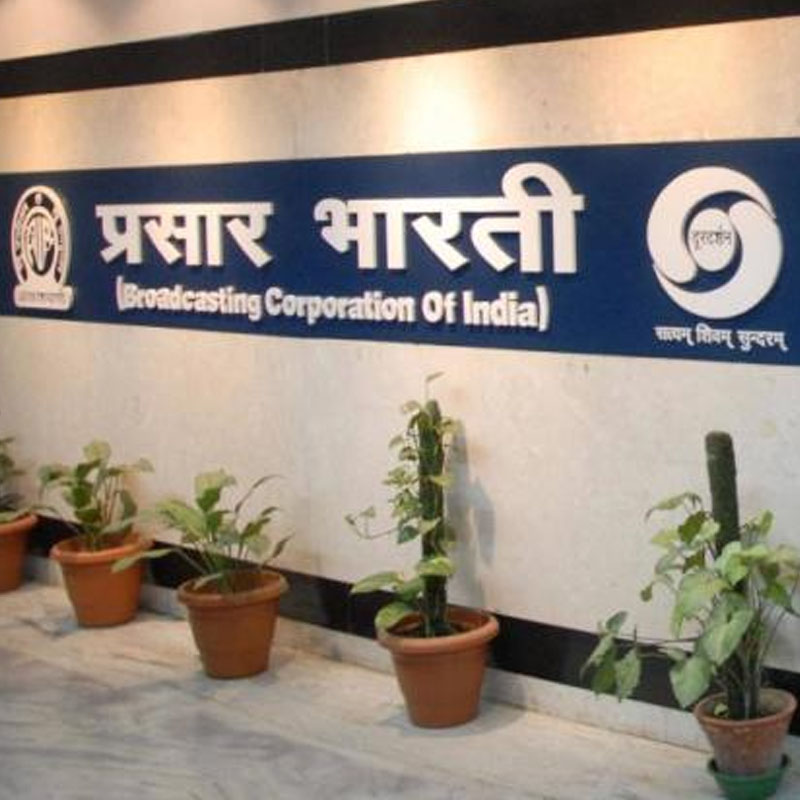
    NEW DELHI: The grant-in-aid for Prasar Bharati has come down marginally from the revised estimates from Rs 4500 million in 2016-17 to Rs 4300 million for 2017-18.

    This includes a grants-in-aid to the pubcaster of Rs 3500 million and a separate grant-in-aid to it for the Kisan Channel of Rs 800 million which is higher than last year’s Rs 600 million.

    In addition, there is support of Rs 29,967 million for 2017-18 against Rs 27,168.6 million in 2016-17 in the allocation of support to autonomous bodies. But, there is no investment in the head of public sector undertakings in Prasar Bharati, unlike last year.

    An explanatory note says the grants-in-aid is being provided to cover the gap in resources of Prasar Bharati in meeting its revenue expenditure.

    (Expenditure on salaries of Prasar Bharati has fallen on the shoulders of the government since all Prasar Bharati employees who were in employment as on 5 October 2007 have been given deemed deputation status.)

    The total budget of the information and broadcasting ministry has been raised to Rs 44,090 million against Rs 40836.3 million.

    There is a separate allocation of Rs 230 million for strengthening broadcasting activities which covers community radio (Rs 40 million), Electronic Media Centre (Rs 120 million), Mission Digitisation (Rs 50 million) and automation of broadcasting wing (Rs 20 million).

    This is less than last year’s allocation in this head of Rs 308.3 million.

    The allocation for the film sector has been raised to Rs 2070 million, and covers the National Museum of Cinema, Development communication and Dissemination of filmic content, Infrastructure Development Programme relating to the film sector, and Mission/Special projects which gets a massive increase to Rs 1100.1 million as compared to Rs 170.1 million last year. This allocation is for the Umbrella Programme Missions / Special Project includes the following Schemes:

    National Film Heritage Mission (Main Secretariat), Anti-Piracy Initiatives and Setting up a National Centre of Excellence for Animation, Gaming and Special Effects (coming up in Mumbai).

    There is an allocation of Rs 180 million for mass communication which includes upgradation of the Indian Institute of Mass Communication to international standards and opening regional centres of IIMC.

    The allocation under ‘Secretariat – Social services’ has been raised Rs 795.2 million as compared to Rs 703.2 million, and art and culture to Rs 102.3 million. information and publicity gets Rs 4059.9 million for various programmes which include Directorate of Advertising and Visual Publicity; Press Information Bureau, Field Publicity, Song and Drama Division, Publications Division, Photo Division, Registrar of Newspapers in India and other media units.

    After seven years in a row, the government has announced investment in the National Film Development Corporation to the tune of Rs 125.4 million.

    There is a marginal increase in the lump sum provision for projects/schemes for development of North-eastern areas including Sikkim to Rs 842 million against Rs 800 million last year.

    There is an allocation of Rs 30,732.6 million as support to autonomous bodies which apart from Prasar Bharati, also has allocations for the Film and Television Institute of India, Satyajit Ray FTII, Press Council of India, IIMC, and Children’s Film Society, India.

  • Budget ’17: Prasar Bharati grant-in-aid down, film sector’s aid up

    Budget ’17: Prasar Bharati grant-in-aid down, film sector’s aid up

    NEW DELHI: The grant-in-aid for Prasar Bharati has come down marginally from the revised estimates from Rs 4500 million in 2016-17 to Rs 4300 million for 2017-18.

    This includes a grants-in-aid to the pubcaster of Rs 3500 million and a separate grant-in-aid to it for the Kisan Channel of Rs 800 million which is higher than last year’s Rs 600 million.

    In addition, there is support of Rs 29,967 million for 2017-18 against Rs 27,168.6 million in 2016-17 in the allocation of support to autonomous bodies. But, there is no investment in the head of public sector undertakings in Prasar Bharati, unlike last year.

    An explanatory note says the grants-in-aid is being provided to cover the gap in resources of Prasar Bharati in meeting its revenue expenditure.

    (Expenditure on salaries of Prasar Bharati has fallen on the shoulders of the government since all Prasar Bharati employees who were in employment as on 5 October 2007 have been given deemed deputation status.)

    The total budget of the information and broadcasting ministry has been raised to Rs 44,090 million against Rs 40836.3 million.

    There is a separate allocation of Rs 230 million for strengthening broadcasting activities which covers community radio (Rs 40 million), Electronic Media Centre (Rs 120 million), Mission Digitisation (Rs 50 million) and automation of broadcasting wing (Rs 20 million).

    This is less than last year’s allocation in this head of Rs 308.3 million.

    The allocation for the film sector has been raised to Rs 2070 million, and covers the National Museum of Cinema, Development communication and Dissemination of filmic content, Infrastructure Development Programme relating to the film sector, and Mission/Special projects which gets a massive increase to Rs 1100.1 million as compared to Rs 170.1 million last year. This allocation is for the Umbrella Programme Missions / Special Project includes the following Schemes:

    National Film Heritage Mission (Main Secretariat), Anti-Piracy Initiatives and Setting up a National Centre of Excellence for Animation, Gaming and Special Effects (coming up in Mumbai).

    There is an allocation of Rs 180 million for mass communication which includes upgradation of the Indian Institute of Mass Communication to international standards and opening regional centres of IIMC.

    The allocation under ‘Secretariat – Social services’ has been raised Rs 795.2 million as compared to Rs 703.2 million, and art and culture to Rs 102.3 million. information and publicity gets Rs 4059.9 million for various programmes which include Directorate of Advertising and Visual Publicity; Press Information Bureau, Field Publicity, Song and Drama Division, Publications Division, Photo Division, Registrar of Newspapers in India and other media units.

    After seven years in a row, the government has announced investment in the National Film Development Corporation to the tune of Rs 125.4 million.

    There is a marginal increase in the lump sum provision for projects/schemes for development of North-eastern areas including Sikkim to Rs 842 million against Rs 800 million last year.

    There is an allocation of Rs 30,732.6 million as support to autonomous bodies which apart from Prasar Bharati, also has allocations for the Film and Television Institute of India, Satyajit Ray FTII, Press Council of India, IIMC, and Children’s Film Society, India.

  • Media and entertainment industry hails Union Budget 2017

    Media and entertainment industry hails Union Budget 2017

    MUMBAI: On 1 February, the finance minister Arun Jaitley made significant announcements during the presentation of the Union Budget 2017. Although, there was no specific mention of measures for the media and entertainment industry, certain steps which have been taken to boost the economy have been appreciated by the industry, but it also disappointed some.

    The budget 2017 mainly focused on boosting the infrastructure and lifting rural income besides bringing in reforms in the financial sector such as the abolition of the Foreign Investment Promotion Board (FIPB) so as to facilitate a new policy for foreign direct investment (FDI). The budget also focused on digitisation — allocating Rs 10, 000 crore to boost the rural fibre optics network, which came as a great news for many in the media and broadcast industry.

    Indiantelevision.com reached out to several industry stalwarts to find out how they interpreted the Union Budget 2017. Here’s what they had to say:

    Viacom18 group CEO and CII Media and Entertainment Committee chairman Sudhanshu Vats said, “Much had been speculated about the economic slowdown post demonetisation. With this budget, the government has taken important steps to boost the economy in a structured manner, building on the promise of transparent growth. Steps to liberalise the FDI regime further coupled with the abolishing of FIPB and tax reforms for MSMEs are bound to have impact in the foreseeable future. This budget has seen some positive solutions to tackle poverty in our country including one of the highest allocation of funds to MNREGA and rationalisation of rate for the lower personal tax slabs. I am particularly enthused by the strong reforms push for digitization and look forward to digital transactions increasing in the country. This also augurs well for digital consumption of video content. The move to cap political donations in cash at Rs 2000 and all-cash transactions at Rs 300,000 are also much-needed, bold steps that are in line with the government’s commitment to uprooting corruption. With Swaach Bharat being close to our hearts, the budget has built further on this theme in a welcome move. I’ve said this before and will say it again: as the M&E sector we have a lot to gain from buoyance in the economy at the aggregate level and I believe this Budget has delivered on that front.”

    Zee Entertainment Enterprises Limited (ZEEL) MD and CEO Punit Goenka stated, “Budget 2017 speaks a lot about the government’s positive and committed approach towards creating a stronger and balanced economy. Being directionally right and focused on spending in growth-centric areas, it clearly reassures the fact that remonetisation is in.”

    Times Network MD and CEO M K Anand said, “After the recent massive policy implementation of demonetisation, my expectation was of some radical reforms. I was a bit disappointed on that count. However, enhanced provision for MNREGA and allocations for rural, agriculture and allied sector and a clear push for the affordable housing sectors is the silver lining. Agriculture and real estate are the most important employment generating sectors in India. This should improve the rural situation which is still recovering from demonetisation. Hopefully, that will have a ripple effect on spending and the larger economy.”

    Says ABP COO Avinash Pandey, “The Union Budget 2017 was disappointing as far as the expected incentive for the broadcast business is concerned. Service tax remains the same. Most importantly, there is no parity with the print sector. The ‘wow’ factor was missing (in the budget) as far as the business is concerned. Disposable income is going to increase, and hence the quantum of spending. Economy may revive after the implementation of the budget.”

    Network 18 president revenue and Forbes India CEO Joy Chakraborthy is hopeful, saying, “We are seeing it as a positive budget. The budget is going to help consumption. Significant measures to improve electrification is eventually going to help the television industry. The general sentiment is that it is, overall a positive budget. Once people start spending money, consumption will be there and subsequently advertising too will follow.”

    Says, BBC Worldwide – ‎BBC Worldwide India South East Asia and South Asia SVP and GM Myleeta Aga, “Overall a positive popular budget with personal income tax changes in line with the government’s declared intention to collect more taxes from the rich and reduce the tax burden on the middle income group.”

    She added, “I was particularly encouraged to hear that the GST roll out will not be delayed. Operationally, for the production business, this will complicate working across states but this disruption should be temporary. Continued emphasis on the digital economy and increasing digital transactions will boost growth of e-commerce.”

    SAB group CEO Manav Dhanda said, “Overall, there has been positives for the media and entertainment sector post the Union Budget. As digitization is the next big thing now, the end of March 2018 will see a great growth for digital video consumption across OTT. The youth can now have great opportunities laid for them by initiating the skill India mission that aims to start 100 India International centres. Also, since digitization is on a high, setting up high speed internet in 1.50 Lakh Gram Panchayat is a good move and will give a boost to internet penetration in India. There is no increase service tax by the government and is a positive outcome particularly for the M&E sector, a stable and positive fiscal situation is good for the economy which will also give an impetus to our advertising sales projections. Increased public spending through various schemes and focus on infrastructure investments should further help to accelerate economic growth. The economy seems to have being slowing down since demonetisation, impacting almost all sectors and one hopes this budget to act as a catalyst to propel the growth in the media sector as well.”

    KPMG India partner tax Naveen Aggarwal said, “The Budget was based on broad themes of curbing black money, boosting individual spending, ensuring transparency and providing much needed impetus to agricultural and rural sector, infrastructure and digital economy.”

    He added, “While the announcement to abolish FIPB in light of successful e-governance was surprising, further liberalisation in FDI policy will be keenly watched in context of M&E industry. Lastly, the FM provided much needed assurance on roll-out of GST as per schedule, confirming GST council finalising majority of its recommendations.”

    He further added, “Similar to last two years, the Budget did not bring much respite or specific announcements benefiting M&E industry. While the expectation of overall reduction in corporate tax rate and abolition of MAT was given a miss, the proposal to reduce corporate tax rate for MSMEs to 25% (having turnover up to Rs 50 crore) and increasing the MAT credit entitlement (from 10 to 15 years) is a welcome move and will benefit medium scale service companies in M&E sector.”

  • Media and entertainment industry hails Union Budget 2017

    Media and entertainment industry hails Union Budget 2017

    MUMBAI: On 1 February, the finance minister Arun Jaitley made significant announcements during the presentation of the Union Budget 2017. Although, there was no specific mention of measures for the media and entertainment industry, certain steps which have been taken to boost the economy have been appreciated by the industry, but it also disappointed some.

    The budget 2017 mainly focused on boosting the infrastructure and lifting rural income besides bringing in reforms in the financial sector such as the abolition of the Foreign Investment Promotion Board (FIPB) so as to facilitate a new policy for foreign direct investment (FDI). The budget also focused on digitisation — allocating Rs 10, 000 crore to boost the rural fibre optics network, which came as a great news for many in the media and broadcast industry.

    Indiantelevision.com reached out to several industry stalwarts to find out how they interpreted the Union Budget 2017. Here’s what they had to say:

    Viacom18 group CEO and CII Media and Entertainment Committee chairman Sudhanshu Vats said, “Much had been speculated about the economic slowdown post demonetisation. With this budget, the government has taken important steps to boost the economy in a structured manner, building on the promise of transparent growth. Steps to liberalise the FDI regime further coupled with the abolishing of FIPB and tax reforms for MSMEs are bound to have impact in the foreseeable future. This budget has seen some positive solutions to tackle poverty in our country including one of the highest allocation of funds to MNREGA and rationalisation of rate for the lower personal tax slabs. I am particularly enthused by the strong reforms push for digitization and look forward to digital transactions increasing in the country. This also augurs well for digital consumption of video content. The move to cap political donations in cash at Rs 2000 and all-cash transactions at Rs 300,000 are also much-needed, bold steps that are in line with the government’s commitment to uprooting corruption. With Swaach Bharat being close to our hearts, the budget has built further on this theme in a welcome move. I’ve said this before and will say it again: as the M&E sector we have a lot to gain from buoyance in the economy at the aggregate level and I believe this Budget has delivered on that front.”

    Zee Entertainment Enterprises Limited (ZEEL) MD and CEO Punit Goenka stated, “Budget 2017 speaks a lot about the government’s positive and committed approach towards creating a stronger and balanced economy. Being directionally right and focused on spending in growth-centric areas, it clearly reassures the fact that remonetisation is in.”

    Times Network MD and CEO M K Anand said, “After the recent massive policy implementation of demonetisation, my expectation was of some radical reforms. I was a bit disappointed on that count. However, enhanced provision for MNREGA and allocations for rural, agriculture and allied sector and a clear push for the affordable housing sectors is the silver lining. Agriculture and real estate are the most important employment generating sectors in India. This should improve the rural situation which is still recovering from demonetisation. Hopefully, that will have a ripple effect on spending and the larger economy.”

    Says ABP COO Avinash Pandey, “The Union Budget 2017 was disappointing as far as the expected incentive for the broadcast business is concerned. Service tax remains the same. Most importantly, there is no parity with the print sector. The ‘wow’ factor was missing (in the budget) as far as the business is concerned. Disposable income is going to increase, and hence the quantum of spending. Economy may revive after the implementation of the budget.”

    Network 18 president revenue and Forbes India CEO Joy Chakraborthy is hopeful, saying, “We are seeing it as a positive budget. The budget is going to help consumption. Significant measures to improve electrification is eventually going to help the television industry. The general sentiment is that it is, overall a positive budget. Once people start spending money, consumption will be there and subsequently advertising too will follow.”

    Says, BBC Worldwide – ‎BBC Worldwide India South East Asia and South Asia SVP and GM Myleeta Aga, “Overall a positive popular budget with personal income tax changes in line with the government’s declared intention to collect more taxes from the rich and reduce the tax burden on the middle income group.”

    She added, “I was particularly encouraged to hear that the GST roll out will not be delayed. Operationally, for the production business, this will complicate working across states but this disruption should be temporary. Continued emphasis on the digital economy and increasing digital transactions will boost growth of e-commerce.”

    SAB group CEO Manav Dhanda said, “Overall, there has been positives for the media and entertainment sector post the Union Budget. As digitization is the next big thing now, the end of March 2018 will see a great growth for digital video consumption across OTT. The youth can now have great opportunities laid for them by initiating the skill India mission that aims to start 100 India International centres. Also, since digitization is on a high, setting up high speed internet in 1.50 Lakh Gram Panchayat is a good move and will give a boost to internet penetration in India. There is no increase service tax by the government and is a positive outcome particularly for the M&E sector, a stable and positive fiscal situation is good for the economy which will also give an impetus to our advertising sales projections. Increased public spending through various schemes and focus on infrastructure investments should further help to accelerate economic growth. The economy seems to have being slowing down since demonetisation, impacting almost all sectors and one hopes this budget to act as a catalyst to propel the growth in the media sector as well.”

    KPMG India partner tax Naveen Aggarwal said, “The Budget was based on broad themes of curbing black money, boosting individual spending, ensuring transparency and providing much needed impetus to agricultural and rural sector, infrastructure and digital economy.”

    He added, “While the announcement to abolish FIPB in light of successful e-governance was surprising, further liberalisation in FDI policy will be keenly watched in context of M&E industry. Lastly, the FM provided much needed assurance on roll-out of GST as per schedule, confirming GST council finalising majority of its recommendations.”

    He further added, “Similar to last two years, the Budget did not bring much respite or specific announcements benefiting M&E industry. While the expectation of overall reduction in corporate tax rate and abolition of MAT was given a miss, the proposal to reduce corporate tax rate for MSMEs to 25% (having turnover up to Rs 50 crore) and increasing the MAT credit entitlement (from 10 to 15 years) is a welcome move and will benefit medium scale service companies in M&E sector.”