Category: Special Report

  • Industry veterans gear up for Standard Chartered Mumbai Marathon

    Industry veterans gear up for Standard Chartered Mumbai Marathon

    MUMBAI : The city is already counting down the days to the biggest annual sporting extravaganza that Mumbaikars look forward to — the Standard Chartered Mumbai Marathon, which is scheduled to take off in the wee hours of 17 January.


    Be it the health minded ones or the record breakers or even those who simply run for a cause , every year the footfall at the marathon has only seen an upward growth. Several reports say that this year the figures may go up by four – five per cent. 


    With Mumbai as the stage, it is inevitable that several media personalities will also be taking part in the event, apart from the big names from other industries like finance and technology. 


    Familiar faces from media, advertising and marketing world who are expected to continue their tradition of running for the marathon include Grey Group India chairman and managing director Sunil Lulla, Ideas@bharatkapadia.com founder Bharat Kapadia and triggerbridge managing director and co-founder S Yesudas amongst others.


    Yesudas confesses his life has been very hectic given his new portfolio as an entrepreneur and the launch of his new venture. Yet, he wouldn’t give Mumbai Standard Chartered Marathon a miss for the world. In fact, he recalls how he barely made it to his last year’s agency conference in Bangkok just to run for the marathon.


    Having said that, he adds, “I wouldn’t go all out this year unlike my previous runs for the marathon. The reason is my injured right knee.” Because of which, Yesudas hasn’t been active lately in preparing for the marathon.


    “I participated for the Trivandrum Marathon in November, but since then I haven’t been running much. To get good timing, practicing long runs is a must, therefore this year I will be taking it easier,” Yesudas explains.


    It isn’t just Yesudas whose Mumbai Marathon will be marred a bit by injury. Well known marathon runner from the industry HDFC Life senior executive vice president Sanjay Tripathy will also skip running the full marathon due to the same. Nevertheless, Tripathy can’t help count us down the reasons why one should take running up. “Running is my passion and I have a torrid love affair with it! Running for a marathon has taken me beyond my comfort zone and helped me relax, take control over my mind and stay focused on a day to day basis,” shares Tripathy.


    “I have been training myself since 2003 to participate in marathons all over the country. Every year I work on increasing my intensity and distance while reducing the amount of time. Unfortunately, this year, I will be unable to participate in the marathon as I had a bad fall on my knee a month back. A stress fracture in the femur of my left leg will keep me out of running for a good eight to 12 weeks. But injuries are a part and parcel of a runner’s life and I am determined to come back stronger,” he adds.


    Industry veteran and well known marathoner Kapadia is up for the challenge this year as well. Last year, he managed to bring down his run time to 2 hours 12 mins from 2 hours 17 mins in the previous year. He hopes to beat his own record this year as well. “This will be my ninth year running in the Mumbai Marathon. My regular practice sessions are up. I usually start three and a half months before the D-Day. Right now I am going easy on running and concentrating on the right diet. The first three days of the week was protein heavy diet, while the next three days will be carbohydrate heavy,” shares Kapadia, who adds that he stopped long runs last Sunday to give his body rest.


    Having said that, Kapadia doesn’t run after ranks or timings in a marathon. “I personally keep three things in mind when running a marathon. Firstly my target is to complete the entire run; secondly I make sure I have fun on the way; and lastly to keep myself injury free,” he says.


    Grey Group India’s Lulla too plans to enjoy the marathon with his friends rather than keeping an eye on the clock while running. “I am doing stretches and abs to keep myself flexible for the time being,” he informs. 


    “This year the marathon isn’t about setting goals and breaking personal record for me. Been there and done that for the last few years. This year is about enjoying the run. I have been in and out of the city the entire year and hence hardly had the time to practice and prep up for the marathon. Not that it bothers me as this year my prime motive is to have fun with my friends who run together with me. I plan to take it slow and easy, saying hello to everyone on the way and maybe even clicking several picture to commemorate the day.”


    In fact, to mark the day and instil the idea of running for just fun, Lulla and his group of friends will be sporting T-shirts with #quickie written on it.


    While few familiar names are staying off the track this year, Yesudas doesn’t expect that to effect the footfall at the marathon, nor the industry’s representation in it. “I have a feeling several new faces will be seen running this year. I know that several of my friends within the industry have been gearing up to make their debut,” he says.

  • 2015: The year of nip & tuck for Hindi GECs

    2015: The year of nip & tuck for Hindi GECs

    MUMBAI: Ratings, ratings from the BARC, who’s the leader of them all?

    ‘Twas the question on many a lips as the new Indian television ratings body –  Broadcast Audience Research Council India launched earlier this year and within just a few months of operations created waves in the industry by throwing up All India data comprising urban and rural numbers. The dynamics of the Indian television market changed and old programming and marketing strategies were scrapped for newer ones. Many a channel executives went back to the drawing board to figure out what India wanted to watch on television.

    The year 2015 was also when Hindi general entertainment channels (GECs) slugged it out to attain the top slot by moving away from the typical saas-bahu sagas and explored other genres from horror to mythology to reality in order to provide viewers with wholesome entertainment. The fight had never been tougher for as the year drew to a close, it was nip and tuck as to which channel would lead the ratings race week on week. The undisputed leader of the genre – Star Plus could no longer be complacent as Zee Entertainment Enterprises Ltd’s (Zeel) underdog Zee Anmol gave the market leader a run for its money.

    Moreover, channels no longer have the luxury to run non-delivering shows. If a show isn’t working, it’s pulled off air. It’s as simple as that. Gone are the days when a show would endlessly run for years and years. Now, the fight is no longer limited to the top three – Star Plus, Colors and Zee TV. In light of the rural ratings data, free to air (FTA) channels like Zee Anmol, Star Utsav and Rishtey have managed to find their place under the sun and emerge in the list of the Top 10 Hindi GECs. Since week 41, FTA channels started dominating the Top 10 channels’ list. In just eight weeks’ time, Zee Anmol climbed up to the number one spot from the third position, pushing erstwhile market leader Star Plus to the third spot.

    On the programming front, if there was a genre apart from drama and reality shows that ruled the airwaves this year on Hindi GECs, it was mythology and historical shows. While some shows proved to be game changers for the channels, some failed to garner ratings.

    The year also witnessed some successful partnerships reunite. Star Plus and Amitabh Bachchan came together once again after a span of 15 years for Aaj Ki Raat Hai Zindagi. However, the hype that was created for the show subsided as quickly as the show’s content failed to impress the audience. On the other hand, actor Iqbal Khan, who started his television career with Ekta Kapoor’s show Kaisa Yeh Pyaar Hai on Sony Entertainment Television, made a comeback after 10 years with Pyar Ko Ho Jaane Do.

    Even as Priyanka Chopra rocked the international television circuit with her fiction debut in ABC’s high-octane drama series Quantico, closer home there was no dearth of star power on the small screen this year as movie stars from Bachchan, Shah Rukh Khan, Salman Khan, Shahid Kapoor, Hrithik Roshan, Sonakshi Sinha, Farhan Akhtar, Bipasha Basu, Arbaaz Khan to Malaika Arora Khan descended on television with a single minded vision to entertain the audience.

    Additionally, adaptations of international format shows, which have become an important part of Hindi GECs, also saw an increase this year. While adaptations of reality and non-fiction shows have been seen on Indian television for some years now, what was special this year was that for the first time, an international fiction format was adapted. India got its very own Everybody Loves Raymond in the form of Sumit Sambhal Lega. Other non-fiction adaptations that made their presence felt this year were India Poochega – Sabse Shaana Kaun?, Bigg Boss Season 9, I Can Do That, Aaj Ki Raat Hai Zindagi and Power Couple to name a few.

    The year 2015 also saw Zeel launching a new Hindi GEC under the ‘&’ brand name. Ten months into launch, &TV is striving to carve a niche for itself in the already busy GEC space.

    Let’s now take a look at some of the key happenings across the genre in 2015:

    Star Plus

    The beginning of 2015 was good for Star Plus as it performed well in terms of ratings according to TAM Media Research data. The happy saga continued for a few weeks even after the introduction of BARC data. However, from week 34 onwards, Star Plus witnessed many ups and downs and was in close competition with Colors. Come week 41, which was when BARC released its rural data, the channel faced double trouble with introduction of FTA channels in the tally. As per the latest week data, Star Plus stood in the third spot with Zee Anmol in the top slot followed by Colors.

    That said, 2015 will remain memorable for Star Plus as it roped in Bachchan as the host of Aaj Ki Raat Hai Zindagi.

    The channel’s long running show including Saath Nibhaana Saathiya, Yeh Hai Mohabbatein, Diya Aur Baati and Yeh Rishta Kya Kehlta hai are among the top five programmes of Hindi GECs.

    After the successful execution of Mahabharat, Star Plus launched another mythological show Siya Ke Ram on 16 November, which is produced by Triangle Film Company. A reality show called Dance Plus also made its presence felt on the small screen.

    The year gone by also saw a number of shows launching and going off air in a period of three – six months. Shows like Manmarziyan, Gulmohar Grand, Badtameez Dil, Kuch Toh Hai Tere Mere Darmiyaan and Tere Mere Shehar Mein were pulled off because of poor ratings.

    Colors

    2015 has been a good year for Colors even as the tug of war with Star Plus to claim the leadership position kept both players on their toes. Many a times Colors successfully grabbed the lead position inching ahead of the market leader. So, what worked for the channel in 2015?

    Every year Salman Khan says he won’t host the next season of Bigg Boss and every year the channel manages to lure him back on the small screen’s biggest reality show. Colors launched the ninth season Bigg Boss Double Trouble with Khan. However, not wanting to disturb the timings of its prime time fiction shows, which was raking in the ratings, Bigg Boss 9 was placed in the late prime time slot of 10.30 pm on weekdays and 9 pm on weekends.

    Colors also experimented with its weekend time slot and launched the supernatural fiction show Naagin, which proved to be a game changer for the channel and was perched on the top rung of the ladder in week 50.

    Some of the other notable shows, which have been performing well for the channel are the historical Chakarvartin Ashoka Samrat produced by Contiloe Entertainment as well as two fiction shows produced by Rashmi Sharma Telefilms namely Sasural Simar Ka and Swaragini.

    On the non-fiction front, apart from Bigg Boss 9 Colors also launched the second season of its chat show The Anupam Kher Show: Kucch Bhi Ho Sakta Hai and the eighth season of Jhalak Dikhlaa Jaa Reloaded. Experimenting with a celebrity cooking show, Colors roped in Farah Khan and launched Farah Ki Dawat.

    While the year saw Colors acquiring some flagship properties like the IIFA Awards and the Box Cricket League, the earlier editions of which were aired on different broadcasters, the channel also launched its first live event property called Suro Ke Rang Colors Ke Sang to celebrate the world of Indian music industry.

    Zee TV

    The year saw Zee TV struggling to hold on to its position in the third and fourth slots. Even as the channel saw some instability on the ratings chart, the year was sprinkled with a few new launches. The channel, known for its original content formats like Dance India Dance, Sa Re Ga Ma and India’s Best Dramebaaz, experimented this time round with an international format called I Can Do That.

    In the fiction genre, the year saw launches like Kaala Teeka, Ek Tha Raja Ek Thi Raani, Sarojini, Laajwanti and Yeh Vaada Raha. On the other hand, the channel’s fiction show Kumkum Bhagya managed to garner high ratings and was amongst the top 5 shows across Hindi GECs.

    On the non-fiction front, Zee TV launched the second season of India’s Best Dramebaaz as well as the fifth season of Dance India Dance.

    Further strengthening its weekend, the year saw the channel experimenting with the slot with the launch of Neeli Chatri Waale produced by Ashwini Dhir at 8 pm on Saturdays and Sundays. Apart from this, the channel also took its Sunday programming a notch higher with the new adventurous show Janbaaz Sinbad in the 7 pm time slot.

    Zee TV also extended its weekday primetime shows to six days a week from Monday to Saturday. From 28 November onwards, the shows on the channel’s 7 – 9 pm time slot were also telecast on Saturdays.

    Sony Entertainment Television

    In the year 2015, Sony completed two decades of its broadcast operations in India. The year was marked by a new team, new shows and even a new name… 2015 can well be called as the year of everything new for Sony Entertainment Television.

    The channel’s mother company Multi Screen Media India was rechristened as Sony Pictures Networks India.

    That said, even though the channel launched many new shows in the year in a bid to strengthen its programming, unfortunately not one managed to create the much required magic for the channel. The channel has a long way to go if it wants to make its presence felt in the Top 5 Hindi GECs. As of week 50, Sony stood at number seven in the pecking order according to BARC data.

    On the programming front, the channel launched a couple of fiction shows like Parrvarish season 2 and Pyaar Ko Ho Jane Do. On the other hand, hopping on to the mythology bandwagon, Sony too launched two shows in the genre namely Suryaputra Karn and Sankat Mochan Mahabali Hanuman. Going by the popularity of the genre on Indian television, Sony might as well latch on these two shows and offer content that the Indian viewer is readily lapping up.

    On the non-fiction front, the channel launched the second season of Junior Indian Idol, which also saw the television debut of actress Sonakshi Sinha as judge along with Vishal Dadlani and Salim Merchant.

    Even though the current fare on the channel may not be whetting viewers’ appetite, Sony has been known as a pioneer in bringing cutting edge programming to Indian television screens. After introducing shows like Indian Idol, Jhalak Dikhlaa Jaa and Khatron Ke Khiladi, the channel brought another international format -Power Couple to India. Produced by Colosceum Entertainment the show was adaptation of Israeli format launched on 12 December.

    Another major highlight for the channel has been its longest running show CID, which entered in its 19th year in 2015 as well as the hugely successful Crime Patrol,which is all set to follow suit.

    Sab TV

    Sony Entertainment Television’s sister channel Sab TV is one of India’s most loved comedy channel. Though many shows this year failed to garner sustainable ratings, the channel did not hold back when it came to experimenting with content.

    Sab’s comedy show Peterson Hill produced by Garima Productions, was pulled off air due to low ratings despite having a cast like Rohit Roy, Sucheta Khanna and Ashwin Mushran. What’s more, as a part of its programming strategy, the channel also pulled down four of its shows on 19 July this year. The first one to bite the dust was the weekend show Hansi Hi Hansi Mil Toh Lein, which was launched on 29 March. The second show titled Rumm Pumm Po hit screens on 6 June and was wrapped up within 43 days. The game show titled Sab Ka Sapna Money Money, which started from 26 April went off-air in four months too. Rukawat Ke Liye Khed Hai, which launched on 26 April, was the fourth show that ended on the same date.

    However, Sab TV also tried some new formats to keep the spirit alive. Taking the route of advertiser funded programming (AFP), the channel launched Chalti Ka Naam Gadi, which was produced by Deepti Bhatnagar production and funded by Maruti Suzuki.

    The channel’s longest running show Tarak Mehta Ka Oolta Chashma continued to impress the audience with its comic trails. Additionally, in the last year, Sab TV also made its maiden foray into a big ticket reality show called Comedy Superstar with celebrity judges.

    In terms of new offerings, Sab presented Yum Hai Hum, Sahib Biwi Aur Boss and Police Factory  to the audience in 2015.

    Life OK

    2015 saw multiple new show launches across channels and not to be left behind, Star India’s Hindi GEC Life OK too contributed its share to the ecosystem by brining in new shows, which worked slowly but steadily for the channel.

    Dream Girl, Zindagi Baki Hai Mere Ghost, Roshini, Ek Tha Chandar were among the few shows that were launched this year.

    &TV

    Zeel’s new Hindi GEC &TV began beaming from 2 March, 2015. Coming into an already cluttered space with established players in place, the newest baby in the Hindi GEC made its presence felt from the word go!

    It’s been only ten months since launch but &TV has already managed to carve a niche for itself. From the big bang launch of the Shah Rukh Khan hosted show India Poochega: Sabse Shaana Kaun? as its flagship property to its popular fiction drama Begusarai, the sailing has so far been smooth for the channel. In a span of ten months, &TV launched as many as 17 shows across genres.

    In the non-fiction category, the channel brought Deal or No Deal back on Indian television with Ronit Roy as host as well as launched the singing reality show The Voice India.

    This year, the popular television awards show – the 14th Indian Telly Awards 2015, which is hosted by Indiantelevision.com hopped on board &TV.

    In the fiction space, the year saw some fabulous shows like Ganga, Begusarai, Bhabhi Ji Ghar Par Hai, Yeh Kahan Agaye Hum, which managed to create the required magic for the channel.

    &TV also launched its first socio-mytho show Santoshi Maa produced by Rashmi Sharma Telefilms.

    What’s more, Bollywood diva Bipasha Basu also made her television debut this year on &TV’s horror show Darr Sabko Lagta Hai.

    As the industry readies to usher in 2016 as well as the completion of the third phase of Indian cable television digitisation, the mass entertainer Hindi GECs are well poised to go on a growth trajectory. Moreover, as the months go by, the All India ratings data by BARC India will also steadily provide a clearer picture of trends and analysis of what a diverse country like India is actually watching thus making it easier for the channels to put in place bespoke programming strategies.

  • 2015: From employees to employers, a year of transition in media

    2015: From employees to employers, a year of transition in media

    MUMBAI: 2015 saw India retain its title of being the world’s third leader in start-ups. What is interesting to note is that entrepreneurship not only thrived in the technology sector but also showed a sharp increase in the field of media and entertainment.

    Follow the year’s calendar closely and you can see it checkered with launches of new bespoke media ventures and innovative digital solutions companies.

    This was the year when we saw creative heads, vice presidents and marketing heads of leading agencies and media houses leaving their plush corporate jobs and taking on the challenge to establish their own companies.

    Creative stalwarts like Abhijit Avasthi and Gaurav Seth, who were often considered torch bearers in their former organisations, made headlines as they decided to move on to launch independent agencies.

    The world of start-ups is dynamic and unpredictable unlike the stable portfolios that these executives enjoyed until they decided to cut the cord as the lure to explore new avenues and expand their horizons eventually won.

    As the year comes to an end, Indiantelevision.com lists 10 such media professionals who embarked on their entrepreneurial journeys in 2015.

         Abhijit Avasthi: The media had a field day when Ogilvy & Mather chief creative officer Abhjit Avasthi put in his papers out of the blue last year. The mystery was    unravelled six months later, when Avasthi announced his new creative solutions start-up Sideways, of which he is a co-founder. Aimed to be a multi-dimensional    creative solutions provider, Avasthi even gave an open invitation to professionals from different industries to join his new venture.


       Ajay Chacko and B Saikumar: Industry veterans and Network18 associates, who severed ties with company almost at the same time, came together    after a long time to team up with media and broadcasting veteran Ronnie Screwvala to form a new digital media company called Arré. The venture aims  at establishing a digital brand, which will offer multi-genre¬, multi-lingual content across video, audio, text and other traditional and new age art forms.


       Barkha Dutt: Media professional or not, there is hardly anyone unfamiliar with this veteran journalist, who anchors NDTV’s prime time shows. Therefore, her  announcement to quit the news network as an editor to start her own digital multi-media company has saddened several fans of Dutt – the reporter. As she firmed up  plans for her new venture, she moved to the role of consulting editor for the news channel, while remaining closely associated as the anchor for The Buck Stops Here  on weeknights and We The People on weekends.


        Cyrus Oshidar: Former MTV man, who is known for his involvement with iconic shows such as MTV Bakra, Roadies, et al, made a comeback this year with what he  does best – telling stories about young urban India. Through videos, photos and tongue-in cheek style of articles, branded content start-up 101 India is designed to  be the window to open-minded listless and creative millennials and what they find interesting.


         Gaurav Seth: Those who have known Gaurav Seth as the senior vice president of Sony Entertainment Television did a double take when he ended his  relationship of over six years with the broadcast network to co-found Purple Canvas. Fresh in the picture, this new content creating start-up already  has its first television series underway.


        Nitin Suri and Chraneeta Mann: When two highly creative individuals get together, the combination always leads to creation and  that’s exactly what happened when former Dentsu national creative director Suri and Rediffusion Y&R national creative director Mann  joined hands to form The Mob. Funded by the wholly owned subsidiary of Mogae Media, the venture aimed to marry television  commercials and content with mobile phones.


           Prakash Nathan: This former UTV Disney India operations head and UTV Motion Pictures vice president too recently rolled out India’s first ever digital media  market titled CineMArkets Digital Solutions along with partners Girish Kumar and Inkswipe Consulting LLP. Backed by his experience of two decades, Nathan is already  leading this CineMArket into new avenues.


         Prashant Bhatt: Colors fiction head Prashant Bhatt, best known for shows likeMadhubala and Udaan, surprised one and all in the first half of the year  by venturing into production. Bhatt launched the new production house – Studio B&M – along with his business partner and cinematographer Sanjay  Memane. The one year old production house is already slated to produce Mastaangi for Channel V.


         Pratap Bose: As the DDB Mudra Group chief operating officer, Bose helmed several path breaking projects and even donned the hat of the Ad Club president.  Therefore his decision to take on the role of an entrepreneur and start his own creative agency – The Social Street came as a surprise to the industry at large. His  former colleagues and associates Mandeep Malhotra, Arjun Reddy and Pradeep Uppalapati were quick at his heel, and joined his new venture as partners.


        S Yesudas: The most recent executive to join the start-up bandwagon is former managing director of Vizeum India and media expert S Yesudas.      Along with partners Ajit Nair of MX Advertising and Amit Tripathi from IdeateLabs, Yesudas plans to disrupt the current industry with their ‘unagancy,’  which is christened triggerbridge. From the way the agency is spelled to its operational objectives, triggerbridge comes across as having an innovative  and modern outlook towards the current advertising space.


    There’s no doubt that these ever so crucial moves from leading media houses and agencies have created an indelible void in their respective companies. Whether or not the sudden mushrooming of such start-ups pose any competition to the existing industry leaders, only time will tell. But one thing’s for sure, some of these executives have managed to inspire several of their loyal teammates and colleagues to follow in their footsteps, leaving many empty shoes to fill in their former workplaces.

    Even as the curtains draw on 2015, the coming year holds a lot of promise and will see many of them making an impression in the media and entertainment ecosystem.

  • India set to be 7th biggest advertisement market by 2020 : Magna Global report

    India set to be 7th biggest advertisement market by 2020 : Magna Global report

    MUMBAI: In its latest report on the global advertising marketplace, Magna Global estimates that media owner advertising revenues grew by +3.2 percent in 2015 to $503 billion. This is lower than the previous forecast (+3.9 percent in June 2015) and represents a slowdown compared to the 2014 growth (+4.9 percent).


    In 2016, advertising revenues will be boosted by economic stabilization and the incremental spending generated around non-recurring even-year events (US Presidential and General elections, UEFA Football championship in Europe, Summer Olympics in Brazil). Magna Global is thus predicting ad sales to grow by +4.6 percent, marginally less than its previous forecast. Neutralizing the impact of non-recurring events (NREs) in 2014, 2015 and 2016 (generating approximately 0.9 percent of extra growth in even-numbered years), the global ad market would have grown by +4.1 percent in 2015 and +3.7 percent in 2016, which suggest no real 2016 acceleration in the underlying ad demand, beyond the cyclical drivers.

    In terms of geographies, Asia-Pacific emerged as the most dynamic region with a growth rate of 6.5 per cent. As China is slowing down (slightly), India has become the most dynamic economy among BRICs and among all the large nations monitored by Magna. Real DGP grew by 7.3 per cent in 2015 and will grow again by 7.5 per cent in 2016 according to the IMF. In that context advertising spending grew by 16.3 per cent in 2015 to approximately $8 billion allowing India to become the 12th biggest ad market in the world at the expense of Russia.

    Looking at India specifically, Magna reports that advertising revenue will increase by Rs 68 billion (Rs 6,800 crore) and is expected to touch Rs 487 billion (Rs 48,700 crore) in 2015. Television revenue on the back of increased volume will add +18.5 percent (December 2014 +11.9 percent) to reach Rs 200 billion (Rs 20,000 crore). While the television market’s share is up by a percentage point (41 per cent), print goes down from 41 per cent to 38 per cent to touch Rs 183 billion  (Rs 18,300 crore) with a growth of 7.7 per cent. In 2016 television and print is estimated to grow at +15.1 percent and 8.2 per cent respectively.

    Digital formats will continue to grow the maximum at 49 percent to touch Rs 57 billion (Rs 5,700 crore), increasing their market share to 12 per cent. Ad sales generated from video and social increasingly will be through mobile impressions while the desktop in the near future will still be the domain for search and display. Share of mobile will increase from 32 per cent to close to half the pie in 2016.

    Newer formats and revenue streams after Twitter and Instagram opening up new advertising and influencer management platforms, bandwidth expansion through 4G launch and traditional advertisers increasing their digital budgets, will contribute to the growth of 67.3 per cent in 2016.

    Radio, with a market share of 4 percent will also grow at 14 per cent in 2015. Through the expansion of foot print, and there by volume, is estimated to add 16 per cent in 2016. Last but not the least, OOH will grow at 11.9 percent in 2015 and by another 10.4 per cent in 2016.


    Magna Global estimates total advertising revenue to touch Rs 576 billion (Rs 57,600 crore) in 2016. The T20 World Cup, encouraging response from audiences to non-cricketing leagues, state elections, 4G launch are some of the drivers for the advertising economy in 2016 in India. E-commerce will continue to pursue GMV’s, most action will be seen in the telecom sector followed by auto and FMCG advertising.


    Digital television and expansion of the measurement panel will allow advertisers to reach more consumers and broadcaster to better monetize their audience in 2016. While so far India is bucking the global trend of declining spends on Print by growing at a high single digit rate, Digital market shares are projected to equal Print by 2020.


    Hope 2016 round of data will get the currency out of the data dark period and aid the category to fight market share erosion. The second round of the Phase III auction, commissioning of the new stations won in the first round of bidding will keep radio top of mind.

  • India’s direct selling industry has Rs 645 billion potential by 2025: FICCI-KPMG report

    India’s direct selling industry has Rs 645 billion potential by 2025: FICCI-KPMG report

    NEW DELHI: Secretary in the Department of Industrial Policy and Promotion of the Commerce Ministry Amitabh Kant said that direct selling will have to be given a greater thrust as it empowers women, MSMEs and promotes manufacturing in India.


    Speaking at FICCI DIRECT 2015, an annual flagship event for the Direct Selling (DS) industry, Kant said the industry has a potential to grow to Rs 1000 billion by 2025 much beyond the FICCI-KMPG report projection of Rs 645 billion.


    Acknowledging the need for clarity in definition of direct selling and a separate regulatory framework for the industry, Kant said his department had already submitted the draft guidelines to the Ministry for Consumer Affairs for the direct selling industry and was hopeful for its implementation by various states.


    He urged the industry to embrace technology as the industry can deliver better and even faster once technology becomes its strength.


    The FICCI-KPMG report on ‘Direct selling- Mapping the industry across Indian states’ released by Kant showed that direct selling is today a successful industry operating in over 100 countries with a market size of $ 180 billion.


    In India, the market was estimated at Rs 75 billion (2013-14), and formed around 0.4 per cent of the total retail sales in the country.  To showcase the potential and highlight the opportunities and challenges faced by the DS industry, FICCI organizes its annual event on Direct Selling ‘DIRECT’ every year.


    FICCI Secretary General A Didar Singh said “Indian Direct Selling Industry” is an important component of the Indian economy and acknowledging this, we at FICCI through our focused task force on direct selling is working dedicatedly towards the growth of this industry and seeking regulatory clarity for this new industry. FICCI is working closely with the Central and State Governments on the same and today’s conference is a step in that direction. Today, we have launched the FICCI-KPMG report on the current state and contribution of Direct Selling industry in various states. This would be a reservoir of information on how this industry is contributing towards the development of various parts of India. During the event, he assured Kant that FICCI would deliver a white paper on “Technology for Direct Selling”.


    The Report ‘Direct 2015 – Direct selling- Mapping the industry across Indian states’ by FICCI-KPMG in India highlights the current challenges faced by the industry and the potential that the industry holds in select Indian states.


    According to the report, the industry has recorded high double digit growth of about 16 per cent over the past four to five years. The market has grown to become a key channel for distribution of goods and services in the country, especially for health and wellness products, cosmetics, consumer durables, water purifiers and vacuum cleaners.


    The report attempts to analyse the region-wise direct selling market comparing and contrasting growth patterns. In the last five years, the industry has recorded strong growth rates especially in the states of Assam, Delhi, Punjab and West Bengal. North India has emerged as the largest region by market size and accounted for Rs 22 billion in 2013-14; South India which holds the second highest share of the direct selling market was pegged at Rs 19 billion in terms of revenue in 2013-14. While the north east is currently the smallest market, it has recorded the highest growth rate of 14 per cent in India with revenues of Rs 9 billion. The growth has primarily been driven by rising income levels, high rate of urbanization and growing consumerism in the states.


    The report also lists the challenges faced by the direct selling industry, one of the biggest being the lack of regulatory clarity.


    The direct selling industry has significantly contributed to women empowerment, skill development, technology percolation and the growth of the SMEs sector in the states, besides contributing to the state exchequer. Total indirect tax contribution by direct selling industry to the government in FY14 alone is estimated at Rs 740-790 million. In addition, the industry also provides a viable means of alternative income, which promotes self-employment. Going ahead, the industry is expected to be driven by factors such as growth in consumer markets and increase in the penetration to globally comparable levels.

  • Q2-2016: Indian DTH players replicate improved performance of previous quarters

    Q2-2016: Indian DTH players replicate improved performance of previous quarters

    Over the past two quarters, the DTH segment of the television carriage industry has posted improved performances as has been mentioned by Indiantelevision.com for Q4-2015 and Q1-2016.

    The industry seems to have reached an inflection point in Q4-2015, with three players that have a combined market share of about 62 per cent posting improved results. The biggest player among them in terms of revenue as well as number of subscribers, Dish TV with about 27 per cent market share even reported a consolidated profit after tax (PAT) of Rs 34.94 crore in Q4-2015, a figure that helped wipe out the losses reported by the company for the previous three quarters. Dish TV reported consolidated PAT of of Rs 3.14 crore for FY-2015.

    As a matter of fact, even Airtel DTH services reported a positive EBIT of Rs 8.1 crore for Q4-2015, as compared to a negative EBIT of Rs 36 crore in Q3-2015 and a negative EBIT of Rs 67.6 crore in Q2-2015. The three players have now reported improved performances for the quarter ended 30 September, 2015 (Q2-2016, current quarter).

    Note: (1)100,00,000 = 100 lakh = 10 million = 1 crore.

    (2) This paper covers only three of the seven DTH service providers in India (as had the previous two papers) since the other four– Reliance Digital TV, Sun Direct (about 97 lakh subscribers as on 31 March, 2015), Tata Sky and DD Free Dish are not listed directly on the bourses and their financial numbers are not available, unless the principals of these companies/segments chose to reveal them. The three players – Airtel DTH, Dish TV and Videocon d2h have already been covered in our earlier reports mentioned above.

    (3) Some of the three players mention their financial as well as subscription numbers in millions in their financial reports/investor presentations and other documents that they make available publically. The financial numbers have been converted to Rs crore to an approximation of a single decimal place, though percentages have been mentioned to the second decimal place approximation.

    (4) There could be some ambiguity about the market share of the three players. If one were to go by the latest numbers released by the Telecom Regulatory Authority of India (TRAI) in November 2015 for June 2015. TRAI’s indicator report says that the number of registered DTH subscribers as on 30 June, 2015 was 787.4 lakh. The combined subscription numbers of the three players as on the same day as reported by them individually was 343.12 lakh and hence the market share of these players works out to 45.58 per cent. However, TRAI’s report also says that the number of active DTH subscribers as on 30 June, 2015 was 397.4 lakh. Based on the second TRAI number, the combined total subscribe market share of the three players in this paper works out to 86.34 per cent. The figures of 27 percent and 62 per cent have been taken from Dish TV’s estimates.

    (5) Videocon d2h EBIDTA numbers are adjusted – Q4-2015 Adjusted EBIDTA is before accounting for one off securities issue expenses of Rs 10.543 crore and Employee Share based Compensations cost of Rs. 2.974 crore towards provision of ESOP plan of 2014; Q1-2016 and Q2-2016 Adjusted EBITDA is before accounting for Employee Share based Compensations cost of Rs. 2.944 crore towards provision of ESOP plan of 2014

    Please refer to the graphs below. Panel A, B and C and D show the Q2-2015, Q1-2016 and Q2-2016 combined performances of the three DTH operators in this report and then in alphabetical order- Airtel DTH, Dish TV and Videocon d2h respectively. Panel E shows the ARPU value trends and Panel F shows the Monthly Subscriber Churn of the three players over 6 consecutive quarters starting Q1-2015 until Q2-2016.

    Please refer to Panel A in the graphs below. The combined revenues of the three players in the current quarter grew 16.20 per cent year on year (YoY) to Rs 2149.32 crore as compared to Rs 1849.60 crore and grew 3.12 per cent quarter on quarter (QoQ) as compared to Rs 2084.28 crore. EBIDTA increased 47.96 per cent YoY in Q2-2016 to Rs 680.30 crore (31.65 per cent margin) as compared to Rs 459.8 crore (24.86 per cent margin) and grew 1.90 per cent QoQ as compared to Rs 667.6 crore (31.65 per cent margin). Hence, EBIDTA margin declined slightly in the current quarter as compared to the immediate trailing quarter. Reported Combined Subscription numbers in Q2-2016 grew 12.77 per cent YoY to 351.16 lakh as compared to 311.4 lakh and increased 2.34 per cent QoQ as compared to 343.12 lakh.

    All the three DTH operators reported growth in revenue and subscription numbers, both YoY and QoQ. Dish TV and Videocon d2h reported growth in YoY and QoQ EBIDTA, while Airtel DTH reported a YoY increase, but a QoQ drop in EBIDTA and EBIT for Q2-2016. In terms of subscription numbers as well as revenue, Dish TV is the biggest player among the three. While Videocon d2h has a slight edge in terms of subscription numbers over Airtel DTH, the latter has a slight edge over Videocon d2h in terms of revenue.

    The average revenue per customer (ARPU) in the case of Airtel DTH increased QoQ to Rs 224 from Rs 222, it was flat in the case of Videocon d2h at Rs 205 and declined to Rs 171 in Q2-2016 from Rs 173 in the immediate trailing quarter in the case of Dish TV.

    During the six consecutive quarter period starting Q1-2015 until the current quarter, ARPUs of all the three DTH players show linear increasing trends. Monthly Subscriber Churn also seems to be increasing in case of all the three players as is obvious from the linear broken trend lines in Panel F. As a matter of fact the Monthly Subscriber Churn reported by all the three players in the current quarter – Q2-2016 was the highest during a period spread over six consecutive quarters.

    At the cost of repeating some of what has been mentioned above, let us see how these players have performed in Q2-2016.

    Airtel DTH

    Airtel DTH is a small segment of Indian telecom major Bharti Airtel Limited and its revenues constitute around four per cent of its parent company’s revenues and its EBIDTA is contributes just three per cent to overall EBIDTA. Capex investment however is in the seven per cent region of Bharti Airtel’s overall capex investments.

    Please refer to Panel B in the graphs above. Airtel’s DTH segment reported 12.85 per cent YoY growth in its revenue for the current quarter at Rs 706.8 crore as compared to the Rs 623.6 crore in Q2-2015. QoQ, the segment’s revenue grew 3.21 per cent as compared to Rs 684.8 crore.

    EBIDTA increased 53.24 per cent YoY to Rs 234.3 crore (33.15 per cent margin) as compared to the Rs 152.9 crore (24.41 per cent margin), but was 2.70 basis points lower than the Rs 240.8 crore (35.16 per cent margin).

    Airtel DTH segment reported a positive EBIT of Rs 17 crore (2.41 per cent margin) in the current quarter as compared to a negative EBIT of Rs 67.7 crore in the corresponding year ago quarter. EBIT in the current quarter, however was less than half (declined by 59.04 per cent) as compared to the Rs 41.5 crore (6.06 per cent margin) in the immediate trailing quarter.

    The company reported a 10.86 per cent YoY growth in its subscriber base to 105.76 lakh in Q2-2016 as compared to the 95.40 lakh in the corresponding year ago quarter and a 1.58 per cent QoQ growth from 104.12 lakh in the immediate trailing quarter. Monthly subscriber churn however increased to 1.3 per cent in the current quarter as compared to 1.1 per cent in Q2-2015 and 0.8 per cent in Q1-2016.

    The company reported a slight increase in Average Revenue per User (ARPU) in Q2-2016 in terms of Indian rupees, but a flat ARPU in terms of the US dollar at $3.5, which means that ARPU in dollar terms declined due to the rise in the price of the dollar in Indian Rupees. ARPU in Q2-2016 increased to Rs 224 as compared to the Rs 220 in Q2-2015 and the Rs 222 in Q1-2016.

    Monthly Subscriber churn in Q2-2016 at 1.3 per cent was higher than the 1.10 per cent in the corresponding year ago quarter and the 0.80 per cent in the immediate trailing quarter.

    Airtel MD and CEO India & South Asia Gopal Vittal said, “Airtel’s revenue growth in India has accelerated to 13.3 per cent in Q2 on an underlying basis, the highest in the last 12 quarters. Our smaller businesses – home broadband, DTH and our business segment all continue to perform strongly.”

    Dish TV

    This is the third consecutive quarter that Dish TV has reported growth across important financial and operational parameters including operating revenues (Total Income from operations or TIO), PAT and subscription numbers. During the previous fiscal and its last quarter (year and quarter ended 31 March, 2015, Q4-2015), the Subhash Chandra led Essel group’s Dish TV Limited turned the corner with a consolidated PAT of Rs 3.14 crore and Rs 34.94 crore (margin 4.8 per cent) respectively. The company followed this up with even better numbers in the previous quarter (Q1-2015). Dish TV was probably the first among listed DTH companies in the country in FY-2015 and Q4-2015 to report a profit after tax as opposed to the operating profits reported by a segment of the other Goliaths for whom DTH services is just another small segment or group company.

    Please refer to Panel C in the graphs above. For the current quarter ended 30 September, 2015 (Q2-2015), Dish TV has reported Operating revenue of Rs 752.42 crore, hence registering a 15.77 per cent YoY growth as compared to Q2-2015’s number of Rs 649.90 crore and a 2.14 per cent QoQ growth as compared to Rs 736.68 crore.

    The company reported PAT of Rs 86.96 crore (11.56 per cent margin) for the current quarter as compared to a loss of Rs 14.2 crore in the corresponding year ago quarter and a whopping 60.41 per cent growth in profit as compared to the Rs 54.21 crore (7.36 per cent margin) in the previous quarter.

    EBITDA in the current quarter increased 57.50 per cent YoY to Rs 255 crore (33.89 per cent margin) as compared to Rs 161.9 crore (24.91 per cent margin) and increased 7.69 per cent QoQ as compared to Rs 236.8 crore (32.14 per cent margin).

    The company’s subscriber numbers in Q2-2016 increased by 3.38 lakh to touch a subscriber base of 137 lakh as compared to the 133 lakh subscribers reported at the end of the previous quarter (Q1-2016). Monthly Subscriber Churn increased to 0.8 per cent after remaining flat for the previous five consecutive quarters at 0.7 per cent.

    Dish TV reported a YoY growth in Average Revenue per User to Rs 171 as compared to the Rs 166, but a QoQ decline from Rs 173 in the previous quarter.

    Dish TV chairman Subhash Chandra said, “Dish TV further reinforced its leadership position during the quarter. The company, while being at the forefront of the DTH industry in India, reached out to television viewers with innovative products that promise to enhance their television viewing experience. Dish TV’s improving financial strength coupled with its passion to be ahead of the curve, should be an advantage to further enhance its presence in the vast and still untapped analogue and free-to-air television markets in the country.”

    Videocon d2h

    Videocon d2h reported sales growth in both subscription revenue and revenue from operations for the current quarter. Subscription revenue increased 24.63 per cent YoY to Rs 629 crore as compared to Rs 504.7 crore, and increased 4.67 per cent QoQ as compared to Rs 599.61 crore.

    Please refer to Panel D in the graph above. Total revenue increased 20.35 per cent YoY to Rs 690.1 crore as compared to Rs 573.40 crore and increased 4.12 per cent QoQ as compared to Rs 662.83 crore.

    The company reported lower loss in Q2-2016 at Rs 24.6 crore as compared to a loss of Rs 61.4 crore in Q2-2015, but was slightly higher than the loss of Rs 24.4 crore in the immediate trailing quarter.

    Adjusted EBIDTA in the current quarter increased 31.72 per cent YoY to Rs 191 crore (27.68 per cent margin) as compared to Rs 145 crore (25.29 per cent margin) and was almost flat (increased 0.53 per cent) as compared to Rs 190 crore (28.67 per cent margin).

    The company notched up higher net subscribers at 108.4 lakh in Q2-2016 as compared to 94.6 lakh in Q2-2015 and 106.4 lakh in the immediate trailing quarter. Monthly Subscriber Churn in the current quarter at 1.19 per cent was higher than 0.85 per cent in Q2-2015 and 0.46 per cent in the immediate trailing quarter.

    The company reported higher ARPU at Rs 205 in Q2-2016 as compared to Rs 190 in Q2-2015 but was flat when compared to Rs 205 in the immediate trailing quarter.

    Videocon d2h executive chairman Saurabh Dhoot said, “I am happy to share that we have achieved EBITDA growth of 30.3 per cent in the first half of the current fiscal as against our guidance of 25 to 30 per cent growth. We are on track to deliver even stronger growth in the second half of this year, in line with the guidance shared earlier. During the quarter, we focused on enhancing our channel offering and added 14 Standard Definition and four High Definition channels. We have recently launched two proprietary services, namely d2h Hollywood HD and Darshan. With more than 500 lakh eye balls we also continue to gain traction on advertising revenue with marque advertisers coming on our platform.”

    Speaking on the near term subscriber growth outlook, Videocon d2h CEO Anil Khera said, “We estimate around 500 lakh television homes come under Phase III digitization, of which 240 to 250 lakh television homes are already on the digital platform. Thus, the target market under Phase III digitization is the remaining 250 to 260 lakh television homes that are currently on analog cable.”

    End Points

    Implementation of Phases III and IV of DAS presented a potential of about 700 to 750 lakh existing television households plus another 200 to 250 lakh new television households for the carriage industry as per industry estimates. How well each of the players in the ecosystem takes advantage of this  potential remains to be seen. The DTH players in the country are adding to their net subscription numbers, going by the combined 7.64 lakh net subscriber additions that the three players in this paper have reported for Q2-2016 as compared to the immediate trailing quarter. Reported capex investments to the extent of Rs 250 crore in the current quarter and Rs 211 crore in the previous quarter by Airtel DTH and Rs 246 crore in Q2-2016 and Rs 153 crore in Q1-2016 by Videocon d2h indicate that the DTH players are intent on gaining a large portion of this opportunity.

    An Icra Research Services paper of September 2015 on TV Distribution says that DTH players remain well positioned for tapping growth opportunities in Phase III and Phase IV markets due to inherent technology advantage and easier access to cable dark areas. Moreover, incremental investments towards the establishment of infrastructure in the rural markets and relatively high operating costs render it commercially unviable for national MSOs to enter such markets.

    The rural markets continue to remain cost sensitive; hence, MSOs and DTH players are also looking at introducing plain vanilla set top boxes (STBs) specifically for these markets to encourage subscribers to migrate. In this direction, Dish TV launched a lower priced STB under the brand name of Zing, the base pack of which is typically 20 per cent lower than a regular Dish TV STB. Amongst other measures, distributors are also evaluating channel packages with focus on regional content. The media consumption in Phase III and Phase IV markets are driven by regional content and hence such packages are expected to help distributors further expand their subscriber universe in these markets says the Icra report.

    HD channels is another opportunity that DTH players have sensed. Sensing a strong business opportunity Videocon d2h has started augmenting a new strategy early this year. With the number of HD channels set to increase in the coming years, Videocon d2h, which also manufactures STBs, will be phasing out its Standard Definition (SD) STBs over the next year or so. Videocon d2h is looking at 50 to 60 per cent acquisitions in the HD STB space.

    In early May 2015, while speaking at the Asia Pacific Video Operators Summit (APOS) held in Bali, Videocon d2h’s Khera had said, “The cost of difference between SD and HD set top boxes for us is only one and half dollar. In terms of gross adds, the market has been consistently growing and we have seen a growth of eighty to ninety lakh new additions in a year. Net additions has been a challenge, and the industry has been able to get net addition of fifty to sixty lakh. As far as the rotation churn is concerned how one retains customers and provides additional services, is a big challenge.”

    This brings forth another challenge-bandwidth allocation with a limited satellite bandwidth available. Projecting that there would be at least a hundred HD channels over the next one and a half year, Khera had then said, “All the Hindi and English general entertainment channels and movie channels will have a HD and SD feed.” That was six months ago.

    The cut-off date for DAS Phase III – 31 December, 2015 is less than a month away and for DAS IV – 31 December, 2016 just a little more than a year away. Initially the next 13 months followed by a year or two is the period required by the industry to gain some sort of maturity and have a semblance of stability. The next two to four years are going to be real chaotic and exciting times for the carriage industry. For now, the existing analogue consumers and the new television households, are the real low hanging fruits that can be plucked with relative ease. Post digitisation the game will be different, probably with a different set of unwritten rules (and most probably written rules on the path to market maturity).

  • Cartoon Network acquires ‘Oggy And The Cockroaches’ season 5

    Cartoon Network acquires ‘Oggy And The Cockroaches’ season 5

    MUMBAI: Cartoon Network in Asia Pacific has cemented its ongoing relationship with Xilam by taking up the new series of the popular animated show, Oggy And The Cockroaches.


    Slated for a 2017 premiere, Oggy And The Cockroaches Season 5 (78×7’) will be available in Ultra HD. This acquisition follows the co-production agreement between Cartoon Network and Xilam for 2012’s Season 4, which is currently airing exclusively on the network.


    “Over the past few years, Cartoon Network has become known as the ‘Home of new Oggy’ and with Season 5 now secured, I’m happy to announce that this is set to continue for a long time to come,” said Turner Kids Networks Asia Pacific chief content officer Mark Eyers. “Oggy has a winning formula that has made it hugely popular with kids in this region. Alongside our other original series, this blue cat bolsters an enviable line-up of animated comedy.”


    Xilam CEO and founder Marc Du Pontavice added, “Oggy’s worldwide success continues to hit new highs and we are thrilled to announce that Cartoon Network is committed to being the show’s broadcaster of this brand new season in Asia Pacific.”


    Over four action-packed seasons and almost 20 years and 300 episodes, Oggy has relentlessly battled his nemeses. In season 5, this cat and those pesky bugs are going to present a different facet of their enduring rivalry by featuring Oggy through the ages. The battle against the roaches continues but this time they’re in period dress. It’s an unlikely collision between history and slapstick.

  • Q2-2016: Indian Cable TV companies report improved numbers, but only just

    Q2-2016: Indian Cable TV companies report improved numbers, but only just

    Indian Cable TV is a long haul work in progress is what we had said a couple of quarters ago and mentioned this in the last quarter also. The results of the same four sample companies in the quarter ended September 30, 2015 (Q2-2016, current quarter) in those reports once again endorse this fact. Albeit, all the four companies – the big three– Hathway Cable and Datacom Limited (Hathway), Den Networks Ltd (Den Networks), Siti Cable Network Limited (Siti Cable) and the minnow – Ortel Communication Limited (Ortel) reported a quarter on quarter (QoQ) increase in Total Income from Operations (TIO) in the current quarter, Year on year (YoY ),  TIO of three of the four companies increased, while TIO of Den fell. As expected, broadband subscriber numbers and revenues continue to grow.

    Operating margins (EBIDTA) of three of the four companies grew QoQ, and of two, EBIDTA grew YoY also. Overall the combined EBIDTA of the four companies grew QoQ, but declined by more than a third on a YoY basis. However, the results reported by the four companies show a faint glimmer at the end of the tunnel. How they perform over the next few quarters will tell if the Cable TV fairy tale is going to be real, or remain just a fable. In this paper, there can be no comparison of profit after tax, because, of the four, only one has posted profit after tax quite consistently-Ortel.

    Subscription revenues of all the four companies increased both YoY and QoQ. All the four companies reported increase in digitisation percentages. Carriage Fees show a declining trend in general. The combined Carriage Fees of the four companies was flat YoY but declined QoQ.

    The minnow wants rapid growth, and grow it should, because, as mentioned above, it is the only company among the four that has posted profit after tax. One of the avenues for growth that Ortel is looking at is LCO buyout. Ortel’s President and CEO Bibhu Prasad Rath said, “We are witnessing encouraging traction to our LCO buyout strategy in emerging markets like Andhra Pradesh and Chhattisgarh, and I am confident that this would sustain going forward. Also, going forward, we would continue with our strategy of aggressive LCO buyouts across all our markets and diligently integrate the new subscribers into Ortel’s last mile network.”

    Internet subscription revenue in the current quarter increased YoY and QoQ by more than double digits. All the four companies are focusing on broadband internet services, if one were to go by the comments of their senior personnel.

    “We are looking to further streamline our Broadband operations to provide stellar customer experience. Our commitment to digitization of Phase 3 areas remains and we expect this to gain further momentum in the coming quarter,” said Siti Cable Executive Director and CEO V D Wadhwa.

    Ortel’s  Rath said, “Healthy contribution from new RGUs (revenue generating units) along with ongoing focus on the high margin broadband business would enable us to deliver strong financial performance in the forthcoming years.”

    Note: (1) 100,00,000 = 100 lakh = 10 million = 1 crore.

    (2) Some figures are approximate.

    (3) Other income has not been factored in for EBIDTA in the report.

    (4) Siti Cable and Ortel numbers for Q3-2015 are estimates.

    (5) This paper is more skewed towards the financial performance parameters in a limited way, rather than the operational and operational performance parameters of the sample companies.

    Total Income from Operations grew both YoY and QoQ

    A major contributor to all the four companies revenues are revenues from their Cable TV Operations. All the four also offer internet services, and revenue from these services add to their revenues. Companies such as Den and Ortel have other revenue streams also. Total Income from Operations or TIO in this paper, is the sum total of all operating income generated by the company including ‘Other Operating Revenue’ such as revenue earned through advertisement,  activation and service charges, etc. TIO does not include other income such as interest, revenue earned through investments, etc. Den owns a football team and that is one of the revenue streams for its TIO, while Ortel is into infrastructure leasing that contributes to its TIO.

    Please refer to Fig 1 below for TIO for six quarters starting Q1-2015 until the current quarter Q2-2016. The combined TIO of all the four companies increased 1.7 percent (increased by Rs 14.10 crore) YoY to Rs 825.32 crore as compared to Rs 811.22 crore and increased 3.3 percent (increased 26.62 crore) QoQ as compared to Rs 798.70 crore. Ortel had the highest YoY and QoQ growth in percentage terms at 24.6 percent (Rs 9.04 crore) and 12.8 percent (Rs 5.19 crore) respectively. In absolute rupee terms, Siti Cable showed the highest YoY growth with Rs 14.97 crore (6.8 percent), while Hathway had the highest QoQ growth in terms of absolute rupees at Rs 9.62 crore (3.6 percent)

    EBIDTA

    Overall, operating profit or EBIDTA of 3 of the four companies has been increasing since Q4-2015. It is only Den that has seen a decline to the red since Q3-2015.

    YoY, the combined Earnings Before Interest, Depreciation, Tax and Amortisation (EBIDTA) of the four companies in Q2-2016 reduced by a massive 38.6 percent (reduced by Rs 50.73 crore) to Rs 80.57 crore as compared to Rs 131.30 crore, but increased 4.4 percent  (increased by Rs 3.37 crore) QoQ as compared to Rs 77.19 crore.

    Both Siti Cable and Ortel saw YoY and QoQ growth in EBIDTA in Q2-2016. In the case of Den, EIBIDTA declined both YoY and QoQ in the current quarter. Hathway’s EBIDTA declined YoY, but increased QoQ. Please refer to Fig 2 below.

    Cable TV Operations

    The major contributors to revenues of the four companies Cable TV Operations are Subscription revenues and Carriage or Placement fees. Activation fees also contribute to Cable TV Operations revenue.

    It must be noted that Cable TV Operations revenue in this article and the chart below includes only these three streams. Other revenues which are not included are Advertisement revenue, sale of traded goods, lease rentals, management charges, other networking and other income, etc.

    As mentioned above, all the four companies in this article reported QoQ increase in total income from their Cable TV operations in the current quarter. YoY also, three of the four companies reported growth in revenue from their Cable TV operations.

    The combined total revenue from Cable TV Operations of the four companies was almost flat (reduced by less than 0.1 percent or Rs 0.7 crore) YoY at Rs 699.20 crore as compared to Rs 699.90 crore and increased 1.4 percent (increased by 11.1 crore) QoQ from Rs 688.10 crore.

    Please refer to Fig 3 below that shows a snapshot of revenue from Cable TV operations. In terms of revenue from Cable TV Operations, Siti Cable overtook Hathway in Q3-2015 and is now placed second among the four with Den placed at the pole position.

    The company with the highest YoY and QoQ growth in terms of absolute rupees was Siti Cable with revenue from Cable TV operations growth of Rs 11.40 crore (grew by 5.5 percent) and Rs 5.40 crore (grew by 2.5 percent) respectively. Siti Cable’s Cable TV Operations revenue in the current quarter was Rs 218.20 crore, in Q2-2015 it was Rs 206.80 crore and in the immediate trailing quarter, it was Rs 212.80 crore.

    Ortel had the highest YoY and QoQ growth in Cable TV Operations revenue in percentage terms.  Ortel’s Cable TV Operations revenue grew 12.3 percent (increased By Rs 3.40 crore) YoY and grew 8.8 percent (increased by Rs 2.5 crore) QoQ.

    Cable TV Subscription Revenue

    The combined Cable TV Subscription revenue of all the four companies in Q2-2016 increased YoY and QoQ by 0.2 percent (increased by 0.80 crore) and 2.2 percent (increased by Rs 8.10 crore) respectively. Combined Cable TV Subscription revenue in the current quarter was Rs 381.60 crore, in Q2-2015 it was Rs 380.80 crore and in the immediately trailing quarter it was Rs 373.50 crore.  Siti Cable’s Cable TV Subscription revenues have been the highest among the four players in this report.

    Last quarter (Q1-2016), despite the flat  QoQ ARPUs and higher subscription numbers, Siti Cable’s Cable TV Subscription revenue fell QoQ because  the company had initiated strict measures against erring LCO’s and had switched off signals to the extent of about 4 lakh cable TV consumers say industry sources. The action seems to have been partly successful, because the company’s QoQ Cable TV Subscription revenue increased by 7.4 percent, but did not achieve the Rs 142.40 crores of revenue levels it had in Q4-2015.

    Please refer to Fig 4A below. In absolute rupee terms, Siti Cable’s Cable TV subscription revenue growth was the highest, both YoY and QoQ at Rs 3.50 crore (increased by 2.6 percent) and Rs 9.50 crore (increased by 7.4 percent) respectively. For the current quarter, Siti Cable had Cable TV Subscription revenue of Rs 138.50 crore, in Q2-2015 Siti Cable’s Cable TV Subscription revenue was Rs 135 crore and it was Rs 129 crore in the immediate trailing quarter.

    In percentage growth terms, Ortel’s Cable TV Subscription revenue increased by 4 percent (increased by Rs 0.80 crore), while QoQ, it was Siti Cable that reported the highest growth in terms of percentage in the current quarter as compared to the immediate trailing quarter, as mentioned above.

    Please refer to Fig 4B below.  Though Cable TV Subscription revenue has been increasing in absolute rupees, its contribution to Cable TV revenues has been declining. In the case of Den and Hathway, which have more number of Cable TV subscribers, Cable TV Subscription revenue’s contribution to Cable TV revenue was around 50 percent, while in the case of Siti Cable and Ortel, Cable TV Subscription revenue contributes to around two thirds to Cable TV revenues. The author would like to remind the reader that Cable TV revenue in this report includes only Subscription, Carriage or Placement and Activation revenues only.

    Carriage Fees or Placement Revenue

    Combined Carriage Fees of the four companies saw a 5.9 percent (Rs 16.70 crore) decline QoQ to Rs 265.80 crore as compared to the Rs  282.50 crore and was flat YoY as compared to Rs 265.80 crore.

    Three of the four companies saw a YoY growth in Carriage fees, while Den Carriage Fees declined both YoY and QoQ. Siti Cable saw the sharpest QoQ decline in Carriage Fees of 17.3 percent (reduced by Rs 12.6 crore).  Hathway and Ortel saw YoY and QoQ growth in Carriage Fees. Please refer to Fig 5 below.

    Carriage Fees contribution to Cable TV revenue shows an increasing trend in the case of Hathway and Ortel, while in the case of Den and Siti Cable the trend is declining. Please refer to Fig 5B below.

    Broadband Subscription revenue

    As mentioned above, all the four companies have reported growth in Internet Subscription revenue. The combined Internet Subscription revenue of the four companies increased 62.1 percent (increased by Rs 37.1 crore) YoY to Rs 96.80 crore in the current quarter as compared to Rs 59.70 crore and increased 12.2 percent (increased by Rs 10.50 crore) QoQ as compared to Rs 86.30 crore.

    Please refer to Fig 6 below. Hathway has the highest number of internet subscribers among the four players and its Internet Subscription revenue grew the highest in terms of absolute rupees YoY by Rs 26.50 crore (increased by 58.4 percent) and  by Rs 6.8 crore (increased by 10.4 percent) QoQ. In percentage terms, Den’s Internet subscription revenue grew to almost six-fold (increased to 5.85 times, by Rs 6.80 crore) and increased 57.7 percent (increased by Rs 3 crore) QoQ.

  • What Indian OTT players can learn from the US market

    What Indian OTT players can learn from the US market

    India’s consumers are just about beginning to experiment with video on demand content delivered over the internet. And a flood of OTT platforms and content creators has suddenly flowed onto the digital highway. Whether it is YouTube or Hotstar or DittoTV or Zenga TV or Hooq or Voot or Arre or nexGTv they have taken their first few steps to understand what consumers want, how they want to consume their content, and how much are they are willing to transact to view that content. 


    More evolved OTT markets like the US have already got a headstart and have got immense learning thanks to the availability of fat pipes of bandwidth making OTT almost ubiquitous. Can Indian OTT players learn from those experiences? Some tend to disagree, because the Indian consumer is unique and as different from the American subscriber as chalk is rom cheese. 


    But nonetheless for those who want to still find out how the US OTT market is performing and have not managed to get their hands on this study we are encapsulating it for you. Clearleap is a company that works with the likes of HBO, Scripps, and A+E Networks to deliver viewing experiences across screens. It has conducted a survey to learn more about which streaming services US consumers use, what their viewing habits are, and what they value most in an OTT offering. The results offer a look at how average users perceive streaming services, and how they engage with them.


    The Key Takeaways from the report are:


    Going OTT isn’t an option anymore – it’s a mandate. To stay relevant, reach audiences and grow revenue, content providers need to not only provide a streaming option to consumers, but also address the unique behaviours of today’s younger television viewers. In order to be successful in today’s television market, prospective OTT providers should follow the best practices below:


    (a) Ensure a good value. Consumers are willing to pay slightly more (up to $25 per month) if the service has the content they want. Balancing great content and a fair price is the key to attracting viewers and minimising churn.


    (b) Make it easy to browse, discover new content, and channel surf. While younger viewers may be more knowledgeable about what they want to watch after they log in, older viewers may not be as familiar with the content available on each service. Improve your user experience by including simple features that encourage discoverability and surface relevant content proactively.


    (c) Optimise for screens of all sizes, as tablet and smartphone viewing is significant. Mobile video will only grow in popularity. Get ahead of your viewers’ evolving habits by optimising your service for all screens at launch, and offering apps on key devices such as streaming boxes, mobile phones, and gaming consoles.


    (d) Offer tiered pricing solutions to match login-sharing habits. Especially since younger streaming service users are prone to sharing, new services should offer tiered subscription packages that prompt users to pay slightly more to watch content on multiple devices at the same time.


    (e) Consider the gaps in the market. While movies and TV series are widely available on Netflix, Amazon, and Hulu, live television is missing from the streaming market. Many current streaming service users wanted broadcast channels (41.26 per cent) in their ideal offering, with sports (28.15 per cent), local (20.28 per cent), and news (15.91 per cent) also highly rated by respondents. Content owners should capitalise on the white space by investing in live content that isn’t already easily accessible online.


    To Read the full report, click here

  • Impact of DAS on Sports Ecosystem: Rajesh Sethi

    Impact of DAS on Sports Ecosystem: Rajesh Sethi

    DAS  (digital addressable system) is here to stay. Despite the shortcomings, the hiccups in the implementation of the first two phases, the government has announced that it will not extend the deadlines of December 31, 2015 for phase III areas and December 31, 2016 for phase IV, when the entire country is expected to be digitised. After complete switchover, cable TV services will be available only through set top boxes in India.
     
    We, at the Indiantelevision.com are starting a new section – ‘The Impact of DAS’ through which thought leaders, experts from the television ecosystem will share their thoughts, ideas, and say their piece on the subject. We are beginning with the impact of DAS on the sports broadcasting ecosystem. 
     
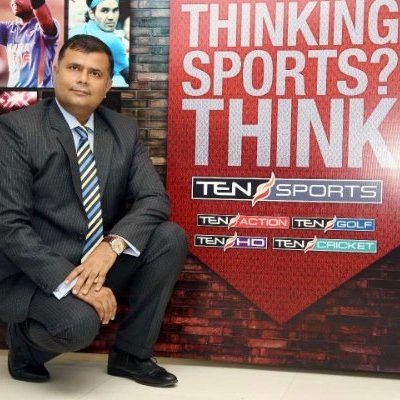
    Our expert for the section is Ten Sports Network CEO Rajesh Sethi.


    Excerpts: 


    How big an impact has phase I and II digitization made when it comes to subscription revenue?


    Phase I and phase II digitization has made a positive impact as far as the subscription revenue is concerned for the industry and given the trend we expect increase in the revenue once phase III and IV is completed. Ten Sports has also experienced the upside of subscription revenue which can be seen from our increased ARPU.  The addressability has improved but a lot still needs to be done. We believe that as the digitalization matures & packaging is implemented on ground by the operators, we will be able to achieve complete benefits of digitalization.
     

    From sports broadcaster’s point of view are you happy with the two phases of digitization?
     
    Although the implementation of two phases of digitization had been slow as compared to expectations, the completion of the two phases has facilitated increased subscription revenues and more accountability in the industry. From a sports broadcaster’s perspective, it will provide Ten Sports an opportunity to introduce new products based on the type and preference of consumers and provide enhancements like multi camera action, on demand services etc. We as asports broadcaster are keen to enhance the consumer experience and are interested in working with operators to fully reap the benefits of digitalization.


    Is the sports broadcasting industry in a subscription positive scenario? Or we are still ad dependent?


    The sports broadcasting industry in India is still evolving and ad revenue contributes significant part of revenues and will continue to remain the same in foreseeable future for main streamsports content. However, as digitization is still not complete, there is a high potential of increased subscription revenue and lesser dependency on ad revenues. We expect the niche sports offering to move towards subscription driven revenue model. As a sports broadcaster, we believe that the industry is moving in the right direction and once phase III and IV is complete there will be a possibility for this industry to be in a subscription positive scenario.


    Are sports like Football, Badminton which are hugely popular but has very little room for advertisement profitable assets for broadcaster?


    There has been increased interest from consumers for non-cricket sports in India in the last few years. Football and Badminton have gained traction in an industry which is preliminary dominated by cricket. It’s a step forward in right direction and we have seen advertisement revenue picking up for non-cricket content, the most recent example being Kabaddi. With regards to football and badminton being a profitable asset for a broadcaster, profitability is a function of revenue potential and content cost. Though the revenue potential and content cost presently is limited, it is expected to rapidly grow for these products. This makes it a good opportunity for a broadcaster to obtain future profitability on these content.
     
    With phase III and IV scheduled do you see a substantial inclination in subscription revenue?


    Phase III and IV is all about getting to remote areas of India. It provides an opportunity for thesports broadcasters to bring local content which connects & relates to the audiences residing in these towns. We see positive growth in subscription revenue as the number of HH’s in these towns provide a growth opportunity from the existing very low ARPU levels.


    How can a non cricket sport or a sport with least ad room turn profitable for broadcasters?


    The subscription revenue and ad revenue are the two key revenue source for a sports broadcaster. However, profitability for a content not only depends on revenue but also on the cost. The sportswhich has least room for ad revenues would depend on increased subscription revenue which we expect to increase once phase III and IV digitization is completed. At Ten Sports, as part of innovation drive, our team analyzes the potential of content across various genres which might not be currently popular in India and then builds it up for the consumers. We see increased traction for non-cricket content in recent years which translates into higher revenue potential and eventually a profitable content.