Category: Special Report

  • MTV, VH1 show-off their digital chops

    MTV, VH1 show-off their digital chops

    If you’re a television channel targeting the youth of today, there’s no way you can ignore the digital medium; be it social media or the Internet. Exactly the mantra that Viacom18’s youth entertainment channels – MTV and VH1 – hitherto positioned as general entertainment channels, are following. And we at indiantelevision.com found out just how much…

    Beginning with MTV India, it’s arguably the brand which focuses entirely on Indian youth in the age group of 15-34 years. Having started off as Music Television in 1996, the channel has lately shifted focus to reality shows with the triumvirate of MTV Roadies, MTV Unplugged and MTV Splitsville topping charts among MTV’s reality properties.

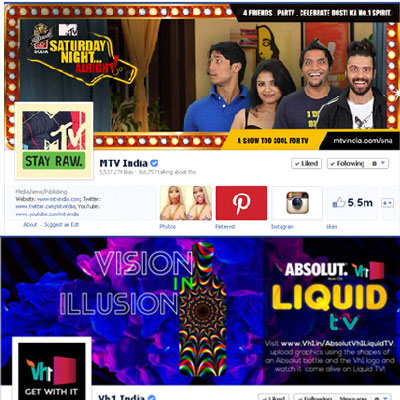
    Digitally speaking, MTV’s official facebook page boasts 5.5 million likes, with over 36 lakh fans talking about it at the same time. The channel has a presence across Instagram, Google+ and Pinterest and more than 95,000 followers at @MTVIndia on Twitter.

    Additionally, MTV India makes and promotes shows that trigger conversations on the Internet including MTV Webbed and Coke Studio as also shows which are exclusively for the web audience.

    MTV India’s official YouTube page scores more than 27 lakh subscribers with 4,019 videos including recent uploads of MTV Unplugged season three, Saturday Night Alright, Rann VJ Run, Bollywood Jasoos, MTV Webbed and so on.

    Over and above all this is MTV’s official website; the channel’s mainstay in the digital space with picture gallery, video uploads, trends and show trivia as well as snaps of hot properties like MTV Webbed, its new series Saturday Night, and many more.

    Coming to VH1; launched nearly a decade after MTV in 2005, the 24×7 pay channel caters to youngsters in the age group of 13-35 years. VH1’s official facebook page boasts 2.5 million likes, with xyz fans talking about it simultaneously. Whereas, it has nearly 36,000 followers at @Vh1India on Twitter. Recently, the channel has initiated a new activity for its show called Vh1 Throwback Thursdays, where the twitterati can suggest old songs VH1 can then play on air.

    This year, VH1 has expanded its digital reach with the launch of Vh1 HUB, Vh1 Pulse and Vh1.in; destinations where the youth can set CRBTs, stream music for free on facebook, watch hours of programmed content and stay up to speed with the happenings in the music universe.

    VH1 India’s official YouTube page has only 1,004 subscribers, and telecasts promos of its properties such as Indian Musical Compass, Karbonn Smart and Big Hit Katy Perry to name a few.

    VH1’s official website tops its comprehensive digital presence with sections like music, entertainment, videos, events, culture and contests. A special tab showcases what is trending on VH1 as well as updates of upcoming events.

    On VH1’s cards is a rhythm-based mobile game; one of the first for any music channel in the country. To be made available on Apple and Android phones and tablets, the game features fresh, never heard before pieces of music that would play in the background and add power to it.

    MTV India head digital Ekalavya Bhattacharya
    VH1, Viacom18 Media VP and business head – digital media Rajneel Kumar

    There will be a contest too titled ‘Games of Tunes’, with participation from some of the most talented independent DJs and musicians in the country who’ve worked on original compositions in the electronic music genre

    So what lies behind the digital success of these channels?

    Says MTV India head digital Ekalavya Bhattacharya: “One of MTV India’s biggest achievements is being recognized as a channel which talks back and cares for the audience. You can’t talk or give feedback to your TV set but you can talk to us via our social networks. We not only listen in to compliments by fans, we pay closer attention to things that our audience hasn’t appreciated. We’ve often actually tailored our on-air content based on the online commentary.”

    About VH1, Viacom18 Media VP and business head – digital media Rajneel Kumar says: “It is a symbiotic relationship with our viewers, where we engage with them across content, artistes, events and everything which makes their life musical.”
    VH1 not only promotes British music, it airs American reality shows on pop stars from different countries. It screens music documentaries and concert specials, live telecasts and repeats of shows like the Grammy Awards, American Music Awards and MTV Music Awards.”

    Kumar calls it a two-way process. “Since we have had a long-term interaction with our audience on social media, we now know their pulse. We understand what kind of music and lifestyle content they like and how our innovations in content and technology can suit their palate.”

    Not surprisingly, the channel has ramped up its programming with on-air and on-ground initiatives like Global Music Xpress, Dance 101, Big Brother, Vh1 Playlist, Jazz Masters, Yo Momma and tickers.

    What purpose does the channels’ social media presence serve, really?

    Explains Bhattacharya: “MTV’s digital destination isn’t just a place where an MTV fan comes to consume repeats of on air content; it is a place where we echo their interests and serve them content that is tailored to their needs. The popularity of our digital assets has changed the way we serve and develop content, massively, as well as the perception of our audience. The success of our digital platform has ensured that digital is no longer just a marketing support but a considerable revenue generating function.”

    Says Kumar: “Vh1’s social media networks are an important element of the channel’s daily engagement with its core audience. In fact, the social networks are the primary touch point for all initiatives and interactions. The channel has done and will continue to create socially-driven content for its target audience.”

    Speaking of the people who handle both channels’ digital presence; the VH1 team is based out of Mumbai and has multi-faceted resources spanning editorial, technology, creative, graphics, product and marketing while MTV India too has a 20-strong team based out of Mumbai.

    Says Bhattacharya: “MTV does not believe in compartmentalizing everyone in specific roles, because there is so much to digital, and there is a lot of creativity and science involved. We have technology, marketing, content buckets and all are bound with the thread of creativity, with a strong focus on revenue.”

    What are the channels doing to draw greater traffic to the websites?

    Says Bhattacharya: “We are not only present and active on all social platforms, we also pioneer digital innovation. For example, we are the first brand in India to have a show on Vine (Pick Me Up) and the first brand to use Whatsapp and Pinterest, heavily, in campaigns like Nano Drive with MTV and Ceat and MTV Chase The Monsoon. By engaging our audience on multiple platforms, we ensure we are constantly top of mind which consequently increases consumption of not only digital content but consumption of our shows on television.”

    Kumar says: “Vh1 is constantly pushing the envelope when it comes to social media. We work very closely with social platforms at both the product level and engagement. The next wave of innovation on social will be around the television screen and social platforms seamlessly integrated. We also continuously innovate on our campaigns for brands that work with us to deliver very strong engagement and brand message delivery.”

    For Bhattacharya, there is no specific demographic the channel caters to. “As far as a brand is concerned, everyone is a fan and each of them has an opinion and preference. The content doesn’t choose its audience; the audience chooses the content. The idea is to cater to all types of viewers with differentiated content,” he says. The problem is one property does not appeal to everyone and you can’t get everyone to love everything. Also, a viewer who is very vocal about his dislike for a certain show may not be as vocal about his liking another show on the channel.

    What are the achievements in terms of social media?

    MTV has won multiple awards for social and digital campaigns at pretty much every event. One of the biggest was when Roadies won the title of the Most Social TV Show in the world, beating the likes of Supernatural, The Glee Project, Pretty Little Liars, WWE etc. “The amount of work we put in on Roadies, specifically, on digital, is of course worth a whole new story,” says Bhattacharya.

    While Kumar says: “Vh1 has been the first mover to mark its presence on most social media platforms and continues to grow. Maintaining such a dynamic community is no less than a challenge. It has the biggest network of international music lovers in India in the shortest span of time. Plus we have multiple big ticket contests, taking our fans to the biggest gigs all over the world, there has not been a single quiet day for Vh1 online.”
  • “There’s a lot of mileage in pay TV news”

    “There’s a lot of mileage in pay TV news”

    As the country sheds tears over  onion prices, cringes about the skyrocketing cost of LPG, cribs for a better system in place for tackling the ever-growing crime incidents and hopes for the 2014 general elections to change things, the news channels are gearing up to catch all the action live. 

    And when all the international and domestic news channels are at it, why should the Beeb – the world’s biggest pubcaster that reaches over 360 million households globally; 12 per cent of which are from India – miss a chance to report on the political battle of the world’s so-called largest democracy? 

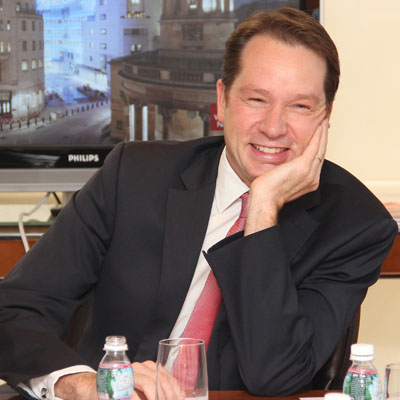
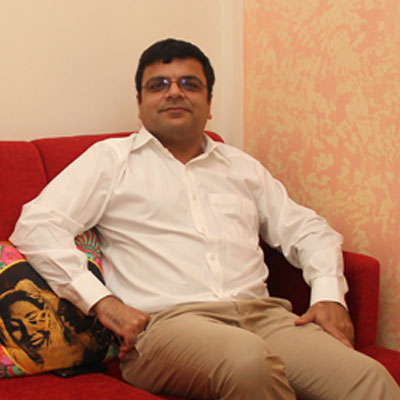
    BBC Global News CEO Jim Egan, who was in Mumbai to launch its India Direct series, reveals that the channel is looking at grabbing more eyeballs during the election season. The channel plans to scale up the coverage on India in the coming months.

     
    And he gave some time to Indiantelevision.com’s Vishaka Chakrapani on the sidelines of the launch, to talk about the BBC World News’ India gameplan, its global digital push wherein it aims to melt the barriers between broadcast and online news. Egan emphasised that India is an important market for BBC in terms of pay TV and digital advertising. Excerpts from the interview:

    What is the benefit of investing in the news business in India?

    When I say investment I’m not talking about corporate investment, it’s about editorial investment. It’s been a good year for us in India. Digitisation has been broadly good for us and we are seeing our household penetration increase. 

    What is the growth in reach that you have experienced due to digitisation?

    It has grown steadily in single digit millions and has reached 30 million now, which means one in four homes. Digitisation is moving at a different pace in different parts of India. We would like to be bigger but we are addressing a relatively niche population in the English language and thus we are never going to be a mainstream news channel in the country.

     
    With so many international channels making a mark in India, how will BBC World News differentiate itself and stay on top?

    We are looking at doing product and editorial investments to the extent we can afford it. Other operators are well resourced such as CCTV in China is well financed, so is Al Jazeera. If we are going to get into a spending arms race, BBC won’t be able to get there. We will capitalise on our reputation and emphasise on being different. Being successful is not about spending a lot as some qualities cannot just be bought.

    Why has the industry been hit with a bout of layoffs happening across the world?

    The last five to 10 years have been very difficult for journalism. It’s coming to terms with internet and digitisation. In  print, it has been a very difficult time, but not so much in India. A lot of broadcast journalism has been buffeted by the internet, particularly in international news. You see lots of retrenchment and people closing bureaus. BBC is slightly different because we have both public and commercial funding that has helped us expand and maintain ourselves. We are swimming against the tide but we are doing it deliberately because we think having a well funded and well resourced international network of correspondents is what success is about.  

    What about the entry of many international news channels in the market? Could that also be a reason that’s leading to increased competition?

    There’s been a bit of fragmentation but I don’t see demand for news going down. Demand for news is going in different directions. But as long as you are prepared from the editorial and corporate points, there’s good business to be made. It’s just at slightly different places these days.  

    We would like to be bigger but we are addressing a relatively niche population in the English language and thus we are never going to be a mainstream news channel in the country…

    In the future, would having multilingual skills be an important criteria for journalists?

    That’s an interesting one. I don’t think we would hire someone just because they can speak many languages but the ability to broadcast and write digital content in those languages is something we are seeking to develop and nurture. We are going to have a dedicated Asian edition of our website with front page stories about India and China. There will be global programmes to improve the profile and output of bilingual journalists such as the ones in India. We are producing more relevant and easier to find content for our websites.  

    How important is India on a global scale for BBC World News?

    India has been and will be important for us. There is huge digital consumption that is growing in the mobile sector here. India is the fourth biggest market in terms of traffic, the first three being the US, Australia and Canada in that order. We need a big English speaking market to do well for us, and I’m leaving the UK out of this. One thing particularly exciting about India is that in the other markets digital penetration is nearing saturation point but in India there is a lot of room for growth in the mobile sector.

    In the recent years, the budget of BBC has been cut by 20 per cent. Does that affect the investment?

    The 20 per cent cut is due to TV licence fee being frozen for a period of five years, taking inflation into account. Internationally, we are funded through advertisements while domestically we are run by public money which is an involuntary payment of about $200 a year. We have the challenge and the freedom to earn commercial revenues. 

     
    Original content on mobile is what people seem to be asking for. Is that something you are looking to cash on?

    We are not doing that in mobile because on this platform the key for us is about following news from screen to screen. It’s about trying to make news consumption something that people can take with them with their screens and stay up to date on their mobile phones. That’s the editorial idea. The product idea is to get more video content on mobile. One line growing more steeply than mobile is ‘video on mobile’ as people’s devices become better, internet packs get cheaper and network availability becomes more reliable.  From the commercial point of view, it is working with the advertising community for digital. 

    How big is mobile advertising given that mobile marketing forms a relatively small part of the marketing budgets in India?

    I don’t think mobile marketing in India is necessarily small compared to other countries. In most countries, mobile advertising has lagged behind mobile consumption of media. That’s another area where you are seeing rapid change and the amount of money we are generating from mobile globally has come a long way in the last four months. India is one of the biggest growth markets for mobile apart from sub Saharan Africa where mobile device consumption is also increasing.

      
    Do you see threat from OTT in the country?

    When I’m in India I haven’t till date heard people worrying about OTT. TV adoption is still growing as well as pay TV penetration, although not so drastically. Too many people have written of TV news as something people want to consume and as well as pay for. But I think there’s quite a lot of mileage left in pay TV news.  

    How do you deal with carriage fees in the country?

    I’m glad to say we don’t pay for carriage but we rather earn from it. I wouldn’t say we haven’t had a problem with it but it’s been a business policy. We don’t think we should have to pay people to carry us. We are very proud of the quality of BBC World News. Our business policy is often questioned.

     When do we get to see BBC HD TV in India?

    One of the new features of the new office in London is its native HD transmission from glass to glass, ie camera to screen. In a number of markets in Asia we are introducing BBC World News in HD. We would love to launch in HD here but we don’t have any active discussions underway. The markets in the world where we are present in HD, like Singapore, have given us good feedback and we believe HD would be a good value addition to our distributors.


    We will capitalise on our reputation and emphasise on being different. Being successful is not about spending a lot as some qualities cannot just be bought…

     Looking at a possibility if FDI norms are eased in India, do you see a Hindi news channel from BBC?

    I don’t think we will set up a corporate vehicle here to be honest. We have a Hindi show called Global India on ETV so it is a content supply set of arrangement. We’d like to be bigger in Hindi and other languages but I don’t see us making a corporate investment in the Hindi news business.

    Do you see the possibility of a JV in India?

    We were examining a possibility of doing a JV in the Hindi language but it didn’t work out due to issues such as FDI regulations and MIB stipulation around editorial. The concept of editorial content is very hard to share.

    There is also a financial reason. We are not in a position to make capital investment into a JV that will be successful and have an impact in one of the world’s highly contested news landscape. We are never going to be better at covering Indian news than the Indian news providers themselves.

    We will cover Indian news to show them globally but not try to outdo the local competition. That is something that you cannot do because it is an extremely dangerous and expensive game. 

    Will we see BBC World News going regional?

    We always talk about relevance more than presence. Although we won’t be a part of the Indian domestic news landscape, we want to be relevant to audiences here. There are financial limitations to such a prospect too. We can’t tailor everything for 100 different markets around the world. So, instead we always think from our broadcast centres as to where is the peak audience at that point of time that will view the channel. 

    How many Indian advertisers do you have and how have they been doing lately?

    We have about 10-20 advertisers from India such as Karnataka tourism, Bharati Airtel, Micromax and airlines who want to reach an international audience through TV as well as online. Our Europe market was hit badly due to recession but Asia stayed better. However, this year has seen a slowdown from our Indian advertisers.

  • Ormax Media changes gear; talks expansion

    Ormax Media changes gear; talks expansion

    Five years is not a long time to learn the ropes of a business. But media insights firm, Ormax Media seems to have not just learnt the tricks of the trade but is also branching out well. Just a little over five years, the company already boasts of a clientele including big names in the film and television industry. The agency has witnessed continuous growth of 30 to 40 per cent year-on-year with annual turnover having grown three-fold in the last three years.

    Now, the company is busy reaching out to more markets with its different tools. It is also doing a lot of research work for the Marathi and Bengali film industry and soon wants to expand its operations to the South, Gujarati and other regional markets.

    Also, while till now the company has mostly been catering to the big film studios, it now plans to work with smaller producers who aren’t a part of the studios. Also on the anvil are many new products – one of its ambitious products is a “Promo Testing Tool” that will help test the promos of films and TV shows within a short span of two-three days.

    With Cinematix, one of the most popular tools for the film industry in its basket, it plans to expand to more markets by this weekend. It started by tapping six different markets, moved to 19 and now plans to spread to 29.

    Apart from general entertainment channels (GECs), kids and infotainment channels too are now coming on board. Recently, Ormax started working with National Geographic Channel, AXN, and has also entered the regional market.

    Colors' carries out extensive research along with Ormax to study the market. A still from 'Balika Vadhu'

    The best part is that almost the entire industry is admiring the organisation for its work. Recently, with its research, Ormax helped NGC understand the equity of the brand NGC and dive deeper into analysing interesting insights about the channel’s loyalists and what kind of variety seekers is it reaching out to. “With this research findings, we are well-armed while aligning the strategy and focusing on the target markets for the channel,” says National Geographic Channel VP, marketing Debarpita Banerjee, who thinks the company is target-oriented as far as achieving the objectives of the research study is concerned.

    Ormax Media has seen a meteoric rise under the leadership of CEO Shailesh Kapoor, an alumnus of IIT-Delhi and IIM-Kolkata.

    Always a TV and film fanatic, Kapoor’s heart beats for anything that is related to entertainment. However, that isn’t the reason he started Ormax Media. Growing up in the 90s, Kapoor instinctively knew that the entertainment industry was going to witness a boom with lot of scope for experimentation and thus after nearly 10 years of occupying key positions across functions like content, marketing, sales and strategy in channels such as Filmy, Zoom, Zee Cinema, indya.com and Sony Entertainment Television, Kapoor realised that just like in any other industry, even in media, “Consumers needed to be at the heart of a lot of decisions that a company takes.”

    That’s when he joined hands with Vispy Doctor, already into consumer research since a quarter of a century, to start Ormax Media in July 2008. “Doctor’s experience in the consumer sector helped us hugely in growing. He is still one of the driving forces,” says Kapoor, who also thinks that understanding the client’s perspective has worked in favour of the company.

    Arnab Das from Colors says that the research for TV is very different

    Over the years, Ormax has developed many different products to study the audience’s mindset. One of its most popular products is Ormax Brand Matrix (OBM), a viewership maximisation tool (VMT) that is used by broadcasters to increase their consumer base by up to 50 per cent. OBM can be used by channels across genres, such as GECs, news, movies, youth, music, infotainment, lifestyle, etc. The project design, such as markets and target audience demographics, is customised to the channel’s requirement.

    Colors head strategy and research Arnab Das informs that the channel has very strategically used the “Ormax Brand Matrix” to get a detailed understanding of its brand health. The channel has also used tools like “Showtracks” that is used to make content and communication changes to a running program for improved viewership, “Showbuzz” and “Character India Loves”.

    “We have worked with them across most of our major shows, including fiction and non-fiction, including Balika VadhuBigg BossSasural Simar Ka, MadhubalaUttaranKhatron Ke KhiladiAamna Saamna, etc.,” says Das, who is of the view that research in TV space is very different from other categories, purely due to the dynamic nature of the day-to-day business. “It is extremely important for any research agency to understand and work around these limitations – something that Ormax definitely has an edge on over others,” he says.

    NGC's Debaprita Banerjee thinks Ormax Media is target-oriented

    Even other channels have used its products well. Sony Max senior VP Neeraj Vyas says that they often work with Ormax Media with many different tools. “It’s quite a frequent affair to conduct a research along with them to study the consumer behaviour. The best part is that we get a fairly deep insight in to the consumers’ mind. Once the research on a certain programme is conducted, we model our campaign accordingly. It just doesn’t give us an organised way to go about it, but at times also gives us a reality check,” he says.

    After starting out as a TV research firm, Ormax spread it wings in 2010 and expanded to the film industry as well. However, it proved to be trickier terrain considering there was no concept of consumer research for films at all. “But once we started, we realised working on films is easier. Now, 30-35 per cent of our revenue comes from films,” says Kapoor, whose tryst with films started with Yash Raj’s Lafangey ParindeyRa.OneDum Maaro Dum and Khichdi: The Movie, among others.

    Interestingly, the Ormax Cinematix tool worked really well for the company with nine studios having subscribed to it. Cinematix tracks a film’s weekly report and measures awareness and interest of audiences to watch it.

    Yash Raj Films VP Marketing and Communications Rafiq Gangjee says that Ormax Media is their agency of first choice. “This largely stems from the fact that they are willing to listen and understand the brief. Often this becomes difficult in such a passionate industry,” he says and adds, “The film industry has always believed in ‘gut feels’ and it is nice to see someone factor in that aspect when chatting with us and come back with a grounded approach to the research required.”

    Lafangey-Parindey was one of the first films for which Ormax Media conducted a study

    Yash Raj recently commissioned an exclusive and extremely pertinent study with Ormax for its film Shuddh Desi Romance aptly titled – Shuddh Desi India ki Romantic Soch. “This was done essentially to figure out the changing face of perceptions, tolerance and acceptance of social and romantic norms we have so far held sacrosanct. We had done this to understand if we needed to approach our marketing somewhat differently since we were going out exclusively to the youth,” says Gangjee.

    After being so inclusively involved with its client, it doesn’t come as a surprise that Ormax has close to 40 clients in the film industry and they have tested 275 films in the last three years.

    “In the last one month, we have tested the marketing strategy, concept, TG, etc. for nine films. Unlike TV where channels don't talk to each other, the movie industry is very close-knit where word of mouth spreads very fast. We have grwon in the industry through such word of mouth,” says Kapoor.

    Besides working with its permanent products, Ormax also conducts research from time to time to test certain aspects of viewers. For instance, a particular research was: ‘And the remote goes to…’ where it studied ‘who controls the remote control in the Indian household’.

    Ormax Media recently conducted a research for Yash Raj Films for Shudh Desi Romance

    “These tools or products are developed to help the industry in whichever way we can. When we were taking up the study on who controls the remote, we didn’t really get a good response from the industry as most of them thought they knew the answer. But the revelations were surprising as unlike the general perception that youngsters handle the remote, it was women up to 35 years of age who controlled it,” says Kapoor.

    Since the company has tested waters in almost all areas in some way or the other, it is hoping that all its expansion plans will work well. “Now, at any stage, we don’t feel handicapped. In the five years of working, we have developed our resources well to take up multiple projects, big projects and go into the areas that were thought to be unreachable till sometime back,” he says.  

  • Zoom packs a digital punch

    Zoom packs a digital punch

    Not only is it the ‘go to’ television channel for gossip and music, Zoom has caught the fancy of the youth even in the all-important digital space. We did some digging to find out just how much.

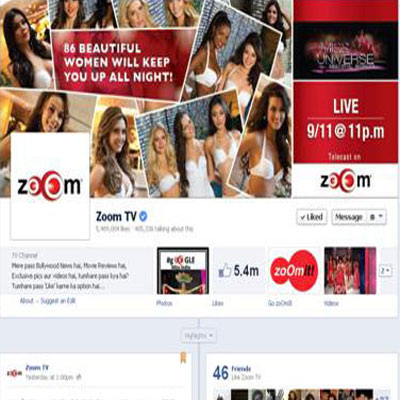
    Launched in 2004 and available in over 15 countries, Zoom’s official page boasts a staggering 5.4 million likes, with over 4 lakh fans talking about it simultaneously.

    In September, the channel crossed 5 million likes on Facebook with the community drawing a weekly reach of 95 lakhs, with Facebook posts delivering impressions in excess of 4 crores every week.

    So what’s the secret of Zoom’s digital success? “Through careful monitoring and studying of past trends, Zoom ensures that it puts out content that the audience is looking out for the most. Also, in this space, it is critical to be the first. Zoom has systems in place to ensure that even if one is not in front of the TV – one never has to lose access to the latest,” says ET Now, Times Now and Zoom CEO Avinash Kaul.

    The Zoom page works towards interacting from more of a friend perspective rather than just a brand, says Avinash Kaul

    But with properties like MTV also crossing the magical number of 5 million on Facebook, how does Zoom plan to stay ahead of the game? “Being the first to get to a landmark figure is always special. As an entertainment brand, the channel has its own defined presence in our audience’s mind. Our objective has never been to be the one with the highest number, but to be the one who engages their audiences the best. As long as we continue to focus on that, we would still be the preferred destination for our kind of content,” says Kaul.

    Zoom walks the talk in keeping its official page up-to-speed with pictures of Bollywood divas and hunks and all the masala from telly and Bolly land as well as happenings on its shows like Gennext and Planet Bollywood.

    And how does the channel build traffic? “There is a broader strategy based on a clear understanding of our consumers and their basic requirements. But we also look at micro management on the page, by concentrating on each post to ensure engagement and therefore build traffic.”

    “The question is what the consumer takes away from this page, so be it through contests, trivia, or breaking news, it is told to the fans as and how they want it. The Zoom page works towards interacting from more of a friend perspective rather than just a brand,” reveals Kaul.

    The social media space is managed by a dedicated in-house team, which helps maintain complete control over content apart from ensuring immediate response and interaction with members.

    In a world where news is increasingly being replaced by 140 character-tweets, Zoom tweaks music tunes as per fan tweets. The channel has 2.9 million-odd followers and more than 50,000 tweets, setting the official twitter handle @ZoomTV abuzz.

    Topping such a comprehensive digital presence is Zoom’s official website, http://zoomtv.indiatimes.com/, the channel’s mainstay in the digital space with special web exclusive content including live streaming, picture gallery, video uploads, trends and show trivia. The idea is to feed avid Zoom fans as much information as possible through the website.

    Also, Zoom’s official YouTube channel has over 28,000 videos uploaded with 3.4 lakh loyal subscribers and over 81 crore views at last count.

    To its credit, Zoom was adjudged the third most consumed TV channel on Mobile TV by India’s largest consumer survey on mobile usage.

    The channel follows a simple strategy which Kaul puts as: “The strategy has been to listen keenly to know audience conversations, reactions and trends from the past and use that knowledge, almost instinctively, to serve up new stuff that they find interesting. The choice of topic, stars, the time of day (when an update is put out), and selection of hash tags – all comes from the close and mindful study of past trends. Above all, we aim to be as current and quick as possible in making the content available online. Keeping a constant track on all that’s being reported by our own internal resources, while also being watchful at the world outside”

    Zoom’s online channel Telly Talk is the newest jewel in its digital crown and made heads turn when it crossed 10 million video views on YouTube within six months of its launch.

    Telly Talk affords audiences uncensored access to their favourite stars, right from their personal wardrobes to how they celebrate their anniversaries to what goes on behind-the-scenes et al. Not only does it provide entertainment in newer, more user-friendly formats, it also engages viewers by giving them opportunities to interact with their favourite small-screen stars from time to time.

    Telly Talk has over 21,000 subscribers on YouTube. Through Twitter initiative – #TellyMate, the channel facilitates two-way communication between the audience and their favourite stars.

    Asked what makes the channel so popular, sometimes more than GECs, Kaul says: “As a part of family TV viewing, the youth has to follow GECs even when they’re not their most preferred choice of entertainment. In the digital space, it’s entirely left to their individual choice to choose and watch exactly what they want. The width of leadership that the channel enjoys in the space is evidence of the strong connect that the brand has with its core audience.”

    Asked if Zoom would turn to reality shows ever, Kaul simply says: “The youth is really smart and is looking for content that will interest them. The minute it’s not relevant or exciting enough, they have many more options to turn to. So we are focused on the quality of our conversations on the page. It’s more about providing relevant content on the fans’ page to keep them interested and encourage their friends to further develop interest and that automatically gets people to visit the page.”

    The channel is pretty sorted in terms of getting clients and business on-board, says Karthik Lakshminarayan

    On the other hand, Zoom’s activeness on digital platforms is getting praise from senior media professionals.

    “The channel is doing pretty well, very profitable and has made good progress in the last so many years. The channel is pretty sorted in terms of getting clients and business on-board,” says Madison Media COO Karthik Lakshminarayan.

    He further adds that, though the channel is doing well, it does not have any undifferentiated content to offer to its viewers. He suggests that in future, the channel should not take a reality turn and should stay in what its forte is. “Moving beyond that into different forms of offering won’t really help them,” Lakshminarayan signs off.

  • It’s family time this Diwali

    It’s family time this Diwali

    In this world of cut-throat competition where life is full of struggles and work for the people in the corporate world, Diwali is a moment of relief. The lights of Diwali doesn’t just spread brightness around but also illuminates their inner self as they get a chance to have family time. Few corporate head honchos talk about their plans this Diwali and talk about their memorable Diwali moments.

    I am spending time with my family and friends but I won’t be bursting any crackers as I am against it. Diwali is a festival of lights and not noise.

    One of the fondest memories of Diwali is when I once made sweets and kandil at home and kept it in a way that everybody could see it. These days we usually buy sweets from outside.

    Raj Nayak, CEO, Colors

    On Diwali, everybody is at home and if something happens we have to be on our toes. And thus, I would be working on Diwali.

    I remember how as a kid I used to wake up early morning at 4.00-4.30 and be the first one to burst crackers. Later, when I became a cable guy, it was to go and adjust the CNN dish.

    Arvind Prabhoo, president, MCOF (Maharashtra Cable Operators Association)


    Festivals are the best time to be at home and with the family. I too will be home and play with my children and grandchildren. On Diwali, we’ll have a puja and then we would burst crackers. Every year, we plan a family get together to celebrate the festival of lights. Even this year, the families of my three brothers and few colleagues will come to my home to celebrate the festival.

    The best Diwali in my life was in 2004 when my daughter got married just before Diwali.

    M Rajendran, MD, Raj network


    This Diwali, I will praying to the almighty that light enters many lives and the earth becomes harmonised. I will also be lighting lamps and celebrating with friends.

    I have a hilarious memory of Diwali. When I was a seven year old, a rocket cracker flew into our house and went inside our landlord’s lungi, who was standing on the top floor balcony. Thankfully, the rocket had already burst earlier.

    Swapna Sundari, COO, Raj Network (Telugu market)


    For me the festival of lights has always been about spending some quality time with family, friends and relatives. Enjoying food and sweets, and of course burst a few crackers. But this time around, Diwali will be even more special as I will get to spend time with my twin daughters who are two years old and are learning everything slowly. It is going to be a really special time with them.

    Krishna Desai, network head, Kids Entertainment, India, Turner International


    I always remember Diwali as the festival when we spent time with close friends and family, burst lots of crackers and enjoy the variety of sweets on offer. However, this time around, Diwali will be a quiet affair. I will spend time with my family and kids.

    Rohit Lamba, head, network distribution, business development & affiliate sales, Times Global Broadcasting Company Limited


    Well, Diwali, the festival of lights, is a great occasion to sit back and spend time with family and friends. But, I also take this opportunity to rethink on key issues relating to my professional and personal life.

    Sandeep Arora, vice president, sales – India & SAARC Service Provider (Telco), Cisco Systems


    I remember how as a kid Diwali used to be a time when the entire family got together and spent time with each-other. Everyone used to be excited as this was a time to buy new clothes and eat great food. But now I feel we need to be conscious about not adding to the already polluted environment by bursting crackers. It would be best to celebrate a noise free Diwali and have fun too.

    Uday Singh, managing director, Motion Picture Association (India)


    We celebrated the second anniversary of Helios on 1 November. Diwali has become a special event for us because it brings with it double celebrations. Another reason I love Diwali is because I am a big gambler and I love playing cards. While I play cards almost every weekend, Diwali gives me an opportunity to play the game with more fervor.

    Divya Radhakrishnan, managing director, Helios Media


    Diwali is a family affair for me. Whenever possible, I try to visit my hometown where my parents live and we light lamps, burst crackers with the children. My parents usually shuttle between Nanital and Bombay, so when they are in Bombay it becomes much easier for us. But we always make a point to be together on Diwali. Since childhood it has been a complete family affair and I looked forward to the festival. I try to keep it like that. We avoid going out and try to be together.

    Ashish Bhasin, chairman India and CEO South East Asia, Aegis Group


    Diwali is all about puja, bhajan and family time. Usually we go out every year, but this time we will be celebrating the festival with relatives and close friends. Diwali is much more than a holiday as it is also the beginning of the new year for Hindus. For Gujaratris, it’s a special occasion, to say saal-mubarak. For us, these two days are very important and auspicious. Diwali is the occasion where you can greet people with not only love and affection but also with gifts and mitthai. It is an occasion to stop worrying about the calorie counts and eat as many sweets as you want to. It is a colourful occasion and very lively atmosphere.

    J.D Majethia, producer and actor/director, Hats Off Productions


    When we were kids we used to celebrate Diwali with lots of crackers, but now the festival is much more than bursting crackers. It is one occasion when we get together with family and get a little religious. It is so hectic in Mumbai that socialising becomes a little difficult. This is a day for extended family get together.

    Ravi Mansukhani, CEO, Incable


    The festival is for family and friends. It is about lots of food and playing cards. This year, I will celebrate the festival with my family and friends in Mumbai first and then head to Delhi to meet my parents. My kids are excited to be with their grandparents this Diwali.

    The fondest childhood memory of Diwali is how we wanted to be the one to burst the longest ladi in the neighbourhood along with loads of other fireworks. Though with time I have grown to become more eco-friendly and thus fireworks now is a big ‘No no’.

    Gaurav Gandhi, group COO, IndiaCast


    Diwali for me is a day which is spent well with family, performing puja and playing teen patti. There was a time when I used to burst a lot of crackers. But once I grew up I realised how annoying it could be for others, so I don’t burst crackers anymore, but yes I have to admit that it used to be great fun bursting crackers.

    Ferzad Palia, senior VP & GM, English entertainment, Viacom18 Media


    My (escape) plan for Diwali is to drive down to the peace and quiet of Goa. The most memorable Diwali for me was last year when I celebrated the festival with my niece and nephew in North Korea. They had enough fireworks to give North Korea an inferiority complex.

    Anil Kakkar, founder/chief creative officer, Gasoline

  • When Arnab vanished, almost

    When Arnab vanished, almost

    What happens when the nation’s most vociferous, most articulate news show anchor goes missing? Well, the nation goes into overdrive, demanding to know the whereabouts of the host it has come to love, or hate, as the case may be.

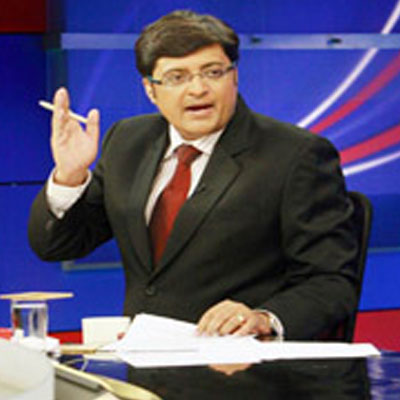
    We’re talking about Arnab Goswami, Times Now Editor-in-Chief and presenter of The Newshour, one of the most widely-watched and debated shows on the channel. Goswami’s disappearing act last week, though brief, was enough to set off a cacophony of telephones ringing at the Times Now office. And much like Arnab’s familiar rant on the show ‘The Nation wants to know’, viewers wanted to know where in God’s name was Arnab?

    Unable to deal with so many telephone calls, The Newshour even put out a tweet saying: “Our viewers have been asking about Arnab. To them, we would like to say that he will be back on Monday at 9pm on show again”. However, the calls continued unabated. A Times Now employee described the number of calls and emails inquiring whether Arnab had taken ill as ‘astonishing’ and that “Only celebrities get such calls, don’t they?”

     
    Forget the cold vibes between BJP prime ministerial candidate Narendra Modi and the party’s tallest leader LK Advani, it was Arnab who was the topic on social media.
     

    The twitterati took to their favourite website with a vengeance, sending out both love and hate tweets for the man who loves to play devil’s advocate on The Newshour. Some went on to draw parallels between Arnab’s absence from The Newshour with that of say a Salman Khan from Bigg Boss or Amitabh Bachchan from KBC. Others made unfavourable comparisons with other news anchors in tweets like: “Barkha Dutt to undergo a face implant to look like Arnab Goswami to boost NDTV TRPs” and even derided tongue-tied panellists as: “Panellists on The Newshour speechless as they’re used to speaking for just 10 seconds with Arnab around…”.

    Still others heaved a sigh of relief as “they could finally turn up the volume of their television sets rather than turn down.” Forget the cold vibes between BJP prime ministerial candidate Narendra Modi and the party’s tallest leader LK Advani, it was Arnab who was the topic on social media. So with such an iconic presence missing, did the channel lose out on TRPs or did other news channels make most of the opportunity. Only next week will tell… that is when the TAM ratings are out…

    The collective impact of regulation and the creeping tyranny of the minority have stifled innovation in our industry and, dare I say, in the economy as whole. At 15 per cent, we may grow at thrice the rate of the GDP but that is more a reflection of our topline economic growth than the health of our industry. At this rate, it will take us another 15 years to hit $100 billion in value and by then, we will be just three per cent of the world media market. This is just unacceptable.

    Till then, both those who love and hate Arnab can sit back and watch his shenanigans as he returns today same time same show on your favourite news channel…

  • The TRAI, TDSAT and the ad cap story: Waiting for Godot?

    The TRAI, TDSAT and the ad cap story: Waiting for Godot?

    So everyone has bought themselves some more time. The Telecom Disputes Settlement and Appellate Tribunal (TDSAT) decided to postpone till 11 November the date of hearing for the 10+2 ad cap case filed by the News Broadcasters Association (NBA), music channels as well as the regional channels on grounds of lack of information. The extra fortnight gave it more days to ruminate over what has clearly proved to be a major thorn in almost everyone’s side whether it is the government or broadcasters or agencies or advertisers.


    The Telecom Regulatory Authority of India (TRAI) started it all when under the quality of services rules it decided to force broadcasters to limit commercial air time to 12 minutes per hour a year or so ago. The decision was postponed and rolled over until mid-2013 when it decided enough is enough and passed an order which would see general entertainment channels first reduce advertising airtime to 16 minutes per hour, while the news channels were to cut it down to 20 minutes per hour from 1 July till 30 September. Following this, the GECs from 1 October had to reduce the advertising airtime to 12 minutes per hour and the news channels to 16 minutes per hour.


    The decision was postponed and rolled over until mid-2013 when it decided enough is enough and passed an order which would see general entertainment channels first reduce advertising airtime to 16 minutes per hour, while the news channels were to cut it down to 20 minutes per hour from 1 July till 30 September.
    _____****_____________________________________________________

    Broadcasters – especially the news one – saw red instantly and screamed as if their life was being squeezed out of them. They obviously did not think about the viewer who was at times being inundated with almost 30 minutes or more of ads on TV to watch news. They went ahead and appealed to the TDSAT that what was being called for was draconian and unacceptable. Their claim that news could not have fixed time duration such as TV shows and hence such a restrictive law would sound the death knell for them. However, syncing it with the completion of digitisation was that found favour with them.


    The GECs seemed unperturbed and said that they were all right with the TRAI diktat and announced that they would compensate the inventory reduction by raising per 10 second rates by 20-30 per cent. They seemed a very united bunch until one day the management at Multi Screen Media (Sony) woke up and said it would walk its own path and not reduce air time. The music channels too followed and filed an appeal with TDSAT.


    In the meanwhile, the Information and Broadcasting Ministry too got into the act with minister Manish Tewari stating categorically that the reduction of air time should happen as digitisation gets completed by December 2014, giving the broadcasters some much needed support. The mandarins at Shastri Bhawan were asked to evaluate how the reduction of air time would impact the TV channels.


    Advertisers and agencies sucked in their collective breaths and protested as loudly as they could that the broadcast industry was unilaterally trying to raise rates without any rationale despite having contracts in place and that they would not allow that.


    The noise continued for weeks until the hearing date came up on 31 October morning. Everyone was expecting that the TDSAT would be supportive and would rule in favour of the broadcasters. Hence, the postponement of the hearing was quite anti-climactic, though many expected it to follow that course..


    The GECs seemed unperturbed and said that they were all right with the TRAI diktat and announced that they would compensate the inventory reduction by raising per 10 second rates by 20-30 per cent.
    _____****_____________________________________________________

    The argument that the NBA needs more time seems a little specious, but it worked with the TDSAT. They were anyway slated to be heard on 11 November itself but their case got advanced as the number of cases went up, so for them it is back to base one.


    The networks – Star India, Zee TV, and Viacom18 (who had earlier stated that they would toe the TRAI line) now filed an intervention with the tribunal but have been asked to come back with a separate case.


    Now what after 11 November? What are the various scenarios that could play out? One, the TDSAT will turn down the appeal and tell everyone to obey the TRAI. Right now and pronto!. Two, it could postpone the hearing further, thus giving everyone more time. Third, it could decide that the reduction of air time is a good move but needs more time to be implemented. Fourth, broadcasters, advertisers and agencies could file further cases and a decision could well be put in abeyance until all the cases get sorted. The TDSAT on its part could give a ruling in one case and say that it is applicable to others, but that does not look feasible because each television channel genre has its own set of challenges.


    The question on everyone’s minds is whether it would give rope till 2014 December. This is something that can be debated and be seen as wishful thinking. But who knows the TDSAT may well end up playing the fairy godmother.


    Now, let’s say the TDSAT rules against the broadcasters, it is quite likely that they will head to the higher courts. And knowing Indian courts, it won’t be easy to reach a quick decision. Industry experts expect the air time cap to take its own course and time. That it will happen is a given, but predicting how soon is like attempting to play Russian roulette. Welcome to the world of television which has become more of a gamble in recent times.

  • WIFT: WOOING WOMEN

    WIFT: WOOING WOMEN

    Women are increasingly blazing a trail in the world of film and television these days. But one is disappointed when one looks at how the ladies are faring as far as the Women in Film & Television (WIFT) association is concerned. More than a year after its formation it has only 300 odd members.

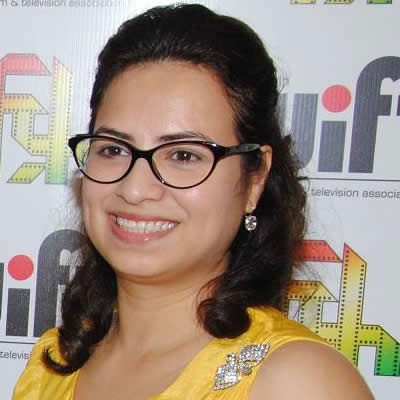
    “We fail to understand why people are still hesitant about joining. Maybe we need to be more out there (sic). We want people to spread the word so that we can help as many women as possible,” says WIFT founder Petrina M D’Rozario.

    The association is dedicated to advancing professional development and achievement for women working in all areas of film, video, and other screen-based media.

    Her association with the organisation goes back a long way when she was studying in New Zealand. When she came back to India, she thought of starting the Indian arm of the global society. 

    Internationally, the association has organised various forums wherein people from the industry have come forward to help each other and the ones who want to enter the ‘glamourous’ world of entertainment. There are 44 chapters all across the world with over 14,000  members.

    Petrina D’Rozario launched the India chapter of WIFT

    “After completing my studies and job, when I got back, I thought to myself that there could be nothing  better than meet people from the industry through the platform of Wift. I had made a lot of friends in New Zealand through the platform. When I found out that that there was no Wift in India, I thought of starting the platform where like-minded women filmmakers and women in the industry can meet, talk, discuss and help each other.”

    Petrina personally went and met senior women  professionals in the industry and got them on its advisory board. There are 11 advisory board members with the likes of Kiran Rao, Anupma Chopra, Jeroo Mulla, Lynn DeSouza and many more.  There are three board members including Petrina. Film critic and editor, Uma da Cunha and media relations professional Riddhi Wallia are the other members.

     “I was approached by Petrina to join the association when I was heading Colors. I was so impressed and charged by the aim of Wift that I didn’t hesitate once to confirm my support. An impetus behind joining was to help tap talent and support women across the country to have a safe destination and network to get a foothold in the entertainment (film/television) and media industries which we all know is a very competitive field. I was keen to do my part to help all women including those from marginalised communities to have the correct and best chance to enter the industry,” recounts Grazing Goat Pictures co-founder Ashvini Yardi.

    The association doesn’t want to be known as a sorority. It is no kitty-party gang, but aims to provide opportunities to other women to interact as well as network, helping them grow in the field. “If a media student joins us, we ensure that she meets people like Kiran Rao, Zoya Akhtar and the likes. This gives the student a chance to learn from them,” says Petrina.

    Through its mentoring scheme WIFT  looks at matching professional members with experienced practitioners for mentoring over a six month period or as designed by the mentor.  The scheme is designed to increase women’s skills, knowledge, networks and confidence as they build their careers. The mentors include the cream of the industry across disciplines like Tanuja Chandra (Director), Deepa Bhatia (Editor), Anjuli Shukla (Cinematographer), Zoya Akhtar (Director), Kiran Rao (Director),Paromita Vohra (Documentary Filmmaker), Onir (Director), Aarti Bajaj (Editor) and Akeev Ali (Editor).

    Ashini Yardi feels that WIFT is a brilliant platform which provides direction and support to women who have dared to dream

    Filmmaker, producer and activist Madhusree Dutta who is an advisory member says that such organisations are very much needed because there is a need to provide a cohesive working space in what has  male-dominated industry.  “One might wonder what travails can people like Kiran or Anupma or me go through.  The association isn’t about what we are going through now. It is about what we have gone through and do not want them to tread the same path. We want a better place and want to help women in the industry,” says Dutta while explaining her association with WIFT.
    So, does it plan to revolutionise the industry? ‘No’, comes the prompt reply from Petrina. “We are not here to ‘change’ the world because we can’t even do that. We are no big shakers who can make changes or bring a revolution in the industry individually; it all happens collectively through the course of time.”

    However, there are challenges it faces. “If you follow the crowd, there won’t be any but if you go against the tide, there will be challenges,” she says. The shortage of funds is the biggest roadblack. “In a city like Mumbai, one needs to pay-up for even putting a toe at some place. So, when we want to screen films or organise events or workshops, we do face monetary issues.”

    But she is quick to add that there are many who are willing to help them and provide venues at low or no cost to hold various events as it is for a good cause. The association aims to have events – workshop, film screenings, and discussion forms – every two weeks. And they are for women only. “However, during workshops men are allowed,” laughs Petrina.

    WIFT just finished one such event – The Red Dot Film Festival. The three-day festival (23, 24, 25 August) was held at the Films Division in Mumbai. The movies featured were by national award-winning filmmakers, actors, editors, and writers cutting across languages, forms and styles. Among them were I Am Micro, Paradesi, Celluloid Man, and many more.

    Madhusree Dutta wants the industry to become a cohesive place for women to work

    The organisation feels that films are a medium, which touch millions of lives, and therefore they have the potential to bring about a societal change, even if it is one step at a time. Be it women-centric films, which give conventional commercial flicks a run for their money. Women lyricists and music composers are taking the traditional male bastions by storm. Women writers and directors are winning international accolades for their portrayal of sensitive subjects and women actors and producers balance creativity with commercial success. The world is changing, step by step, with these exceptional women acting as the torchbearers, showing the way for the aspiring millions. Hence, the hope is that these women and WIFT will end up being the true champions of women empowerment.

    Petrina says she is hopeful WIFT’s numbers will rise. “We have kept membership low at Rs 2,000 a year for professionals and Rs 700 for students,” she says. “We would love to have many more than what we have currently.”

    Karisma Kapoor and Shobha De at the launch of The Red Dot Film Festival

    Internationally, WIFT organizes regular get togethers like luncheons, special events, high teas to foster exchange of ideas between its members and the association has almost become a movement for women in the TV and film trade. The numbers in India too will surely rise over time, there’s no doubt, as WIFT starts getting more active and word of mouth spreads amongst the army of women who are defining film and television today.

    But don’t be surprised by the first words you hear if you are a woman in media and you happen to be introduced to Petrina. “Are you a member of WIFT? If you are not, then it’s high time that you did.”

    With Petrina as chief evangelist, you’ll hear a lot of WIFT in the coming weeks, months and years. More power to her elbow!

  • TV’s Diwali Dhamaka

    TV’s Diwali Dhamaka

    This Diwali, there’s enough and more to keep audiences entertained, with television channels set for a firecracker of a weekend.

    At Star TV, the celebrations started on 27 October and will reach a crescendo on 3 November; kicking off with a repeat of Ang Lee’s Oscar-winning film Life of Pi at 1pm, followed by a repeat of Star Diwali at 5pm, and Indian Television Awards 2013 from 9pm.

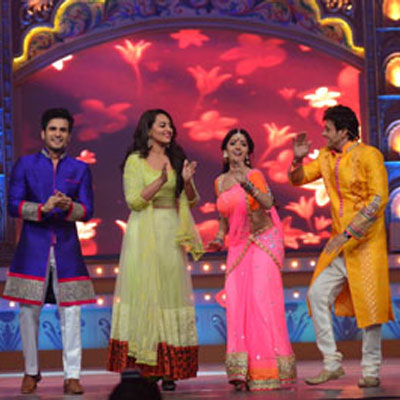
    Not to be left behind, Zee TV will telecast Diwali Dhamaka on 2 November, 7pm onward.

    The highlights of the show include: the Ram Leela act presented by child participants – Praneet, Zenith, Chinamay, Nihar, Aditya, Tejaswini and Honey – of the reality show India’s best Dramebaaz and DID Lil Masters – Jeet, Om, Shreya, Shalini and Rohan performing on numbers like Lungi Dance from Chennai Express, among others.

    Says ZEEL content head (Hindi GECs) Ajay Bhalwankar: “This year, we will wish our viewers a happy, healthy, prosperous and successful Diwali and New Year with Diwali Dhamaka. It aims to get every member in the family to have a smile on their face with its amazing and diverse line-up of acts. It’s a fitting celebration on the occasion of Diwali with all actors from Zee TV shows presenting performances to give an all new fresh dose of entertainment as the New Year is brought in.”

    Colors will run Diwali tracks across its shows including Balika Vadhu, Sanskaar, Comedy Nights with Kapil and Bigg Boss with actors wishing viewers a happy Diwali.

    Sab TV will telecast SAB Ka Diwali Mela – Andekha, Adbhut, Albela on 1 November, 9 pm onward.  

    The fun show will feature everyone, from the residents of Lapataganj to the courageous cops of Iman Chowki, from Gokuldham Society wasis to Chidiya Ghar’s humble Narayan family.

    Says Sab EVP & business head Anooj Kapoor: “We have always endeavoured to provide entertaining and engaging content to our viewers. This year, our two big initiatives SAB Ki Holi and SAB Ke Anokhe Awards garnered an overwhelming response resulting in high viewership. Continuing with our brand promise, Asli Maaza SAB Ke Saath Aata Hai, we are confident that SAB Ka Diwali Mela will offer our viewers an extravagant celebration that they can enjoy with their families.”

    If you thought GECs were the only ones in the fray, think again.

    Movie channels like MAX have changed their colour palette from 25 October, to be on-air till 9 November.

    1 November will see MAX’s Pataka Weekend with the telecast of Talaash (morning), Bajate Raho (afternoon), Yamla Pagla Deewana (evening) and Robot (prime time).

    2 November will see Bajate Raho (morning), Chak De India (afternoon), Mohabbatein (evening) and Once Upon Ay Time in Mumbaai Dobara (prime time).
    It’s a full plate on 3 November as well with Aashiqui 2 (morning), Rowdy Rathod (afternoon), Band Baaja Baraat (evening) and Dhoom 2 (prime time). 

    MAX aside, Zee Cinema will host the world television premiere of Phata Poster Nikhla Hero at 9 pm on 2 November while UTV Movies will telecast newbies like Race 2, ABCD, Himmatwala and Khiladi 786 while revisiting classics like Sarfarosh, Swarg, Aankhen and more.

    Coming to English movie channels: Movies Now will have blockbuster-packed days, starting 11am, 3 November. Some of the titles include Karate Kid, X-men Last Stand, Rise of the Planet of the Apes and Unknown.

    Zee Studio is ready for its Diwali best with hits like Real Steel, I am number four, Pearl Harbour, Goal II, Pirates of the Caribbeanon Stranger Tides among others.

    From 1-3 November, ‘Studio Dynamites’ will bring action flicks 8 pm onward whereas Diwali day will see ‘Studio Binge’ – a marathon 8 am to 8pm day with five great movies back to back.

    On the digital front, Zee Studio plans to bring its #StudioDynamite campaign, where viewers have to watch out for explosions on their TV screens during the film, decode the message and tweet the correct answer with #StudioDynamite to win prizes.
    If GECs and movie channels are prepping to celebrate the festival of lights, kids’ channels aren’t far behind.

    Hungama TV’s Dusshera to Diwali special started on 14 October and will be on-air till 2 November, with movies including Shinchan Bungle in the Jungle, Luv Kushh and the Ghost Army, P5 – Pandaavas, Impy’s Wonderland and The Incredibles among others.

    Disney meanwhile will have a special episode of Best of Luck Nikki season 3 with the Singh Family on 3 November.

    POGO’s Diwali treat includes movies like Chhota Bheem Aur Ganesh In The Amazing Odyssey!, Kaalia Ke Chele Special, Gol Mol Gongol, Chhota Bheem Dholakpur To Khatmandu, Chatur Chetan and Hanuman & Friends Special every day from 28 October to 3 November at 12 pm.

    Says Turner International India senior director & network head Krishna Desai: “Chhota Bheem and the Shinobi Secret is a brand new special to air on POGO from 3 November at 12pm. This is not it; the channel makes this season absolutely spectacular by giving kids the chance to win amazing prizes by participating in Zabardasti Diwali Contest every day, 10am onward. The prizes include Digi-cams & smart phones.”

    On Cartoon Network, children can watch movies like Kid Krrish, Tom and Jerry in the Wizard of Oz, Oggy ki Olly and Krish Trish Baltiboy: The Battle of Wits, etc every day from 28 October to 3 November at 12pm.

    Adds Desai: “Oggy: I Love India is a brand new special that will premiere on 1 November at 12pm.”

    The Nickelodeon cluster (Nick, Nick Jr./Teen Nick and Sonic) too has a dhamakedar treat lined up for kids, promising a crackling yet safe Diwali.
    Nick will run new episodes of its shows Motu Patlu and Pakdam Pakdai apart from calling Diwali ‘Nickwali’ and bringing its popular Nicktoons together to sing Diwali jingles titled ‘Diwali Fungoli’.

    Like they say, music is the food of life, so play on… music channels too have jumped onto the Diwali bandwagon in a big way.

    9XM has launched a special video based on the concept of ‘light writing’, displaying trails of light in different forms, with a message to boot: ‘This Diwali Light it Up!’

    This apart, one of its animated characters Bheegi Billi will be seen in a new avatar called Billi Don while Bade Chote will open  their special Kaun Karega Bakwaas Season 3.

    Coming to Bollywood gossip channels like Zoom, it is ready with a string of new and exciting shows.

    A bevy of Bollywood stars including Sonakshi Sinha, Shahid Kapoor, Jacqueline Fernandez, Imraan Khan, Chitrangada Singh and Vivek Oberoi will grace the Zoom show, Planet Bollywood News, with episodes aired between 1-3 November at 7pm.

    Diwali eve will see the launch of a new show called 100 Crore Club at 8 pm. Starting 1 November, watch out for Zoom’s on-air lead contest called – ‘Watch More. Talk More’ powered by Freecharge. There are mobile free charges worth Rs 1.5 lakh to be won by viewers.

    UTV Stars will telecast special interviews with stars including Aditi Rao Hydari, Prateik Babbar, Tusshar Kapoor, Amrita Rao, Vivek Oberoi, Hrithik Roshan, Kareena Kapoor, Imran Khan, Ranveer Singh and Deepika Padukone.
    On AXN, audiences can catch the all new series of Sherlock, Chosen and So you think you can dance season 10.

    With TV channels all set, the question remains are you ready for the bombarding of programmes.

  • TVs Diwali Dhamaka

    TVs Diwali Dhamaka

    This Diwali, there’s enough and more to keep audiences entertained, with television channels set for a firecracker of a weekend.

    At Star TV, the celebrations started on 27 October and will reach a crescendo on 3 November; kicking off with a repeat of Ang Lee’s Oscar-winning film Life of Pi at 1pm, followed by a repeat of Star Diwali at 5pm, and Indian Television Awards 2013 from 9pm.

    Not to be left behind, Zee TV will telecast Diwali Dhamaka on 2 November, 7pm onward.

    The highlights of the show include: the Ram Leela act presented by child participants – Praneet, Zenith, Chinamay, Nihar, Aditya, Tejaswini and Honey – of the reality show India’s best Dramebaaz and DID Lil Masters – Jeet, Om, Shreya, Shalini and Rohan performing on numbers like Lungi Dance from Chennai Express, among others.

    Says ZEEL content head (Hindi GECs) Ajay Bhalwankar: “This year, we will wish our viewers a happy, healthy, prosperous and successful Diwali and New Year with Diwali Dhamaka. It aims to get every member in the family to have a smile on their face with its amazing and diverse line-up of acts. It’s a fitting celebration on the occasion of Diwali with all actors from Zee TV shows presenting performances to give an all new fresh dose of entertainment as the New Year is brought in.”

    Colors will run Diwali tracks across its shows including Balika Vadhu, Sanskaar, Comedy Nights with Kapil and Bigg Boss with actors wishing viewers a happy Diwali.

    Sab TV will telecast SAB Ka Diwali Mela – Andekha, Adbhut, Albela on 1 November, 9 pm onward.  

    The fun show will feature everyone, from the residents of Lapataganj to the courageous cops of Iman Chowki, from Gokuldham Society wasis to Chidiya Ghar’s humble Narayan family.

    Says Sab EVP & business head Anooj Kapoor: “We have always endeavoured to provide entertaining and engaging content to our viewers. This year, our two big initiatives SAB Ki Holi and SAB Ke Anokhe Awards garnered an overwhelming response resulting in high viewership. Continuing with our brand promise, Asli Maaza SAB Ke Saath Aata Hai, we are confident that SAB Ka Diwali Mela will offer our viewers an extravagant celebration that they can enjoy with their families.”

    If you thought GECs were the only ones in the fray, think again.

    Movie channels like MAX have changed their colour palette from 25 October, to be on-air till 9 November.

    1 November will see MAX’s Pataka Weekend with the telecast of Talaash (morning), Bajate Raho (afternoon), Yamla Pagla Deewana (evening) and Robot (prime time).

    2 November will see Bajate Raho (morning), Chak De India (afternoon), Mohabbatein (evening) and Once Upon Ay Time in Mumbaai Dobara (prime time).
    It’s a full plate on 3 November as well with Aashiqui 2 (morning), Rowdy Rathod (afternoon), Band Baaja Baraat (evening) and Dhoom 2 (prime time). 

    MAX aside, Zee Cinema will host the world television premiere of Phata Poster Nikhla Hero at 9 pm on 2 November while UTV Movies will telecast newbies like Race 2, ABCD, Himmatwala and Khiladi 786 while revisiting classics like Sarfarosh, Swarg, Aankhen and more.

    Coming to English movie channels: Movies Now will have blockbuster-packed days, starting 11am, 3 November. Some of the titles include Karate Kid, X-men Last Stand, Rise of the Planet of the Apes and Unknown.

    Zee Studio is ready for its Diwali best with hits like Real Steel, I am number four, Pearl Harbour, Goal II, Pirates of the Caribbeanon Stranger Tides among others.

    From 1-3 November, ‘Studio Dynamites’ will bring action flicks 8 pm onward whereas Diwali day will see ‘Studio Binge’ – a marathon 8 am to 8pm day with five great movies back to back.

    On the digital front, Zee Studio plans to bring its #StudioDynamite campaign, where viewers have to watch out for explosions on their TV screens during the film, decode the message and tweet the correct answer with #StudioDynamite to win prizes.
    If GECs and movie channels are prepping to celebrate the festival of lights, kids’ channels aren’t far behind.

    Hungama TV’s Dusshera to Diwali special started on 14 October and will be on-air till 2 November, with movies including Shinchan Bungle in the Jungle, Luv Kushh and the Ghost Army, P5 – Pandaavas, Impy’s Wonderland and The Incredibles among others.

    Disney meanwhile will have a special episode of Best of Luck Nikki season 3 with the Singh Family on 3 November.

    POGO’s Diwali treat includes movies like Chhota Bheem Aur Ganesh In The Amazing Odyssey!, Kaalia Ke Chele Special, Gol Mol Gongol, Chhota Bheem Dholakpur To Khatmandu, Chatur Chetan and Hanuman & Friends Special every day from 28 October to 3 November at 12 pm.

    Says Turner International India senior director & network head Krishna Desai: “Chhota Bheem and the Shinobi Secret is a brand new special to air on POGO from 3 November at 12pm. This is not it; the channel makes this season absolutely spectacular by giving kids the chance to win amazing prizes by participating in Zabardasti Diwali Contest every day, 10am onward. The prizes include Digi-cams & smart phones.”

    On Cartoon Network, children can watch movies like Kid Krrish, Tom and Jerry in the Wizard of Oz, Oggy ki Olly and Krish Trish Baltiboy: The Battle of Wits, etc every day from 28 October to 3 November at 12pm.

    Adds Desai: “Oggy: I Love India is a brand new special that will premiere on 1 November at 12pm.”

    The Nickelodeon cluster (Nick, Nick Jr./Teen Nick and Sonic) too has a dhamakedar treat lined up for kids, promising a crackling yet safe Diwali.
    Nick will run new episodes of its shows Motu Patlu and Pakdam Pakdai apart from calling Diwali ‘Nickwali’ and bringing its popular Nicktoons together to sing Diwali jingles titled ‘Diwali Fungoli’.

    Like they say, music is the food of life, so play on… music channels too have jumped onto the Diwali bandwagon in a big way.

    9XM has launched a special video based on the concept of ‘light writing’, displaying trails of light in different forms, with a message to boot: ‘This Diwali Light it Up!’

    This apart, one of its animated characters Bheegi Billi will be seen in a new avatar called Billi Don while Bade Chote will open  their special Kaun Karega Bakwaas Season 3.

    “Being the largest music network across India we are constantly finding ways to celebrate music. During this time of the year, the spirit of celebration is at its peak, and doing special programming on our channels is our way of making our viewers feel really special. Just like we light a diya at home, likewise we light up the TV screen to bring on the festivity,” said 9X Media Group senior VP and content head Amar Tidke.

    Coming to Bollywood gossip channels like Zoom, it is ready with a string of new and exciting shows.

    A bevy of Bollywood stars including Sonakshi Sinha, Shahid Kapoor, Jacqueline Fernandez, Imraan Khan, Chitrangada Singh and Vivek Oberoi will grace the Zoom show, Planet Bollywood News, with episodes aired between 1-3 November at 7pm.
    Diwali eve will see the launch of a new show called 100 Crore Club at 8 pm. Starting 1 November, watch out for Zoom’s on-air lead contest called – ‘Watch More. Talk More’ powered by Freecharge. There are mobile free charges worth Rs 1.5 lakh to be won by viewers.

    UTV Stars will telecast special interviews with stars including Aditi Rao Hydari, Prateik Babbar, Tusshar Kapoor, Amrita Rao, Vivek Oberoi, Hrithik Roshan, Kareena Kapoor, Imran Khan, Ranveer Singh and Deepika Padukone.
    On AXN, audiences can catch the all new series of Sherlock, Chosen and So you think you can dance season 10.

    With TV channels all set, the question remains are you ready for the bombarding of programmes.