Category: Satellite Operators

  • Boeing delivers ABS-2A to optimise video services, DTH

    Boeing delivers ABS-2A to optimise video services, DTH

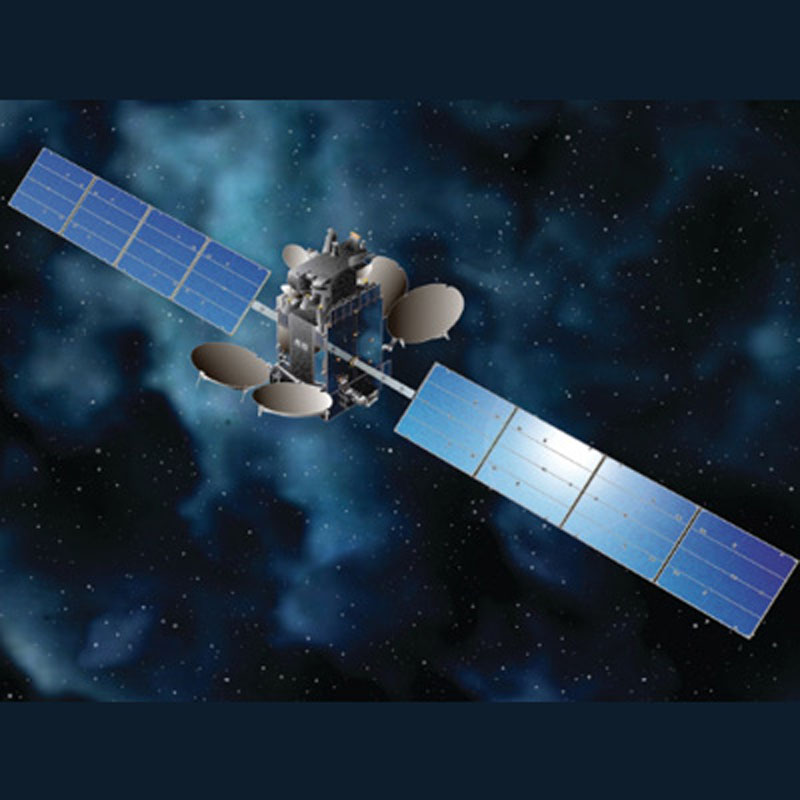
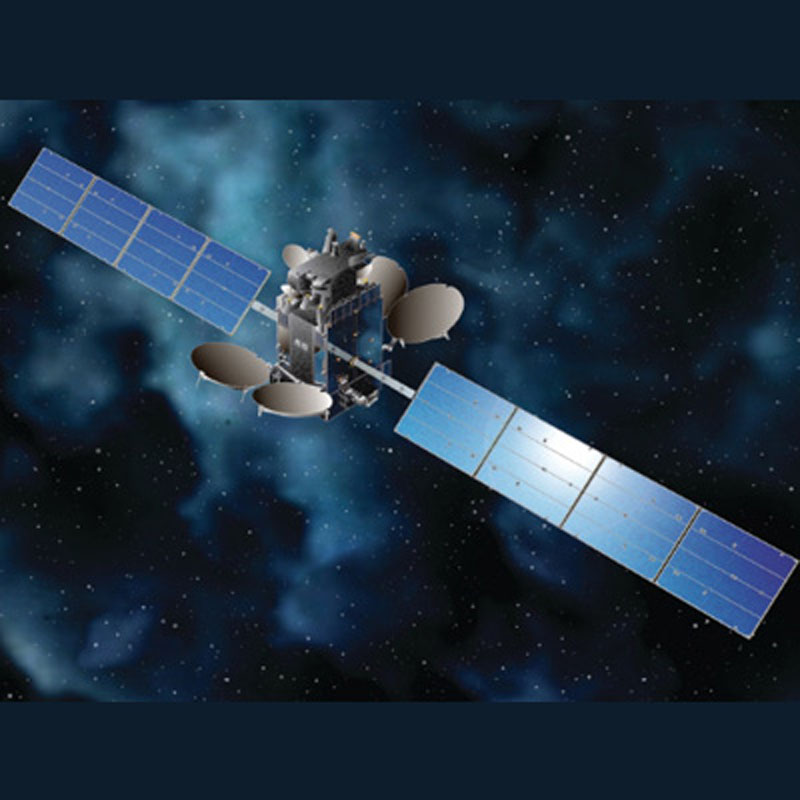
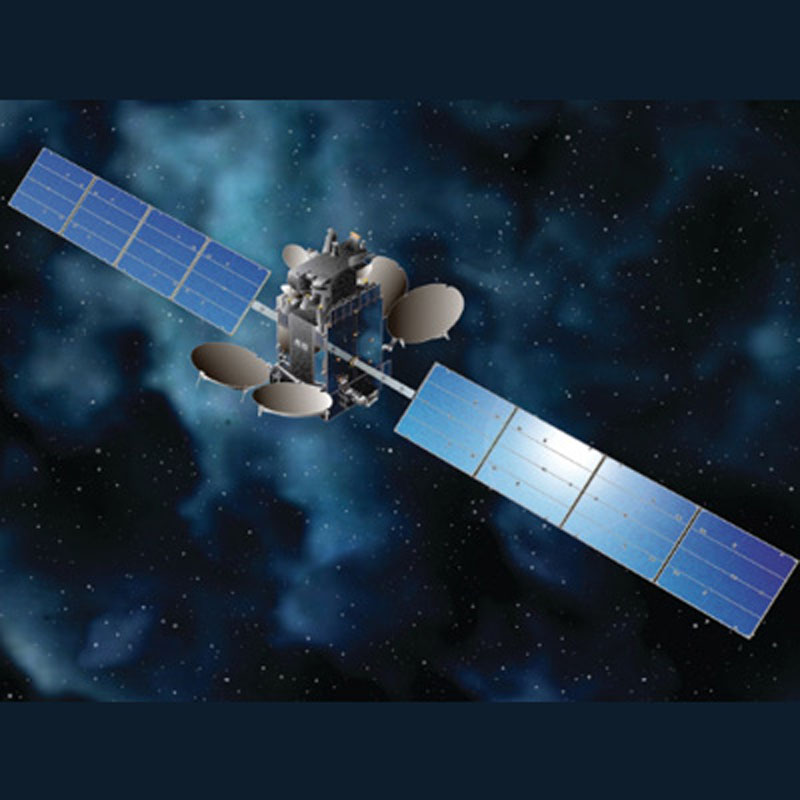
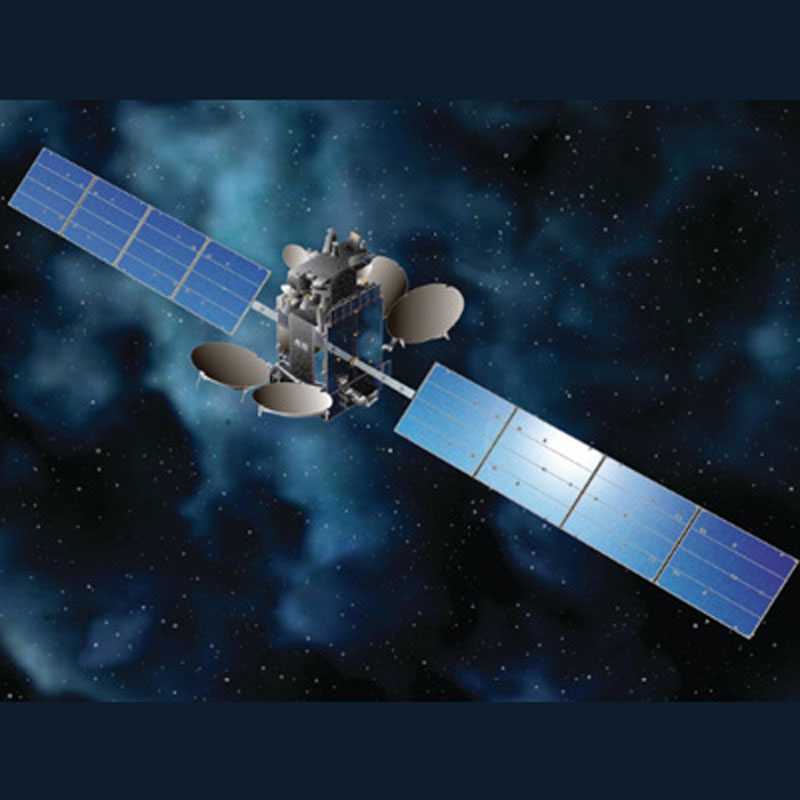
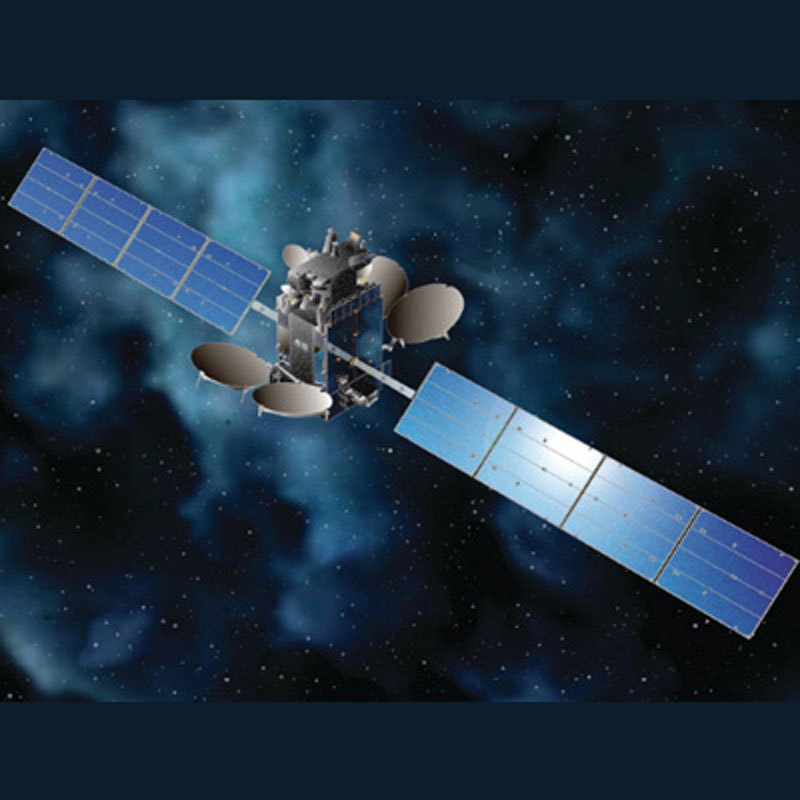
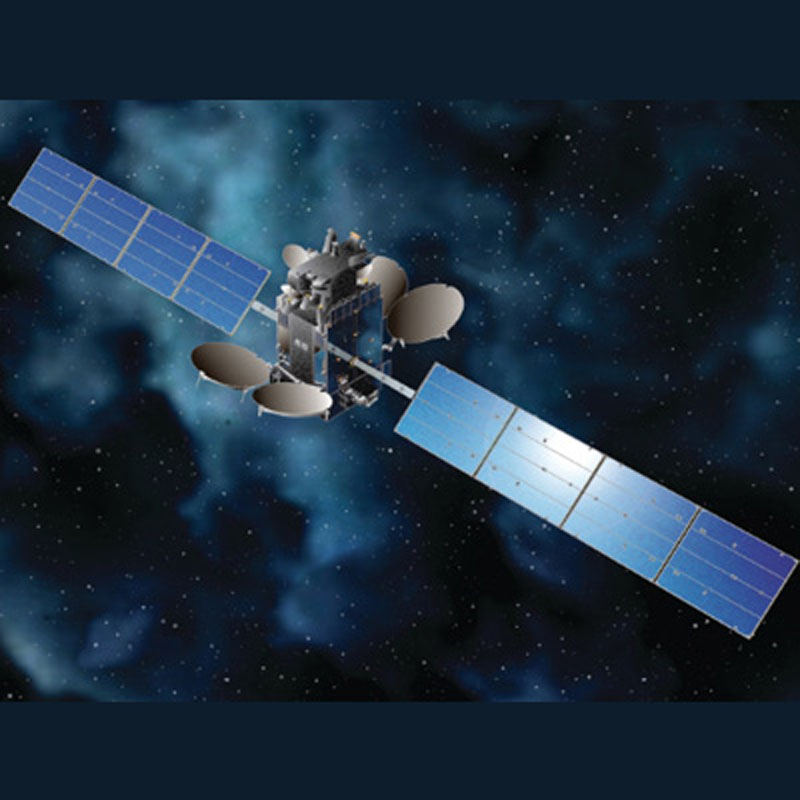
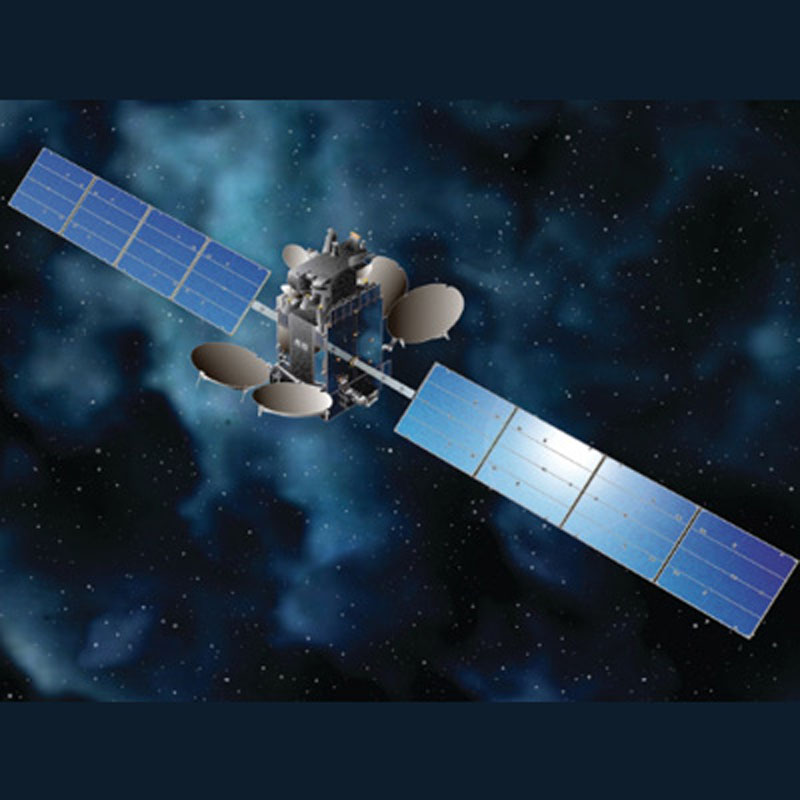
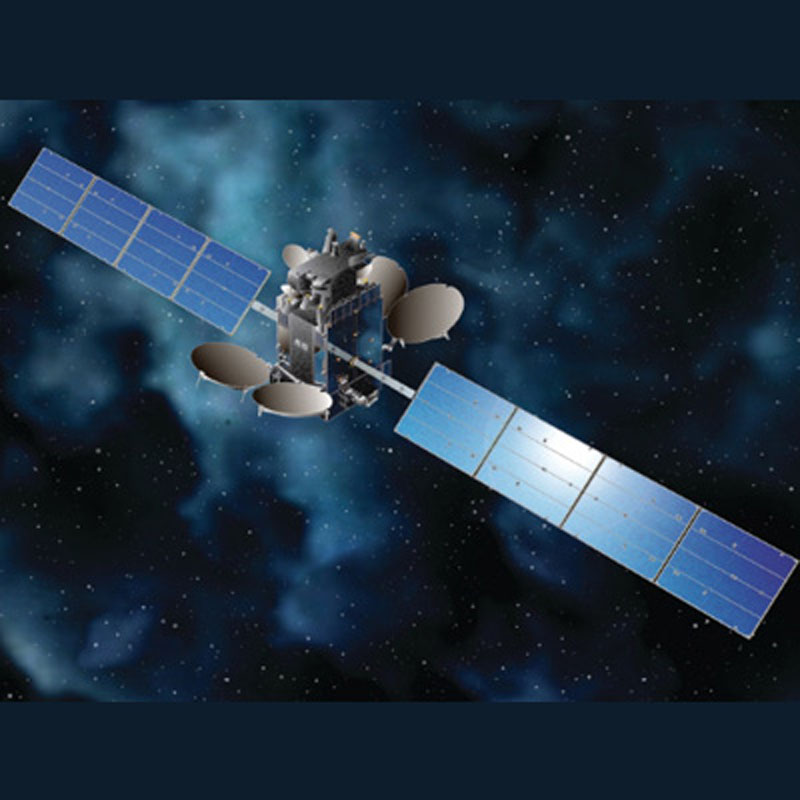
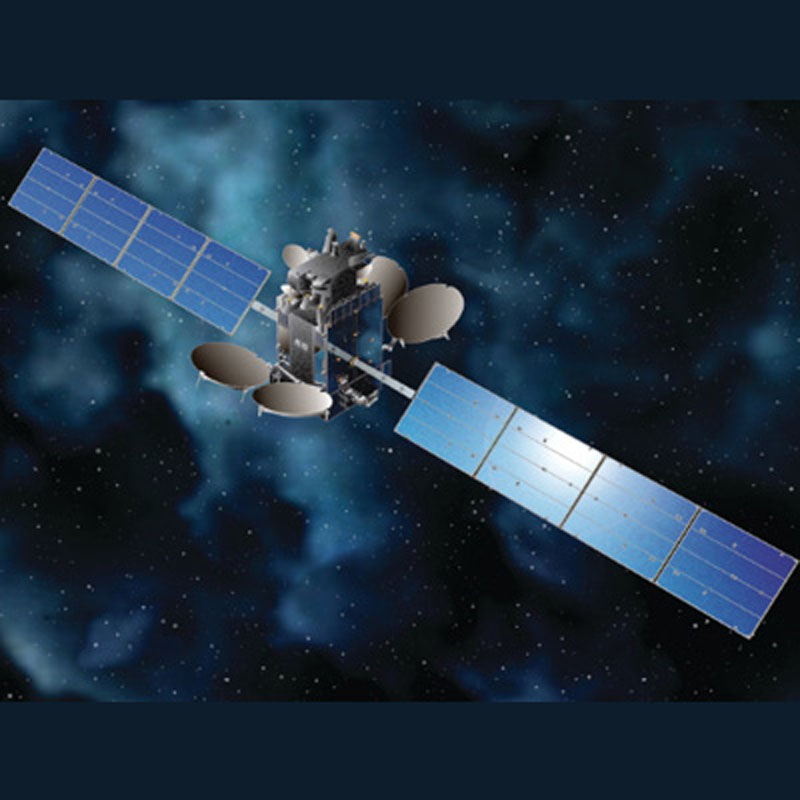
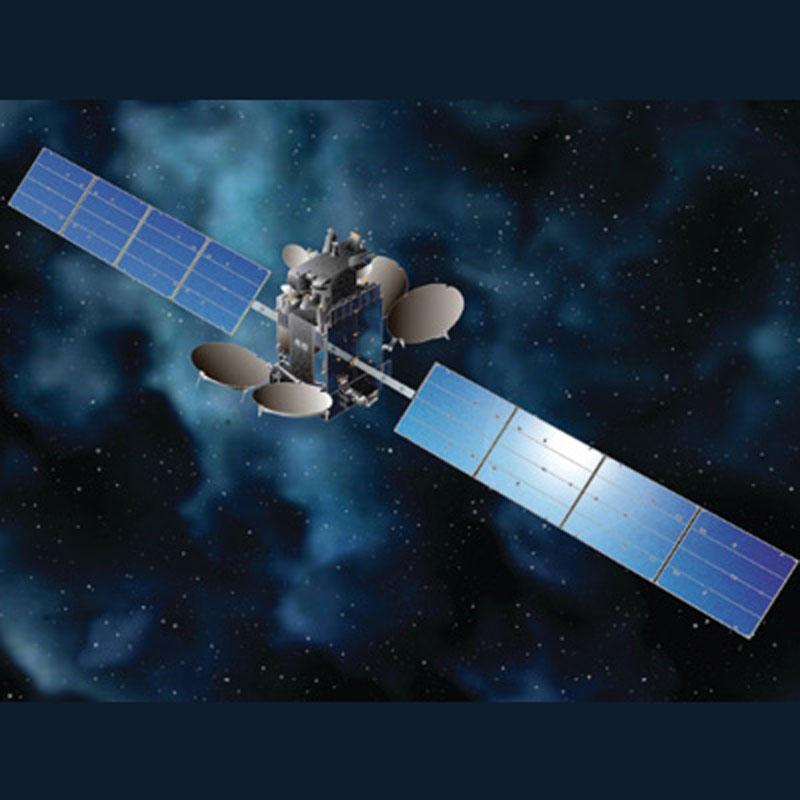
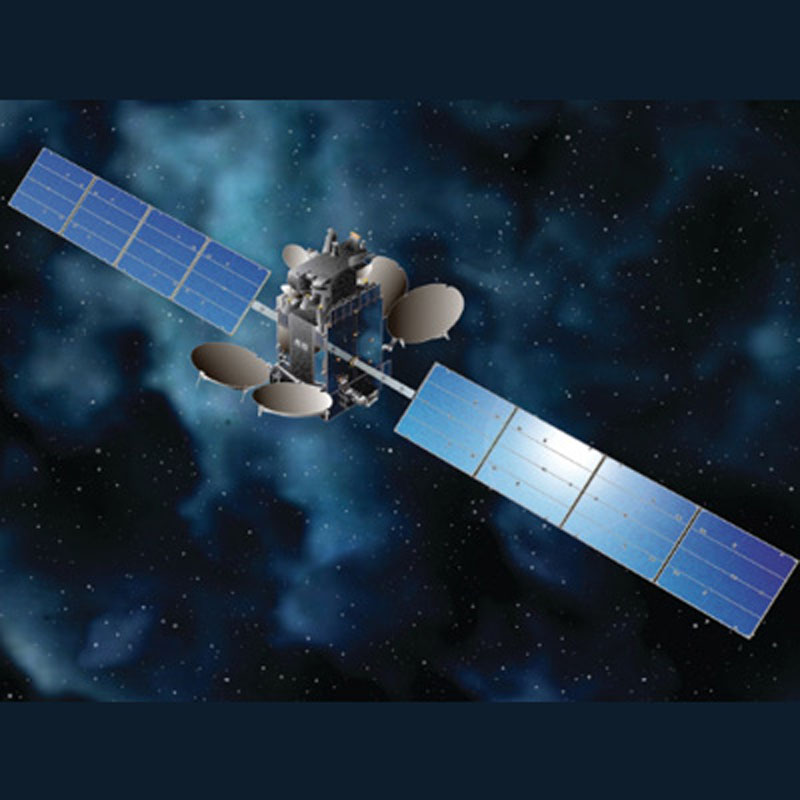
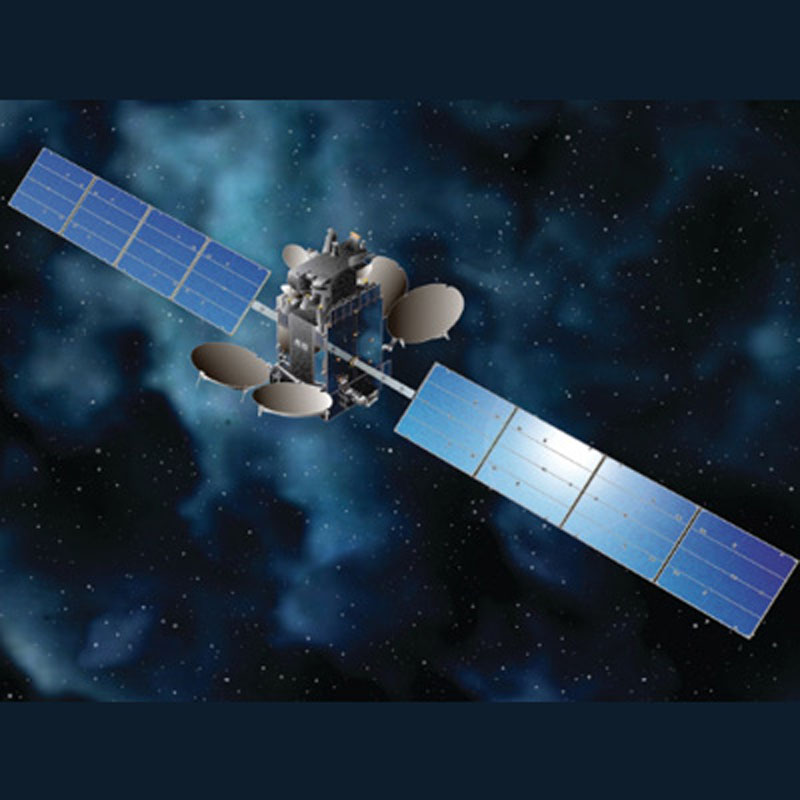
    MUMBAI: Boeing has delivered ABS-2A, an all-electric propulsion 702 satellite, to ABS which entered into commercial service on 21 January. This is the second of the pair of all-electric satellite Boeing has delivered to ABS.

    ABS, one of the globe’s fastest growing global satellite operators, offers a complete range of tailored solutions including broadcasting, data and telecommunication services to broadcasters, service providers, enterprises and government organisations.

    It operates a fleet of satellites; ABS-2, ABS-2A, ABS-3A, ABS-4/Mobisat-1, ABS-6 and ABS-7. The satellite fleet covers 93 per cent of the population across the Americas, Africa, Asia-Pacific, Europe, the Middle East, CIS and Russia.

    ABS-2A was launched in June 2016 aboard SpaceX Falcon 9 and will provide enhanced satellite communications services, including direct-to-home television services.

    Equipped with 48 Ku-band transponders, the satellite will serve ABS’ customers in Africa, the Middle East and North Africa (MENA), Russia, South Asia and South East Asia regions at 74.725 degrees east.

    “We have completed our three satellite build investment in launching as many satellites in as many consecutive years (ABS-2 in 2014, ABS-3A in 2015 and ABS-2A in 2016). ABS-2A is the latest high-capacity satellite providing expansion capacity and continuity of satellite services at our prime gateway over the Indian Ocean region. It is located with ABS-2 at our premium neighborhood at 75°E, optimized for video services for growing CATV and DTH businesses,” said ABS CEO Tom Choi.

    “Boeing is the first satellite manufacturer to build and deliver all-electric propulsion satellites, and this latest delivery reaffirms our leadership with all-electric propulsion,” said Boeing Satellite Systems International president Mark Spiwak. “The scalable 702 satellite, coupled with the efficiency of all-electric propulsion, allows two satellites to launch inside one rocket. This ability to stack and join the satellites using our patented design enables our customers to minimize the costs associated with launching a single satellite.”

    Headquartered in Bermuda, ABS, with offices in the U.S, the UAE, South Africa and Asia, is majority-owned by funds managed by PE Permira.

    Also Read:

    ABS partners PT Sarana Media to launch Indonesian DTH FreeViews platform

  • Satellite Communication among various studies by ISRO and Japanese JAXA

    Satellite Communication among various studies by ISRO and Japanese JAXA

    NEW DELHI: Indian Space Research Organisation (ISRO) and the Japanese Aerospace Exploration Agency (JAXA) are to jointly collaborate in the exploration and use of outer space exclusively for peaceful purposes in accordance with the laws and regulations applicable in each country and their international obligations.

    A memorandum of understanding was signed between the two agencies in Tokyo and the Cabinet chaired by the Prime Minister Narendra Modi was apprised of this.

    This MoU provides scope for pursuing cooperation in various areas of space science technology and applications including: eearth observation, satellite communication and navigation; exploration and space sciences; Research and development (space systems and space technology); and Space industry promotion.

    ISRO and JAXA will bear the costs of their respective activities under this Memorandum, unless they decide otherwise in writing. Ability to fulfil their respective roles and activities under this Memorandum and its relevant separate Implementation Arrangement is subject to their respective funding procedures, the availability of appropriated funds and their respective national laws.

    Framework MoU would lead to joint activity in the field of application of space technologies for the benefit of humanity. Thus all sections and regions of the country will get benefited.

    India and Japan have been pursuing space cooperation for more than five decades and carried out studies in the field of atmospheric study, observation of universe and scientific investigation in remote sensing. With the formation of JAXA in 2003, an “arrangement concerning the considerations of potential future cooperation in the field of outer space” was signed in October 2005 between ISRO/ Department of Space (DOS) and JAXA.

    Subsequently both agencies have signed cooperative documents addressing lunar exploration, satellite navigation, X-ray astronomy and Asia Pacific Regional Space Agency Forum (APRSAF).

    During the ISRO-JAXA bilateral meeting held at New Delhi on April 05, 2016, both sides stressed the need for updating the contents of ‘2005 Arrangement’ with enhanced scope of cooperation. Accordingly, both sides have arrived at the draft of new ‘Memorandum of Understanding (MoU) between ISRO and JAXA concerning cooperation in the field of outer space’ and got it signed on November 11, 2016 at Tokyo during the visit of Prime Minister of India to Japan.

  • Satellite Communication among various studies by ISRO and Japanese JAXA

    Satellite Communication among various studies by ISRO and Japanese JAXA

    NEW DELHI: Indian Space Research Organisation (ISRO) and the Japanese Aerospace Exploration Agency (JAXA) are to jointly collaborate in the exploration and use of outer space exclusively for peaceful purposes in accordance with the laws and regulations applicable in each country and their international obligations.

    A memorandum of understanding was signed between the two agencies in Tokyo and the Cabinet chaired by the Prime Minister Narendra Modi was apprised of this.

    This MoU provides scope for pursuing cooperation in various areas of space science technology and applications including: eearth observation, satellite communication and navigation; exploration and space sciences; Research and development (space systems and space technology); and Space industry promotion.

    ISRO and JAXA will bear the costs of their respective activities under this Memorandum, unless they decide otherwise in writing. Ability to fulfil their respective roles and activities under this Memorandum and its relevant separate Implementation Arrangement is subject to their respective funding procedures, the availability of appropriated funds and their respective national laws.

    Framework MoU would lead to joint activity in the field of application of space technologies for the benefit of humanity. Thus all sections and regions of the country will get benefited.

    India and Japan have been pursuing space cooperation for more than five decades and carried out studies in the field of atmospheric study, observation of universe and scientific investigation in remote sensing. With the formation of JAXA in 2003, an “arrangement concerning the considerations of potential future cooperation in the field of outer space” was signed in October 2005 between ISRO/ Department of Space (DOS) and JAXA.

    Subsequently both agencies have signed cooperative documents addressing lunar exploration, satellite navigation, X-ray astronomy and Asia Pacific Regional Space Agency Forum (APRSAF).

    During the ISRO-JAXA bilateral meeting held at New Delhi on April 05, 2016, both sides stressed the need for updating the contents of ‘2005 Arrangement’ with enhanced scope of cooperation. Accordingly, both sides have arrived at the draft of new ‘Memorandum of Understanding (MoU) between ISRO and JAXA concerning cooperation in the field of outer space’ and got it signed on November 11, 2016 at Tokyo during the visit of Prime Minister of India to Japan.

  • Indian, French space agencies sign pact; team up on moon mission, space launchers

    Indian, French space agencies sign pact; team up on moon mission, space launchers

    MUMBAI: Indian Space Research Organisation and French Space agency (CNES) have signed a partnership agreement in satellite launch technology. The pact was inked between ISRO chairman Kiran Kumar and CNES president Jean-Yves Le Gall in the presence of the visiting French Minister of Foreign Affairs Jean-Marc Ayrault.

    Space cooperation between India and France spans over 50 years and is a cornerstone of the Indo-French strategic partnership. Joining forces with Team Indus on this maiden private mission to land a rover on the moon, CNES is sending the French technology for the first time on lunar terrain.

    With the new pact, India and France will improve cooperation on an upcoming lunar rover and future space launchers. Strengthening the CNES-ISRO partnership will enable France to benefit from the Indian model of streamlining the costs of space programmes.

    Ayrault, accompanied by the French delegation, was given a guided tour of ISTRAC (ISRO Telemetry Tracking and Command Network) by the Kumar, according to a French Consulate release, PTI reported.

    ISTRAC monitors Indian space missions, including the two Indo-French satellites currently in orbit for collecting data to track climate change. ISRO is the second partner of CNES, in terms of volume, after NASA. Of comparable size and sharing similar objectives, the space programmes of both countries are complementary, it was noted.

    Later, Ayrault met Indian “NewSpace” start-up CEO Rahul Narayan. This start-up put forward TeamIndus, the only Indian team competing for the Google Lunar XPRIZE, a global competition for engineers and entrepreneurs to develop low-cost methods of robotic space exploration.

    Also Read:

    ISRO to launch 103 satellites early Feb


  • Indian, French space agencies sign pact; team up on moon mission, space launchers

    Indian, French space agencies sign pact; team up on moon mission, space launchers

    MUMBAI: Indian Space Research Organisation and French Space agency (CNES) have signed a partnership agreement in satellite launch technology. The pact was inked between ISRO chairman Kiran Kumar and CNES president Jean-Yves Le Gall in the presence of the visiting French Minister of Foreign Affairs Jean-Marc Ayrault.

    Space cooperation between India and France spans over 50 years and is a cornerstone of the Indo-French strategic partnership. Joining forces with Team Indus on this maiden private mission to land a rover on the moon, CNES is sending the French technology for the first time on lunar terrain.

    With the new pact, India and France will improve cooperation on an upcoming lunar rover and future space launchers. Strengthening the CNES-ISRO partnership will enable France to benefit from the Indian model of streamlining the costs of space programmes.

    Ayrault, accompanied by the French delegation, was given a guided tour of ISTRAC (ISRO Telemetry Tracking and Command Network) by the Kumar, according to a French Consulate release, PTI reported.

    ISTRAC monitors Indian space missions, including the two Indo-French satellites currently in orbit for collecting data to track climate change. ISRO is the second partner of CNES, in terms of volume, after NASA. Of comparable size and sharing similar objectives, the space programmes of both countries are complementary, it was noted.

    Later, Ayrault met Indian “NewSpace” start-up CEO Rahul Narayan. This start-up put forward TeamIndus, the only Indian team competing for the Google Lunar XPRIZE, a global competition for engineers and entrepreneurs to develop low-cost methods of robotic space exploration.

    Also Read:

    ISRO to launch 103 satellites early Feb


  • AsiaSat 7: Globecast to distribute DW’s new HD channel

    AsiaSat 7: Globecast to distribute DW’s new HD channel

    MUMBAI: Asia’s leading satellite operator Asia Satellite Telecommunications Company Limited (AsiaSat) has reached an agreement with Globecast to deliver Deutsche Welle’s English-language program in HD to the Asia-Pacific region.

    DW in HD is an additional offering next to the existing TV channel in SD and radio services on AsiaSat 7. DW’s German-language program will continue its service across Asia via AsiaSat 5.

    For the past 20 years, AsiaSat and DW have partnered to bring German information and culture to Asia. The enhanced service offering demonstrates their commitment to providing more high-quality and relevant content to Asia. The AsiaSat fleet’s comprehensive access to Asian TV viewers has enabled DW to upgrade viewing experience as well as harness audience with different language interests.

    AsiaSat’s VP Marketing & Global Accounts Sabrina Cubbon: “I’m very pleased to extend our offerings of DW’s programs through the Globecast partnership. Both are long-term clients of AsiaSat. Moving to HD will definitely improve viewer satisfaction and is a key tool to strengthen our success in a competitive market!”

    “For DW, 2017 will be a year of not only expansion but solidification as well,” said DW’s director of distribution and sales Petra Schneider. “Content, brand and technological improvement will be more dynamic than ever before – the ability to constantly engage your audience in a consistent way and adapting to their technological watching habits remain our most important goals. The move towards HD is a step in the right direction.”

    Globecast managing director Biliana Pumpalovic said: “We are working in multiple markets to help broadcasters launch HD services and we’re very pleased that DW has turned to us and AsiaSat. We have a strong partnership with AsiaSat and we can help customers understand specific market requirements from both technical and business perspective.”

  • AsiaSat 7: Globecast to distribute DW’s new HD channel

    AsiaSat 7: Globecast to distribute DW’s new HD channel

    MUMBAI: Asia’s leading satellite operator Asia Satellite Telecommunications Company Limited (AsiaSat) has reached an agreement with Globecast to deliver Deutsche Welle’s English-language program in HD to the Asia-Pacific region.

    DW in HD is an additional offering next to the existing TV channel in SD and radio services on AsiaSat 7. DW’s German-language program will continue its service across Asia via AsiaSat 5.

    For the past 20 years, AsiaSat and DW have partnered to bring German information and culture to Asia. The enhanced service offering demonstrates their commitment to providing more high-quality and relevant content to Asia. The AsiaSat fleet’s comprehensive access to Asian TV viewers has enabled DW to upgrade viewing experience as well as harness audience with different language interests.

    AsiaSat’s VP Marketing & Global Accounts Sabrina Cubbon: “I’m very pleased to extend our offerings of DW’s programs through the Globecast partnership. Both are long-term clients of AsiaSat. Moving to HD will definitely improve viewer satisfaction and is a key tool to strengthen our success in a competitive market!”

    “For DW, 2017 will be a year of not only expansion but solidification as well,” said DW’s director of distribution and sales Petra Schneider. “Content, brand and technological improvement will be more dynamic than ever before – the ability to constantly engage your audience in a consistent way and adapting to their technological watching habits remain our most important goals. The move towards HD is a step in the right direction.”

    Globecast managing director Biliana Pumpalovic said: “We are working in multiple markets to help broadcasters launch HD services and we’re very pleased that DW has turned to us and AsiaSat. We have a strong partnership with AsiaSat and we can help customers understand specific market requirements from both technical and business perspective.”

  • Andrew Jordan announced successor of AsiaSat’s William Wade

    Andrew Jordan announced successor of AsiaSat’s William Wade

    MUMBAI: Asia Satellite Telecommunications has announced the retirement of its executive director, president and CEO William Wade. He will serve his last day in the company on 1 November 2016 but will stay back as the senior advisor of AsiaSat until 31 March 2017.

    Andrew Jordan will be appointed by the board to succeed Wade with effect from 1 November 2016. Jordan 56 has over 25 years of experience in the satellite industry. He was the general manager in the marketing department of AsiaSat from 1991 to 1993.

    “On behalf of the Board of Directors, I would like to express my sincere gratitude to Wade for his years of dedicated and exceptional service. AsiaSat’s solid reputation in the industry and its strong commitment to quality and reliability are a credit to his leadership. We look forward to his contributions as the senior advisor to assist in the leadership transition,” said AsiaSat chairman JU Wei Min.

    He further added, “I would like to welcome back Jordan, who is an industry veteran with extensive experience, knowledge and contacts across the satellite communications, broadcast and telecom industries. We are confident that he has the strategic vision and experience to drive AsiaSat’s next phase of growth.”

    Jordan has held executive positions with several satellite operators, and has led complex deal negotiations in China, Hong Kong SAR, Australia, Italy and the United Kingdom. He obtained a bachelor’s degree from London University’s School of Oriental and African Studies.

  • Andrew Jordan announced successor of AsiaSat’s William Wade

    Andrew Jordan announced successor of AsiaSat’s William Wade

    MUMBAI: Asia Satellite Telecommunications has announced the retirement of its executive director, president and CEO William Wade. He will serve his last day in the company on 1 November 2016 but will stay back as the senior advisor of AsiaSat until 31 March 2017.

    Andrew Jordan will be appointed by the board to succeed Wade with effect from 1 November 2016. Jordan 56 has over 25 years of experience in the satellite industry. He was the general manager in the marketing department of AsiaSat from 1991 to 1993.

    “On behalf of the Board of Directors, I would like to express my sincere gratitude to Wade for his years of dedicated and exceptional service. AsiaSat’s solid reputation in the industry and its strong commitment to quality and reliability are a credit to his leadership. We look forward to his contributions as the senior advisor to assist in the leadership transition,” said AsiaSat chairman JU Wei Min.

    He further added, “I would like to welcome back Jordan, who is an industry veteran with extensive experience, knowledge and contacts across the satellite communications, broadcast and telecom industries. We are confident that he has the strategic vision and experience to drive AsiaSat’s next phase of growth.”

    Jordan has held executive positions with several satellite operators, and has led complex deal negotiations in China, Hong Kong SAR, Australia, Italy and the United Kingdom. He obtained a bachelor’s degree from London University’s School of Oriental and African Studies.

  • ISRO’s PSLV-C35 launches seven other satellites successfully

    ISRO’s PSLV-C35 launches seven other satellites successfully

    MUMBAI: Around two hours  after lift-off and after placing India’s weather satellite ScatSat1 in a polar sun synchronous orbit at 720 km, the Indian Space Research Organisation’s (ISRO’s) PSLV C35 rocket fired once again. Following that maneuver, it placed another seven satellites in orbit at an altitude of 670 km.

    The seven satellites included two from Indian educational institutions (PISAT and Pratham) and three commercial initiatives from Algeria (Alsat-1B, 2B and 1N) and one each from Canada (NLS-19) and the US (Pathfinder 1).

    ISRO chairman AS Kiran Kumar called the Monday launch as a landmark day in its history. The reason: the PSLV C35 mission marked the first time that the space organization  had successfully fired the  polar satellite launch vehicle twice to place satellite in different orbital altitudes. And, it was also the longest PSLV mission tackled by ISRO. 

    ScatSat-1 has a lifespan of five years and it is meant to give e weather forecasting services through the generation of wind vector products,  while the the 10 kg Pratham developed by  by IIT Bombay intends to estimate the total electron count with a resolution of 1km x 1km location grid. PISAT from the PES University will explore remote sensing applications. 

    Algeria’s ALSAT-1B is an earth observation satellite (103 kg), ALSAT-2B a remote sensing satellite (117 kg) and ALSAT-1N (7 kg) a technology demonstrator. Canada’s NLS-19 is a technology demonstration micro satellite (8 kg) and Pathfinder-1 is a commercial high resolution imaging micro satellite (44 kg).

    Kiran Kumar said that ISRO’s next launch is slated for 4 October which is the communication satellite GSAT-18. 

    Congratulations poured into ISRO from all quarters right from Suresh Prabhu to M Venkaiah Naidu to the President Pranab Mukherjee to Shivraj Singh Chouhan to Nirmala Setharaman and finally from the prime minister Narendra Modi.

    Also Read:  ISRO’s PSLV-C35 takes off successfully, Scatsat1 launched

    Also Read:  ISRO to launch eight satellites using PSLV on 26 September