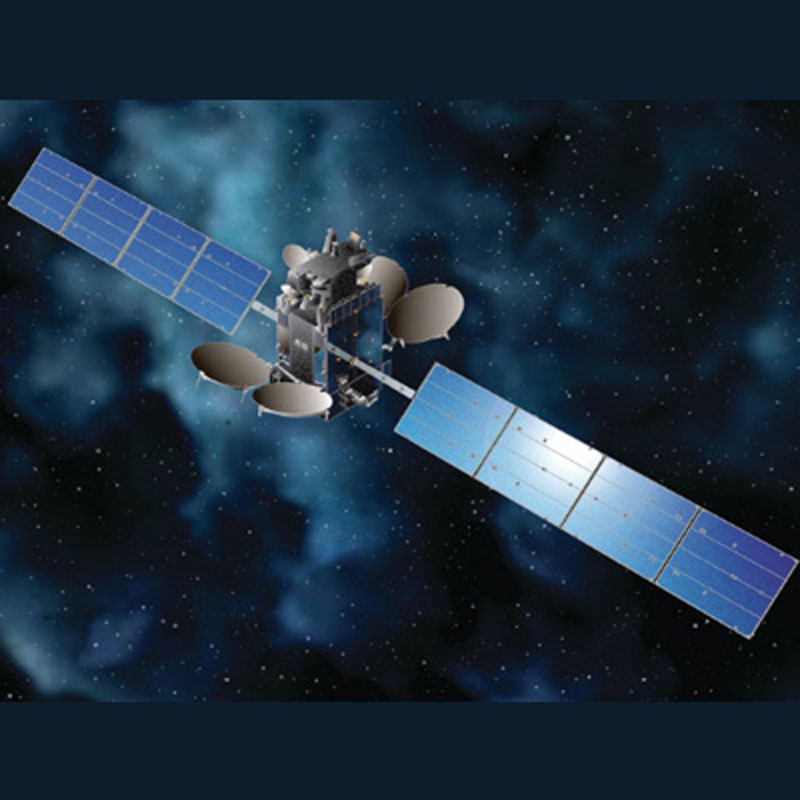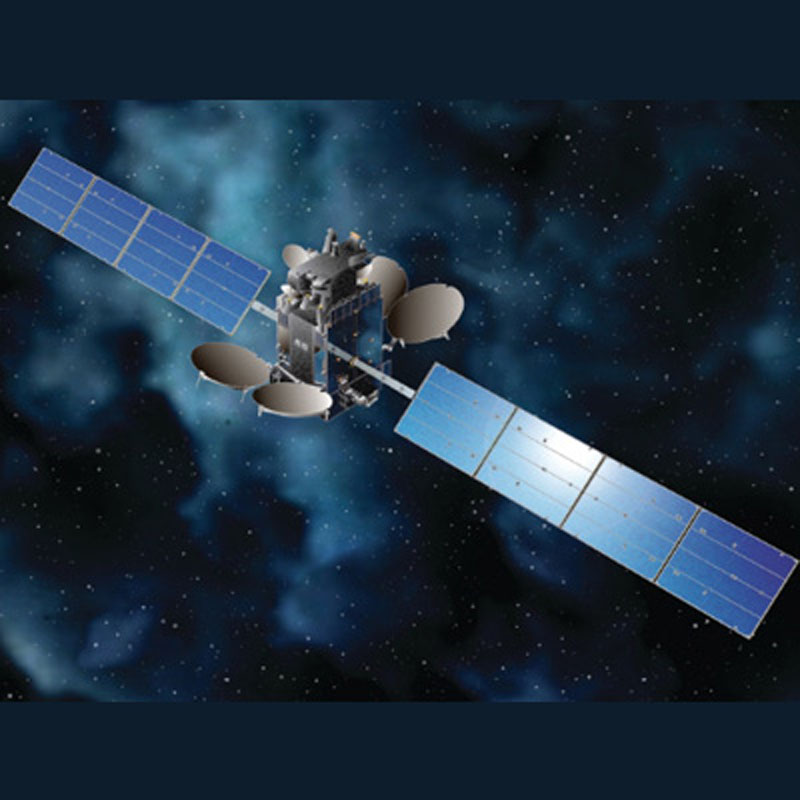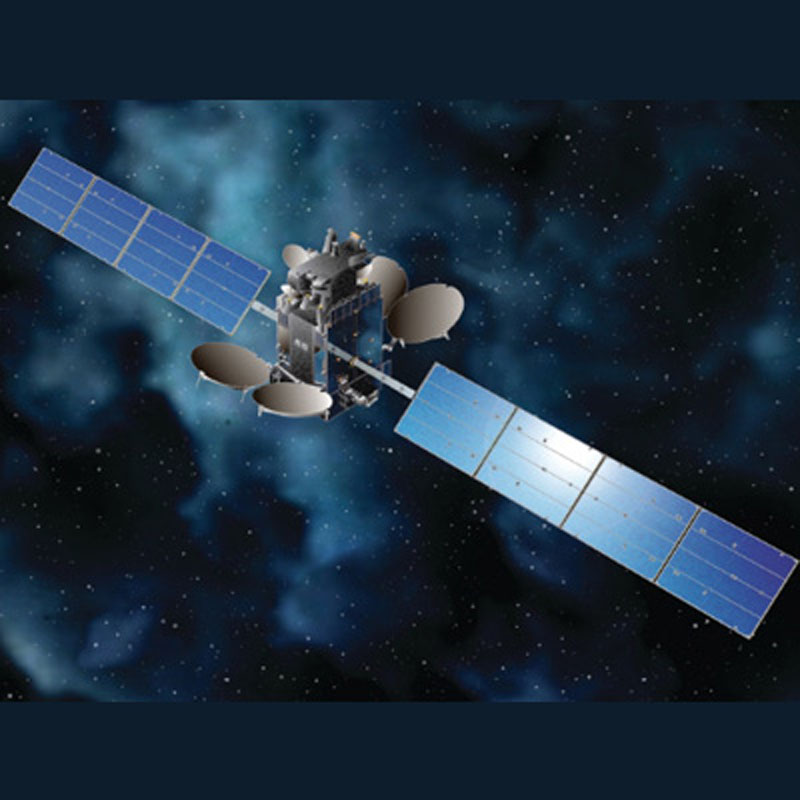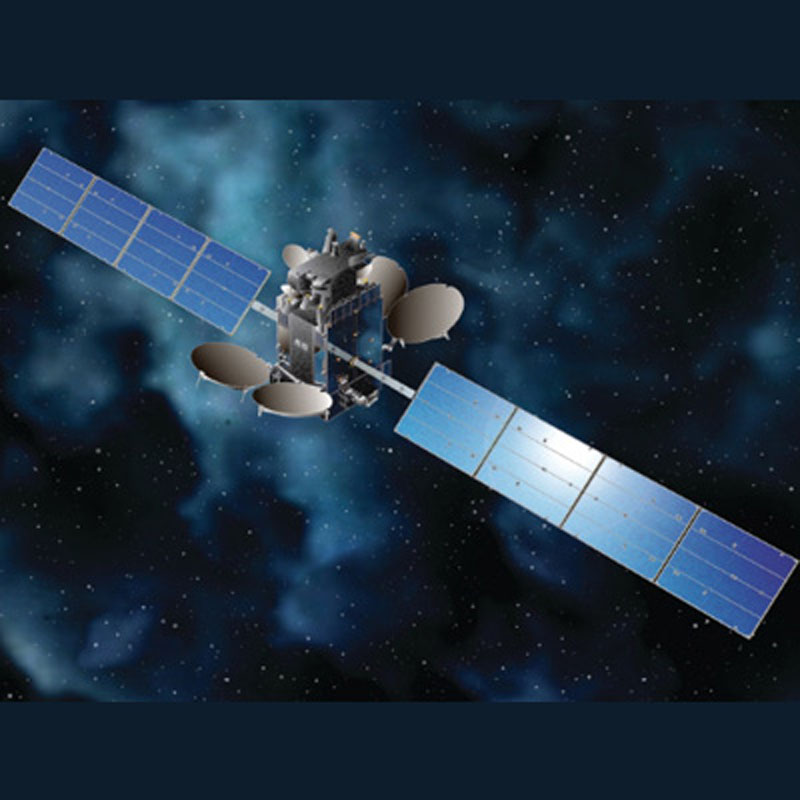
MUMBAI: MEASAT satellite systems, on 2 July, expanded its video region in South Asia with the distribution of News24, Sagarmatha TV and Prime TV. The satellite system is a premium supplier of communication and video services to leading broadcasters, direct-to-home (DTH) platforms and telecom operators. MEASAT provides services to over 150 countries representing 80 per cent of the world’s population across Asia, Middle East, Africa, Europe and Australia, withcapacity across six communication satellites. MEASAT senior VP – sales Raj Malik said, “We are delighted to welcome and distribute News24, Sagarmatha TV and Prime TV via the MEASAT video distributionnetwork. The addition of these channels is testimonial to the trust broadcasters place on the strength of our distribution via our 91.5°E video hot slot.” Feeds of all the three channels are taken from Nepal. News 24 being the premium news channel shares ground breaking news of the region. Sagarmatha TV is thefirst Nepali news broadcast channel, dedicated to keep its audiences informed of events happening in Nepal and to display their culture to the multinational communities in America and around the world. Prime TV is one of the newest channel in Nepal which is designed to serve all genres from entertainment,infotainment, news and views. The 91.5°E prime video hot slot is home to the MEASAT-3, MEASAT-3a and MEASAT3b satellites, forming one of the region’s strongest video community.
Category: Satellites
-

MEASAT to display Next Generation Compression for UHD channels distribution
MUMBAI: MEASAT Global Berhad (“MEASAT”) announced today a showcase in collaboration with NovelSat and V-Nova to demonstrate cutting-edge compression for Ultra High Definition (UHD) primary distribution over satellite. The new technology provides up to three (3) times bandwidth savings and will be demonstrated live at MEASAT’s booth in CommunicAsia 2018 from 26 – 28 June.
MEASAT has also partnered with some of Asia’s leading UHD content creators for this must-see showcase. Fashion One 4K, Fun Box UHD, Insight UHD, Love Nature 4K and TravelXP 4K will display their UHD content on a stunning 86 inch 4K UHD TV sponsored by LG.
The content will be encoded using V-Nova’s PERSEUS Plus codec at 50 fps, 4:2:0 8- bit colour depth and broadcast with DVB-S2 at 8 Mbps. The NovelSat NS4 based solution can deliver more information bit rates per MHz and raises the total transmission capacity. The feed will then be delivered via MEASAT-3 satellite at the 91.5°E orbital slot to CommunicAsia. This solution makes distribution of UHD channels more cost effective without compromising video quality.
“One reason MEASAT is Asia’s preferred UHD partner is because of our commitment and belief in working with leading technology partners to provide innovative solutions to the market,” said Raj Malik, Senior Vice President – Sales. “With NovelSat and V-Nova, MEASAT continues to be on the cutting edge of broadcast technology and provide significant cost savings for UHD distribution across the Asia Pacific.”
“Driven by more channels and more high resolution content, MEASAT is constantly on the lookout for solutions that help them manage increasing demand for satellite capacity,” said Ronen Sadan, AVP Marketing, NovelSat. “NovelSat NS4 offers the world’s most efficient satellite transmission technology, which makes it easier for MEASAT to expand their offering using much less bandwidth compared with other solutions.”
“We are delighted to partner with MEASAT and NovelSat to deliver this monumental step forward in UHD primary distribution,” commented Guido Meardi, Founder and CEO of V- Nova. “Delivering live UHD at the quality consumers demand at just 8 Mbps is simply impossible with any other video codec and is another great showcase of how PERSEUS Plus can transform the economics of video delivery throughout the industry.”
-

24% Hong Kong viewers use TV boxes to stream pirated content: CASBAA
MUMBAI: In a recent survey of the content viewing behaviour of Hong Kong consumers, released by CASBAA, the trade association for the video industry and ecosystem in Asia-Pacific, it was found that close to one in four consumers (24 per cent) use a TV box which can be used to stream pirated television and video content.
These TV boxes are known as illicit streaming devices (ISD) and allow users to access thousands of pirated television channels and VOD content with the payment of one-time fee. TV boxes BossTV (9 per cent), Ubox (7 per cent), EVPad (6 per cent), Lingcod (5 per cent), and Magic Box (4 per cent), which come pre-loaded with applications allowing ‘plug-and-play’ access to pirated content, are among the most popular ISDs among Hong Kong consumers.
“The ISD ecosystem is impacting all businesses involved in the production and distribution of legitimate content. ISD piracy is also organised crime, pure and simple, with crime syndicates making substantial illicit revenues from the provision of illegally re-transmitted TV channels and the sale of such ISDs,” said CASBAA chief executive officer Louis Boswell as quoted by DigitalTVEurope.com
The survey also found that some of the world’s top e-retail stores and social media platforms are preferred destinations where Hong Kong consumers acquire their ISDs and other devices used for pirating video content.
Of those consumers who own an ISD, about half of respondents (49 per cent) claim to have purchased their illicit streaming device from Sham Shui Po, a popular local electronics hotspot. The survey also found that some of the world’s top e-retail stores and social media platforms are preferred destinations where Hong Kong consumers acquire their ISDs and other devices used for pirating video content from. Additionally, ISDs are particularly favoured among 25 to 34-year-olds and high-income earners with university degrees.
According to a quote given by CASBAA’s Coalition Against Piracy (CAP) MD Neil Gane to Advanced Television, “the damage that content theft does to the creative industries is without dispute. However, the damage done to consumers themselves, because of the nexus between content piracy and malware, is only beginning to be recognised. The piracy ecosystem is a hotbed for malware, whether purchasing ISDs from Sham Shui Po’s Golden Arcade or downloading content from infamous torrent sites. Unfortunately the appetite for free or paying cheap subscription rates for stolen content, blinkers some consumers from the real risks of malicious malware infection such as spyware.”
CAP includes leading video content creators and distributors in Asia. Members include: beIN Sports, CASBAA, Discovery, The Walt Disney Company, Fox Networks Group, HBO Asia, NBCUniversal, Premier League, Turner Asia-Pacific, A&E Networks, Astro, BBC Worldwide, CANAL+, Cignal, La Liga, Media Partners Asia, National Basketball Association, PCCW Media, Singtel, Sony Pictures Television Networks Asia, TVB, True Visions, TV5MONDE, and Viacom International Media Networks.
Also Read:
CASBAA elects new board directors
CASBAA lauds India; calls for more broadcast, satellite reforms
-

Did govt pressure nudge ABS-2 to shutter Indian TV channels on FTA DTH service?
NEW DELHI: ABS has closed the doors from 1 May 2018 on Indian TV channels that were using the ABS-2 satellite-beamed FTA Ku-band platform. Apparent reason: Indian government pressure on local TV channels to stop using the ‘unlicenced’ platform that discouraged payment of carriage fee to the satellite operator, which was the origin of the business.
The Bermuda-registered satellite operator’s ABS-2 signals — hosting on its South Asian beam a Nepalese and a Bangladeshi DTH services licenced in their respective countries — have been spilling over into India and a mix of Indian, Nepalese and Bangladeshi TV channels were available to Indians as a FTA service that was accessed via some plain vanilla hardware (read set-top boxes and antennae) at a nominal cost.
On being petitioned by Indian distribution platforms, Ministry of Information and Broadcasting (MIB) in 2017 had asked Department of Space (DoS) to block the “unauthorised” DTH or KU-band ABS-2 service on the grounds of possible threat to national security — an allegation that was refuted by ABS citing international laws of ITU.
Finally, when ABS took the decision to shut the doors on the Indian TV channels, there were 90 of them, mostly beaming content in non-Hindi Indian languages. These channels were using the FTA Ku-band platform to reach not only Indian audiences in southern and eastern parts of India but, probably, also those in Nepal and Bangladesh for additional eyeballs. Eyeballs meant advertising revenue for these TV channels.
ABS last year had refuted Indian government charges saying “natural spillover” of satellite signals into neighbouring countries, outside the service area of the countries offering licensed DTH services, but falling within the coverage area of the satellite, was in “full compliance” of ITU provisions.
With ABS discontinuing the Indian TV channels, Reliance Big TV (sold by Anil Ambani’s Reliance Communications to new investors) FTA DTH service yet to fully bloom and Doordarshan’s FreeDish platform locked in a policy logjam, free to air platforms and low-cost television viewing for people in the Indian hinterland seem to have run into air turbulence.
According to industry experts, Indian hardware companies had devised a way to have two LNBs (low-noise box) in one single DTH antenna that was capable of receiving both ABS-2 and DD FreeDish services, resulting in sizable popularity of these two platforms that were accessed via a low-cost hardware. This was unlike the full-fledged subscription-based DTH services made available by the likes of Tata Sky, Dish TV, Videocon d2h and Sun TV.
Also Read :
Block illegal DTH FTA, space dept told
Could India blocking ABS’ FTA TV signals lead to breach of ITU norms?
-

ISRO’s Gsat-11 sent back from space centre ahead of May-end launch
NEW DELHI: In what was being touted as probably the last Indian satellite launch by a foreign space agency, ISRO’s heavy-duty GSAT-11 communications satellite has been sent back to India for “unexplained” reasons from the Europe-based launch pad, according to a media report from Paris.
“India’s GSAT-11 high-throughput satellite, which arrived at Europe’s Guiana Space Center spaceport on March 30 in preparation for launch on an Ariane 5 rocket, has been returned to India following unexplained issues encountered at the spaceport, industry officials said,” SpaceIntelReport.com tweeted on 23 April 2018, adding the satellite was to be launched late-May via Ariane 5 that was scheduled to carry some other birds, too, including the Azerspace-2/Intelsat-38 satellite.
However, till the time of writing this report, no confirmation or any additional information was available from India’s space agency ISRO, which has very ably been charting the country’s space policy and the visions of policy-makers and space scientists.
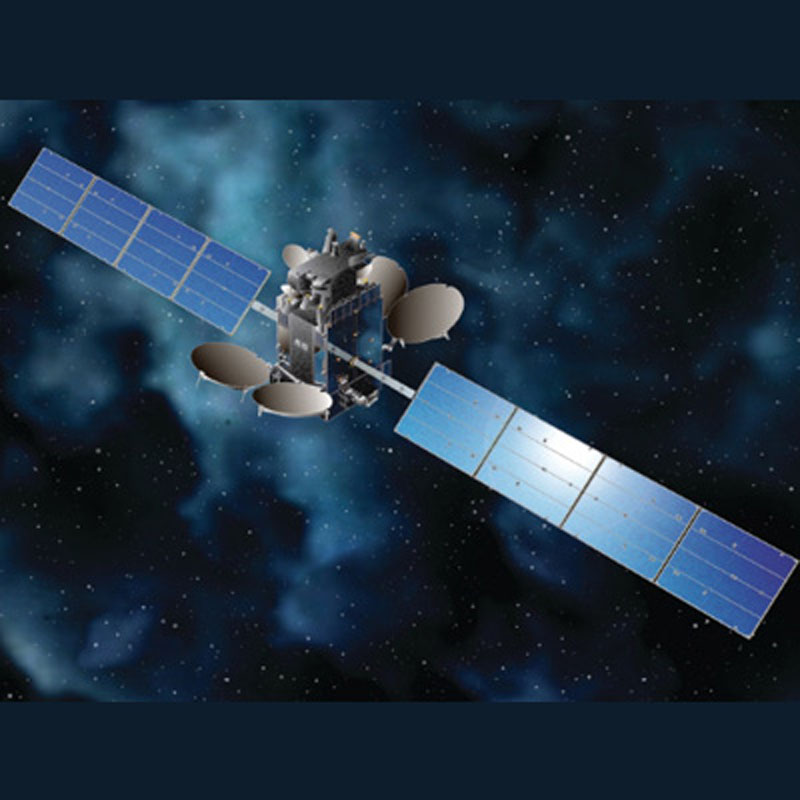
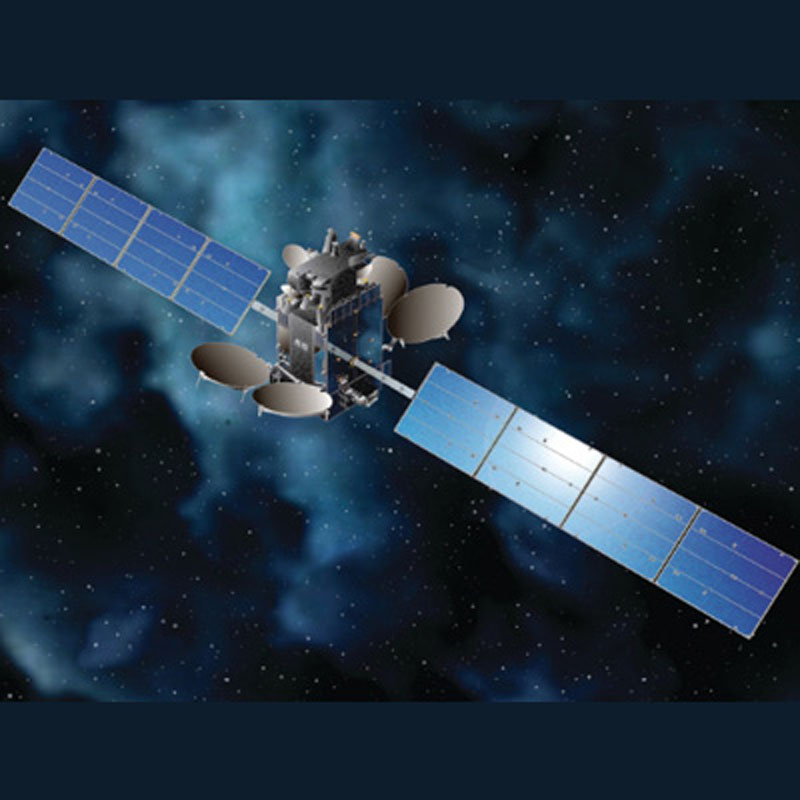
GSAT-11, according to information put out by ISRO earlier, is a multi-beam high-throughput communications satellite operating in Ka and Ku bands employing a new bus. It provides 32 user beams in Ku band and eight gateway beams in Ka band, which would have gone a long way in strengthening India’s all-round communications, including TV and broadband services. The payload includes Ka x Ku band forward-link transponders and Ku x Ka band return-link transponders. According to Wikipedia, GSAT-11’s cost will be Rs 500 crore (Rs 5 billion).
In a news report few days back, Times of India said that GSAT-11 was “so massive that each solar panel is over four metres long” and quoted ISRO chairman Dr K Sivan as saying that the heavy-duty Gsats would “provide high-bandwidth connectivity” of up to 100 gigabit per second and “high-speed internet connectivity in rural areas as well and help bridge the digital divide.”
-

ISRO launched 8 communication satellites over 4 years
NEW DELHI: Eight communication satellites were launched by India’s space agency ISRO over the last four years that carried transponders in various frequency bands of C, extended C, Ku, Ka and S for telecommunications, broadcast and mobile communication services.
Navigation satellites were part of the indigenous constellation NavIC, India’s own regional navigation system. Navigation satellites carried navigation payloads in L and S-bands for providing position, navigation and timing services.
Earth Observation satellites are used for deriving inputs for natural resource management, disaster management, cartographic applications, weather, climate and ocean studies.
Communication Satellite
8
Navigational Satellite
7
Remote Sensing Satellite
5
Meteorological satellite
2
Science Satellite
1
Technology Demonstration/ Student Satellite
9
Astrosat (science payload) is a unique multi wavelength observatory in space, providing an opportunity for observation of celestial sources in ultra-violet, optical and X-ray wavelength bands.
ISRO has also launched satellites for technology demonstration and student satellites to encourage the young generation to work in the field of space.
This information was provided by the Minister of State in the Prime Minister’s Office for Personnel, Public Grievances and Pensions, Atomic Energy and Space, Dr Jitendra Singh, in Lok Sabha (Lower House of Parliament) on Wednesday.
Also Read :
ISRO readies GSAT-6A satellite for launch
ISRO, DoT turf wars delaying connectivity reach: govt official
-

ISRO readies GSAT-6A satellite for launch
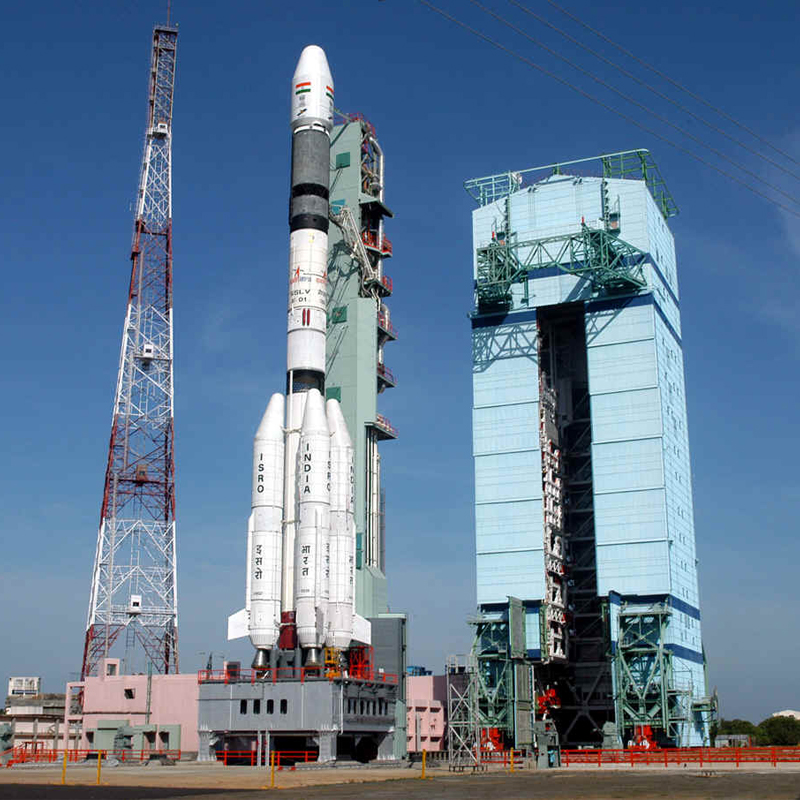
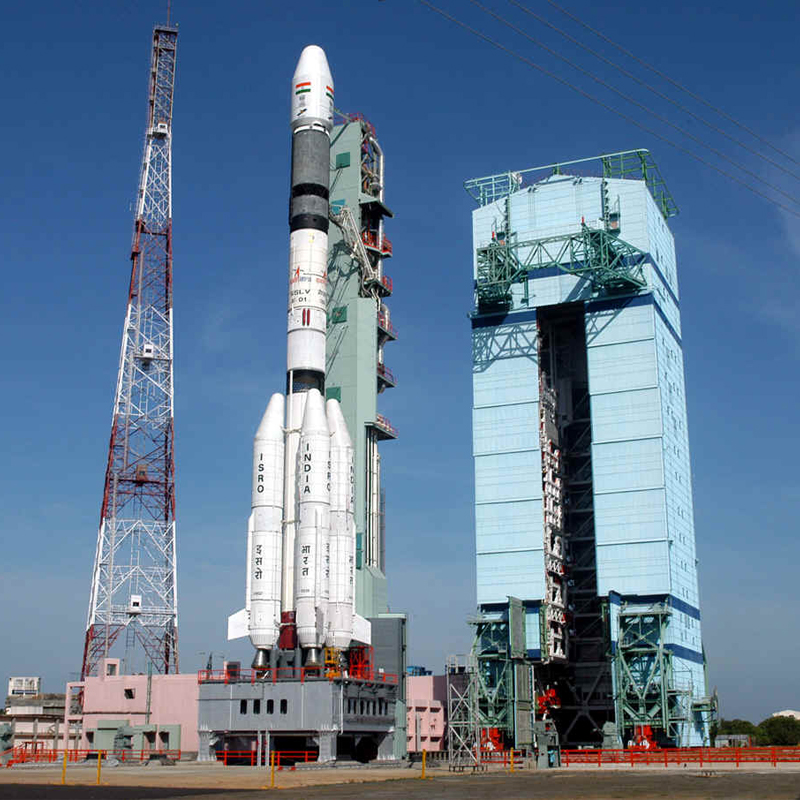
MUMBAI: Indian Space Research Organisation (ISRO) is set to launch its high-power GSAT-6A communications satellite onboard GSLV Mk-II (GSLV F08) on 29 March 2018. The government-funded organisation will use one of its rockets for the launch, from the Sriharikota island site in Andhra Pradesh province on the edge of the Indian Ocean.
The satellite is equipped with C-band and S-band transponders, which ISRO says will provide a platform for developing technologies such as demonstration of its massive 6m S-Band deployable antenna (the largest launched by India), which can then be used for mobile phones, vehicular communications and network management techniques as well as multimedia applications.
It will be placed at 83 degrees East and have a life of nine to 10 years.
This will be the Geosynchronous Satellite Launch Vehicle’s 12th flight and sixth flight with indigenous cryogenic stage. The rocket will take off from the second launch pad at the Satish Dhawan Space Centre.
According to ISRO, GSAT-6A, weighing 2140kg, is a high-power S-band communication satellite, just like its predecessor GSAT-6.
Also Read :
ISRO, DoT turf wars delaying connectivity reach: govt official
ISRO eyes 100th satellite on 12 Jan; GSAT-11 launch in April
-

ISRO eyes 100th satellite on 12 Jan; GSAT-11 launch in April
NEW DELHI: The Indian Space Research Organisation (ISRO) will launch its 100th satellite along with 30 others, including those from other countries, in a single mission on 12 January 2018 from Sriharikota It will be a milestone event in the country’s space history even as communications satellite GSAT-11 is being prepared for an April launch.
ISRO said it was “back in the game” with the launch, the first Polar Satellite Launch Vehicle (PSLV) mission after the unsuccessful launch of the navigation satellite IRNSS-1H in August last, PTI stated Tuesday in a report from Bengaluru.
“The 31 spacecrafts, including weather observation Cartosat-2 series satellite, will be launched by PSLV-C40,” ISRO Satellite Centre (ISAC) director M Annadurai said. Stating that 28 of the satellites were from other countries, the official noted that the launch of three Indian satellites during the mission would mark the roll out of the 100th satellite from ISRO.
“When the last satellite is ejected out it will become the hundredth satellite…the first century we have done. It is the maiden century. So PSLV-C40 marks maiden century of Indian satellite….we are eagerly waiting for that,” the official was quoted in the PTI report as saying.
PSLV-C40 will launch the 710 kg Cartosat-2 series satellite for earth observation and 30 co-passengers (together weighing about 613 kg) at lift-off on 12 January 12 at 9.28 am, ISRO said. It will be launched from the first launch pad of the Satish Dhawan Space Centre at Sriharikota, about 100 km from Chennai.
The co-passenger satellites include one micro and nano-satellite each from India. Three micro and 25 nano satellites from six countries, (Canada, Finland, France, Republic of Korea, the UK and the USA) make up the other payload. Referring to the PSLV-C39 failure, Annadurai said ISRO had understood it and repeated tests had been conducted to ensure that such problems did not reoccur.
On 31 August 2017, India’s mission to launch its backup navigation satellite IRNSS-1H on board PSLV-C39 failed after a technical fault in the final leg following a perfect launch. ISRO then said the heat shield did not separate and, as a result, IRNSS-1H got stuck in the fourth stage of the rocket.
The total weight of all the 31 satellites carried on board PSLV-C40 is about 1323 kg.
Regarding plans for the year, Annadurai said Chandrayaan-2 or Mission Moon was in the final stage of testing and integration of the orbiter, lander and rover, and was expected for launch this year.
Also, IRNSS-1I, a follow-on satellite will be the first satellite whose assembly, integration and testing will be fully done by the private industry, he said, adding “we are enabling the private industry”.
GSAT-11, a six-tonne class communication satellite, he said, was at the final leg of testing, and the launch target was April.
ALSO READ:
ISRO to double annual satellite launch
Arianespace to launch ISRO-built DTH & telecom satellites
-

Middle eastern audiences crave premium Arabic content: CABSAT 2018
MUMBAI: Demand for high quality Arabic content in the region has increased by almost 40% between 2011-2016, while western drama’s share of viewing decreased by an average of 55%, creating opportunities for regional producers to dominate the airwaves and secure their share of the market.
According Khulud Abu Homos, CEO at Arab Format Lab – RITIX Group, the evolving viewing trends within the region will usher in dramatic changes to the local content seen on screens at home.
“The Middle East market presents unique opportunities – and challenges – for producing rich content that can be adapted across markets. Similarly, unique cultural factors can impact broadcast programming, scheduling and timings.”
Ahead of her keynote session held during CABSAT’s Content Congress in the Dubai World Trade Centre, 14-16 January 2018, Abu Homos will highlight how her regional content development company, Arab Format Lab, has made the creation and delivery of premium and socially relevant content a priority in order to corner a gap in the market created by an increasing demand for quality Arabic TV shows.
“We have witnessed a dramatic change in viewing trends and content demand across the region, from Egypt, the Gulf countries and particularly Saudi Arabia. Audiences are craving premium Arabic content and there are openings for producing companies to step in. From adapting foreign content, to bringing international formats to be reproduced in Arabic and developing innovative original local content, there are many ways to improve what is delivered,” added Abu Homos.
“Even something as simple as changing scheduling show times during Ramadan, when the viewing trends of audiences shift, can have a dramatic impact on advertising.”
Also speaking at the Content Congress, Kaswara Alkhatib, CEO at UTURN Entertainment will highlight dramatic changes taking place within the digital and broadcast TV industry.
“The digital video content industry is evolving and changing at a rapid pace. Because of this, and with it playing such an important role in how the youth digest content, it can be hard to master; changes in trends can turn in an instant.”
As a leading Arabic entertainment network on YouTube, UTURN’s Alkhatib aims to highlight how to be a successful digital content producer, as well as examine the pitfalls to avoid when branching out into traditional broadcast TV.
Added Alkhatib, “In the past year we witnessed online content creators migrating to TV with shows like ‘Tonight with Bader Saleh’, ‘One-door with Ibrahim Salih’ and ‘Youth Council with Omar Hussein’. What was interesting to note is they did not get the same success as online due to the different audience between TV and Online.”
The Content Congress, the Middle East and Africa’s leading broadcast conference, and the co-located SATEXPO, delivering all satellite communication solutions and technologies to the MENA region, will both return as prominent features during the upcoming CABSAT, delivering high-level sessions streamlined into three tracks: technical, strategic and creative.
More than 40 speakers are set to share their insights during the keynote presentations and panel discussions, representing industry heavyweights such as Facebook, BBC, iflix, WWE, UTURN, Cartoon Network Studios Arabia, Rotana Media Group, Viacom International Media Networks’ (VIMN), Turner Broadcasting, Cote Ouest, Cairo News Company, Discovery Networks and FremantleMedia.
Similarly, SATEXPO’s line up will include high level speakers across broadcast, telecoms, aviation and maritime sectors with the keynote address delivered by HE Dr. Eng. Mohammed Nasser Al Ahbabi, Director General of the UAE Space Agency.
-

CASBAA lauds India; calls for more broadcast, satellite reforms
NEW DELHI: Asian pay TV industry organisation CASBAA, while applauding the Indian government for ease of doing business, exhorted policy makers to further streamline norms relating to the broadcast and satellite industries as it led to procedural delays impacting business.
Speaking at the India Satcom 2017 forum here on Wednesday, Hong Kong-based CASBAA chairman Joe Welch said a great deal of attention has been paid to the power and infrastructure sectors, but “the key to … realisation of the prime minister’s vision of taking India up to a top-50 ranking (in ease of doing business) lies in improving business conditions in other sectors of the economy”, specifically satellite communications and broadcasting.
Welch, who was chairing a session relating to ease of doing business in the broadcast and satellite sectors, observed that broadcasting business is heavily dependent on satellite links, and that “the single most crucial measure the government could take … would be to create conducive conditions for both the satellite operators and the broadcasters to be able to enter into long-term service agreements”.
Currently, contracts for satellite capacity for DTH broadcasters are limited to a three-year term by Indian government regulation.
“Striking long-term commercial deals in a marketplace that is less government-constrained would help increase business certainty for all the stakeholders”, he said.
Satellite services are also important to achieving the Digital India dream – championed by prime minister Modi – as satellite services can help bring broadband and other related services to the hinterland of India, digitally connecting thousands of villages where cable or other modes of broadband delivery may pose logistic and financial challenges.
Also Read:
Govt assures ease in licensing norms to TV channels, satellite operators
CASBAA forms ‘Coalition Against Piracy,’ hires content protection veteran Neil Gane