Category: Satellites

  • Indian, French space agencies sign pact; team up on moon mission, space launchers

    Indian, French space agencies sign pact; team up on moon mission, space launchers

    MUMBAI: Indian Space Research Organisation and French Space agency (CNES) have signed a partnership agreement in satellite launch technology. The pact was inked between ISRO chairman Kiran Kumar and CNES president Jean-Yves Le Gall in the presence of the visiting French Minister of Foreign Affairs Jean-Marc Ayrault.

    Space cooperation between India and France spans over 50 years and is a cornerstone of the Indo-French strategic partnership. Joining forces with Team Indus on this maiden private mission to land a rover on the moon, CNES is sending the French technology for the first time on lunar terrain.

    With the new pact, India and France will improve cooperation on an upcoming lunar rover and future space launchers. Strengthening the CNES-ISRO partnership will enable France to benefit from the Indian model of streamlining the costs of space programmes.

    Ayrault, accompanied by the French delegation, was given a guided tour of ISTRAC (ISRO Telemetry Tracking and Command Network) by the Kumar, according to a French Consulate release, PTI reported.

    ISTRAC monitors Indian space missions, including the two Indo-French satellites currently in orbit for collecting data to track climate change. ISRO is the second partner of CNES, in terms of volume, after NASA. Of comparable size and sharing similar objectives, the space programmes of both countries are complementary, it was noted.

    Later, Ayrault met Indian “NewSpace” start-up CEO Rahul Narayan. This start-up put forward TeamIndus, the only Indian team competing for the Google Lunar XPRIZE, a global competition for engineers and entrepreneurs to develop low-cost methods of robotic space exploration.

    Also Read:

    ISRO to launch 103 satellites early Feb


  • Indian, French space agencies sign pact; team up on moon mission, space launchers

    Indian, French space agencies sign pact; team up on moon mission, space launchers

    MUMBAI: Indian Space Research Organisation and French Space agency (CNES) have signed a partnership agreement in satellite launch technology. The pact was inked between ISRO chairman Kiran Kumar and CNES president Jean-Yves Le Gall in the presence of the visiting French Minister of Foreign Affairs Jean-Marc Ayrault.

    Space cooperation between India and France spans over 50 years and is a cornerstone of the Indo-French strategic partnership. Joining forces with Team Indus on this maiden private mission to land a rover on the moon, CNES is sending the French technology for the first time on lunar terrain.

    With the new pact, India and France will improve cooperation on an upcoming lunar rover and future space launchers. Strengthening the CNES-ISRO partnership will enable France to benefit from the Indian model of streamlining the costs of space programmes.

    Ayrault, accompanied by the French delegation, was given a guided tour of ISTRAC (ISRO Telemetry Tracking and Command Network) by the Kumar, according to a French Consulate release, PTI reported.

    ISTRAC monitors Indian space missions, including the two Indo-French satellites currently in orbit for collecting data to track climate change. ISRO is the second partner of CNES, in terms of volume, after NASA. Of comparable size and sharing similar objectives, the space programmes of both countries are complementary, it was noted.

    Later, Ayrault met Indian “NewSpace” start-up CEO Rahul Narayan. This start-up put forward TeamIndus, the only Indian team competing for the Google Lunar XPRIZE, a global competition for engineers and entrepreneurs to develop low-cost methods of robotic space exploration.

    Also Read:

    ISRO to launch 103 satellites early Feb


  • ISRO to launch 103 satellites early Feb

    ISRO to launch 103 satellites early Feb

    NEW DELHI: Indian Space and Research Organisation (ISRO) will launch a record 103 satellites in one go using its workhorse PSLV-C37 in the first week of February, while the prime minister Narendra Modi’s pet South Asian satellite project will take off in March. Majority of the satellites (almost 100) set for launch in February are for foreign nations, including the U.S. and Germany.

    “We are making a century by launching over 100 satellites at one go,” a PTI report quoted S Somnath, Director of the Liquid Propulsion Systems Centre of the ISRO, as saying yesterday. The space agency had earlier planned a launch of 83 satellites in the last week of January, of which 80 were foreign. But with the addition of 20 more foreign satellites, the launch was delayed by a week and will now take place in first week of February, Somnath said.

    He, however, did not specify the number of countries that would launch its satellites in this mission, but said the list includes countries like the US and Germany. “These will be 100 micro-small satellites, which will be launched using a PSLV (Polar Satellite Launch Vehicle) – C37. The weight of the payload will be 1350 kgs, of which 500-600 kgs will be the satellite’s weight,” Somnath added in the PTI report.

    The launch will be a major feat in country’s space history as no exercise on this scale has been attempted before. Last year, ISRO launched 22 satellites at a go and this launch will have almost five times the number of crafts. The South Asian satellite will be a part of GSAT-9, which will be launched in March this year, said ISRO Associate Director M Nageshwara Rao.

    The communication satellite was to be launched in December 2016, but was slightly delayed as some other satellites are to be launched before that. PTI quoted unnamed sources saying talks with Afghanistan to have the country on-board for the project is in its final stages.

    Envisaged as a gift to its neighbours, the project, earlier known as SAARC satellite, faced stiff resistance from Pakistan. The neighbouring country wanted it to be launched under the aegis of the South Asian regional forum. It later backed out of the project. Apart from India, the satellite will benefit Sri Lanka, Maldives, Bangladesh, Nepal and Bhutan.

  • ISRO to launch 103 satellites early Feb

    ISRO to launch 103 satellites early Feb

    NEW DELHI: Indian Space and Research Organisation (ISRO) will launch a record 103 satellites in one go using its workhorse PSLV-C37 in the first week of February, while the prime minister Narendra Modi’s pet South Asian satellite project will take off in March. Majority of the satellites (almost 100) set for launch in February are for foreign nations, including the U.S. and Germany.

    “We are making a century by launching over 100 satellites at one go,” a PTI report quoted S Somnath, Director of the Liquid Propulsion Systems Centre of the ISRO, as saying yesterday. The space agency had earlier planned a launch of 83 satellites in the last week of January, of which 80 were foreign. But with the addition of 20 more foreign satellites, the launch was delayed by a week and will now take place in first week of February, Somnath said.

    He, however, did not specify the number of countries that would launch its satellites in this mission, but said the list includes countries like the US and Germany. “These will be 100 micro-small satellites, which will be launched using a PSLV (Polar Satellite Launch Vehicle) – C37. The weight of the payload will be 1350 kgs, of which 500-600 kgs will be the satellite’s weight,” Somnath added in the PTI report.

    The launch will be a major feat in country’s space history as no exercise on this scale has been attempted before. Last year, ISRO launched 22 satellites at a go and this launch will have almost five times the number of crafts. The South Asian satellite will be a part of GSAT-9, which will be launched in March this year, said ISRO Associate Director M Nageshwara Rao.

    The communication satellite was to be launched in December 2016, but was slightly delayed as some other satellites are to be launched before that. PTI quoted unnamed sources saying talks with Afghanistan to have the country on-board for the project is in its final stages.

    Envisaged as a gift to its neighbours, the project, earlier known as SAARC satellite, faced stiff resistance from Pakistan. The neighbouring country wanted it to be launched under the aegis of the South Asian regional forum. It later backed out of the project. Apart from India, the satellite will benefit Sri Lanka, Maldives, Bangladesh, Nepal and Bhutan.

  • AsiaSat 7: Globecast to distribute DW’s new HD channel

    AsiaSat 7: Globecast to distribute DW’s new HD channel

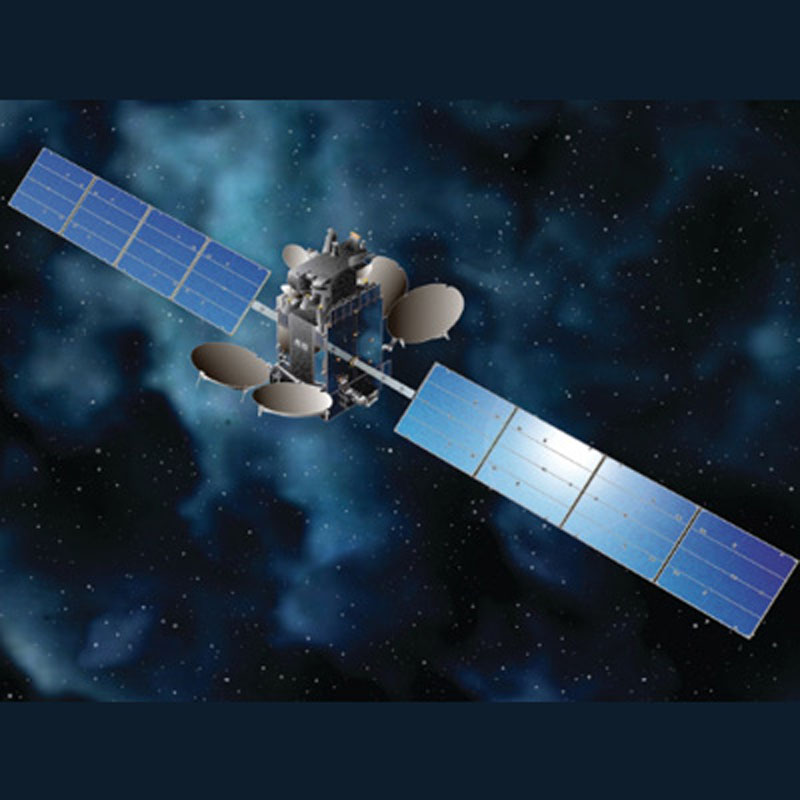
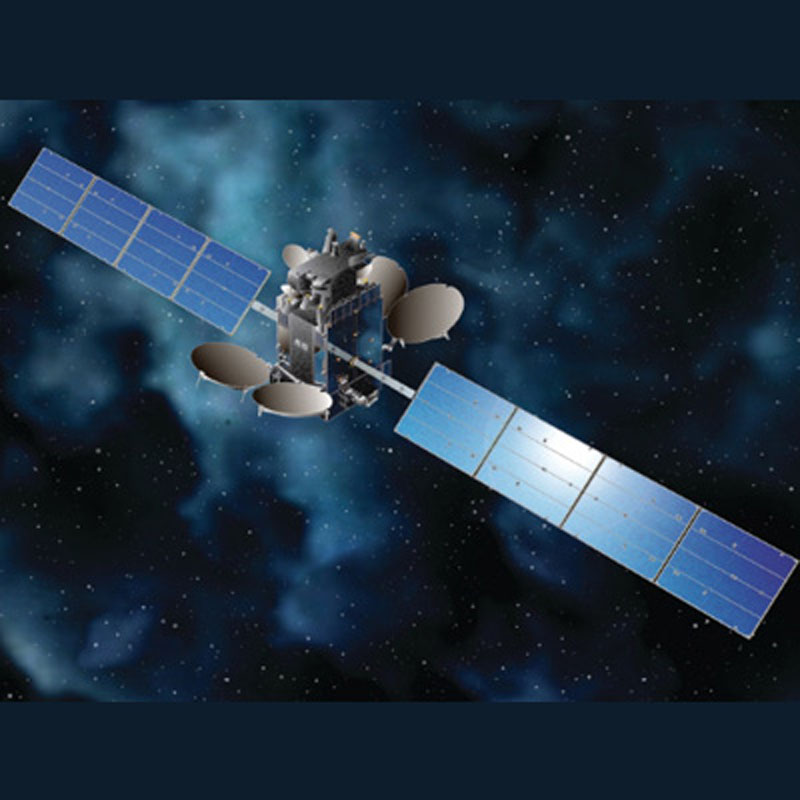
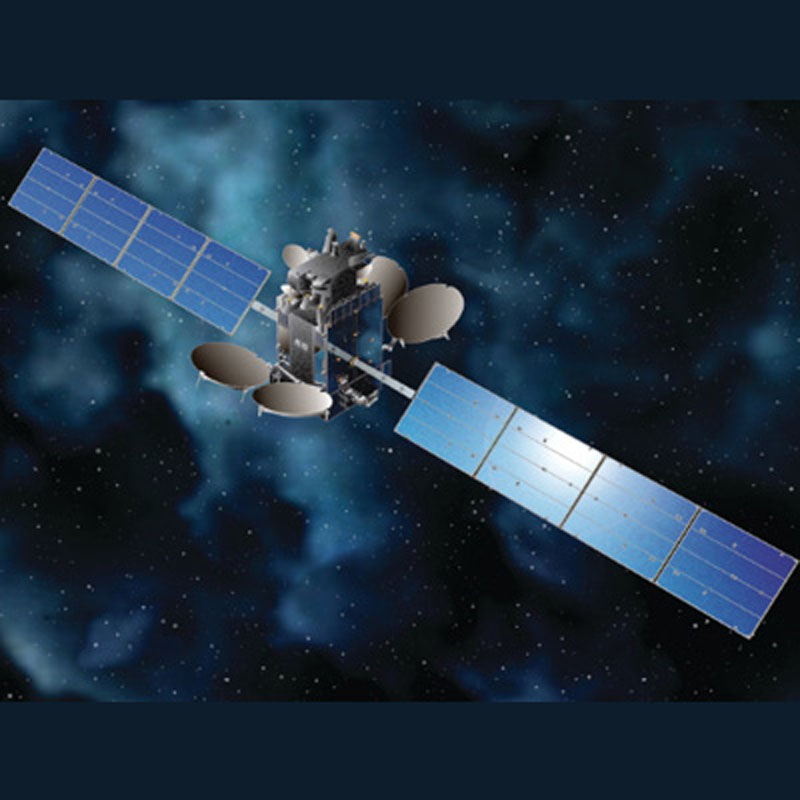
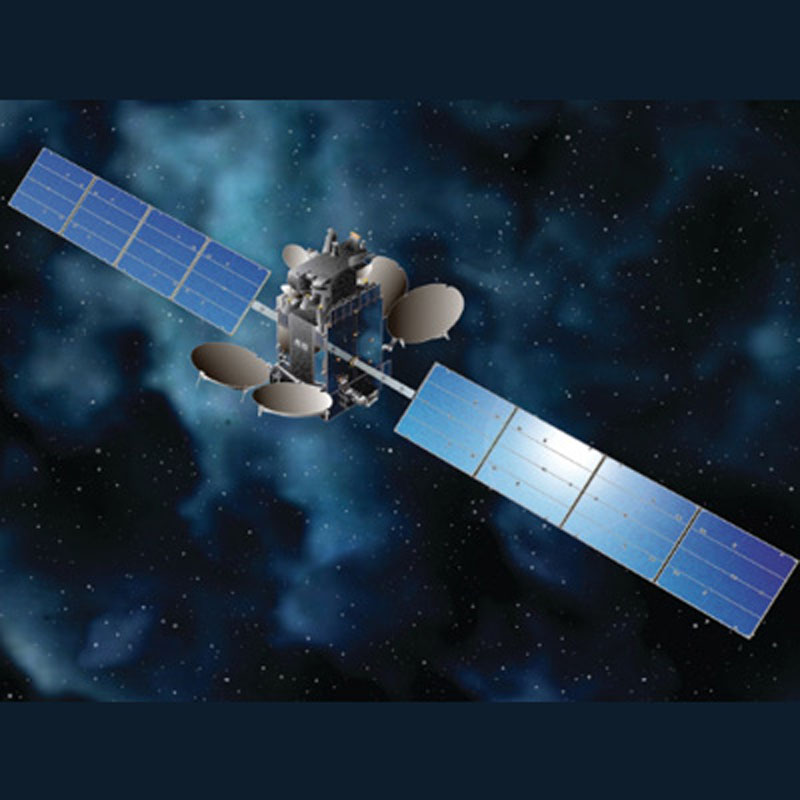
    MUMBAI: Asia’s leading satellite operator Asia Satellite Telecommunications Company Limited (AsiaSat) has reached an agreement with Globecast to deliver Deutsche Welle’s English-language program in HD to the Asia-Pacific region.

    DW in HD is an additional offering next to the existing TV channel in SD and radio services on AsiaSat 7. DW’s German-language program will continue its service across Asia via AsiaSat 5.

    For the past 20 years, AsiaSat and DW have partnered to bring German information and culture to Asia. The enhanced service offering demonstrates their commitment to providing more high-quality and relevant content to Asia. The AsiaSat fleet’s comprehensive access to Asian TV viewers has enabled DW to upgrade viewing experience as well as harness audience with different language interests.

    AsiaSat’s VP Marketing & Global Accounts Sabrina Cubbon: “I’m very pleased to extend our offerings of DW’s programs through the Globecast partnership. Both are long-term clients of AsiaSat. Moving to HD will definitely improve viewer satisfaction and is a key tool to strengthen our success in a competitive market!”

    “For DW, 2017 will be a year of not only expansion but solidification as well,” said DW’s director of distribution and sales Petra Schneider. “Content, brand and technological improvement will be more dynamic than ever before – the ability to constantly engage your audience in a consistent way and adapting to their technological watching habits remain our most important goals. The move towards HD is a step in the right direction.”

    Globecast managing director Biliana Pumpalovic said: “We are working in multiple markets to help broadcasters launch HD services and we’re very pleased that DW has turned to us and AsiaSat. We have a strong partnership with AsiaSat and we can help customers understand specific market requirements from both technical and business perspective.”

  • AsiaSat 7: Globecast to distribute DW’s new HD channel

    AsiaSat 7: Globecast to distribute DW’s new HD channel

    MUMBAI: Asia’s leading satellite operator Asia Satellite Telecommunications Company Limited (AsiaSat) has reached an agreement with Globecast to deliver Deutsche Welle’s English-language program in HD to the Asia-Pacific region.

    DW in HD is an additional offering next to the existing TV channel in SD and radio services on AsiaSat 7. DW’s German-language program will continue its service across Asia via AsiaSat 5.

    For the past 20 years, AsiaSat and DW have partnered to bring German information and culture to Asia. The enhanced service offering demonstrates their commitment to providing more high-quality and relevant content to Asia. The AsiaSat fleet’s comprehensive access to Asian TV viewers has enabled DW to upgrade viewing experience as well as harness audience with different language interests.

    AsiaSat’s VP Marketing & Global Accounts Sabrina Cubbon: “I’m very pleased to extend our offerings of DW’s programs through the Globecast partnership. Both are long-term clients of AsiaSat. Moving to HD will definitely improve viewer satisfaction and is a key tool to strengthen our success in a competitive market!”

    “For DW, 2017 will be a year of not only expansion but solidification as well,” said DW’s director of distribution and sales Petra Schneider. “Content, brand and technological improvement will be more dynamic than ever before – the ability to constantly engage your audience in a consistent way and adapting to their technological watching habits remain our most important goals. The move towards HD is a step in the right direction.”

    Globecast managing director Biliana Pumpalovic said: “We are working in multiple markets to help broadcasters launch HD services and we’re very pleased that DW has turned to us and AsiaSat. We have a strong partnership with AsiaSat and we can help customers understand specific market requirements from both technical and business perspective.”

  • ISRO launches RESOURCESAT-2A Remote Sensing Satellite

    ISRO launches RESOURCESAT-2A Remote Sensing Satellite

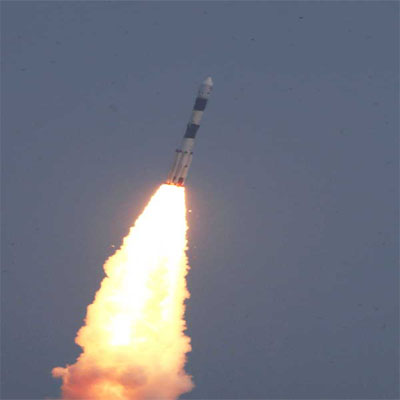
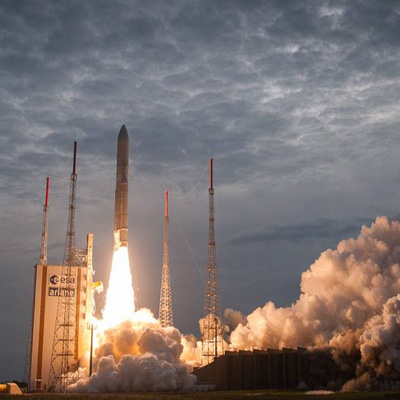
    NEW DELHI: The 1,235-kg RESOURCESAT-2A Satellite was launched successfully yesterday morning by the PSLV-C36, ISRO’s Polar Satellite Launch Vehicle, in its thirty eighth flight from the Satish Dhawan Space Centre SHAR, Sriharikota.

    This is the thirty seventh consecutively successful mission of PSLV.

    With this, the total number of satellites launched by India’s workhorse launch vehicle PSLV including today’s RESOURCESAT-2A has now reached 122, of which 43 are Indian and the remaining 79 are from abroad.

    After PSLV-C36 lift-off at 10:25 am IST from the First Launch Pad with the ignition of the first stage, the subsequent important flight events, namely, strap-on ignitions and separations, first stage separation, second stage ignition, payload fairing separation, second stage separation, third stage ignition and separation, fourth stage ignition and cut-off, took place as planned. After a flight of 17 minutes 05 seconds, the vehicle achieved a polar Sun Synchronous Orbit of 824 km height inclined at an angle of 98.725 degree to the equator (very close to the intended orbit) and 47 seconds later, RESOURCESAT-2A was separated from the PSLV fourth stage.

    After separation, the two solar arrays of RESOURCESAT-2A deployed automatically and ISRO’s Telemetry, Tracking and Command Network (ISTRAC) at Bangalore took over the control of the satellite. In the coming days, the satellite will be brought to its final operational configuration following which it will begin to provide imagery from its three cameras. The data sent by RESOURCESAT-2A will be useful for agricultural applications like crop area and crop production estimation, drought monitoring, soil mapping, cropping system analysis and farm advisories generation.

    Like its predecessors RESOURCESAT-1 and 2, RESOURCESAT-2A has a unique 3-Tier imaging system with Advanced Wide Field Sensor (AWiFS), Linear Imaging Self Scanner-3 (LISS-3) and Linear Imaging Self Scanner-4 (LISS-4) cameras. The AWiFS provides images with a sampling of 56 metres, a swath of 740 km and a revisit of five days whereas the LISS-3 provides 23.5 metre sampled images with 141 km swath and a ‘repitivity’ of 24 days. LISS-4 provides 5.8 metre sampled images with 70 km swath and a revisit of five days.

    Meanwhile, the Parliament was told yesterday that ISRO successfully carried out the first experimental mission of Reusable Launch Vehicle – Technology Demonstrator (RLV-TD) on 23 May 2016 from Sriharikota. In this mission, critical technologies such as autonomous navigation, guidance & control and reusable thermal protection system have been successfully demonstrated.
    The space minister Jitendra Singh said the Development of Reusable Launch Vehicle is a technical challenge and it involves the development of many cutting edge technologies. Presently, it is in the preliminary stage of total developmental process. A series of technology demonstration missions would be required before it is made operational.

  • ISRO launches RESOURCESAT-2A Remote Sensing Satellite

    ISRO launches RESOURCESAT-2A Remote Sensing Satellite

    NEW DELHI: The 1,235-kg RESOURCESAT-2A Satellite was launched successfully yesterday morning by the PSLV-C36, ISRO’s Polar Satellite Launch Vehicle, in its thirty eighth flight from the Satish Dhawan Space Centre SHAR, Sriharikota.

    This is the thirty seventh consecutively successful mission of PSLV.

    With this, the total number of satellites launched by India’s workhorse launch vehicle PSLV including today’s RESOURCESAT-2A has now reached 122, of which 43 are Indian and the remaining 79 are from abroad.

    After PSLV-C36 lift-off at 10:25 am IST from the First Launch Pad with the ignition of the first stage, the subsequent important flight events, namely, strap-on ignitions and separations, first stage separation, second stage ignition, payload fairing separation, second stage separation, third stage ignition and separation, fourth stage ignition and cut-off, took place as planned. After a flight of 17 minutes 05 seconds, the vehicle achieved a polar Sun Synchronous Orbit of 824 km height inclined at an angle of 98.725 degree to the equator (very close to the intended orbit) and 47 seconds later, RESOURCESAT-2A was separated from the PSLV fourth stage.

    After separation, the two solar arrays of RESOURCESAT-2A deployed automatically and ISRO’s Telemetry, Tracking and Command Network (ISTRAC) at Bangalore took over the control of the satellite. In the coming days, the satellite will be brought to its final operational configuration following which it will begin to provide imagery from its three cameras. The data sent by RESOURCESAT-2A will be useful for agricultural applications like crop area and crop production estimation, drought monitoring, soil mapping, cropping system analysis and farm advisories generation.

    Like its predecessors RESOURCESAT-1 and 2, RESOURCESAT-2A has a unique 3-Tier imaging system with Advanced Wide Field Sensor (AWiFS), Linear Imaging Self Scanner-3 (LISS-3) and Linear Imaging Self Scanner-4 (LISS-4) cameras. The AWiFS provides images with a sampling of 56 metres, a swath of 740 km and a revisit of five days whereas the LISS-3 provides 23.5 metre sampled images with 141 km swath and a ‘repitivity’ of 24 days. LISS-4 provides 5.8 metre sampled images with 70 km swath and a revisit of five days.

    Meanwhile, the Parliament was told yesterday that ISRO successfully carried out the first experimental mission of Reusable Launch Vehicle – Technology Demonstrator (RLV-TD) on 23 May 2016 from Sriharikota. In this mission, critical technologies such as autonomous navigation, guidance & control and reusable thermal protection system have been successfully demonstrated.
    The space minister Jitendra Singh said the Development of Reusable Launch Vehicle is a technical challenge and it involves the development of many cutting edge technologies. Presently, it is in the preliminary stage of total developmental process. A series of technology demonstration missions would be required before it is made operational.

  • DTH-aiding GSAT-19 launch plan under way

    DTH-aiding GSAT-19 launch plan under way

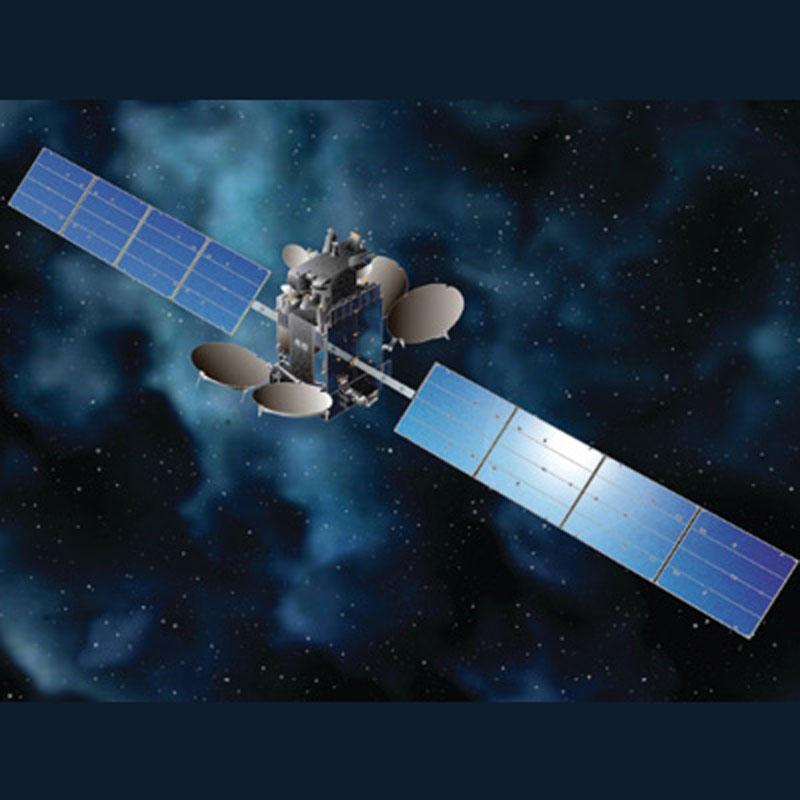
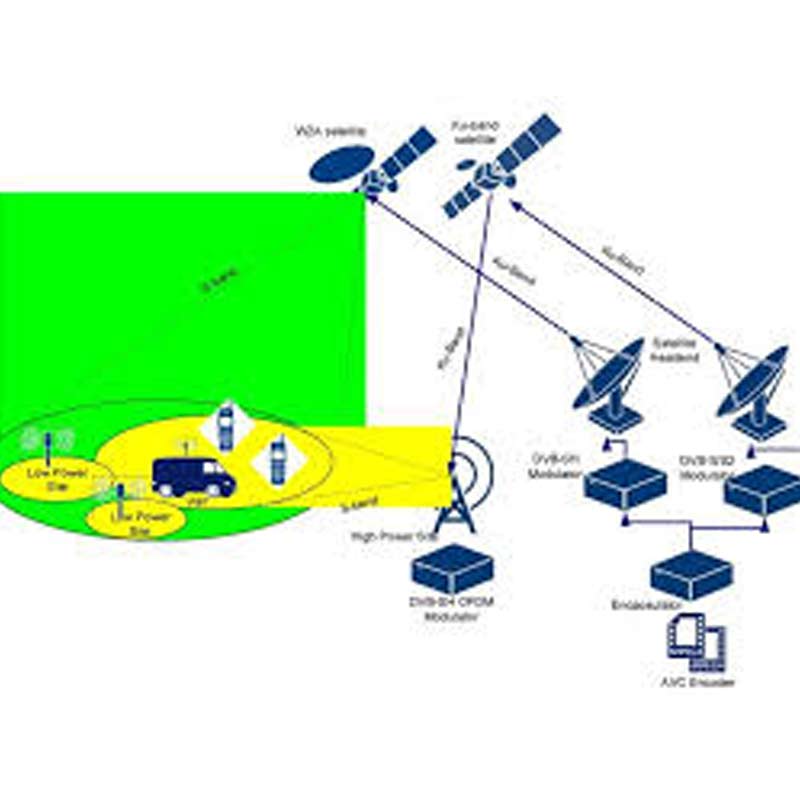
    NEW DELHI: The Indian Space Research Organisation is working towards putting into orbit an indigenous communication satellite GSAT-19, weighing 3.3 tonne and carrying Ka/Ku band payloads. Ku Band is suitable for direct-to-home platforms.

    The satellite assembly is in an advanced stage, the space minister Jitendra Singh told the Rajya Sabha yesterday.

    Meanwhile, the launch campaign for the first developmental flight of GSLV Mk-III commenced on 29 September 2016 at Satish Dhawan Space Centre (SDSC), Sriharikota.

    ISRO is working towards increasing the payload capacity of GSLV Mk-III beyond four tonnes in the coming years. The strategies identified to achieve the increased payload capacity include performance improvement of propulsion systems, inert mass optimisation and miniaturisation of avionics system.

    The Chandrayaan-2, comprising Orbiter, Lander and Rover, with a total payload mass of 3250 kg is planned to be launched on board GSLV Mk-II during the first quarter of 2018.

    Also read:

    http://www.indiantelevision.com/satellites/satellite-launches/isro-to-launch-83-satellites-on-single-rocket-create-world-record-161029

    http://www.indiantelevision.com/satellites/satellite-launches/gsat-18-successfully-launches-new-capacity-for-dth-operators-tv-channels-161006

  • DTH-aiding GSAT-19 launch plan under way

    DTH-aiding GSAT-19 launch plan under way

    NEW DELHI: The Indian Space Research Organisation is working towards putting into orbit an indigenous communication satellite GSAT-19, weighing 3.3 tonne and carrying Ka/Ku band payloads. Ku Band is suitable for direct-to-home platforms.

    The satellite assembly is in an advanced stage, the space minister Jitendra Singh told the Rajya Sabha yesterday.

    Meanwhile, the launch campaign for the first developmental flight of GSLV Mk-III commenced on 29 September 2016 at Satish Dhawan Space Centre (SDSC), Sriharikota.

    ISRO is working towards increasing the payload capacity of GSLV Mk-III beyond four tonnes in the coming years. The strategies identified to achieve the increased payload capacity include performance improvement of propulsion systems, inert mass optimisation and miniaturisation of avionics system.

    The Chandrayaan-2, comprising Orbiter, Lander and Rover, with a total payload mass of 3250 kg is planned to be launched on board GSLV Mk-II during the first quarter of 2018.

    Also read:

    http://www.indiantelevision.com/satellites/satellite-launches/isro-to-launch-83-satellites-on-single-rocket-create-world-record-161029

    http://www.indiantelevision.com/satellites/satellite-launches/gsat-18-successfully-launches-new-capacity-for-dth-operators-tv-channels-161006