Category: Reviews

  • Dear Zindagi…….Tests your patience!

    Dear Zindagi…….Tests your patience!

    Director Gauri Shinde made her mark in 2012 with a simple film with a universal appeal, English Vinglish, about a housewife who felt distanced from her husband and two children because she could not communicate in English. With an interesting and novel concept and a seasoned performance by Sridevi, the film met with a lot of appreciation and reasonable commercial success establishing the director as a promising filmmaker.

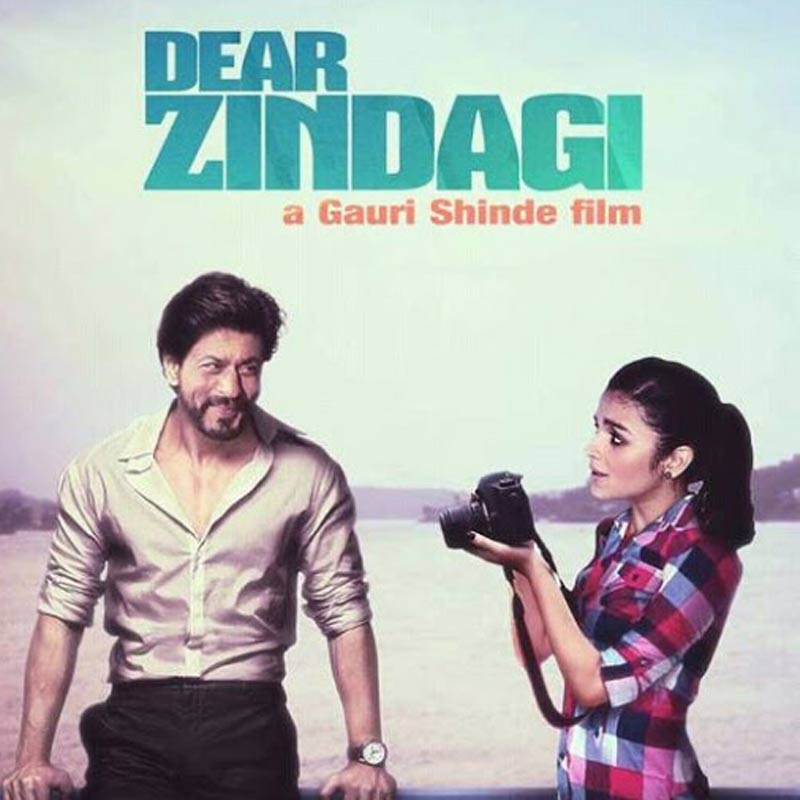
    Dear Zindagi is Shinde’s second go as a writer-director. She had the added advantage of an all-stars cast with Shah Rukh Khan and Alia Bhatt along with Kunal Kapoor, Angad Bedi, Ali Zafar and Ira Dubey. With this, exhibitors saw a ray of hope for their empty cinema halls.

    It is designed to be a contemporary tale about career-oriented independent girls, Alia, Ira and Yashswini Dayama. Alia is working with film unit and is just making a name for herself as an accomplished cinematographer. While she has made independent ad films and fills in for chief cinematographer’s absence. However, she craves for a big break.

    Off work, all three live life to the fullest. While Ira is married and happy, Alia has a problem settling down with one guy. She has an ex, current and a future boyfriend all lined up. She has her own justifications for her actions and she is casual about sleeping with Kunal Kapoor while going steady with Bedi and also telling him about it matter-of-factly.

    The film seemed to be all about adventurous young women charting their careers and taking life as it comes. But, that is not it. This film is about a working girl’s complexes borne out of her childhood and her perceived deception by her own parents. All this young women pubbing, dancing, taking to guys (in the case of Alia) and discarding them has little relevance to the main theme of the film, yet it lasts for over an hour into the film until Shah Rukh Khan and Alia’s problems are finally introduced.

    Alia is out on a shoot at a hotel in Goa where she overhears speakers at a conference talking on psychiatry. She finds it boring till she hears the voice of Shah Rukh Khan, also a psychiatrist. She realizes she needs a psychiatric help; DD or Deemag Ka Doctor, as she refers to the creed. 

    Shah Rukh is a shrink unlike any other. Even at the conference, he is casually dressed while rest of his creed dons three-piece suits. Alia is now his new patient. A bit of first half of the film and almost all of the second half consists of the conversation between Alia and Shah Rukh. She mumbles her problems and Shah Rukh sort of defines them. The viewer is left out totally. As is her wont, by this time, Alia is head over heels in love with Shah Rukh; the psychiatrist in Shah Rukh does not seem to have worked on her!

    Okay, so her sessions with Shah Rukh have made her come to terms with her parents; not that her reasons to rebel had justification in the first place.

    Dear Zindagi is one never-ending saga of an insecure girl, Alia. While the first one hour and some minutes stress the need for her to find a shrink, the second half is about her and the shrink, Shah Rukh. This accounts for the 2 hours 30 minutes of the film running time.

    The film is based on a feeble theme; psychiatry is not yet a well-known Indian concept. Here, the best healers are still the temples, soothsayers and festivals. Even the way the doctor-patient session is handled is copybook West, with nothing Indian about it. 

    The director loses control over her film in the face of an uncertain script, leading to a boring and monotonous outcome. With economy in mind, the film moves only between a studio in Mumbai for a couple of shots to a bungalow location in Goa. The same is the case when it comes to spending on props and costumes. 

    The smart one-liners, which add some spice to the initial parts of the film, soon dry out. Editing is poor and songs lack appeal.

    Performance-wise, the film depends mostly on Alia; she starts off well but in this marathon film, she tends to get repetitive after a while as a pout here and there and making faces can go only so far. Shah Rukh, as a psychiatrist who is not supposed to look like a psychiatrist, with his own broken family and an attitude, tries to underplay to limited effect. Ira Dubey and Yashaswini Dayam both impress. Boys on the roaster have little to do.

    Dear Zindagi is a pretentious film, at the end of which a viewer is bound to feel the need for some consultations and remedy. With a limited screen release and avoiding single screens as far as possible, the film should get a fair opening but, the box office prospects will taper down after the initial compulsive moviegoer is done with it.

    Producers: Karan Johar, Gauri Shinde.

    Director: Gauri Shinde.

    Cast: Shah Rukh Khan, Gauri Shinde, Kunal Kapoor, Angad Bedi, Ira Dubey, Yashswini Dayama, Ali Zafar.

    Moh Maya Money….predictable

    As the title explains, Moh Maya Money is about lure of money. A middleclass dream but not easy to attain and, hence, leading to a quick-fix moneymaking idea ending in a scam.

    Ranvir Shorey’s character, working for a real estate broker in Delhi, dreams big and has a devious mind to give shape to his dreams. His job at a real estate firms pays him a pittance besides what he can make from skimming from deals. But he watches big monies change hands all the time. His wife, Neha Dhupia, a news channel producer, does not support with him but he decides to carry out the scam anyway.

    Ranvir borrows from toughies and buys a plot but the deal backfires. The goons are after him to recover their money and Ranvir has no place to escape. Though unwilling, Neha also gets involved in the mess.

    Ranvir now devises a plan to dodge his debtors but he needs Neha to cooperate. Neha also has her own secrets and a motive to help Ranvir.

    The film shows the murkier side of the real estate business in Delhi which, actually, is the same all over. The film has an interesting idea and an enjoyable first half. But, as it proceeds into the second part, it loses grip as it trudges towards a predictable end.

    Ranvir as a typical smooth-talker is thoroughly convincing. Neha Dhupia gives a good account of herself. The direction is good in parts. The film has no scope for songs and dance and have been skirted. Moh Maya Money has no box office prospects.

    Producer/ Director: Munish Bhardwaj.

    Cast: Ranvir Shorey, Neha Dhupia.

  • Dear Zindagi…….Tests your patience!

    Dear Zindagi…….Tests your patience!

    Director Gauri Shinde made her mark in 2012 with a simple film with a universal appeal, English Vinglish, about a housewife who felt distanced from her husband and two children because she could not communicate in English. With an interesting and novel concept and a seasoned performance by Sridevi, the film met with a lot of appreciation and reasonable commercial success establishing the director as a promising filmmaker.

    Dear Zindagi is Shinde’s second go as a writer-director. She had the added advantage of an all-stars cast with Shah Rukh Khan and Alia Bhatt along with Kunal Kapoor, Angad Bedi, Ali Zafar and Ira Dubey. With this, exhibitors saw a ray of hope for their empty cinema halls.

    It is designed to be a contemporary tale about career-oriented independent girls, Alia, Ira and Yashswini Dayama. Alia is working with film unit and is just making a name for herself as an accomplished cinematographer. While she has made independent ad films and fills in for chief cinematographer’s absence. However, she craves for a big break.

    Off work, all three live life to the fullest. While Ira is married and happy, Alia has a problem settling down with one guy. She has an ex, current and a future boyfriend all lined up. She has her own justifications for her actions and she is casual about sleeping with Kunal Kapoor while going steady with Bedi and also telling him about it matter-of-factly.

    The film seemed to be all about adventurous young women charting their careers and taking life as it comes. But, that is not it. This film is about a working girl’s complexes borne out of her childhood and her perceived deception by her own parents. All this young women pubbing, dancing, taking to guys (in the case of Alia) and discarding them has little relevance to the main theme of the film, yet it lasts for over an hour into the film until Shah Rukh Khan and Alia’s problems are finally introduced.

    Alia is out on a shoot at a hotel in Goa where she overhears speakers at a conference talking on psychiatry. She finds it boring till she hears the voice of Shah Rukh Khan, also a psychiatrist. She realizes she needs a psychiatric help; DD or Deemag Ka Doctor, as she refers to the creed. 

    Shah Rukh is a shrink unlike any other. Even at the conference, he is casually dressed while rest of his creed dons three-piece suits. Alia is now his new patient. A bit of first half of the film and almost all of the second half consists of the conversation between Alia and Shah Rukh. She mumbles her problems and Shah Rukh sort of defines them. The viewer is left out totally. As is her wont, by this time, Alia is head over heels in love with Shah Rukh; the psychiatrist in Shah Rukh does not seem to have worked on her!

    Okay, so her sessions with Shah Rukh have made her come to terms with her parents; not that her reasons to rebel had justification in the first place.

    Dear Zindagi is one never-ending saga of an insecure girl, Alia. While the first one hour and some minutes stress the need for her to find a shrink, the second half is about her and the shrink, Shah Rukh. This accounts for the 2 hours 30 minutes of the film running time.

    The film is based on a feeble theme; psychiatry is not yet a well-known Indian concept. Here, the best healers are still the temples, soothsayers and festivals. Even the way the doctor-patient session is handled is copybook West, with nothing Indian about it. 

    The director loses control over her film in the face of an uncertain script, leading to a boring and monotonous outcome. With economy in mind, the film moves only between a studio in Mumbai for a couple of shots to a bungalow location in Goa. The same is the case when it comes to spending on props and costumes. 

    The smart one-liners, which add some spice to the initial parts of the film, soon dry out. Editing is poor and songs lack appeal.

    Performance-wise, the film depends mostly on Alia; she starts off well but in this marathon film, she tends to get repetitive after a while as a pout here and there and making faces can go only so far. Shah Rukh, as a psychiatrist who is not supposed to look like a psychiatrist, with his own broken family and an attitude, tries to underplay to limited effect. Ira Dubey and Yashaswini Dayam both impress. Boys on the roaster have little to do.

    Dear Zindagi is a pretentious film, at the end of which a viewer is bound to feel the need for some consultations and remedy. With a limited screen release and avoiding single screens as far as possible, the film should get a fair opening but, the box office prospects will taper down after the initial compulsive moviegoer is done with it.

    Producers: Karan Johar, Gauri Shinde.

    Director: Gauri Shinde.

    Cast: Shah Rukh Khan, Gauri Shinde, Kunal Kapoor, Angad Bedi, Ira Dubey, Yashswini Dayama, Ali Zafar.

    Moh Maya Money….predictable

    As the title explains, Moh Maya Money is about lure of money. A middleclass dream but not easy to attain and, hence, leading to a quick-fix moneymaking idea ending in a scam.

    Ranvir Shorey’s character, working for a real estate broker in Delhi, dreams big and has a devious mind to give shape to his dreams. His job at a real estate firms pays him a pittance besides what he can make from skimming from deals. But he watches big monies change hands all the time. His wife, Neha Dhupia, a news channel producer, does not support with him but he decides to carry out the scam anyway.

    Ranvir borrows from toughies and buys a plot but the deal backfires. The goons are after him to recover their money and Ranvir has no place to escape. Though unwilling, Neha also gets involved in the mess.

    Ranvir now devises a plan to dodge his debtors but he needs Neha to cooperate. Neha also has her own secrets and a motive to help Ranvir.

    The film shows the murkier side of the real estate business in Delhi which, actually, is the same all over. The film has an interesting idea and an enjoyable first half. But, as it proceeds into the second part, it loses grip as it trudges towards a predictable end.

    Ranvir as a typical smooth-talker is thoroughly convincing. Neha Dhupia gives a good account of herself. The direction is good in parts. The film has no scope for songs and dance and have been skirted. Moh Maya Money has no box office prospects.

    Producer/ Director: Munish Bhardwaj.

    Cast: Ranvir Shorey, Neha Dhupia.

  • Force 2…..Of forced action…

    Force 2…..Of forced action…

    MUMBAI: Force 2 is the sequel to the 2011 movie, Force, which, in turn, was based on the 2003 Tamil film, Kaakha Kaakha. Force was about John Abraham, an ACP level cop, a loner who refuses to marry because that would hamper his work of chasing dreaded criminals. His department is always at war with the narcotics trade, and his life is always at risk. 

    However, love happens: he falls for Genelia D’Souza and marries her, only to lose her in his battle with the drug mafia. The rest is about how he avenges her death.

    In Force 2, John the narcotics cop goes international. He is deputed to assist a RAW agent, Sonakshi Sinha. John’s childhood friend, Freddy Daruwala, a RAW agent along with two other colleagues has been eliminated by the Chinese while on duty there. John receives a book from his friend and concludes that his friend’s cover was blown by one of his own compatriots. 

    John takes it upon himself to avenge his death.

    It is for John and Sonakshi to identify the traitor from among their own and then to neutralize him. Sonakshi does not think much of John, he being a cop while she represents the elite espionage force. She does not take John’s contribution seriously as she would rather go about singling out the traitor in her copybook style.

    The equation changes once John pinpoints the culprit while Sonakshi is still marking the probable suspects. But, much to John’s discomfort, the hierarchy is established. John is supposed to take orders from her even though her bumbling ways and reputation of failing to pull the trigger when needed makes her look more like the hero’s funny sidekick

    The villain, Tahir Bhasin, is identified but nabbing him is not easy. After all, he is also a trained spy. What follows is a chase which lasts through most of the first half of the film. The traitor is smart, always well-prepared and a step ahead of his pursuers. He has backup help from the Chinese to whom he is leaking the names of Indian agents in their country!

    As John and Sonakshi catch up with Bhasin, he is always saved by his handlers. Whenever that happens, John and Sonakshi are sitting ducks for them but they, it seems, want to chase to go on!

    Why would an Indian and a RAW agent at that be leaking information? He has his reasons on which the whole premise of the film is based. He is seeking revenge from someone high up in the Indian establishment. And, that is where the finale shall take place.

    The film starts off on an exciting note in the backdrop of China where three agents’ cover has been blown and the way they are killed. But, no, the fight here is not with the Chinese, they are just incidental. It’s all about the enemy within and that takes away some fun to start with.

    After that the action shifts to Budapest for rest of the film but, besides the change of scene as far as the location is concerned, the chases and the one-upmanship game have been seen before and get repetitive. The concept, as mentioned earlier, is based on a premise that is not familiar. Nowhere is the public privy to life of a RAW agent, let alone it being flashed on media like a local incident.

    While the pace is swift as most of the footage goes to action and chases with none wasted on romance or singing and dancing, it also means the film has no distractions as in variety. The script is on predictable lines. The direction, in such an event, is all about sticking to action with little attention to script. 

    The climax takes the audience for granted. Dialogue, especially the lines penned for Tahir, is good. The action is well executed and John, to his credit, makes them look plausible. John also looks sincere about his role of a cop on a rebound. Sonakshi shows little variation in expressions whether she is talking about her mistake which cost five cops their lives or in any other situation. The background score is effective.

    Force 2 is a below average action thriller.

    Producers: Vipul Amrutlal Shah.
    Director: Abhinay Deo.
    Cast: John Abraham, Sonakshi Sinha, Tahir Bhasin, Adil Hussain, Raj Babbar.

    Tum Bin 2….Old wine gone flat

    Tum Bin 2 is a sequel to 2001 film, Tum Bin, a musical love triangle. The sequel, also directed by Anubhav Sinha, comes rather late as far as sequels go, as the idea seems to be to cash in on the current trend of sequels and also to put to use a successful franchise. Tum Bin 2 follows almost same storyline as the original.

    Ashim Gulati and Neha Sharma are a pair and live an eventful life full of fun. On one of their days out skiing, Ashim meets with an accident. After attempts to trace him, all hopes are given up on his survival. Neha is devastated and withdraws from the world outside.

    This is when Neha meets Aditya Seal through Ashim’s father, Kanwaljeet Singh. Aditya gets busy helping Neha out of her grief. He also gets her involved in her work. Neha gradually starts living a normal life while also getting attracted to Aditya. Just when lives of all connected seem to be hunky-dory, it takes a turn to bring in the ever so popular and old-fashioned twist.

    Ashim is not dead after all. It is now a love triangle and Neha is faced with her past and present loves.

    There is nothing new to the story about the past catching up and the one in a quandary is always the woman. Tum Bin 2 does not vary from its original and retains the same glitches in the script as well. 

    The forte in the original was its soundtrack which worked in the film’s favour. Here, the music falls short of expectation. Retaining an old Jagjit Singh number from the earlier version is not much help.

    Direction is fair. Dialogue is routine. Cinematography makes the viewing pleasant. Performance wise, Neha Sharma and Aditya Seal do well. Ashim Gulati has little to do in the first half; he is okay.

    Tum Bin 2 faces some tough challenges. It comes at a time when demonetisation has affected box office collections all over; the film needed stronger musical score and, the length of 141 minutes (shortened by six minutes from the original censored length of 147) is too lengthy for a love story without any known faces.

    Producers: Bhushan Kumar, Krishan Kumar, Anubhav Sinha.
    Director: Anubhav Sinha.
    Cast: Aditya Seal, Neha Sharma, Ashim Gulati, Kanwaljeet Singh.

  • Force 2…..Of forced action…

    Force 2…..Of forced action…

    MUMBAI: Force 2 is the sequel to the 2011 movie, Force, which, in turn, was based on the 2003 Tamil film, Kaakha Kaakha. Force was about John Abraham, an ACP level cop, a loner who refuses to marry because that would hamper his work of chasing dreaded criminals. His department is always at war with the narcotics trade, and his life is always at risk. 

    However, love happens: he falls for Genelia D’Souza and marries her, only to lose her in his battle with the drug mafia. The rest is about how he avenges her death.

    In Force 2, John the narcotics cop goes international. He is deputed to assist a RAW agent, Sonakshi Sinha. John’s childhood friend, Freddy Daruwala, a RAW agent along with two other colleagues has been eliminated by the Chinese while on duty there. John receives a book from his friend and concludes that his friend’s cover was blown by one of his own compatriots. 

    John takes it upon himself to avenge his death.

    It is for John and Sonakshi to identify the traitor from among their own and then to neutralize him. Sonakshi does not think much of John, he being a cop while she represents the elite espionage force. She does not take John’s contribution seriously as she would rather go about singling out the traitor in her copybook style.

    The equation changes once John pinpoints the culprit while Sonakshi is still marking the probable suspects. But, much to John’s discomfort, the hierarchy is established. John is supposed to take orders from her even though her bumbling ways and reputation of failing to pull the trigger when needed makes her look more like the hero’s funny sidekick

    The villain, Tahir Bhasin, is identified but nabbing him is not easy. After all, he is also a trained spy. What follows is a chase which lasts through most of the first half of the film. The traitor is smart, always well-prepared and a step ahead of his pursuers. He has backup help from the Chinese to whom he is leaking the names of Indian agents in their country!

    As John and Sonakshi catch up with Bhasin, he is always saved by his handlers. Whenever that happens, John and Sonakshi are sitting ducks for them but they, it seems, want to chase to go on!

    Why would an Indian and a RAW agent at that be leaking information? He has his reasons on which the whole premise of the film is based. He is seeking revenge from someone high up in the Indian establishment. And, that is where the finale shall take place.

    The film starts off on an exciting note in the backdrop of China where three agents’ cover has been blown and the way they are killed. But, no, the fight here is not with the Chinese, they are just incidental. It’s all about the enemy within and that takes away some fun to start with.

    After that the action shifts to Budapest for rest of the film but, besides the change of scene as far as the location is concerned, the chases and the one-upmanship game have been seen before and get repetitive. The concept, as mentioned earlier, is based on a premise that is not familiar. Nowhere is the public privy to life of a RAW agent, let alone it being flashed on media like a local incident.

    While the pace is swift as most of the footage goes to action and chases with none wasted on romance or singing and dancing, it also means the film has no distractions as in variety. The script is on predictable lines. The direction, in such an event, is all about sticking to action with little attention to script. 

    The climax takes the audience for granted. Dialogue, especially the lines penned for Tahir, is good. The action is well executed and John, to his credit, makes them look plausible. John also looks sincere about his role of a cop on a rebound. Sonakshi shows little variation in expressions whether she is talking about her mistake which cost five cops their lives or in any other situation. The background score is effective.

    Force 2 is a below average action thriller.

    Producers: Vipul Amrutlal Shah.
    Director: Abhinay Deo.
    Cast: John Abraham, Sonakshi Sinha, Tahir Bhasin, Adil Hussain, Raj Babbar.

    Tum Bin 2….Old wine gone flat

    Tum Bin 2 is a sequel to 2001 film, Tum Bin, a musical love triangle. The sequel, also directed by Anubhav Sinha, comes rather late as far as sequels go, as the idea seems to be to cash in on the current trend of sequels and also to put to use a successful franchise. Tum Bin 2 follows almost same storyline as the original.

    Ashim Gulati and Neha Sharma are a pair and live an eventful life full of fun. On one of their days out skiing, Ashim meets with an accident. After attempts to trace him, all hopes are given up on his survival. Neha is devastated and withdraws from the world outside.

    This is when Neha meets Aditya Seal through Ashim’s father, Kanwaljeet Singh. Aditya gets busy helping Neha out of her grief. He also gets her involved in her work. Neha gradually starts living a normal life while also getting attracted to Aditya. Just when lives of all connected seem to be hunky-dory, it takes a turn to bring in the ever so popular and old-fashioned twist.

    Ashim is not dead after all. It is now a love triangle and Neha is faced with her past and present loves.

    There is nothing new to the story about the past catching up and the one in a quandary is always the woman. Tum Bin 2 does not vary from its original and retains the same glitches in the script as well. 

    The forte in the original was its soundtrack which worked in the film’s favour. Here, the music falls short of expectation. Retaining an old Jagjit Singh number from the earlier version is not much help.

    Direction is fair. Dialogue is routine. Cinematography makes the viewing pleasant. Performance wise, Neha Sharma and Aditya Seal do well. Ashim Gulati has little to do in the first half; he is okay.

    Tum Bin 2 faces some tough challenges. It comes at a time when demonetisation has affected box office collections all over; the film needed stronger musical score and, the length of 141 minutes (shortened by six minutes from the original censored length of 147) is too lengthy for a love story without any known faces.

    Producers: Bhushan Kumar, Krishan Kumar, Anubhav Sinha.
    Director: Anubhav Sinha.
    Cast: Aditya Seal, Neha Sharma, Ashim Gulati, Kanwaljeet Singh.

  • Rock On II….Rock Bottom!

    Rock On II….Rock Bottom!

    Rock On II has a different director in Shujaat Saudagar, the first one, Rock On (2008) having been directed by Abhishek Kapoor. The lead actors, however, remain the same. After all, there has to be some identification with the original for it has been eight years since the original. 

    Farhan Akhtar, Arjun Rampal and Purab Kohli, the members of the band Magik, remain friends though the band has been disintegrated. Farhan, married and father of a son, has moved to Meghalaya helping the local farmers with his cooperative movement as well as running a school. He has left his wife, Prachi Desai, and son behind. Arjun Rampal owns a club leaving behind his deprived childhood. Purab Kohli runs a studio composing jingles for his clients. 

    The wherewithal of the characters having been established, the film now moves towards reuniting the band, Magik, and regain its past glory and the happier times. Arjun, Purab and Prachi pay Farhan a visit on the eve of his birthday and, soon enough, he is convinced to return to Mumbai to give their band a second chance. 

    If that were the purpose of making the sequel, the film would have been fun with the help of some good tunes. But, the film now opens up multiple tracks: a boy who is an exponent in playing Sarod Shashank Arora, a reluctant song writer and singer, Shraddha Kapoor, her father, Kumud Mishra, a classical Indian music maestro who desists pop music as also its fusion with Indian music. 

    Then there is a track of an aspiring musician whose suicide haunts Farhan, besides the exploitation of the farmers under Farhan’s cooperative by a cartel.  To add to all these tracks, there is one where the farmer members of Farhan’s movement are victims of a forest fires, all their crops destroyed leaving them starving.

    The muddled bunch of stories never connect with each other and the film jumps from one thread to another leaving loose ends in the process. For some substance during gaps, the story goes into flashbacks of the earlier days of the group keeping the present events aside. 

    After a number of forced incidents, the band is now ready to relaunch and the cause is found; it will perform in Shillong to raise funds for the fire affected farmers. Even while this is being planned a few more side tracks play the villain to ruin the concert. But once the mood is set by Usha Uthup rendering the opening number of the concert, crowds from all over swell the venue. 

    The writing is disjointed and twisted and turned on whim. Shraddha has a partner in Arora but just to link her with Farhan, one fine evening, Prachi comes and declares to him that they are no more compatible. This paves the way for Shraddha to keep eyeing Farhan with suggestive looks! The concert venue along with the sound system is ransacked by local goons but, magically, replaced by a chela of Arjun. The film is full of such fillers inserted as per convenience. 

    The idea to bring back the band story with middle-aged actors looks passé as even on English music scene, groups are now limited to rock; it is mostly solo performers topping the charts. Even the musical score required for such a film is a let down here.   This is a tough film to edit and it shows all over. Dialogue is mediocre. 

    There is nothing much to the performances as Farhan seems to monopolize the footage. Arjun makes his presence felt though. Shraddha’s part is about carrying a sad face through most of the film till she singles out Farhan for her smiles and meaningful looks. Prachi and ShahanGoswami have little footage. Shashank does well. 

    Rock On 2 fails to qualify as a musical as well as a feel good film. Too slow and heavy on head, it has had a very poor opening and the public reports will only add to its misery. 

    Producers: Farhan Akhtar, RiteshSidhwani.

    Director: ShujaatSaudagar. 

    Cast: ShraddhaKapoor, Farhan Akhtar, Arjun Rampal, PurabKohli,Shashank Arora, Prachi Desai, Shahana Goswami, Kumud Mishra. 

    Dongri Ka Raja….No dons please!

    Looks like every aspiring or new director worth his salt wants to make a film on underworld folk stories set in the once famous “Mumbai-3” as it was known, or the Dongri area. No matter that these stories and their imagined versions have been done to death. There is no Deewaar to be made anymore as many recent Mumbai underworld films have proved.

    The director, Hadi Ali Abrar, and writer, M Salim, come up with an emotional love saga about a Dongri don, his excuse of a wife, their adopted Hindu son and the son’s love story. Things get complicated and repetitive but here is an attempt to decode it:

    Ronit Roy is the dreaded don who operates from Dongri. He seems to have married a woman, Ashwini Kalsekar, out of some compulsion and there is no love lost between the two. The don’s two-man army consists of a Hindu Man-Friday and his adopted Hindu son, Gashmeer Mahajani. Mahajani is much loved by Ashwini, just like her own son. This equation takes time to come through and fathom. 

    Gashmeer is Ronit’s most trusted sharpshooter who usually wears the uniform of a known police inspector, Ashmit Patel, when shooting a rival. As is the tradition with love stories which went on to become folklore, Gashmeer falls in love with Richa Sinha, who, it turns out, is the sister of inspector Ashmit. 

    Her romance with Gashmeer — is it just a ploy, or real?

    It is surprising that the police, instead of targeting Ronit, the force behind all the illegal activities, is chasing his shooter! The rest of the film is about Richa’s merry-go-round; when she is not with her brother and his cause, she is with Gashmeer, her love. She betrays Ashmit and Gashmeer in turns. Gashmeer and Ashmit play chor sipahee through the film leaving Ronit out of contention to be never seen again even as the film ends.

    Dongri Ka Raja is a contrived, amateurish don story living by the stereotype that a don has to be a Muslim, dreaded by all just because you are told so. The story idea, scripting, direction, dialogue are all poor. Performances are stagey and even Ronit Roy does not bother to vary his single expression. Gashmeer Mahajani is good in parts. 
    Dongri Ka Raja is as passé as once upon a time stories.

    Producer: PS Chhatwal. 

    Director: Hadi Ali Abrar.

    Cast: Ronit Roy, Gashmeer Mahajani, Ashmit Patel, Reecha Sinha, Ashwini Kalsekar, Sachin Suvarna, Gulshan Pandey. 

    Chaar Sahibzaade: Rise Of Banda Singh Bahadur (3-D: Animation)….Limited appeal

    Chaar Sahibzaade: The Rise Of Banda Singh Bahadur (3-D: Animation) comes as a sequel to the maker Harry Baweja’s earlier film, Chaar Sahibzaade (also 3-D: Animation-2014), about the martyrdom of four young sons of the the tenth Sikh Guru, Guru Gobind Singh. The earlier film dealt with the Sikh community’s various battles with the invading Mughals and their harsh ways of meting out justice as well as about Sikhs’ defending the religion against forcible conversion.

    This film tells the story of the Sikh religion and its warriors post Guru Gobind Singh.

    The Sikhs are fighting a valiant battle against the tyranny of Mughals, especially the sadist subedaar of Sirhind, Wazir Khan. Wazir, who had killed the two older sons (aged 18 and 14) of Guru Gobind Singh, imprisons the two younger sons (aged 9 and 7) of the Guru, to suffocate them to death.

    The fights have now taken the form of deceit. The Sikh army is small but impenetrable and Wazir Khan wants Guru Gobind Singh dead. He deputes two of his men to sneak into the Sikh camp and assassinate Guru Gobind Singh. Guru Gobind Singh is hurt and survives only to die a slow death of blood poisoning.

    Guru has no heir apparent left and he does not want the Sikh faith to suffer the same fate as the Caliphate did. He declares the end of Guru System, declares Guru Granth Saahib as the ultimate and perpetual Guru of the Faith. He appoints one of his trusted disciples, Banda Singh, to settle scores with Wazir Khan with five selected wise Sikh men called Panj Pyare, as the deciding council to help and guide Banda Singh as well as to check on him.

    Banda Singh and his five-man council go on to tackle Mughals, help their victims and build an army to finally take on the might on Wazir Khan.

    The story is about Banda Singh and how he succeeds in sustaining and furthering the Sikh religion. But, Harry Baweja takes his time in coming to that part as he uses most of the first half of the film in retelling the story of four sons of Guru Gobind Singh which has already been the story of the previous film. This stretches the duration to 140 minutes, which is rather lengthy for a community-based animation film.

    The narration is like a bedtime story, too much detail in a linear manner creating no interesting moments. There is no conclusion to the Banda Singh story leaving an option open to carry on the saga further. Dialogue and rest of the approach is monotonous. The musical score is inspiring. Om Puri does the narrative voiceover as he did in the earlier film. Animation and the 3-D effects are okay.

    Chaar Sahibzaade: Rise Of Banda Singh Bahadur is aimed mainly at the Sikh community which appreciated the first film. The returns with the sequel are likely to show diminishing returns because of a huge part of the film being a repeat of the original.

    Producer: Pammi Baweja.

    Director: Harry Baweja.

    Voice: Om Puri and others

  • Rock On II….Rock Bottom!

    Rock On II….Rock Bottom!

    Rock On II has a different director in Shujaat Saudagar, the first one, Rock On (2008) having been directed by Abhishek Kapoor. The lead actors, however, remain the same. After all, there has to be some identification with the original for it has been eight years since the original. 

    Farhan Akhtar, Arjun Rampal and Purab Kohli, the members of the band Magik, remain friends though the band has been disintegrated. Farhan, married and father of a son, has moved to Meghalaya helping the local farmers with his cooperative movement as well as running a school. He has left his wife, Prachi Desai, and son behind. Arjun Rampal owns a club leaving behind his deprived childhood. Purab Kohli runs a studio composing jingles for his clients. 

    The wherewithal of the characters having been established, the film now moves towards reuniting the band, Magik, and regain its past glory and the happier times. Arjun, Purab and Prachi pay Farhan a visit on the eve of his birthday and, soon enough, he is convinced to return to Mumbai to give their band a second chance. 

    If that were the purpose of making the sequel, the film would have been fun with the help of some good tunes. But, the film now opens up multiple tracks: a boy who is an exponent in playing Sarod Shashank Arora, a reluctant song writer and singer, Shraddha Kapoor, her father, Kumud Mishra, a classical Indian music maestro who desists pop music as also its fusion with Indian music. 

    Then there is a track of an aspiring musician whose suicide haunts Farhan, besides the exploitation of the farmers under Farhan’s cooperative by a cartel.  To add to all these tracks, there is one where the farmer members of Farhan’s movement are victims of a forest fires, all their crops destroyed leaving them starving.

    The muddled bunch of stories never connect with each other and the film jumps from one thread to another leaving loose ends in the process. For some substance during gaps, the story goes into flashbacks of the earlier days of the group keeping the present events aside. 

    After a number of forced incidents, the band is now ready to relaunch and the cause is found; it will perform in Shillong to raise funds for the fire affected farmers. Even while this is being planned a few more side tracks play the villain to ruin the concert. But once the mood is set by Usha Uthup rendering the opening number of the concert, crowds from all over swell the venue. 

    The writing is disjointed and twisted and turned on whim. Shraddha has a partner in Arora but just to link her with Farhan, one fine evening, Prachi comes and declares to him that they are no more compatible. This paves the way for Shraddha to keep eyeing Farhan with suggestive looks! The concert venue along with the sound system is ransacked by local goons but, magically, replaced by a chela of Arjun. The film is full of such fillers inserted as per convenience. 

    The idea to bring back the band story with middle-aged actors looks passé as even on English music scene, groups are now limited to rock; it is mostly solo performers topping the charts. Even the musical score required for such a film is a let down here.   This is a tough film to edit and it shows all over. Dialogue is mediocre. 

    There is nothing much to the performances as Farhan seems to monopolize the footage. Arjun makes his presence felt though. Shraddha’s part is about carrying a sad face through most of the film till she singles out Farhan for her smiles and meaningful looks. Prachi and ShahanGoswami have little footage. Shashank does well. 

    Rock On 2 fails to qualify as a musical as well as a feel good film. Too slow and heavy on head, it has had a very poor opening and the public reports will only add to its misery. 

    Producers: Farhan Akhtar, RiteshSidhwani.

    Director: ShujaatSaudagar. 

    Cast: ShraddhaKapoor, Farhan Akhtar, Arjun Rampal, PurabKohli,Shashank Arora, Prachi Desai, Shahana Goswami, Kumud Mishra. 

    Dongri Ka Raja….No dons please!

    Looks like every aspiring or new director worth his salt wants to make a film on underworld folk stories set in the once famous “Mumbai-3” as it was known, or the Dongri area. No matter that these stories and their imagined versions have been done to death. There is no Deewaar to be made anymore as many recent Mumbai underworld films have proved.

    The director, Hadi Ali Abrar, and writer, M Salim, come up with an emotional love saga about a Dongri don, his excuse of a wife, their adopted Hindu son and the son’s love story. Things get complicated and repetitive but here is an attempt to decode it:

    Ronit Roy is the dreaded don who operates from Dongri. He seems to have married a woman, Ashwini Kalsekar, out of some compulsion and there is no love lost between the two. The don’s two-man army consists of a Hindu Man-Friday and his adopted Hindu son, Gashmeer Mahajani. Mahajani is much loved by Ashwini, just like her own son. This equation takes time to come through and fathom. 

    Gashmeer is Ronit’s most trusted sharpshooter who usually wears the uniform of a known police inspector, Ashmit Patel, when shooting a rival. As is the tradition with love stories which went on to become folklore, Gashmeer falls in love with Richa Sinha, who, it turns out, is the sister of inspector Ashmit. 

    Her romance with Gashmeer — is it just a ploy, or real?

    It is surprising that the police, instead of targeting Ronit, the force behind all the illegal activities, is chasing his shooter! The rest of the film is about Richa’s merry-go-round; when she is not with her brother and his cause, she is with Gashmeer, her love. She betrays Ashmit and Gashmeer in turns. Gashmeer and Ashmit play chor sipahee through the film leaving Ronit out of contention to be never seen again even as the film ends.

    Dongri Ka Raja is a contrived, amateurish don story living by the stereotype that a don has to be a Muslim, dreaded by all just because you are told so. The story idea, scripting, direction, dialogue are all poor. Performances are stagey and even Ronit Roy does not bother to vary his single expression. Gashmeer Mahajani is good in parts. 
    Dongri Ka Raja is as passé as once upon a time stories.

    Producer: PS Chhatwal. 

    Director: Hadi Ali Abrar.

    Cast: Ronit Roy, Gashmeer Mahajani, Ashmit Patel, Reecha Sinha, Ashwini Kalsekar, Sachin Suvarna, Gulshan Pandey. 

    Chaar Sahibzaade: Rise Of Banda Singh Bahadur (3-D: Animation)….Limited appeal

    Chaar Sahibzaade: The Rise Of Banda Singh Bahadur (3-D: Animation) comes as a sequel to the maker Harry Baweja’s earlier film, Chaar Sahibzaade (also 3-D: Animation-2014), about the martyrdom of four young sons of the the tenth Sikh Guru, Guru Gobind Singh. The earlier film dealt with the Sikh community’s various battles with the invading Mughals and their harsh ways of meting out justice as well as about Sikhs’ defending the religion against forcible conversion.

    This film tells the story of the Sikh religion and its warriors post Guru Gobind Singh.

    The Sikhs are fighting a valiant battle against the tyranny of Mughals, especially the sadist subedaar of Sirhind, Wazir Khan. Wazir, who had killed the two older sons (aged 18 and 14) of Guru Gobind Singh, imprisons the two younger sons (aged 9 and 7) of the Guru, to suffocate them to death.

    The fights have now taken the form of deceit. The Sikh army is small but impenetrable and Wazir Khan wants Guru Gobind Singh dead. He deputes two of his men to sneak into the Sikh camp and assassinate Guru Gobind Singh. Guru Gobind Singh is hurt and survives only to die a slow death of blood poisoning.

    Guru has no heir apparent left and he does not want the Sikh faith to suffer the same fate as the Caliphate did. He declares the end of Guru System, declares Guru Granth Saahib as the ultimate and perpetual Guru of the Faith. He appoints one of his trusted disciples, Banda Singh, to settle scores with Wazir Khan with five selected wise Sikh men called Panj Pyare, as the deciding council to help and guide Banda Singh as well as to check on him.

    Banda Singh and his five-man council go on to tackle Mughals, help their victims and build an army to finally take on the might on Wazir Khan.

    The story is about Banda Singh and how he succeeds in sustaining and furthering the Sikh religion. But, Harry Baweja takes his time in coming to that part as he uses most of the first half of the film in retelling the story of four sons of Guru Gobind Singh which has already been the story of the previous film. This stretches the duration to 140 minutes, which is rather lengthy for a community-based animation film.

    The narration is like a bedtime story, too much detail in a linear manner creating no interesting moments. There is no conclusion to the Banda Singh story leaving an option open to carry on the saga further. Dialogue and rest of the approach is monotonous. The musical score is inspiring. Om Puri does the narrative voiceover as he did in the earlier film. Animation and the 3-D effects are okay.

    Chaar Sahibzaade: Rise Of Banda Singh Bahadur is aimed mainly at the Sikh community which appreciated the first film. The returns with the sequel are likely to show diminishing returns because of a huge part of the film being a repeat of the original.

    Producer: Pammi Baweja.

    Director: Harry Baweja.

    Voice: Om Puri and others

  • Ae Dil Hai Mushkil: Youthful fun in parts

    Ae Dil Hai Mushkil: Youthful fun in parts

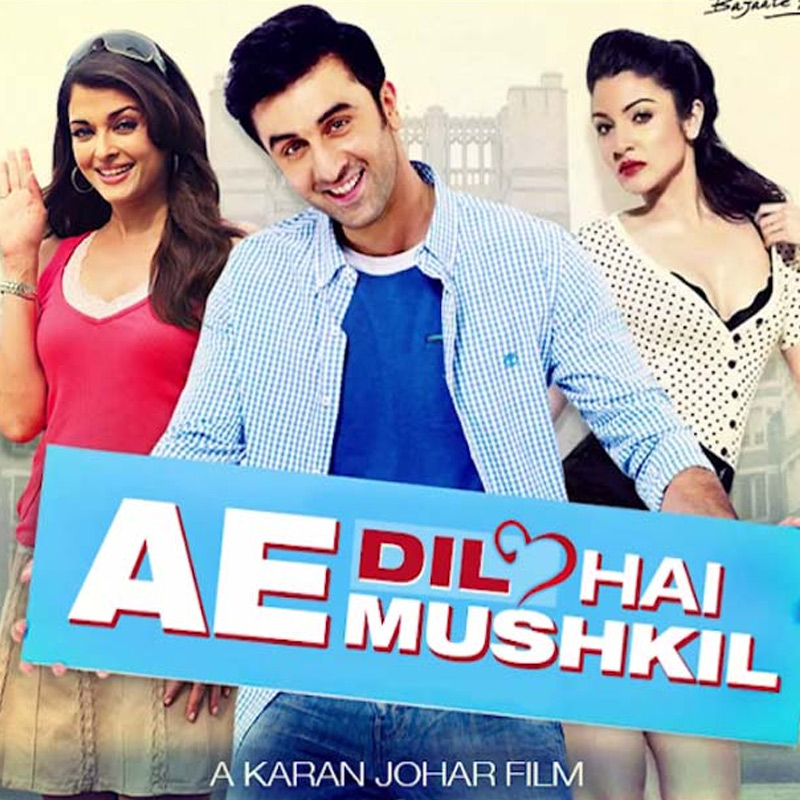
    MUMBAI: ‘Ae Dil Hai Mushkil’ deals in romance and music, something that Karan Johar is good at. What is different here is that this film is not about the usual pursuit of love till the families object, then agree and all ends on a happy note. 

    The film is also not about sacrifices made in the cause of love. The film is supposed to be about contemporary romances where the characters falling in and out of love are on the rebound, the sufferers of failed love. Ranbir Kapoor’s character, however, is a bit different, he seems to fall in love with anybody on two legs wearing skirts.

    The film has mostly music-oriented characters in that Ranbir Kapoor is an aspiring singer, Fawad Khan’s character is a DJ while Aishwarya Rai Bachchan’s is a shayera. The film is splashed with a generous dose of old hits used to fit in the situation. The film is also peppered with cliché-ridden dialogue from old films for fun.

    Ranbir is the son of a rich father with even a private jet to his command. In the UK to pursue a course in business management, he meets Anushka Sharma at a pub. 

    Acquaintance made, Anushka leads him to the pub’s loft with ideas of her own. As kissing begins, Anushka finds Ranbir clumsy and is instantly put off. Anushka has however taken a liking to Ranbir and plans to meet again as friends. 

    Ranbir is accompanied by his live-in girlfriend, Lisa Haydon, and Anushka is with her family’s choice of a suitor for her, Imran Abbas. The film being about fickle or uncertain relationships.

    While Ranbir keeps falling deeper in love with Anushka, she looks at him just as a friend so what if they share the hotel room and bed. That is when, while at a pub, Anushka spots her ex, Fawad Khan, the DJ. Old love is rekindled and they decide to tie the knot. Ranbir is dispatched home heartbroken.

    Ranbir is at the airport where he meets Aishwarya, a divorcee. After some romancing with Ranbir, Aishwarya realizes that she still loves her former husband Shah Rukh. 

    The film starts off with promise and is breezy while Ranbir chases Anushka as most of it is light banter between the two with the use of popular old songs. Come the second half and his romance with Aishwarya is mostly insipid. It is towards the winding-up that the film loses track totally as it gets into a rut bringing in cancer as a compromise conclusion.

    The script follows the formula once the initial novelty of modern day Muslim characters played by Anushka, Aishwarya, Fawad and Shah Rukh, living a trendy European lives, ride the merry-go-round of relationships. 

    Direction shows the Karan Johar’s touch in ambience, music and locales but lacks solid control once the script falters. Dialogue, especially the one-liners, is effective. 

    The music is a plus point with some good lyrics as songs like “Ae dil hai mushkil…”, “Bulleya…, Channa mereya…” and the Breakup song have popular appeal. 

    Cinematography is good. Editing wise the film sags often.

    Ranbir is cast in a role he has been doing wittingly or otherwise through most of his career; here he lives that role. Anushka excels. Aishwarya is okay. Shah Rukh, Fawad and Lisa Haydon have small parts to be or relevance.

    Producers: Hiroo Johar, Karan Johar, Apporva Mehta.

    Director: Karan Johar.

    Cast: Ranbir Kapoor, Aishwarya Rai, Anushka Sharma, Fawad Khan, Lisa Haydon with Shah Rukh Khan and Alia Bhatt in cameo. 

    Shivaay…Uphill task! 

    Shivaay is an action thriller. Actor Ajay Devgn wields the megaphone and, when that happens with an actor’s home production, his aspirations as well as ambitions exceed his range as an actor as well as his commercial potential in most cases. 

    Also, when it comes to nurturing such an ambition, the inspiration tends to come from foreign films. If one maker finds inspiration in a popular theme, many others would have too, leading to the theme being exploited threadbare leaving no novelty in the subject.

    Ajay Devgn’s character is that of a mountaineer. He is a sought-after trekker with explorers from all over coming to him. On one of his expeditions, Erika Kaar (a TV actor of Polish origin), is among the climbers under his wing. The climb and attraction between Ajay and Erika are rising on the same scale.

    As is the norm in any such risky situation, women are the first to be seen to safety and Erika should have been among them. But, not having her with Ajay would have stalled the progress of the narrative.

    The romance in a suspended tent has its effects and Erika, who was packing up to return to her native Bulgaria (in the film she is from Bulgaria) is now pregnant. While Ajay is very keen to have his child, having no family to call his own, Erika wants to have none of it since she has responsibilities of looking after her mother and kin back home.

    Erika agrees to deliver the child on the condition that, once delivered, she will return home and have nothing to do with the child ever again. The girl child, Abigail Eames, is now eight years old. She is speech impaired but is bent on seeing her mother. 

    She is a stubborn child and also apple of Ajay’s eye. He takes her to Bulgaria but Erika is nowhere to be found. Bulgaria seems to be notorious for kidnap and trade of children and Abigail is kidnapped. Ajay’s attempt to save her results in one long action chase but the kidnappers foil his attempts. 

    Most of what follows now is action and stunts to save Abigail. There is some attempt at creating melodrama at the end, just as there is some in the beginning of the film, but it does not quite work out.

    Shivaay tells a familiar story seen on a regular basis in many films and on crime-based television serials. Coating it with romance, adventure, emotions, locations and stunts worth millions don’t change the essence. What it does is to stretch a predictable story to an old-fashioned 172-minute length.

    The scripting is loose and allows a lot of liberties without logic. Like, Ajay’s expertise with mountaineering was expected to be used extensively to save the girl considering it takes a lot of footage initially. However, it has just one brief sequence when it is used. 

    Direction by Ajay Devgn himself shows no spark, no moments of genius; instead, it borders on routine. The penchant for locations and stunts is well justified by cinematography team. Songs have no place but are inserted anyway. The editing is slack.

    This is an Ajay Devgn film all the way and he tries to be at his expressive best with the cameras going in tight close-ups on him. He is good in action as always. Erika Kaar is good in romantic scenes. 

    Vir Das as a computer hack is bad and so is Saurabh Shukla as the Indian ambassador.
    Shivaay tries to cram in too much and loses its grip on the narration in the process. It is certainly not an entertainer to regale the Diwali audience. Also, the film needs total acceptance to better Ajay Devgn box office average figures.

    Producer/Director: Ajay Devgn.
    Cast: Ajay Devgn, Erika Kaar, Sayesha Saigal, Abigail Eames, Vir Das, Girish Karnad, Saurabh Shukla.

  • Ae Dil Hai Mushkil: Youthful fun in parts

    Ae Dil Hai Mushkil: Youthful fun in parts

    MUMBAI: ‘Ae Dil Hai Mushkil’ deals in romance and music, something that Karan Johar is good at. What is different here is that this film is not about the usual pursuit of love till the families object, then agree and all ends on a happy note. 

    The film is also not about sacrifices made in the cause of love. The film is supposed to be about contemporary romances where the characters falling in and out of love are on the rebound, the sufferers of failed love. Ranbir Kapoor’s character, however, is a bit different, he seems to fall in love with anybody on two legs wearing skirts.

    The film has mostly music-oriented characters in that Ranbir Kapoor is an aspiring singer, Fawad Khan’s character is a DJ while Aishwarya Rai Bachchan’s is a shayera. The film is splashed with a generous dose of old hits used to fit in the situation. The film is also peppered with cliché-ridden dialogue from old films for fun.

    Ranbir is the son of a rich father with even a private jet to his command. In the UK to pursue a course in business management, he meets Anushka Sharma at a pub. 

    Acquaintance made, Anushka leads him to the pub’s loft with ideas of her own. As kissing begins, Anushka finds Ranbir clumsy and is instantly put off. Anushka has however taken a liking to Ranbir and plans to meet again as friends. 

    Ranbir is accompanied by his live-in girlfriend, Lisa Haydon, and Anushka is with her family’s choice of a suitor for her, Imran Abbas. The film being about fickle or uncertain relationships.

    While Ranbir keeps falling deeper in love with Anushka, she looks at him just as a friend so what if they share the hotel room and bed. That is when, while at a pub, Anushka spots her ex, Fawad Khan, the DJ. Old love is rekindled and they decide to tie the knot. Ranbir is dispatched home heartbroken.

    Ranbir is at the airport where he meets Aishwarya, a divorcee. After some romancing with Ranbir, Aishwarya realizes that she still loves her former husband Shah Rukh. 

    The film starts off with promise and is breezy while Ranbir chases Anushka as most of it is light banter between the two with the use of popular old songs. Come the second half and his romance with Aishwarya is mostly insipid. It is towards the winding-up that the film loses track totally as it gets into a rut bringing in cancer as a compromise conclusion.

    The script follows the formula once the initial novelty of modern day Muslim characters played by Anushka, Aishwarya, Fawad and Shah Rukh, living a trendy European lives, ride the merry-go-round of relationships. 

    Direction shows the Karan Johar’s touch in ambience, music and locales but lacks solid control once the script falters. Dialogue, especially the one-liners, is effective. 

    The music is a plus point with some good lyrics as songs like “Ae dil hai mushkil…”, “Bulleya…, Channa mereya…” and the Breakup song have popular appeal. 

    Cinematography is good. Editing wise the film sags often.

    Ranbir is cast in a role he has been doing wittingly or otherwise through most of his career; here he lives that role. Anushka excels. Aishwarya is okay. Shah Rukh, Fawad and Lisa Haydon have small parts to be or relevance.

    Producers: Hiroo Johar, Karan Johar, Apporva Mehta.

    Director: Karan Johar.

    Cast: Ranbir Kapoor, Aishwarya Rai, Anushka Sharma, Fawad Khan, Lisa Haydon with Shah Rukh Khan and Alia Bhatt in cameo. 

    Shivaay…Uphill task! 

    Shivaay is an action thriller. Actor Ajay Devgn wields the megaphone and, when that happens with an actor’s home production, his aspirations as well as ambitions exceed his range as an actor as well as his commercial potential in most cases. 

    Also, when it comes to nurturing such an ambition, the inspiration tends to come from foreign films. If one maker finds inspiration in a popular theme, many others would have too, leading to the theme being exploited threadbare leaving no novelty in the subject.

    Ajay Devgn’s character is that of a mountaineer. He is a sought-after trekker with explorers from all over coming to him. On one of his expeditions, Erika Kaar (a TV actor of Polish origin), is among the climbers under his wing. The climb and attraction between Ajay and Erika are rising on the same scale.

    As is the norm in any such risky situation, women are the first to be seen to safety and Erika should have been among them. But, not having her with Ajay would have stalled the progress of the narrative.

    The romance in a suspended tent has its effects and Erika, who was packing up to return to her native Bulgaria (in the film she is from Bulgaria) is now pregnant. While Ajay is very keen to have his child, having no family to call his own, Erika wants to have none of it since she has responsibilities of looking after her mother and kin back home.

    Erika agrees to deliver the child on the condition that, once delivered, she will return home and have nothing to do with the child ever again. The girl child, Abigail Eames, is now eight years old. She is speech impaired but is bent on seeing her mother. 

    She is a stubborn child and also apple of Ajay’s eye. He takes her to Bulgaria but Erika is nowhere to be found. Bulgaria seems to be notorious for kidnap and trade of children and Abigail is kidnapped. Ajay’s attempt to save her results in one long action chase but the kidnappers foil his attempts. 

    Most of what follows now is action and stunts to save Abigail. There is some attempt at creating melodrama at the end, just as there is some in the beginning of the film, but it does not quite work out.

    Shivaay tells a familiar story seen on a regular basis in many films and on crime-based television serials. Coating it with romance, adventure, emotions, locations and stunts worth millions don’t change the essence. What it does is to stretch a predictable story to an old-fashioned 172-minute length.

    The scripting is loose and allows a lot of liberties without logic. Like, Ajay’s expertise with mountaineering was expected to be used extensively to save the girl considering it takes a lot of footage initially. However, it has just one brief sequence when it is used. 

    Direction by Ajay Devgn himself shows no spark, no moments of genius; instead, it borders on routine. The penchant for locations and stunts is well justified by cinematography team. Songs have no place but are inserted anyway. The editing is slack.

    This is an Ajay Devgn film all the way and he tries to be at his expressive best with the cameras going in tight close-ups on him. He is good in action as always. Erika Kaar is good in romantic scenes. 

    Vir Das as a computer hack is bad and so is Saurabh Shukla as the Indian ambassador.
    Shivaay tries to cram in too much and loses its grip on the narration in the process. It is certainly not an entertainer to regale the Diwali audience. Also, the film needs total acceptance to better Ajay Devgn box office average figures.

    Producer/Director: Ajay Devgn.
    Cast: Ajay Devgn, Erika Kaar, Sayesha Saigal, Abigail Eames, Vir Das, Girish Karnad, Saurabh Shukla.

  • 31st October: Genuine effort wasted

    31st October: Genuine effort wasted

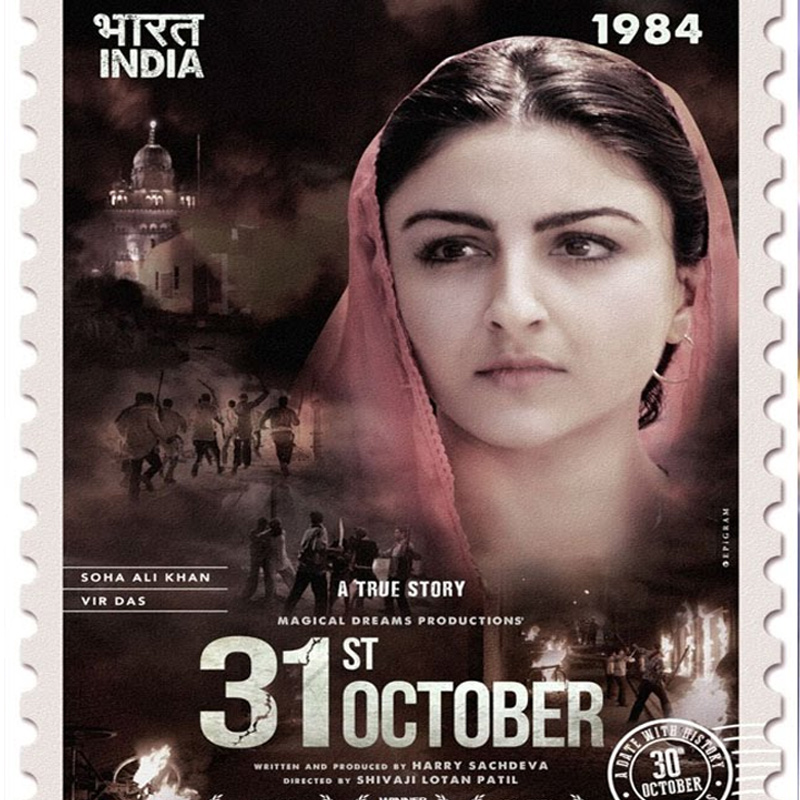
    MUMBAI: Rather late in the day, 31stOctober is a film about the Sikh genocide of 1984 in Delhi in the aftermath of assassination of the then prime minister of India Indira Gandhi. She was killed by her security guards, who happened to be Sikh. That assassination, again, is attributed to the anger of the Sikh community following an army operation in the precincts of the Golden Temple in Amritsar. It has been 31 years since the episode and the relevance of this film and, what it wants to convey would make sense to few if any.

    It is pre-October 31-1984 Delhi (mainly East Delhi as depicted in the film) where things are normal. People are going about doing their business, there is bonhomie. There never was a feeling of a divide between Hindu and Sikh, neither the issue nor a reason to think of them as different persons or of community was considered.

    Vir Das is shown as a simple family-loving Sikh working for a government enterprise and has Soha Ali Khan as his wife and three children making up his family. He is a sincere worker and is much respected by his colleagues as well as friends.

    It is another day at work and Vir is on his desk. But, unknown to him, things seem to have changed suddenly as even the office peon fails to respond to his calls, and there is an eerie silence around him. As he soon finds out, the whole office has gathered around a transistor radio; the news is not good. PM Indira Gandhi has been shot.

    Suddenly, everybody has turned cold to Vir. He is advised to leave immediately. The offices are closed, shops down shutters and a pall of gloom and fear envelopes the air. Two lookalikes of prominent politicians are seen inciting the crowds (of Hindus) to go out and seek revenge from Sikhs.

    What follows is a massacre of Sikhs all around the city reminiscent of Hindu-Muslim clashes of the Partition era. No Sikh seems to be safe, on the road or hidden at home, nor ones in the refuge of Hindu families.

    Since this is not a documentary, a hint of a story and to balance things as well as to showcase a semblance of sanity among Hindus, comes in the form of Vir’s Hindu friends coming to his rescue risking their lives and braving police (which sided with the rioters) and the goons killing people indulging in arson mercilessly.

    31stOctober is a sketchy, half-hearted effort to depict the genocide. As numerous Sikhs are slaughtered, an operation to save one family has little effect on the viewer. The direction is patchy; few films have succeeded in showing riot scenes convincingly in Hindi films and this film ranks at the bottom. What is bad about the film is the casting of Vir Das as the Sikh in danger. He carries his deadpan standup comedian look to this rather serious role. Add to that his characterization, which is of a Sikh who breaks down instead of standing by his family while his friends take the risk and one of them also sacrifices his life for the cause. Rest of the actors make a sincere effort.

    If 31st October has an audience to cater to, it is unlikelyto be found in cinema halls.

    Producers: Harry Sachdeva.

    Director: Shivaji Lotan Patil.
    Cast: Vir Das, Soha Ali Khan.

    My Father Iqbal: No drama in Indian Muslim’s honesty

    ‘My Father Iqbal’ is like recreating the life of an honest man from Jammu & Kashmir. It is unlike any film as it is neither a potboiler nor cinema. There are no twists and turns, no villains nor a drama or a dramatic ending. It is the documentation of the life of a man and his circumstances. It is supposed to be a real-life account.

    Iqbal Khan, played by Narendra Jha, is a family loving Muslim in Bani, a township in the state of Jammu & Kashmir, surrounded by Punjab, Himachal Pradesh and close to the Pakistan border. Jha is an engineer in the PWD and is a caring man to his wife, Komal Thacker, and his daughter and son. Jha is also sincere with his work, held in high esteem not only by his bosses and colleagues but also by people of the area for whom he always goes out of his way. 

    Jha, a man who is devoted to his family, lives like any normal, law-abiding and patriotic citizen despite the circumstances of terrorism and violence surrounding him and his town. He is probably traditional in the local sense because, while he dreams of sending his son to a high school in a bigger city, his daughter stays put in this small place.

    Time passes by with Jha and Komal tending to the family, romancing and singing while the son on whom they hang much hope has grown up. He has decided to opt for a career in media and, much against his parents’ hopes, has decided to move to Mumbai. His concern for his family comes in the form of regular remittances of money.

    Terrorism, which was lurking on the outskirts, has now invaded the town. The terrorists confer with Jha’s boss, the town police chief and the local MLA, to find a man with a clean image to store a bag full of RDX. The honest man in their sight happens to be Jha. Why do they need an honest man when the cop and the MLA are a party to the plan?

    Jha’s refusal to accept the bag is countered by a threat of harm that can be done to his son in Mumbai. With his loyalty at stake, Jha asks his son to return home instantly. He wants to share his dilemma with his now grown-up son. The son is on his way and his train is running late by a couple of hours. But, Jha, who has made his decision not to betray his country, takes the ultimate step of not waiting for those two hours for his son to return.

    That is about all as, if one is waiting for a traditional ending to the story, there is none. It is about a patriotic man who was a Muslim and from Jammu & Kashmir, who was neither a terrorist nor a supporter.

    Besides the scenic beauty of the area of Bani and its surroundings, My Father Iqbal has some soothing music in a couple of ghazals. Performance-wise, Jha is impressive and Komal supports well.

    Producer: Paresh Mehta.

    Director: Suzad Iqbal Khan.

    Cast: NarendraJha, Komal Thacker, Paresh Mehta, Raj Sharma, Amit Lekhwani, Sudam Iqbal Khan.

  • 31st October: Genuine effort wasted

    31st October: Genuine effort wasted

    MUMBAI: Rather late in the day, 31stOctober is a film about the Sikh genocide of 1984 in Delhi in the aftermath of assassination of the then prime minister of India Indira Gandhi. She was killed by her security guards, who happened to be Sikh. That assassination, again, is attributed to the anger of the Sikh community following an army operation in the precincts of the Golden Temple in Amritsar. It has been 31 years since the episode and the relevance of this film and, what it wants to convey would make sense to few if any.

    It is pre-October 31-1984 Delhi (mainly East Delhi as depicted in the film) where things are normal. People are going about doing their business, there is bonhomie. There never was a feeling of a divide between Hindu and Sikh, neither the issue nor a reason to think of them as different persons or of community was considered.

    Vir Das is shown as a simple family-loving Sikh working for a government enterprise and has Soha Ali Khan as his wife and three children making up his family. He is a sincere worker and is much respected by his colleagues as well as friends.

    It is another day at work and Vir is on his desk. But, unknown to him, things seem to have changed suddenly as even the office peon fails to respond to his calls, and there is an eerie silence around him. As he soon finds out, the whole office has gathered around a transistor radio; the news is not good. PM Indira Gandhi has been shot.

    Suddenly, everybody has turned cold to Vir. He is advised to leave immediately. The offices are closed, shops down shutters and a pall of gloom and fear envelopes the air. Two lookalikes of prominent politicians are seen inciting the crowds (of Hindus) to go out and seek revenge from Sikhs.

    What follows is a massacre of Sikhs all around the city reminiscent of Hindu-Muslim clashes of the Partition era. No Sikh seems to be safe, on the road or hidden at home, nor ones in the refuge of Hindu families.

    Since this is not a documentary, a hint of a story and to balance things as well as to showcase a semblance of sanity among Hindus, comes in the form of Vir’s Hindu friends coming to his rescue risking their lives and braving police (which sided with the rioters) and the goons killing people indulging in arson mercilessly.

    31stOctober is a sketchy, half-hearted effort to depict the genocide. As numerous Sikhs are slaughtered, an operation to save one family has little effect on the viewer. The direction is patchy; few films have succeeded in showing riot scenes convincingly in Hindi films and this film ranks at the bottom. What is bad about the film is the casting of Vir Das as the Sikh in danger. He carries his deadpan standup comedian look to this rather serious role. Add to that his characterization, which is of a Sikh who breaks down instead of standing by his family while his friends take the risk and one of them also sacrifices his life for the cause. Rest of the actors make a sincere effort.

    If 31st October has an audience to cater to, it is unlikelyto be found in cinema halls.

    Producers: Harry Sachdeva.

    Director: Shivaji Lotan Patil.
    Cast: Vir Das, Soha Ali Khan.

    My Father Iqbal: No drama in Indian Muslim’s honesty

    ‘My Father Iqbal’ is like recreating the life of an honest man from Jammu & Kashmir. It is unlike any film as it is neither a potboiler nor cinema. There are no twists and turns, no villains nor a drama or a dramatic ending. It is the documentation of the life of a man and his circumstances. It is supposed to be a real-life account.

    Iqbal Khan, played by Narendra Jha, is a family loving Muslim in Bani, a township in the state of Jammu & Kashmir, surrounded by Punjab, Himachal Pradesh and close to the Pakistan border. Jha is an engineer in the PWD and is a caring man to his wife, Komal Thacker, and his daughter and son. Jha is also sincere with his work, held in high esteem not only by his bosses and colleagues but also by people of the area for whom he always goes out of his way. 

    Jha, a man who is devoted to his family, lives like any normal, law-abiding and patriotic citizen despite the circumstances of terrorism and violence surrounding him and his town. He is probably traditional in the local sense because, while he dreams of sending his son to a high school in a bigger city, his daughter stays put in this small place.

    Time passes by with Jha and Komal tending to the family, romancing and singing while the son on whom they hang much hope has grown up. He has decided to opt for a career in media and, much against his parents’ hopes, has decided to move to Mumbai. His concern for his family comes in the form of regular remittances of money.

    Terrorism, which was lurking on the outskirts, has now invaded the town. The terrorists confer with Jha’s boss, the town police chief and the local MLA, to find a man with a clean image to store a bag full of RDX. The honest man in their sight happens to be Jha. Why do they need an honest man when the cop and the MLA are a party to the plan?

    Jha’s refusal to accept the bag is countered by a threat of harm that can be done to his son in Mumbai. With his loyalty at stake, Jha asks his son to return home instantly. He wants to share his dilemma with his now grown-up son. The son is on his way and his train is running late by a couple of hours. But, Jha, who has made his decision not to betray his country, takes the ultimate step of not waiting for those two hours for his son to return.

    That is about all as, if one is waiting for a traditional ending to the story, there is none. It is about a patriotic man who was a Muslim and from Jammu & Kashmir, who was neither a terrorist nor a supporter.

    Besides the scenic beauty of the area of Bani and its surroundings, My Father Iqbal has some soothing music in a couple of ghazals. Performance-wise, Jha is impressive and Komal supports well.

    Producer: Paresh Mehta.

    Director: Suzad Iqbal Khan.

    Cast: NarendraJha, Komal Thacker, Paresh Mehta, Raj Sharma, Amit Lekhwani, Sudam Iqbal Khan.