Category: Reviews

  • Rustom for ‘Independence Day’; Mohenjo Daro, a poor film

    Rustom for ‘Independence Day’; Mohenjo Daro, a poor film

    MUMBAI: Of late, Akshay Kumar starrers have become much-awaited. His transition from action to comedies were taken as they came; without much expectations. But, while an interesting story as the mainstay of a film is becoming rarer in Hindi films, Akshay’s films have strong tales to tell lately. And some of his recent films like Oh My God!, Special 26, Airlift, Holiday: A Soldier Is Never On Leave etc have relied on interesting stories mainly providing no scope for his kind of action and romance let alone comedy.

    If one cared to, there are many real life human-interest stories to find in the country and the media if the filmmakers tried to look beyond crime and mafia stories. In fact, Akshay’s recent films, Special 26 and Airlift were also inspired from such real life events.

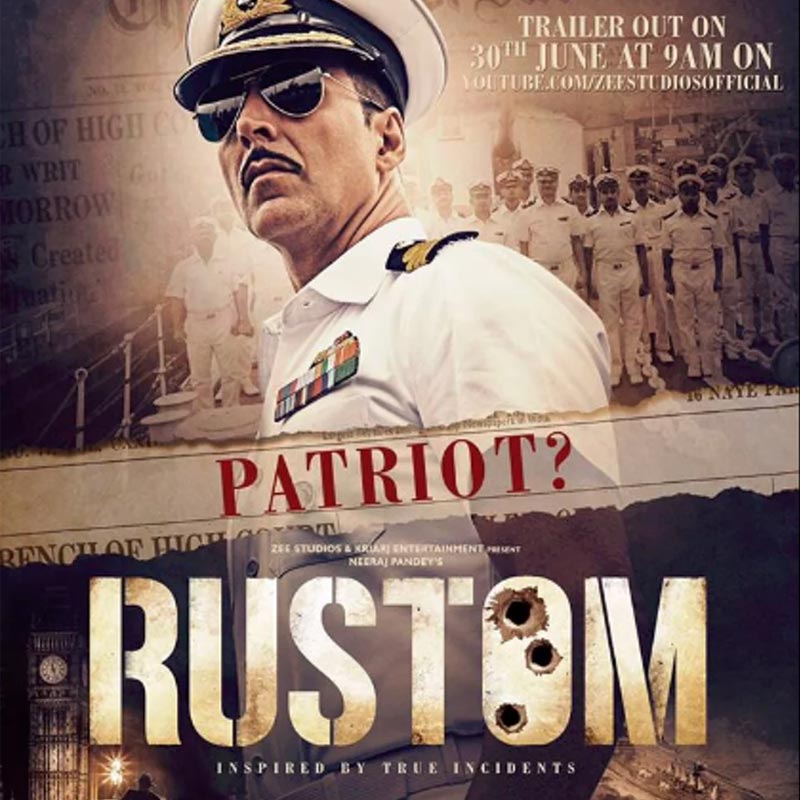
    Though the film runs a disclaimer to the contrary, Rustom is based on the real life 1959 incident of a senior naval officer of the Indian Navy murdering the paramour of his English wife and the sensation that the court proceedings that followed created. Even as the murder looked like a simple adultery-incited rush of blood, the real life as well as the reel life hint at deeper conspiracy related to the defense system in the country towards which the film deals with towards the end.

    Akshay is Rustom Pavri, an officer of Parsi origin with the Indian Navy, much respected as well as admired by his colleagues as well as friends. He has been sent to UK on a long assignment the purpose of which is to check on an aircraft carrier the Indian Navy plans to acquire.

    Akshay’s stay in UK has been curtailed and his arrival back in Bombay happens before schedule. When back, to his surprise, his wife, Ileana D’Cruz, has been away for a couple of days. She, it seems, has been cheating on Akshay and is shacking up with one of Akshay’s close friends, Arjan Bajwa, on a regular basis in his absence. Arjan is a suave imported-car dealer and, thanks to his clientele, has unhindered access to high society dos and the wives of his clients.

    Devastated by the revelation, Akshay walks into Arjan’s apartment and fires three bullets at him killing him instantly. He then walks into a police station and surrenders to the station in charge, Pawan Malhotra.

    The murder by a naval officer of a high society Sindhi businessman makes banner headlines in the newspapers among which there is a tabloid owned by a fellow Parsi, Kumud Mishra, who sees this as an opportunity to salvage his almost defunct publication as well as to run a crusade to create a sympathy wave in favour of Akshay because he is a Parsi. With Esha Gupta taking on cudgels to avenge the death of her brother, Arjan, this literally turns into a war between Parsi and Sindhi communities. So much so even the public prosecutor appointed is a Sindhi.

    As the court proceedings begin, Akshay refuses to appoint a lawyer, deciding to defend his own cause. It was the era of jury system where a bunch of court-appointed individuals from society sat in judgment while the judge only conducted the proceedings. Akshay works on winning over the sympathy of the jury members while the tabloid supporting him paints him as a true patriot. The judge too picks on the public prosecutor, Sachin Khedekar, from time to time creating more sympathy for Akshay. The court proceedings are meant to cater to the gallery as it regales both, the ‘crowd’ gathered in the court as well as the viewer.

    Written by Vipul K Rawal, himself an erstwhile naval officer, the film has the tricky task of blending a real life saga with fiction as well as to decide where one ends the other takes over. It also applies to execution as recreating 1950s/60s era Bombay has never been convincing on screen. Here, as a compromise, some scenes have been shot in London around its Victorian architecture buildings. What works for the makers is that most of the film is shot in a court room. While the scripting is more like  a stage play, the film sags in the first half as the narration moves from scene to scene at fast pace. This may seem to quicken the pace of the film but gives no time for the viewer to digest what just went past. The director shows ample confidence as a first timer. Songs have no place in the story and whatever is there is functional. Editing needed to be much sharper. Dialogue is good at places.

    As for the performances, this is an Akshay Kumar vehicle all the way. He looks dignified and the uniform of a naval officer only adds to his persona. He does not have to act after that. Ileana carries a singular look throughout the film, weather she is romancing with Arjan or is facing the betrayed Akshay or in court scenes. Esha Gupta’s role is about sneering and jeering alternately. Sachin Khedekar, Anang Desai and Kumud Mishra play up to the masses. Pawan Malhotra and Usha Nadkarni are good in support. Arjan Bajwa is okay in a brief role.

    Rustom has had a decent opening and the Monday, 15th August, Independence Holiday should add to its kitty to see it through safely.

    Producers: Arun Bhatia, Nittin Keni, Aksah Chawla, Virender Arora, Ishwar Kapoor, Arjun N Kapoor, Shital Bhatia.

    Director: Tinu Suresh Desai.

    Cast: Akshay Kumar, Ileana D’Cruz, Arjan Bajwa, Esha Gupta, Usha Nadkarni, Sachin Khedekar, Lakshman Khangan, Kumud Mishra, Pawan Malhotra.  

    Mohenjo Daro…Bad idea!

    Ashutosh Gowariker is said to have been inspired by the sites of the ruins of Dholavira, an excavated city from an ancient civilization in Kutch, Gujarat. That made him think of Mohenjo Daro, (now in Sindh, Pakistan) where the biggest city of an ancient Indus Valley Civilization was excavated in 1922 and, then, declared a Heritage Site by the UNESCO in as late as 1980.
    All that is known about the find is its name, Mohenjo Daro (Mound of the Dead, when translated in English), there is nothing more on record or known to the archeologists who worked on the sites. While some assumptions may have been made about the culture as it existed then and the lifestyle of the people, there are no myths, legends or folklore related to Mohenjo Daro available anywhere or with anybody. In such a situation, a great imagination is needed to build a story around this civilization.

    Here goes the story: we have Hrithik Roshan is a tiller of neel (indigo) in a small town in pre-historic land mass, later called Hindustan. Like all small town lads, he aspires to go to the big city, Mohenjo Daro, on the banks of Indus River. These days, all those who come to big cities become dons or their goons. In the good old days, they became saviours of the masses. Hrithik arrives in the new city and is impressed by its sights, its architecture and the scope for enterprise since people from other worlds also come here to trade.

    The city is throbbing with people all around so much so that there is even a traffic cop to control these people and direct those like cops nowadays direct traffic in big cities! As he learns the tricks of the trade, Hrithik realizes that such big cities have two strata to society: the mass and the elite. Here too the city is divided between them demarcated by Lower City and Upper City settlements.

    Like all such cities, Mohenjo Daro too has its share of evil in the form of Kabir Bedi, who rules the place with an iron hand, and his son, Arunoday Singh. Seeing their tyranny and having his first brush with Singh, Hrithik soon decides to leave the place and return to his own village. But, that is when he spots Pooja Hegde and it is love at first sight. For her sake, he now wants to stay put. In the process, he gets involved with events in the city and sees how injustice is being meted out to people by Bedi and Singh.

    Hrithik has competition when it comes to Pooja as Singh wants her for himself and that has been decided at her birth by the prophesy makers of the city. Determined to stay back and fight with Singh and Bedi for the girl as well as the people, Hrithik’s resolve is only strengthened when he learns that his father, Sharad Kelkar, was one of the ministers in the darbar of Bedi but was murdered for opposing him.

    As the film, which started bad, goes on to becoming worse, there are more treacheries by Bedi and Singh and some song and dance and some fights including an arena fight a la old Hollywood films, between Hrithik and two monstrous cannibal men. Hrithik overcomes all odds and vanquishes the evildoers. Don’t know why maneaters fight with Hrithik instead of just eating him up and be done with it? This was probably their idea of cooking their meal!

    Talking about the imagination needed for a story to fit into the Mohenjo Daro civilization, there is none. In fact, whatever has been conjured up in the name of a great saga is childish to put it mildly. For instance, Hrithik is named Sarman and Singh is Munja; Sarman Munja was the name of a don in the city of Porbandar in Gujarat after whose death his wife, Santokba, went on to become India’s first all-powerful woman don who also has a film to her name. Kelkar is a good guy so Surjan while his brother who fails to stand by him is Durjan! It can’t get any more juvenile!

    The story as such can fit into any B grade film of today if you replace the locale but keep the characters and the story same.

    A poor story idea and a poorer script make for a directionless film: here we have props that loom totally out of place in the viewer’s perception of Mohenjo Daro. There are regular ration shops, costumes few can identify with! There is also word Haramkhor in Bedi’s vocabulary.   The romance does not convince and there is no music to back it save for one song, Tu hia…. Dialogue lacks spirit. Cinematography is fair. Choreography is good. Special effect are routine. Editing is not evident in this film.

    Performances are routine with Hrithik Roshan carrying on with same expressions from Koi… Mil Gaya. Pooja Hegde looks charming but can’t perform.  Kabir Bedi is okay. Arunoday Singh is the victim of a routine role. Of the rest, only Manish Choudhary shows some conviction with what he is doing.

    Mohenjo Daro is a poor film in all respects. If cost is considered, worse still.

    Producers: Siddharth Roy Kapoor, Sunita Gowarikar.

    Director: Ashutosh Gowariker.

    Cast: Hrithik Roshan, Pooja Hegde, Kabir Bedi, Arunoday Singh, Suhasini Mulay, Nitish Bharadwaj, Kishori Shahane, Sharad Kelkar, Manish Choudhary, Narendra Jha, Casey Frank, Diganta Hazarika.
  • Rustom for ‘Independence Day’; Mohenjo Daro, a poor film

    Rustom for ‘Independence Day’; Mohenjo Daro, a poor film

    MUMBAI: Of late, Akshay Kumar starrers have become much-awaited. His transition from action to comedies were taken as they came; without much expectations. But, while an interesting story as the mainstay of a film is becoming rarer in Hindi films, Akshay’s films have strong tales to tell lately. And some of his recent films like Oh My God!, Special 26, Airlift, Holiday: A Soldier Is Never On Leave etc have relied on interesting stories mainly providing no scope for his kind of action and romance let alone comedy.

    If one cared to, there are many real life human-interest stories to find in the country and the media if the filmmakers tried to look beyond crime and mafia stories. In fact, Akshay’s recent films, Special 26 and Airlift were also inspired from such real life events.

    Though the film runs a disclaimer to the contrary, Rustom is based on the real life 1959 incident of a senior naval officer of the Indian Navy murdering the paramour of his English wife and the sensation that the court proceedings that followed created. Even as the murder looked like a simple adultery-incited rush of blood, the real life as well as the reel life hint at deeper conspiracy related to the defense system in the country towards which the film deals with towards the end.

    Akshay is Rustom Pavri, an officer of Parsi origin with the Indian Navy, much respected as well as admired by his colleagues as well as friends. He has been sent to UK on a long assignment the purpose of which is to check on an aircraft carrier the Indian Navy plans to acquire.

    Akshay’s stay in UK has been curtailed and his arrival back in Bombay happens before schedule. When back, to his surprise, his wife, Ileana D’Cruz, has been away for a couple of days. She, it seems, has been cheating on Akshay and is shacking up with one of Akshay’s close friends, Arjan Bajwa, on a regular basis in his absence. Arjan is a suave imported-car dealer and, thanks to his clientele, has unhindered access to high society dos and the wives of his clients.

    Devastated by the revelation, Akshay walks into Arjan’s apartment and fires three bullets at him killing him instantly. He then walks into a police station and surrenders to the station in charge, Pawan Malhotra.

    The murder by a naval officer of a high society Sindhi businessman makes banner headlines in the newspapers among which there is a tabloid owned by a fellow Parsi, Kumud Mishra, who sees this as an opportunity to salvage his almost defunct publication as well as to run a crusade to create a sympathy wave in favour of Akshay because he is a Parsi. With Esha Gupta taking on cudgels to avenge the death of her brother, Arjan, this literally turns into a war between Parsi and Sindhi communities. So much so even the public prosecutor appointed is a Sindhi.

    As the court proceedings begin, Akshay refuses to appoint a lawyer, deciding to defend his own cause. It was the era of jury system where a bunch of court-appointed individuals from society sat in judgment while the judge only conducted the proceedings. Akshay works on winning over the sympathy of the jury members while the tabloid supporting him paints him as a true patriot. The judge too picks on the public prosecutor, Sachin Khedekar, from time to time creating more sympathy for Akshay. The court proceedings are meant to cater to the gallery as it regales both, the ‘crowd’ gathered in the court as well as the viewer.

    Written by Vipul K Rawal, himself an erstwhile naval officer, the film has the tricky task of blending a real life saga with fiction as well as to decide where one ends the other takes over. It also applies to execution as recreating 1950s/60s era Bombay has never been convincing on screen. Here, as a compromise, some scenes have been shot in London around its Victorian architecture buildings. What works for the makers is that most of the film is shot in a court room. While the scripting is more like  a stage play, the film sags in the first half as the narration moves from scene to scene at fast pace. This may seem to quicken the pace of the film but gives no time for the viewer to digest what just went past. The director shows ample confidence as a first timer. Songs have no place in the story and whatever is there is functional. Editing needed to be much sharper. Dialogue is good at places.

    As for the performances, this is an Akshay Kumar vehicle all the way. He looks dignified and the uniform of a naval officer only adds to his persona. He does not have to act after that. Ileana carries a singular look throughout the film, weather she is romancing with Arjan or is facing the betrayed Akshay or in court scenes. Esha Gupta’s role is about sneering and jeering alternately. Sachin Khedekar, Anang Desai and Kumud Mishra play up to the masses. Pawan Malhotra and Usha Nadkarni are good in support. Arjan Bajwa is okay in a brief role.

    Rustom has had a decent opening and the Monday, 15th August, Independence Holiday should add to its kitty to see it through safely.

    Producers: Arun Bhatia, Nittin Keni, Aksah Chawla, Virender Arora, Ishwar Kapoor, Arjun N Kapoor, Shital Bhatia.

    Director: Tinu Suresh Desai.

    Cast: Akshay Kumar, Ileana D’Cruz, Arjan Bajwa, Esha Gupta, Usha Nadkarni, Sachin Khedekar, Lakshman Khangan, Kumud Mishra, Pawan Malhotra.  

    Mohenjo Daro…Bad idea!

    Ashutosh Gowariker is said to have been inspired by the sites of the ruins of Dholavira, an excavated city from an ancient civilization in Kutch, Gujarat. That made him think of Mohenjo Daro, (now in Sindh, Pakistan) where the biggest city of an ancient Indus Valley Civilization was excavated in 1922 and, then, declared a Heritage Site by the UNESCO in as late as 1980.
    All that is known about the find is its name, Mohenjo Daro (Mound of the Dead, when translated in English), there is nothing more on record or known to the archeologists who worked on the sites. While some assumptions may have been made about the culture as it existed then and the lifestyle of the people, there are no myths, legends or folklore related to Mohenjo Daro available anywhere or with anybody. In such a situation, a great imagination is needed to build a story around this civilization.

    Here goes the story: we have Hrithik Roshan is a tiller of neel (indigo) in a small town in pre-historic land mass, later called Hindustan. Like all small town lads, he aspires to go to the big city, Mohenjo Daro, on the banks of Indus River. These days, all those who come to big cities become dons or their goons. In the good old days, they became saviours of the masses. Hrithik arrives in the new city and is impressed by its sights, its architecture and the scope for enterprise since people from other worlds also come here to trade.

    The city is throbbing with people all around so much so that there is even a traffic cop to control these people and direct those like cops nowadays direct traffic in big cities! As he learns the tricks of the trade, Hrithik realizes that such big cities have two strata to society: the mass and the elite. Here too the city is divided between them demarcated by Lower City and Upper City settlements.

    Like all such cities, Mohenjo Daro too has its share of evil in the form of Kabir Bedi, who rules the place with an iron hand, and his son, Arunoday Singh. Seeing their tyranny and having his first brush with Singh, Hrithik soon decides to leave the place and return to his own village. But, that is when he spots Pooja Hegde and it is love at first sight. For her sake, he now wants to stay put. In the process, he gets involved with events in the city and sees how injustice is being meted out to people by Bedi and Singh.

    Hrithik has competition when it comes to Pooja as Singh wants her for himself and that has been decided at her birth by the prophesy makers of the city. Determined to stay back and fight with Singh and Bedi for the girl as well as the people, Hrithik’s resolve is only strengthened when he learns that his father, Sharad Kelkar, was one of the ministers in the darbar of Bedi but was murdered for opposing him.

    As the film, which started bad, goes on to becoming worse, there are more treacheries by Bedi and Singh and some song and dance and some fights including an arena fight a la old Hollywood films, between Hrithik and two monstrous cannibal men. Hrithik overcomes all odds and vanquishes the evildoers. Don’t know why maneaters fight with Hrithik instead of just eating him up and be done with it? This was probably their idea of cooking their meal!

    Talking about the imagination needed for a story to fit into the Mohenjo Daro civilization, there is none. In fact, whatever has been conjured up in the name of a great saga is childish to put it mildly. For instance, Hrithik is named Sarman and Singh is Munja; Sarman Munja was the name of a don in the city of Porbandar in Gujarat after whose death his wife, Santokba, went on to become India’s first all-powerful woman don who also has a film to her name. Kelkar is a good guy so Surjan while his brother who fails to stand by him is Durjan! It can’t get any more juvenile!

    The story as such can fit into any B grade film of today if you replace the locale but keep the characters and the story same.

    A poor story idea and a poorer script make for a directionless film: here we have props that loom totally out of place in the viewer’s perception of Mohenjo Daro. There are regular ration shops, costumes few can identify with! There is also word Haramkhor in Bedi’s vocabulary.   The romance does not convince and there is no music to back it save for one song, Tu hia…. Dialogue lacks spirit. Cinematography is fair. Choreography is good. Special effect are routine. Editing is not evident in this film.

    Performances are routine with Hrithik Roshan carrying on with same expressions from Koi… Mil Gaya. Pooja Hegde looks charming but can’t perform.  Kabir Bedi is okay. Arunoday Singh is the victim of a routine role. Of the rest, only Manish Choudhary shows some conviction with what he is doing.

    Mohenjo Daro is a poor film in all respects. If cost is considered, worse still.

    Producers: Siddharth Roy Kapoor, Sunita Gowarikar.

    Director: Ashutosh Gowariker.

    Cast: Hrithik Roshan, Pooja Hegde, Kabir Bedi, Arunoday Singh, Suhasini Mulay, Nitish Bharadwaj, Kishori Shahane, Sharad Kelkar, Manish Choudhary, Narendra Jha, Casey Frank, Diganta Hazarika.
  • ‘Budhia Singh- Born To Run’ – a must watch; The Legend Of Michael Mishra  and ‘Fever’ don’t impress

    ‘Budhia Singh- Born To Run’ – a must watch; The Legend Of Michael Mishra and ‘Fever’ don’t impress

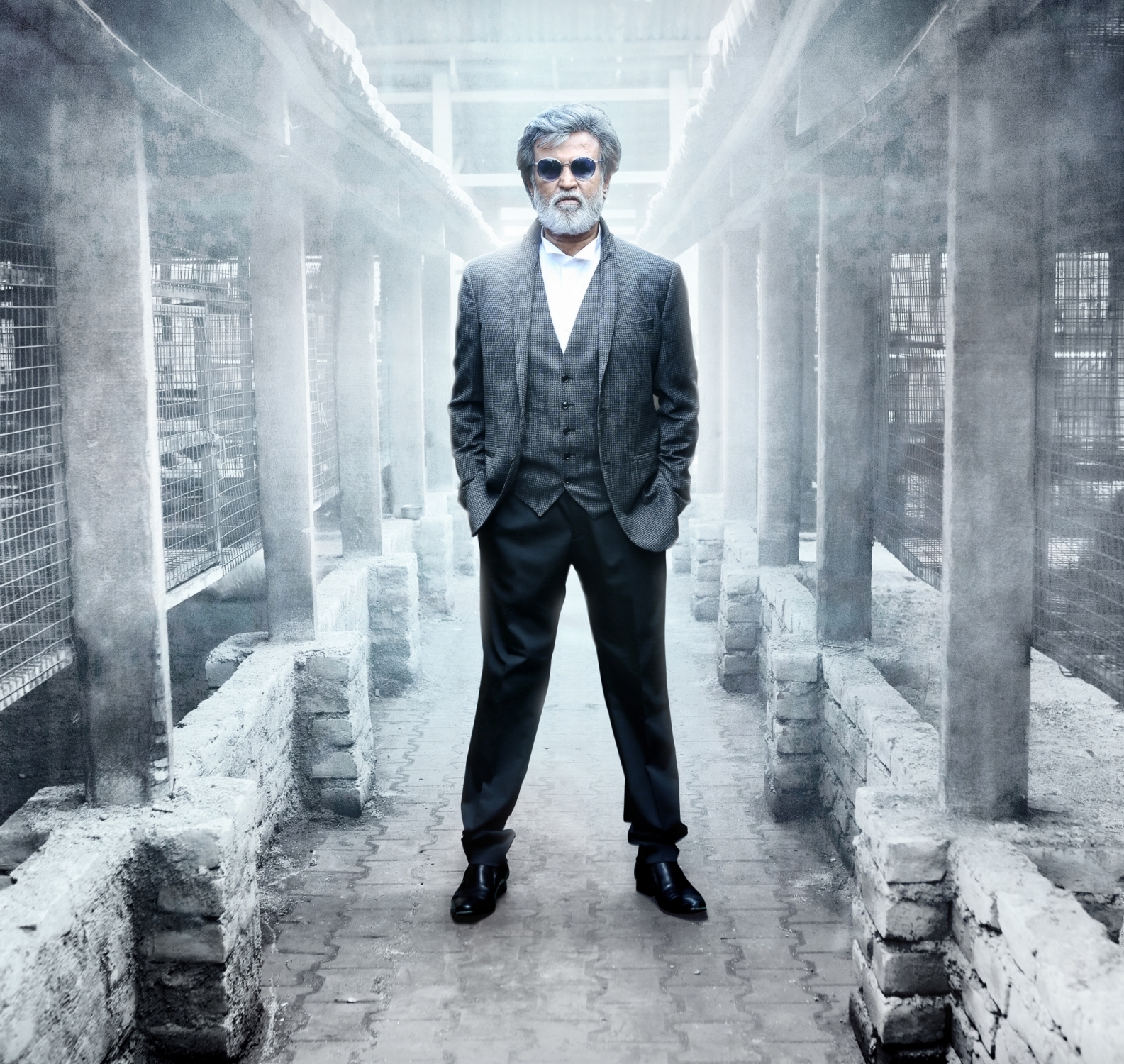
    MUMBAI: Budhia Sing- Born To Run is a biopic about a five-year-old lad from Orissa who, at that tender age, hogged the media limelight nationally and created for and against opinions about his promise to someday become a marathon runner of the Olympics standards. At this young age, he showed that kind of talent, stamina and inclination. While the whole of Orissa hailed his strengths making him a hero, the media too basked in the stories of his achievements and relished splashing them. He was the youngest marathon runner.

    Manoj Bajpayee runs a sort of Judo school for the homeless and for children from poor background along with the help and support of his wife, Shruti Marathe. Besides training them in self-defense, he also feeds, clothes and houses them under the same roof. That is when he brings along Budhia, played by Mayur Mahendra Patole, to join the rest. Shruti mentions the space constraint but Manoj convinces her saying there are already 22 of them around so one more won’t matter.

    Shruti is as enthusiastic about the kids and their wellbeing as Manoj but, while tending to the kids in the house like a mother, she also feels the need for a child of her own.

    Budhia is a mischievous child who refuses to take orders from Manoj. As a punishment, Manoj asks him to make rounds of the judo arena until ordered otherwise. Manoj leaves on an errand and forgets all about Budhia till he returns and is informed that the lad has been running since he left without stopping. He has not stopped for water or nourishment nor has he complained.

    Manoj realizes that the boy is gifted and has a solid stamina. He sees the potential in the boy to run long distances with little or no demands. The boy lives up to Manoj’s hopes, who sees an Olympic-level marathoner in him and starts training him for 2016 Olympics.

    Budhia is full of enthusiasm and small things like an extra share of milk, fruits and a pair of new running shoes in his favourite red besides a promise of a red-colored cycle are enough to propel him to the goals set by Manoj.

    Budhia goes on setting new milestones as he starts small and goes on to run a full marathon of 42 kms. The lad is now a media star across India and the toast of Orissa state. But, the controversies follow on the merit of making such a young boy undergo such a strenuous regime and running such long distances. Politicians decide to use the controversy to their advantage.

     Manoj now decides to make Budhia run a 70 kms distance between Puri and Bhubaneshwar. At the event, covered by national and international media and backed by the CRPF (Central Reserve Police Force), Budhia almost makes it, collapsing just a few of kilometers before the destination. This incident gives enough fodder to the politicians. Manoj is put behind bars for a while as Budhia is taken to the state sports hostel.
    Politics get the better of a budding star.

    Despite being a biopic, Budhia Singh – Born To Run has been made interesting on script level starting with keeping Budhia in the centre while changing other players in the story and also rewriting some stuff. Till the end when the politics enters the story, it is more fun as Budhia blends instantly with the other 22 kids in the house and they also accept him as one of their own. No envy is in play when Budhia is given special attention or rations. Budhia’s character is sketched to be stubborn but determined in the goal set by Manoj while also enjoying running.

    Direction is taut and competent. Full marks to writer-director Soumendra Padhi. Cinematography complements the concept very well. Dialogue is true to life yet funny. Editing is skilful.
    Performances by Manoj and Shruti are seasoned but the one who steals the limelight is Mayur as Budhia; not for a moment do you think he is not the real Budhia. Tillotama Shome supports well along with rest of the cast.

    Budhia Singh-Born To Run is a must watch film. With a National Award in its kitty for Best Children’s Film, it does deserve a tax-free tag to help it cater to the kids.

    Producers: Gajraj Rao, Subrat Ray, Subhmitra Sen.

    Director: Soumendra padhi.

    Cast: Manoj Bajpayee, Mayur Mahendra Patole, Shruti Marathe, Tillotama Shome,

    The Legend Of Michael Mishra –‘Bad’ time story!

    Love story is one of the popular genres, especially if backed by good music and a thriving chemistry between the lead pair. While such love stories also work with new stars, the preference by filmmakers has generally tended to popular pairs which have jelled well on screen on a regular basis.

    There are teenage love stories and then there are mature love stories. In The Legend Of Michael Mishra, Warsi is Michael Mishra; no explanation given for his mixed identity. And you expect him to portray a comic character. But, a love story of Arshad Warsi? Now that is plain suicidal! The casting is only the beginning, what follows in the name of entertainment is utterly and unbelievably confounding.

    There is a town in Bihar where Warsi has graduated to becoming a local don from stitching clothes and retailing mutton. Such a background to sudden transformation as a don makes no sense. The whole town seems to be scared of him including the police, and he lords his way around.

    Earlier in his teens, Warsi had fallen in love with a young girl and given her a locket with his picture as a parting gift. One fine day the don remembers his childhood love at first sight and he is determined to find her. All he has to remember her by is the way she said ‘Hello’! The girl grows up to be Aditi Rao Hydari who loved to dance since her childhood. Warsi, always in search of her, lands up at a “Bihar’s got talent” kind of show where she is putting on a dance show.

    Warsi finds out where she lives and shifts into the same housing complex to be close to her. Soon, the sign language exchange of love messages starts flying between the two, later turning into written messages. As Warsi professes his love for her, a reply comes saying he must change his ways before she contemplates his proposal. Warsi, whom no police dare touch, gives himself up to the police.

    As happens in all such films, Warsi is welcomed to the jail by veteran jailbirds who gang up against him and get him into a fight. However, the don in Warsi comes to the fore and he licks all the goons. But, he still has the jailor to contend with and he is one tough cookie. Again, as used to happen in last-century’s films, Warsi saves the jailor from a tough situation and the jailor becomes his sympathizer!

    The jailor hears Warsi’s love story and advises him to escapes from the jail which, according to him, was the only way he could find his love. Warsi duly obliges. So much for paying for his crimes and taking to the honest way of life!

    When Warsi comes back to Hydari, it turns out that all that messaging was not meant for him; it was for the lad staying above him! Warsi is heartbroken but Hydari changes tracks to soon profess her love for him—she loved him from the time he gifted her the locket which she has completed by adding her own picture on the other side of Warsi’s picture!

    The Legend Of Michael Mishra has no story, script or sense of any sort. Nothing to be said about the direction and other aspects, all of which amount to zilch.

    The Legend Of Michael Mishra is filmmaking at its worst.

    Producers: Kishor Arora, Shareen Mantri.

    Director: Manish Jha.

    Cast: Arshad Warsi, Aditi Rao Hydari, Kayoze Irani, Boman Irani, Yuri Suri

    Fever….If you watch it!

    Fever is a suspense thriller with its claim to recognition being two foreign female actors gracing its cast. These foreign actors being ex James Bond star, Caterina Murino, and a British TV actor, Gemma Atkinson, are supposed to give the film some draw! Besides that, the film is sought to be made to look like one out of Hollywood with a subject to match. The film is shot extensively on the picturesque locations of Switzerland.

    Rajeev Khandelwal is lying in a hospital with most of his memory lost. His amnesia is total except that he remembers his name that he is from Paris and the visuals of a murder that haunt him. Soon he meets Gauhar Khan and he tries to piece together his past.

    As it turns out, Rajeev is a contract killer as efficient with guns as he is in his approach with women. While Rajeev tries to recall his past, he demonstrates his memory loss with long drawn pauses to talk about it. Also, while recalling his past, he comes up with what is supposed to be the USB of this film that is steamy sex scenes with women in his life.

    When inspired by numerous past masters of the suspense thriller genre, better would be to just stay inspired and not pick their props and treatment. While many have tried to create a really thrilling script of the suspense genere in past many decades among Hindi filmmakers, here too the attempt is bland and falls flat. Direction is average in keeping with the script. Music is soothing and would have worked had the film worked. The cinematography is a plus considering the film has beautiful locales to shoot at.

    Performances are purely functional with Rajeev doing okay. The two foreigner actors contribute nothing to this department. Gauhar is passable.
    Fever has had a poor opening and is expected to remain so through rest of the week.

    Producers: Ravi Agrawal, Mahesh Balekundri, Ajay Chabbria and Rajath Manjunath.

    Director: Rajeev Jhaveri.

     Cast: Rajeev Khandelwal, Gauhar Khan, Gemma Atkinson, Caterina Murino,
    Ankita Makwana.

  • ‘Budhia Singh- Born To Run’ – a must watch; The Legend Of Michael Mishra  and ‘Fever’ don’t impress

    ‘Budhia Singh- Born To Run’ – a must watch; The Legend Of Michael Mishra and ‘Fever’ don’t impress

    MUMBAI: Budhia Sing- Born To Run is a biopic about a five-year-old lad from Orissa who, at that tender age, hogged the media limelight nationally and created for and against opinions about his promise to someday become a marathon runner of the Olympics standards. At this young age, he showed that kind of talent, stamina and inclination. While the whole of Orissa hailed his strengths making him a hero, the media too basked in the stories of his achievements and relished splashing them. He was the youngest marathon runner.

    Manoj Bajpayee runs a sort of Judo school for the homeless and for children from poor background along with the help and support of his wife, Shruti Marathe. Besides training them in self-defense, he also feeds, clothes and houses them under the same roof. That is when he brings along Budhia, played by Mayur Mahendra Patole, to join the rest. Shruti mentions the space constraint but Manoj convinces her saying there are already 22 of them around so one more won’t matter.

    Shruti is as enthusiastic about the kids and their wellbeing as Manoj but, while tending to the kids in the house like a mother, she also feels the need for a child of her own.

    Budhia is a mischievous child who refuses to take orders from Manoj. As a punishment, Manoj asks him to make rounds of the judo arena until ordered otherwise. Manoj leaves on an errand and forgets all about Budhia till he returns and is informed that the lad has been running since he left without stopping. He has not stopped for water or nourishment nor has he complained.

    Manoj realizes that the boy is gifted and has a solid stamina. He sees the potential in the boy to run long distances with little or no demands. The boy lives up to Manoj’s hopes, who sees an Olympic-level marathoner in him and starts training him for 2016 Olympics.

    Budhia is full of enthusiasm and small things like an extra share of milk, fruits and a pair of new running shoes in his favourite red besides a promise of a red-colored cycle are enough to propel him to the goals set by Manoj.

    Budhia goes on setting new milestones as he starts small and goes on to run a full marathon of 42 kms. The lad is now a media star across India and the toast of Orissa state. But, the controversies follow on the merit of making such a young boy undergo such a strenuous regime and running such long distances. Politicians decide to use the controversy to their advantage.

     Manoj now decides to make Budhia run a 70 kms distance between Puri and Bhubaneshwar. At the event, covered by national and international media and backed by the CRPF (Central Reserve Police Force), Budhia almost makes it, collapsing just a few of kilometers before the destination. This incident gives enough fodder to the politicians. Manoj is put behind bars for a while as Budhia is taken to the state sports hostel.
    Politics get the better of a budding star.

    Despite being a biopic, Budhia Singh – Born To Run has been made interesting on script level starting with keeping Budhia in the centre while changing other players in the story and also rewriting some stuff. Till the end when the politics enters the story, it is more fun as Budhia blends instantly with the other 22 kids in the house and they also accept him as one of their own. No envy is in play when Budhia is given special attention or rations. Budhia’s character is sketched to be stubborn but determined in the goal set by Manoj while also enjoying running.

    Direction is taut and competent. Full marks to writer-director Soumendra Padhi. Cinematography complements the concept very well. Dialogue is true to life yet funny. Editing is skilful.
    Performances by Manoj and Shruti are seasoned but the one who steals the limelight is Mayur as Budhia; not for a moment do you think he is not the real Budhia. Tillotama Shome supports well along with rest of the cast.

    Budhia Singh-Born To Run is a must watch film. With a National Award in its kitty for Best Children’s Film, it does deserve a tax-free tag to help it cater to the kids.

    Producers: Gajraj Rao, Subrat Ray, Subhmitra Sen.

    Director: Soumendra padhi.

    Cast: Manoj Bajpayee, Mayur Mahendra Patole, Shruti Marathe, Tillotama Shome,

    The Legend Of Michael Mishra –‘Bad’ time story!

    Love story is one of the popular genres, especially if backed by good music and a thriving chemistry between the lead pair. While such love stories also work with new stars, the preference by filmmakers has generally tended to popular pairs which have jelled well on screen on a regular basis.

    There are teenage love stories and then there are mature love stories. In The Legend Of Michael Mishra, Warsi is Michael Mishra; no explanation given for his mixed identity. And you expect him to portray a comic character. But, a love story of Arshad Warsi? Now that is plain suicidal! The casting is only the beginning, what follows in the name of entertainment is utterly and unbelievably confounding.

    There is a town in Bihar where Warsi has graduated to becoming a local don from stitching clothes and retailing mutton. Such a background to sudden transformation as a don makes no sense. The whole town seems to be scared of him including the police, and he lords his way around.

    Earlier in his teens, Warsi had fallen in love with a young girl and given her a locket with his picture as a parting gift. One fine day the don remembers his childhood love at first sight and he is determined to find her. All he has to remember her by is the way she said ‘Hello’! The girl grows up to be Aditi Rao Hydari who loved to dance since her childhood. Warsi, always in search of her, lands up at a “Bihar’s got talent” kind of show where she is putting on a dance show.

    Warsi finds out where she lives and shifts into the same housing complex to be close to her. Soon, the sign language exchange of love messages starts flying between the two, later turning into written messages. As Warsi professes his love for her, a reply comes saying he must change his ways before she contemplates his proposal. Warsi, whom no police dare touch, gives himself up to the police.

    As happens in all such films, Warsi is welcomed to the jail by veteran jailbirds who gang up against him and get him into a fight. However, the don in Warsi comes to the fore and he licks all the goons. But, he still has the jailor to contend with and he is one tough cookie. Again, as used to happen in last-century’s films, Warsi saves the jailor from a tough situation and the jailor becomes his sympathizer!

    The jailor hears Warsi’s love story and advises him to escapes from the jail which, according to him, was the only way he could find his love. Warsi duly obliges. So much for paying for his crimes and taking to the honest way of life!

    When Warsi comes back to Hydari, it turns out that all that messaging was not meant for him; it was for the lad staying above him! Warsi is heartbroken but Hydari changes tracks to soon profess her love for him—she loved him from the time he gifted her the locket which she has completed by adding her own picture on the other side of Warsi’s picture!

    The Legend Of Michael Mishra has no story, script or sense of any sort. Nothing to be said about the direction and other aspects, all of which amount to zilch.

    The Legend Of Michael Mishra is filmmaking at its worst.

    Producers: Kishor Arora, Shareen Mantri.

    Director: Manish Jha.

    Cast: Arshad Warsi, Aditi Rao Hydari, Kayoze Irani, Boman Irani, Yuri Suri

    Fever….If you watch it!

    Fever is a suspense thriller with its claim to recognition being two foreign female actors gracing its cast. These foreign actors being ex James Bond star, Caterina Murino, and a British TV actor, Gemma Atkinson, are supposed to give the film some draw! Besides that, the film is sought to be made to look like one out of Hollywood with a subject to match. The film is shot extensively on the picturesque locations of Switzerland.

    Rajeev Khandelwal is lying in a hospital with most of his memory lost. His amnesia is total except that he remembers his name that he is from Paris and the visuals of a murder that haunt him. Soon he meets Gauhar Khan and he tries to piece together his past.

    As it turns out, Rajeev is a contract killer as efficient with guns as he is in his approach with women. While Rajeev tries to recall his past, he demonstrates his memory loss with long drawn pauses to talk about it. Also, while recalling his past, he comes up with what is supposed to be the USB of this film that is steamy sex scenes with women in his life.

    When inspired by numerous past masters of the suspense thriller genre, better would be to just stay inspired and not pick their props and treatment. While many have tried to create a really thrilling script of the suspense genere in past many decades among Hindi filmmakers, here too the attempt is bland and falls flat. Direction is average in keeping with the script. Music is soothing and would have worked had the film worked. The cinematography is a plus considering the film has beautiful locales to shoot at.

    Performances are purely functional with Rajeev doing okay. The two foreigner actors contribute nothing to this department. Gauhar is passable.
    Fever has had a poor opening and is expected to remain so through rest of the week.

    Producers: Ravi Agrawal, Mahesh Balekundri, Ajay Chabbria and Rajath Manjunath.

    Director: Rajeev Jhaveri.

     Cast: Rajeev Khandelwal, Gauhar Khan, Gemma Atkinson, Caterina Murino,
    Ankita Makwana.

  • ‘Dishoom’… Weekend fun:   ‘Murder Madhuri’…Cinema murdered!

    ‘Dishoom’… Weekend fun: ‘Murder Madhuri’…Cinema murdered!

    MUMBAI:  Sajid Nadiadwala believes in presenting entertaining fare, having experimented with serious stuff only once with Highway. With the best of stars available to him thanks to his track record, his entertainers generally pass muster, usually meaning profits to him and his distributors.

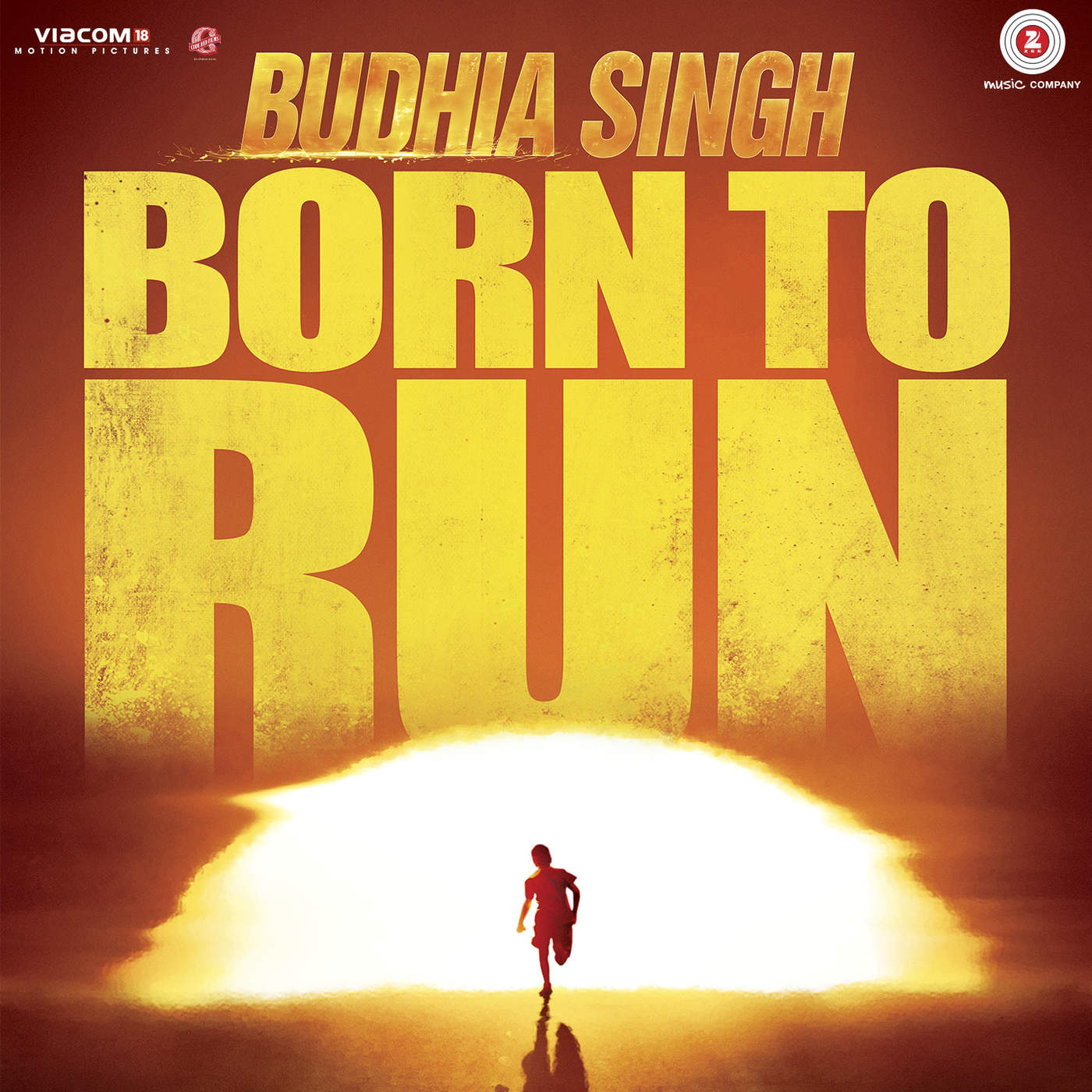
    Dishoom  as the title suggest, in an action film though the title is only suggestive as the action is of the fast-paced gun-and-chase kind. One-day matches are being played in the Middle East where, thanks to their star batsman, Saqib Salim’s (named Viraj in the film to read as Virat) last over heroics scoring the required runs. The next and final match is with the traditional rivals, Pakistan.

    All bets are being laid on to India win, again, thanks to Saqib. But someone somewhere has other plans. Rahul Dev kidnaps Saqib 36 hours before the finals. Soon the phone lines are burning between the host country officials and cricket bosses in India. The matter is beyond both and soon gets the Indian government involved.

    When solving tough cases overseas, Indian cops are the best and, thus, the ministry dispatches their very best, John Abraham, to do the needful. He is supposed to work with the best the host country police has to offer but, instead, John opts for a bungling cop, Varun Dhawan, whose CV so far credits him with tracking a lost dog, fetching provisions for the superior cop’s family and escorting his children to and from school.

    It seems, in the process of tracking the lost dog, Varun has become a sort of Google Map for the county. That is what John needs, a guide, since, like all super cops, he believes in working alone otherwise. As the two set out to find Saqib, they remind you of pairings in films like 48 Hours (remade in Hindi as Andar Baahar), the Terence Hill-Bud Spencer films, Abhishek Bachchan-Uday Chopra capers and many more.

    It is fun as the duo get tracking the culprits, what with Varun’s gimmicks and the one-liners between the two till the interval. That is when Varun decides to turn into a serious cop thanks to the influence of John and the villains are brought into open at this stage. The fun is over and so is the suspense. Rahul, it seems, was only the face in the kidnap drama while the real villain is Akshaye Khanna.

    The second half is serious chases with modern cars, bikes, speedboats and choppers joining the action. In the process, the makers also take you on a brief trip into a medieval Arab town right out of Arabian nights, but with goons wielding guns rather than swords!  The fun is over. In the process of investigations, the John-Varun duo is also introduced to Jacqueline Fernandez. That is some pastime till she decides on which of the two will be her man. As a consolation, Varun does get to meet his match in the end title song in Parineeti Chopra to complete the foursome.

    The script by Tushar HIranandani and Rohit Dhawan treads familiar ground and borders on routine through its second half. Dialogue is fun at times, drying out as the film progresses. Rohit has handled the film well considering its canvas and extensive action scenes. Music in the film is foot tapping, fast to blend with the proceedings. Action sequences are ably executed and keep the viewers’ interest going in the later parts. Cinematography is very good. Editing is okay considering the film’s duration is a mere 124 minutes with nothing much to delete.

    While John playing the no-nonsense cop serious only about his mission does well, Varun gets a better deal playing a light role catering to the mass. Jacqueline looks charming and does better than in her earlier films. In the absence of an established evil man, establishing Akshaye as the villain is a task the writers-director accomplish only partly. Rahul as junior villain is okay. Akshay Kumar regales in a cameo.

    Dishoom is a fair entertainer with appeal for both, mass (mainly) as well as class where it is expected to pick up. The solo release status is a plus. The collections in the Hindi belt will be affected till early next week due to (Kavadia) religious processions causing road blocks leading to traffic restrictions in many parts of UP and Delhi.

    Producer: Sajid Nadiadwala.

    Director: Rohit Dhawan.

    Cast: John Abraham, Varun Dhawan, Jacqueline Fernandez, Akshaye Khanna, Saqib Salim, Rahul Dev, Vijay Raaz and, in cameos, Akshay Kumar, Mohinder Amarnath, Rameez Raja, Atul Wassan, Parineeti Chopra.

    Murder Madhuri:

    Murder Madhuri  seems to be the outcome of somebody’s lifelong dream to make a film. Previous experience: Having watched numerous films, Hollywood as well as Indian. Qualification: Money to waste. The catch to draw audience: name Madhuri in the title.

    A girl, Shanaya Kureel, has finished some sort of her exam at some odd hour of the day when it is dark all over, the streets are deserted and no public transport is available or no private vehicle willing to give her a lift. However, the girl need not worry because her father, Sharat Saxena, is with her for safety.

    Finally, after trying to hail down a lot of vehicles, they succeed in getting a ride with a private luxury coach. They are welcomed by four, a driver and three others, with ‘goons’ written all over them. If the producers are inspired from the real life incident of Nirbhaya, it seems, so are the goons.

    Though tough as he may be, Saxena is overpowered by the goons. The guys take turns to rape Shanaya as the other two keep Saxena under control. After the rapes, the father-daughter duo are thrown out on the streets. They are spotted lying unconscious by a mentally disturbed woman who herself is a rape victim; she was raped by one of the luxury bus men’s father, Kiran Kumar. Raping, it seems, runs in the family.

    Kiran Kumar is the home minister of wherever this incident has taken place which, according to convenience, keeps shifting between Mumbai and other places.

    Shanaya succumbs to her injuries sustained because of the brutal assault on her by the rapists. The police is divided. While the commissioner is at service of Kiran and seems to be running his force from Kiran’s bungalow, there is one honest office in Sonali Joshi who takes on the home minister as well as her commissioner to bring the rapists to book. Nothing works though arrests and acquittals take place on regular basis.

    That is when, suddenly, Saxena remembers he is senior ex-army man who specialized in hand-to-hand combat no matter the number of enemies he had to contend with. Good too that he did not remember this in the bus for had he done so, this film would not have reached so far!

    Saxena arms himself with guns of various shapes and sizes and decides to play Charles Bronson (Death Wish and sequels) to pick the culprits and seek revenge for his daughter.

    The film has one 1960s song playing in the background meant to rouse the viewers’ emotions. The script, direction, make up, props, just about everything ranges between amateur and juvenile.

    Producer: Ali Mohamed Oosman.

    Director: Ali Mohamed Oosman.

    Cast: Sharat Saxena, Kiran Kumar, Deepshikha, Sonali Joshi, Vinay Verma, Suneeta Rana, Raza Murad, Amit Kumar, Shanaya Kureel.

  • ‘Dishoom’… Weekend fun:   ‘Murder Madhuri’…Cinema murdered!

    ‘Dishoom’… Weekend fun: ‘Murder Madhuri’…Cinema murdered!

    MUMBAI:  Sajid Nadiadwala believes in presenting entertaining fare, having experimented with serious stuff only once with Highway. With the best of stars available to him thanks to his track record, his entertainers generally pass muster, usually meaning profits to him and his distributors.

    Dishoom  as the title suggest, in an action film though the title is only suggestive as the action is of the fast-paced gun-and-chase kind. One-day matches are being played in the Middle East where, thanks to their star batsman, Saqib Salim’s (named Viraj in the film to read as Virat) last over heroics scoring the required runs. The next and final match is with the traditional rivals, Pakistan.

    All bets are being laid on to India win, again, thanks to Saqib. But someone somewhere has other plans. Rahul Dev kidnaps Saqib 36 hours before the finals. Soon the phone lines are burning between the host country officials and cricket bosses in India. The matter is beyond both and soon gets the Indian government involved.

    When solving tough cases overseas, Indian cops are the best and, thus, the ministry dispatches their very best, John Abraham, to do the needful. He is supposed to work with the best the host country police has to offer but, instead, John opts for a bungling cop, Varun Dhawan, whose CV so far credits him with tracking a lost dog, fetching provisions for the superior cop’s family and escorting his children to and from school.

    It seems, in the process of tracking the lost dog, Varun has become a sort of Google Map for the county. That is what John needs, a guide, since, like all super cops, he believes in working alone otherwise. As the two set out to find Saqib, they remind you of pairings in films like 48 Hours (remade in Hindi as Andar Baahar), the Terence Hill-Bud Spencer films, Abhishek Bachchan-Uday Chopra capers and many more.

    It is fun as the duo get tracking the culprits, what with Varun’s gimmicks and the one-liners between the two till the interval. That is when Varun decides to turn into a serious cop thanks to the influence of John and the villains are brought into open at this stage. The fun is over and so is the suspense. Rahul, it seems, was only the face in the kidnap drama while the real villain is Akshaye Khanna.

    The second half is serious chases with modern cars, bikes, speedboats and choppers joining the action. In the process, the makers also take you on a brief trip into a medieval Arab town right out of Arabian nights, but with goons wielding guns rather than swords!  The fun is over. In the process of investigations, the John-Varun duo is also introduced to Jacqueline Fernandez. That is some pastime till she decides on which of the two will be her man. As a consolation, Varun does get to meet his match in the end title song in Parineeti Chopra to complete the foursome.

    The script by Tushar HIranandani and Rohit Dhawan treads familiar ground and borders on routine through its second half. Dialogue is fun at times, drying out as the film progresses. Rohit has handled the film well considering its canvas and extensive action scenes. Music in the film is foot tapping, fast to blend with the proceedings. Action sequences are ably executed and keep the viewers’ interest going in the later parts. Cinematography is very good. Editing is okay considering the film’s duration is a mere 124 minutes with nothing much to delete.

    While John playing the no-nonsense cop serious only about his mission does well, Varun gets a better deal playing a light role catering to the mass. Jacqueline looks charming and does better than in her earlier films. In the absence of an established evil man, establishing Akshaye as the villain is a task the writers-director accomplish only partly. Rahul as junior villain is okay. Akshay Kumar regales in a cameo.

    Dishoom is a fair entertainer with appeal for both, mass (mainly) as well as class where it is expected to pick up. The solo release status is a plus. The collections in the Hindi belt will be affected till early next week due to (Kavadia) religious processions causing road blocks leading to traffic restrictions in many parts of UP and Delhi.

    Producer: Sajid Nadiadwala.

    Director: Rohit Dhawan.

    Cast: John Abraham, Varun Dhawan, Jacqueline Fernandez, Akshaye Khanna, Saqib Salim, Rahul Dev, Vijay Raaz and, in cameos, Akshay Kumar, Mohinder Amarnath, Rameez Raja, Atul Wassan, Parineeti Chopra.

    Murder Madhuri:

    Murder Madhuri  seems to be the outcome of somebody’s lifelong dream to make a film. Previous experience: Having watched numerous films, Hollywood as well as Indian. Qualification: Money to waste. The catch to draw audience: name Madhuri in the title.

    A girl, Shanaya Kureel, has finished some sort of her exam at some odd hour of the day when it is dark all over, the streets are deserted and no public transport is available or no private vehicle willing to give her a lift. However, the girl need not worry because her father, Sharat Saxena, is with her for safety.

    Finally, after trying to hail down a lot of vehicles, they succeed in getting a ride with a private luxury coach. They are welcomed by four, a driver and three others, with ‘goons’ written all over them. If the producers are inspired from the real life incident of Nirbhaya, it seems, so are the goons.

    Though tough as he may be, Saxena is overpowered by the goons. The guys take turns to rape Shanaya as the other two keep Saxena under control. After the rapes, the father-daughter duo are thrown out on the streets. They are spotted lying unconscious by a mentally disturbed woman who herself is a rape victim; she was raped by one of the luxury bus men’s father, Kiran Kumar. Raping, it seems, runs in the family.

    Kiran Kumar is the home minister of wherever this incident has taken place which, according to convenience, keeps shifting between Mumbai and other places.

    Shanaya succumbs to her injuries sustained because of the brutal assault on her by the rapists. The police is divided. While the commissioner is at service of Kiran and seems to be running his force from Kiran’s bungalow, there is one honest office in Sonali Joshi who takes on the home minister as well as her commissioner to bring the rapists to book. Nothing works though arrests and acquittals take place on regular basis.

    That is when, suddenly, Saxena remembers he is senior ex-army man who specialized in hand-to-hand combat no matter the number of enemies he had to contend with. Good too that he did not remember this in the bus for had he done so, this film would not have reached so far!

    Saxena arms himself with guns of various shapes and sizes and decides to play Charles Bronson (Death Wish and sequels) to pick the culprits and seek revenge for his daughter.

    The film has one 1960s song playing in the background meant to rouse the viewers’ emotions. The script, direction, make up, props, just about everything ranges between amateur and juvenile.

    Producer: Ali Mohamed Oosman.

    Director: Ali Mohamed Oosman.

    Cast: Sharat Saxena, Kiran Kumar, Deepshikha, Sonali Joshi, Vinay Verma, Suneeta Rana, Raza Murad, Amit Kumar, Shanaya Kureel.

  • ‘Kabali’… For loyal fans only

    ‘Kabali’… For loyal fans only

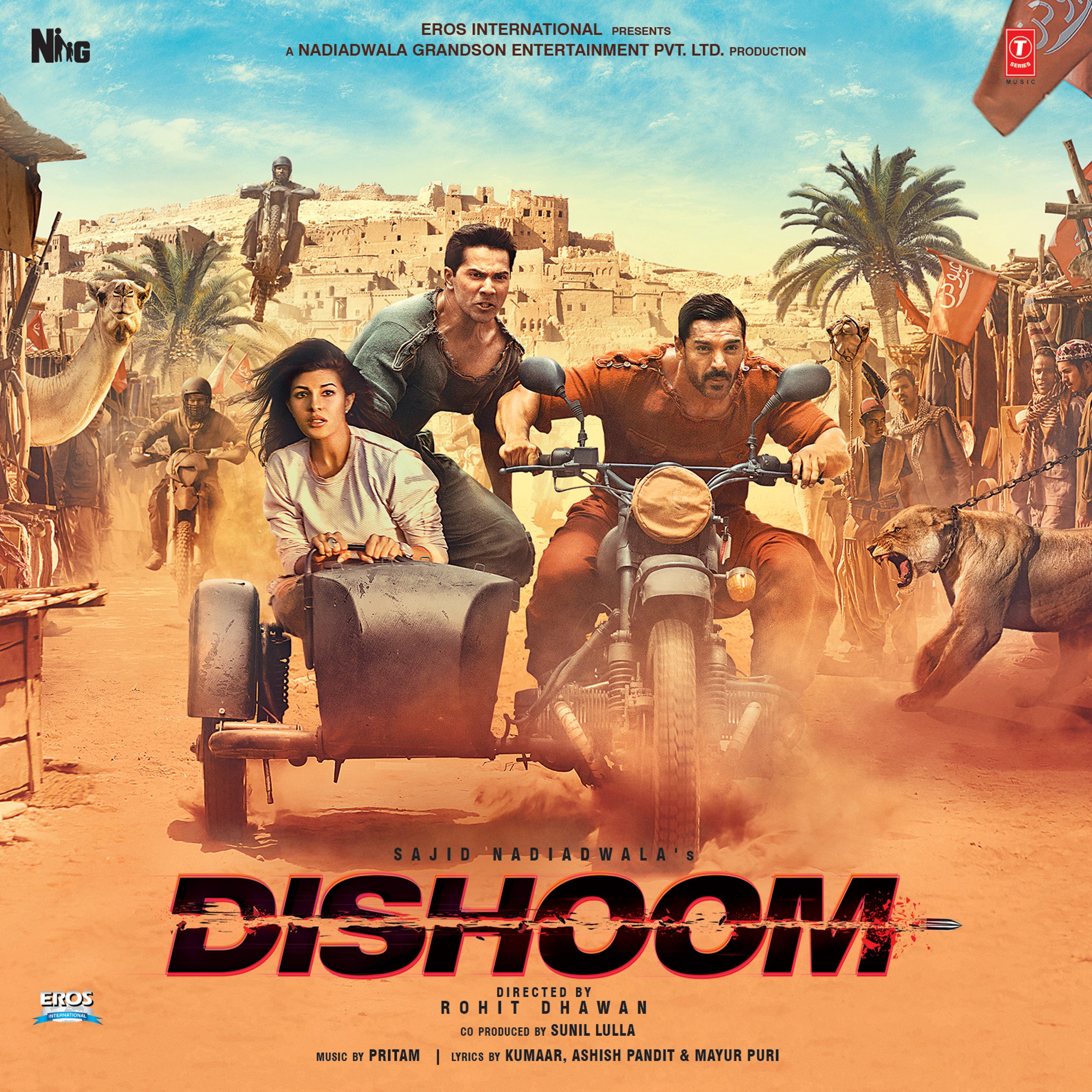
    MUMBAI: One might wonder what exactly does ‘Kabali’ mean? But who cares what it means literally—as long as Rajinikanth portrays the role of Kabali, that itself gives the word and the film a meaning. A Rajini film has to have action. It must make him look infallible, a larger than life human being. It must project him as a family loving and caring man. The film should also project his philanthropic side and as a man who is always ready to do his bit for the downtrodden and suppressed.

    While Kabali makes sure to incorporate all these (from what could be gathered from its Hindi dubbed version), it also has to keep in mind that Rajini is in his mid-60s and his action has to be so designed as to not show his age. The makers also need to keep in mind the fact that the recent Rajini films have not quite met with the expectations of his fans and, hence, of the box office. To give the film a more universally acceptable look and feel, the story and all the action takes place in Malayasia.

    As the film opens, Rajini is being set free from a jail after serving a 25-year sentence. And, you lose half the confidence in your super hero for as far as you are concerned, he is not the kind to be locked up behind cell doors!

    There was a gang war where a huge massacre was taking place but, when the police arrive, Rajini is caught red-handed while his opponents vanished from the scene just in time to avoid being caught. Now that Rajini is coming out, it is time to resume the gang wars. Rajini has made it to this status from a union leader at a rubber plantation where circumstances made him take to crime. Mainly, he had to safeguard his own Dalit people. He starts with breaking taboos by dressing up in a smart suit and shoes. That is his idea of defiance.

    Rajini’s mentor, Naser, is killed by the Chinese gangsters because while the Chinese indulged in drugs and flesh trade, Naser was against it. Rajini takes over his place to continue the crusade. Meanwhile, Rajini also wants to avenge the deaths of his wife, Radhika Apte, and daughter, Dhansika who was yet to born.

    The first half of the film passes with little happening save for a couple of gang shootouts as both parties take turns to raid their opponent. It is at the close of first half that Rajini meets the daughter he presumed dead. She is a grown up lady now who has been shadowing her father with an intent to protect him if need be.

    As the second half starts, most parts are devoted to reuniting the family after which, the Chinese gang resumes its attacks. Each time, Rajini either manages to survive or outsmart the enemy. This goes on till the final showdown where, at a terrace party, Rajini is caught unarmed and alone. But, as it turns out, he is not alone and most of those around pretending to be the catering staff at the party are his men! The crossfire starts and you can’t make out who is shooting who, nor do you care. The last duel between the Chinese villain, Winston Chao (a Taiwanese actor) and Rajini also avoids hand to hand which used to be the hero’s forte. After all, you can’t challenge age. Our audience love Pakistan-bashing and, with this movie, it seems they will also come to love some Chinese bashing!

    Kabali is all about Rajinikanth and nothing else. The script is routine while the direction is patchy. Dialogue loses much of its appeal and claps in Hindi as do songs. Photography is good. Performances are okay.

    Kabali created hype and expectations being a Rajinikanth movie. The Hindi audience has never cared much for his stardom even if the media keeps painting him on par with top actors in Hindi. Kabali will go down as just another dubbed South movie after a couple of days’ curious watchers, mainly the South Indian pockets in rest of India.

    Producer: Kalaipuli S. Thanu.
    Director: Pa. Ranjith.
    Cast: Rajinikanth, Winston Chao, Radhika Apte, Dhansika.

  • ‘Kabali’… For loyal fans only

    ‘Kabali’… For loyal fans only

    MUMBAI: One might wonder what exactly does ‘Kabali’ mean? But who cares what it means literally—as long as Rajinikanth portrays the role of Kabali, that itself gives the word and the film a meaning. A Rajini film has to have action. It must make him look infallible, a larger than life human being. It must project him as a family loving and caring man. The film should also project his philanthropic side and as a man who is always ready to do his bit for the downtrodden and suppressed.

    While Kabali makes sure to incorporate all these (from what could be gathered from its Hindi dubbed version), it also has to keep in mind that Rajini is in his mid-60s and his action has to be so designed as to not show his age. The makers also need to keep in mind the fact that the recent Rajini films have not quite met with the expectations of his fans and, hence, of the box office. To give the film a more universally acceptable look and feel, the story and all the action takes place in Malayasia.

    As the film opens, Rajini is being set free from a jail after serving a 25-year sentence. And, you lose half the confidence in your super hero for as far as you are concerned, he is not the kind to be locked up behind cell doors!

    There was a gang war where a huge massacre was taking place but, when the police arrive, Rajini is caught red-handed while his opponents vanished from the scene just in time to avoid being caught. Now that Rajini is coming out, it is time to resume the gang wars. Rajini has made it to this status from a union leader at a rubber plantation where circumstances made him take to crime. Mainly, he had to safeguard his own Dalit people. He starts with breaking taboos by dressing up in a smart suit and shoes. That is his idea of defiance.

    Rajini’s mentor, Naser, is killed by the Chinese gangsters because while the Chinese indulged in drugs and flesh trade, Naser was against it. Rajini takes over his place to continue the crusade. Meanwhile, Rajini also wants to avenge the deaths of his wife, Radhika Apte, and daughter, Dhansika who was yet to born.

    The first half of the film passes with little happening save for a couple of gang shootouts as both parties take turns to raid their opponent. It is at the close of first half that Rajini meets the daughter he presumed dead. She is a grown up lady now who has been shadowing her father with an intent to protect him if need be.

    As the second half starts, most parts are devoted to reuniting the family after which, the Chinese gang resumes its attacks. Each time, Rajini either manages to survive or outsmart the enemy. This goes on till the final showdown where, at a terrace party, Rajini is caught unarmed and alone. But, as it turns out, he is not alone and most of those around pretending to be the catering staff at the party are his men! The crossfire starts and you can’t make out who is shooting who, nor do you care. The last duel between the Chinese villain, Winston Chao (a Taiwanese actor) and Rajini also avoids hand to hand which used to be the hero’s forte. After all, you can’t challenge age. Our audience love Pakistan-bashing and, with this movie, it seems they will also come to love some Chinese bashing!

    Kabali is all about Rajinikanth and nothing else. The script is routine while the direction is patchy. Dialogue loses much of its appeal and claps in Hindi as do songs. Photography is good. Performances are okay.

    Kabali created hype and expectations being a Rajinikanth movie. The Hindi audience has never cared much for his stardom even if the media keeps painting him on par with top actors in Hindi. Kabali will go down as just another dubbed South movie after a couple of days’ curious watchers, mainly the South Indian pockets in rest of India.

    Producer: Kalaipuli S. Thanu.
    Director: Pa. Ranjith.
    Cast: Rajinikanth, Winston Chao, Radhika Apte, Dhansika.

  • ‘Madaari’ rides on cast; ‘M Cream’  bores

    ‘Madaari’ rides on cast; ‘M Cream’ bores

    MUMBAI: Madaari arouses curiosity mainly because of its star cast combination of Irrfan Khan and Jimmy Shergill. As expected, they are on opposite sides of the law. Also, the film packs one of the favourite themes of the masses: a common man against the establishment.

    Irrfan is stalking two young boys, both hostelites somewhere in Uttarakhand. The boys, Vishesh Bansal and Sadhil Kapoor, love to defy the hostel regulations. They have timed the sentry’s checkup visits to the dormitory and, accordingly, every night between 12 midnight and 4 am they jump over the hostel premises to go have midnight meals at the roadside thelas. They get their kick out of this act.

    Unknown to Vishesh and Sadhil, they are being observed keenly by a scary looking man with longish hair and a beard, Irrfan. He is also seen inquiring about the boys from the food vendor. And, soon enough, he has kidnapped both the boys. While he lets off Sadhil, he has a serious reason for kidnapping Vishesh: he has an axe to grind with Vishesh’s father, Tushar Dalvi, who is the home minister (there is a bit of confusion here as one can’t really determine if this is a state subject or related to the central government.).

    Irrfan is an aggrieved person in that he was a single parent of a boy who he doted on. One day, lured by an opportunity to earn some extra money, he lets his son go to school on his own instead of dropping him there as has been his routine. But, within minutes of son and father parting, there is a tragedy. A bridge in the area has collapsed and one of the victims is Irrfan’s son. Had Irrfan gone to drop his son off, he would have perished too.

    Irrfan survives and now wants accountability. And what better than kidnapping the home minister’s son and force him to tow your lines? Soon, the whole legal force is out to track Irrfan though they still don’t know who the kidnapper is. The case is handed over to Shergill, who soon understands that the kidnap is not for ransom and the kidnapper has a solid motive. Also, that he is a computer savvy, educated man.

    As the manhunt starts, this turns into a road movie. Irrfan keeps moving from place to place so that his calls are not tracked. That is till the cops release Irrfan’s and Vishesh’s pictures. But, meanwhile, Irrfan has not only won over Vishesh to his side but also, thanks to the media, the general public. People are always with the underdog.

    The film moves towards the tried and tested climax; it is Irrfan vs. corrupt politicians with masses playing the referee thanks to the media.

    As mentioned at the onset, the main attraction in Madaari is its cast. As for the rest, the film offers nothing original. Public works and corruption? The earliest film I remember about building bridges which end in tragedy,  is Aadmi Aur Insaan (B R Films: 1969), which had a friendship background, Jaane Bhi Do Yaaro (Kundan Shah: 1983) had comedy as its main theme and there are many others. As for the kidnapping for justice, Gabbar Is Back was a recent release with similar theme. And the cops vs. Irrfan treatment is very much akin to the acclaimed film, A Wednesday!. And, of course, the climax of using the media to involve the public to witness the final confessions has now become as much a part of our films as are songs and dance routines!
    The scripting is taut initially but, as soon as Irrfan’s identity is known, the film loses some of its holding power. Also, the way it goes about, it offers no surprises or twists. It also leaves a lot unexplained as to the locale of the story, the wife deserting Irrfan and leaving a kid behind at a time he needed nursing and other such points. Direction goes by the script and does not rise beyond its limitations. Music has situational utility. Cinematography is good as it juxtaposes scenic northern mountains against barren Rajasthan landscapes.

    Irrfan is excellent. The film is woven around his character and he makes the most of it. Shergill proves a perfect foil with his restrained performance as well as his very presence. Young Vishesh impresses.

    Madaari has limited appeal, especially for the gentry.

    Producers: Irrfan Khan, Shailesh Singh, Madan Paliwal, Sutapa Sikdar, Shailja Kejriwal.

    Director: Nishikant Kamat.

    Cast: Irrfan Khan, Vishesh Bansal, Jimmy Shergill, Tushar Dalvi, Nitesh Pandey, Sadhil Kapoor.
     
     
    M Cream …..Trip to boredom!

    M Cream may be called a personal movie in that, if the film bore relevance to anybody, it would be to its makers. It is about four college youth perpetually on alcohol and drugs but the ones affected and on a high, it seems, are the makers. It is a product of indulgence. In fact, if at all, then the film tries to pick up events from the late 1960s and transpose them to today! To attribute a genre to the film, it is a road movie.

    Imaad Shah, Ira Dubey, Raaghav Chanana and Aurita Ghosh are Delhi University students who are seen anywhere but the university campus. They seem to live in their own world and are always sufficiently stocked with alcohol, drugs and cigarettes. If at all they take a break from these indulgence, it is for sex.

    Since their lives revolve around booze and drugs, they feel the need to go search for this mythical wonder hashish, M Cream, said to be found only in the Himalayas. The preparation contains mainly of alcohol stock. The group decides to drop in at Dharamshala, the city of the Dalai Lama. On the way, the equations seem to be changing between these two couples. Imaad,who was earlier attracted to Aurita, is now inclined towards Ira while Aurita shacks up with Raaghav.

    Their life is now about travelling through picturesque Himalayan tracks or eating, drinking and smoking when not travelling. Their next stop is at some sort of joint run by Barry John who enlightens them further on drugs and also gives them their first experience with LSD. Of course, wherever they go, there are groups of hippies stocked up with drugs waiting to welcome them, play music and have wild dance parties.

    For the sake of some kind of movement, the friends fight and the couples part ways. Imaad and Ira are left on their own. Whether they discover M Cream or not, they sure end up discovering each other!

    The film has soulful music, a fusion of songs you can hear again and again on a long drive. Shubha Mudgal along with a couple of foreign artists renders racy songs.

    If the film tries to take you back to the hippie era, it fails badly as the makers seem to have no clue about that age and time. For, if anything changed the world, people and way of life after WW2  more drastically, it was the 1960s and early 70s.

    Producer: Agniputra Films.

    Director: Agneya Singh.

    Cast: Imaad Shah, Ira Dubey, Barry John, Auritra Ghosh, Raaghav Chanana, Tom Alter, Lushin Dubey, Beatrice Ordeix.
     

  • ‘Madaari’ rides on cast; ‘M Cream’  bores

    ‘Madaari’ rides on cast; ‘M Cream’ bores

    MUMBAI: Madaari arouses curiosity mainly because of its star cast combination of Irrfan Khan and Jimmy Shergill. As expected, they are on opposite sides of the law. Also, the film packs one of the favourite themes of the masses: a common man against the establishment.

    Irrfan is stalking two young boys, both hostelites somewhere in Uttarakhand. The boys, Vishesh Bansal and Sadhil Kapoor, love to defy the hostel regulations. They have timed the sentry’s checkup visits to the dormitory and, accordingly, every night between 12 midnight and 4 am they jump over the hostel premises to go have midnight meals at the roadside thelas. They get their kick out of this act.

    Unknown to Vishesh and Sadhil, they are being observed keenly by a scary looking man with longish hair and a beard, Irrfan. He is also seen inquiring about the boys from the food vendor. And, soon enough, he has kidnapped both the boys. While he lets off Sadhil, he has a serious reason for kidnapping Vishesh: he has an axe to grind with Vishesh’s father, Tushar Dalvi, who is the home minister (there is a bit of confusion here as one can’t really determine if this is a state subject or related to the central government.).

    Irrfan is an aggrieved person in that he was a single parent of a boy who he doted on. One day, lured by an opportunity to earn some extra money, he lets his son go to school on his own instead of dropping him there as has been his routine. But, within minutes of son and father parting, there is a tragedy. A bridge in the area has collapsed and one of the victims is Irrfan’s son. Had Irrfan gone to drop his son off, he would have perished too.

    Irrfan survives and now wants accountability. And what better than kidnapping the home minister’s son and force him to tow your lines? Soon, the whole legal force is out to track Irrfan though they still don’t know who the kidnapper is. The case is handed over to Shergill, who soon understands that the kidnap is not for ransom and the kidnapper has a solid motive. Also, that he is a computer savvy, educated man.

    As the manhunt starts, this turns into a road movie. Irrfan keeps moving from place to place so that his calls are not tracked. That is till the cops release Irrfan’s and Vishesh’s pictures. But, meanwhile, Irrfan has not only won over Vishesh to his side but also, thanks to the media, the general public. People are always with the underdog.

    The film moves towards the tried and tested climax; it is Irrfan vs. corrupt politicians with masses playing the referee thanks to the media.

    As mentioned at the onset, the main attraction in Madaari is its cast. As for the rest, the film offers nothing original. Public works and corruption? The earliest film I remember about building bridges which end in tragedy,  is Aadmi Aur Insaan (B R Films: 1969), which had a friendship background, Jaane Bhi Do Yaaro (Kundan Shah: 1983) had comedy as its main theme and there are many others. As for the kidnapping for justice, Gabbar Is Back was a recent release with similar theme. And the cops vs. Irrfan treatment is very much akin to the acclaimed film, A Wednesday!. And, of course, the climax of using the media to involve the public to witness the final confessions has now become as much a part of our films as are songs and dance routines!
    The scripting is taut initially but, as soon as Irrfan’s identity is known, the film loses some of its holding power. Also, the way it goes about, it offers no surprises or twists. It also leaves a lot unexplained as to the locale of the story, the wife deserting Irrfan and leaving a kid behind at a time he needed nursing and other such points. Direction goes by the script and does not rise beyond its limitations. Music has situational utility. Cinematography is good as it juxtaposes scenic northern mountains against barren Rajasthan landscapes.

    Irrfan is excellent. The film is woven around his character and he makes the most of it. Shergill proves a perfect foil with his restrained performance as well as his very presence. Young Vishesh impresses.

    Madaari has limited appeal, especially for the gentry.

    Producers: Irrfan Khan, Shailesh Singh, Madan Paliwal, Sutapa Sikdar, Shailja Kejriwal.

    Director: Nishikant Kamat.

    Cast: Irrfan Khan, Vishesh Bansal, Jimmy Shergill, Tushar Dalvi, Nitesh Pandey, Sadhil Kapoor.
     
     
    M Cream …..Trip to boredom!

    M Cream may be called a personal movie in that, if the film bore relevance to anybody, it would be to its makers. It is about four college youth perpetually on alcohol and drugs but the ones affected and on a high, it seems, are the makers. It is a product of indulgence. In fact, if at all, then the film tries to pick up events from the late 1960s and transpose them to today! To attribute a genre to the film, it is a road movie.

    Imaad Shah, Ira Dubey, Raaghav Chanana and Aurita Ghosh are Delhi University students who are seen anywhere but the university campus. They seem to live in their own world and are always sufficiently stocked with alcohol, drugs and cigarettes. If at all they take a break from these indulgence, it is for sex.

    Since their lives revolve around booze and drugs, they feel the need to go search for this mythical wonder hashish, M Cream, said to be found only in the Himalayas. The preparation contains mainly of alcohol stock. The group decides to drop in at Dharamshala, the city of the Dalai Lama. On the way, the equations seem to be changing between these two couples. Imaad,who was earlier attracted to Aurita, is now inclined towards Ira while Aurita shacks up with Raaghav.

    Their life is now about travelling through picturesque Himalayan tracks or eating, drinking and smoking when not travelling. Their next stop is at some sort of joint run by Barry John who enlightens them further on drugs and also gives them their first experience with LSD. Of course, wherever they go, there are groups of hippies stocked up with drugs waiting to welcome them, play music and have wild dance parties.

    For the sake of some kind of movement, the friends fight and the couples part ways. Imaad and Ira are left on their own. Whether they discover M Cream or not, they sure end up discovering each other!

    The film has soulful music, a fusion of songs you can hear again and again on a long drive. Shubha Mudgal along with a couple of foreign artists renders racy songs.

    If the film tries to take you back to the hippie era, it fails badly as the makers seem to have no clue about that age and time. For, if anything changed the world, people and way of life after WW2  more drastically, it was the 1960s and early 70s.

    Producer: Agniputra Films.

    Director: Agneya Singh.

    Cast: Imaad Shah, Ira Dubey, Barry John, Auritra Ghosh, Raaghav Chanana, Tom Alter, Lushin Dubey, Beatrice Ordeix.