Category: Legal and Policies

  • Zee’s Independent Investigation Committee finds no material irregularities

    Zee’s Independent Investigation Committee finds no material irregularities

    Mumbai: The Independent Investigation Committee (IIC) constituted by the board of directors of Zee Entertainment Enterprises (Zee) submitted its report to the board of the company.

    The committee, chaired by High Court of Allahabad’s former judge Justice Dr Satish Chandra, comprises Zee’s two independent directors – Audit Committee chairman and the Institute of Chartered Accountants of India former president Uttam Prakash Agarwal and Nomination and Remuneration Committee chairman, lawyer, author, and academic practitioner in HR and organisation development Dr. P.V Ramana Murthy. The committee conducted a thorough review of all allegations raised by the regulatory agencies. They carried out an extensive fact-checking exercise to verify all the documents and information provided by the company during the investigations to SEBI.

    Since its inception, the committee invested substantial time to delve deeper into the areas of concern highlighted by regulatory agencies to curb the spread of misinformation. The committee sought advice from reputed external audit firms, taxation, and regulatory experts to ensure a comprehensive review.

    Key points from the report include:

    . The committee noted that the company provided complete support and shared detailed responses with SEBI.

    .  The company has implemented necessary remedial measures in respect of past issues already reviewed by SEBI.

    .  The company and board have provided evidence that appropriate and timely actions were taken to address SEBI’s concerns.

    . The transactions under investigation did not adversely affect the company or its shareholders and were part of normal business operations. No material irregularities were reported.

    . No further corrective or legal measures are required.

    Dr Chandra commented, “We conducted a detailed review of all allegations, and necessary submissions have been made to the Board. The efforts of the Committee members, along with external advisors, enabled a comprehensive evaluation. We have not found anything adverse in the Company’s operations.”

    The board has advised Zee to settle any pending adjudication proceedings with SEBI in a time-bound manner and focus on enhancing performance and profitability in line with the strategic growth plan implemented by the MD & CEO.

    On 27 February 2024, the board of Zee instituted the IIC to address allegations raised by regulatory authorities in the interest of shareholders and stakeholders.

  • Team Satyug advocates for stringent perjury law

    Team Satyug advocates for stringent perjury law

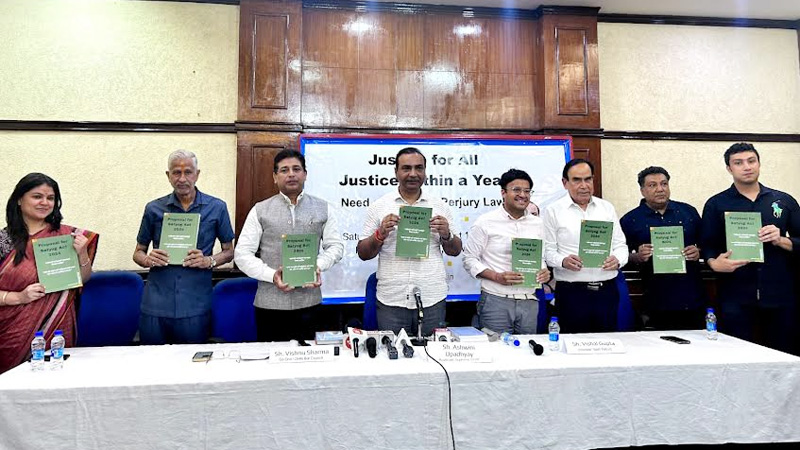
    Mumbai: Team Satyug, a volunteer-driven organisation dedicated to eliminating the backlog of court cases in India and promoting justice within the judicial system, hosted a press conference titled “Justice for All, Justice Within a Year” which was themed around the need for stringent perjury law. The press conference took place at the Press Club of India, New Delhi, on 3 August 2024 at 11:30 am. The event was addressed by renowned Supreme Court advocate Ashwini Upadhyay and Delhi Bar Council co-chairman Vishnu Sharma.

    Perjury, the act of lying under oath, is a grave offense that undermines the integrity of the judicial system. Despite repeated concerns raised by the High Courts and the Supreme Court, the issue of perjury has remained inadequately addressed and not given the seriousness it warrants. Team Satyug believes that addressing perjury is not a matter of technological limitation but one of political will. Team Satyug is committed to fostering a just society through collective volunteer efforts and innovative solutions.

    The press conference garnered significant attention from the media and the public, bringing the urgent need for a stringent perjury law to the forefront of national discourse. The event successfully highlighted the critical issues within the judicial system and the necessity for political will to address perjury effectively. As a result, there was an increase in volunteer sign-ups, with many individuals committing their time to support Team Satyug’s mission. Furthermore, the conference sparked discussions among policymakers, leading to the consideration of legislative changes to strengthen laws against perjury.

    Commenting on the same belief, Supreme Court lawyer Ashwini Upadhyay addressed the attendees stating, “Perjury is a significant threat to the sanctity of our judicial system. By not addressing it with the seriousness it deserves, we allow the integrity of our courts to be compromised. Team Satyug’s initiative to create a stringent perjury law is a crucial step towards ensuring justice for all. Our goal is to see justice delivered within a year, and with the collective efforts of our volunteers, we can make this vision a reality.”

    Delhi Bar Council co-chairman Vishnu Sharma added, “Implementing a stringent perjury law is essential to restore the credibility of our judicial system. It is not just about punishment but about creating an environment where truth prevails. By tackling perjury head-on, we can ensure faster and fairer justice for everyone.”

    Team Satyug’s initiative encourages individuals to come forward and rectify false testimonies without fear of punishment, thereby streamlining judicial processes. Team Satyug’s philosophy of “Absolute Satvik Karm” emphasized selfless actions performed for the greater good, without seeking personal or reputational gain.

    “Our mission is to empower citizens to contribute to a fair and just society. The one-time amnesty program is a groundbreaking approach to dealing with perjury, which not only helps in reducing the backlog of cases but also restores faith in our legal system.” Team Satyug founding member Vishal Gupta stated. “We urge everyone to join us in this noble cause, dedicating just an hour a day to bring about a substantial change.”

    The press conference hosted by Team Satyug on the need for a stringent perjury law marked a crucial step in addressing the integrity of India’s judicial system. With insights from Ashwini Upadhyay and Vishnu Sharma, the event emphasised the urgency of implementing the need for stringent laws, gaining widespread support for the cause.

  • Maharashtra government set to introduce new hoarding policy for Mumbai metropolitan region

    Maharashtra government set to introduce new hoarding policy for Mumbai metropolitan region

    Mumbai: On 1 July, state minister Uday Samant announced in the legislative assembly that the Maharashtra government is soon to introduce a new policy regarding hoardings in the Mumbai Metropolitan Region (MMR). This development comes just two months after the collapse of an illegal hoarding in Ghatkopar, Mumbai, which resulted in 17 fatalities and left over 75 people injured on May 13.

    Samant stated, “A policy will be unveiled once the code of conduct for the legislative council polls ends, following the declaration of results for the graduates and teachers constituencies.”

    A committee led by former Allahabad high court chief justice Dilip Bhosle is currently investigating the 13 May hoarding collapse in the Ghatkopar area. Additionally, it was revealed that out of the 1,025 hoardings in Mumbai, 306 are situated on railway land.

    During the assembly session, BJP legislator Ram Kadam alleged that Bhavesh Bhinde, whose firm was responsible for erecting the collapsed hoarding, had been photographed with Shiv Sena (UBT) chief Uddhav Thackeray. Kadam insisted that Bhinde’s involvement should also be investigated.

  • Industry leaders embrace transparency with new Self-Declaration Certificates in advertising

    Industry leaders embrace transparency with new Self-Declaration Certificates in advertising

    Mumbai: The recent Supreme Court mandate for Self-Declaration Certificates (SDC) in advertisements, effective from 18 June 2024, marks a significant step towards promoting transparency, accountability, and consumer protection in advertising practices. This directive requires advertisers and agencies to submit a certificate ensuring that their advertisements are truthful and comply with relevant regulations. Prominent industry leaders have voiced their support for this initiative, highlighting its potential to foster ethical marketing and build consumer trust.

    Indiantelevision connected with industry experts to share insights on the Supreme Court’s Self-Declaration Certificates (SDCs) mandate, focusing on how advertisers can align their marketing practices with legal requirements such as SDC submissions while genuinely prioritising consumer interests and ethical standards.

    ASCI CEO Manisha Kapoor

    “ASCI’s Advertising Advice service can help advertisers and agencies make confident declarations. To avoid challenges, ASCI urges agencies to familiarize themselves with the portal and its requirements. Prioritizing consumer interests and ethical standards is crucial for maintaining trust and transparency in advertising.”

    Think‘in Birds Communications CEO Bhavik Mehta

    “The recent Supreme Court mandate for Submission of Self-declaration Certificates (SDC) is a significant step towards safeguarding consumer interests and promoting responsible marketing. Advertisers can ensure their practices not only comply with this legal requirement but also genuinely prioritize consumer interests and ethical standards by focusing on several often-overlooked aspects. The ethical use of AI and automation is crucial to avoid discrimination and manipulation of vulnerable consumers, necessitating regular audits and transparent practices. Inclusive marketing that authentically represents diverse demographics promotes social equity and broadens product appeal. Considering the psychological impact of advertising, strategies should avoid exploiting insecurities and instead encourage well-being. Sustainable practices should be adopted not only in product promotion but also in reducing the environmental impact of advertising materials.

    Transparency in sponsorships and influencer partnerships builds trust, as does ensuring all marketing content is accessible to individuals with disabilities. Fair competition practices, cultural sensitivity in global campaigns, and a focus on long-term consumer relationships further enhance ethical standards. Encouraging employee advocacy can also provide authentic promotion and strengthen brand reputation. By integrating these considerations, advertisers can create strategies that are both compliant with the Supreme Court mandate and genuinely ethical, fostering long-term consumer trust and loyalty.”

    Puretech Digital senior vice president: delivery, operations & client engagement Parthiv Majmuda

    “Compliance with the Supreme Court’s mandate for Submission of Self-declaration Certificate (SDC) is essential, but so is prioritising consumer interests and ethical standards. At Puretech Digital, we have incorporated the SDC tracking in our operations SOP. Workflows in our project management tool have been updated to ensure all teams adhere to this before publishing.

    We view the SDC mandate as an opportunity to enhance our marketing practices, fostering accountability and genuinely benefiting consumers. This involves avoiding misleading claims, respecting consumer privacy, and maintaining transparency in our communications.

    By integrating SDC requirements into our workflows and investing in training the people, we aim to build trust and loyalty among our audience. Ultimately, it’s a collaborative effort with our clients to excel in both compliance and ethical marketing.”

    NetSetGo Media global business head Abhishek Tiwari

    “The recent requirement, by the Supreme Court for companies to submit Self-declaration Certificates (SDCs) represents a change in consumer protection and ethical marketing practices. This new rule pushes businesses to take accountability for their claims promoting a culture of transparency and responsibility. By mandating that companies back up their advertising statements the SDC system gives consumers the tools to make informed choices and levels the playing field for enterprises by discouraging deceptive tactics. This mandate is expected to encourage companies to adopt an approach to product development and testing ensuring that their claims can withstand scrutiny. While there may be obstacles in implementation the long-term advantages for consumer confidence and market integrity are considerable. This shift aligns with movements towards advertising regulations and has the potential to enhance India’s reputation, in consumer protection. As businesses adjust to this standard we can look forward to a marketplace defined by increased genuineness and consumer-focused principles.”

    Globale Media director- performance and acquisitions  Kritika Arora

    Advertisers can adopt a comprehensive and proactive approach to ensure that their marketing strategies comply with legal requirements as well as prioritize consumer interests and ethical standards. Here are some key strategies:

    1. Strict Adherence to Regulations:

    Legal Compliance: Regularly update and audit marketing practices to ensure compliance with all relevant laws and regulations. This includes timely submission of SDCs and adherence to advertising standards.

    Training and Awareness: Educate marketing teams on legal requirements and ethical advertising standards to ensure everyone understands and follows the rules.

    2. Transparency and Honesty:

    Clear Communication: Provide clear and accurate information about products and services. Avoid misleading claims and ensure all advertising content is truthful.

    Disclosures: Make necessary disclosures about product limitations, risks, and any other critical information. This builds trust and helps consumers make informed decisions.

    3. Consumer Privacy and Data Protection:

    Data Security: Implement robust data protection measures to safeguard consumer information. Use encryption, anonymisation, and access controls to prevent data breaches.

    Consent: Obtain explicit consent from consumers before collecting and using their data. Provide easy-to-understand privacy policies and allow consumers to opt out of data collection.

    4. Ethical Advertising Practices:

    Ethical Guidelines: Develop and enforce ethical guidelines for advertising that prioritise honesty, respect, and fairness. Ensure advertisements do not exploit vulnerable populations or promote harmful behaviours.

    Cultural Sensitivity: Be mindful of cultural differences and avoid content that could be offensive or inappropriate in different cultural contexts.

    5. Consumer-Centric Approach:

    Value Proposition: Focus on creating advertisements that genuinely add value to consumers’ lives. Highlight how products and services can solve problems or enhance their well-being.

    Feedback Mechanisms: Establish channels for consumers to provide feedback on advertisements. Use this feedback to improve future marketing practices and address any concerns.

    6. Social Responsibility:

    Community Engagement: Involve the community in marketing campaigns and demonstrate a commitment to social responsibility. Support social causes and ensure that marketing messages reflect positive societal values.

    Sustainable Practices: Incorporate sustainability into marketing strategies. Promote environmentally friendly products and practices, and transparently communicate efforts towards sustainability.

    This holistic approach not only builds consumer trust and loyalty but also strengthens the brand’s reputation and integrity in the marketplace.

    Korra India CEO Saket Vaidya

    “We are very positive about the Supreme Court’s mandate for Self-declaration Certificates (SDC), viewing it as a vital measure to promote responsible advertising and protect consumer interests. Such safeguards have long been in place in mainstream advertising, and now, with this mandate, digital media will also receive these essential guardrails. Digital media has rapidly grown, with platforms like YouTube reaching a larger audience than many traditional TV channels. With 70 per cent of India’s population accessing digital content due to affordable and accessible data, and the advent of 5G facilitating richer communications, the digital sector’s impact is profound. The e-commerce boom has further extended its reach to 99 per cent of India’s pincodes. This mandate is a clear acknowledgement that digital marketing now plays a pivotal role in the industry, ensuring consumer protection as the digital economy continues to thrive.”  

    The InterMentalist founder Shivashish Tarkas

    Shivashish

    The recent Supreme Court mandate for the Submission of Self-declaration Certificates (SDC) is a welcome move to protect consumers from any misleading advertisements. The advertising world has progressed rapidly in the digital era and hence it’s essential to have protocols in place.

    Implementation requires clear regulations, confidentiality measures, and a robust platform infrastructure capable of handling diverse data. The industry will need time to adapt to the proposed system.

    Ambiguity pervades the industry currently, but clarity is anticipated as time progresses.

    Conclusion

    The Supreme Court’s requirement for Self-Declaration Certificates marks a big step in promoting fair advertising and protecting consumers. Advertisers must follow this rule by being clear, accountable, and ethical in their practices. This approach not only builds trust with consumers but also helps create a more honest marketplace. Insights from industry leaders offer practical ways to navigate these new rules and uphold high standards in advertising.
  • Disney Star India cracks down on illegal streaming website

    Disney Star India cracks down on illegal streaming website

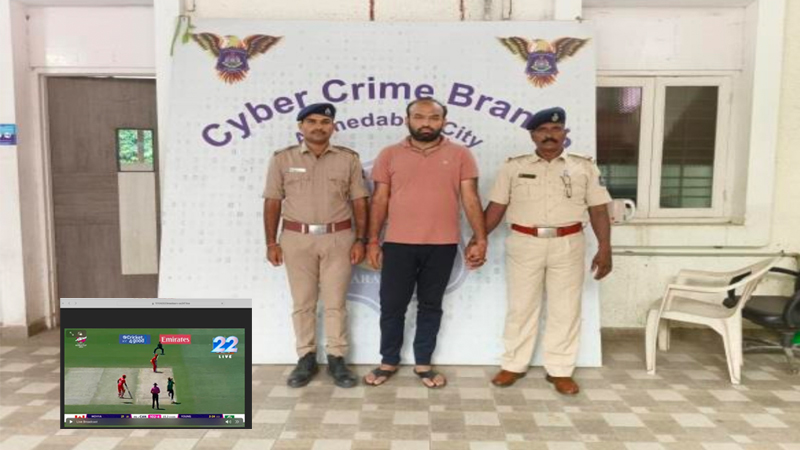
    MUMBAI: There’s reason to celebrate at Disney Star India. The media behemoth’s anti-piracy cell – led by Major Ashok Yadav – has – with the help of the Ahmedabad police – managed to crack down on a clutch of betting websites which were illegally running ICC T20 World Cup cricket streams.

    “What’s alarming is the number of betting websites that have popped up this time during this World Cup and they are running live match video streams simultaneously. These guys at magicwin.games, magicwin.com were streaming the matches and encouraging youngsters to place bets,” said Yadav “We filed an FIR and asked help from the cybercrime cell in Ahmedabad and it has since been blocked from running the video streams. It’s to the police commissioner’s credit that it was brought down in 10 days and the pirate arrested.”

    The cybercrime cell led by Lavina Sinha along with ACP Hardik Mankadiya have named three accused Divyanshu Patel, Shubham Patel and Harsh Patel, According to both Sinha and Mankadiya, the match video feed was being provided to Divyanshu from a cable operator in Pakistan who goes by the name of Azhar, while Shubham – who is based in Canada – would bring in customers from overseas. The police have arrested Divyanshu, who is a website developer from Mehsana district in Gujarat, and another member of the ring Omkumar Goswami whose job was to open bank accounts in which the betting money was deposited. Laptops, routers, encoders, personal servers have all been recovered from Divyanshu’s premises. Additionally, an international lookout notice has been issued against Shubham Patel.

    “Servers were running in Winnipeg, Russia, Germany to keep this operation going,” said Mankadiya.

    For the police, the larger crime of illegal betting is something that they are further chasing.

    Investigations are currently ongoing around the fintech company that was involved in the UPI transactions for betting transfers while also looking into the media agency which had placed billboards throughout Ahmedabad promoting magicwin.

    “Celebrities like Vidyut Jamal were endorsing magicwin without really knowing what they were doing,” said Mankadiya.

    “We hope the new advertising regulations will help make these celebs more aware and be careful about what they are promoting,” said a media professional.

    Shall we say Amen to that!

  • Understanding the PoSH Act: Key compliance requirements for Indian workplaces

    Understanding the PoSH Act: Key compliance requirements for Indian workplaces

    The Sexual Harassment of Women at Workplace (Prevention, Prohibition, and Redressal) Act, 2013, popularly known as the PoSH Act or ASH (Anti-Sexual Harassment Act), mandates certain compliances for Indian workplaces. The enactment of this legislation marks significant progress in workplace safety and the prevention of sexual harassment. This Act applies across all sectors. Whether public or private it is mandatory for all workplaces with more than 10 employees. Workplaces with fewer than 10 employees come under the Local Complaints Committee and are not mandated, although it is a best practice to have redressal mechanisms in place. Here are some key compliances required for workplaces in India:

    ●    Internal committee: Workplaces must constitute an Internal Committee (IC) to handle sexual harassment complaints. The IC should consist of four to five members with at least 50 per cent representation of women. A female senior leader should serve as the Presiding Officer, and one external member should be qualified to handle such complaints.

    ●    PoSH policy: Every workplace must create a PoSH policy by the law. This policy should detail the Anti-Sexual Harassment Policy, key definitions, IC details, and the complaints mechanism.

    ●    Training: Workplaces MUST conduct regular training for employees at different levels. This training should raise awareness and provide sensitisation about PoSH, covering the legal aspects. Ideally, trainings should be conducted for employee awareness, manager training, HR training, and especially IC training. If blue-collar staff are present, ensure they receive training in a language they understand.

    ●    Complaint mechanisms: Establish appropriate mechanisms and clearly outline the procedure and time limits for filing complaints. Ensure that all employees understand these processes.

    ●    Display of PoSH policy: Display your PoSH policy in a visible place, such as on notice boards. Consider using innovative methods including posters, placards and digital displays, to communicate the policy effectively.

    ●    Investigation and resolution: The IC must investigate all sexual harassment complaints and submit its findings to the employer. The employer must take appropriate action, recording the reasons in writing. Ensure that all parties are heard, and parties receive a report on the findings.

    ●    Non-compliance: Failure to comply with the PoSH Act can lead to legal repercussions, including fines and imprisonment.

    Adhering to these key elements is crucial for compliance with the PoSH Act. It is important to approach workplace safety with genuine commitment, not just for mere compliance.

    The article has been authored by Kelp CEO & co-founder Smita Shetty Kapoor.
     

  • The MLC sues Spotify USA for unpaid royalties

    The MLC sues Spotify USA for unpaid royalties

    Mumbai: The Mechanical Licensing Collective (The MLC) has announced that it has filed a legal action against music streaming platform Spotify USA Inc. (Spotify) in the United States district court for the southern district of New York. The action seeks recovery of unpaid royalties due under the compulsory mechanical blanket license obtained by Spotify to reproduce and distribute musical works in the United States via its consumer music streaming platform.  

    The action states that, beginning in March 2024, Spotify asserted that its premium individual, duo and family subscription streaming plans were now bundled subscription offerings because those plans included access to audiobooks. Applying the rate formula applicable to bundled subscription offerings results in a reduction of the service provider revenue that Spotify reports, which results in an underpayment of royalties.

    The MLC believes that Spotify’s position does not comply with applicable law and regulations. The MLC has statutory authority to address Spotify’s noncompliance with its royalty payment obligations. The MLC is taking legal action to enforce these obligations and ensure that Spotify pays all royalties due from its use of songs on premium plans.

    “The MLC was designated by the Register of Copyrights to administer the blanket license and is the only entity with the statutory mandate to collect and distribute blanket license royalties and take legal action to enforce royalty payment obligations,” said The MLC’s CEO Kris Ahrend. “The MLC takes seriously its legal responsibility to take action on behalf of our Members when we believe usage reporting and royalty payments are materially incorrect.”

    The MLC seeks corrected usage reporting and associated unpaid royalties for periods dating back to March 2024, along with an order requiring compliance going forward. A copy of the complaint can be found here.
     

  • AIBI unveils nine game-changing initiatives

    AIBI unveils nine game-changing initiatives

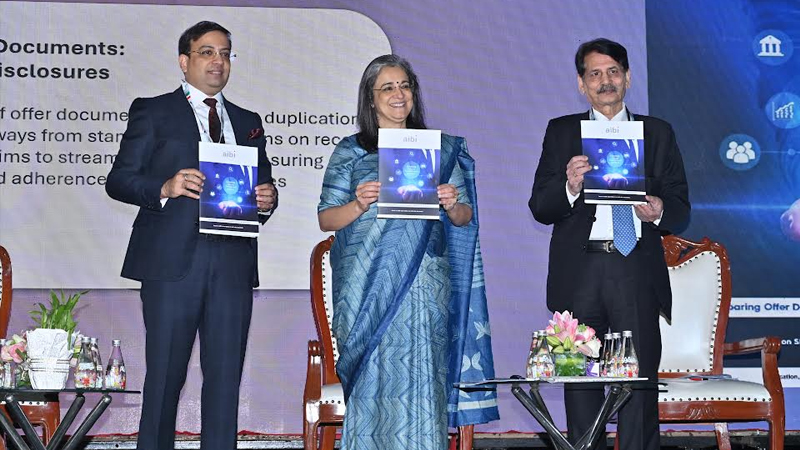
    Mumbai: Association of Investment Bankers of India (AIBI), the investment bankers’ sole representative body to SEBI and various statutory authorities, has unveiled nine game changing initiatives at AIBI’s Annual Convention 2023-24. The Annual Convention was centered on the theme ‘Ease of Capital Formation’ in India. Securities and Exchange Board of India chairperson Madhabi Puri Buch launched a few of these initiatives.

    Aimed at raising the investor awareness while promoting financial literacy, a total of four initiatives were unveiled namely:

    •    Investor Section on AIBI Website
    •    An Aggregated Live Database of Current ECM Issuances
    •    Videos of upcoming IPOs
    •    Animated Video for Investors on ‘Know IPO Investing’

    Similarly, three initiatives such as standard practice manual for IPO offer documents; revamped AIBI due diligence manual; and compendium of AIBI advisories were unveiled, aiming towards building capacity, strengthening the institution of merchant banking, and achieving ease of doing business in capital formation.  

    Additionally, AIBI is also focusing on creating a robust investment culture in India, making it their brand tagline. AIBI Mascot called AIBI Chankakya – The Investment Banker was also unveiled to boost the visibility of AIBI.

    “India is not only making headlines but also leading the global charge in capital formation, boasting the highest number of public offerings in CY 2023. About INR 1.5 lac crores of equity funds garnered through IPO & Post-IPO transactions. In another global showcase, Indian IPOs have performed well post-listing. More than 90 % of the new issuances in India during CY23 stand at a premium to the IPO price. In contrast, more than 60 % of new entrants are below IPO price in the USA. Interestingly, the average Indian IPO multiple in CY23 was 35 as against the related average Industry PE multiple of 63.” expressed AIBI chairman & Pantomath Capital Advisors MD Mahavir Lunawat.

    Lunawat further added, “With a galloping economy, a sizable population, and a robust regulatory framework, India has become the most desirable location for investors looking to capitalize on the nation’s potential. The Indian capital market has consistently advanced as one of the most resilient marketplaces globally, providing impetus to the much-needed capital formation process. On the sidelines of these developments, the nine launches in capacity building of merchant bankers, promoting investor awareness, and achieving ease of doing business in capital formation are well-timed.”  

    Adding to it, Association of Investment Bankers of India advisor Prithvi Haldea said, “For the Indian capital market to grow into the next orbit. it is pivotal to review and improve the ecosystem to cater to the issuers and merchant bankers. The 9 initiatives are aimed at offering a transparent, information exchange platform powered by AIBI, enabling investors and merchant bankers to make informed decisions.”

    Entrepreneurs, investors, fund managers, investment bankers, other experts, regulators, and academia participated in the convention. They deliberated on a variety of themes related to ease of capital formation, investing culture, and the ease of entry and exit of investors.

  • M&E industry appreciate film, Digital India-focussed interim budget 2019

    M&E industry appreciate film, Digital India-focussed interim budget 2019

    MUMBAI: The government today announced the interim budget for 2019 in the parliament and has been gaining a lot of praise from the people for its pro-poor and pro-middle class approach. However, the media and entertainment section received little attention this time. Apart from a slight reference to anti-piracy laws and single-window clearance for ease of shooting films, the budget speech refrained from mentioning the industry.

    However, there is still positivity in the media sector regarding the budget, especially from the entertainment fraternity. Producers Guild of India president Siddharth Roy Kapur said, “We are delighted that the immense contribution of Indian cinema towards employment generation in the country has been acknowledged and applauded in Parliament during the presentation of the Union Budget. The announcement of a single-window clearance mechanism for Indian filmmakers filming within India is a significant step and has the potential to play a huge role in boosting tourism in the country. The amendments in the anti-camcording provisions will support the industry’s growth by curtailing illegal recordings of films in cinema halls and will go a long way towards reducing piracy.”

    Film producer Anand Pandit lauded the interim budget saying, “As a member of the film industry and a producer, I believe that the single window clearance that is being given by the government in this budget to filmmakers is an extremely welcome move. It will make the ease of getting shooting permissions very accessible and a lot less time will be spent in getting the same. I believe this budget looks at filmmakers and the industry as a major force in the country and I congratulate Shri Modiji for his vision in understanding our problems and finding a solution for us. By streamlining the process, producers like me will be able to make films far easier and in shorter amount of time."

    Harkness Screens senior vice president sales and marketing – Asia Preetham Daniel reflected the same sentiments saying, “In relation to entertainment industry, single window clearance for filmmakers is a good move as it will remove the hurdles in content generation.  Anti-piracy initiatives by the government is a big step forward. Moving from smart cities, digital villages will pave way for better penetration of content in all formats. India has an average screen density of 1 screen per population of 155000. Such positive measures in fiscal budget for entertainment industry coming along with GST rates rationalisation for film exhibition sector will certainly add steam and bring impetus to the growth pace of Indian Entertainment Industry. We are now well positioned to see the industry flourishing.”

    BookMyShow appreciated the budget’s recognition of India’s startup ecosystem’s contribution to the economy and the creation of a Digital India in Vision 2030. It also said, “It is probably for the first time in several years that the entertainment industry has been hailed as a force of employment generation. We whole-heartedly support the government’s move to curb piracy through the introduction of the anti-camcording provision in the Cinematography Act. With these measures, we expect the regulatory framework of the entertainment industry to significantly change for the better.”

    The statement further added, “While the Finance Minister has offered incentives to the film industry, it is also worth recognising the huge scope that live entertainment offers, for employment and growth of the Indian economy. We hope that the GST Council along with the government can find solutions to streamline the existing tax structures for this sector as well and bring it below the current rate of 28 per cent, to enable a well-rounded ecosystem.”

    MX Player CEO Karan Bedi said, “The Union Budget’s provision for a single clearance window for Indian filmmakers would come as a welcome and positive step to film producers and movie studios across the country. The amendments in the Anti-Camcording provisions would also complement the industry’s efforts to snub illegal movie recordings in theatres and encourage the consumption of original content.” 

    Viacom18 group CEO and MD Sudhanshu Vats said, “The Hon’ble FM Shri Piyush Goyal has provided a tremendous fillip to the Indian entertainment industry with the provision of single window clearance for films, in the Union Budget 2019. Such policy provisions that seek to enhance ease of doing business will help the ~Rs 156 billion industry grow at a faster clip. I also welcome the move to include anti-camcording provisions as part of the Cinematography Act. This will ensure that in-theatre pirated recordings now become a penal offence and will act as a strong deterrent to piracy.”

    Apart from that, digital agencies are also very positive about the interim budget 2019. The emphasis on Digital India, including conversion of one lakh villages into digital over next five years, by the government in its budget speech has got the hopes high for them.

    Ethinos Digital Marketing MD Siddharth Hegde said, “This is a positive budget from digital perspective and clearly the government is determined not only on delivering on its current promises but also delivering on its promise of a complete digital revolution in India. The 10 point agenda for 2030 and the set up of digital villages are going to drive digital inclusion. The low data costs are going to drive more for the rural population online and we are likely to see an explosion in vernacular content. This is also likely to give marketers an option to have a more measurable pipe to the rural masses. This budget is a great start and we welcome the move by the government."

    Vertoz founder and chairman Hiren Shah mentioned, “The interim budget has laid out a clear vision for the country’s development in the coming decade, and Digital India plays an important role with the government stressing on the development of digital infrastructure and digital economy. Coupled with the government’s vision of converting one lakh villages into digital villages, we will see a deeper penetration of the internet not only in tier II and III markets but also in rural areas. Currently, we have only scratched the surface and the support from the government can help the industry reach its full potential with respect to market penetration.”

    He added, “This will broaden the horizon for digital advertising, and consequently for programmatic advertising, in these markets, thus providing an opportunity to brands and marketers to cater to the customer needs with bespoke products and services.”

    Speaking on the artificial intelligence program that the government has introduced with the budget, Hiren shared, “We are also happy to see artificial intelligence (AI) as a focal part of the budget for Digital India. This support will ensure that AI, supported by big data, will enable the industry to successfully analyse consumer patterns with minimized human intervention. This also brings in the benefits of automation such as more efficiency and faster processing of data for advertising, thus allowing brands to get sales faster and within an effective timeline.”

    White Rivers Media co-founder and CEO Shrenik Gandhi contended, “The interim budget, as expected was short yet powerful. A lakh digital villages will not only strengthen the bottom of the pyramid but also empower them with the digital universe. Rebate in tax slabs is a great move for not only the middle class but also young self-made professionals. Not many budgets empower this section of voters and the same is an applaud-worthy move.”

    TRA CEO N Chandramouli shared an interesting insight into how easing of loans for MSME sector, in turn, will benefit the advertising market. He said, “The 2 per cent interest subvention for MSME is definitely a great thought along with the easing of loans through PSB loans under 59 minutes scheme. Together they will give a boost to the industry which contributes to 69 per cent employment in the country.  This will also boost the adjunct services industry that caters to MSME sectors like advertising, market research, training and public relations which in turn will also have a positive cascade on the services sector.”

  • Delhi Lokayukta wants DAVP panel to certify circulation figures before giving govt. ads

    Delhi Lokayukta wants DAVP panel to certify circulation figures before giving govt. ads

    NEW DELHI: Delhi Lokayukta Justice Manmohan Sarin has favoured setting up of a panel of Directorate of Advertising and Visual Publicity for empanelment as well as granting of government advertisements.


    The order by the Lokayukta came following a complaint that a local newspaper misrepresented facts about circulation figure in getting advertisement from government agencies and departments in Delhi.


    In his order, Justice Sarin particularly sought a thorough verification of circulation figures of newspapers, journals and magazines owned, edited and published by “public functionaries”.


    “Whenever a public functionary is the owner, editor, printer or publisher or otherwise has a substantial interest in the newspaper, journal, magazine, then the verification of circulation be made compulsory,” he said.


    “A committee of officers of DAVP be constituted for grant of empanelment subject to verification of circulation by Registrar of Newspapers for India (RNI),” the Lokayukta said in the order.


    The complainant had alleged that a local newspaper has printed a few copies with a view to obtain advertisements from government departments.