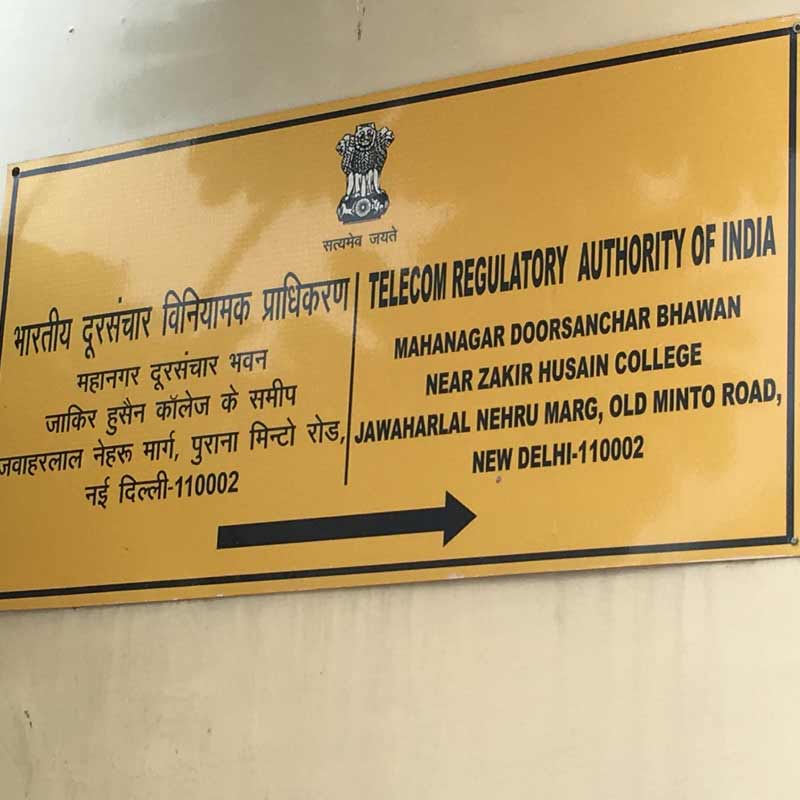
Category: TRAI

  • TRAI attempts greater transparency via auditor empanelment

    TRAI attempts greater transparency via auditor empanelment

    NEW DELHI: While it remains to be seen if the provisions of the Interconnect draft will have a salutary effect on the cases pending before the Telecom Disputes Settlement and Appellate Tribunal but the Telecom Regulatory Authority of India appears to have learnt some lessons, at least as far as subscription and audit of systems go.

    There are clear provisions that every distributor of TV channels will provide to the broadcaster complete and accurate subscription report for channels or bouquets of channels of such broadcaster within fifteen days from the end of each calendar month in the specified format.

    It has been made clear that the broadcaster will disconnect the signals of television channels after giving three weeks’ prior written notice to the distributor if the distributor fails to provide the subscription reports under this regulation for immediately preceding three consecutive months.

    On the basis of subscription report, the broadcaster will issue monthly invoice to the distributor for pay channels or bouquets of pay channels and such invoice will clearly specify the current payment dues and arrears, if any, along with the due date for payment.

    The broadcaster will allow a time period of at least 15 days to the distributor for making payment from the date of receipt of invoice by the distributor.

    The broadcaster will have no claim on any arrears amount which has not been specified by him in the immediate next three consecutive invoices issued after the due date for the invoice to which arrears pertain.

    In case the distributor fails to provide the subscription report within the period of 15 days from the end of the month, the broadcaster will have the right to raise a provisional invoice for an amount increased by ten per cent of the licence fee payable by the distributor for the immediate preceding month, and the distributor will be under obligation to make the payment on the basis of such provisional invoice.

    It will be mandatory for the distributor to carry out reconciliation, between the provisional invoice and the final invoice raised by the broadcaster on the basis of the subscription report sent by the distributor, within three months from the date of issue of such provisional invoice.

    Similar provisions have been provided for every distributor to issue monthly invoice to the broadcasters with whom the written interconnection agreements have been entered into for carrying channels for payment of the carriage fee amount payable by such broadcaster along with the subscriber base in the target market and the subscription report for the channels of the broadcaster carried by the distributor of television channels in the format specified and such invoices will clearly specify the current payment dues and arrears, if any, along with the due date for payment.

    Every distributor of television channels will carry out an audit of its subscriber management system, conditional access system and other related systems by an auditor to verify that the subscription reports made available by the distributor to the broadcasters are complete, true and correct once in a calendar year, and issue a audit report to this effect for the each concerned broadcaster.

    TRAI itself may empanel auditors for this purpose and the distributors will have to compulsorily get the SMS audited by these. Any variation due to audit resulting in less than zero point five per cent of the billed amount will not require any revision of the invoices already issued and paid.

    However, if a broadcaster is not satisfied for any reason, it may get an audit carried out not more than once in a calendar year.

    If such audit reveals that additional amounts are payable to the broadcaster, the distributor will pay such amounts along with the late payment interest rate specified by the broadcaster in the interconnection agreement within 10 days and if such amount including interest due for any period exceed the amounts reported by the distributor to be due for such period by two per cent or more, the distributor shall pay all of the broadcaster’s costs incurred in the conduct of such audit, and take any necessary actions to avoid such errors in the future.

    Every distributor will offer necessary assistance to auditors so that audits can be completed in a time-bound manner.
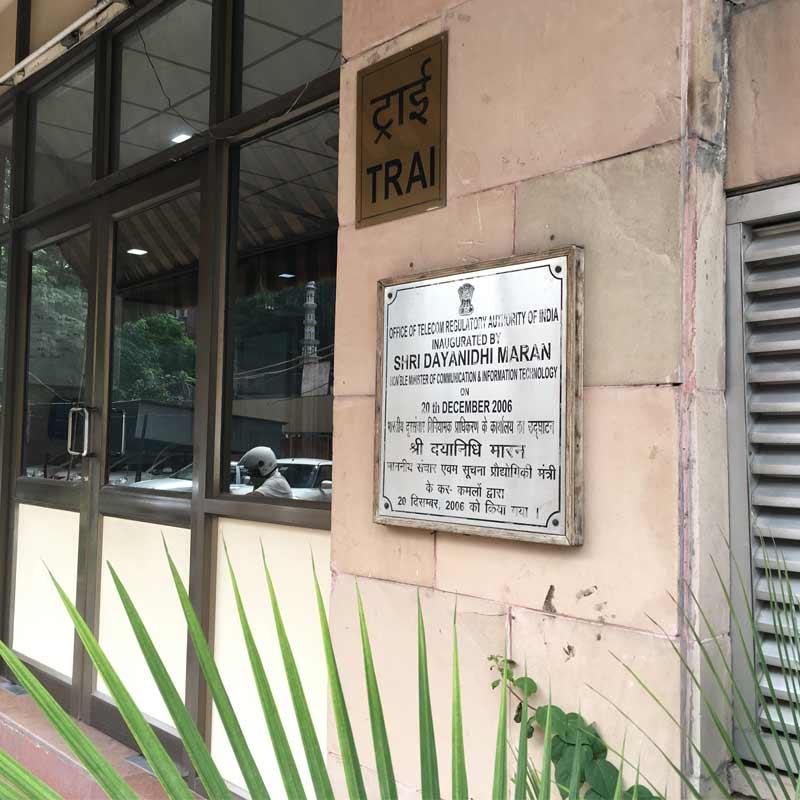
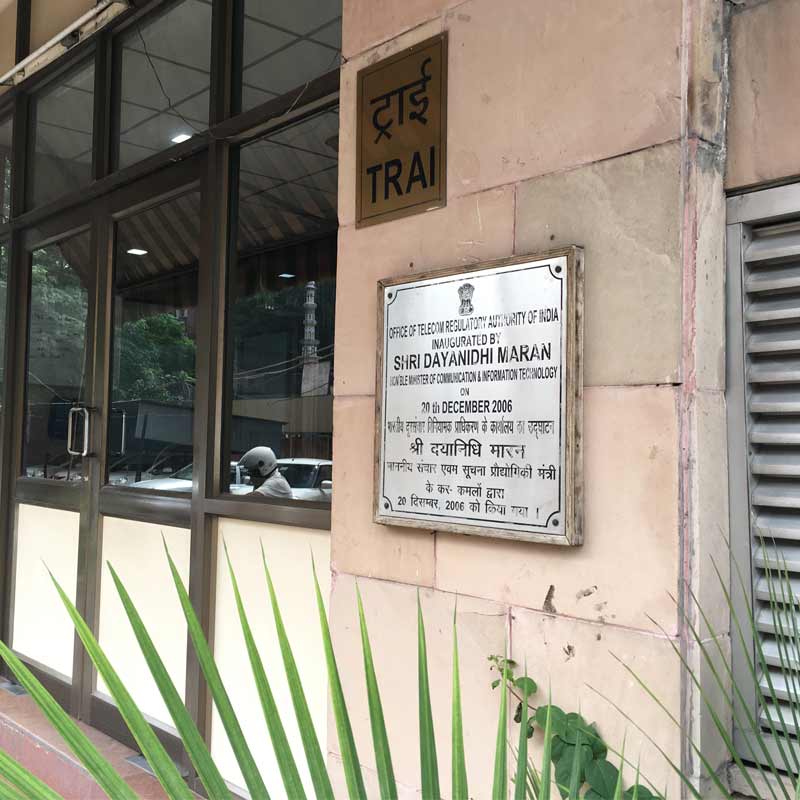
  • TRAI attempts greater transparency via auditor empanelment

    TRAI attempts greater transparency via auditor empanelment

    NEW DELHI: While it remains to be seen if the provisions of the Interconnect draft will have a salutary effect on the cases pending before the Telecom Disputes Settlement and Appellate Tribunal but the Telecom Regulatory Authority of India appears to have learnt some lessons, at least as far as subscription and audit of systems go.

    There are clear provisions that every distributor of TV channels will provide to the broadcaster complete and accurate subscription report for channels or bouquets of channels of such broadcaster within fifteen days from the end of each calendar month in the specified format.

    It has been made clear that the broadcaster will disconnect the signals of television channels after giving three weeks’ prior written notice to the distributor if the distributor fails to provide the subscription reports under this regulation for immediately preceding three consecutive months.

    On the basis of subscription report, the broadcaster will issue monthly invoice to the distributor for pay channels or bouquets of pay channels and such invoice will clearly specify the current payment dues and arrears, if any, along with the due date for payment.

    The broadcaster will allow a time period of at least 15 days to the distributor for making payment from the date of receipt of invoice by the distributor.

    The broadcaster will have no claim on any arrears amount which has not been specified by him in the immediate next three consecutive invoices issued after the due date for the invoice to which arrears pertain.

    In case the distributor fails to provide the subscription report within the period of 15 days from the end of the month, the broadcaster will have the right to raise a provisional invoice for an amount increased by ten per cent of the licence fee payable by the distributor for the immediate preceding month, and the distributor will be under obligation to make the payment on the basis of such provisional invoice.

    It will be mandatory for the distributor to carry out reconciliation, between the provisional invoice and the final invoice raised by the broadcaster on the basis of the subscription report sent by the distributor, within three months from the date of issue of such provisional invoice.

    Similar provisions have been provided for every distributor to issue monthly invoice to the broadcasters with whom the written interconnection agreements have been entered into for carrying channels for payment of the carriage fee amount payable by such broadcaster along with the subscriber base in the target market and the subscription report for the channels of the broadcaster carried by the distributor of television channels in the format specified and such invoices will clearly specify the current payment dues and arrears, if any, along with the due date for payment.

    Every distributor of television channels will carry out an audit of its subscriber management system, conditional access system and other related systems by an auditor to verify that the subscription reports made available by the distributor to the broadcasters are complete, true and correct once in a calendar year, and issue a audit report to this effect for the each concerned broadcaster.

    TRAI itself may empanel auditors for this purpose and the distributors will have to compulsorily get the SMS audited by these. Any variation due to audit resulting in less than zero point five per cent of the billed amount will not require any revision of the invoices already issued and paid.

    However, if a broadcaster is not satisfied for any reason, it may get an audit carried out not more than once in a calendar year.

    If such audit reveals that additional amounts are payable to the broadcaster, the distributor will pay such amounts along with the late payment interest rate specified by the broadcaster in the interconnection agreement within 10 days and if such amount including interest due for any period exceed the amounts reported by the distributor to be due for such period by two per cent or more, the distributor shall pay all of the broadcaster’s costs incurred in the conduct of such audit, and take any necessary actions to avoid such errors in the future.

    Every distributor will offer necessary assistance to auditors so that audits can be completed in a time-bound manner.
  • TRAI on carriage fee, other issues in draft interconnect guidelines

    NEW DELHI: After taking in to consideration the comments of the stakeholders and internal analysis in TRAI, the draft regulations [the Telecommunication (Broadcasting and Cable Services) Interconnection (Addressable Systems) Regulations, 2016] along with its explanatory memorandum have been prepared.

    The basic principles of non-exclusivity, non-discrimination, transparency, level playing field and fair completion have been retained in these draft regulations.

    Some of the new features of the draft regulations are as follows:

    (i) A common interconnection framework for all addressable systems namely DTH, HITS, DAS and IPTV.

    (ii) “Must carry” provision for all addressable systems, on first come first serve basis. DPOs to publish information about its platform including available capacity and declare the rate of carriage fee.

    (iii) No carriage fee is to be paid by a broadcaster if the subscription of the channel is more than or equal to 20 per cent of the subscriber base.

    (iv) The rate of carriage fee has been capped at 20 paisa per channel per subscriber per month. Further, the carriage fee amount will decrease with increase in subscription.

    (v) The distributors of TV channels may offer discounts on the carriage fee rate declared by them not exceeding 35% of the rate of the carriage fee declared.

    (vi) The interconnection agreements to be signed in accordance with the Reference Interconnection Offer (RIO).

    (vii) Broadcaster to offer to a distributor, a minimum of 20% of the maximum retail price of its pay channel(s) or bouquet(s) of pay channels as distribution fee. They may also offer discounts on the maximum retail price provided that the sum of discounts and distribution fee in no case shall exceed 35% of the maximum retail price, so declared.

    (viii) Standard format of application for DPOs for obtaining signals of television channel(s) from broadcaster and standard format of application for a broadcaster for access of network from distributor for re-transmission of a television channel(s).

    (ix) Format of subscription report to be provided by a DPOs to a broadcaster including free to air channels.

    (x) Updation in the technical specification for addressable systems.

    (xi) The framework for subscription audit & technical audits.

    (xii) Extension of Model Interconnection Agreement (MIA) and Standard Interconnection Agreement (SIA) framework applicable for MSOs to HITS and IPTV operators.

    Keep tuned in for more details.

  • TRAI on carriage fee, other issues in draft interconnect guidelines

    NEW DELHI: After taking in to consideration the comments of the stakeholders and internal analysis in TRAI, the draft regulations [the Telecommunication (Broadcasting and Cable Services) Interconnection (Addressable Systems) Regulations, 2016] along with its explanatory memorandum have been prepared.

    The basic principles of non-exclusivity, non-discrimination, transparency, level playing field and fair completion have been retained in these draft regulations.

    Some of the new features of the draft regulations are as follows:

    (i) A common interconnection framework for all addressable systems namely DTH, HITS, DAS and IPTV.

    (ii) “Must carry” provision for all addressable systems, on first come first serve basis. DPOs to publish information about its platform including available capacity and declare the rate of carriage fee.

    (iii) No carriage fee is to be paid by a broadcaster if the subscription of the channel is more than or equal to 20 per cent of the subscriber base.

    (iv) The rate of carriage fee has been capped at 20 paisa per channel per subscriber per month. Further, the carriage fee amount will decrease with increase in subscription.

    (v) The distributors of TV channels may offer discounts on the carriage fee rate declared by them not exceeding 35% of the rate of the carriage fee declared.

    (vi) The interconnection agreements to be signed in accordance with the Reference Interconnection Offer (RIO).

    (vii) Broadcaster to offer to a distributor, a minimum of 20% of the maximum retail price of its pay channel(s) or bouquet(s) of pay channels as distribution fee. They may also offer discounts on the maximum retail price provided that the sum of discounts and distribution fee in no case shall exceed 35% of the maximum retail price, so declared.

    (viii) Standard format of application for DPOs for obtaining signals of television channel(s) from broadcaster and standard format of application for a broadcaster for access of network from distributor for re-transmission of a television channel(s).

    (ix) Format of subscription report to be provided by a DPOs to a broadcaster including free to air channels.

    (x) Updation in the technical specification for addressable systems.

    (xi) The framework for subscription audit & technical audits.

    (xii) Extension of Model Interconnection Agreement (MIA) and Standard Interconnection Agreement (SIA) framework applicable for MSOs to HITS and IPTV operators.

    Keep tuned in for more details.

  • TRAI questions Jio tariff; GSMA seeks 700 MHz band price recalibration

    TRAI questions Jio tariff; GSMA seeks 700 MHz band price recalibration

    MUMBAI: There has been palpable unrest among the Indian telcos since Reliance Jio disrupted the telecom ecosystem by bringing in lucrative data and voice offers for the price-conscious Indian consumer a few weeks ago. Telecos instantly put together their counter-offers and also made some quick tie-ups to face the newest competition from the late entrant. Blocking inter-connectivity to calls to and from Jio seemed to a part of strategy of some telcos while the regulator TRAI watched from close quarters.

    After several meetings with the competing telcos, TRAI has now sought an explanation from Reliance Jio Infocomm over its offer of free-calling as it differed from the Rs 1.20-per-minute voice tariff plan reported to the regulator. Jio officials reportedly may soon make changes in their tariffs, which would be conveyed to TRAI.

    TRAI officials discussed with Reliance Jio executives seeking details of the tariff plan, TOI reported. Jio had printed two paise-per-second call plan on its SIM card brochures.

    Jio may have to tackle an issue related to an amendment to the 2004 telecom tariff order. Telecom companies cannot have tariffs below the interconnect user charge (IUC), or the charge that a mobile operator pays to another for terminating its calls. The IUC rate is currently 14 paise per minute, while Jio has made calls free.

    Telcos had alleged that Jio was engaging in predatory practices by offering free voice calls. However, TRAI did not find any merit in this accusation.

    Meantime, GSMA wants the government to revisit 700 MHz spectrum band pricing. Global mobile industry body GSMA has called upon the government to reconsider pricing of 700 MHz band that failed to find takers in the just-concluded auction due to its “unrealistically” high price.

    GSMA chief regulatory officer John Giusti, urged the government to reassess the approach to spectrum auction reserve prices after India “failed” to sell any of the critical 700 MHz band last week. The reserve prices for this highly sought-after band were set at an unrealistically high level of more than USD 60 billion (over Rs 4 lakh crore), Glusti said.

    GSMA added that high reserve prices inhibit investment or delay deployment in next-generation networks at a time when demand for mobile data is growing mani-fold.

    “Regulators should consider the conditions of the local market while setting reserve prices for spectrum auctions. In India, mobile operators have been asked to pay some of the highest rates for spectrum compared to other markets even though it has a low average revenue per user, PTI quoted Glusti’s statement.

    Urging the Indian government to work with the regulator to recalibrate spectrum pricing, GSMA said that timely deployment of this spectrum will expand the reach of mobile broadband services and deliver positive social and economic benefits to the country’s citizens, creating a truly digital India.

  • TRAI questions Jio tariff; GSMA seeks 700 MHz band price recalibration

    TRAI questions Jio tariff; GSMA seeks 700 MHz band price recalibration

    MUMBAI: There has been palpable unrest among the Indian telcos since Reliance Jio disrupted the telecom ecosystem by bringing in lucrative data and voice offers for the price-conscious Indian consumer a few weeks ago. Telecos instantly put together their counter-offers and also made some quick tie-ups to face the newest competition from the late entrant. Blocking inter-connectivity to calls to and from Jio seemed to a part of strategy of some telcos while the regulator TRAI watched from close quarters.

    After several meetings with the competing telcos, TRAI has now sought an explanation from Reliance Jio Infocomm over its offer of free-calling as it differed from the Rs 1.20-per-minute voice tariff plan reported to the regulator. Jio officials reportedly may soon make changes in their tariffs, which would be conveyed to TRAI.

    TRAI officials discussed with Reliance Jio executives seeking details of the tariff plan, TOI reported. Jio had printed two paise-per-second call plan on its SIM card brochures.

    Jio may have to tackle an issue related to an amendment to the 2004 telecom tariff order. Telecom companies cannot have tariffs below the interconnect user charge (IUC), or the charge that a mobile operator pays to another for terminating its calls. The IUC rate is currently 14 paise per minute, while Jio has made calls free.

    Telcos had alleged that Jio was engaging in predatory practices by offering free voice calls. However, TRAI did not find any merit in this accusation.

    Meantime, GSMA wants the government to revisit 700 MHz spectrum band pricing. Global mobile industry body GSMA has called upon the government to reconsider pricing of 700 MHz band that failed to find takers in the just-concluded auction due to its “unrealistically” high price.

    GSMA chief regulatory officer John Giusti, urged the government to reassess the approach to spectrum auction reserve prices after India “failed” to sell any of the critical 700 MHz band last week. The reserve prices for this highly sought-after band were set at an unrealistically high level of more than USD 60 billion (over Rs 4 lakh crore), Glusti said.

    GSMA added that high reserve prices inhibit investment or delay deployment in next-generation networks at a time when demand for mobile data is growing mani-fold.

    “Regulators should consider the conditions of the local market while setting reserve prices for spectrum auctions. In India, mobile operators have been asked to pay some of the highest rates for spectrum compared to other markets even though it has a low average revenue per user, PTI quoted Glusti’s statement.

    Urging the Indian government to work with the regulator to recalibrate spectrum pricing, GSMA said that timely deployment of this spectrum will expand the reach of mobile broadband services and deliver positive social and economic benefits to the country’s citizens, creating a truly digital India.

  • DAS inter-connect regime: TRAI mulling distribution fee, data sharing

    DAS inter-connect regime: TRAI mulling distribution fee, data sharing

    MUMBAI: Indian broadcast regulator TRAI may propose a percentage of the total number of TV channels that a consumer subscribes (based on their maximum retail price as proposed recently in draft tariff regulations) as distribution or facilitation fee.

    The regulator, which is likely to soon come out with its recommendations on interconnection framework for broadcasting TV services distributed through digital addressable systems, may also propose an additional fee for every 25 TV channels subscribed to by a consumer beyond 100 channels.

    The percentage of distribution fee may be between 15-20 per cent of the total cost of TV channels subscribed by a consumer. These would form part of revenue sharing formula between broadcasters and distribution platforms and LCOs.

    Who’ll pay the distribution fee and the additional cost for every 25 channels distributed beyond 100 TV channels to a consumer? It’s still not clear, but most probably the consumer. These additional costs will be exclusive of government taxes.

    Few days back, TRAI had come out with draft guidelines on tariff and regulations relating to quality of services and had, in its wisdom, tried to safeguard the interest of each stakeholder for the overall development of the broadcast and cable industry, including higher ARPUs if consumers subscribed to stand-alone premium channels where no price caps were mandated.

    The Telecom Regulatory Authority of India (TRAI) had issued an amended version of its Interconnection Regulations, 2004 in 2012 with an aim to keep pace with the evolving TV eco-system in India and introduction of digital addressable system (DAS). The 2012 regulations had laid down certain revenue sharing formula that envisaged the following:

    — (a) the charges collected from the subscription of channels of basic service tier, free to air channel and bouquet of free to air channels shall be shared in the ratio of 55:45 between multi-system operator and local cable operator respectively.

    —(b) the charges collected from the subscription of channels or bouquet of channels or channels and bouquet of channels other than those specified under clause (a) shall be shared in the ratio of 65:35 between multi-system operator and local cable operator, respectively

    Trying to update its inter-connect guidelines in 2016, the regulator is also mulling, with an aim to bring about more transparency in the system, that all agreements between broadcasters and MSOs and MSOs and LCOs should be uploaded in an encrypted format on a server that can be accessed via passwords by stakeholders.

    Though this particular move has been resisted by some stakeholders, TRAI is of the opinion that such a move on data sharing could pave way for elimination of opaqueness in agreements between broadcasters and distribution platforms.

    “The question that then arises is who should develop an IMS (integrated management system), which can be used by all service providers and ensure its proper functioning. It could be either an industry-led body, which operates as per the guidelines prescribed by the regulator or a private entity willing to offer such services in lieu of fee for each interconnection request, or any other option as suggested by the stakeholders,” TRAI had asked stakeholders earlier this year for feedback in its consultation paper on interconnect issues.

    ALSO READ:

    TRAI releases draft tariff & consumer DAS regulations

    Offer Premium channels as a la carte, don’t bundle: TRAI


  • DAS inter-connect regime: TRAI mulling distribution fee, data sharing

    DAS inter-connect regime: TRAI mulling distribution fee, data sharing

    MUMBAI: Indian broadcast regulator TRAI may propose a percentage of the total number of TV channels that a consumer subscribes (based on their maximum retail price as proposed recently in draft tariff regulations) as distribution or facilitation fee.

    The regulator, which is likely to soon come out with its recommendations on interconnection framework for broadcasting TV services distributed through digital addressable systems, may also propose an additional fee for every 25 TV channels subscribed to by a consumer beyond 100 channels.

    The percentage of distribution fee may be between 15-20 per cent of the total cost of TV channels subscribed by a consumer. These would form part of revenue sharing formula between broadcasters and distribution platforms and LCOs.

    Who’ll pay the distribution fee and the additional cost for every 25 channels distributed beyond 100 TV channels to a consumer? It’s still not clear, but most probably the consumer. These additional costs will be exclusive of government taxes.

    Few days back, TRAI had come out with draft guidelines on tariff and regulations relating to quality of services and had, in its wisdom, tried to safeguard the interest of each stakeholder for the overall development of the broadcast and cable industry, including higher ARPUs if consumers subscribed to stand-alone premium channels where no price caps were mandated.

    The Telecom Regulatory Authority of India (TRAI) had issued an amended version of its Interconnection Regulations, 2004 in 2012 with an aim to keep pace with the evolving TV eco-system in India and introduction of digital addressable system (DAS). The 2012 regulations had laid down certain revenue sharing formula that envisaged the following:

    — (a) the charges collected from the subscription of channels of basic service tier, free to air channel and bouquet of free to air channels shall be shared in the ratio of 55:45 between multi-system operator and local cable operator respectively.

    —(b) the charges collected from the subscription of channels or bouquet of channels or channels and bouquet of channels other than those specified under clause (a) shall be shared in the ratio of 65:35 between multi-system operator and local cable operator, respectively

    Trying to update its inter-connect guidelines in 2016, the regulator is also mulling, with an aim to bring about more transparency in the system, that all agreements between broadcasters and MSOs and MSOs and LCOs should be uploaded in an encrypted format on a server that can be accessed via passwords by stakeholders.

    Though this particular move has been resisted by some stakeholders, TRAI is of the opinion that such a move on data sharing could pave way for elimination of opaqueness in agreements between broadcasters and distribution platforms.

    “The question that then arises is who should develop an IMS (integrated management system), which can be used by all service providers and ensure its proper functioning. It could be either an industry-led body, which operates as per the guidelines prescribed by the regulator or a private entity willing to offer such services in lieu of fee for each interconnection request, or any other option as suggested by the stakeholders,” TRAI had asked stakeholders earlier this year for feedback in its consultation paper on interconnect issues.

    ALSO READ:

    TRAI releases draft tariff & consumer DAS regulations

    Offer Premium channels as a la carte, don’t bundle: TRAI


  • TRAI tariff order: MSOs welcome its direction

    TRAI tariff order: MSOs welcome its direction

    NEW DELHI: At least two multisystem operators (MSOs) have welcomed the broad drift of the Telecom Regulatory Authority of India’s  (TRAI’s) Telecommunication (Broadcasting and Cable Services) (Eighth) (Addressable Systems) Tariff Order, 2016. The draft, released on Monday, seeks to bring in transparency to an otherwise disorganized sector.

    Indiantelevision.com spoke to a bunch of executives from broadcasting, cable TV,  and even the TRAI advisor on the proposed regulation. Most said it was too early to comment as they had not got the time to study it.

    S N Sharma, who surprised many earlier this year by returning to the national multi-system operator (MSO) DEN Networks as its  chief executive, said “It is a good draft; we welcome it. It brings a lot of transparency and ease, especially in the life of the consumer. We, as an MSO, look for a fair share of revenue, and hope to get the same.” He said he still had to study the draft in full, and would give further comments later.

    public://sn-sharma_0.jpg
    S.N.Sharma CEO,DEN Networks Limited

    Regional MSO Ortel Communications President & CEO  Bhibhu Prasad Rath, welcoming the draft, said “We believe that this draft regulation, if implemented, will bring in path-breaking changes to the industry structure with a lot of transparency and non-discrimination.”

    Rath added: “Currently, there is widespread discrimination in the content deals done by some broadcasters with various DPOs (distribution platform operators). The prices of the same channels or bouquet of channels vary widely from one DPO to another across the country. The new proposed regulation intends to bring in uniformity in the cost structure so that a level-playing field will be created while we all compete in the same market.”

    Rath also noted that the other major issue that the regulations attempts to address is the unbundling of channels. “Currently, many broadcasters offer around 80-90% discount / incentives on a bouquet deal as compared to the sum of a la carte prices of the respective channels. This, in my view, is unreasonable and intended to discourage a la carte subscription. The proposed regulation, by capping the bouquet discount at a maximum of 15%, will be a big relief to consumers who want to subscribe to channels on a la carte basis and will encourage DPOs to pass on to the benefit to consumers.”

    “Overall, this regulation, in addition to bringing in non-discriminatory and transparent practices in the industry, will go a long way in implementing digitization in its true spirit where “choice” is in the hands of the consumers,” he concluded.

    “I think it is a fabulous piece of proposed regulation,” says HITS consultant Castle Media director Vynsley Fernandes. “I think the TRAI has really outdone itself. I can only see the industry opening up and growing from hereon.”

    However, National Cable and Telecommunications head and founder of Home Cable Network of Delhi, Vikki Choudhry was the dissenting voice. Said he:  “This draft order is still not a cost-based tariff fixation, TRAI was supposed to conduct an exercise according to the Supreme Court and TDSAT orders. This draft tariff is completely anti-consumer. When the present tariff (rates) were coming down by 70 per cent, the regulator has further provisioned an increase of about 45-55 per cent for the Pay TV broadcasters.”

    (In May this year, TDSAT had said it thought TRAI “will be well advised to have a fresh look at the various tariff orders in a holistic manner and come out with a comprehensive tariff order in supersession of all the earlier tariff orders.”) Sunil Gupta, advisor to TRAI, responding to this allegation said: “We have protected the interests of the consumer: why should he pay even one extra rupee for a channel he does not want to watch? This draft brings the power of choice to the consumer’s hands. He can choose to have a lower cable TV bill or higher.”

    Gupta further added that the new category of  premium channels will allow broadcasters to offer specialized channels at higher MRPs – even Rs 100 – if the consumer wants them at this price, thus overall increasing the ARPUs of all those in the value chain.

    Gupta also said that the interconnection paper for local cable operators and multi-system operators would come out soon. The entire industry value chain should read this and understand we have protected everyone’s interests – the cable TV operators, MSOs, broadcasters, customers. The  ARPUs of the entire industry would go up in the coming months, he said.

    Also read:

    Tariff Hike Case: SC rejects appeal challenging TDSAT order; asks TRAI to out new tariff


  • TRAI tariff order: MSOs welcome its direction

    TRAI tariff order: MSOs welcome its direction

    NEW DELHI: At least two multisystem operators (MSOs) have welcomed the broad drift of the Telecom Regulatory Authority of India’s  (TRAI’s) Telecommunication (Broadcasting and Cable Services) (Eighth) (Addressable Systems) Tariff Order, 2016. The draft, released on Monday, seeks to bring in transparency to an otherwise disorganized sector.

    Indiantelevision.com spoke to a bunch of executives from broadcasting, cable TV,  and even the TRAI advisor on the proposed regulation. Most said it was too early to comment as they had not got the time to study it.

    S N Sharma, who surprised many earlier this year by returning to the national multi-system operator (MSO) DEN Networks as its  chief executive, said “It is a good draft; we welcome it. It brings a lot of transparency and ease, especially in the life of the consumer. We, as an MSO, look for a fair share of revenue, and hope to get the same.” He said he still had to study the draft in full, and would give further comments later.

    public://sn-sharma_0.jpg
    S.N.Sharma CEO,DEN Networks Limited

    Regional MSO Ortel Communications President & CEO  Bhibhu Prasad Rath, welcoming the draft, said “We believe that this draft regulation, if implemented, will bring in path-breaking changes to the industry structure with a lot of transparency and non-discrimination.”

    Rath added: “Currently, there is widespread discrimination in the content deals done by some broadcasters with various DPOs (distribution platform operators). The prices of the same channels or bouquet of channels vary widely from one DPO to another across the country. The new proposed regulation intends to bring in uniformity in the cost structure so that a level-playing field will be created while we all compete in the same market.”

    Rath also noted that the other major issue that the regulations attempts to address is the unbundling of channels. “Currently, many broadcasters offer around 80-90% discount / incentives on a bouquet deal as compared to the sum of a la carte prices of the respective channels. This, in my view, is unreasonable and intended to discourage a la carte subscription. The proposed regulation, by capping the bouquet discount at a maximum of 15%, will be a big relief to consumers who want to subscribe to channels on a la carte basis and will encourage DPOs to pass on to the benefit to consumers.”

    “Overall, this regulation, in addition to bringing in non-discriminatory and transparent practices in the industry, will go a long way in implementing digitization in its true spirit where “choice” is in the hands of the consumers,” he concluded.

    “I think it is a fabulous piece of proposed regulation,” says HITS consultant Castle Media director Vynsley Fernandes. “I think the TRAI has really outdone itself. I can only see the industry opening up and growing from hereon.”

    However, National Cable and Telecommunications head and founder of Home Cable Network of Delhi, Vikki Choudhry was the dissenting voice. Said he:  “This draft order is still not a cost-based tariff fixation, TRAI was supposed to conduct an exercise according to the Supreme Court and TDSAT orders. This draft tariff is completely anti-consumer. When the present tariff (rates) were coming down by 70 per cent, the regulator has further provisioned an increase of about 45-55 per cent for the Pay TV broadcasters.”

    (In May this year, TDSAT had said it thought TRAI “will be well advised to have a fresh look at the various tariff orders in a holistic manner and come out with a comprehensive tariff order in supersession of all the earlier tariff orders.”) Sunil Gupta, advisor to TRAI, responding to this allegation said: “We have protected the interests of the consumer: why should he pay even one extra rupee for a channel he does not want to watch? This draft brings the power of choice to the consumer’s hands. He can choose to have a lower cable TV bill or higher.”

    Gupta further added that the new category of  premium channels will allow broadcasters to offer specialized channels at higher MRPs – even Rs 100 – if the consumer wants them at this price, thus overall increasing the ARPUs of all those in the value chain.

    Gupta also said that the interconnection paper for local cable operators and multi-system operators would come out soon. The entire industry value chain should read this and understand we have protected everyone’s interests – the cable TV operators, MSOs, broadcasters, customers. The  ARPUs of the entire industry would go up in the coming months, he said.

    Also read:

    Tariff Hike Case: SC rejects appeal challenging TDSAT order; asks TRAI to out new tariff