
Connect with us

MUMBAI: The Telecom Regulatory Authority of India (TRAI) has ushered in the new year with some welcoming changes to the new tariff order framework that came...
MUMBAI: The Telecom Regulatory Authority of India (TRAI) has extended the deadline for stakeholders to submit their comments on the consultation paper on ‘Transparency in Publishing...
MUMBAI: Universal interoperability of STBs in cable and DTH is not viable in the given conditions, Indian Broadcasting Foundation (IBF) and All India Digital and Cable...
MUMBAI: Assuaging fears of media broadcasters, TRAI advisor (Broadcasting and Cable) Arvind Kumar today said at the Video and Broadband Summit (VBS) 2019 that the new...
MUMBAI: TRAI has extended the deadline for receiving comments on the consultation paper ‘Interoperability of Set Top Box (STB)’ for digital TV broadcasting services by 10...
MUMBAI: The Telecom Regulatory Authority of India (TRAI) has come out with its recommendations on platform services (PS) offered by DTH operators. It suggests capping the...
MUMBAI: – The Telecom Regulatory Authority of India (TRAI) has released a consultation paper on interoperable Set Top Box (STB) for digital TV broadcasting services. A...
MUMBAI: The Telecom Regulatory Authority of India (TRAI) has issued the Telecommunication (Broadcasting and Cable) Services Digital Addressable Systems Audit Manual. The new regulatory framework endeavours...
MUMBAI: The Telecom Regulatory Authority of India (TRAI) on Wednesday released the Telecommunication (Broadcasting and Cable) Services Interconnection (Addressable Systems) (Amendment) Regulations, 2019. The authority said...
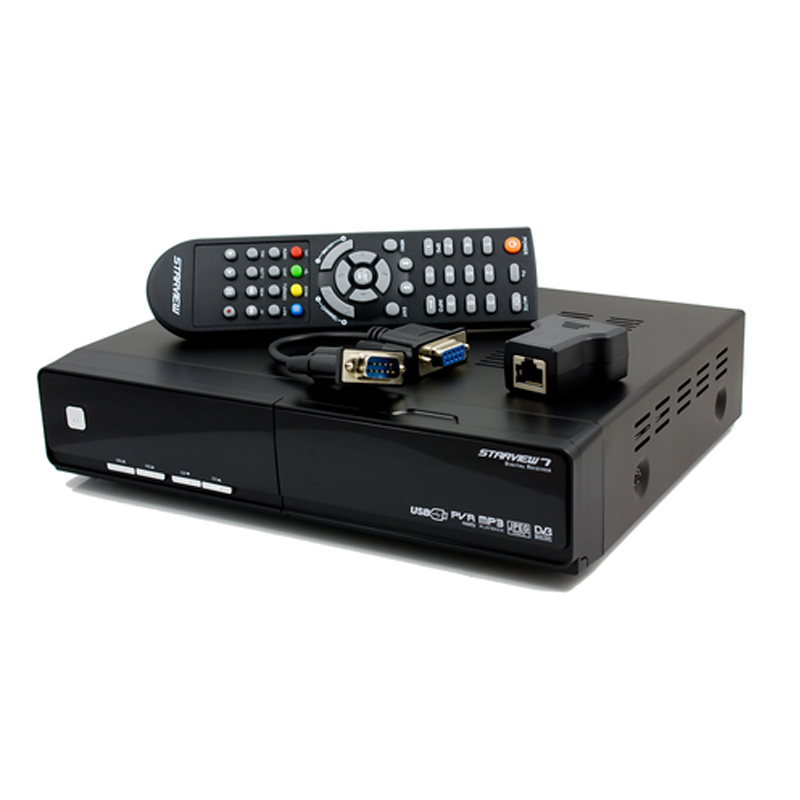
MUMBAI: After issuing a consultation paper and holding open-house discussion on KYC of DTH set top boxes, the Telecom regulatory authority of India (TRAI) has finally...
MUMBAI: The Intemational Telecommunication Union (ITU) and the Telecom Regulatory Authority of India (TRAI) are jointly organizing an Intemational Training Program during 9th -11th October...
MUMBAI: The Telecom Regulatory Authority of India (TRAI) has mandated DPOs to allow consumers to also use the TRAI app or portal for their subscription-related updates....
MUMBAI: Distribution platform operators (DPOs) believe that broadcasters have misused the flexibility available to them to give a discount on the sum of a-la-carte as high...
MUMBAI: Prasar Bharati and other private broadcasters want the 25 DD mandatory channels to be part of 100 FTA channels permitted in the Network Capacity Fee...
MUMBAI: The Telecom Regulatory authority of India (TRAI) released a consultation paper on ‘Issues related to Interconnection Regulation 2017'. The objective of the move is to...
MUMBAI: Distribution platform operators (DPOs) have shared their comments to modify Telecom Regulatory Authority of India (TRAI)’s draft on The Telecommunication (Broadcasting And Cable) Services Interconnection...
MUMBAI: Broadcasters have shared their suggestions on TRAI’s draft “The Telecommunication (Broadcasting And Cable) Services Interconnection (Addressable Systems) (Amendment) Regulations, 2019. The industry welcomed TRAI’s decision...
MUMBAI: The Telecom Regulatory Authority of India (TRAI) has extended the deadline for the receipt of comments and counter comments on Consultation Paper on "Tariff related...
MUMBAI: Telecom Regulatory Authority of India has extended the last for receipt of written comment on its draft Telecommunication (Broadcasting and Cable) Services Interconnection (Addressable Systems)...
MUMBAI: According to the new regulation by Telecom Regulatory Authority of India (TRAI), broadcasters and distributors of television channels are required to file all the Reference...
MUMBAI: The Telecom Regulatory Authority of India (TRAI) has issued the Telecommunication (Broadcasting and Cable) Services Register of Interconnection Agreements and all such other matters Regulations,...
MUMBAI: Discovery Communications India along with others filed a petition against the Telecom Regulatory Authority of India (TRAI) in the Delhi High Court for quashing the...
MUMBAI: The Telecom Regulatory Authority of India (TRAI) has directed five major multi system operators to comply with all provisions of its the new tariff order...
MUMBAI: The Telecom Regulatory Authority of India (TRAI) has issued a consultation paper on platform services (PS) offered by DTH operators. The authority has invited comments...
MUMBAI: The recent IRS study revealed that TV homes have continued to witness growth in the post-implementation period of TRAI’s new tariff order (NTO). According to...
MUMBAI: Telecom Regulatory Authority of India (TRAI) has released the draft Telecommunication (Broadcasting and Cable) Services Interconnection (Addressable Systems) (Amendment) Regulations, 2019. The authority is seeking...
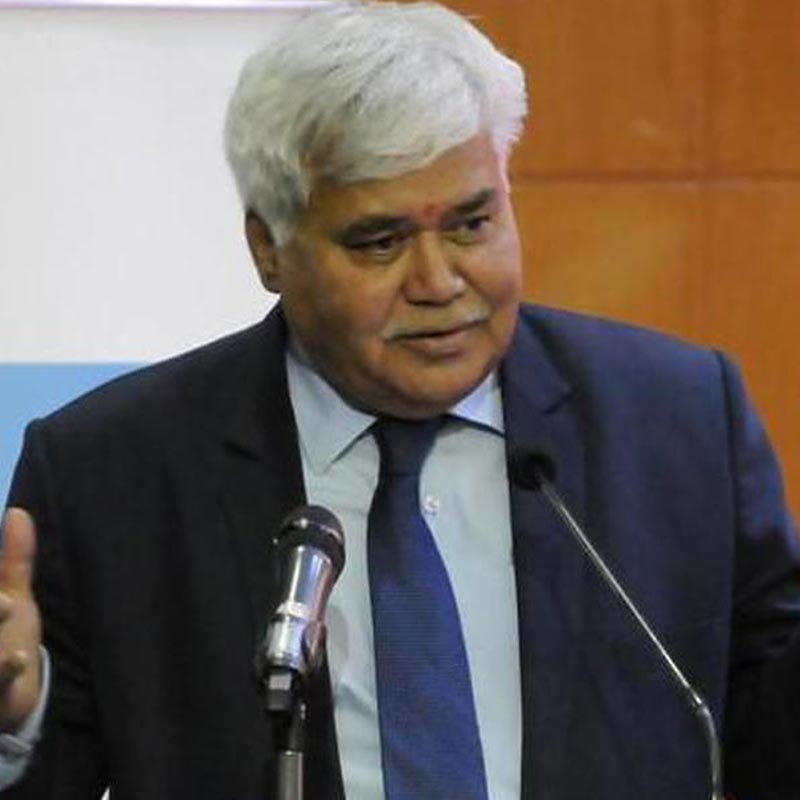
MUMBAI: Amid several ongoing speculations on changes in the new tariff order (NTO), Telecom Regulatory Authority of India (TRAI) chairman RS Sharma clarified that the regulatory...
MUMBAI: The IBF notes with some concern the issues raised for consultation by TRAI in the Consultation Paper issued on 16th August 2019 (CP). These issues...
MUMBAI: Wireless data usage in the country is spiking up. According to a report by the Telecom Regulatory Authority of India (TRAI), the total revenue that...
MUMBAI: Even as TRAI is mulling over changes to its existing tariff order, a report by KPMG, India’s Digital Future, highlighted that niche channels were affected...
MUMBAI: The latest consultation paper (CP) from the Telecom Regulatory Authority of India (TRAI) has created quite a stir in India’s broadcasting sector. Titled ‘Tariff-related issues...

MUMBAI: The recent decision by the Telecom Regulatory Authority of India (TRAI) to review the issues of pricing of channels has brought about concern among broadcasters,...
MUMBAI: Telecom Regulatory Authority of India (TRAI) on Friday issued a consultation paper on tariff related issues for Broadcasting and Cable services. The paper primarily discusses...
MUMBAI: Stepping up efforts to improve India's television audience measurement and ratings system, Telecom Regulatory Authority of India (TRAI) last week invited sealed limited tenders for...
MUMBAI: The Telecom Regulatory Authority of India (TRAI) on Friday issued the draft (Second Amendment) to the Telecommunication (Broadcasting and Cable) Services Standards of Quality of...
MUMBAI: In a move that can have far-reaching implications for India's broadcasting sector, Telecom Regulatory Authority of India (TRAI) on Thursday filed an appeal in the...

MUMBAI: The Telecom Regulatory Authority of India (TRAI) has recommended that there is no need to fix a minimum entry-level net worth for MSO registration. Moreover,...
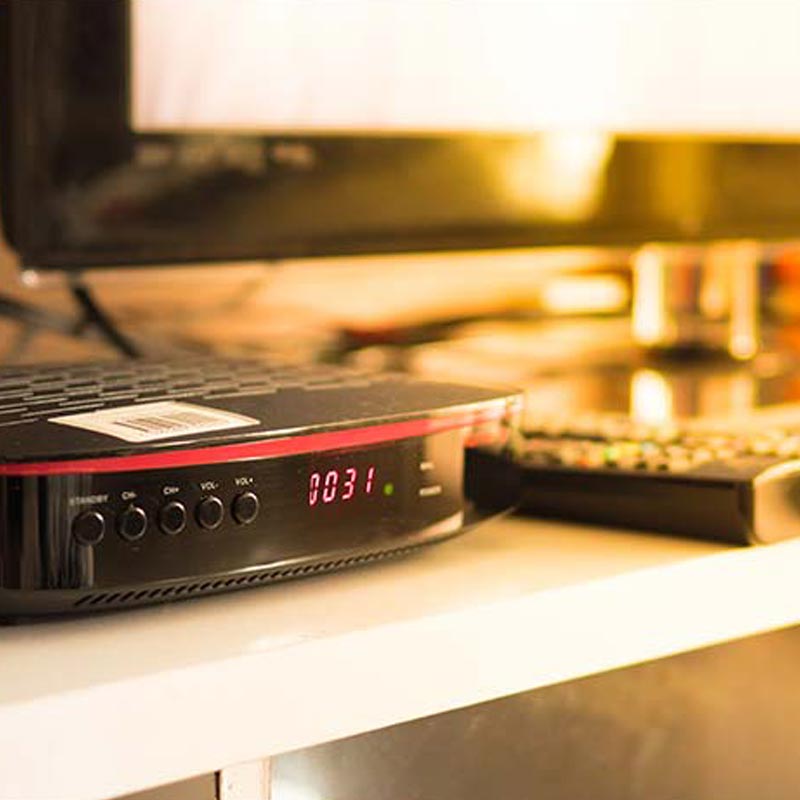
MUMBAI: The Telecom Regulatory Authority of India (TRAI) issued a consultation paper on 'KYC of DTH Set Top Boxes’ in order to finalise a suitable mechanism...
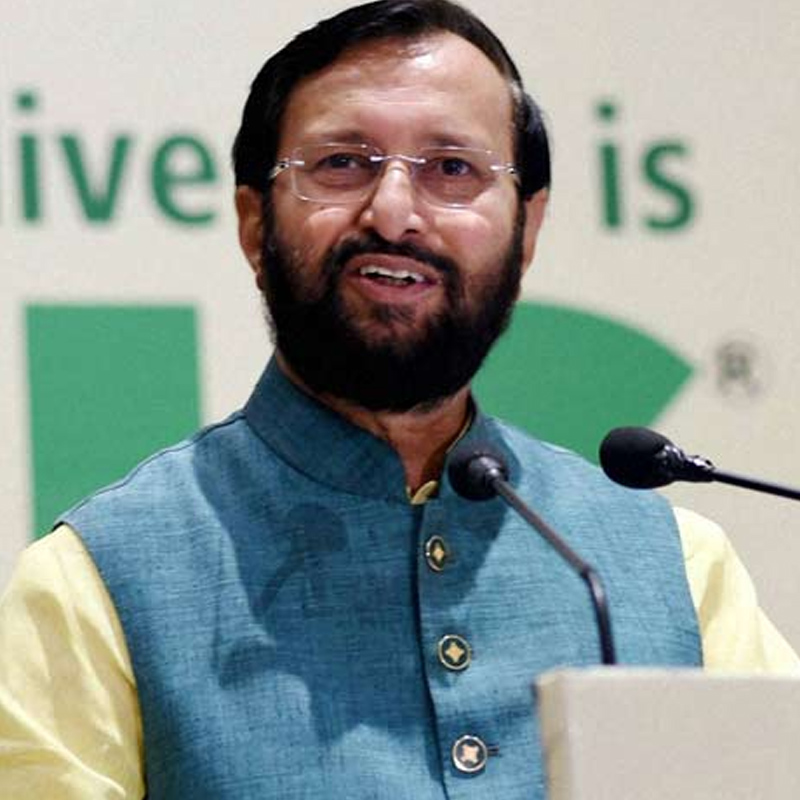
MUMBAI: Telecom Regulatory Authority of India (TRAI) has not received any complaints against direct-to-home (DTH) companies not sticking to its new tariff order, the Information and...
MUMBAI: The Delhi High Court has issued a notice to the Telecom Regulatory Authority of India (TRAI) asking it to explain how broadcasters collected crores of...
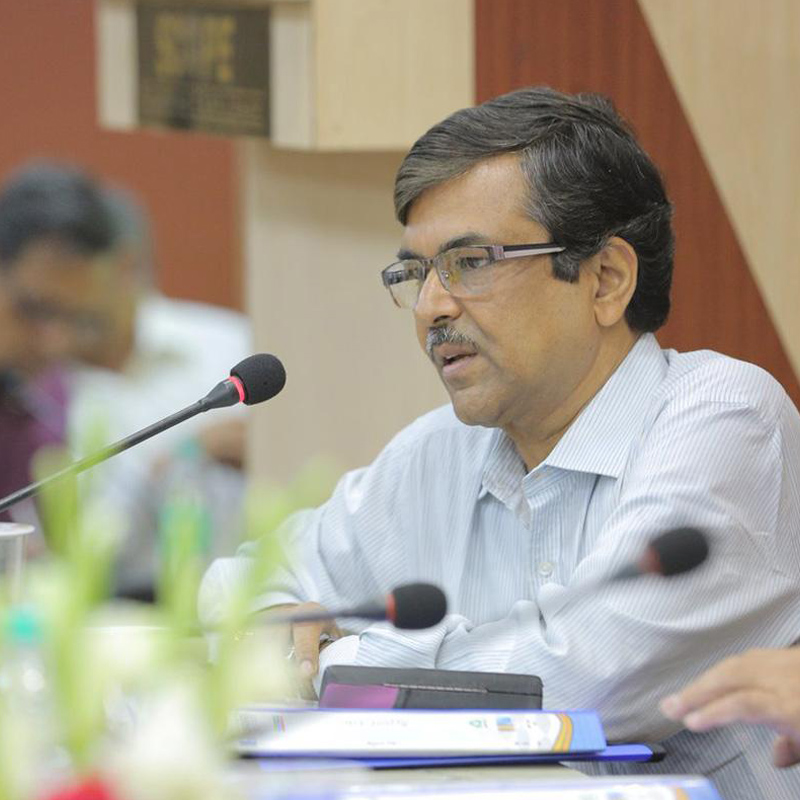
MUMBAI: Top Telecom Regulatory Authority of India (TRAI) functionaries were in Mumbai on Wednesday for the second leg of the open house discussion (OHD) to review the...
MUMBAI: Telecom Regulatory Authority of India (TRAI) on Tuesday extended the last date for receipt of written feedback on its consultation paper titled "Review of the...
MUMBAI: The Telecom Regulatory Authority of India (TRAI) may look at “finetuning” the new tariff order for cable and broadcasting sector to address any “aberrations”, as...
MUMBAI: The Delhi High Court has adjourned the petition of top DTH operators Tata Sky, Discovery India Communication, Airtel Digital TV and Sun Direct challenging Telecom...
MUMBAI: One of the most intriguing side acts during the implementation of the Telecom Regulatory Authority of India's (TRAI) new tariff order has been the sector...
MUMBAI: The Telecom Regulatory Authority of India (TRAI) has reportedly issued a show-cause notice to Broadcast Audience Research Council India (BARC India) for not having adhered...

MUMBAI: The new tariff order has been rolled out aiming transparency in the cable and broadcasting sector of India. Telecom Regulatory Authority of India (TRAI) chairman...
MUMBAI: The Telecom Regulatory Authority of India (TRAI) has extended the deadline for implementation of landing page direction from 31 March to 31 May. As per...
MUMBAI: The Delhi High Court on Thursday adjourned the petition of Tata Sky Discovery India Communication, Airtel Digital TV and Sun Direct challenging Telecom Regulatory Authority...
MUMBAI: Telecom Regulatory Authority of India (TRAI) chairman RS Sharma has said that by the end of the year, set top box interoperability’s is likely to...

Platforms get three years to add features for hearing and visually impaired


Strong word-of-mouth turns Pongal satire into remake pick


Streaming giant bets on a seasoned marketer who helped build Amazon and Netflix into household names


Communications leader exits after three years spanning MD office strategy and media outreach.


Cricket star named face of Delhi Khel Mahakumbh to fuel youth talent hunt.


Kolkata-based beverage maker reports stronger revenues and profits for December quarter.


A crime thriller steps out of the shadows as Telugu storytelling claims centre stage.


From boards to bytes, chess readies for a nation-first showdown in Riyadh.


Leadership change follows layoffs, protests and a bruising battle over trust.

Revenue rises 4.3 per cent to Rs 10,209.33 crore while deferred tax gain lifts bottom line sharply


Akshay Kumar and stars launch awards at NSCI Dome on Feb 28

Merger creates one-stop hub for content, digital, and delivery


NEW DELHI: Hamdard Laboratories gathered a cross-section of India’s achievers in New Delhi on Friday, handing out the Hakeem Abdul...


MUMBAI: For decades, creative storytelling has been the cornerstone of brand communication. The “big idea” amplified through catchy jingles, striking...


MUMBAI: Zepto has elevated Ahmad Muneeb to vice president – HR centre of excellence, placing him at the helm of...
