Category: TRAI

  • TRAI ideas on public WiFi in three weeks; Mumbai gets 500 hotspots

    TRAI ideas on public WiFi in three weeks; Mumbai gets 500 hotspots

    MUMBAI: Telecom regulator TRAI has said it will finalise in 20-25 days its views on ‘public WiFi networks’ terming the affordability and availability of broadband as a “prerequisite” for growth of digital transactions. Public WiFi networks would offer data connectivity at 10 per cent of the prevailing rates.

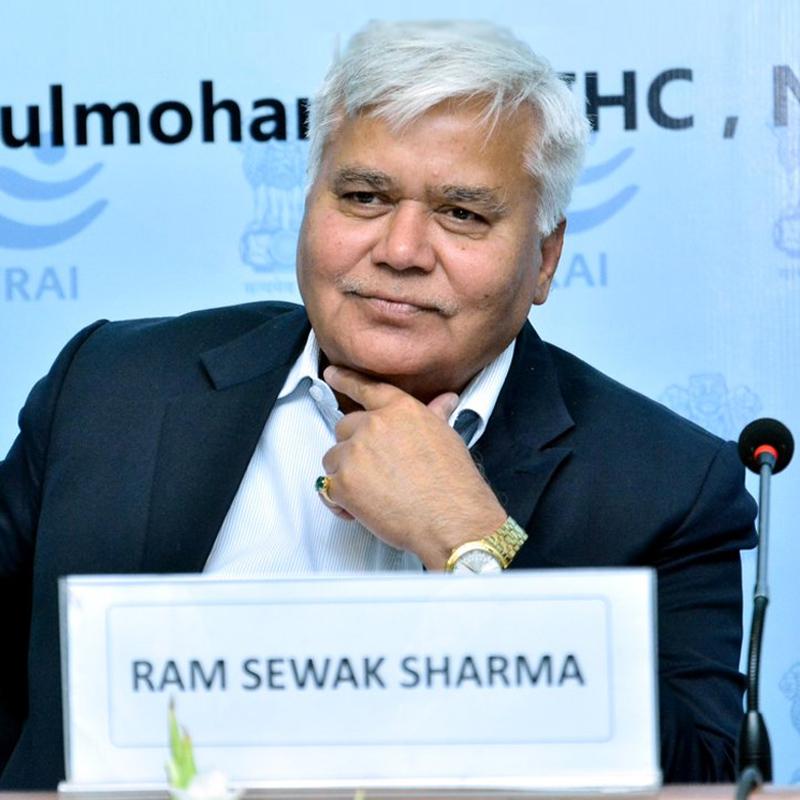
    TRAI chairman R S Sharma said their recommendations would come in in 20-25 days. The basic objective of Digital India was to encourage digital transactions of all kinds, he said, adding that the broadband access needed to be ubiquitous, reliable and robust.

    In its consultation paper floated in July last year, TRAI had said that it is estimated that cost per MB in Wi-Fi Network could be less than 2 paise per MB while consumers on an average are paying around 23 paise per MB for the data usage in the cellular network like 2G, 3G and 4G.

    The broadband shortage with regard to wired infrastructure will also be addressed through the growth of community WiFI hotspots. Digital payment channels have seen major rise in transactions after demonetisation.

    Meanwhile, Maharashtra chief minister Devendra Fadnavis announced the rollout of the largest public WiFi service in Mumbai by launching 500 live hotspots across Mumbai. The hotspots in the metro will go up to 1,200 by 1 May (Maharashtra Day), Fadnavis assured.

    The state’s mega-project to turn Mumbai into a “WiFi city” was announced in August 2015. For its free internet, the government has been using the state-run MTNL network. The free network is good for either 1GB of data (offered at 20Mbps) or 30 minutes, whichever is reached first.

    Also Read:

    Wi-fi proliferation: Discussion postponed to 28 Dec

    “There would be a lot on TRAI’s plate in 2017” – RS Sharma

    Wi-fi proliferation, Net Telephony discussion in January


  • TRAI ideas on public WiFi in three weeks; Mumbai gets 500 hotspots

    TRAI ideas on public WiFi in three weeks; Mumbai gets 500 hotspots

    MUMBAI: Telecom regulator TRAI has said it will finalise in 20-25 days its views on ‘public WiFi networks’ terming the affordability and availability of broadband as a “prerequisite” for growth of digital transactions. Public WiFi networks would offer data connectivity at 10 per cent of the prevailing rates.

    TRAI chairman R S Sharma said their recommendations would come in in 20-25 days. The basic objective of Digital India was to encourage digital transactions of all kinds, he said, adding that the broadband access needed to be ubiquitous, reliable and robust.

    In its consultation paper floated in July last year, TRAI had said that it is estimated that cost per MB in Wi-Fi Network could be less than 2 paise per MB while consumers on an average are paying around 23 paise per MB for the data usage in the cellular network like 2G, 3G and 4G.

    The broadband shortage with regard to wired infrastructure will also be addressed through the growth of community WiFI hotspots. Digital payment channels have seen major rise in transactions after demonetisation.

    Meanwhile, Maharashtra chief minister Devendra Fadnavis announced the rollout of the largest public WiFi service in Mumbai by launching 500 live hotspots across Mumbai. The hotspots in the metro will go up to 1,200 by 1 May (Maharashtra Day), Fadnavis assured.

    The state’s mega-project to turn Mumbai into a “WiFi city” was announced in August 2015. For its free internet, the government has been using the state-run MTNL network. The free network is good for either 1GB of data (offered at 20Mbps) or 30 minutes, whichever is reached first.

    Also Read:

    Wi-fi proliferation: Discussion postponed to 28 Dec

    “There would be a lot on TRAI’s plate in 2017” – RS Sharma

    Wi-fi proliferation, Net Telephony discussion in January


  • Spectrum, VSAT licences AGR: TRAI discussion on 19 Jan

    Spectrum, VSAT licences AGR: TRAI discussion on 19 Jan

    NEW DELHI: An Open House Discussion will be organised by the Telecom Regulatory Authority of India on its consultation paper on minimum presumptive AGR for Spectrum and VSAT licenses.

    The OHD will be held in the capital on 19 January 2017. The paper was issued on 17 August 2016 after a query by the Department of Telecom on 25 June 2014 and 15 May 2015 to which TRAI had responded on 2 March 2016.

    TRAI had asked stakeholders if spectrum assignment on location basis/link-by-link basis on administrative basis to ISPs be continued in the specified bands. On 19 September 2016, TRAI extended the date for comments to 13 October.

    The regulator has discussed issues relating to minimum presumptive AGR for ISP licenses and VSAT licenses and other issues raised by DoT which had sought TRAI’s recommendations in terms of clause 11(1) of TRAI Act 1997 on:

    (A) ISP license (i) Rates for SUC; (ii) Percentage of AGR including minimum AGR; (iii) Allied issues like schedule of payment, charging of interest, penalty and Financial Bank Guarantee (FBG).

    (B) Commercial VSAT license (i) Floor level (minimum) AGR, based on the amount of spectrum held by commercial VSAT operators. The Authority said in 2014 it had suo motu undertaken the exercise of review of definition of revenue base (AGR) for the reckoning of licence fee (LF) and spectrum usage charges (SUC).

    Earlier, another Consultation Paper was issued on 31 July 2014 and Recommendations on 6 January 2015. The Recommendations, along with other issues, also contain recommendations on minimum presumptive AGR. In the Recommendations of 6 January 2015, the Authority had recommended that minimum presumptive AGR for the purpose of LF and SUC should not be made applicable for any licenses granted by the Government for providing telecom services. Paper is available on trai.gov.in

    Also read     

    TRAI issues consultation paper on AGR issues relating to Spectrum

    TRAI extends dates for views on AGR issues relating to Spectrum

  • Spectrum, VSAT licences AGR: TRAI discussion on 19 Jan

    Spectrum, VSAT licences AGR: TRAI discussion on 19 Jan

    NEW DELHI: An Open House Discussion will be organised by the Telecom Regulatory Authority of India on its consultation paper on minimum presumptive AGR for Spectrum and VSAT licenses.

    The OHD will be held in the capital on 19 January 2017. The paper was issued on 17 August 2016 after a query by the Department of Telecom on 25 June 2014 and 15 May 2015 to which TRAI had responded on 2 March 2016.

    TRAI had asked stakeholders if spectrum assignment on location basis/link-by-link basis on administrative basis to ISPs be continued in the specified bands. On 19 September 2016, TRAI extended the date for comments to 13 October.

    The regulator has discussed issues relating to minimum presumptive AGR for ISP licenses and VSAT licenses and other issues raised by DoT which had sought TRAI’s recommendations in terms of clause 11(1) of TRAI Act 1997 on:

    (A) ISP license (i) Rates for SUC; (ii) Percentage of AGR including minimum AGR; (iii) Allied issues like schedule of payment, charging of interest, penalty and Financial Bank Guarantee (FBG).

    (B) Commercial VSAT license (i) Floor level (minimum) AGR, based on the amount of spectrum held by commercial VSAT operators. The Authority said in 2014 it had suo motu undertaken the exercise of review of definition of revenue base (AGR) for the reckoning of licence fee (LF) and spectrum usage charges (SUC).

    Earlier, another Consultation Paper was issued on 31 July 2014 and Recommendations on 6 January 2015. The Recommendations, along with other issues, also contain recommendations on minimum presumptive AGR. In the Recommendations of 6 January 2015, the Authority had recommended that minimum presumptive AGR for the purpose of LF and SUC should not be made applicable for any licenses granted by the Government for providing telecom services. Paper is available on trai.gov.in

    Also read     

    TRAI issues consultation paper on AGR issues relating to Spectrum

    TRAI extends dates for views on AGR issues relating to Spectrum

  • TRAI likely to appeal against HC order on draft broadcast tariff

    TRAI likely to appeal against HC order on draft broadcast tariff

    MUMBAI: The Telecom Regulatory Authority of India could move the apex court challenging the Madras High Court’s status quo order on draft tariff rules for the broadcast sector that stopped it from issuing any further guidelines.

    The high court recently stayed TRAI’s right to decide TV tariffs. On 23 December, the court ordered that TRAI maintain status quo with regard to any tariff orders or regulations for Rs 54,225 crore Indian television industry. 

    Freezing of TRAI powers to decide television prices meant better programming and variety for the audience, ease of doing business and improved margins for the second largest TV market in the world.

    The order had come on a petition filed by Star India and Vijay TV on the ground that the TRAI orders are in conflict with the Copyright Act 1957. As a result of this court order and pending the full hearing of the case, TRAI would not be able to pass any guideline for issues such as broadcast tariff, broadcast interconnect, and quality of services.

    Also Read:    Maintain status quo on broadcast guidelines, Madras HC tells TRAI

    Also Read:    DAS 4 deadline extended to 31 Mar 

  • TRAI likely to appeal against HC order on draft broadcast tariff

    TRAI likely to appeal against HC order on draft broadcast tariff

    MUMBAI: The Telecom Regulatory Authority of India could move the apex court challenging the Madras High Court’s status quo order on draft tariff rules for the broadcast sector that stopped it from issuing any further guidelines.

    The high court recently stayed TRAI’s right to decide TV tariffs. On 23 December, the court ordered that TRAI maintain status quo with regard to any tariff orders or regulations for Rs 54,225 crore Indian television industry. 

    Freezing of TRAI powers to decide television prices meant better programming and variety for the audience, ease of doing business and improved margins for the second largest TV market in the world.

    The order had come on a petition filed by Star India and Vijay TV on the ground that the TRAI orders are in conflict with the Copyright Act 1957. As a result of this court order and pending the full hearing of the case, TRAI would not be able to pass any guideline for issues such as broadcast tariff, broadcast interconnect, and quality of services.

    Also Read:    Maintain status quo on broadcast guidelines, Madras HC tells TRAI

    Also Read:    DAS 4 deadline extended to 31 Mar 

  • TRAI to meet b’casters, MSOs, DTH ops, telcos on ’17 roadmap

    TRAI to meet b’casters, MSOs, DTH ops, telcos on ’17 roadmap

    NEW DELHI: As promised by TRAI chairman RS Sharma, the regulator is getting pro-active. It has scheduled meetings with top executives of telecom, broadcasting, DTH and MSO companies over the next one week starting 6 January, 2017 to seek their opinion on issues to be taken up during 2017.

    The first of these high-level meetings would take place Friday when TRAI Chairman and other officials would interact with CEOs of all telecom companies, including Bharti, Vodafone and Reliance Jio, to discuss and identify important issues that need to be taken up during the year, PTI reported.

    A similar meeting is slated with top executives of cable, broadcasting, MSO and DTH companies on January 10, 2017, PTI quoted TRAI sources as saying.

    “We have invited the CEOs of all telecom companies, including Bharti Airtel, Vodafone, Idea Cellular, Reliance Jio and others for a discussion on January 6. Similarly, we have invited top executives of broadcasting companies, MSOs, and DTH companies on January 10,” the PTI report quoted sources as saying.

    TRAI’s latest initiatives are in line with what Chairman RS Sharma had told indiantelevision.com in a year-end interview middle of December 2016 on charting a roadmap for 2017.

    “What we plan to do in 2017 is something interesting. While there will be always issues that will need TRAI’s urgent attention — for example, the government may ask for advice on spectrum prices — we are trying to create a calendar for the next year…. highlighting the works that need to be taken up in 2017 and which will act as a roadmap,” Sharma had told indiantelevision.com.

    Asked about the issues likely to be taken up by TRAI in2017, in consultation with the industry, Sharma had indicated it could involve data and consumer protection, Internet of Things (IoT), digital terrestrial broadcasting and other issues related to emerging technologies.

    ALSO READ

    “There would be a lot on TRAI’s plate in 2017” – RS Sharma

  • TRAI to meet b’casters, MSOs, DTH ops, telcos on ’17 roadmap

    TRAI to meet b’casters, MSOs, DTH ops, telcos on ’17 roadmap

    NEW DELHI: As promised by TRAI chairman RS Sharma, the regulator is getting pro-active. It has scheduled meetings with top executives of telecom, broadcasting, DTH and MSO companies over the next one week starting 6 January, 2017 to seek their opinion on issues to be taken up during 2017.

    The first of these high-level meetings would take place Friday when TRAI Chairman and other officials would interact with CEOs of all telecom companies, including Bharti, Vodafone and Reliance Jio, to discuss and identify important issues that need to be taken up during the year, PTI reported.

    A similar meeting is slated with top executives of cable, broadcasting, MSO and DTH companies on January 10, 2017, PTI quoted TRAI sources as saying.

    “We have invited the CEOs of all telecom companies, including Bharti Airtel, Vodafone, Idea Cellular, Reliance Jio and others for a discussion on January 6. Similarly, we have invited top executives of broadcasting companies, MSOs, and DTH companies on January 10,” the PTI report quoted sources as saying.

    TRAI’s latest initiatives are in line with what Chairman RS Sharma had told indiantelevision.com in a year-end interview middle of December 2016 on charting a roadmap for 2017.

    “What we plan to do in 2017 is something interesting. While there will be always issues that will need TRAI’s urgent attention — for example, the government may ask for advice on spectrum prices — we are trying to create a calendar for the next year…. highlighting the works that need to be taken up in 2017 and which will act as a roadmap,” Sharma had told indiantelevision.com.

    Asked about the issues likely to be taken up by TRAI in2017, in consultation with the industry, Sharma had indicated it could involve data and consumer protection, Internet of Things (IoT), digital terrestrial broadcasting and other issues related to emerging technologies.

    ALSO READ

    “There would be a lot on TRAI’s plate in 2017” – RS Sharma

  • Respond to Vodafone’s TRAI challenge in two weeks, govt directed

    Respond to Vodafone’s TRAI challenge in two weeks, govt directed

    MUMBAI: Terming it as “premature”, the central government has opposed a plea by the telecom major Vodafone Mobile Services challenging TRAI’s recommendation to impose Rs 1,050 crore penalty for not providing interconnectivity to Reliance Jio.

    The government rejected the plea by Vodafone, which operates in 21 circles, against a penalty of Rs 50 crore per telecom circle recommended by TRAI. The Telecom Regulatory Authority of India had suggested the penalty on grounds that Vodafone had violated terms and conditions relating to points of interconnection among service providers.

    Additional solicitor-general Sanjay Jain, appearing on behalf of the Centre, said that since the role of TRAI was advisory, what material did the telecom company had to show that the Centre’s decision would be clouded by the recommendation.

    Justice Sanjeev Sachdeva, who was hearing the matter, directed the Centre to file a short affidavit within two weeks and limit it to the question of maintainability of the suit.

    TRAI recommendation was made to DoT (department of telecommunications), and is based on a complaint by Reliance Jio Infocomm Ltd, which alleged that Vodafone had refused to comply with interconnection norms. TRAI had also recommended a similar penalty on Bharti Airtel and Idea Cellular Ltd.

    Senior advocate Rajiv Nayar, appearing for Vodafone, urged the court to decide whether TRAI exceeded its jurisdiction by giving the recommendation. The telecom argued that TRAI has the power to impose “financial disincentives” for breach of Quality of Service regulations and to ensure compliance of terms and conditions of licence.

    The ASG opposed the maintainability of the petition, saying once DoT took a decision, then it was an appealable order.

    The court gave the telecom ministry and TRAI two weeks to file their reply on the issue of maintainability and listed it for hearing on 6 February.

  • Respond to Vodafone’s TRAI challenge in two weeks, govt directed

    Respond to Vodafone’s TRAI challenge in two weeks, govt directed

    MUMBAI: Terming it as “premature”, the central government has opposed a plea by the telecom major Vodafone Mobile Services challenging TRAI’s recommendation to impose Rs 1,050 crore penalty for not providing interconnectivity to Reliance Jio.

    The government rejected the plea by Vodafone, which operates in 21 circles, against a penalty of Rs 50 crore per telecom circle recommended by TRAI. The Telecom Regulatory Authority of India had suggested the penalty on grounds that Vodafone had violated terms and conditions relating to points of interconnection among service providers.

    Additional solicitor-general Sanjay Jain, appearing on behalf of the Centre, said that since the role of TRAI was advisory, what material did the telecom company had to show that the Centre’s decision would be clouded by the recommendation.

    Justice Sanjeev Sachdeva, who was hearing the matter, directed the Centre to file a short affidavit within two weeks and limit it to the question of maintainability of the suit.

    TRAI recommendation was made to DoT (department of telecommunications), and is based on a complaint by Reliance Jio Infocomm Ltd, which alleged that Vodafone had refused to comply with interconnection norms. TRAI had also recommended a similar penalty on Bharti Airtel and Idea Cellular Ltd.

    Senior advocate Rajiv Nayar, appearing for Vodafone, urged the court to decide whether TRAI exceeded its jurisdiction by giving the recommendation. The telecom argued that TRAI has the power to impose “financial disincentives” for breach of Quality of Service regulations and to ensure compliance of terms and conditions of licence.

    The ASG opposed the maintainability of the petition, saying once DoT took a decision, then it was an appealable order.

    The court gave the telecom ministry and TRAI two weeks to file their reply on the issue of maintainability and listed it for hearing on 6 February.