Category: TRAI

  • TRAI-RERA collaborate to make buildings digitally ready

    TRAI-RERA collaborate to make buildings digitally ready

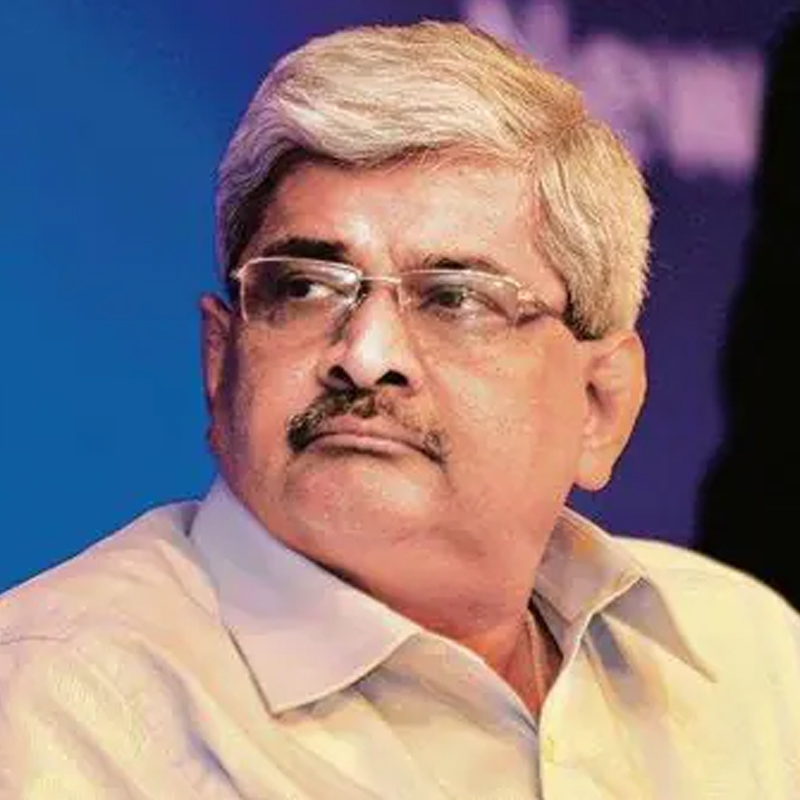
    MUMBAI: The Telecom Regulatory Authority of India (TRAI) took a step towards better digital connectivity inside buildings by hosting a webinar on 30 January. Led by chairman Anil Kumar Lahoti, the session brought together 116 representatives from Real Estate Regulatory Authorities (RERA) across 24 States and Union Territories, alongside senior TRAI officials. The discussion focused on TRAI’s new regulation for rating properties on digital connectivity, aiming to improve seamless network access in modern real estate developments.

    In his opening remarks, Lahoti highlighted the crucial role of RERA in improving digital connectivity in real estate projects. TRAI advisor Tejpal Singh presented an overview of the regulation, covering registration procedures for digital connectivity rating agencies and property managers, rating criteria, and evaluation steps. TRAI officials also addressed queries from RERA representatives.

    The webinar explored potential collaboration between TRAI and RERA to enhance digital infrastructure in real estate. Participants appreciated the initiative and expressed interest in further stakeholder discussions to strengthen digital connectivity standards in buildings.

  • TRAI issues recommendations for ground-based broadcasting

    TRAI issues recommendations for ground-based broadcasting

    MUMBAI: India has far been a cable and satellite TV country, apart from the single government-owned pubcaster Doordarshan which is the sole terrestrial network. That could likely change if one goes by the recommendations which the Telecom Regulatory Authority of India (TRAI) has come up with for ground based broadcasting (GBB). The recommendation are aimed at establishing a regulatory framework for GBBs in India. They focus on defining operational parameters and facilitating the use of terrestrial communication mediums by broadcasters.

    The key highlights of the TRAI recommendations are:

    * Definitions: The authority has clarified key terms such as “broadcaster,” “ground-based broadcasting,” and “terrestrial communication medium” to reflect updated practices in the industry, distinguishing between satellite-based and ground-based broadcasting.
    Regulatory Framework: TRAI recommends creating a framework for GBBs that aligns with existing guidelines for satellite broadcasters but excludes satellite-specific regulations. Ground-based broadcasters will not require authorisation from In-Space for frequency assignments but must secure other necessary clearances.
    * Delivery Mechanism: GBBs will provide channels to distribution platform operators (DPOs) using various terrestrial technologies, gaining the flexibility to utilise multiple systems as per their business strategies.
    * . Fee Structure: An annual authorisation fee of Rs seven  lakh per channel for GBBs has been proposed.
    *  Operational Areas: The service area for GBBs will be national, ensuring broad reach across the country.
    * Channel Migration Options: GBBs wishing to switch to or adopt satellite communication for their channels, and satellite broadcasters (SBBs) looking to embrace terrestrial methods, may do so with prior government approval while maintaining existing permission validity.
    * Compliance and Reporting: GBBs must report the primary language and sub-genre of their channels at the time of application, which will be displayed on the Broadcast Seva portal to assist in electronic programming guide (EPG) arrangement.
    * Examination of FAST Channels: TRAI recommends that the MIB assess the compliance of free ad-supported streaming television (FAST) channels with existing guidelines and develop policies as needed.
     

    These recommendations aim to enhance the operational landscape for broadcasters in India, promoting the effective use of emerging technologies while ensuring compliance with regulatory standards.
     

  • TRAI website gets a facelift

    TRAI website gets a facelift

    MUMBAI: Industry watchdog the Telecom Regulatory Authority of India (TRAI) has got a new look online. It unveiled an upgraded website to broaden its reach to connect with a wider audience on 23 December 2024. 

    In recognition of the growing importance of social media, new sharing features facilitate the dissemination of regulatory information to all stakeholders. The website offers comprehensive information on telecom and broadcasting regulations, policies, laws, statistics and trends in India. These resources are easily accessible to the public, stakeholders, researchers, and international audiences.

    The new website includes the following additional features:

    • Introduction of a new dashboard for telecom & broadcasting sector.
    • Provision of data download for research.
    * A grid view feature, allowing users to view data in a new and interactive format.
    • In addition to sharing via email, users can now also share documents directly through major social media platforms, links for visualisation on Instagram, Youtube, Linkedin, Whatsapp, Facebook, X etc.
    • Online registration for subscription to latest TRAI  releases and updates.
    • Brief profile of the authority.
    • New website is compatible with iOS, Android & various platforms.
    • A blog with a facility for registered users to comment.
    • Provision to publish information about upcoming events.
    • Online registration for participation in open house discussions.
    • Compliance to accessibility features.
    • Tenders and notices
    • Concise and compiled regulations at a single place with amendments mentioned in foot notes.

    The new website, says a TRAI release,  will be hosted in the National Informatics Centre  (NIC) Cloud. The old website will run concurrently for three months after the going live of the new website. 

    A chatbot Tara (Telecom Authority Responsive Advisor) has been introduced to facilitate interactive search.

    Says an industry executive unwilling to be named: “It’s good that TRAI has renewed the look of its website online.  Hopefully, it will also start looking at industry with new eyes and listen to what the pay TV, OTT streamers, TV channels and distribution platform operators need to have healthy industry in which everyone benefits – including the government and the lay consumer.” 

  • Clear rules, bold frontiers: TRAI’s move to redefine international traffic

    Clear rules, bold frontiers: TRAI’s move to redefine international traffic

    MUMBAI: Clear rules don’t stifle innovation – they build trust and confidence in uncharted territories.

    In a landmark step poised to reshape India’s telecom landscape, the Telecom Regulatory Authority of India (TRAI) has introduced decisive recommendations to end the long-standing ambiguity surrounding the definition of international traffic. This long-awaited announcement, marked by relief and anticipation, is set to bring much-needed clarity and precision to the sector, fostering trust and confidence among stakeholders.

    Born out of a Department of Telecommunications (DoT) directive in August 2022, this pivotal development under Section 11(1)(a) of the TRAI Act, 1997, serves as a beacon of regulatory guidance. As the telecom industry ventures into uncharted territories of innovation and globalisation, these guidelines promise a clearer framework to distinguish between international and domestic SMS traffic—ushering in a new era of operational transparency and accountability.

    In line with its mandate, TRAI conducted extensive consultations through its paper released on 2 May 2023. The process engaged 20 stakeholders for comments and seven for counter-comments, followed by an open house discussion in August. These comprehensive efforts culminated in the establishment of robust definitions aimed at eliminating inconsistencies in the classification of SMS traffic.

    Key recommendations:

    1    Definition of International Traffic:
        “International traffic” is now defined as telecommunication traffic originating in one country and terminating in another, with one country being India.

    2    Definition of International SMS:
        An “International SMS message” constitutes international traffic delivered using SMS. Additionally, an explanation specifies that any incoming application-to-person (A2P) SMS requiring electronic devices or systems outside India will also fall under this category.

    3    Definition of Domestic Traffic:
        “Domestic traffic” encompasses all traffic originating and terminating within India.

    4    Definition of Domestic SMS:
        “Domestic SMS” is defined as domestic traffic transmitted via SMS.

    TRAI’s clear delineation between domestic and international SMS ensures fair treatment across telecom service providers and eliminates potential misuse of classifications. It also strengthens compliance with India’s telecommunication licensing framework.

    The recommendations are poised to enhance transparency and efficiency in the telecom ecosystem. By safeguarding revenue streams and simplifying compliance for telecom operators, this move aligns with TRAI’s vision to fortify India’s telecom sector in the digital age.

  • TRAI’s audit debate unveils industry turmoil

    TRAI’s audit debate unveils industry turmoil

    MUMBAI: What happens when expectations collide with cold, hard realities? The Telecom Regulatory Authority of India’s (TRAI) latest open house discussion (OHD) on the audit clauses of the Interconnection Regulations, 2017, pulled back the curtain on a brewing storm. A room teeming with stakeholders—digital platform operators, broadcasters, and industry leaders—revealed not just simmering discontent but also deep cracks in the system. Amid heated debates, calls for stricter penalties for defaulters clashed with the ongoing struggle to implement regulations effectively, leaving behind a mixed trail of frustration, hope, and hard questions.

    The discussion, which saw limited participation from broadcasters, revealed persistent gaps in compliance. All India Digital Cable Federation (AIDCF) secretary general, Manoj Chhangani called for stringent action against non-compliant multi-system operators (MSOs). “Broadcasters should be strictly prohibited from providing TV signals to MSOs who fail to conduct audits,” he asserted, suggesting public disclosure of defaulters on broadcasters’ websites.

    Siti Networks head of legal and regulatory department, Girish Bhuttan echoed Chhangani’s sentiment, advocating financial penalties and potential license cancellation for repeat offenders. However, Bhuttan expressed scepticism about the lack of enforcement, stating, “We have not seen any action against those not implementing these provisions. If not enforced, these rules lose their significance.”

    On the other hand, Consumer Care Society secretary, Gopal Ratnam cautioned against moves that might affect consumers, terming them “anti-consumer”. Ratnam predicted legal challenges if broadcasters disconnected signals for non-compliance.

    Broadcasters criticised the lack of transparency and enforcement, citing a history of excuses from DPOs, ranging from software issues to falsified audit reports. An industry veteran noted that 90 per cent of audits were either incomplete or improperly conducted in the past five years. “Denying or delaying audits is akin to saying, ‘Take the product and forget about it’”, the veteran said.

    Broadcasters also raised concerns over the quality of audit personnel, with many reports prepared by inexperienced trainees. To address this, the Indian Broadcasting & Digital Foundation (IBDF) proposed giving broadcasters primary rights to conduct DPO audits. “This would reduce the burden on smaller DPOs and ensure greater transparency,” said IBDF secretary, Radhakrishnan Nair.

    Industry participants emphasised the need for a structured approach to audits, better training for auditors, and stricter penalties for non-compliance. While some suggested collaboration with TRAI to refine the framework, others expressed doubts about the efficacy of current recommendations.

    As the discussion concluded, broadcasters reiterated the necessity of reforms to safeguard their revenues and maintain system integrity. With TRAI planning an open house discussion to finalise recommendations, the industry remains divided on how to balance enforcement with consumer interests.

  • FICCI, IBDF oppose TRAI’s proposed framework for broadcasting under Telecom Act

    FICCI, IBDF oppose TRAI’s proposed framework for broadcasting under Telecom Act

    MUMBAI: Imagine walking a tightrope without a safety net, knowing that a single misstep could send you plummeting.

    That’s exactly the precarious position the Telecom Regulatory Authority of India (TRAI) finds itself in after daring to blur the lines of its statutory jurisdiction. Like a rebellious teenager ignoring well-meant advice, TRAI’s bold move to propose a framework for regulating broadcasting services under the Telecommunications Act, 2023, has sparked a firestorm of backlash. Industry heavyweights, including the Indian Broadcasting and Digital Foundation (IBDF) and the Federation of Indian Chambers of Commerce & Industry (FICCI), are up in arms, accusing TRAI of overstepping its authority by attempting to shoehorn content regulation into licensing conditions. The result? A Pandora’s box of controversy that could reshape the broadcasting landscape.

    IBDF and FICCI argue that content regulation should remain under dedicated legislation, overseen by the Ministry of Information and Broadcasting (MIB), and not be conflated with telecommunications services. TRAI’s role, they assert, should focus solely on carriage-related aspects such as signal transmission and spectrum allocation.

    IBDF’s submission criticised TRAI’s proposal as an overreach. “The framework attempts to regulate content, which is beyond TRAI’s jurisdiction as defined by the TRAI Act, 1997,” IBDF stated. The association emphasised that Section 11(1)(a) of the TRAI Act limits TRAI to recommending licensing terms and conditions, not fundamentally altering the regulatory structure of broadcasting.

    Similarly, FICCI highlighted the historical context, noting that broadcasting was placed under telecommunication services in 2004 as a stopgap measure to regulate distribution services. “Broadcasting is a distinct sector, and equating it with telecommunications disrupts industry operations and consumer satisfaction,” FICCI stated.

    The News Broadcasters and Digital Association (NBDA) also opposed the move, cautioning that the framework could impose restrictive telecommunications-style authorisations on broadcasting. “TRAI should collaborate with MIB to develop a coherent strategy that avoids overregulation and supports self-regulation mechanisms for content,” NBDA recommended.

    Both IBDF and FICCI called on TRAI to focus on carriage issues and exclude content from the proposed framework. FICCI further suggested strengthening self-regulation for content and maintaining the sector’s distinct regulatory framework under the MIB.

    TRAI has concluded the consultation process and will announce the date for an open house discussion with stakeholders to finalise the framework.

  • TRAI implements message traceability for safer sms services across India

    TRAI implements message traceability for safer sms services across India

    Mumbai: Ding, ding, ding—another spam message blows up your phone, drowning your screen in an avalanche of useless promotions. Sound familiar? Worse yet, you might miss that one crucial message buried under this clutter. Frustrating, isn’t it? But don’t fret—TRAI has swooped in like a superhero, armed with a groundbreaking solution to liberate us from this daily chaos. By mandating secure and traceable commercial messaging, the Telecom Regulatory Authority of India is about to transform how we experience SMS communication, making spam and scams a thing of the past. It’s time to say goodbye to the noise and hello to clarity!

    TRAI has implemented robust measures to ensure the secure and traceable transmission of text messages, mandating that all commercial messages must be traceable from sender to recipient. This initiative, aimed at combating spam and fraudulent messages, is set to revolutionise SMS communication in India.

    To facilitate the implementation of message traceability, TRAI issued a directive on 20 August 2024, requiring all Access Providers to deploy the necessary technical solutions. While the initial compliance deadline was 1 November 2024, it was later extended to 30 November 2024 to provide additional time for technical upgrades and chain declarations by principal entities (PEs) and telemarketers (TMs). In a further directive issued on 28 October 2024, TRAI extended the compliance timeline to 10 December 2024.

    TRAI undertook extensive awareness campaigns, engaging sector regulators like RBI, SEBI, PFRDA, and IRDAI, along with central and state government departments. It also conducted webinars, interactive sessions, and email communications in collaboration with access providers to inform PEs and TMs about the new requirements.

    These efforts have yielded significant progress, with over 27,000 PEs already registering their chains with access providers. TRAI has instructed access providers to continue issuing warnings to non-compliant PEs and TMs and ensure that all registrations are completed by the revised deadline.

    From 11 December 2024, any message traffic without a defined or matching PE-TM chain will be rejected. TRAI urges all PEs and TMs to expedite their chain declarations to avoid disruptions in message transmission.

    This landmark measure by TRAI underscores its commitment to fostering a safer digital environment while enhancing trust in SMS communication.

  • TRAI implements new measures to eliminate spam calls and SMS

    TRAI implements new measures to eliminate spam calls and SMS

    New Delhi – In a mission towards curbing the menace of spam calls and SMS, the Telecom Regulatory Authority of India (TRAI) has implemented a series of robust measures. These initiatives are aimed at safeguarding consumer interests and also ensuring accountability among service providers and telemarketers.

    TRAI’s directive issued on 13 August 2024, stated its no-tolerance policy toward entities engaging in promotional calls and messages that violate regulations. The mandate includes disconnection of telecom resources, blacklisting of violators for up to two years, and a prohibition on new resource allocation during the blacklisting period.

    These decisive actions have already shown promising results. Access providers, acting on TRAI’s directive, have significantly reduced the number of complaints against spam calls. In August 2024, 1.89 lakh complaints were registered. This figure dropped by 13 per cent to 1.63 lakh in September and further declined by 20 per cent to 1.51 lakh in October.

    To ensure transparency and traceability in messaging, TRAI issued a directive on 20 August 2024, requiring a clear trail of all messages from senders to recipients. This measure, set to take effect on 1 November 2024, ensures that accountability is embedded into the messaging ecosystem.

    Recognising the need for a smooth transition, TRAI extended the implementation deadline to 30 November 2024. This extension provides additional time for Principal Entities (PEs) and Telemarketers (TMs) to align with technical and operational requirements. Access providers have swiftly implemented the necessary technical solutions, laying the groundwork for a seamless transition.

    TRAI has actively engaged stakeholders through webinars aimed at raising awareness about these measures. On 12 November 2024, the first webinar, conducted in collaboration with Reliance Jio Infocomm Ltd., witnessed participation from over 1,000 representatives, including those from entities regulated by the Reserve Bank of India (RBI), Securities and Exchange Board of India (SEBI), Pension Fund Regulatory and Development Authority (PFRDA), and Insurance Regulatory and Development Authority of India (IRDAI).

    The second webinar, held on 19 November 2024, in association with Vodafone Idea Ltd., saw participation from over 800 representatives, including officials from central and state government departments. Building on this momentum, a third webinar is scheduled for 25 November 2024, in partnership with Tata Teleservices Ltd. This event is expected to engage stakeholders from diverse sectors, including consumer affairs, fintech, and technology organisations such as Nasscom and the Fintech Association for Consumer Empowerment (FACE).

    The collaborative efforts of TRAI and access providers have already driven remarkable progress. Over 13,000 Principal Entities have registered their communication chains with access providers, with many more registrations underway. Access providers are also issuing warning notices to entities that have yet to comply, emphasising the urgency of completing these declarations.

    As the 30 November deadline approaches, all principal entities and telemarketers are urged to prioritise compliance. Failure to adhere to the defined telemarketer chain will result in message rejections, reinforcing TRAI’s resolve to uphold consumer rights and regulatory standards.

  • TRAI releases telecom subscription data for 30 September 2024

    TRAI releases telecom subscription data for 30 September 2024

    New Delhi: The Telecom Regulatory Authority of India (TRAI) unveiled its report on telecom subscription data as of 30 September 2024. The findings highlight trends across wireless and wireline segments, broadband subscriptions, and mobile number portability (MNP) requests, reflecting a dynamic yet challenging period for the sector.

    Decline in total subscribers

    India’s total telecom subscriber base saw a decline of 9.41 million in September, with numbers dropping from 1,200.07 million in August to 1,190.66 million. This translates to a monthly contraction of 0.78 per cent. Urban areas reported a slight dip in tele-density from 132.94 per cent to 131.86 per cent, while rural tele-density dropped from 59.05 per cent to 58.48 per cent. The declining figures underline challenges such as market saturation and migration of users to alternative communication platforms.

    Broadband subscriptions decreased by 0.51 per cent, from 949.21 million in August to 944.40 million in September. Mobile devices accounted for most of this decline, witnessing a contraction of 0.63 per cent. However, wired broadband and fixed wireless users showed growth, with increases of 1.83 per cent and 9.01 per cent, respectively. Reliance Jio retained its dominance with 477.94 million subscribers, followed by Bharti Airtel (285.17 million) and Vodafone Idea (126.36 million). These top players collectively command 98.42 per cent of the broadband market, underscoring limited competition in this segment.

    Wireline subscribers on the rise

    The wireline segment emerged as a bright spot, growing by 1.93 per cent to reach 36.93 million subscribers. Urban areas accounted for 92.14 per cent of these connections, highlighting an urban-centric growth trajectory. BSNL and MTNL, despite being public-sector entities, maintained a combined market share of 23.95 per cent, showcasing resilience amidst stiff competition.

    The wireless segment faced a challenging month with a decline of 10.11 million subscribers, a 0.87 per cent drop. Urban and rural wireless subscriptions declined by 0.80 per cent and 0.95 per cent, respectively, as affordability and service reliability remained key issues. Bharti Airtel led the active wireless subscriber base with a remarkable 99.27 per cent activity rate on its Visitor Location Register (VLR).

    The MNP service recorded 13.32 million requests in September, raising the cumulative total to 1,039.11 million. Zone-I, encompassing Northern and Western India, saw Uttar Pradesh-East leading the pack with 100.56 million porting requests. In Zone-II, Madhya Pradesh topped the charts with 81.06 million requests, reflecting high user dissatisfaction or a quest for better services.

    Regional tele-density variations

    Tele-density across circles revealed stark disparities. Delhi boasted the highest tele-density at 278.55 per cent, while Bihar recorded the lowest at 56.40 per cent. This gap highlights persistent inequalities in telecom penetration across states.

    While the report signals challenges, particularly in the wireless and rural segments, it also hints at potential opportunities in wireline growth and broadband expansion. As operators strive to innovate and enhance service quality, the sector remains poised for a possible turnaround. 

  • TRAI issues consultation paper on Broadcasting Service Authorisations under Telecom Act 2023

    TRAI issues consultation paper on Broadcasting Service Authorisations under Telecom Act 2023

    New Delhi – The Telecom Regulatory Authority of India (TRAI) released a consultation paper on Framework for Service Authorisations for provision of Broadcasting Services under the Telecommunications Act, 2023′.

    The Ministry of Information and Broadcasting (MIB) through a letter dated 25 July 2024, sent a reference to TRAI informing that the Telecommunications Act, 2023 has been published in the Official Gazette of India. Section 3(1)(a) of the Telecommunications Act, 2023, which is yet to be notified, provides for obtaining an authorisation by any entity/ person intending to provide telecommunication services, subject to such terms and conditions, incuding fees or charges, as may be prescribed.

    In respect of the broadcasting services, the reference has apprised that many broadcasting platforms (which employ radio waves and spectrum for offering services) viz. DTH, HITS, IPTV, Uplinking/ Downlinking of television channels (including teleports), SNG, DSNG, Community Radio, FM Radio etc. are issued license/ permission/ registration by MIB under Section 4 of the Indian Telegraph Act, 1885, which is replaced by the Telecommunications Act, 2023.