Category: People

  • Pine Labs appoints Sameer Kamath as CFO ahead of IPO; Shalini Saxena returns as General Counsel

    Pine Labs appoints Sameer Kamath as CFO ahead of IPO; Shalini Saxena returns as General Counsel

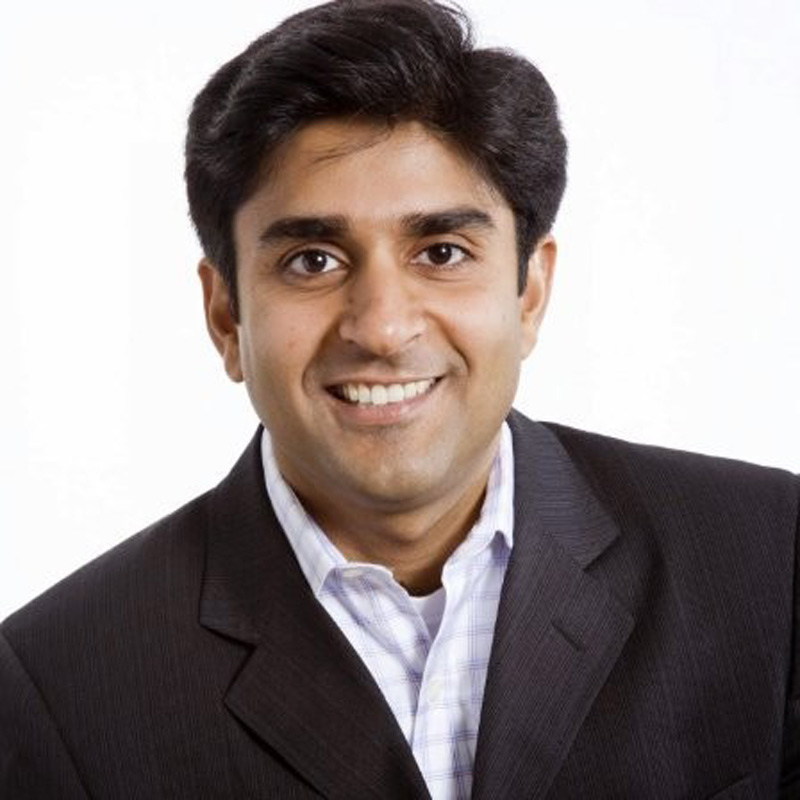
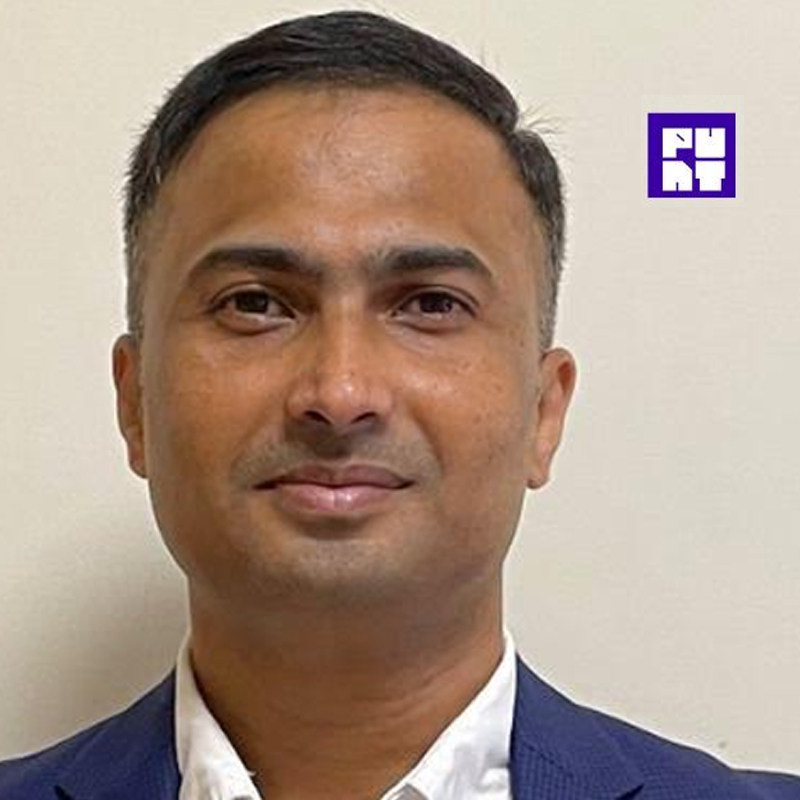
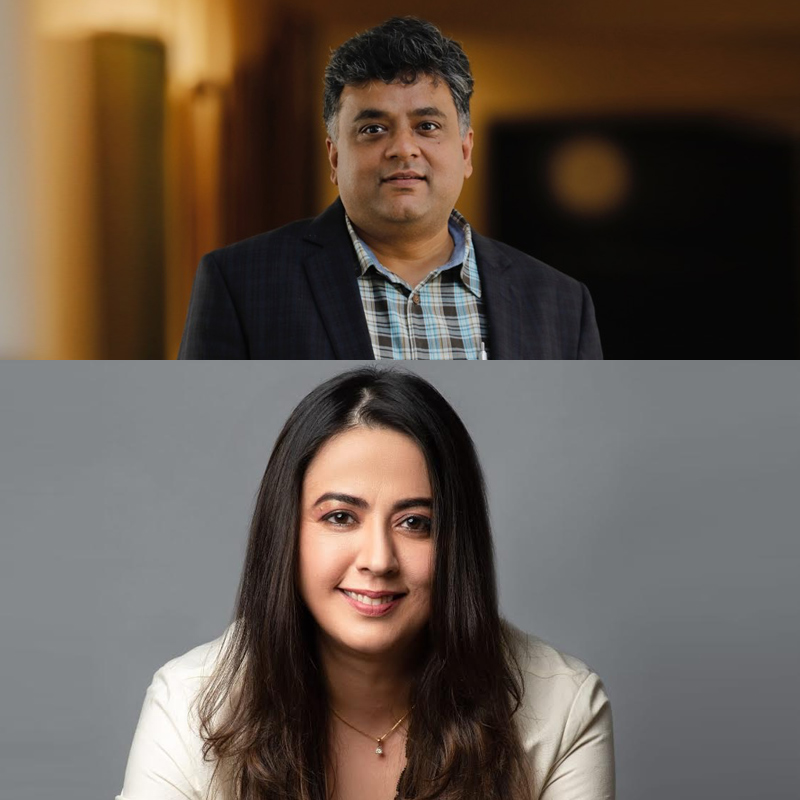
    Mumbai: IPO-bound Pine Labs has announced two key leadership appointments ahead of its planned public offering: Sameer Kamath is set to join as chief financial officer, while Shalini Saxena returns
    as general counsel. The announcement follows closely on the heels of the company’s draft red herring prospectus (DRHP) filing with the Securities and Exchange Board of India (SEBI) on 27 June.

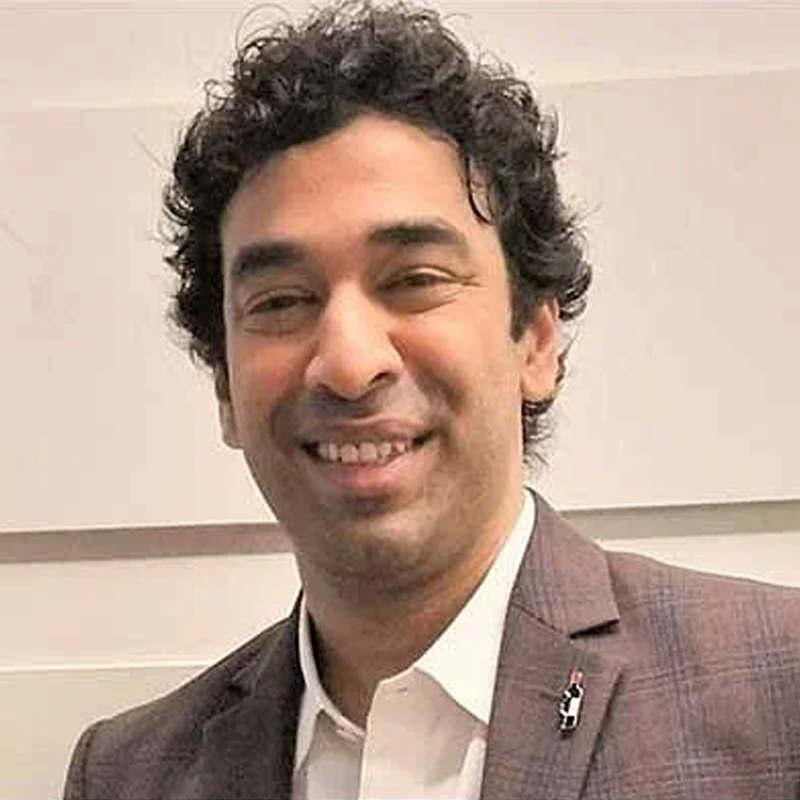
    Kamath, currently group CFO at Avendus Capital, brings over two decades of financial leadership experience. He previously served as CFO at Motilal Oswal. He replaces Marc Mathenz, who stepped down in June shortly before the DRHP was filed.

    Saxena re-joins Pine Labs after her tenure as legal head at CoinDCX. She had earlier served as general counsel at Pine Labs from 2019 to 2022. Her return signals renewed legal leadership focus as the company navigates regulatory and compliance processes tied to its public listing.

    Pine Labs’ senior leadership team now includes:

    Amrish Rau, chief executive officer

    Kush Mehra, chief business officer

    Sumit Chopra, chief operating officer

    Navin Chandani, chief business officer – issuing business

    The Gurugram-based fintech firm is looking to raise Rs 2,600 crore via a combination of fresh equity issue and an offer-for-sale (OFS) of up to 147.8 million shares. Pine Labs is reportedly seeking a valuation in the range of $4.5–5 billion. Key shareholders include Peak XV Partners, Mastercard, PayPal, and Actis.

    The appointments place Pine Labs alongside a growing cohort of Indian startups accelerating towards public markets-a signal of rising maturity within the country’s fintech and technology sectors.

    (If you are an Anime fan and love Anime like Demon Slayer, Spy X Family, Hunter X Hunter, Tokyo Revengers, Dan Da Dan and Slime, Buy your favourite Anime merchandise on AnimeOriginals.com.)
     

  • Eight years of GST: India’s landmark tax reform turns a corner

    Eight years of GST: India’s landmark tax reform turns a corner

    MUMBAI: Eight years after its midnight launch, the Goods and Services Tax (GST) stands as a defining milestone in India’s economic reform journey. Introduced by the Modi 1.0 government on 1 July 2017, GST replaced 17 indirect taxes and 13 cesses, creating a unified tax system aimed at transforming revenue collection and compliance mechanisms.

    From its inception, GST has aimed to simplify the tax landscape and improve compliance—especially for small and medium enterprises (SMEs). Prime Minister Narendra Modi recently reiterated this in a social media post, calling GST a “powerful engine” of economic growth and an exemplar of cooperative federalism, where states act as equal partners in market integration.

    GST revenues have seen consistent growth—from Rs 7.19 lakh crore in 2017–18 to Rs 22.08 lakh crore in 2024–25. Registrations have more than doubled, rising from 60 lakh to 1.51 crore active taxpayers. The government credits this to technology-led compliance features such as e-invoicing, auto-populated returns, AI-driven analytics, and e-way bills, which together have helped reduce fraud and encourage voluntary adherence.

    The media and marketing industry has also undergone a structural shift under GST. Earlier fragmented under multiple state-level service taxes, the sector now operates under a more uniform 18 per cent GST slab, enabling centralised billing and improving cash flow predictability for agencies and broadcasters. For the television industry, in particular, GST eliminated disparities between content producers and distributors across states, streamlining operations and reducing cascading taxes. However, smaller agencies have flagged concerns about delayed input credit refunds and compliance costs, prompting calls for more sector-specific easing.

    Leaders across industry reflected on GST’s journey. Anand Mahindra, chairman of Mahindra Group, called it “India awakening as a common market for the first time.” Vijay Shekhar Sharma, founder of Paytm, termed GST “the dawn of a new India.” Kiran Mazumdar-Shaw, executive chairperson of Biocon, described it as “transformational,” while also calling for further simplification.

    Despite progress, key issues remain. Over two lakh disputes are pending due to the delayed establishment of GST appellate tribunals. The presence of multiple tax slabs and inverted duty structures—particularly in textiles and fertilisers—continues to create inconsistencies. Petroleum products and real estate remain outside GST’s ambit, limiting its scope as a truly comprehensive indirect tax.

    Tax experts from PwC India advocate for rationalising the rate structure to three tiers and gradually bringing petroleum products under GST to remove economic distortions. The GST Council has indicated that such reforms are under active consideration. Plans to operationalise 31 appellate tribunals by December aim to address the litigation backlog.
     

  • Mihir Rale plugs into Cyril Amarchand Mangaldas, electrifying its digital practice

    Mihir Rale plugs into Cyril Amarchand Mangaldas, electrifying its digital practice

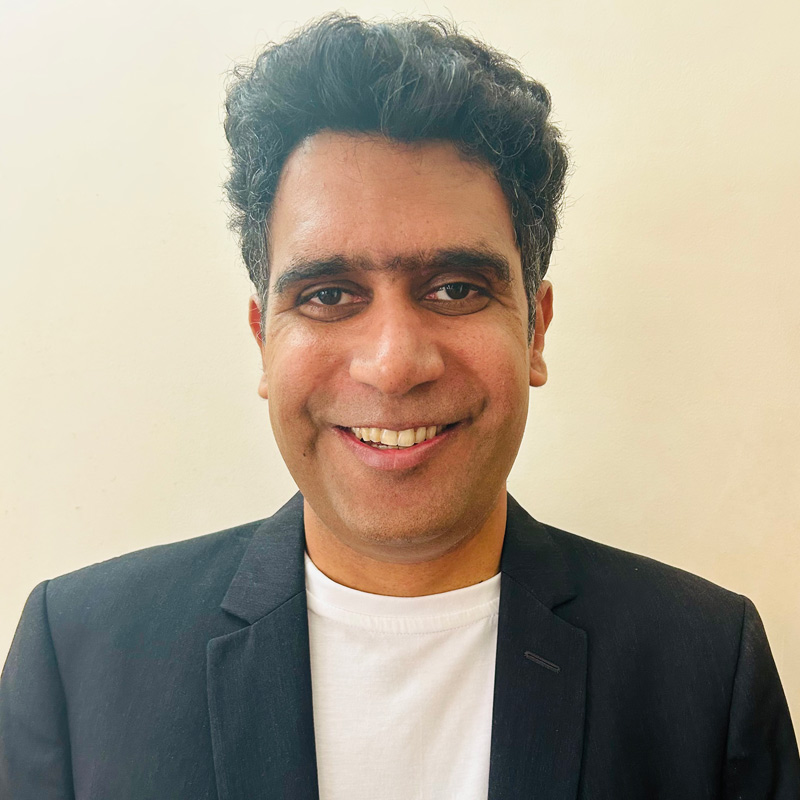
    MUMBAI: Mumbai’s legal landscape just got a jolt. Mihir Rale, a seasoned legal wire with over two decades of experience spanning technology, data, telecoms, and media, has plugged into Cyril Amarchand Mangaldas (CAM) as a partner and co-head of its shiny new digital+ practice.

    Based in the firm’s bustling Mumbai office, Rale’s arrival is set to amplify CAM’s capabilities in the ever-evolving digital ecosystem.

    Until 2024, Rale was the general counsel for Star and Disney India, completing a remarkable 15-year tenure that saw him tackle industry challenges where tech, regulation, competition, and intellectual property frequently short-circuited. He has also co-chaired the Ficci, Ipr committee and the CII digital media committee, clearly no stranger to policy and regulatory currents.

  • Lavin Hirani launches Hirani & Associates in Mumbai

    Lavin Hirani launches Hirani & Associates in Mumbai

    MUMBAI: Lavin Hirani, a seasoned name in India’s media and entertainment law circles, has rolled out his own banner—Hirani & Associates—a boutique firm set up in Bandra, Mumbai. With a script honed over years in the legal trenches, the new firm promises bespoke solutions across media, entertainment, sports, trademarks and tech law.

    Hirani, best known for his stints as head of legal at Red Chillies Entertainment and media practice head at MDP Legal, brings heavyweight experience and a high-profile clientele. He has represented marquee names like Shah Rukh Khan, Sunny Deol, Shraddha Kapoor, Raveena Tandon, Rana Daggubati, Rishabh Pant and Samantha Prabhu, as well as leading production houses and streaming platforms.

    “Media and tech are just getting warmed up—there’s massive potential ahead,” said Hirani. 

    Backed by a tight-knit team of legal talent—Anjana Menon (principal associate), Varun Gopala Krishnan (senior associate), and associates Ishan Puranik, Niharika Tiwari, Karisma Shah, Prachiti Joshi and Suhavi Arya—Hirani & Associates aims to blend personalised legal counsel with deep sector insight.

    And yes, in true Bollywood style, Hirani couldn’t resist a cinematic sign-off: “Starring a talented cast, directed by yours truly.”

  • Entertainment bigwigs and global IP gurus mull over AI, royalties and rights

    Entertainment bigwigs and global IP gurus mull over AI, royalties and rights

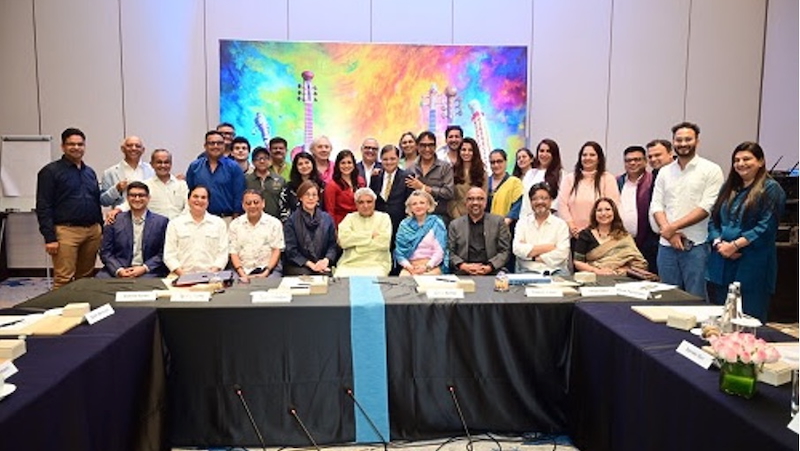
    MUMBAI: Mumbai’s glitterati of lyricists, composers, and legal eagles gathered for a confabulation with World Intellectual  Property Organization (WIPO),  deputy director general Sylvie Forbin, courtesy of the Indian Performing Right Society Ltd. (IPRS).

    The topic?

     Intellectual property rights (IPR), the rise of AI, and how to keep the creative juices flowing in a digital age.

    Held under the watchful eye of legendary lyricist and IPRS chairman Javed Akhtar, the closed-door roundtable was a veritable who’s who of India’s music and entertainment scene. From Vishal Dadlani’s vocal chords to Kausar Munir’s poetic prose, all were present to discuss the future of creativity.

    “The music community has always shown resilience to overcome the challenges brought as well by technological advances,” Forbin declared, clearly impressed by India’s grasp of the AI conundrum. “They have adapted in the best way by showing a strong alliance between them. I am impressed by India’s knowledge and assessment of what would be needed when it comes to the AI revolution and happy to go along with Indian creators to foster regulatory, business, and technological solutions to engage in this new era with the necessary tools and safeguards. Long life to Indian music!”

    Akhtar, never one to mince words, stressed:  “The music industry has always been at the forefront of technological breakthrough. The music community has always shown resilience to overcome the challenges brought as well by technological advances. They have adapted in the best way by showing a strong alliance between them. I am impressed by India’s knowledge and assessment of what would be needed when it comes to the AI revolution and happy to go along with Indian creators to foster regulatory, business, and technological solutions to engage in this new era with the necessary tools and safeguards. Long life to Indian music!,” 

    The session, a proper meeting of minds, covered everything from strengthening IP frameworks to navigating the AI revolution. Key takeaways included the need for robust metadata, empowered collective management organisations (CMOs), and a stronger voice for creators in policy-making.

    “Having WIPO at the table added immense value, bringing international expertise and highlighting collaborative efforts to strengthen IP frameworks across nations. SWA and SRAI as representatives of screenwriters and lyricists strive for the rights of the creators and it is good to see all the stakeholders coming together to discuss the betterment of creators and protection of Intellectual Property,” said  Screenwriters Association general secretary Zaman Habib.

    The event, a veritable feast of ideas, saw participants calling for a unified voice to drive India’s cultural and economic growth. They also emphasised the importance of copyright education, data integrity, and international cooperation.

    “It was a great opportunity to listen to Sylvie and express our thoughts.We truly appreciate the initiative by the one and only IPRS in supporting India’s rapidly evolving entertainment and music landscape,” said Simca secretary general Sridhar J Swaminathan.

    With AI looming large, the roundtable was a timely reminder that creativity needs protection, and that India’s creative community is ready to fight its corner. It’s clear that when it comes to safeguarding artistic rights, they’re not about to play second fiddle.

    Key Takeaways from the Roundtable:
    * IP as a Growth Enabler: Strengthening IP frameworks is essential for fostering innovation and supporting India’s growing creative industries.
    * Global-Local Synergy: Engagement with WIPO highlighted the importance of international collaboration and knowledge exchange.
    * Preparing for the AI Era: A strong focus on evolving digital rights, metadata management, and ethical guidelines to navigate emerging technologies.
    * Institutional Strengthening: The need for proactive government support, legal clarity, and empowered CMOs (collective management organisations) to enforce rights.
    * Building a Unified Voice: The event marked a milestone in uniting diverse voices to drive long-term impact on India’s cultural and economic growth.
    * Elevating the Role of Creators in Policy-Making: Formal inclusion of creators in national IP and digital policy formulation was strongly advocated.
    * Copyright Education & Awareness: Emphasis on educating both creators and consumers on IP rights to reduce misuse and promote informed practices.
    * Strengthening collective management organisations (CMOs): Modernisation and transparency of CMOs were recognized as pivotal for trust and efficiency.
    * Data and Metadata Integrity: The need for robust crediting systems through better metadata was highlighted to ensure fair attribution and royalties.
    * Cultural Exchange and International Cooperation: The role of WIPO in encouraging global partnerships was applauded, with a call for more international dialogue.
    * Youth and Innovation: Recognising the contribution of young creators and startups in redefining the future of creative economies.


  • Kaushik Moitra elevated to partner & practice lead for regulatory, IP &TMT at Bharucha & Partners

    Kaushik Moitra elevated to partner & practice lead for regulatory, IP &TMT at Bharucha & Partners

    MUMBAI: Kaushik Moitra, a seasoned legal practitioner with over 15 years in the technology, media and telecommunications sphere, has been promoted to partner and practice lead for regulatory, intellectual property and TMT at Bharucha & Partners.

    The Delhi-based lawyer, who cut his teeth at Bennett, Coleman & Co. Ltd before sharpening his legal claws at B.A.G Films & Media, has been with Bharucha since the firm’s 2017 merger with Arthe Law—itself a fresh-faced amalgamation at the time.

    Moitra’s ascension up the legal ladder comes as no surprise to industry watchers. Having spent nearly eight years at the firm, his expertise spans beyond mere regulatory matters to include private equity, mergers and acquisitions, and the ever-burgeoning start-up landscape.

    Before joining Bharucha, Moitra helped establish TMT Law Practice, India’s first boutique firm focused exclusively on technology, media and telecommunications—a legal niche that has since become a necessity in the digital age.

    The appointment reflects Bharucha’s continued commitment to strengthening its regulatory and technology practices as Indian businesses navigate increasingly complex digital waters. For Moitra, it’s simply another feather in an already well-decorated cap.

  • Bar Council warns lawyers & firms to refrain from using celebs and peddling on social media

    Bar Council warns lawyers & firms to refrain from using celebs and peddling on social media

    MUMBAI: India’s top legal regulator has launched a blistering attack on lawyers who peddle their services through social media and celebrity endorsements, declaring the practice as tasteless as a barrister in trainers.

    The Bar Council of India (BCI) has issued a stern rebuke to advocates who have been flaunting their legal prowess on digital platforms, particularly those enlisting Indian cinema  stars and “influencers” to hawk their services like common snake oil salesmen.

    “The profession of law, deeply rooted in public trust and ethical standards, is fundamentally distinct from commercial business ventures,” thundered the BCI in its proclamation. The regulator appears particularly vexed by self-styled “legal influencers” who dispense dubious advice on everything from matrimonial disputes to taxation without proper credentials.

    The council’s crackdown follows a landmark ruling by the Madras high court in July 2024, which emphasised that advocacy is meant to be a noble profession driven by societal service rather than commercial motives. The judgment specifically targeted online platforms like Quikr India and Just Dial, stripping them of protections under the Information Technology Act’s safe harbour provisions.

    The BCI’s diktat prohibits lawyers from:

    * Using screen actors or celebrities to promote legal practices
    * Erecting promotional banners at religious or cultural events
    * Dispensing legal advice on social media platforms
    * Any activity that might be construed as “solicitation” under Rule 36

    The strictures apply not just to individual barristers but to firms, companies and business process outsourcing operations that engage “in pith and substance” in the practice of law.

    Legal eagles who have been strutting their stuff online now face the prospect of disciplinary action if they fail to promptly remove their digital swagger. The BCI appears determined to ensure that the only thing going viral in the legal profession is respect for its ancient traditions.

    In an era when even the most solemn professions have succumbed to the temptations of digital marketing, India’s legal watchdog is making it clear: justice cannot be sold with a swipe to the right or left.

  • Priyadarshini Gaddam joins NMDC Board as director (personnel)

    Priyadarshini Gaddam joins NMDC Board as director (personnel)

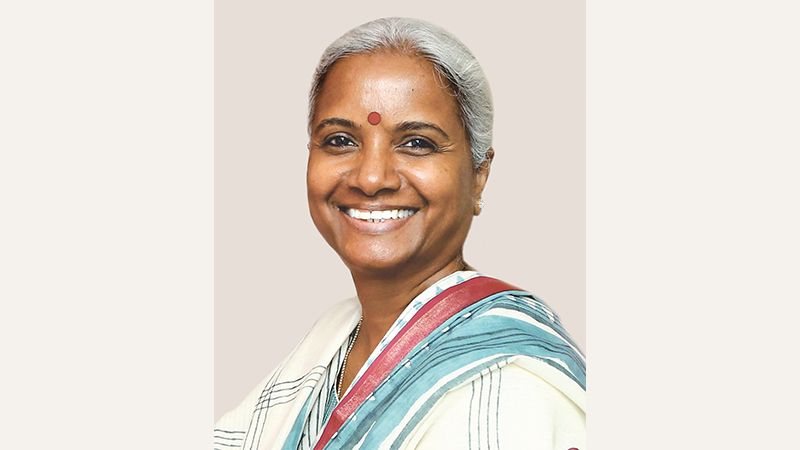
    MUMBAI: Breaking barriers and setting new benchmarks, Priyadarshini Gaddam has officially stepped into her role as director (personnel) at NMDC. Appointed as a functional director on the board by the Ministry of Steel, her ascent is not just another appointment—it’s a statement. In an industry where leadership roles for women are still rare gems, she has carved out a path that others can follow.

    Before taking on this leadership mantle, Priyadarshini was the chief general manager (personnel & administration), overseeing NMDC’s corporate office in Hyderabad and NMDC Steel Ltd in Nagarnar. Her journey at NMDC began in 1992 as an executive trainee, and since then, she has climbed the ranks with sheer grit and a relentless drive for progress. If ever there was a masterclass in rising through the ranks, she’s the one teaching it.

    Over her three-decade-long tenure, Priyadarshini has championed workplace safety for women, pushed for equal opportunities for marginalised communities, and set new benchmarks in employee welfare at NMDC. She has played a pivotal role in revolutionising industrial relations, recruitment, medical policies, and stakeholder management. Her ability to negotiate wage settlements and her representation of NMDC in the second pay revision commission led to milestone outcomes that shaped the company’s employee policies.

    Her leadership took centre stage at NMDC Steel Limited (NSL), where she spearheaded the R&R policy, advocated skill development initiatives, and swiftly established crucial facilities like the fire department, occupational health centre, and primary health centre. The result? A safer, healthier, and more empowered workforce.

    An alumna of Osmania University, Hyderabad, Priyadarshini holds a postgraduate degree in social work (personnel management and industrial relations) and an LLB. With her at the helm, NMDC is gearing up to aim higher, work smarter, and redefine leadership in the mining industry. 

  • Vandana Singh takes the helm of FAII’s Aviation Cargo Wing

    Vandana Singh takes the helm of FAII’s Aviation Cargo Wing

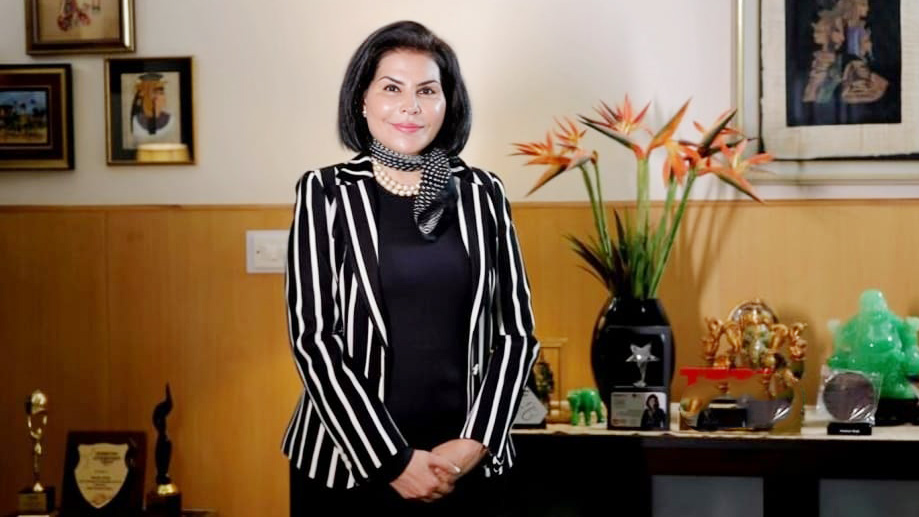
    MUMBAI: India’s aviation cargo just got a major lift-off! Vandana Singh, with over 28 years of experience in aviation and logistics, has been appointed as the new chairperson of the Aviation Cargo Wing at the Federation of Aviation Industry in India (FAII). With her at the helm, the sector is set to soar to new heights.

    Speaking about Singh’s appointment FAII director general Arun Kumar Sharma remarked, “Her expertise in aviation cargo will be pivotal in driving innovation, boosting global collaboration, and positioning India as a leader in the sector.”

    Singh, added, “This is an incredible opportunity to shape the future of India’s aviation sector and enhance its global standing. Together, we will build a robust ecosystem that’s ready for the future.”

    Known for her innovative approach and strategic leadership, Singh aims to revolutionise India’s aviation cargo sector, driving efficiency and sustainability while aligning with the national objectives of ‘Make in India’ and ‘Atmanirbhar Bharat.’ Her appointment signals FAII’s deep commitment to advancing India’s aviation industry in sync with the nation’s growth trajectory.
     

  • UK government weighs BBC licence fee reform for streaming users

    UK government weighs BBC licence fee reform for streaming users

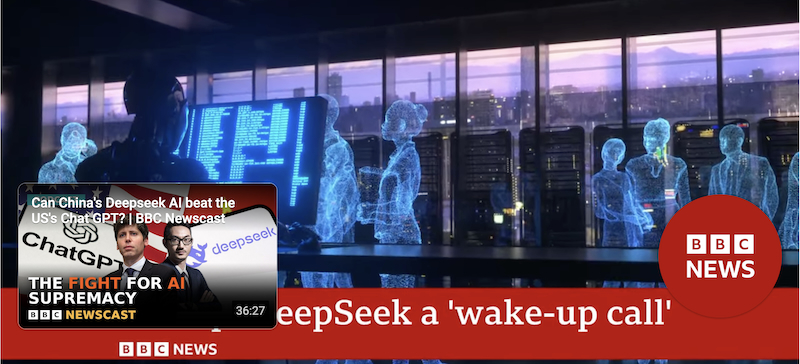
    MUMBAI:  The British media is all agog about British prime minister Keir Starmer’s government’s plans to modernise the BBC licence fee, including extending it to those who only use streaming services such as Netflix and Disney+. The review is part of discussions between the prime minister’s office, the Treasury, and the department for culture, media, and sport on how to fund the public-service broadcaster beyond its current charter, which expires on 31 December 2027. 

    Other proposals being considered include allowing the BBC to run advertisements, imposing a special tax on streaming platforms, or introducing a fee for BBC radio listeners. 

    The potential reforms come amid changing viewing habits, with audiences increasingly shifting to on-demand services. The government is reviewing whether to retain the existing £169.50 annual licence fee, make adjustments with better enforcement and possible annual increases, or adopt new models like taxation or subscription-based funding.

    The BBC, a key element of the UK’s global influence, faces criticism from both the political left and right over perceived bias but remains a symbol of impartial public broadcasting. In 2023/24, the licence fee generated £3.66 billion in revenue, slightly up from £3.51 billion in 2010/11.

    Expanding the licence fee to include streaming service users aims to address the rise of on-demand viewing but may face resistance from consumers already paying subscription fees. Other considerations include making the licence fee more affordable for lower-income households or adopting a subscription model for BBC on-demand services similar to Netflix and Amazon Prime.

    Government insiders noted that without a clear alternative, the licence fee remains the most feasible option for BBC funding.