Category: Regulators

  • 188 AIR stations/offices to be computerised in 2006-07

    188 AIR stations/offices to be computerised in 2006-07

    MUMBAI: The Government has proposed to computerise Akashvani Kendras for providing better services. For computerisation of AIR stations/offices there are two schemes under 10 Plan namely Scheme (I) and Scheme (II)

    Under Scheme (I) computerisation of 38 AIR stations not having computers which has a provision of 68 desktop computers with peripherals at an estimated cost of Rs. 41 million. This scheme has already been implemented.

    Under Scheme II – Computerisation of 188 AIR stations/offices has a provision of 414 desktop computers with peripherals and networking at an estimated cost of Rs. 390 million. This scheme is likely to be implemented during the year 2006-07.

    This Information was given by Minister of Information and Broadcasting and Parliamentary Affairs, P R Dasmunsi in written reply to a question in Lok Sabha.

  • Central Government takes measures to promote entertainment industry

    Central Government takes measures to promote entertainment industry

    MUMBAI: With the intent of promoting the entertainment industry of India the Central Government has taken up various measures making it easier for the industry to explore avenues.

    The measures taken up by the government are:

    – Institutional and bank financing are now accessible to the entertainment industry.

    – 100 per cent foreign direct investment through automatic route has been permitted in the film sector.

    – Government has led participation in global markets, like Cannes Film Market, American Film Market, Berlin Film Market, Film Bazaar, etc., with a view to enhance the visibility of our film industry.

    – Film weeks and festivals will be held in with various countries.

    – An audio-visual co-production agreement has been signed with Republic of Italy and United Kingdom and similar proposals from other countries are being explored to expand avenues of finances and markets for the Indian Film Industry.

    – The Committee for Development of Entertainment sector, a sub-committee of the State Information Ministers’ Conference (SIMCON) set up to suggest policy framework for the film industry, recommended for reduction of entertainment tax, steps to counter piracy in the film sector, to facilitate foreign film shooting in India, etc. Through our vigorous effort the prevailing level of Entertainment tax has been reduced and the procedure has been simplified. The period required for granting permission to shoot foreign feature films in India has also been reduced.

    – The National Film Development Corporation, a public sector undertaking under this ministry will provide limited funding for films and oversee the integrated growth of the film industry in tune with the objectives of national economic policy.

    – Five core groups have been constituted to look into the various aspects of the film industry and suggest measures to promote the film industry.

    Local/regional Kendras of Doordarshan are promoting local artistes in the field of drama and music by providing them opportunities to participate in various in-house productions meant for the entertainment of viewers.

    Such entertainment programmes have also been produced/procured under different schemes like commissioned programmes, self-finance commissions, acquisition of programmes, Royalty etc.

    In the area of local programming, All India Radio (AIR) through 82 local radio stations caters to the needs of the local people radio stations and people even in remote areas taking into consideration the oral, folk and traditional forms of entertainment. AIR maintains archives of folk music.

    This Information was given by Minister of Information and Broadcasting and Parliamentary Affairs P R Dasmunsi in written reply to a question in Lok Sabha.

  • HC adjourns Star, Sony case against Trai to 18 Jan

    HC adjourns Star, Sony case against Trai to 18 Jan

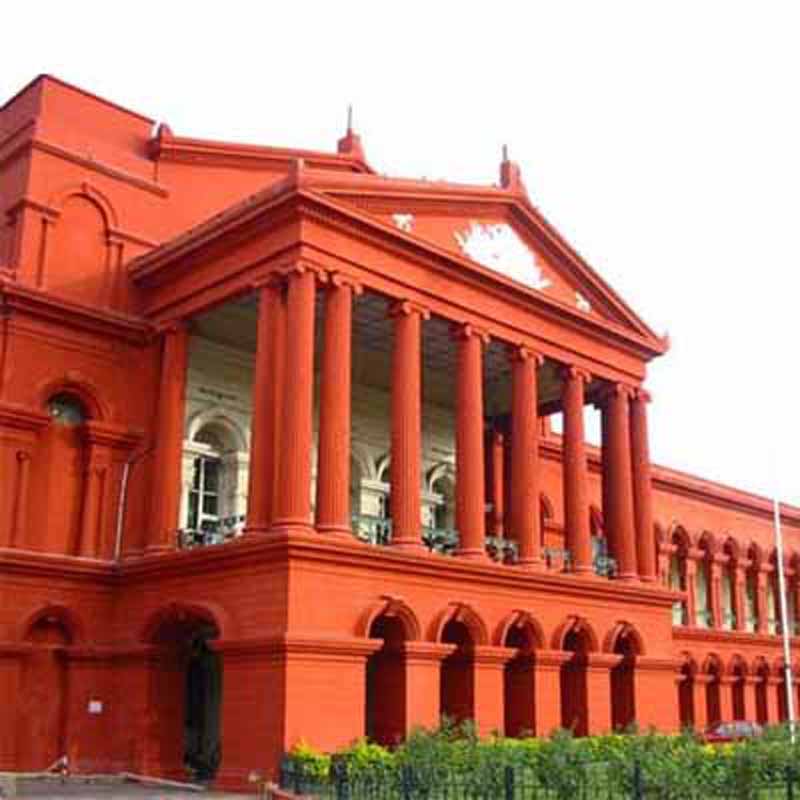
    NEW DELHI: The Delhi High Court bench hearing the case on the issue of the Telecom Regulatory Authority of India’s (Trai) constitutional standing to be a regulator was adjourned after a sizeable time spent in hearing the initial arguments from both ESPN and Sony as well as the multi-system operators (MSOs). The issue will come up for hearing again on 18 January.

    The MSOs, who are supporting Trai, were represented by Dr Abhishekh Singhvi, CS Vaidyanathan and Aryama Sundaran, whereas the boradcasters’ consel was Soli Sorabjee. ESS and Sony had moved the Delhi HC, challenging Trai’s constiutional standing.

    The court heard the initial arguments and felt that since the parties concerned have not completed filingrejoinders and counters the matter may be postponed till the next date.

    The case relates to the cable rules empowering Trai as CAS regulator. The High Court is hearing only the constituional issues on the matter and the quantum issues are beig heard by TDAST.

    Spokesperson for the MSOs refused to divulge details of the arguments as the matter is subjudice, and the counsel was not available till late evening.

    Tomorrow, hearings are slated for three cases in TDSAT. The first is on a appeal by ESPN on the August 24 order Trai of fixing tariff at Rs five per pay channel, and second is also an appeal by ESPN against the Trai order of 24 August on distribution margins for pay channels, which as per the order stand at 45 per cent for broadcasters, 30 per cent for MSOs and 25 per cent for local cable operators. The issue of Cas rule relating to signing of a standard contract is also coming up during this hearing, with the MSOs opposing the ‘forcible’ signing of a contract.

    The third case also relates to the same issues, on an appeal filed by Sony Entertainment Television.

    The Surpeme Court will hear the final arguments in the case filed by Sea TV, an affiliate of Zee Group based in Agra, on the issue of underdeclaration of the number of households by the cable operators.

    Sea TV had applied for access to Star channels two years ago, and the broadcaster had said that they had given access to Moon TV. Sea TV should get the signal from Moon TV, Star had pointed out. However, Zee had intervened saying Sea TV was bound to be given access and had disputed that an MSO (in this case the Moon TV) or an LCO can be an agent of a broadcaster, which was the genesis of the case being heard.

  • ‘Salaam-e-Ishq’ music: Saregama wins interim injunction against T Series

    ‘Salaam-e-Ishq’ music: Saregama wins interim injunction against T Series

    MUMBAI: The Kolkata High Court has passed an interim order against Super Cassettes Industries Ltd. (T Series) on December 1, 2006, preventing the music label from marketing the version recording of the song Babuji from the (1954) film Aar Paar, used in the Hindi film, Salaam-e-Ishq, following a petition by Saregama India Ltd. (‘Saregama’) that the latter held the copyright to the song.

    The producers of the yet-to-be released film, Mad Orion Pictures, sought permission from the copyright holders of the song, Saregama, to use the version of the original song in their upcoming film.

    Such permission was granted on the condition that while the song could be picturised on and used only in the film itself, it was not to be sold as a recording on any audio cassettes or CD’s. However, in violation of the license, the producers gave the music rights to T Series who have released the song, asserts an official release.

    Following this a case was filed by Saregama in Kolkata High Court and following a hearing late last week, an interim order has been passed to the effect that the music of the film cannot be sold until further orders from the Court. The matter is due to appear for hearing on 10 December 2006.

  • UK regulator institutes total ban on junk food ads around kids shows

    UK regulator institutes total ban on junk food ads around kids shows

    MUMBAI : Indian broadcasters riled that India is moving too fast from “unregulated to over-regulated”, might consider trying to digest this piece of news. UK’s broadcast regulator Ofcom has announced a total ban on junk food and drink advertisements in and around all programmes of particular appeal to children under 16, broadcast at any time of day or night on any channel.

    The “significant restrictions” Ofcom is planning to introduce in Britain is intended to limit children’s exposure to television advertising of food and drink products high in fat, salt and sugar.

    The new rules would come into effect from the end of March 2007. Restrictions would be phased in over 24 months to the end of 2008. Ofcom will review the effectiveness and scope of new restrictions in autumn 2008.

    In addition to general content rules requiring responsible advertising to all children at all times, Ofcom has also put forward new rules on the content of advertisements targeted at primary school children. These rules would ban the use of celebrities and characters licensed from third-parties (such as cartoons), promotional claims (such as free gifts) and health or nutrition claims.

    All restrictions on product advertising will apply equally to product sponsorship.

    The restrictions would apply to all broadcasters licensed by Ofcom and based in the UK, including international broadcasters transmitting from the UK to audiences overseas.

    Ofcom has estimated that the impact on total broadcast revenues would be up to £39m per year, falling to around £23m as broadcasters mitigate revenue loss over time. The commercial public service broadcasters (ITV plc, GMTV, Channel 4, and five) could lose up to 0.7% of their total revenues. Children’s and youth-oriented cable and satellite channels could lose up to 8.8% of their total revenues; up to 15% of total revenues in the case of dedicated children’s channels.

    While TV and advertising industries have called the new rules draconian, consumer groups have slammed Ofcom as having “caved in to the powerful food and advertising lobby” and not going far enough on the matter.

    Sustain, an alliance of over 300 organizations in the UK that campaign for better food, have said a 9 pm watershed for junk food advertising was the “only way” to tackle childhood obesity.

  • Upscale commercial establishments to pay market rates for pay channels: Trai

    Upscale commercial establishments to pay market rates for pay channels: Trai

    MUMBAI : In an order issued today, the sector regulator has decreed that pay broadcasters will now be able to charge “market rates” to more upscale hotels and big commercial establishments that access their channels.

    The Telecom Regulatory Authority of India (Trai) has stated that the tariffs of pay channels as well as set top box rentals will be left to mutual agreements and market forces in both CAS and non-CAS areas “subject to restrictions on maximum bouquet price in relation to sum of individual channel prices”.

    For the purpose of tariff regulation, Trai has identified two categories of commercial subscribers. One category consists of hotels with a grading of 3 star and above and heritage hotels. This category will also include any other hotels, motels, Inns and such other commercial establishments providing board and lodging and having 50 or more rooms. In the second category would fall all other commercial establishments.

    The regulator has grouped the rest of commercial establishments into the residual category and decreed that the same rules that govern ordinary cable subscribers will apply to them also, both in CAS and non-CAS areas.

    Taking note of a point made by pay broadcasters with respect to clubs, pubs and other such establishments, Trai’s tariff orders also provide that whenever “any commercial cable subscriber uses the programmes of a broadcaster for public viewing by 50 or more persons on the occasion of special events at a place registered under Entertainment Tax Act, then also the tariff will have to be mutually decided between the parties concerned.

    The pricing formula Trai has worked out is:

    I. The maximum retail price of any individual channel shall not exceed three times the average channel price of the bouquet of which it is a part.

    For example, if the maximum retail price of a five-channel bouquet is Rs 150 per (average channel price of Rs 30), the maximum price an individual channel can be priced at is Rs 90.

    II. The sum of the individual maximum retail prices of the channels shall not be more than 150 per cent of the maximum retail price of the bouquet. Therefore, the total a la carte pricing all these five channels together can charge would be a maximum of Rs 125 (Rs 150 + Rs 75).

    Trai issued the order after the Supreme Court agreed with its argument that in order to ensure an orderly growth of the telecom sector in the country, it was necessary to have differential tariffs for commercial and non-commercial subscribers of conditional access system (CAS).

    Trai’s submission was in response to a petition filed by the Association of Hotels and Restaurants, which challenged an order of the Telecom Disputes Settlement and Appellate Tribunal (TDSAT) that upheld the dual rates.

    Trai had placed the draft Tariff Orders, both for CAS notified areas and non-CAS areas, along with a letter to stakeholders inviting comments by 10 November.

    Broadcasters see Trai’s decision as a positive step towards generating subscription revenues. “Business will see at least a three-fold jump,” says Novex Communications head Ketan Kanakia.
  • CAS pricing case: TDSAT sets 12 December for next hearing

    CAS pricing case: TDSAT sets 12 December for next hearing

    MUMBAI:The Telecom Disputes Settlement & Appellate Tribunal (TDSAT) has fixed 12 December as the date for next hearing in the case filed by broadcasters against the Rs 5 tariff for pay channels set by sector regulator Trai (Telecom Regulatory Authority of India) in a CAS (conditional access system) regime.

    The Telecom Disputes Settlement & Appellate Tribunal (TDSAT) has fixed 12 December as the date for next hearing in the case filed by broadcasters against the Rs 5 tariff for pay channels set by sector regulator Trai (Telecom Regulatory Authority of India) in a CAS (conditional access system) regime.

    The pay broadcasters have challenged the two Trai notifications dated 24 August (on carriage fee) and 31 August (channel pricing). They are also contesting the revenue sharing model designed for industry stakeholders by Trai. The sector regulator had specified in the notification that the revenue generated from pay channels leaves the broadcaster with 45 per cent, while the MSOs stays on with 30 per cent and the cable operators get 25 per cent.

    Earlier this year, a division bench of the Delhi High Court had passed an order directing the implementation of CAS with effect from 31 December in the south zones of the three metros – Mumbai, Delhi and Kolkata.

  • I&B ministry announces promotions

    I&B ministry announces promotions

    MUMBAI: Three senior officers of the Indian Information Service have been promoted to the rank of additional secretary.
    They are Shipra Biswas, PK Bandopadhyay and Amitabha Chakrabarti.

    Bandopadhyay has been appointed as the new director general (News) NSD, AIR, replacing Mishra who will take charge as the director general DAVP. Amitabha Chakrabarti director RR&TD has swapped positions with Mohan Chandak who’s the press registrar.

    Swagata Ghosh has been appointed director general (News) in Doordarshan and Shipra Biswas has been promoted as additional director general (M&C), PIB, New Delhi.

  • Trai head office sealed in Delhi

    Trai head office sealed in Delhi

    NEW DELHI: In what could temporarily halt industry-related work, the offices of the broadcast regulator were sealed by the Delhi authorities under a drive against illegal construction in the Capital.

    According to a TV news channel, the Telecom Regulatory Authority of India’s (Trai) headquarters were sealed today for being in violation of building bylaws and having an office on Africa Avenue, which is predominantly a residential area. Under heavy police protection, the sealing team came to the Trai office and asked the employees to leave.

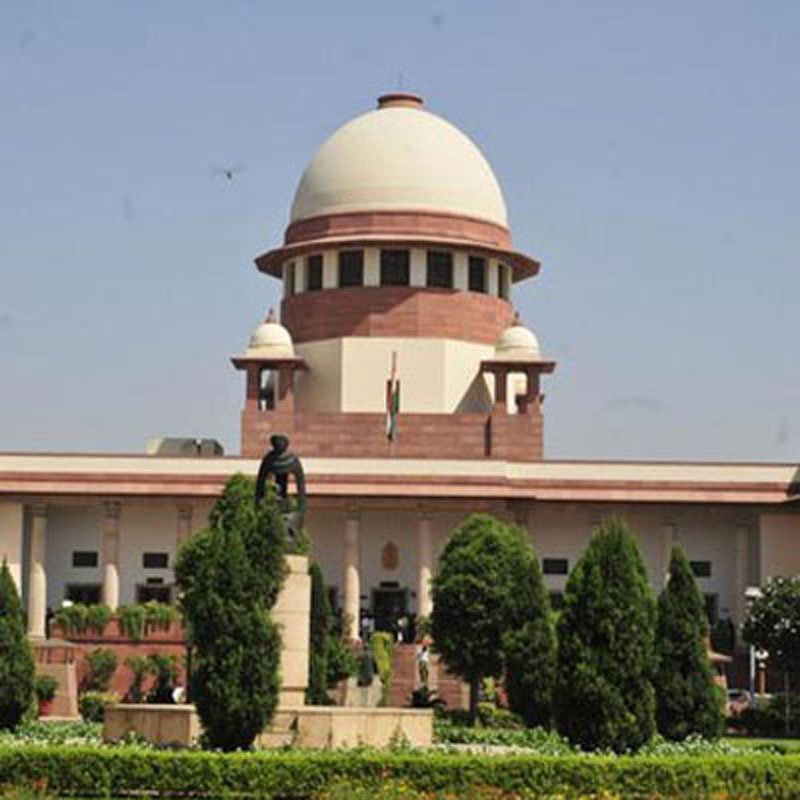
    The sealings against commercial establishments in residential areas of Delhi resumed this morning with officials of the Municipal Corporation of Delhi (MCD) descending upon an upmarket mall in South Delhi as part of a Supreme Court-mandated clean-up drive.

    MCD officials, backed by a contingent of Delhi Police personnel, started the drive by sealing CTC Mall in Maharani Bagh near Ashram. They then sealed two other properties in nearby areas, a report by United News of India stated.
    There were no reports of any resistance from anywhere today, though traders have held the city to ransom through protests over the last fortnight.

    Yesterday, the Supreme Court-appointed monitoring committee had said sealing would start from Wednesday.

    Earlier, the apex court had directed the committee to restart sealing and prepare a schedule after consultation with the authorities after the Central government failed to come out with a clear-cut policy on commercial activities in residential areas.

  • SC rejects Radio One plea to retain 92.5 FM in Mumbai

    SC rejects Radio One plea to retain 92.5 FM in Mumbai

    MUMBAI: Radio One 92.5 FM will soon be beaming as Radio One 94.3 FM in Mumbai. This follows the Supreme Court’s upholding of the sector tribunal’s decision to allocate it a new common frequency.

    Radio One, managed by Radio Mid Day and BBC Worldwide, had approached the apex court last week challenging the order of the Telecom Disputes Settlement and Appellate Tribunal (TDSAT) to move it away from its 92.5 MHz frequency to a new common 92.5 MHz one.

    “We found no infirmity in the tribunal order and hence the petition (by Radio One) is dismissed,” a bench headed by Justice BN Aggarwal and Justice PP Naolekar has ruled, according to a Press Trust of India (PTI) newswire report.

    In the case, heard yesterday, the bench also rejected the company’s plea for additional time to switch over to the new frequency of 94.3 FM in Mumbai.

    The radio company had earlier moved TDSAT arguing that allocation of a new frequency would hamper the business as the frequency 92.5 FM has grown to be synonyms to its brand in Mumbai.

    Radio One had also questioned the government’s stand on granting of 92.7 frequency to the Reliance-promoted Big FM (Adlabs Radio) in Mumbai despite the norms of having a difference of at least 0.8 frequency between two stations.

    The tribunal had observed, “The importance of brand name of the broadcaster cannot be underestimated, particularly, in view of the provision in the ‘channel identity’ clause which talks of brand name of the broadcaster. Frequency is not part of the brand name of the petitioner. The petitioner got its brand name changed, which was not objected to by the government. Petitioner’s (Radio Mid Day) popularity is through its brand name. It cannot insist on having a particular frequency number.”

    A point of note is also that though Radio One challenged its being moved to the 94.3 FM frequency, it is already broadcasting on this freqeuncy in Bangalore and Delhi.

    TDSAT had responded by asserting that nobody (as in a rival station) stood to gain anything from Radio Mid Day being shifted to another frequency. Rather it is in the interest of Radio Mid Day that it will have same frequency i.e. 94.3 FM for all the cities for which it has a broadcasting licence (except Ahmedabad for which the petitioner makes no grievance), the tribunal pointed out.