Category: Regulators

  • Taj TV not to give effect to disconnection notices if GTPL Hathway makes payment as per schedule

    Taj TV not to give effect to disconnection notices if GTPL Hathway makes payment as per schedule

    New Delhi, 12 March: Taj Television has been directed by the Telecom Disputes Settlement and Appellate Tribunal not to give effect to its disconnection notice if GTPL Hathway Pvt. Ltd makes payment according to schedule agreed before it.

    While directing the matter to be listed before the Registrar on 7 April, Chairman Aftab Alam and members Kuldip Singh and B B Srivastava worked out a formula for payment of Rs 63 crore in five instalments.

    The Tribunal made clear that the last payment of Rs.11 crore in the formula agree upon was to come from GTPL Hathway’s JVs and this would be subject to reconciliation of accounts between the parties which should be completed by 20 March. It said the balance dues after reconciliation of accounts which may be Rs.11 crores or a little more or less must be cleared by 31 March. 

    GTPL Hathway was directed to facilitate the payment of the last installment by its JVs to Taj TV and to ensure that the payments are finally made by 31 March.

    Two other respondents in turn are directed to pay the amount of carriage fee of Rs.22 crores to the petitioner on or before 15April.

    The monthly subscription for the months of February and March 2016 for DAS networks [other than DL GTPL CABLE NET, VAJI Communications and GTPL Hathway Pvt. Ltd and March, 2016 for Non-DAS will be cleared by 25 April.

    But the Tribunal said: “Needless to say that the payments in terms of the above order will be on-account and without prejudice to the rights and contentions of the parties.”

    The two petitions were filed against disconnection notices dated 13 February and 14 February. The disconnection notices are based on grounds of non-payment of monthly subscription fee and non-execution of the fresh agreements.

    According to counsel for the respondent, its cumulative dues against the petitioner (both in DAS and non-DAS) areas amount to Rs.66 crores as on 12 February.

    But counsel for GTPL Hathway strongly argued that the petitioner was entitled to carriage fee from two respondents and the dues of its carriage fee against these two respondents amounted to around Rs.25 crores. The petitioner further argued that the agreement was based on incremental tariff that was recommended by TRAI but which was later on set aside by the Tribunal and on that score also, the petitioner is entitled to adjustment of Rs.11 crores against the dues claimed by the petitioner.

    Counsel for the respondent submitted that as stipulated in the interconnect agreement between the parties, the dues of subscription fee are payable independent of any adjustments, including any adjustment against carriage fee which was the subject matter of a separate agreement between the petitioner and the other two respondents.  In any event, the agreement relating to carriage fee has expired.

    In course of submissions however, it transpired that the dues of carriage fee claimed by the petitioner may come down to Rs.22 crores and similarly the subscription dues of Taj TV against the petitioner may come down to Rs.63 crores.

    The Tribunal thereupon asked GTPL Hathway to pay to Taj TV a sum of Rs.63 crores in five instalments, of which the last would be on 31 March.
     

  • TDSAT accepts assurance by Malwa MSO of meeting legitimate demands of a group of LCOs in Malwa

    TDSAT accepts assurance by Malwa MSO of meeting legitimate demands of a group of LCOs in Malwa

    New Delhi, 12 March: The Telecom Disputes Settlement and Appellate Tribunal, which had earlier this month asked the Telecom Regulatory Authority of India why there were no other multisystem operators in the Malwa area, has taken note of an assurance by Fastway Transmission Pvt Ltd that it will ensure that all lawful and legitimate grievances of the petitioner LCOs are fully redressed.

    The Tribunal put off to 21 March a petition by the New Malwa Cable Operator Sangh, Punjab.

    Asking the regulator to ‘ponder over and address’ this question, the Tribunal dismissed a petition by another body of LCOs, the Malwa Cable Operators Sangharsh Committee seeking cable TV signals.

    It had said the rejection of the petition by the Committee seeking signals from Fastway was “not due to any lacuna in the law”.

    “It is because there is no one other than the respondent to whom these LCOs may go for supply of signals. How and why such a situation has arisen is a question for the Regulator to ponder over and to address,” Chairman Aftab Alam and members Kuldip Singh and B B Srivastava said in their judgment.


  • TDSAT accepts assurance by Malwa MSO of meeting legitimate demands of a group of LCOs in Malwa

    TDSAT accepts assurance by Malwa MSO of meeting legitimate demands of a group of LCOs in Malwa

    New Delhi, 12 March: The Telecom Disputes Settlement and Appellate Tribunal, which had earlier this month asked the Telecom Regulatory Authority of India why there were no other multisystem operators in the Malwa area, has taken note of an assurance by Fastway Transmission Pvt Ltd that it will ensure that all lawful and legitimate grievances of the petitioner LCOs are fully redressed.

    The Tribunal put off to 21 March a petition by the New Malwa Cable Operator Sangh, Punjab.

    Asking the regulator to ‘ponder over and address’ this question, the Tribunal dismissed a petition by another body of LCOs, the Malwa Cable Operators Sangharsh Committee seeking cable TV signals.

    It had said the rejection of the petition by the Committee seeking signals from Fastway was “not due to any lacuna in the law”.

    “It is because there is no one other than the respondent to whom these LCOs may go for supply of signals. How and why such a situation has arisen is a question for the Regulator to ponder over and to address,” Chairman Aftab Alam and members Kuldip Singh and B B Srivastava said in their judgment.


  • Action taken in 75 complaints of violations by TV channels in last three years, Govt not considering independent mechanism

    Action taken in 75 complaints of violations by TV channels in last three years, Govt not considering independent mechanism

    NEW DELHI: The Government has reiterated that there is no proposal under consideration of the Information and Broadcasting Ministry for an independent broadcasting media authority/separate mechanism in the country for complaints relating to media

    I and B Minister Arun Jaitley told Parliament that the adequate provisions in the form of various Acts / Rules / Regulations/ Guidelines already exist with regard to print and electronic Media.

    He also referred to the Inter-Ministerial Committee for TV channels, self-regulatory bodies Broadcasting Content Complaints Council (BCCC) headed by retired Judge Mukul Mudgal for general entertainment channels, the News Broadcasting Standards Authority for news television channels, the Consumer Complaints Council (CCC) of the Advertising Standards Council of India (ASCI), and the Press Council of India for print media.

    The BCCC took action in a total of 5036 cases between 2013 and 2015, while the NBSA took action in 1464 complaints between 2012-13 and 2014-15.  

    Thus BCCC had 2298 complaints in 2015, 1791 in 2014 and 947 in 2014. The NBSA -had 110 complaints in 2014-15, 1143 in 2013-14, and 216 in 2012-13  

    Action was taken in 75 complaints relating to violation of Programme or Advertising Codes for Television channels, while the Press council of India heard 521 complaints between 2012-13 and 2015-16.

  • Action taken in 75 complaints of violations by TV channels in last three years, Govt not considering independent mechanism

    Action taken in 75 complaints of violations by TV channels in last three years, Govt not considering independent mechanism

    NEW DELHI: The Government has reiterated that there is no proposal under consideration of the Information and Broadcasting Ministry for an independent broadcasting media authority/separate mechanism in the country for complaints relating to media

    I and B Minister Arun Jaitley told Parliament that the adequate provisions in the form of various Acts / Rules / Regulations/ Guidelines already exist with regard to print and electronic Media.

    He also referred to the Inter-Ministerial Committee for TV channels, self-regulatory bodies Broadcasting Content Complaints Council (BCCC) headed by retired Judge Mukul Mudgal for general entertainment channels, the News Broadcasting Standards Authority for news television channels, the Consumer Complaints Council (CCC) of the Advertising Standards Council of India (ASCI), and the Press Council of India for print media.

    The BCCC took action in a total of 5036 cases between 2013 and 2015, while the NBSA took action in 1464 complaints between 2012-13 and 2014-15.  

    Thus BCCC had 2298 complaints in 2015, 1791 in 2014 and 947 in 2014. The NBSA -had 110 complaints in 2014-15, 1143 in 2013-14, and 216 in 2012-13  

    Action was taken in 75 complaints relating to violation of Programme or Advertising Codes for Television channels, while the Press council of India heard 521 complaints between 2012-13 and 2015-16.

  • Govt rules out separate body to examine broadcasting complaints

    Govt rules out separate body to examine broadcasting complaints

    New Delhi: The Government today ruled out any separate body for going into complaints relating to broadcasting.

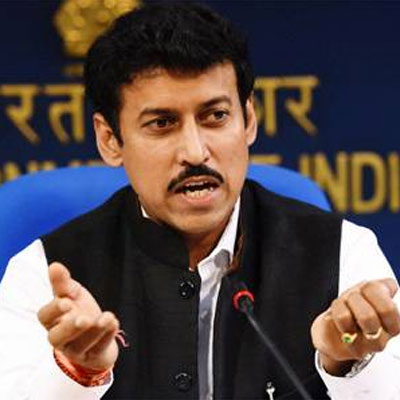
    Minister of State for Information and Broadcasting Rajyavardhan Rathore said this while replying to a question about the Telecom Disputes Settlement and Appellate Tribunal.

    The Minister said TDSAT handled 1341 broadcasting cases between 2013 and 2015: 593 in 2015, 433 in 2014 and 315 in 2013.

    It dealt with thirty appeals relating to broadcasting during this period , which includes five in 2015, seven in 2014, and 18 in 2013.

    When the Government decided in 2004 to give charge of broadcasting to the Telecom Regulatory Authority of India, the TDSAT, which handles cases arising out of TRAI orders, also began handling broadcasting cases.

    Even as the Prasar Bharati Act has a clear provision relating to establishing a Broadcasting Council to hear cases relating to that sector, the previous government had been contemplating a comprehensive law on legislation, which would provide for a Broadcasting Regulatory Authority of India, but did not take action after the private sector protested and both the Indian Broadcasting Foundation and the News Broadcasters Association set up their own regulatory bodies.  

  • Govt rules out separate body to examine broadcasting complaints

    Govt rules out separate body to examine broadcasting complaints

    New Delhi: The Government today ruled out any separate body for going into complaints relating to broadcasting.

    Minister of State for Information and Broadcasting Rajyavardhan Rathore said this while replying to a question about the Telecom Disputes Settlement and Appellate Tribunal.

    The Minister said TDSAT handled 1341 broadcasting cases between 2013 and 2015: 593 in 2015, 433 in 2014 and 315 in 2013.

    It dealt with thirty appeals relating to broadcasting during this period , which includes five in 2015, seven in 2014, and 18 in 2013.

    When the Government decided in 2004 to give charge of broadcasting to the Telecom Regulatory Authority of India, the TDSAT, which handles cases arising out of TRAI orders, also began handling broadcasting cases.

    Even as the Prasar Bharati Act has a clear provision relating to establishing a Broadcasting Council to hear cases relating to that sector, the previous government had been contemplating a comprehensive law on legislation, which would provide for a Broadcasting Regulatory Authority of India, but did not take action after the private sector protested and both the Indian Broadcasting Foundation and the News Broadcasters Association set up their own regulatory bodies.  

  • Permission to 126 TV channels remains cancelled even as total of permitted channels rises to 869

    Permission to 126 TV channels remains cancelled even as total of permitted channels rises to 869

    New Delhi, 10 March: While the total number of satellite television channels uplinking from or downlinking into India has risen by twelve to 869 in the past month, the number of channels to whom permission had been cancelled remains 126.

    Thus, the government had given permission to a total of 995 channels which included those whose permissions were cancelled later.

    Of the permitted channels, 402 are news and current affairs channels while 467 are general entertainment channels until 29 February.

    Unlike previous times, the Information and Broadcasting Ministry has not uploaded details of the twelve new channels that have been permitted during February.

    Twenty channels including seven news channels have been permitted to uplink from India but not downlink within the country. 

    A total of 755 channels including 375 GECs are allowed to uplink and downlink in the country while 94 including 79 GECs are uplinked from overseas but allowed to downlink into TV homes in the country.    


  • Permission to 126 TV channels remains cancelled even as total of permitted channels rises to 869

    Permission to 126 TV channels remains cancelled even as total of permitted channels rises to 869

    New Delhi, 10 March: While the total number of satellite television channels uplinking from or downlinking into India has risen by twelve to 869 in the past month, the number of channels to whom permission had been cancelled remains 126.

    Thus, the government had given permission to a total of 995 channels which included those whose permissions were cancelled later.

    Of the permitted channels, 402 are news and current affairs channels while 467 are general entertainment channels until 29 February.

    Unlike previous times, the Information and Broadcasting Ministry has not uploaded details of the twelve new channels that have been permitted during February.

    Twenty channels including seven news channels have been permitted to uplink from India but not downlink within the country. 

    A total of 755 channels including 375 GECs are allowed to uplink and downlink in the country while 94 including 79 GECs are uplinked from overseas but allowed to downlink into TV homes in the country.    


  • Eleven categories of Prasar Bharati employees in employment in February 1999 got upgraded payscales: Rathore

    Eleven categories of Prasar Bharati employees in employment in February 1999 got upgraded payscales: Rathore

    NEW DELHI: The Government had granted upgraded pay scales to 11 categories of the then existing employees of Prasar Bharati pertaining to Engineering and Programme Cadres on 25 February 1999.

    Minister of State for Information and Broadcastng Rajyavardhan Rathore told Parliament that Prasar Bharati has granted upgraded pay scales to 484 employees of subordinate Engineering and Programme cadres who had joined Prasar Bharati after 25 February 1999 following Court orders.

    Answerng a question, he said the decision on the proposal received from Directorate General of All India Radio has been linked to the Speaking Order dated 9 December 2014, issued by the Ministry towards implementation of an Order dated 10 November 2014 of the Central Administrative Tribunal (CAT), Ernakulam Bench, in a Contempt Petition filed by Federation of Doordarshan Core Professionals (FDCP) who were seeking upgraded pay scales as were granted to 11 categories of employees vide order dated 25 February1999.

    But he said the matter was sub judice as the order of 9 December 2014 had been challenged by the employees associated with FDCP in a fresh OA before the Central Administrative Tribunal, Ernakulam Bench.