Category: Regulators

  • TRAI extends dates for views on AGR issues relating to Spectrum

    TRAI extends dates for views on AGR issues relating to Spectrum

    NEW DELHI: The Telecom Regulatory Authority of India has extended the dates for getting views on minimum presumptive AGR for Spectrum and VSAT licenses.

    A release today said comments can be sent on 13 October with countercomments if any by 27 October 2016.Following a query by the Department of Telecom on25 June 2016, TRAI had asked stakeholdersif spectrum assignment on location basis/link-by-link basis on administrativebasis to ISPs, be continued in the specified bands.

    In the consultation paper issued following the DoT letter,the regulator has discussed issues relating to minimum presumptive AGR for ISPlicenses and VSAT licenses and other issues raised by DoT in its reference of25 June 2014, and 15 May 2015. The information/clarifications were furnished toDoT in the letter of 2 March 2016.

    The DoT had soughtTRAI’s recommendations in terms of clause 11(1) of TRAI Act 1997 (as amended)on:

    (A) ISP license (i) Rates for SUC; (ii) Percentage of AGR including minimum AGR; (iii) Allied issues like schedule of payment, charging ofinterest, penalty and Financial Bank Guarantee (FBG).

    (B) Commercial VSAT license (i) Floor level (minimum) AGR, based on the amount ofspectrum held by commercial VSAT operators. The Authority said in 2014 it had suo motu undertaken theexercise of review of definition of revenue base (AGR) for the reckoning oflicence fee (LF) and  spectrum usage charges (SUC).

    The Consultation Paper wasissued on 31st July 2014 and Recommendations on 6 January 2015. The Recommendationsalong with other issues also contain recommendations on minimum presumptiveAGR. In the Recommendations of 6 January 2015, the Authority hadrecommended that minimum presumptive AGR for the purpose of LF and SUC should notbe made applicable for any licenses granted by the Government for providingtelecom services.

    Paper available on trai.gov.in

    Also read

    http://www.indiantelevision.com/regulators/trai/trai-issues-consultation-paper-on-agr-issues-relating-to-spectrum-160819


  • Trai effect: Vodafone falls in line with Jio

    Trai effect: Vodafone falls in line with Jio

    Vodafone telecom service provider is committed to continue playing its responsible role in further developing the Indian telecom sector and in creating value for the consumer.

    Vodafone India has always provided Points of Interconnect (PoI) to other operators for all their fair, reasonable and legitimate requirements and will continue to do so.

    Following guidance from Trai and clarifications from Jio regarding its commercial launch, Vodafone India has decided to increase the Points of Interconnect (POIs) between the two operators by three times.
    Accordingly, it will increase the capacity to connect.

    Vodafone is hopeful that all issues that it has raised with Trai and Jio will be duly considered and resolved at the earliest.

    To create a truly connected, inclusive and Digital India, it is vital to have a level playing field between providers offering the same service, encourage innovations and judiciously use a portfolio of technologies – 2G, 3G & 4G to service the evolving needs of consumers across the country.

    Vodafone is one of India’s leading telecom service providers, a co-creator of the telecom ecosystem, and a catalyst of the telecom revolution in India.

  • Trai effect: Vodafone falls in line with Jio

    Trai effect: Vodafone falls in line with Jio

    Vodafone telecom service provider is committed to continue playing its responsible role in further developing the Indian telecom sector and in creating value for the consumer.

    Vodafone India has always provided Points of Interconnect (PoI) to other operators for all their fair, reasonable and legitimate requirements and will continue to do so.

    Following guidance from Trai and clarifications from Jio regarding its commercial launch, Vodafone India has decided to increase the Points of Interconnect (POIs) between the two operators by three times.
    Accordingly, it will increase the capacity to connect.

    Vodafone is hopeful that all issues that it has raised with Trai and Jio will be duly considered and resolved at the earliest.

    To create a truly connected, inclusive and Digital India, it is vital to have a level playing field between providers offering the same service, encourage innovations and judiciously use a portfolio of technologies – 2G, 3G & 4G to service the evolving needs of consumers across the country.

    Vodafone is one of India’s leading telecom service providers, a co-creator of the telecom ecosystem, and a catalyst of the telecom revolution in India.

  • Trai proposes radio audience measurement on lines of Barc

    Trai proposes radio audience measurement on lines of Barc

    NEW DELHI: The Telecom Regulatory Authority of India (Trai) has come out with a set of recommendations on radio audience measurement (Ram) in India setting limits on ownership of stakeholders in the ratings agency, but there is no limit on the number of such agencies.

    In a preface, the regulator said there is a need to prescribe “a soft touch, conducive, forward looking, growth oriented framework” for Ram, which protects the interests of all stakeholders.

    The guidelines for rating agencies will be notified by the Ministry of Information and Broadcasting (MIB) based on the recommendations of Trai and there will be no ceiling on the number of rating agencies.

    Trai has a recommendatory role on such issues as final decisions rest with nodal ministries like MIB, Department of Telecoms (DoT) and Department of Space (DoS). In the past, many recommendations of the regulator had not been implemented at all or done so partially by the Ministry concerned.

    The Ram proposed guidelines mandatorily cover registration, eligibility norms, cross-holdings, methodology for conducting radio rating, complaint redressal, sale and use of ratings, audit, disclosure, reporting requirements and penal provisions for rating agencies.

    This will be very similar to the existing policy guidelines for television rating agencies issued by MIB under which Barc operates.

    Trai suggested the ratings agency should have adequate and equal representation from the three associations concerned — Association of Radio Operators for India (AROI), Indian Society of Advertisers (ISA) and Advertising Agencies Association of India (AAAI).

    The salient features of the TRAI recommendations are as follows:

    (i)Guidelines for rating system to be notified by MIB.

    (ii)Any agency meeting eligibility conditions can apply and get registered with MIB for doing the rating work. No cap on number of rating agencies has been prescribed.

    (iii)All rating agencies, including industry led body are required to comply with the guidelines.

    (iv)Guidelines to cover registration, eligibility norms, cross-holding, methodology for conducting rating, complaint redressal, sale and use of ratings, audit, disclosure, reporting requirements and penal provisions.

    (v)Voluntary code of conduct by the industry for maintaining secrecy and privacy of the listeners included in the rating process.

    (vi)Restrictions on ‘substantial equity holding of 10% or more’ between rating agencies and broadcasters/advertisers/advertising agencies have been prescribed.

    (vii)The rating agency to set up an effective complaint redressal system.

    (viii)Data/reports generated by the rating agency to be made available to all interested stakeholders in a transparent and equitable manner.

    (ix)The rating agency to get its entire methodology/processes audited internally on quarterly basis and through an independent auditor annually. All audit reports to be put on the website of the rating agency.

    (x)Penal provisions for non-compliance of guidelines.

    Since All India Radio (AIR) has a large geographical and population coverage and is not a member of AROI, representation of AIR should be ensured in the technical committee formed within the industry led body for guiding and supervising various radio rating processes.

    Trai said in its report that once guidelines are issued and implemented by MIB, these will be made applicable to all the rating agencies including the industry-led body.

    An independent rating agency, carrying out the rating process, can also outsource the field work, data collection and processing to third parties. The guidelines will not be applicable to the entities which have been contracted to carry out the field work, data collection and processing.

    At present, radio audience measurement in India is conducted by AIR and TAM Media Research.

    The full TRAI recommendation can be obtained at http://www.trai.gov.in/WriteReadData/WhatsNew/Documents/Recommendations_15_September_2016.pdf

  • Trai proposes radio audience measurement on lines of Barc

    Trai proposes radio audience measurement on lines of Barc

    NEW DELHI: The Telecom Regulatory Authority of India (Trai) has come out with a set of recommendations on radio audience measurement (Ram) in India setting limits on ownership of stakeholders in the ratings agency, but there is no limit on the number of such agencies.

    In a preface, the regulator said there is a need to prescribe “a soft touch, conducive, forward looking, growth oriented framework” for Ram, which protects the interests of all stakeholders.

    The guidelines for rating agencies will be notified by the Ministry of Information and Broadcasting (MIB) based on the recommendations of Trai and there will be no ceiling on the number of rating agencies.

    Trai has a recommendatory role on such issues as final decisions rest with nodal ministries like MIB, Department of Telecoms (DoT) and Department of Space (DoS). In the past, many recommendations of the regulator had not been implemented at all or done so partially by the Ministry concerned.

    The Ram proposed guidelines mandatorily cover registration, eligibility norms, cross-holdings, methodology for conducting radio rating, complaint redressal, sale and use of ratings, audit, disclosure, reporting requirements and penal provisions for rating agencies.

    This will be very similar to the existing policy guidelines for television rating agencies issued by MIB under which Barc operates.

    Trai suggested the ratings agency should have adequate and equal representation from the three associations concerned — Association of Radio Operators for India (AROI), Indian Society of Advertisers (ISA) and Advertising Agencies Association of India (AAAI).

    The salient features of the TRAI recommendations are as follows:

    (i)Guidelines for rating system to be notified by MIB.

    (ii)Any agency meeting eligibility conditions can apply and get registered with MIB for doing the rating work. No cap on number of rating agencies has been prescribed.

    (iii)All rating agencies, including industry led body are required to comply with the guidelines.

    (iv)Guidelines to cover registration, eligibility norms, cross-holding, methodology for conducting rating, complaint redressal, sale and use of ratings, audit, disclosure, reporting requirements and penal provisions.

    (v)Voluntary code of conduct by the industry for maintaining secrecy and privacy of the listeners included in the rating process.

    (vi)Restrictions on ‘substantial equity holding of 10% or more’ between rating agencies and broadcasters/advertisers/advertising agencies have been prescribed.

    (vii)The rating agency to set up an effective complaint redressal system.

    (viii)Data/reports generated by the rating agency to be made available to all interested stakeholders in a transparent and equitable manner.

    (ix)The rating agency to get its entire methodology/processes audited internally on quarterly basis and through an independent auditor annually. All audit reports to be put on the website of the rating agency.

    (x)Penal provisions for non-compliance of guidelines.

    Since All India Radio (AIR) has a large geographical and population coverage and is not a member of AROI, representation of AIR should be ensured in the technical committee formed within the industry led body for guiding and supervising various radio rating processes.

    Trai said in its report that once guidelines are issued and implemented by MIB, these will be made applicable to all the rating agencies including the industry-led body.

    An independent rating agency, carrying out the rating process, can also outsource the field work, data collection and processing to third parties. The guidelines will not be applicable to the entities which have been contracted to carry out the field work, data collection and processing.

    At present, radio audience measurement in India is conducted by AIR and TAM Media Research.

    The full TRAI recommendation can be obtained at http://www.trai.gov.in/WriteReadData/WhatsNew/Documents/Recommendations_15_September_2016.pdf
  • Agriculture news on private TV channels recommended

    Agriculture news on private TV channels recommended

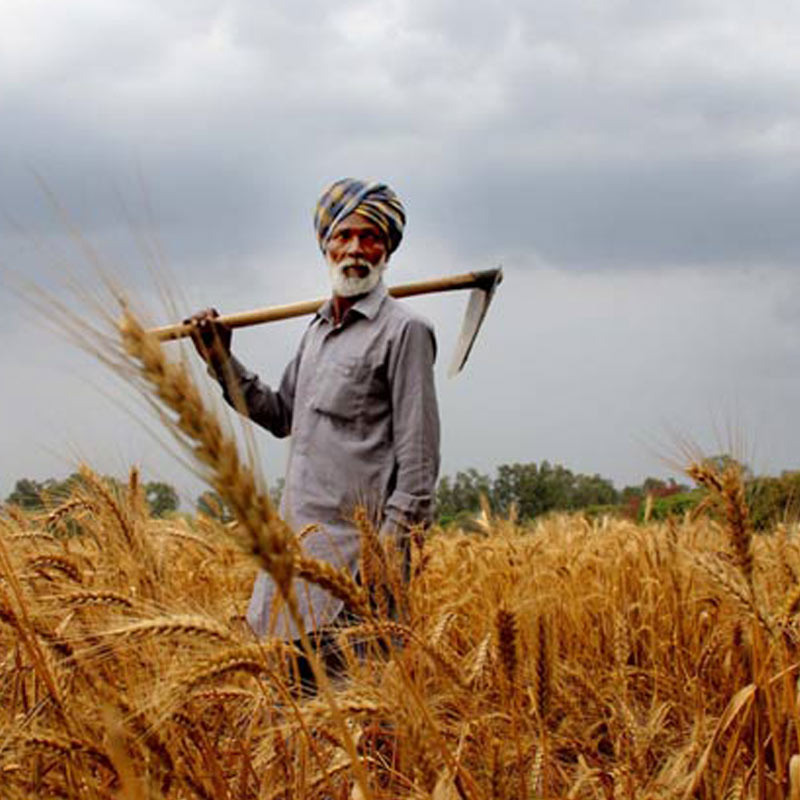
    NEW DELHI: Private television channels should devote some of their time for news on development of agriculture and farmers, Information and Broadcasting Minister M Venkaiah Naidu has said.

    He pointed out that Doordarshan’s Kisan channel was providing credible information to farmers and updating their knowledge about agriculture. He said that it would be useful if private TV channels reduced some of their time from news to focus on agriculture.

    Naidu was in Hyderabad over the weekend to give away anniversary awards of Rytu Nestam journal for progressive farmers.

    Local journalists who had contributed to development of agriculture were also honoured for their contribution.

  • Agriculture news on private TV channels recommended

    Agriculture news on private TV channels recommended

    NEW DELHI: Private television channels should devote some of their time for news on development of agriculture and farmers, Information and Broadcasting Minister M Venkaiah Naidu has said.

    He pointed out that Doordarshan’s Kisan channel was providing credible information to farmers and updating their knowledge about agriculture. He said that it would be useful if private TV channels reduced some of their time from news to focus on agriculture.

    Naidu was in Hyderabad over the weekend to give away anniversary awards of Rytu Nestam journal for progressive farmers.

    Local journalists who had contributed to development of agriculture were also honoured for their contribution.

  • TDSAT orders Asianet systems’ audit in dispute with Taj TV

    TDSAT orders Asianet systems’ audit in dispute with Taj TV

    NEW DELHI: The Broadcast Engineering Consultants (India) Ltd (BECIL) has been directed by the Telecom Disputes Settlement and Appellate Tribunal to carry out commercial audit of the system of Asianet Satellite Communication Ltd following its miscellaneous application against Taj TV Pvt Ltd.

    Tribunal member B B Srivastava said in his order of 6 September that a report should be submitted within four weeks taking into account the concerns raised by Taj TV and the reply of the petitioner. Taj TV will bear the cost subject to final adjudication by the tribunal regarding the responsibility for payment of the cost of audit.

    Hearing on this application has been listed for 18 October, 2016.

    The order came after Asianet counsel Shirin Khajuria submitted that her client had reservations to the contentions by Taj TV in its reply and that these were mala fide. She said her client was not averse to the audit by BECIL.

    With reference to another pending application, Taj TV was directed to file its reply within a week. Taj TV Counsel Upender Thakur submitted that he would make available in a sealed cover to the tribunal documents enumerated in para 6 of that application within the same period. This application will be heard on 20 September, 2016.

    Khajuria also submitted that Taj TV may be directed to file on oath all the documents and information as mentioned in para 6 of this second application with a view to ensure supply of signals on non- discriminatory and reasonable basis in the State of Karnataka.

  • TDSAT orders Asianet systems’ audit in dispute with Taj TV

    TDSAT orders Asianet systems’ audit in dispute with Taj TV

    NEW DELHI: The Broadcast Engineering Consultants (India) Ltd (BECIL) has been directed by the Telecom Disputes Settlement and Appellate Tribunal to carry out commercial audit of the system of Asianet Satellite Communication Ltd following its miscellaneous application against Taj TV Pvt Ltd.

    Tribunal member B B Srivastava said in his order of 6 September that a report should be submitted within four weeks taking into account the concerns raised by Taj TV and the reply of the petitioner. Taj TV will bear the cost subject to final adjudication by the tribunal regarding the responsibility for payment of the cost of audit.

    Hearing on this application has been listed for 18 October, 2016.

    The order came after Asianet counsel Shirin Khajuria submitted that her client had reservations to the contentions by Taj TV in its reply and that these were mala fide. She said her client was not averse to the audit by BECIL.

    With reference to another pending application, Taj TV was directed to file its reply within a week. Taj TV Counsel Upender Thakur submitted that he would make available in a sealed cover to the tribunal documents enumerated in para 6 of that application within the same period. This application will be heard on 20 September, 2016.

    Khajuria also submitted that Taj TV may be directed to file on oath all the documents and information as mentioned in para 6 of this second application with a view to ensure supply of signals on non- discriminatory and reasonable basis in the State of Karnataka.

  • Giving information effectively a major challenge: Naidu

    Giving information effectively a major challenge: Naidu

    NEW DELHI: Information & Broadcasting Minister M Venkaiah Naidu has said information is “ammunition to fight social evils such as corruption, poverty, illiteracy and terrorism”.

    To ensure last mile reach and keep pace with the changing communication paradigm, the government communication needs to incorporate innovative and out of the box ideas. Innovative ideas such as Prime Minister Narendra Modi’s Mann ki Baat and the MoU signed with Amar Chitra Katha for comic books on Swachh Bharat Abhiyaan influenced the masses at large.

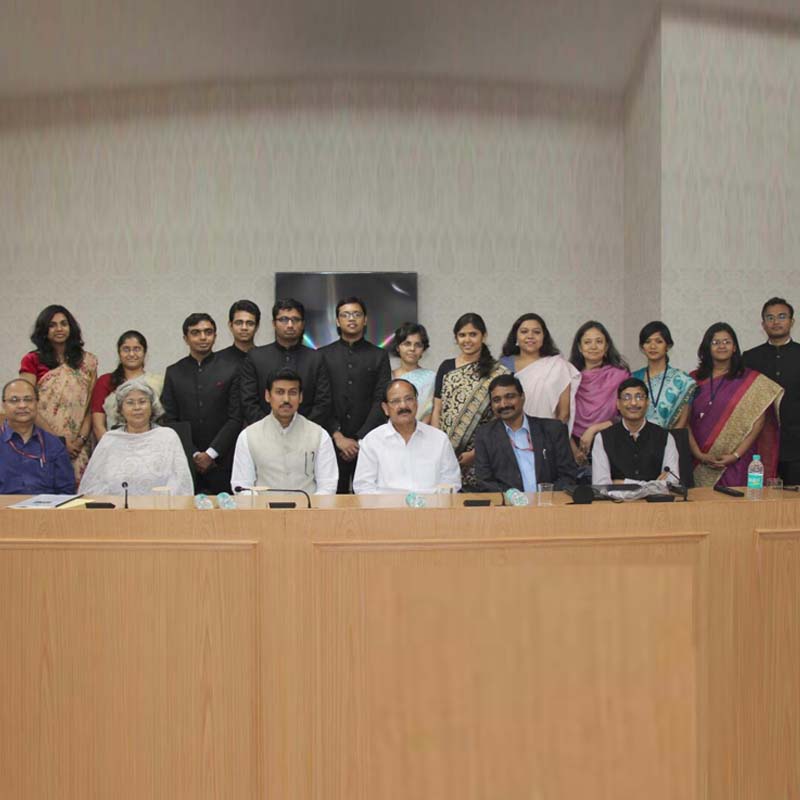
    Naidu was addressing the Indian Information Service Officer Trainees of 2015 batch currently undergoing at training at Indian Institute of Mass Communications (IIMC) here, who had called on President Pranab Mukherjee yesterday. Minister of State for I and B Rajyavardhan Rathore and senior officers of the Ministry were also present on the occasion.

    Naidu said to effectively design communication strategy for various government programmes and flagship schemes was a major challenge for government communication managers. He added that communicating success stories about developmental programs like Swachh Bharat Abhiyaan (Clean India campaign) would inspire and motivate citizens and would engage them as stakeholders in the governance process.

    The Minister emphasized on the need for India Information Service (IIS) officers to learn and adapt to the new technologies, tools and techniques to enhance reach of the government; especially in the age of social media.

    “The social media perspective has changed the way we communicate and govern today, which provided challenges and opportunities for the officers to enhance government outreach,” Naidu said.

    In his interaction, the Minister emphasized on the need to be progressive in thought and take pride in the role and responsibility assigned to each officer. He specifically mentioned the initiative taken by the Ministry to institutionalize capacity building through appropriate training programs at different career levels. Naidu also assured the officer-trainees that the quality aspect associated with capacity building issues in the training programs would be improved to meet the communication challenges.

    Rathore advised the officer trainees that there was a need to continuously learn and add value to their skills as well as the organization where they would be working.

    IIS Officer Trainees also shared their experiences of the past nine months of training with the two Ministers.