Category: Regulators

  • TRAI’s CDR idea rejected; Govt to look into Rs 3050 cr penalty

    TRAI’s CDR idea rejected; Govt to look into Rs 3050 cr penalty

    MUMBAI: The telecom ministry has formed a committee to look into TRAI’s penalty suggestion on Vodafone, Airtel and Idea as they allegedly failed to provide sufficient inter-connect points (PoI) to Reliance Jio, leading to severe call drops.

    Telecom operators across GSM and CDMA platforms meantime turned down TRAI’s recommendation of computing call drop rates through a meta data analysis of CDRs (call detail records). This, TRAI asserted, has been designed for billing purpose only, and not for checking quality of service. Such an analysis, the operators said, would project a flawed picture as abnormal call disconnects/terminations could be triggered by handsets getting turned off due to other errors, or due to battery draining out or a subscriber moving to an underground building or a station.

    Cellular Operators Association of India (COAI) represented the operators, the Economic Times reported.

    On the the hand, the union telecom minister Manoj Sinha said the ministry has formed the committee to look into the regulator’s recommendation on the proposed Rs 3,050 crore penalty, Business Standard reported. Last month, the regulator had proposed the penalty on the three telcos.

    Lately however Reliance Jio has been allegedly limiting all voice calls to 30 minutes. As a part of Jio’s free Welcome Offer, users were allowed unlimited voice calls. However, lately, the calls were being abruptly disconnected after a duration of 30 minutes, which is not an isolated case.

    The regulator had earlier sent a letter to the Department of Telecommunications recommending a charge of Rs 50 crore per circle for 21 service areas, except for Jammu & Kashmir, for Airtel and Vodafone. For Idea Cellular, TRAI suggested penalty for 19 circles.

    At the meeting of BRICS Ministers of Communications, Sinha said that the committee would give its considerations on the TRAI suggestion.

    The regulator’s suggestion came after Reliance Jio complained that more than 75 per cent of the calls on its network were dropping since the incumbent operators were not giving sufficient PoIs. The regulator stated that the incumbents went “against public interest.”
  • Penal provision remains as TV channel renewal abolition comes into immediate effect

    Penal provision remains as TV channel renewal abolition comes into immediate effect

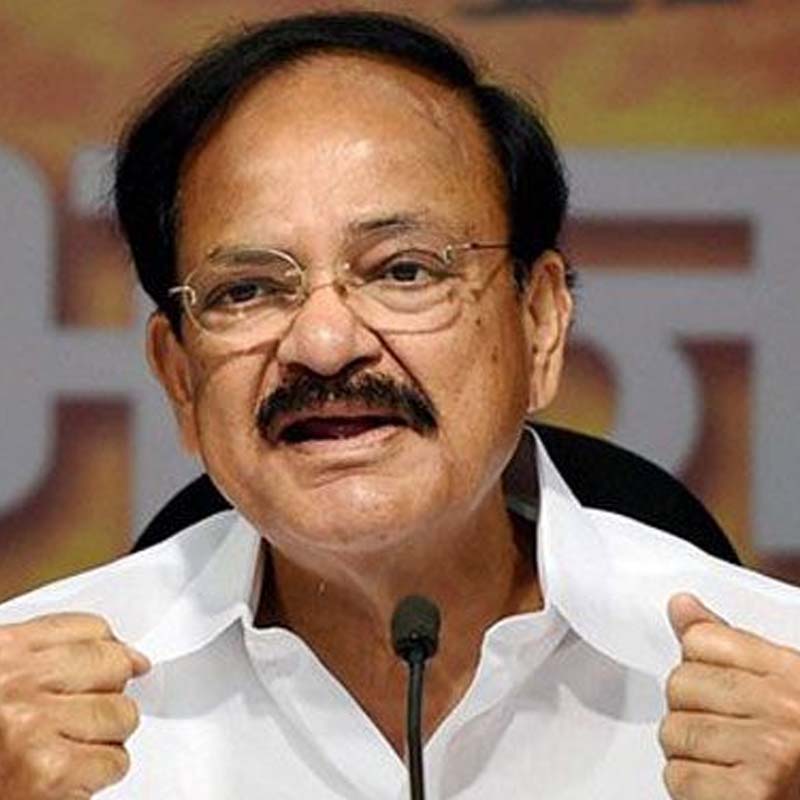
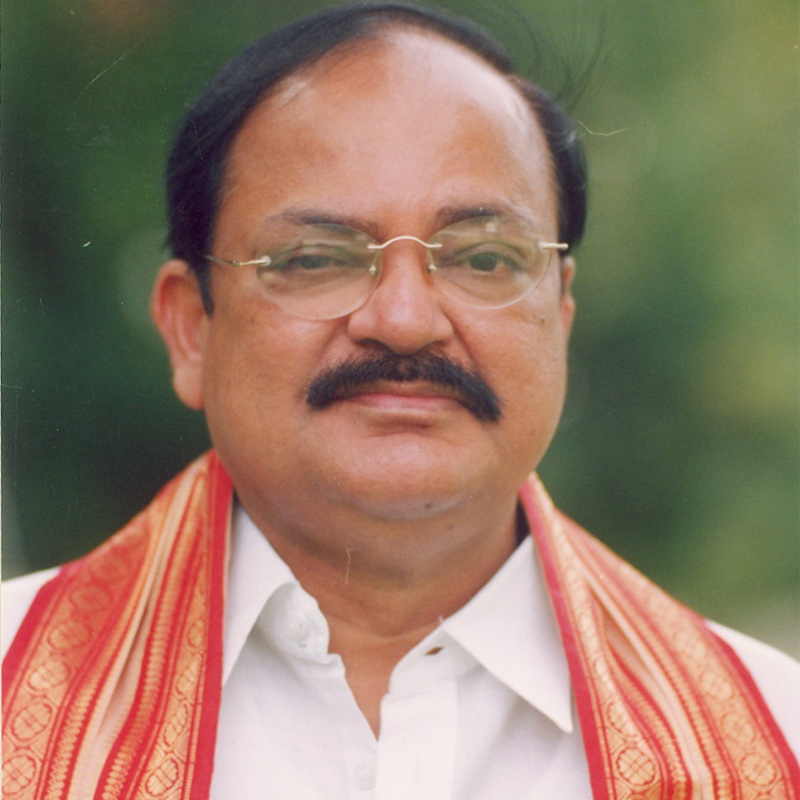
    NEW DELHI: Even as Information and Broadcasting Minister M Venkaiah Naidu announced doing away with the annual renewal permission for television channels provided annual payment was made 60 days before the due date, the Ministry in a note in the evening said non-payment in time will be considered violation of the guidelines.

    The note on the Ministry website which said the order was coming into immediate effect also warned that violators would attract penal provisions under the Uplinking and Downlinking Guidelines.

    Meanwhile, Naidu announced that the 28th State Information Ministers Meet (SIMCON) would be held in the capital on 9 and 10 December.

    Critical issues pertaining to the films sector, community radio and social media are on the agenda.

    Speaking at a Consultative Committee of members of Parliament attached to the Ministry, Naidu also said the focus of the Ministry is to make the processes online,thereby promoting transparency and accountability.

    In the meeting that concentrated on the Registrar of Newspapers in India, Naidu said there was a need to update contemporaries and revise the legal mechanism in the print sector and to give statutory backing to Print Media Policy and various guidelines. In this context, the Minister apprised the members about the salient features of the proposed Press and Registration of Books and Publication (PRBP) Bill.

    Also read

    http://www.indiantelevision.com/regulators/ib-ministry/tv-channels-annual-renewal-abolished-963-companies-to-benefit-161111


  • Penal provision remains as TV channel renewal abolition comes into immediate effect

    Penal provision remains as TV channel renewal abolition comes into immediate effect

    NEW DELHI: Even as Information and Broadcasting Minister M Venkaiah Naidu announced doing away with the annual renewal permission for television channels provided annual payment was made 60 days before the due date, the Ministry in a note in the evening said non-payment in time will be considered violation of the guidelines.

    The note on the Ministry website which said the order was coming into immediate effect also warned that violators would attract penal provisions under the Uplinking and Downlinking Guidelines.

    Meanwhile, Naidu announced that the 28th State Information Ministers Meet (SIMCON) would be held in the capital on 9 and 10 December.

    Critical issues pertaining to the films sector, community radio and social media are on the agenda.

    Speaking at a Consultative Committee of members of Parliament attached to the Ministry, Naidu also said the focus of the Ministry is to make the processes online,thereby promoting transparency and accountability.

    In the meeting that concentrated on the Registrar of Newspapers in India, Naidu said there was a need to update contemporaries and revise the legal mechanism in the print sector and to give statutory backing to Print Media Policy and various guidelines. In this context, the Minister apprised the members about the salient features of the proposed Press and Registration of Books and Publication (PRBP) Bill.

    Also read

    http://www.indiantelevision.com/regulators/ib-ministry/tv-channels-annual-renewal-abolished-963-companies-to-benefit-161111


  • TV channels’ annual renewal abolished; 963 companies to benefit

    TV channels’ annual renewal abolished; 963 companies to benefit

    MUMBAI: The Indian Government has decided to ease the annual renewal norms for TV channels, Information and Broadcasting Minister M Venkaiah Naidu has said. About 963 channels, including teleports, are going to be benefitted by this decision.

    The government is committed to the vision of Prime Minister Narendra Modi to promote ease of doing business, PTI. reported. “As part of the government’s initiative of ease of doing business, the Ministry has completely done away with the process of obtaining an annual renewal for TV channels in the current form,” he said while addressing the Economic Editors’ Conference in New Delhi.

    The government has decided to ease the “annual renewal” norms for TV channels and existing broadcasters can continue operations by simply paying annual permission fee 60 days before the due date, Naidu said on Friday.

    Naidu said that “broadcasters who have been given the permission for uplinking or downlinking can continue their operations by simply paying the annual permission fee which by itself will be treated as permission for continuation of a channel for a further period of one year.”

    Naidu hailed Modi’s move to demonetise Rs 500 and Rs 1,000 notes saying that it was being appreciated by all excepted a few with “vested” interests. Terming the move as an “historic” step, Naidu said that it was fine for TV channels to show the inconvenience caused to the people after the announcement was made but was not fair to “dwell” on it.

  • TV channels’ annual renewal abolished; 963 companies to benefit

    TV channels’ annual renewal abolished; 963 companies to benefit

    MUMBAI: The Indian Government has decided to ease the annual renewal norms for TV channels, Information and Broadcasting Minister M Venkaiah Naidu has said. About 963 channels, including teleports, are going to be benefitted by this decision.

    The government is committed to the vision of Prime Minister Narendra Modi to promote ease of doing business, PTI. reported. “As part of the government’s initiative of ease of doing business, the Ministry has completely done away with the process of obtaining an annual renewal for TV channels in the current form,” he said while addressing the Economic Editors’ Conference in New Delhi.

    The government has decided to ease the “annual renewal” norms for TV channels and existing broadcasters can continue operations by simply paying annual permission fee 60 days before the due date, Naidu said on Friday.

    Naidu said that “broadcasters who have been given the permission for uplinking or downlinking can continue their operations by simply paying the annual permission fee which by itself will be treated as permission for continuation of a channel for a further period of one year.”

    Naidu hailed Modi’s move to demonetise Rs 500 and Rs 1,000 notes saying that it was being appreciated by all excepted a few with “vested” interests. Terming the move as an “historic” step, Naidu said that it was fine for TV channels to show the inconvenience caused to the people after the announcement was made but was not fair to “dwell” on it.

  • Q2-17: Radio Mirchi revenue up 11.5 per cent

    Q2-17: Radio Mirchi revenue up 11.5 per cent

    BENGALURU: Indian private FM player Entertainment Network (India) Limited (ENIL), which runs the Mirchi brand radio network in India,  reported 11.5 per cent increase in total Income from operations (TIO) for the quarter ended 30 September 2016 (Q2-17, current quarter). The company reported consolidated revenue of Rs 129.65 crore for the current quarter as compared to Rs 116.27 crore in the corresponding quarter of the previous fiscal. Quarter-on-quarter (q-o-q), revenue in Q2-17 also increased 17.1 per cent from Rs 110.76 crore in Q1-17.

    The company’s consolidated profit after tax (PAT) in Q2-17 declined by 70.3 per cent year-over-year (y-o-y) to Rs 8.05 crore (16.2 per cent margin) as compared to Rs 27.14 crore (23.3 per cent margin) and declined 51.7 per cent q-o-q from Rs 16.66 crore (15 per cent margin).

    Company Speak

    Commenting on the results, ENIL managing director and chief executive officer, Prashant Panday said, “It’s been a busy quarter for us! We are in the midst of many exciting launches; of core brand Mirchi in cities like Chandigarh, Guwahati and Kochi and our second brand, Mirchi Love in Ahmedabad, Surat, Jaipur and Lucknow. We are offering new innovative content and recruiting existing and new listeners. We have stepped up marketing spends and early research indicates that we have made a strong start and in fact have become leaders in key markets. I am confident this will translate into a stronger business in the years ahead!”

    A look at the other numbers reported by Radio Mirchi

    ENIL’s consolidated Earnings before Interest, Depreciation, Taxes and Amortisation (EBIDTA, operating profit) for Q2-17 declined 39 per cent y-o-y to Rs 23.13 crore (17.8 per cent margin)  from Rs 37.94 crore (32.6 per cent margin) and declined 21.4 per cent q-o-q from Q1-17 at Rs 29.44 crore (26.6 per cent margin).

    ENIL total expense (TE) in Q2-17 increased 36.1 per cent y-o-y to Rs 120.50 crore (92.9 per cent of TIO) from Rs 88.57 crore (76.2 per cent of TIO), and increased 34.2 per cent q-o-q from Rs 89.79 crore (81.1 per cent of TIO).

    Programming and royalty expenses in the current quarter increased 42.9 per cent y-o-y to Rs 6.03 crore (4.6 per cent of TIO) from Rs 34.22 crore (3.6 per cent of TIO and increased 14.6 perc ent q-o-q from Rs 5.26 crore (4.7 per cent of TIO).

    License fee in Q2-17 increased 6.1 per cent y-o-y to Rs 8.31 crore (6.4 per cent of TIO) from Rs 7.83 crore (6.7 per cent of TIO) and increased 20.9 per cent q-o-q from Rs 6.87 crore (6.2 per cent of TIO).

    Employee Benefit Expense (EBE) in Q2-17 at Rs 26.86 crore (20.7 per cent of TIO) increased 21.7 per cent y-o-y from Rs 22.08 crore (19.0 per cent of TIO) and increased 6.6 per cent q-o-q from Rs 25.20 crore (22.8 per cent of TIO).

    Marketing expense in Q2-17 at Rs 32.58 crore (25.1 per cent of TIO) more than doubled (2.1 times) y-o-y and q-o-q from Rs 15.47 crore (13.3 per cent of TIO) and from Rs 11.29 crore (11.1  per cent of TIO) respectively.

    Other expenses in Q2-17 at Rs 32.73 crore (25.3 per cent of TIO) increased 13.9 per cent y-o-y from Rs 28.73 crore (24.7 per cent of TIO), and increased 14 per cent q-o-q from Rs 28.71 crore (25.9 per cent of TIO).

    ENIL won 17 stations in Phase 3 auctions and has launched four new stations in the current quarter – at Chandigarh, Ahmedabad, Surat and Jaipur. Earlier the company had launched Bengaluru, Guwahati, Hyderabad and Kochi stations. Bengaluru was Radio Mirchi’s first launch in the second frequencies network.

    Note: The unit of currency in this report is the Indian rupee – Rs (also conventionally represented by INR). The Indian numbering system or the Vedic numbering system has been used to denote money values. The basic conversion to the international norm would be:

    (a) 100,00,000 = 100 lakh = 10,000,000 = 10 million = 1 crore.

    (b) 10,000 lakh = 100 crore = 1 arab = 1 billion.

  • Q2-17: Radio Mirchi revenue up 11.5 per cent

    Q2-17: Radio Mirchi revenue up 11.5 per cent

    BENGALURU: Indian private FM player Entertainment Network (India) Limited (ENIL), which runs the Mirchi brand radio network in India,  reported 11.5 per cent increase in total Income from operations (TIO) for the quarter ended 30 September 2016 (Q2-17, current quarter). The company reported consolidated revenue of Rs 129.65 crore for the current quarter as compared to Rs 116.27 crore in the corresponding quarter of the previous fiscal. Quarter-on-quarter (q-o-q), revenue in Q2-17 also increased 17.1 per cent from Rs 110.76 crore in Q1-17.

    The company’s consolidated profit after tax (PAT) in Q2-17 declined by 70.3 per cent year-over-year (y-o-y) to Rs 8.05 crore (16.2 per cent margin) as compared to Rs 27.14 crore (23.3 per cent margin) and declined 51.7 per cent q-o-q from Rs 16.66 crore (15 per cent margin).

    Company Speak

    Commenting on the results, ENIL managing director and chief executive officer, Prashant Panday said, “It’s been a busy quarter for us! We are in the midst of many exciting launches; of core brand Mirchi in cities like Chandigarh, Guwahati and Kochi and our second brand, Mirchi Love in Ahmedabad, Surat, Jaipur and Lucknow. We are offering new innovative content and recruiting existing and new listeners. We have stepped up marketing spends and early research indicates that we have made a strong start and in fact have become leaders in key markets. I am confident this will translate into a stronger business in the years ahead!”

    A look at the other numbers reported by Radio Mirchi

    ENIL’s consolidated Earnings before Interest, Depreciation, Taxes and Amortisation (EBIDTA, operating profit) for Q2-17 declined 39 per cent y-o-y to Rs 23.13 crore (17.8 per cent margin)  from Rs 37.94 crore (32.6 per cent margin) and declined 21.4 per cent q-o-q from Q1-17 at Rs 29.44 crore (26.6 per cent margin).

    ENIL total expense (TE) in Q2-17 increased 36.1 per cent y-o-y to Rs 120.50 crore (92.9 per cent of TIO) from Rs 88.57 crore (76.2 per cent of TIO), and increased 34.2 per cent q-o-q from Rs 89.79 crore (81.1 per cent of TIO).

    Programming and royalty expenses in the current quarter increased 42.9 per cent y-o-y to Rs 6.03 crore (4.6 per cent of TIO) from Rs 34.22 crore (3.6 per cent of TIO and increased 14.6 perc ent q-o-q from Rs 5.26 crore (4.7 per cent of TIO).

    License fee in Q2-17 increased 6.1 per cent y-o-y to Rs 8.31 crore (6.4 per cent of TIO) from Rs 7.83 crore (6.7 per cent of TIO) and increased 20.9 per cent q-o-q from Rs 6.87 crore (6.2 per cent of TIO).

    Employee Benefit Expense (EBE) in Q2-17 at Rs 26.86 crore (20.7 per cent of TIO) increased 21.7 per cent y-o-y from Rs 22.08 crore (19.0 per cent of TIO) and increased 6.6 per cent q-o-q from Rs 25.20 crore (22.8 per cent of TIO).

    Marketing expense in Q2-17 at Rs 32.58 crore (25.1 per cent of TIO) more than doubled (2.1 times) y-o-y and q-o-q from Rs 15.47 crore (13.3 per cent of TIO) and from Rs 11.29 crore (11.1  per cent of TIO) respectively.

    Other expenses in Q2-17 at Rs 32.73 crore (25.3 per cent of TIO) increased 13.9 per cent y-o-y from Rs 28.73 crore (24.7 per cent of TIO), and increased 14 per cent q-o-q from Rs 28.71 crore (25.9 per cent of TIO).

    ENIL won 17 stations in Phase 3 auctions and has launched four new stations in the current quarter – at Chandigarh, Ahmedabad, Surat and Jaipur. Earlier the company had launched Bengaluru, Guwahati, Hyderabad and Kochi stations. Bengaluru was Radio Mirchi’s first launch in the second frequencies network.

    Note: The unit of currency in this report is the Indian rupee – Rs (also conventionally represented by INR). The Indian numbering system or the Vedic numbering system has been used to denote money values. The basic conversion to the international norm would be:

    (a) 100,00,000 = 100 lakh = 10,000,000 = 10 million = 1 crore.

    (b) 10,000 lakh = 100 crore = 1 arab = 1 billion.

  • 137 GEC and news pay channels violated ad cap rule in second quarter

    137 GEC and news pay channels violated ad cap rule in second quarter

    NEW DELHI: Even as the ad cap case drags on with the government failing to take a firm stand either way, a total of 137 pay channels including 25 news and current affairs channels continued to violate the regulations for telecasting a maximum of 12 minutes of commercials per hour in the second quarter of the year.

    The report released today by the Telecom Regulatory Authority of India for the period from 28 March to 2 June 2016 shows that the number of violators has remained almost the same as in the first quarter when the total was 133 between 28 December and 27 March.

    While there has been a very miniscule fall in the violators among news channels from 30 to 25, there is an increase in non-news channels from 103 as on 27 March to 112 as on 26 June.

    The average duration per hour of advertisements (commercial and self promotional) during peak hours (7pm‐10 PM) in pay news channels for the period 28 March to 26 June shows that the highest of these was by 21.95 minutes by ETV Rajasthan and the lowest was 12.01 minutes by Zee Telugu. Interestingly, the highest in the first quarter was also by ETV Rajasthan with 24.83 minutes. Times Now which had been at the bottom with 12.15 minutes in the first quarter does not even figure in the list of violators in the second quarter.

    Among pay non-news channels (general entertainment channels) for the same period, the highest was 24.54 minutes by B4U Movies (which had topped the list in the first quarter with 23.41 minutes and was also at the top in December last year) and the lowest was 12.03 minutes by Raj Digital Plus. Odisha TV’s Tarang which had been at the bottom in the first quarter increased its ad time to 12.22 minutes.

    There are at least 16 news and 30 non-news channels clocking more than 15 minutes per hour. While the number of news channels was the same in the first quarter, the number of GECs has risen from 24.

    TRAI has made it clear that “the information is based on the data submitted by the broadcasters and TRAI bears no responsibility for correctness. As per information available with TRAI, the rest of the pay news and non-news channels are carrying less than 12 minutes of average duration per hour of advertisements (commercial & self promotional) during peak hours (7PM – 10 pm).”

    Asking TRAI not to take any coercive action against any channel pending hearing of the case in the first hearing over two years earlier, the Delhi High Court had asked all channels and TRAI to keep a record of the advertising time consumed including commercials.

    The petition had been filed by the News Broadcasters Association and some channels challenging the TRAI decision to implement the directive of 12 minutes contained in the Cable Television Networks (Regulation) Act 1995. The Information and Broadcasting Ministry and TRAI are the respondents in the petition.

    After the Information and Broadcasting Ministry told the Court on 27 November 2015 that it was discussing the issue with broadcasters, the matter was put off several times. In the 11 February hearing, Discovery Communications moved for intervention while Home Cable sought early hearing.

    In its intervention, MSO Home Cable Network (P) Ltd said it wanted to intervene as it was directly affected by the outcome of the present petition. It wanted the NBA petition to be dismissed and added: “The Pay channel broadcasters are profiteering at the expense of subscribers and the DPOs. There is no justification for changing monthly subscription when commercial advertisements are inserted. The Standards of Quality of Service (Digital Addressable Cable TV Systems) Regulations 2012 (with Amendments thereafter) is justified to the extent they are applicable to pay channels. The pay channel broadcasters cannot charge the subscription fee while inserting commercials into the content or in the alternative, the subscribers have to be compensated for the revenue earned on the basis of their being subscribers of the channels.”

    In the petition, the news channels made the plea that most of them are free to air and therefore do not get any subscription fee from the viewers as the GEC channels do.

  • 137 GEC and news pay channels violated ad cap rule in second quarter

    137 GEC and news pay channels violated ad cap rule in second quarter

    NEW DELHI: Even as the ad cap case drags on with the government failing to take a firm stand either way, a total of 137 pay channels including 25 news and current affairs channels continued to violate the regulations for telecasting a maximum of 12 minutes of commercials per hour in the second quarter of the year.

    The report released today by the Telecom Regulatory Authority of India for the period from 28 March to 2 June 2016 shows that the number of violators has remained almost the same as in the first quarter when the total was 133 between 28 December and 27 March.

    While there has been a very miniscule fall in the violators among news channels from 30 to 25, there is an increase in non-news channels from 103 as on 27 March to 112 as on 26 June.

    The average duration per hour of advertisements (commercial and self promotional) during peak hours (7pm‐10 PM) in pay news channels for the period 28 March to 26 June shows that the highest of these was by 21.95 minutes by ETV Rajasthan and the lowest was 12.01 minutes by Zee Telugu. Interestingly, the highest in the first quarter was also by ETV Rajasthan with 24.83 minutes. Times Now which had been at the bottom with 12.15 minutes in the first quarter does not even figure in the list of violators in the second quarter.

    Among pay non-news channels (general entertainment channels) for the same period, the highest was 24.54 minutes by B4U Movies (which had topped the list in the first quarter with 23.41 minutes and was also at the top in December last year) and the lowest was 12.03 minutes by Raj Digital Plus. Odisha TV’s Tarang which had been at the bottom in the first quarter increased its ad time to 12.22 minutes.

    There are at least 16 news and 30 non-news channels clocking more than 15 minutes per hour. While the number of news channels was the same in the first quarter, the number of GECs has risen from 24.

    TRAI has made it clear that “the information is based on the data submitted by the broadcasters and TRAI bears no responsibility for correctness. As per information available with TRAI, the rest of the pay news and non-news channels are carrying less than 12 minutes of average duration per hour of advertisements (commercial & self promotional) during peak hours (7PM – 10 pm).”

    Asking TRAI not to take any coercive action against any channel pending hearing of the case in the first hearing over two years earlier, the Delhi High Court had asked all channels and TRAI to keep a record of the advertising time consumed including commercials.

    The petition had been filed by the News Broadcasters Association and some channels challenging the TRAI decision to implement the directive of 12 minutes contained in the Cable Television Networks (Regulation) Act 1995. The Information and Broadcasting Ministry and TRAI are the respondents in the petition.

    After the Information and Broadcasting Ministry told the Court on 27 November 2015 that it was discussing the issue with broadcasters, the matter was put off several times. In the 11 February hearing, Discovery Communications moved for intervention while Home Cable sought early hearing.

    In its intervention, MSO Home Cable Network (P) Ltd said it wanted to intervene as it was directly affected by the outcome of the present petition. It wanted the NBA petition to be dismissed and added: “The Pay channel broadcasters are profiteering at the expense of subscribers and the DPOs. There is no justification for changing monthly subscription when commercial advertisements are inserted. The Standards of Quality of Service (Digital Addressable Cable TV Systems) Regulations 2012 (with Amendments thereafter) is justified to the extent they are applicable to pay channels. The pay channel broadcasters cannot charge the subscription fee while inserting commercials into the content or in the alternative, the subscribers have to be compensated for the revenue earned on the basis of their being subscribers of the channels.”

    In the petition, the news channels made the plea that most of them are free to air and therefore do not get any subscription fee from the viewers as the GEC channels do.

  • HC stays MIB order against Care World

    HC stays MIB order against Care World

    NEW DELHI: Even as NDTV has gone to court and the MIB order against it held in abeyance, the Bombay High Court today stayed the order of the Information and Broadcasting Ministry directing a one-week ban against Care World India.

    Justice M S Karnik directed the I&B Ministry to file its reply within two weeks and listed the matter for hearing on 23 November 2016. The order would remain stayed till 24 November.

    Seven Star Satellite Pvt Ltd counsel Mayur Khandeparkar told the court that a show cause had been issued to the channel which had also been given a hearing by the Inter-Ministerial Committee, but the final order indicated that none of the argument given by the channel had been taken into consideration and “therefore it is not a reasoned order.”

    Care World had been banned since the midnight of 9 November to midnight of 16 November 2016. The order was issued under section 20(2) and 20(3) of the Cable Televisions Networks (Regulation) Act 1995 and some provisions of the Uplinking guidelines.

    Khandeparkar also said that the programme ‘Kya Karun main ab’ against which the ministerial order had come had already been taken off air and subsequent episodes would only be telecast subject to the final order of the court.

    The judge also said in his order that the channel would not be permitted to broadcast this programme till its interim order was vacated.