Category: Regulators

  • FM P-III: A disappointing fortnight of slow & low bids

    FM P-III: A disappointing fortnight of slow & low bids

    NEW DELHI: Although Hyderabad and Dehradun continued to lead with bids of Rs 23,43,48,266 and Rs 15,61,00,590, respectively in the FM radio’s Phase III auctions for frequencies, the first fortnight remained disappointing with little movement in the bids or the price percentage increase on completion of 55 rounds.

    In fact, the number of rounds fell from four to three for the first time on the 14th day of auction on 21 November 2016. While Muzaffarpur showed a price percentage increase of one, 44 cities have still failed to attract any bids.

    Agartala has joined the band of Alappuzha (Alleppey), Erode, Hubli-Dharwad, Nellore, Salem, Vellore and Vijaywada where bids remained at just over Rs 70 million. Bids for Tiruchy increased to just above Rs 50 million and Tirupathi and Puducherry to a little over Rs 40 million. Amravati, Bhavnagar, Jamnagar and Ujjain bid a little over Rs 35 million and Mysuru a little over Rs 32 million.

    Thus, apart from minor rise in Agartala and Ujjain, there has been little movement in other cities over the past week. The first day of auction on 26 October 2016 saw a winning price of Rs 1,820 million against the aggregate price of Rs 1,792 million, while the second day saw low bids and no bids from three cities.

    Meanwhile, South Asia FM Ltd has been declared as the winning bidder for five radio FM channels, just a day after the commencement of the auction for the second batch of Phase III. The company will be allotted frequencies in Surat, Amritsar, Patna, Chandigarh and Jammu.

    South Asia FM Limited, one of the 14 shortlisted bidders, is a public incorporated entity. It is classified as a non-government company and is registered at Chennai. Its authorized share capital is Rs. 6,550,000,100 and its paid up capital is Rs. 6,153,605,100.It is involved in motion picture, radio, television and other entertainment activities.

    Ministry of Information and Broadcasting (MIB) sources told indiantelevision.com that the aim was to continue till all the channels slated in the second batch were auctioned.

    This data has been compiled on the basis of system-generated “Final Round Result Report” and “Frequency Identification Report” accessible through auction administrator role.

    Also Read

    FM radio Phase III frequency allocation to bidders completed in three rounds
     

  • Net subs grow significantly but public Wi-Fi idea flayed

    Net subs grow significantly but public Wi-Fi idea flayed

    MUMBAI: Even as internet subscribers are growing significantly across Indian states, TRAI’s idea of public Wi-Fi has been flayed by stakeholders.

    Maharashtra has recorded the highest number of internet subscribers in India at 29.47 million, followed by Tamil Nadu, Andhra and Karnataka in that order, according to government data. At the end of March 2016, India had a total of 342.65 million subscribers. BharatNet project meantime plans to connect all 2.5 lakh gram panchayats in the country through broadband.

    Delhi had registered 20.59 million internet users, while Kolkata and Mumbai recorded 9.26 million and 15.65 million, respectively.

    Tamil Nadu recorded 28.01 million subscribers, while the neighbouring states of Andhra Pradesh and Karnataka respectively registered 24.87 million and 22.63 million. Himachal Pradesh saw the lowest number of subscribers at 3.02 million.

    Of the over 342 million subscribers, over 67 per cent are from urban India. At the end of FY16, the rural internet subscriber base stood at 111.94 million. Tamil Nadu recorder the highest number of urban subscribers at 21.16 million, while UP (East) telecom circle is ahead in terms of rural internet customer base at 11.21 million.

    Public Wi-Fi condemned

    Telecom stakeholders recommending an open and cheap internet have raised concerns over privacy and regulatory hurdles following the release of TRAI’s consultation paper on public Wi-Fi.

    The Internet Freedom Foundation co-founder Aravind Ravi Sulekha was apprehensive that the proposed regulations could lead to invasion of privacy and interfere with the freedom of hotspot providers to operate freely. The proposals may turn out to be regressive, Sulekha said.

    TRAI proposed hotspot providers would have to register with the government and users could access hotspots only after paying using a service tied to their Aadhaar number.

    Centre for Internet and Society policy director Pranesh Prakash said that TRAI solution was a classic example of over-regulation and centralism. It turns out that TARI was unclear about the problem to be solved, he added.

  • Net subs grow significantly but public Wi-Fi idea flayed

    Net subs grow significantly but public Wi-Fi idea flayed

    MUMBAI: Even as internet subscribers are growing significantly across Indian states, TRAI’s idea of public Wi-Fi has been flayed by stakeholders.

    Maharashtra has recorded the highest number of internet subscribers in India at 29.47 million, followed by Tamil Nadu, Andhra and Karnataka in that order, according to government data. At the end of March 2016, India had a total of 342.65 million subscribers. BharatNet project meantime plans to connect all 2.5 lakh gram panchayats in the country through broadband.

    Delhi had registered 20.59 million internet users, while Kolkata and Mumbai recorded 9.26 million and 15.65 million, respectively.

    Tamil Nadu recorded 28.01 million subscribers, while the neighbouring states of Andhra Pradesh and Karnataka respectively registered 24.87 million and 22.63 million. Himachal Pradesh saw the lowest number of subscribers at 3.02 million.

    Of the over 342 million subscribers, over 67 per cent are from urban India. At the end of FY16, the rural internet subscriber base stood at 111.94 million. Tamil Nadu recorder the highest number of urban subscribers at 21.16 million, while UP (East) telecom circle is ahead in terms of rural internet customer base at 11.21 million.

    Public Wi-Fi condemned

    Telecom stakeholders recommending an open and cheap internet have raised concerns over privacy and regulatory hurdles following the release of TRAI’s consultation paper on public Wi-Fi.

    The Internet Freedom Foundation co-founder Aravind Ravi Sulekha was apprehensive that the proposed regulations could lead to invasion of privacy and interfere with the freedom of hotspot providers to operate freely. The proposals may turn out to be regressive, Sulekha said.

    TRAI proposed hotspot providers would have to register with the government and users could access hotspots only after paying using a service tied to their Aadhaar number.

    Centre for Internet and Society policy director Pranesh Prakash said that TRAI solution was a classic example of over-regulation and centralism. It turns out that TARI was unclear about the problem to be solved, he added.

  • Press regulation not called for, says Modi

    Press regulation not called for, says Modi

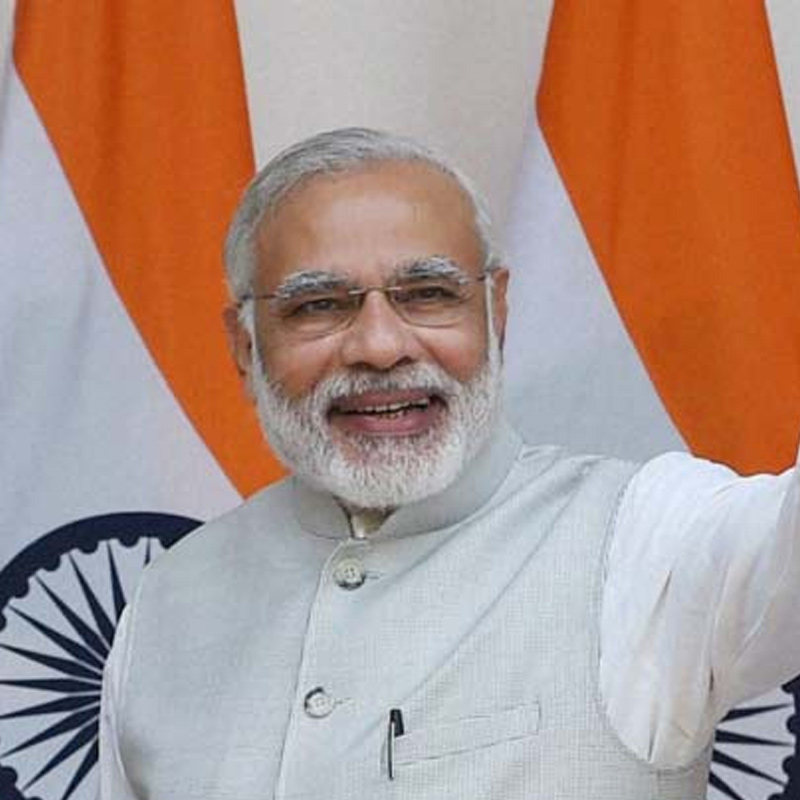
    NEW DELHI: Prime Minister Narendra Modi has expressed concern over the recent killings of journalists in some parts of the country. He said journalists were losing their lives in the quest for telling the truth was an extremely serious development.

    Modi emphasised the importance of freedom of press, and said press should self-regulate, adding that any external interference or regulation on the press was not called for. Modi was speaking at a function organised by the Press Council of India yesterday on the occasion of National Press Day. The occasion also marks the golden jubilee of the Press Council of India.

    Speaking earlier, information and broadcasting minister M Venkaiah Naidu has said that self-regulation in the media space was the best practice which would uphold journalistic ethics and democratic ideals of the Nation.

    The government does not believe in imposing ban on any medium of communication, but necessary restraint has to be exercised keeping in mind the protection of sovereignty and integrity of India, security of the nation, and law & order situation in the country, he added.

    Naidu recalled that the electronic media coverage of Mumbai terrorist attacks had received a backlash from the Supreme Court, which said “any attempt to justify the conduct of the TV channels by citing the right to freedom of speech and expression would be totally wrong and unacceptable in such a terrorist situation.” He also mentioned the recent case of Pathankot coverage also highlighted how electronic media coverage while reporting could put civilians, armed personnel lives in danger.

    Speaking about the role of the regional media, the minister said the media assumed importance at the regional level due to its proximity with local communities and local language which enhances the participatory potential of citizens. The regional media played an important role in building participatory democracy by reaching out to all the sections of the society and also created an informed citizenry. In a federal polity, regional media with its reach could help align the interests of states with that of the nation thereby enabling the prime minister’s vision of cooperative federalism.

    Regarding the government’s new print media advertisement policy, Naidu said it promoted equity-based regional outreach by providing relaxation in empanelment procedure to provide special encouragement for regional language/dialects small and medium newspapers.

    On the opportunities offered by social media, the minister said that it was a new tool of communication which was spontaneous and interactive. Such a medium was both an opportunity and a challenge. This mode of communication should be used judiciously for larger national and individual good.

    Naidu said the media had a larger role to play in developmental agenda of the nation by proactively projecting flagship programmes of the government such as Swachh Bharat, Digital India, Jan Dhan Yojana, Skill India and Make in India as national programmes which have the potential to bring about change. The media needed to adorn the role of a stakeholder in the developmental process.

    Minister of state Rajyavardhan Rathore and Press Council of India chairman Justice C. K Prasad were also present.

    Eminent journalists and photo- journalists including Surendra Nihal Singh, Mrinal Pande, Raghu Rai, Renjith John, Arvind Kumar Singh, and Xavier Selva Kumar were awarded for excellence in Journalism.

  • Press regulation not called for, says Modi

    Press regulation not called for, says Modi

    NEW DELHI: Prime Minister Narendra Modi has expressed concern over the recent killings of journalists in some parts of the country. He said journalists were losing their lives in the quest for telling the truth was an extremely serious development.

    Modi emphasised the importance of freedom of press, and said press should self-regulate, adding that any external interference or regulation on the press was not called for. Modi was speaking at a function organised by the Press Council of India yesterday on the occasion of National Press Day. The occasion also marks the golden jubilee of the Press Council of India.

    Speaking earlier, information and broadcasting minister M Venkaiah Naidu has said that self-regulation in the media space was the best practice which would uphold journalistic ethics and democratic ideals of the Nation.

    The government does not believe in imposing ban on any medium of communication, but necessary restraint has to be exercised keeping in mind the protection of sovereignty and integrity of India, security of the nation, and law & order situation in the country, he added.

    Naidu recalled that the electronic media coverage of Mumbai terrorist attacks had received a backlash from the Supreme Court, which said “any attempt to justify the conduct of the TV channels by citing the right to freedom of speech and expression would be totally wrong and unacceptable in such a terrorist situation.” He also mentioned the recent case of Pathankot coverage also highlighted how electronic media coverage while reporting could put civilians, armed personnel lives in danger.

    Speaking about the role of the regional media, the minister said the media assumed importance at the regional level due to its proximity with local communities and local language which enhances the participatory potential of citizens. The regional media played an important role in building participatory democracy by reaching out to all the sections of the society and also created an informed citizenry. In a federal polity, regional media with its reach could help align the interests of states with that of the nation thereby enabling the prime minister’s vision of cooperative federalism.

    Regarding the government’s new print media advertisement policy, Naidu said it promoted equity-based regional outreach by providing relaxation in empanelment procedure to provide special encouragement for regional language/dialects small and medium newspapers.

    On the opportunities offered by social media, the minister said that it was a new tool of communication which was spontaneous and interactive. Such a medium was both an opportunity and a challenge. This mode of communication should be used judiciously for larger national and individual good.

    Naidu said the media had a larger role to play in developmental agenda of the nation by proactively projecting flagship programmes of the government such as Swachh Bharat, Digital India, Jan Dhan Yojana, Skill India and Make in India as national programmes which have the potential to bring about change. The media needed to adorn the role of a stakeholder in the developmental process.

    Minister of state Rajyavardhan Rathore and Press Council of India chairman Justice C. K Prasad were also present.

    Eminent journalists and photo- journalists including Surendra Nihal Singh, Mrinal Pande, Raghu Rai, Renjith John, Arvind Kumar Singh, and Xavier Selva Kumar were awarded for excellence in Journalism.

  • Public Wi-Fi: TRAI plans to evolve model, releases paper

    Public Wi-Fi: TRAI plans to evolve model, releases paper

    NEW DELHI: Realising the importance of public Wi-Fi networks as complementary to existing landline and cellular mobile infrastructure in improving broadband penetration and adoption of Digital India, the Telecom Regulatory Authority of India has released a second consultation paper Wi-fi this year.

    TRAI wants reactions on the paper on model for nation-wide interoperable and scalable wi-fi networks by 25 November.

    The objective of the new paper is two-fold:

    a) To explore whether the model proposed in this Note can be incorporated in Public Wi-Fi networks to promote appropriate monetization and business models for sustainable and scalable infrastructure deployment.

    b) To explore the roles of different stakeholders in the Public Wi-Fi network value chain and build an ecosystem for promoting scalable and sustainable partnerships for large scale nation wide deployment.

    Earlier on 13 July 2016, TRAI had issued a paper on “Proliferation of Broadband through Public Wi-Fi Networks” which was followed by reactions and then a workshop in Bengaluru.

    A few of the important issues pointed out in the consultation paper for a successful, scalable and sustainable public Wi-Fi infrastructure in the country include (i) technical interoperability and seamless connectivity of Wi-Fi networks (ii) innovative payment, commercialization, and monetization models; and (iii) collaborative partnerships between various entities of the ecosystem.

    Public Wi-Fi networks can be effective complement to the wired and wireless mobile broadband infrastructure in the country to achieve the vision of Digital India as stated above.

    In view of the discussions held, the questions posed by TRAI are:

    Q1. Is the architecture suggested in the consultation note for creating unified authentication and payment infrastructure will enable nationwide standard for authentication and payment interoperability?

    Q2. Would you like to suggest any alternate model?

    Q3. Can Public Wi-Fi access providers resell capacity and bandwidth to retail users? Is “light touch regulation” using methods such as “registration” instead of “licensing” preferred for them?

    Q4. What should be the regulatory guidelines on “unbundling” Wi-Fi at access and backhaul level?

    Q5. Whether reselling of bandwidth should be allowed to venue owners such as shop keepers through Wi-Fi at premise? In such a scenario please suggest the mechanism for security compliance

    Q6. What should be the guidelines regarding sharing of costs and revenue across all entities in the public Wi-Fi value chain? Is regulatory intervention required or it should be left to forbearance and individual contracting?

  • Public Wi-Fi: TRAI plans to evolve model, releases paper

    Public Wi-Fi: TRAI plans to evolve model, releases paper

    NEW DELHI: Realising the importance of public Wi-Fi networks as complementary to existing landline and cellular mobile infrastructure in improving broadband penetration and adoption of Digital India, the Telecom Regulatory Authority of India has released a second consultation paper Wi-fi this year.

    TRAI wants reactions on the paper on model for nation-wide interoperable and scalable wi-fi networks by 25 November.

    The objective of the new paper is two-fold:

    a) To explore whether the model proposed in this Note can be incorporated in Public Wi-Fi networks to promote appropriate monetization and business models for sustainable and scalable infrastructure deployment.

    b) To explore the roles of different stakeholders in the Public Wi-Fi network value chain and build an ecosystem for promoting scalable and sustainable partnerships for large scale nation wide deployment.

    Earlier on 13 July 2016, TRAI had issued a paper on “Proliferation of Broadband through Public Wi-Fi Networks” which was followed by reactions and then a workshop in Bengaluru.

    A few of the important issues pointed out in the consultation paper for a successful, scalable and sustainable public Wi-Fi infrastructure in the country include (i) technical interoperability and seamless connectivity of Wi-Fi networks (ii) innovative payment, commercialization, and monetization models; and (iii) collaborative partnerships between various entities of the ecosystem.

    Public Wi-Fi networks can be effective complement to the wired and wireless mobile broadband infrastructure in the country to achieve the vision of Digital India as stated above.

    In view of the discussions held, the questions posed by TRAI are:

    Q1. Is the architecture suggested in the consultation note for creating unified authentication and payment infrastructure will enable nationwide standard for authentication and payment interoperability?

    Q2. Would you like to suggest any alternate model?

    Q3. Can Public Wi-Fi access providers resell capacity and bandwidth to retail users? Is “light touch regulation” using methods such as “registration” instead of “licensing” preferred for them?

    Q4. What should be the regulatory guidelines on “unbundling” Wi-Fi at access and backhaul level?

    Q5. Whether reselling of bandwidth should be allowed to venue owners such as shop keepers through Wi-Fi at premise? In such a scenario please suggest the mechanism for security compliance

    Q6. What should be the guidelines regarding sharing of costs and revenue across all entities in the public Wi-Fi value chain? Is regulatory intervention required or it should be left to forbearance and individual contracting?

  • SC refuses to stay demonetisation

    SC refuses to stay demonetisation

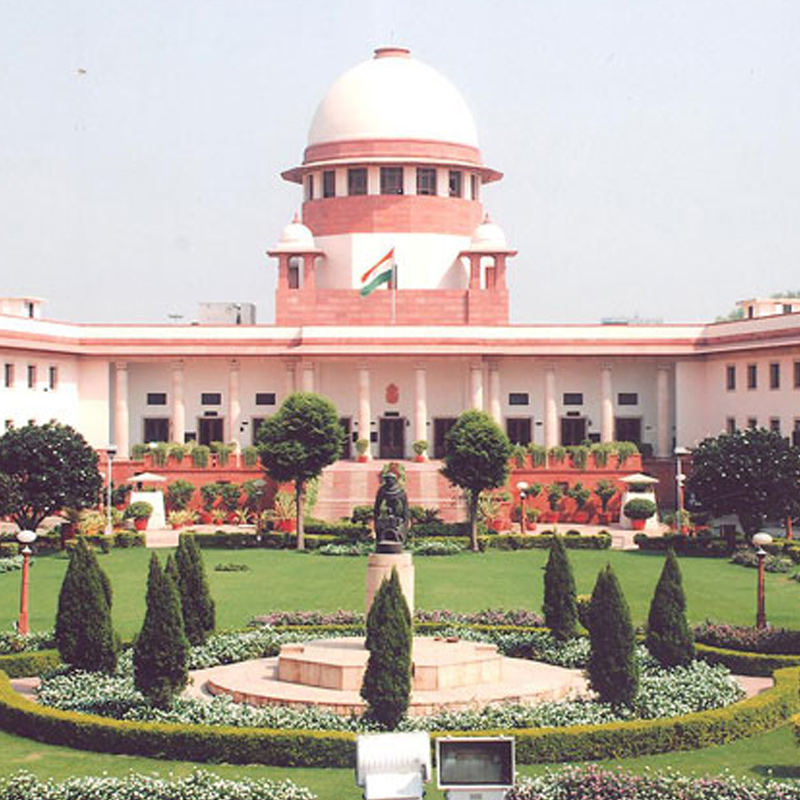
    MUMBAI: The Supreme Court of India on Tuesday refused to stay the Central Government’s notification demonetising Rs 500 and Rs 1,000 currency notes but asked it to enlist the measures to minimise public inconvenience. It asked the Centre to take immediate steps to alleviate the hardships of the common man. “Discontinuing of higher denomination notes appears to be carpet bombing, and not a surgical strike,” the court said.

    The apex court was hearing a bunch of petitions demanding the rollback of the decision to scrap old notes. Without issuing any notice to the RBI or the Centre, the apex court posted the matter for further hearing on 25 November. “We will not be granting any stay,” a bench comprising Chief Justice TS Thakur and DY Chandrachud said. The remarks were made after some advocates insisted on a stay.

    Senior advocate Kapil Sibal, however, said he was not seeking a stay on the notification but seeking answers from the government about the steps taken to lessen public inconvenience. The bench asked attorney-general Mukul Rohatgi to file an affidavit about the measures already undertaken by the government and the Reserve Bank of India to minimise public inconvenience and the steps likely to be taken in future.

    The Centre, which had filed a caveat in the matter, sought dismissal of the petitions challenging demonetisation on several grounds including that they were “misconceived”. Rohatgi outlined the idea behind demonetisation and said large number of counterfeit currency has been used to finance terrorism in various parts of the country including in Jammu and Kashmir and northeastern states.

    Rohatgi informed the bench that Rs 3.25 lakh crore were deposited in the banks since 10 November, and Rs 11 lakh crore would be added in the next few days. He also said there were as many as 24 crore bank accounts including 22 crore opened under the ‘Jan Dhan Scheme’, and the Centre was hopeful to “ramp up” the outflow of the cash to banks, post offices and two lakh ATMs across the country.

  • SC refuses to stay demonetisation

    SC refuses to stay demonetisation

    MUMBAI: The Supreme Court of India on Tuesday refused to stay the Central Government’s notification demonetising Rs 500 and Rs 1,000 currency notes but asked it to enlist the measures to minimise public inconvenience. It asked the Centre to take immediate steps to alleviate the hardships of the common man. “Discontinuing of higher denomination notes appears to be carpet bombing, and not a surgical strike,” the court said.

    The apex court was hearing a bunch of petitions demanding the rollback of the decision to scrap old notes. Without issuing any notice to the RBI or the Centre, the apex court posted the matter for further hearing on 25 November. “We will not be granting any stay,” a bench comprising Chief Justice TS Thakur and DY Chandrachud said. The remarks were made after some advocates insisted on a stay.

    Senior advocate Kapil Sibal, however, said he was not seeking a stay on the notification but seeking answers from the government about the steps taken to lessen public inconvenience. The bench asked attorney-general Mukul Rohatgi to file an affidavit about the measures already undertaken by the government and the Reserve Bank of India to minimise public inconvenience and the steps likely to be taken in future.

    The Centre, which had filed a caveat in the matter, sought dismissal of the petitions challenging demonetisation on several grounds including that they were “misconceived”. Rohatgi outlined the idea behind demonetisation and said large number of counterfeit currency has been used to finance terrorism in various parts of the country including in Jammu and Kashmir and northeastern states.

    Rohatgi informed the bench that Rs 3.25 lakh crore were deposited in the banks since 10 November, and Rs 11 lakh crore would be added in the next few days. He also said there were as many as 24 crore bank accounts including 22 crore opened under the ‘Jan Dhan Scheme’, and the Centre was hopeful to “ramp up” the outflow of the cash to banks, post offices and two lakh ATMs across the country.

  • TRAI’s CDR idea rejected; Govt to look into Rs 3050 cr penalty

    TRAI’s CDR idea rejected; Govt to look into Rs 3050 cr penalty

    MUMBAI: The telecom ministry has formed a committee to look into TRAI’s penalty suggestion on Vodafone, Airtel and Idea as they allegedly failed to provide sufficient inter-connect points (PoI) to Reliance Jio, leading to severe call drops.

    Telecom operators across GSM and CDMA platforms meantime turned down TRAI’s recommendation of computing call drop rates through a meta data analysis of CDRs (call detail records). This, TRAI asserted, has been designed for billing purpose only, and not for checking quality of service. Such an analysis, the operators said, would project a flawed picture as abnormal call disconnects/terminations could be triggered by handsets getting turned off due to other errors, or due to battery draining out or a subscriber moving to an underground building or a station.

    Cellular Operators Association of India (COAI) represented the operators, the Economic Times reported.

    On the the hand, the union telecom minister Manoj Sinha said the ministry has formed the committee to look into the regulator’s recommendation on the proposed Rs 3,050 crore penalty, Business Standard reported. Last month, the regulator had proposed the penalty on the three telcos.

    Lately however Reliance Jio has been allegedly limiting all voice calls to 30 minutes. As a part of Jio’s free Welcome Offer, users were allowed unlimited voice calls. However, lately, the calls were being abruptly disconnected after a duration of 30 minutes, which is not an isolated case.

    The regulator had earlier sent a letter to the Department of Telecommunications recommending a charge of Rs 50 crore per circle for 21 service areas, except for Jammu & Kashmir, for Airtel and Vodafone. For Idea Cellular, TRAI suggested penalty for 19 circles.

    At the meeting of BRICS Ministers of Communications, Sinha said that the committee would give its considerations on the TRAI suggestion.

    The regulator’s suggestion came after Reliance Jio complained that more than 75 per cent of the calls on its network were dropping since the incumbent operators were not giving sufficient PoIs. The regulator stated that the incumbents went “against public interest.”